The SpaceX Report: Starship Preps for May Test as Artemis II Heads Homeward
Starship’s V3 Debut Pushed to May
SpaceX’s next Starship test flight—its 12th overall and the inaugural outing for the upgraded V3 vehicle—is now scheduled for May 2026, according to Reuters and a post by Elon Musk on X. Originally anticipated in April, the delay reflects the sheer volume of enhancements packed into this iteration, including improved thermal protection, refined flight control systems, and upgrades aimed at supporting NASA’s Artemis lunar landing ambitions.
The last Starship test, Flight 11 in October 2025, marked the final outing of the V2 configuration and achieved partial success. With NASA eager to accelerate Artemis III—which hinges on a human-rated Starship lunar lander—the pressure is on for frequent, reliable test flights. Musk indicated the next launch window falls within “four to six weeks” from early April, pointing to a likely liftoff in the first half of May.
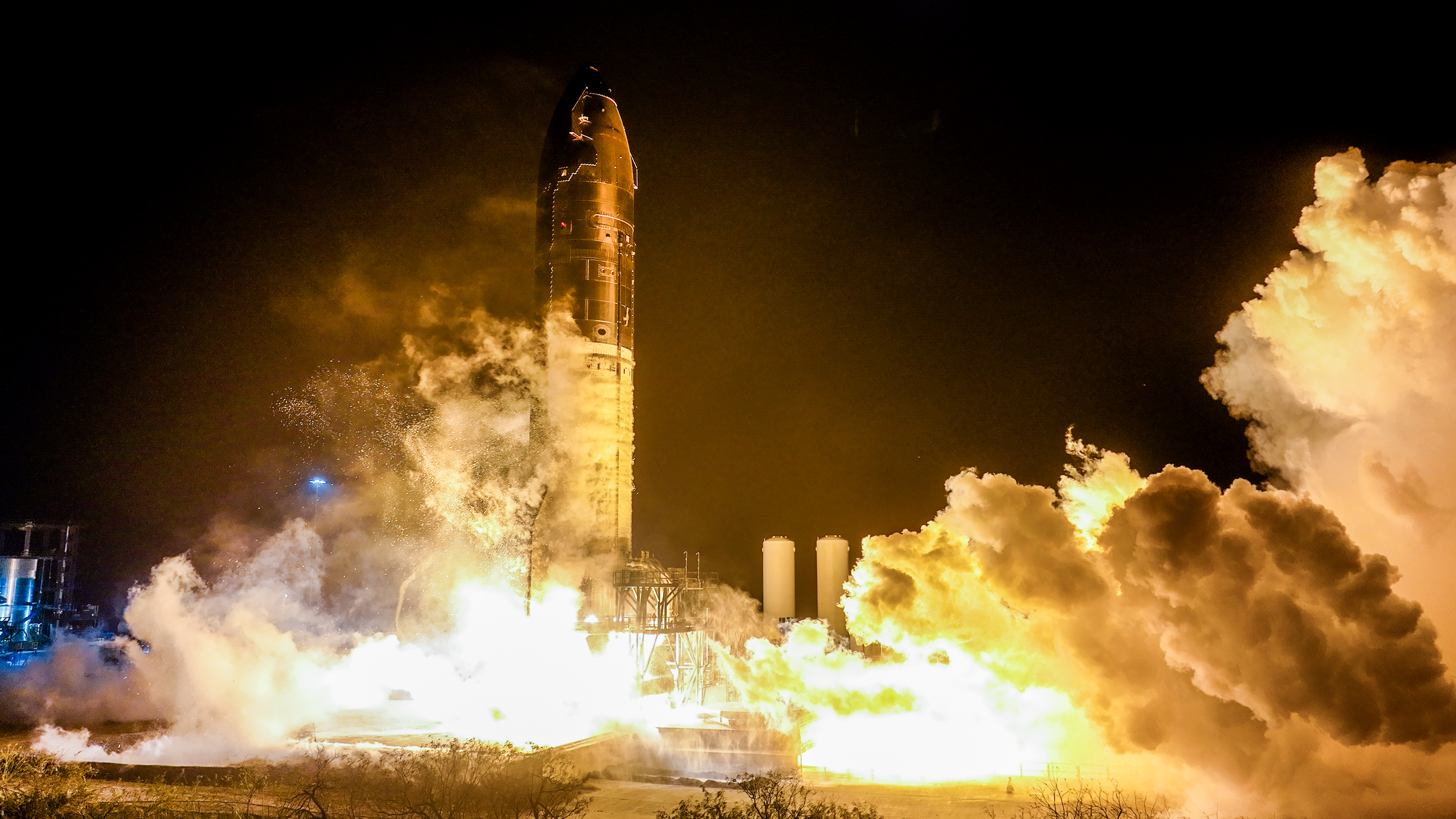
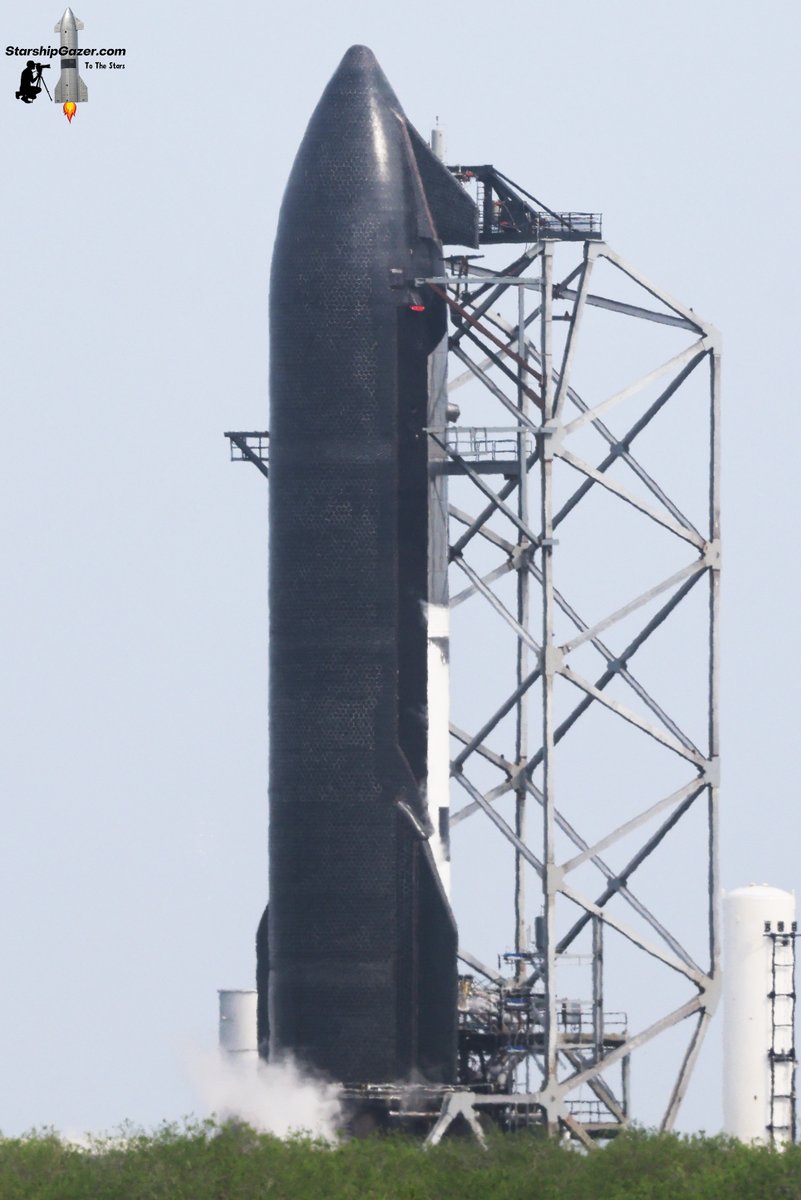
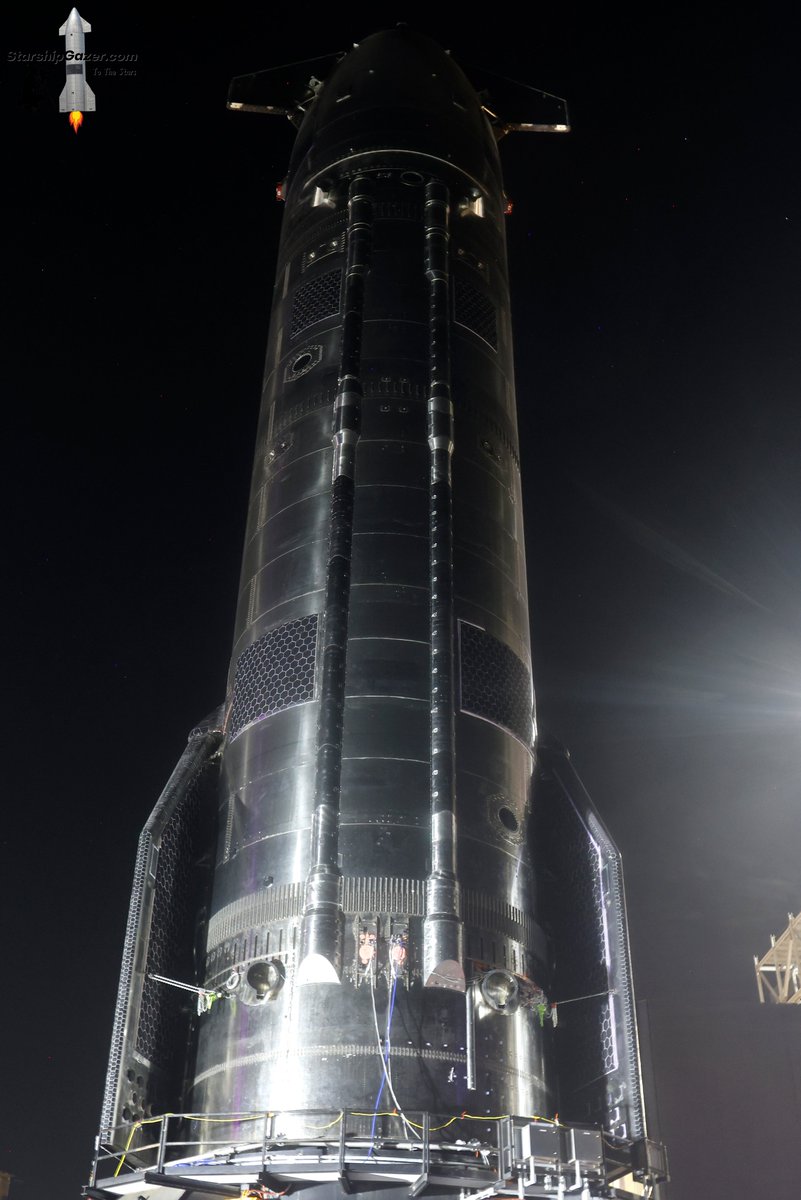
Preparations are well underway at Starbase. On April 11 and 12, Starship Ship 39 and Super Heavy Booster 19 underwent rollout sequences and cryogenic testing. Booster 19, equipped with 33 Raptor 3 engines, is slated for a full static fire on or around April 30—a critical milestone before Flight 12. Notably, regulatory filings reviewed by Flight2Starship reveal that while Flight 12 will remain suborbital for both stages, Flight 13 is officially targeting an orbital second stage, signaling SpaceX’s confidence in incremental progress.
Starbase Gears Up for Rapid Testing Cadence
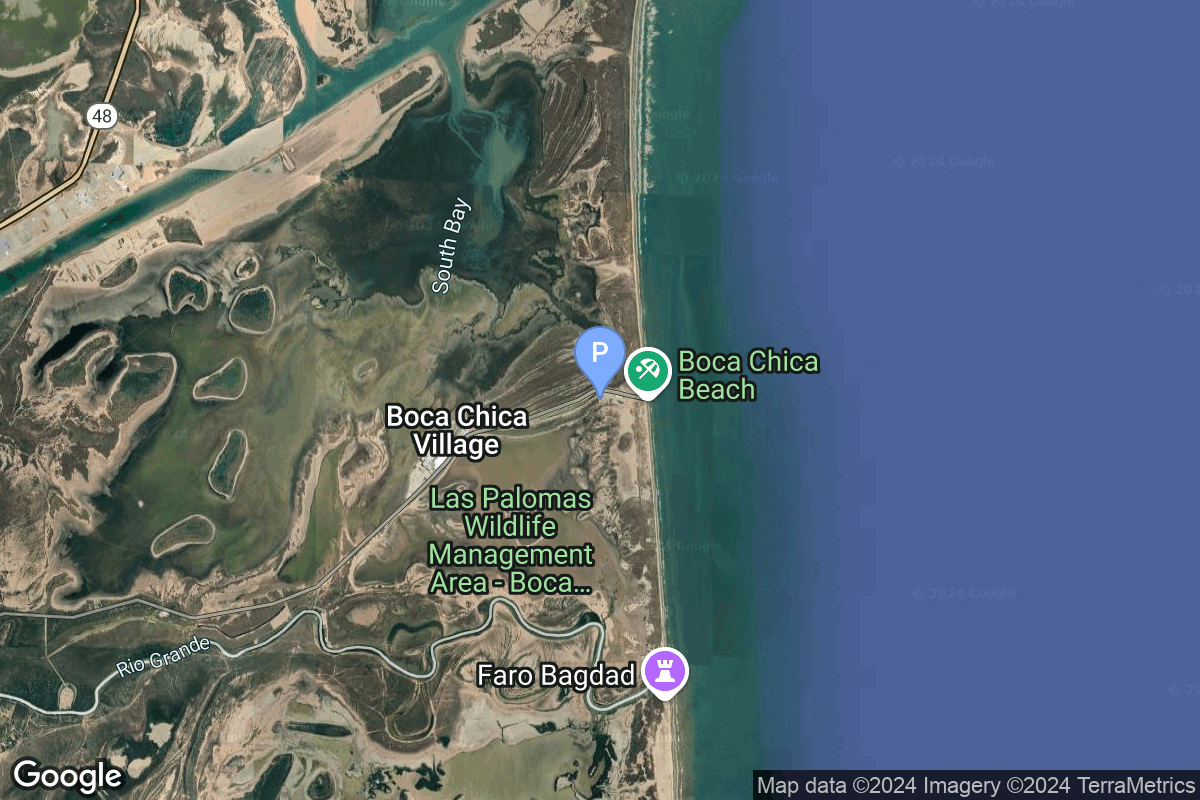
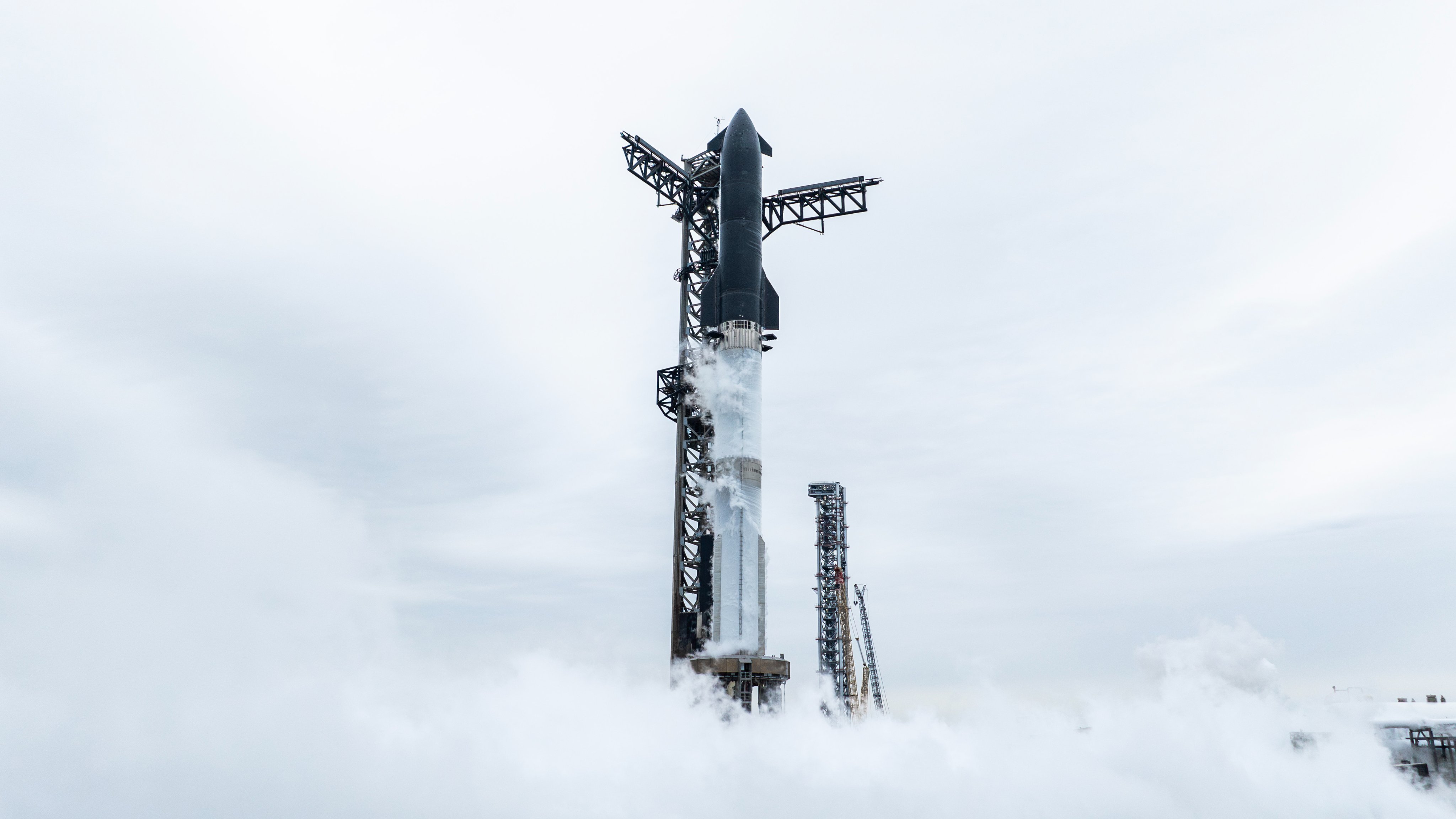
Starbase in Boca Chica, Texas, continues its transformation into a high-tempo launch complex. Recent activity centers on Pad 2, which now supports full-stack integration and static fire testing for the V3 Starship configuration. The new pad features reinforced flame trench infrastructure and upgraded deluge systems designed to handle the increased thrust and thermal load from 33 Raptor 3 engines on Super Heavy.
Production is also ramping up. Multiple Starships—including Ship 39 and Ship 40—were spotted in Megabay 2 on April 10, with Ship 39 rolling out the following night for static fire prep. Observers noted new thermal shielding and structural reinforcements on the leeward side of Ship 39, likely addressing heating issues observed in prior high-altitude flights. Meanwhile, the Mechazilla launch tower arms remain in active use for stacking and catch rehearsals, though no full-scale chopstick catch is planned for the upcoming suborbital test.
Falcon 9 Keeps Flying—Even for Rivals
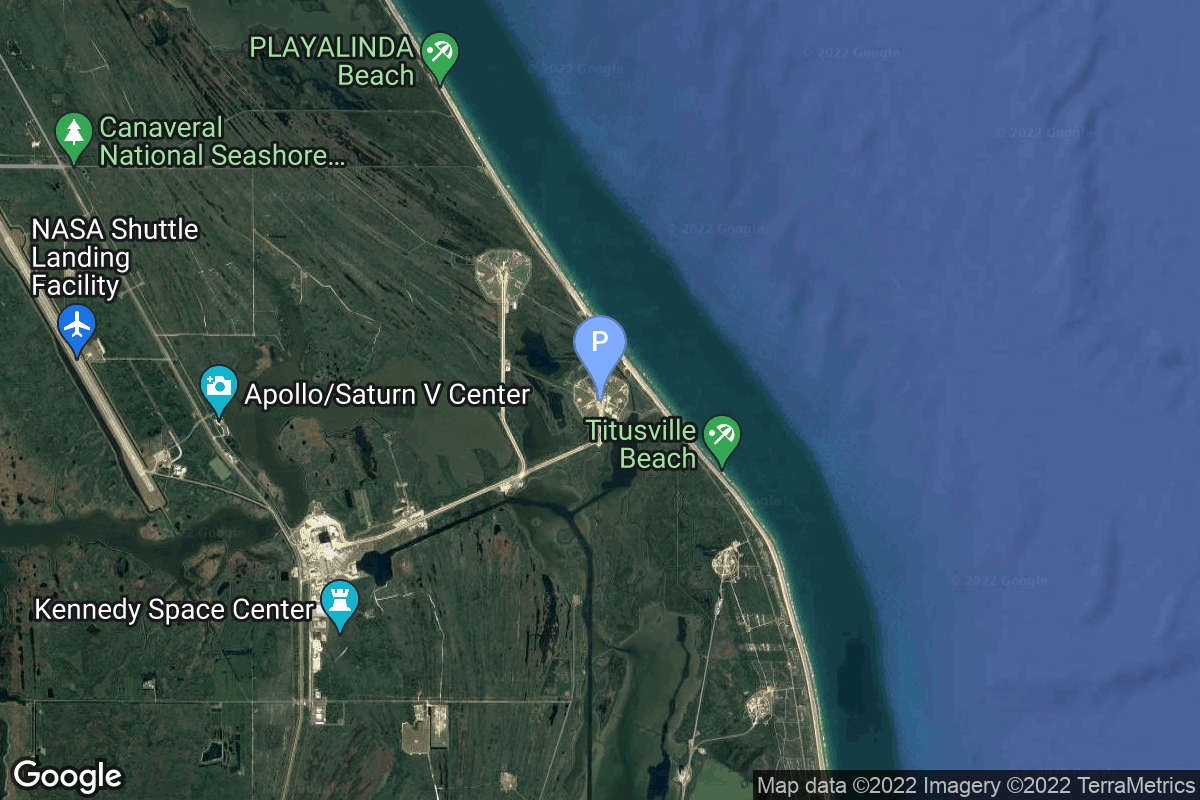
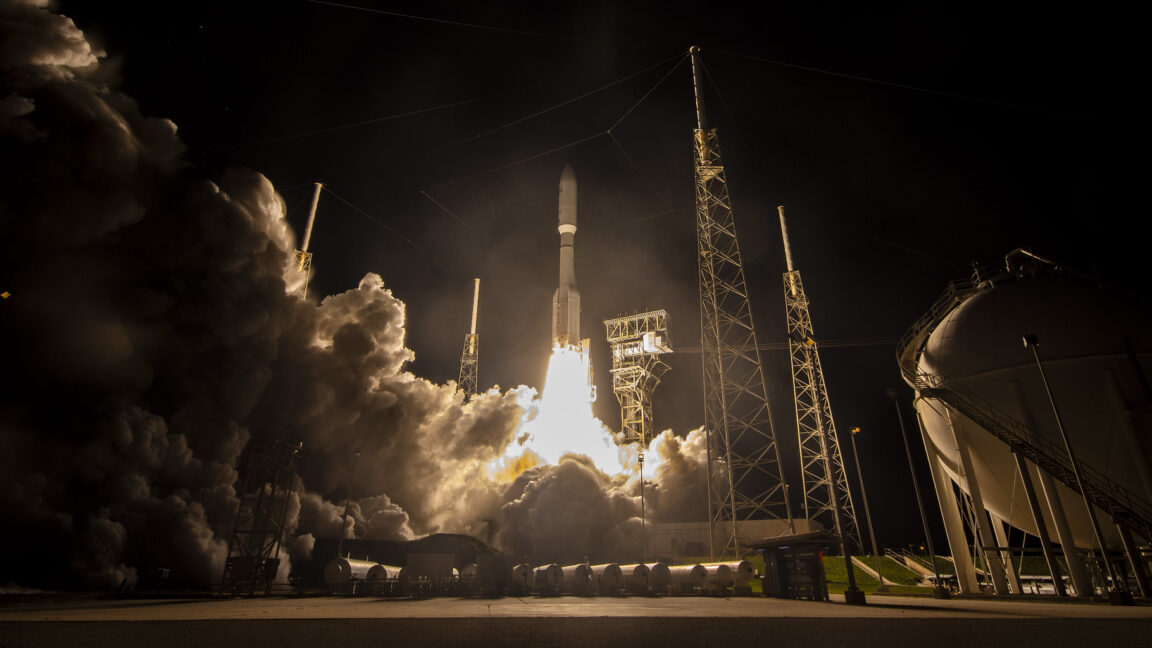
Falcon 9 remains SpaceX’s workhorse, with two successful launches this week alone. On April 11 at 7:41 a.m. EDT, a Falcon 9 lifted off from Cape Canaveral Space Force Station carrying Northrop Grumman’s NG-24 Cygnus cargo spacecraft—its fourth consecutive Cygnus mission and a reminder of how geopolitical shifts have reshaped launch logistics. The Antares rocket, once Cygnus’s ride, was retired in 2023 due to reliance on Russian and Ukrainian components, leaving Falcon 9 as the interim solution until Firefly’s Antares 330 debuts later this year.
Earlier that same day, another Falcon 9 launched Starlink 17-21 from Vandenberg, continuing SpaceX’s rapid deployment of its Gen2 constellation. Booster reuse milestones also advanced: B1076, the fleet leader, notched its 34th flight in late March—a record that edges closer to SpaceX’s target of 40 reflights per booster. No Falcon Heavy missions are imminent, but with over 90 launches planned for 2026, the Falcon family shows no sign of slowing.

Canadian Connections: Quiet but Present
While no Canadian astronauts or payloads featured prominently in this week’s launches, Canadian readers have reason to watch the skies. The NG-24 Cygnus mission carries 1,075 kilograms of science investigations to the ISS—some of which may involve Canadian researchers through CSA partnerships, though specific experiments weren’t detailed due to NASA’s reduced prelaunch briefings during the Artemis II mission.
On the home front, Starlink service continues to expand across rural and remote Canadian communities, withISED recently approving additional Gen2 satellites for operation over Canadian territory. Meanwhile, Gwynne Shotwell, SpaceX’s president, offered a brief but warm nod to the Artemis II crew on April 11: “Welcome back to Mother Earth… Congrats to all (and let’s get back)!”—a sentiment surely shared by space enthusiasts from Newfoundland to British Columbia.
Looking ahead, SpaceX has no Canadian-specific missions scheduled in the immediate term, but with the company launching roughly once every three days globally, another northern connection is never far off.
Citations
- “Rocket Report: Chinese version of Falcon 9 fails; Artemis depends on rapid heavy lift” – https://arstechnica.com/space/2026/04/rocket-report-price-parity-between-ariane-6-and-falcon-9-isar-stands-down/
- “Falcon 9 launches Cygnus cargo spacecraft to the ISS” – https://spacenews.com/falcon-9-launches-cygnus-cargo-spacecraft-to-the-iss/
- “Booster 19 Static Fire #2” – https://ll.thespacedevs.com/2.2.0/event/1444/
Flight 12
Provider: SpaceX
Date: May 31, 2026
Time: 12:00 AM UTC
Vehicle: Starship
12th test flight of the two-stage Starship launch vehicle. Maiden Flight of Starship V3
Flight 13
Provider: SpaceX
Date: June 30, 2026
Time: 12:00 AM UTC
Vehicle: Starship
13th test flight of the two-stage Starship launch vehicle. Second flight of Starship V3
Superbird-9
Provider: SpaceX
Date: June 30, 2027
Time: 12:00 AM UTC
Vehicle: Starship
Superbird-9 is a high throughput communication satellite. It is designed to deliver broadcast and broadband missions in Ku band primarily over Japan and Eastern Asia, in response to mobility and broadband demands.
Starlab
Provider: SpaceX
Date: December 31, 2029
Time: 12:00 AM UTC
Vehicle: Starship
Private space station developed by a joint venture between Voyager Space and Airbus.