The Daily Broadcast: Robots, Rockets, and Rovers: Canada’s Quiet Presence in a Busy Week for Space
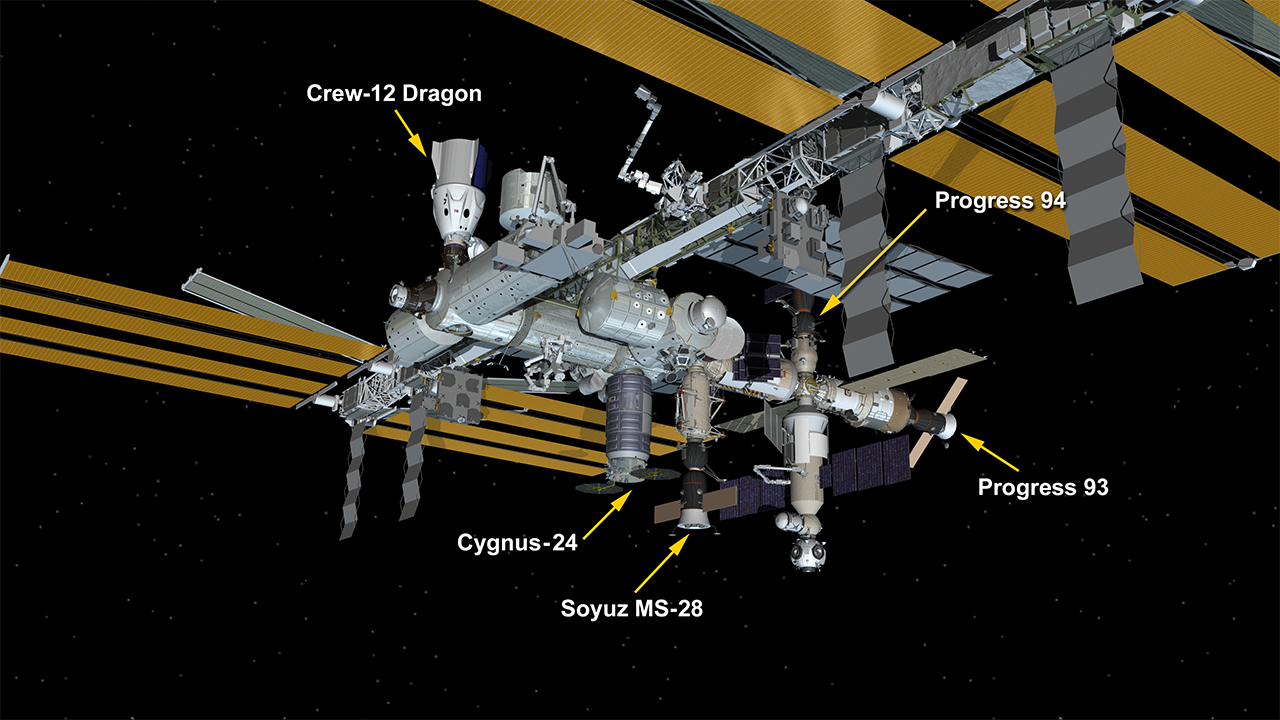
Canadarm2 Successfully Deploys Cygnus XL to the ISS—A Canadian Touch in Routine Resupply
On April 13, 2026, the International Space Station welcomed its latest cargo delivery with a distinctly Canadian assist. Northrop Grumman’s Cygnus XL spacecraft—launched aboard a SpaceX Falcon 9 on April 11 from Cape Canaveral—was captured and berthed to the Unity module’s Earth-facing port using the station’s Canadarm2 robotic system. The spacecraft carries more than 11,000 pounds of supplies and scientific equipment and marks the second flight of the expanded-capacity Cygnus XL variant.
While robotic arm operations have become routine over the decades, Canadarm2 remains a critical piece of infrastructure for station logistics—and a point of pride for Canada. Built by MDA (now MDA Space), the arm has supported dozens of cargo missions and spacewalks since its installation in 2001. This latest berthing keeps the station well-stocked through October, when Cygnus XL will depart and dispose of several thousand pounds of waste during a controlled atmospheric re-entry.
Though unglamorous compared to lunar landings or solar discoveries, these logistics missions underscore the quiet reliability of Canada’s contributions to human spaceflight. As commercial resupply becomes more frequent, the role of Canadian robotics only grows more essential.
Proba-3 Uncovers Surprisingly Speedy Solar Wind—Rewriting Textbooks from Orbit
While Earth-based observers wait for the next total solar eclipse, the European Space Agency’s Proba-3 mission has been creating its own—57 times so far. Since July 2025, the twin-satellite system has flown in ultra-precise formation to block the Sun’s disc artificially, allowing its Coronagraph spacecraft to study the solar corona in unprecedented detail. The latest findings, published in The Astrophysical Journal Letters on March 9, 2026, reveal that “slow” solar wind near the Sun’s surface is moving three to four times faster than previously believed—reaching speeds of 250–500 km/s instead of the expected 100 km/s.

Proba-3’s ASPIICS instrument observes down to just 70,000 km above the solar surface—one-tenth of the Sun’s radius—a region nearly impossible to image clearly from Earth. By producing hours of high-resolution video per artificial eclipse (versus mere minutes during natural eclipses), the mission is transforming our understanding of space weather origins. “These intricate movements have never been observed in optical wavelengths so low in the Sun’s inner corona,” said Joe Zender, ESA’s Proba-3 project scientist.
With most of its data still unanalysed, Proba-3 promises years of solar revelations—just in time, as solar activity ramps up toward the 2026–2027 maximum.
Axiom Spacesuit Set for 2027 In-Space Test—Moonwalk Gear Nears Reality
Canada may be watching the Moon from afar for now, but the spacesuits destined for Artemis lunar missions are moving swiftly toward flight readiness. Axiom Space confirmed on April 13, 2026, at the Space Symposium in Colorado Springs that its AxEMU (Axiom Extravehicular Mobility Unit) will undergo an in-space test in 2027—either aboard the International Space Station or during the revised Artemis 3 mission.
According to Axiom executives, the company is assembling its qualification suit and preparing for critical ground tests, including thermal vacuum and vibration simulations. While NASA has not yet finalized whether the test will occur on a Human Landing System (HLS) prototype from SpaceX or Blue Origin, or via a dedicated ISS spacewalk, Axiom CEO Jonathan Cirtain emphasized: “The administrator made it crystal clear to me that he expects to fly our suit next year.”

The suit’s design must accommodate both lunar surface operations and potential future use on commercial space stations. Notably, Axiom is now the sole provider in NASA’s ISS spacesuit replacement effort after Collins Aerospace exited the programme in 2024. With geopolitical competition intensifying—Cirtain noted, “We’re not in a competition with private industry. We’re in competition with China”—getting the suit right is about more than comfort; it’s about sovereignty.
Citations
- “Canadarm2 Installs Cygnus XL Cargo Craft to Unity Module” – https://www.nasa.gov/blogs/spacestation/2026/04/13/canadarm2-installs-cygnus-xl-cargo-craft-to-unity-module/
- “First Proba-3 science: surprisingly speedy solar wind” – https://www.esa.int/Science_Exploration/Space_Science/First_Proba-3_science_surprisingly_speedy_solar_wind
- “Axiom Space plans 2027 flight test of spacesuit” – https://spacenews.com/axiom-space-plans-2027-flight-test-of-spacesuit/

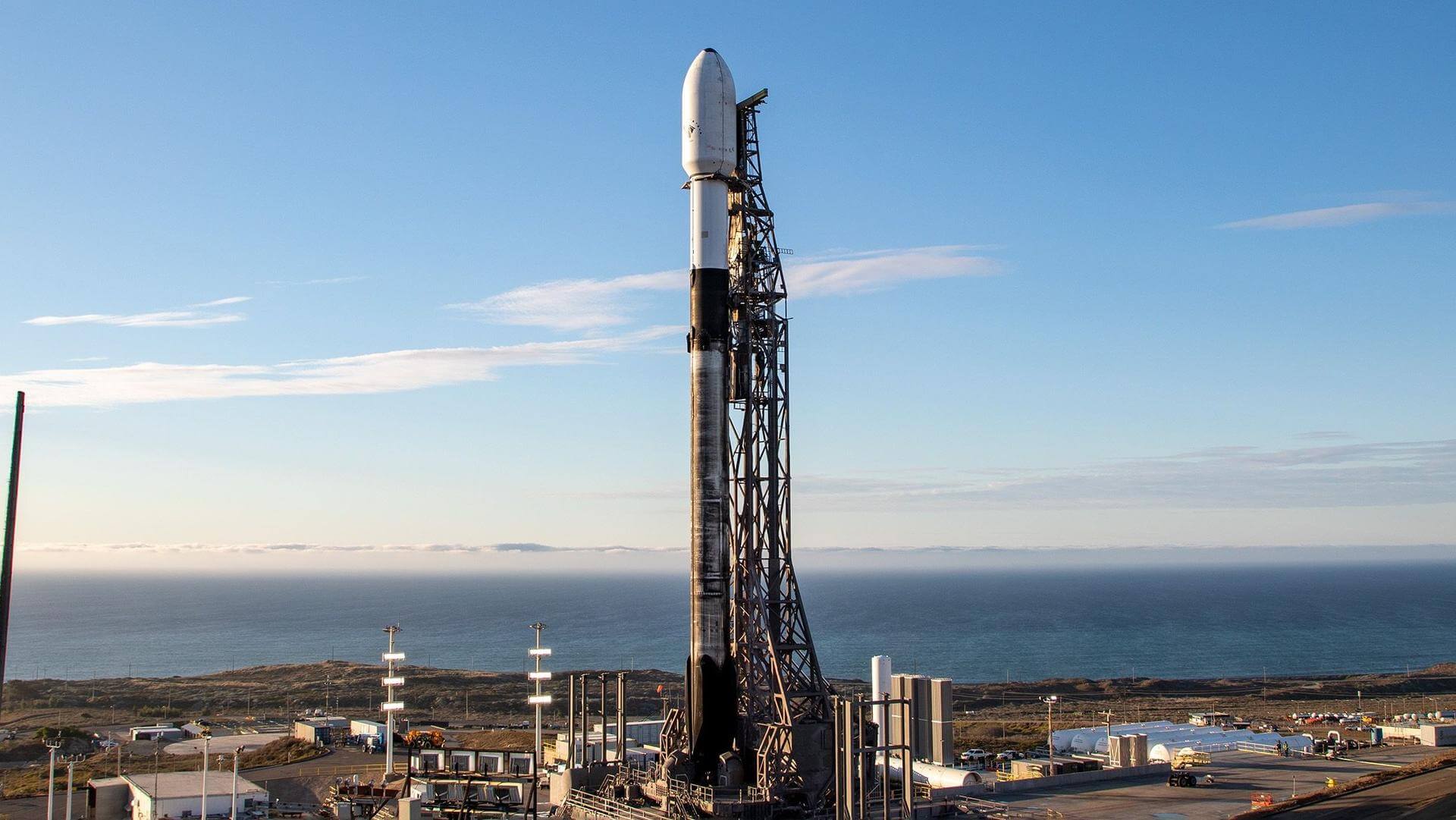
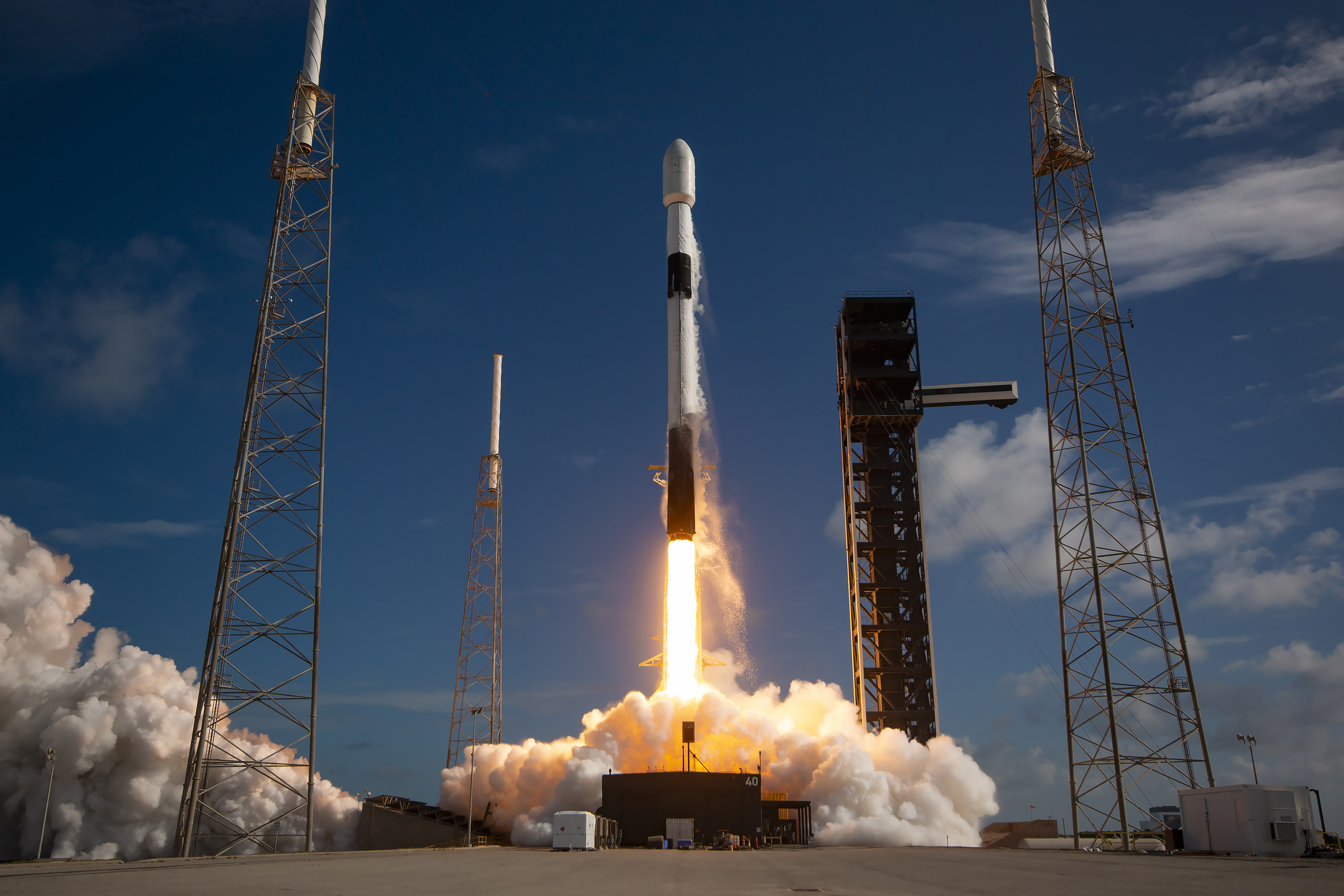
Starlink Group 17-27
Provider: SpaceX
Date: April 15, 2026
Time: 2:00 AM UTC
Vehicle: Falcon 9
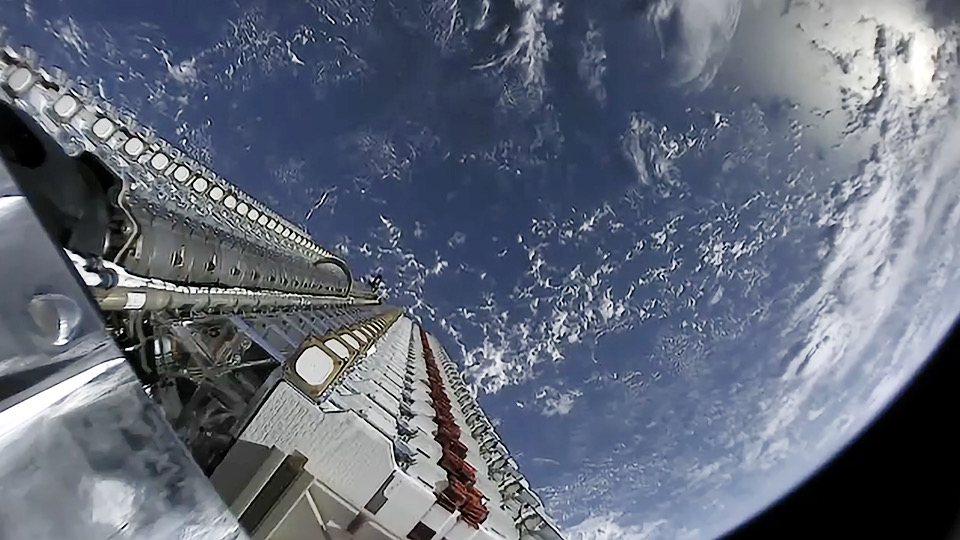
A batch of 25 satellites for the Starlink mega-constellation – SpaceX’s project for space-based Internet communication system.
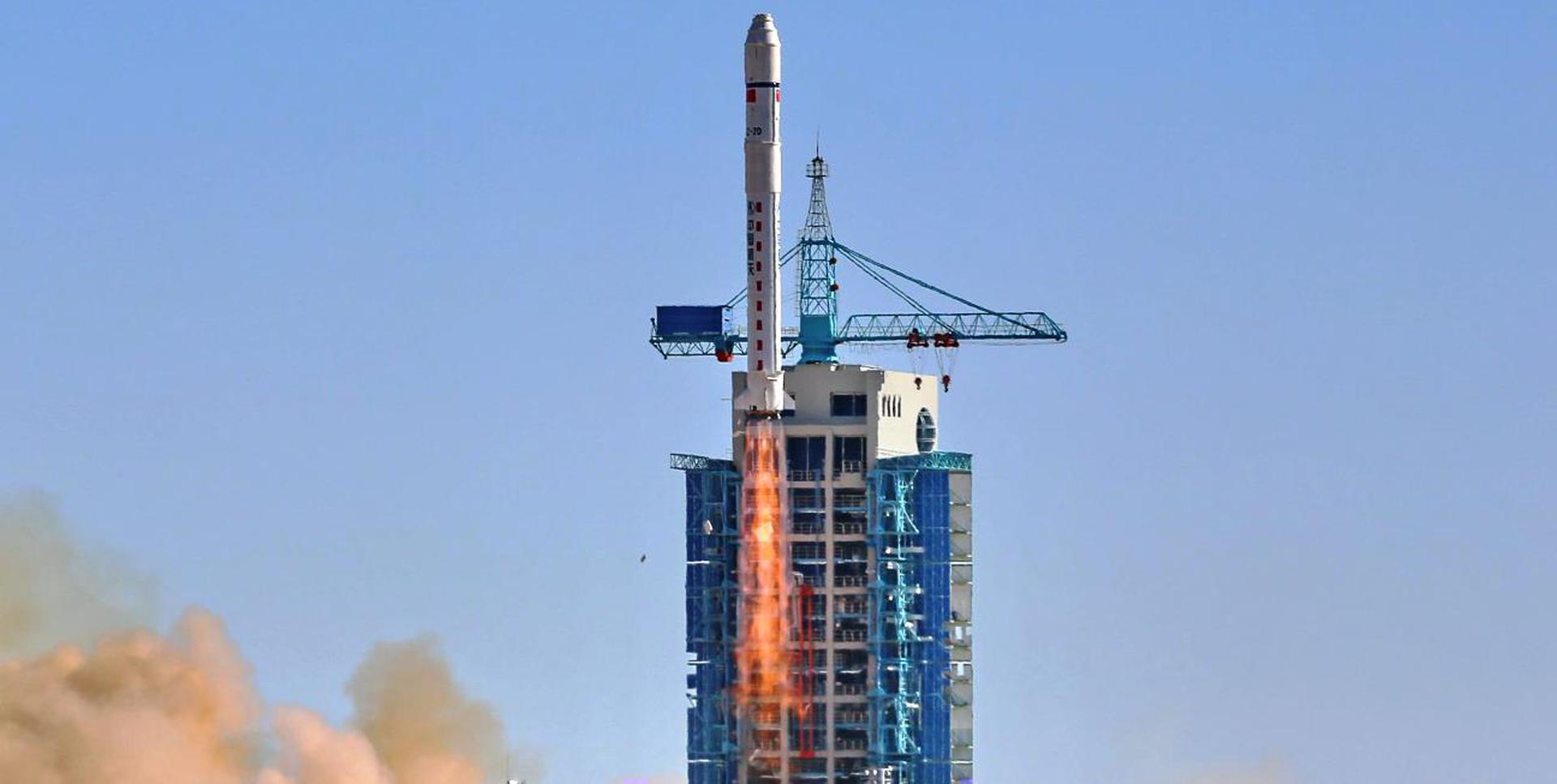
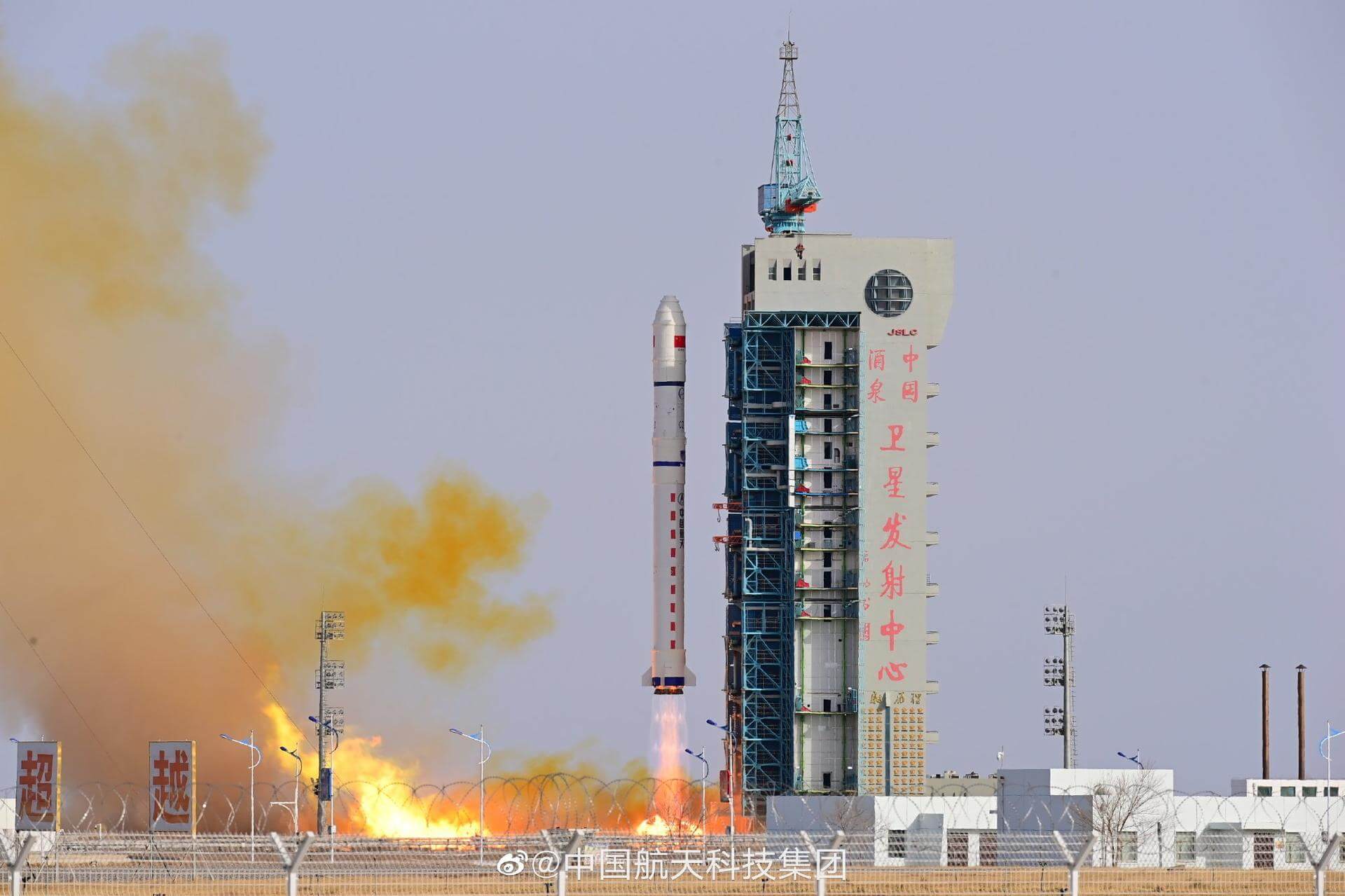
Unknown Payload
Provider: China Aerospace Science and Technology Corporation
Date: April 17, 2026
Time: 4:10 AM UTC
Vehicle: Long March 2D
Details TBD.
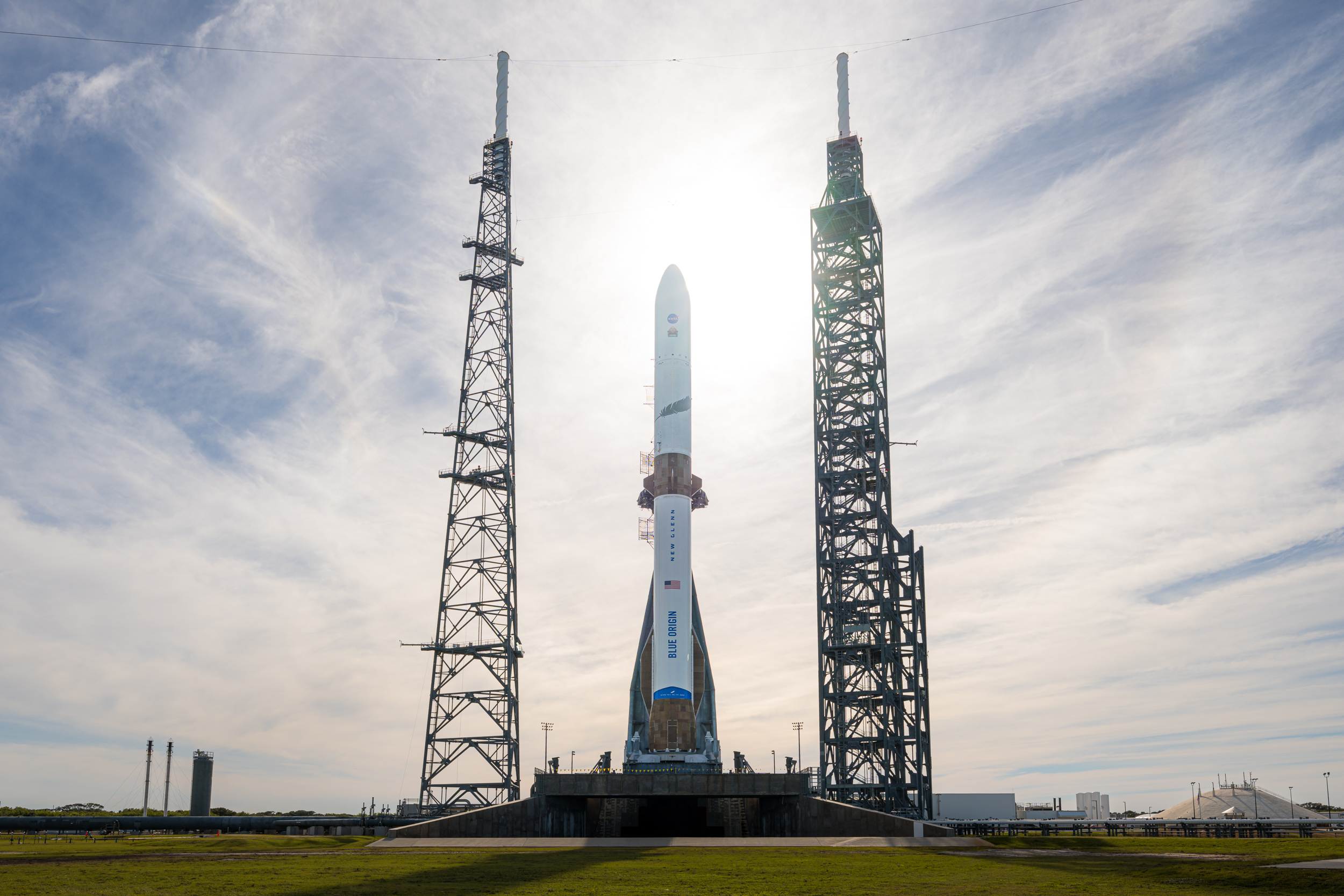
BlueBird Block 2 #2
Provider: Blue Origin
Date: April 17, 2026
Time: 10:45 AM UTC
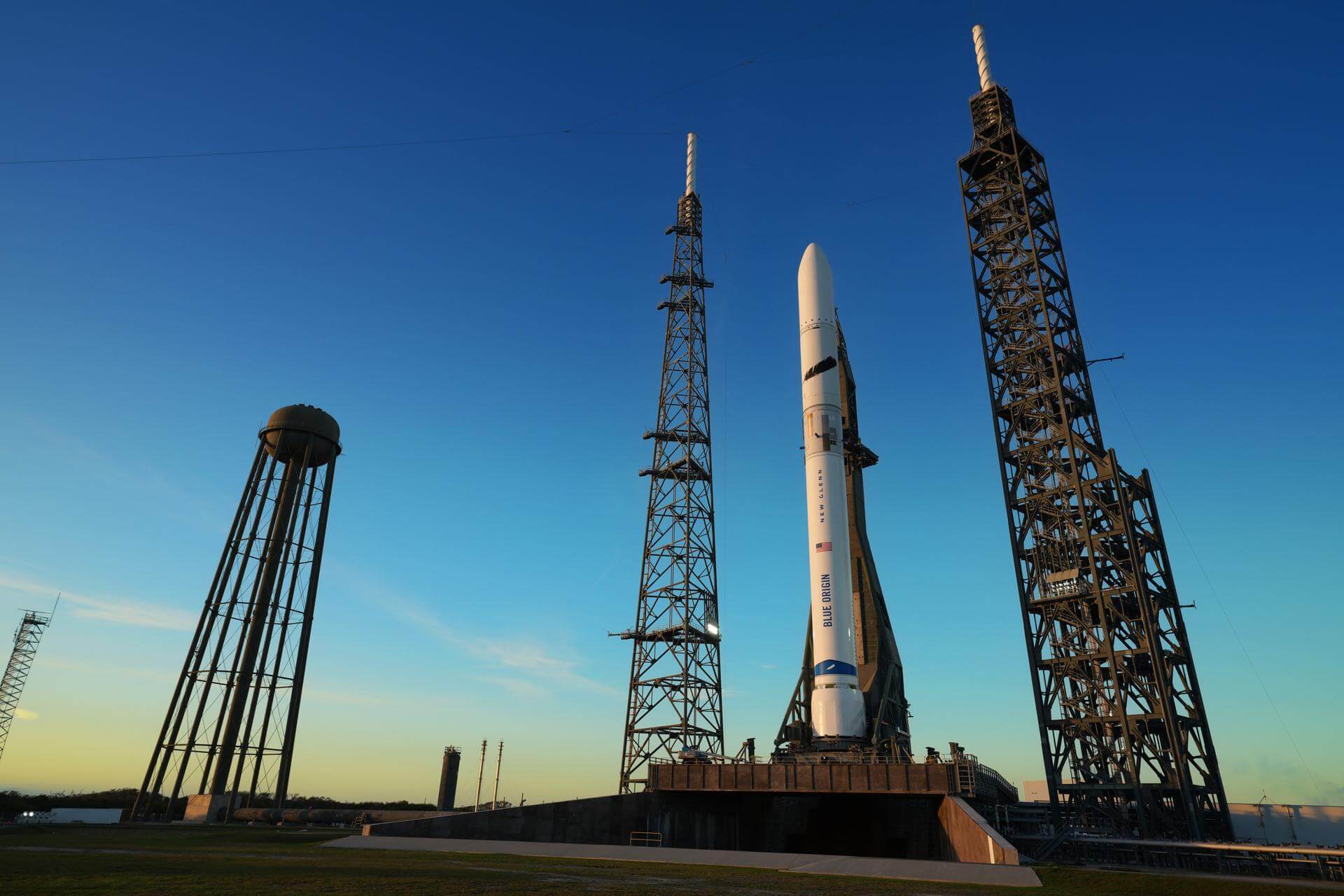
Vehicle: New Glenn
AST SpaceMobile’s Block 2 BlueBird satellites are designed to deliver up to 10 times the bandwidth capacity of the BlueBird Block 1 satellites, required to achieve 24/7 continuous cellular broadband service coverage in the United States, with beams designed to support a capacity of up to 40 MHz, enabling peak data transmission speeds up to 120 Mbps, supporting voice, full data and video applications. The Block 2 BlueBirds, featuring as large as 2400 square foot communications arrays, will be the largest satellites ever commercially deployed in Low Earth orbit once launched.
This launch will feature 1 satellite, BlueBird 7/BlueBird Block 2 FM2.
Starlink Group 17-22
Provider: SpaceX
Date: April 18, 2026
Time: 2:00 PM UTC
Vehicle: Falcon 9
A batch of 25 satellites for the Starlink mega-constellation – SpaceX’s project for space-based Internet communication system.

GPS III SV10
Provider: SpaceX
Date: April 20, 2026
Time: 6:48 AM UTC
Vehicle: Falcon 9
Tenth of ten GPS III missions.