The Daily Broadcast: Orbit, Moon, and Compute: Advancing the Next Frontier

Canadian Team Wins $400K Aqualunar Challenge with Lunar Water Innovation
On April 15, 2026, Toronto-based Canadian Strategic Missions Corporation (CSMC) took home the $400,000 grand prize in the Canadian track of the Aqualunar Challenge, a joint initiative between the Canadian Space Agency (CSA) and the UK Space Agency. Their winning concept, LunaPure, proposes a self-sustained system that leverages the Moon’s harsh environment to extract and purify water from raw lunar ice—a critical step toward sustainable human presence beyond Earth.
Lunar water isn’t just for drinking; it’s a strategic resource that can be split into oxygen for breathing and hydrogen for rocket fuel. LunaPure aims to tackle the tricky task of filtering abrasive regolith and potential contaminants from ice harvested in permanently shadowed craters—locations that never see sunlight and thus offer some of the Moon’s most promising water deposits. CSMC, which recently rebranded from Canadian Space Mining Corporation to reflect a broader dual-use focus on space and defence technologies, plans to use the award to scale its system as the industry edges closer to operational surface missions.
The CSA notes that innovations like LunaPure could also yield benefits on Earth, improving commercial water purification methods in remote or extreme environments. With Artemis-era ambitions accelerating, such technologies are becoming not just visionary—but vital.
Aethero Orders Titan Satellite to Build Space-Based Data Centres
San Francisco startup Aethero announced on April 16, 2026, that it has ordered its most powerful orbital computing platform yet: the Titan satellite, set to launch this October aboard SpaceX’s Transporter-18 rideshare mission. Designed to function as a “space-based AWS,” Titan will pack more than 16,000 teraflops (TFLOPS) of computing power—over 100 times greater than Aethero’s earlier Phobos CubeSat, which launched on March 30, 2026, and is still undergoing post-deployment health checks.
Titan integrates Aethero’s next-generation NxA-ECM compute module with a Bulgarian-built EnduroSat FRAME-15 satellite bus, delivering 3.4 kilowatts of peak power. Each NxA-ECM unit combines two Nvidia Jetson Thor processors, targeting over 4,000 TFLOPS per module—the highest performance per unit ever flown, according to Aethero. Unlike previous missions that operated as single compute nodes, Titan will link multiple modules into a clustered system managed by Kubernetes, enabling real-time AI processing directly in orbit.
“This effectively transforms satellites into highly autonomous, cost-effective orbital data centres,” said Amit Pinnamaneni, Aethero’s CTO. By processing data on-orbit instead of downlinking raw feeds, Titan could dramatically reduce bandwidth demands and enable faster decision-making for defense, Earth observation, and telecom applications.

Space Force Restructures SDA, Signalling End of Standalone Agency
The U.S. Space Force is moving to absorb the Space Development Agency (SDA) into a broader acquisition reorganization, marking a potential end to the agency’s identity as a separate entity. Announced during the Space Symposium in Colorado Springs on April 15, 2026, the shift reflects the growing influence of SDA’s rapid procurement model across military space programs.
Created in 2019 to field a proliferated low Earth orbit constellation for missile tracking and data transport, SDA pioneered fixed-price contracts, commercial tech adoption, and iterative “tranche” deliveries. Now, according to Air Force Secretary Troy Meink, that approach is being normalized across the Department of the Air Force through Portfolio Acquisition Executives (PAEs)—mission-focused offices that will oversee entire capability areas rather than individual programs.
SDA’s flagship Proliferated Warfighter Space Architecture will be split: the Transport Layer will join a PAE building a military space data network, while the infrared Tracking Layer will merge with broader missile warning efforts across orbital regimes. SDA acting director Gurpartap “GP” Sandhoo is expected to lead the new missile warning PAE. Although the agency may disappear as a standalone office, officials stress that its culture of speed and agility will endure. “It may be called something else,” Sandhoo said, “but that culture we are doing our best to maintain.”

Citations
- “Canadian Strategic Missions Corporation awarded $400K in Aqualunar Challenge” – https://spaceq.ca/canadian-strategic-missions-corporation-awarded-400k-in-aqualunar-challenge/
- “Aethero orders Titan satellite to advance space-based data center ambitions” – https://spacenews.com/aethero-orders-titan-satellite-to-advance-space-based-data-center-ambitions/
- “Space Force reorg signals end of SDA as standalone agency” – https://spacenews.com/space-force-reorg-signals-end-of-sda-as-standalone-agency/
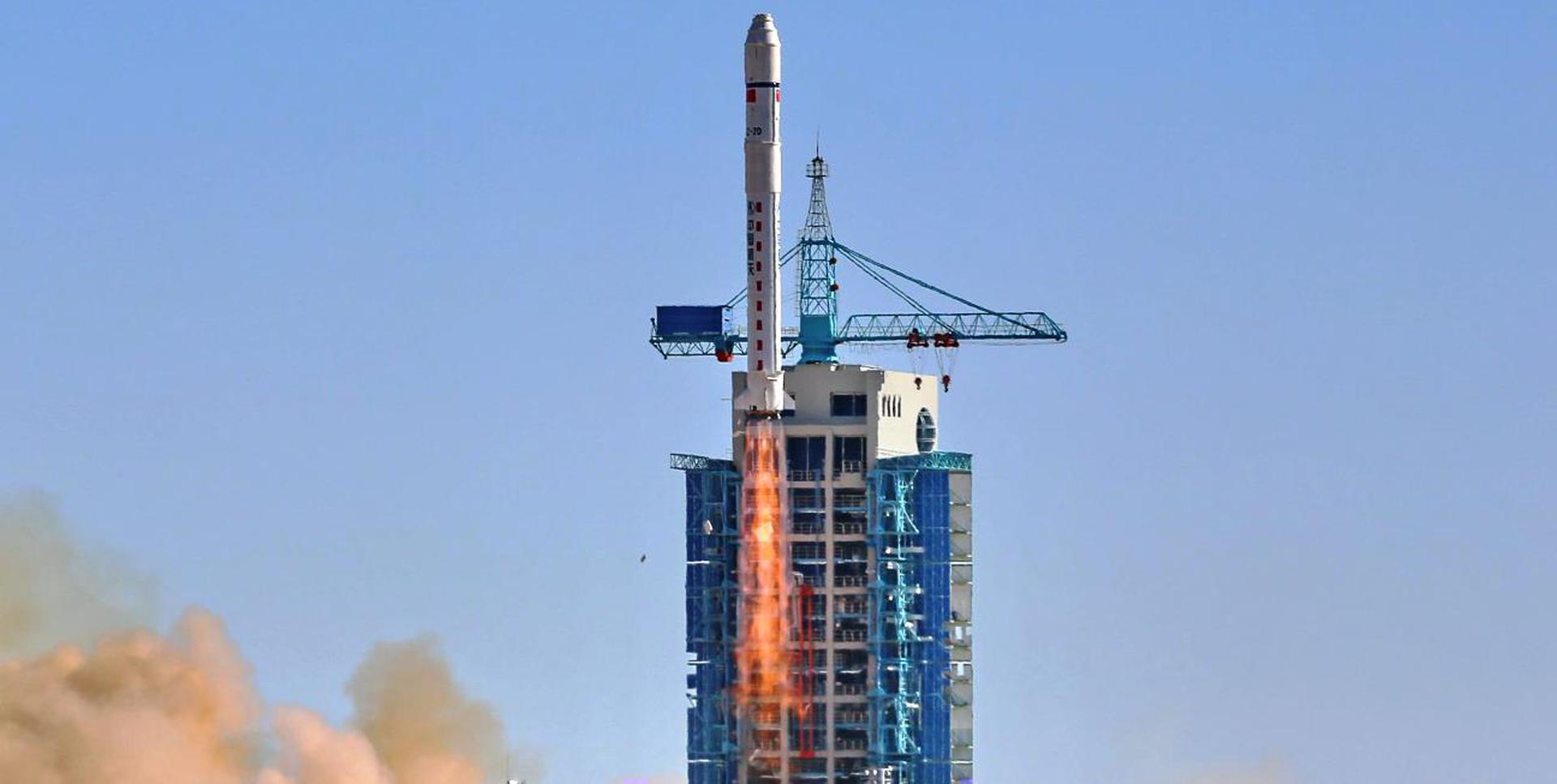
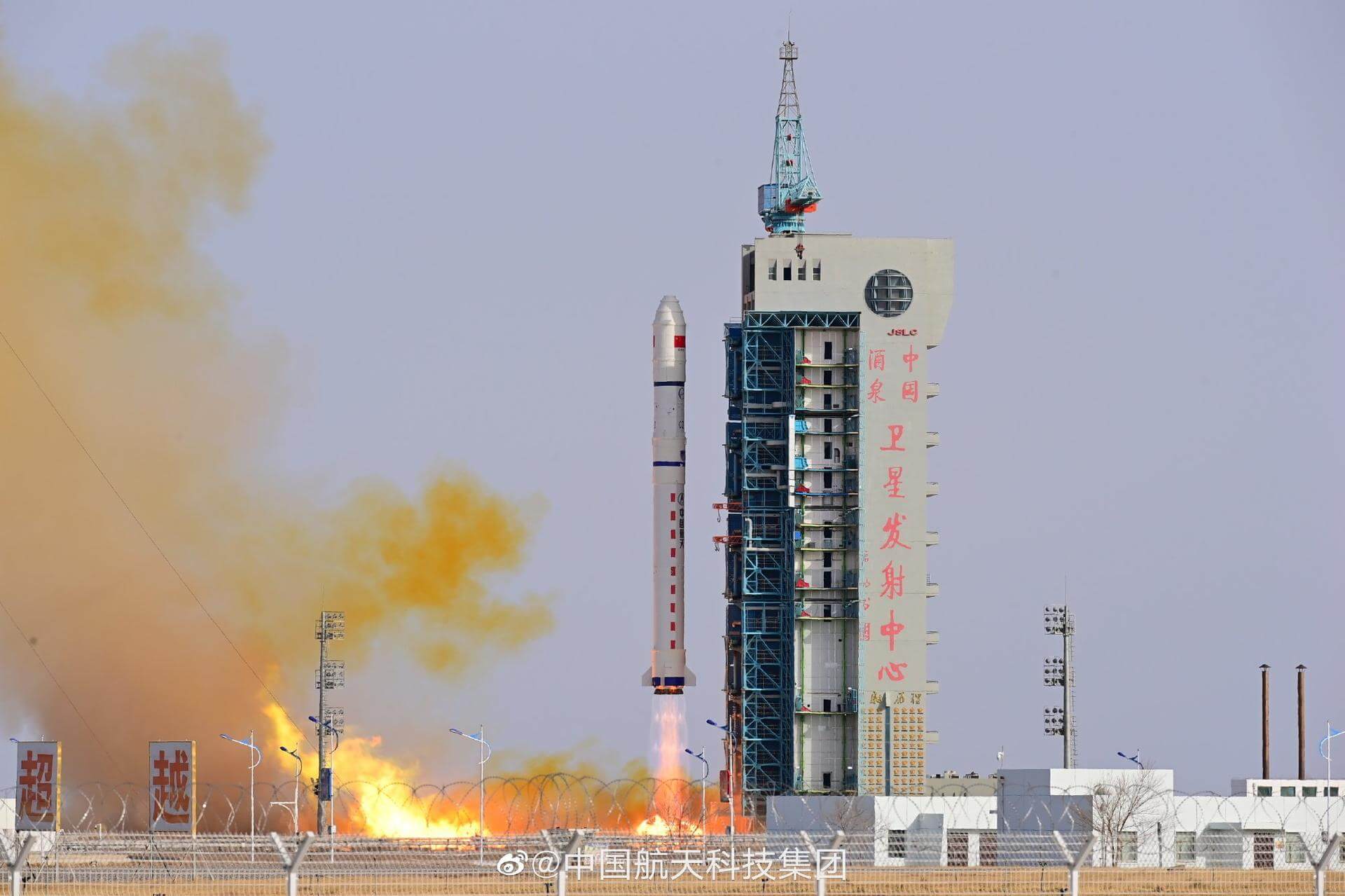
Unknown Payload
Provider: China Aerospace Science and Technology Corporation
Date: April 17, 2026
Time: 4:10 AM UTC
Vehicle: Long March 2D
Details TBD.

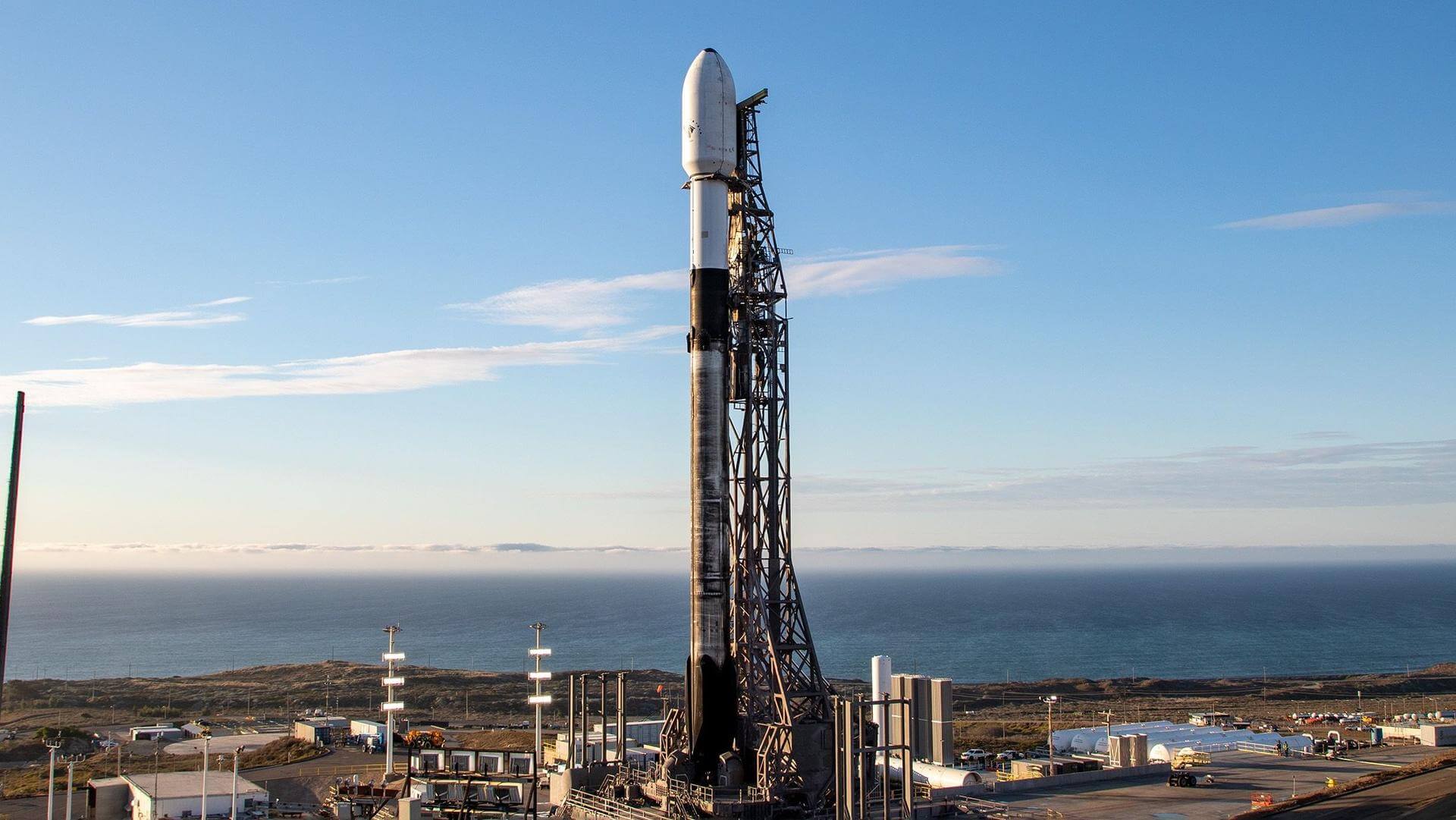
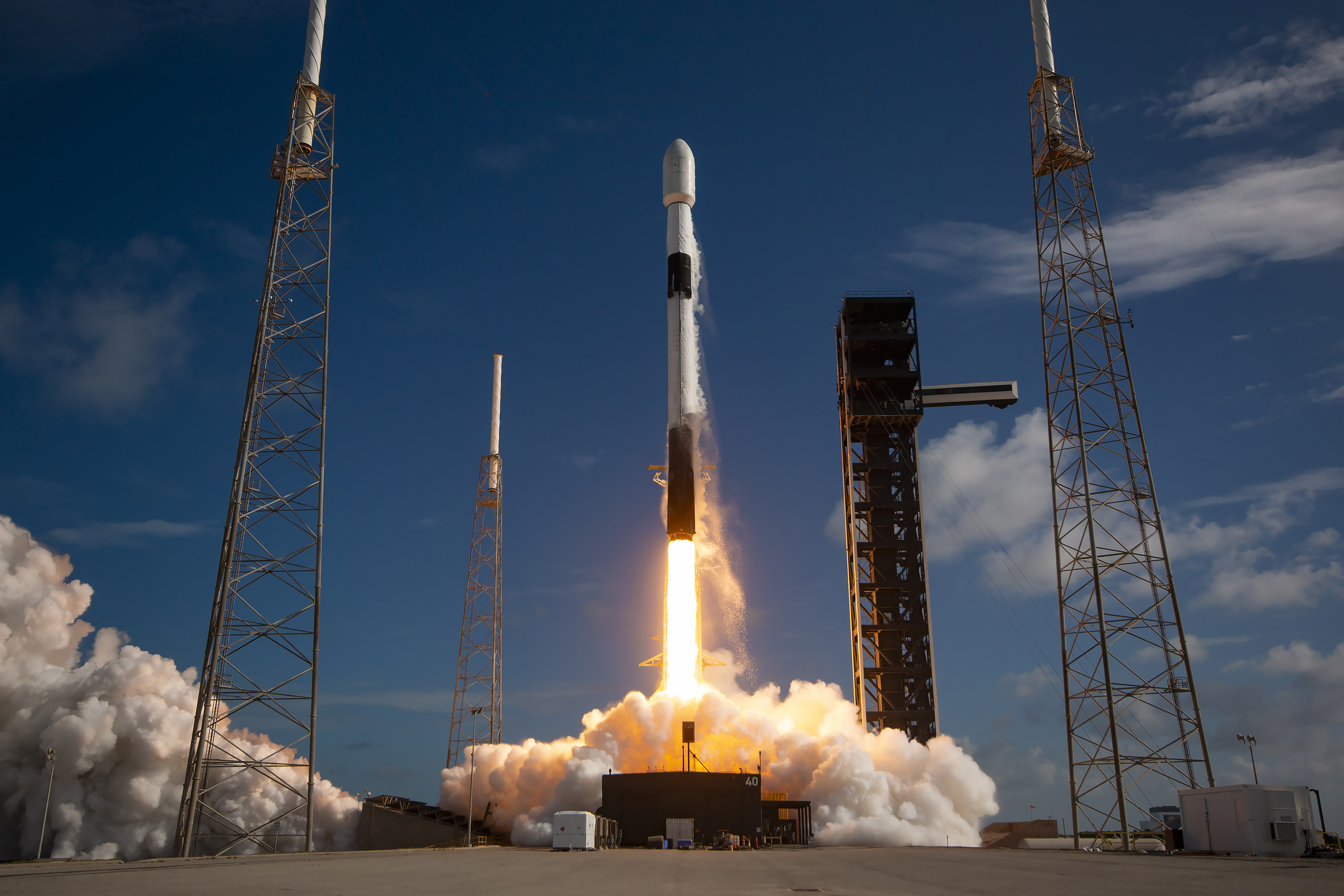
Starlink Group 17-22
Provider: SpaceX
Date: April 18, 2026
Time: 2:00 PM UTC
Vehicle: Falcon 9
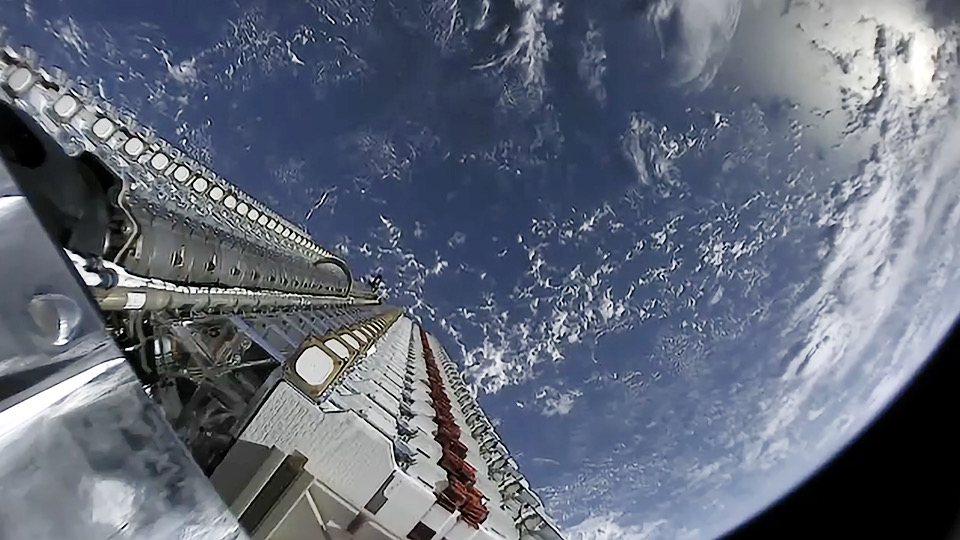
A batch of 25 satellites for the Starlink mega-constellation – SpaceX’s project for space-based Internet communication system.
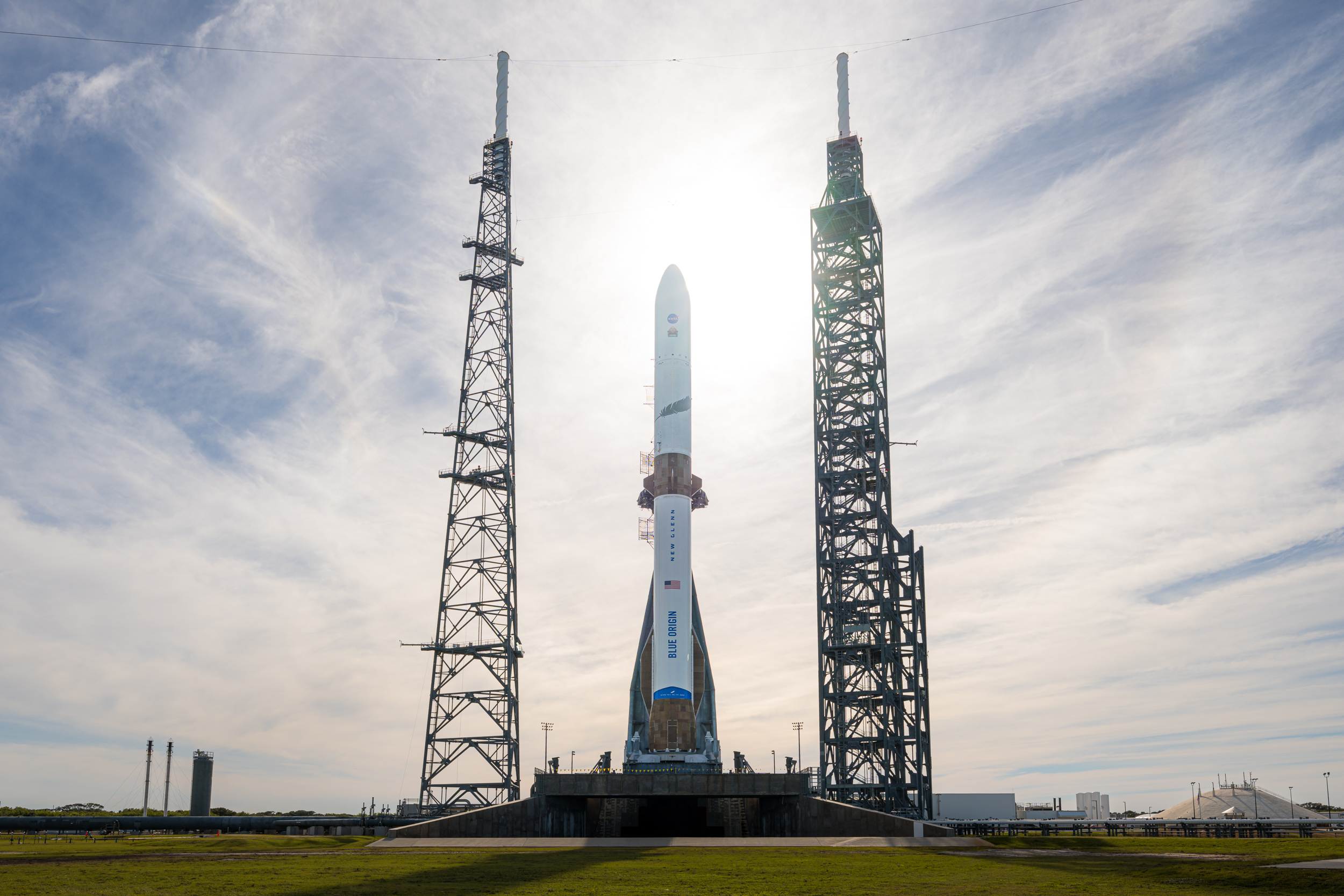
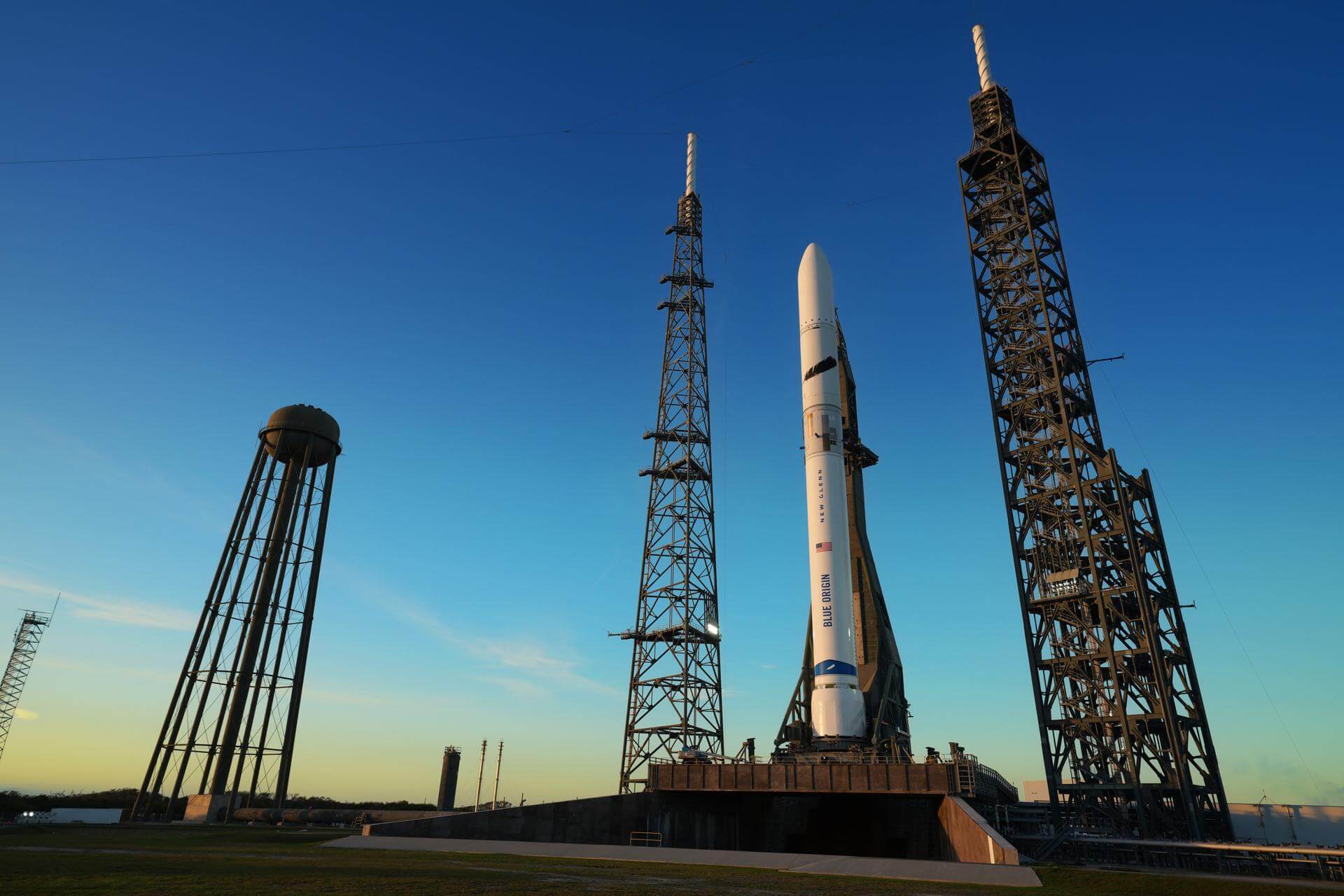
BlueBird Block 2 #2
Provider: Blue Origin
Date: April 19, 2026
Time: 10:45 AM UTC
Vehicle: New Glenn
AST SpaceMobile’s Block 2 BlueBird satellites are designed to deliver up to 10 times the bandwidth capacity of the BlueBird Block 1 satellites, required to achieve 24/7 continuous cellular broadband service coverage in the United States, with beams designed to support a capacity of up to 40 MHz, enabling peak data transmission speeds up to 120 Mbps, supporting voice, full data and video applications. The Block 2 BlueBirds, featuring as large as 2400 square foot communications arrays, will be the largest satellites ever commercially deployed in Low Earth orbit once launched.
This launch will feature 1 satellite, BlueBird 7/BlueBird Block 2 FM2.

GPS III SV10
Provider: SpaceX
Date: April 20, 2026
Time: 6:48 AM UTC
Vehicle: Falcon 9
Tenth of ten GPS III missions.
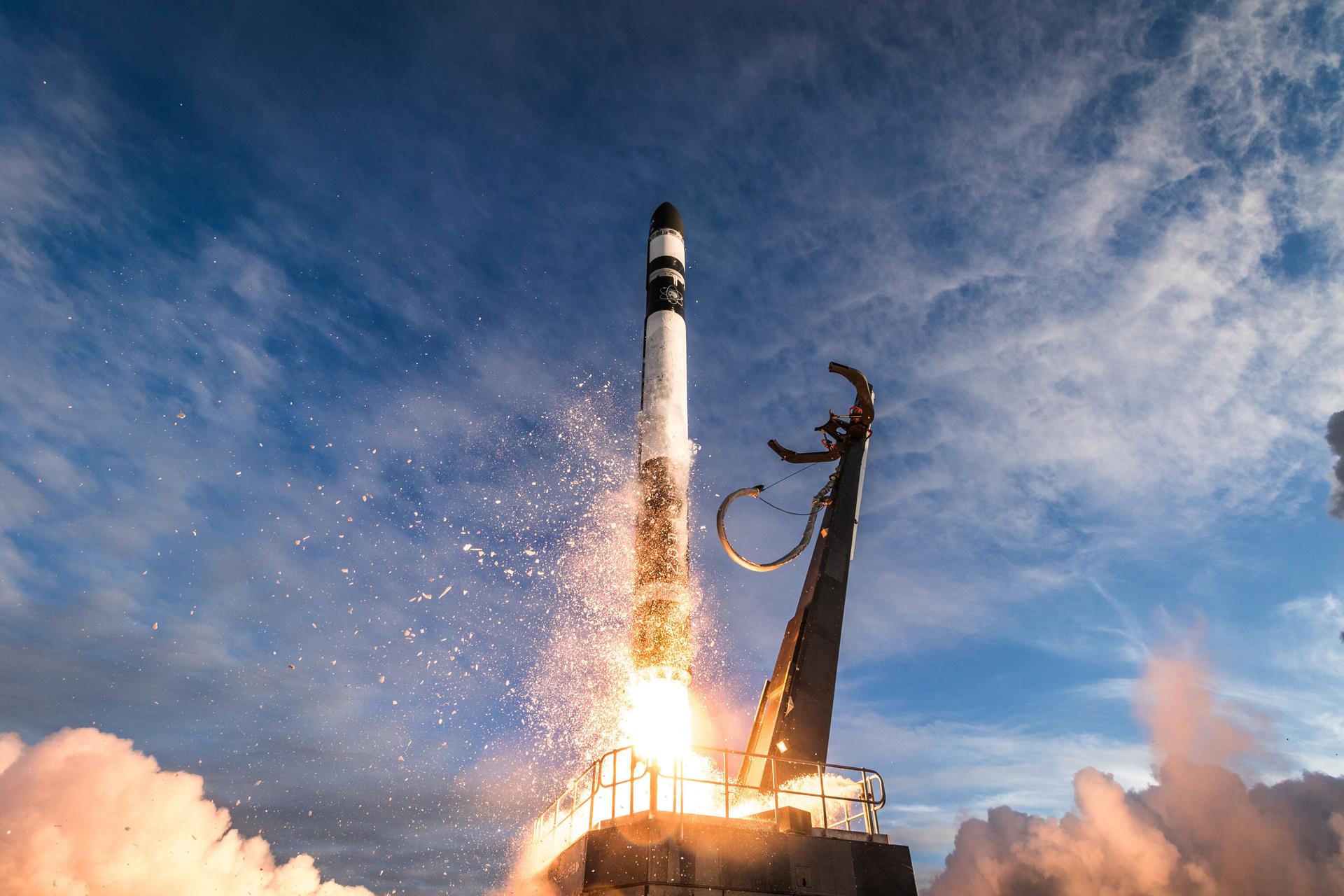
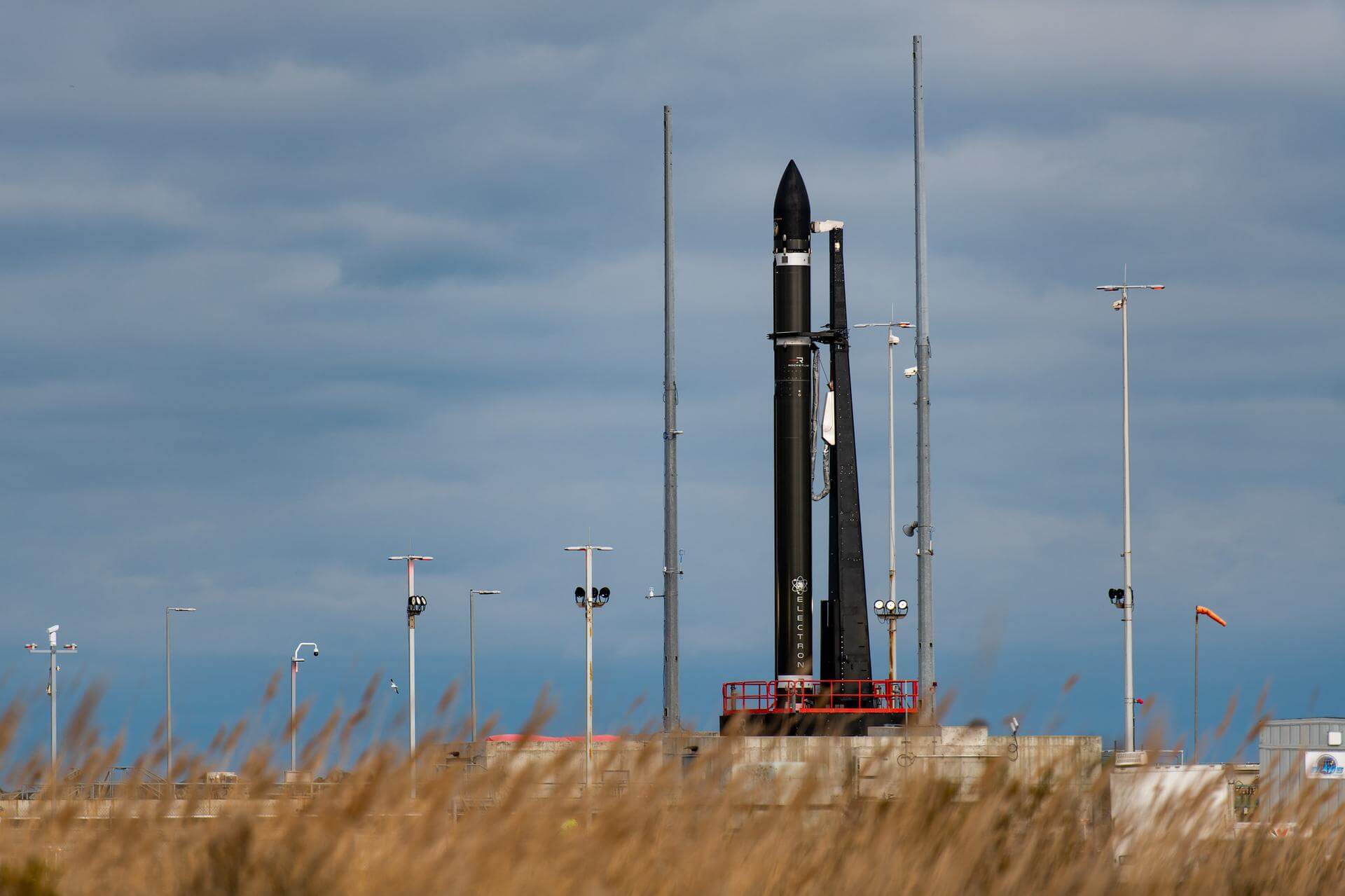
Bubbles
Provider: Rocket Lab
Date: April 22, 2026
Time: 12:00 AM UTC
Vehicle: Electron
Sub-orbital launch under Rocket Lab’s Hypersonic Accelerator Suborbital Test Electron (HASTE) program, details TBD.