The Daily Broadcast: From Lunar Networks to Martian Ash: Canada’s Expanding Role in Global Space Endeavours

Kepler Secures Major ESA Contract for Optical Network Interoperability
Toronto-based Kepler Communications has been awarded a €18.6 million (approximately $30.1 million) prime contract from the European Space Agency (ESA) to lead HydRON Element 3—a critical step in building a high-capacity, interoperable optical communications network in space. Under this agreement, Kepler will provide a satellite bus to host multiple optical communication terminals from European firms TESAT Spacecom, Mbryonics Ltd., and Astrolight UAB, as well as a space situational awareness payload from Germany’s Vyoma GmbH.
This mission aims to validate real-time, high-throughput data transfer using optical intersatellite links, supporting ESA’s vision of a terabit-per-second space-based network. The contract builds on Kepler’s earlier role as prime contractor for HydRON Element 1, awarded in late 2024, and underscores Canada’s unique position as ESA’s only non-European cooperating state under the Canada–ESA Cooperative Agreement. That status enables Canadian companies like Kepler to access restricted European markets—an arrangement the company says often leads to follow-on business worth triple the initial contract value.
“HydRON is a key initiative in advancing sovereign optical communications,” said Mina Mitry, Kepler’s CEO and co-founder. With on-orbit operations expected to begin after launch (date yet to be announced), this mission could reshape how data moves across future satellite constellations, with implications for both civil and defence applications.
Mars Express Captures Decades-Long Shifts in Volcanic Ash on Utopia Planitia
Change on Mars may seem glacial, but new images from ESA’s Mars Express orbiter reveal that the Red Planet’s surface is evolving more dynamically than once thought. A recent image from the High Resolution Stereo Camera (HRSC) shows a striking boundary between bright, ochre sands and a spreading blanket of dark volcanic ash in Utopia Planitia—an ancient impact basin roughly twice the north-south span of Earth’s Sahara Desert.
Comparing data from NASA’s Viking orbiters in 1976 with today’s observations, scientists note the ash has crept significantly across the landscape over just 50 years. The dark material is rich in mafic minerals like olivine and pyroxene, remnants of Mars’s volcanic past—home to Olympus Mons, the Solar System’s tallest volcano. Researchers believe wind-driven redistribution or the removal of surface dust may explain the ash’s expansion.
The region also hosts “scalloped depressions”—pits formed by subsurface ice sublimating and causing ground collapse—evidence that water ice still lingers beneath the surface. Meanwhile, tectonic-like fractures called grabens crisscross the area, hinting at subsurface stresses from ancient wet sediments or crustal movement. Mars Express, launched in 2003, continues to deliver groundbreaking insights, proving that even planetary neighbours thought to be geologically dormant still hold active secrets.

Canada Formalizes Participation in Four Key ESA Programmes
Canada is deepening its international space partnerships with the formal authorization of participation in four major European Space Agency (ESA) programmes: Moonlight, FutureNAV, ACCESS, and the European Resilience from Space for Earth Observation (ERS-EO). Approved via Orders in Council dated March 30, 2026, these commitments are backed by a historic €407.71 million (roughly $664.6 million) investment under the Canada–ESA Cooperation Agreement.
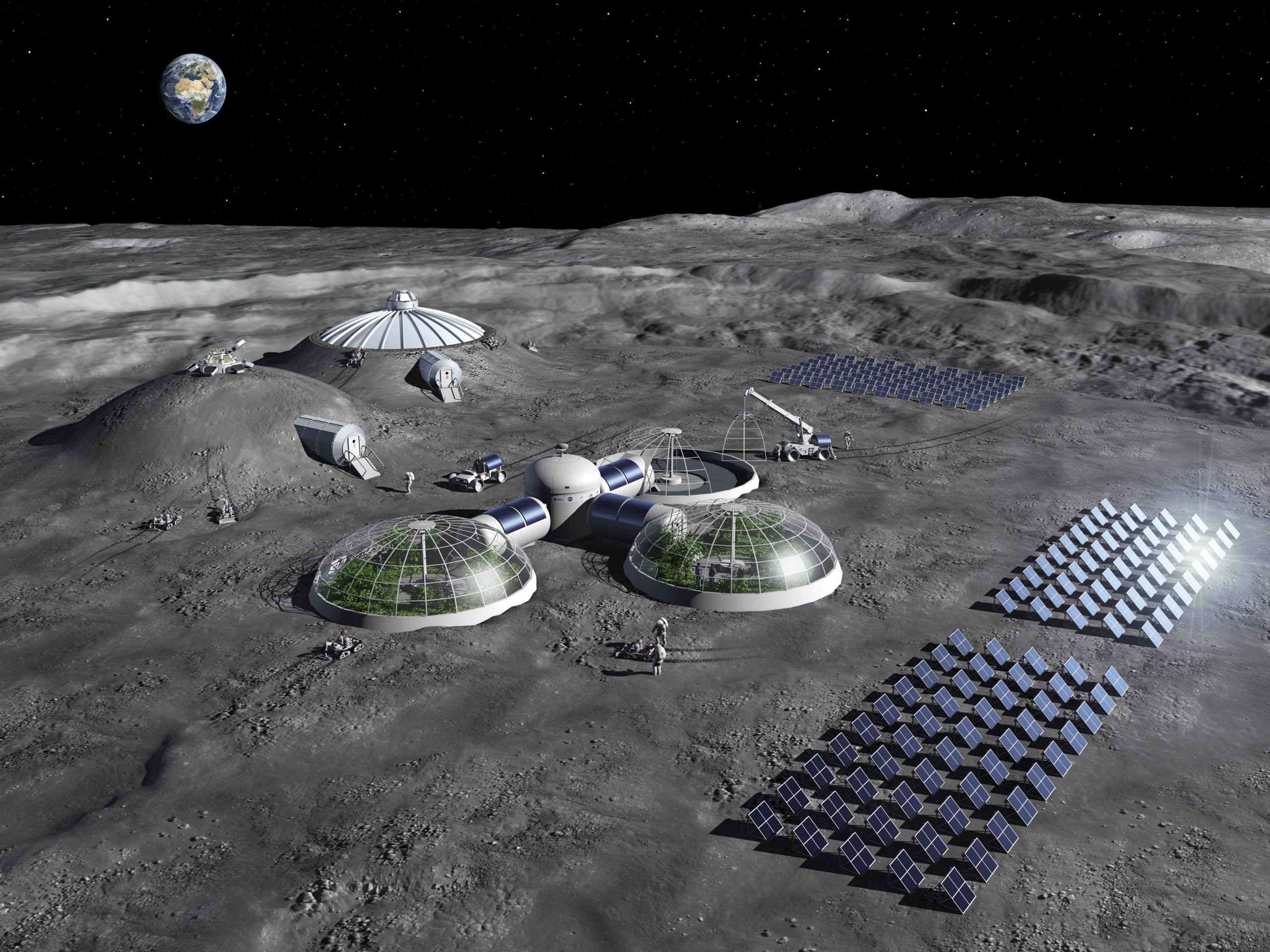
The Moonlight Programme will see Canada contribute to building lunar communications and navigation infrastructure—essential for sustained operations around the Moon’s south pole under NASA’s Artemis framework. FutureNAV will give Canadian firms access to next-generation Positioning, Navigation, and Timing (PNT) systems, including resilient Low Earth Orbit-based signals. ACCESS, an industry accelerator, aims to boost Canadian SMEs by integrating them into Europe’s space supply chain, while ERS-EO offers dual-use Earth observation capabilities for national security and critical infrastructure monitoring.
This strategic realignment reflects the Canadian Space Agency’s focus on generating industrial returns: the CSA expects at least 45 Canadian organizations to secure contracts through these initiatives. As Canada positions itself as a reliable partner in both civil and defence space domains, these subscriptions signal a long-term commitment to shaping the future architecture of space operations—on the Moon, in orbit, and right here at home.
Citations
- “Kepler awarded $30.1 million prime contract for European Space Agency HydRON optical network” – https://spaceq.ca/kepler-awarded-30-1-million-prime-contract-for-european-space-agency-hydron-optical-network/
- “Ash creeps across Mars” – https://www.esa.int/Science_Exploration/Space_Science/Mars_Express/Ash_creeps_across_Mars
- “Canada formalizes subscriptions to four new European Space Agency programs” – https://spaceq.ca/canada-formalizes-subscriptions-to-four-new-european-space-agency-programs/
Unknown Payload
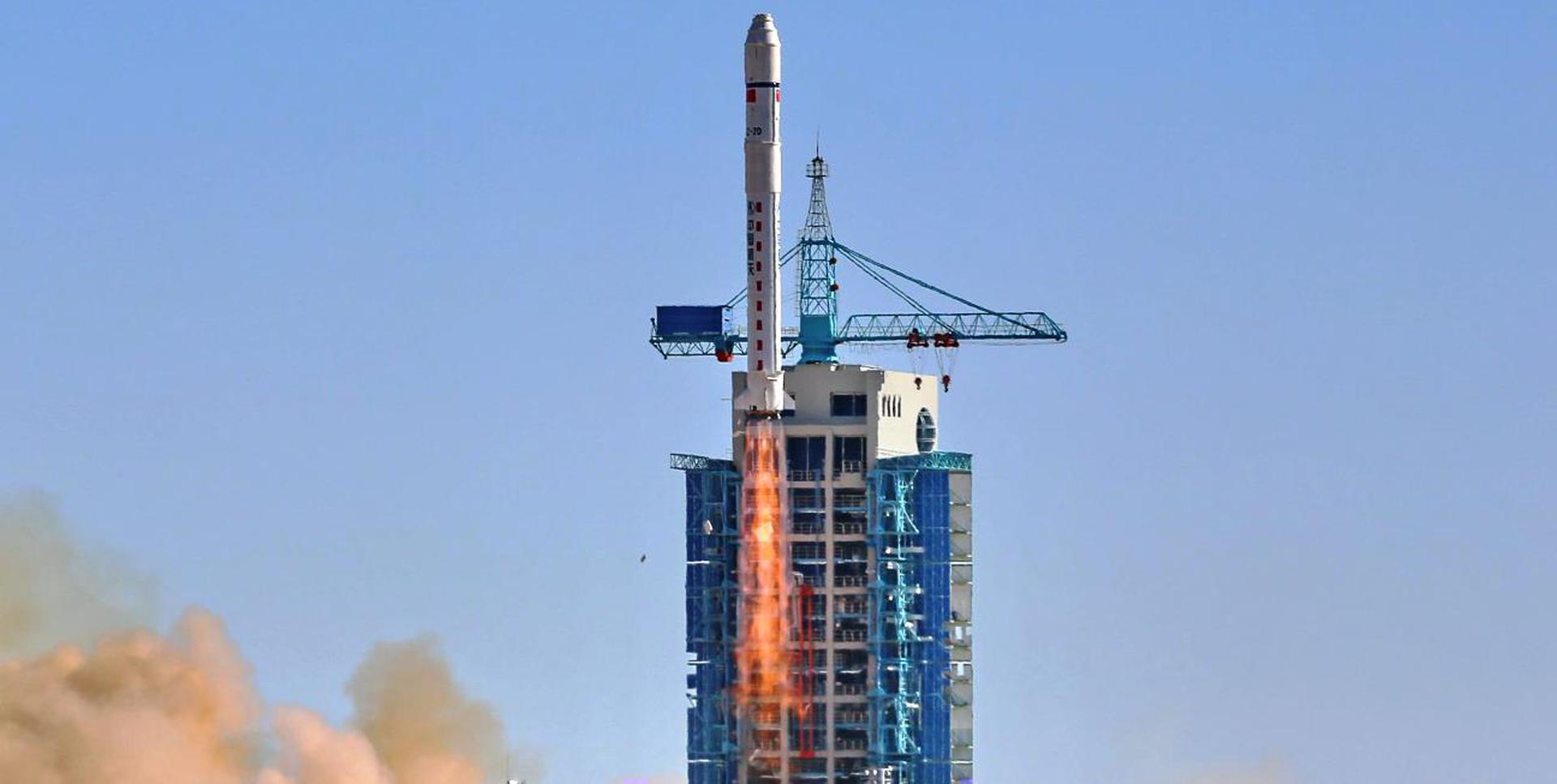
Provider: China Aerospace Science and Technology Corporation
Date: April 17, 2026
Time: 4:10 AM UTC
Vehicle: Long March 2D
Details TBD.
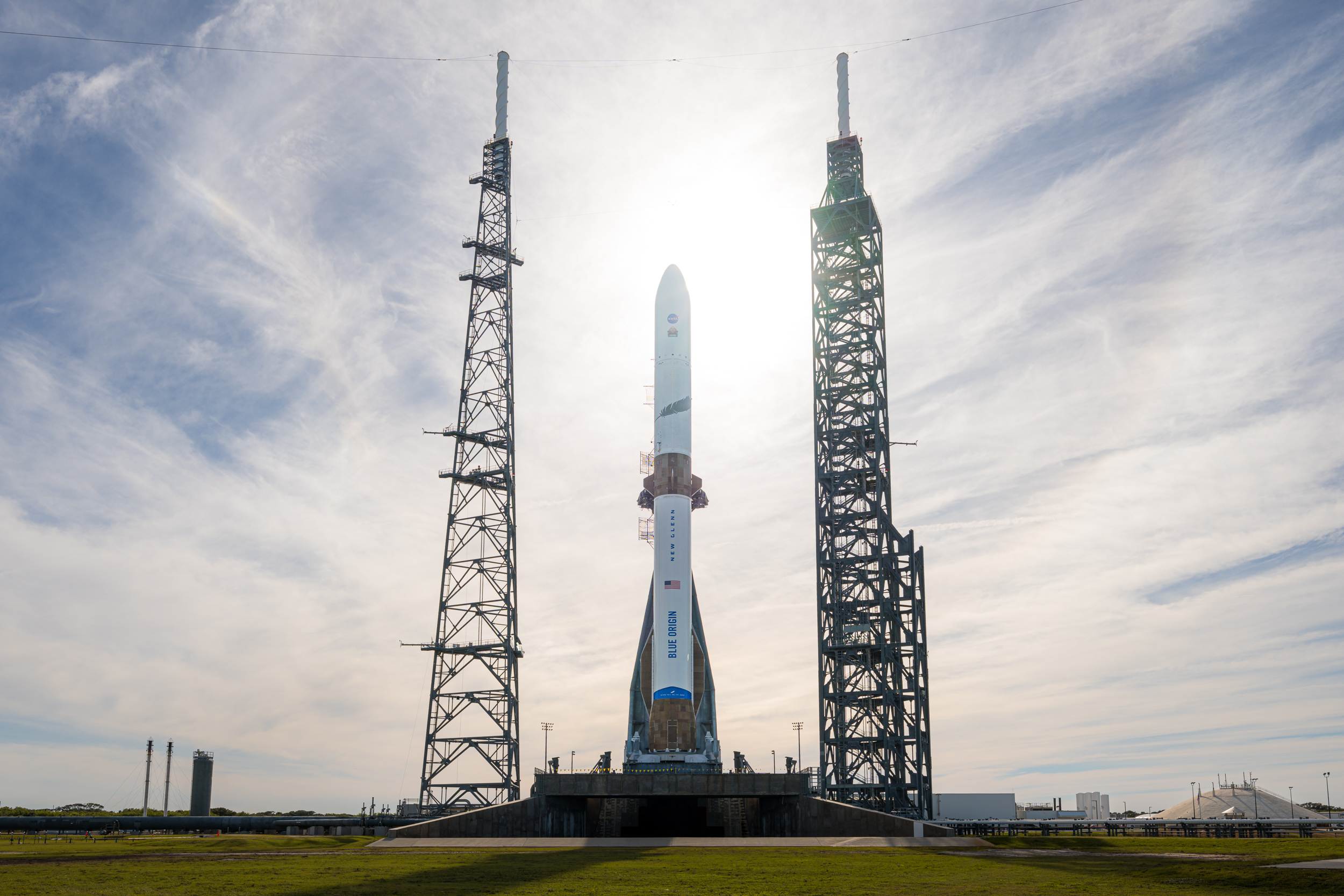
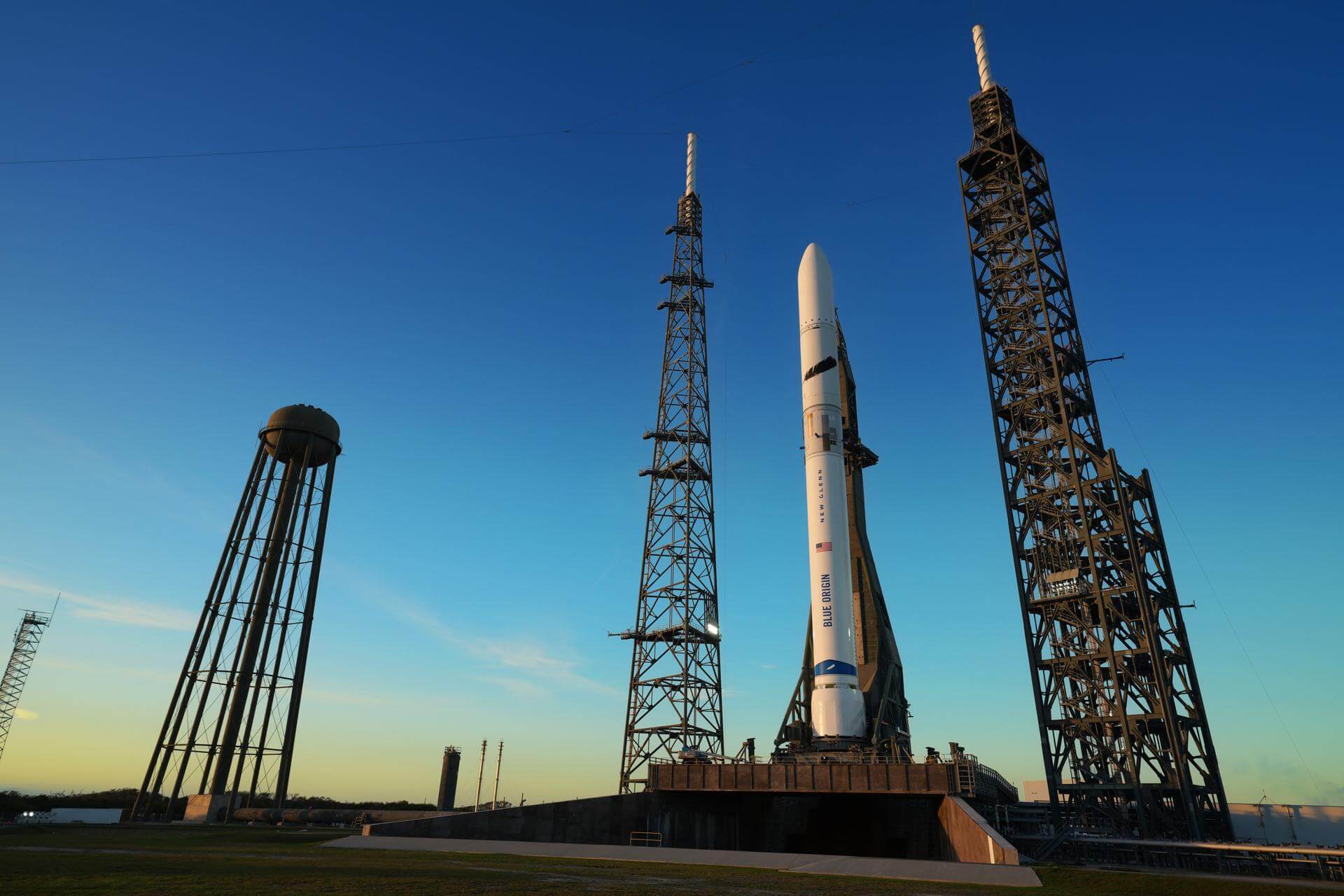
BlueBird Block 2 #2
Provider: Blue Origin
Date: April 18, 2026
Time: 10:45 AM UTC
Vehicle: New Glenn
AST SpaceMobile’s Block 2 BlueBird satellites are designed to deliver up to 10 times the bandwidth capacity of the BlueBird Block 1 satellites, required to achieve 24/7 continuous cellular broadband service coverage in the United States, with beams designed to support a capacity of up to 40 MHz, enabling peak data transmission speeds up to 120 Mbps, supporting voice, full data and video applications. The Block 2 BlueBirds, featuring as large as 2400 square foot communications arrays, will be the largest satellites ever commercially deployed in Low Earth orbit once launched.
This launch will feature 1 satellite, BlueBird 7/BlueBird Block 2 FM2.

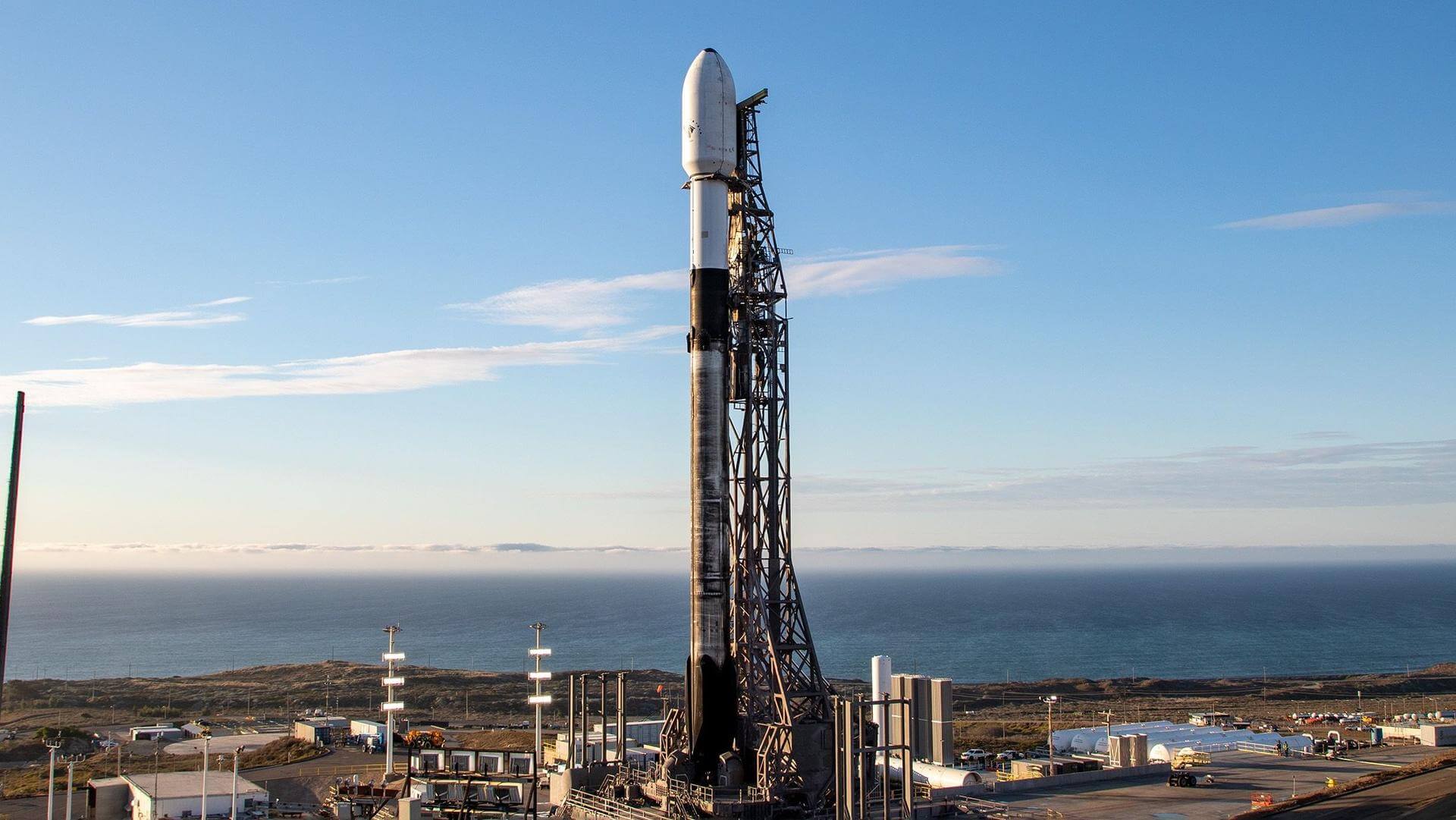
Starlink Group 17-22
Provider: SpaceX
Date: April 18, 2026
Time: 2:00 PM UTC
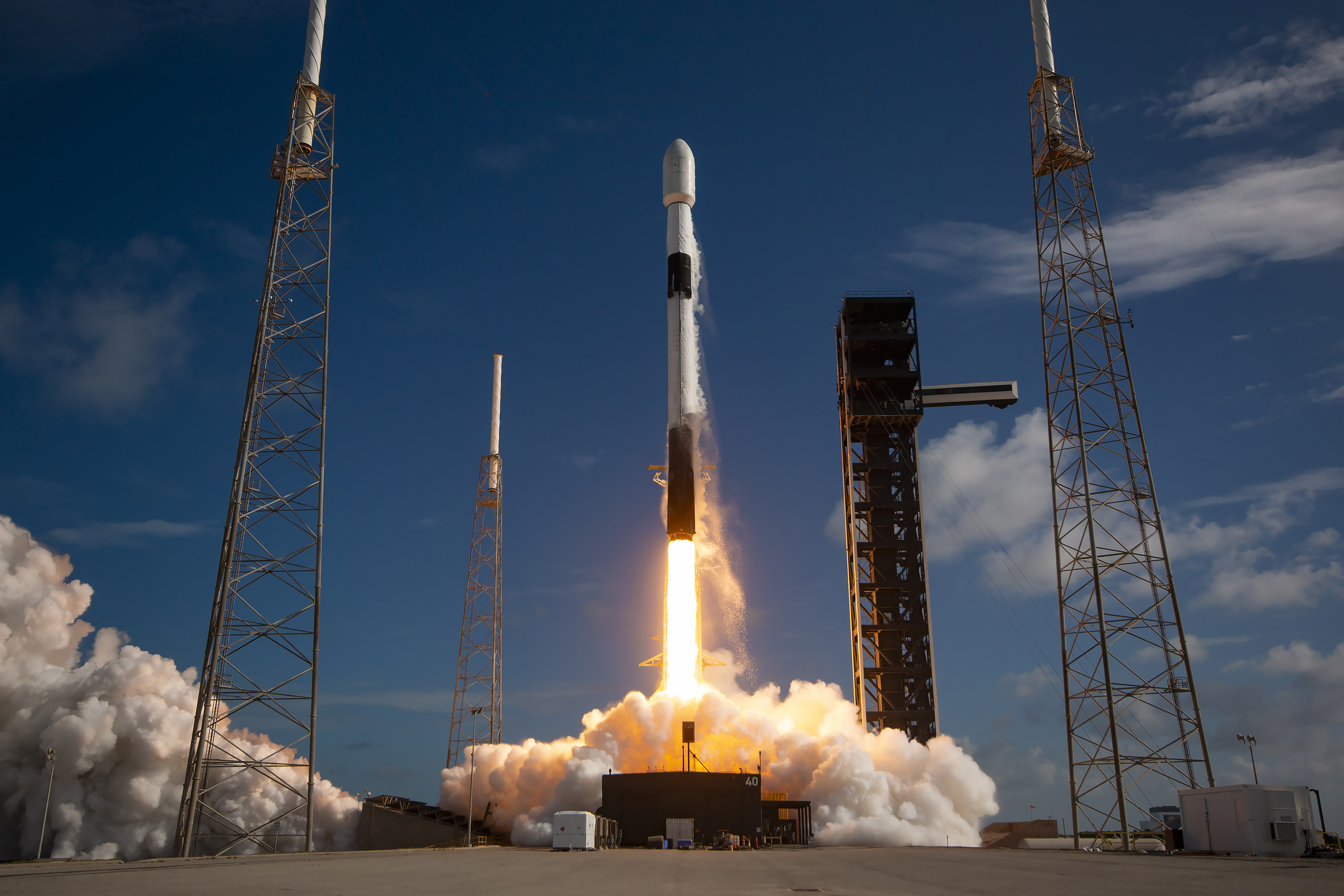
Vehicle: Falcon 9
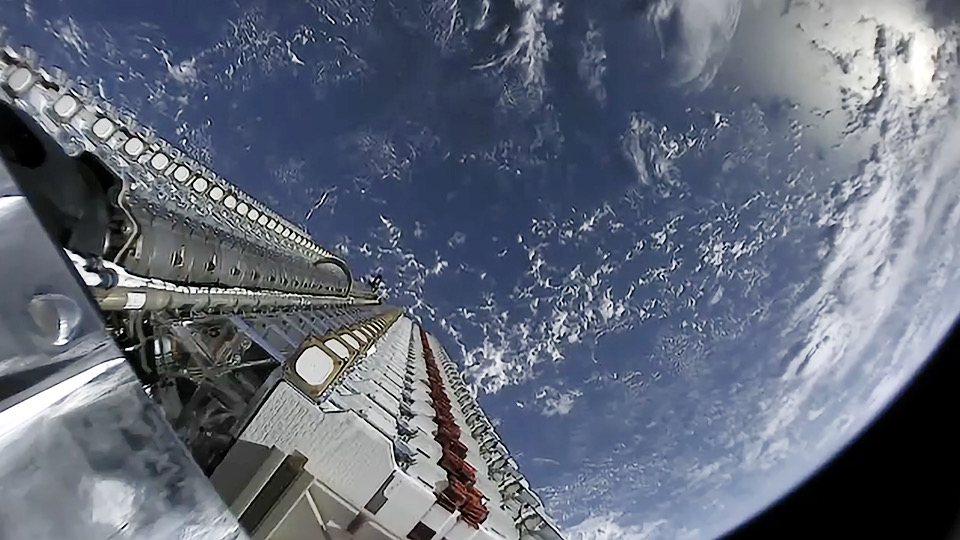
A batch of 25 satellites for the Starlink mega-constellation – SpaceX’s project for space-based Internet communication system.
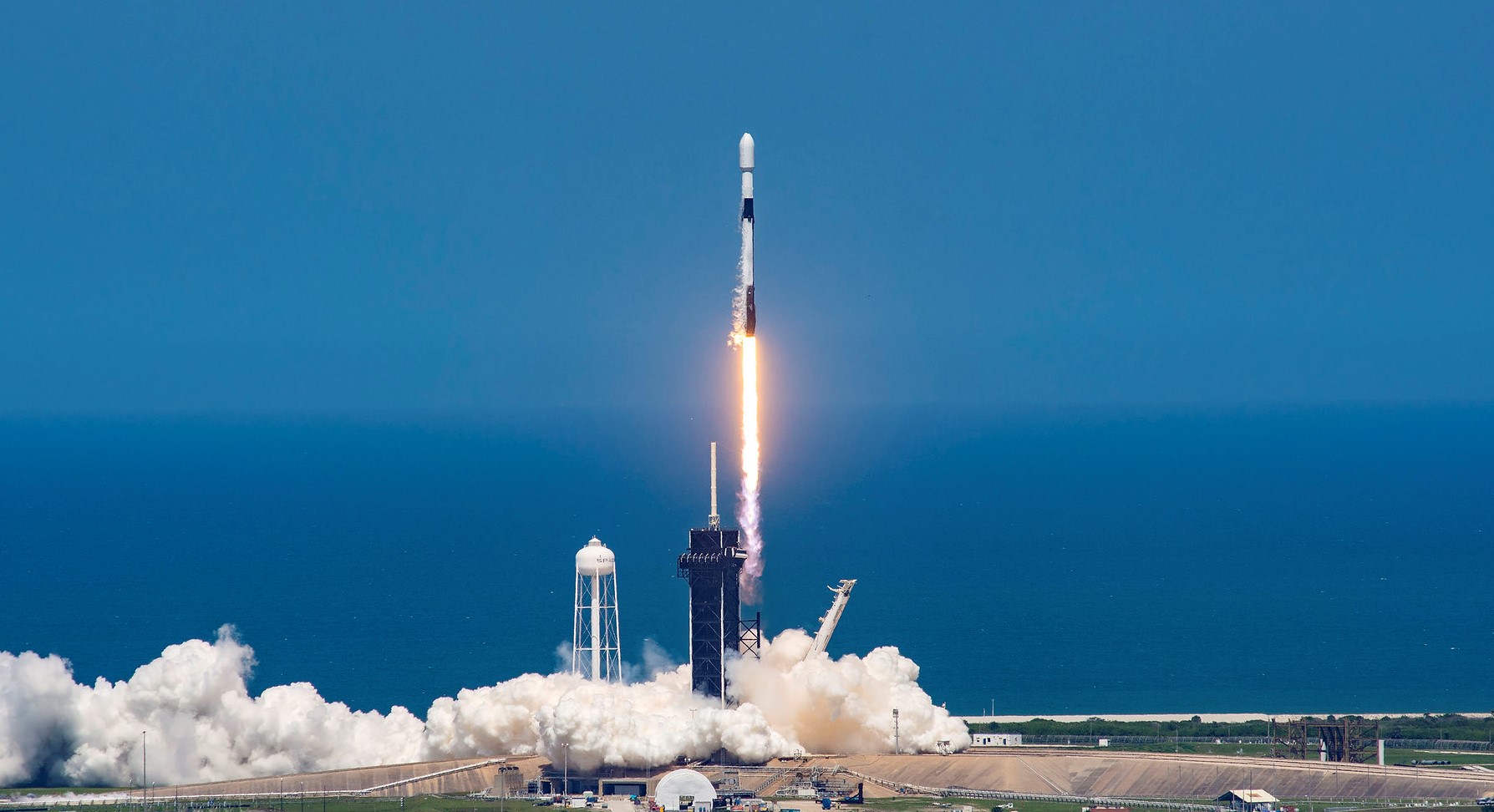
GPS III SV10
Provider: SpaceX
Date: April 20, 2026
Time: 6:48 AM UTC
Vehicle: Falcon 9
Tenth of ten GPS III missions.
Starlink Group 17-14
Provider: SpaceX
Date: April 22, 2026
Time: 2:00 AM UTC
Vehicle: Falcon 9
A batch of 25 satellites for the Starlink mega-constellation – SpaceX’s project for space-based Internet communication system.