Galaxia and Maritime Launch Partner on Autonomous Flight Safety
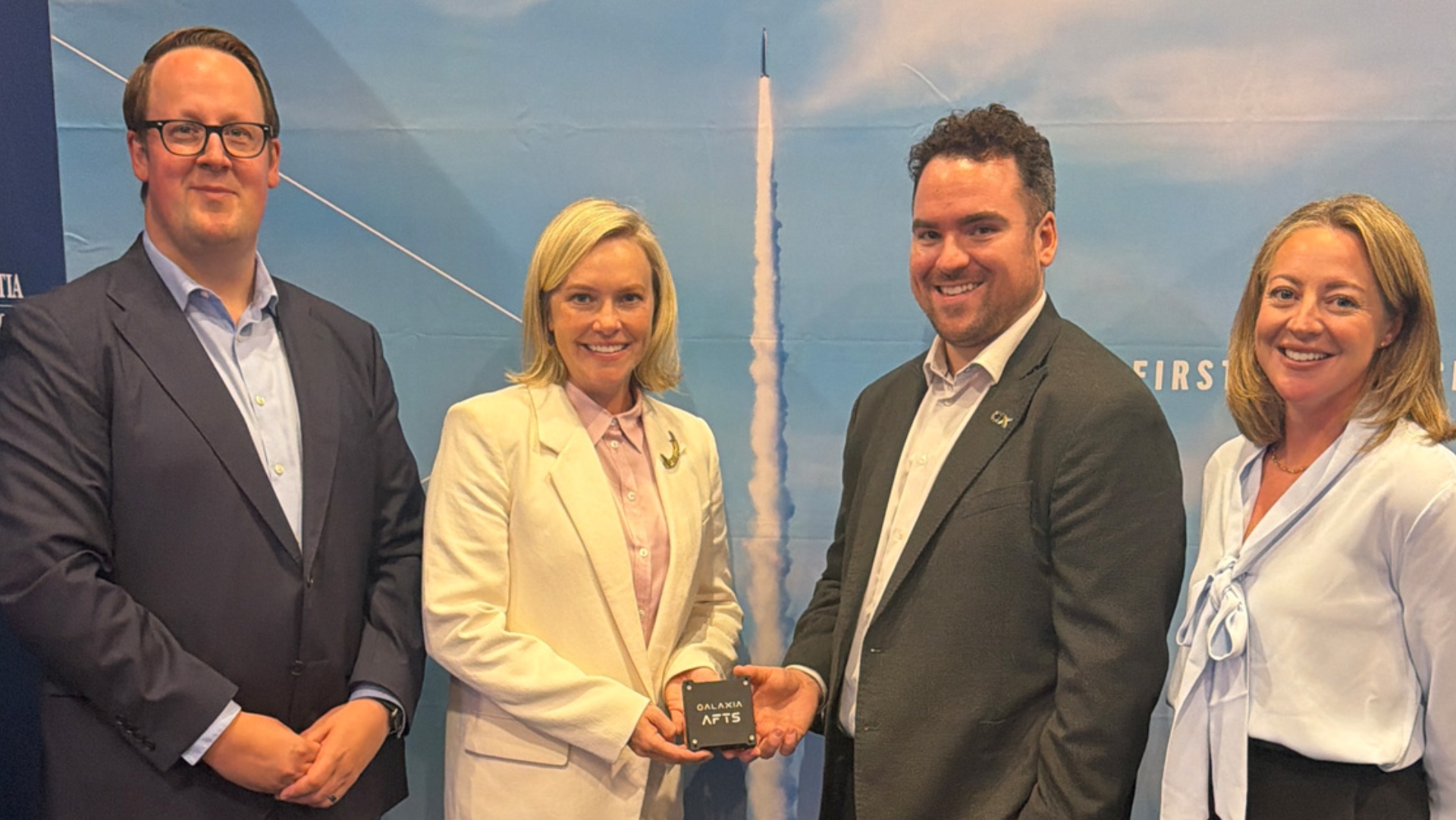
Galaxia and Maritime Launch Services announced Wednesday they will develop an autonomous flight safety system for launches from Spaceport Nova Scotia. The partnership, announced at the DEFSEC Atlantic defence trade show in Halifax on October 8, pairs two Halifax companies as Maritime Launch prepares commercial launch operations.
The autonomous flight termination system monitors rockets during flight and verifies they remain within their planned safety corridor. Galaxia will build a version using backup controllers designed to withstand radiation, multiple sensor inputs for vehicle health tracking, and an independent power supply, according to the announcement.
Maritime Launch is funding development, supported by a $250,000 contribution from the National Research Council of Canada Industrial Research Assistance Program (NRC IRAP). The companies disclosed no contract value or delivery timeline.
Lucas Rowlands, Galaxia’s vice-president of mission operations, said in the release: “By developing an autonomous flight termination capability here in Nova Scotia, Galaxia is helping deliver the resilient, sovereign systems Canada needs for the next era of space access.”
The U.S. Space Force set a goal of having autonomous systems on all launches from its ranges by 2025, according to prior reporting. On traditional launch ranges, a safety officer on the ground watches tracking data and sends the command if a vehicle veers off course. An autonomous system makes the decision onboard using the rocket’s own sensors.
Galaxia builds and operates satellites, including its first satellite, MÖBIUS-1, which reached orbit last year. The company also makes computers that process satellite data in orbit, including the Onyx Edge system unveiled in July.
Defence Procurement Transforms into Crown Corporation
The federal government tabled Bill C-40 on Tuesday, the Strengthening Canada’s Defence Sector Act, to transform the Defence Investment Agency into a Crown corporation with greater commercial flexibility and faster procurement authority.
A Crown corporation operates as a company owned by the government and run by its own board, with more freedom than a department to function as a commercial entity. The new structure creates the Canadian Corporation for Defence Investment, to be identified as the Defence Investment Agency, with a part-time executive chairperson, a full-time chief executive officer, a deputy minister, and up to two other directors.
Cabinet will designate the minister responsible for the corporation. Stephen Fuhr, secretary of state for defence procurement, said in the government’s release that “Canada needs institutions matched to the scale of its defence spending plans.”
The corporation will have authority to make loans, advance payments, guarantee debts, and purchase shares in companies. Total payments from the Consolidated Revenue Fund cannot exceed $1 billion at any time, though Parliament can adjust the cap through an appropriations act.
Crown status gives the agency greater autonomy for approvals and contract management. The government says the structure will deliver equipment faster, improve industry coordination, and provide better value for money. The agency will move from Public Services and Procurement Canada to the National Defence portfolio, reducing handoffs and duplication. National Defence, the Armed Forces, and the Canadian Coast Guard will continue to define capability requirements and acceptance criteria.
A transition clause provides up to $30 million for the corporation’s expenses in its first 180 days. The bill was sponsored by Joël Lightbound, minister responsible for public works and procurement.
Crew-12 Dragon Returns to California After Eight-Month Station Mission
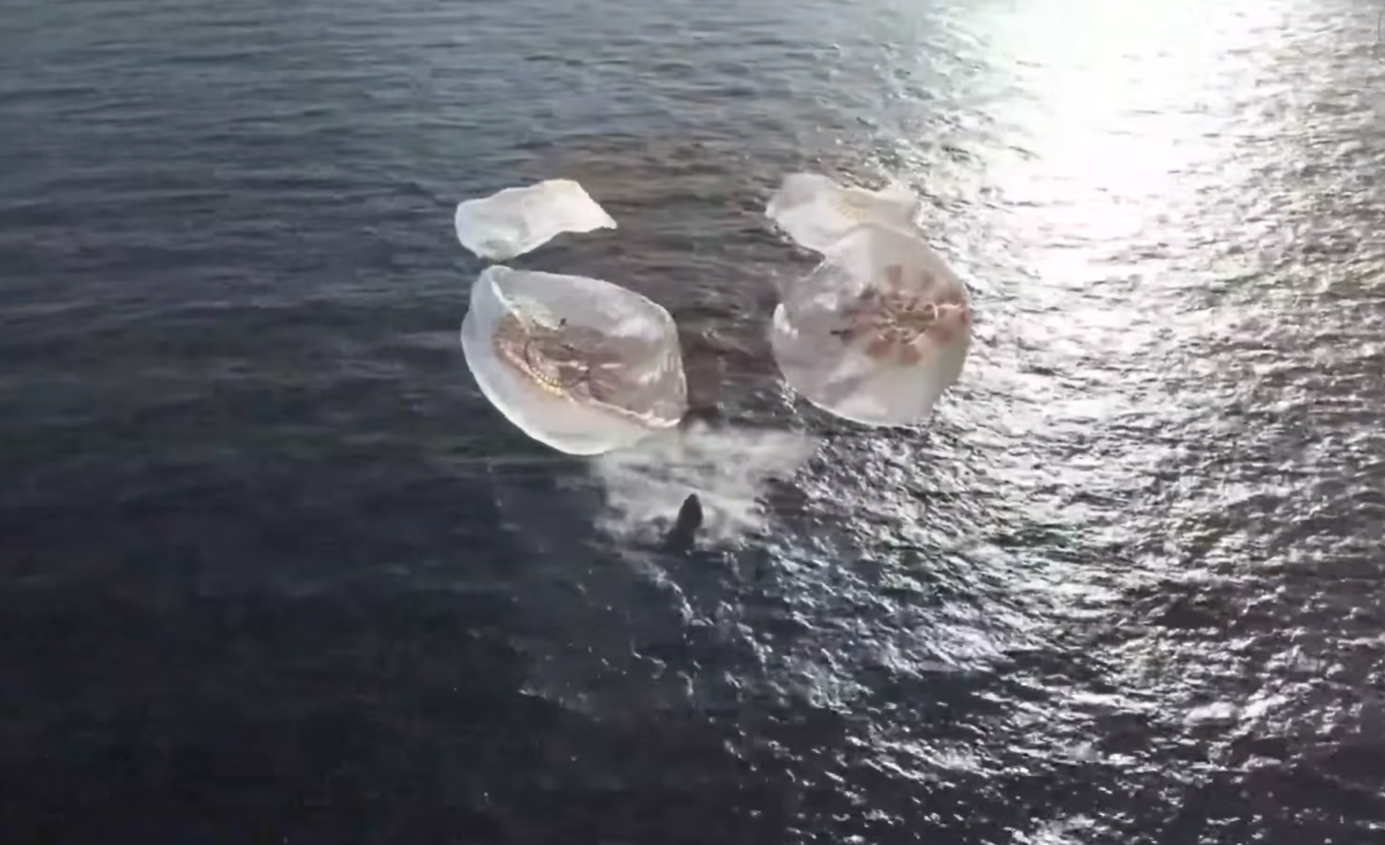
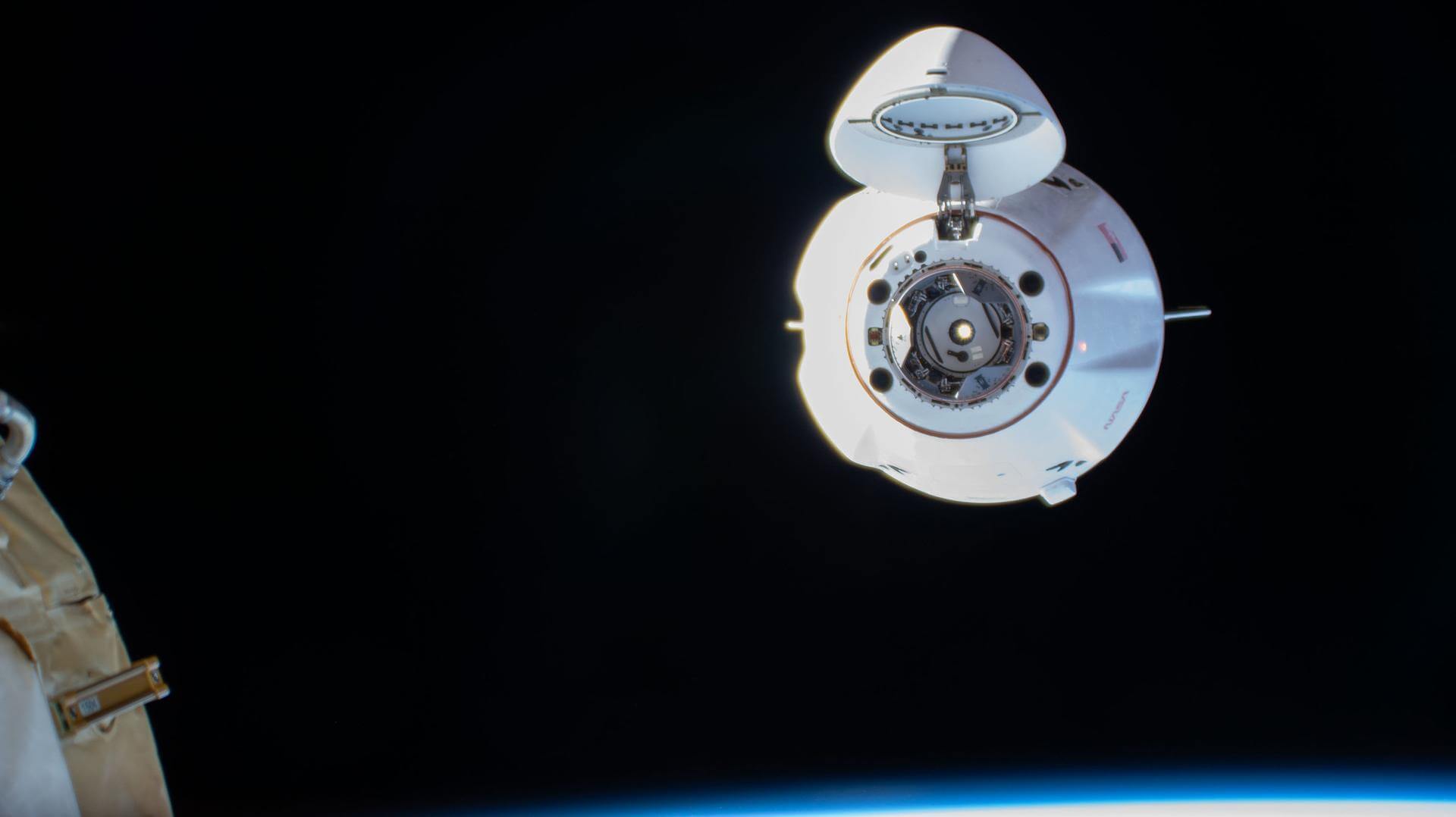
SpaceX’s Crew Dragon spacecraft carrying NASA astronauts Jessica Meir and Jack Hathaway, ESA astronaut Sophie Adenot, and Roscosmos cosmonaut Andrey Fedyaev splashed down off the coast of Los Angeles, California at 11:34 a.m. EDT (8:34 a.m. PDT) on Thursday, October 8.
The crew completed 237 days at the International Space Station. Meir, who logged 440 total days in space across her missions, now ranks in NASA’s Top 10 for cumulative days in space. The Crew-12 mission was the first spaceflight for Hathaway and Adenot; it was the second for Fedyaev.
During their mission, the crew conducted four spacewalks. Recovery teams aboard a recovery ship, including fast boats, secured the Dragon and began the recovery process.
NASA’s Small Spacecraft Propulsion and Inspection Capability (SSPICY) mission, which launched October 1 from Vandenberg Space Force Base in California, will demonstrate technologies for autonomous spacecraft servicing and orbital debris inspection.
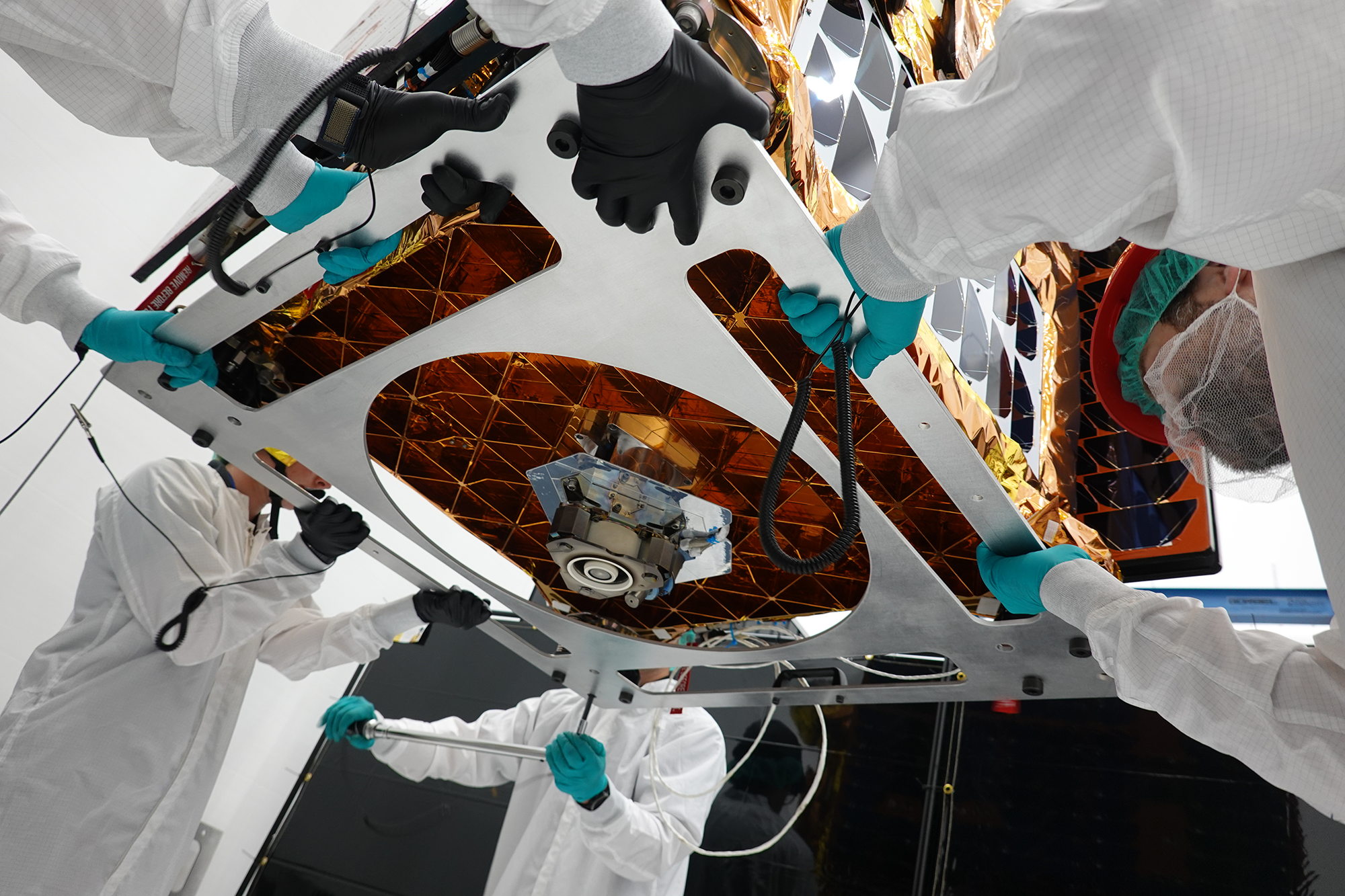
The mission uses an Otter spacecraft, built by Starfish Space, to approach and inspect up to four inoperable space objects of U.S. origin in low Earth orbit, including satellites and rocket bodies. Beginning in early 2027, the Otter spacecraft will navigate within hundreds of yards of each object using autonomous guidance and control software with minimal ground controller input.
During inspections, the spacecraft will gather critical information about each object—spin rate, orientation, and surface condition—using computer vision and sensors that enable real-time navigation decisions. An electric propulsion system will allow SSPICY to travel between objects, and an articulating robotic boom will test precise maneuvering between different orbits.
This is the first time these technologies will be tested together as an integrated system. The Otter spacecraft, about the size of a washing machine, will not touch or dock with any satellites. Instead, it will test technologies needed for future autonomous servicing, repair, and debris removal missions.
Rocket bodies and defunct satellites can break apart or collide, creating orbital debris ranging from large fragments to small particles. With thousands of satellites launching annually for communications, weather forecasting, navigation, and other services, maintaining safe space operations near Earth is increasingly critical. NASA’s Small Spacecraft and Distributed Systems program within the agency’s Research and Technology Mission Directorate funds and manages the technology demonstration.
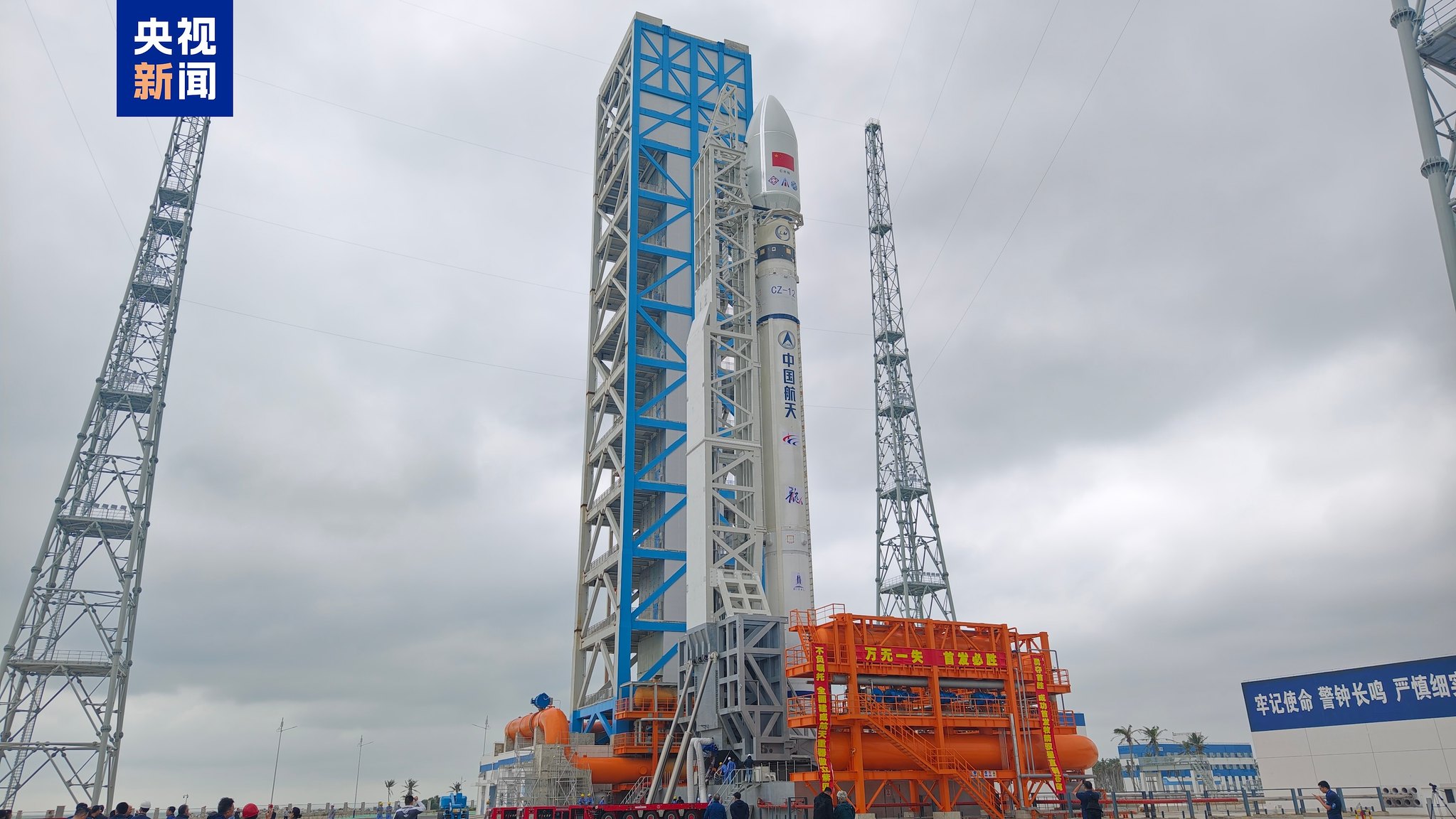
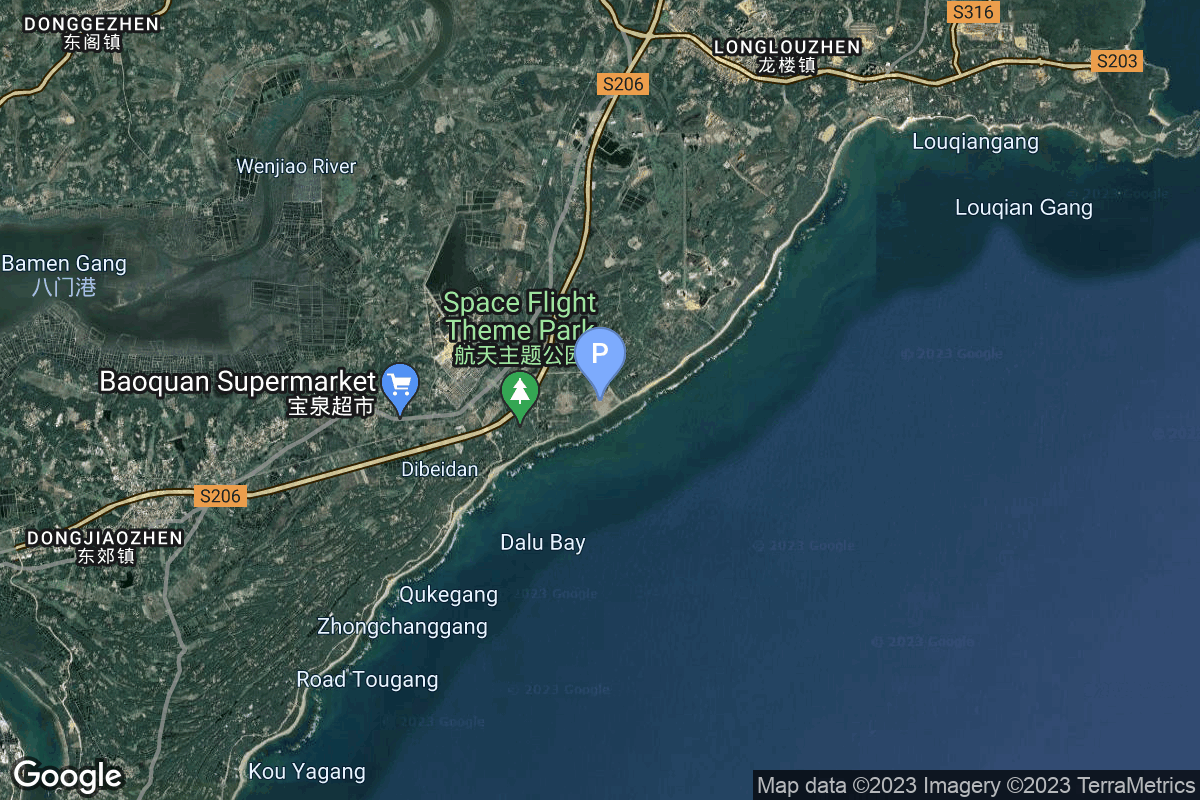
Provider: China Aerospace Science and Technology Corporation Date: October 9, 2026 Time: 7:25 PM UTC Vehicle: Long March 12
Details TBD.
SDA Tranche 1 Transport Layer A
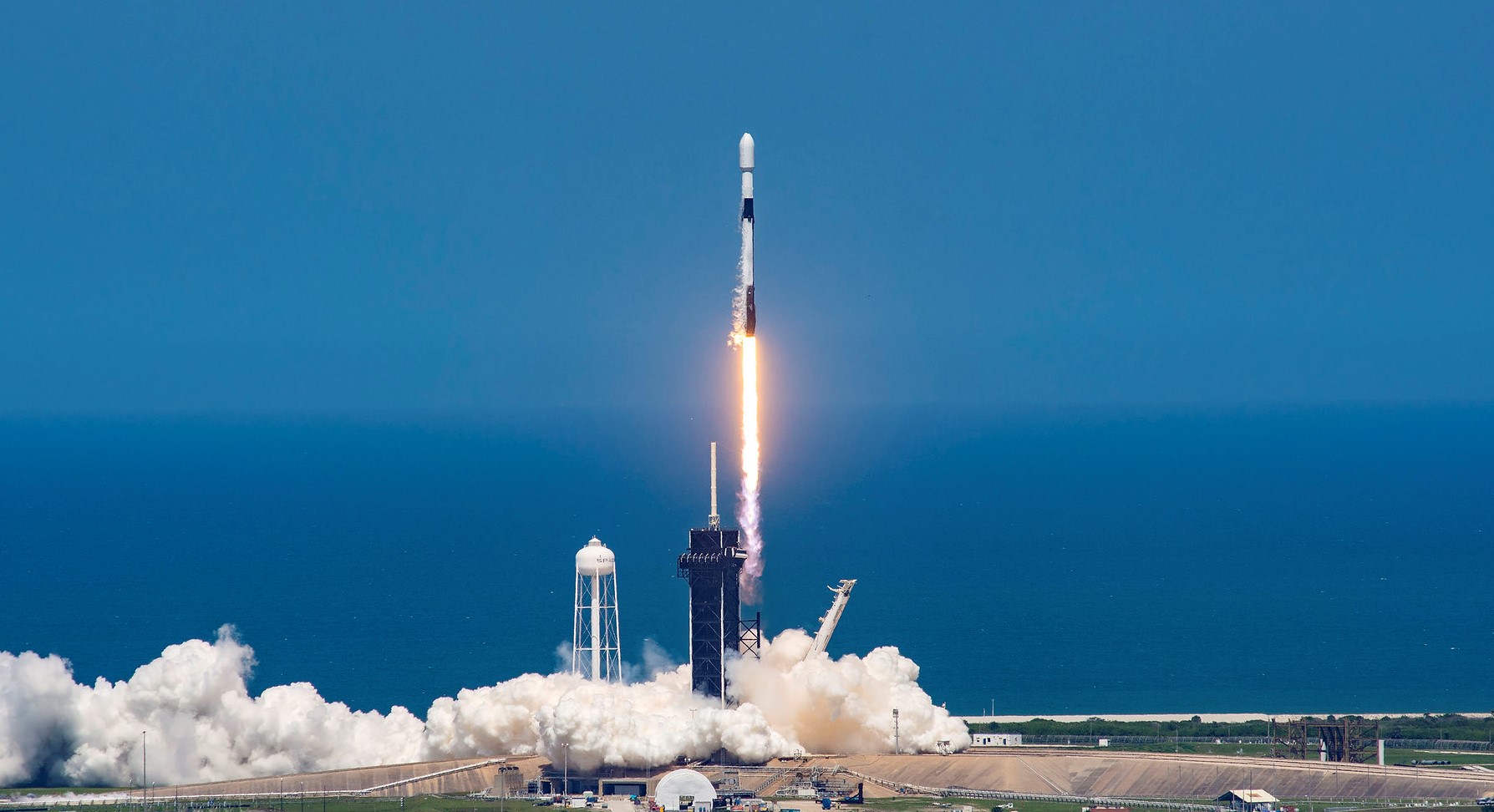
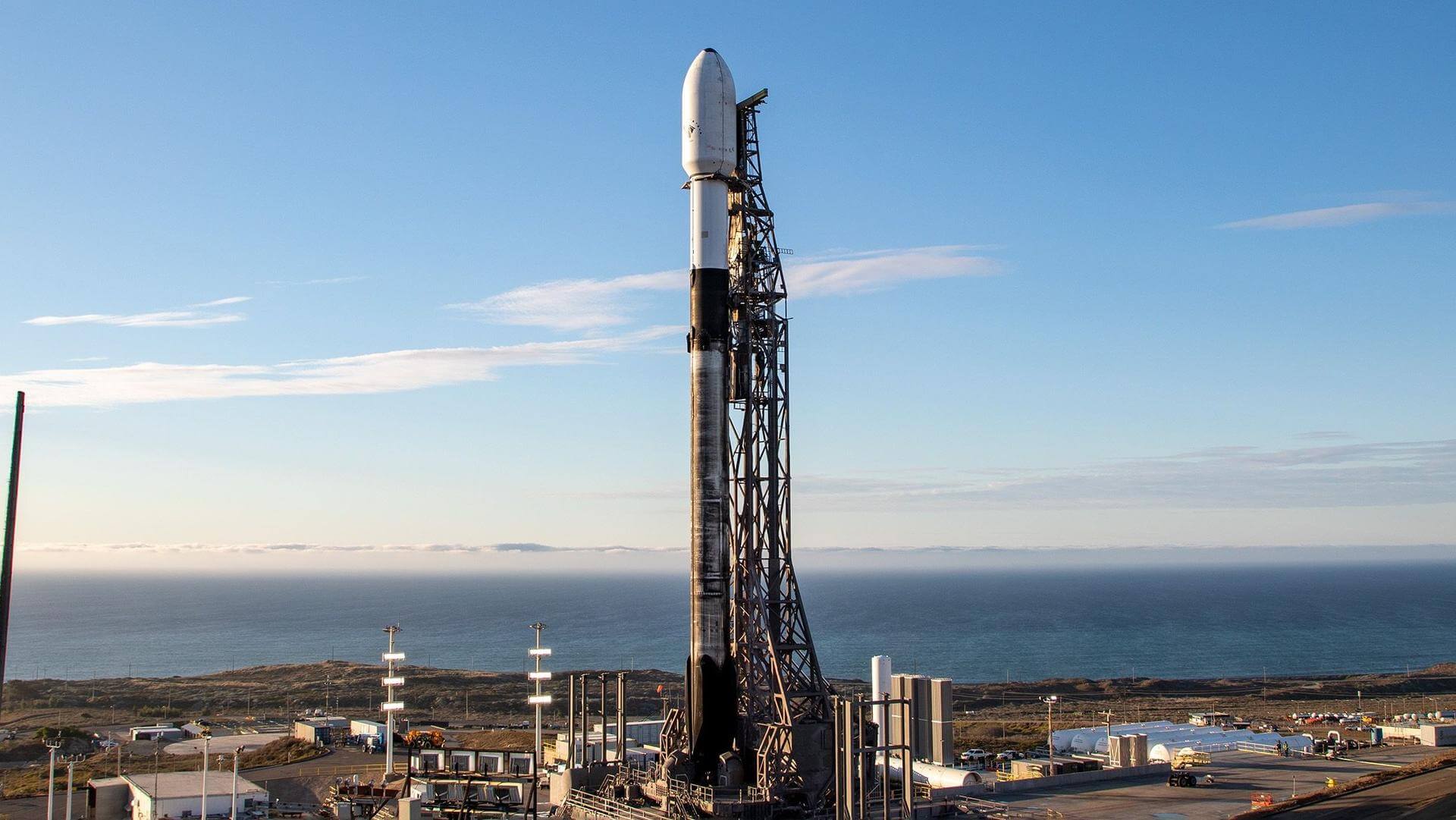
Provider: SpaceX Date: October 10, 2026 Time: 7:29 AM UTC Vehicle: Falcon 9
Tranche 1 Transport Layer A is one of six missions by the United States Space Force Space Development Agency (SDA) for the Proliferated Warfighter Space Architecture (PWSA) Tranche 1 Transport Layer constellation, which will provide assured, resilient, low-latency military data and connectivity worldwide to the full range of warfighter platforms from Low Earth Orbit satellites.
The constellation will be interconnected with Optical Inter-Satellite Links (OISLs) which have significantly increased performance over existing radio frequency crosslinks. It is expected to operate over Ka band, have stereo coverage and be dynamically networked for simpler hand-offs, greater bandwidth and fault tolerance.
This launch carries 21 satellites manufactured by Northrop Grumman.
Starlink Group 15-25
Provider: SpaceX Date: October 12, 2026 Time: 11:00 PM UTC Vehicle: Falcon 9
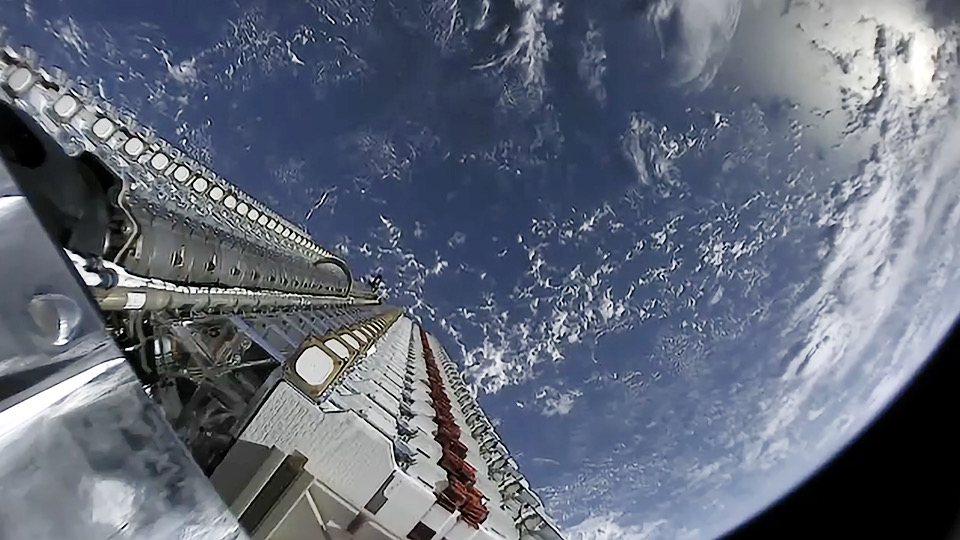
A batch of 27 satellites for the Starlink mega-constellation – SpaceX’s project for space-based Internet communication system.
Dragon CRS-2 SpX-35
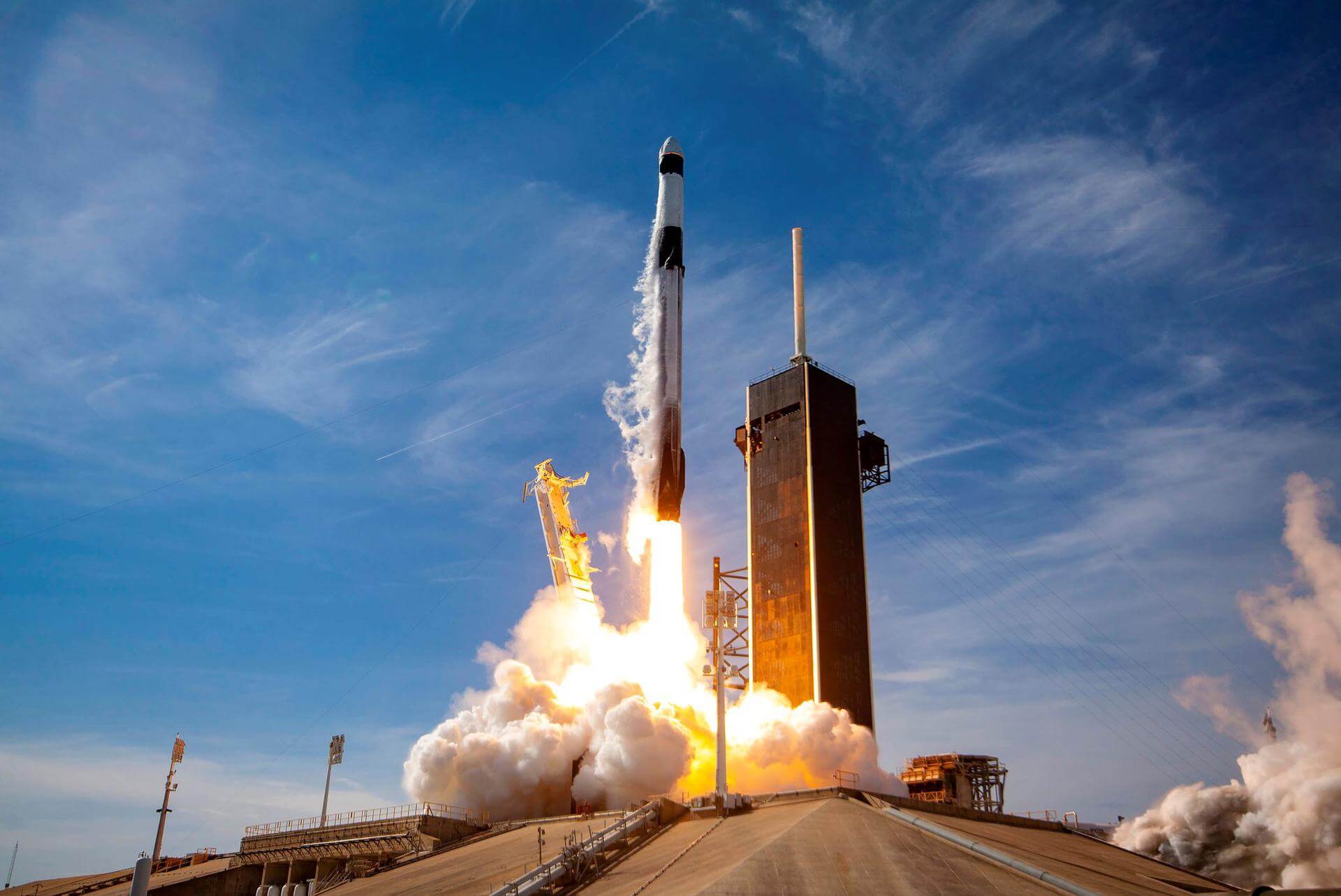
Provider: SpaceX Date: October 13, 2026 Time: 10:33 AM UTC Vehicle: Falcon 9
35th commercial resupply services mission to the International Space Station operated by SpaceX. The flight will be conducted under the second Commercial Resupply Services contract with NASA.
Cargo Dragon 2 brings supplies and payloads, including critical materials to directly support science and research investigations that occur onboard the orbiting laboratory.
USSF-481
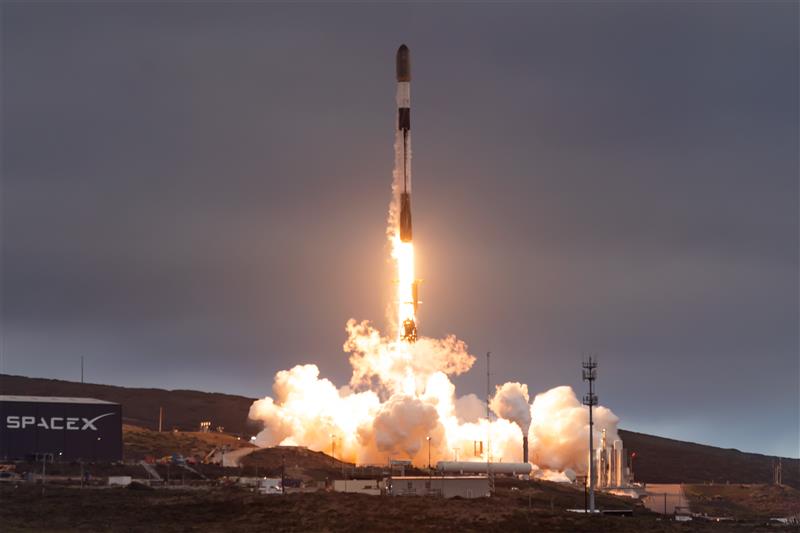
Provider: SpaceX Date: October 15, 2026 Time: 11:44 PM UTC Vehicle: Falcon 9
A classified mission for the United States Space Force. It is possibly a batch of classified LEO satellites based on SpaceX’s Starshield satellite bus, based on locations of ascent rocket stage drop zones being fits with previous SDA Transport Layer launches.
Unknown Payload ×
Mission Details
TypeUnknown
OrbitUnknown
TargetEarth
Details TBD.
Launch Provider: China Aerospace Science and Technology Corporation
The Long March 12 carrier rocket is a Chinese medium-lift launch vehicle currently under development by the Shanghai Academy of Spaceflight Technology, using kerosene and liquid oxygen as propellant. It will be capable of placing at least 10 tonnes of payload in low Earth orbit and at least 6…
Tranche 1 Transport Layer A is one of six missions by the United States Space Force Space Development Agency (SDA) for the Proliferated Warfighter Space Architecture (PWSA) Tranche 1 Transport Layer constellation, which will provide assured, resilient, low-latency military data and connectivity worldwide to the full range of warfighter platforms from Low Earth Orbit satellites.
The constellation will be interconnected with Optical Inter-Satellite Links (OISLs) which have significantly increased performance over existing radio frequency crosslinks. It is expected to operate over Ka band, have stereo coverage and be dynamically networked for simpler hand-offs, greater bandwidth and fault tolerance.
This launch carries 21 satellites manufactured by Northrop Grumman.
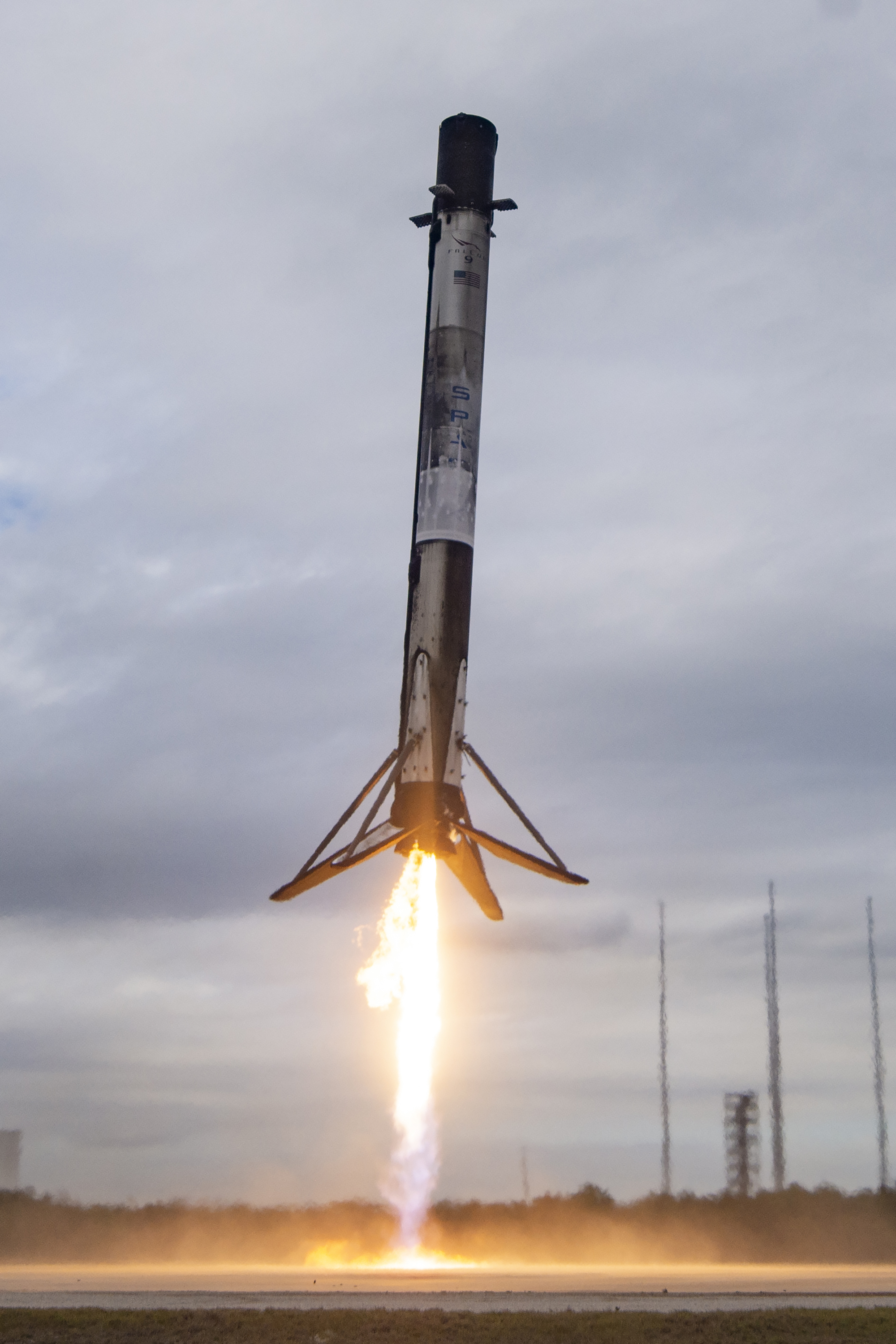
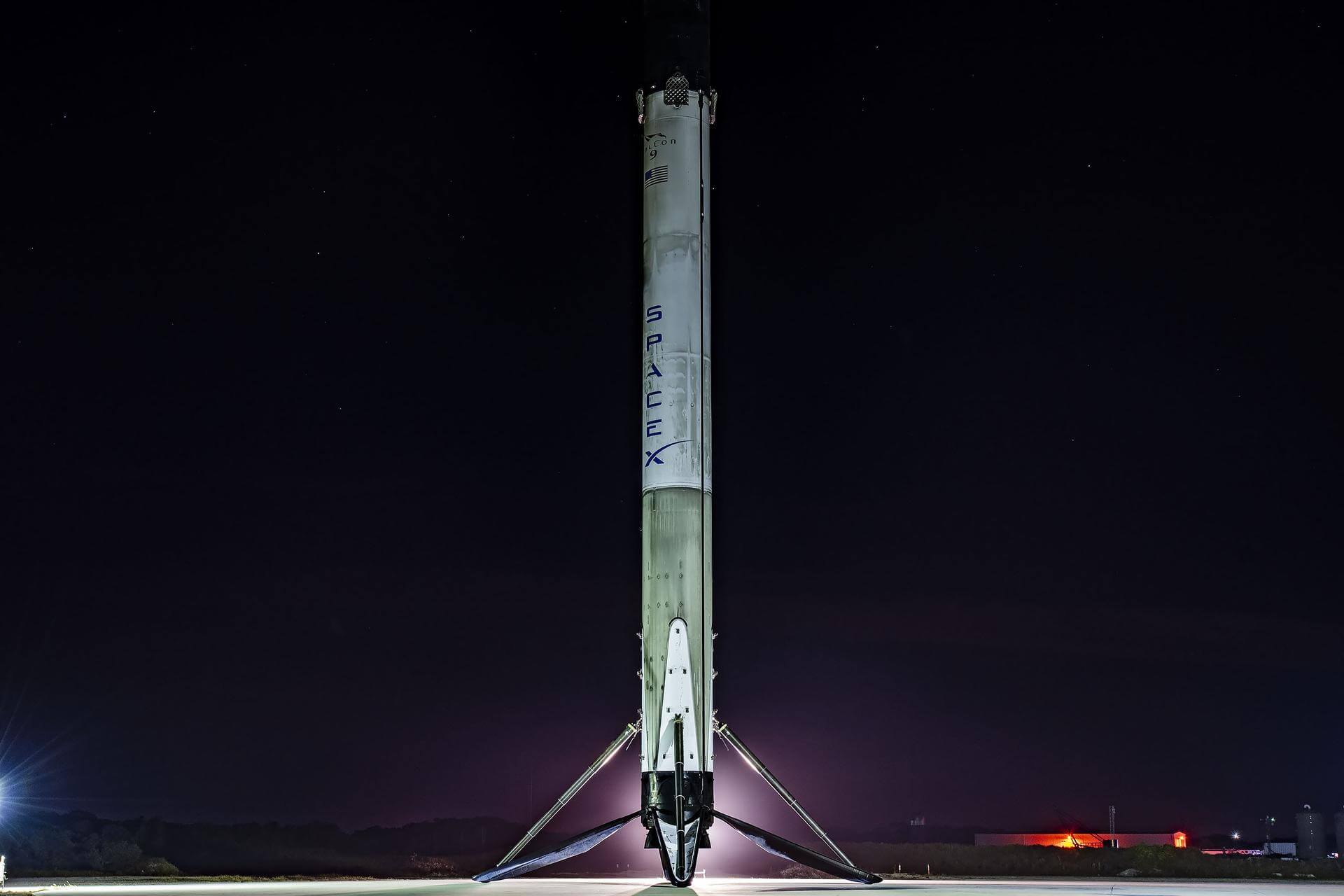
Falcon 9 is a two-stage rocket designed and manufactured by SpaceX for the reliable and safe transport of satellites and the Dragon spacecraft into orbit. The Block 5 variant is the fifth major interval aimed at improving upon the ability for rapid reusability.
Falcon 9 is a two-stage rocket designed and manufactured by SpaceX for the reliable and safe transport of satellites and the Dragon spacecraft into orbit. The Block 5 variant is the fifth major interval aimed at improving upon the ability for rapid reusability.
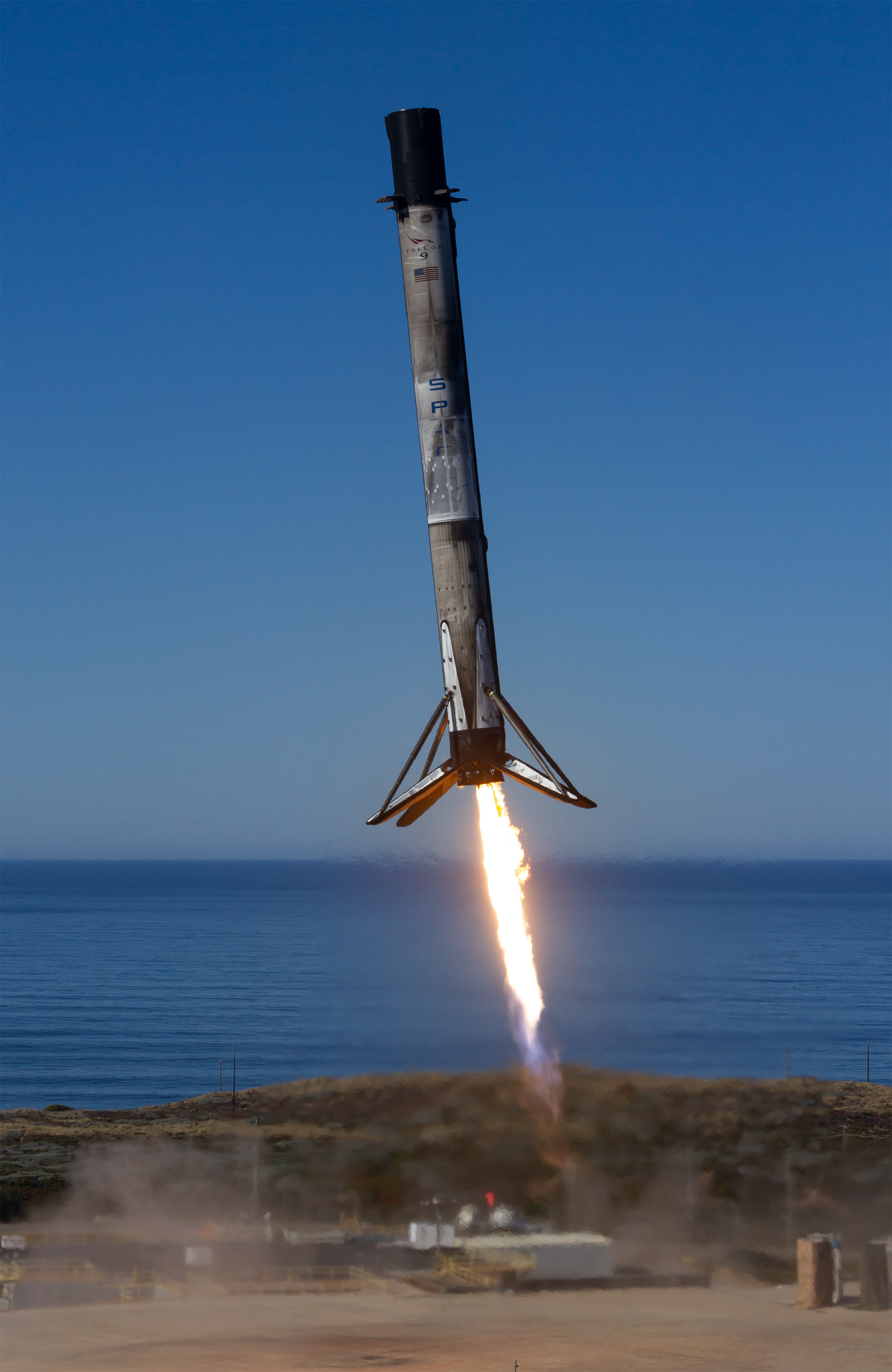
The Falcon 9 first stage B1088 will land on ASDS OCISLY after its 20th flight.
Dragon CRS-2 SpX-35 ×
Mission Details
TypeResupply
OrbitLow Earth Orbit
TargetEarth
35th commercial resupply services mission to the International Space Station operated by SpaceX. The flight will be conducted under the second Commercial Resupply Services contract with NASA.
Cargo Dragon 2 brings supplies and payloads, including critical materials to directly support science and research investigations that occur onboard the orbiting laboratory.
• National Aeronautics and Space Administration (Government)
Program: Commercial Resupply Services
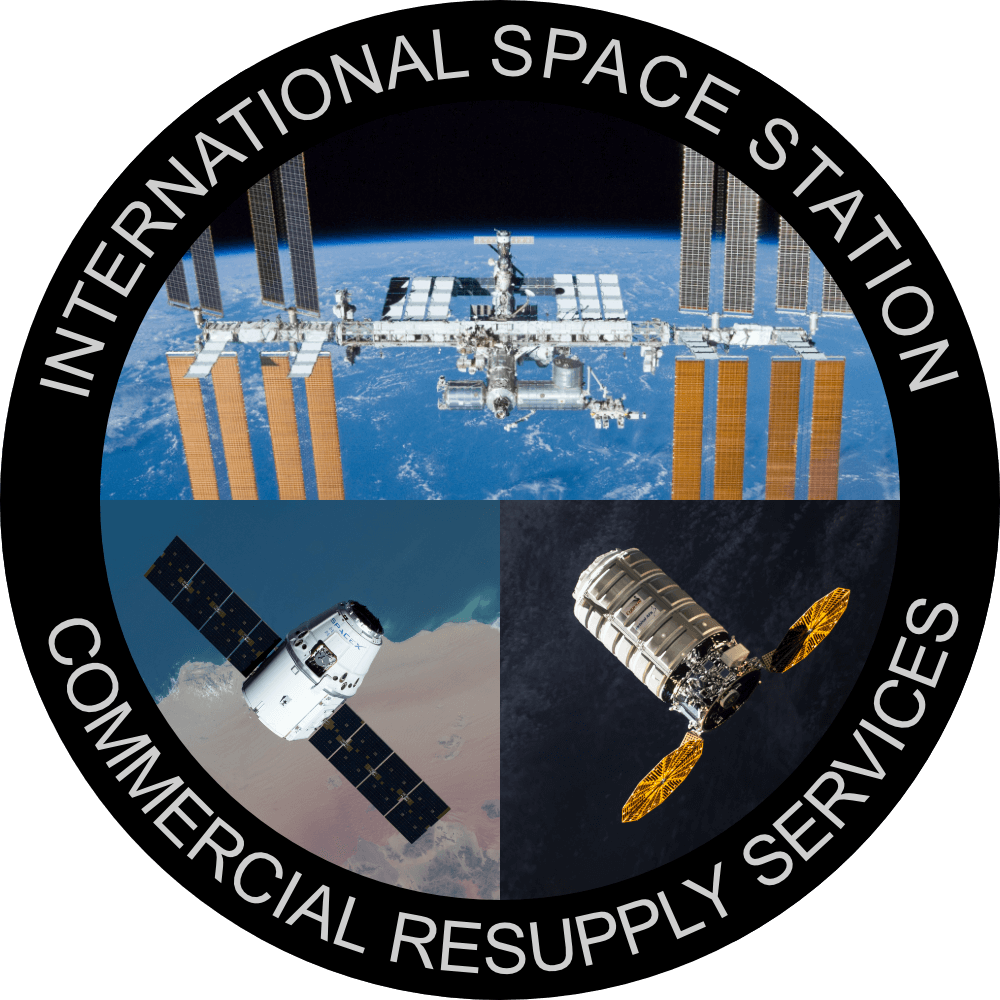
Commercial Resupply Services (CRS) are a series of flights awarded by NASA for the delivery of cargo and supplies to the International Space Station.The first CRS contracts were signed in 2008 and awarded $1.6 billion to SpaceX for twelve cargo Dragon and $1.9 billion to Orbital Sciences for eight Cygnus flights, covering deliveries to 2016. The Falcon 9 and Antares rockets were also developed under the CRS program to deliver cargo spacecraft to the ISS.
The International Space Station programme is tied together by a complex set of legal, political and financial agreements between the sixteen nations involved in the project, governing ownership of the various components, rights to crewing and utilization, and responsibilities for crew rotation and resupply of the International Space Station. It was conceived in 1984 by President Ronald Reagan, during the Space Station Freedom project as it was originally called.
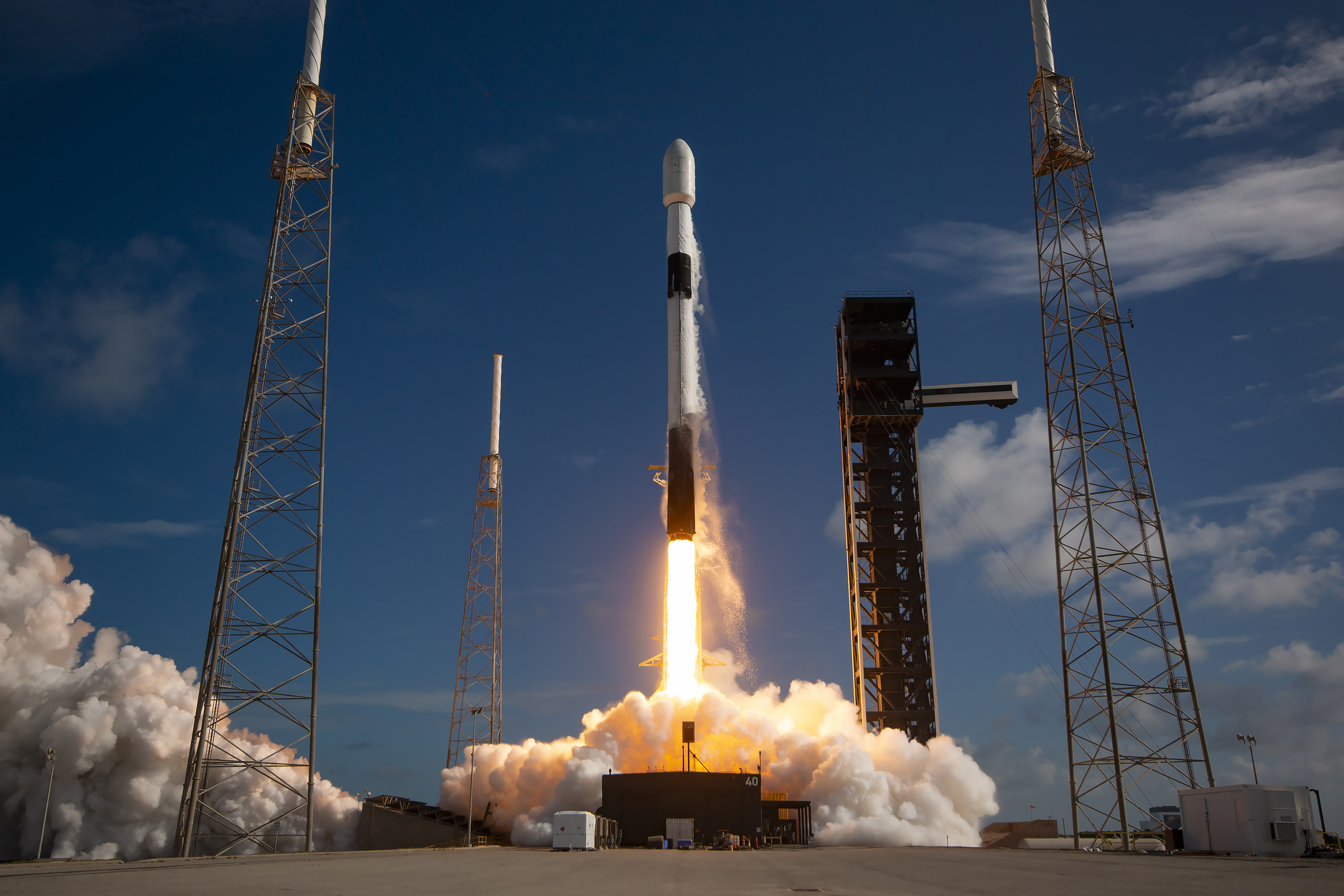
Falcon 9 is a two-stage rocket designed and manufactured by SpaceX for the reliable and safe transport of satellites and the Dragon spacecraft into orbit. The Block 5 variant is the fifth major interval aimed at improving upon the ability for rapid reusability.
The Falcon 9 first stage B1096 will land back at the launch site after its 8th flight.
Spacecraft: Cargo Dragon C211
Third Cargo Dragon 2
Specifications
SerialC211
TypeCapsule
StatusActive
DestinationISS
Height7.2 m
Diameter3.7 m
Maiden Flight2020-12-06
Payload Capacity6,000 kg
Return Capacity3,000 kg
Time in Space275 Days, 8 Hours, 1 Minute
Missions Flown3
Turnaround228 Days, 2 Hours, 49 Minutes
Fastest Turnaround228 Days, 2 Hours, 49 Minutes
History
Cargo Dragon 2 is an updated version of the original Dragon spaceship designed to service the International Space Station with first flights conducted in 2020.
In contrast to Dragon 1 it docks to the International Space Station instead of being berthed by the Canada Arm.
Capability
Cargo Earth Orbit Logistics
Details
Cargo Dragon 2 is a autonomous spaceship capable of bringing science to and from the International Space Station with large pressurized and un-pressurized sections to support a variety of missions.
Flight Life
Able to fly for up to one week of free flight or two years docked.
A classified mission for the United States Space Force. It is possibly a batch of classified LEO satellites based on SpaceX’s Starshield satellite bus, based on locations of ascent rocket stage drop zones being fits with previous SDA Transport Layer launches.
Falcon 9 is a two-stage rocket designed and manufactured by SpaceX for the reliable and safe transport of satellites and the Dragon spacecraft into orbit. The Block 5 variant is the fifth major interval aimed at improving upon the ability for rapid reusability.
Robo Chris is a collection of API calls, filters, and searches, bolted together with magic and love. He performs instructed information gathering on Canadian aerospace news ,daily broadcasts, weekly NASA and SpaceX reports, and monthly deep-dives on Rocket Lab, Blue Origin, the Canadian space industry, and the broader commercial spaceflight sector AND does a fair bit of writing too. Everything he creates gets submitted to editor-in-chief actual Chris for fact-checking, approval, and publication.





Leave a Reply