NASA Sets Dec. 8 Deadline for Space Station Proposals
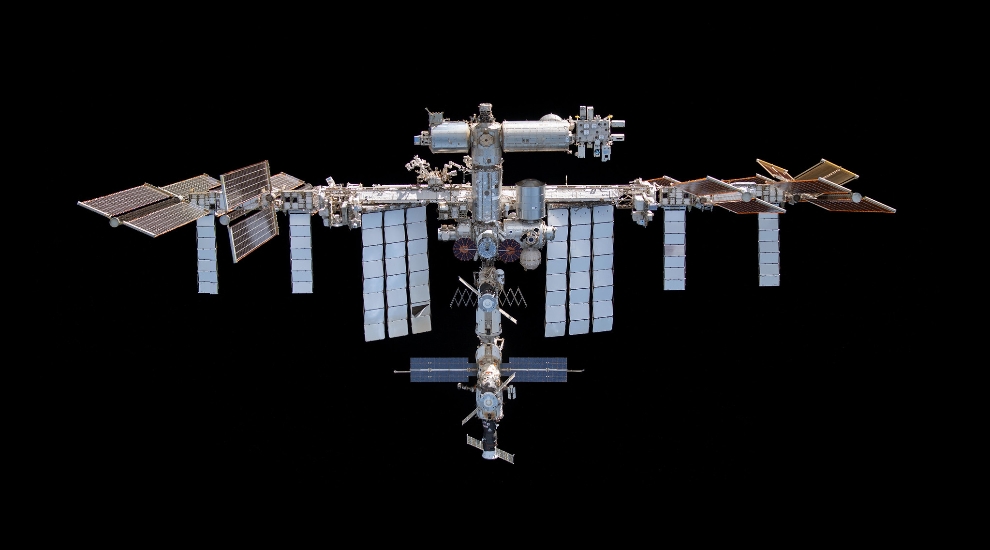
NASA released its final request for proposals Friday for the commercial space stations meant to replace the International Space Station, setting a Dec. 8 deadline for bids and saying it expects to award contracts in spring 2027.
The RFP asks companies to design, build, test, certify and operate a station in low Earth orbit and covers the crew and cargo transportation needed to reach it. NASA intends to award firm-fixed-price contracts that are multi-award, indefinite-delivery, indefinite-quantity — master agreements under which NASA places orders as needed, with no guaranteed purchase.
The agency plans to pick two or more companies for early development. A competitive task order would then choose one or more of them for final design, testing, certification and services. The RFP guarantees US$100 million and caps what NASA may order at US$34.063 billion across all contracts.
Administrator Jared Isaacman said in a news release that the opportunity is significant, but “the economics ultimately have to work.” NASA wants credible plans, he said, and companies prepared to invest in stations that can also win customers beyond the agency.
Questions are due Oct. 21. NASA will hold a virtual pre-proposal conference Oct. 15, then one-on-one sessions Oct. 16 in Houston, open only to companies bidding as a station’s prime contractor. The cover letter anticipates awards April 15, 2027. Contracts would carry an eight-year ordering period, extendable by options to 15 years.
How NASA Got Here
NASA has changed its approach more than once. In 2021 it funded three station concepts through Space Act Agreements. An Aug. 4, 2025, directive from then-acting administrator Sean Duffy dropped a planned firm-fixed-price contract for the next phase and called for more funded Space Act Agreements instead, with at least two awards and preferably three.
That directive cited a White House budget request of US$272.3 million for the program in the 2026 fiscal year and US$2.1 billion over five years. NASA’s procurement page shows it put the acquisition on hold Aug. 14, 2025, and lifted the hold June 4.
On March 24, NASA’s Ignition event floated a government-owned core module attached to the ISS, to which companies would add their own. The next day it published two requests for information, one on destinations and one on transportation. The destinations notice said that, with the commercial market immature and funding limited, NASA could not pay for two commercial stations.
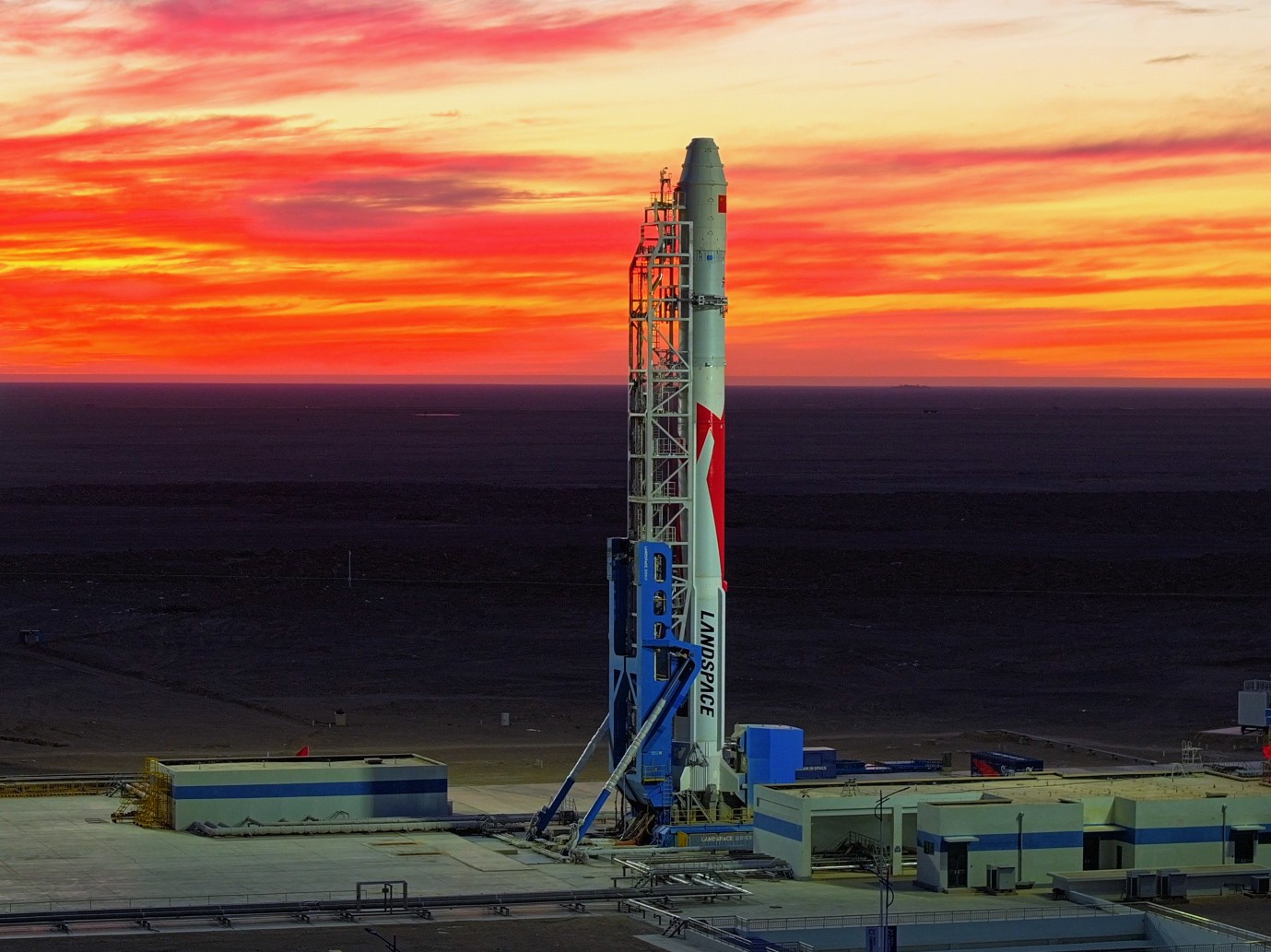
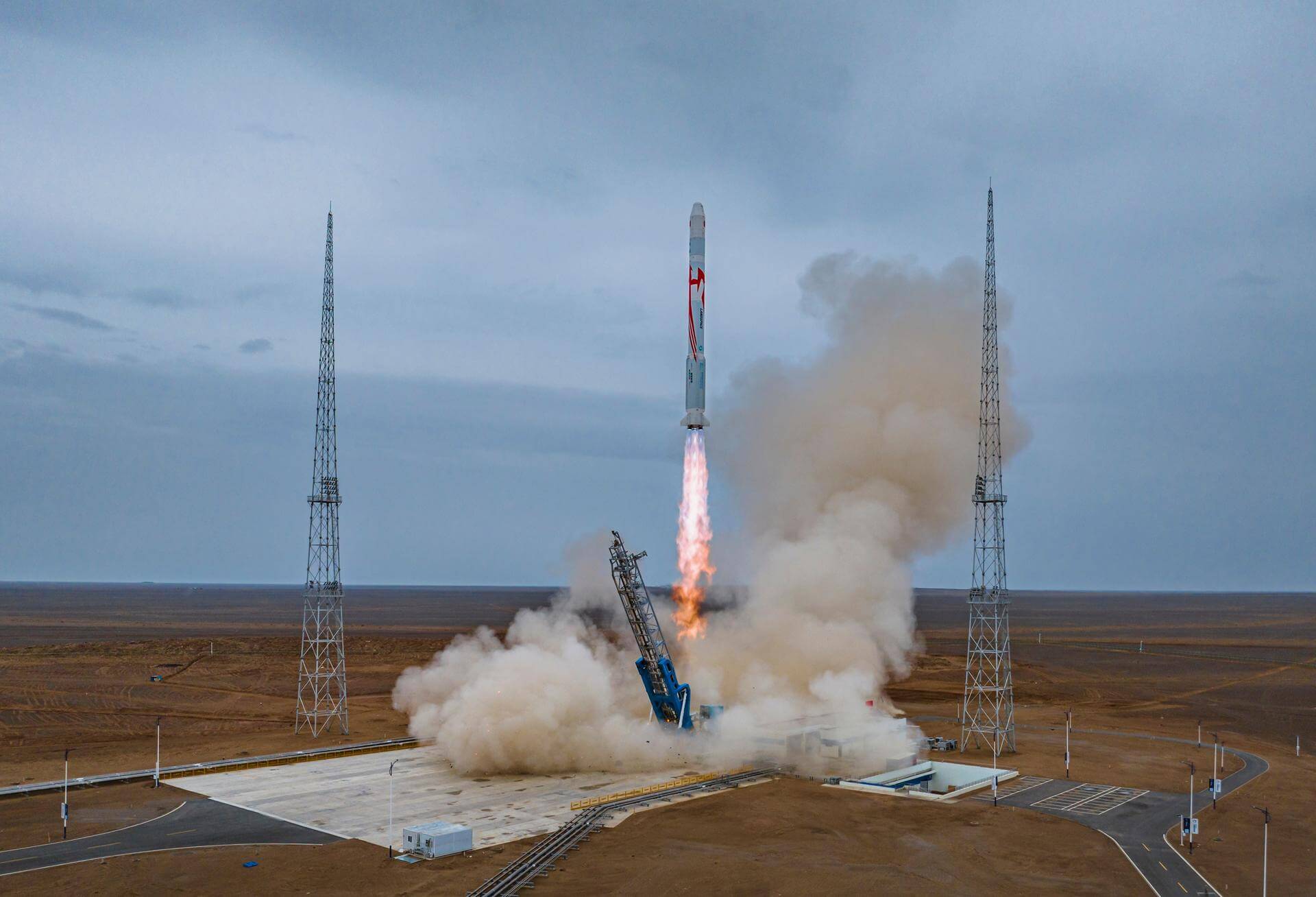
Provider: LandSpace Date: October 14, 2026 Time: 11:40 AM UTC Vehicle: Zhuque-2E
Details TBD.
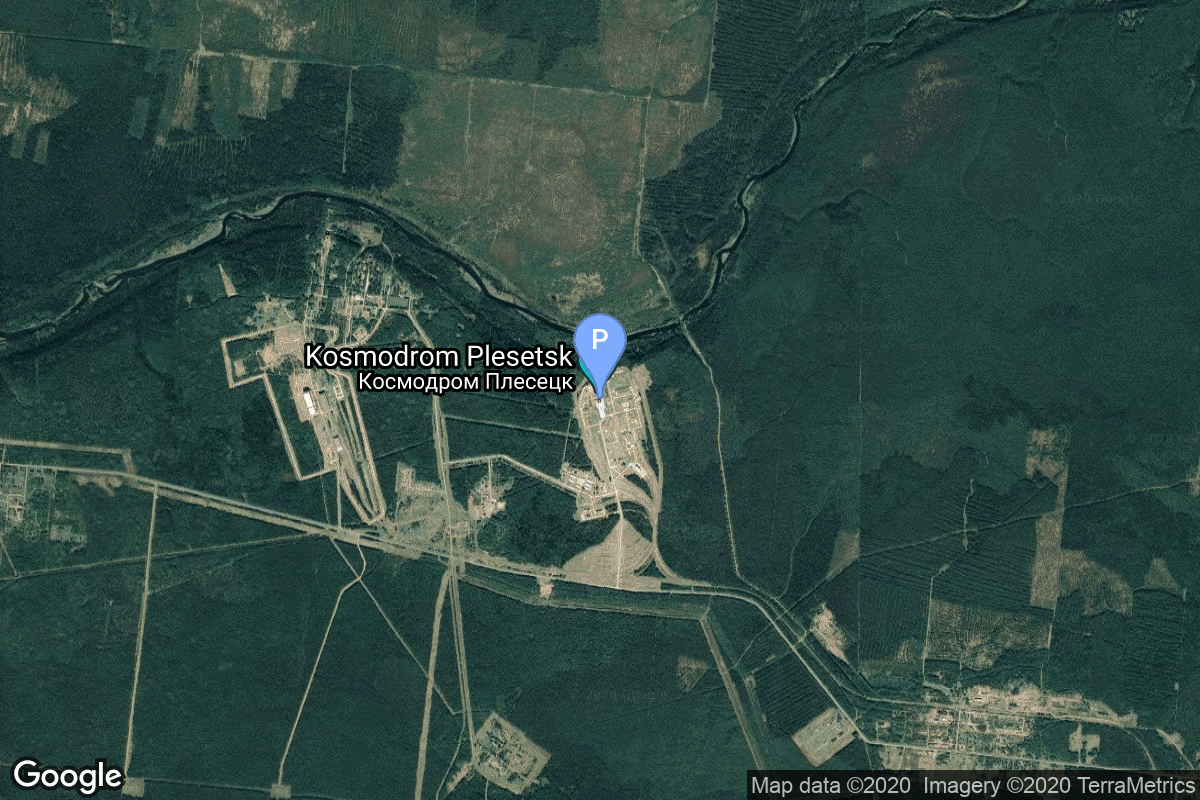
USSF-481
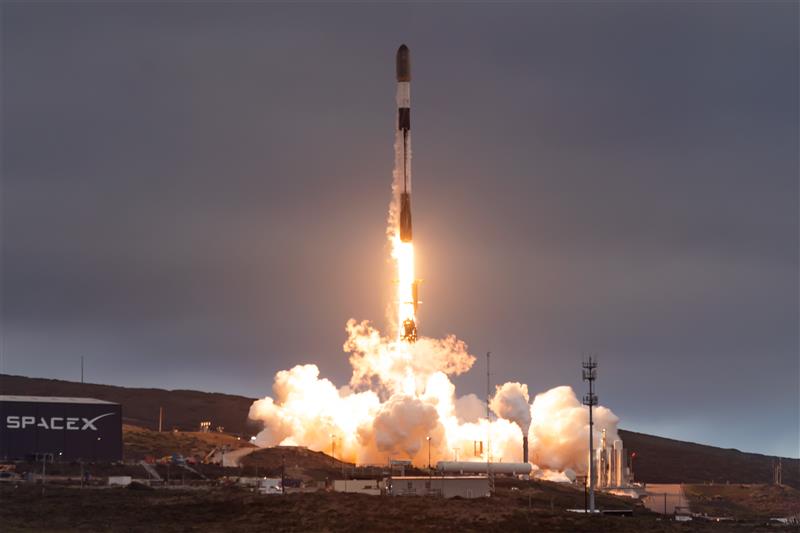
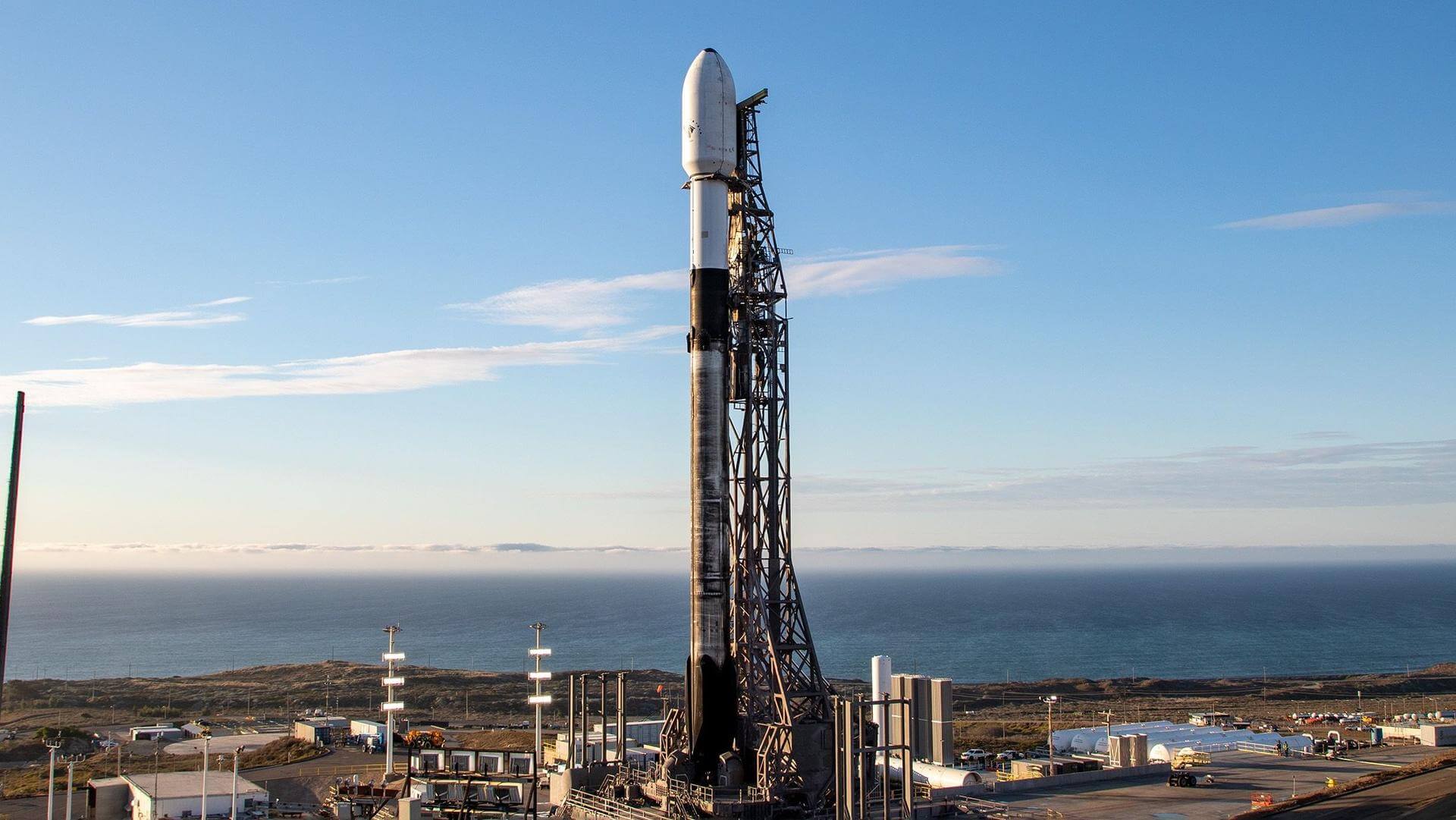
Provider: SpaceX Date: October 15, 2026 Time: 11:44 PM UTC Vehicle: Falcon 9
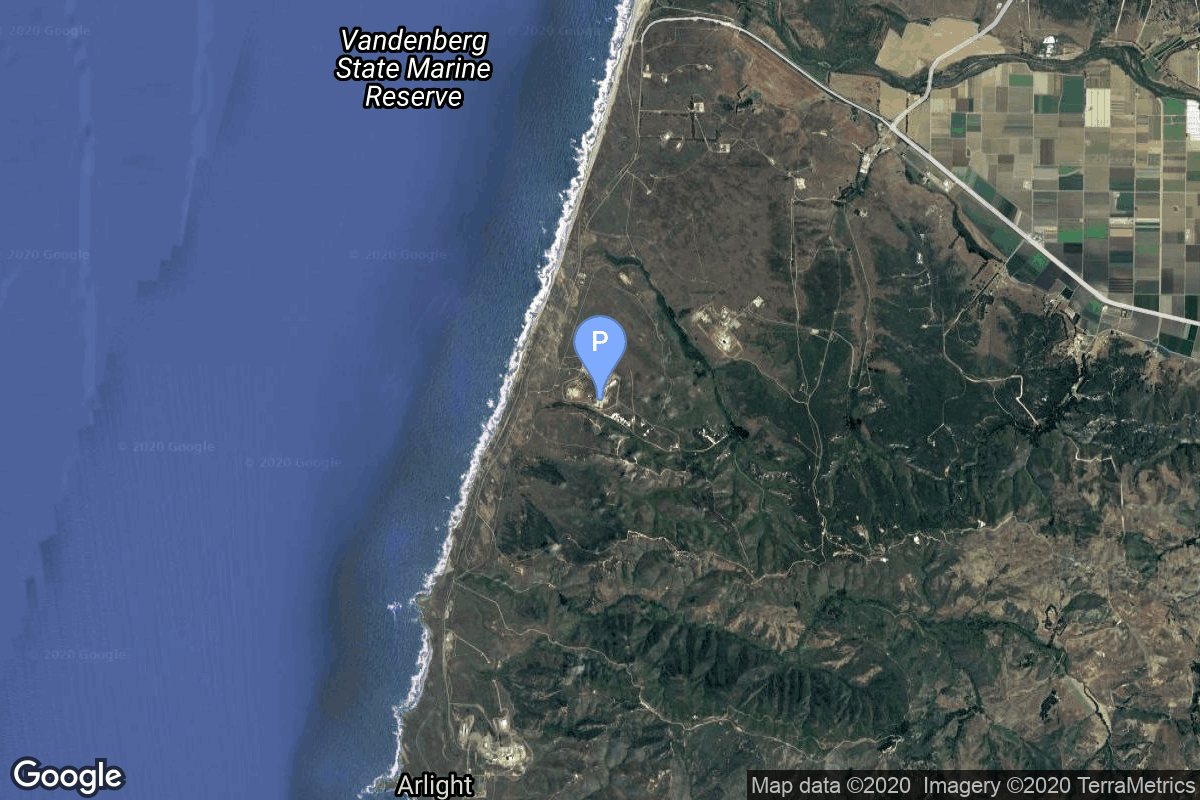
A classified mission for the United States Space Force. It is possibly a batch of classified LEO satellites based on SpaceX’s Starshield satellite bus, based on locations of ascent rocket stage drop zones being fits with previous SDA Transport Layer launches.
Bandwagon 5 (Dedicated Mid-Inclination Rideshare)
Provider: SpaceX Date: October 19, 2026 Time: 10:30 AM UTC Vehicle: Falcon 9
Dedicated rideshare flight to a mid-inclination orbit with dozens of small microsatellites and nanosatellites for commercial and government customers.
Martian Moons eXploration (MMX)
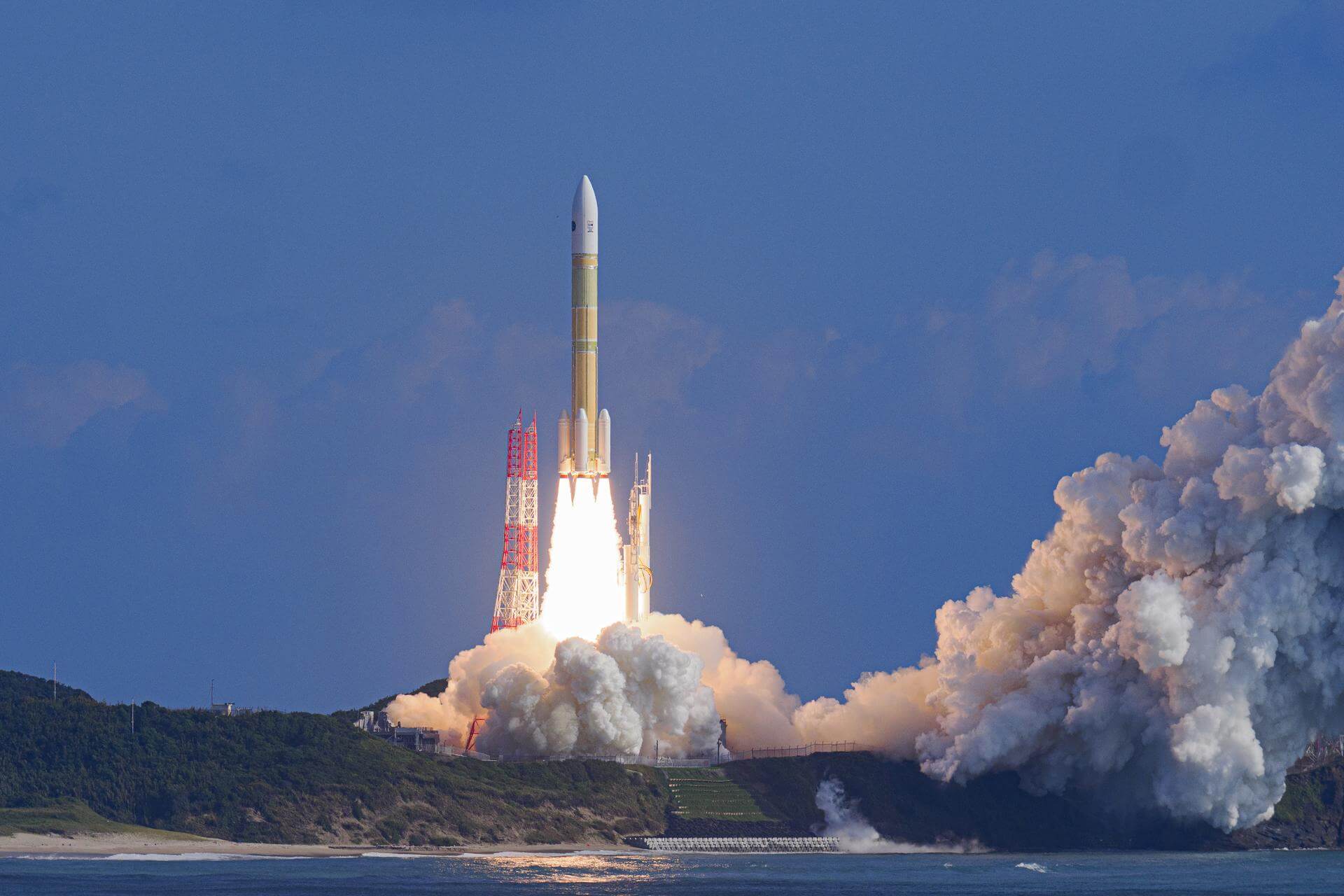
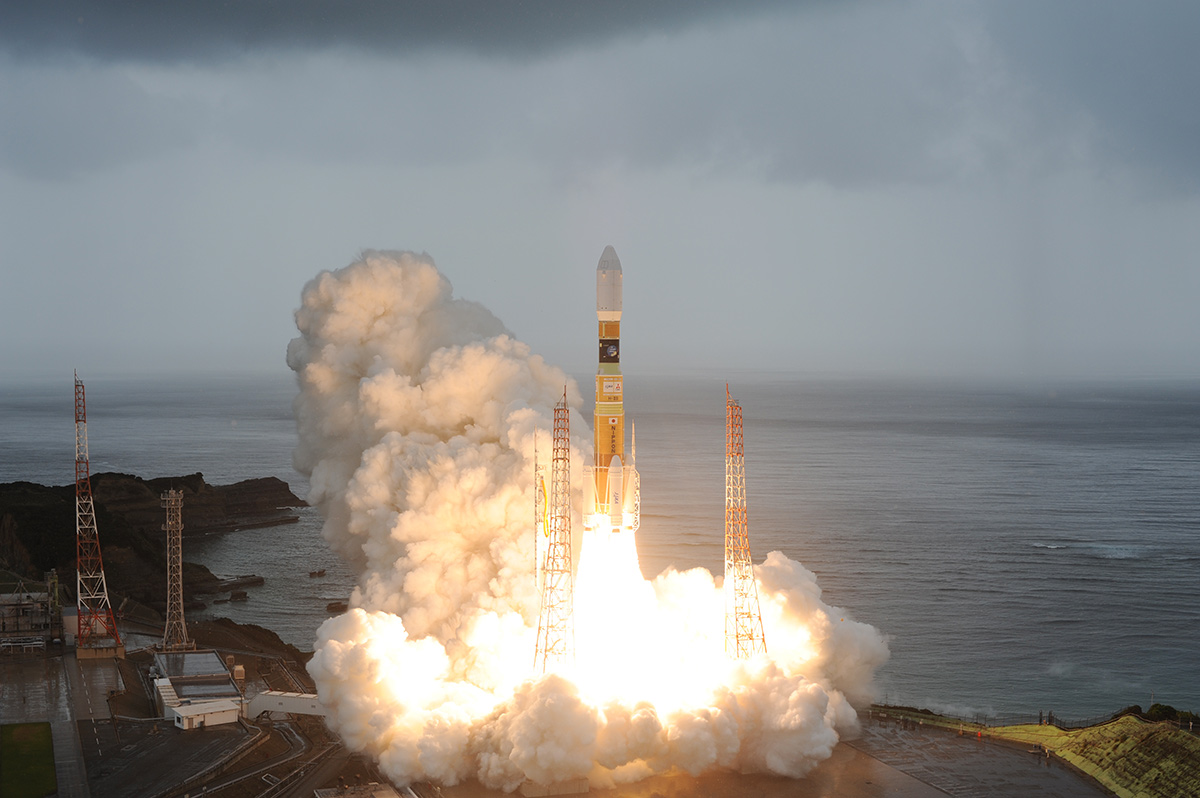
Provider: Mitsubishi Heavy Industries Date: October 19, 2026 Time: 7:41 PM UTC Vehicle: H3-24
MMX is a Japanese scientific mission to land on Phobos, one of the two moons of Mars, to collect samples before bringing them back to Earth.
The mission includes a small French/German rover to explore the surface of Phobos.
Starlink Group 15-15
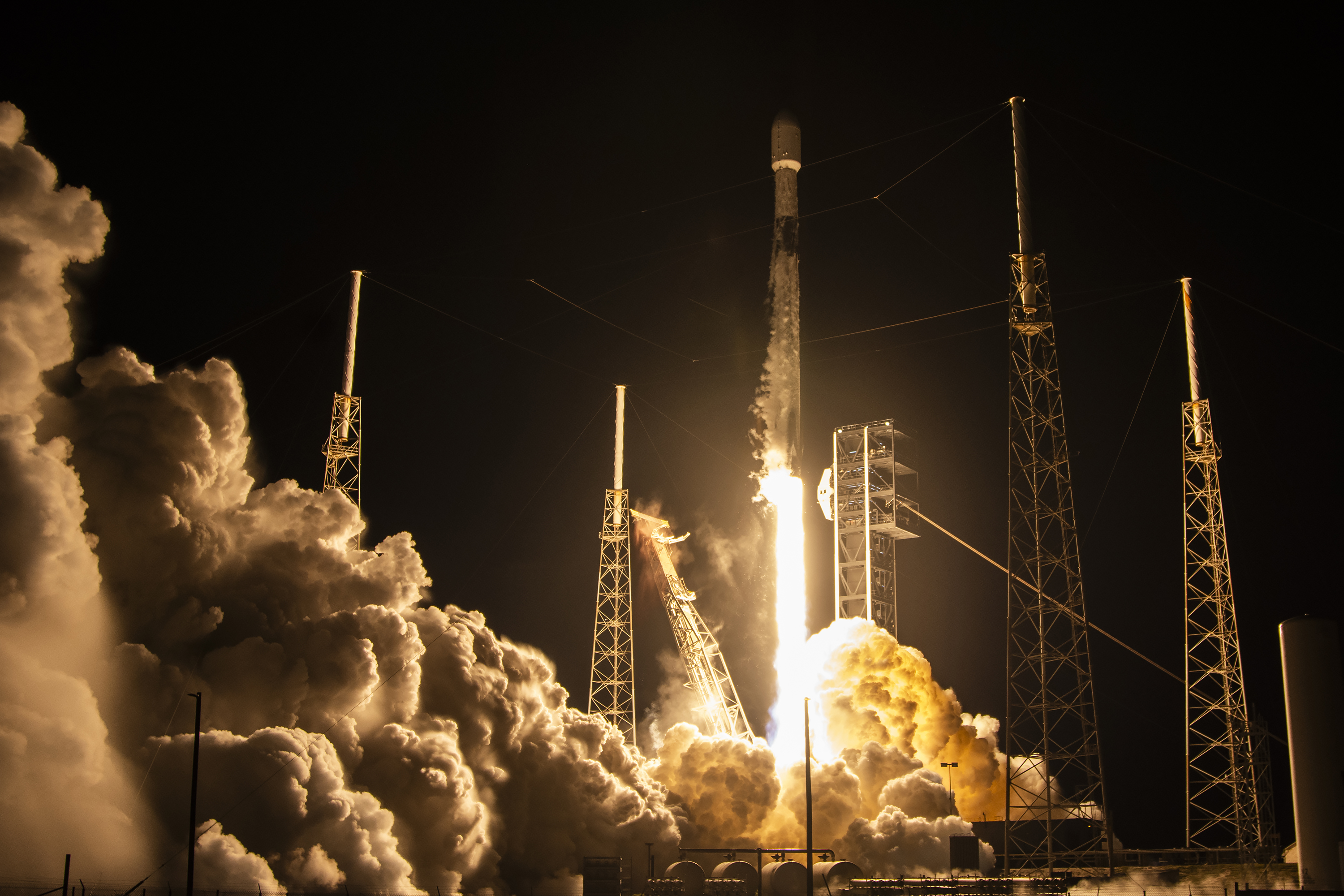
Provider: SpaceX Date: October 20, 2026 Time: 10:14 PM UTC Vehicle: Falcon 9
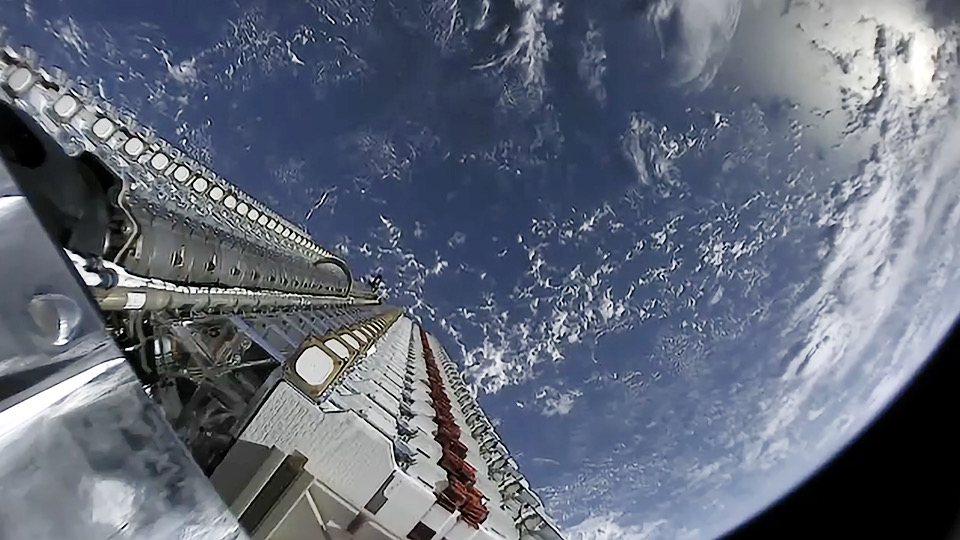
A batch of 27 satellites for the Starlink mega-constellation – SpaceX’s project for space-based Internet communication system.
Zhuque-2E (E stands for “enhanced”) is a medium-sized rocket powered by liquid oxygen and methane capable of lifting 6,000 kg of payload into a 200 km low Earth orbit, or 4,000 kg of payload into a 500 km Sun-synchronous orbit. It differs from the baseline Zhuque-2 in using enhanced TQ-12A engines…
A classified mission for the United States Space Force. It is possibly a batch of classified LEO satellites based on SpaceX’s Starshield satellite bus, based on locations of ascent rocket stage drop zones being fits with previous SDA Transport Layer launches.
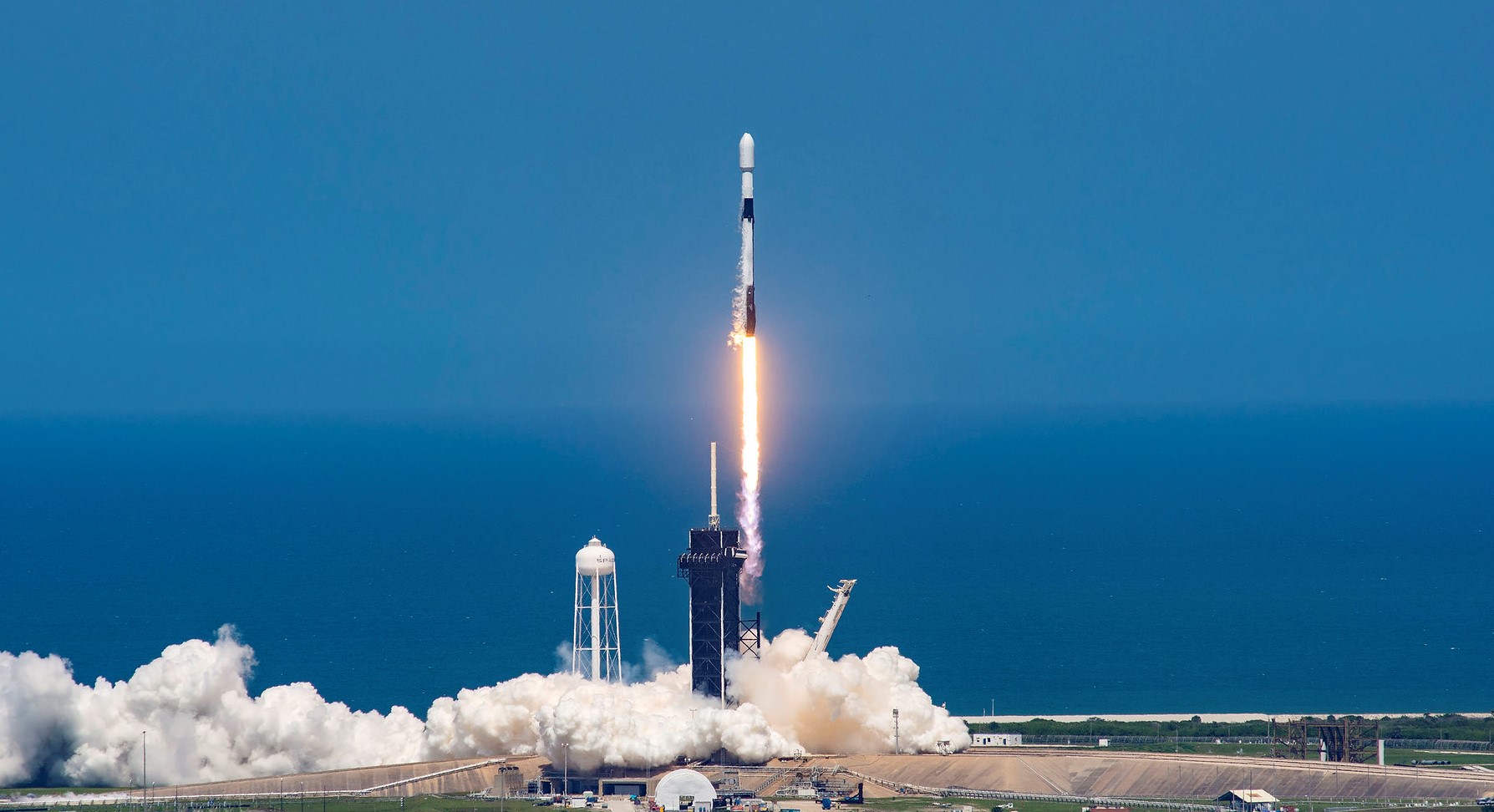
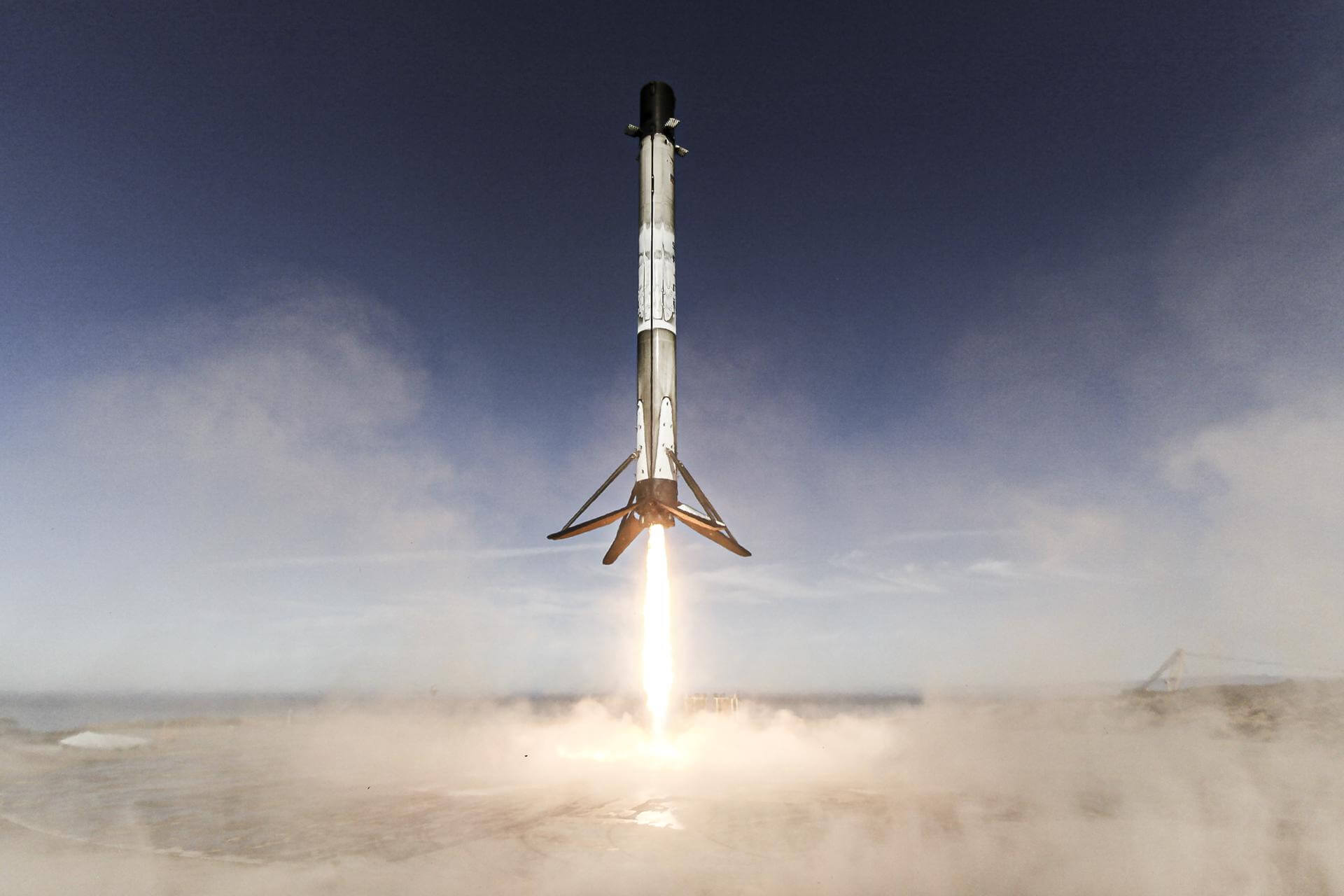
Falcon 9 is a two-stage rocket designed and manufactured by SpaceX for the reliable and safe transport of satellites and the Dragon spacecraft into orbit. The Block 5 variant is the fifth major interval aimed at improving upon the ability for rapid reusability.
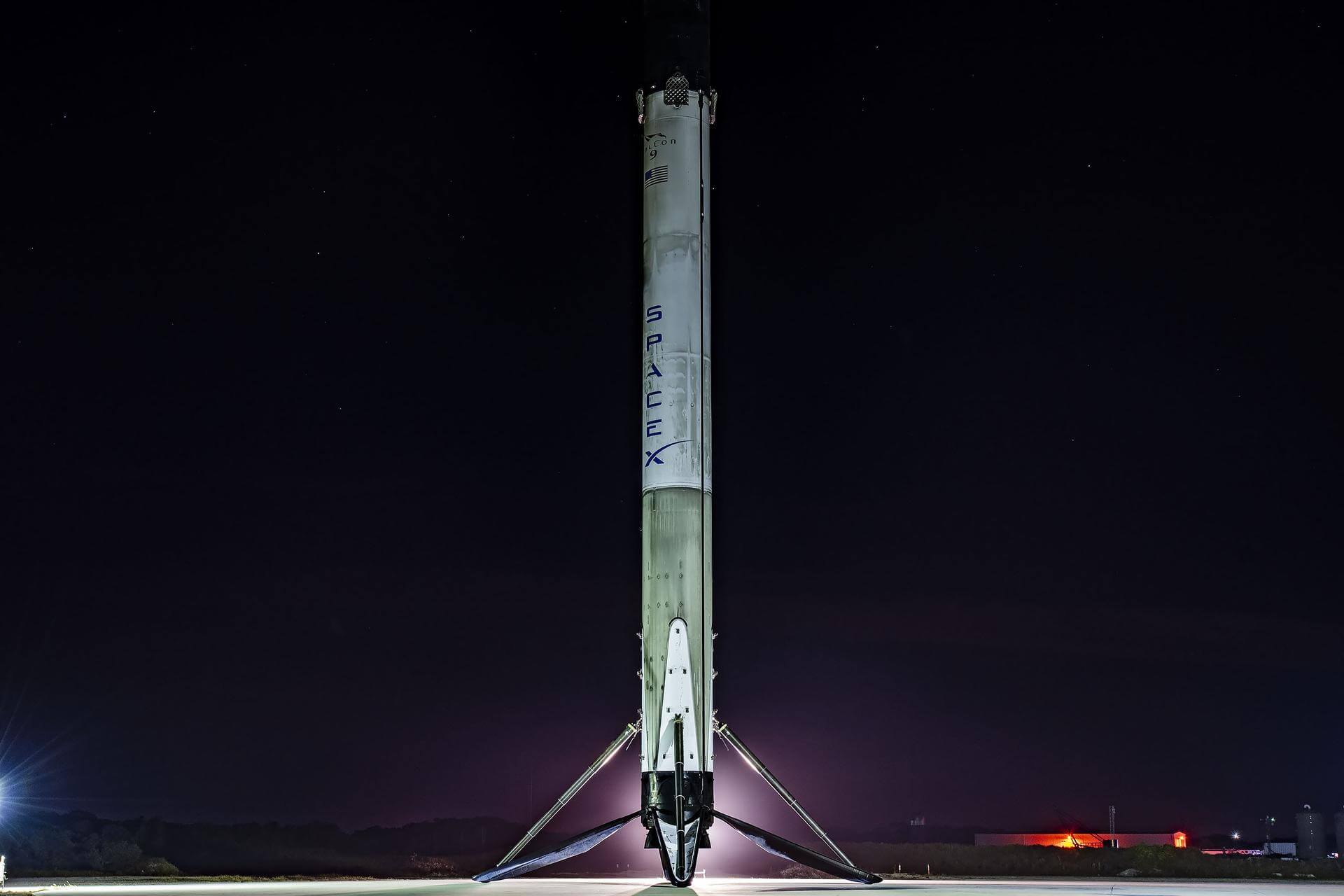
Falcon 9 is a two-stage rocket designed and manufactured by SpaceX for the reliable and safe transport of satellites and the Dragon spacecraft into orbit. The Block 5 variant is the fifth major interval aimed at improving upon the ability for rapid reusability.
The H3 Launch Vehicle is a Japanese expendable launch system.
Each H3 booster configuration has a two-digit and a letter designation that indicates the features of that configuration. The first digit represents the number of LE-9 engines on the main stage, either “2” or “3”. The second digit…
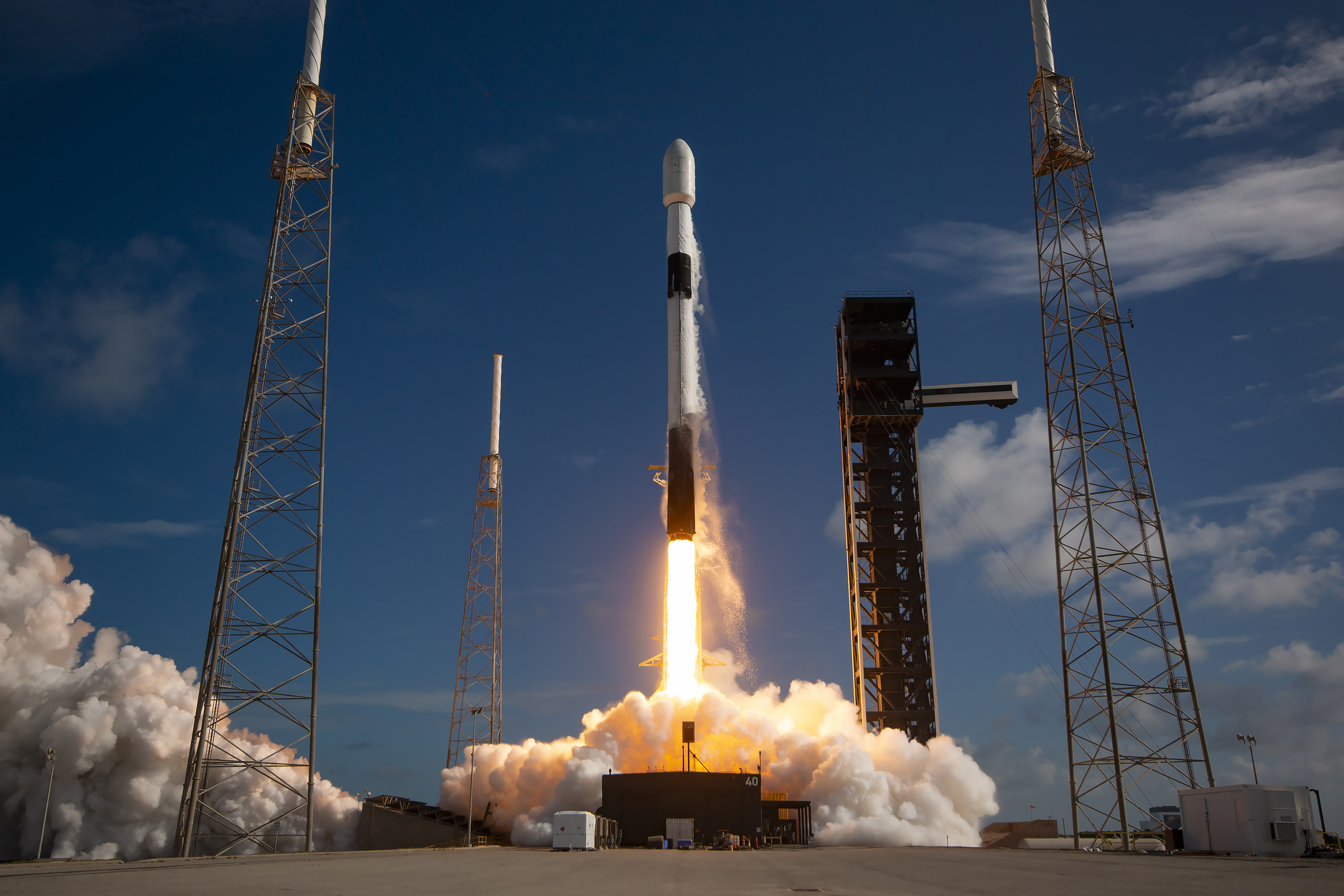
Falcon 9 is a two-stage rocket designed and manufactured by SpaceX for the reliable and safe transport of satellites and the Dragon spacecraft into orbit. The Block 5 variant is the fifth major interval aimed at improving upon the ability for rapid reusability.
Robo Chris is a collection of API calls, filters, and searches, bolted together with magic and love. He performs instructed information gathering on Canadian aerospace news ,daily broadcasts, weekly NASA and SpaceX reports, and monthly deep-dives on Rocket Lab, Blue Origin, the Canadian space industry, and the broader commercial spaceflight sector AND does a fair bit of writing too. Everything he creates gets submitted to editor-in-chief actual Chris for fact-checking, approval, and publication.









Leave a Reply