Before the Rosalind Franklin rover can explore Mars, it must first get off its lander. A full-size twin model named Amalia tackled that challenge during a two-month test campaign at ALTEC’s facilities in Turin, Italy, rehearsing the drive off the landing platform and onto simulated martian terrain over 20 times.
Teams from Thales Alenia Space, the industrial prime contractor for the ExoMars mission, conducted the egress tests using a mock-up of the landing platform and a fully representative rover model. The campaign recreated conditions Rosalind Franklin will face on Mars: reduced gravity, a 20-degree incline, uneven ground and obstacles beneath the ramps.
Engineers used a lifting device to simulate Mars gravity — about one-third of Earth’s — with a ceiling device carrying two-thirds of the rover’s 300 kg Earth weight. A hydraulic platform tilted the rover and lander module 20 degrees, and obstacles were placed under the ramps as if the lander had come to rest on a boulder or slope.
The landing platform has two pairs of ramps for the rover to descend: one at the front and another one at the back. It is up to ground control on Earth to decide which is the safest way to drive off, since the exact landing conditions will not be known in advance.
“Because we will have to rely only on orbital images, we won’t know exactly what the conditions around the rover will be after landing,” said Eric Zekri, ESA’s ExoMars rover team leader. “Depending on where and how we land, one of the exits could be blocked by rocks or slopes. The first and most crucial decision of all will be which direction to drive down.”
Zekri added: “On Mars, we will only have one chance. Once we egress, there is no way back, so we have to get it right.”
The three-metre-long ramps, developed by the Polish space company Astronika, are made of aluminium with a honeycomb pattern for better grip.
“It is incredibly rewarding to see the rover driving off the platform successfully in such challenging conditions and in a Mars-like scenario,” said Chiara Lombardi, ExoMars rover and lander interface engineer. “The excellent performance of the ramps reflects the quality of the design, taking us another important step closer to the martian surface.”
The real Rosalind Franklin rover is scheduled to attempt this journey on Mars in 2030.
Webb and Hubble Reveal Stellar Nurseries and Galaxies
Teams using the James Webb Space Telescope and the Hubble Space Telescope — both jointly operated by NASA and the European Space Agency, with the Canadian Space Agency also participating in Webb — have released new images highlighting stellar nurseries, galaxies and gravitational lensing.
Webb’s infrared instruments turned to NGC 7129, a stellar nursery located 3,300 light-years from Earth filled with dust clouds that help kickstart star formation. While these clouds block light from young stars at optical wavelengths, Webb’s infrared sensitivity reveals hundreds of stars at different stages of their evolutionary lives.
The most massive star in NGC 7129 is LkHα 234, located at the centre of the region and marked by six bright diffraction spikes on Webb’s mirror. LkHα 234 is five to eight times more massive than the Sun.
A large gold cavity to the left of LkHα 234 spans 3.5 light-years and was formed by outflows of hydrogen gas shortly after the star was born. Much of this gas is compressed, aiding the formation of other stars, with some new stars already visible in the region. Two of the stars feature pink, bubble-like structures called “bow shocks,” created as their stellar winds push away nearby energetic gas.
The red region to the right of LkHα 234 comprises clumpy matter that hides and directly forms protostars — the youngest stars. The red glow results from protostars ejecting superheated material into outflows that interact with the dense matter that forms them.
Hubble observed NGC 4698, a spiral galaxy located 55 million light-years away in the constellation Virgo. The galaxy is one of a few known spiral galaxies whose central bulge extends perpendicular to its galactic plane, resulting in the central bulge’s stars and gas rotating perpendicular to the rest of the disk.
Blue Origin Rebuilds LC-36 for Year-End New Glenn Return
Four months after Blue Origin’s New Glenn rocket exploded on the launch pad, the company continues reconstruction of Launch Complex-36 (LC-36) as it targets a return to flight before year-end.
The blast toppled the lightning tower and caused structural damage to the support tower, bending beams. Blue Origin also lost its large transporter-erector, which previously supplied propellants and other commodities to the vehicle.
To accelerate return-to-flight efforts, the company shifted from horizontal to vertical integration, eliminating the transporter-erector and relying solely on the support tower. The change requires not only repairs to the support tower but also upgrades so that it can transfer super-cold cryogenic propellant from the tank farm to the vehicle.
According to CEO Dave Limp, the fastest method was to destack the majority of the modules, repair and upgrade them on the ground in parallel, and then reassemble the tower. Blue Origin teams have pursued that work since the summer, adding new floors and guard rails for worker access along with the ground support equipment needed to move cryogenic propellant up the tower.
Over the past few days, the first and second modules have returned to the tower and been stacked by one of the many cranes operating at LC-36.
Damage extended beneath the rocket as well. Drone footage shared by Limp in July showed the launch mount and launch bridge collapsed into the flame trench. According to Limp, the launch bridge has been restored and is ready for use, with most of the structure salvaged. The main water piping has been reinstalled, and the two rainbirds that form part of the water deluge system are visible. The deluge protects ground infrastructure from the forces of seven BE-4 engines.
In an interview with Fox News, Jeff Bezos said the company is targeting December for the return-to-flight mission, which will carry a Blue Ring spacecraft. He noted, jokingly, that the date could end up being December 31.
With about 12 weeks remaining until the end of the year, the schedule remains tight.
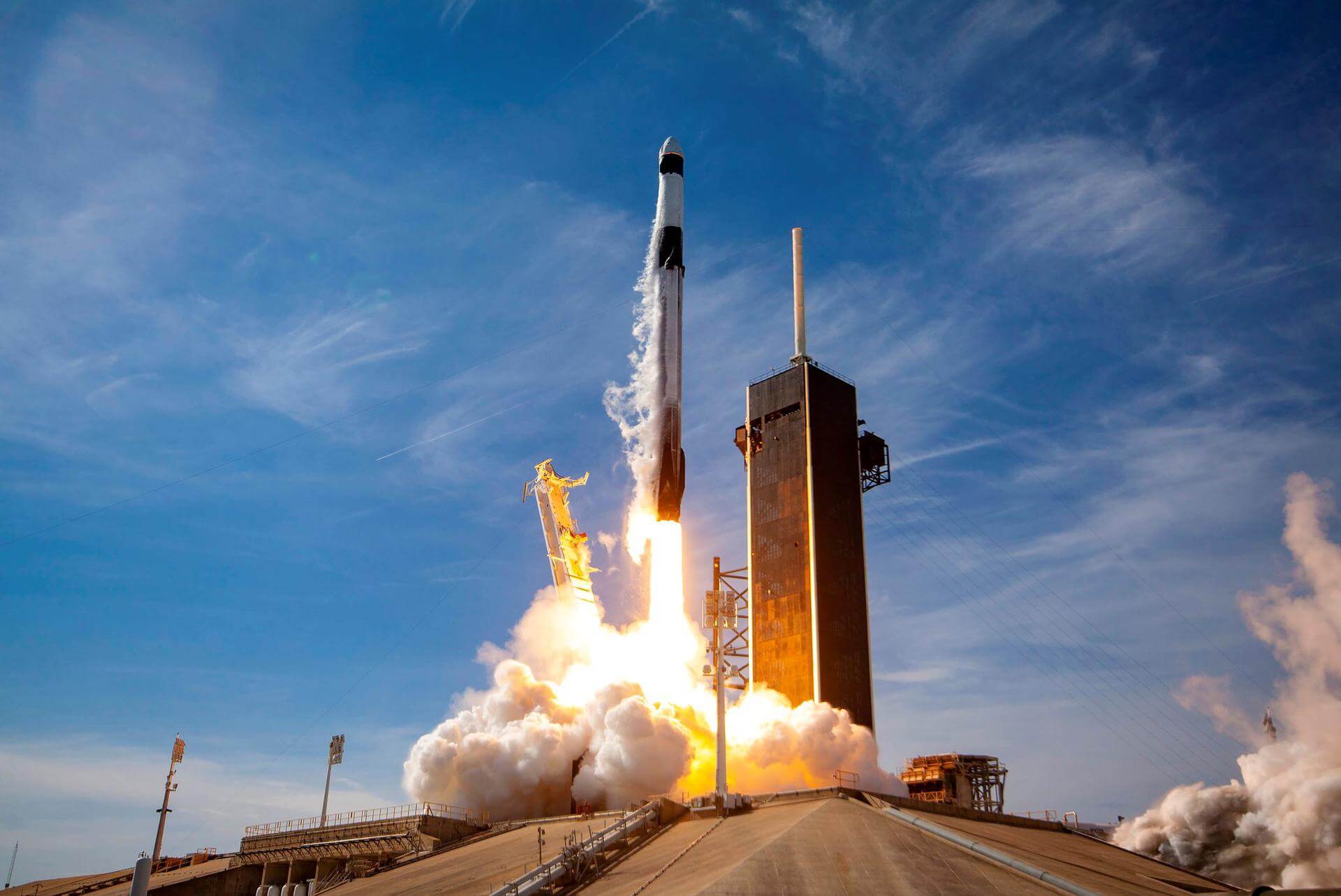
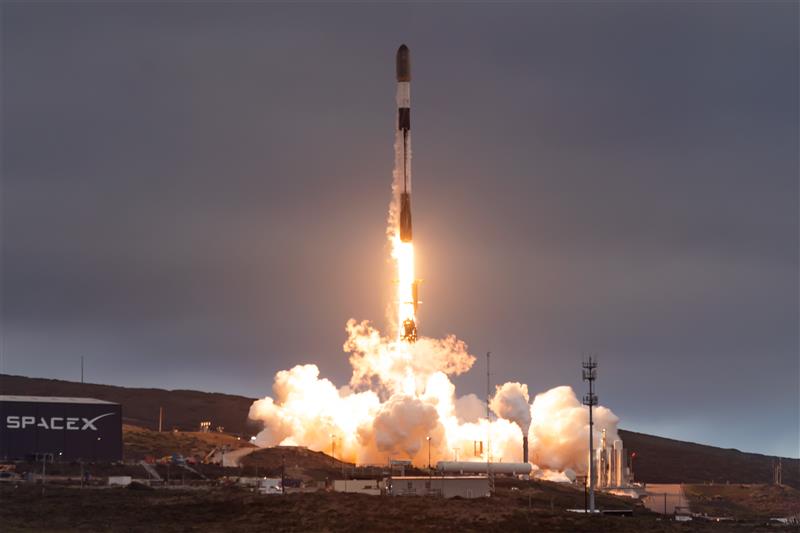
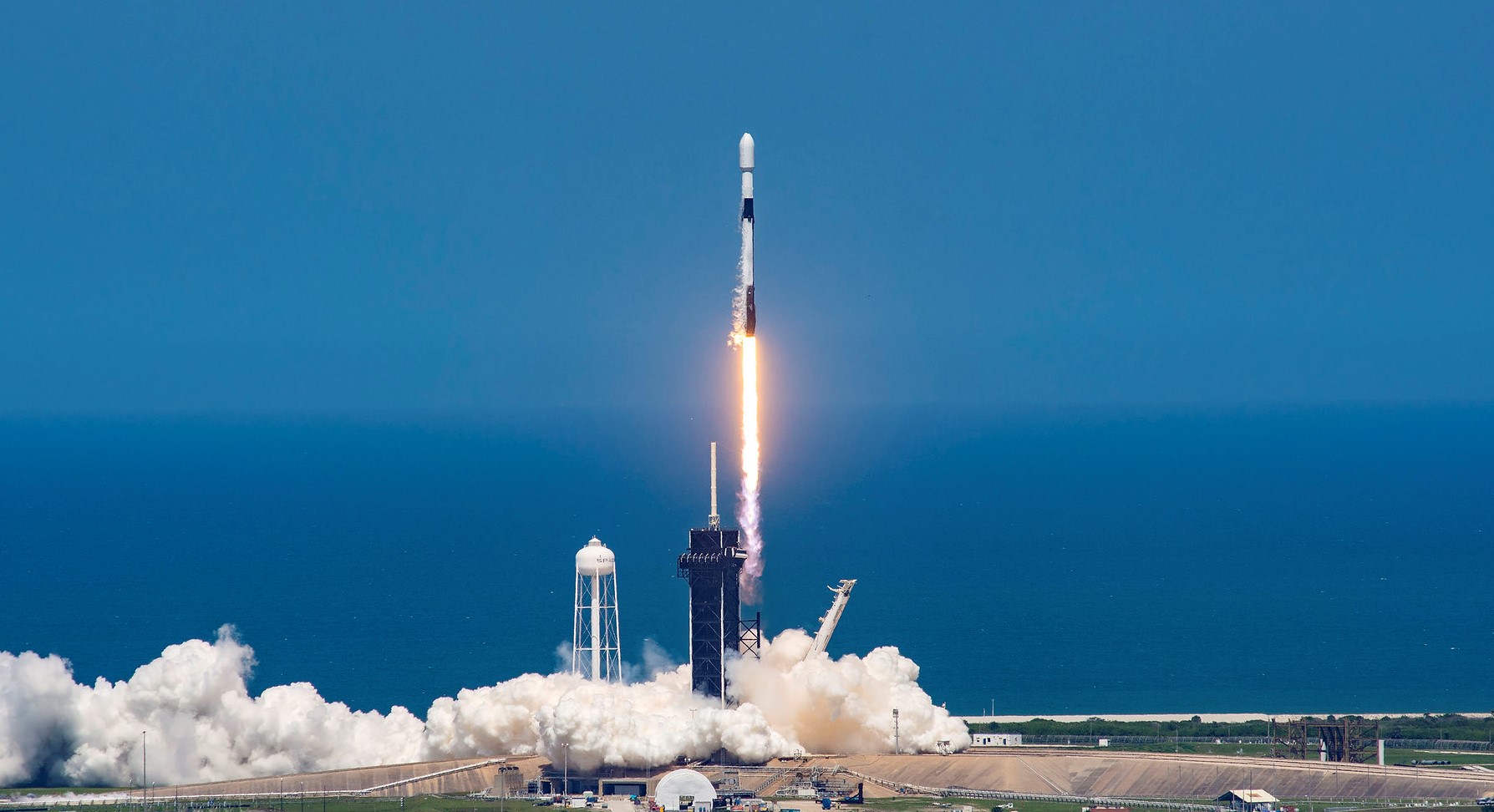
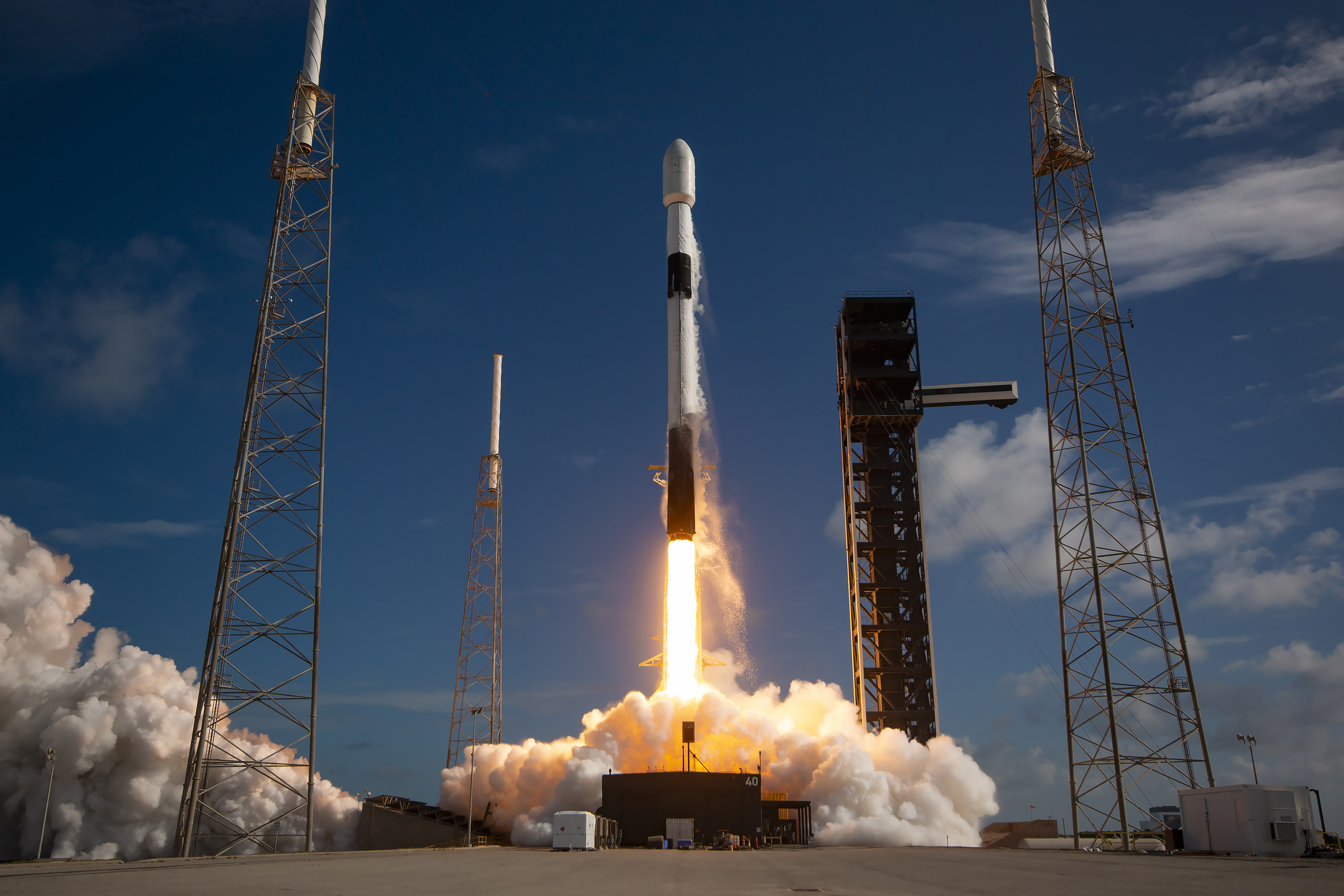
Provider: SpaceX Date: October 13, 2026 Time: 12:11 AM UTC Vehicle: Falcon 9
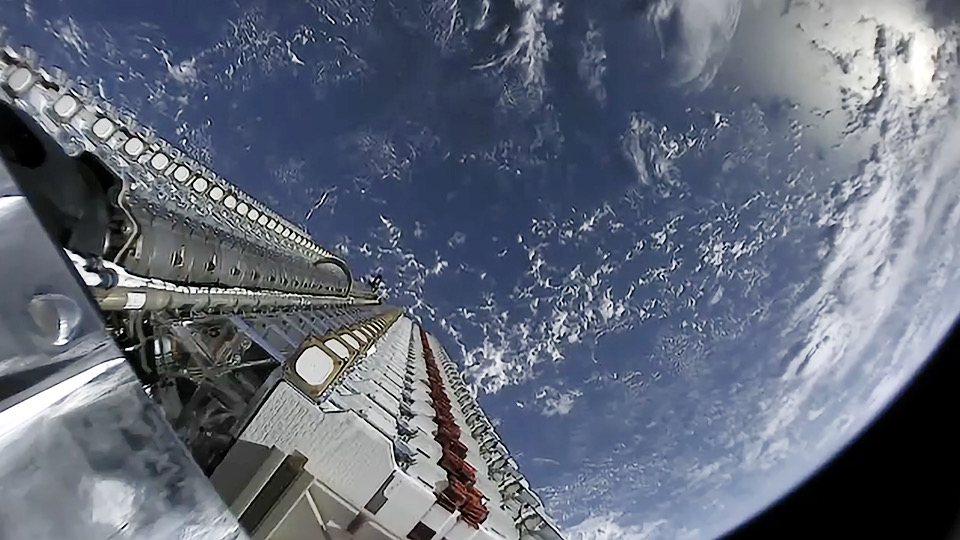
A batch of 27 satellites for the Starlink mega-constellation – SpaceX’s project for space-based Internet communication system.
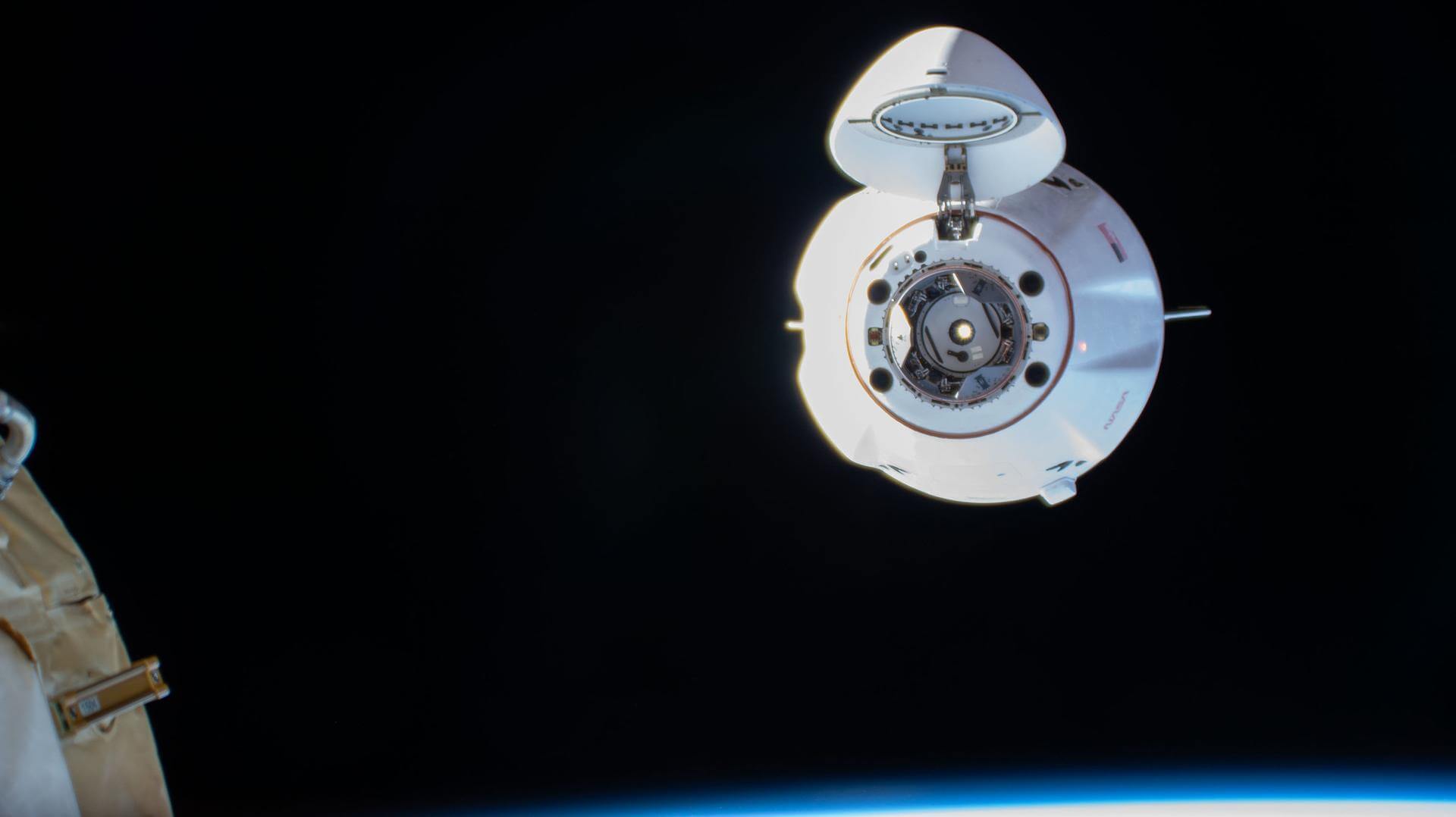
Dragon CRS-2 SpX-35
Provider: SpaceX Date: October 13, 2026 Time: 10:33 AM UTC Vehicle: Falcon 9
35th commercial resupply services mission to the International Space Station operated by SpaceX. The flight will be conducted under the second Commercial Resupply Services contract with NASA.
Cargo Dragon 2 brings supplies and payloads, including critical materials to directly support science and research investigations that occur onboard the orbiting laboratory.
USSF-481
Provider: SpaceX Date: October 15, 2026 Time: 11:44 PM UTC Vehicle: Falcon 9
A classified mission for the United States Space Force. It is possibly a batch of classified LEO satellites based on SpaceX’s Starshield satellite bus, based on locations of ascent rocket stage drop zones being fits with previous SDA Transport Layer launches.
Martian Moons eXploration (MMX)
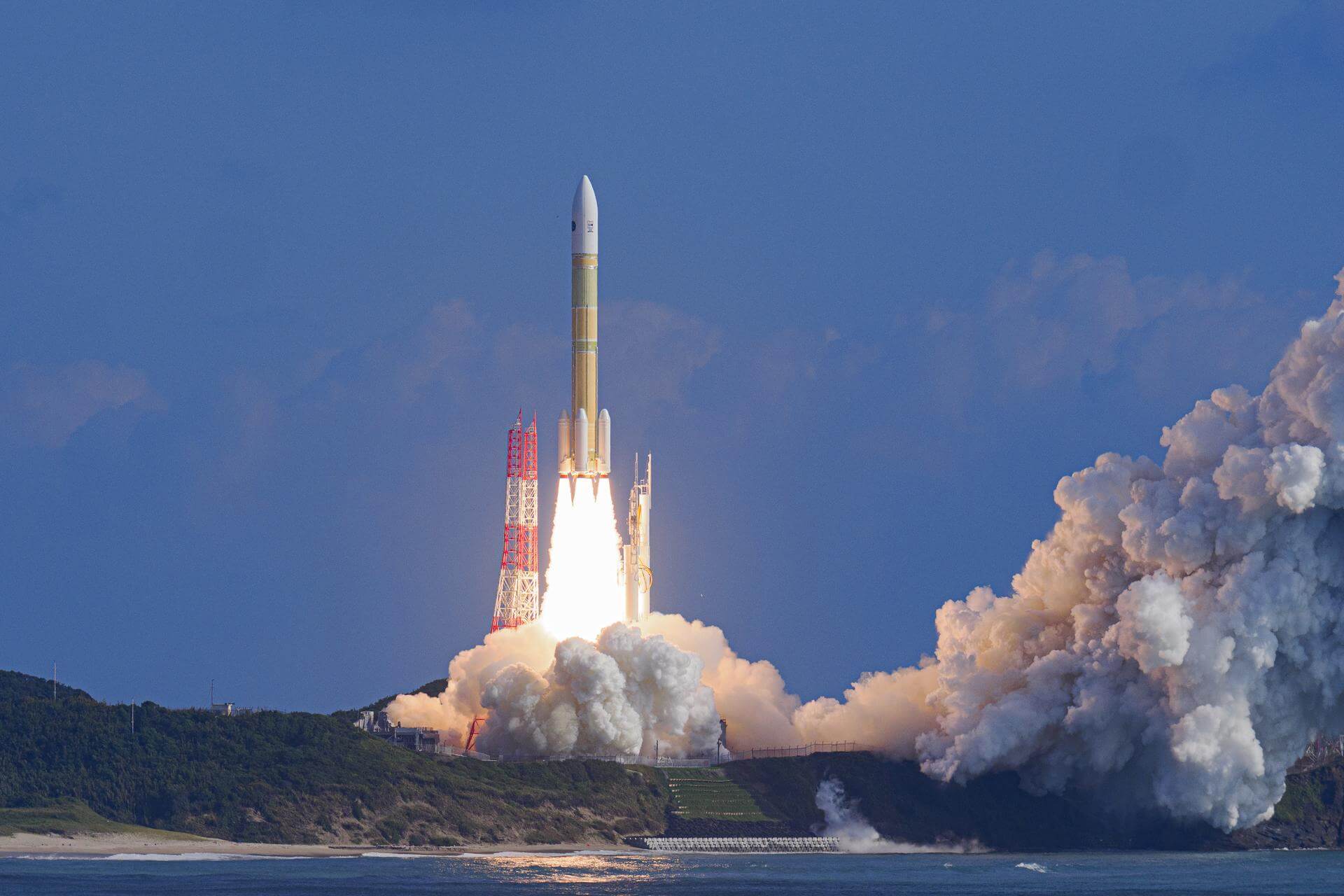
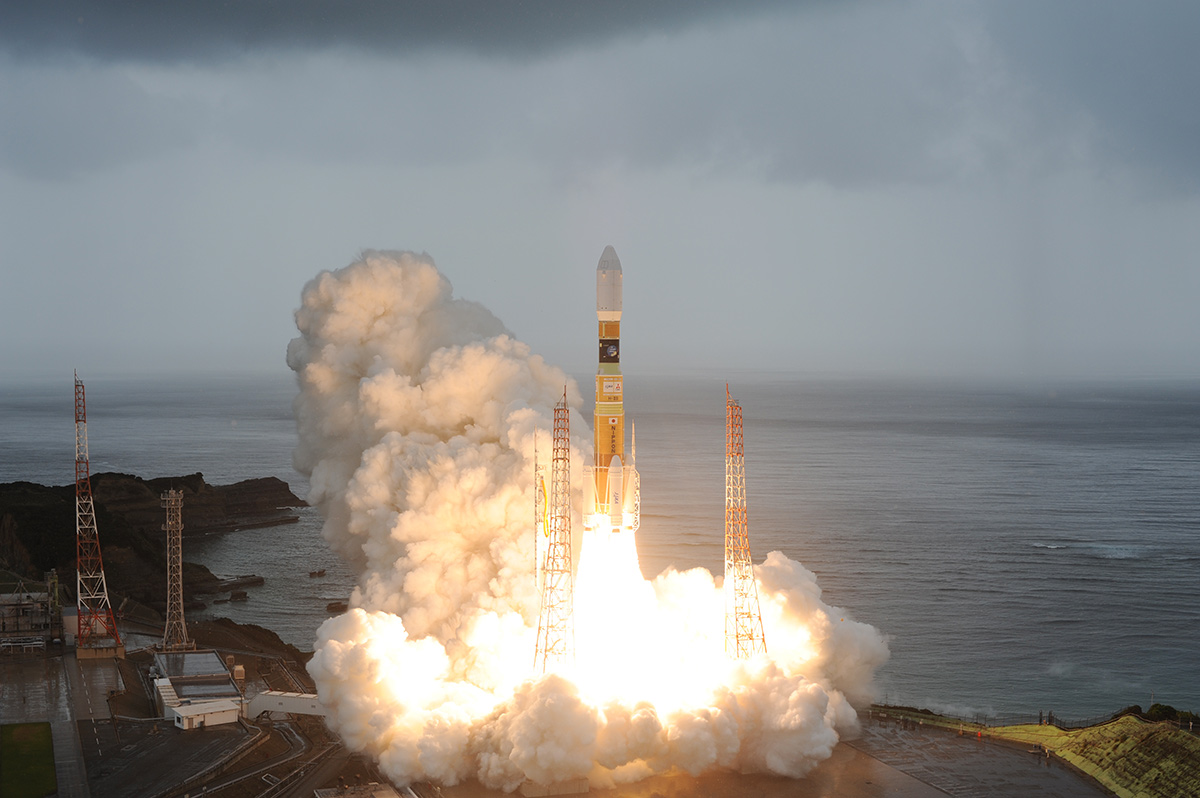
Provider: Mitsubishi Heavy Industries Date: October 19, 2026 Time: 7:41 PM UTC Vehicle: H3-24
MMX is a Japanese scientific mission to land on Phobos, one of the two moons of Mars, to collect samples before bringing them back to Earth.
The mission includes a small French/German rover to explore the surface of Phobos.
Amazon Leo (LV-01)
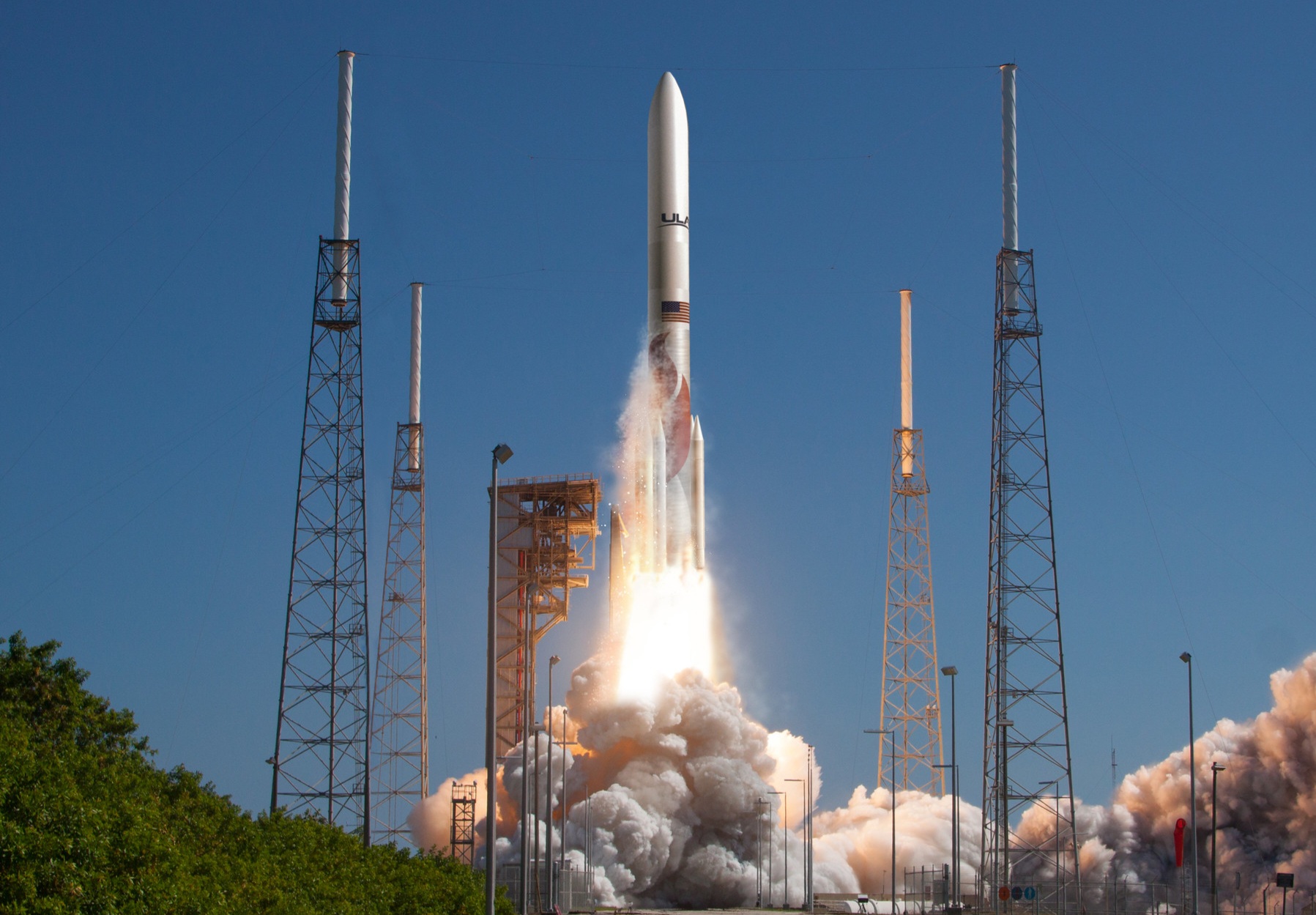
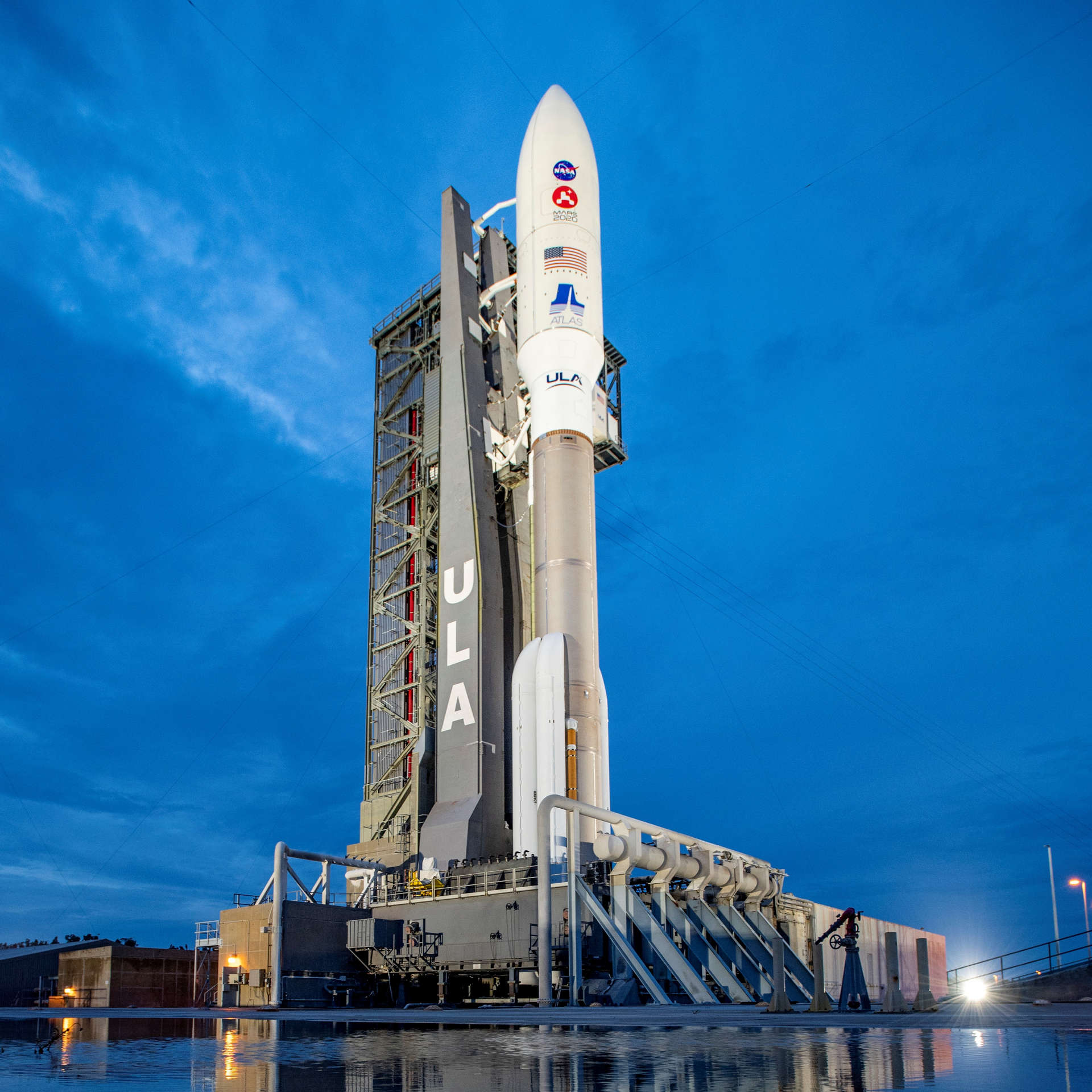
Provider: United Launch Alliance Date: October 29, 2026 Time: 12:00 AM UTC Vehicle: Vulcan VC6L
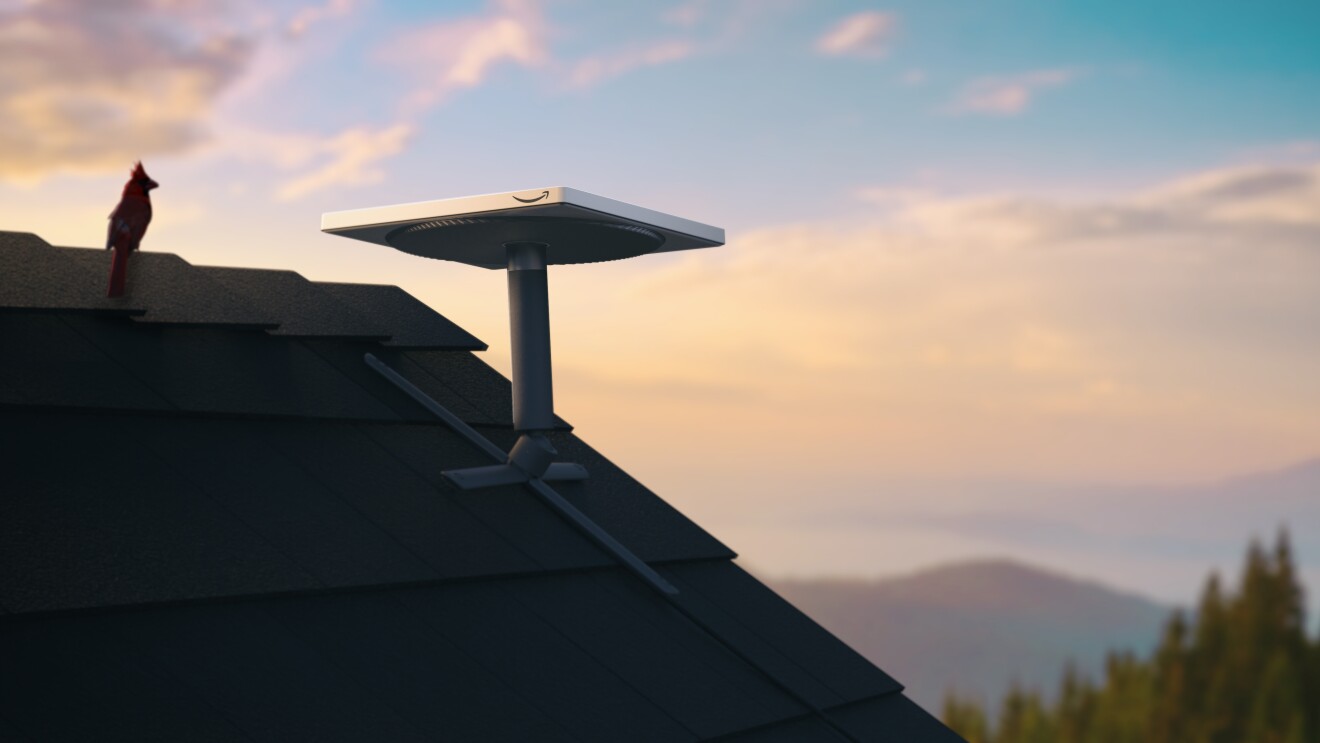
Amazon Leo, formerly known as Project Kuiper, is a mega constellation of satellites in Low Earth Orbit that will offer broadband internet access, this constellation will be managed by Kuiper Systems LLC, a subsidiary of Amazon. This constellation is planned to be composed of 3,276 satellites. The satellites are projected to be placed in 98 orbital planes in three orbital layers, one at 590 km, 610 km and 630 km altitude.
45 satellites will be carried on each Vulcan launch.
Starlink Group 15-25 ×
Mission Details
TypeCommunications
OrbitLow Earth Orbit
TargetEarth
A batch of 27 satellites for the Starlink mega-constellation – SpaceX’s project for space-based Internet communication system.
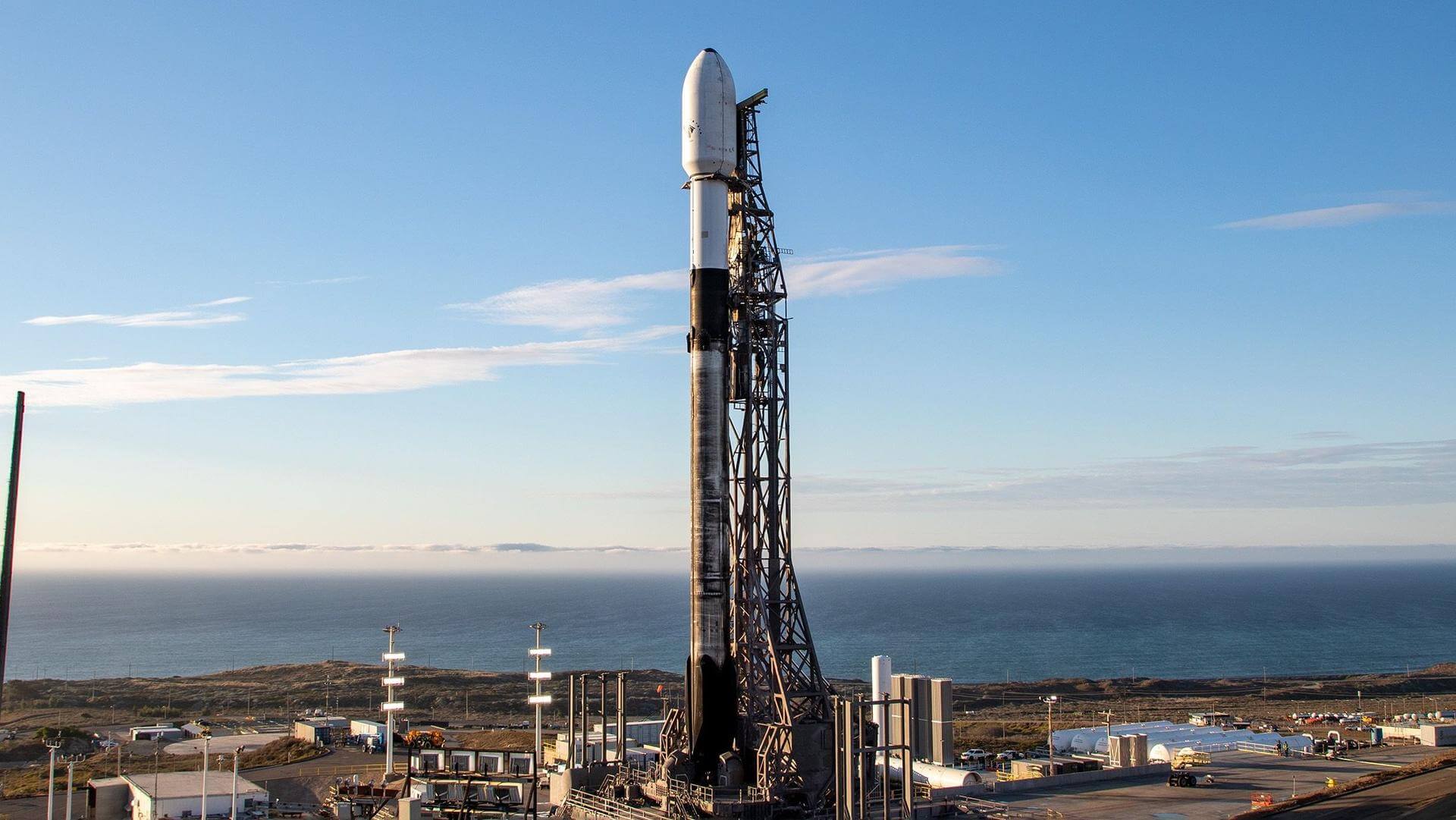
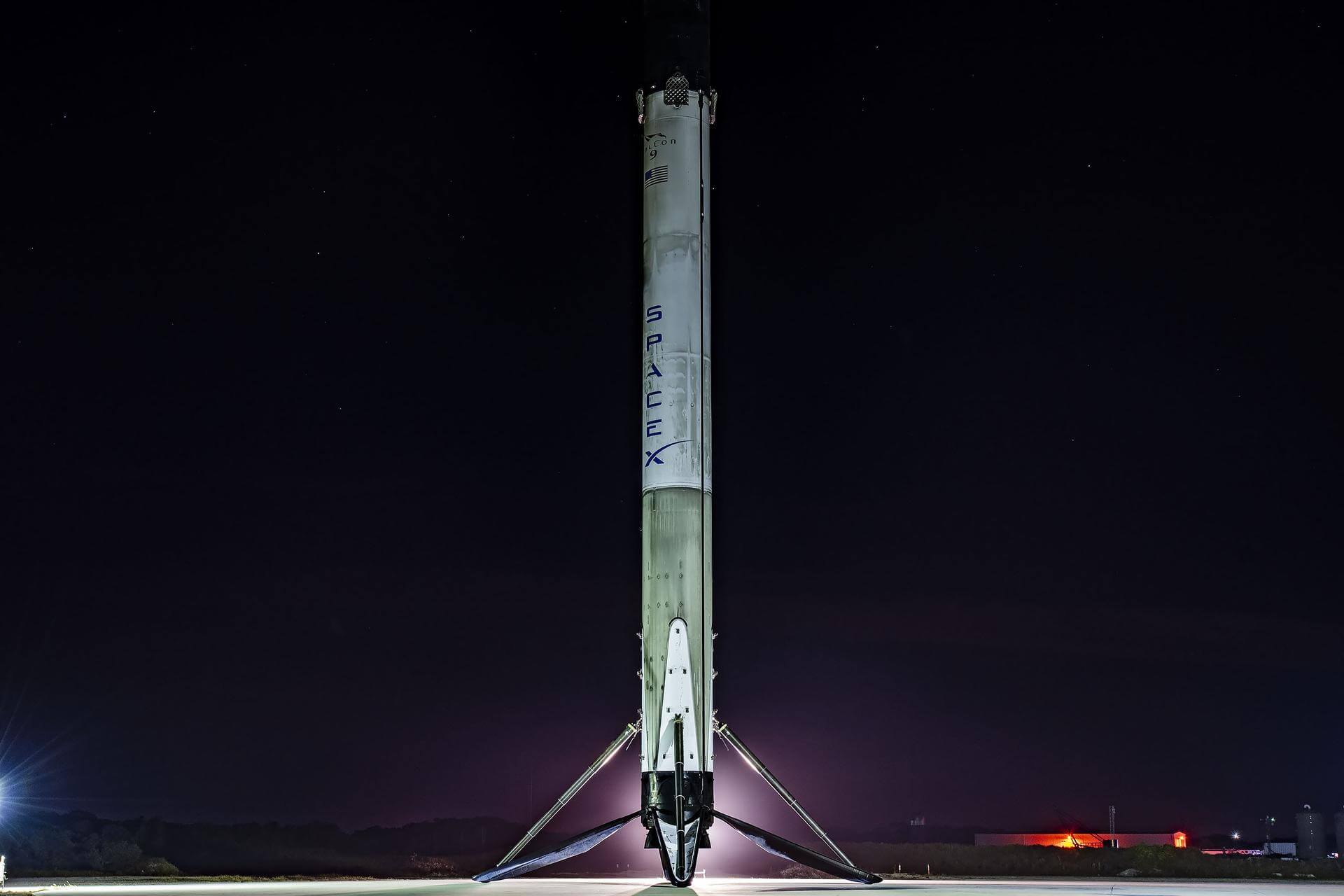
Falcon 9 is a two-stage rocket designed and manufactured by SpaceX for the reliable and safe transport of satellites and the Dragon spacecraft into orbit. The Block 5 variant is the fifth major interval aimed at improving upon the ability for rapid reusability.
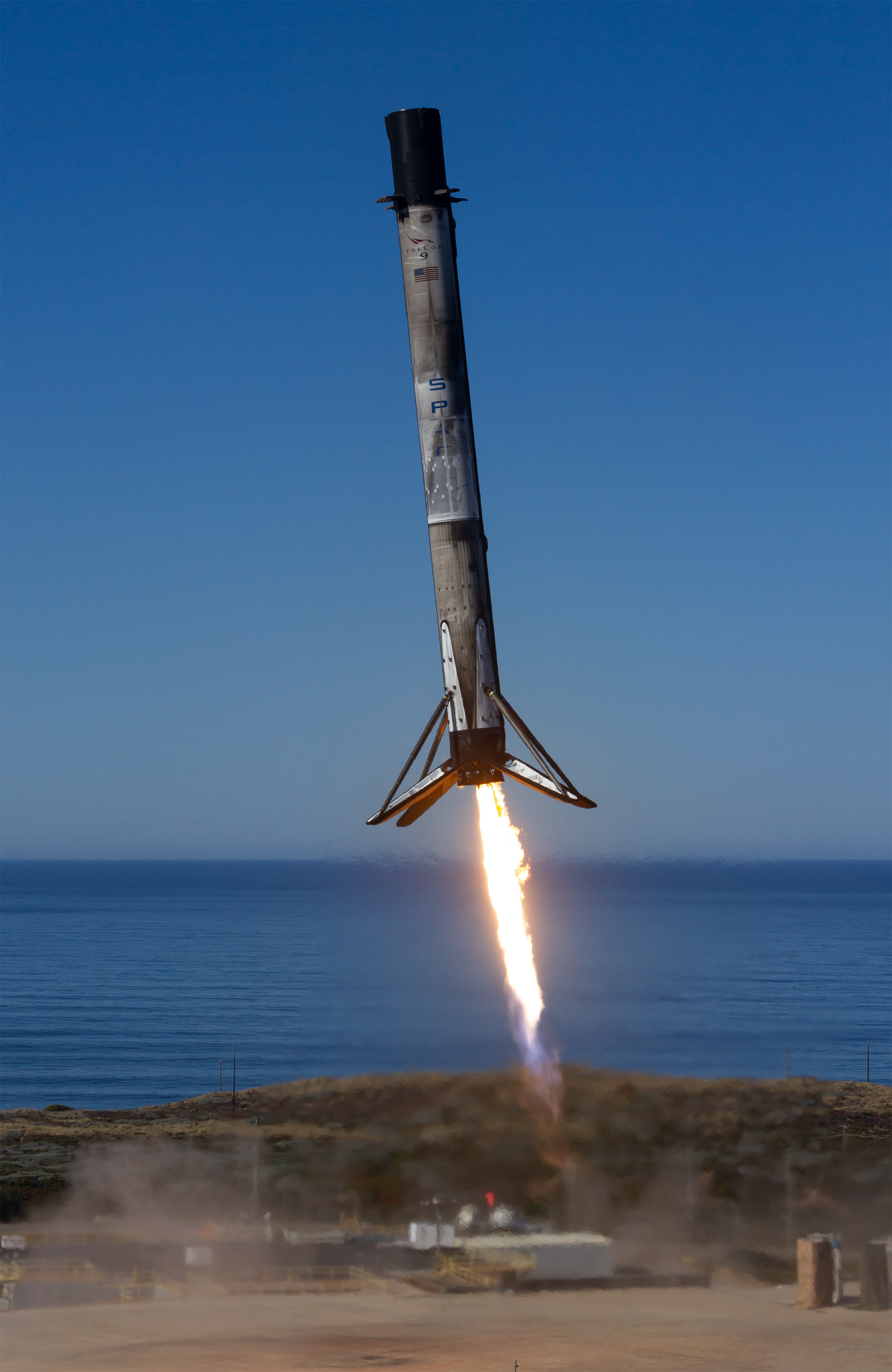
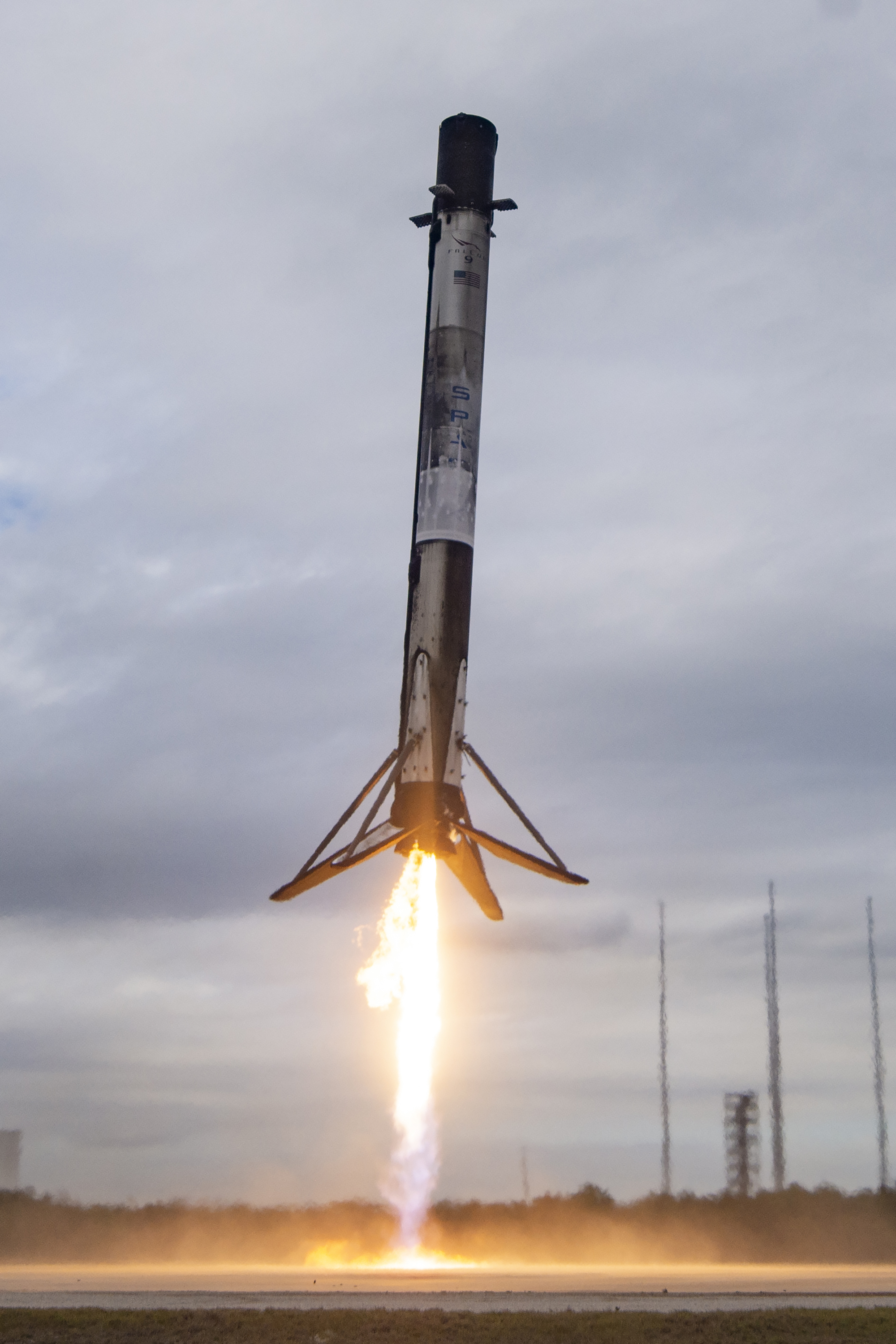
The Falcon 9 first stage B1088 will land on ASDS OCISLY after its 20th flight.
Dragon CRS-2 SpX-35 ×
Mission Details
TypeResupply
OrbitLow Earth Orbit
TargetEarth
35th commercial resupply services mission to the International Space Station operated by SpaceX. The flight will be conducted under the second Commercial Resupply Services contract with NASA.
Cargo Dragon 2 brings supplies and payloads, including critical materials to directly support science and research investigations that occur onboard the orbiting laboratory.
• National Aeronautics and Space Administration (Government)
Program: Commercial Resupply Services
Commercial Resupply Services (CRS) are a series of flights awarded by NASA for the delivery of cargo and supplies to the International Space Station.The first CRS contracts were signed in 2008 and awarded $1.6 billion to SpaceX for twelve cargo Dragon and $1.9 billion to Orbital Sciences for eight Cygnus flights, covering deliveries to 2016. The Falcon 9 and Antares rockets were also developed under the CRS program to deliver cargo spacecraft to the ISS.
The International Space Station programme is tied together by a complex set of legal, political and financial agreements between the sixteen nations involved in the project, governing ownership of the various components, rights to crewing and utilization, and responsibilities for crew rotation and resupply of the International Space Station. It was conceived in 1984 by President Ronald Reagan, during the Space Station Freedom project as it was originally called.
Falcon 9 is a two-stage rocket designed and manufactured by SpaceX for the reliable and safe transport of satellites and the Dragon spacecraft into orbit. The Block 5 variant is the fifth major interval aimed at improving upon the ability for rapid reusability.
The Falcon 9 first stage B1096 will land back at the launch site after its 8th flight.
Spacecraft: Cargo Dragon C211
Third Cargo Dragon 2
Specifications
SerialC211
TypeCapsule
StatusActive
DestinationISS
Height7.2 m
Diameter3.7 m
Maiden Flight2020-12-06
Payload Capacity6,000 kg
Return Capacity3,000 kg
Time in Space275 Days, 8 Hours, 1 Minute
Missions Flown3
Turnaround228 Days, 2 Hours, 49 Minutes
Fastest Turnaround228 Days, 2 Hours, 49 Minutes
History
Cargo Dragon 2 is an updated version of the original Dragon spaceship designed to service the International Space Station with first flights conducted in 2020.
In contrast to Dragon 1 it docks to the International Space Station instead of being berthed by the Canada Arm.
Capability
Cargo Earth Orbit Logistics
Details
Cargo Dragon 2 is a autonomous spaceship capable of bringing science to and from the International Space Station with large pressurized and un-pressurized sections to support a variety of missions.
Flight Life
Able to fly for up to one week of free flight or two years docked.
A classified mission for the United States Space Force. It is possibly a batch of classified LEO satellites based on SpaceX’s Starshield satellite bus, based on locations of ascent rocket stage drop zones being fits with previous SDA Transport Layer launches.
Falcon 9 is a two-stage rocket designed and manufactured by SpaceX for the reliable and safe transport of satellites and the Dragon spacecraft into orbit. The Block 5 variant is the fifth major interval aimed at improving upon the ability for rapid reusability.
The H3 Launch Vehicle is a Japanese expendable launch system.
Each H3 booster configuration has a two-digit and a letter designation that indicates the features of that configuration. The first digit represents the number of LE-9 engines on the main stage, either “2” or “3”. The second digit…
Amazon Leo, formerly known as Project Kuiper, is a mega constellation of satellites in Low Earth Orbit that will offer broadband internet access, this constellation will be managed by Kuiper Systems LLC, a subsidiary of Amazon. This constellation is planned to be composed of 3,276 satellites. The satellites are projected to be placed in 98 orbital planes in three orbital layers, one at 590 km, 610 km and 630 km altitude.
45 satellites will be carried on each Vulcan launch.
Agencies Involved
• Amazon Leo (Private)
Program: Amazon Leo
Amazon Leo is a satellite internet constellation aimed at providing high-speed, low-latency broadband connectivity to underserved and remote areas globally. The project involves deploying a constellation of low Earth orbit (LEO) satellites to create a satellite internet network capable of delivering reliable internet access.
Vulcan Centaur is a two-stage-to-orbit, heavy-lift launch vehicle under development by United Launch Alliance (ULA) since 2014. It is principally designed to meet launch demands for the U.S. government’s National Security Space Launch (NSSL) program for use by the United States Space Force and U.S….
Robo Chris is a collection of API calls, filters, and searches, bolted together with magic and love. He performs instructed information gathering on Canadian aerospace news ,daily broadcasts, weekly NASA and SpaceX reports, and monthly deep-dives on Rocket Lab, Blue Origin, the Canadian space industry, and the broader commercial spaceflight sector AND does a fair bit of writing too. Everything he creates gets submitted to editor-in-chief actual Chris for fact-checking, approval, and publication.








Leave a Reply