UK ISRU Review Identifies Prospecting Capability and a “Valley of Death”
Frazer-Nash Consultancy has published a review of In-Situ Resource Utilization (ISRU) technology capabilities in the United Kingdom for the UK Space Agency. Released Oct. 6, the UK ISRU review drew on a survey of UK organizations and a workshop with them. The report says it is for information only and “does not represent national policy.”
ISRU — using materials found on the Moon or Mars instead of hauling them from Earth — is “a growing area in the UK with diverse capabilities, albeit with some barriers to overcome,” the review concludes. It identifies prospecting as the UK’s demonstrated strength, finds most technology still at early stages of readiness, and says a clear national strategy would help the UK play a key part in NASA and European missions.
Prospecting capabilities
Prospecting, the first step in the ISRU process, means identifying and characterizing resources such as ice and minerals. “The UK has demonstrated its strength in prospecting with key projects,” the review concludes.
An Open University instrument flew on Astrobotic’s Peregrine lander in January 2024. The lander never reached the surface, but the instrument — a mass spectrometer that identifies chemicals by their mass — ran for 10 days in space and collected 80 spectra, the report says. Another Open University instrument, ProSPA, a miniature laboratory that analyzes gases from heated soil samples, is scheduled, the report says, to reach the lunar south pole in 2027 on an Intuitive Machines lander.
European ISRU demonstration
On extracting oxygen and metal, the review points to the European Space Agency’s proposed ISRU Demonstration Mission, a lander-mounted demonstration plant. The review’s conclusions say “the UK is leading the European development with a largely British consortium involved in the ISRU-DM mission.” Its annex, though, says the mission was originally led by Thales Alenia Space UK and is now headed by OHB, with contributions from AVS, Metalysis, the Open University and Redwire Space Europe of Luxembourg.
An earlier proof-of-concept study using Metalysis’s molten-salt process achieved 96 per cent oxygen extraction from simulated lunar soil, the report says. The mission is listed as proposed, with no launch date.
Early-stage technology and the “valley of death”
Two-thirds of the 27 UK organizations that responded to the survey were companies, most of them small or medium-sized. More than eight in 10 are focused on developing technology for the Moon.
The survey asked each organization to rate its technology on the technology readiness level scale, known as TRL, where 1 is a basic idea and 9 is proven in flight. By SpaceQ’s count of the report’s chart, 15 of the 18 technologies reported sat no higher than the middle of the scale. The report calls the pattern a “valley of death,” with few technologies reaching the upper levels.
The review also says the UK could become a testbed for ISRU technology, using the 21 facilities it lists, though that “would need a driving force and direction from the sector and providers.” It stops short of calling the UK a leader, recommending that the UK Space Agency later decide whether the UK can be considered “a leader in this field,” using criteria from the UK Space Exploration Technology Roadmap.
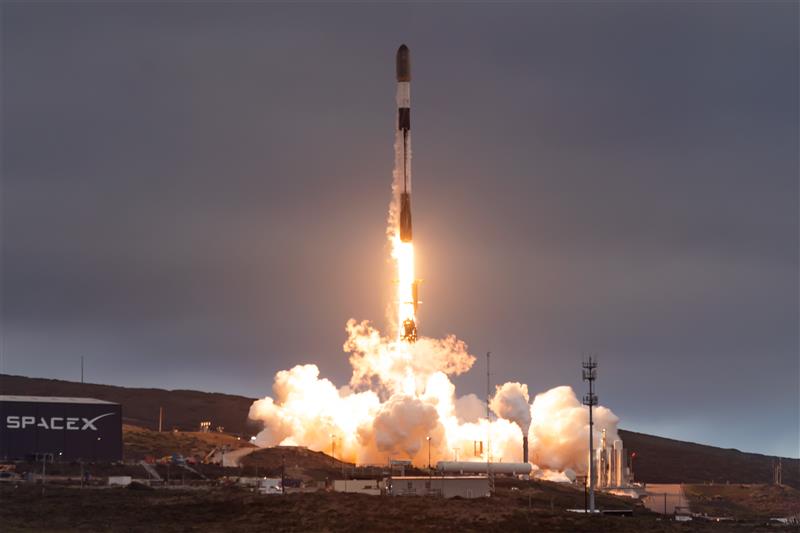
Provider: SpaceX Date: October 15, 2026 Time: 11:44 PM UTC Vehicle: Falcon 9
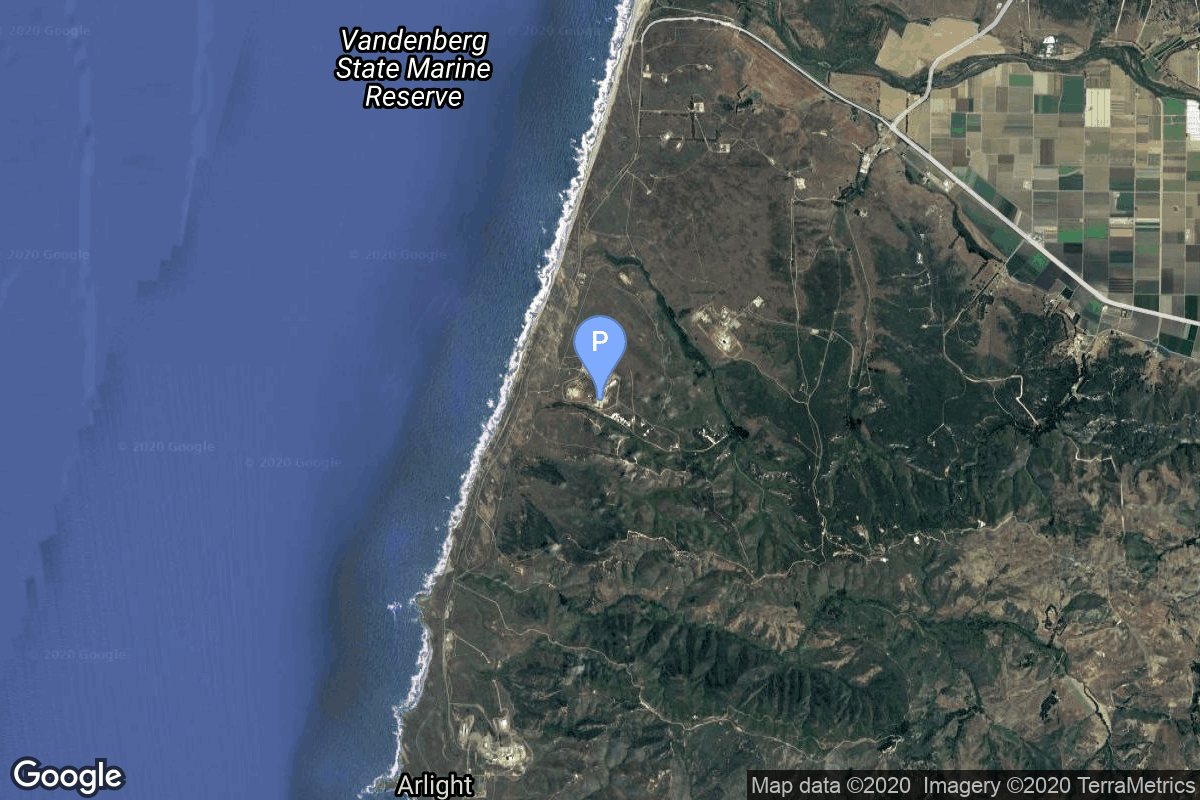
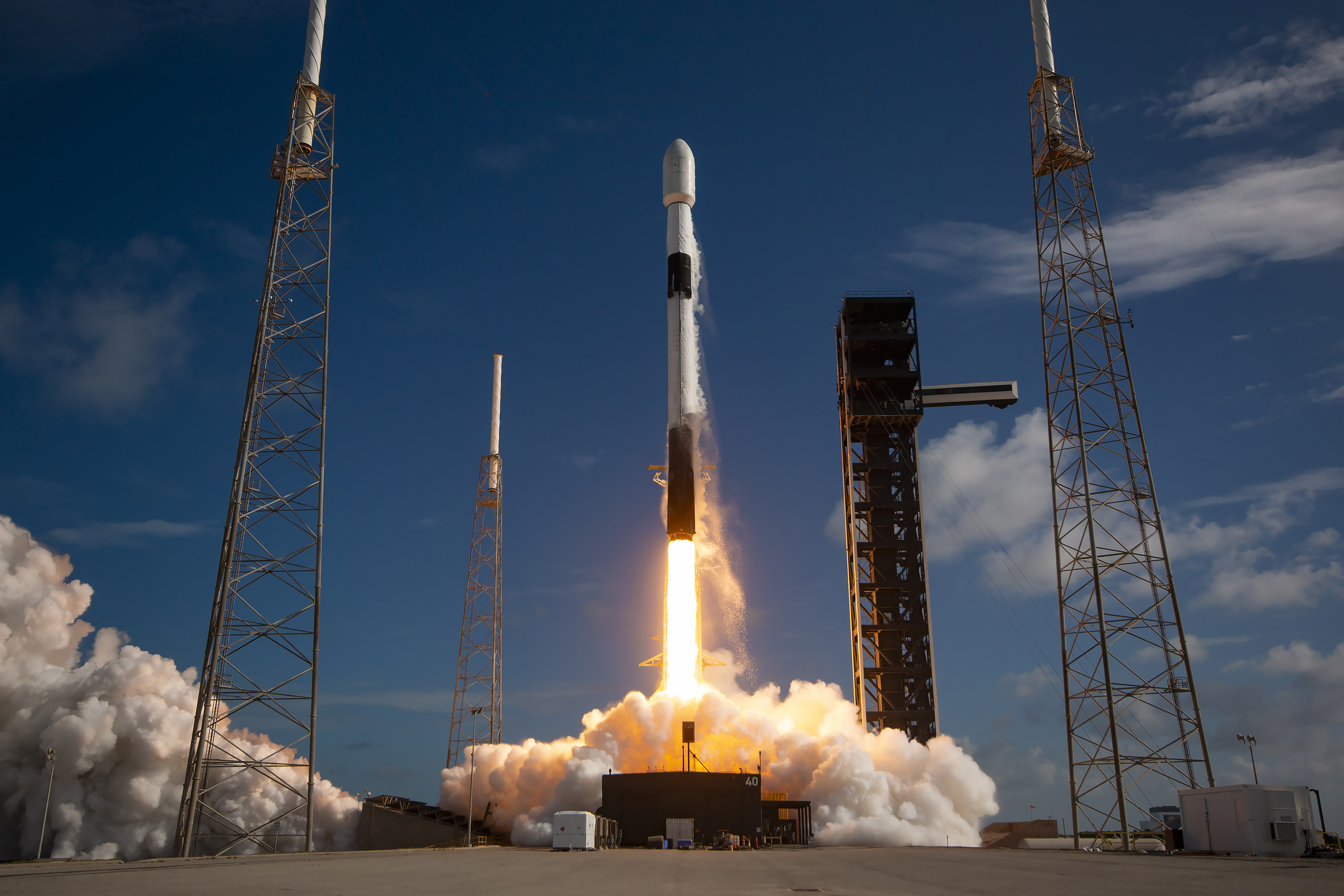
A classified mission for the United States Space Force. It is possibly a batch of classified LEO satellites based on SpaceX’s Starshield satellite bus, based on locations of ascent rocket stage drop zones being fits with previous SDA Transport Layer launches.
Bandwagon 5 (Dedicated Mid-Inclination Rideshare)
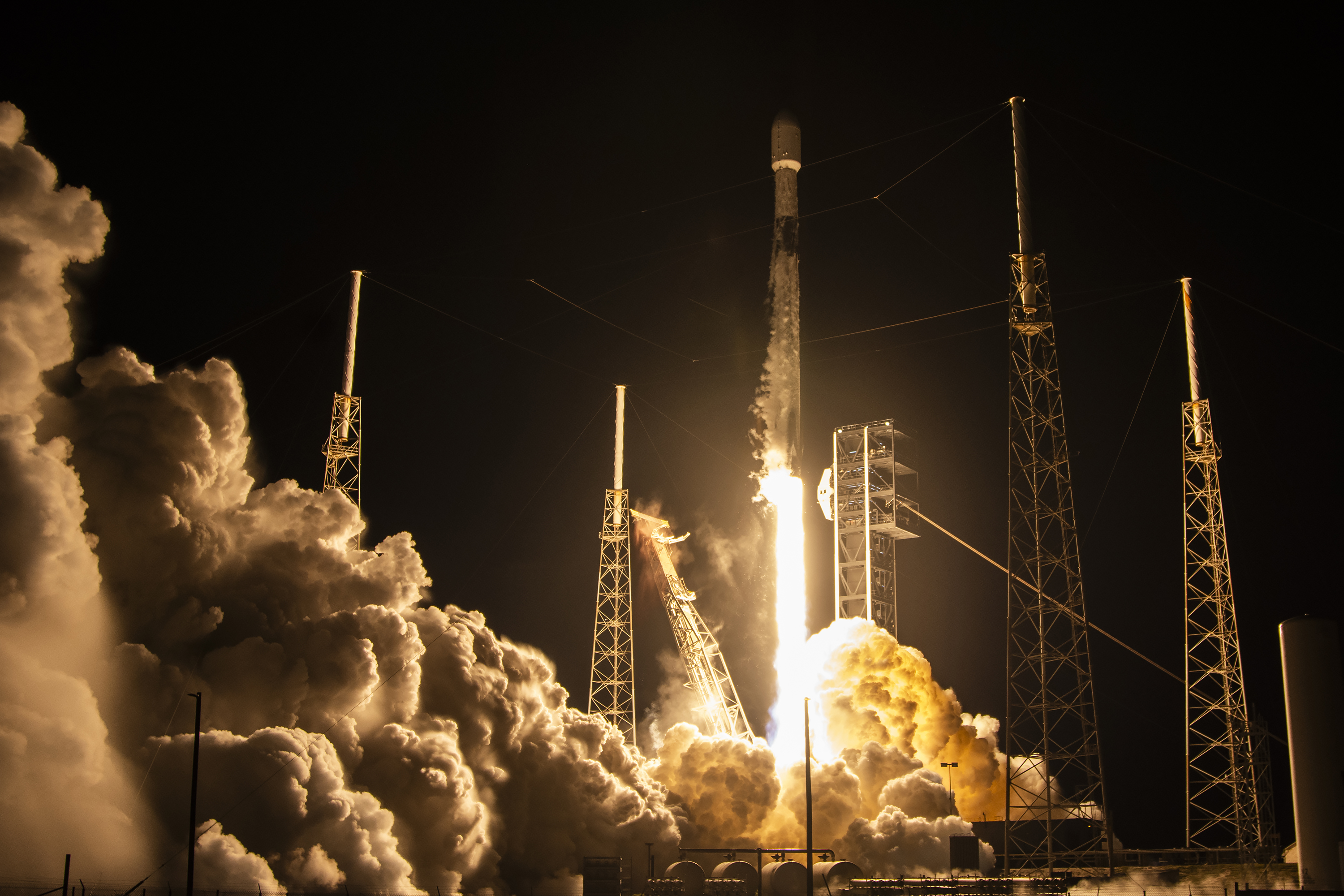
Provider: SpaceX Date: October 19, 2026 Time: 10:30 AM UTC Vehicle: Falcon 9
Dedicated rideshare flight to a mid-inclination orbit with dozens of small microsatellites and nanosatellites for commercial and government customers.
Martian Moons eXploration (MMX)
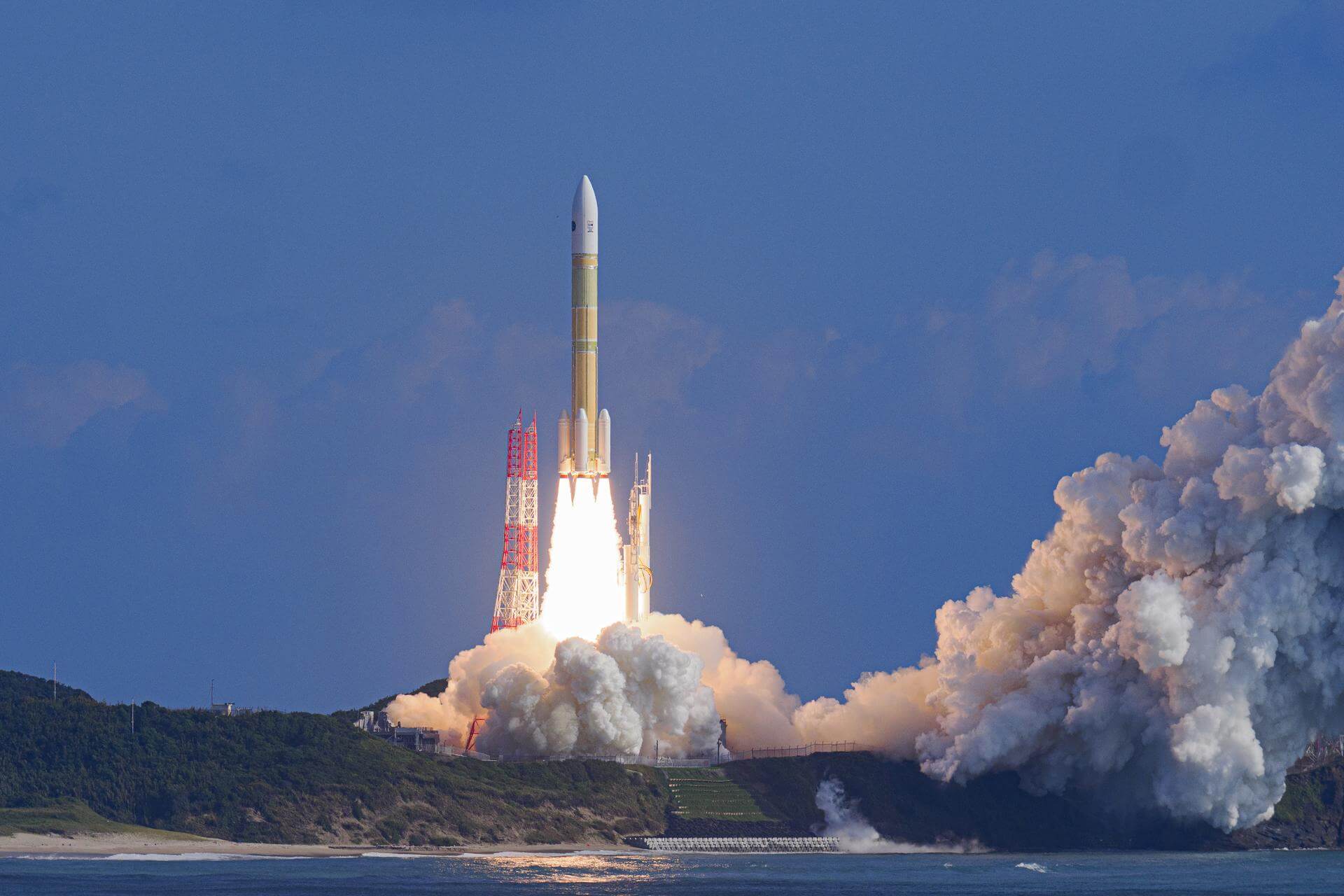
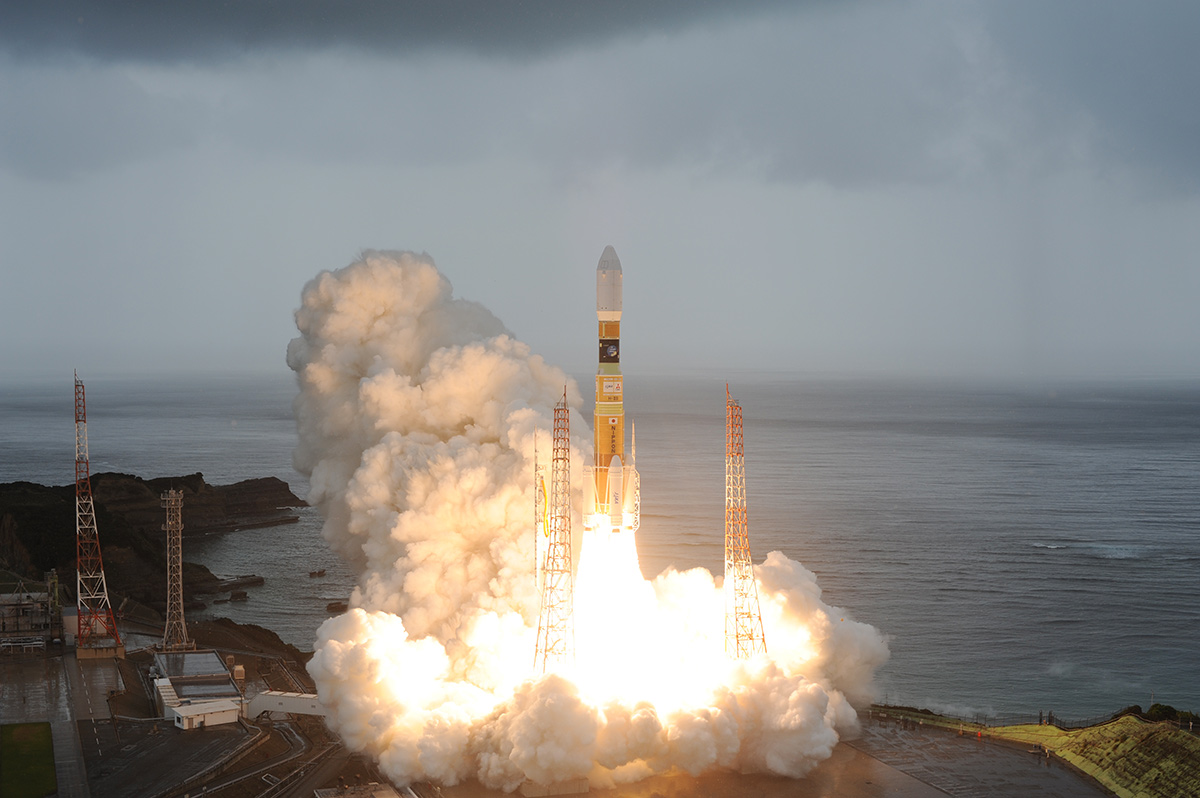
Provider: Mitsubishi Heavy Industries Date: October 19, 2026 Time: 7:41 PM UTC Vehicle: H3-24
MMX is a Japanese scientific mission to land on Phobos, one of the two moons of Mars, to collect samples before bringing them back to Earth.
The mission includes a small French/German rover to explore the surface of Phobos.
Starlink Group 15-15
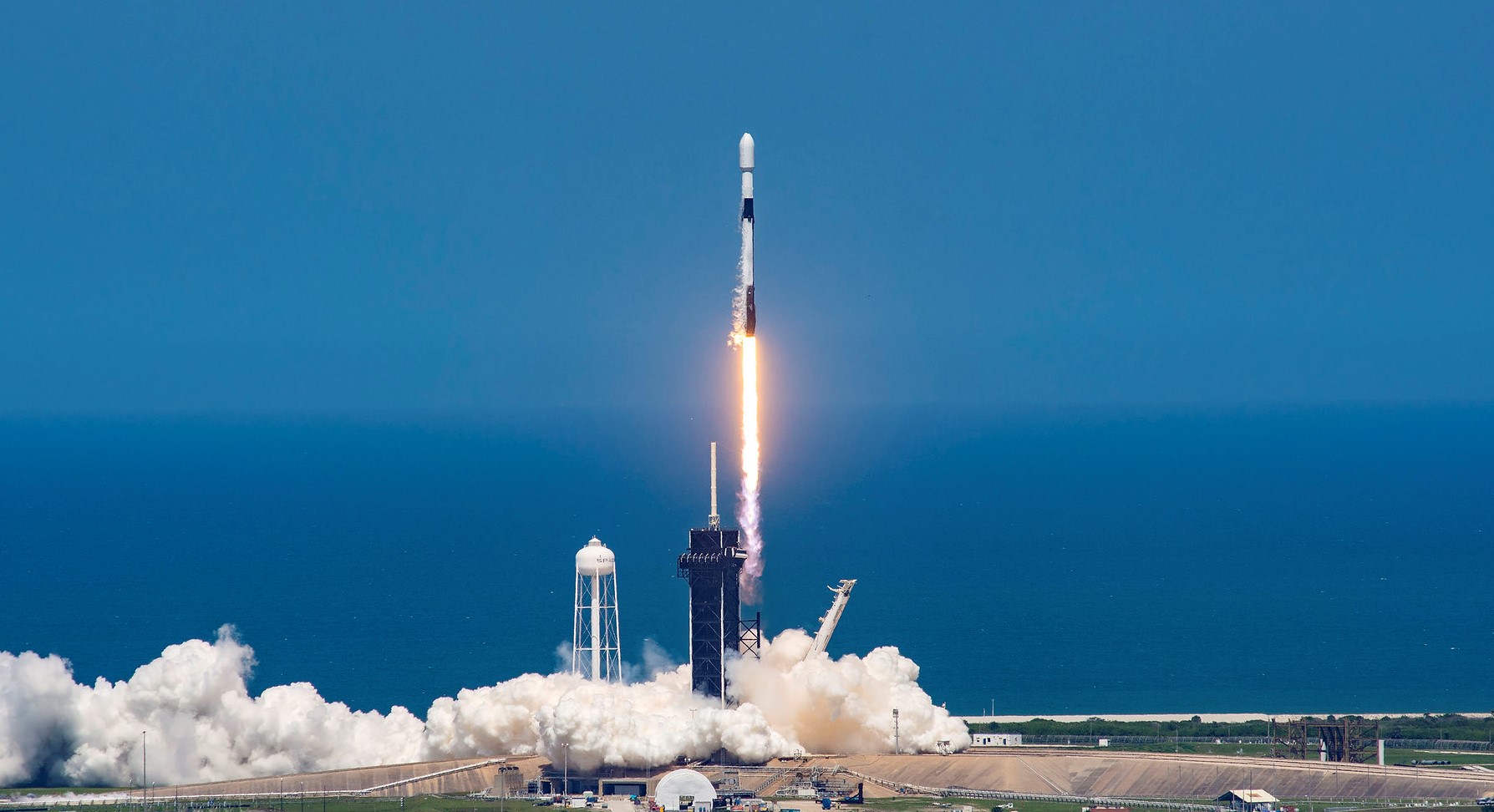
Provider: SpaceX Date: October 20, 2026 Time: 10:14 PM UTC Vehicle: Falcon 9
A batch of 27 satellites for the Starlink mega-constellation – SpaceX’s project for space-based Internet communication system.
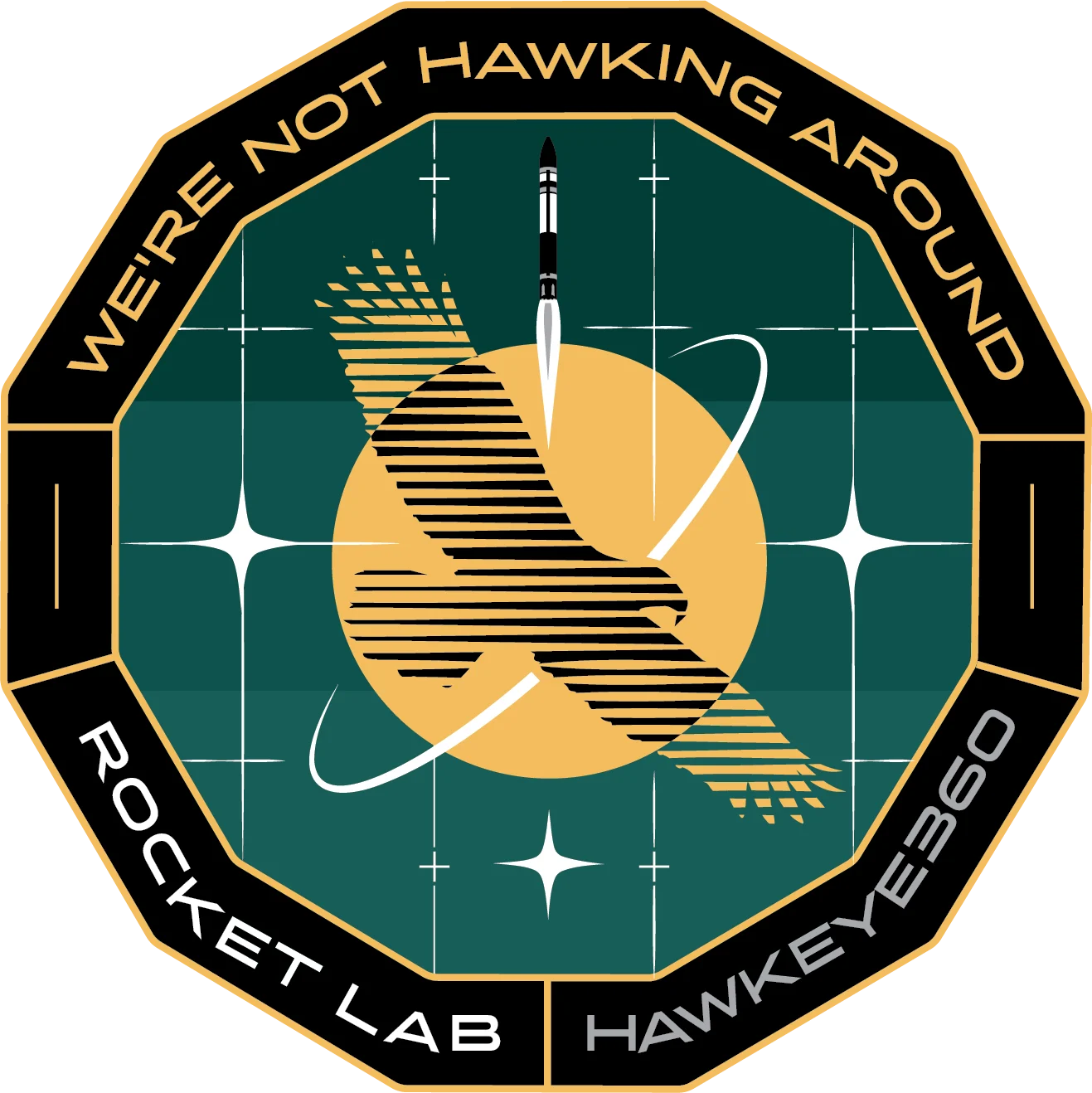
We’re Not Hawking Around (3x HawkEye 360)
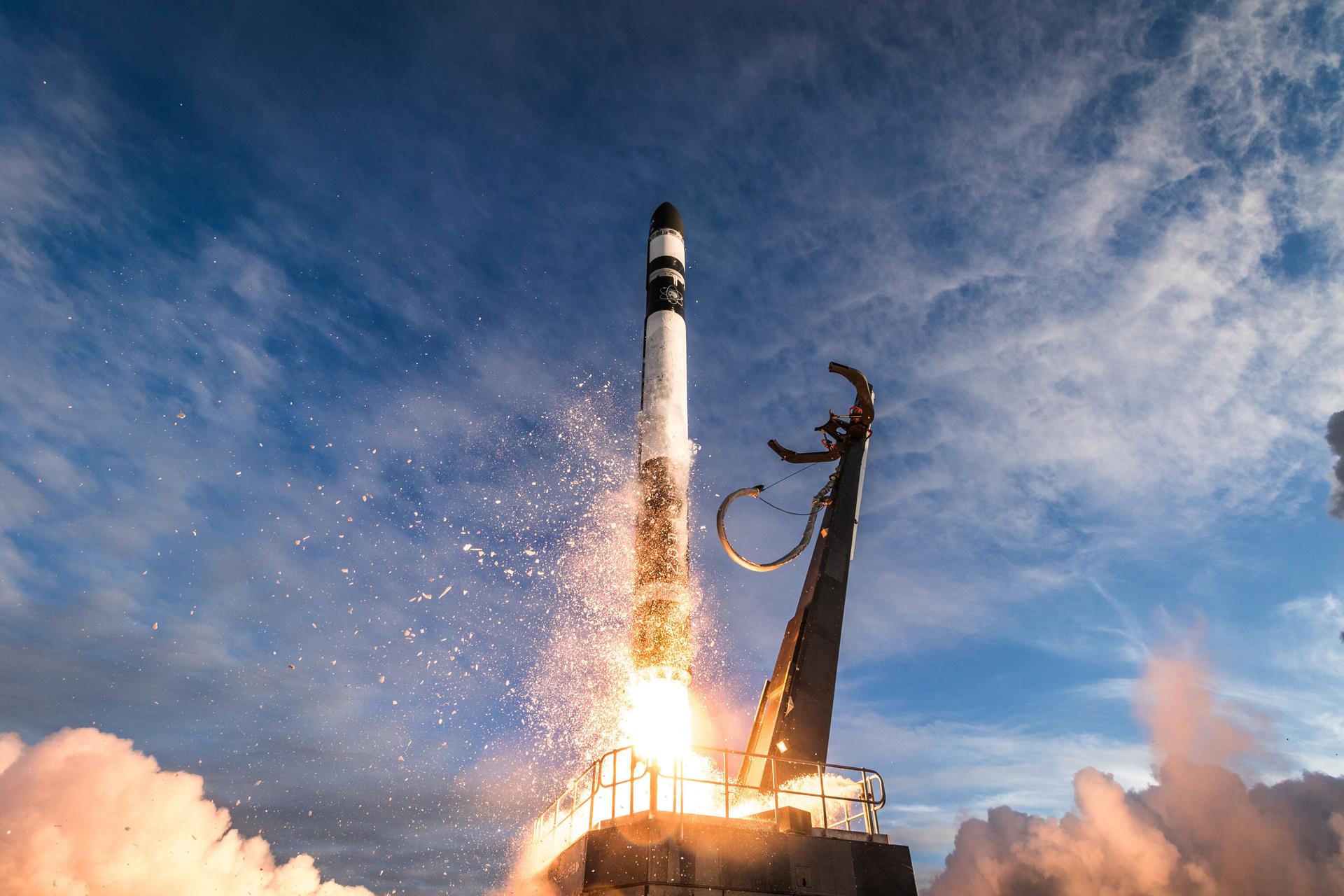
Provider: Rocket Lab Date: October 21, 2026 Time: 12:00 AM UTC Vehicle: Electron
HawkEye 360 is a a space-based civil global intelligence satellite network using radio frequency (RF) technology to help monitor transportation across air, land and sea and assist with emergencies, and to provide civil SIGINT (Signal Intelligence) mission.
The constellation of small satellites (named Hawk ) will collect information on specific radio signals worldwide to provide high-precision radio frequency mapping and analytics from Low Earth orbit (LEO).
USSF-481 ×
Mission Details
TypeGovernment/Top Secret
OrbitPolar Orbit
TargetEarth
A classified mission for the United States Space Force. It is possibly a batch of classified LEO satellites based on SpaceX’s Starshield satellite bus, based on locations of ascent rocket stage drop zones being fits with previous SDA Transport Layer launches.
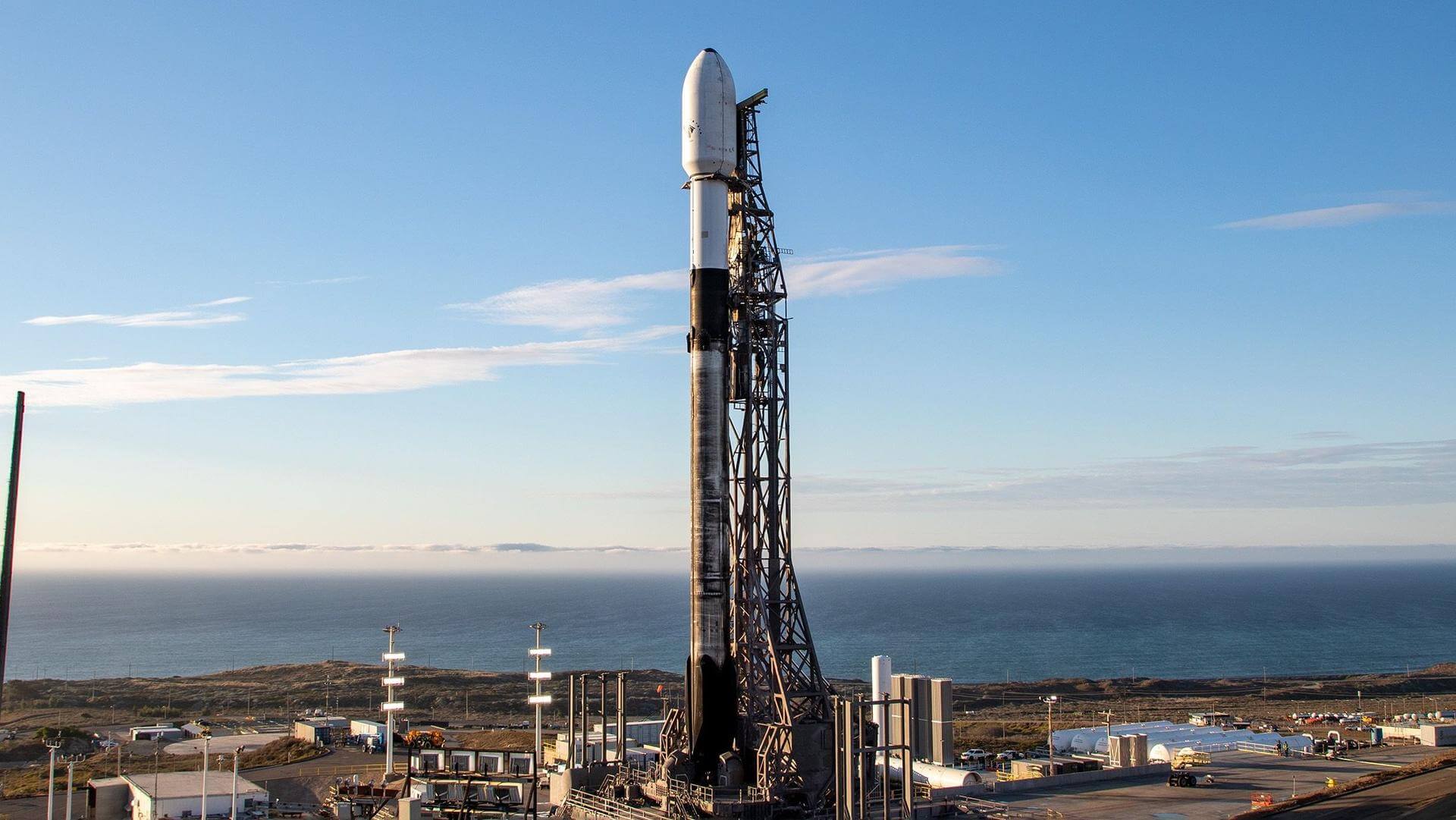
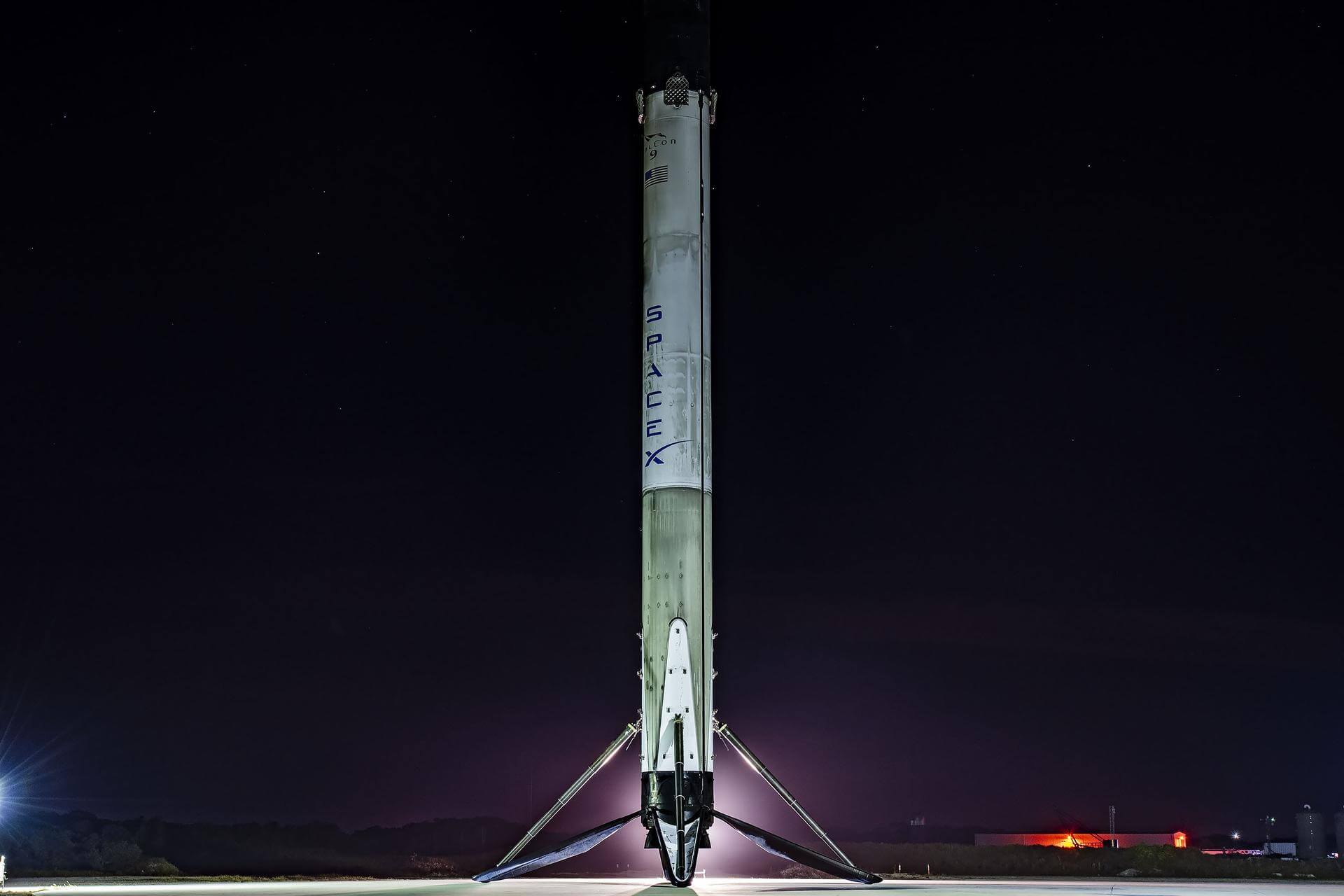
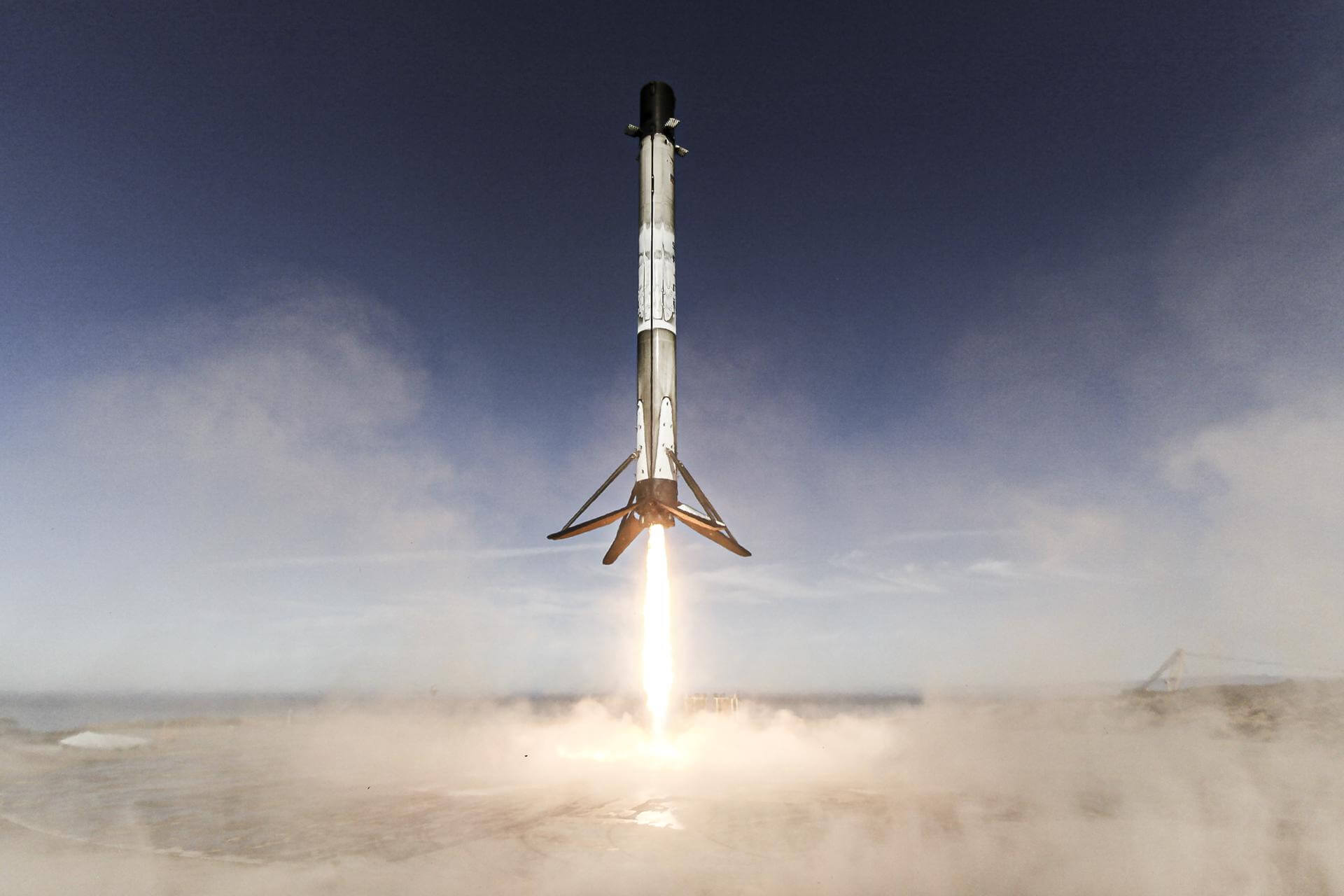
Falcon 9 is a two-stage rocket designed and manufactured by SpaceX for the reliable and safe transport of satellites and the Dragon spacecraft into orbit. The Block 5 variant is the fifth major interval aimed at improving upon the ability for rapid reusability.
Falcon 9 is a two-stage rocket designed and manufactured by SpaceX for the reliable and safe transport of satellites and the Dragon spacecraft into orbit. The Block 5 variant is the fifth major interval aimed at improving upon the ability for rapid reusability.
The H3 Launch Vehicle is a Japanese expendable launch system.
Each H3 booster configuration has a two-digit and a letter designation that indicates the features of that configuration. The first digit represents the number of LE-9 engines on the main stage, either “2” or “3”. The second digit…
Falcon 9 is a two-stage rocket designed and manufactured by SpaceX for the reliable and safe transport of satellites and the Dragon spacecraft into orbit. The Block 5 variant is the fifth major interval aimed at improving upon the ability for rapid reusability.
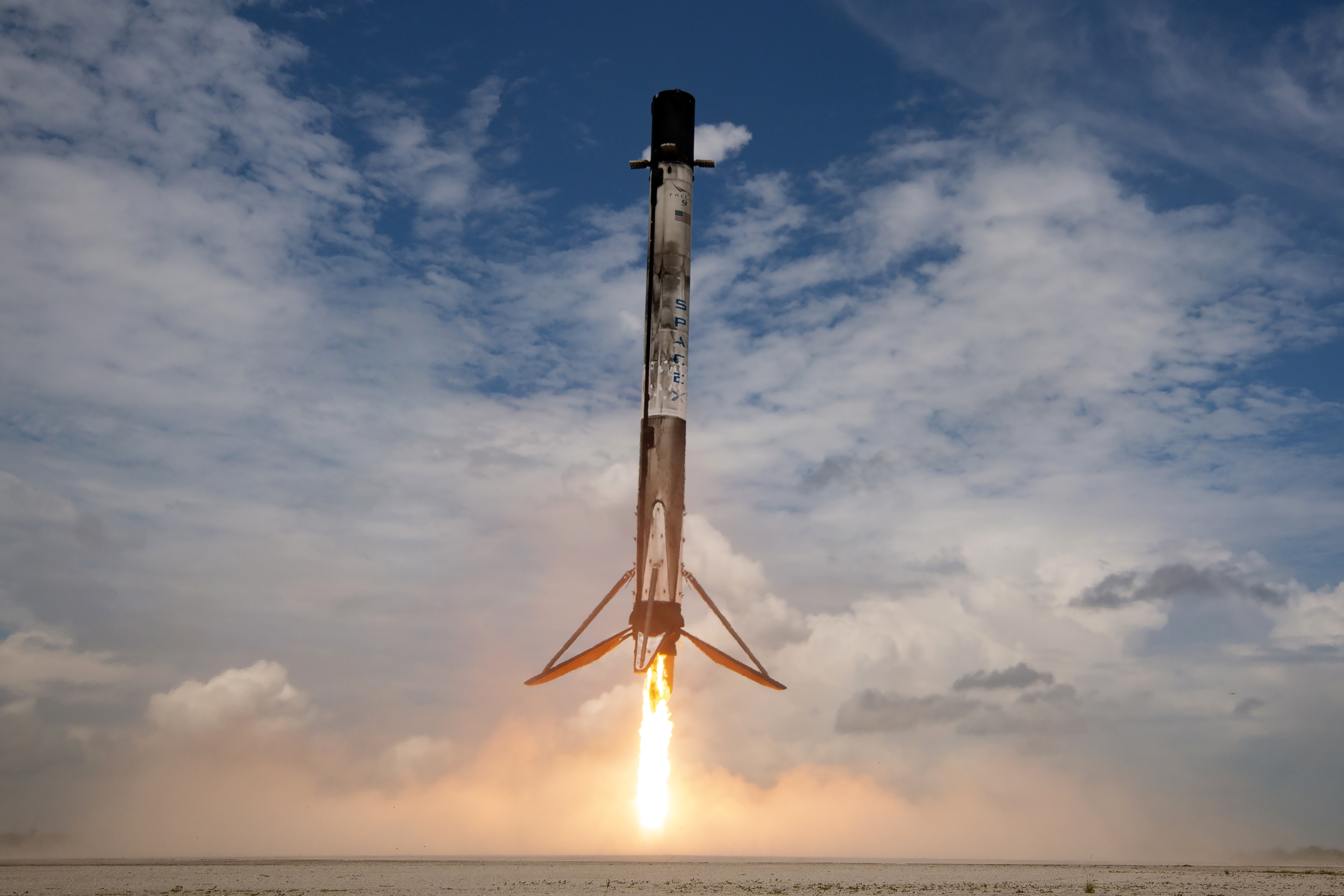
The Falcon 9 first stage B1063 will land on ASDS OCISLY after its 36th flight.
We’re Not Hawking Around (3x HawkEye 360) ×
Mission Details
TypeEarth Science
OrbitSun-Synchronous Orbit
TargetEarth
HawkEye 360 is a a space-based civil global intelligence satellite network using radio frequency (RF) technology to help monitor transportation across air, land and sea and assist with emergencies, and to provide civil SIGINT (Signal Intelligence) mission.
The constellation of small satellites (named Hawk ) will collect information on specific radio signals worldwide to provide high-precision radio frequency mapping and analytics from Low Earth orbit (LEO).
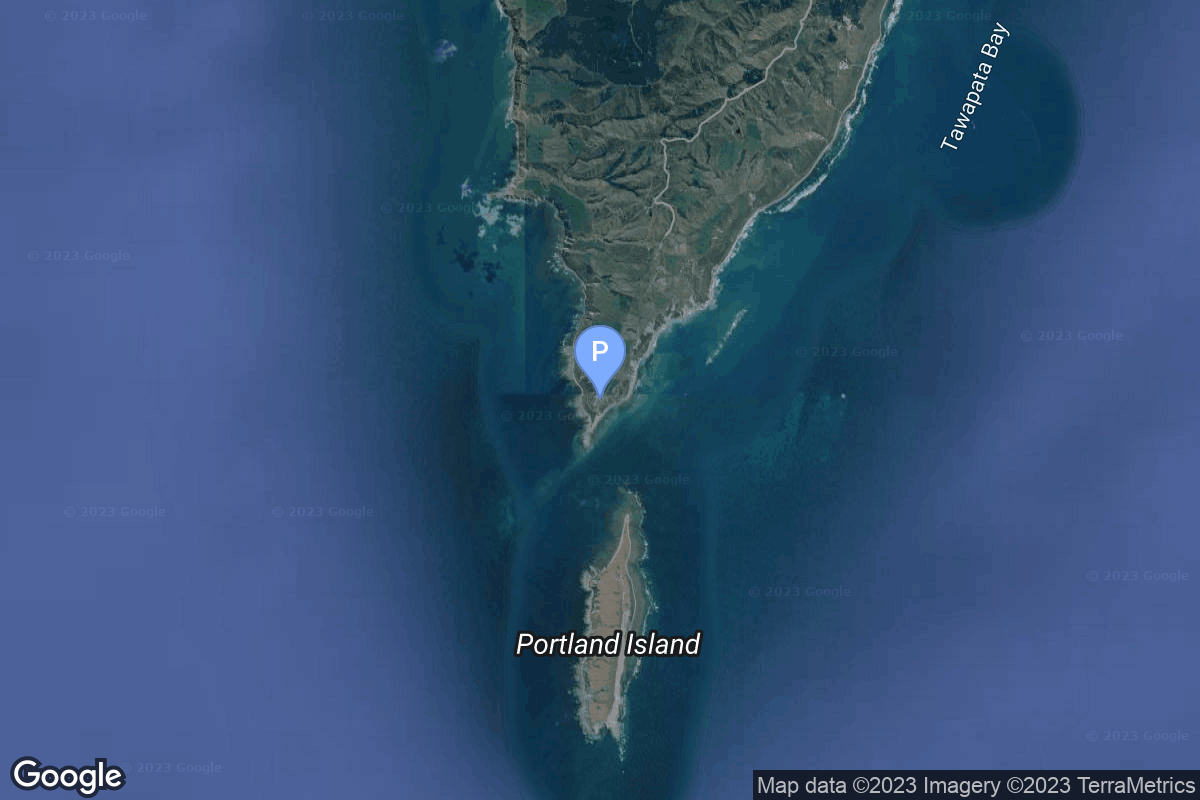
Rocket Lab Launch Complex 1, Mahia Peninsula, New Zealand
Total launches from this pad: 0
Vehicle: Electron
Electron is a two-stage orbital expendable launch vehicle (with an optional third stage) developed by the American aerospace company Rocket Lab. Electron is a small-lift launch vehicle designed to launch small satellites and cubesats to sun-synchronous orbit and low earth orbit. The Electron is the…
Robo Chris is a collection of API calls, filters, and searches, bolted together with magic and love. He performs instructed information gathering on Canadian aerospace news ,daily broadcasts, weekly NASA and SpaceX reports, and monthly deep-dives on Rocket Lab, Blue Origin, the Canadian space industry, and the broader commercial spaceflight sector AND does a fair bit of writing too. Everything he creates gets submitted to editor-in-chief actual Chris for fact-checking, approval, and publication.









Leave a Reply