Artemis II Data Release and Artemis III Recovery Training
NASA released a comprehensive dataset from the Artemis II mission this week, making available 814 GB of observations, 996 new images, and 521 minutes of never-before-released crew audio. The data dump marks a significant milestone for scientists and researchers studying the first crewed lunar flyby mission.
The Artemis III crew also continued their preparation for lunar landing operations, recently practicing hoist operations in San Diego with U.S. Navy teams as part of recovery training. Training during both day and night helps the crew become familiar with the wind, noise, and sea spray they will experience during splashdown and recovery.
NASA also hosted a webinar on the RS-25 engine and its role in Artemis missions, tailored specifically for the blind and low-vision community.
Moon Base Communications and Navigation White Paper
NASA published a new white paper outlining how communications, navigation, timing, and lunar surface observation capabilities are expected to expand as the Moon Base develops and exploration activity increases. The document details the infrastructure needed to support sustained human presence on the Moon and identifies opportunities for industry to contribute to these systems.
MMX Mission Briefing and Upcoming Launch
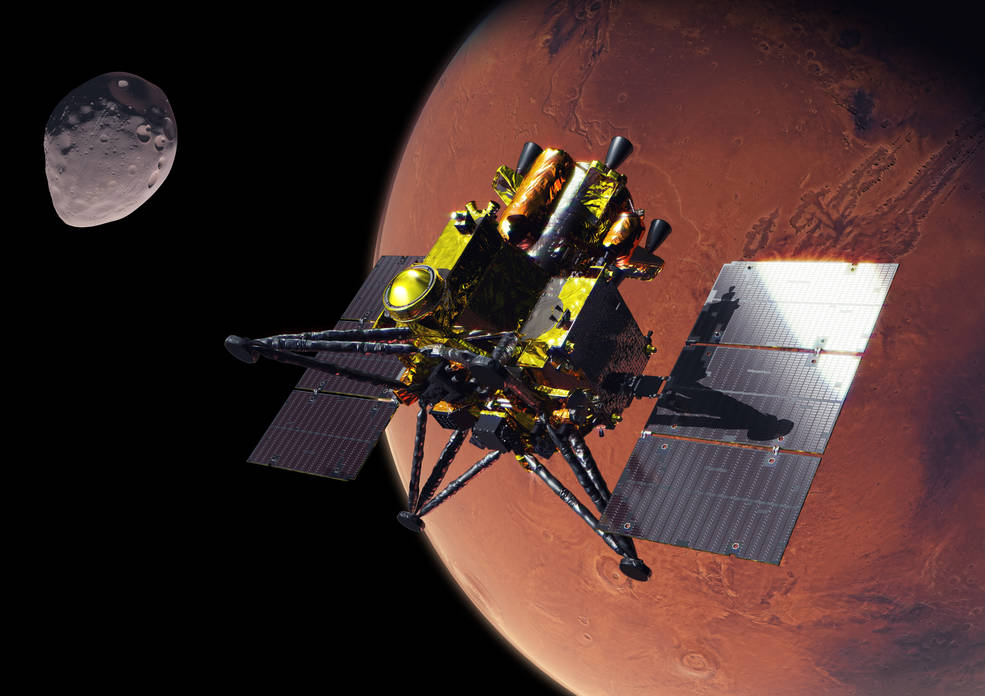
NASA will host a media teleconference at 4 p.m. EDT on Thursday, October 15, to preview the agency’s contributions to JAXA’s Martian Moons eXploration (MMX) mission. The mission is scheduled to launch from JAXA’s Tanegashima Space Center in Japan on Monday, October 19 EDT (Tuesday, October 20 JST).
The MMX spacecraft will arrive at Mars in August 2027 to survey the Red Planet’s two moons, Phobos and Deimos. After detailed surveying, the spacecraft will collect a sample of Phobos’ surface no earlier than December 2028 and deliver it to Earth in 2031.
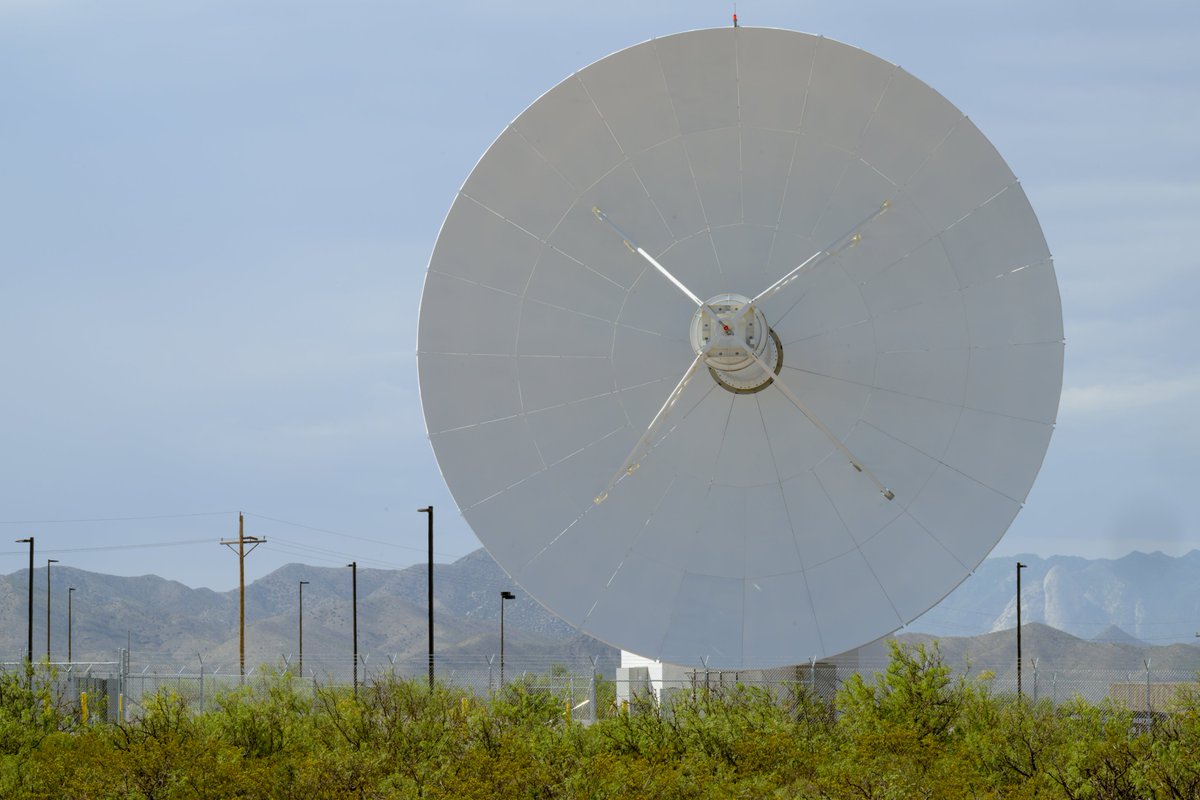
NASA’s contributions include the MEGANE gamma-ray and neutron spectrometer, developed by Johns Hopkins Applied Physics Laboratory, the spacecraft’s surface sampler mechanism developed by Honeybee Robotics (a Blue Origin company), and communications and navigation support from NASA’s Deep Space Network.
Meanwhile, the Perseverance rover continues exploring a field of light-toned rocks in Jezero Crater, an unusual sight on Mars where dark-colored basaltic stones dominate. The Curiosity rover captured images of the Sun rising on crags known as yardangs in Gale Crater, extending roughly 10 miles (16 km) across the northwestern reaches of Mount Sharp.
LISA Test Telescope and SSPICY Mission
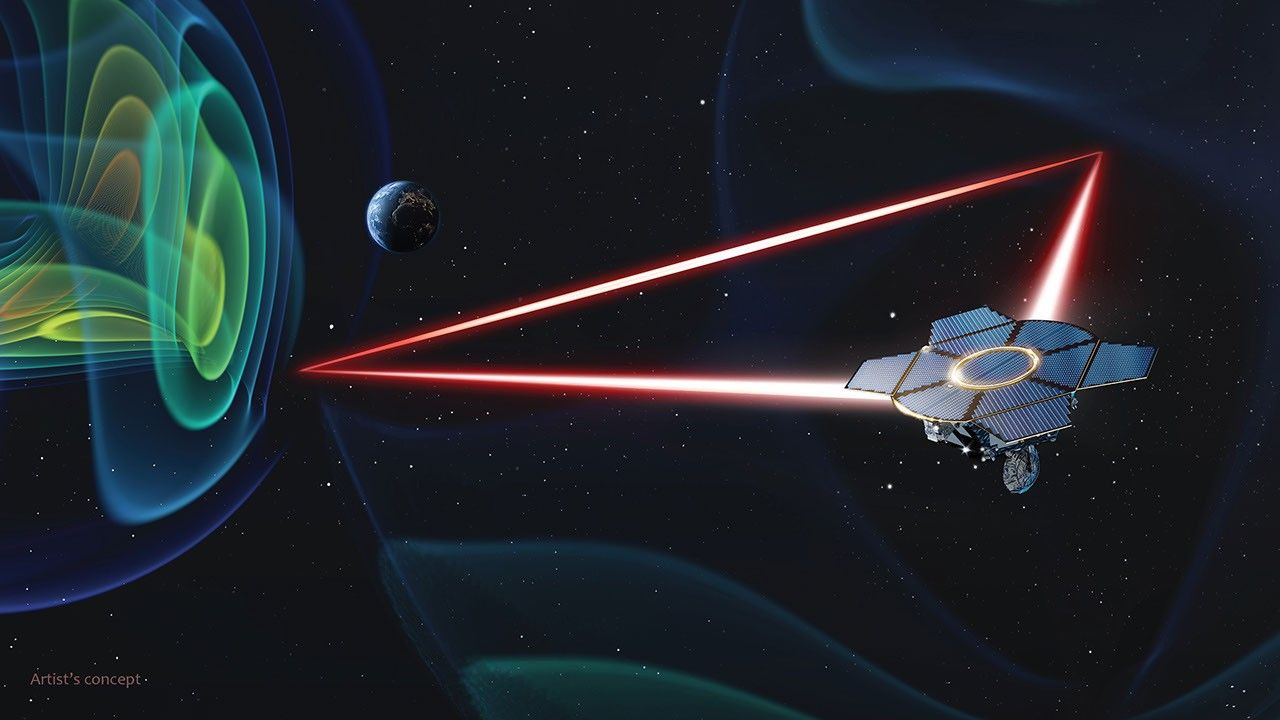
NASA advanced development of the LISA (Laser Interferometer Space Antenna) mission with a new all-glass telescope. L3Harris Technologies will design, assemble, and integrate the Engineering Test Unit, representing a final step toward future production of flight hardware. The ESA-led LISA mission is slated for launch in the mid-2030s and will deploy three satellites in an Earth-following orbit, creating a triangular array stretching 1.6 million miles (2.5 million kilometers) to detect gravitational waves.
The SSPICY (Small Spacecraft Propulsion and Inspection Capability) mission launched October 1 from Vandenberg Space Force Base in California. The Starfish Space Otter spacecraft will demonstrate technologies for in-space inspection, approaching up to four inoperable space objects in low Earth orbit in early 2027. Using autonomous guidance and control software, the spacecraft will navigate within hundreds of yards of each target to gather information about spin rate, orientation, and surface condition.
Crew-12 Splashes Down After 237-Day Mission
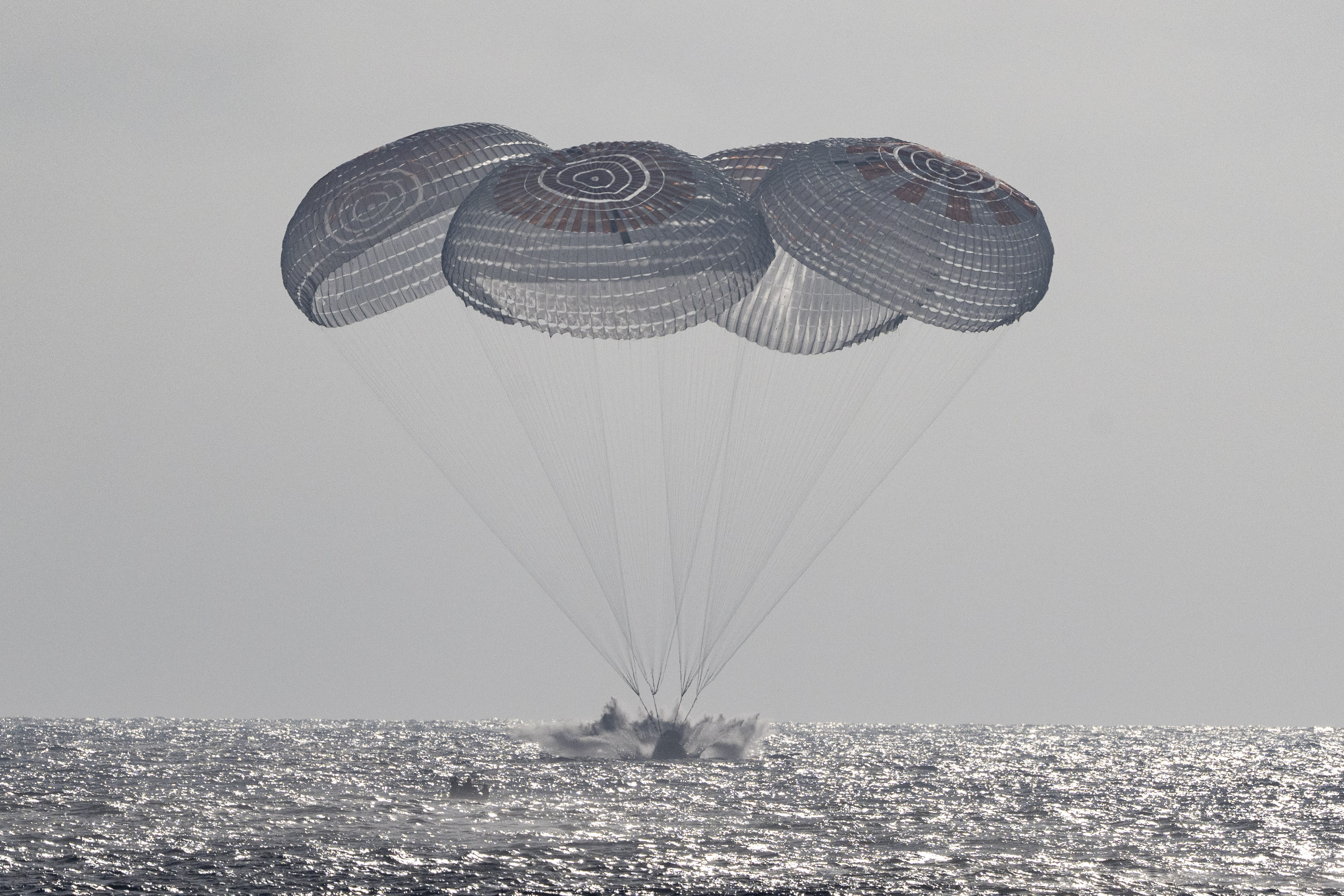
NASA’s SpaceX Crew-12 mission splashed down in the Pacific Ocean off the coast of Los Angeles at 11:34 a.m. EDT on Thursday, October 8, completing a 237-day mission aboard the International Space Station. NASA astronauts Jessica Meir and Jack Hathaway, ESA astronaut Sophie Adenot, and Roscosmos cosmonaut Andrey Fedyaev traveled more than 100 million miles and completed more than 3,792 orbits during their mission.
The mission was the second for Meir and Fedyaev and the first for Hathaway and Adenot. Meir has now logged 440 total days in space, placing her in NASA’s Top 10 for cumulative days in space. The crew conducted four spacewalks during their nearly eight-month mission.
Crew-12 launched at 5:15 a.m. EST on February 13 and docked to the station a day later. Before departure, NASA astronaut Jessica Meir handed over command of the International Space Station to Roscosmos cosmonaut Pyotr Dubrov.
Northrop Grumman’s Cygnus XL cargo spacecraft is scheduled to be released from the station by the Canadarm2 robotic arm at 12:45 p.m. EDT on Friday, October 9.
Nuclear Power MOU and Flight Director Applications
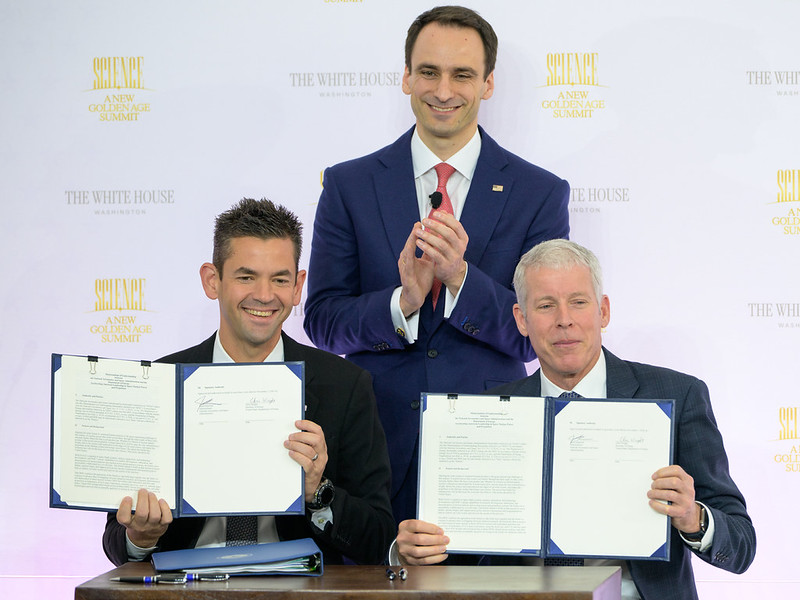
NASA Administrator Jared Isaacman and U.S. Secretary of Energy Chris Wright signed a Memorandum of Understanding on Thursday, October 8, establishing a framework for collaboration on space nuclear power and propulsion. The agreement, effective November 1, unites both agencies across advanced research, fuel production, testing, launch integration, and operations.
“We are entering the ‘Nuclear NASA-era,’ which represents a major transformation for space exploration,” said Isaacman. “Nuclear power will allow us to go farther, operate longer, and field more capable spacecraft and instruments than ever before.”
President Trump’s December 2025 Executive Order directs NASA to develop a launch-ready lunar surface reactor by 2030. When NASA’s Space Reactor-1 Freedom launches in 2028, nuclear propulsion will advance from laboratory research to operational deep-space application. This will pave the way for Lunar Reactor-1, the fission surface power system for the future Moon Base.
NASA is also accepting applications for its next class of flight directors through October 12. From the International Space Station to the Moon and beyond, flight directors will lead missions across NASA’s human exploration portfolio.
Provider: National Aeronautics and Space Administration Date: June 30, 2027 Time: 12:00 AM UTC Vehicle: Space Launch System (SLS)
Artemis III is the second crew mission as part of the Artemis program. Artemis III will send a crew of 4 on a Low Earth Orbit mission, with the Orion rendezvous and dock with one or both commercial lunar landers in development by SpaceX and Blue Origin, performing in-space tests of the docked vehicles, integrated checkout of life support, communications, and propulsion systems, as well as tests of the new Extravehicular Activity (xEVA) suits.
Artemis IV
Provider: National Aeronautics and Space Administration Date: June 30, 2028 Time: 12:00 AM UTC Vehicle: Space Launch System (SLS)
Artemis IV is planned to be the first human lunar landing mission since the Apollo Program.
Artemis V
Provider: National Aeronautics and Space Administration Date: December 31, 2028 Time: 12:00 AM UTC Vehicle: Space Launch System (SLS)
Artemis V is planned to be the second human lunar landing mission since the Apollo Program.
SLS Block 1B | Artemis VI
Provider: National Aeronautics and Space Administration Date: September 30, 2030 Time: 12:00 AM UTC Vehicle: Space Launch System (SLS)
No description available
SLS Block 1B | Artemis VII
Provider: National Aeronautics and Space Administration Date: September 30, 2031 Time: 12:00 AM UTC Vehicle: Space Launch System (SLS)
No description available
Artemis III ×
Mission Details
TypeHuman Exploration
OrbitLow Earth Orbit
TargetEarth
Artemis III is the second crew mission as part of the Artemis program. Artemis III will send a crew of 4 on a Low Earth Orbit mission, with the Orion rendezvous and dock with one or both commercial lunar landers in development by SpaceX and Blue Origin, performing in-space tests of the docked vehicles, integrated checkout of life support, communications, and propulsion systems, as well as tests of the new Extravehicular Activity (xEVA) suits.
Agencies Involved
• National Aeronautics and Space Administration (Government)
Program: Artemis
The Artemis program is a US government-funded crewed spaceflight program that has the goal of landing “the first woman and the next man” on the Moon, specifically at the lunar south pole region.
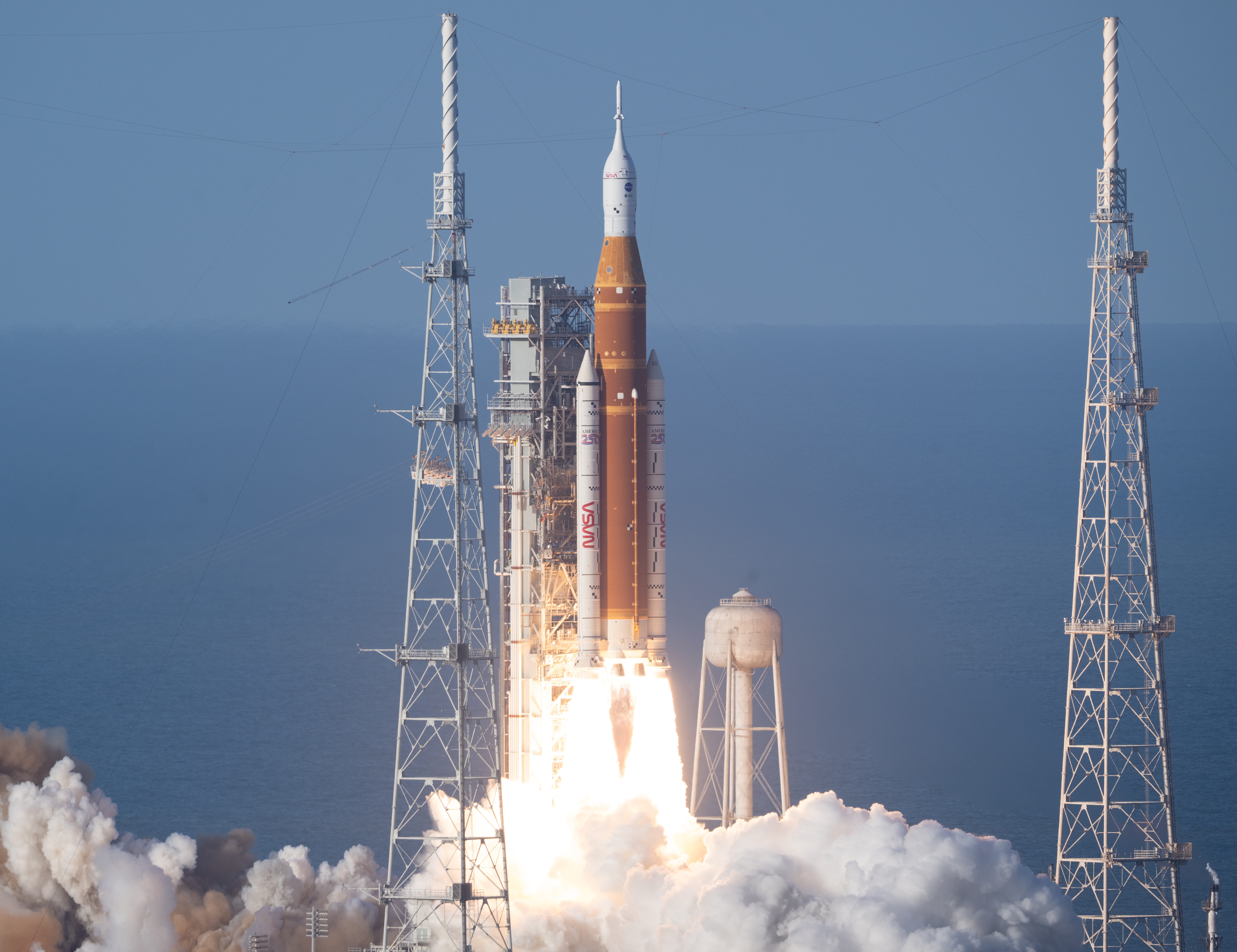
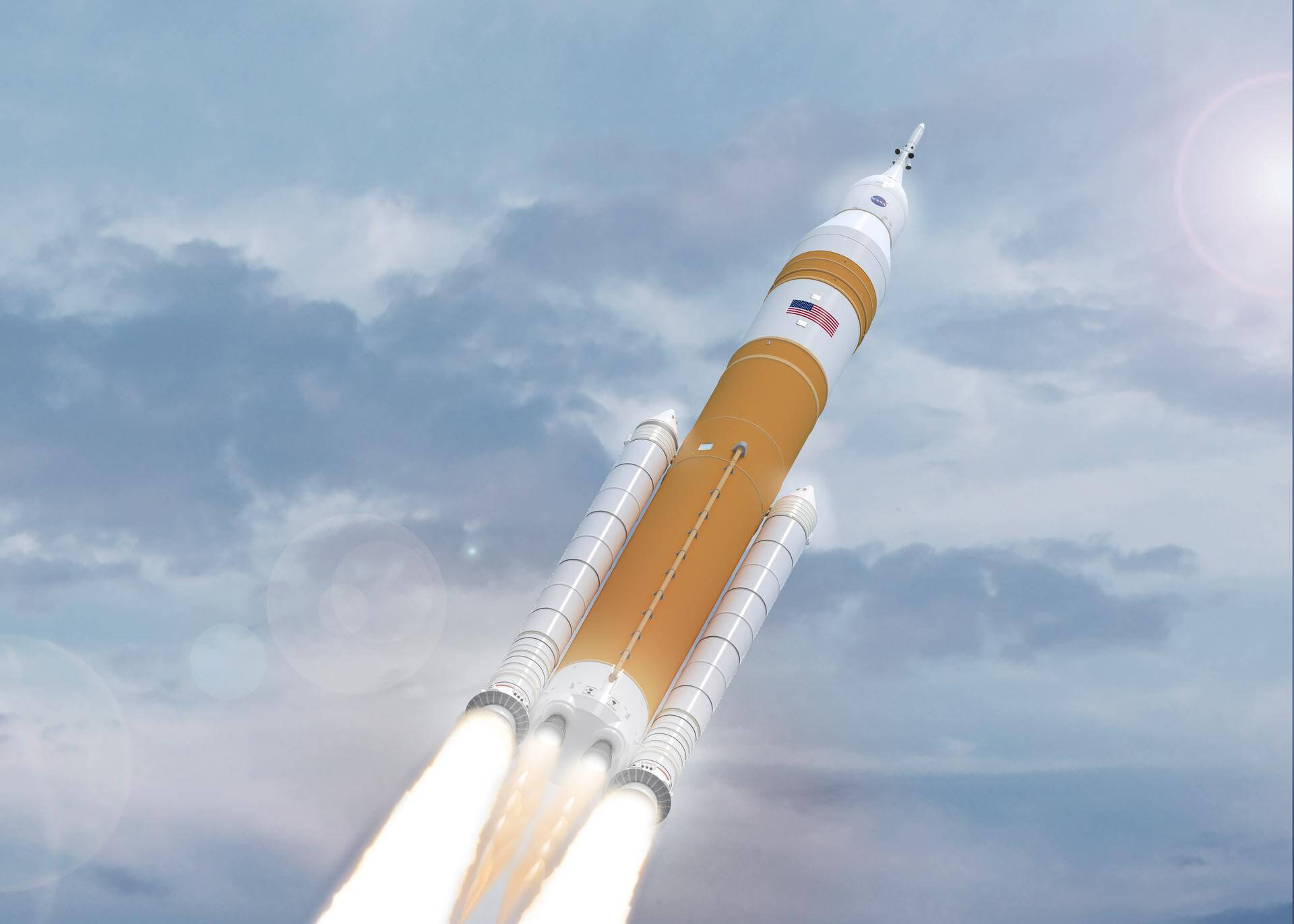
The Space Launch System (SLS) is an American Space Shuttle-derived heavy expendable launch vehicle. It is part of NASA’s deep space exploration plans including as the main launch vehicle of the Artemis program. SLS follows the cancellation of the Constellation program, and is to replace the retired…
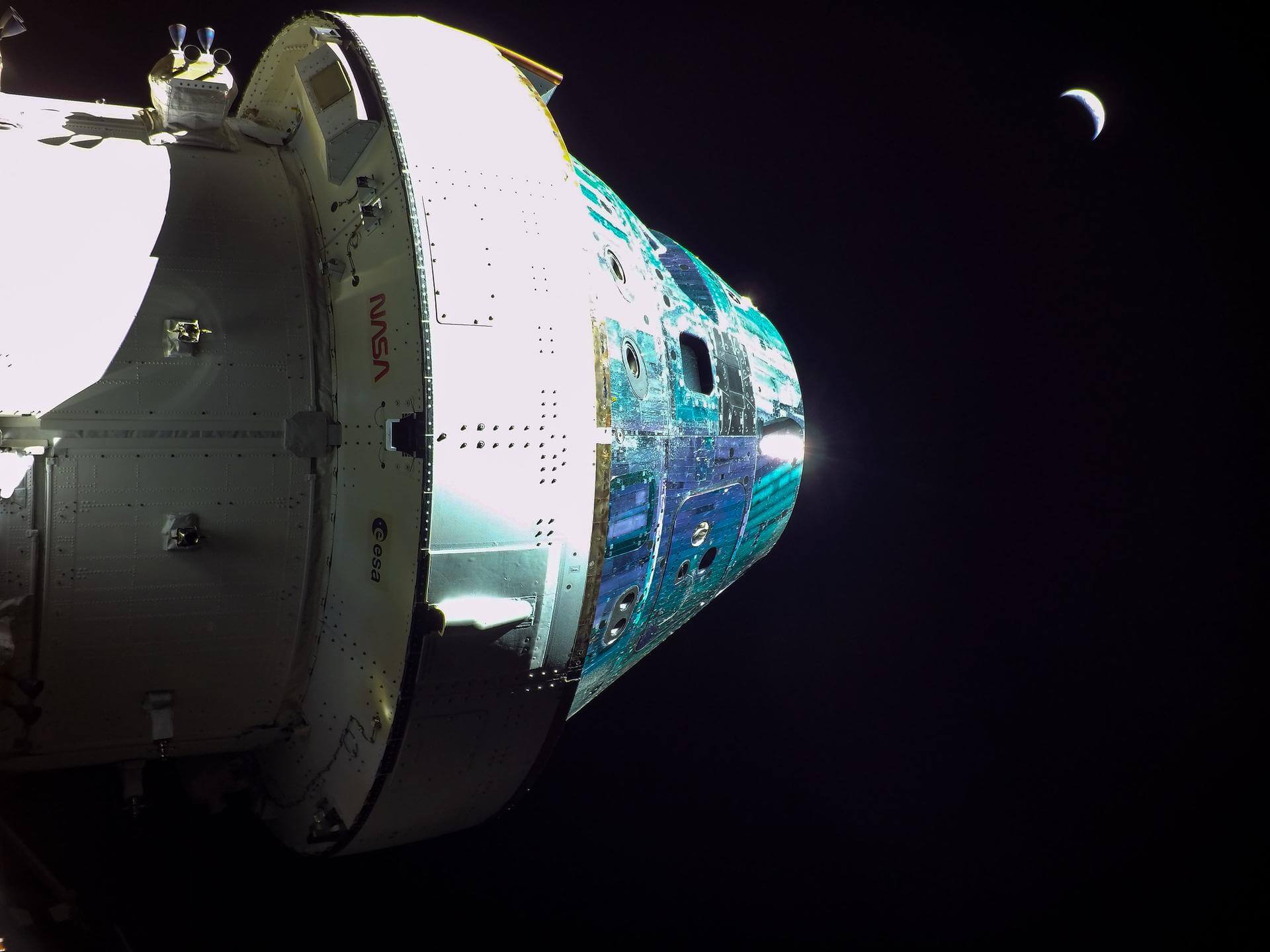
The Orion Multi-Purpose Crew Vehicle (Orion MPCV) is an American spacecraft intended to carry a crew of four astronauts to destinations at or beyond low Earth orbit (LEO). Currently under development by NASA for launch on the Space Launch System, Orion is intended to facilitate human exploration of asteroids and of Mars, as well as to provide a means of delivering or retrieving crew or supplies from the ISS if needed.
Capability
Lunar Missions.
Details
The Orion MPCV takes basic design elements from the Apollo Command Module that took astronauts to the moon, but its technology and capability are more advanced. It is designed to support long-duration deep space missions, with up to 21 days active crew time plus 6 months quiescent. During the quiescent period crew life support would be provided by another module such as a Deep Space Habitat. The…
Flight Life
21.1 days
Manufacturer: National Aeronautics and Space Administration (NASA)
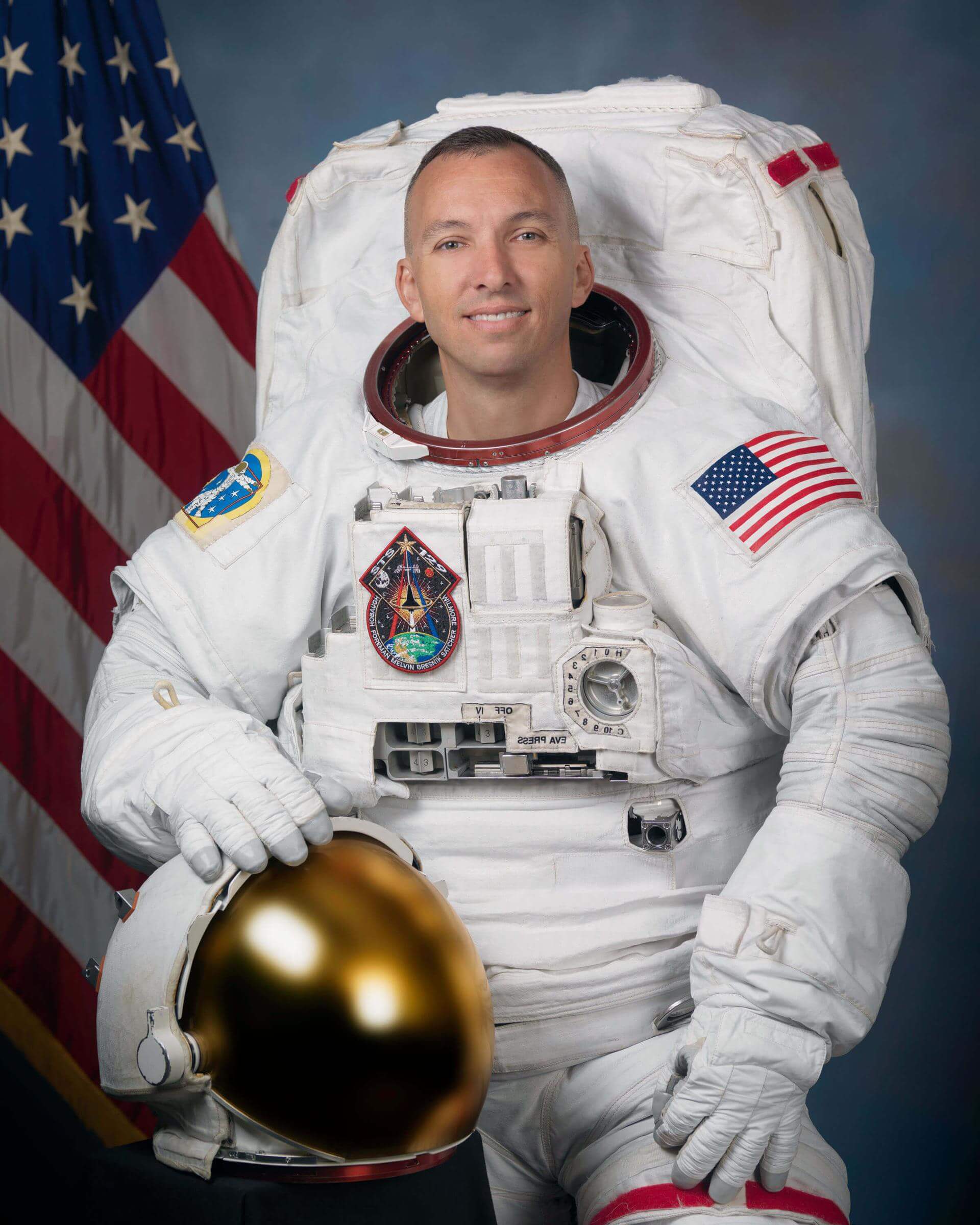
NASA • American • Age: 59 • Time in space: 149 Days, 12 Hours, 12 Minutes • EVA time: 1 Day, 8 Hours
Born: Sep 11, 1967 • First Flight: Nov 16, 2009 • Last Flight: Jul 28, 2017
Randolph James “Komrade” Bresnik is an officer in the United States Marine Corps and a NASA astronaut. A Marine Aviator by trade, Bresnik was selected as a member of NASA Astronaut Group 19 in May 2004.[5] First launched to space on STS-129.
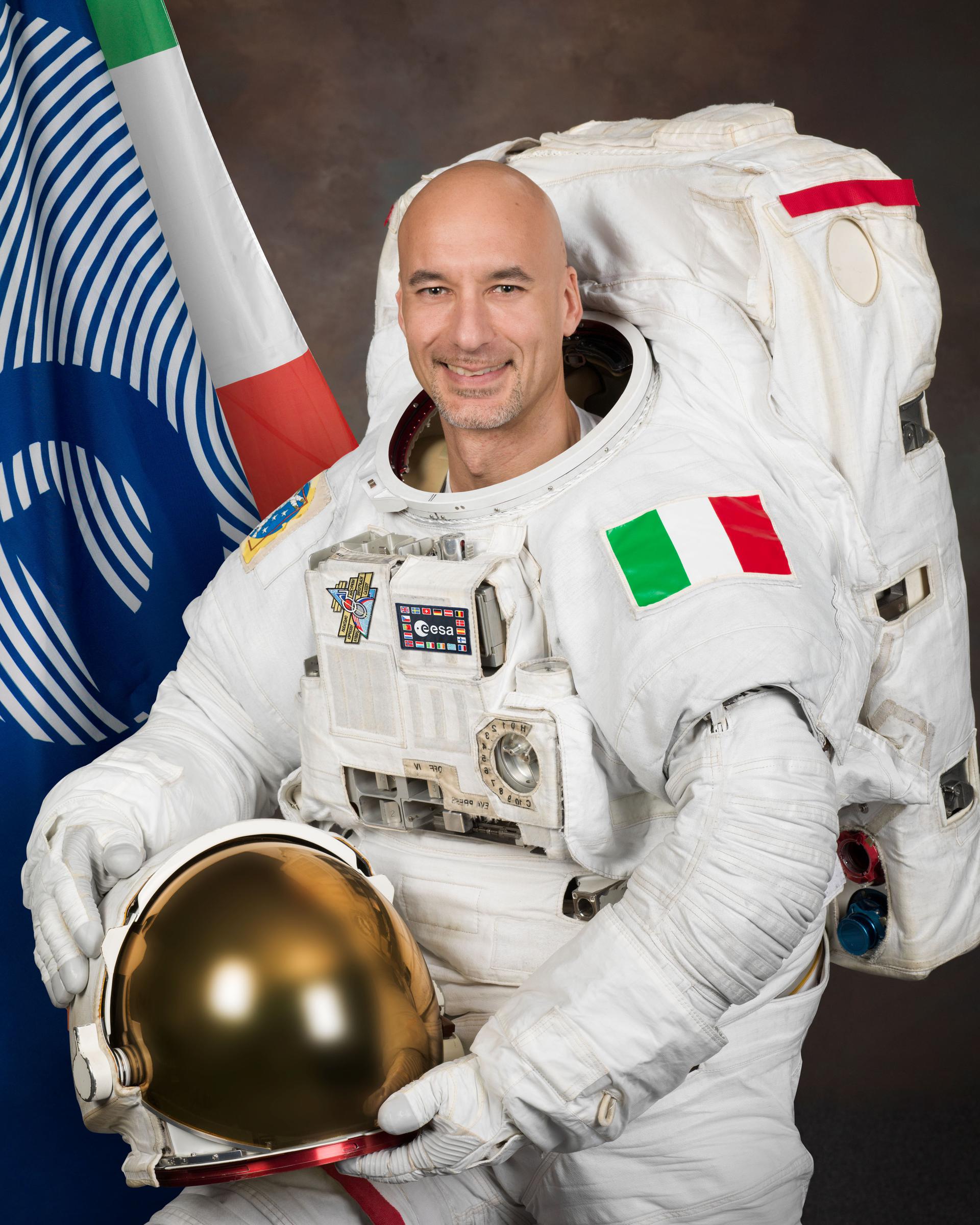
ESA • Italian • Age: 50 • Time in space: 366 Days, 23 Hours, 2 Minutes • EVA time: 1 Day, 9 Hours, 9 Minutes
Born: Sep 27, 1976 • First Flight: May 28, 2013 • Last Flight: Jul 20, 2019
Luca Parmitano (born 27 September 1976 in Paternò, Sicily) is an Italian engineer and astronaut in the European Astronaut Corps for the European Space Agency (ESA). The astronauts work on missions at the International Space Station. He was selected as an ESA astronaut in May 2009.
Artemis IV is planned to be the first human lunar landing mission since the Apollo Program.
Agencies Involved
• National Aeronautics and Space Administration (Government)
Program: Artemis
The Artemis program is a US government-funded crewed spaceflight program that has the goal of landing “the first woman and the next man” on the Moon, specifically at the lunar south pole region.
The Space Launch System (SLS) is an American Space Shuttle-derived heavy expendable launch vehicle. It is part of NASA’s deep space exploration plans including as the main launch vehicle of the Artemis program. SLS follows the cancellation of the Constellation program, and is to replace the retired…
Artemis V is planned to be the second human lunar landing mission since the Apollo Program.
Agencies Involved
• National Aeronautics and Space Administration (Government)
Program: Artemis
The Artemis program is a US government-funded crewed spaceflight program that has the goal of landing “the first woman and the next man” on the Moon, specifically at the lunar south pole region.
The Space Launch System (SLS) is an American Space Shuttle-derived heavy expendable launch vehicle. It is part of NASA’s deep space exploration plans including as the main launch vehicle of the Artemis program. SLS follows the cancellation of the Constellation program, and is to replace the retired…
The Artemis program is a US government-funded crewed spaceflight program that has the goal of landing “the first woman and the next man” on the Moon, specifically at the lunar south pole region.
The Space Launch System (SLS) is an American Space Shuttle-derived heavy expendable launch vehicle. It is part of NASA’s deep space exploration plans including as the main launch vehicle of the Artemis program. SLS follows the cancellation of the Constellation program, and is to replace the retired…
The Artemis program is a US government-funded crewed spaceflight program that has the goal of landing “the first woman and the next man” on the Moon, specifically at the lunar south pole region.
The Space Launch System (SLS) is an American Space Shuttle-derived heavy expendable launch vehicle. It is part of NASA’s deep space exploration plans including as the main launch vehicle of the Artemis program. SLS follows the cancellation of the Constellation program, and is to replace the retired…
Robo Chris is a collection of API calls, filters, and searches, bolted together with magic and love. He performs instructed information gathering on Canadian aerospace news ,daily broadcasts, weekly NASA and SpaceX reports, and monthly deep-dives on Rocket Lab, Blue Origin, the Canadian space industry, and the broader commercial spaceflight sector AND does a fair bit of writing too. Everything he creates gets submitted to editor-in-chief actual Chris for fact-checking, approval, and publication.




Leave a Reply