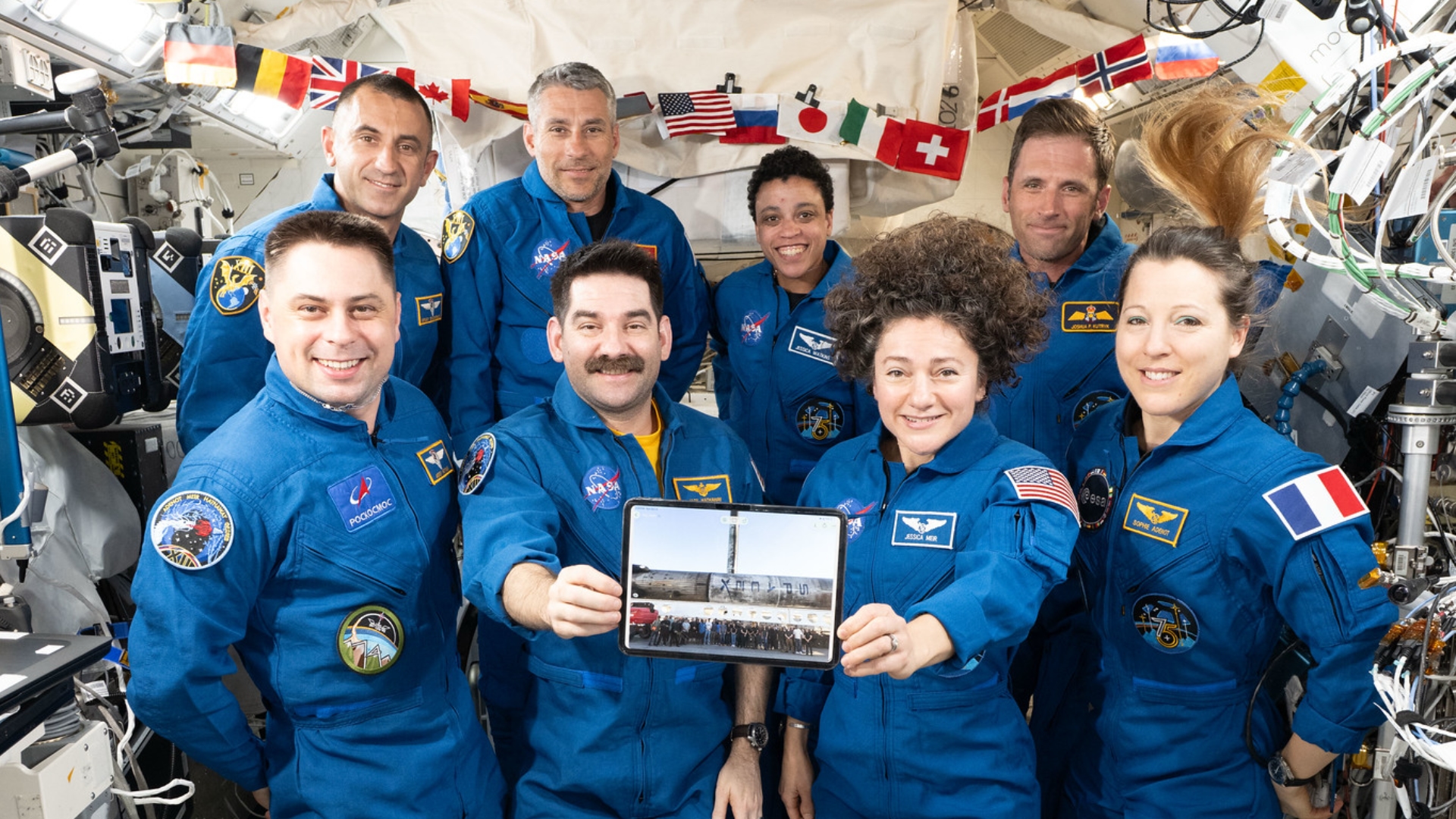
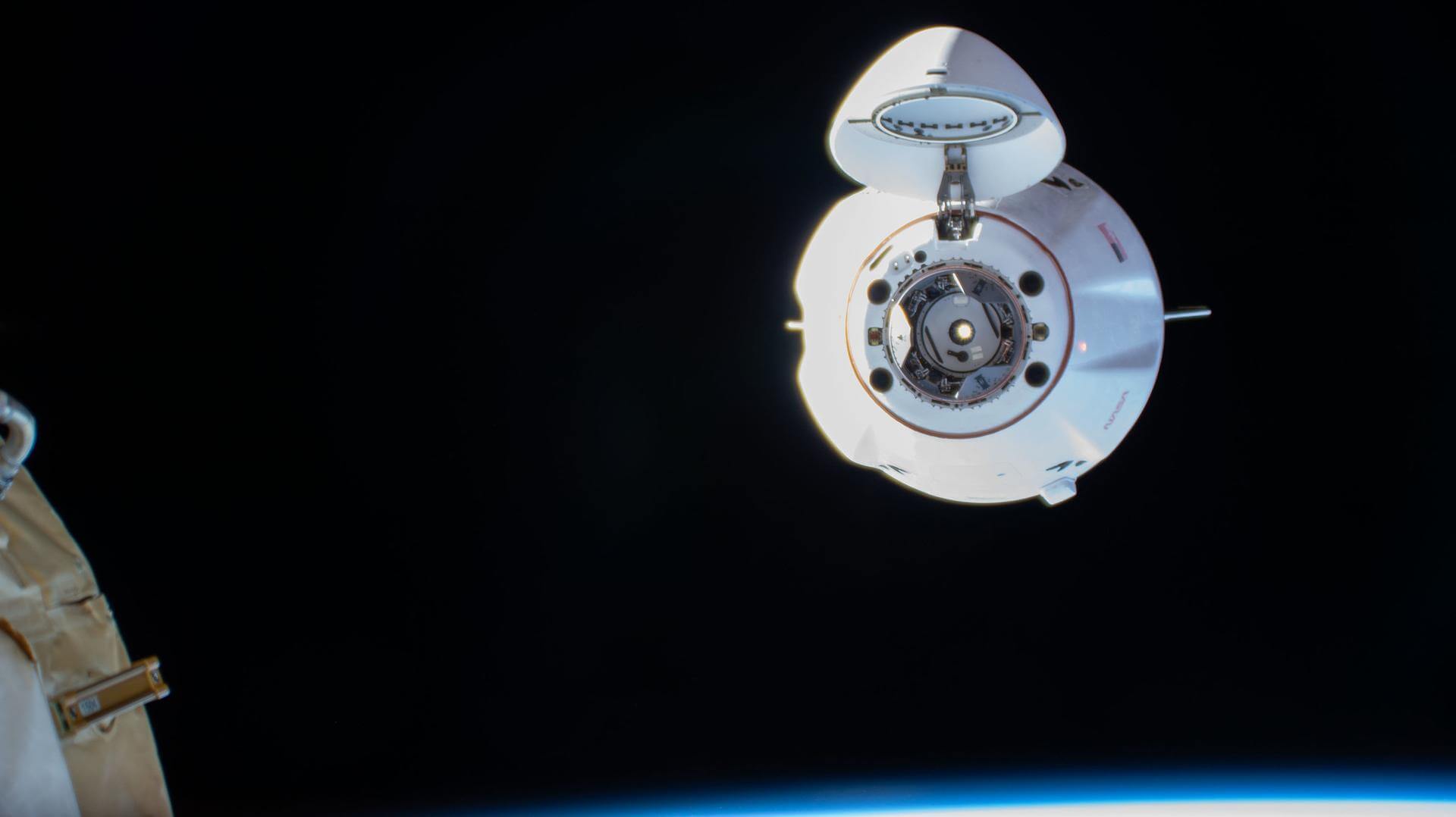
Four crew members of SpaceX’s Crew-12 mission splashed down in the Pacific Ocean off the Los Angeles coast at 11:34 a.m. EDT on Oct. 8, ending a 237-day mission that included four spacewalks. NASA’s Jessica Meir commanded the Dragon capsule undocking from the station’s Harmony module at 8:05 a.m. EDT on Oct. 7 for the trip home.
Joining Meir were NASA pilot Jack Hathaway, European Space Agency astronaut Sophie Adenot and Roscosmos cosmonaut Andrey Fedyaev. It was the first spaceflight for Hathaway and Adenot. For Meir, the return pushed her career total to 440 days in space, placing her among NASA’s 10 most experienced astronauts.
Dubrov Takes Command; Seven Remain on Station
Before the departure, Roscosmos cosmonaut Pyotr Dubrov accepted command of the space station from Meir in a change-of-command ceremony on Oct. 4. Dubrov, fellow cosmonaut Anna Kikina and NASA astronaut Anil Menon are scheduled to stay aboard until spring 2027.
They now share the station with Canada’s Joshua Kutryk, NASA’s Jessica Watkins and Luke Delaney, and Roscosmos’s Sergey Teteryatnikov, who arrived on Oct. 1 aboard the Dragon capsule Grace, completing the fastest docking run yet by a U.S. spacecraft.
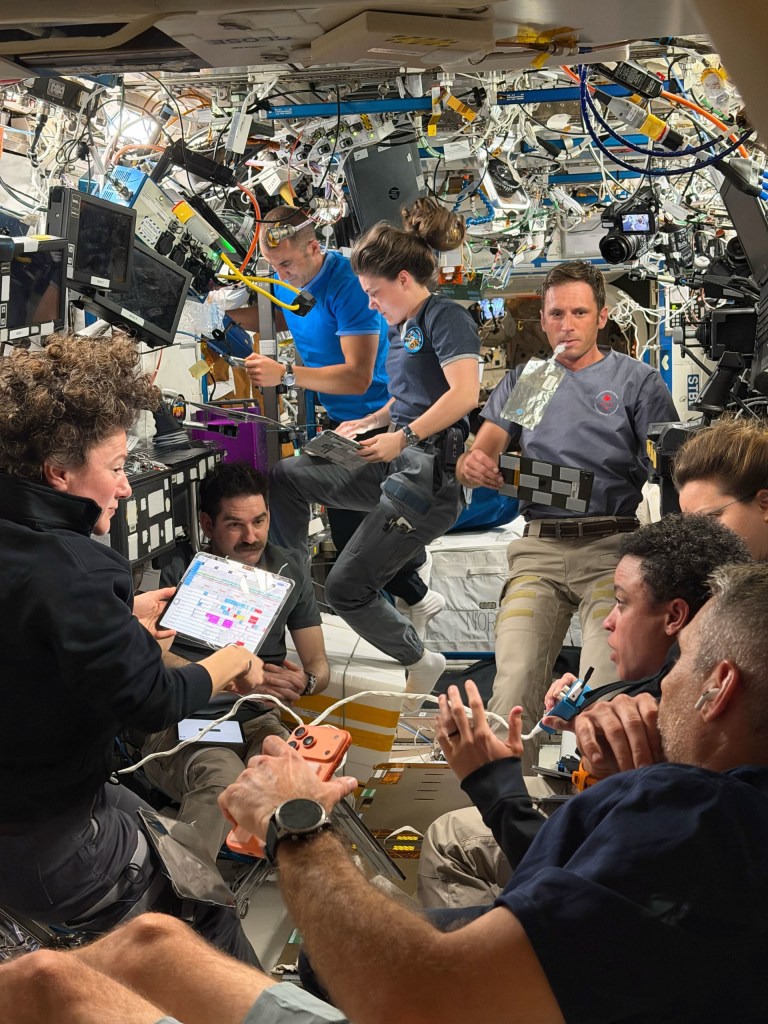
Kutryk spent part of the week preparing for Crew-12’s departure, studying the tools and procedures used to monitor a Dragon spacecraft’s approach and rendezvous. On Oct. 6, Adenot scanned his veins with a device called Ultrasound 3. Ground controllers also used Canadarm2 to release Northrop Grumman’s Cygnus XL cargo spacecraft from the station at 12:44 p.m. EDT on Oct. 9. The spacecraft had been berthed at the Unity module since April 13.
In Ottawa, Industry Minister Mélanie Joly discussed a possible new astronaut-recruitment campaign and a new Canadian space strategy in a conversation with SpaceQ while she was at the Crew-13 launch in Florida.
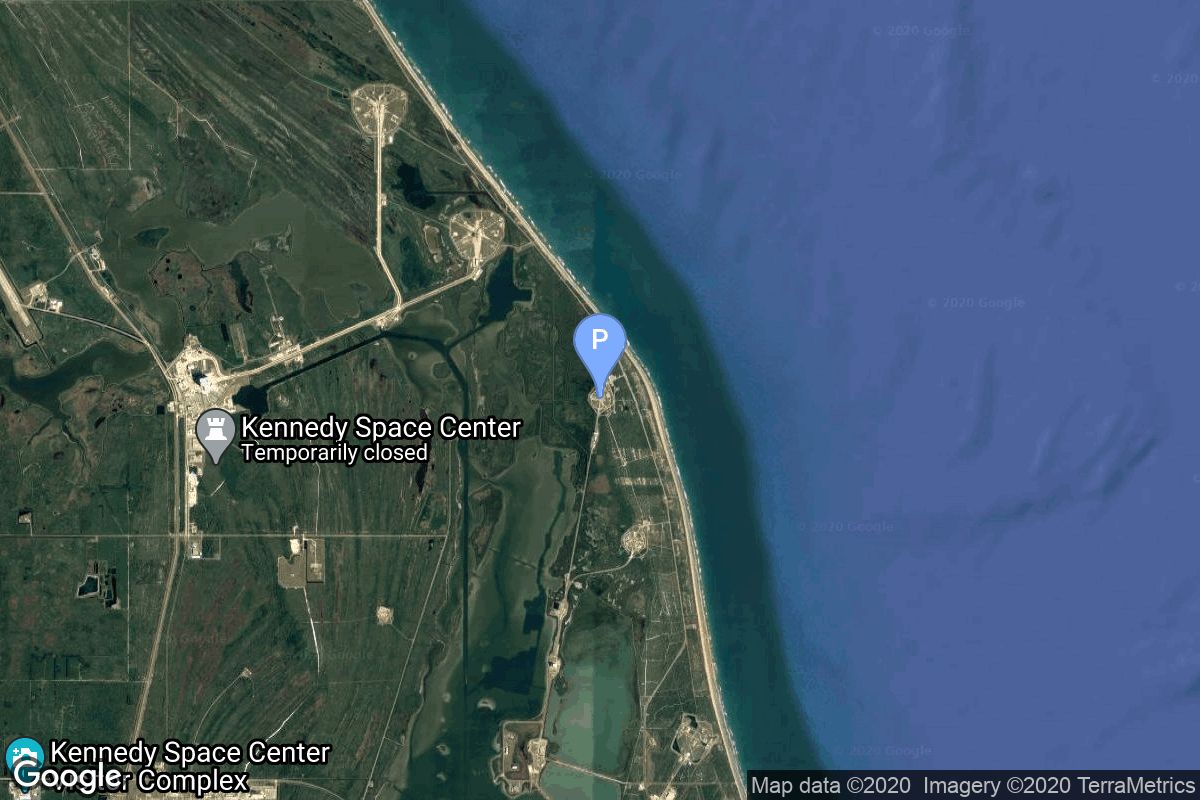
Provider: SpaceX Date: October 12, 2026 Time: 11:00 PM UTC Vehicle: Falcon 9
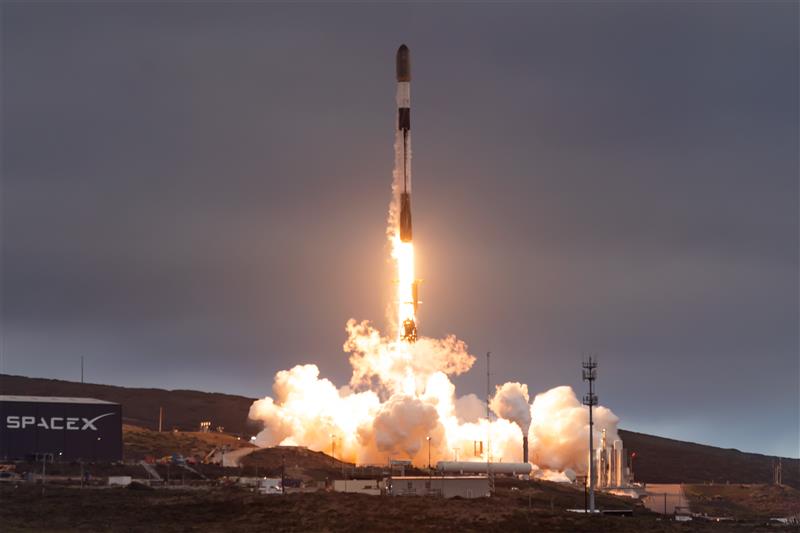
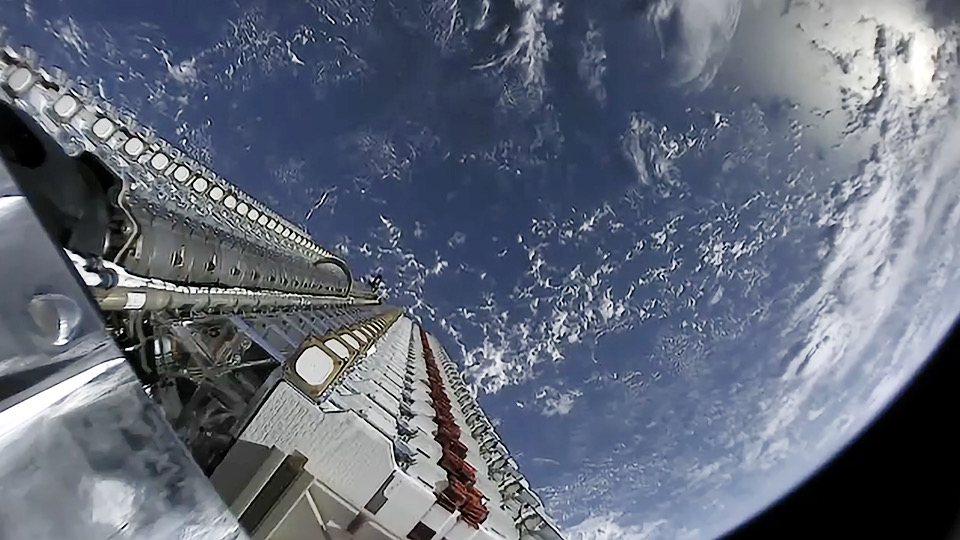
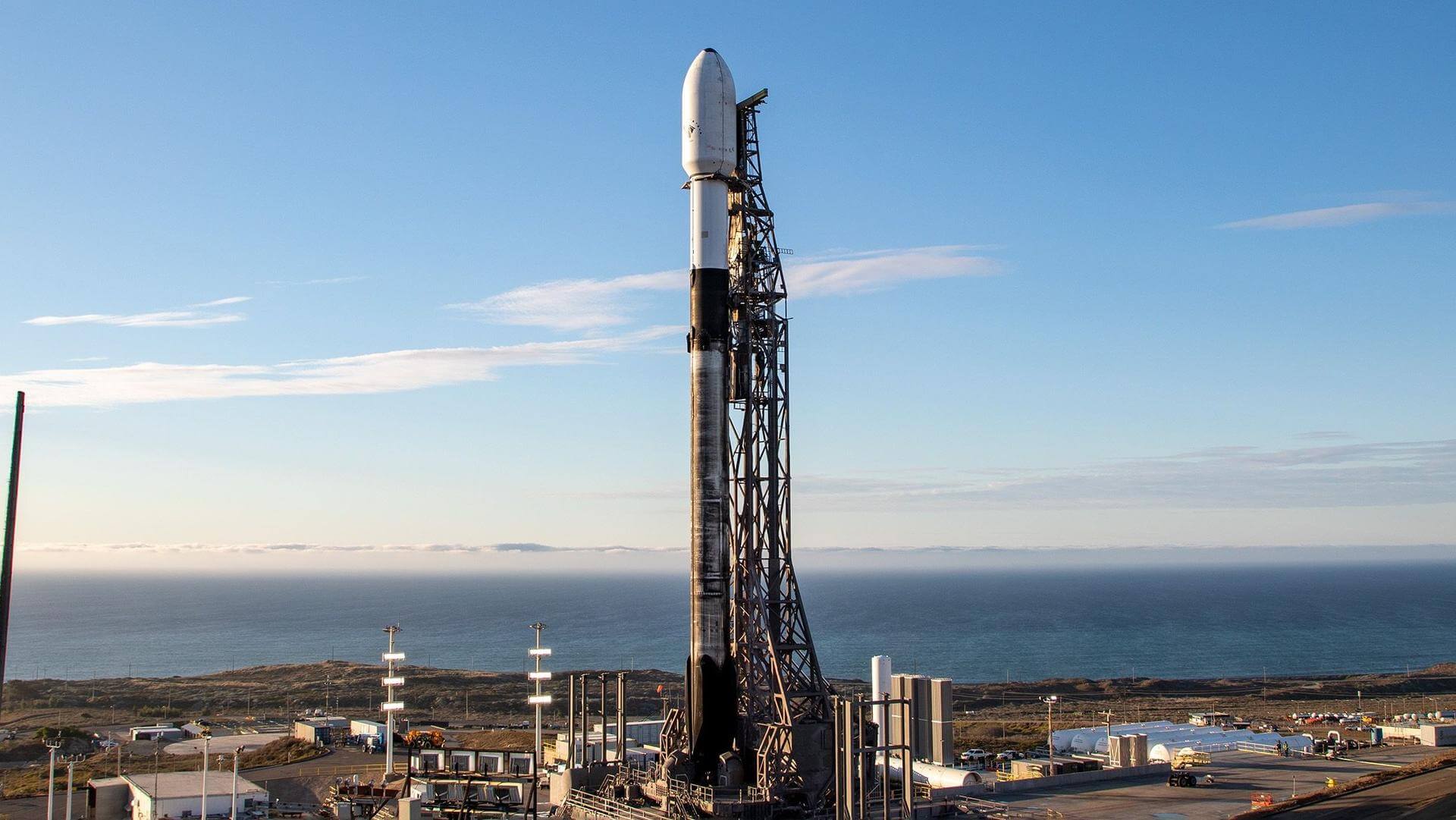
A batch of 27 satellites for the Starlink mega-constellation – SpaceX’s project for space-based Internet communication system.
Dragon CRS-2 SpX-35
Provider: SpaceX Date: October 13, 2026 Time: 10:33 AM UTC Vehicle: Falcon 9
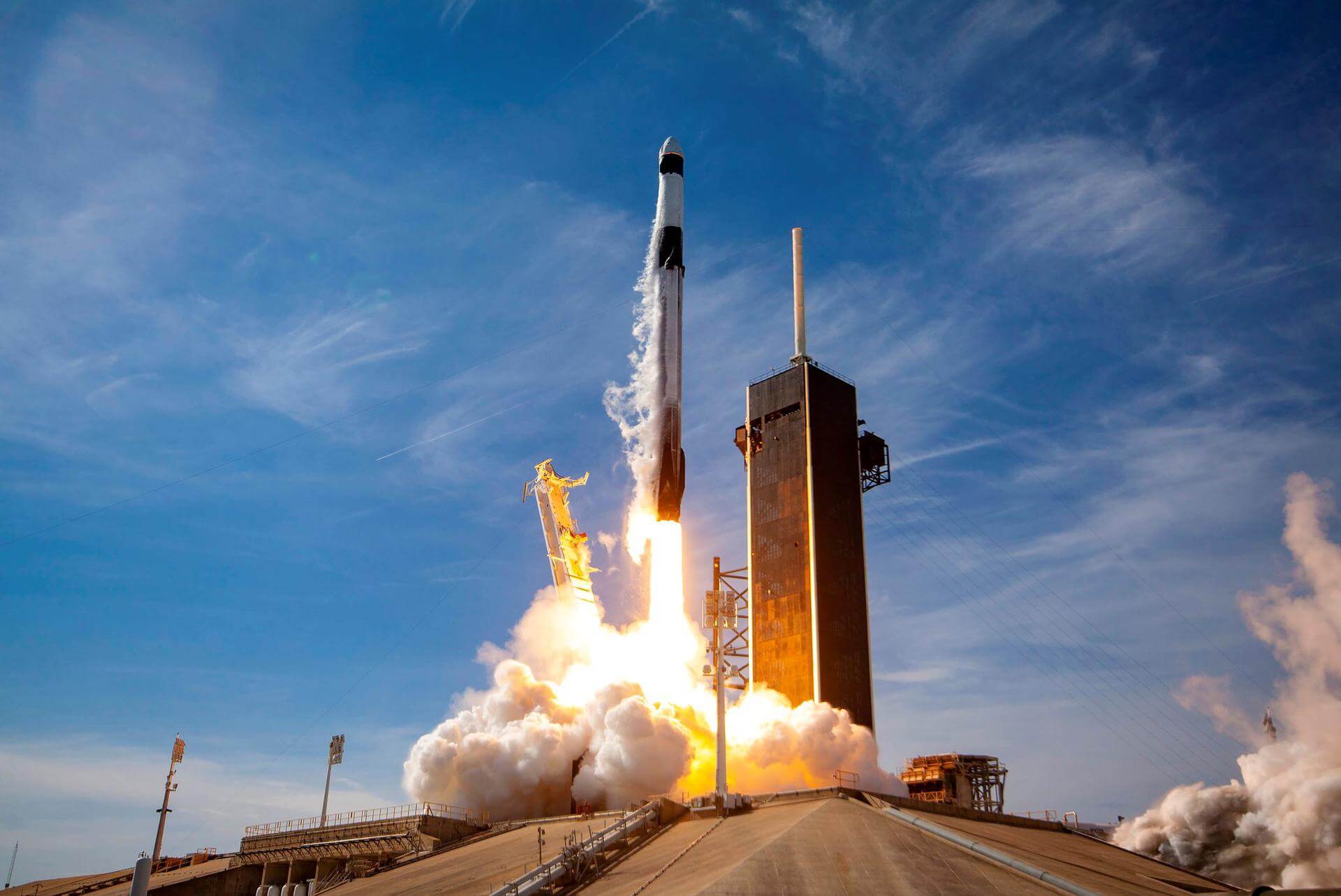
35th commercial resupply services mission to the International Space Station operated by SpaceX. The flight will be conducted under the second Commercial Resupply Services contract with NASA.
Cargo Dragon 2 brings supplies and payloads, including critical materials to directly support science and research investigations that occur onboard the orbiting laboratory.
USSF-481
Provider: SpaceX Date: October 15, 2026 Time: 11:44 PM UTC Vehicle: Falcon 9
A classified mission for the United States Space Force. It is possibly a batch of classified LEO satellites based on SpaceX’s Starshield satellite bus, based on locations of ascent rocket stage drop zones being fits with previous SDA Transport Layer launches.
Martian Moons eXploration (MMX)
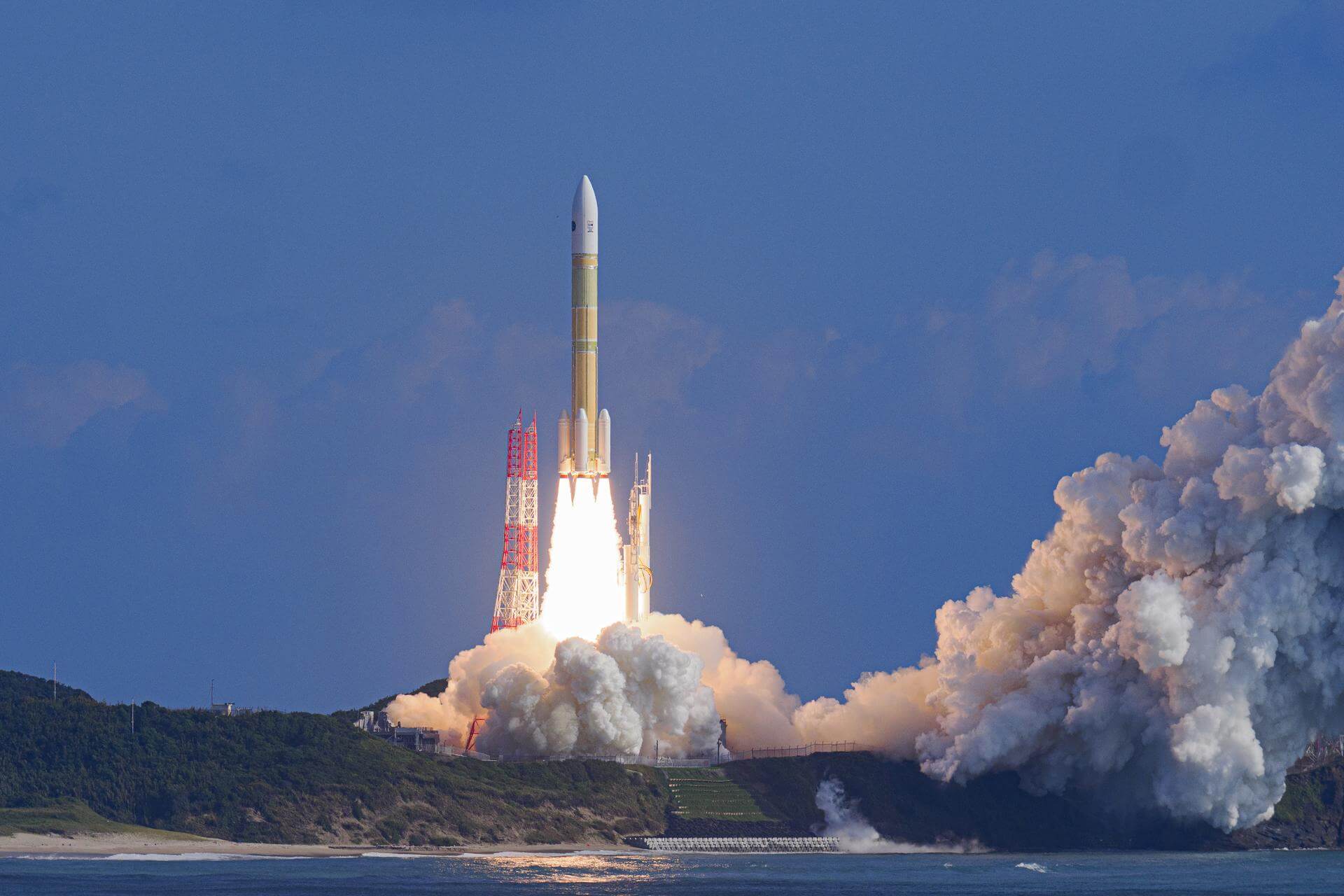
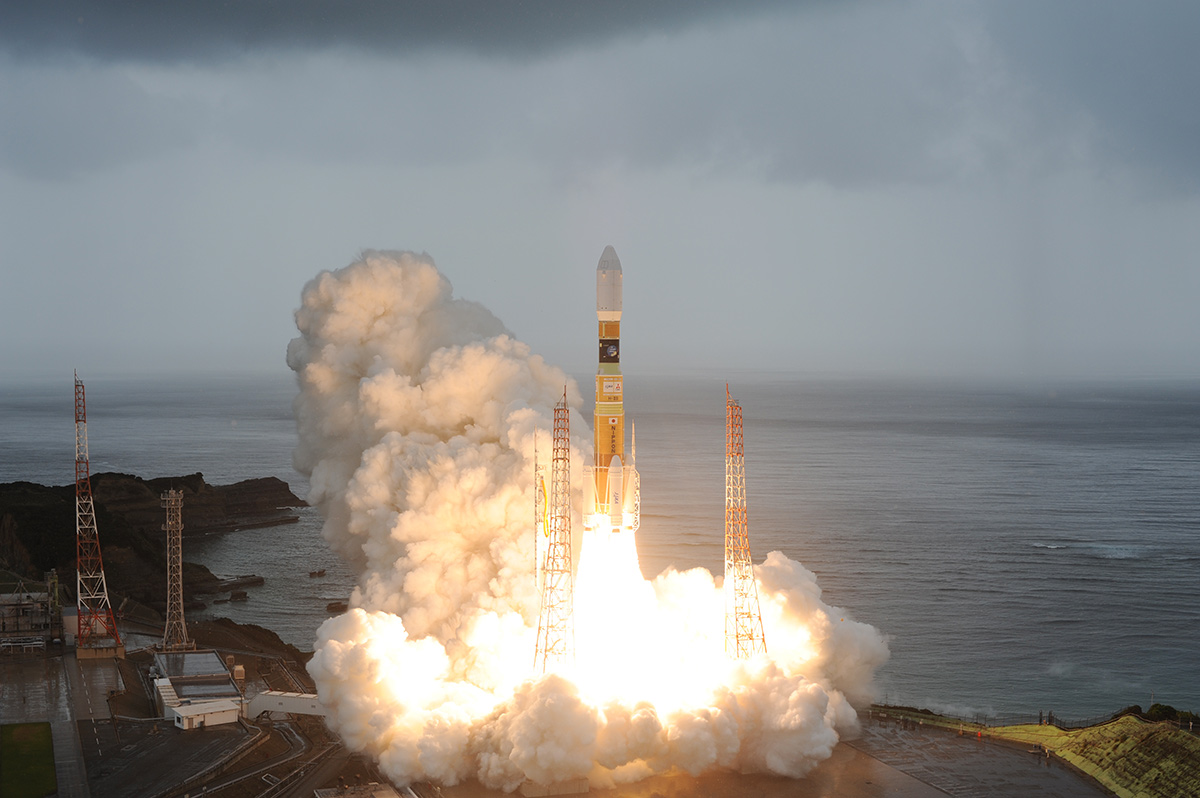
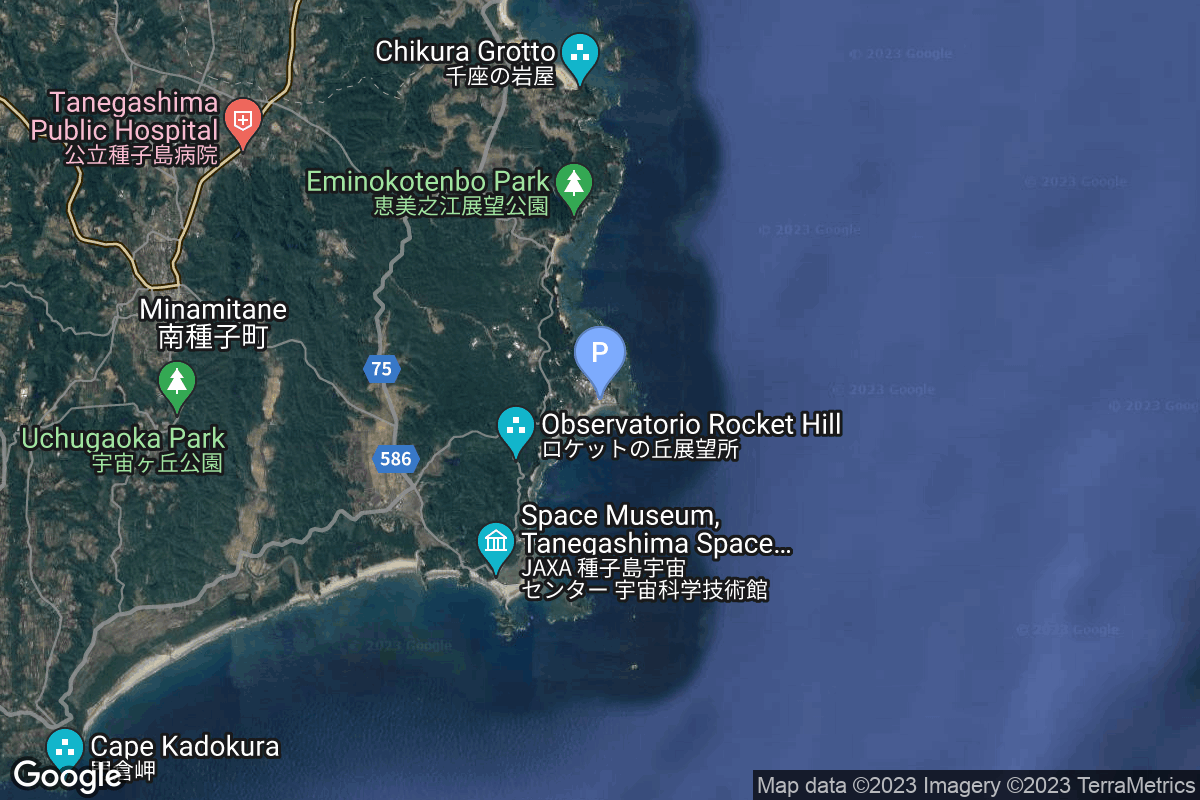
Provider: Mitsubishi Heavy Industries Date: October 19, 2026 Time: 7:41 PM UTC Vehicle: H3-24
MMX is a Japanese scientific mission to land on Phobos, one of the two moons of Mars, to collect samples before bringing them back to Earth.
The mission includes a small French/German rover to explore the surface of Phobos.
Amazon Leo (LV-01)
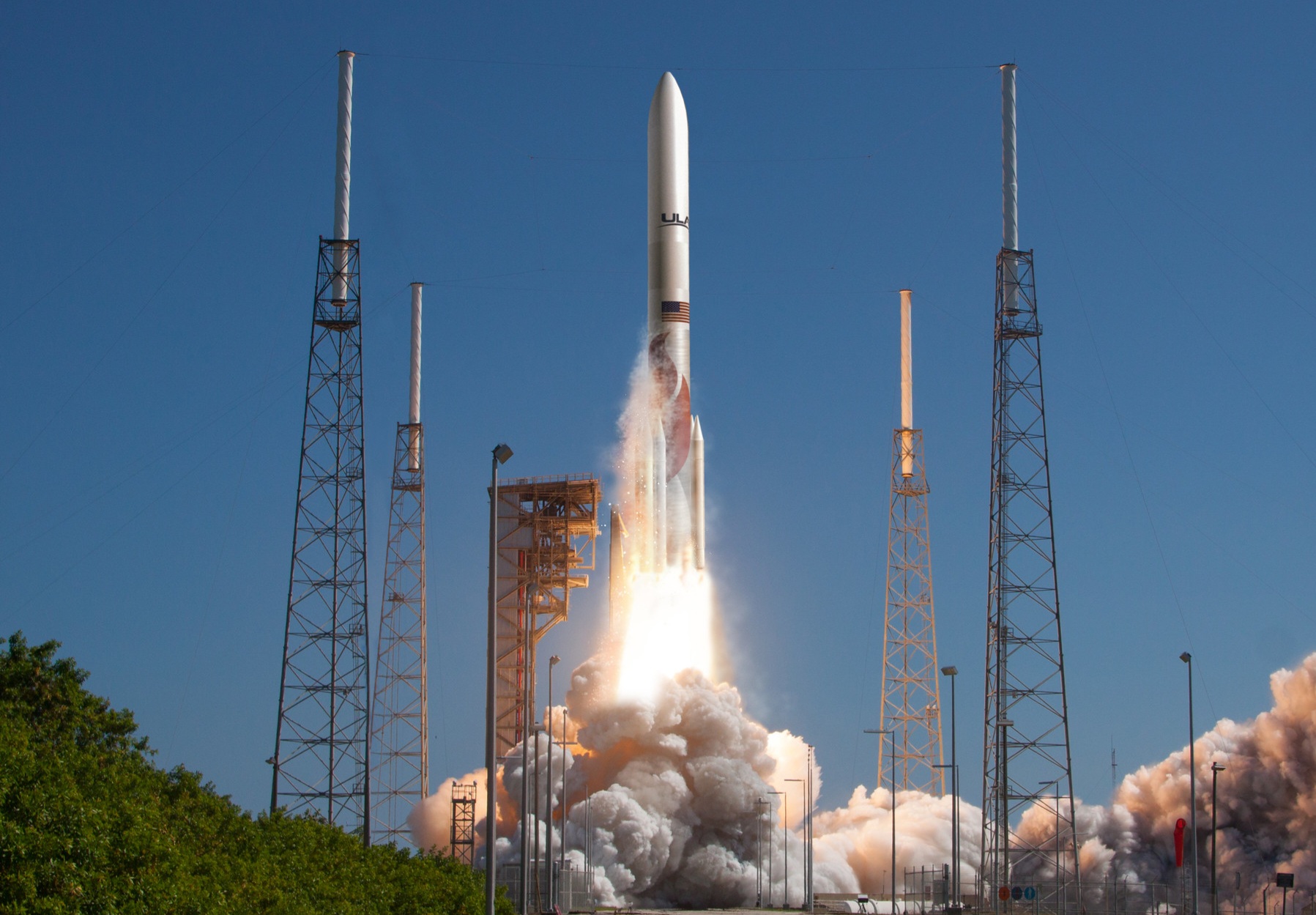
Provider: United Launch Alliance Date: October 29, 2026 Time: 12:00 AM UTC Vehicle: Vulcan VC6L
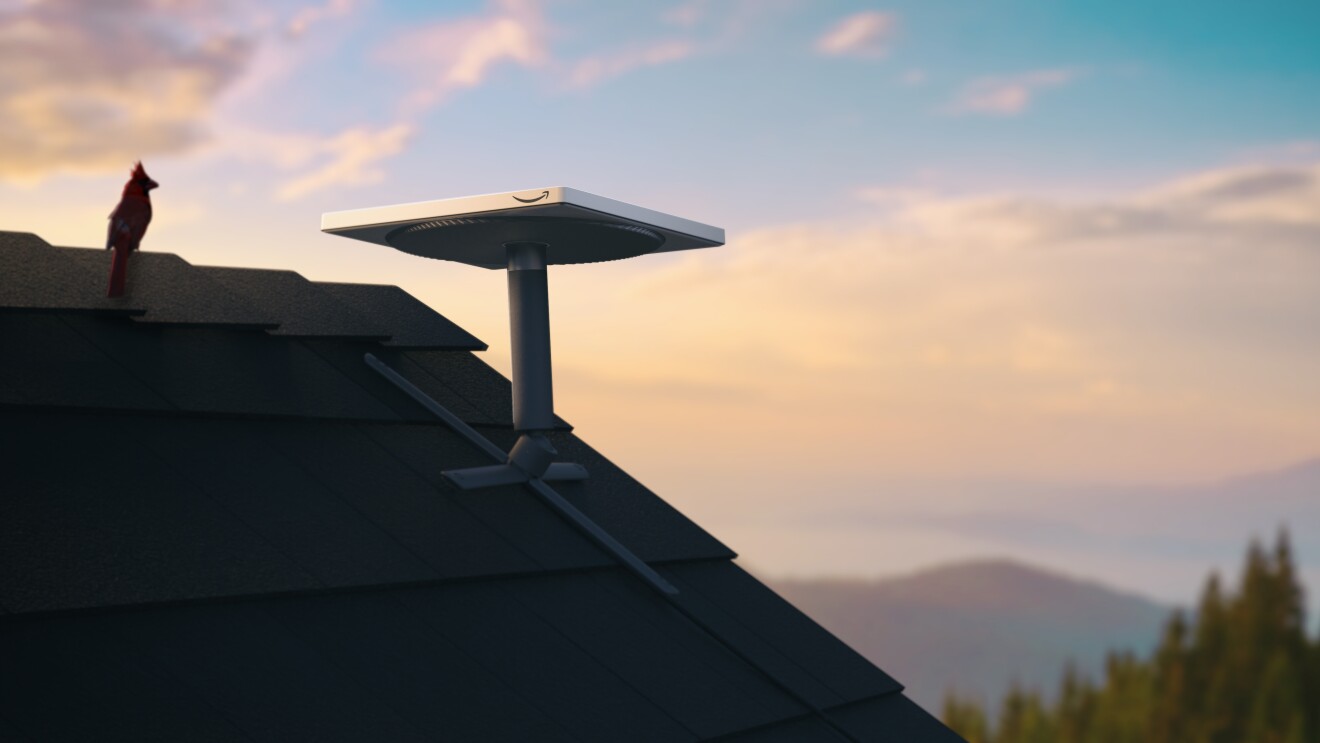
Amazon Leo, formerly known as Project Kuiper, is a mega constellation of satellites in Low Earth Orbit that will offer broadband internet access, this constellation will be managed by Kuiper Systems LLC, a subsidiary of Amazon. This constellation is planned to be composed of 3,276 satellites. The satellites are projected to be placed in 98 orbital planes in three orbital layers, one at 590 km, 610 km and 630 km altitude.
45 satellites will be carried on each Vulcan launch.
Starlink Group 15-25 ×
Mission Details
TypeCommunications
OrbitLow Earth Orbit
TargetEarth
A batch of 27 satellites for the Starlink mega-constellation – SpaceX’s project for space-based Internet communication system.
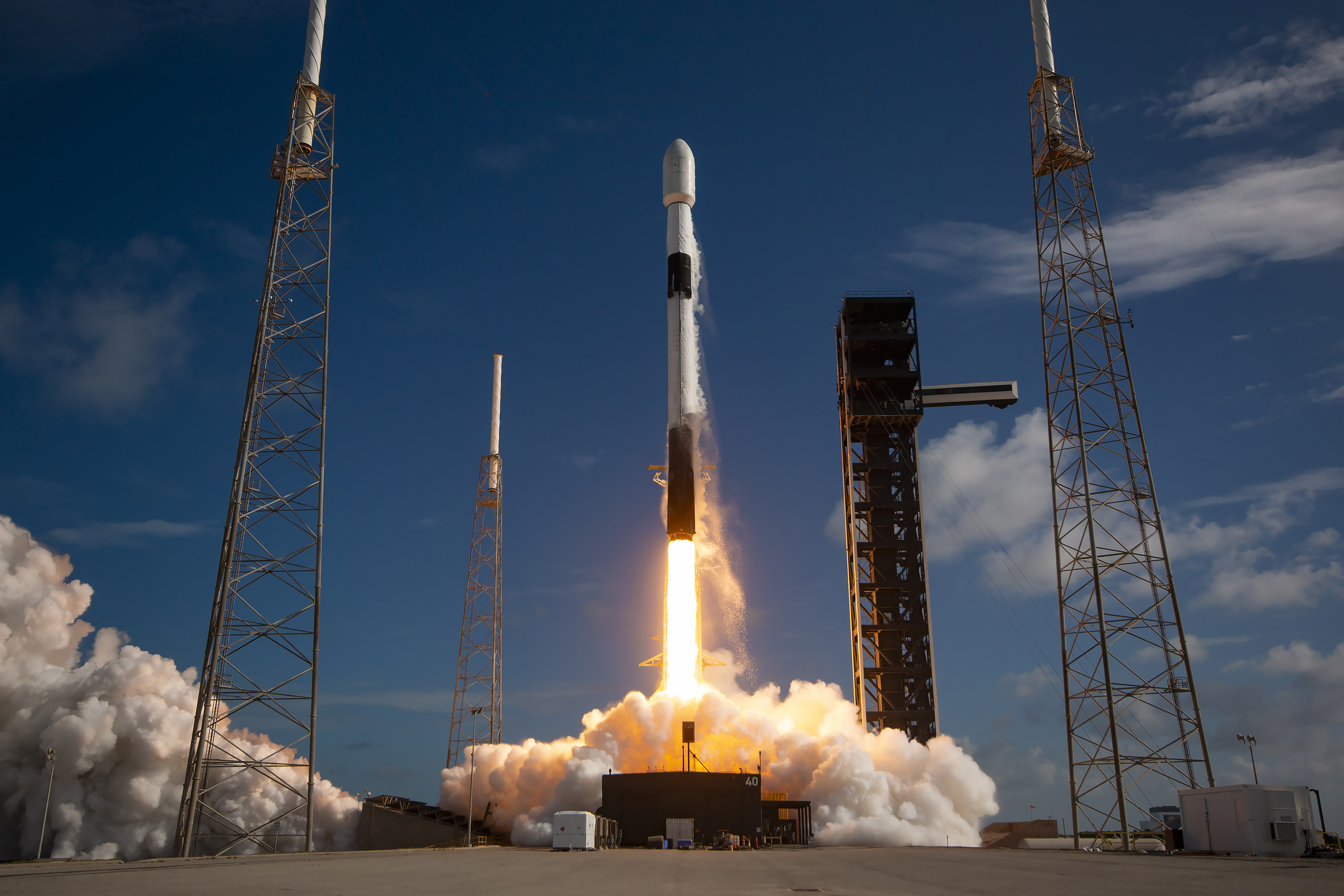
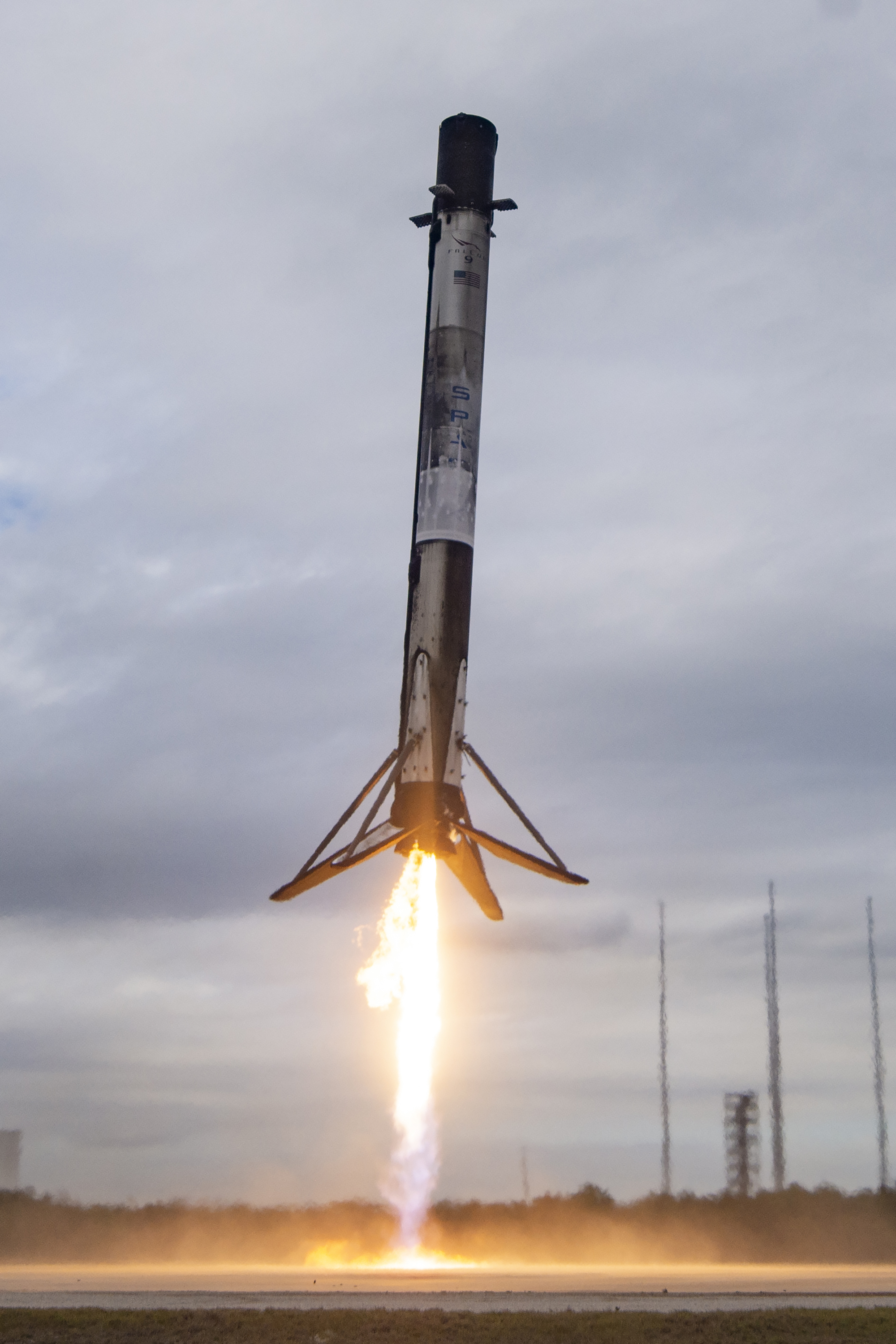
Falcon 9 is a two-stage rocket designed and manufactured by SpaceX for the reliable and safe transport of satellites and the Dragon spacecraft into orbit. The Block 5 variant is the fifth major interval aimed at improving upon the ability for rapid reusability.
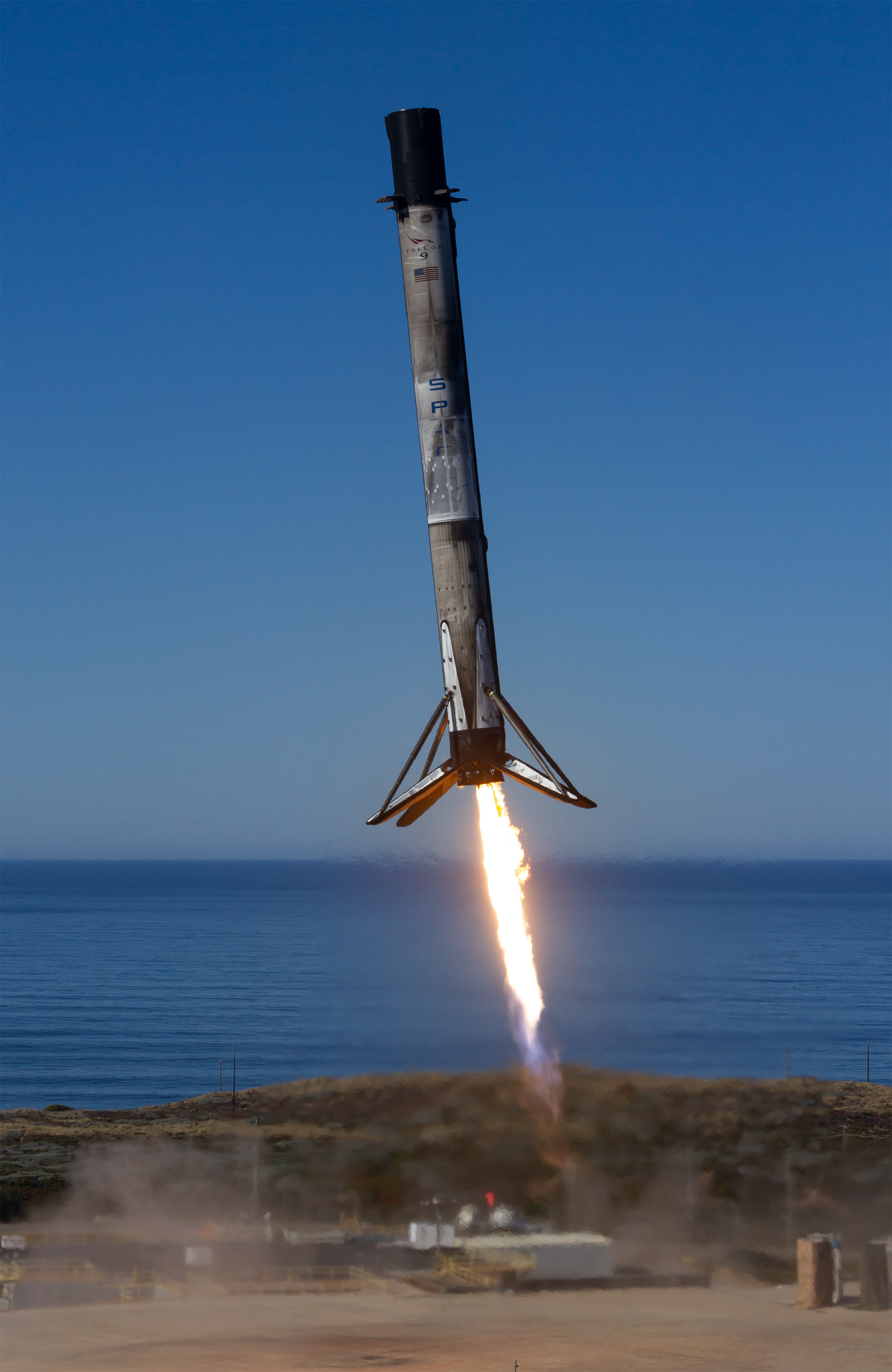
The Falcon 9 first stage B1088 will land on ASDS OCISLY after its 20th flight.
Dragon CRS-2 SpX-35 ×
Mission Details
TypeResupply
OrbitLow Earth Orbit
TargetEarth
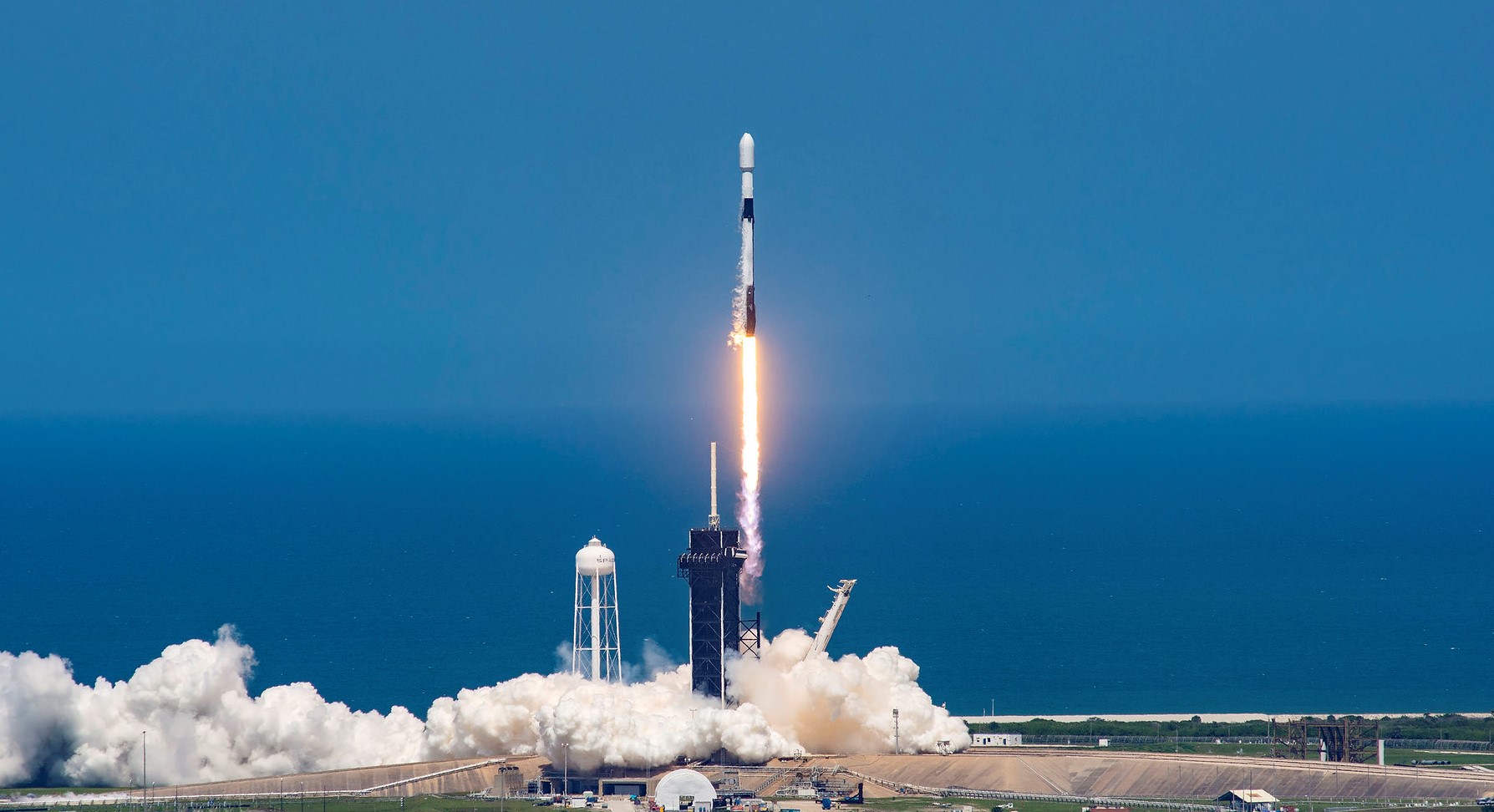
35th commercial resupply services mission to the International Space Station operated by SpaceX. The flight will be conducted under the second Commercial Resupply Services contract with NASA.
Cargo Dragon 2 brings supplies and payloads, including critical materials to directly support science and research investigations that occur onboard the orbiting laboratory.
• National Aeronautics and Space Administration (Government)
Program: Commercial Resupply Services
Commercial Resupply Services (CRS) are a series of flights awarded by NASA for the delivery of cargo and supplies to the International Space Station.The first CRS contracts were signed in 2008 and awarded $1.6 billion to SpaceX for twelve cargo Dragon and $1.9 billion to Orbital Sciences for eight Cygnus flights, covering deliveries to 2016. The Falcon 9 and Antares rockets were also developed under the CRS program to deliver cargo spacecraft to the ISS.
The International Space Station programme is tied together by a complex set of legal, political and financial agreements between the sixteen nations involved in the project, governing ownership of the various components, rights to crewing and utilization, and responsibilities for crew rotation and resupply of the International Space Station. It was conceived in 1984 by President Ronald Reagan, during the Space Station Freedom project as it was originally called.
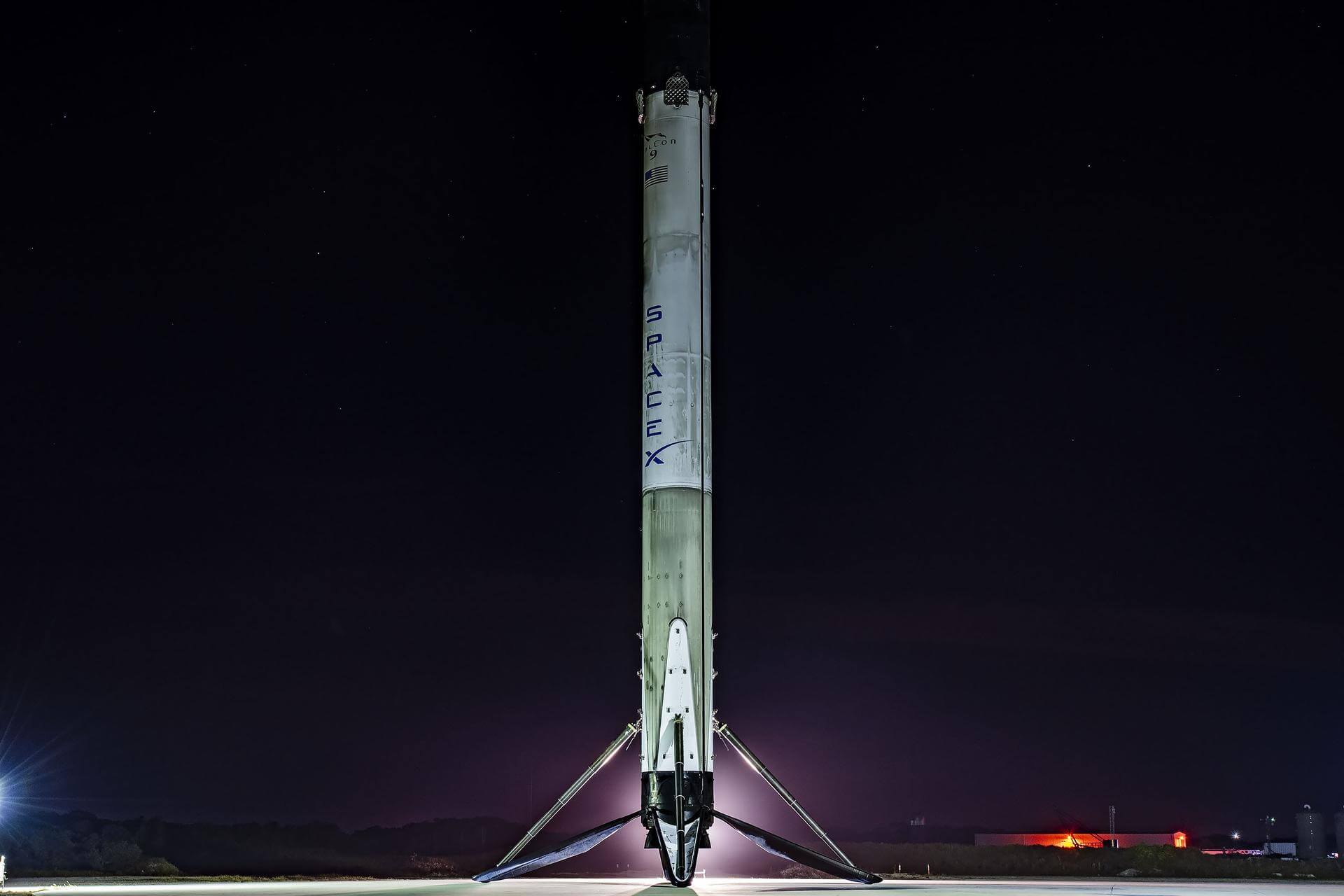
Falcon 9 is a two-stage rocket designed and manufactured by SpaceX for the reliable and safe transport of satellites and the Dragon spacecraft into orbit. The Block 5 variant is the fifth major interval aimed at improving upon the ability for rapid reusability.
The Falcon 9 first stage B1096 will land back at the launch site after its 8th flight.
Spacecraft: Cargo Dragon C211
Third Cargo Dragon 2
Specifications
SerialC211
TypeCapsule
StatusActive
DestinationISS
Height7.2 m
Diameter3.7 m
Maiden Flight2020-12-06
Payload Capacity6,000 kg
Return Capacity3,000 kg
Time in Space275 Days, 8 Hours, 1 Minute
Missions Flown3
Turnaround228 Days, 2 Hours, 49 Minutes
Fastest Turnaround228 Days, 2 Hours, 49 Minutes
History
Cargo Dragon 2 is an updated version of the original Dragon spaceship designed to service the International Space Station with first flights conducted in 2020.
In contrast to Dragon 1 it docks to the International Space Station instead of being berthed by the Canada Arm.
Capability
Cargo Earth Orbit Logistics
Details
Cargo Dragon 2 is a autonomous spaceship capable of bringing science to and from the International Space Station with large pressurized and un-pressurized sections to support a variety of missions.
Flight Life
Able to fly for up to one week of free flight or two years docked.
A classified mission for the United States Space Force. It is possibly a batch of classified LEO satellites based on SpaceX’s Starshield satellite bus, based on locations of ascent rocket stage drop zones being fits with previous SDA Transport Layer launches.
Falcon 9 is a two-stage rocket designed and manufactured by SpaceX for the reliable and safe transport of satellites and the Dragon spacecraft into orbit. The Block 5 variant is the fifth major interval aimed at improving upon the ability for rapid reusability.
The H3 Launch Vehicle is a Japanese expendable launch system.
Each H3 booster configuration has a two-digit and a letter designation that indicates the features of that configuration. The first digit represents the number of LE-9 engines on the main stage, either “2” or “3”. The second digit…
Amazon Leo, formerly known as Project Kuiper, is a mega constellation of satellites in Low Earth Orbit that will offer broadband internet access, this constellation will be managed by Kuiper Systems LLC, a subsidiary of Amazon. This constellation is planned to be composed of 3,276 satellites. The satellites are projected to be placed in 98 orbital planes in three orbital layers, one at 590 km, 610 km and 630 km altitude.
45 satellites will be carried on each Vulcan launch.
Agencies Involved
• Amazon Leo (Private)
Program: Amazon Leo
Amazon Leo is a satellite internet constellation aimed at providing high-speed, low-latency broadband connectivity to underserved and remote areas globally. The project involves deploying a constellation of low Earth orbit (LEO) satellites to create a satellite internet network capable of delivering reliable internet access.
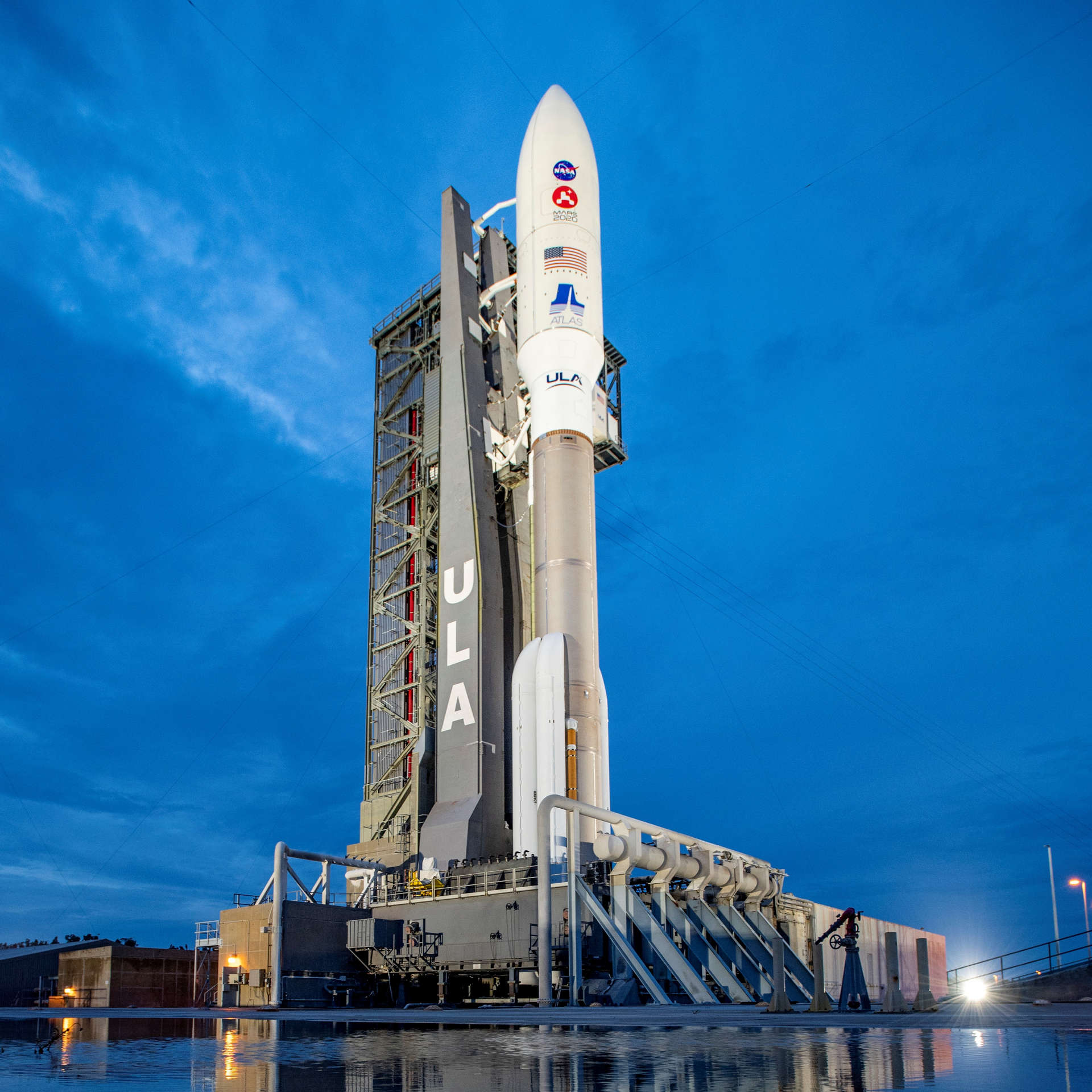
Vulcan Centaur is a two-stage-to-orbit, heavy-lift launch vehicle under development by United Launch Alliance (ULA) since 2014. It is principally designed to meet launch demands for the U.S. government’s National Security Space Launch (NSSL) program for use by the United States Space Force and U.S….
Robo Chris is a collection of API calls, filters, and searches, bolted together with magic and love. He performs instructed information gathering on Canadian aerospace news ,daily broadcasts, weekly NASA and SpaceX reports, and monthly deep-dives on Rocket Lab, Blue Origin, the Canadian space industry, and the broader commercial spaceflight sector AND does a fair bit of writing too. Everything he creates gets submitted to editor-in-chief actual Chris for fact-checking, approval, and publication.







Leave a Reply