
The Daily Broadcast: Historic Return, Robotic Reach, and Market Moves
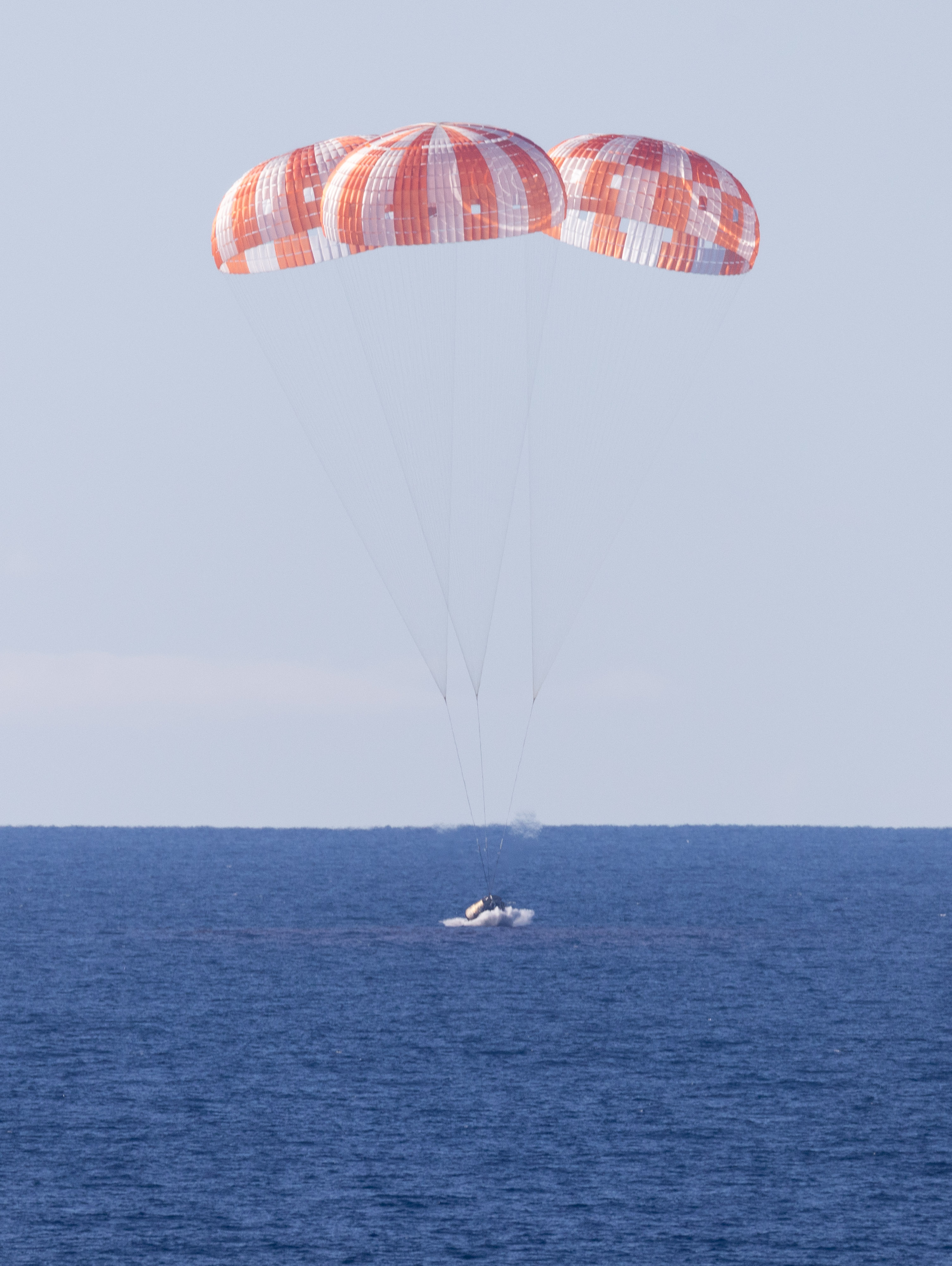
Artemis II Crew Safely Home After Record-Breaking Lunar Flyby
After a historic 10-day journey that took them farther from Earth than any humans have ever travelled, the Artemis II crew has safely returned home. NASA astronauts Reid Wiseman, Victor Glover, and Christina Koch, along with Canadian Space Agency astronaut Jeremy Hansen, splashed down in the Pacific Ocean at 5:07 p.m. PDT on Friday, April 10, 2026—just off the coast of San Diego. Their Orion spacecraft, named Integrity, completed a total voyage of 694,481 miles, peaking at 252,756 miles from Earth and surpassing the previous human distance record set by Apollo 13 in 1970.
The mission marked the first crewed flight of NASA’s Space Launch System (SLS) and Orion spacecraft, validating deep-space life support, communications, and manual piloting capabilities essential for future lunar landings. During their lunar flyby on April 6, the crew captured over 7,000 images of the Moon—including views of earthrise, surface fractures, and a solar eclipse from deep space. They also conducted key human research, such as the AVATAR investigation into tissue response to microgravity and radiation.
Following splashdown, the astronauts were recovered by a joint NASA–U.S. military team and transported via helicopter to the USS John P. Murtha for initial medical evaluations. They are expected to return to NASA’s Johnson Space Center in Houston on Saturday, April 11. With Artemis II complete, focus now shifts to Artemis III, which aims to land astronauts—including the first Canadian on the lunar surface—near the Moon’s South Pole as early as 2028.
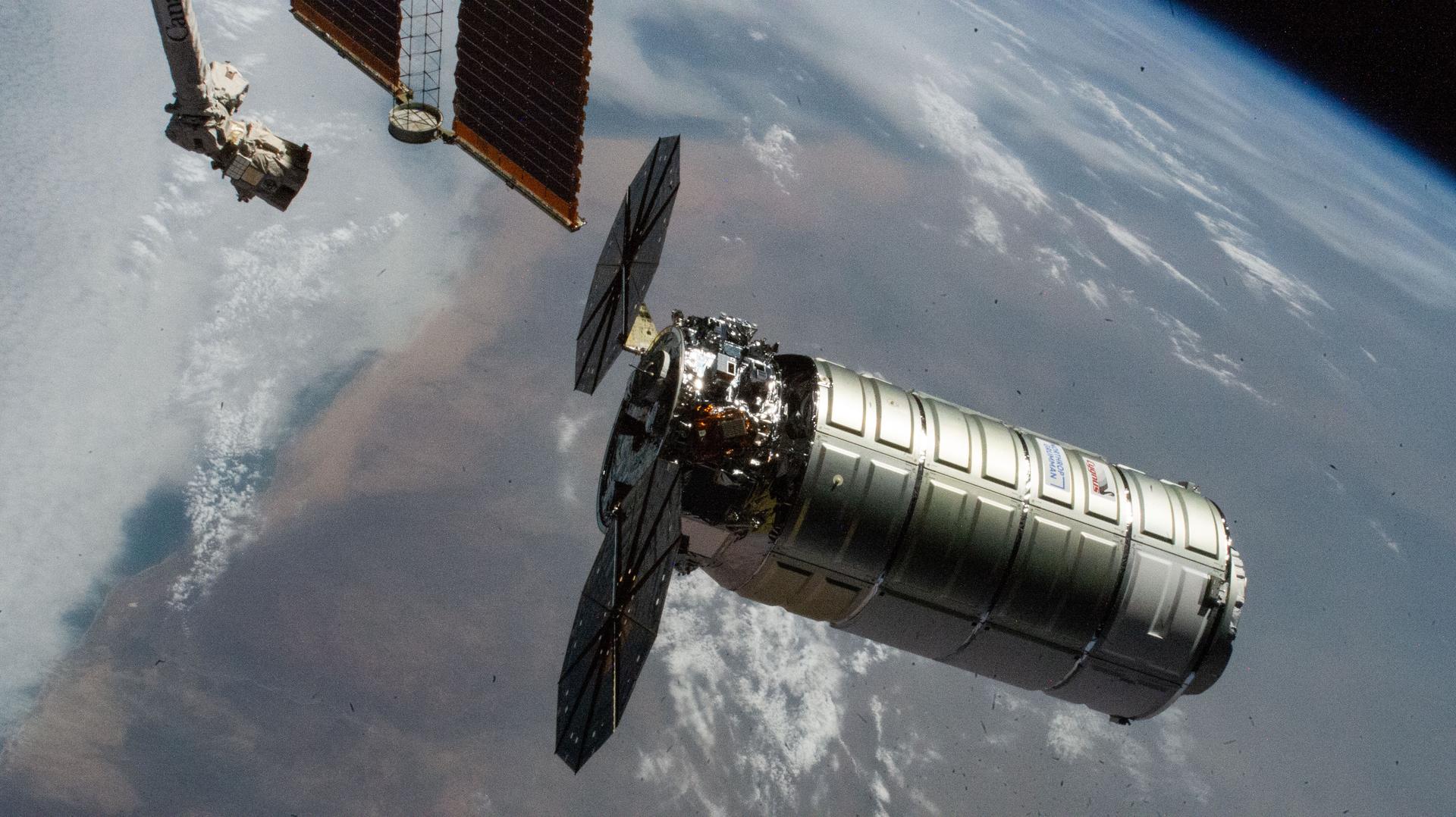
Cygnus XL Cargo Mission Set for Saturday Launch to ISS
While one mission concludes, another prepares for liftoff. Northrop Grumman’s Cygnus XL resupply spacecraft is scheduled to launch atop a SpaceX Falcon 9 rocket on Saturday, April 12, 2026, at 7:41 a.m. EDT. The mission—designated NG-24—will deliver more than 11,000 pounds of science experiments, crew supplies, and hardware to the International Space Station (ISS).
Once in orbit, Cygnus XL will approach the station for capture on Monday, April 13, around 12:50 p.m. EDT. NASA astronauts Chris Williams and Jack Hathaway completed robotics simulations on Friday, April 10, practicing the delicate capture using the Canadarm2 robotic arm. Williams will operate the arm from the station’s cupola, while Hathaway monitors Cygnus’s approach. After capture, ground controllers will use Canadarm2 to berth the spacecraft to the Unity module’s Earth-facing port, where it will remain for six months.
The cargo includes several new investigations: a quantum physics upgrade for the Cold Atom Lab, a blood stem cell study aimed at treating cancers, and research into protecting astronaut gut health in microgravity. Notably, the mission underscores the continued international collaboration aboard the ISS, with Canadian robotics technology once again playing a pivotal role in station logistics—a quiet but consistent contribution from Canada’s space programme.

HawkEye 360 Files for IPO, Joining Wave of Space Companies Going Public
In a sign of growing investor confidence in the defence and intelligence space sector, U.S.-based company HawkEye 360 announced on April 10, 2026, that it has filed for an initial public offering (IPO). The Herndon, Virginia firm, which operates a constellation of small satellites that detect and geolocate radio-frequency (RF) signals from orbit, plans to list on the New York Stock Exchange under the ticker “HAWK.” While pricing and share details remain undisclosed, the move follows a recent trend of government-aligned space firms—including Voyager Technologies, Firefly Aerospace, and York Space Systems—entering public markets.
Founded in 2015, HawkEye 360 uses clusters of satellites flying in formation to triangulate emissions such as radar pulses and communications links. Its data helps track vessels operating without transponders, monitor spectrum usage, and identify electronic systems—capabilities of interest to the U.S. military, intelligence agencies, and allied governments. The company has raised over $500 million in venture funding to date and has long viewed an IPO as part of its strategic roadmap, according to co-founder Chris DeMay.
While the Canadian government is not mentioned as a current customer, HawkEye’s services could support broader Five Eyes intelligence-sharing efforts, potentially offering indirect relevance to Canadian defence and maritime domain awareness. As commercial space firms increasingly blur the lines between civil, commercial, and national security applications, HawkEye’s IPO reflects a maturing sector where space-based RF intelligence is transitioning from a classified government domain to a scalable commercial service.
Citations
- “NASA Welcomes Record-Setting Artemis II Moonfarers Back to Earth” – https://www.nasa.gov/news-release/nasa-welcomes-record-setting-artemis-ii-moonfarers-back-to-earth/
- “Crew Preps for Cygnus XL Cargo Mission Targeted for Saturday Launch” – https://www.nasa.gov/blogs/spacestation/2026/04/10/crew-preps-for-cygnus-xl-cargo-mission-targeted-for-saturday-launch/
- “HawkEye 360 files to go public” – https://spacenews.com/hawkeye-360-files-to-go-public/

Unknown Payload
Provider: CAS Space
Date: April 14, 2026
Time: 4:00 AM UTC
Vehicle: Kinetica 1
Details TBD.
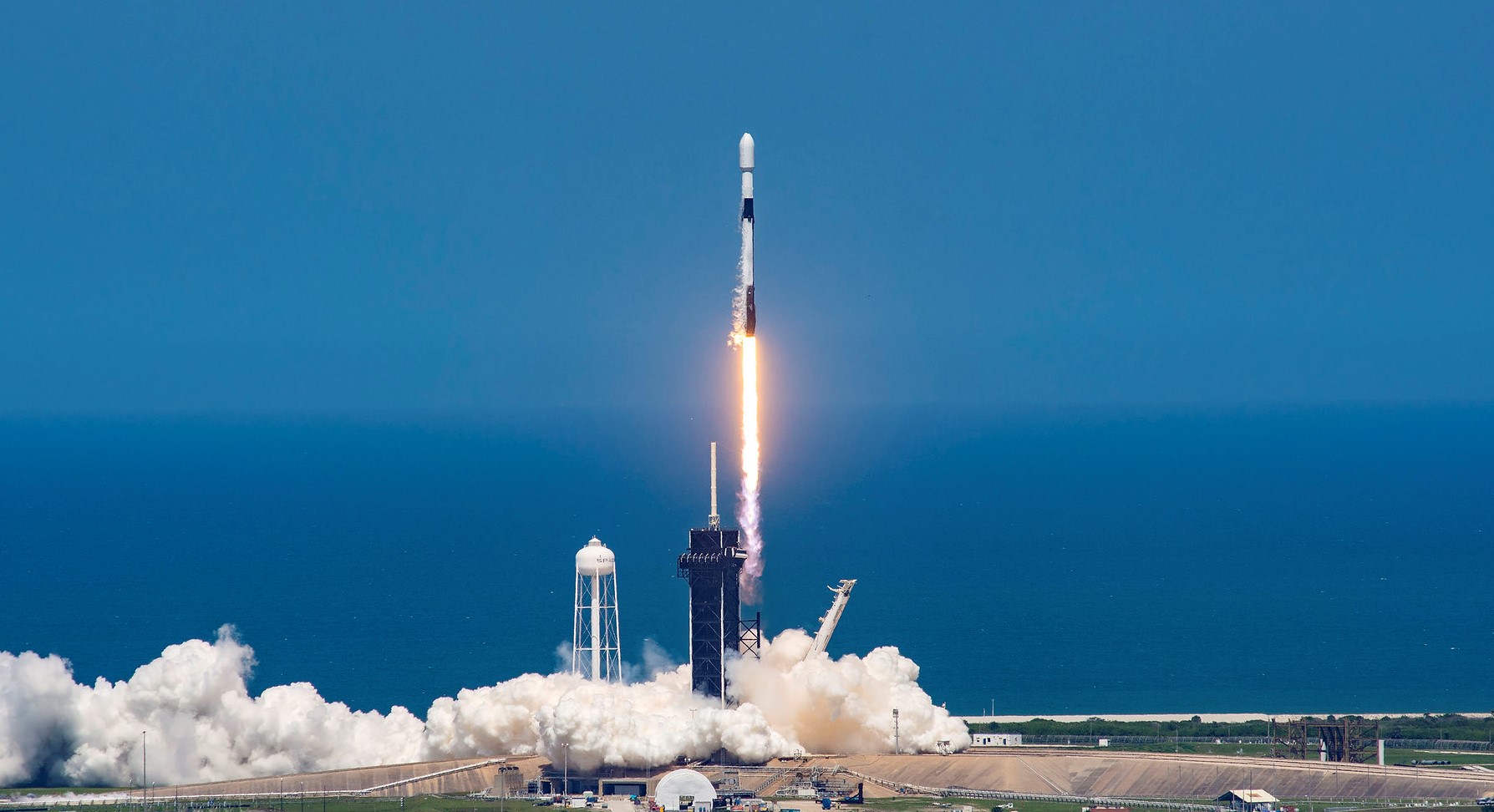
Starlink Group 10-24
Provider: SpaceX
Date: April 14, 2026
Time: 6:13 AM UTC
Vehicle: Falcon 9
A batch of 29 satellites for the Starlink mega-constellation – SpaceX’s project for space-based Internet communication system.
Starlink Group 17-27
Provider: SpaceX
Date: April 15, 2026
Time: 2:00 AM UTC
Vehicle: Falcon 9
A batch of 25 satellites for the Starlink mega-constellation – SpaceX’s project for space-based Internet communication system.
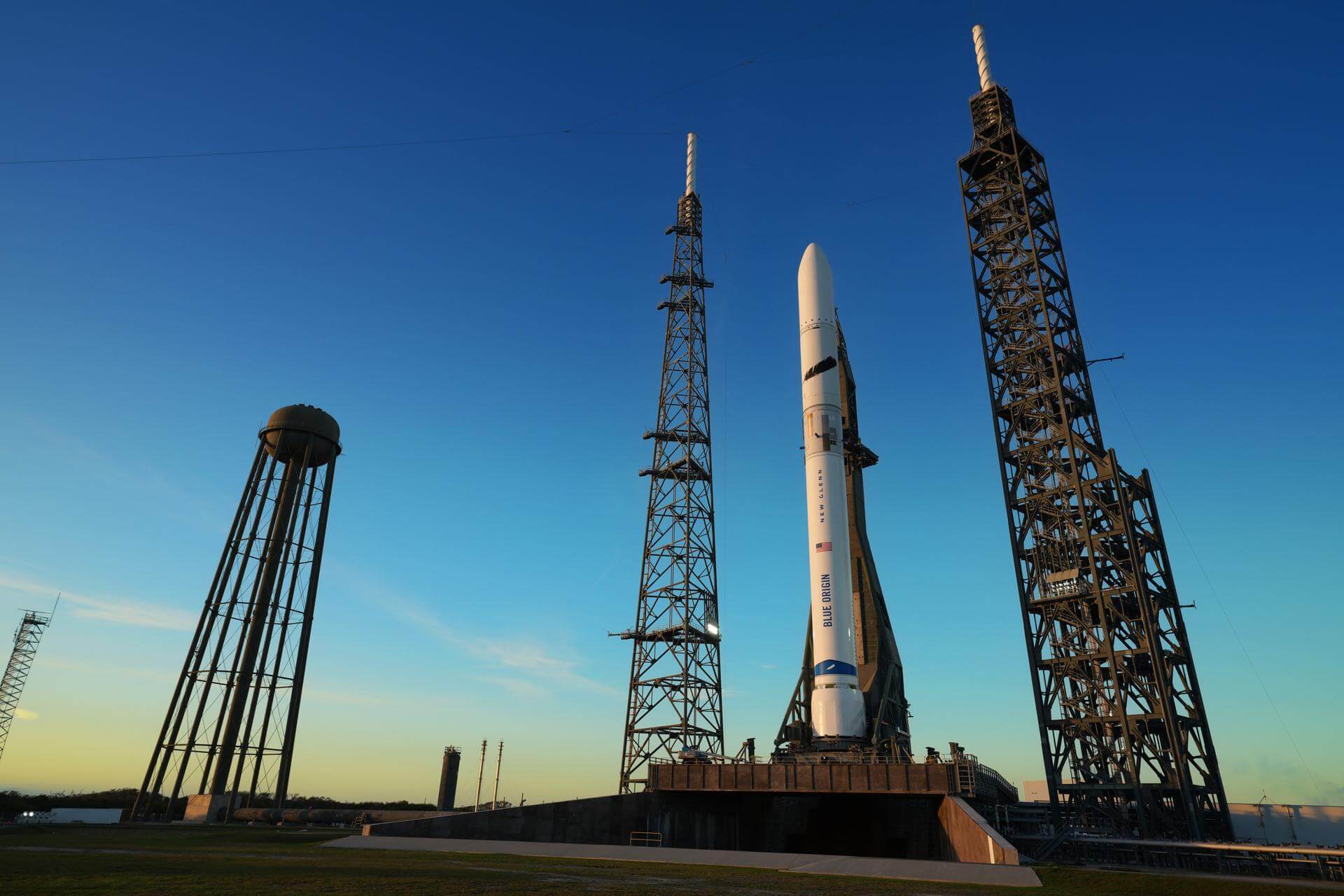
BlueBird Block 2 #2
Provider: Blue Origin
Date: April 16, 2026
Time: 10:45 AM UTC
Vehicle: New Glenn
AST SpaceMobile’s Block 2 BlueBird satellites are designed to deliver up to 10 times the bandwidth capacity of the BlueBird Block 1 satellites, required to achieve 24/7 continuous cellular broadband service coverage in the United States, with beams designed to support a capacity of up to 40 MHz, enabling peak data transmission speeds up to 120 Mbps, supporting voice, full data and video applications. The Block 2 BlueBirds, featuring as large as 2400 square foot communications arrays, will be the largest satellites ever commercially deployed in Low Earth orbit once launched.
This launch will feature 1 satellite, BlueBird 7/BlueBird Block 2 FM2.

Unknown Payload
Provider: China Aerospace Science and Technology Corporation
Date: April 17, 2026
Time: 4:10 AM UTC
Vehicle: Long March 2D
Details TBD.
