
The NASA Overview: Artemis II Returns Home as NASA Eyes Next Moon Steps

The Artemis Report
Today marks a historic homecoming for NASA’s Artemis II mission. Following a successful lunar flyby that took the four-person crew farther from Earth than any humans since Apollo, the Orion spacecraft is scheduled to splash down in the Pacific Ocean off the coast of San Diego at 8:07 p.m. EDT on April 10, 2026. The crew—Reid Wiseman, Victor Glover, Christina Koch, and Jeremy Hansen—have spent just over nine days in space, testing Orion’s life support, navigation, and communication systems during a high-stakes shakedown cruise around the Moon.
Their return will be a tightly choreographed sequence: at 7:33 p.m. EDT, the Orion crew module will separate from its service module, followed minutes later by a fine-tuning “raise burn” to adjust its atmospheric entry angle. As it plunges through Earth’s atmosphere, the capsule will endure up to 3.9 Gs of force and experience a roughly six-minute communications blackout caused by ionized plasma. Three main parachutes will deploy at 1,800 metres, slowing the craft to 32 km/h for a gentle ocean landing. A U.S. Navy recovery team aboard the USS John P. Murtha will extract the astronauts within two hours.
Critically, this mission tests a redesigned heat shield—modified after unexpectedly high erosion during the uncrewed Artemis I flight. Engineers also monitored a small helium leak in the propulsion system’s oxidizer pressurant valves. Though not mission-threatening, NASA associate administrator Amit Kshatriya confirmed the issue will likely trigger an “extensive redesign” before Artemis IV, the first planned crewed lunar landing now slated for early 2028.
Even before Artemis II lands, NASA is planning ahead. Administrator Jared Isaacman revealed the agency is evaluating whether the next mission—Artemis III—should fly in low-Earth orbit (LEO) or high-Earth orbit (HEO). An HEO test would better simulate lunar conditions and stress-test Orion’s systems, but LEO offers logistical simplicity, akin to Apollo 9. A final decision hinges partly on the readiness of the two Human Landing Systems: SpaceX’s Starship and Blue Origin’s Blue Moon. Both companies have launches scheduled within the next month, and NASA is watching closely—rapid reusability of these heavy-lift vehicles is “a big key to our strategy,” Isaacman said.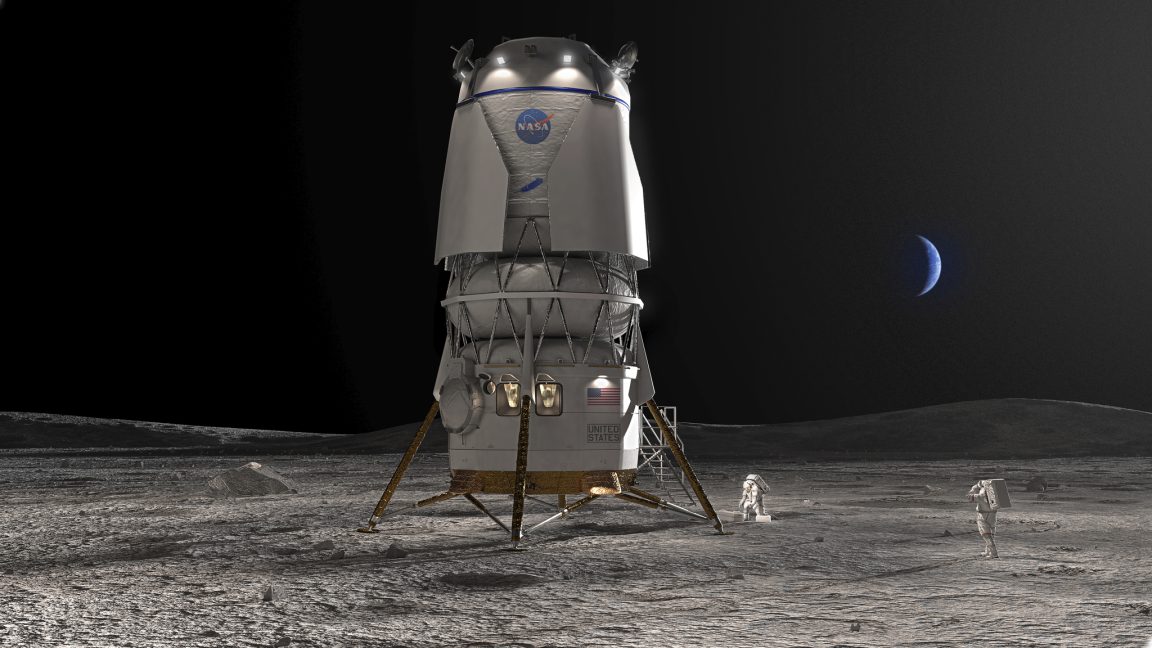
Deep Space Updates
Beyond the Moon, NASA’s deep space and science programmes face both triumphs and turbulence. While the Artemis II crew captured stunning images of Earth’s crescent and the Milky Way, back on terra firma, planetary scientists are bracing for budget realities. Despite Congress rejecting the administration’s proposed 25% cut to NASA’s overall budget for fiscal year 2026, the planetary science division still saw a nearly $200 million reduction from its 2025 level.
Louise Prockter, director of NASA’s planetary science division, warned during a recent town hall that “not everything can continue forward.” Extended missions at Mars may receive only one-year renewals instead of the usual multi-year extensions. More worryingly, the future of NASA’s trio of Venus missions—DAVINCI, VERITAS, and the agency’s contribution to ESA’s EnVision orbiter—is uncertain. “It is going to be a challenge to get all three Venus missions to continue,” Prockter cautioned.
Meanwhile, Congress is already pushing back against potential future cuts. Over 100 House members recently signed a letter urging appropriators to boost NASA science funding by 25% in FY2027, to $9 billion, calling it essential to “return to the trajectory” of past growth. Staffers caution that the administration may attempt budget impoundment—as seen with NIH and NSF funding delays—so lawmakers are vowing to stay “very vigilant.”
On the hardware front, Jet Propulsion Laboratory scientists are celebrating their role in Artemis II. Using Caltech’s 200-inch Hale Telescope at Palomar Observatory, JPL researchers captured rare ground-based images of the Orion spacecraft as it fired its engines to reach a higher Earth orbit early in the mission. JPL also highlighted Artemis II’s onboard mementos, including a photo negative from Ranger 7—the first successful U.S. Moon mission—and a swatch of fabric from the Wright Flyer, echoing the keepsake Ingenuity carried on Mars.

The ISS Report
Aboard the International Space Station, the seven-member Expedition 74 crew has been juggling biomedical research, maintenance, and preparations for an upcoming cargo delivery. Their week included hearing tests inside the Quest airlock, eye pressure checks to study vision changes in microgravity, and wiping down surfaces in the Nauka module to inhibit fungal growth. NASA astronaut Chris Williams collected water samples from the Exploration Potable Water Dispenser, a tech demo aimed at improving in-orbit water sanitation.
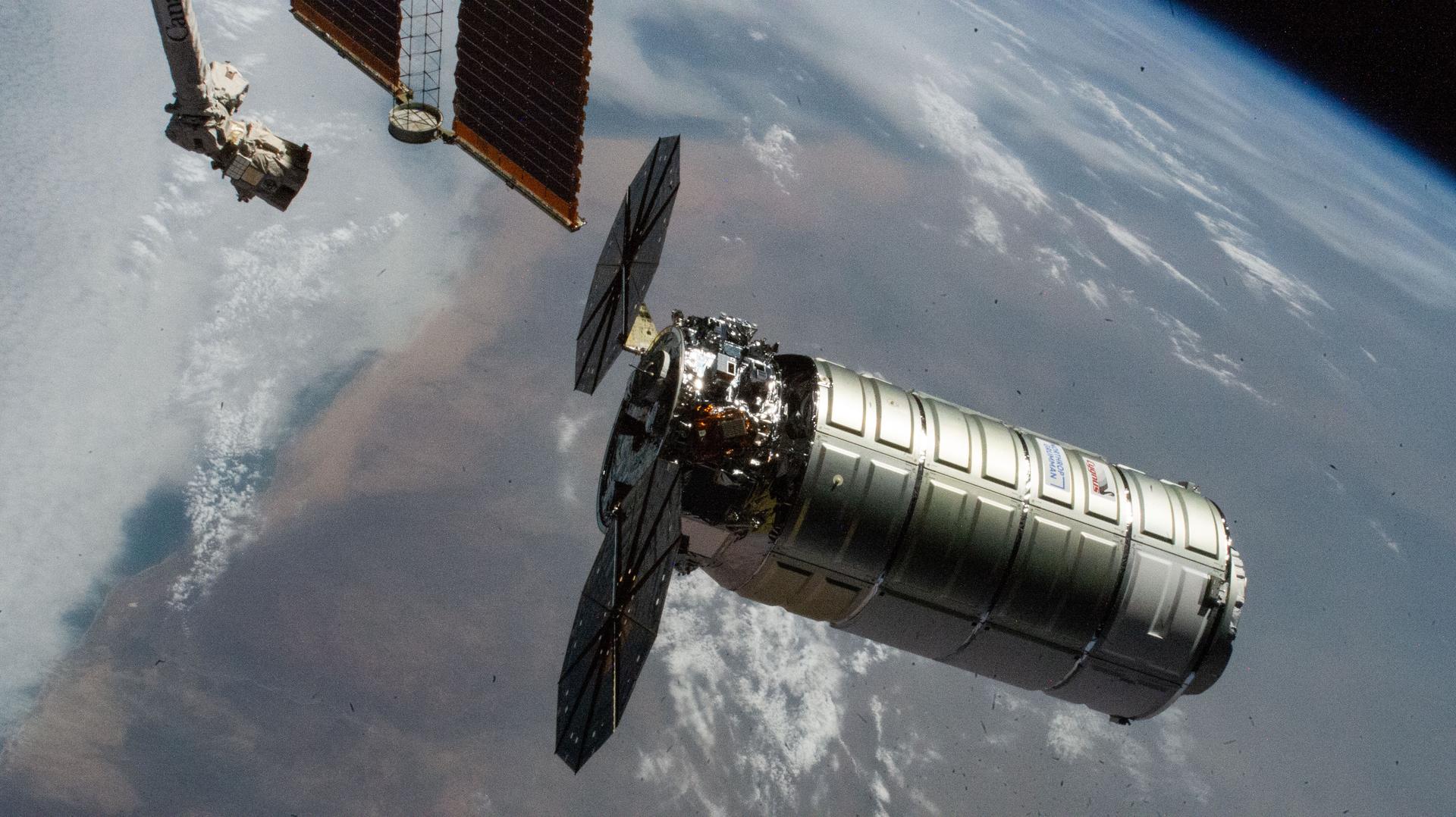
Resupply activities took a slight detour when weather concerns at Cape Canaveral pushed the launch of Northrop Grumman’s Cygnus XL spacecraft to no earlier than 7:41 a.m. EDT on Saturday, April 11. If that window is missed, a backup attempt is scheduled for 7:18 a.m. on April 12. Once launched on a SpaceX Falcon 9 rocket, the spacecraft will be captured by the station’s Canadarm2—Canada’s iconic robotic arm—and berthed to the Unity module for cargo unloading.
Notably, on April 7, the ISS crew held an audio-only call with their Artemis II counterparts during the lunar mission’s return leg, linking two of NASA’s flagship human spaceflight endeavours in a symbolic passing of the torch.
Call Of The Red Planet
Mars made a subtle cameo during Artemis II’s mission. As the crew observed a solar eclipse from lunar distance, they captured an image showing three bright “stars” near the Moon—among them, a slightly reddish dot identified as the Red Planet itself. NASA’s Mars account highlighted the photo, noting, “That’s Mars.”
Beyond this visual nod, active Mars missions continue quietly. However, the budget squeeze mentioned in the Deep Space section casts a shadow over future exploration. With the Mars Sample Return programme already cancelled by Congress, ongoing surface operations may face tighter constraints in the coming year.
In The News
Amid splashdown preparations, NASA’s social media channels offered levity through “Rise,” the Artemis II Moon Mascot. Designed by California student Lucas Ye, the plush lunar character “floated” around Orion as a zero-gravity indicator and became a viral sensation, sharing selfies with astronaut Christina Koch and assuring followers their names—submitted online—were safe in its pocket. Rise even “attended” its own exhibit at San Diego’s Fleet Science Center during the crew’s return.
On the policy front, NASA Administrator Jared Isaacman continues advocating for sustained investment. In a recent tweet, he praised the “army of a team” behind Artemis II—from engineers to recovery crews—and emphasized that success hinges on consistent support. With congressional battles over the FY2027 budget looming, his message aligns with growing calls on Capitol Hill to insulate NASA from volatile funding swings.
For Canadian readers, Jeremy Hansen’s presence as mission specialist remains a point of national pride. Though Hansen’s role has been operational rather than research-focused during this test flight, his participation solidifies Canada’s integral role in the Artemis programme—a partnership that includes the Canadarm3 for the future Lunar Gateway station.

Citations
- “With Orion still flying, NASA is nearing key decisions about Artemis III” – https://arstechnica.com/space/2026/04/with-orion-still-flying-nasa-is-nearing-key-decisions-about-artemis-iii/
- “NASA prepares for Artemis 2 return” – https://spacenews.com/nasa-prepares-for-artemis-2-return/
- “Preparing for the next NASA budget battle” – https://spacenews.com/preparing-for-the-next-nasa-budget-battle/
- “NASA’s Northrop Grumman CRS-24 Mission Targets April 11 Launch Amid Full Station Schedule” – https://www.nasa.gov/blogs/spacestation/2026/04/08/nasas-northrop-grumman-crs-24-mission-targets-april-11/
Upcoming Launches
Artemis III
Launch Provider: National Aeronautics and Space Administration – Government
Launch Date: June 30, 2027
Launch Time: 12:00 AM UTC
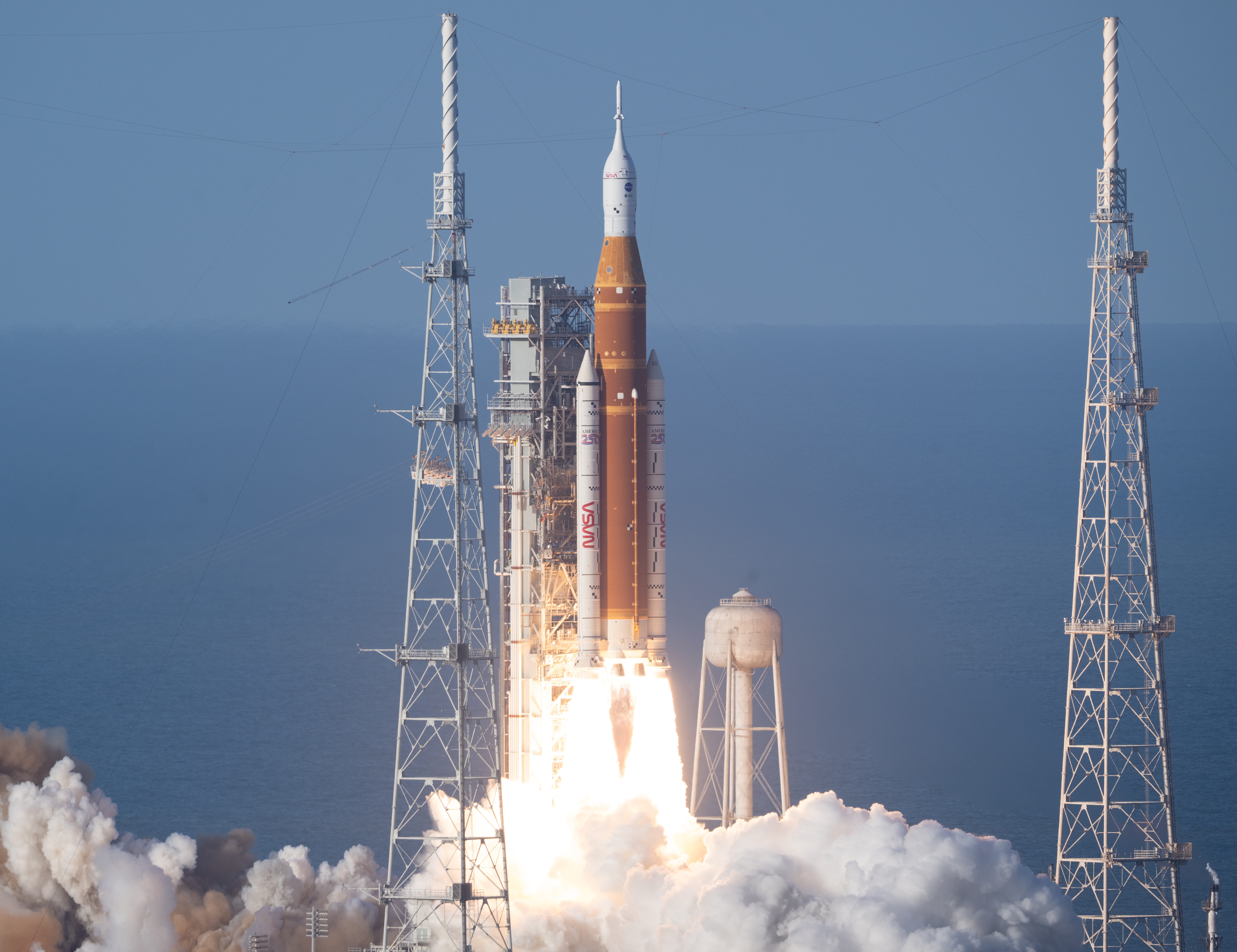
Vehicle: Space Launch System (SLS)
Brief: Artemis III is the second crew mission as part of the Artemis program. Artemis III will send a crew of 4 on a Low Earth Orbit mission, with the Orion rendezvous and dock with one or both commercial lunar landers in development by SpaceX and Blue Origin, performing in-space tests of the docked vehicles, integrated checkout of life support, communications, and propulsion systems, as well as tests of the new Extravehicular Activity (xEVA) suits.
📽️ No Livestream scheduled yet
Artemis IV
Launch Provider: National Aeronautics and Space Administration – Government
Launch Date: June 30, 2028
Launch Time: 12:00 AM UTC
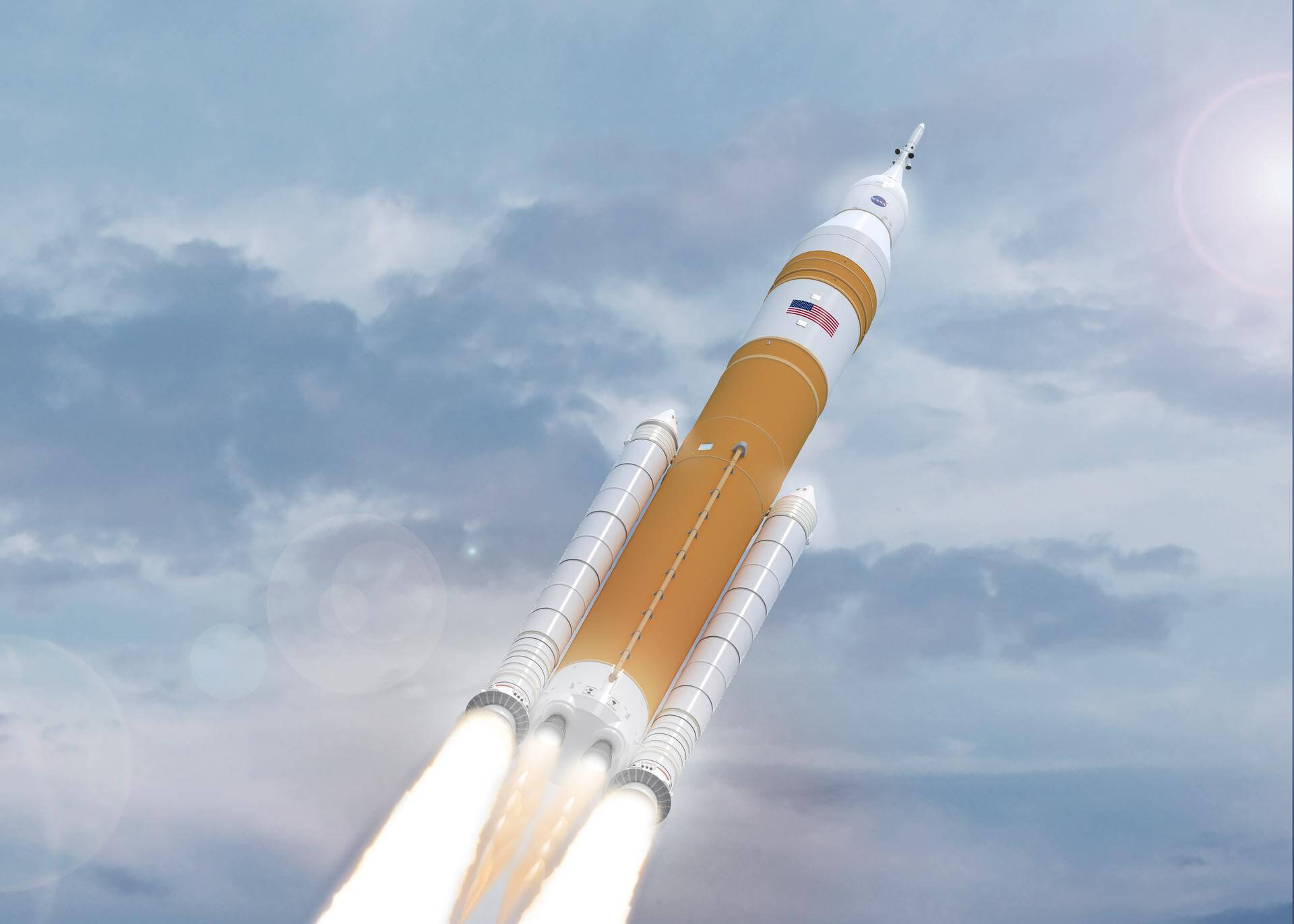
Vehicle: Space Launch System (SLS)
Brief: Artemis IV is planned to be the first human lunar landing mission since the Apollo Program.
📽️ No Livestream scheduled yet
Artemis V
Launch Provider: National Aeronautics and Space Administration – Government
Launch Date: December 31, 2028
Launch Time: 12:00 AM UTC
Vehicle: Space Launch System (SLS)
Brief: Artemis V is planned to be the second human lunar landing mission since the Apollo Program.
📽️ No Livestream scheduled yet
SLS Block 1B | Artemis VI
Launch Provider: National Aeronautics and Space Administration – Government
Launch Date: September 30, 2030
Launch Time: 12:00 AM UTC
Vehicle: Space Launch System (SLS)
Brief: No description available
📽️ No Livestream scheduled yet
SLS Block 1B | Artemis VII
Launch Provider: National Aeronautics and Space Administration – Government
Launch Date: September 30, 2031
Launch Time: 12:00 AM UTC
Vehicle: Space Launch System (SLS)
Brief: No description available
📽️ No Livestream scheduled yet
