
The Daily Broadcast: Xona Space Systems Expands Arctic Positioning Network

Xona Targets Canadian Arctic with Alternative Positioning Network
Xona Space Systems, the California-based satellite navigation company, is partnering with Canadian government agencies to deploy a resilient positioning and timing system over the Arctic—a region where traditional GPS has struggled to maintain reliable coverage. The company, which opened its first international office in Montreal in September 2024, is leveraging Canadian government support to demonstrate how a constellation of low-Earth-orbit satellites can serve as a jam-resistant alternative to legacy systems, particularly vital for northern defence operations.
Xona’s Pulsar network is designed explicitly to overcome a fundamental flaw in Cold War–era GPS architecture: the system was optimized for mid-latitude regions, leaving the Arctic underserved. As Tyler Reid, co-founder and Chief Technology Officer, explained, “In north of Edmonton, we don’t have satellites overhead anymore, which leads to a lot of degradation in the service in the Arctic.” Xona’s satellites fly much closer to Earth than traditional GPS hardware, producing signals up to 100 times stronger and far harder to jam or disrupt. The company launched its first production satellite in June 2025 and plans to deploy an additional four satellites this year, working toward a full constellation of 258 satellites for continuous global coverage.
Canada’s investment underscores the strategic importance of the venture. The Canadian Space Agency has allocated $495,120 through its SmartEarth program for PNT technology research, followed by a $958,582 contribution in September 2024. Most significantly, the Department of National Defence’s Research and Development Canada program has invested $850,000 through the Canadian Safety and Security Program to demonstrate how Xona’s resilient timing signal can protect critical telecom, energy, and military infrastructure from GPS disruptions. With Canada executing a $38.6 billion NORAD modernization plan that prioritizes LEO architectures, commercial networks like Pulsar represent a localized hedge against adversarial jamming and a crucial tool for Arctic sovereignty operations.
Isar Aerospace Raises €270M for Global Launch Expansion
German launch provider Isar Aerospace closed a €270 million Series D funding round on June 9, signalling accelerating investment in European independent launch capabilities as governments prioritize space autonomy and defence spending. The Munich-based company, backed by new investors Island Green Capital and Molten Ventures alongside existing backers, will use the capital to scale production of its Spectrum small launch vehicle to 40 units annually—a roughly fourfold increase from current output.

Isar’s expansion is positioned squarely on growing defence demand. The company currently produces from a factory near Munich that employs 450 to 500 people and launches from Andøya Spaceport in Norway. The Spectrum vehicle can lift approximately one metric ton to low Earth orbit—a capacity attracting governments seeking assured, indigenous access to space. Most notably for Canada, Isar announced in late May a letter of intent with Maritime Launch Services to use the company’s planned Spaceport Nova Scotia, marking a significant step toward establishing a commercial launch presence in Atlantic Canada.
The company is targeting its next Spectrum launch between June 15 and 21, pending weather and range clearance. This qualification mission will carry five cubesats and a hosted payload sponsored by the European Space Agency’s Boost! programme, following earlier technical delays and a March 2025 launch mishap. Chief Executive Daniel Metzler framed the funding as a response to an era when “space is no longer a frontier; it is the infrastructure of national power.”
Iceye Secures €1B+ for Next-Generation SAR Constellation
Finland’s Iceye announced a €450 million Series F funding round on June 9, with a secondary placement bringing the total capital raised to more than €1 billion and valuing the company at over €10 billion. Led by investment firm General Atlantic with backing from Solidium, Nokia, Qatar Investment Authority, and others, the round reflects accelerating demand from governments worldwide for independent synthetic aperture radar imaging capabilities.

Iceye has established itself as the leading SAR constellation operator outside state hands, with a portfolio of government contracts that underscores appetite for commercial satellite intelligence at scale. In May 2025, Iceye delivered four MikroSAR satellites to Poland’s armed forces under a €200 million contract completed in one year. The company has also established a joint venture with German defence contractor Rheinmetall, which won a €1.9 billion SAR contract from Berlin in December 2025—a deal that includes setting up a dedicated production line in Germany.
The company reported 2025 revenue of over €250 million and earnings before interest, taxes, depreciation and amortisation of more than €100 million, with a contracted backlog of €1.5 billion dominated by national security and intelligence work rather than commercial demand. Iceye aims to increase production from 50 satellites annually to 100 by 2028, positioning itself as the primary supplier of high-resolution imaging to allied governments. The funding round arrives amid a broader European push toward strategic autonomy in space, with both Iceye and Isar Aerospace announcing major rounds on the same day ahead of the ILA Berlin Air Show, where European defence space autonomy is expected to dominate discussion.
Citations
- “Xona Space Systems targets Canadian Arctic with LEO PNT network” — https://spaceq.ca/xona-space-systems-targets-canadian-arctic-with-leo-pnt-network/
- “Isar Aerospace raises 270 million euros for global launch expansion” — https://spacenews.com/isar-aerospace-raises-270-million-euros-for-global-launch-expansion/
- “Iceye raises 1 billion euros to expand SAR satellite systems” — https://spacenews.com/iceye-raises-1-billion-euros-to-expand-sar-satellite-systems/

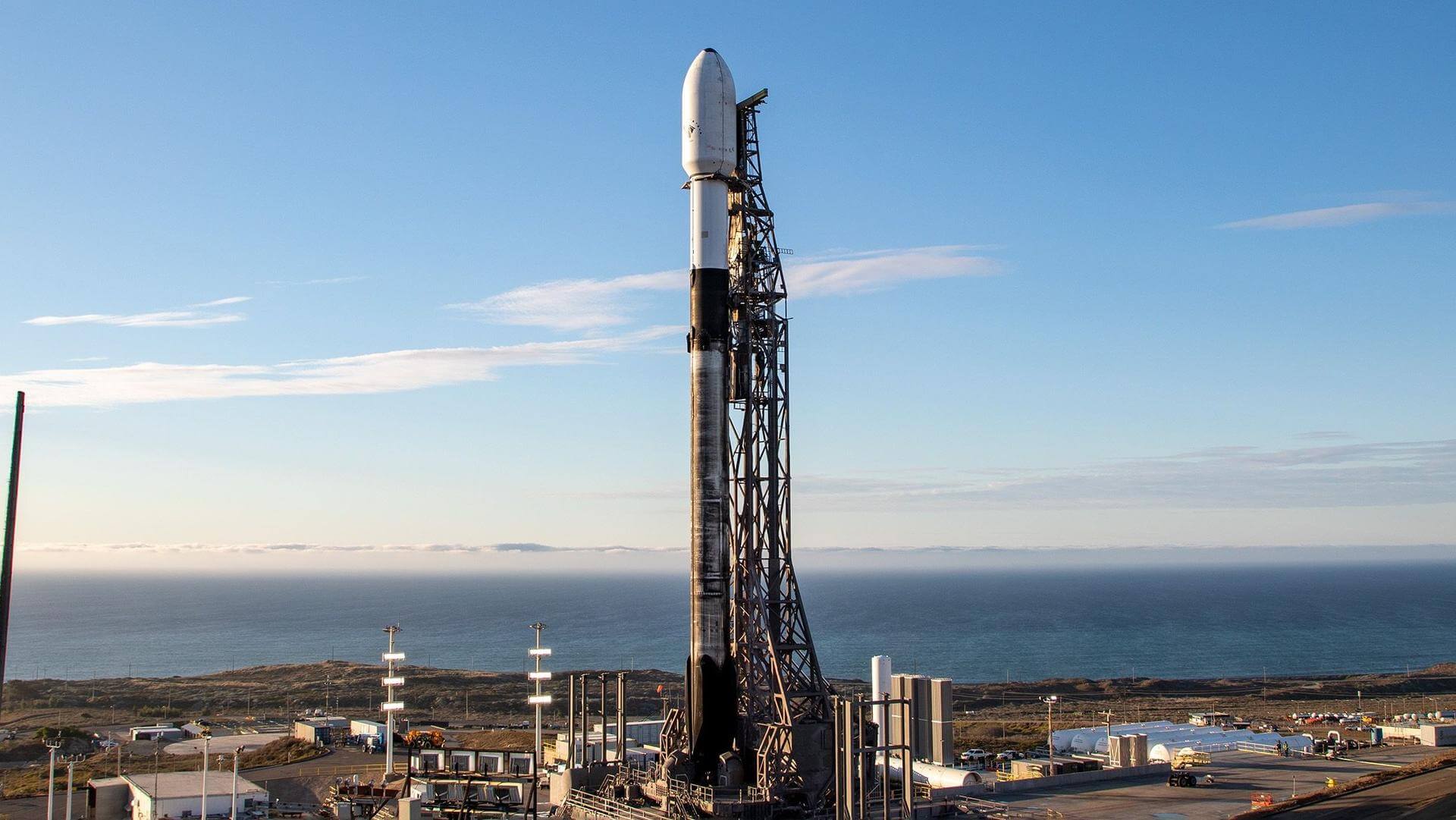
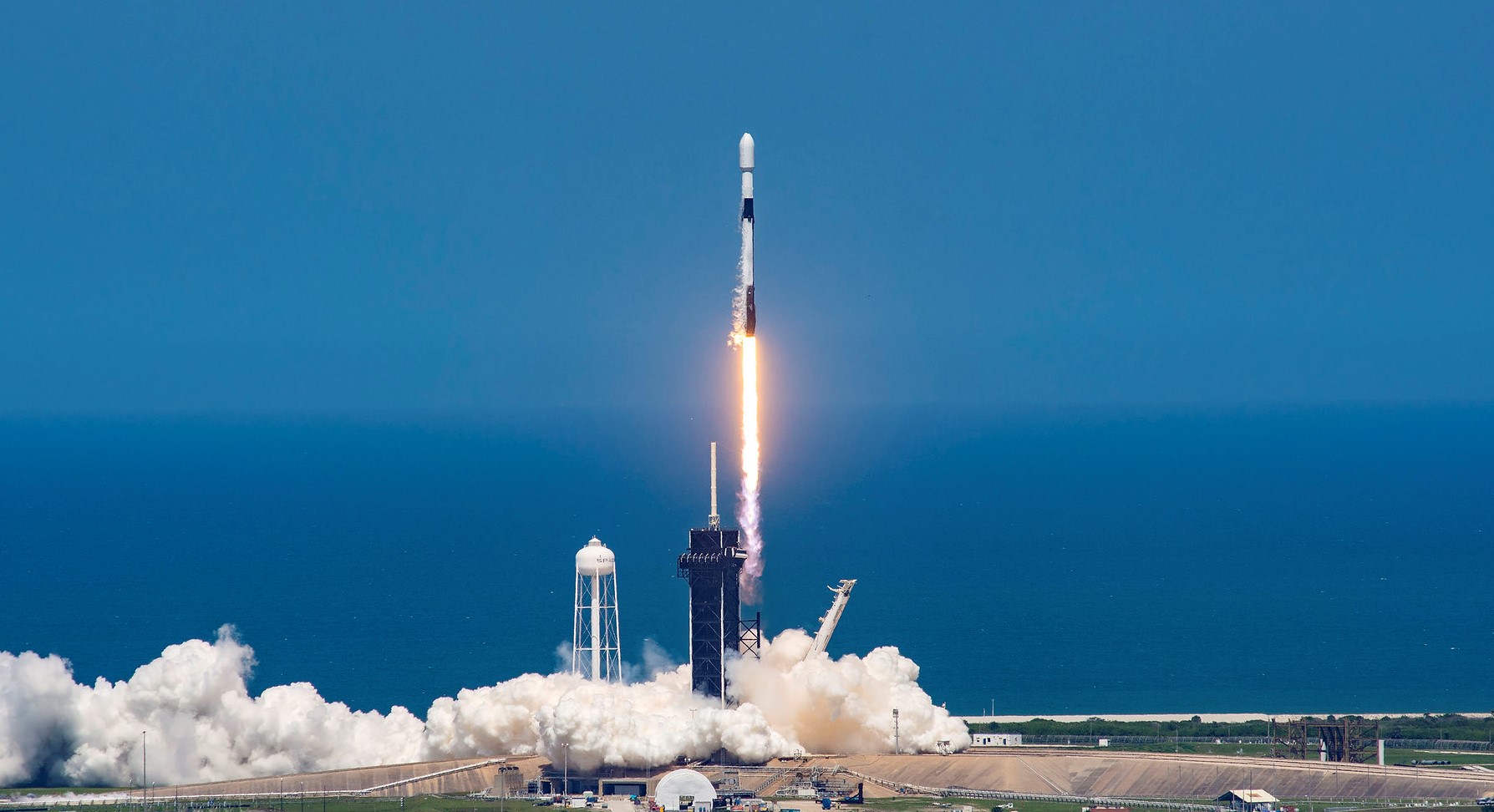
Starlink Group 17-44
Provider: SpaceX
Date: June 10, 2026
Time: 2:00 PM UTC
Vehicle: Falcon 9
A batch of 24 satellites for the Starlink mega-constellation – SpaceX’s project for space-based Internet communication system.
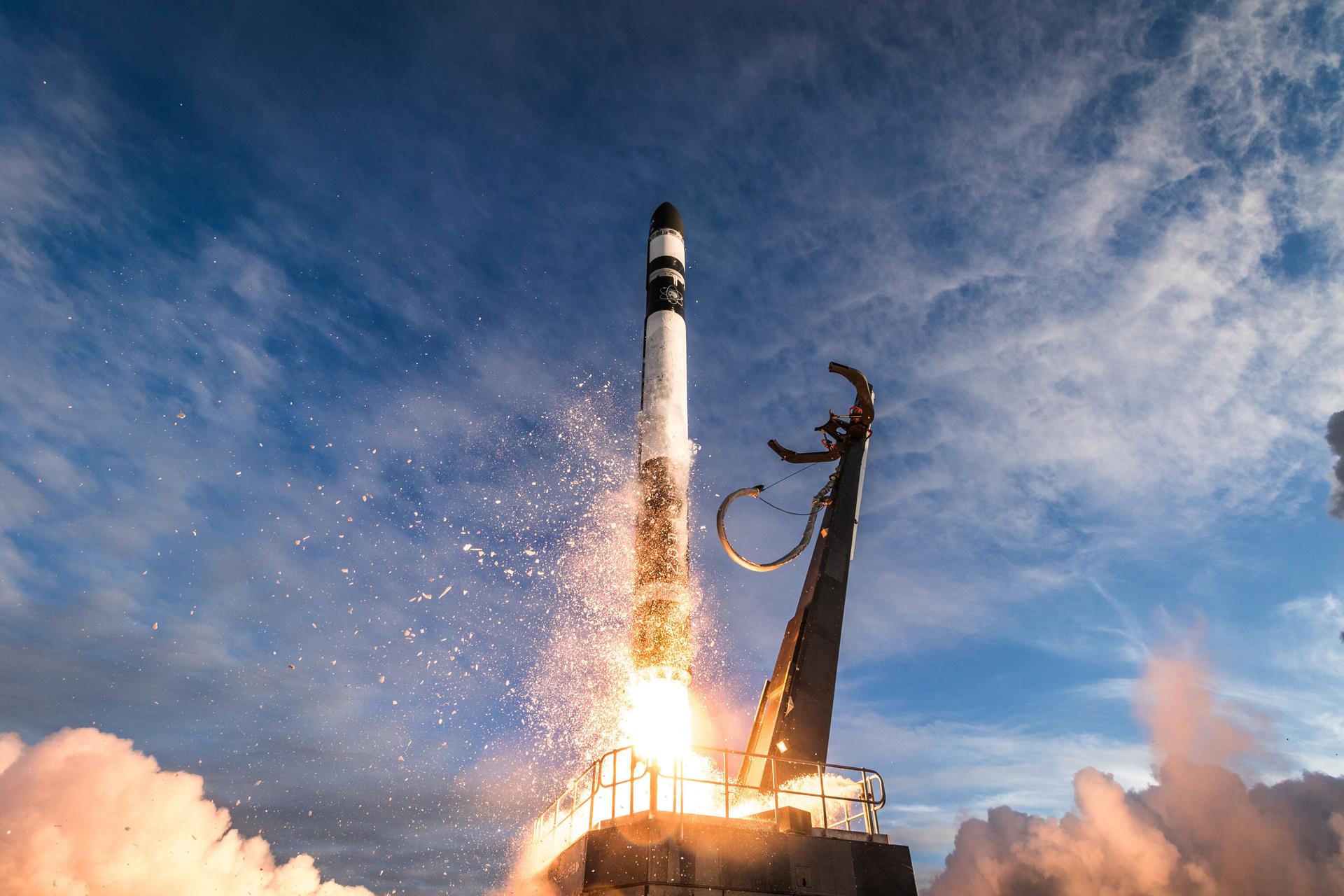
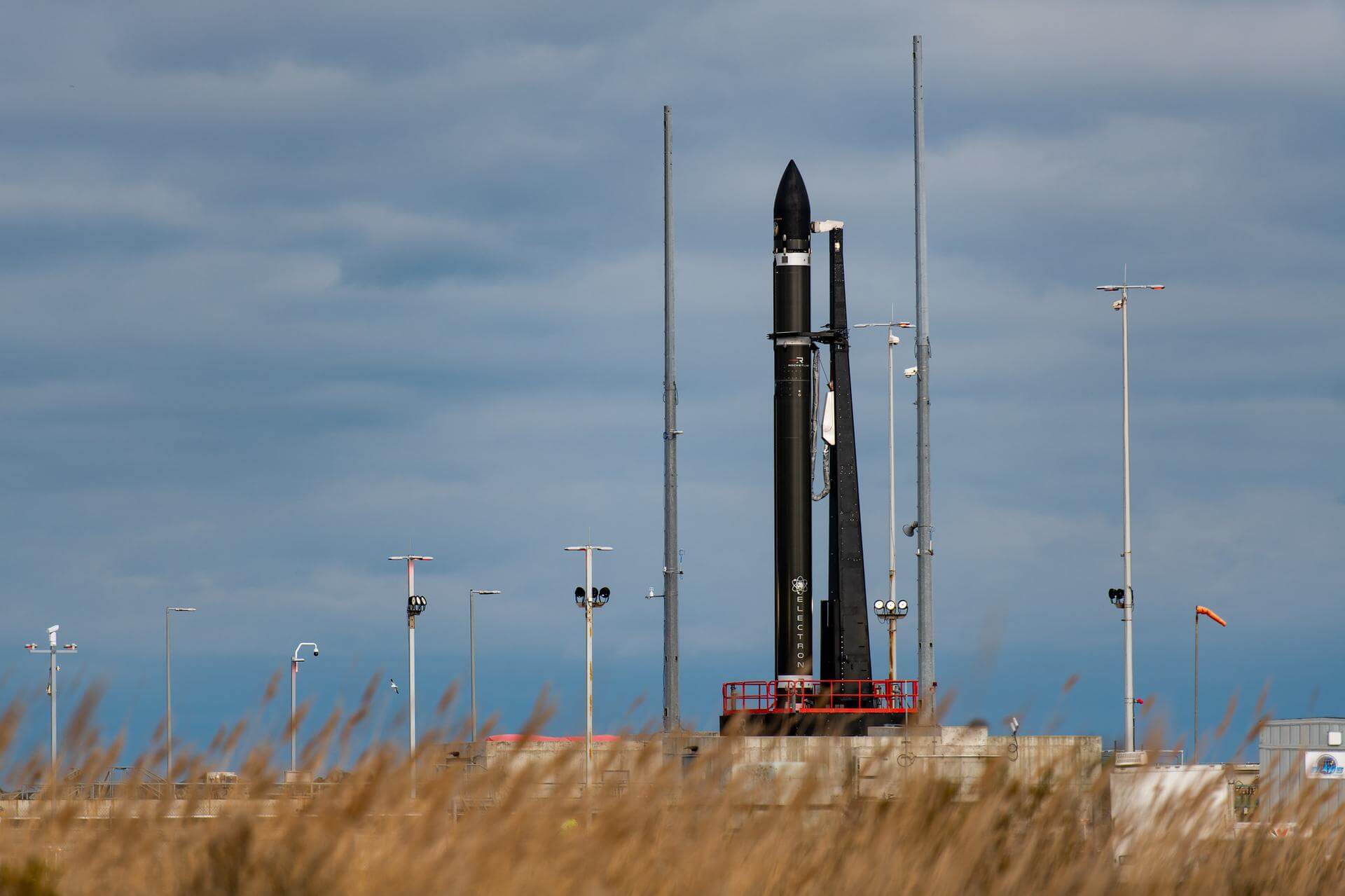
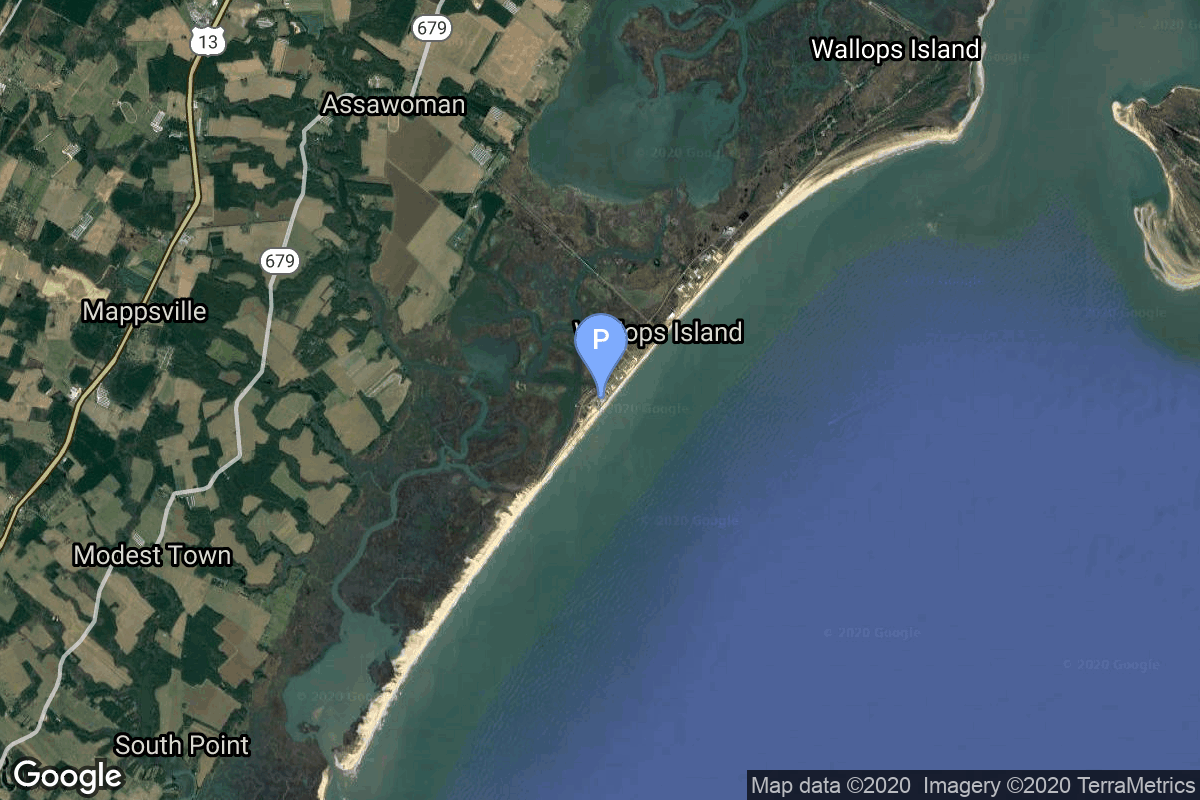
Curveball
Provider: Rocket Lab
Date: June 11, 2026
Time: 4:00 AM UTC
Vehicle: Electron
Sub-orbital launch under Rocket Lab’s Hypersonic Accelerator Suborbital Test Electron (HASTE) program, details TBD.
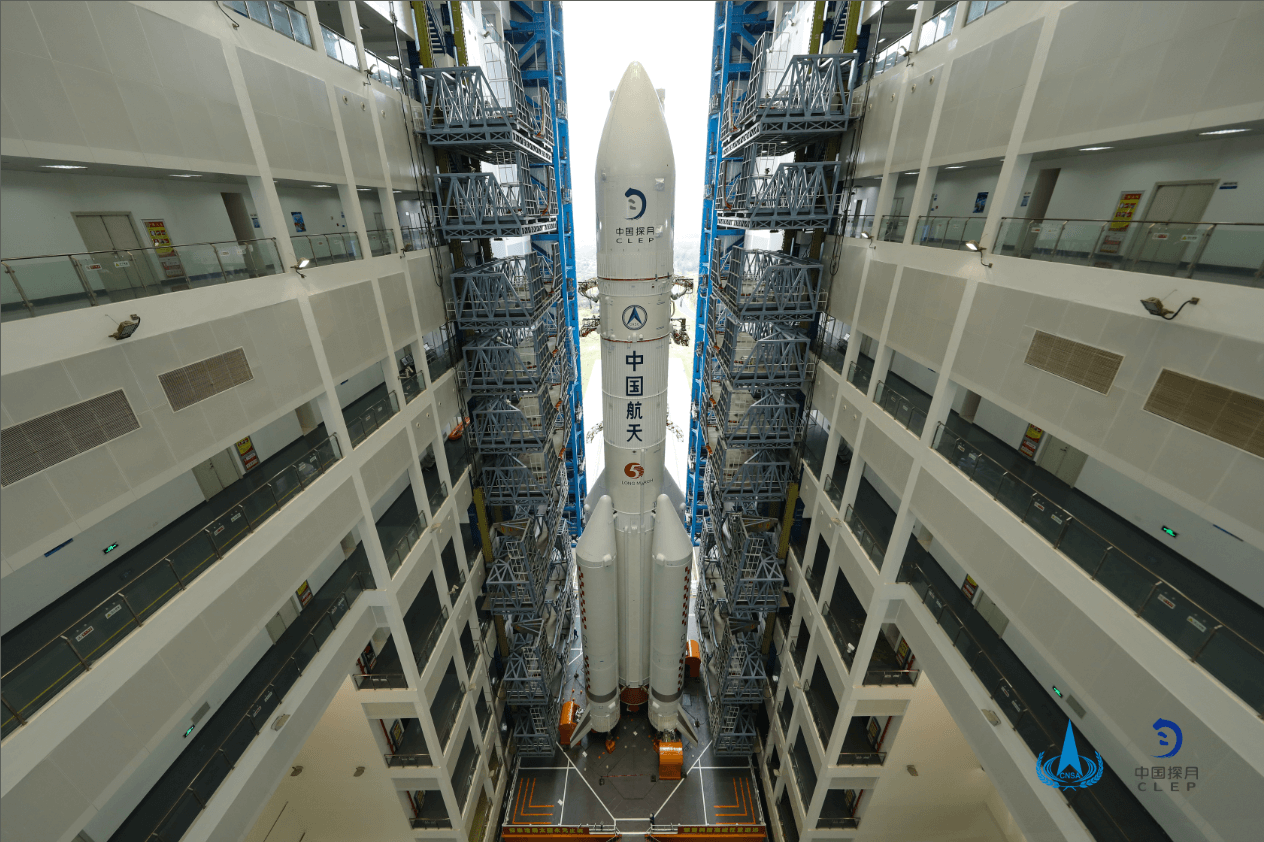
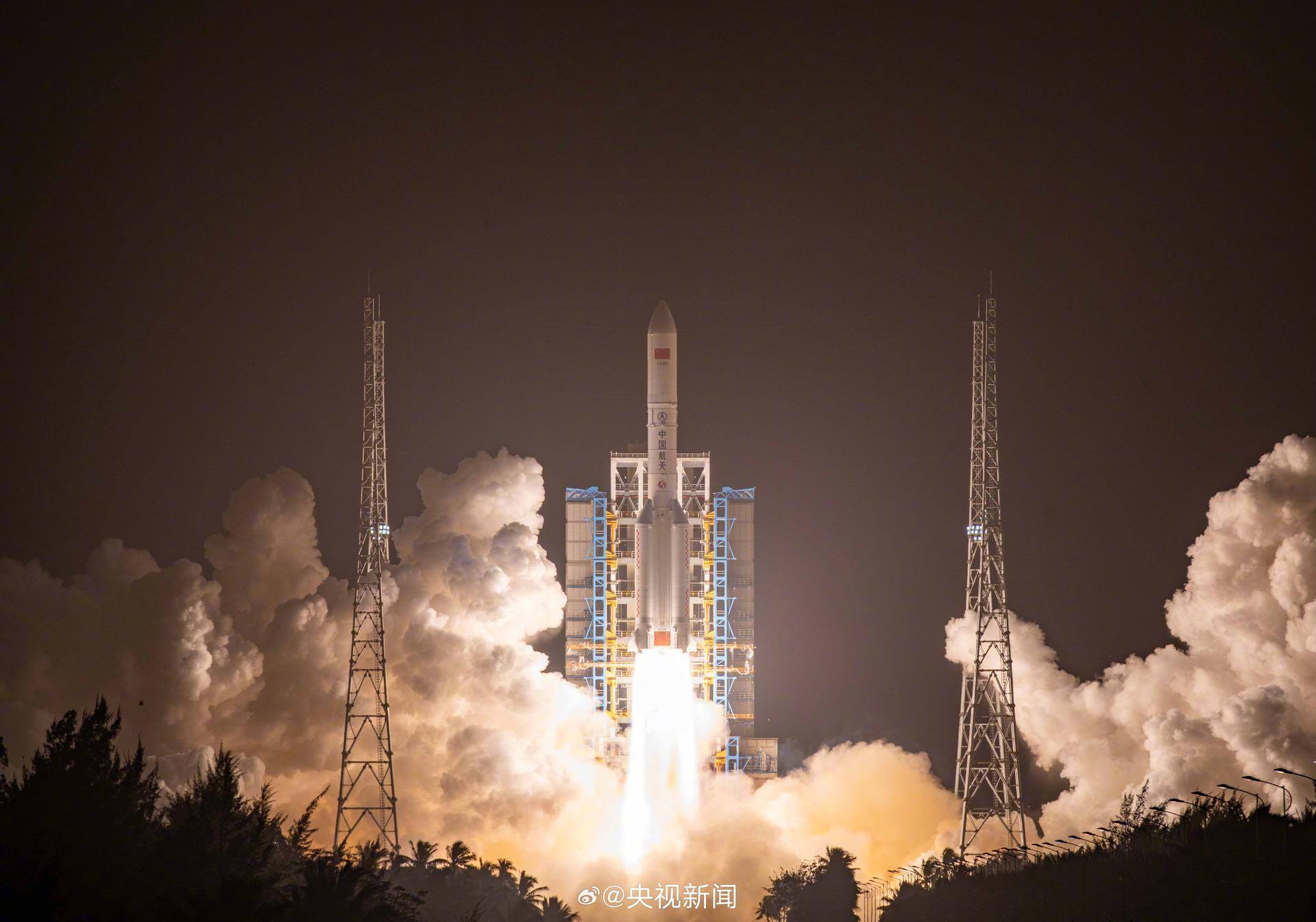
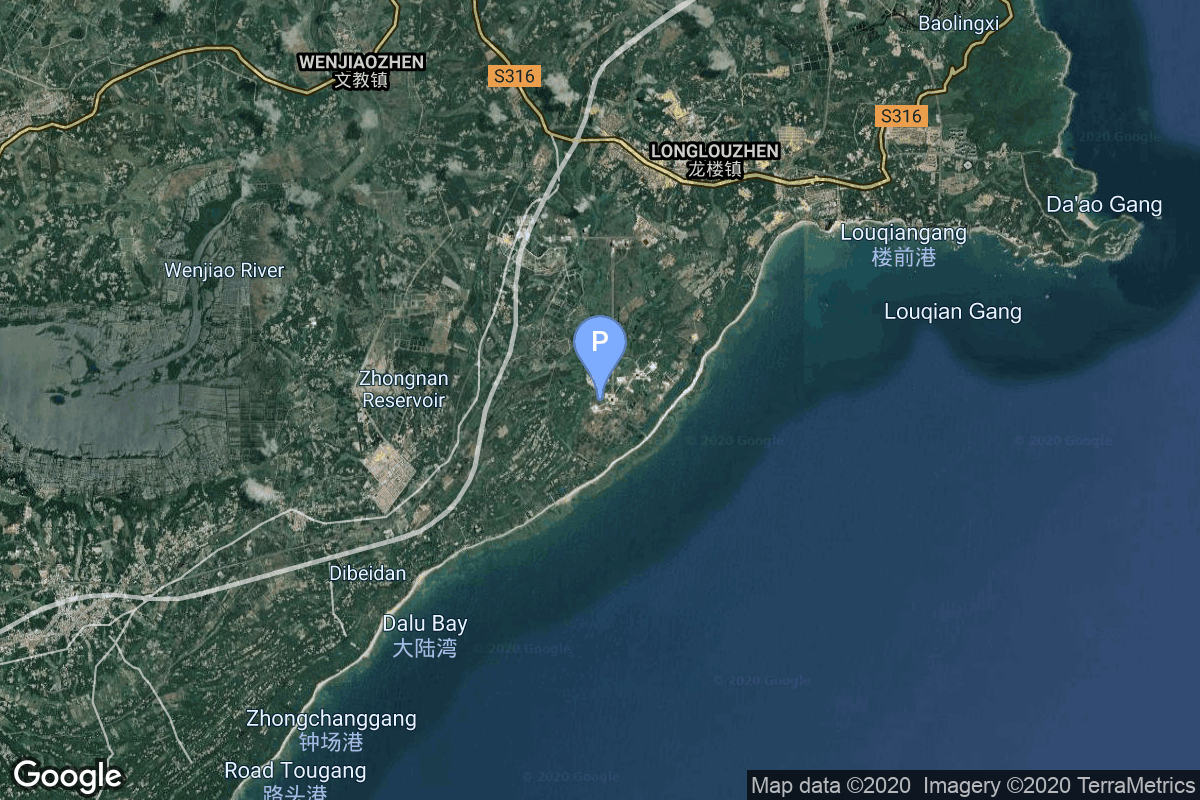
Unknown Payload
Provider: China Aerospace Science and Technology Corporation
Date: June 11, 2026
Time: 7:30 AM UTC
Vehicle: Long March 5
Details TBD.
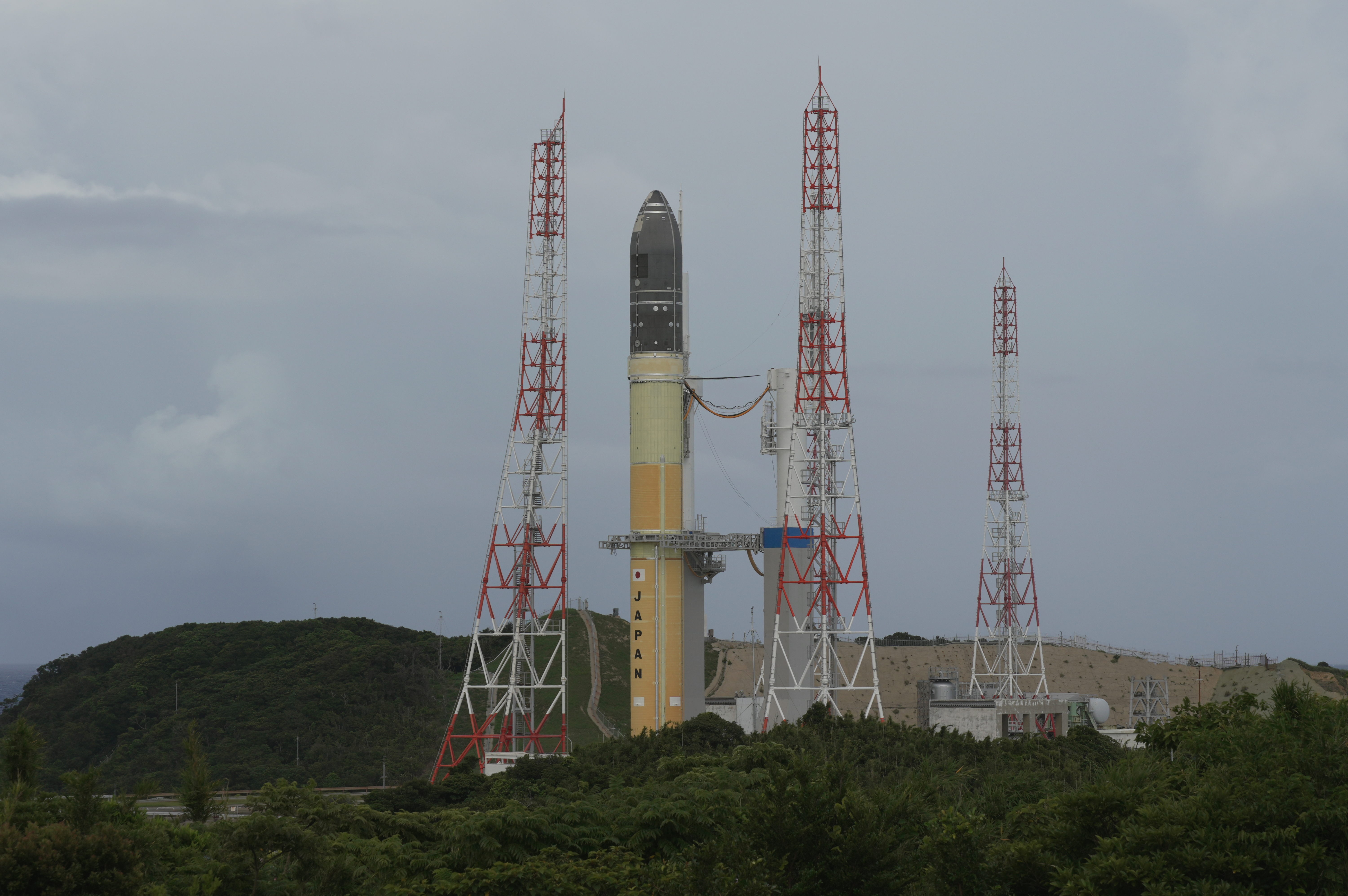
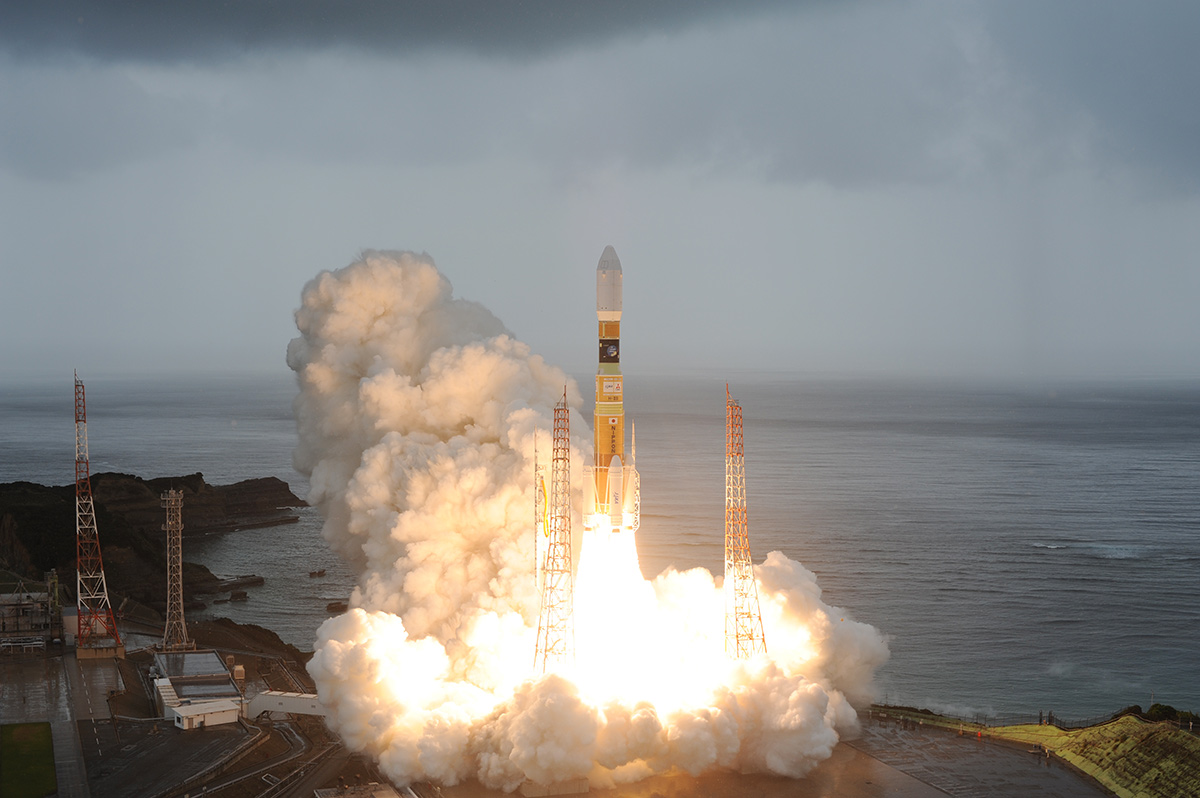
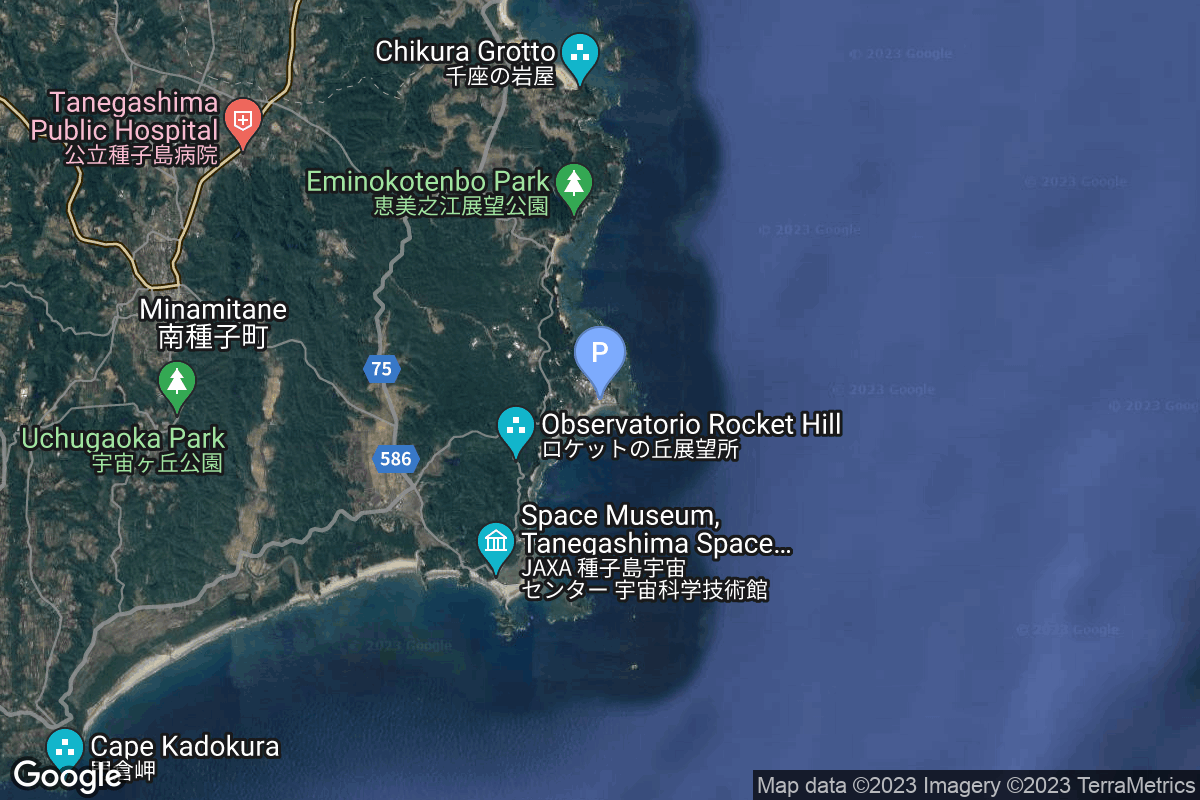
H3-30 Test Flight
Provider: Mitsubishi Heavy Industries
Date: June 12, 2026
Time: 12:53 AM UTC
Vehicle: H3-30
Test flight of the H3-30 variant of the H3 launch vehicle with 3 LE-9 engines in the first stage and no SRBs. The flight will carry a dummy main payload (Vehicle Evaluation Payload 5, VEP-5) and several hitchhiking small satellites:
* PETREL
* STARS-X
* BRO-22
* VERTECS
* HORN-L/R
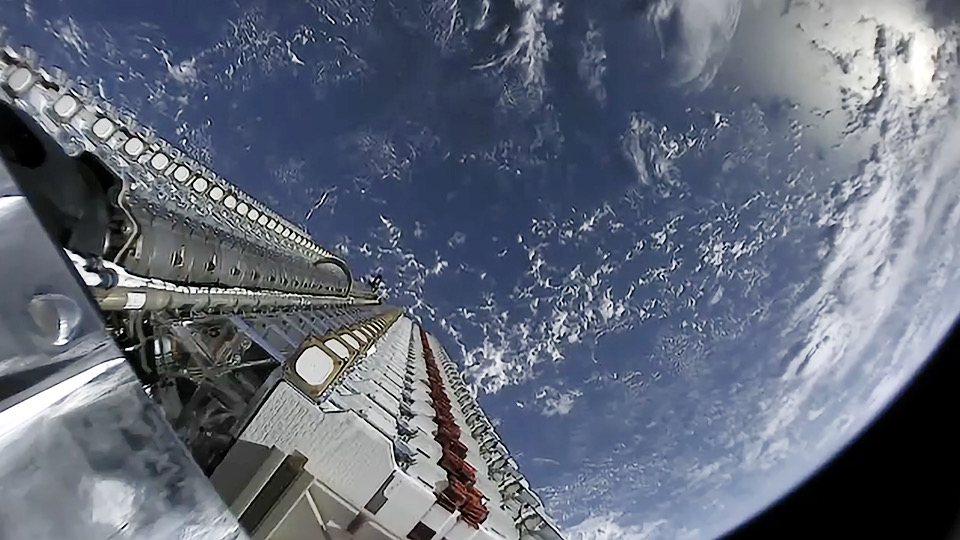
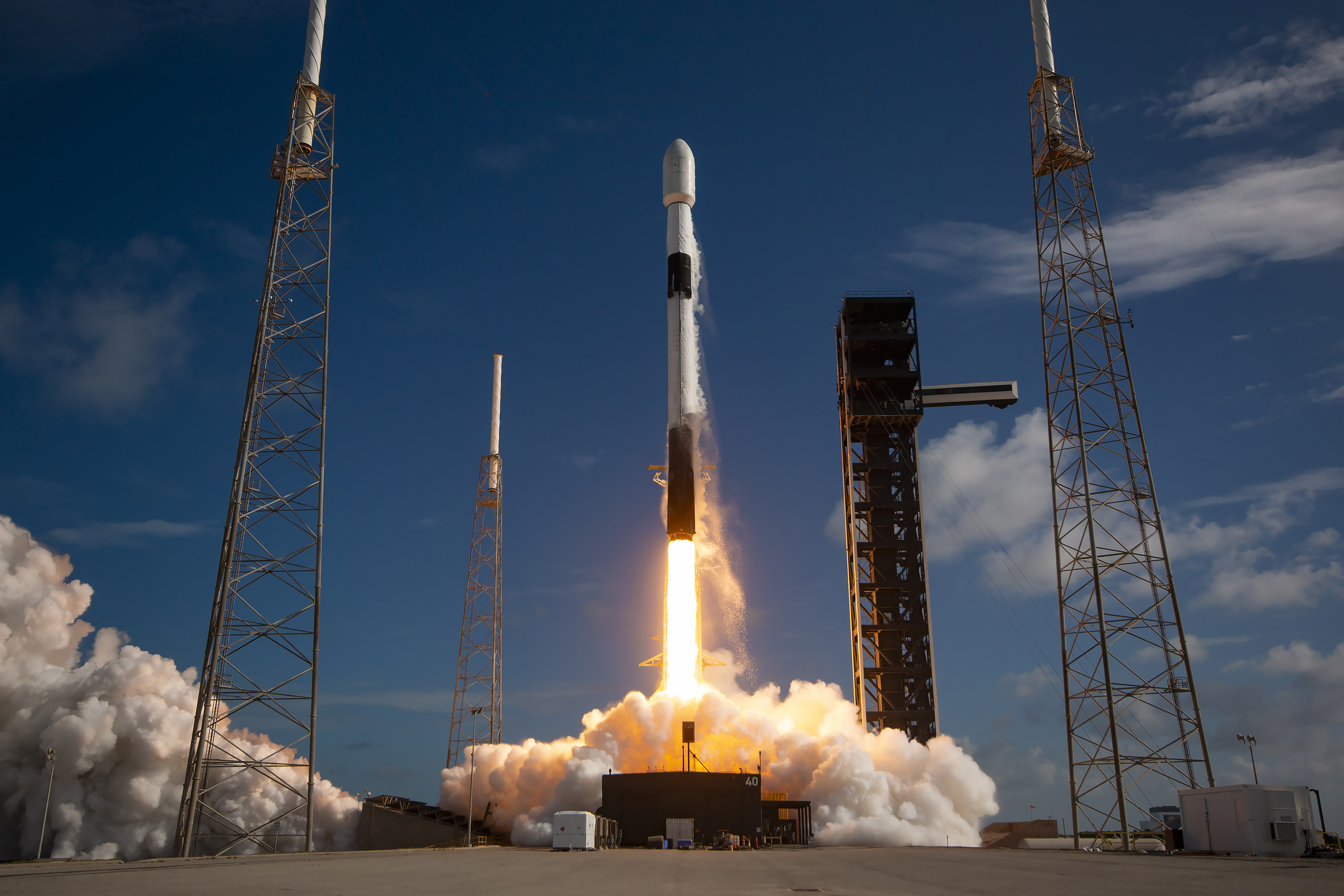
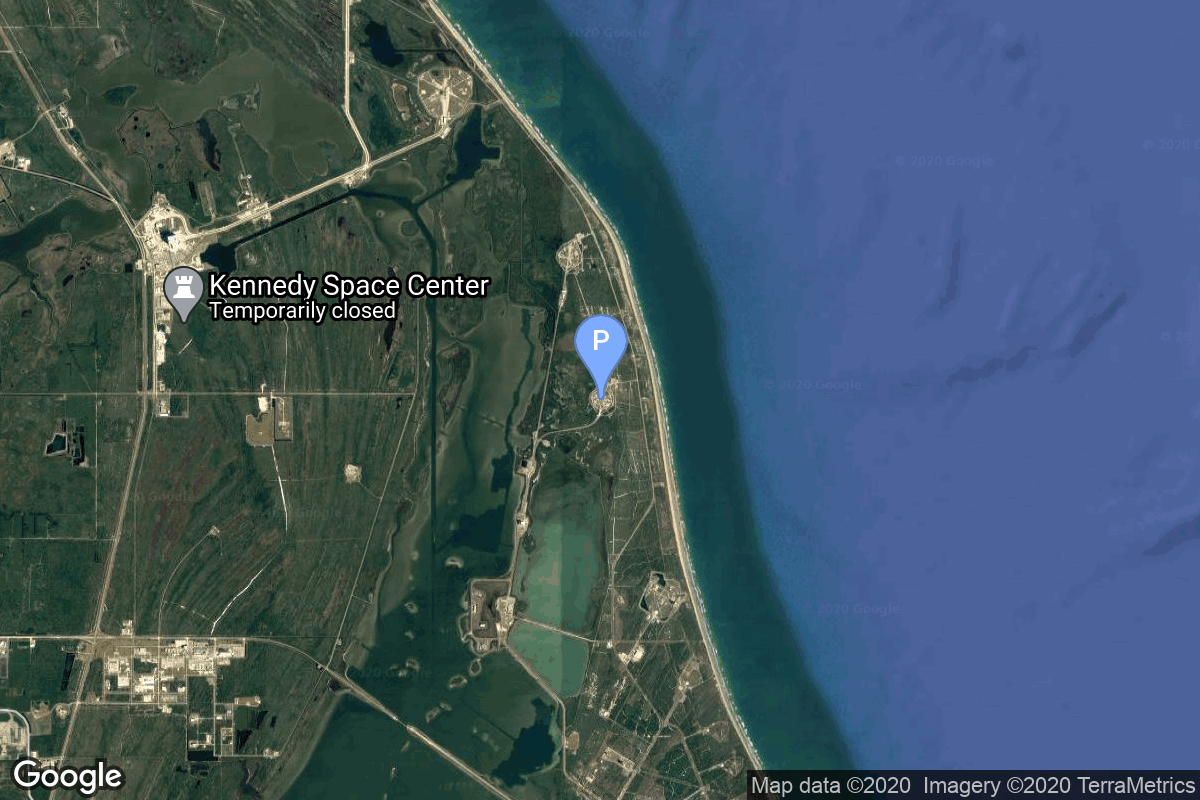
Starlink Group 10-54
Provider: SpaceX
Date: June 12, 2026
Time: 12:27 PM UTC
Vehicle: Falcon 9
A batch of 29 satellites for the Starlink mega-constellation – SpaceX’s project for space-based Internet communication system.





Enjoying the content? Stay up to date on everything happening behind the scenes by following our Patreon!

