
The NASA Overview: NASA Pivots Gateway, Tests Quantum Vacuum, Marks Mars First
Gateway Hardware Becomes Three Lunar Infrastructure Demos
NASA’s decision to move away from the orbiting Gateway station has a concrete next chapter. On Tuesday, the agency announced it is working with Northrop Grumman to transform the HALO (Habitation And Logistics Outpost) module into a trio of Lunar Infrastructure Demo missions — LID-1, LID-2 and LID-3 — designed to test technologies for long-term crew survival at the Moon’s South Pole.
“Our ready-to-fly, reliable HALO technologies allow NASA to move faster, putting in place robust infrastructure that can endure the lunar night and establish a strong blueprint for a future Moon Base,” said David Schiller, vice president of civil space and sciences at Northrop Grumman.
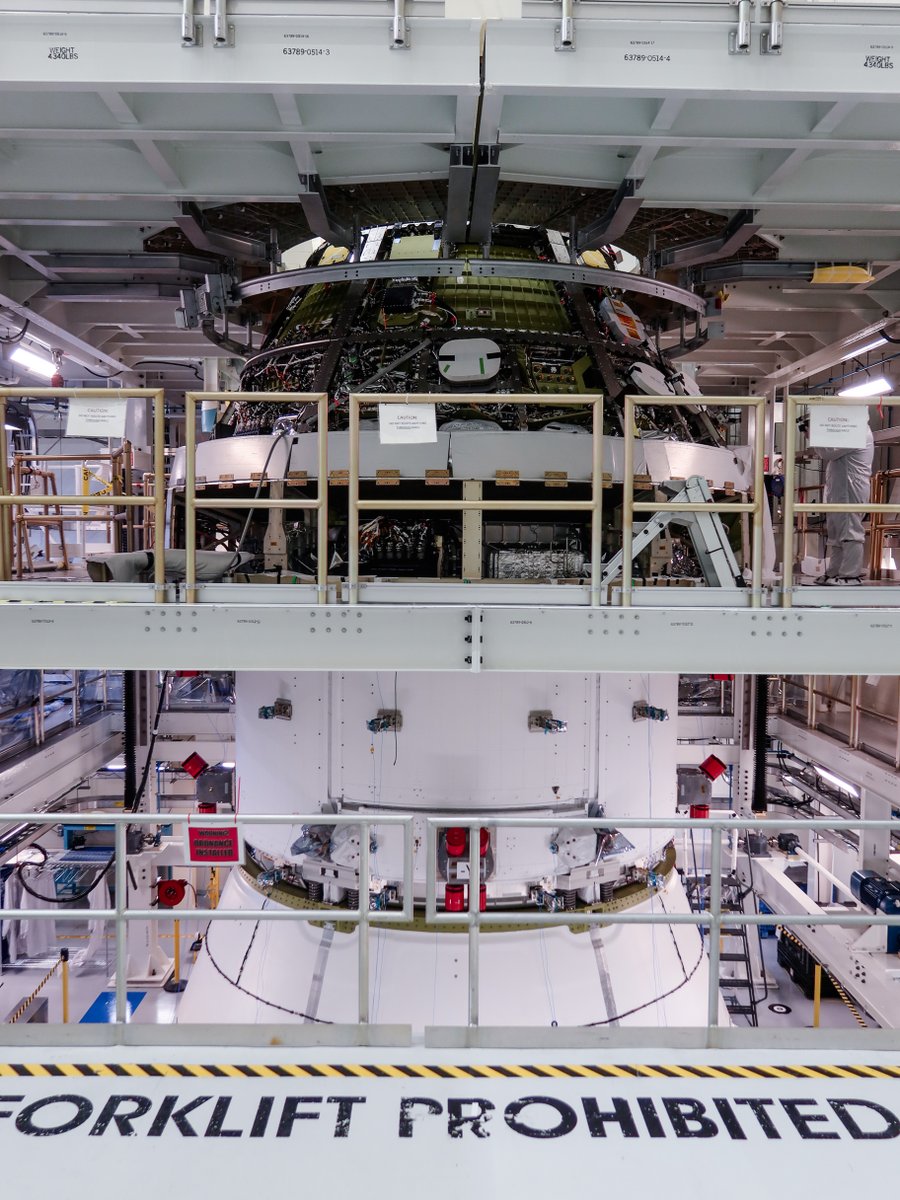
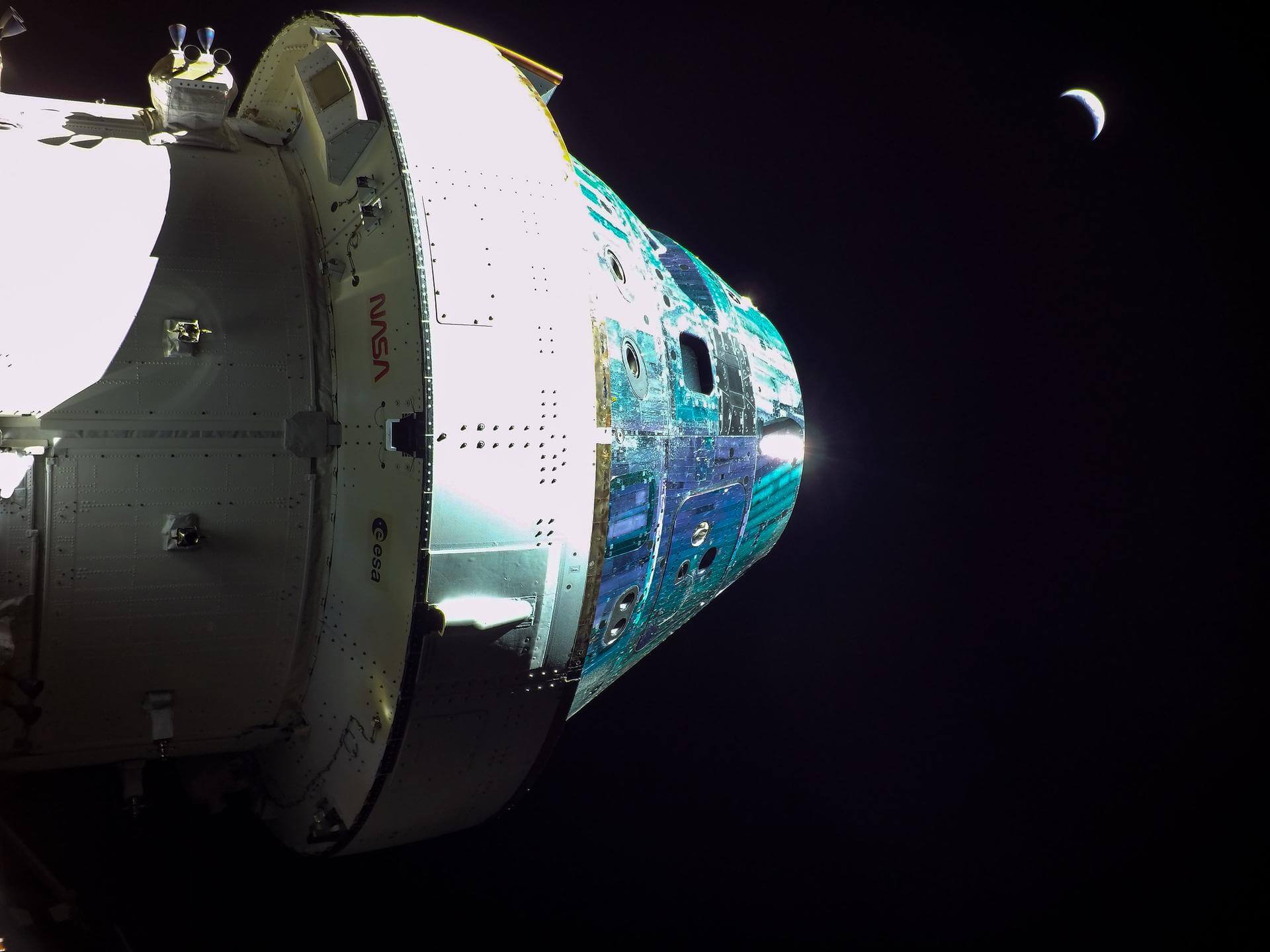
Elsewhere on the Artemis file, NASA reported that Artemis III is taking shape, with the Orion spacecraft coming together and key SLS hardware reaching important milestones over the past month. Engineers at NASA Ames have also been working with SpaceX on a test series to characterise the extreme aerodynamic forces the Super Heavy Version 3 booster can experience during re-entry, work that feeds directly into Artemis III landing system design.
In a related delivery, NASA handed a mini navigation receiver to Intuitive Machines for integration onto the upcoming Altus-1 lunar relay. Altus-1 will enable communication with missions exploring the lunar South Pole and the far side of the Moon.
Four Commercial Partners Race Toward 2028 Moon Base Landings
NASA’s Tuesday Moon Base update named four commercial partners — Blue Origin, Firefly Aerospace, Intuitive Machines and Voyager Lunar Systems — as working toward delivering cargo landers by 2028. Phase I of the Moon Base architecture, running through 2029, includes more than twenty robotic landings, each designed to validate system capabilities for those that follow.
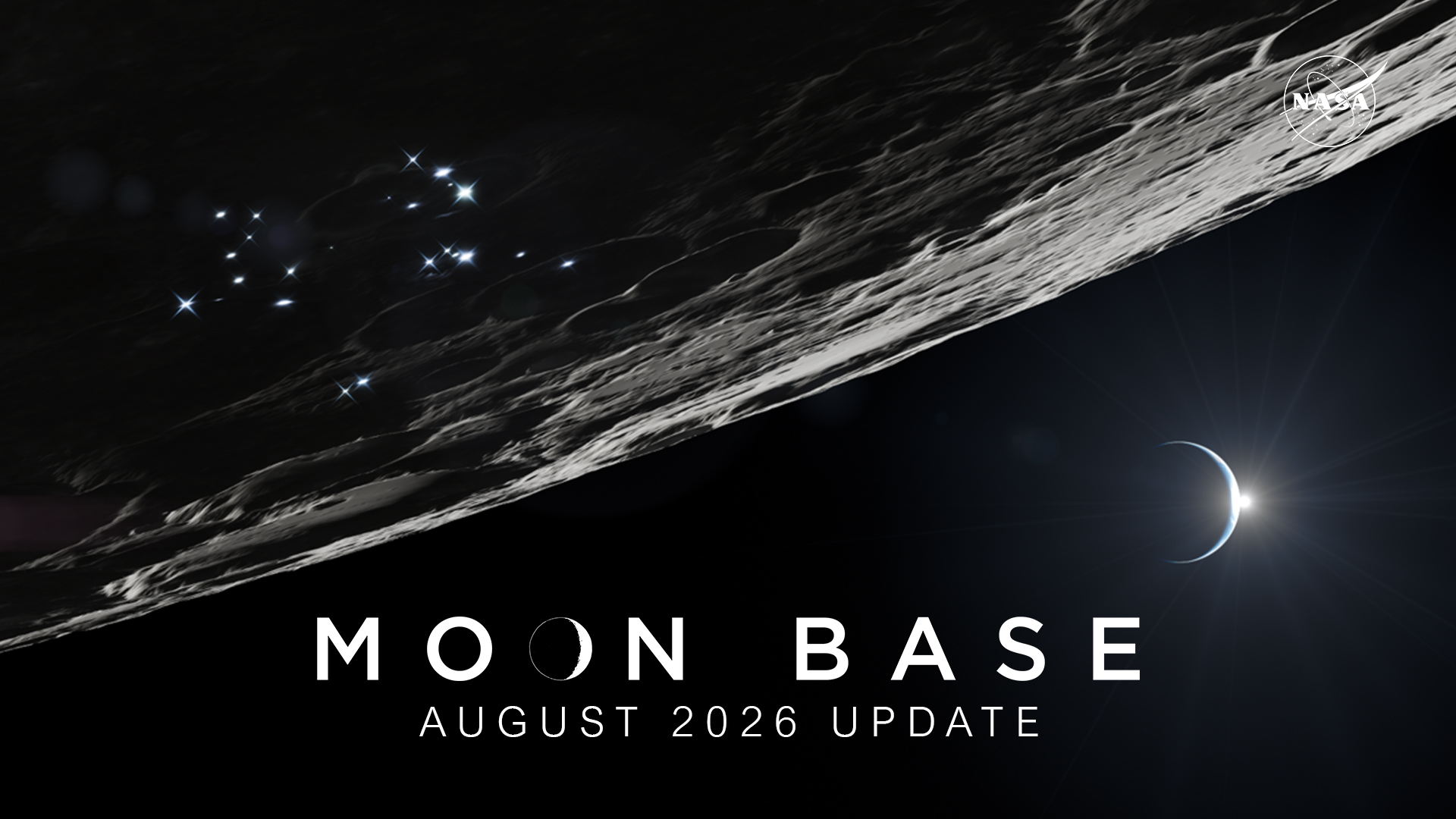
Before astronauts arrive, robotic missions will deploy scientific instruments to characterise the lunar environment, test new technologies, and begin assembling infrastructure for human habitation. Recurring deliveries under NASA’s Commercial Lunar Payload Services initiative are intended to build a dependable lunar supply chain.
The LID missions dovetail with this architecture. LID-1, LID-2 and LID-3 reuse HALO-derived technologies to mature lunar surface power, thermal management, autonomy, communications and hosted payload services that can survive the lunar night and scale into persistent infrastructure near the South Pole.
Perseverance Watches Earth Vanish Behind Phobos
NASA’s Perseverance rover captured a first: on July 2, 2026 — sol 1,907 of the mission — the Mastcam-Z instrument photographed Earth passing behind the Martian moon Phobos. It is the first time humanity has made an observation from the surface of another planet showing Earth disappearing behind a celestial body.
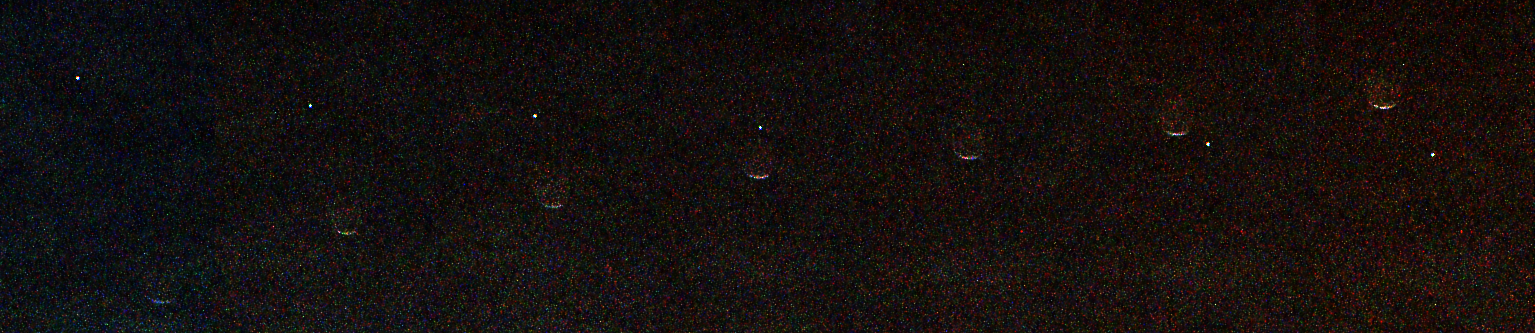
The composite of seven images shows Earth as a small bright dot moving from upper left to lower right before being occulted by Phobos. Image processing removed extraneous background light to enhance detail.
In other Mars news, Curiosity marked its 14th anniversary on the Red Planet this week. In 14 years on Mars, the rover has taken more than 700,000 images. JPL also showcased SkyFall, a Mars helicopter demo carrying a flexible ground-penetrating radar antenna designed to hunt for frozen water beneath the Martian surface — a critical resource for future astronauts.
IXPE Finds Vacuum Birefringence, PUNCH Sharpens Solar Forecasting
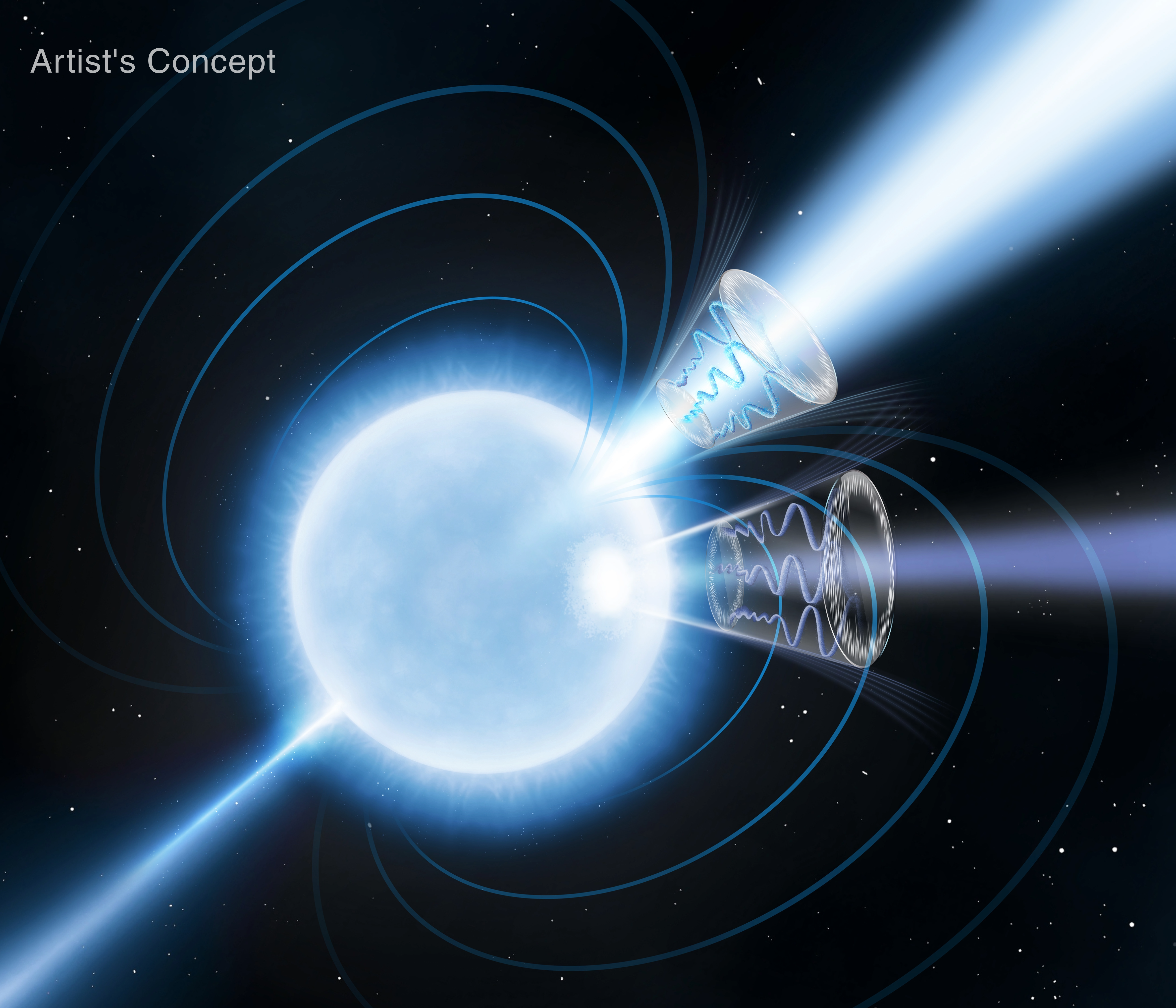
A first-of-its-kind measurement by the Imaging X-ray Polarimetry Explorer may have captured empty space behaving in a way physicists have predicted for 90 years but never directly observed. IXPE studied magnetar 1E 1547.0-5408, a rapidly rotating neutron star with magnetic fields over a trillion times stronger than Earth’s. The results, published Wednesday in Nature, provide what the mission team calls the most definitive signal to date of vacuum birefringence, a long-sought prediction of quantum electrodynamics.
In heliophysics, scientists using NASA’s PUNCH mission predicted the near-Earth arrival of a solar eruption to within 30 minutes in an initial proof-of-concept test. Results presented Tuesday at the Committee on Space Research Scientific Meeting and under review at Space Weather could reshape storm forecasting. “We thought PUNCH would be good at this, but it’s a stunning result,” said principal investigator Craig DeForest of Southwest Research Institute. “This could be the space weather equivalent of going from a steam engine to a modern internal combustion engine.”
PUNCH, launched in 2025, uses four spacecraft in low Earth orbit to make continuous 3D observations of the inner solar system, capturing a new image every four minutes. Before PUNCH, coronal mass ejections could only be tracked for about one-fifth of their journey from Sun to Earth.
In deep-space operations, JPL engineers freed up power on Voyager 2 by simultaneously turning off certain devices and substituting them with lower-power alternatives. And Deep Space Station 23, a 34-metre beam-waveguide dish, began operations at the Goldstone complex in California on Monday, strengthening the Deep Space Network’s ability to support missions operating billions of miles from Earth.
Meir and Menon Spacewalk Preps Station for IROSA
NASA astronauts Jessica Meir and Anil Menon completed a six-and-a-half-hour spacewalk on Thursday, installing hardware that will modify the station’s 3B power channel and prepare it for the future installation of an International Space Station Roll-Out Solar Array. The IROSA will provide additional power to support critical station operations, including its safe and controlled deorbit.
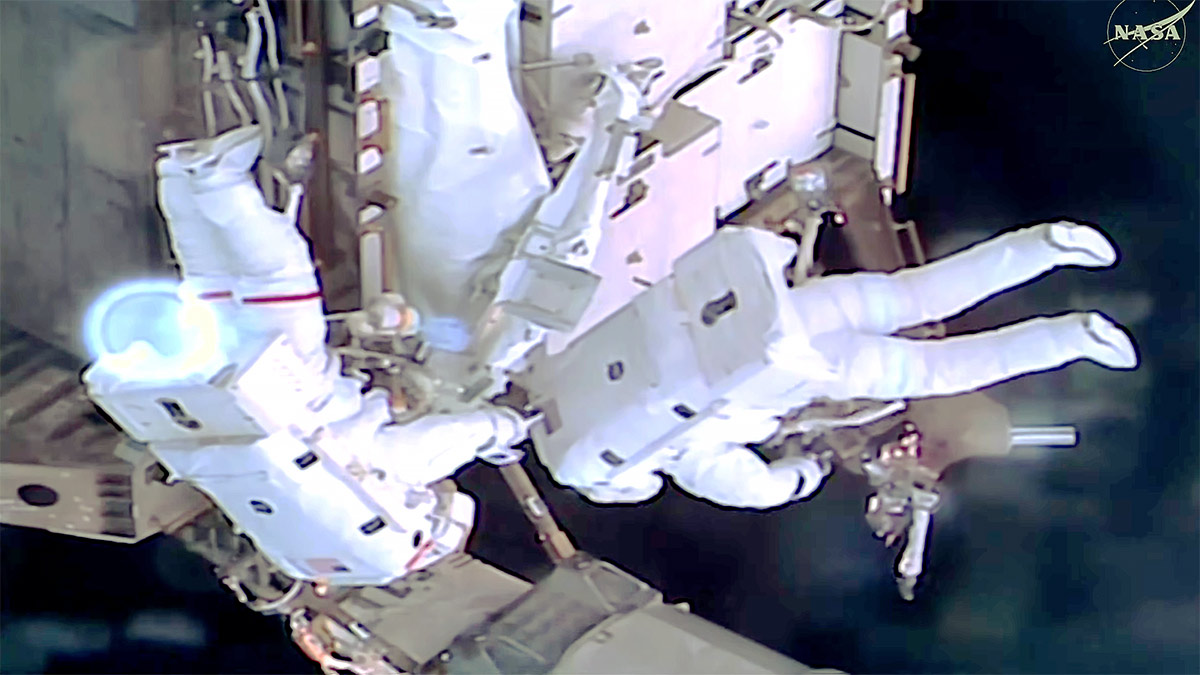
The spacewalk began at 8:33 a.m. EDT and concluded at 3 p.m. EDT.
The Expedition 75 crew also continued preparations for the arrival of SpaceX Crew-13. The mission’s four-person crew — NASA astronaut Jessica Watkins (commander), NASA astronaut Luke Delaney (pilot), CSA astronaut Joshua Kutryk (mission specialist), and Roscosmos cosmonaut Sergey Teteryatnikov (mission specialist) — held press conferences from Johnson Space Center earlier in the week.
NASA astronaut Chris Williams held a post-flight news conference on Tuesday after living and working in space for 241 days aboard the station. The crew also continued work with ADSEP, an autonomous experiment platform that has grown high-quality crystals, studied tiny particles, and cultured cells in microgravity.
Solar Eclipse, SpaceX Moon Impact, and a Mars AMA
On August 12, a total solar eclipse will cross Iceland and Spain. NASA will stream live starting at 1:15 p.m. ET (1715 UTC), bringing the views and the science to viewers worldwide since the U.S. will not see totality this time.
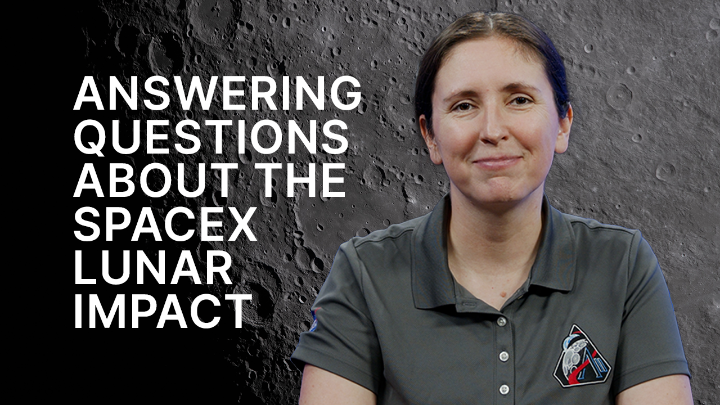
In the early hours of Wednesday, August 5, a portion of a SpaceX rocket impacted the Moon’s surface. NASA released a video addressing public questions about the event.
NASA also hosted a Reddit AMA on Wednesday covering fifty years of Martian exploration, with scientists fielding questions on the past, present, and future of the Red Planet.
Citations
- “NASA, Northrop Grumman repurpose Gateway elements for Moon Base demo missions” — https://spaceflightnow.com/2026/08/06/nasa-northrop-grumman-repurpose-gateway-elements-for-moon-base-demo-missions/
- “NASA Provides Updates on Moon Base Cargo Landers, Tech Demonstrations” — https://www.nasa.gov/missions/moon-base/nasa-provides-updates-on-moon-base-cargo-landers-tech-demonstrations/
- “NASA’s Perseverance Captures Phobos and Earth” — https://science.nasa.gov/photojournal/nasas-perseverance-captures-phobos-and-earth/
- “NASA’s Perseverance Rover Watches Earth Vanish Behind Martian Moon” — https://www.nasa.gov/solar-system/planets/mars/nasas-perseverance-rover-watches-earth-vanish-behind-martian-moon/
- “NASA’s PUNCH Sharpens Solar Storm Forecasting in First Test” — https://science.nasa.gov/science-research/heliophysics/nasas-punch-sharpens-solar-storm-forecasting-in-first-test/
- “NASA’s IXPE May Have Proven 90-Year-Old Theory” — https://science.nasa.gov/missions/ixpe/nasas-ixpe-may-have-proven-90-year-old-theory/
- “Space Events This Week” — Launch Library 2
- “NASA (Official)” — https://x.com/NASA
- “NASA JPL” — https://x.com/NASAJPL
- “NASA Artemis” — https://x.com/NASAArtemis
- “NASA Mars” — https://x.com/NASAMars
- “International Space Station” — https://x.com/Space_Station
- “NASA Moon to Mars” — https://x.com/NASAMoonBase
- “NASA Solar System” — https://x.com/NASASolarSystem
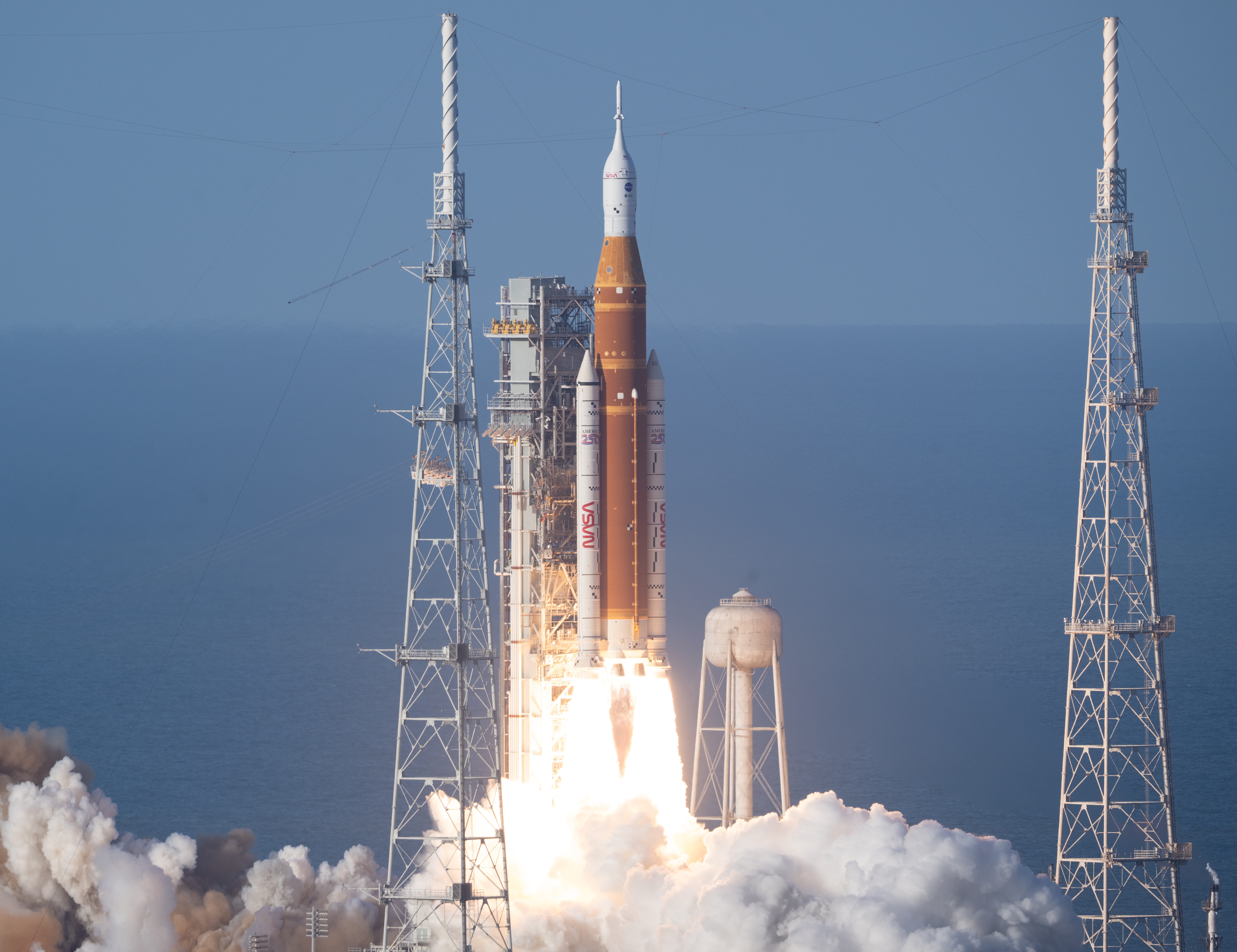
Artemis III
Provider: National Aeronautics and Space Administration
Date: June 30, 2027
Time: 12:00 AM UTC
Vehicle: Space Launch System (SLS)
Artemis III is the second crew mission as part of the Artemis program. Artemis III will send a crew of 4 on a Low Earth Orbit mission, with the Orion rendezvous and dock with one or both commercial lunar landers in development by SpaceX and Blue Origin, performing in-space tests of the docked vehicles, integrated checkout of life support, communications, and propulsion systems, as well as tests of the new Extravehicular Activity (xEVA) suits.
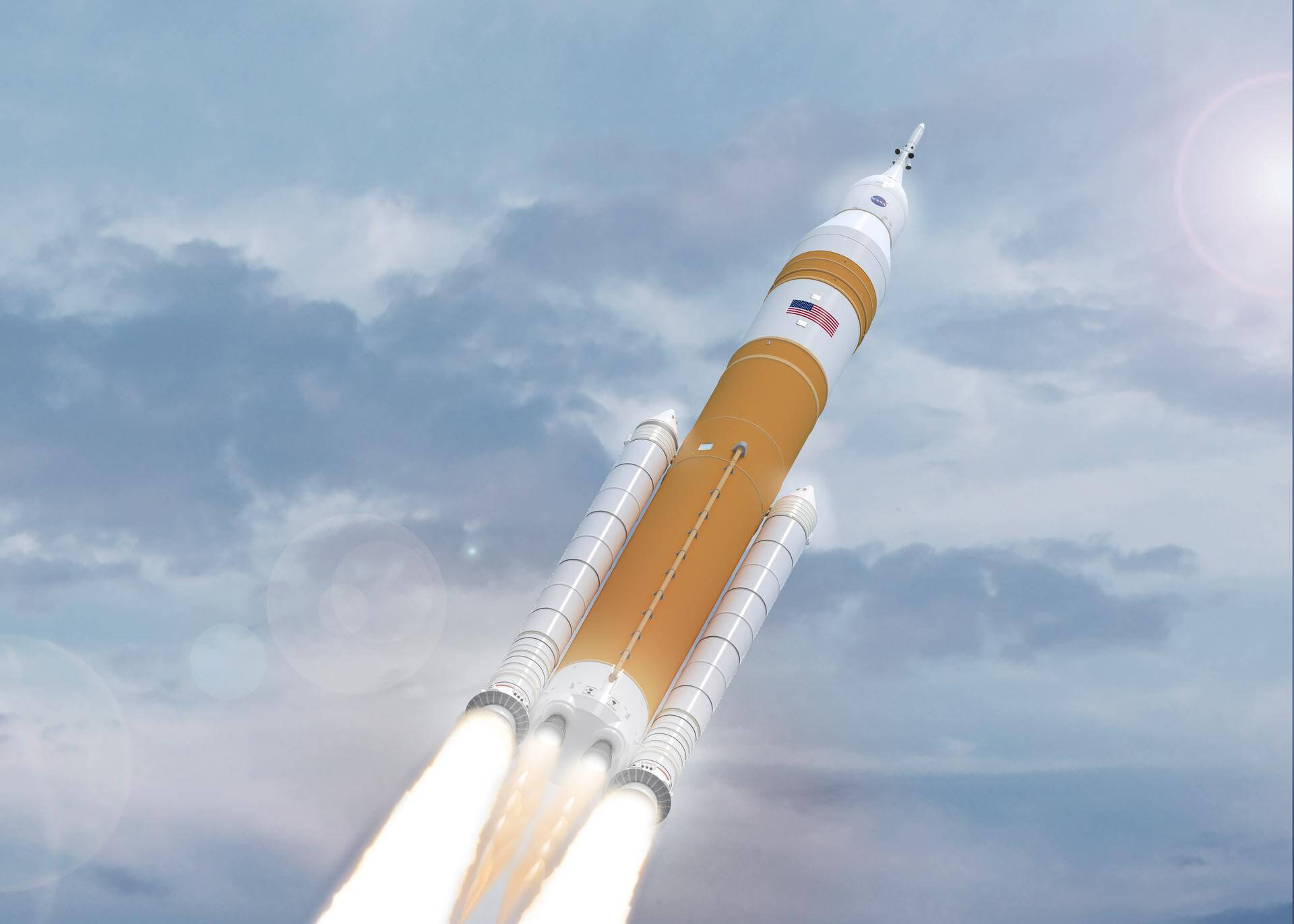
Artemis IV
Provider: National Aeronautics and Space Administration
Date: June 30, 2028
Time: 12:00 AM UTC
Vehicle: Space Launch System (SLS)
Artemis IV is planned to be the first human lunar landing mission since the Apollo Program.
Artemis V
Provider: National Aeronautics and Space Administration
Date: December 31, 2028
Time: 12:00 AM UTC
Vehicle: Space Launch System (SLS)
Artemis V is planned to be the second human lunar landing mission since the Apollo Program.
SLS Block 1B | Artemis VI
Provider: National Aeronautics and Space Administration
Date: September 30, 2030
Time: 12:00 AM UTC
Vehicle: Space Launch System (SLS)
No description available
SLS Block 1B | Artemis VII
Provider: National Aeronautics and Space Administration
Date: September 30, 2031
Time: 12:00 AM UTC
Vehicle: Space Launch System (SLS)
No description available
Enjoying the content? Stay up to date on everything happening behind the scenes by following our Patreon!

