Montreal-based 5N Plus reported third-quarter results after markets closed on Monday, with revenue rising 30 per cent to $US 136.4 million. The company, which makes specialty semiconductors and ultra-pure materials for industries from space to medical imaging, said it expects to reach the high end of its full-year adjusted EBITDA guidance of $US 100 million to $US 105 million.
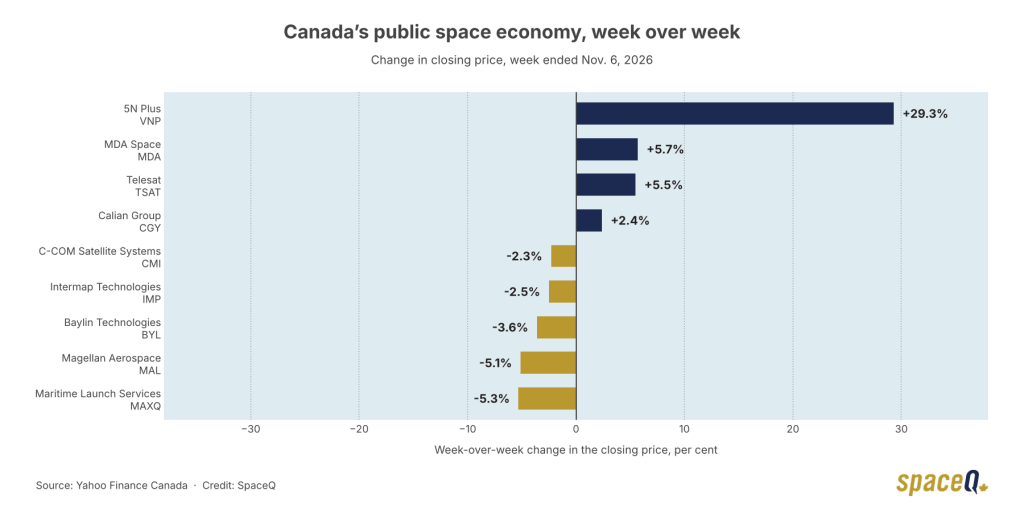
5N Plus shares surged 24.7 per cent on Tuesday and ended the week up 29.3 per cent at $33.53. The gain was larger than the SpaceQ Canadian Space Index’s entire weekly rise.
MDA Space also posted strong results, raising its 2026 revenue forecast to $1.90 billion to $1.95 billion from $1.8 billion to $1.9 billion after third-quarter revenue rose 22 per cent to $498 million. MDA shares gained 5.7 per cent for the week, closing at $40.16.
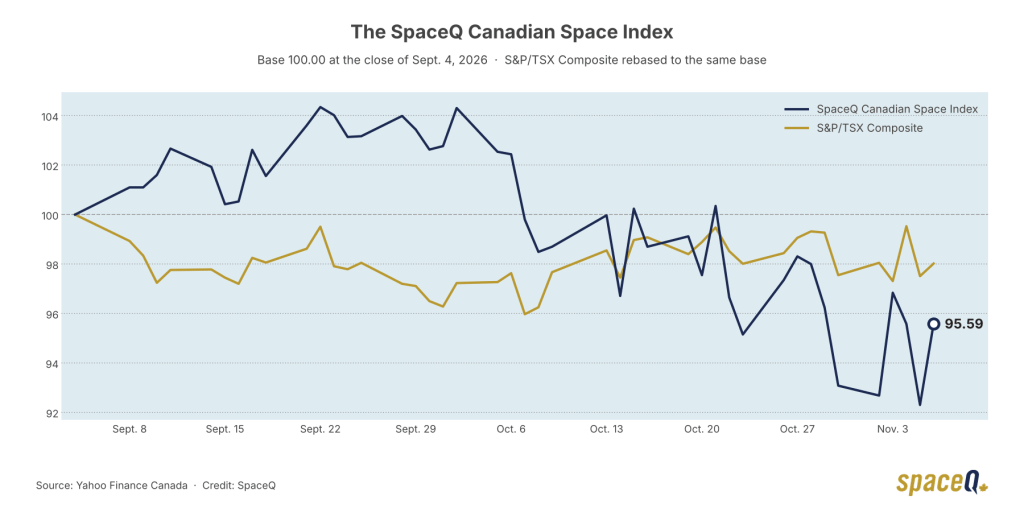
The SpaceQ Canadian Space Index rose 2.7 per cent for the week to 95.59, outpacing the S&P/TSX Composite’s 0.5 per cent gain. The index fell 3.4 per cent on Thursday as the S&P 500 lost 4.4 per cent, but recovered the loss on Friday.
Among other index members, Telesat gained 5.5 per cent to $58.89, Calian Group rose 2.4 per cent to $84.97, and Magellan Aerospace fell 5.1 per cent to $31.59. Maritime Launch Services, which moved from Cboe Canada to the TSX on November 3, dropped 5.3 per cent to $0.445.
“We continue to operate at high capacity and to ramp additional production to support customer demand,” 5N Plus chief executive Richard Perron said in the company’s release.
Moon Base Books PROMISE Rover and CLPS 2 Awards
NASA booked a ride for PROMISE, its nuclear-powered lunar rover, to the Moon’s south pole, the agency announced Saturday at the MAX POWER aerospace expo at Kennedy Space Center. The Polar Rover for Observation, Mapping, and In-Situ Exploration will fly on Blue Origin’s Blue Moon Mark 1 serial number five, targeting late 2028 with an 18-month prime mission.
PROMISE builds on Curiosity’s Earth-bound vehicle system test bed, known as MAGGIE, supplemented by flight spares and test-bed components from both Curiosity and Perseverance. A flight-spare multi-mission radioisotope thermoelectric generator will provide power and heat, allowing the rover to survive darkness and investigate permanently shadowed terrain. The payload includes copies of VIPER’s TRIDENT drill, which will sample down to one meter, along with the MSOLO mass spectrometer, Near-Infrared Volatiles Spectrometer System, and Neutron Spectrometer System.
Alongside PROMISE, NASA selected eight companies for the next phase of its Commercial Lunar Payload Services initiative, eligible to compete for future lunar surface delivery missions under the new CLPS 2 contract: Blue Origin, Firefly Aerospace, Intuitive Machines, ispace-U.S., Lockheed Martin Space, Northrop Grumman Space Systems, SpaceX, and Voyager Technologies.
The update also introduced six launch and orbital transportation task orders. Alongside the nuclear-powered rover, miniCAST will test the utilities needed to keep Moon Base assets working.
“We are building the Moon Base mission by mission,” NASA Administrator Jared Isaacman said. “When our astronauts return to the Moon, they will arrive with the first elements of the Moon Base already waiting for them on the surface.”
Moon Base Program Manager Carlos García-Galán noted the campaign’s progress: “In the eight months since Ignition, we’ve made incredible strides in accomplishing the near impossible: establishing a permanent outpost on the lunar surface.”
NASA Opens Applications for Next Astronaut Class
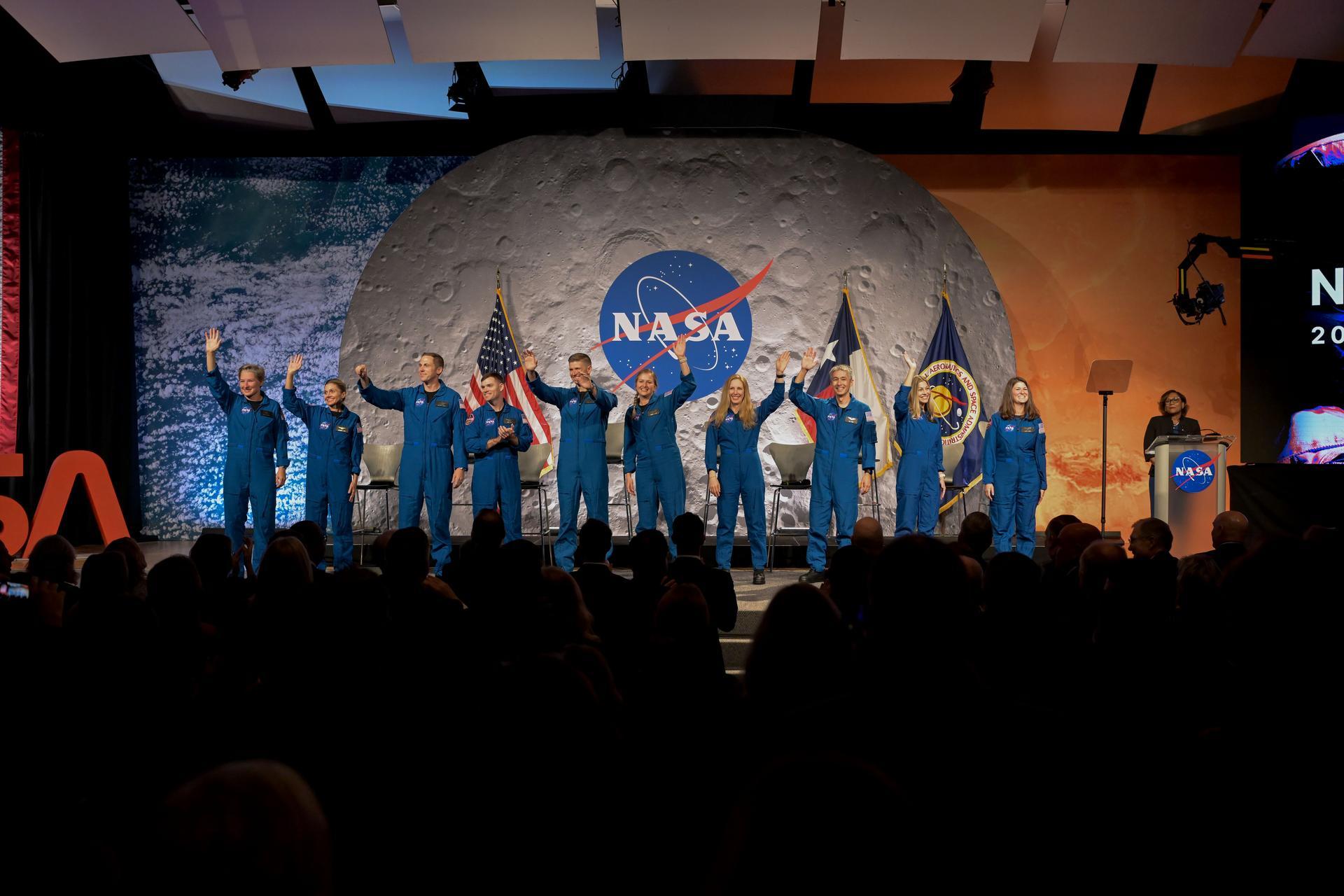
NASA is accepting applications for its next class of astronauts, with a deadline of 11:59 p.m. EST on Thursday, December 3. The agency expects to make its final selection in late 2027.
“This is an extraordinary time to join NASA’s astronaut corps,” Isaacman said. “The people we select could walk on the Moon, live and work at the Moon Base, and help pioneer the systems and operations that will ultimately carry crews to Mars.”
The agency last opened applications in 2024, when more than 8,000 people applied and 10 candidates were selected. Those candidates are currently completing nearly two years of training. NASA has 32 active astronauts in the corps and has selected 370 people to train as astronaut candidates since the 1960s.
“The window is open. The mission is waiting. And the only thing missing from the greatest adventure humanity has ever embarked upon is you,” NASA Deputy Administrator Matt Anderson said.
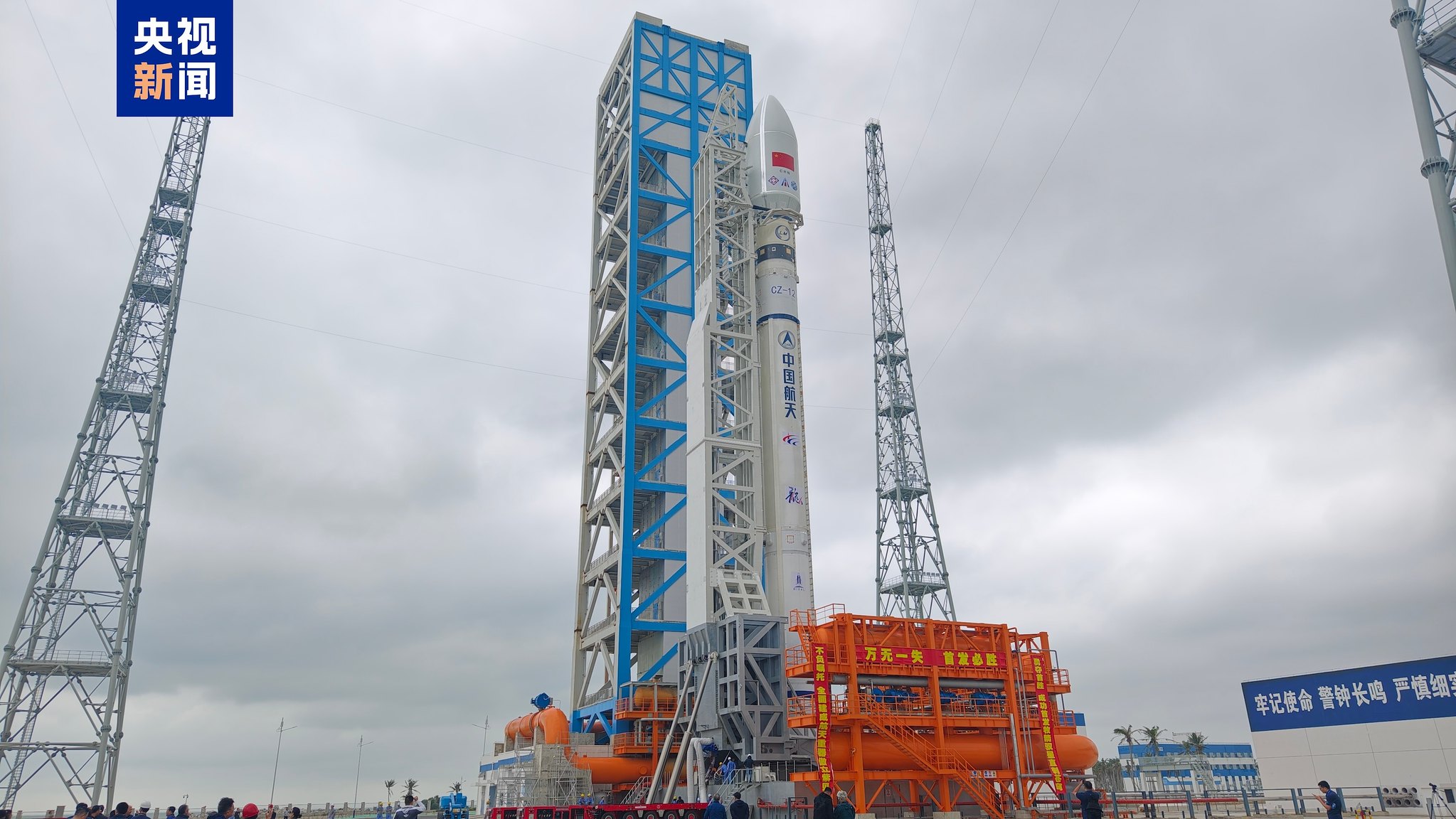
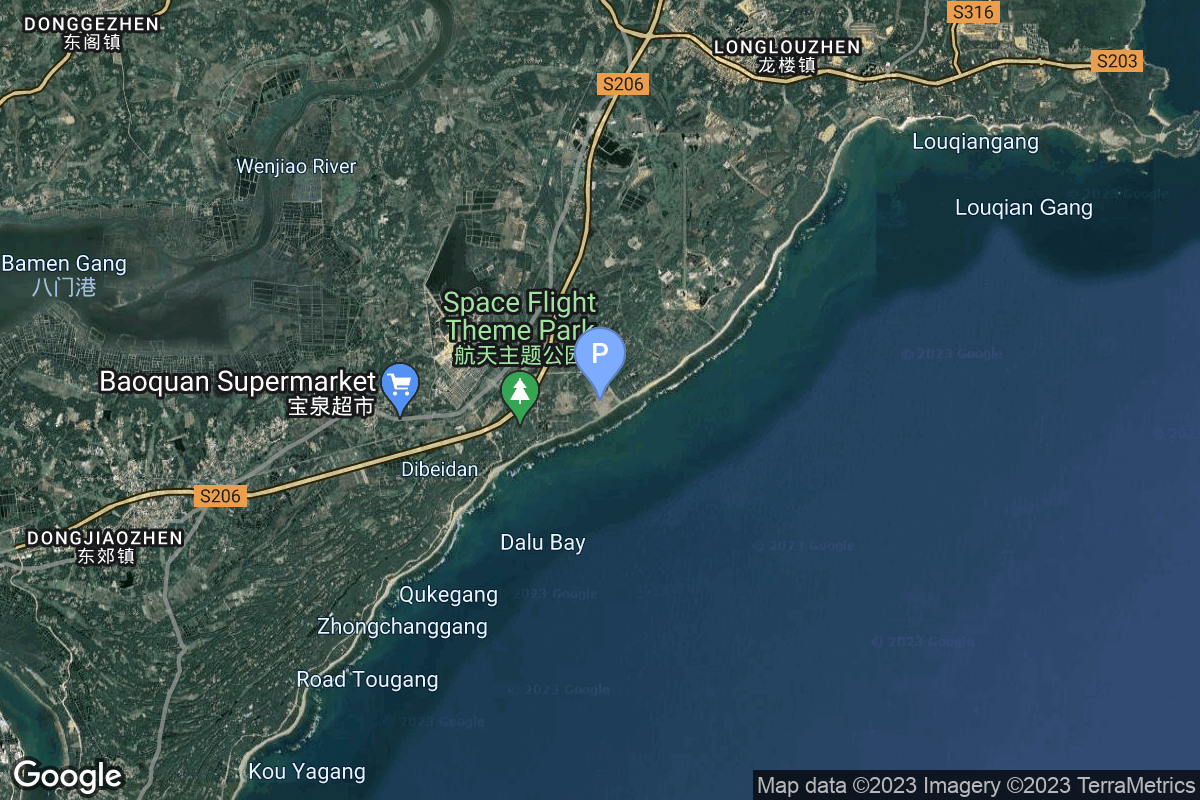
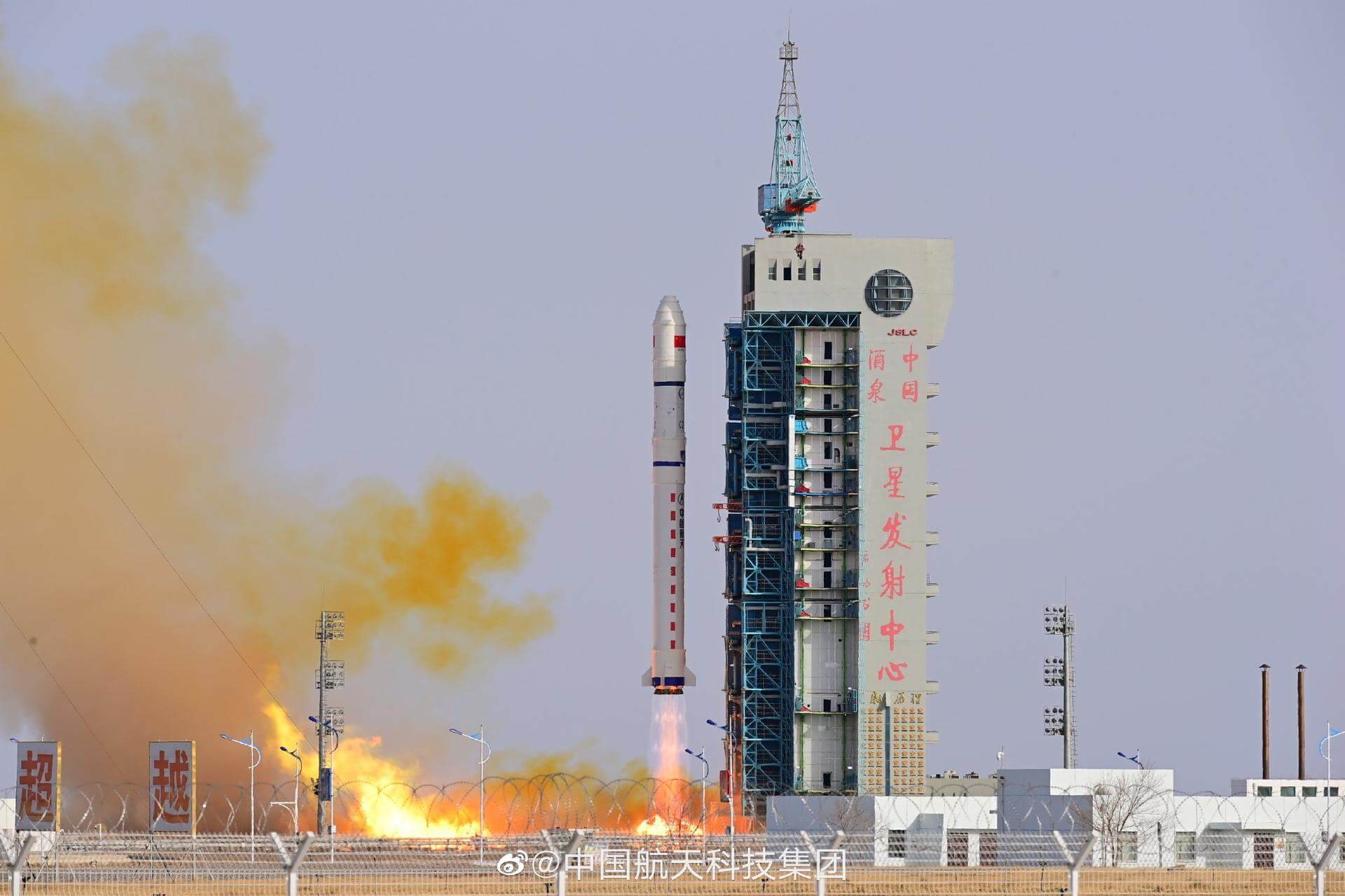
Provider: China Aerospace Science and Technology Corporation Date: November 8, 2026 Time: 8:25 PM UTC Vehicle: Long March 12
A batch of 9 Low Earth Orbit communication satellites for the Chinese state owned SatNet constellation operated by the China Satellite Network Group.
The constellation will eventually consists of 13000 satellites.
USSF-627
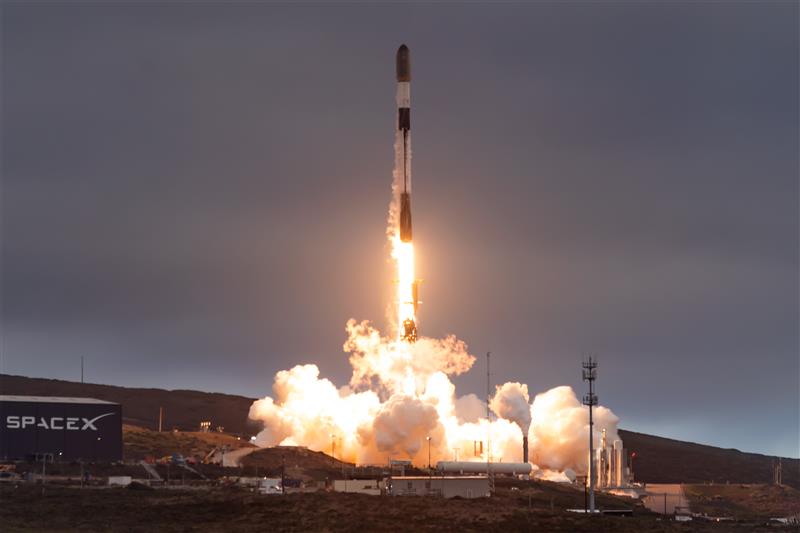
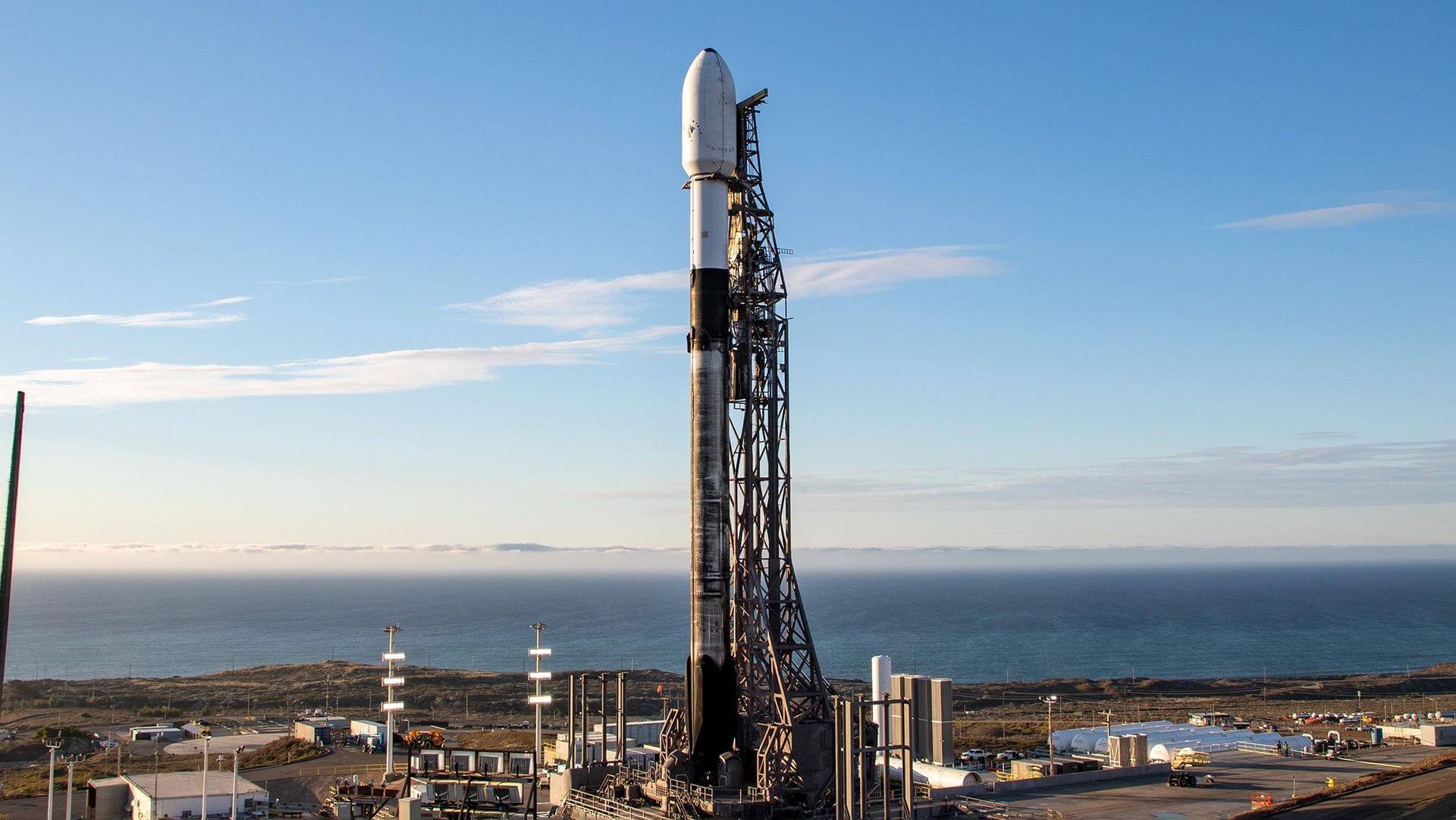
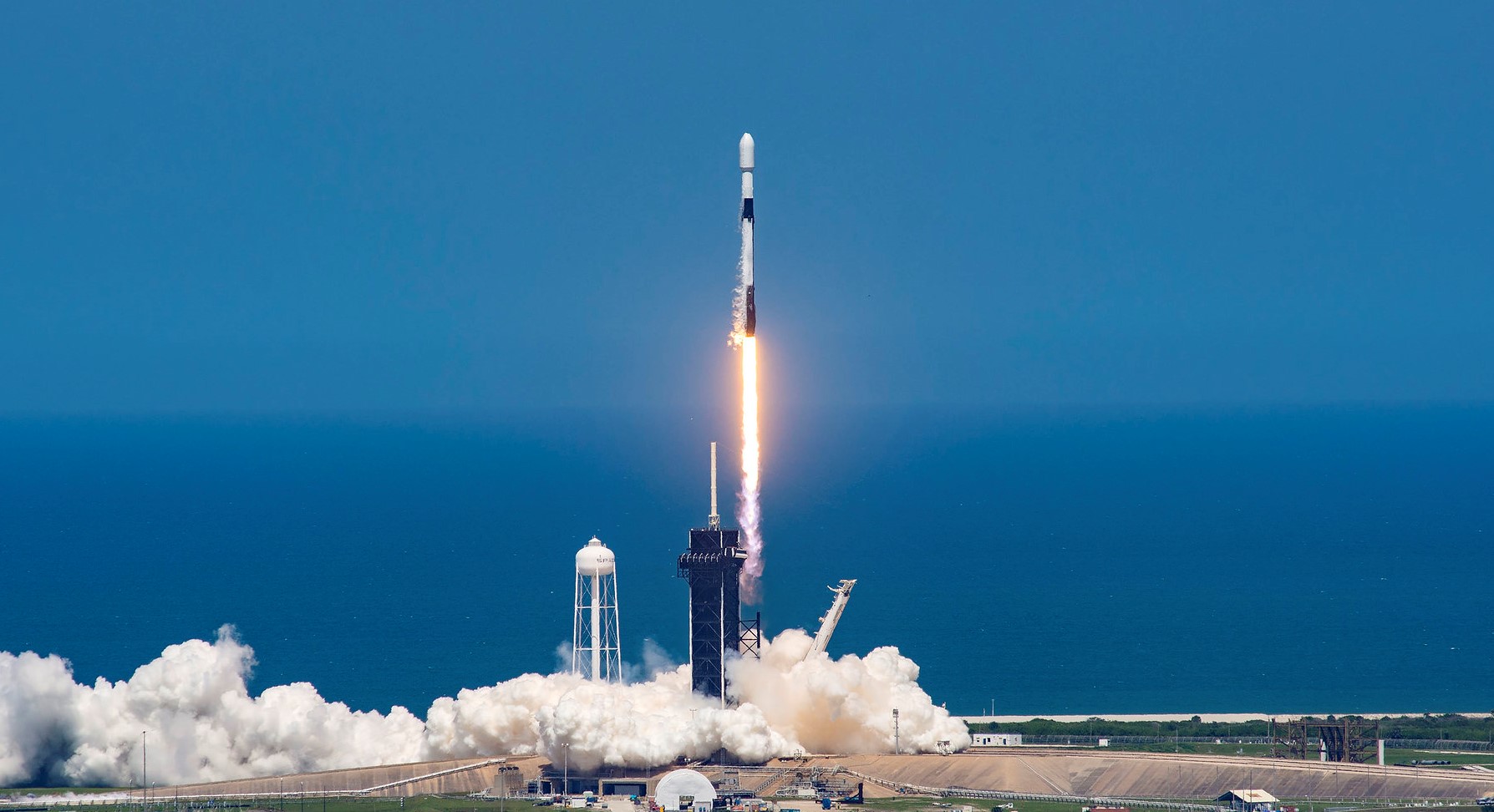
Provider: SpaceX Date: November 10, 2026 Time: 3:03 AM UTC Vehicle: Falcon 9
A classified mission for the United States Space Force. It is possibly a batch of classified LEO satellites based on SpaceX’s Starshield satellite bus, based on locations of rocket stage drop zones being exact fits with previous Starlink Group 15 launches.
Demo Flight
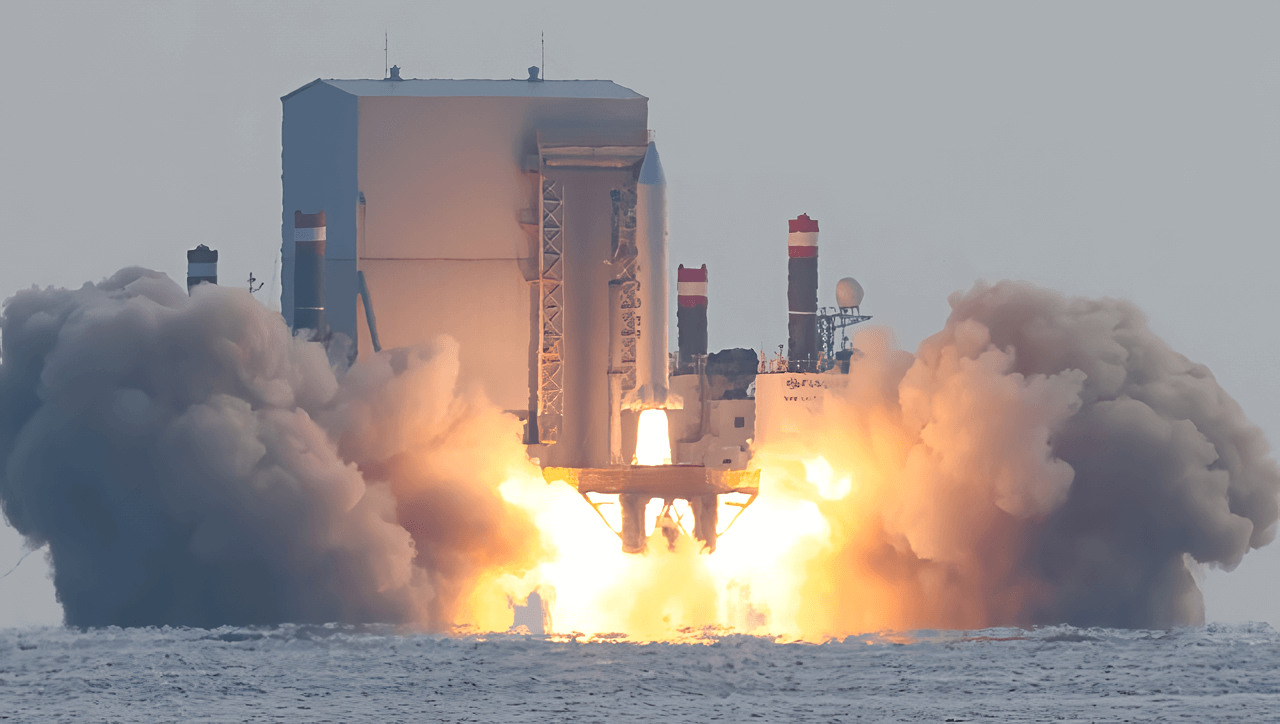
Provider: Agency for Defense Development Date: November 11, 2026 Time: 5:00 AM UTC Vehicle: Mir
Note: Launch vehicle name is provisional.
First orbital full version launch of the South Korean military small satellite launch vehicle, after 2 sub-orbital tests of individual stages on 30 March and 30 December 2022, and 1 orbital test flight without the 2nd stage on 4 December 2023. Details TBD.
Unknown Payload
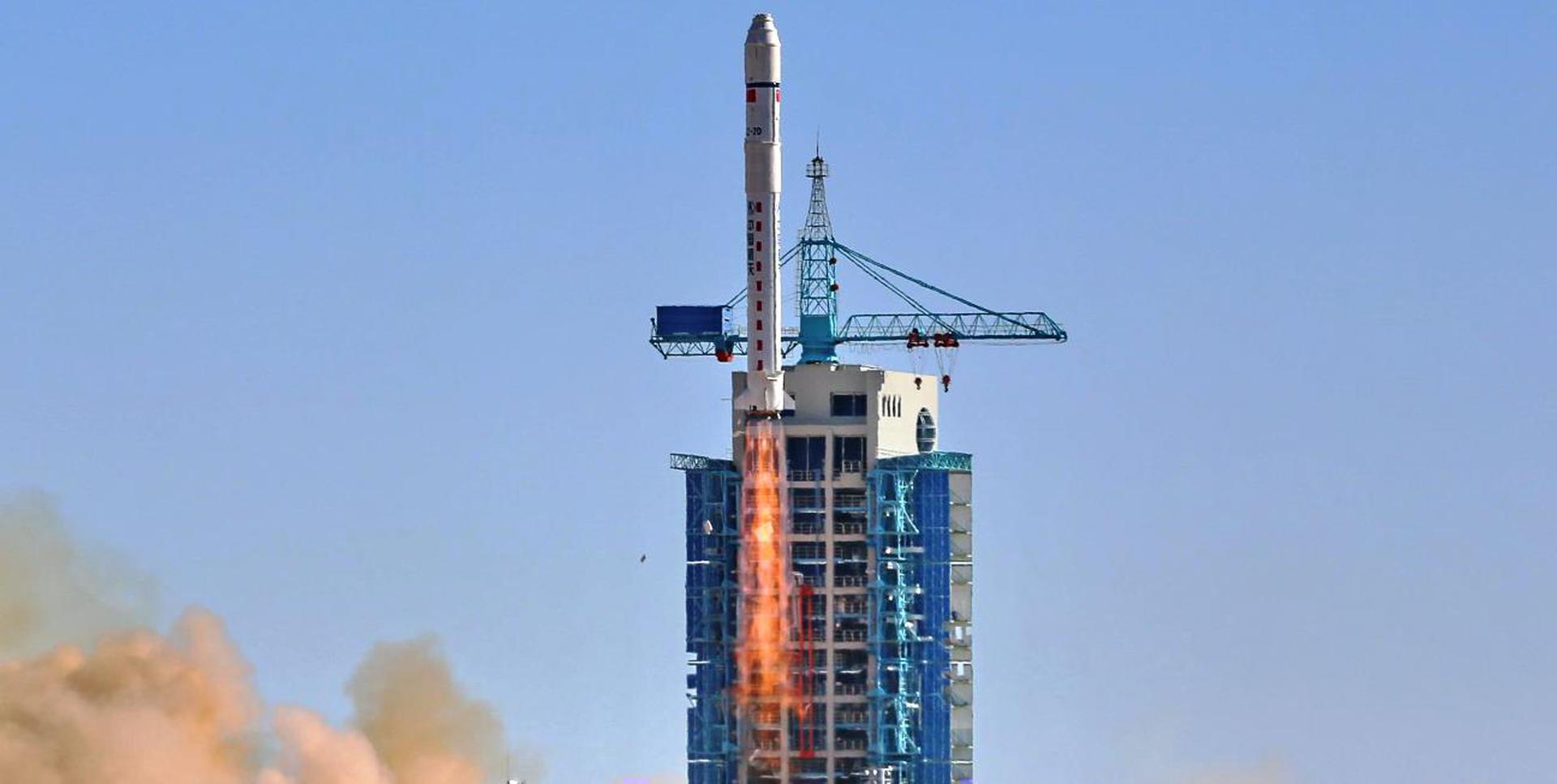
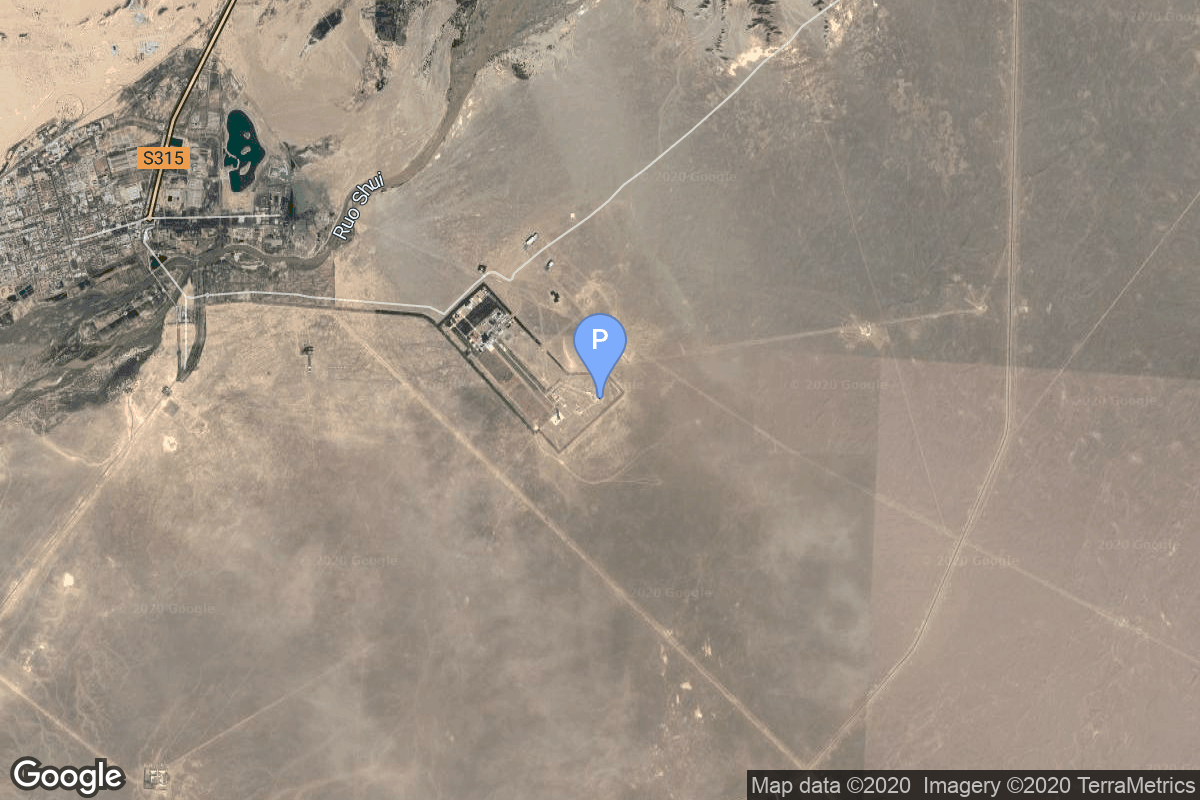
Provider: China Aerospace Science and Technology Corporation Date: November 11, 2026 Time: 11:40 AM UTC Vehicle: Long March 2D
Details TBD.
USSF-317
Provider: SpaceX Date: November 13, 2026 Time: 4:23 AM UTC Vehicle: Falcon 9
A classified mission for the United States Space Force. It is possibly a batch of classified LEO satellites based on SpaceX’s Starshield satellite bus, based on locations of rocket stage drop zones being exact fits with previous Starlink Group 15 launches.
SatNet LEO Group TBD? ×
Mission Details
TypeCommunications
OrbitLow Earth Orbit
TargetEarth
A batch of 9 Low Earth Orbit communication satellites for the Chinese state owned SatNet constellation operated by the China Satellite Network Group.
The constellation will eventually consists of 13000 satellites.
Launch Provider: China Aerospace Science and Technology Corporation
The Long March 12 carrier rocket is a Chinese medium-lift launch vehicle currently under development by the Shanghai Academy of Spaceflight Technology, using kerosene and liquid oxygen as propellant. It will be capable of placing at least 10 tonnes of payload in low Earth orbit and at least 6…
A classified mission for the United States Space Force. It is possibly a batch of classified LEO satellites based on SpaceX’s Starshield satellite bus, based on locations of rocket stage drop zones being exact fits with previous Starlink Group 15 launches.
Falcon 9 is a two-stage rocket designed and manufactured by SpaceX for the reliable and safe transport of satellites and the Dragon spacecraft into orbit. The Block 5 variant is the fifth major interval aimed at improving upon the ability for rapid reusability.
The Falcon 9 first stage B1103 will land on ASDS OCISLY after its 7th flight.
Demo Flight ×
Mission Details
TypeTest Flight
OrbitLow Earth Orbit
TargetEarth
Note: Launch vehicle name is provisional.
First orbital full version launch of the South Korean military small satellite launch vehicle, after 2 sub-orbital tests of individual stages on 30 March and 30 December 2022, and 1 orbital test flight without the 2nd stage on 4 December 2023. Details TBD.
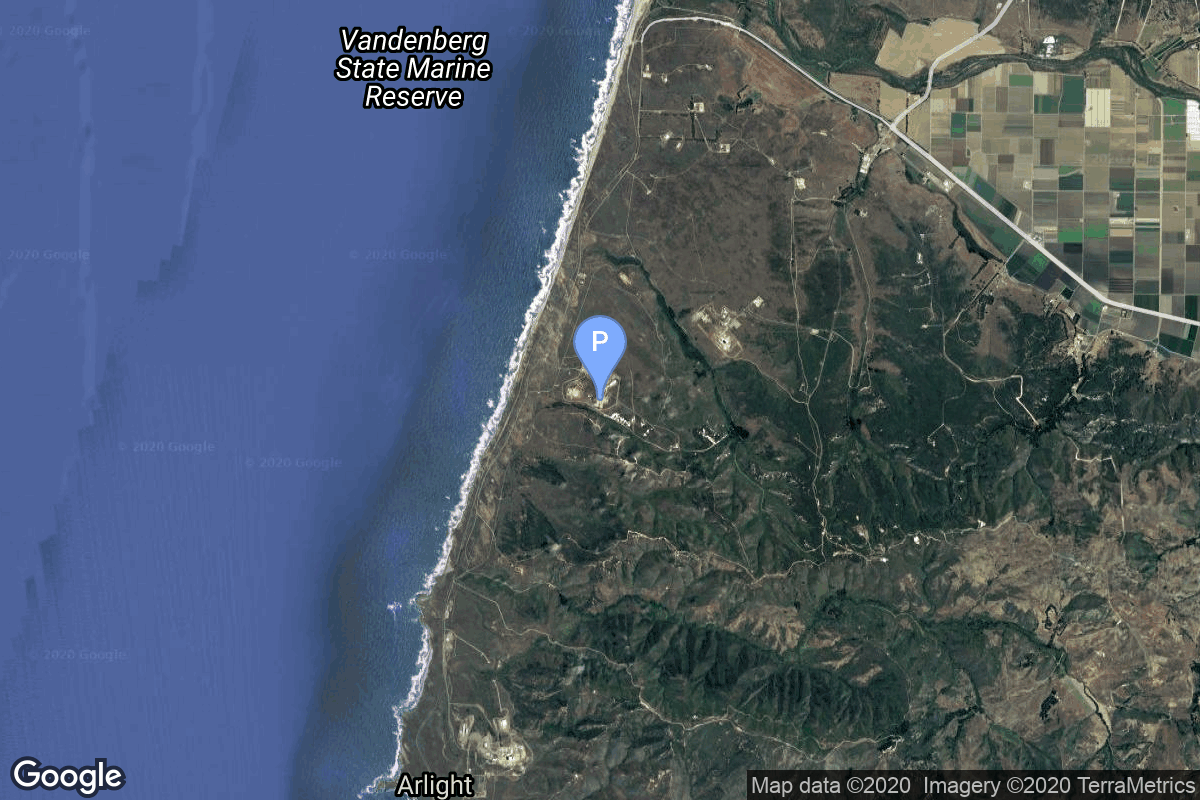
Offshore launch platform for the South Korean military small satellite launch vehicle.
Total launches from this pad: 1
Vehicle: Mir
Mir (Korean for a kind of dragon, and previously only known as “Solid-fuel space launch vehicle”) is a South Korean military developed small satellite launch vehicle for “quick response” usage. First orbital test launch in December 2023 omits the 2nd stage but still carries satellite into orbit.
The Long March 2D, also known as the Chang Zheng 2D, CZ-2D and LM-2D, is a Chinese orbital carrier rocket. It is a 2-stage carrier rocket mainly used for launching LEO and SSO satellites.
A classified mission for the United States Space Force. It is possibly a batch of classified LEO satellites based on SpaceX’s Starshield satellite bus, based on locations of rocket stage drop zones being exact fits with previous Starlink Group 15 launches.
Falcon 9 is a two-stage rocket designed and manufactured by SpaceX for the reliable and safe transport of satellites and the Dragon spacecraft into orbit. The Block 5 variant is the fifth major interval aimed at improving upon the ability for rapid reusability.
Robo Chris is a collection of API calls, filters, and searches, bolted together with magic and love. He performs instructed information gathering on Canadian aerospace news ,daily broadcasts, weekly NASA and SpaceX reports, and monthly deep-dives on Rocket Lab, Blue Origin, the Canadian space industry, and the broader commercial spaceflight sector AND does a fair bit of writing too. Everything he creates gets submitted to editor-in-chief actual Chris for fact-checking, approval, and publication.









Leave a Reply