MDA Space Backlog Turns Positive After a Year of Decline
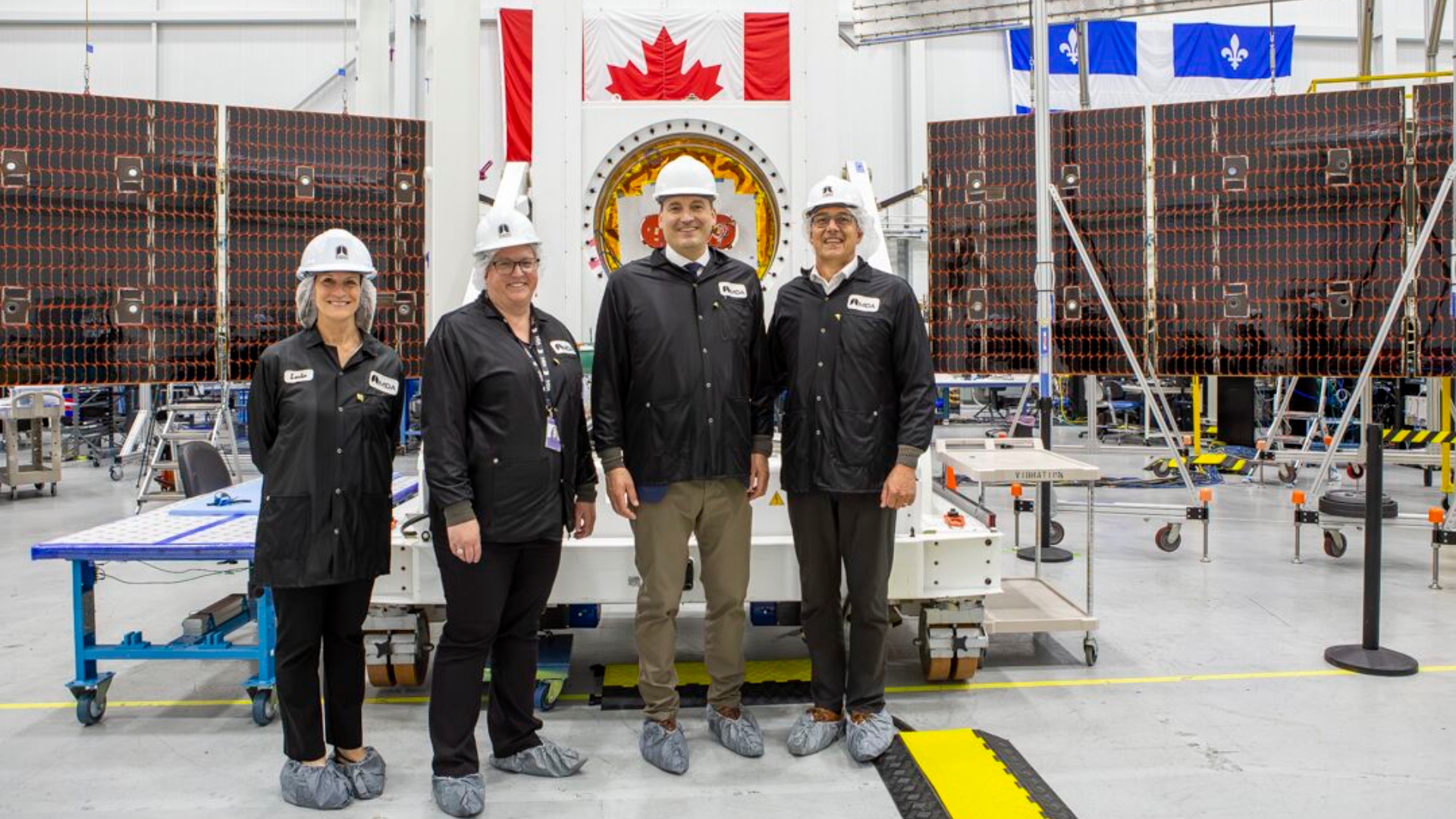
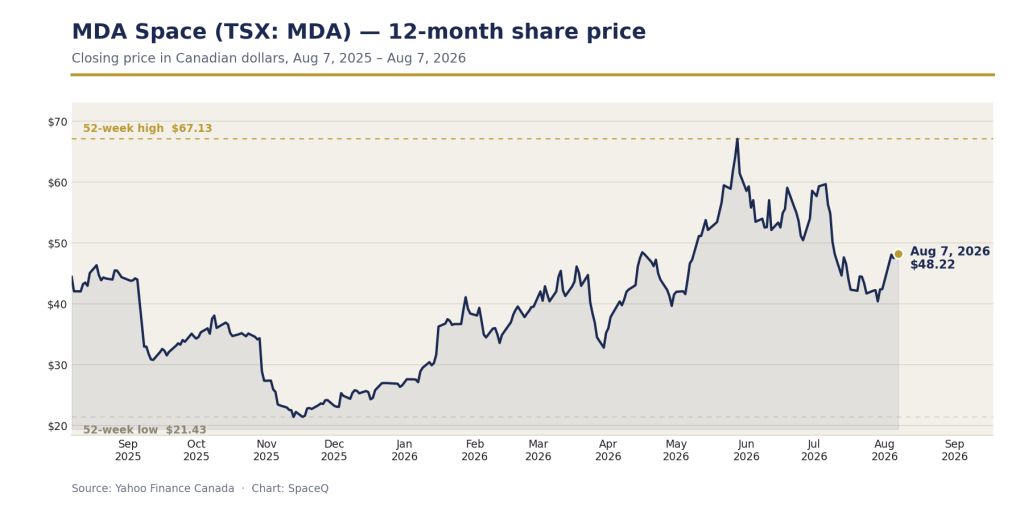
MDA Space reported Q2 2026 results on Friday, posting revenue of $498.6 million — up 33.6% year-over-year — and, for the first time in a year, a backlog that grew instead of shrinking. The company booked $808.9 million in new orders against $498.6 million in revenue for a book-to-bill ratio of 1.6. Backlog closed at $4.0 billion, up $310 million from March, though still 12% below the $4.6 billion recorded a year earlier.
The orders were anchored in government and defence work. The Canadian Space Agency awarded a $688 million follow-on contract for a fourth synthetic aperture radar satellite to join the RADARSAT Constellation Mission, including launch, ground control enhancements and data management. Mitsubishi Electric contracted MDA Space to build the digital payload, antennas and subsystems for Japan’s next-generation defence communications satellite in geostationary orbit. BAE Systems selected the company for antennas and antenna control electronics on the U.S. Space Systems Command’s MEO Epoch 2 missile-warning constellation. The U.S. Air Force renewed a contract with MDA’s 49North subsidiary worth up to $43 million through 2031, and OHB issued a pre-authorization to proceed on lunar landing sensors for the European Space Agency’s Argonaut mission.
MDA Space raised its full-year financial forecast and detailed how it plans to fund its recently announced approximate $2.0 billion in acquisitions using a mix of equity, debt and cash.
Katalyst Space Slows Spin on Swift Servicing Spacecraft
Katalyst Space Technologies reported progress in recovering its Link spacecraft, which entered a multi-axis spin during post-launch commissioning. The spacecraft was spinning at approximately 9 degrees per second when recovery operations began; controllers have since reduced the body rate to 1.47 degrees per second using one of the spacecraft’s electric thrusters, consuming less than 100 grams of fuel.
The company plans to upload a significant flight software update in the coming days to allow attitude control in the spacecraft’s current configuration, which would restore full control and resume the plan to head toward NASA’s Neil Gehrels Swift Observatory. Two of the three reaction wheels on the spacecraft were not functioning after the incident, and its reaction control system thrusters were only partially working.
Link launched on a Pegasus rocket on July 3. Current plans call for Katalyst to reach Swift in late August, a few weeks later than originally planned. The spacecraft will attempt to grapple the 22-year-old observatory and use its thrusters to raise Swift’s decaying orbit. Without the reboost, Swift is expected to deorbit late this year or early next year.
The reboost must begin before Swift reaches an altitude of about 300 kilometres, a threshold it is expected to cross no earlier than October. Its altitude was just below 350 kilometres as of Aug. 9. The $30 million mission is the first attempt by Katalyst to grapple another satellite and boost it. NASA has acknowledged the mission is high-risk but offers benefits to both the agency and the broader space industry.
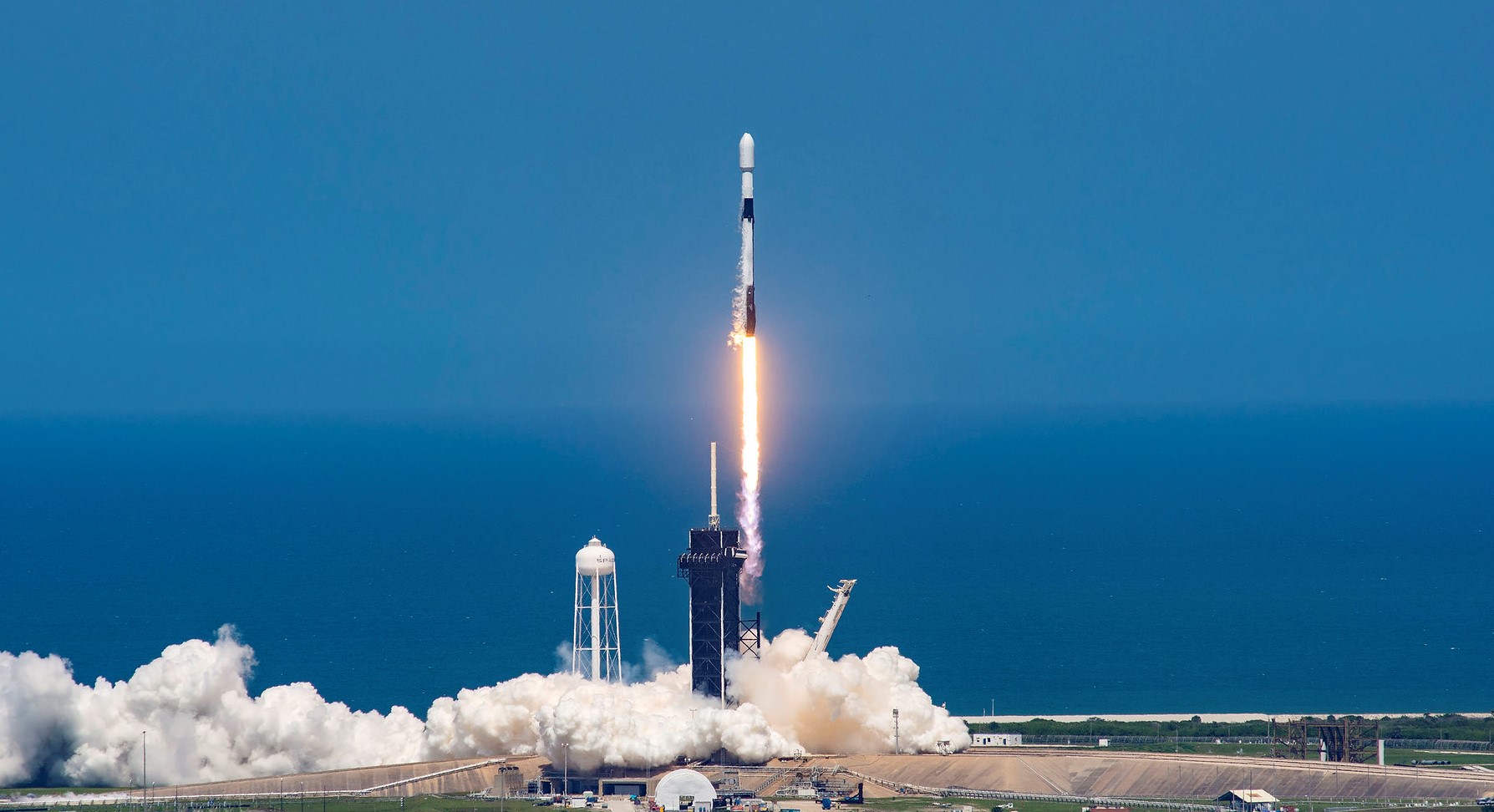
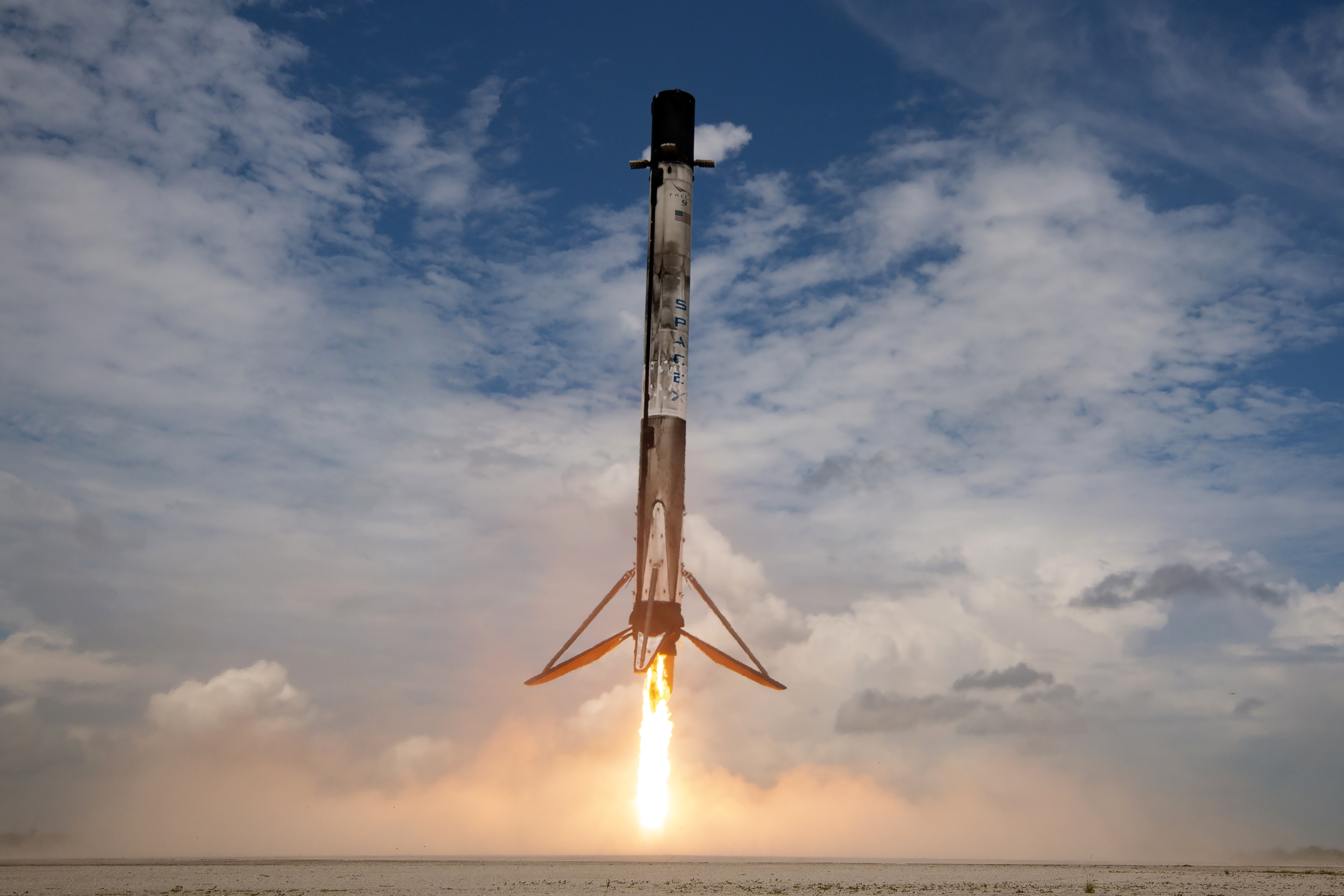
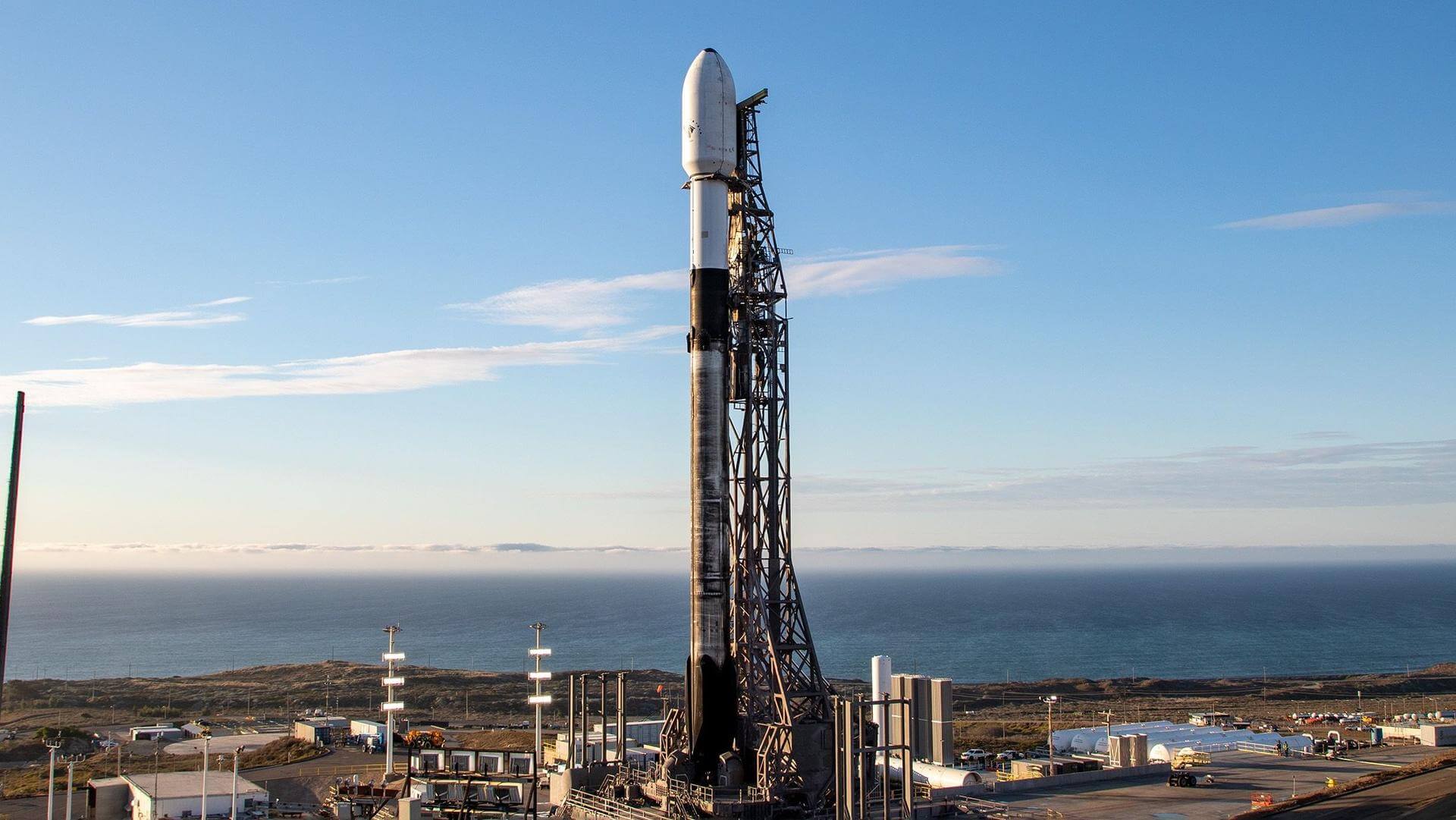
Provider: SpaceX Date: August 10, 2026 Time: 3:07 PM UTC Vehicle: Falcon 9
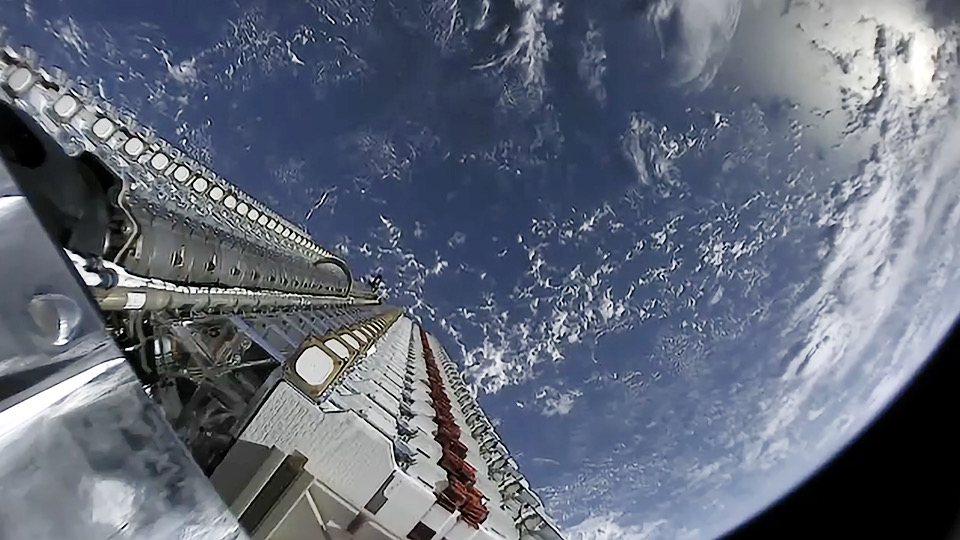
A batch of 29 satellites for the Starlink mega-constellation – SpaceX’s project for space-based Internet communication system.
Michibiki 7 (QZS-7)
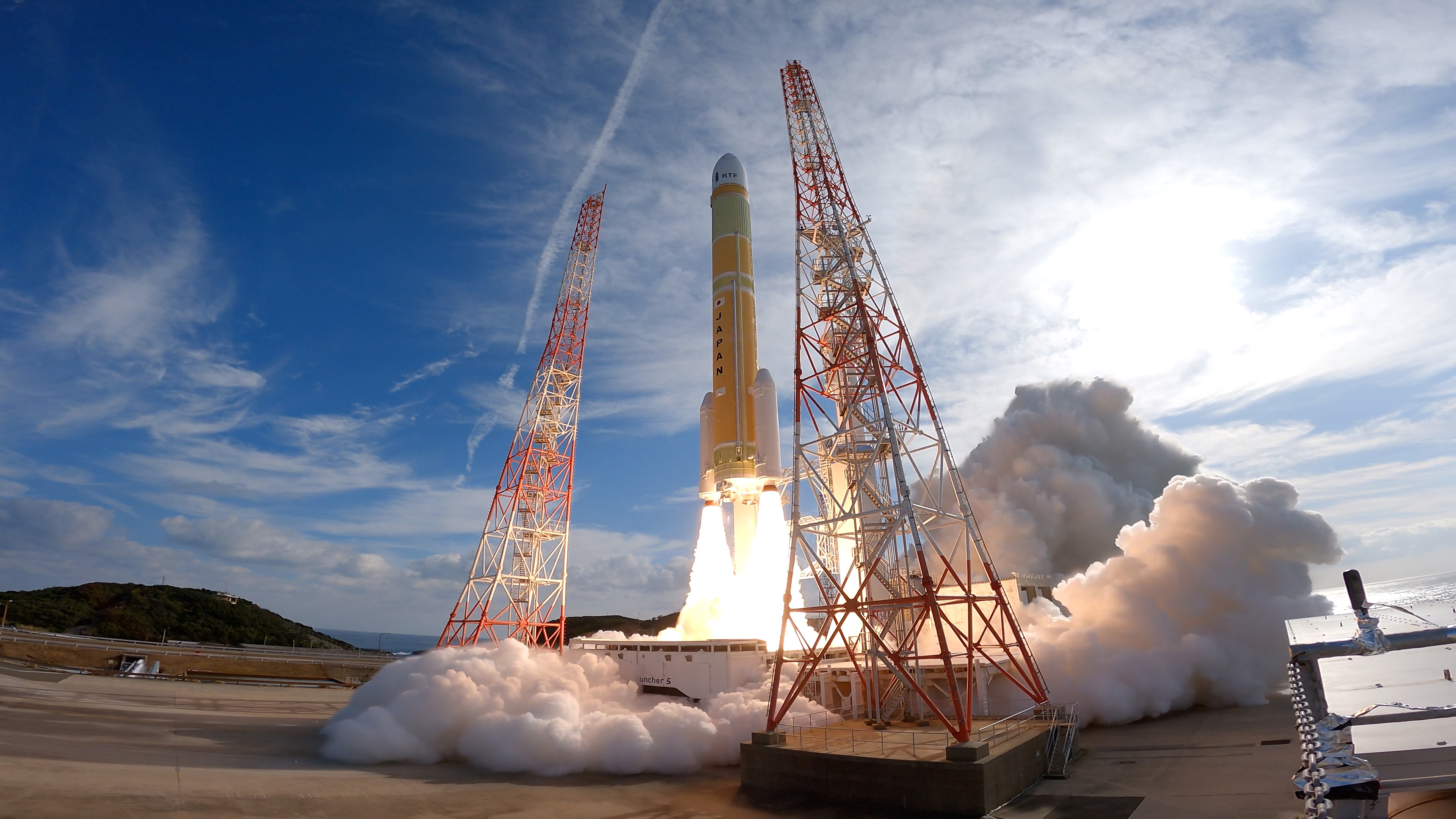
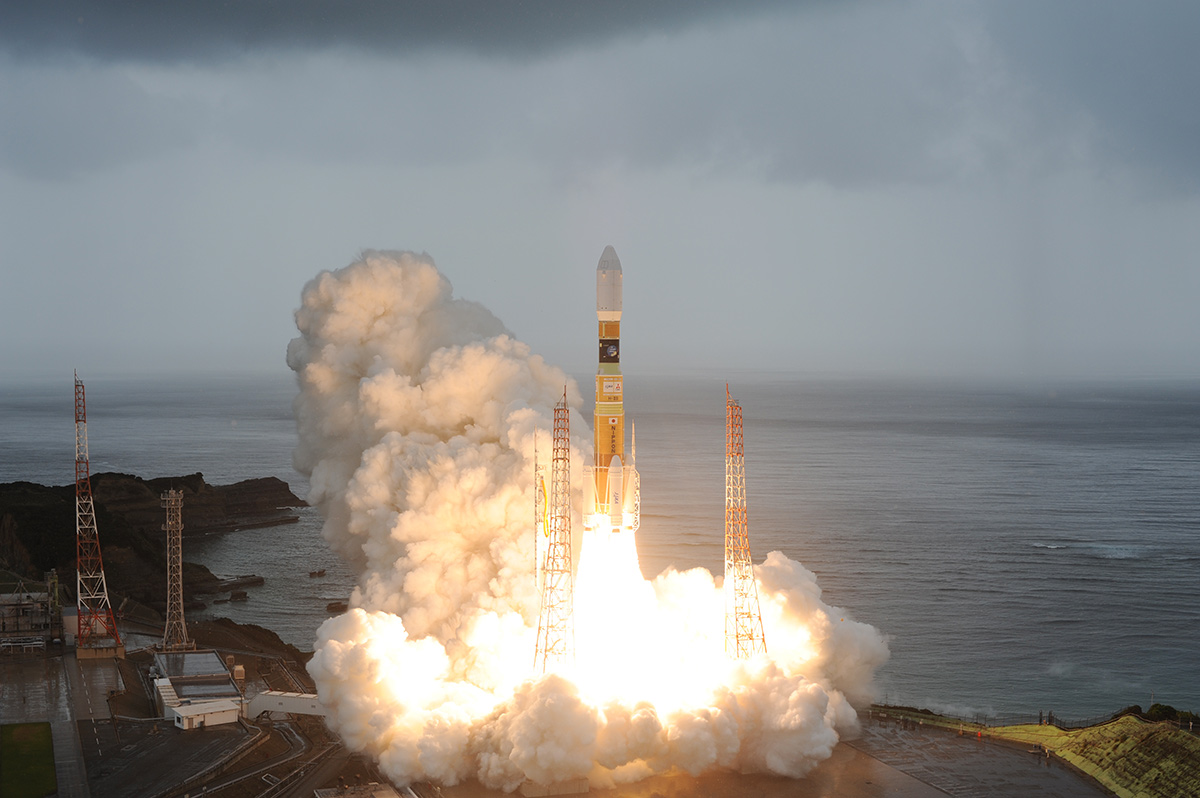
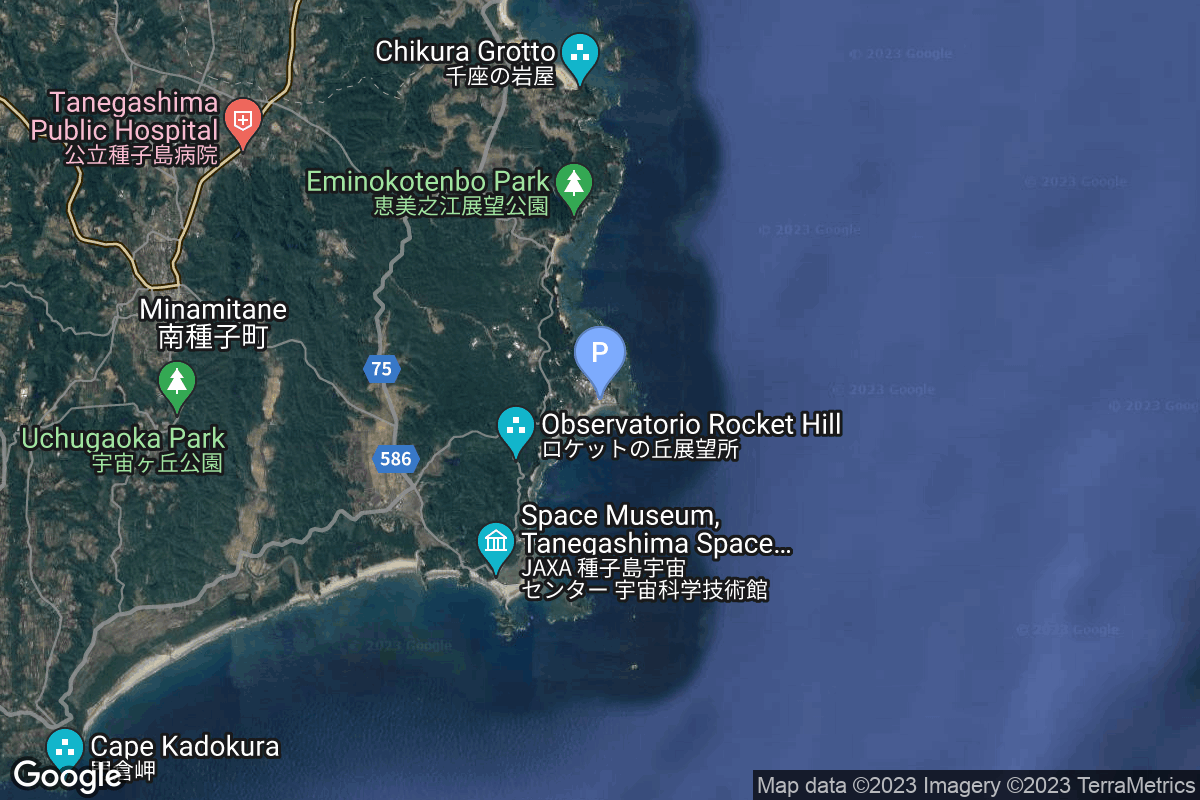
Provider: Mitsubishi Heavy Industries Date: August 10, 2026 Time: 7:23 PM UTC Vehicle: H3-22
QZSS (Quasi Zenith Satellite System) is a Japanese satellite navigation system operating from inclined, elliptical geosynchronous orbits to achieve optimal high-elevation visibility in urban canyons and mountainous areas. The navigation system objective is to broadcast GPS-interoperable and augmentation signals as well as original Japanese (QZSS) signals from a three-spacecraft constellation.
The navigation system objective is to broadcast GPS-interoperable and augmentation signals as well as original Japanese (QZSS) signals from a three-spacecraft constellation in inclined, elliptical geosynchronous orbits.
Flight 2
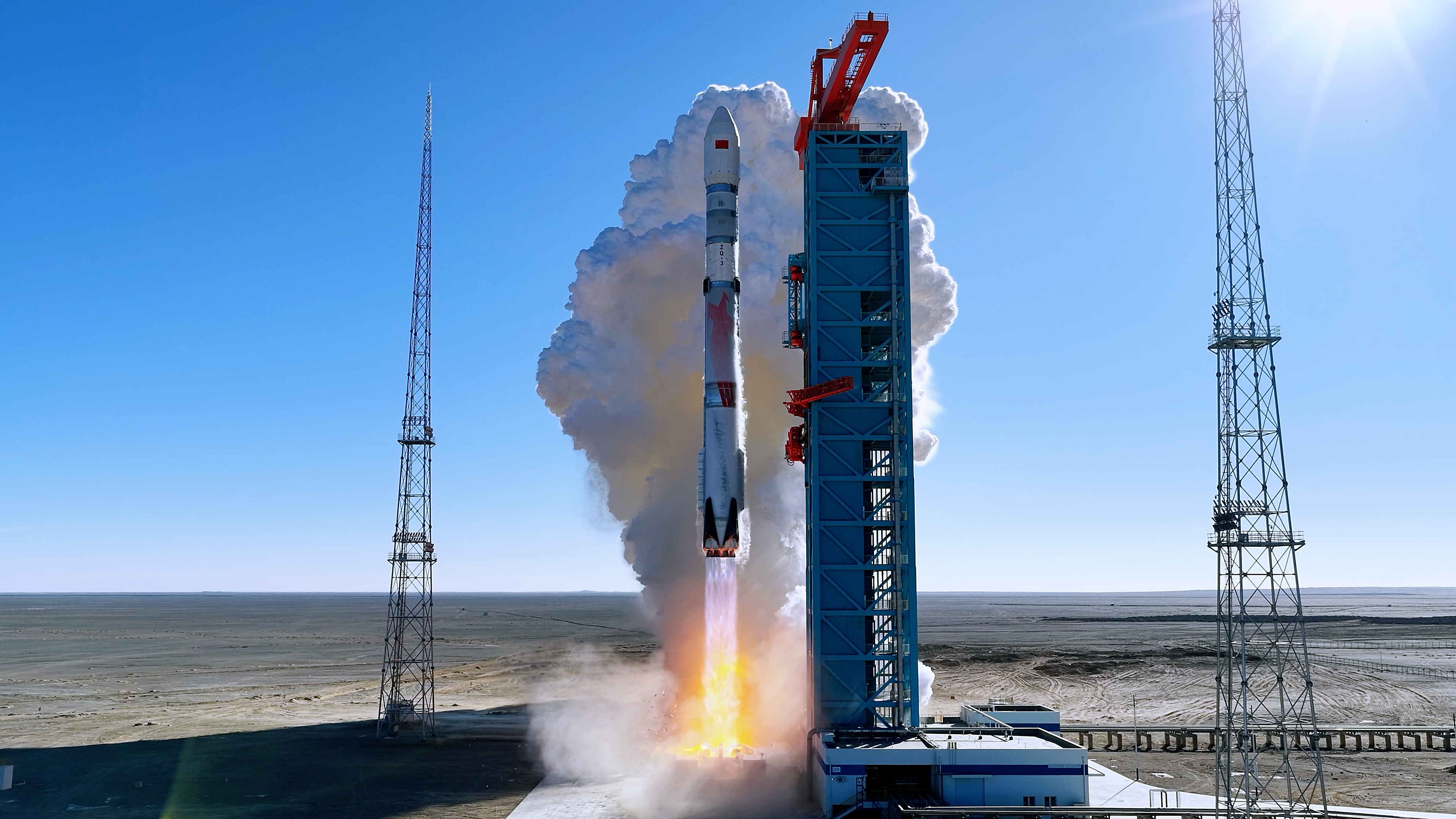
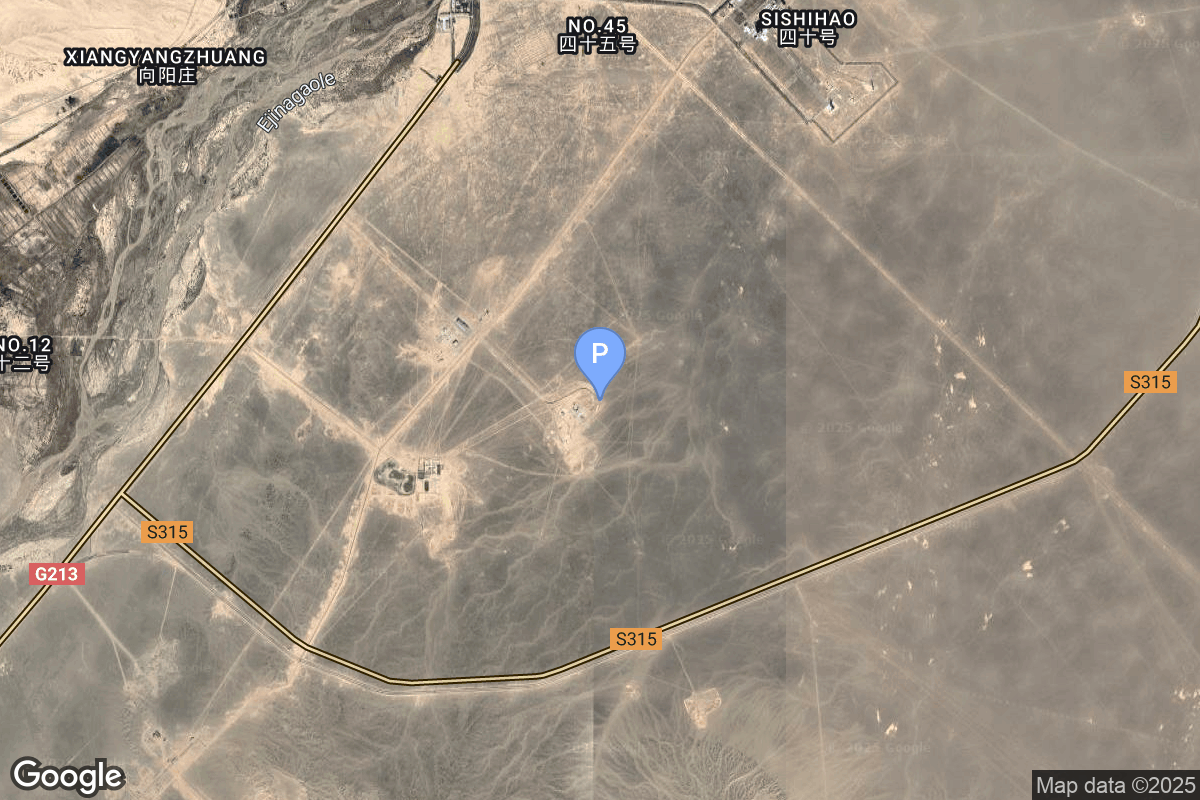
Provider: LandSpace Date: August 10, 2026 Time: 11:45 PM UTC Vehicle: Zhuque-3
Second test launch of LandSpace’s ZQ-3 rocket. Payload identities are TBD.
Starlink Group 17-49
Provider: SpaceX Date: August 12, 2026 Time: 2:00 AM UTC Vehicle: Falcon 9
A batch of 24 satellites for the Starlink mega-constellation – SpaceX’s project for space-based Internet communication system.
R-1
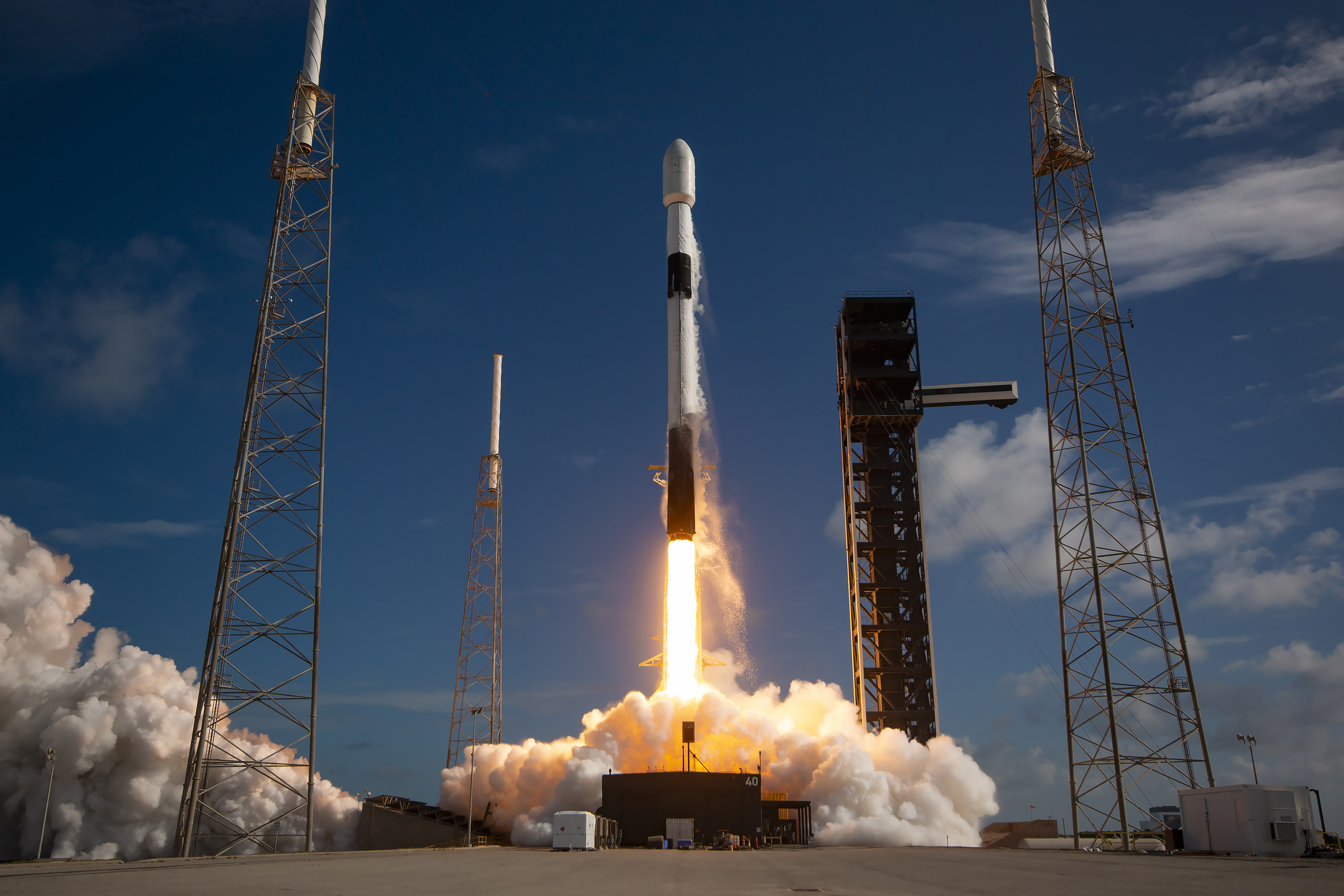
Provider: SpaceX Date: August 15, 2026 Time: 9:52 PM UTC Vehicle: Falcon 9
Possibly a batch of classified LEO satellites for a US government entity based on SpaceX’s Starshield satellite bus, based on locations of rocket stage drop zones being exact fits with previous Starlink Group 15 launches. Details TBD.
Starlink Group 10-19 ×
Mission Details
TypeCommunications
OrbitLow Earth Orbit
TargetEarth
A batch of 29 satellites for the Starlink mega-constellation – SpaceX’s project for space-based Internet communication system.
Falcon 9 is a two-stage rocket designed and manufactured by SpaceX for the reliable and safe transport of satellites and the Dragon spacecraft into orbit. The Block 5 variant is the fifth major interval aimed at improving upon the ability for rapid reusability.
The Falcon 9 first stage B1085 will land on ASDS ASOG after its 18th flight.
Michibiki 7 (QZS-7) ×
Mission Details
TypeNavigation
OrbitGeostationary Transfer Orbit
TargetEarth
QZSS (Quasi Zenith Satellite System) is a Japanese satellite navigation system operating from inclined, elliptical geosynchronous orbits to achieve optimal high-elevation visibility in urban canyons and mountainous areas. The navigation system objective is to broadcast GPS-interoperable and augmentation signals as well as original Japanese (QZSS) signals from a three-spacecraft constellation.
The navigation system objective is to broadcast GPS-interoperable and augmentation signals as well as original Japanese (QZSS) signals from a three-spacecraft constellation in inclined, elliptical geosynchronous orbits.
The H3 Launch Vehicle is a Japanese expendable launch system.
Each H3 booster configuration has a two-digit and a letter designation that indicates the features of that configuration. The first digit represents the number of LE-9 engines on the main stage, either “2” or “3”. The second digit…
Zhuque-3 (ZQ-3) is a reusable orbital launch vehicle developed by Chinese private company LandSpace. The rocket is built using stainless steel and shares the same series of gas generator cycle methane/liquid oxygen powered rocket engines as in the currently active ZQ-2E rocket.
Falcon 9 is a two-stage rocket designed and manufactured by SpaceX for the reliable and safe transport of satellites and the Dragon spacecraft into orbit. The Block 5 variant is the fifth major interval aimed at improving upon the ability for rapid reusability.
The Falcon 9 first stage B1103 will land on ASDS OCISLY after its 5th flight.
R-1 ×
Mission Details
TypeUnknown
OrbitLow Earth Orbit
TargetEarth
Possibly a batch of classified LEO satellites for a US government entity based on SpaceX’s Starshield satellite bus, based on locations of rocket stage drop zones being exact fits with previous Starlink Group 15 launches. Details TBD.
Launch Provider: SpaceX
Commercial • United States of America • Founded 2002
Falcon 9 is a two-stage rocket designed and manufactured by SpaceX for the reliable and safe transport of satellites and the Dragon spacecraft into orbit. The Block 5 variant is the fifth major interval aimed at improving upon the ability for rapid reusability.
Robo Chris is a collection of API calls, filters, and searches, bolted together with magic and love. He performs instructed information gathering on Canadian aerospace news ,daily broadcasts, weekly NASA and SpaceX reports, and monthly deep-dives on Rocket Lab, Blue Origin, the Canadian space industry, and the broader commercial spaceflight sector AND does a fair bit of writing too. Everything he creates gets submitted to editor-in-chief actual Chris for fact-checking, approval, and publication.