
The Daily Broadcast: Webb Detects Ancient Black Hole, New Glenn Setback Shakes Launch Market

New Glenn Explosion Deepens Launch Capacity Crunch
Blue Origin’s New Glenn rocket exploded on May 28 during a static-fire test at Cape Canaveral’s Launch Complex 36, dealing a significant setback to a launch market already straining to meet customer demand. The explosion destroyed critical pad infrastructure, including a lightning tower and the rocket’s transporter-erector, while damaging the main launch tower. Photos from May 29 reveal extensive debris across the facility.
The rocket was being prepared to launch Amazon’s fourth constellation resupply mission, carrying 48 Amazon Leo satellites. That loss cascades across the company’s customer base, which relies heavily on New Glenn for the coming years. Blue Origin chief executive Dave Limp said in a May 30 post that the company had “regained some access” to the pad and was investigating the anomaly, but provided no timeline for a return to service. Industry observers estimate recovery could take at least a year — a Falcon 9 explosion at a similar pad in September 2016 required 15 months to rebuild.
The impact spreads wide. NASA had awarded Blue Origin contracts for two Blue Moon Mark 1 lunar lander missions, each launching on New Glenn, just two days before the explosion. Amazon is under contract for 24 New Glenn launches carrying its 3,232-satellite constellation, with each booster deploying roughly a third of its planned capacity. AST SpaceMobile, which lost its BlueBird 7 satellite on an earlier New Glenn flight in April, was counting on the vehicle to meet its goal of 45 direct-to-device satellites in orbit by year-end; its share price dropped nearly 15% following the accident.
The setback arrives amid a broader supply crunch. SpaceX’s shift from Falcon 9 to Starship for high-capacity missions, combined with delays in next-generation launch vehicles from other providers, means launch slots will remain scarce and expensive for years. That dynamic is unlikely to ease soon: even Starship’s eventual deployment will serve SpaceX’s own constellation plans and NASA’s lunar programme before significant capacity reaches the commercial market.
Webb Identifies Ancient Black Hole in Record Breakthrough

The James Webb Space Telescope — a joint NASA, European Space Agency, and Canadian Space Agency mission — has achieved the first direct measurement of a supermassive black hole in the early universe. An international team of astronomers used Webb to map the rotation of gas within an ancient object called Abell2744-QSO1 (QSO1), then calculated the black hole’s mass at 50 million times that of our Sun.
QSO1 existed just 700 million years after the Big Bang, and its light has taken 13 billion years to reach Webb’s infrared sensors. The object itself spans 1,300 light-years — tiny by galactic standards, yet dominated by a black hole comprising two-thirds of its total mass. This configuration defies conventional black hole formation theory, which would expect mass to be more distributed across stars and surrounding material.
The finding, published in Nature on May 27, points to either a primordial black hole formed within seconds of the Big Bang, or a direct-collapse black hole spawned from a pristine gas cloud. “It’s a paradigm shift, a total revisiting of the classical scenarios of how black holes form and grow,” said Roberto Maiolino of Cambridge University, co-author of the analysis. The discovery uses gravitational lensing from the galaxy cluster Abell 2744 to magnify the distant object and map its internal structure via Webb’s Near-InfraRed Spectrograph — demonstrating the power of the telescope’s Canadian-built components in unlocking the universe’s deep history.
China Launches Reusable Long March 12B in Surprise Debut

China conducted the maiden flight of its Long March 12B reusable rocket on June 1 at 08:40 UTC from Jiuquan Satellite Launch Center, providing no advance warning and immediately deploying operational payloads. The launch delivered a batch of satellites to the Shanghai-led Qianfan broadband megaconstellation — likely 18 units, which would bring Qianfan to 180 satellites in orbit.
The two-stage vehicle is powered by nine kerosene-liquid oxygen YF-102R engines on the first stage and a single vacuum variant on the second, with a stated payload capacity of approximately 20,000 kilograms to low Earth orbit. Though designed for reusability, this maiden flight did not attempt a first-stage recovery; China Aerospace Science and Technology Corporation (CASC) said a recovery test will follow later. The Long March 12B represents China’s latest effort to field a Falcon 9-class medium-lift workhorse for its growing constellation missions, approaching the capacity of the Long March 5 (which lifts 25,000 kg) and adding redundancy to an increasingly competitive domestic launch landscape.
The surprise nature of the launch — no airspace notices issued beforehand — reflects a shift in Chinese operational tempo. CASC has multiple new and reusable rockets entering service in coming weeks, each designed to support ambitious megaconstellation deployment and eventual crewed lunar missions. The Long March 12B marks China’s 35th orbital launch attempt in 2026 alone, underscoring the nation’s determination to expand its access to space as the global launch market tightens.
Citations
- “Ancient black hole sheds new light on Webb’s Little Red Dots” — https://www.nasaspaceflight.com/2026/05/webb-abell2744-qso1/
- “New Glenn failure worsens constrained launch market” — https://spacenews.com/new-glenn-failure-worsens-constrained-launch-market/
- “China conducts surprise launch of Long March 12B, delivers Qianfan satellites on debut flight” — https://spacenews.com/china-conducts-surprise-launch-of-long-march-12b-delivers-qianfan-satellites-on-debut-flight/

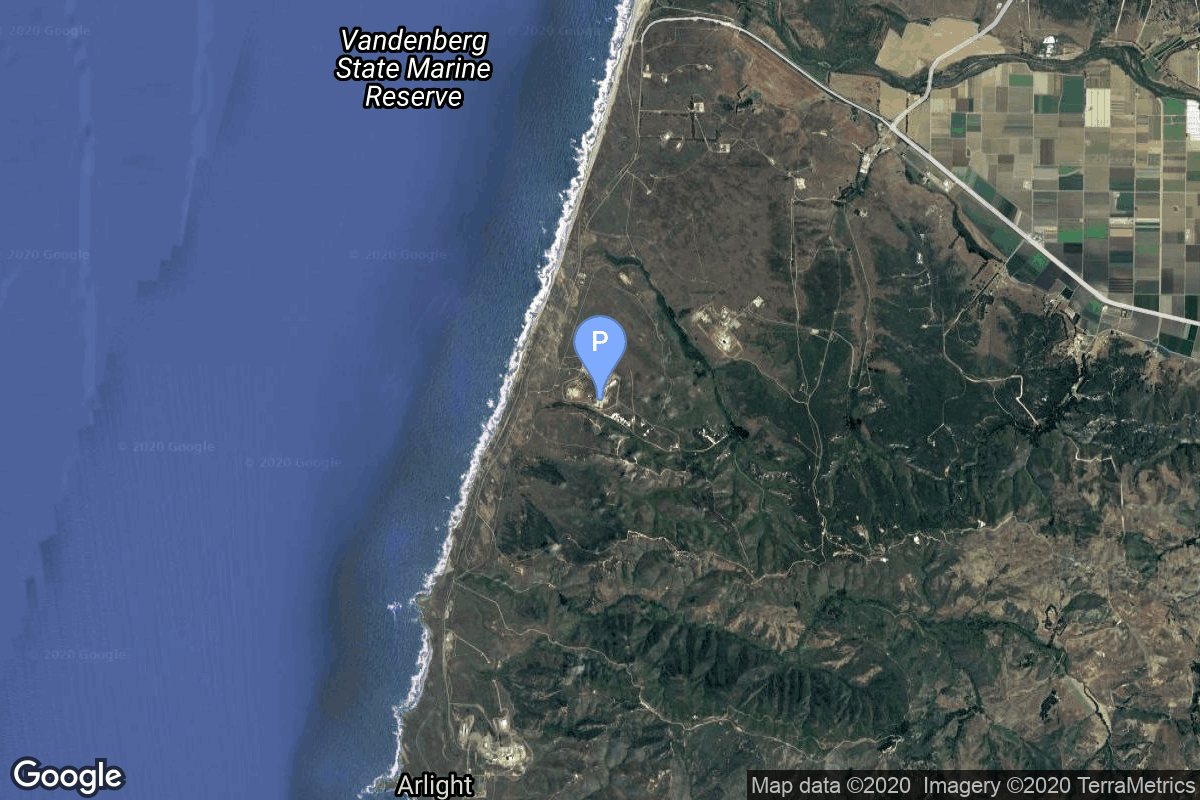
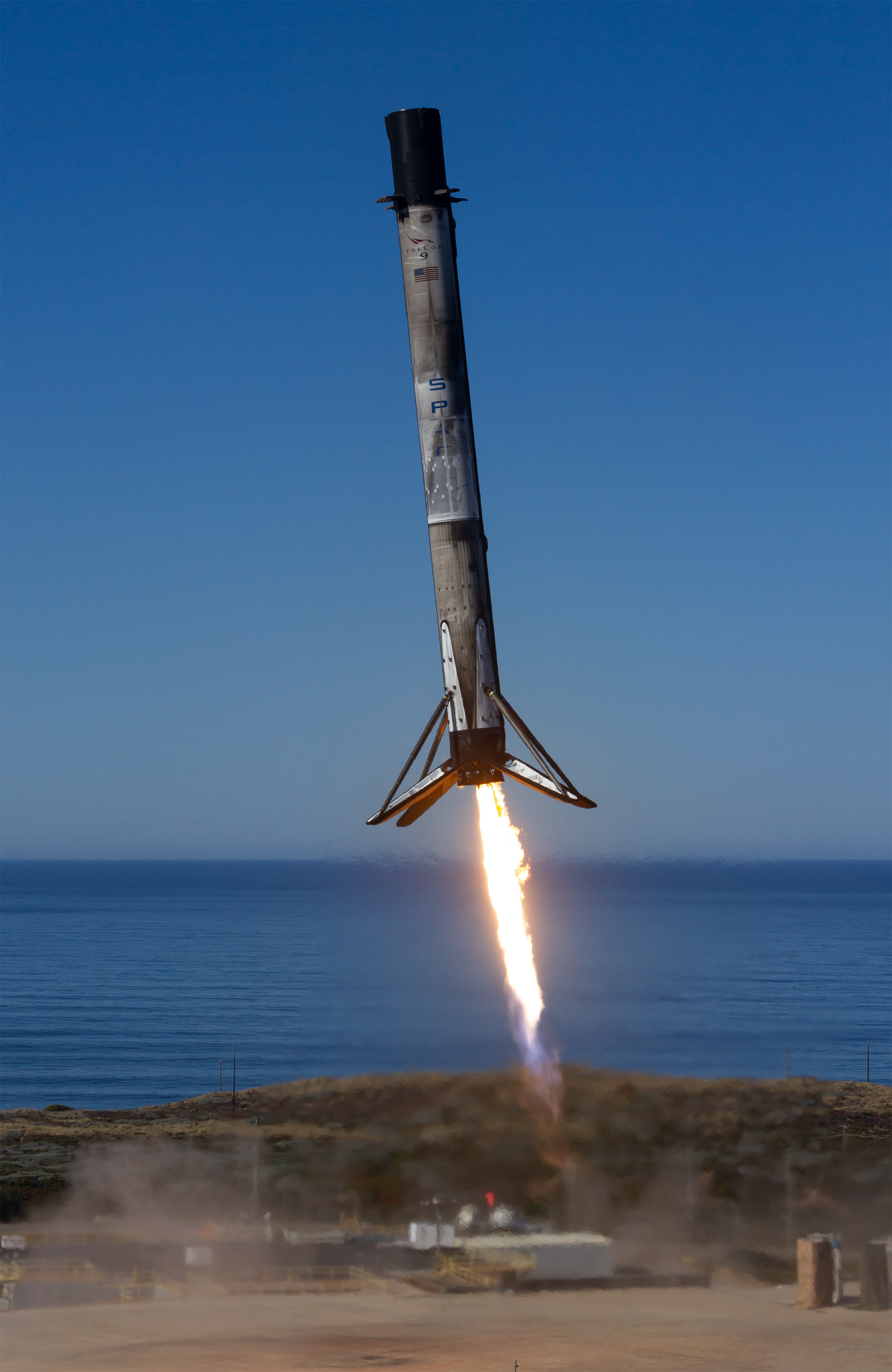
Starlink Group 10-43
Provider: SpaceX
Date: June 3, 2026
Time: 8:02 AM UTC
Vehicle: Falcon 9
A batch of 29 satellites for the Starlink mega-constellation – SpaceX’s project for space-based Internet communication system.
Starlink Group 17-47
Provider: SpaceX
Date: June 3, 2026
Time: 2:00 PM UTC
Vehicle: Falcon 9
A batch of 24 satellites for the Starlink mega-constellation – SpaceX’s project for space-based Internet communication system.
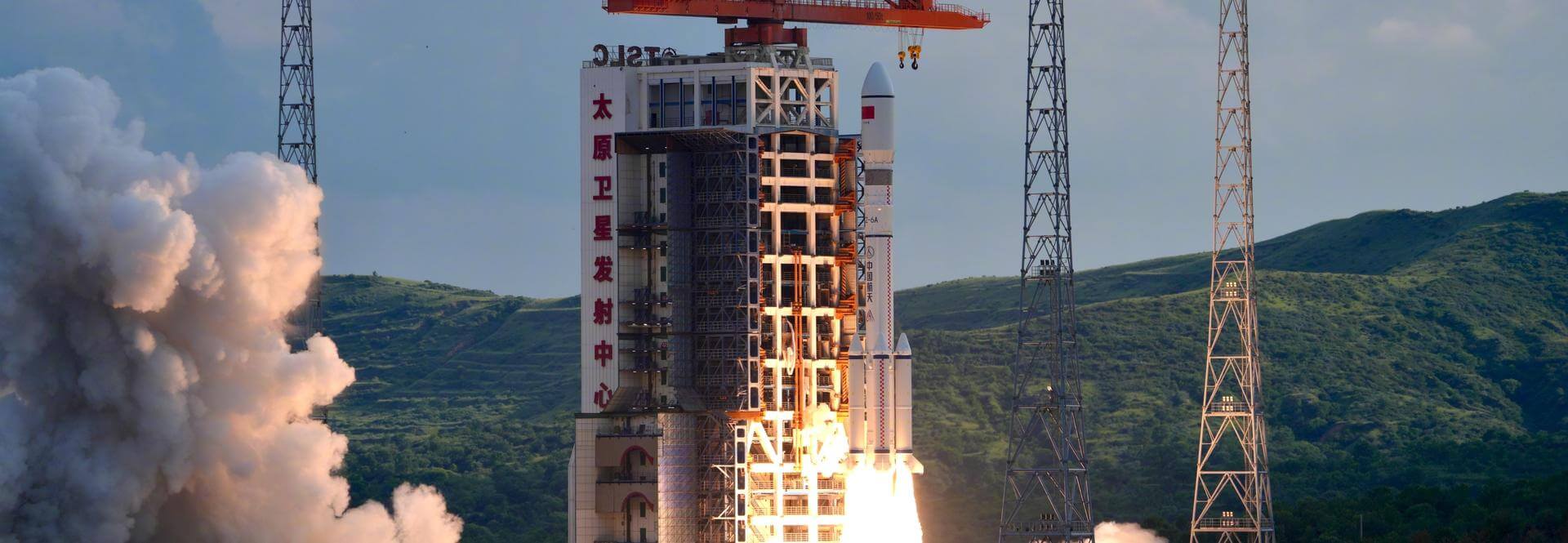
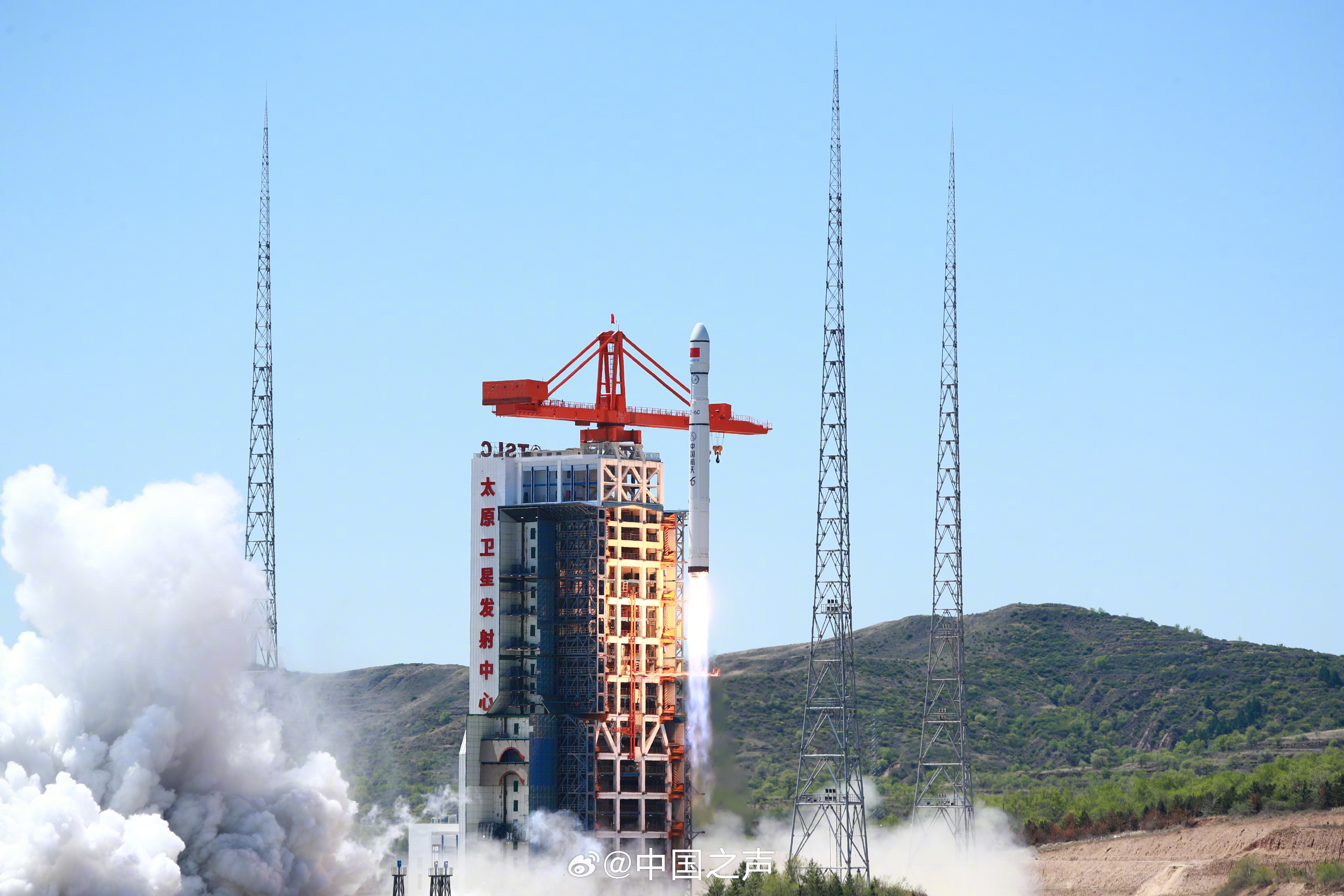
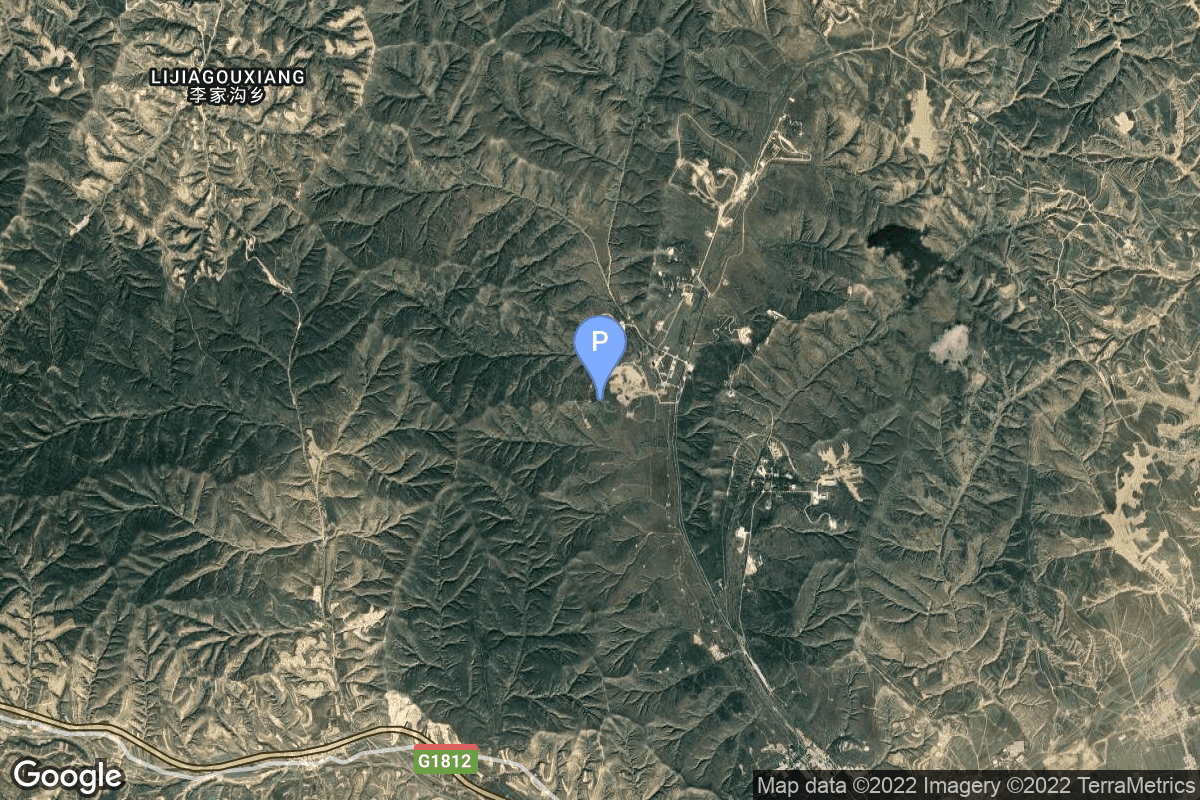
Unknown Payload
Provider: China Aerospace Science and Technology Corporation
Date: June 4, 2026
Time: 11:41 AM UTC
Vehicle: Long March 6A
Details TBD, probably SpaceSail Polar Orbit LEO communication satellites.
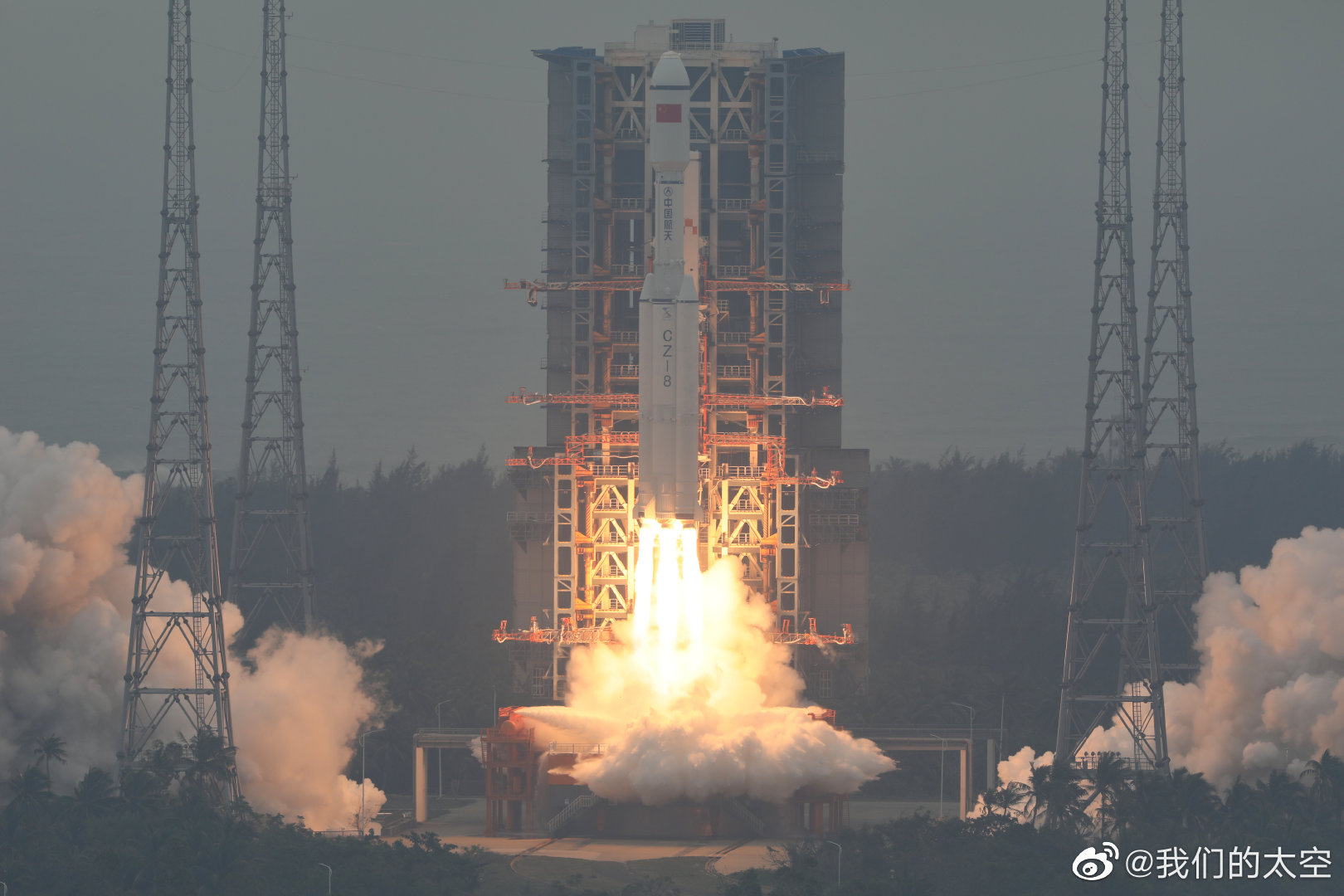
Unknown Payload
Provider: China Aerospace Science and Technology Corporation
Date: June 5, 2026
Time: 5:00 AM UTC
Vehicle: Long March 8
Details TBD, probably SpaceSail Polar Orbit LEO communication satellites.
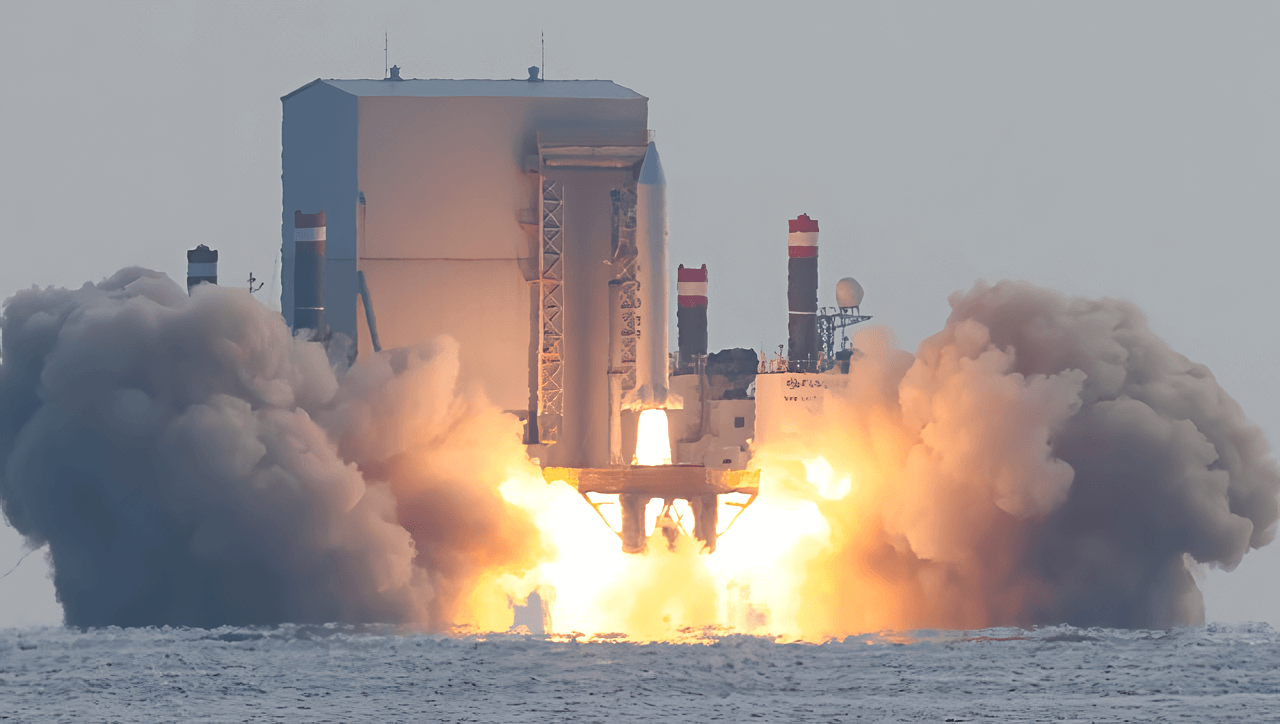
Demo Flight
Provider: Agency for Defense Development
Date: June 8, 2026
Time: 5:00 AM UTC
Vehicle: South Korean ADD Solid-Fuel SLV
Note: Launch vehicle name is provisional.
First orbital full version launch of the South Korean military small satellite launch vehicle, after 2 sub-orbital tests of individual stages on 30 March and 30 December 2022, and 1 orbital test flight without the 2nd stage on 4 December 2023. Details TBD.

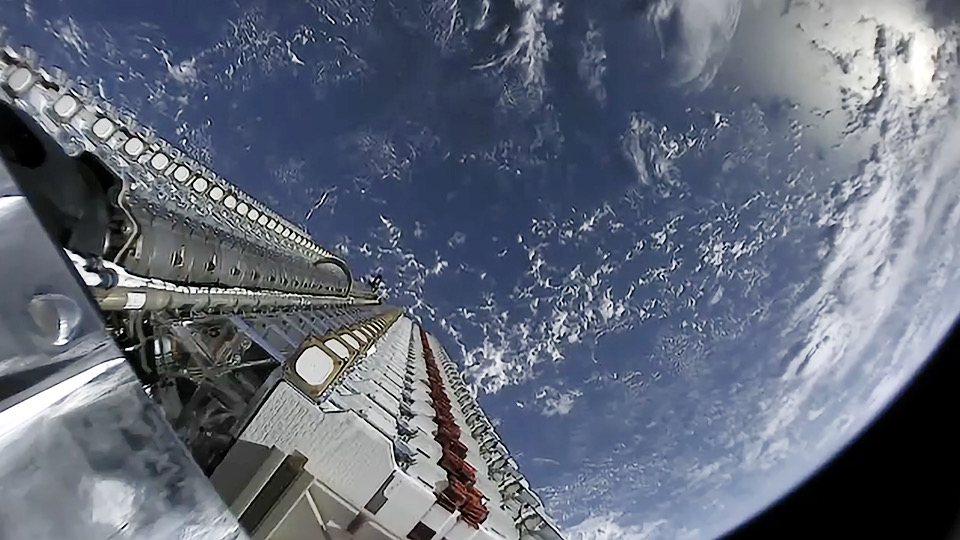






Enjoying the content? Stay up to date on everything happening behind the scenes by following our Patreon!

