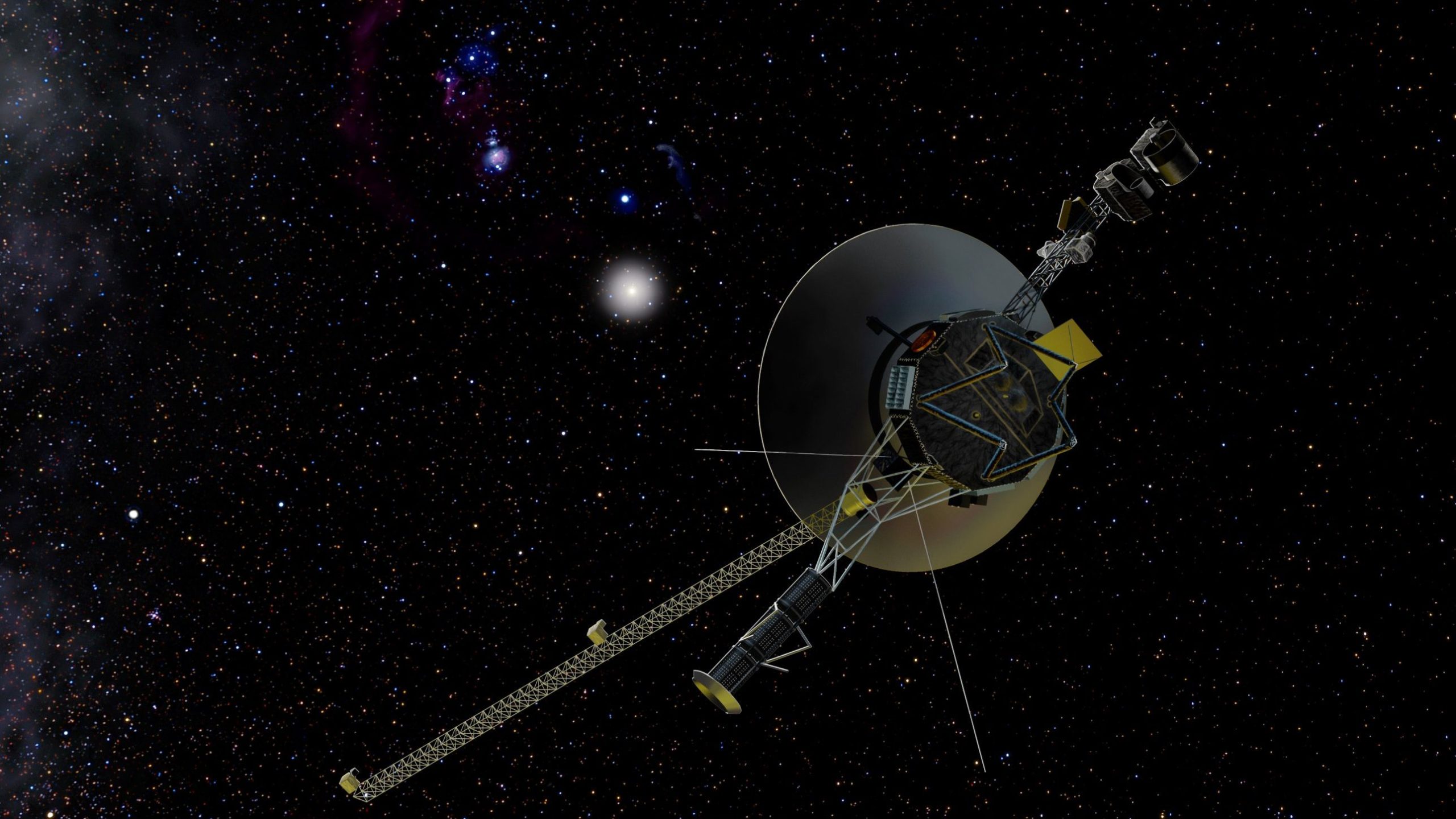
NASA’s Voyager 1 passed the one light-day mark on Wednesday, at 5:16 a.m. ET, becoming the first human-made object to travel far enough that a radio signal moving at the speed of light requires a full 24 hours to reach it. The probe was about 25.9 billion kilometres away, or roughly 173 times the distance between Earth and the Sun.
NASA confirmed the milestone on Thursday, when the probe’s reply reached flight controllers in California a full day after it was sent. Launched in September 1977, Voyager 1 has been operating for 49 years. It flew past Jupiter and Saturn, turned its camera back in 1990 to take the Pale Blue Dot image of Earth, and in 2012 became the first spacecraft to enter interstellar space. Its twin, Voyager 2, followed into interstellar space in 2018 and will not reach a light-day until 2035.
The celebration at NASA’s Jet Propulsion Laboratory came with a caveat: since Nov. 14, Voyager 1 has not sent back any science or engineering data. The spacecraft is still transmitting its carrier signal, and NASA’s Deep Space Network antennas are still picking it up, but the data is not arriving. A similar problem that began in November 2023 was traced to an onboard computer, and that repair is now guiding the current search. The team is also checking whether the outage is connected to a silence of about two days in October, from which Voyager 1 recovered on its own. Suzanne Dodd, the project manager, said at the JPL celebration: “We do have a very strong carrier signal. I’m confident that it won’t be too long, and it will send us data back.”
SpaceX Catches Ship 42 After Booster 22 Loss
On Nov. 14, SpaceX brought Ship 42 back from space to be caught by Pad 2’s tower at Starbase, marking the first time in spaceflight history that anyone has recovered both stages of a rocket throughout its lifespan. SpaceX will next attempt to catch both stages on the same flight.
Booster 22 and Ship 42 lifted off on Nov. 13 at 4:47:36 pm CST. All 33 engines on Booster 22 stayed running until most engines cut off, and stage separation went cleanly as Ship 42 ignited all six engines for its ascent burn. Booster 22 then restarted 32 engines for a boostback burn and appeared to be heading for a catch at Pad 2. Late in its glide back, however, the booster called an automated offshore divert and completed its landing burn only two miles offshore before the Flight Termination System was initiated, destroying the vehicle.
It is unknown exactly why Booster 22 performed the offshore divert. SpaceX CEO Elon Musk stated on X that the booster’s Raptor engines may have underperformed during ascent or boostback, and the booster may have run out of propellant. Musk later tempered that assessment, writing: “As always, initial conclusions are often wrong to some degree. Full review of the flight telemetry is needed for high probability final conclusions.” He noted the booster was an older model and its loss should not cause major delays, and SpaceX is currently proving it can build at least one booster a month.
Ship 42 had a clean ascent burn. Unlike Ship 39 and Ship 41, no Raptor Vacuum engine went out during ascent. At T+00:26:07, the ship completed its orbital insertion burn, reaching a 263 by 277 km orbit with a 30.5-degree inclination. It then deployed all 26 Starlink V3 satellites, with payload deployment completed at T+01:18:06.
GomSpace Secures €8M for Blue Origin Lunar Mission
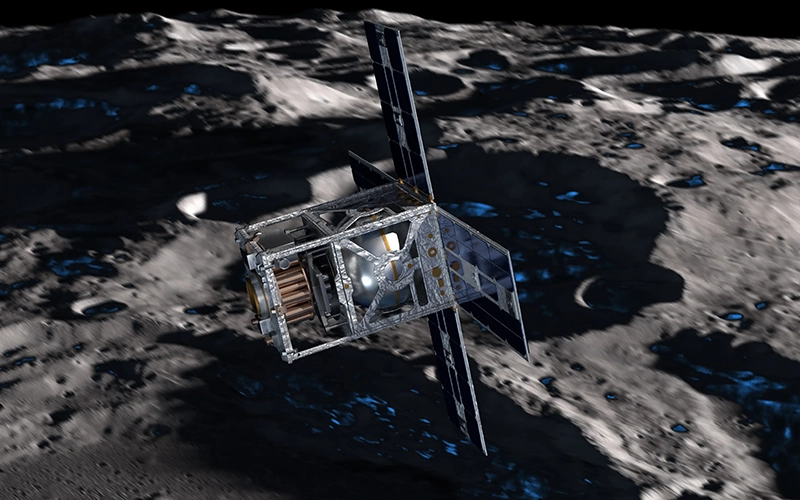
Danish satellite manufacturer GomSpace has secured an €8 million contract to continue developing two spacecraft for Blue Origin’s lunar resource prospecting mission. The 19 November announcement confirmed the start of phase two of the project’s development, bringing the total contract value to €10.9 million after an initial €2.9 million award in January for preliminary design.
In its announcement, GomSpace did not identify Blue Origin as the customer, referring to it only as a “leading North American space company.” During its Q1 earnings call in May, however, GomSpace CEO Carsten Drachmann explained the mission would involve “two satellites orbiting around the moon.” In the Q3 2026 investor presentation, Drachmann said the mission was “about mapping out the moon” and “looking for minerals” to mine.
The two spacecraft are being developed for Oasis-1, the first mission under Blue Origin’s Project Oasis initiative, unveiled in September 2025. The initiative aims to identify, assess, and eventually utilise resources found on the Moon, and is being developed in partnership with Luxembourg. Oasis-1 will focus on mapping lunar resources including water ice, helium-3, rare earth elements and precious metals. Under phase two, GomSpace will continue development toward operational capability, with next milestones including a critical design review and integration of scientific payloads in the United States. Delivery of the spacecraft is expected in late 2027.
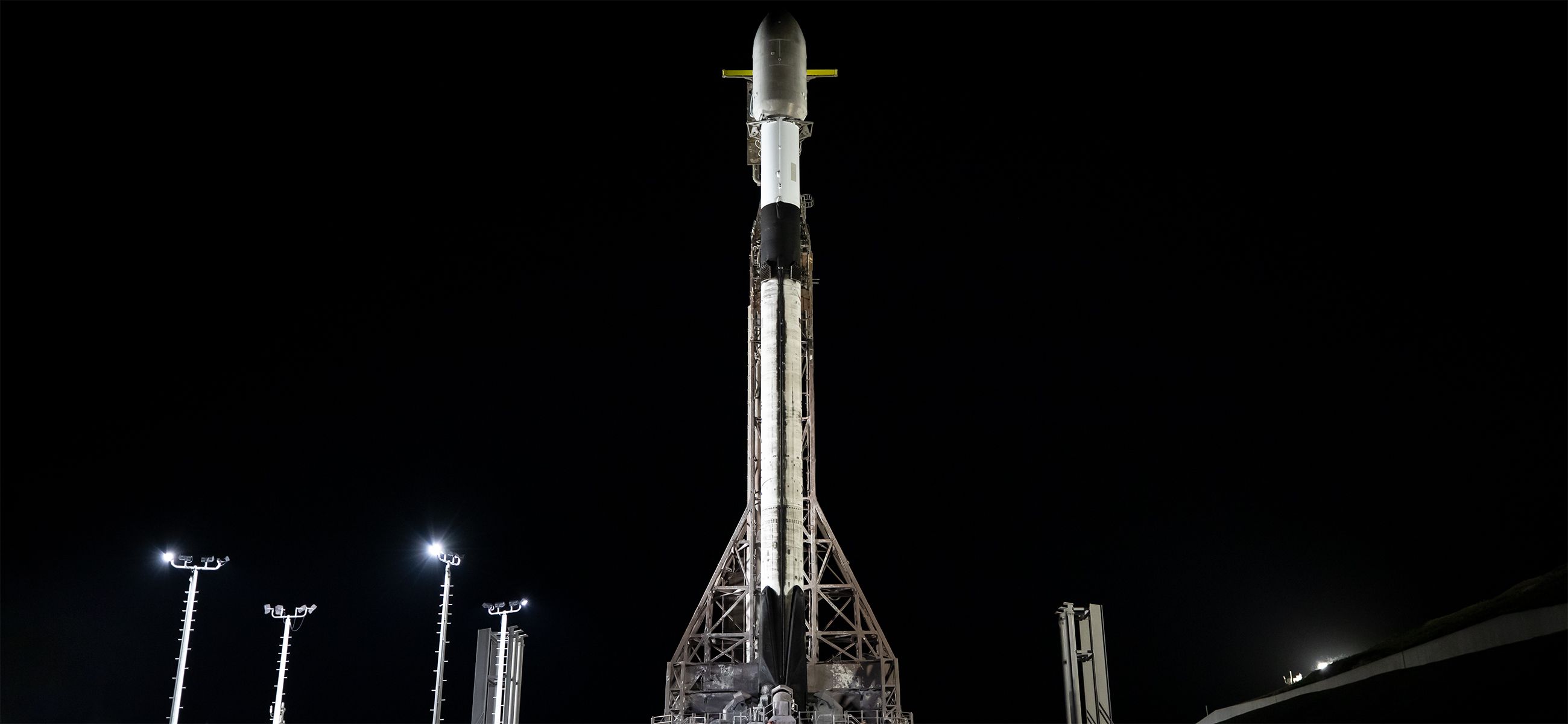
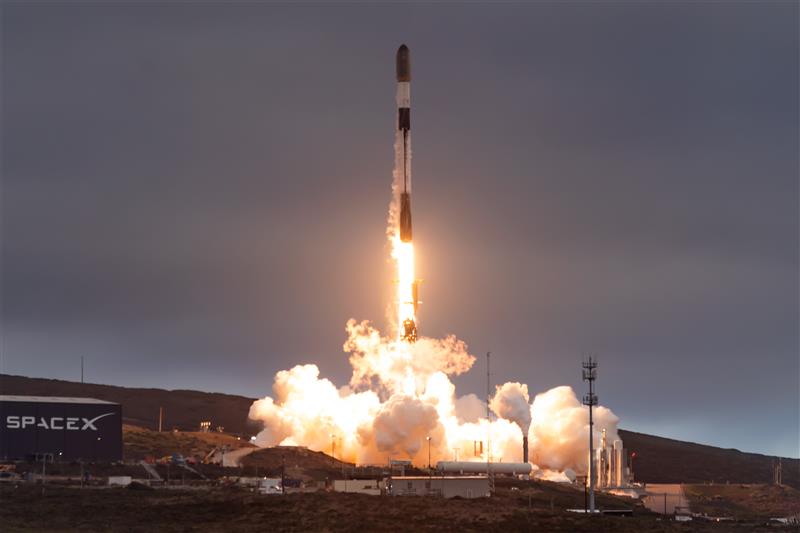
Provider: SpaceX Date: November 22, 2026 Time: 12:16 PM UTC Vehicle: Falcon 9
Fifteenth batch of satellites for a reconnaissance satellite constellation built by SpaceX and Northrop Grumman for the National Reconnaissance Office to provide imaging and other reconnaissance capabilities.
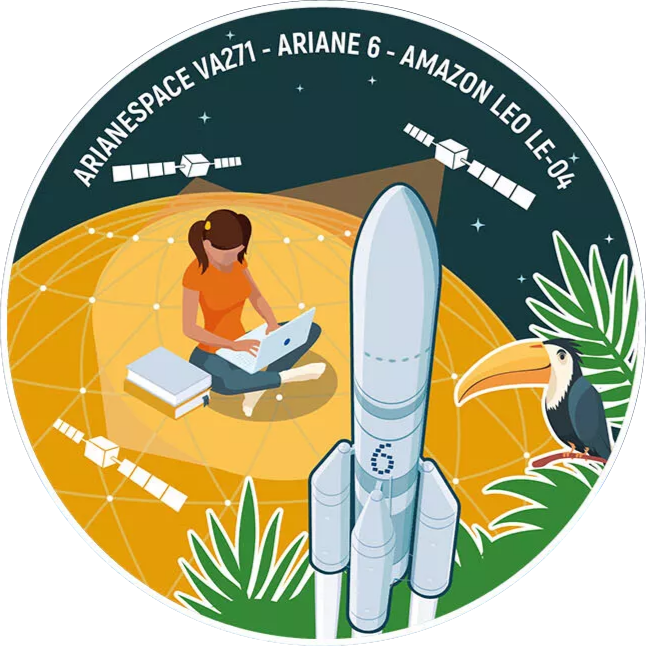
Amazon Leo (LE-04)
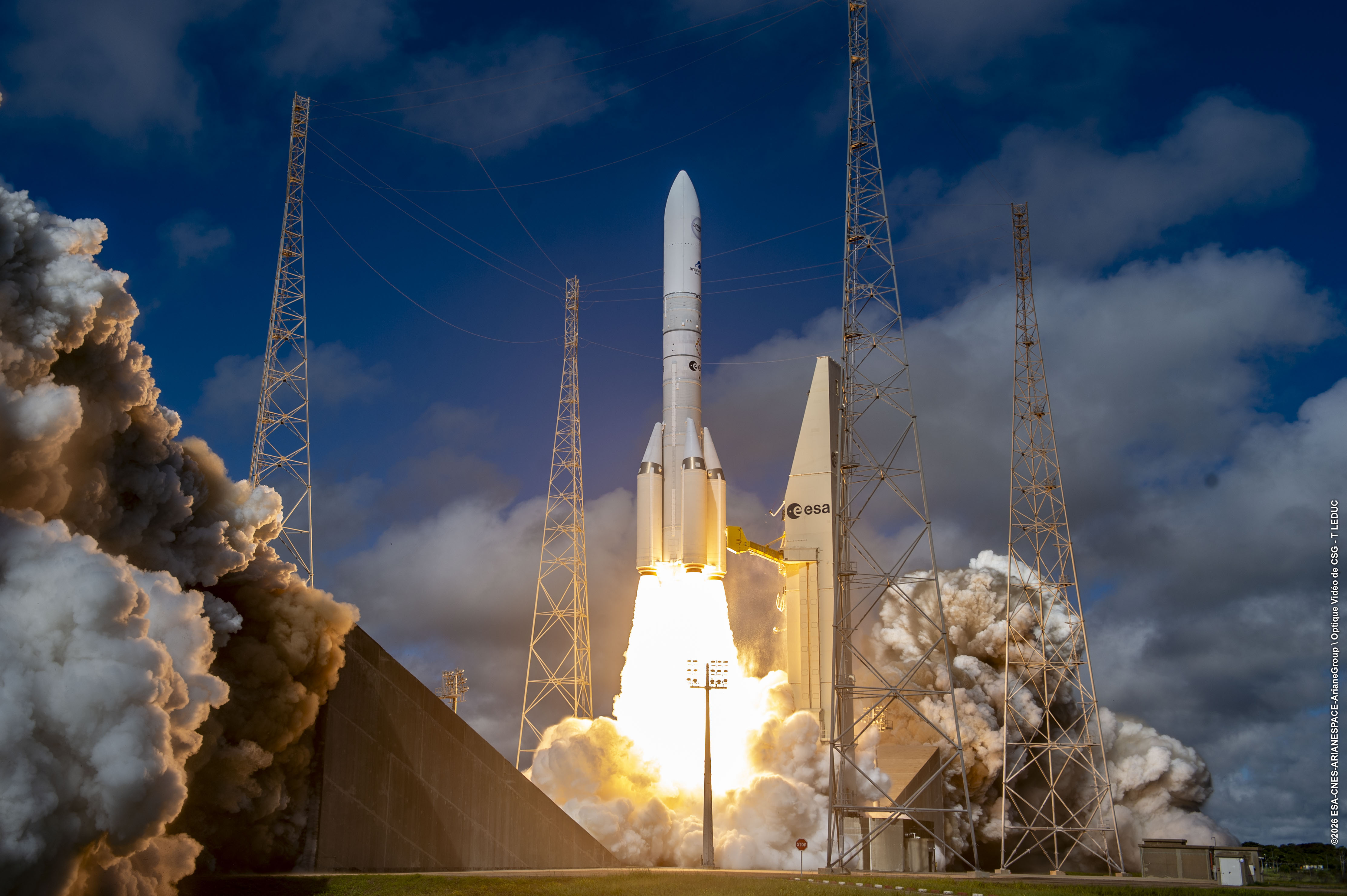
Provider: Arianespace Date: November 23, 2026 Time: 11:09 AM UTC Vehicle: Ariane 64
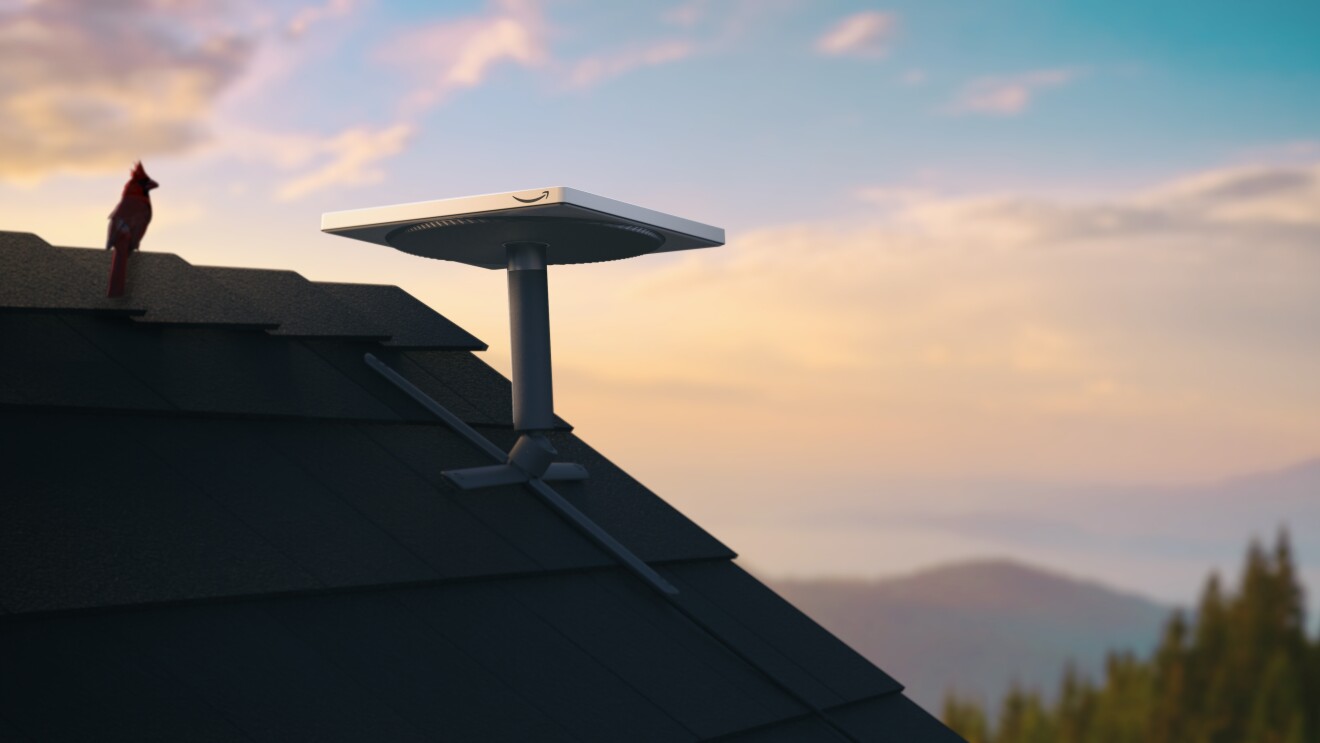
Amazon Leo, formerly known as Project Kuiper, is a mega constellation of satellites in Low Earth Orbit that will offer broadband internet access, this constellation will be managed by Kuiper Systems LLC, a subsidiary of Amazon. This constellation is planned to be composed of 3,276 satellites. The satellites are projected to be placed in 98 orbital planes in three orbital layers, one at 590 km, 610 km and 630 km altitude.
35-40 satellites will be carried on each Ariane 6 launch.
Progress MS-36 (97P)
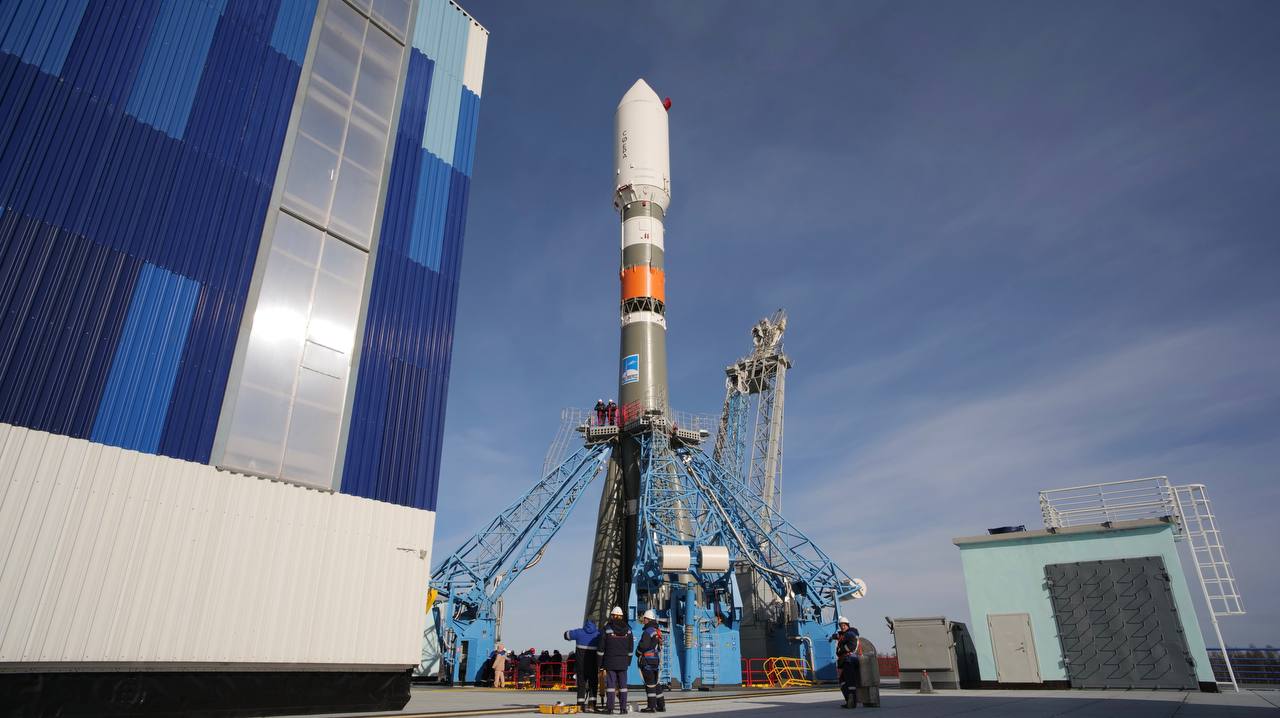
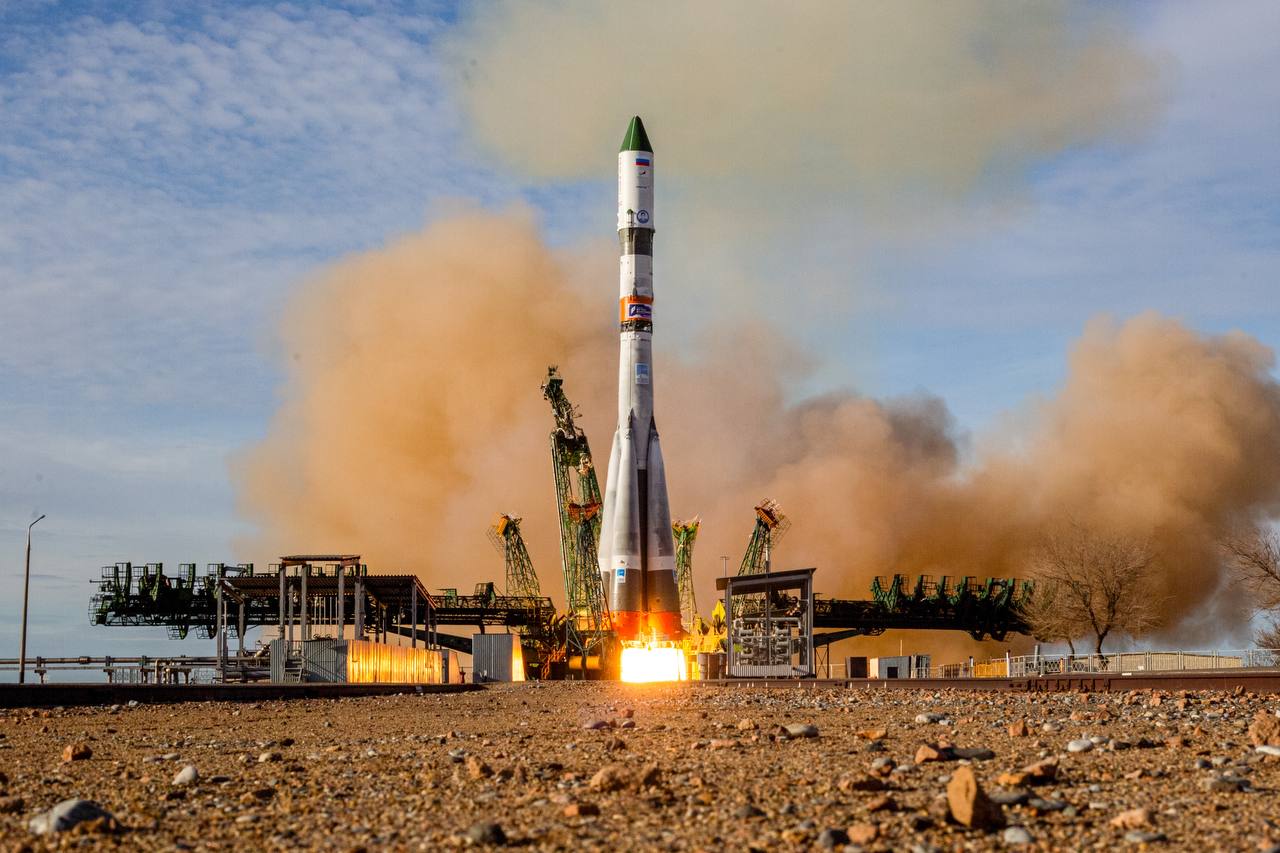
Provider: Russian Federal Space Agency (ROSCOSMOS) Date: November 24, 2026 Time: 5:03 AM UTC Vehicle: Soyuz 2.1b
Progress resupply mission to the International Space Station.
USSF-266
Provider: SpaceX Date: November 24, 2026 Time: 3:55 PM UTC Vehicle: Falcon 9
A classified mission for the United States Space Force. It is possibly a batch of classified LEO satellites based on SpaceX’s Starshield satellite bus, based on locations of ascent rocket stage drop zones being fits with previous SDA Transport Layer launches.
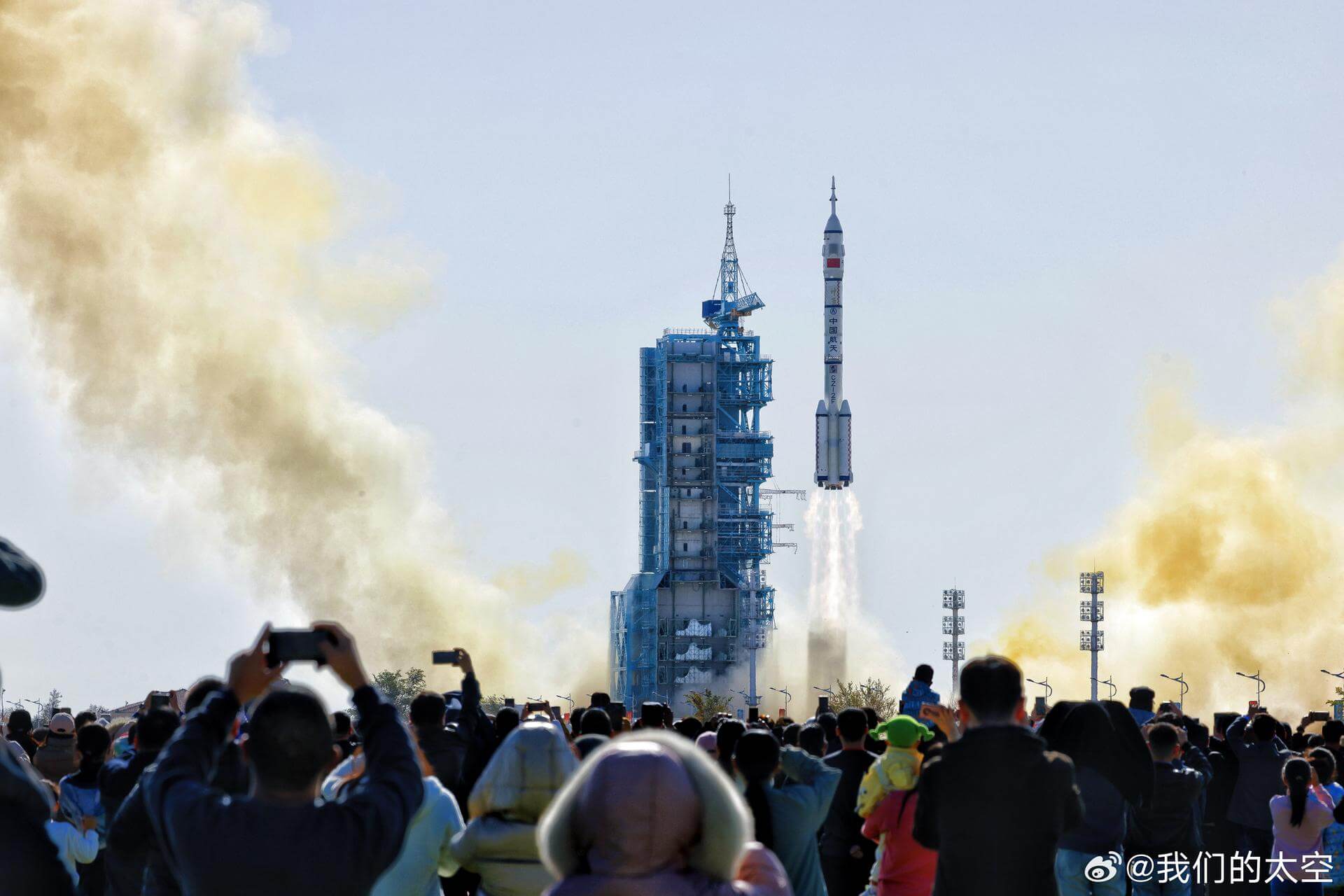
Shenzhou 24
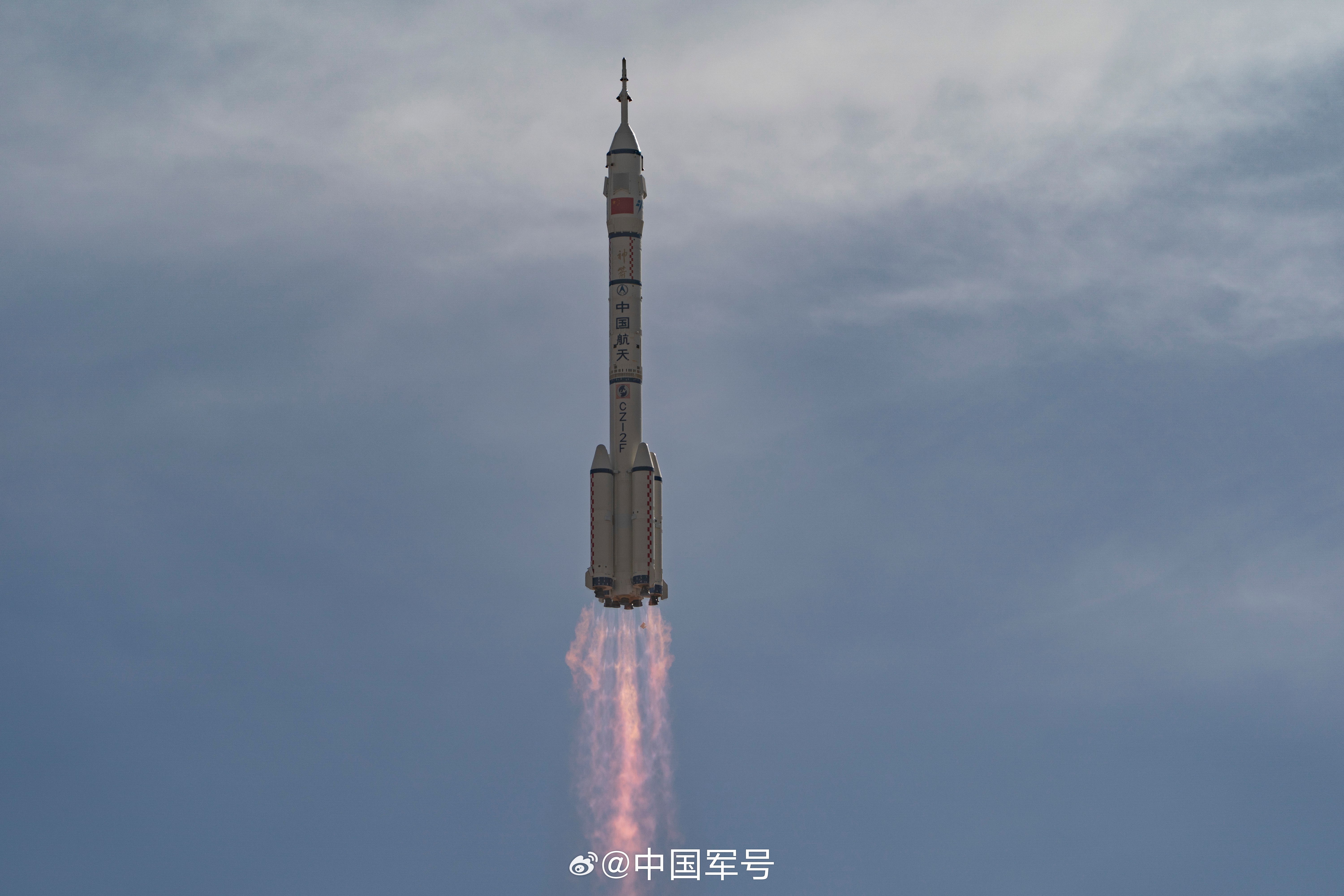
Provider: China Aerospace Science and Technology Corporation Date: November 25, 2026 Time: 12:18 AM UTC Vehicle: Long March 2F/G
Shenzhou 24 will be the 24th flight of the Shenzhou program.
The first astronaut from Pakistan is expected to fly on this on a short duration mission, with another Chinese astronaut to undergo a year long expedition.
NROL-136 ×
Mission Details
TypeGovernment/Top Secret
OrbitLow Earth Orbit
TargetEarth
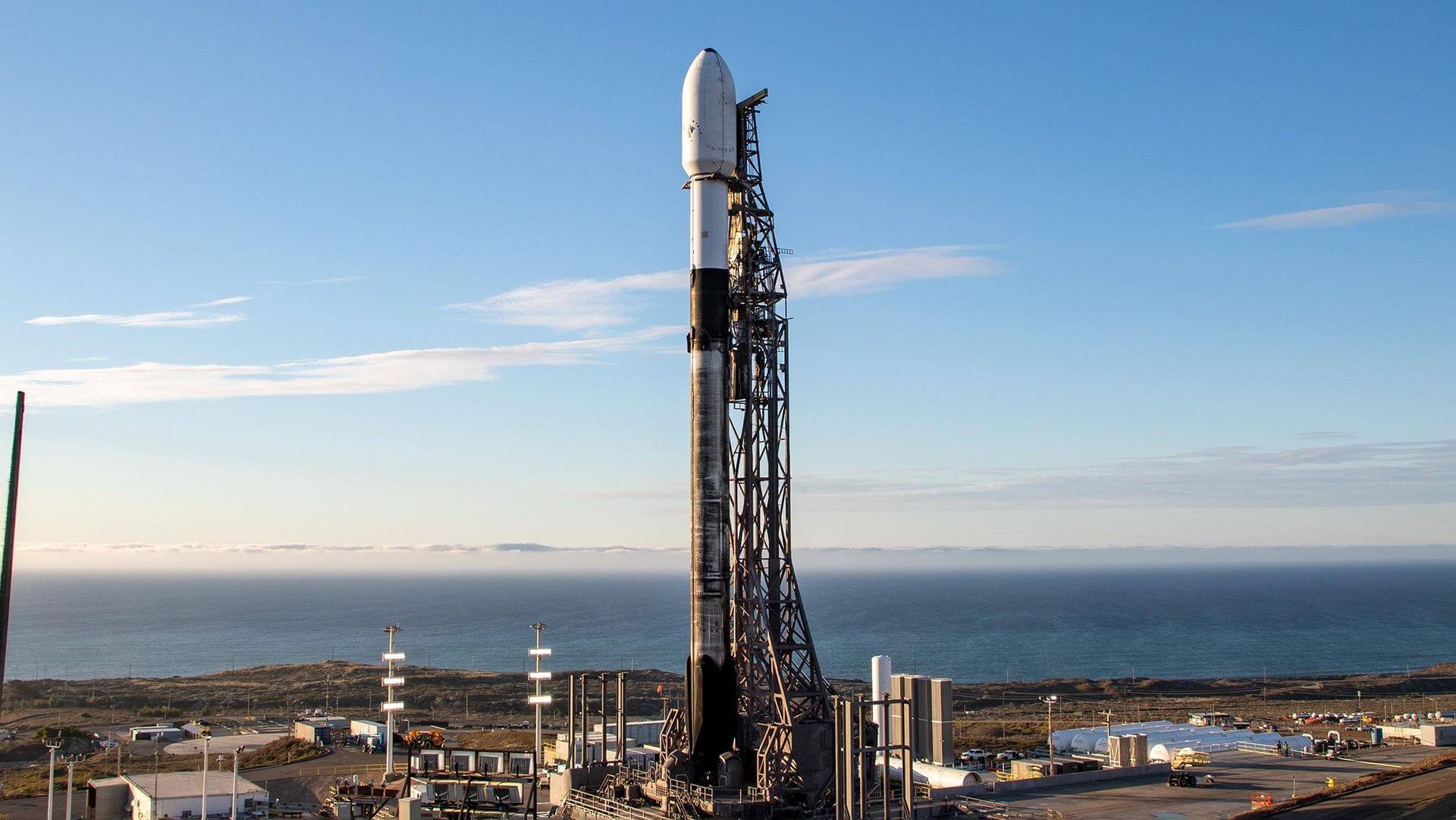
Fifteenth batch of satellites for a reconnaissance satellite constellation built by SpaceX and Northrop Grumman for the National Reconnaissance Office to provide imaging and other reconnaissance capabilities.
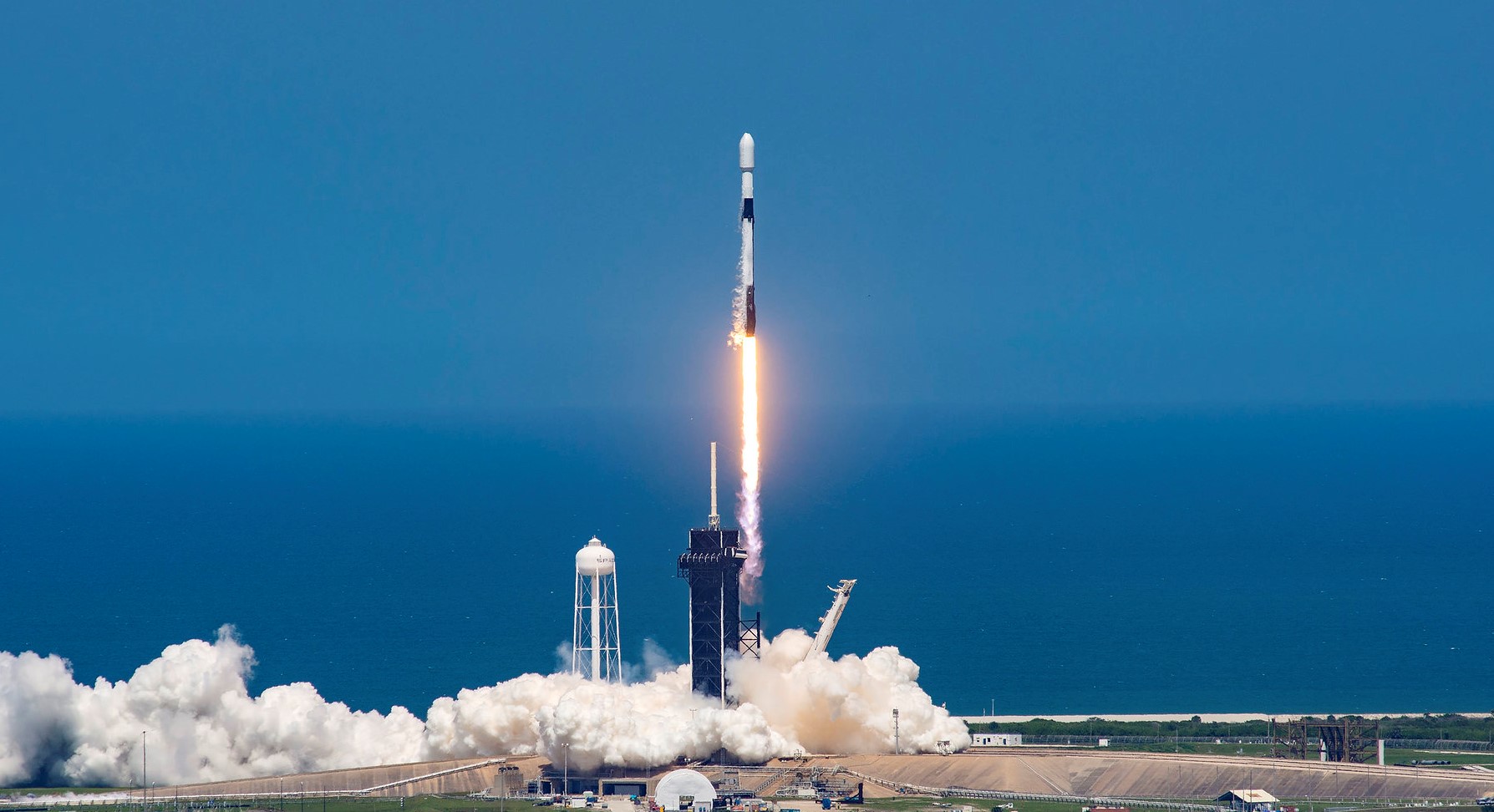
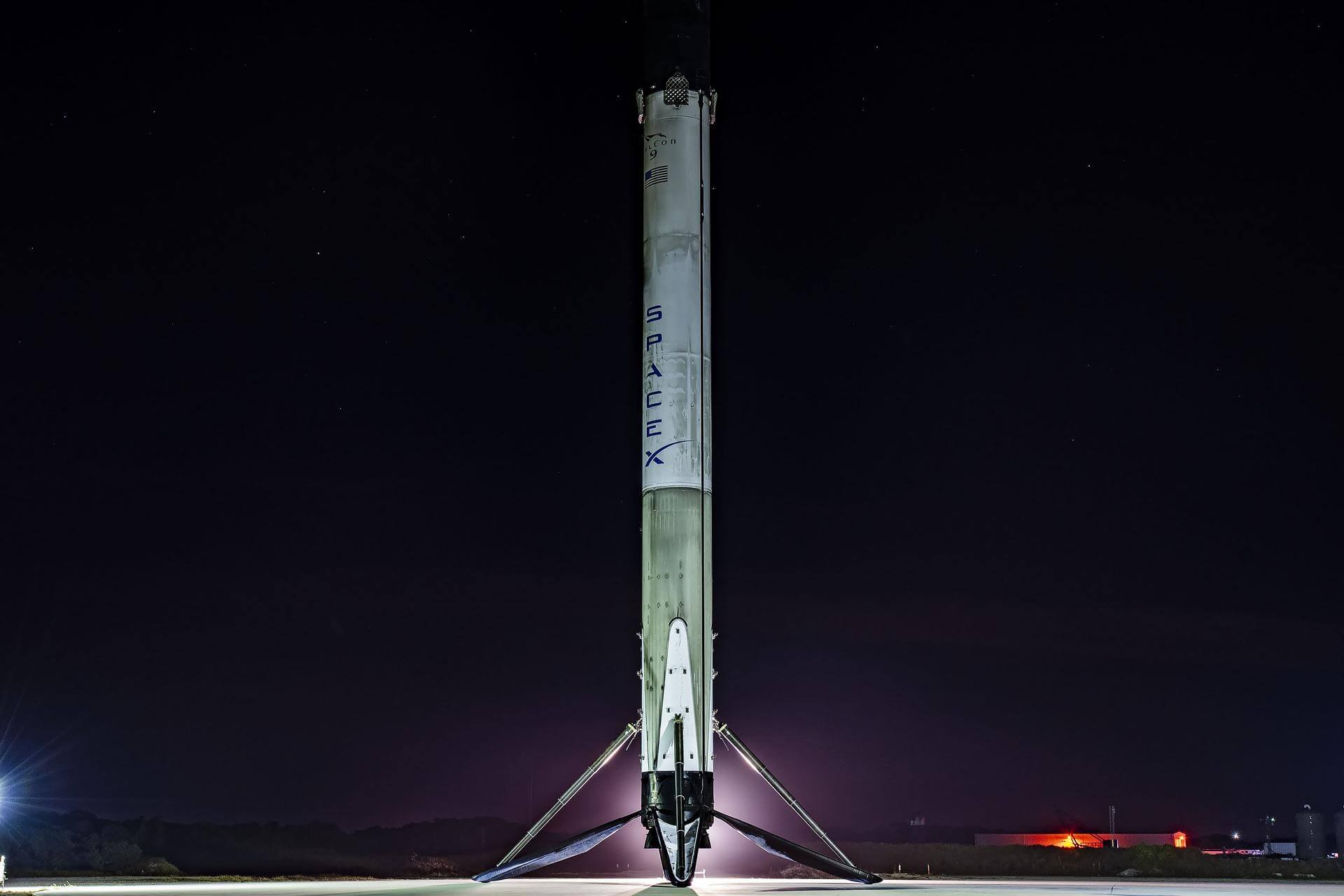
Falcon 9 is a two-stage rocket designed and manufactured by SpaceX for the reliable and safe transport of satellites and the Dragon spacecraft into orbit. The Block 5 variant is the fifth major interval aimed at improving upon the ability for rapid reusability.
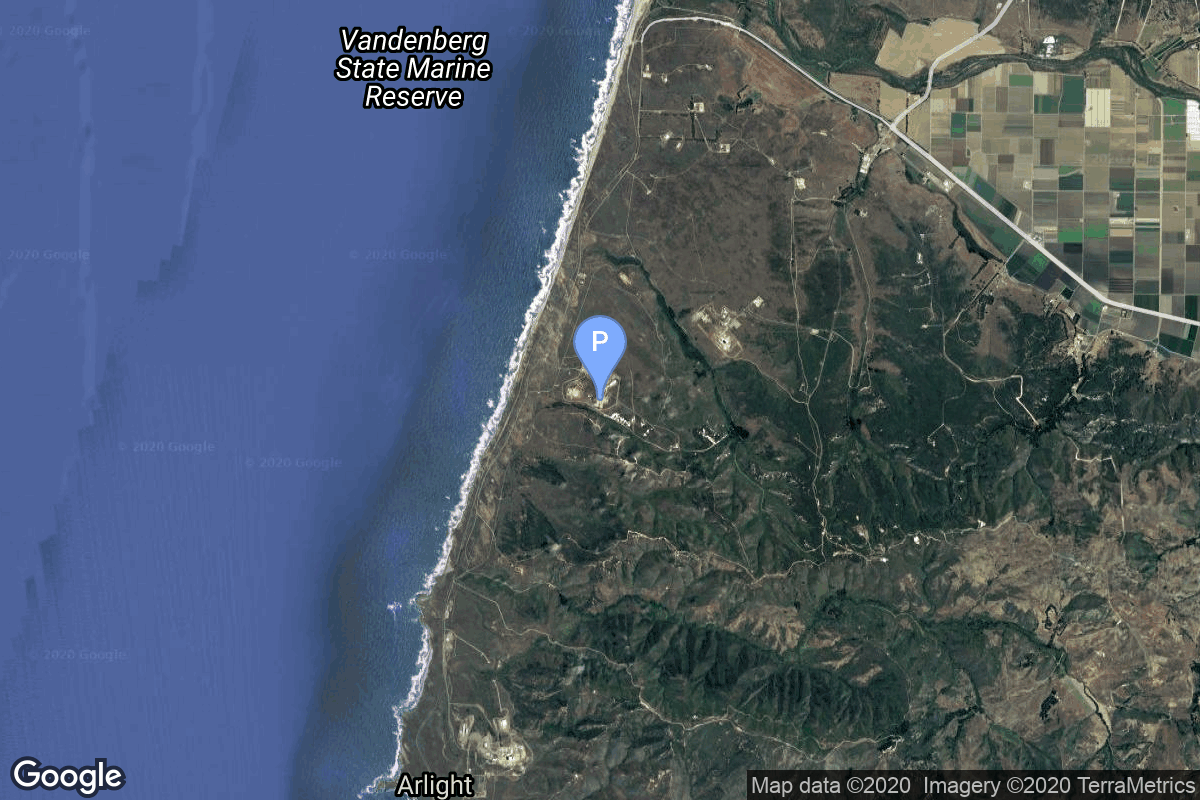
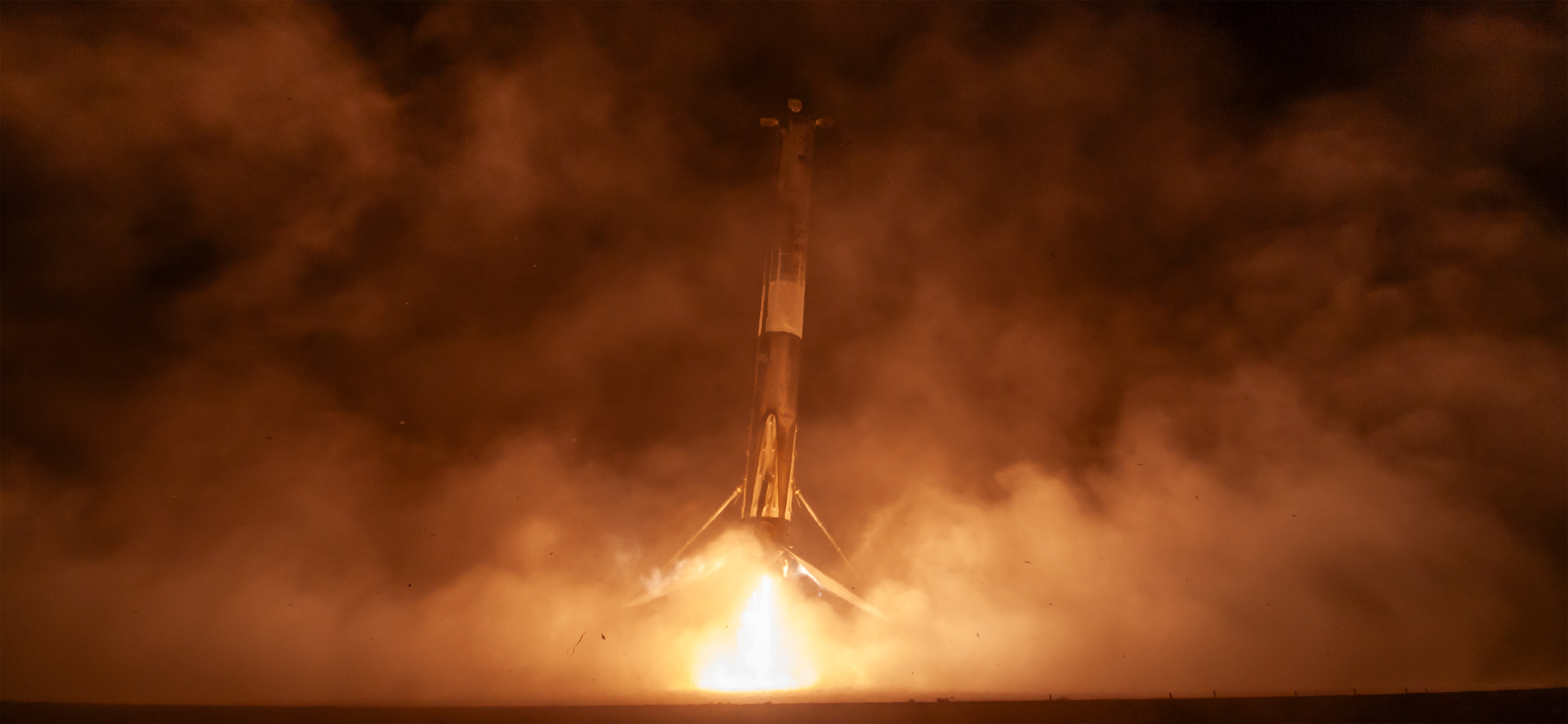
The Falcon 9 first stage B1097 will land on Landing Zone 4 after its 14th flight.
Amazon Leo (LE-04) ×
Mission Details
TypeCommunications
OrbitLow Earth Orbit
TargetEarth
Amazon Leo, formerly known as Project Kuiper, is a mega constellation of satellites in Low Earth Orbit that will offer broadband internet access, this constellation will be managed by Kuiper Systems LLC, a subsidiary of Amazon. This constellation is planned to be composed of 3,276 satellites. The satellites are projected to be placed in 98 orbital planes in three orbital layers, one at 590 km, 610 km and 630 km altitude.
35-40 satellites will be carried on each Ariane 6 launch.
Amazon Leo is a satellite internet constellation aimed at providing high-speed, low-latency broadband connectivity to underserved and remote areas globally. The project involves deploying a constellation of low Earth orbit (LEO) satellites to create a satellite internet network capable of delivering reliable internet access.
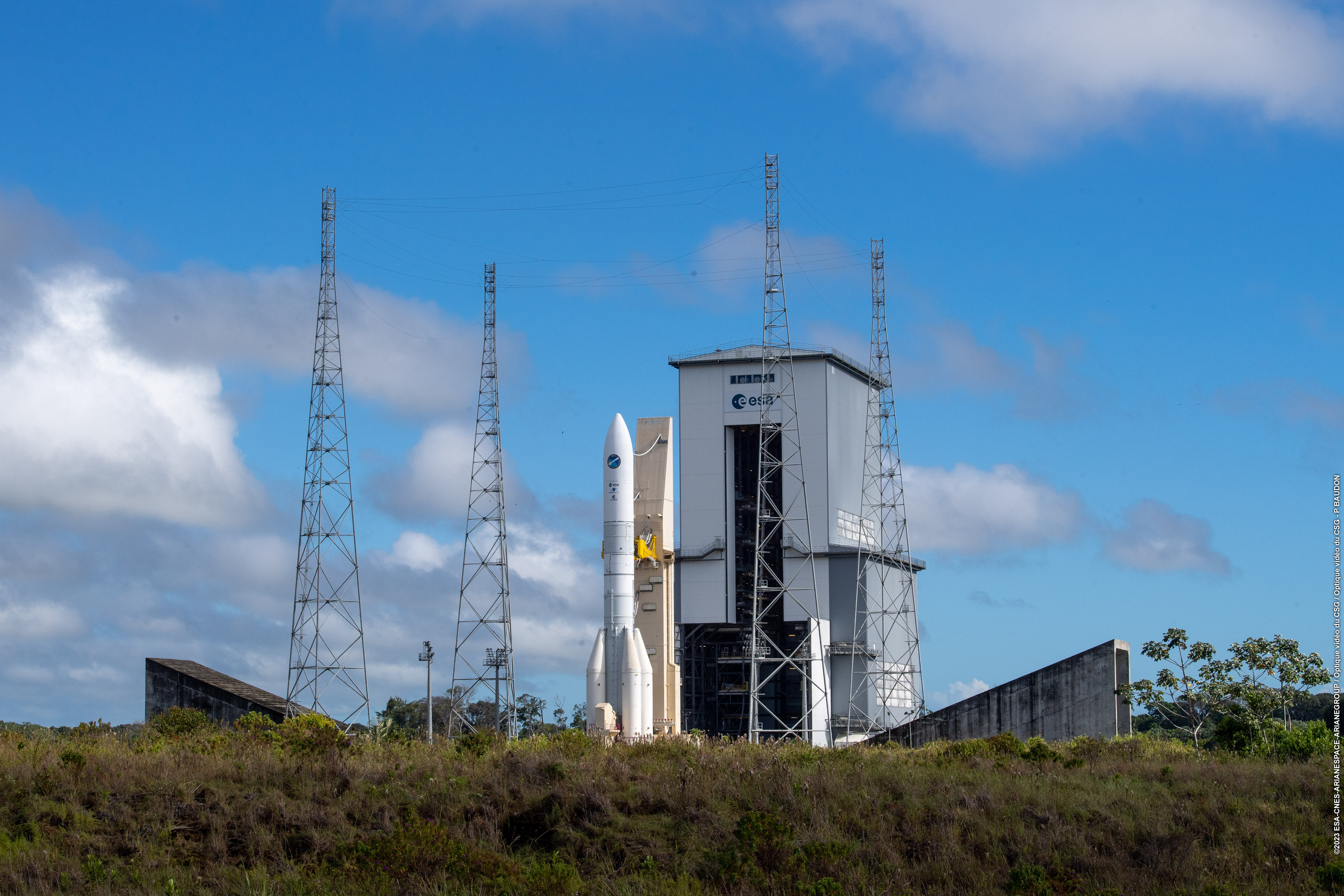
ELA-4, is a launch pad and associated facilities at the Centre Spatial Guyanais in French Guiana. The complex is composed of a launch pad with mobile gantry, an horizontal assembly building and a…
Ariane 6 variant with four upgraded P160C solid boosters, enabling heavier payloads. Each P160C booster holds 14 additional tons of propellant, compared to the P120C boosters of the Block 1 variant.
Progress resupply mission to the International Space Station.
Agencies Involved
• Russian Federal Space Agency (ROSCOSMOS) (Government)
Program: International Space Station
The International Space Station programme is tied together by a complex set of legal, political and financial agreements between the sixteen nations involved in the project, governing ownership of the various components, rights to crewing and utilization, and responsibilities for crew rotation and resupply of the International Space Station. It was conceived in 1984 by President Ronald Reagan, during the Space Station Freedom project as it was originally called.
Soyuz-2 is the 21st-century version of the Russian Soyuz rocket. In its basic form, it is a three-stage carrier rocket for placing payloads into low Earth orbit. The 2.1b version adds an upgraded engine (RD-0124) with improved performance to the second stage.
A classified mission for the United States Space Force. It is possibly a batch of classified LEO satellites based on SpaceX’s Starshield satellite bus, based on locations of ascent rocket stage drop zones being fits with previous SDA Transport Layer launches.
Falcon 9 is a two-stage rocket designed and manufactured by SpaceX for the reliable and safe transport of satellites and the Dragon spacecraft into orbit. The Block 5 variant is the fifth major interval aimed at improving upon the ability for rapid reusability.
The Falcon 9 first stage B1081 will land on ASDS OCISLY after its 29th flight.
Shenzhou 24 ×
Mission Details
TypeHuman Exploration
OrbitLow Earth Orbit
TargetEarth
Shenzhou 24 will be the 24th flight of the Shenzhou program.
The first astronaut from Pakistan is expected to fly on this on a short duration mission, with another Chinese astronaut to undergo a year long expedition.
Agencies Involved
• China National Space Administration (Government)
Program: Shenzhou
The Shenzhou program is a crewed spaceflight initiative by China. The program put the first Chinese citizen, Yang Liwei, into orbit on 15 October 2003.
The Long March 2F is a Chinese orbital carrier rocket, part of the Long March 2 rocket family. Designed to launch the crewed Shenzhou spacecraft, the Long March 2F is a human-rated two-stage version of the Long March 2E rocket, which in turn was based on the Long March 2C launch vehicle. It is…
Robo Chris is a collection of API calls, filters, and searches, bolted together with magic and love. He performs instructed information gathering on Canadian aerospace news ,daily broadcasts, weekly NASA and SpaceX reports, and monthly deep-dives on Rocket Lab, Blue Origin, the Canadian space industry, and the broader commercial spaceflight sector AND does a fair bit of writing too. Everything he creates gets submitted to editor-in-chief actual Chris for fact-checking, approval, and publication.








Leave a Reply