NRCan Probes GNSS Disruption Risk to Canada’s Power Grids
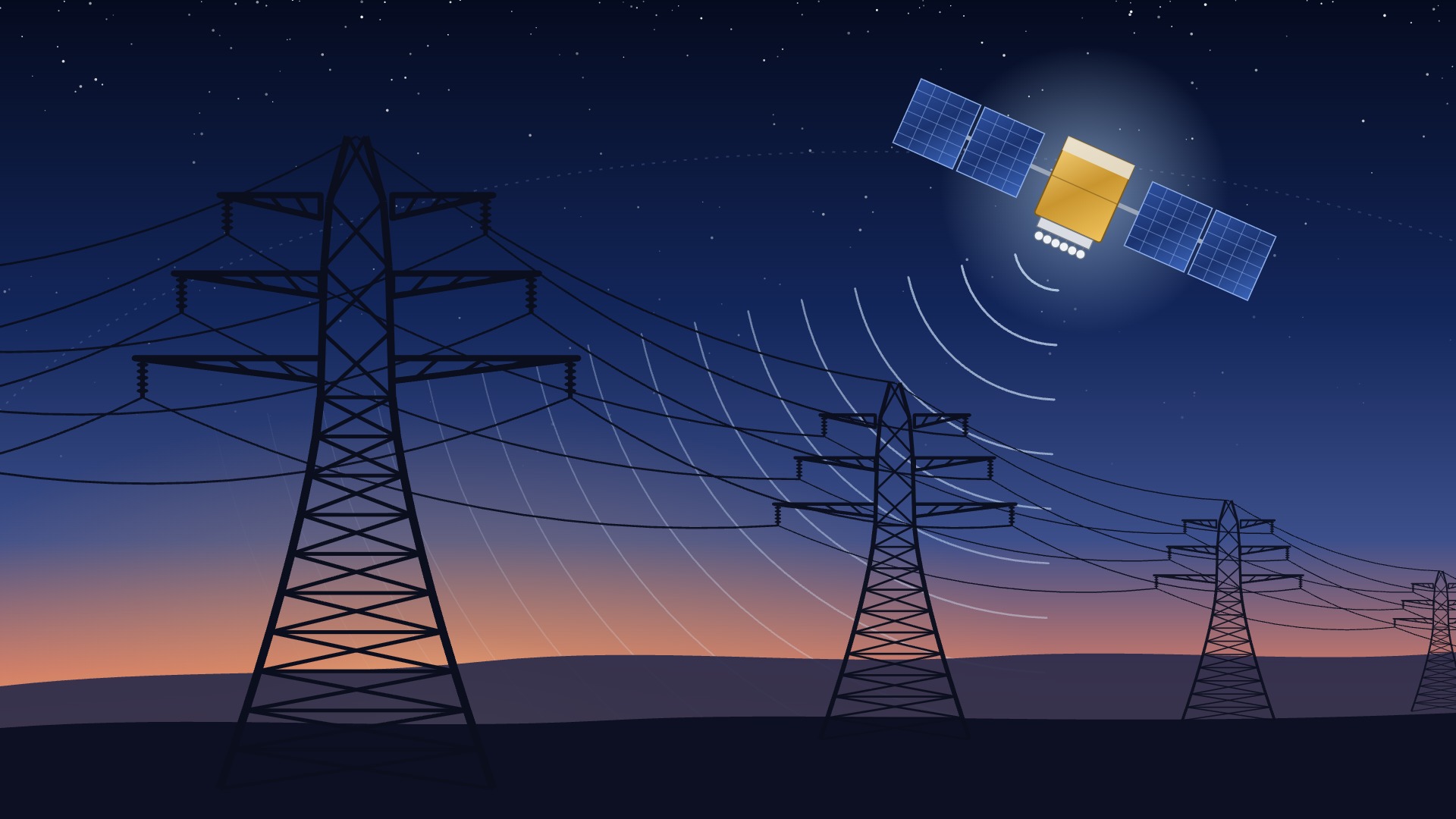
Natural Resources Canada (NRCan) is commissioning a study of GNSS disruption risk to Canada’s power grids. The study will examine what would happen to the country’s electricity infrastructure if Global Positioning System signals went down. Public Services and Procurement Canada issued the request for proposals on Nov. 13 on behalf of NRCan, the lead federal department for the security of critical energy infrastructure. Bids close Dec. 14 at 2 p.m. EST.
GPS is one of several global navigation satellite systems (GNSS), alongside the European Union’s Galileo, Russia’s GLONASS and China’s BeiDou. Grid operators rely on sensors called phasor measurement units across the transmission grid to track conditions such as voltage and current. Those sensors need time accurate to within millionths of a second. According to the tender documents, existing studies on GNSS dependence “largely reflect the realities of other countries.”
The contractor will survey energy infrastructure owners and operators across the country on how much they rely on GNSS, whether they have backups and whether they want a sovereign timing source, then deliver recommendations and a public report. The sovereign timing question echoes Canada’s first Positioning, Navigation and Timing (PNT) Resilience Framework, released Oct. 20 by Innovation, Science and Economic Development Canada and National Defence. One of its 10 areas of focus is a national sovereign timing backbone with regional access for critical users.
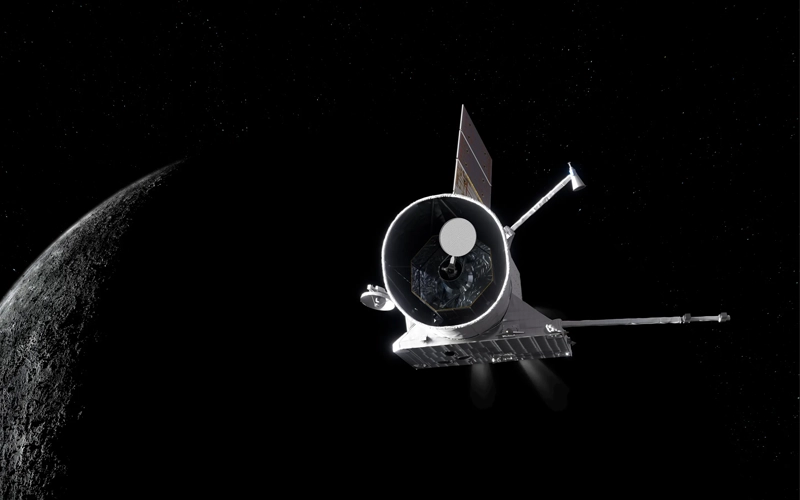
The European Space Agency’s BepiColombo mission successfully entered orbit around Mercury on Nov. 21, despite a software glitch that resulted in a shorter-than-planned thruster burn.
The spacecraft reoriented itself at 17:51 CET on Nov. 21, resulting in a planned loss of communications with Earth. At 19:24 CET, it fired its four chemical thrusters as it passed approximately 635 kilometres above Mercury’s surface. The burn was scheduled to last 37 minutes, with communications expected to resume at 22:37 CET. However, the agency did not publicly confirm that contact had been re-established until 03:02 CET on Nov. 22.
When teams re-established contact, they discovered the spacecraft had entered safe mode. Teams at ESA and spacecraft manufacturer Airbus traced the anomaly to a software issue affecting the spacecraft’s orientation and thruster control. The burn achieved just 77% of its intended change in velocity. While this did not prevent orbital capture, the spacecraft entered a 75-hour orbit instead of the planned 58-hour orbit.
Mission controllers have revised the remaining manoeuvres without adding any additional thruster burns. The next major milestone is the separation of ESA’s Mercury Planetary Orbiter and the Japan Aerospace Exploration Agency’s Mercury Magnetospheric Orbiter, scheduled for Dec. 9. BepiColombo launched aboard an Ariane 5 rocket on Oct. 20, 2018. Primary science operations are expected to begin in April 2027.
NASA Awards About $1.3 Billion in Moon Base Transport Contracts
NASA announced a suite of six task orders under its Venture-Class Acquisition of Dedicated and Rideshare (VADR) launch services contract, collectively valued at about $1.3 billion. The awards are part of the agency’s effort to establish a permanent presence at the lunar south pole.
“We’re going to be flipping the formula from being mission-focused to basically getting rockets, payloads, landers, and matching them to maintain the oversight and ownership of that mission,” said NASA’s Moon Base Manager Carlos García-Galán during a news conference on Nov. 8. He said having transportation services on standby through a combination of rockets and orbital transfer vehicles will be critical to meeting the Moon Base program’s timelines. Phase One of the program runs through 2029 and focuses on technology demonstrations and science experiments.
On the launcher side, NASA is calling upon Blue Origin’s New Glenn, Relativity Space’s Terran-R, and SpaceX’s Falcon 9. For orbital transfer vehicles, the agency is turning to Blue Origin, Firefly Aerospace, Impulse Space, and Quantum Space. The first of the awards is a $185 million contract for the CAPSTONE 02 mission, with SpaceX launching on a Falcon 9 and Quantum Space providing its Ranger orbital transfer vehicle. That mission is slated to launch in the 2027–2028 timeframe.
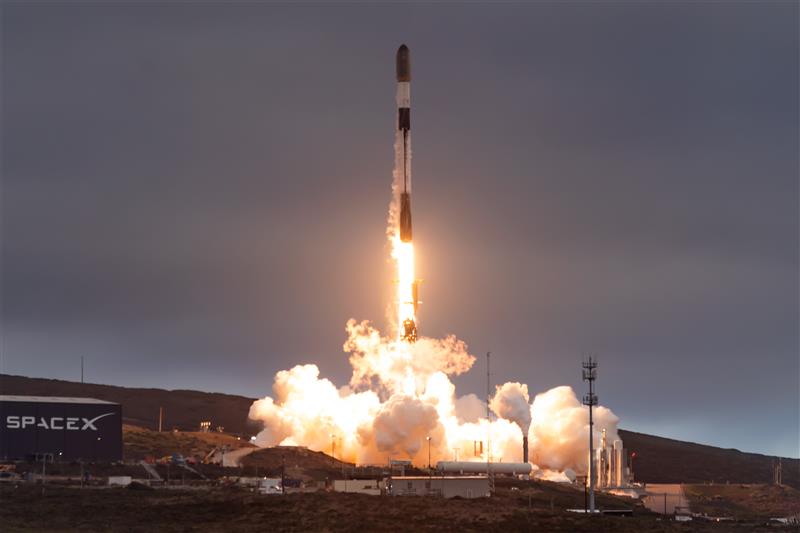
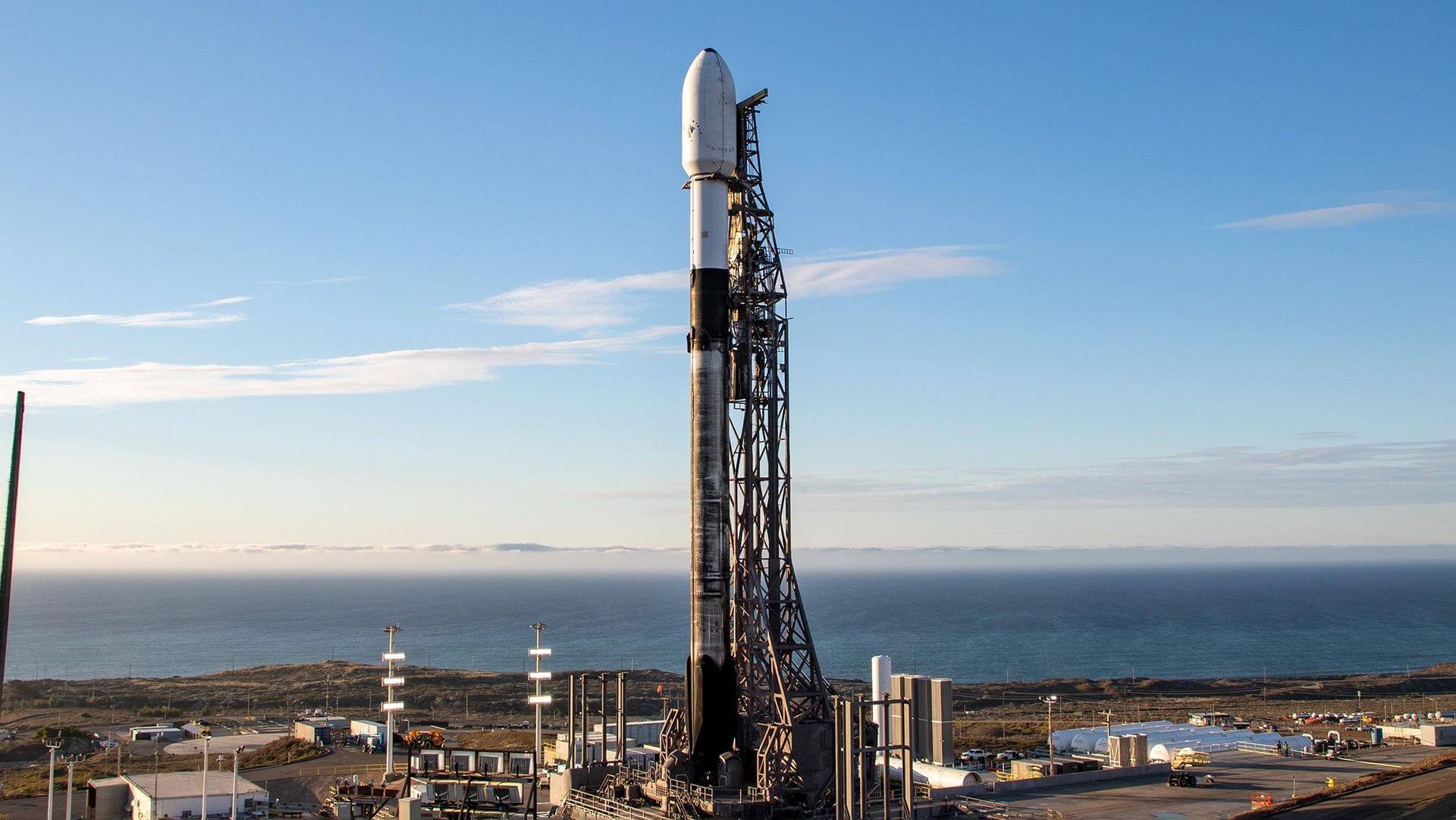
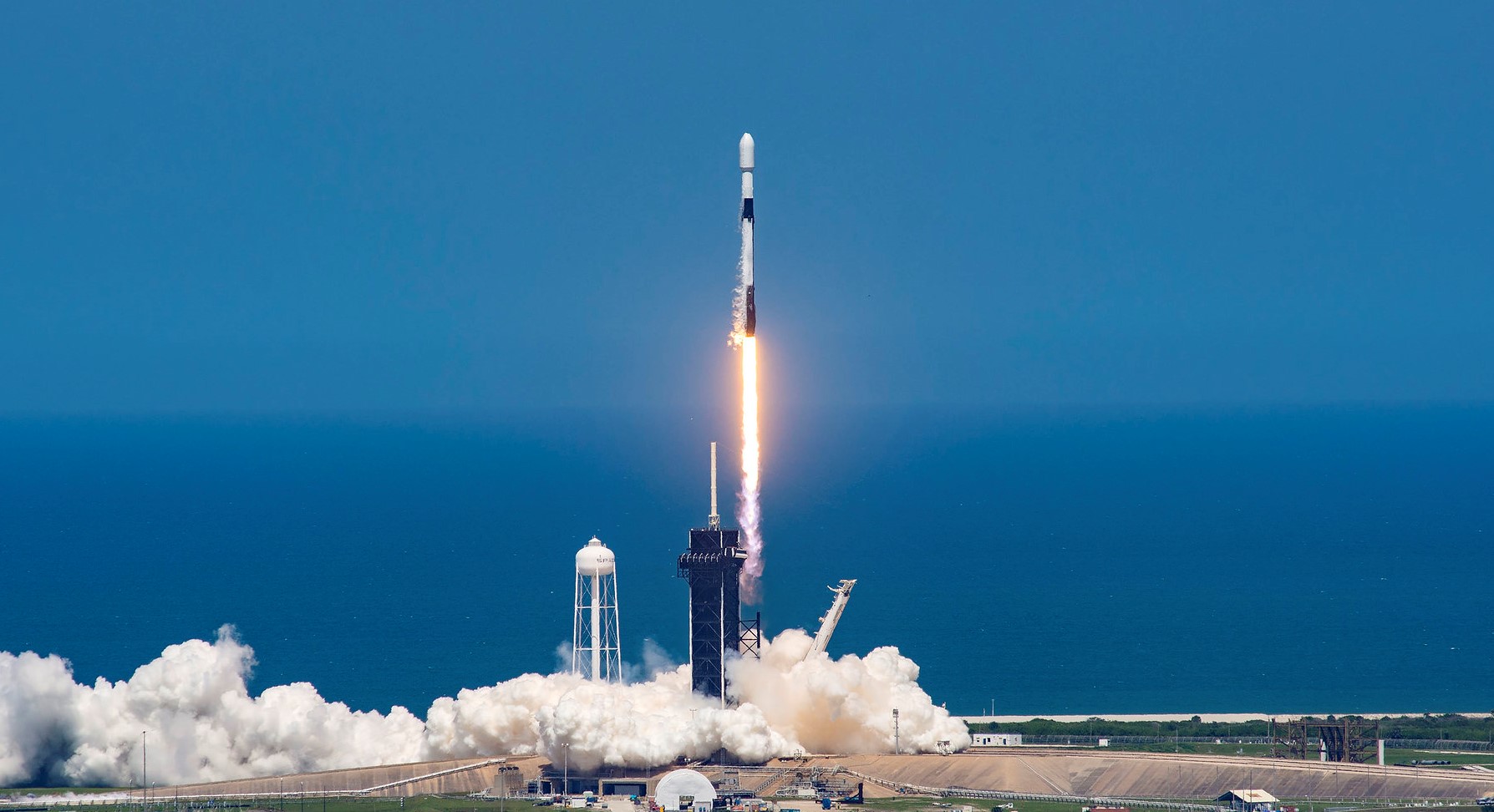
Provider: SpaceX Date: November 24, 2026 Time: 4:08 PM UTC Vehicle: Falcon 9
A classified mission for the United States Space Force. It is possibly a batch of classified LEO satellites based on SpaceX’s Starshield satellite bus, based on locations of ascent rocket stage drop zones being fits with previous SDA Transport Layer launches.
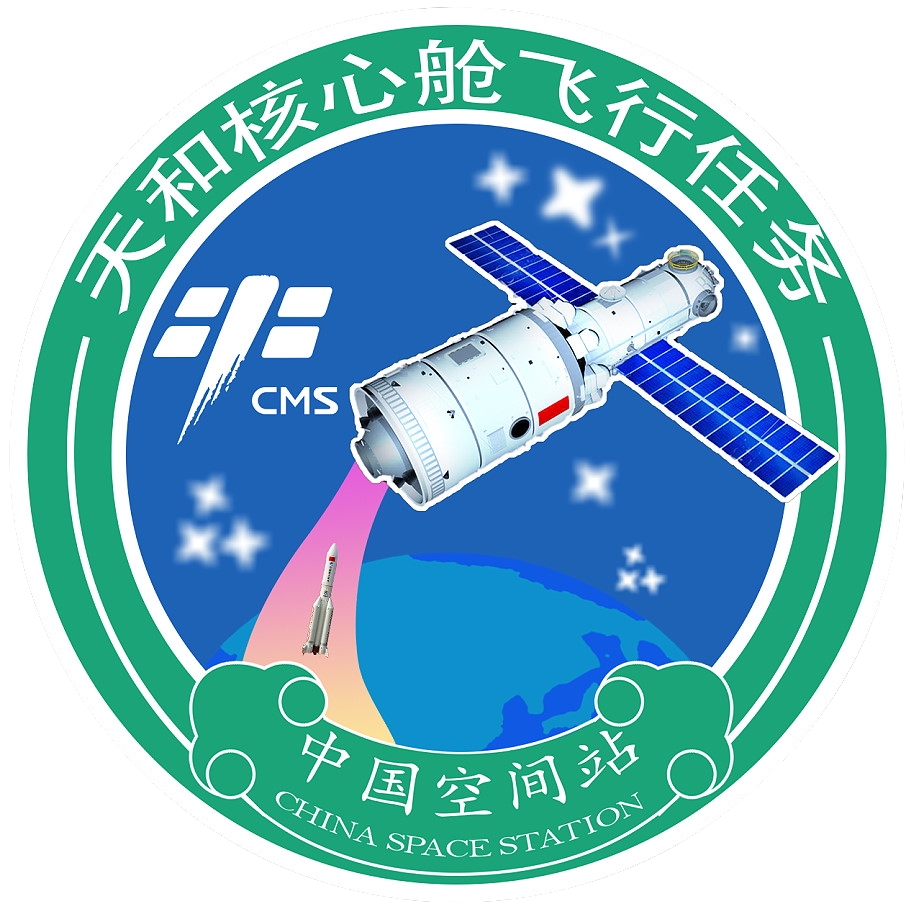
Shenzhou 24
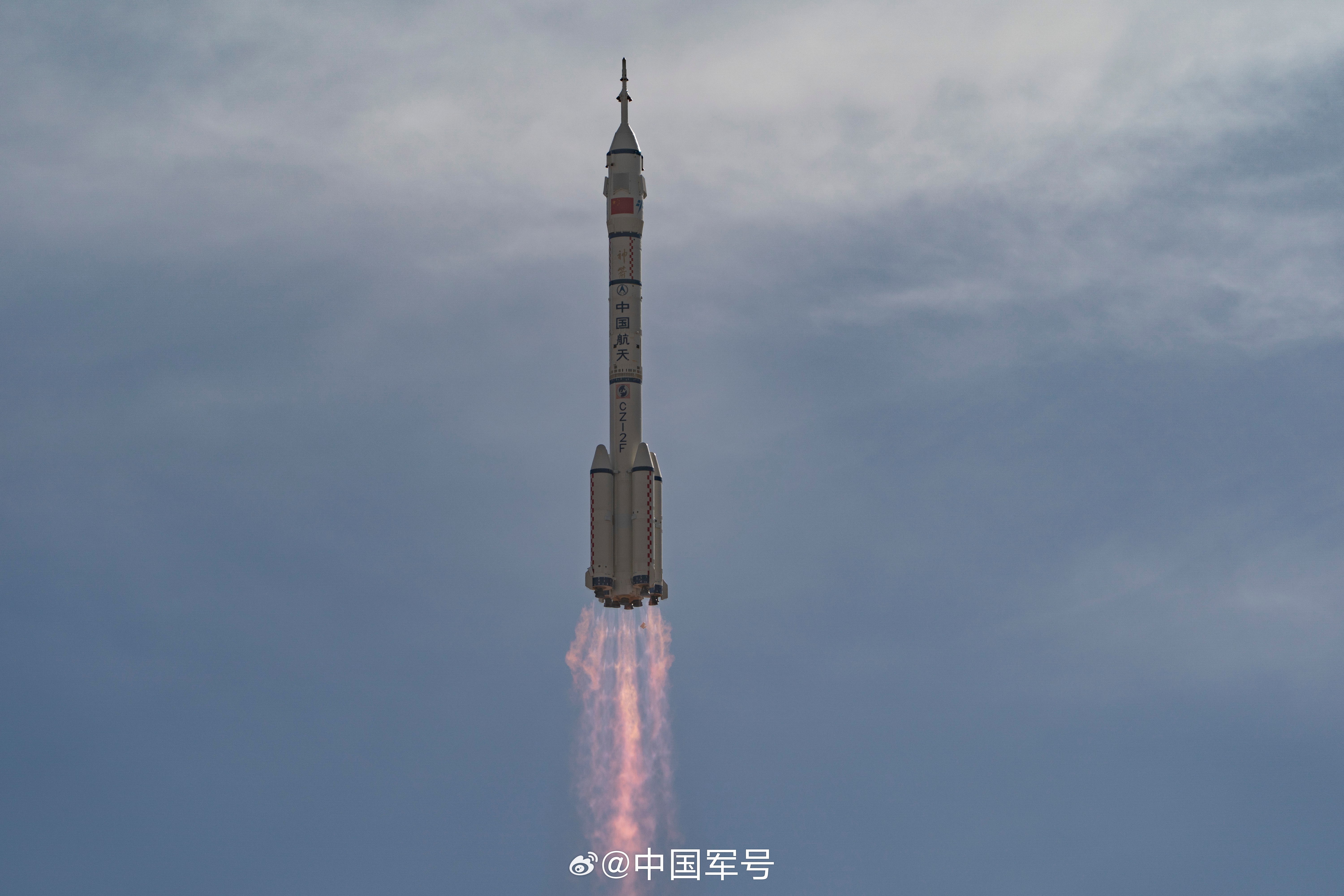
Provider: China Aerospace Science and Technology Corporation Date: November 25, 2026 Time: 12:18 AM UTC Vehicle: Long March 2F/G
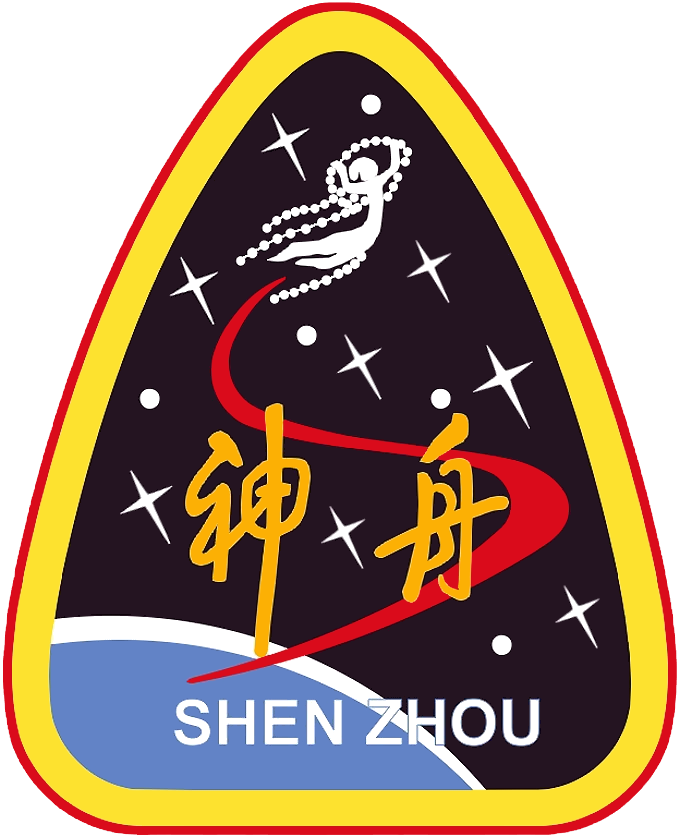
Shenzhou 24 will be the 24th flight of the Shenzhou program.
The first astronaut from Pakistan is expected to fly on this on a short duration mission, with another Chinese astronaut to undergo a year long expedition.
Unknown Payload
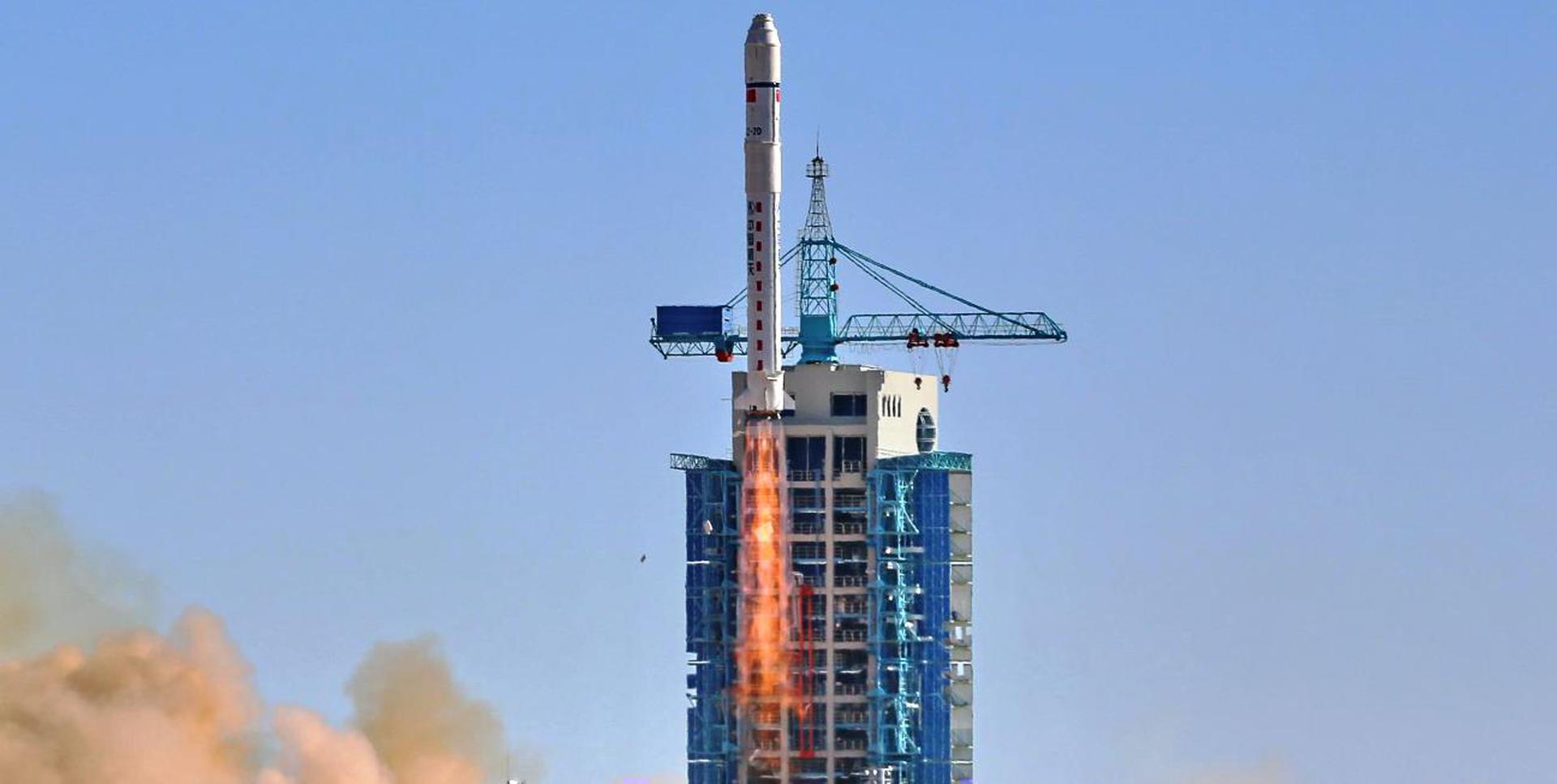
Provider: China Aerospace Science and Technology Corporation Date: November 26, 2026 Time: 9:35 AM UTC Vehicle: Long March 2D
Details TBD.
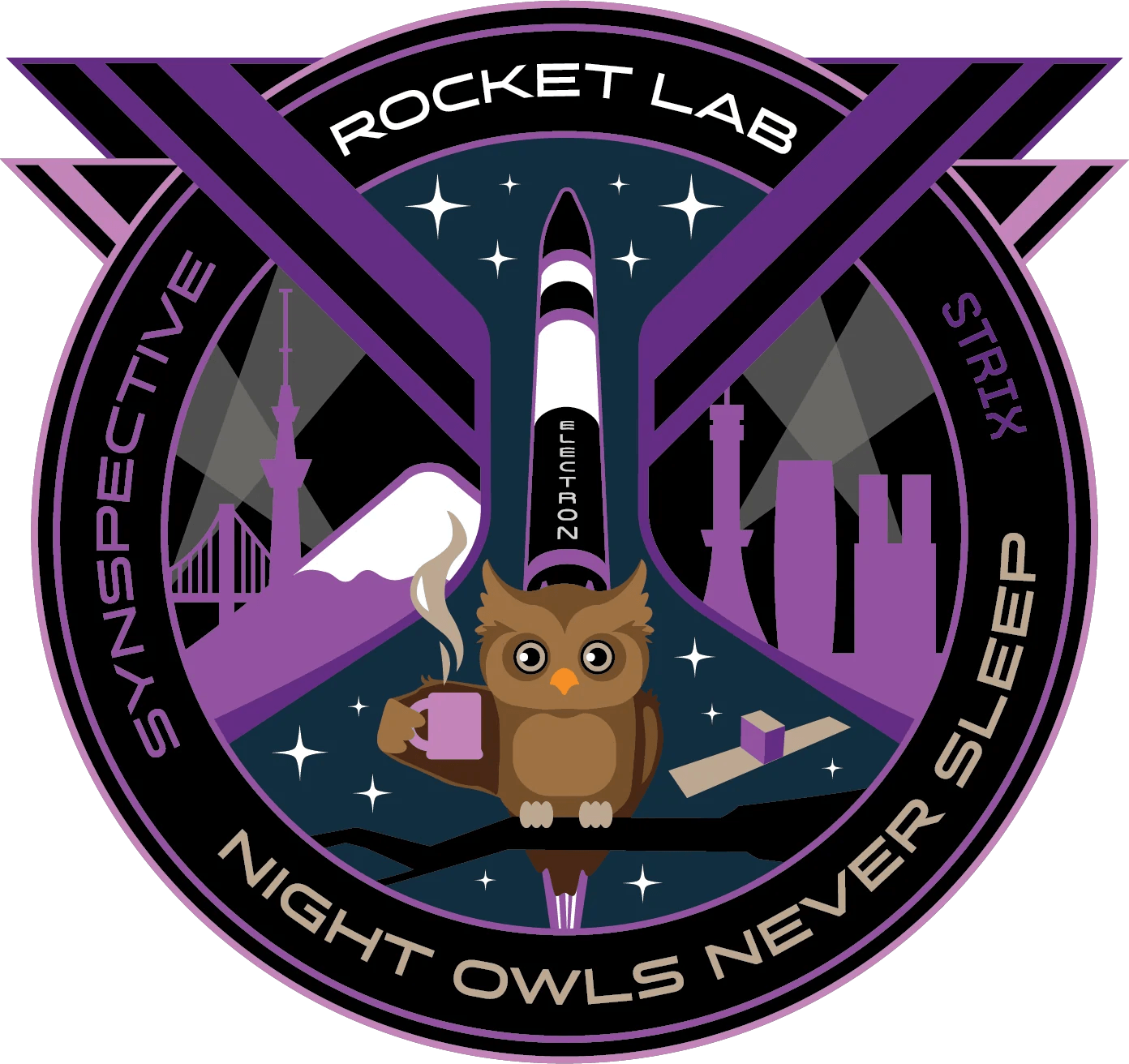
Night Owls Never Sleep (StriX Launch 14)
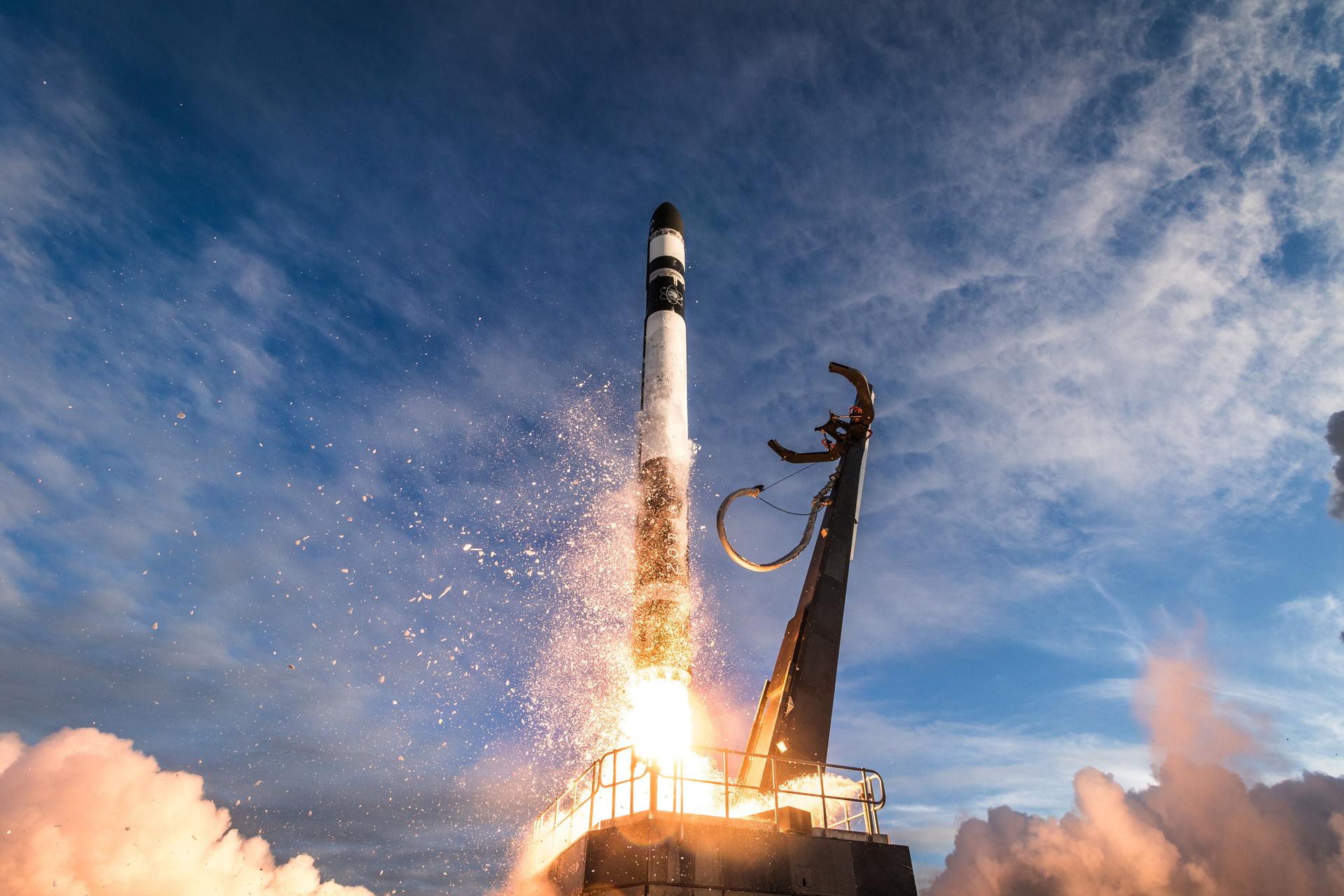
Provider: Rocket Lab Date: November 27, 2026 Time: 12:05 AM UTC Vehicle: Electron
Synthetic aperture radar satellite for Japanese Earth imaging company Synspective.
Unknown Payload
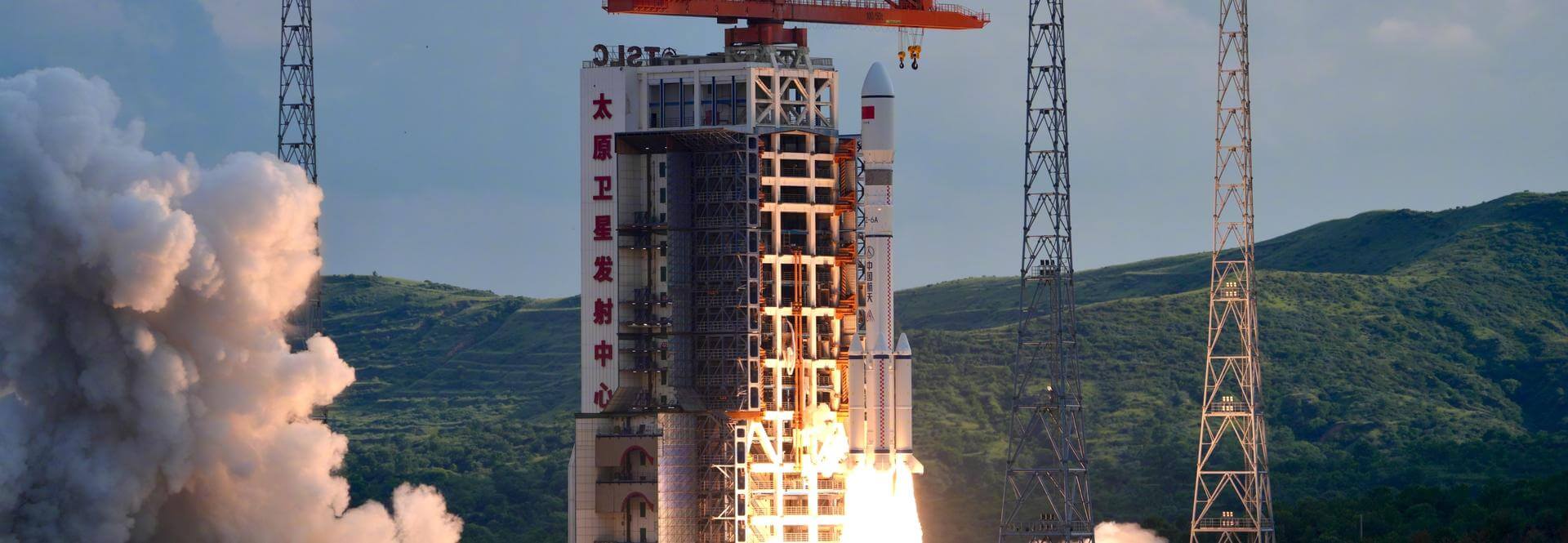
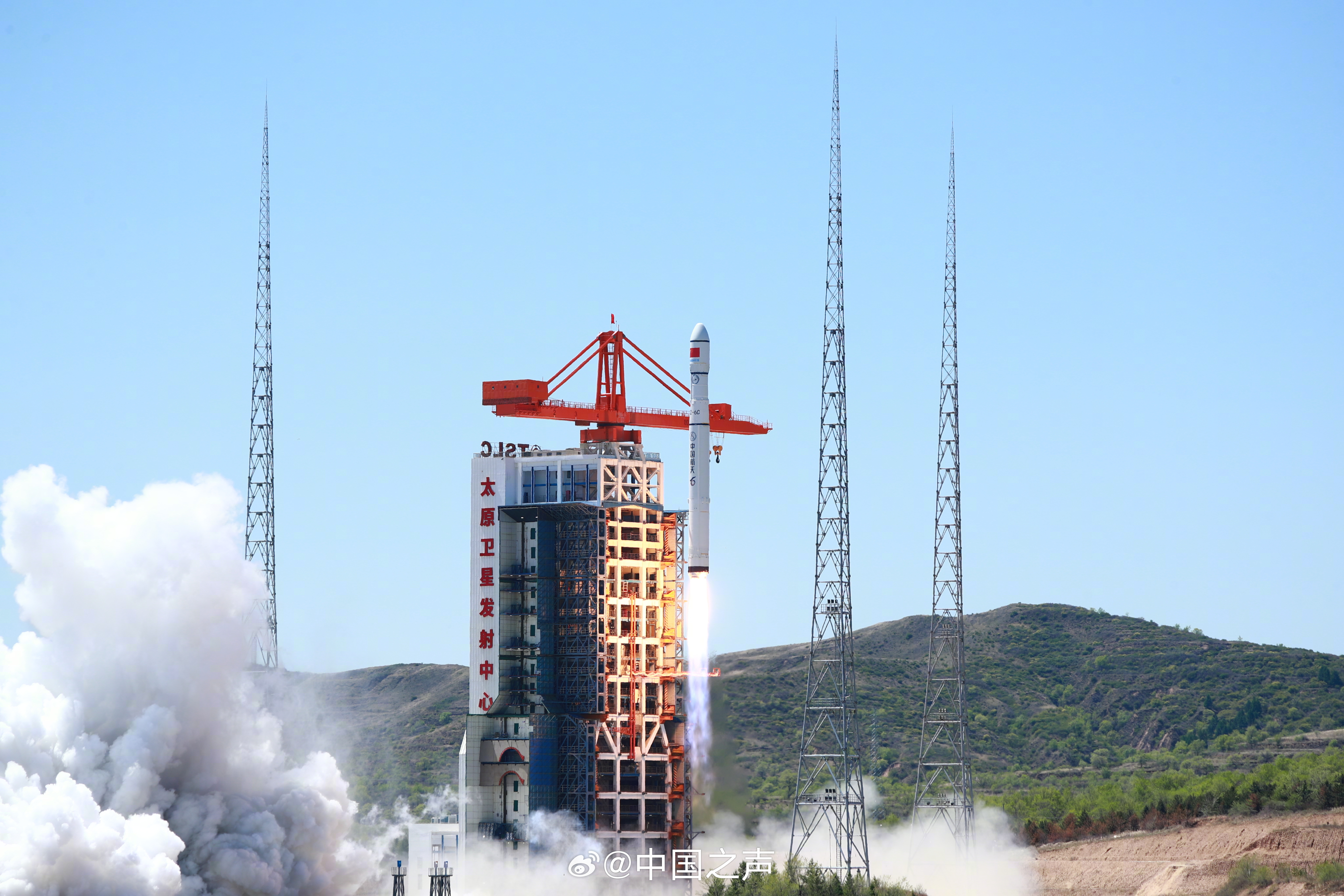
Provider: China Aerospace Science and Technology Corporation Date: November 27, 2026 Time: 1:00 PM UTC Vehicle: Long March 6A
Details TBD.
USSF-266 ×
Mission Details
TypeGovernment/Top Secret
OrbitPolar Orbit
TargetEarth
A classified mission for the United States Space Force. It is possibly a batch of classified LEO satellites based on SpaceX’s Starshield satellite bus, based on locations of ascent rocket stage drop zones being fits with previous SDA Transport Layer launches.
Falcon 9 is a two-stage rocket designed and manufactured by SpaceX for the reliable and safe transport of satellites and the Dragon spacecraft into orbit. The Block 5 variant is the fifth major interval aimed at improving upon the ability for rapid reusability.
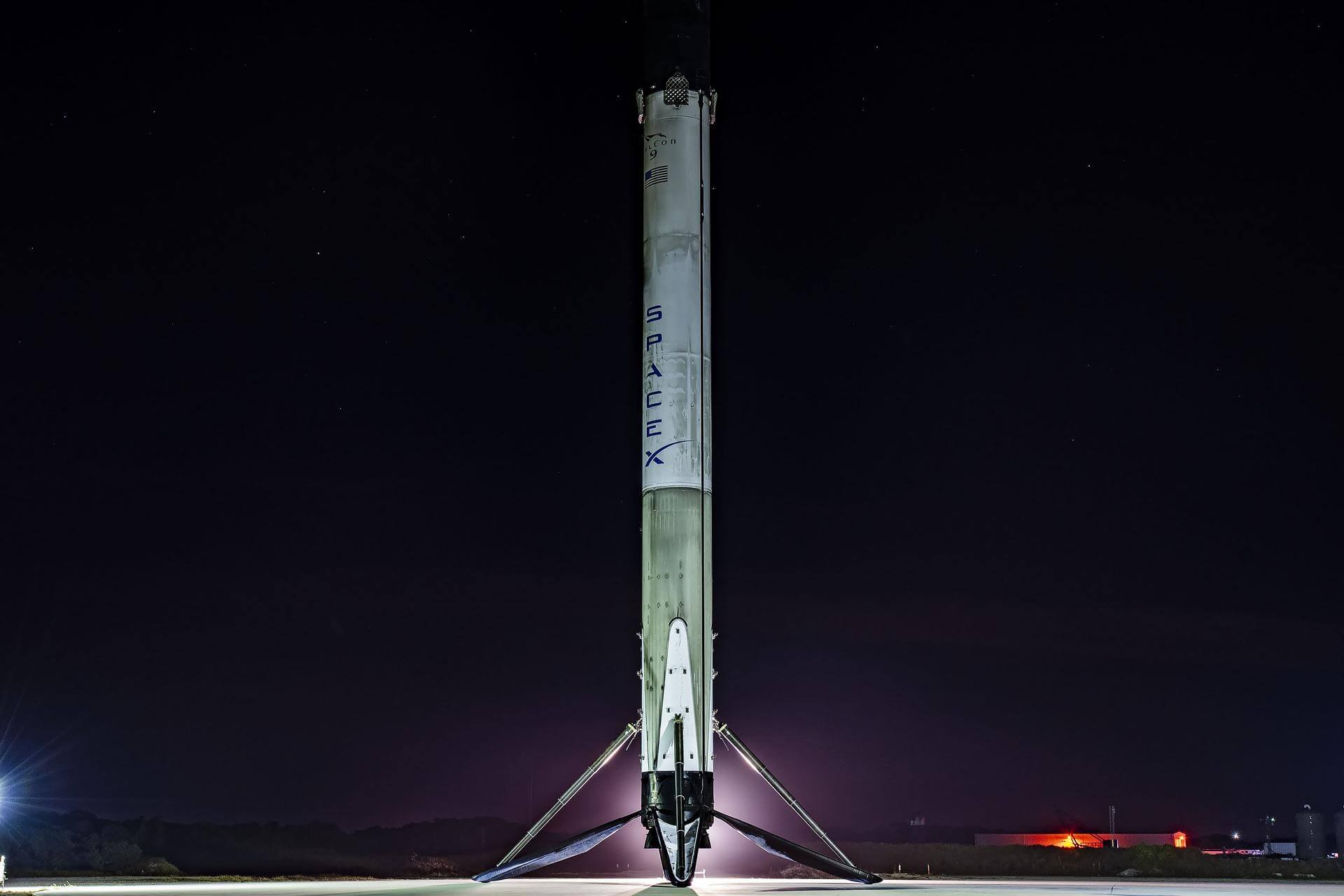
The Falcon 9 first stage B1081 will land on ASDS OCISLY after its 29th flight.
Shenzhou 24 ×
Mission Details
TypeHuman Exploration
OrbitLow Earth Orbit
TargetEarth
Shenzhou 24 will be the 24th flight of the Shenzhou program.
The first astronaut from Pakistan is expected to fly on this on a short duration mission, with another Chinese astronaut to undergo a year long expedition.
Agencies Involved
• China National Space Administration (Government)
Program: Shenzhou
The Shenzhou program is a crewed spaceflight initiative by China. The program put the first Chinese citizen, Yang Liwei, into orbit on 15 October 2003.
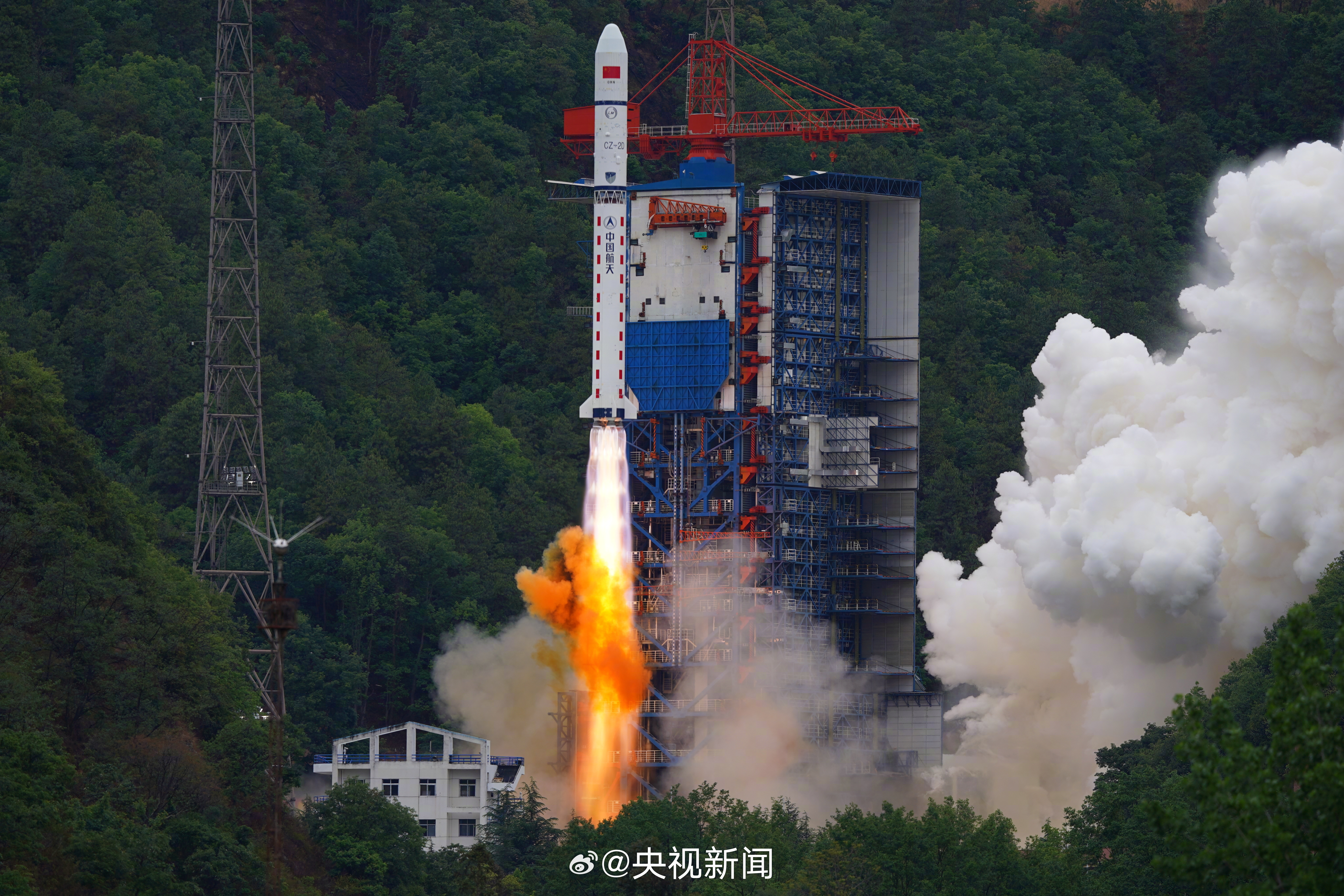
The Long March 2F is a Chinese orbital carrier rocket, part of the Long March 2 rocket family. Designed to launch the crewed Shenzhou spacecraft, the Long March 2F is a human-rated two-stage version of the Long March 2E rocket, which in turn was based on the Long March 2C launch vehicle. It is…
The Long March 2D, also known as the Chang Zheng 2D, CZ-2D and LM-2D, is a Chinese orbital carrier rocket. It is a 2-stage carrier rocket mainly used for launching LEO and SSO satellites.
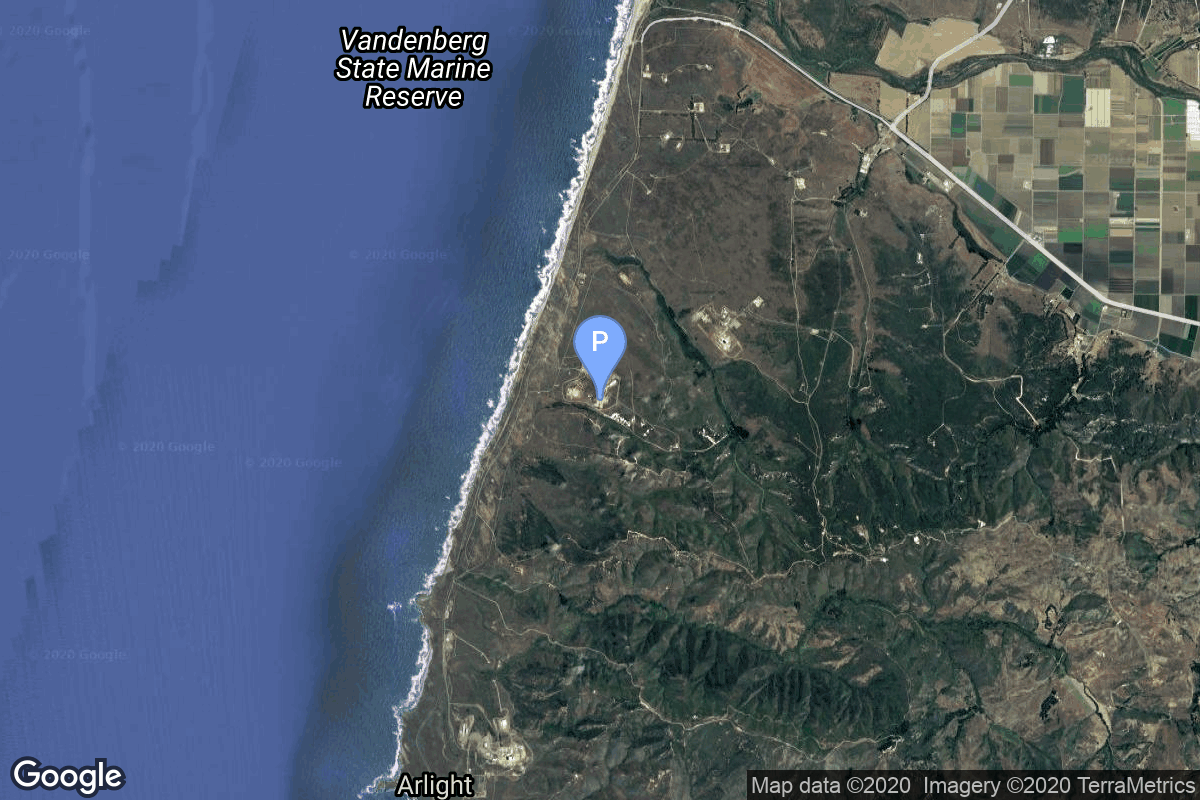
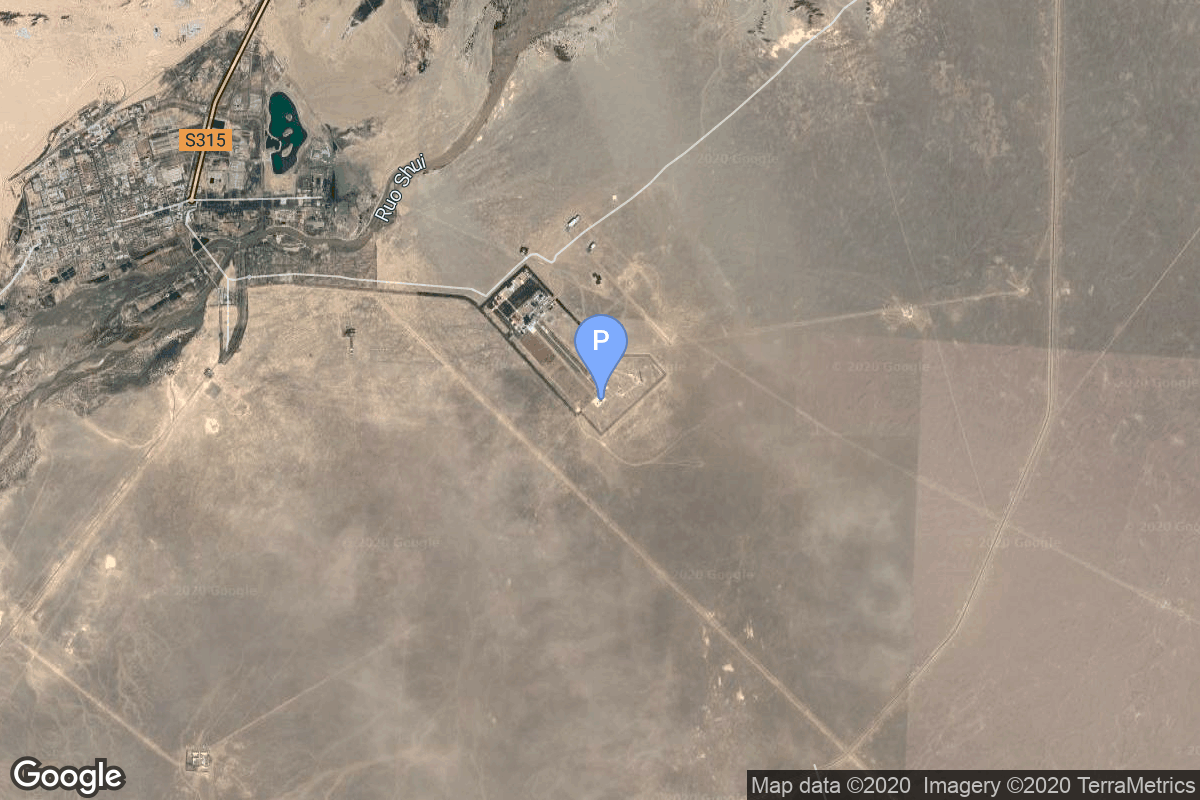
Rocket Lab Launch Complex 1, Mahia Peninsula, New Zealand
Total launches from this pad: 0
Vehicle: Electron
Electron is a two-stage orbital expendable launch vehicle (with an optional third stage) developed by the American aerospace company Rocket Lab. Electron is a small-lift launch vehicle designed to launch small satellites and cubesats to sun-synchronous orbit and low earth orbit. The Electron is the…
The Long March 6A is a Chinese launch vehicle of the Long March family, which was developed by the China Aerospace Science and Technology Corporation (CASC) and the Shanghai Academy of Spaceflight Technology (SAST). The vehicle is a further development of the Long March 6, with 2 YF-100 engines on…
Robo Chris is a collection of API calls, filters, and searches, bolted together with magic and love. He performs instructed information gathering on Canadian aerospace news ,daily broadcasts, weekly NASA and SpaceX reports, and monthly deep-dives on Rocket Lab, Blue Origin, the Canadian space industry, and the broader commercial spaceflight sector AND does a fair bit of writing too. Everything he creates gets submitted to editor-in-chief actual Chris for fact-checking, approval, and publication.











Leave a Reply