Isar Aerospace Takes Control of Spaceport Nova Scotia
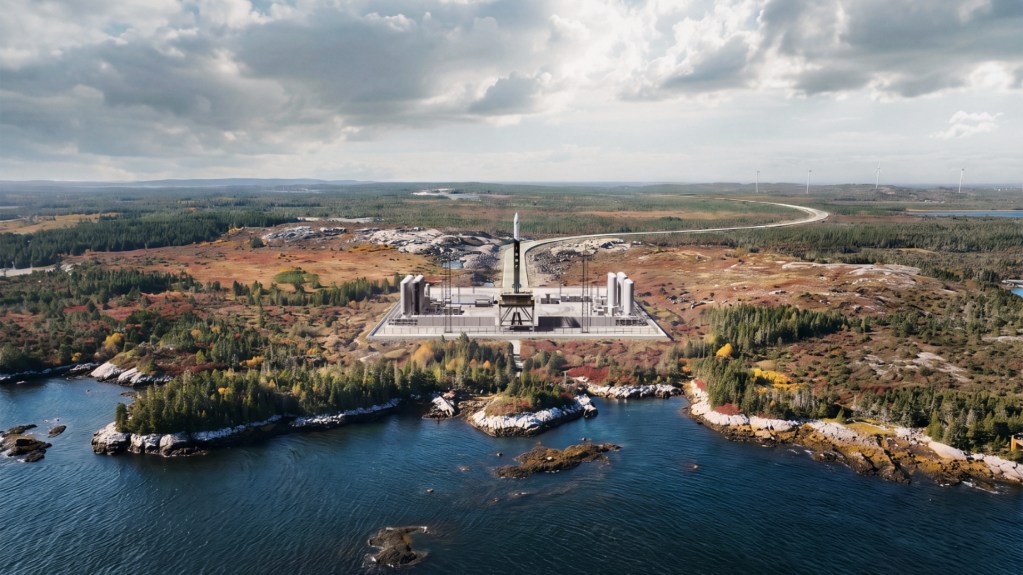
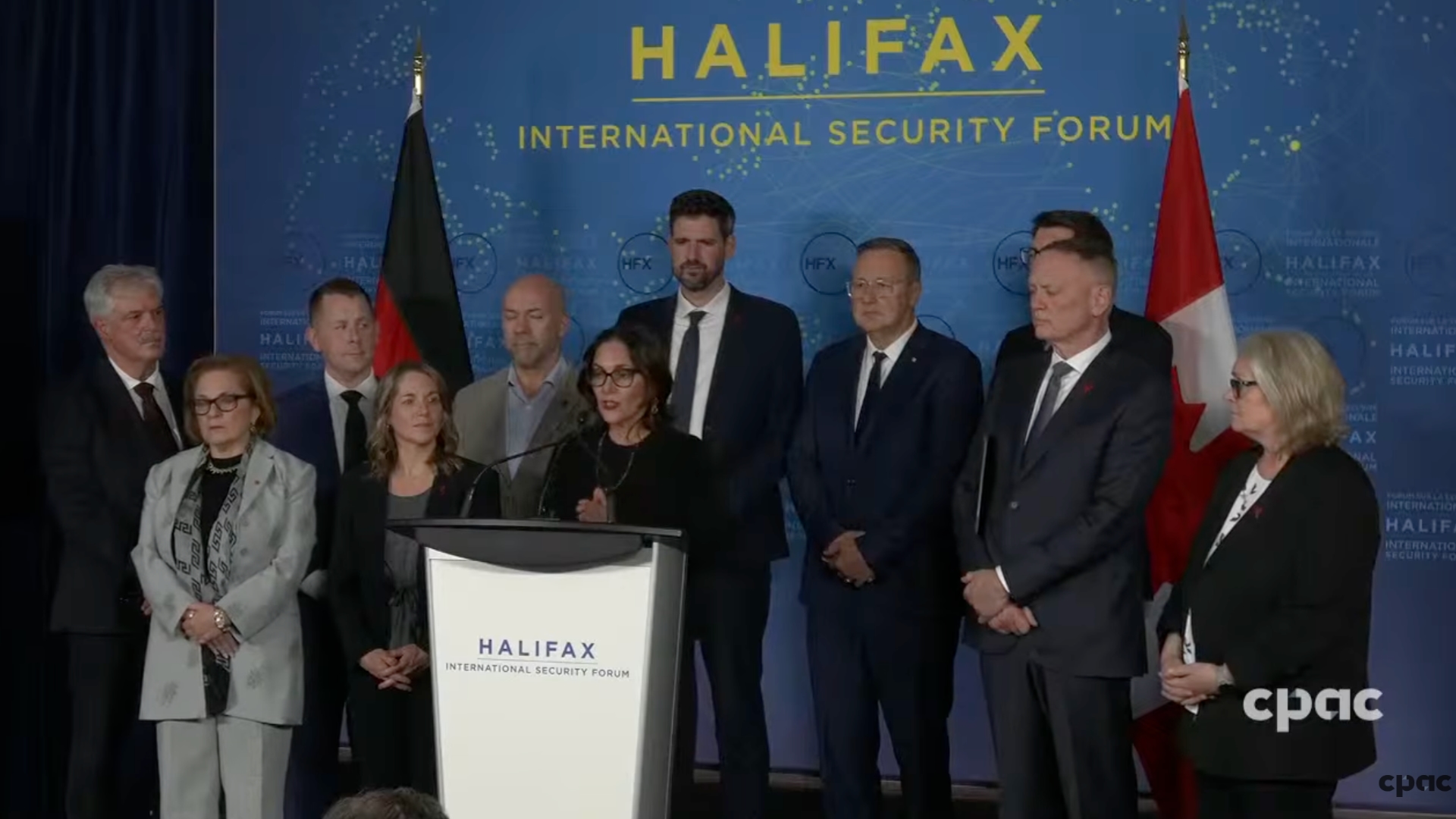
Isar Aerospace took over its launch site at Spaceport Nova Scotia on Saturday, the German rocket maker and Maritime Launch Services announced at the Halifax International Security Forum. The company will now begin building a pad it hopes to fly from in the first half of 2028.
Maritime Launch Services formally handed Isar Aerospace control of the land set aside for its launch complex inside the multi-user spaceport near Canso, N.S. Isar takes on operational responsibility for its own launch infrastructure in Canada and will design, build and operate the complex, including a final assembly line for its Spectrum rocket and a facility to prepare satellites for flight. Spectrum reached orbit in September on its second flight, from Andøya in northern Norway. Nova Scotia will be Isar’s second launch site and its first in North America.
Stella Guillen, Isar’s chief commercial officer, said the company’s Canadian venture began with a phone call about 18 months ago from Brig.-Gen. Christopher Horner, commander of 3 Canadian Space Division, the Canadian Armed Forces’ space command. Horner spoke about Canada’s ambitions in space and its need for sovereignty there, she said. The company has since set up Isar Aerospace Canada Inc., signed with Maritime Launch and, in Guillen’s words, “joined the TKMS 212CD team,” the trilateral partnership among Canada, Germany and Norway led by German shipbuilder TKMS that is set to deliver Canada’s future submarine fleet.
Maritime Launch crews spent the summer building roads out to Isar’s site and finished them ahead of a Nov. 1 contract deadline, chief executive Stephen Matier told the audience. Matier said the handover showed what his company means by sovereign launch.
“Sovereign launch doesn’t mean we have to do everything ourselves,” Matier said. “It means having the infrastructure, partnerships, and operational capability here in Canada to ensure we can have access [to] space when we need it.”
TKMS chief executive Oliver Burkhard said in January that the Kiel shipbuilder was in talks with Isar as it put together its bid for the Canadian Patrol Submarine Project. On May 19, TKMS announced the two had partnered on a sovereign Canadian launch capability as part of that offer. Prime Minister Mark Carney picked TKMS as preferred supplier for up to 12 submarines on July 6, in Halifax.
SpaceX Dragon Splashes Down With Station Science
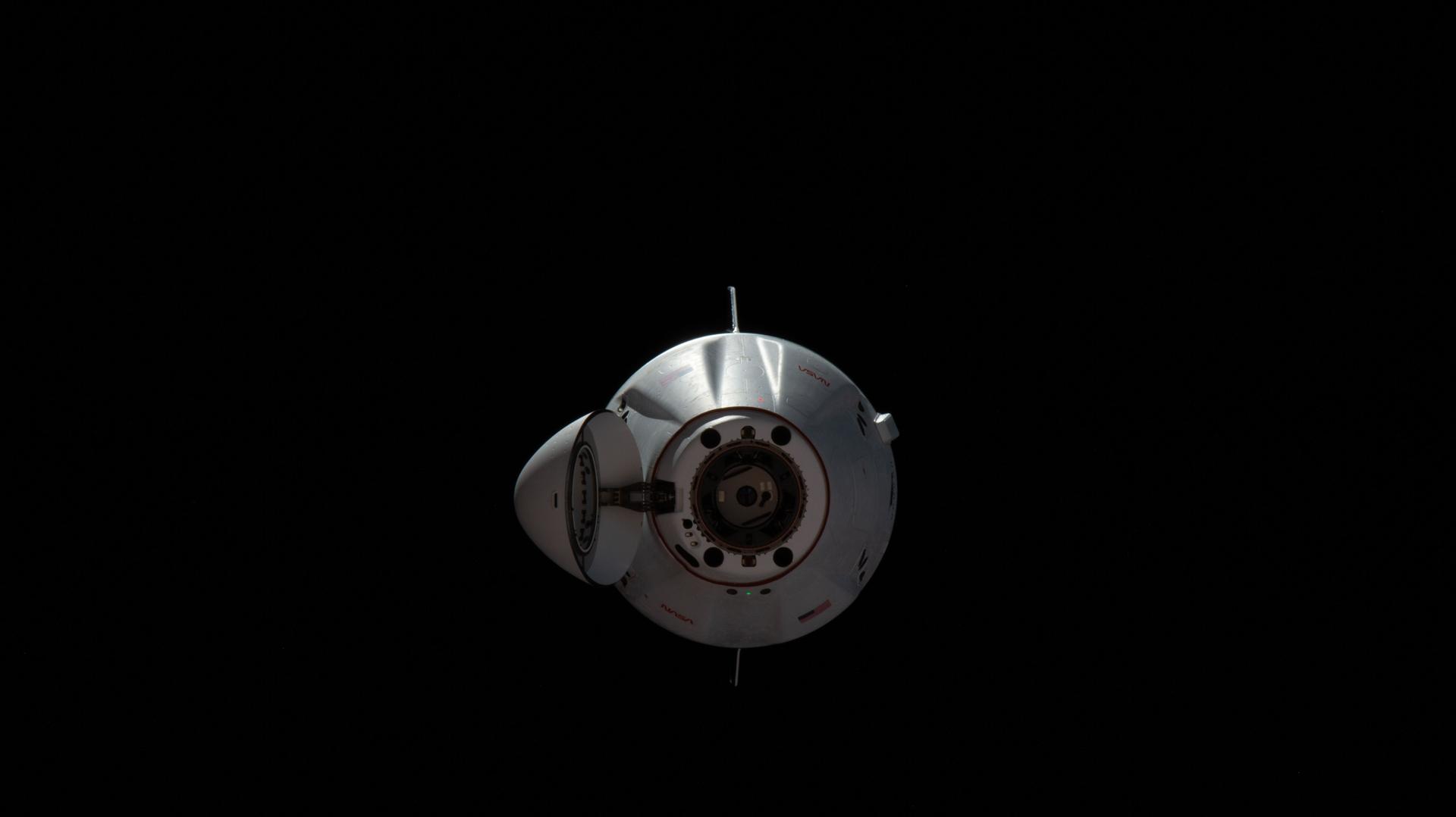
An unpiloted SpaceX Dragon spacecraft splashed down at 2:03 p.m. PST in the Pacific Ocean near Los Angeles, completing NASA’s 35th SpaceX commercial resupply services mission to the International Space Station.
Dragon undocked from the space station at 11:05 a.m. CST on Nov. 20, carrying samples that could shape future space exploration and benefit life on Earth. The returning research includes a 3D-bioprinted blood vessel construct used to study vascular aging and cardiovascular disease in space and on Earth. Frozen tumor organoids treated aboard the station also returned and may help researchers identify new ways to improve cancer treatments and advance personalized medicine.
Scientists will also analyze frozen microbial samples to better understand how antibiotic-resistant bacteria survive, adapt and evolve in space. A lighting system returned after more than three years aboard the space station, where researchers tested its potential to support astronauts’ sleep and well-being during long-duration missions.
SpaceX Scheduled NROL-136 Launch From Vandenberg
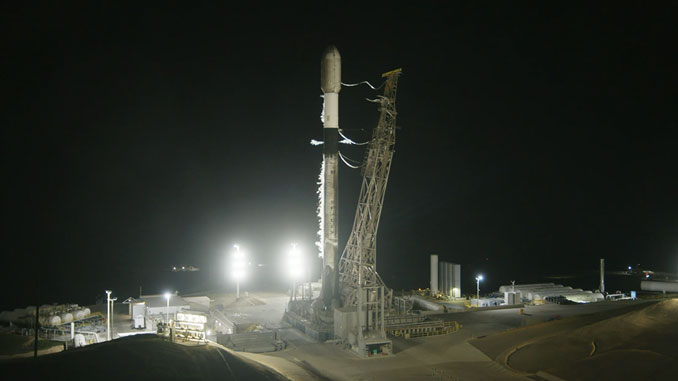
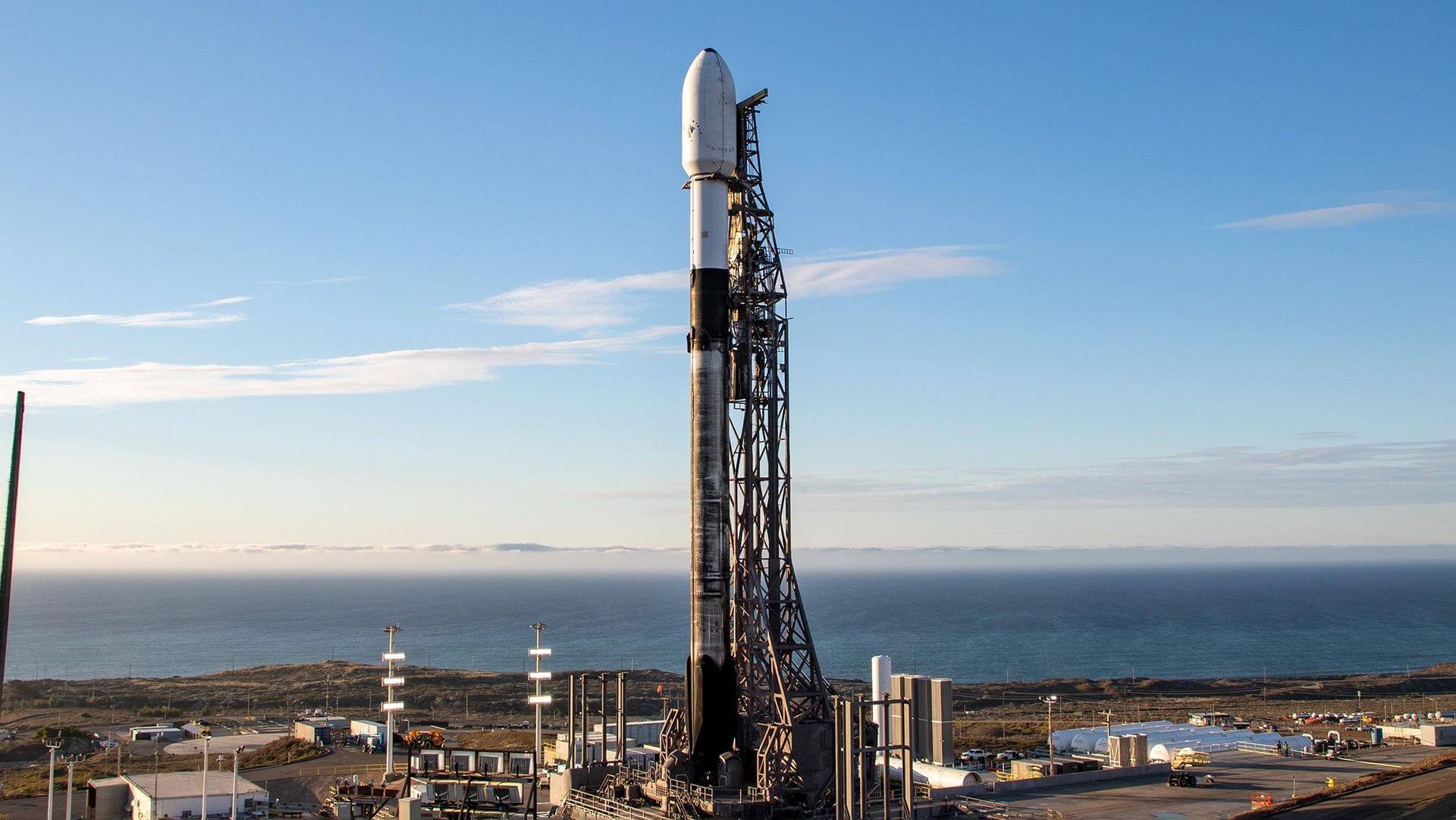
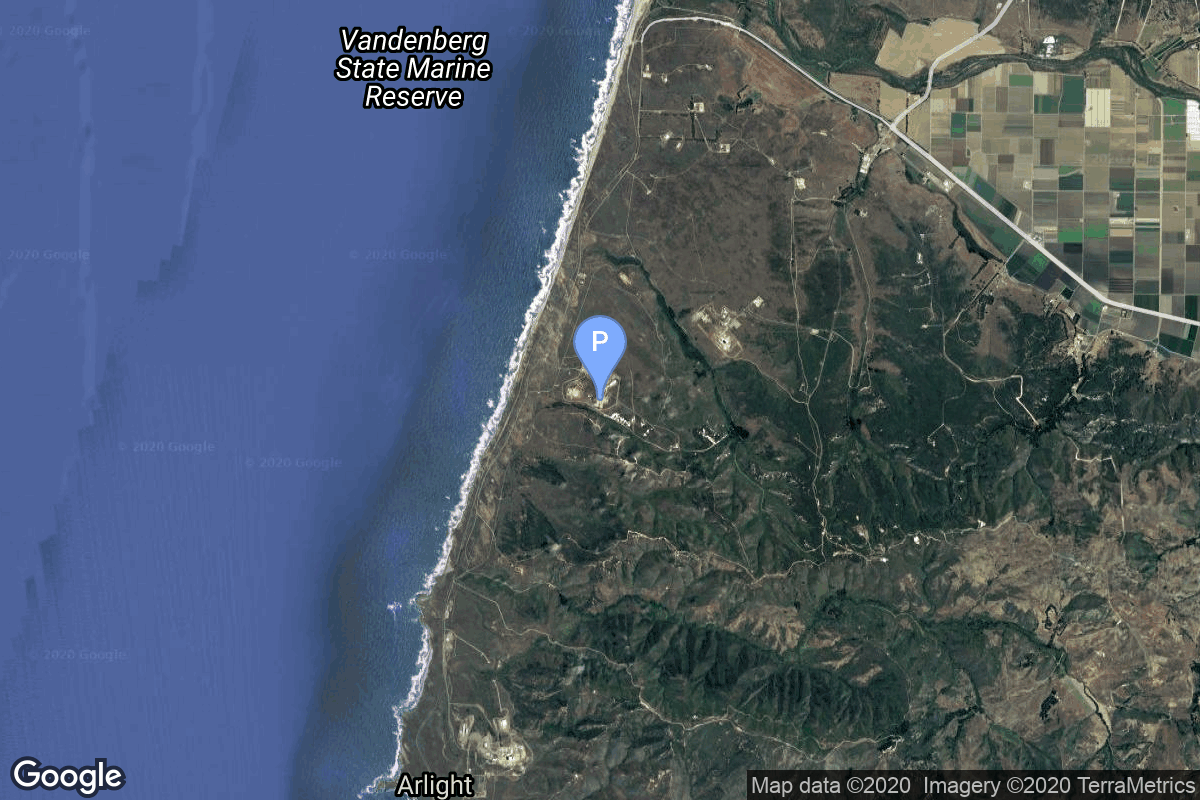
SpaceX was scheduled to launch a batch of intelligence-gathering satellites for the National Reconnaissance Office on Sunday morning. The mission, designated NROL-136, was set to lift off from Space Launch Complex 4E at Vandenberg Space Force Base in California at 4:23 a.m. PST (7:23 a.m. EST / 1223 UTC).
The mission was expected to add an undisclosed number of satellites to the NRO’s proliferated architecture constellation. This was expected to be the fourth such launch this year and the 15th to date.
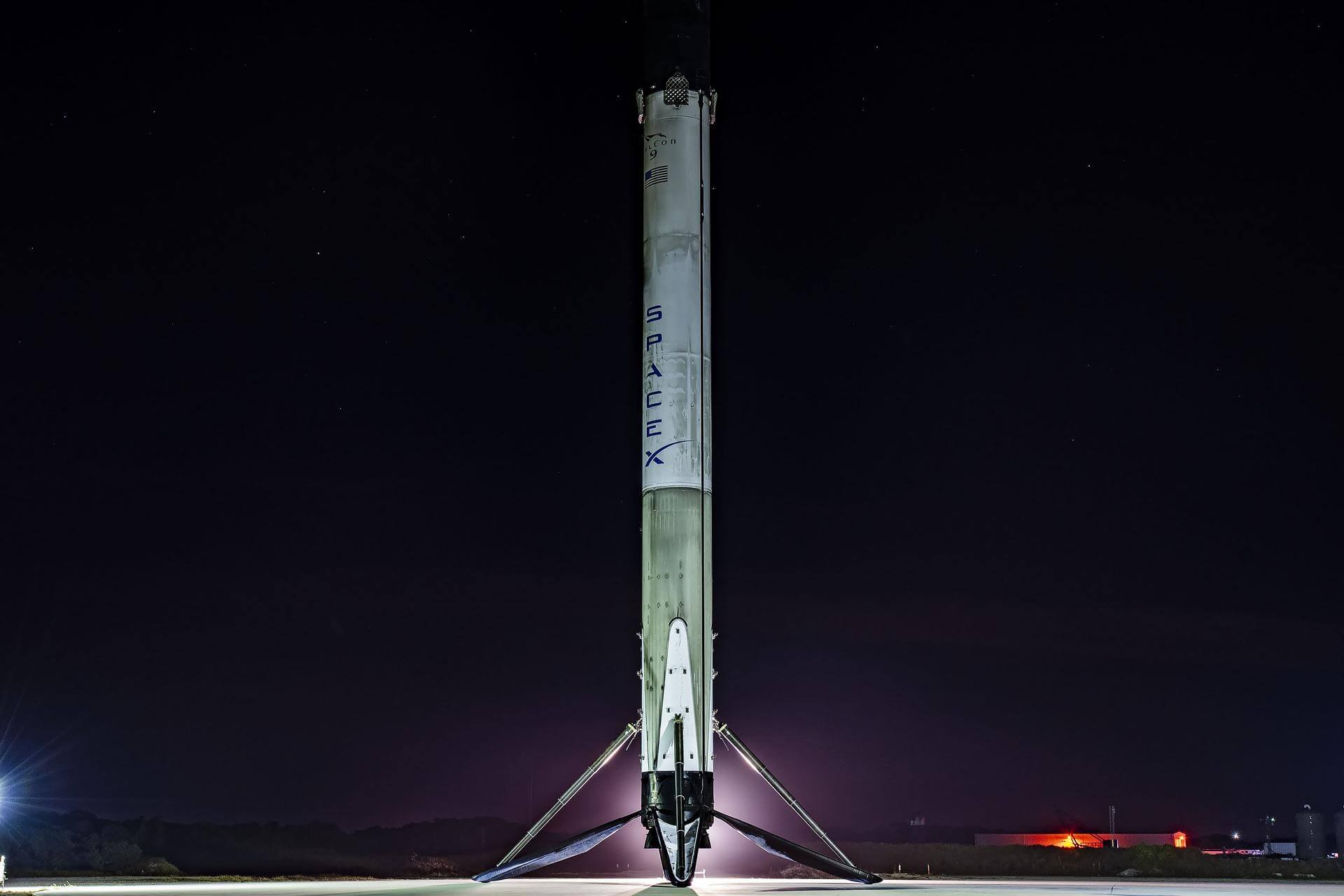
SpaceX planned to fly the mission using Falcon 9 first stage booster B1097 on its 14th flight, following launches of NROL-172, USSF-259, Transporter-17, Twilight, Sentinel-6B, and eight batches of Starlink satellites. Roughly 7.5 minutes after liftoff, B1097 was set to target a landing at Landing Zone 4, adjacent to the launch pad. If successful, that would mark the 38th landing at the site and the 680th Falcon booster landing to date.
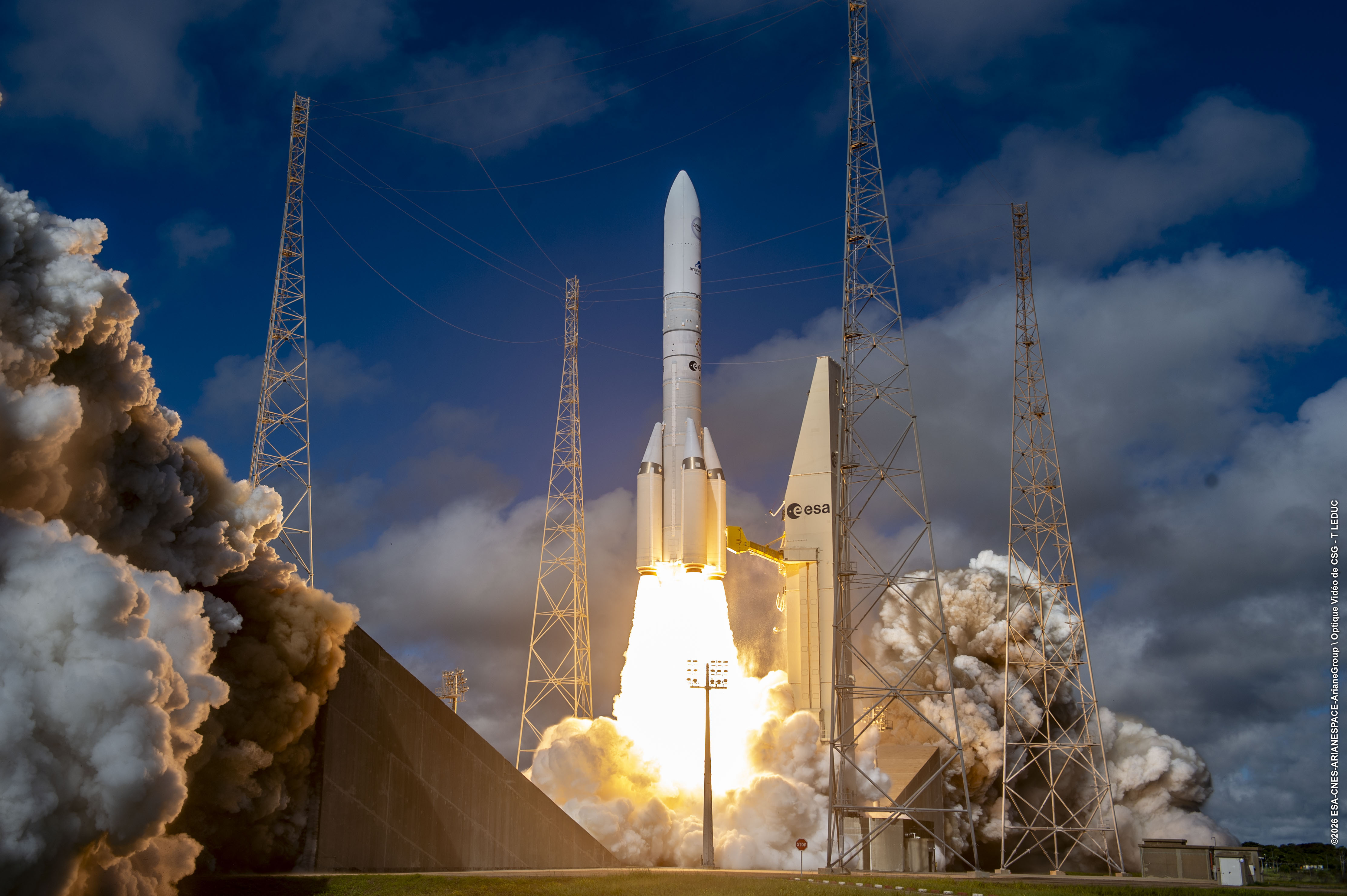
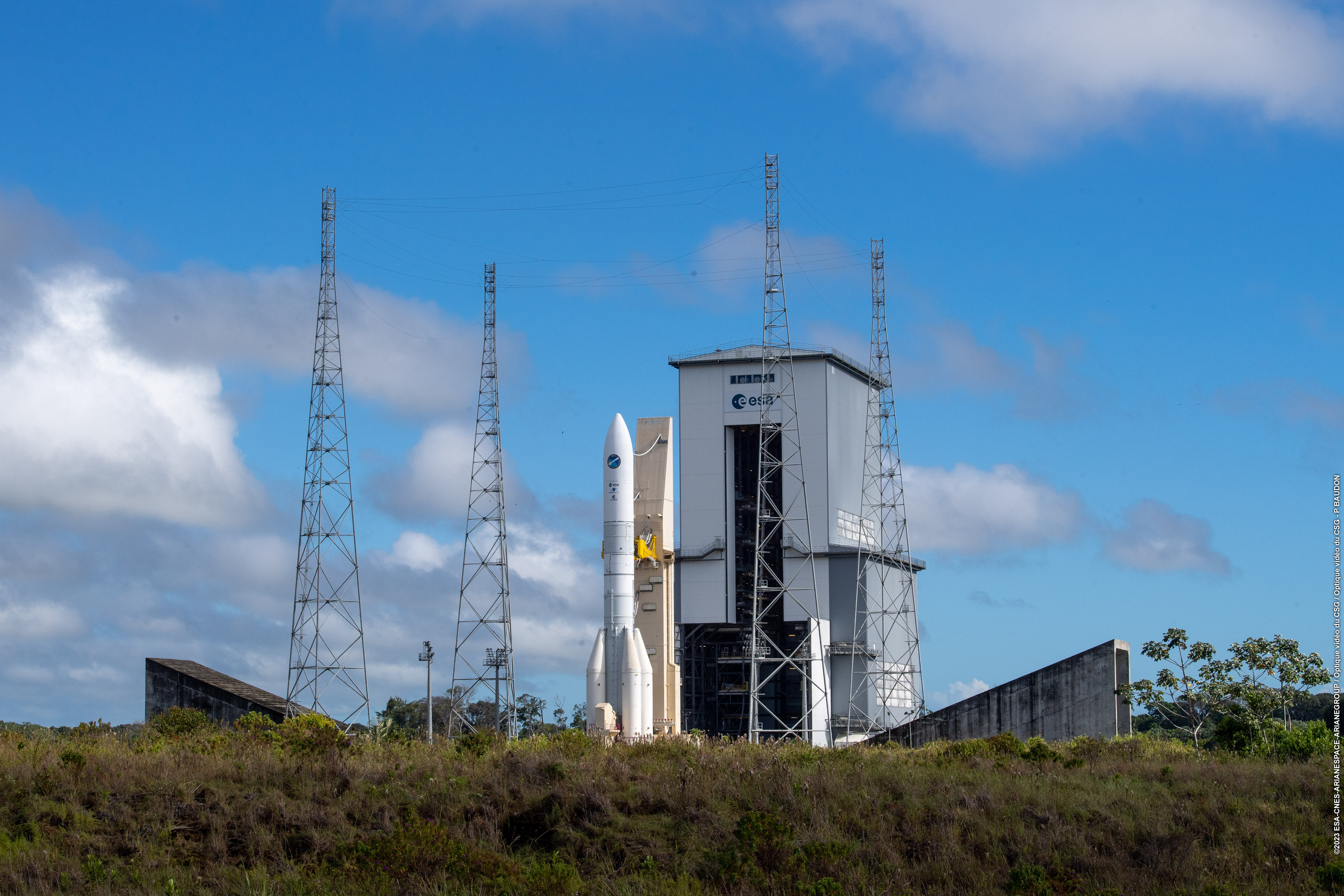
Provider: Arianespace Date: November 23, 2026 Time: 11:09 AM UTC Vehicle: Ariane 64
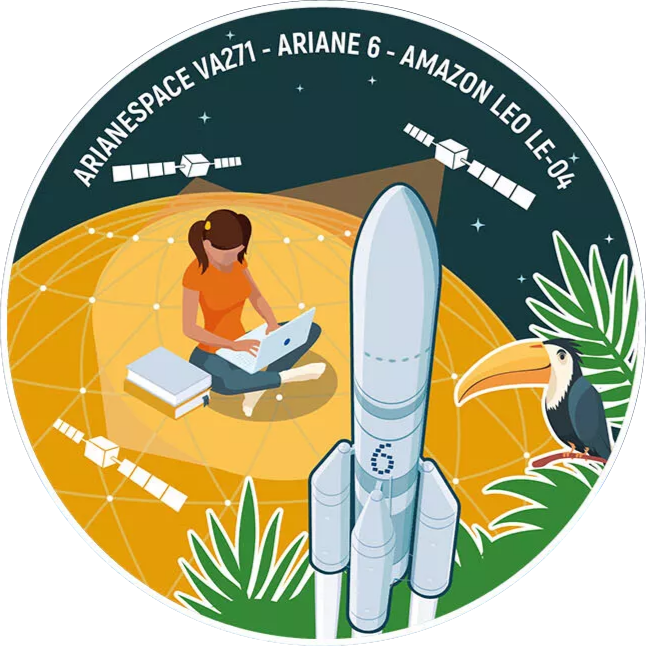
Amazon Leo, formerly known as Project Kuiper, is a mega constellation of satellites in Low Earth Orbit that will offer broadband internet access, this constellation will be managed by Kuiper Systems LLC, a subsidiary of Amazon. This constellation is planned to be composed of 3,276 satellites. The satellites are projected to be placed in 98 orbital planes in three orbital layers, one at 590 km, 610 km and 630 km altitude.
35-40 satellites will be carried on each Ariane 6 launch.
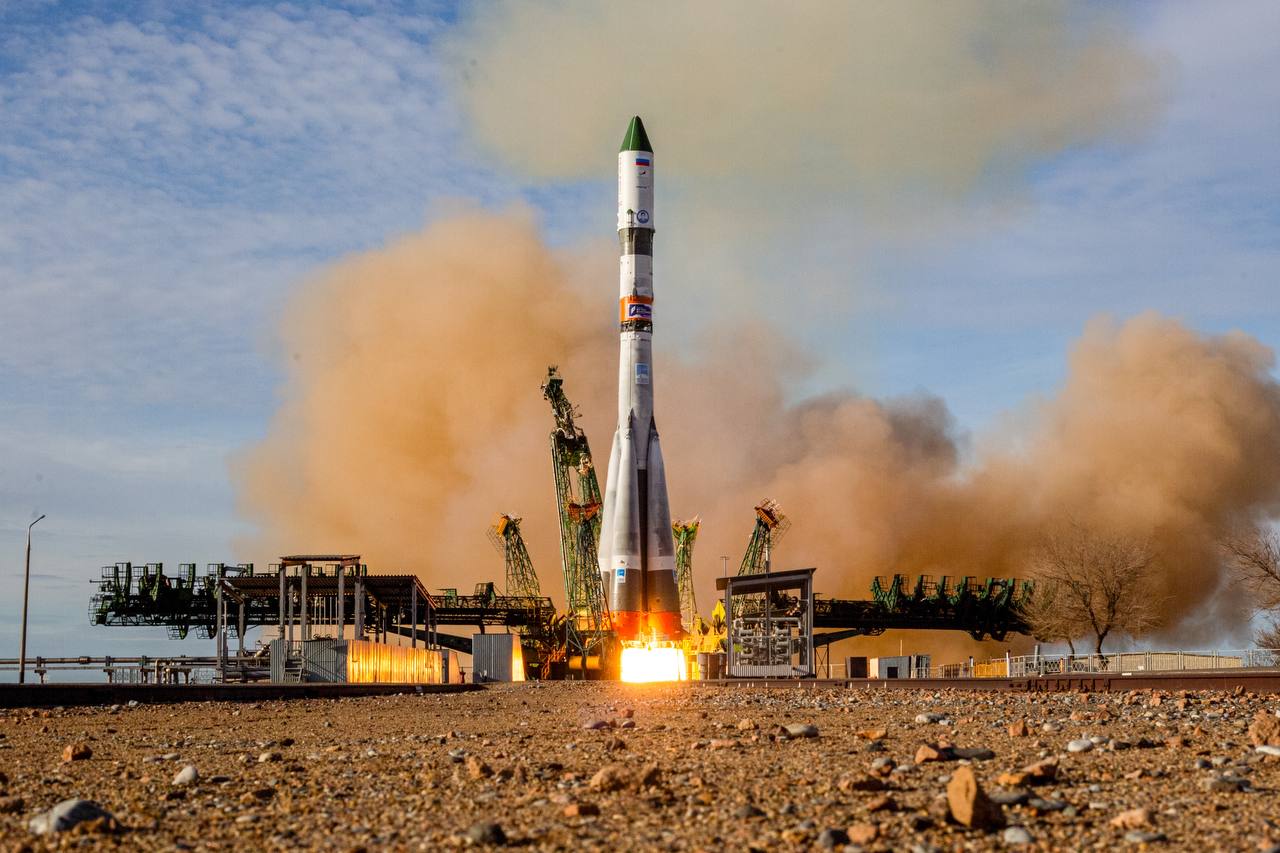
Progress MS-36 (97P)
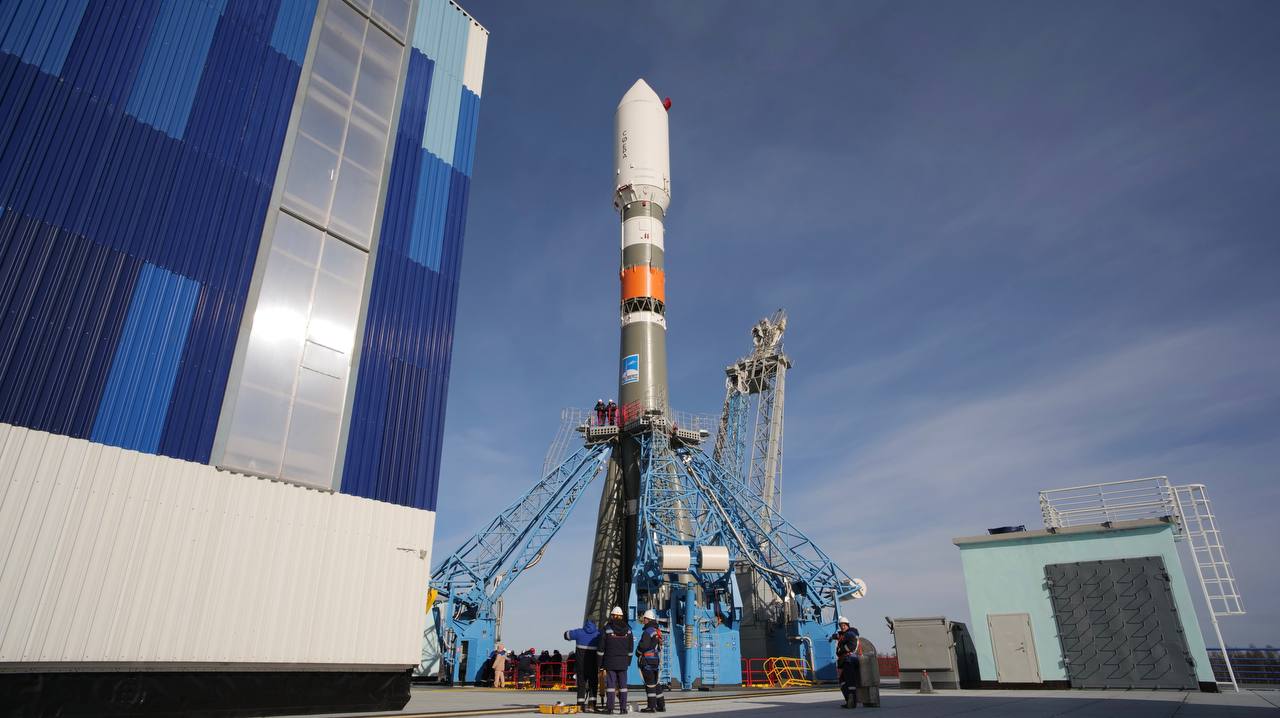
Provider: Russian Federal Space Agency (ROSCOSMOS) Date: November 24, 2026 Time: 5:03 AM UTC Vehicle: Soyuz 2.1b
Progress resupply mission to the International Space Station.
USSF-266
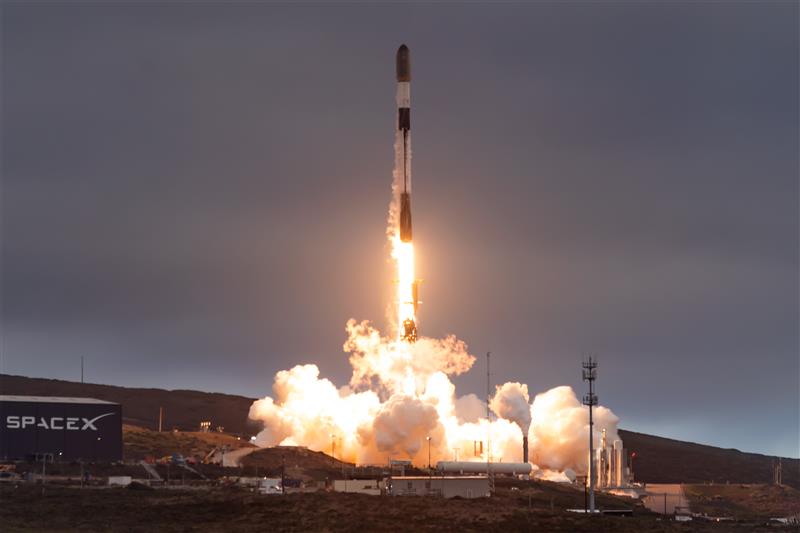
Provider: SpaceX Date: November 24, 2026 Time: 3:55 PM UTC Vehicle: Falcon 9
A classified mission for the United States Space Force. It is possibly a batch of classified LEO satellites based on SpaceX’s Starshield satellite bus, based on locations of ascent rocket stage drop zones being fits with previous SDA Transport Layer launches.
Shenzhou 24
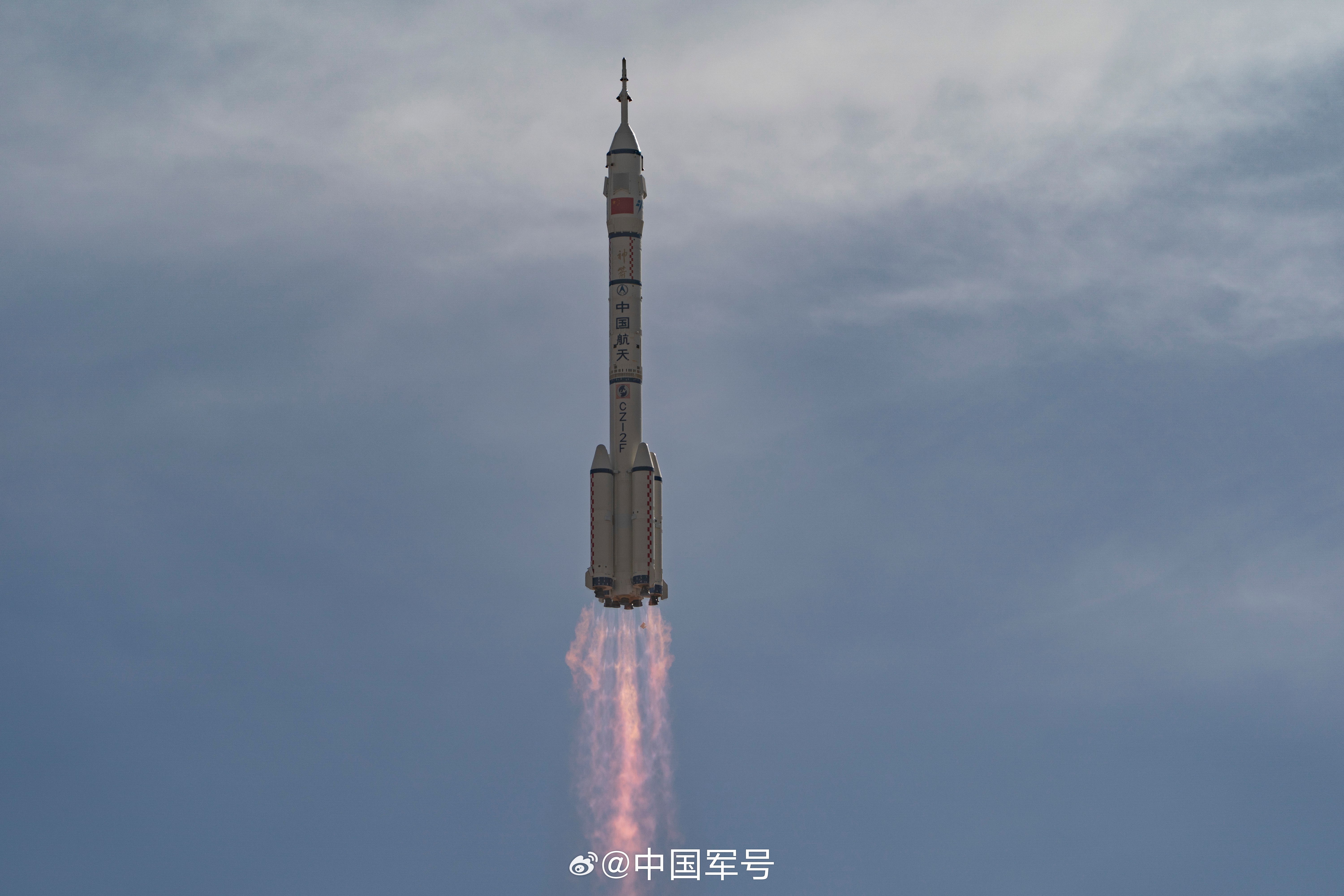
Provider: China Aerospace Science and Technology Corporation Date: November 25, 2026 Time: 12:18 AM UTC Vehicle: Long March 2F/G
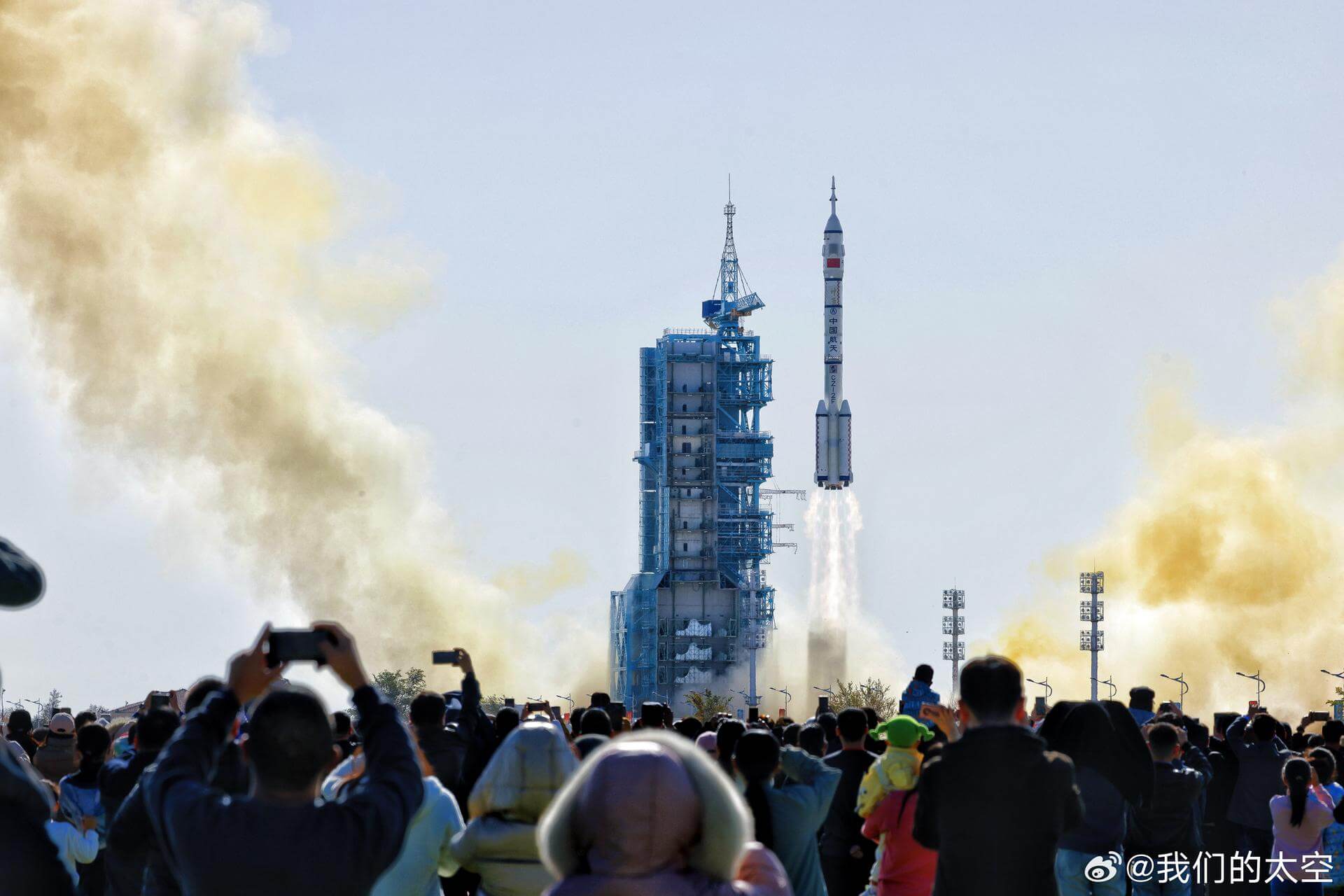
Shenzhou 24 will be the 24th flight of the Shenzhou program.
The first astronaut from Pakistan is expected to fly on this on a short duration mission, with another Chinese astronaut to undergo a year long expedition.
Unknown Payload
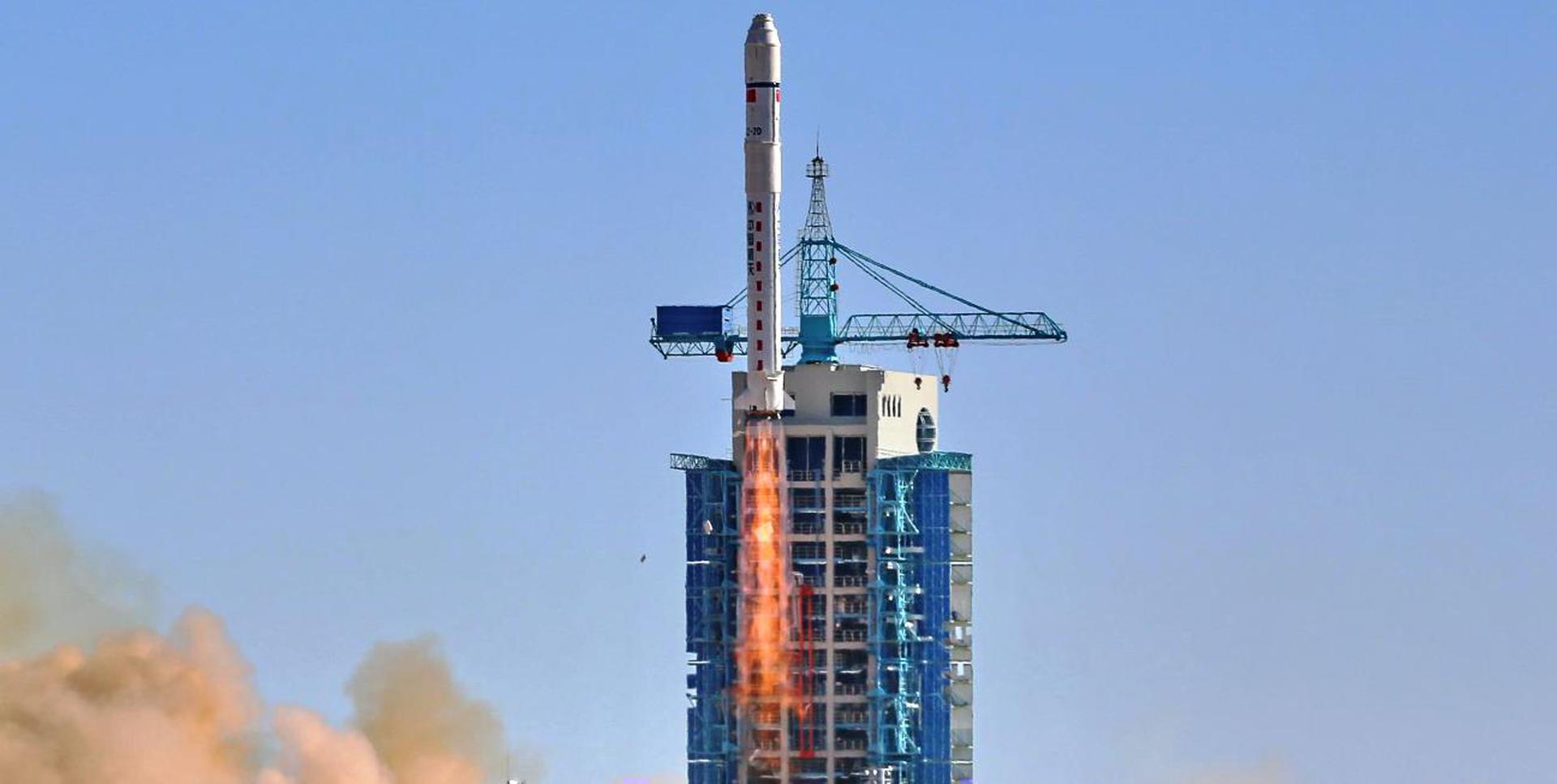
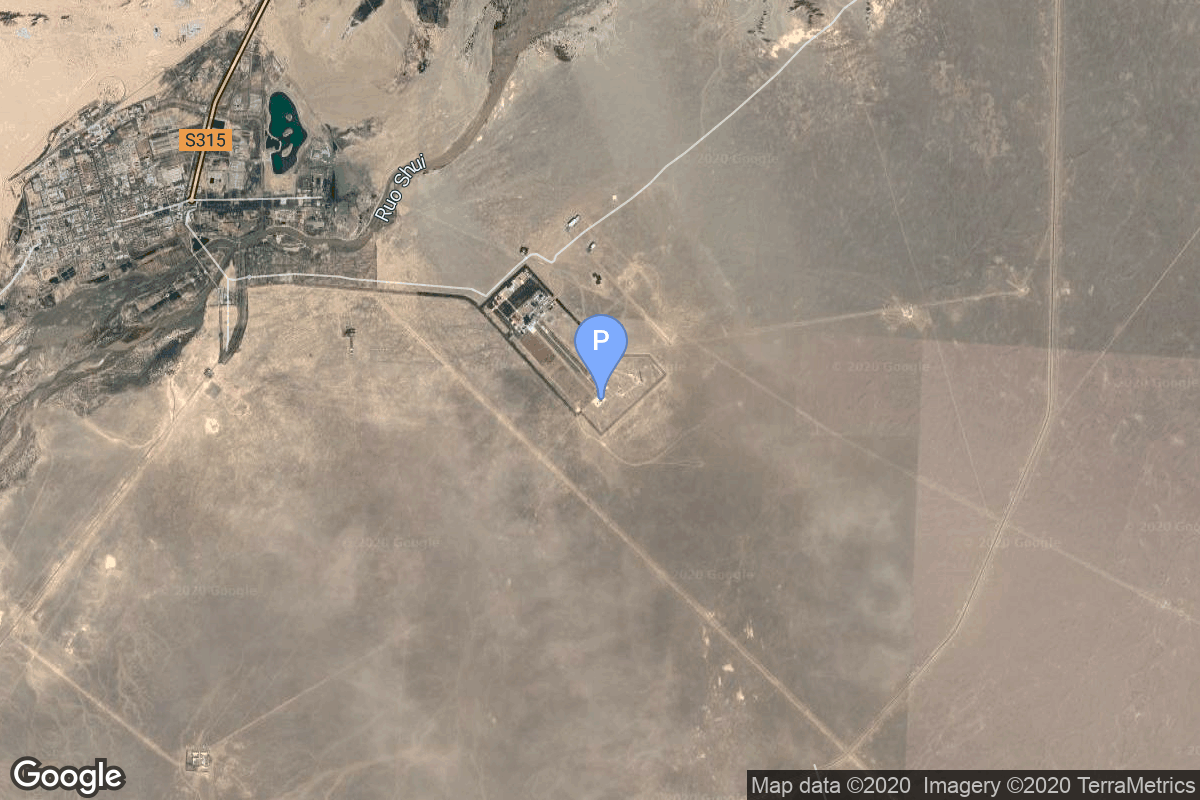
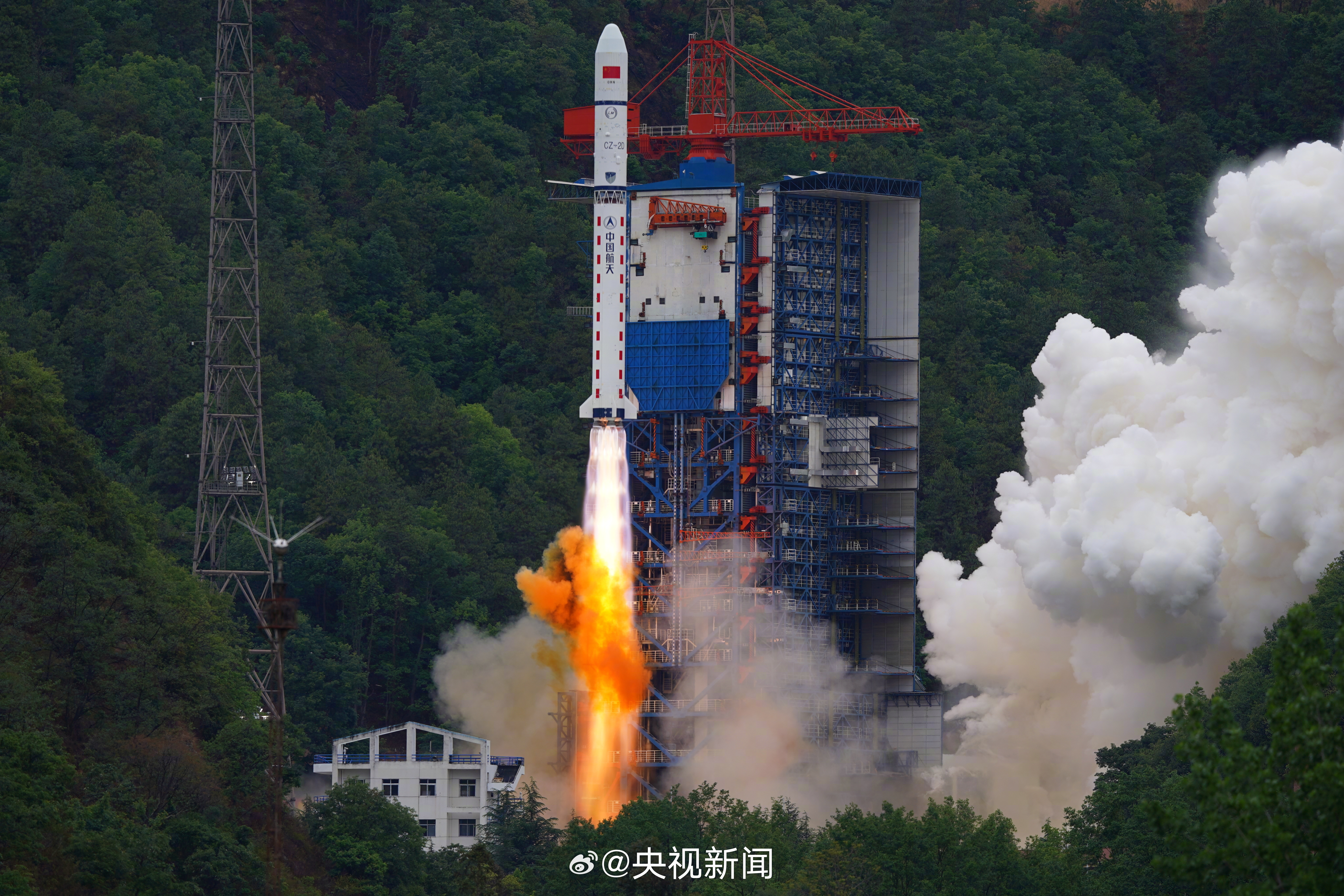
Provider: China Aerospace Science and Technology Corporation Date: November 26, 2026 Time: 9:35 AM UTC Vehicle: Long March 2D
Details TBD.
Amazon Leo (LE-04) ×
Mission Details
TypeCommunications
OrbitLow Earth Orbit
TargetEarth
Amazon Leo, formerly known as Project Kuiper, is a mega constellation of satellites in Low Earth Orbit that will offer broadband internet access, this constellation will be managed by Kuiper Systems LLC, a subsidiary of Amazon. This constellation is planned to be composed of 3,276 satellites. The satellites are projected to be placed in 98 orbital planes in three orbital layers, one at 590 km, 610 km and 630 km altitude.
35-40 satellites will be carried on each Ariane 6 launch.
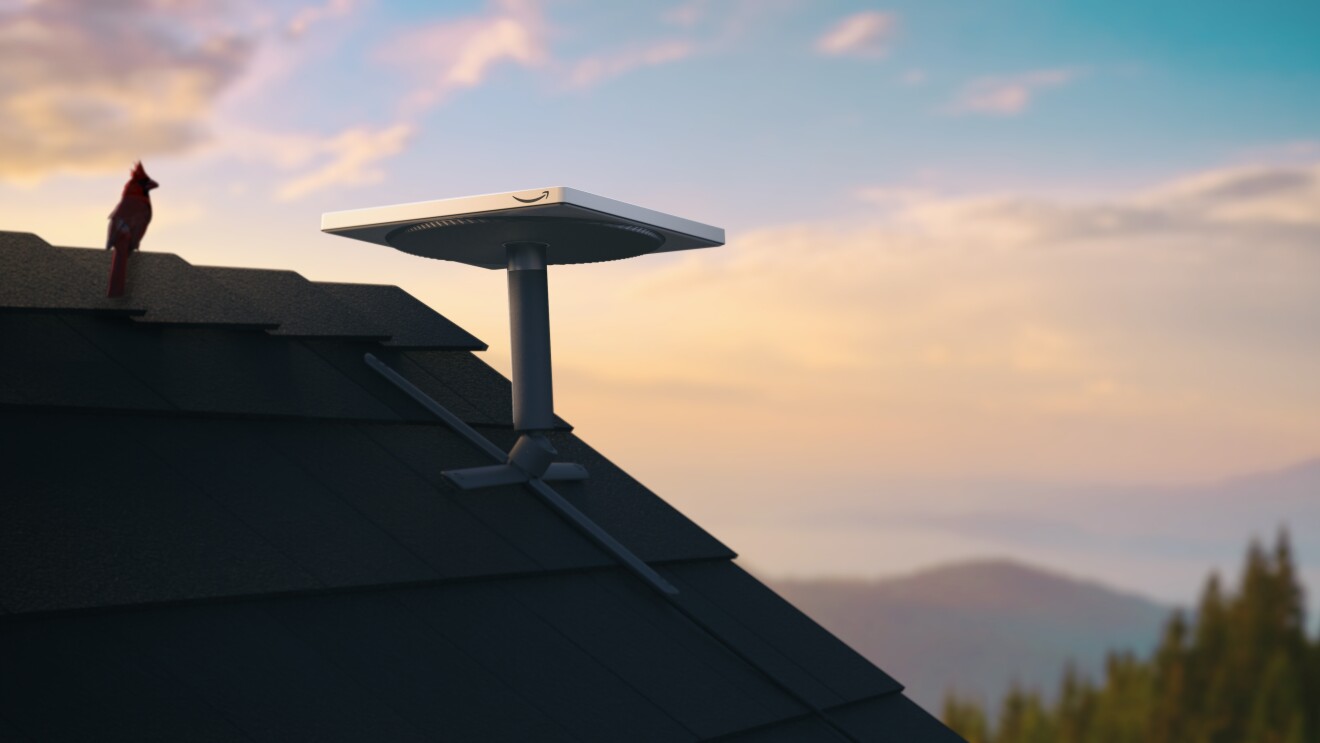
Amazon Leo is a satellite internet constellation aimed at providing high-speed, low-latency broadband connectivity to underserved and remote areas globally. The project involves deploying a constellation of low Earth orbit (LEO) satellites to create a satellite internet network capable of delivering reliable internet access.
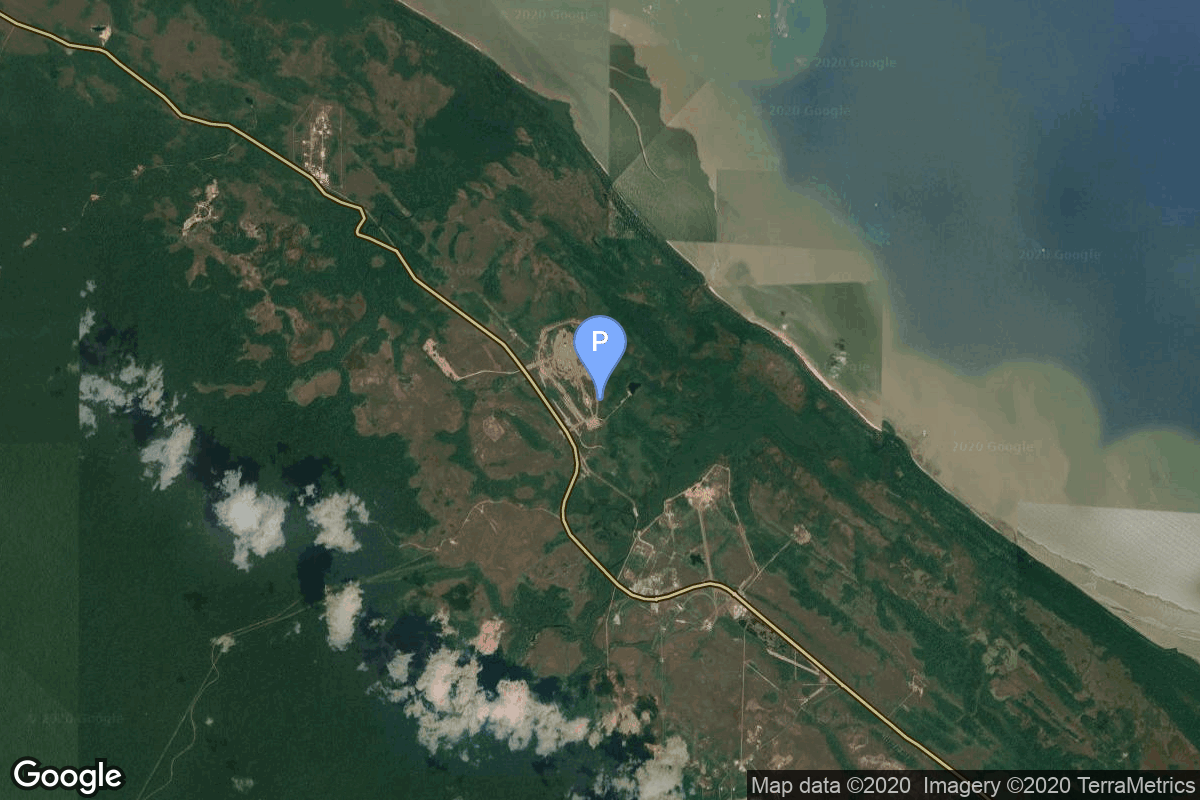
ELA-4, is a launch pad and associated facilities at the Centre Spatial Guyanais in French Guiana. The complex is composed of a launch pad with mobile gantry, an horizontal assembly building and a…
Ariane 6 variant with four upgraded P160C solid boosters, enabling heavier payloads. Each P160C booster holds 14 additional tons of propellant, compared to the P120C boosters of the Block 1 variant.
Progress resupply mission to the International Space Station.
Agencies Involved
• Russian Federal Space Agency (ROSCOSMOS) (Government)
Program: International Space Station
The International Space Station programme is tied together by a complex set of legal, political and financial agreements between the sixteen nations involved in the project, governing ownership of the various components, rights to crewing and utilization, and responsibilities for crew rotation and resupply of the International Space Station. It was conceived in 1984 by President Ronald Reagan, during the Space Station Freedom project as it was originally called.
Soyuz-2 is the 21st-century version of the Russian Soyuz rocket. In its basic form, it is a three-stage carrier rocket for placing payloads into low Earth orbit. The 2.1b version adds an upgraded engine (RD-0124) with improved performance to the second stage.
A classified mission for the United States Space Force. It is possibly a batch of classified LEO satellites based on SpaceX’s Starshield satellite bus, based on locations of ascent rocket stage drop zones being fits with previous SDA Transport Layer launches.
Falcon 9 is a two-stage rocket designed and manufactured by SpaceX for the reliable and safe transport of satellites and the Dragon spacecraft into orbit. The Block 5 variant is the fifth major interval aimed at improving upon the ability for rapid reusability.
The Falcon 9 first stage B1081 will land on ASDS OCISLY after its 29th flight.
Shenzhou 24 ×
Mission Details
TypeHuman Exploration
OrbitLow Earth Orbit
TargetEarth
Shenzhou 24 will be the 24th flight of the Shenzhou program.
The first astronaut from Pakistan is expected to fly on this on a short duration mission, with another Chinese astronaut to undergo a year long expedition.
Agencies Involved
• China National Space Administration (Government)
Program: Shenzhou
The Shenzhou program is a crewed spaceflight initiative by China. The program put the first Chinese citizen, Yang Liwei, into orbit on 15 October 2003.
The Long March 2F is a Chinese orbital carrier rocket, part of the Long March 2 rocket family. Designed to launch the crewed Shenzhou spacecraft, the Long March 2F is a human-rated two-stage version of the Long March 2E rocket, which in turn was based on the Long March 2C launch vehicle. It is…
The Long March 2D, also known as the Chang Zheng 2D, CZ-2D and LM-2D, is a Chinese orbital carrier rocket. It is a 2-stage carrier rocket mainly used for launching LEO and SSO satellites.
Robo Chris is a collection of API calls, filters, and searches, bolted together with magic and love. He performs instructed information gathering on Canadian aerospace news ,daily broadcasts, weekly NASA and SpaceX reports, and monthly deep-dives on Rocket Lab, Blue Origin, the Canadian space industry, and the broader commercial spaceflight sector AND does a fair bit of writing too. Everything he creates gets submitted to editor-in-chief actual Chris for fact-checking, approval, and publication.






Leave a Reply