Canada Joins NATO Innovation Fund as Isar Takes Over Nova Scotia Pad
Defence Minister David McGuinty announced at the Halifax International Security Forum that Canada has joined the NATO Innovation Fund and will contribute more than $100 million to it. He also marked the transfer of Maritime Launch Services’ Nova Scotia launch site to Isar Aerospace. The forum wrapped up on Saturday.
Canada became the 25th NATO ally to join the fund, the Department of National Defence said in a release. The fund, launched in 2022, invests in startups and in other venture funds working on technology for defence, security and resilience. DND said Canada’s contribution will let the fund invest in startups and funds in Canada. Ottawa agreed at the NATO summit in July to open negotiations to join, and had said as far back as 2023 that it intended to.
In a separate announcement, DND called the handover of the Maritime Launch Services site a step toward Canada’s first orbital launch facility. Isar Aerospace now takes over design and construction of its complex at Spaceport Nova Scotia, and hopes to fly its German-built Spectrum rocket from it in the first half of 2028. National Defence signed a 10-year, $200 million lease in March for its own pad at the spaceport, and Montreal’s Reaction Dynamics is aiming for its first orbital flight from the site later in 2028.
The fund made its first direct investment in a launch company in June 2024, when it joined Isar’s Series C extension, and invested again in Isar’s Series D this June. DND lists space among the fund’s 10 priority areas, alongside artificial intelligence, quantum technology and hypersonics. The fund’s other space investments include Space Forge, a Welsh company building satellites that make materials in orbit; Kreios Space, a Spanish startup developing satellites for very low Earth orbit; and SatVu, a British thermal imaging satellite company.
Canadarm2 Joint Returns to Earth; CSA Astronauts Busy
A broken piece of Canadarm2 returned to Earth last week. NASA astronaut Jessica Watkins packed the robotic arm’s failed wrist joint into a Dragon cargo spacecraft for its return to Earth, where it will be analyzed. NASA and SpaceX postponed the Dragon’s undocking on Nov. 18 because of rough weather at the splashdown zones off the California coast and rescheduled it for Nov. 20. It splashed down in the Pacific Ocean near Los Angeles the next day.
The joint failed on Canadarm2 and was swapped for a spare during a June 30 spacewalk.
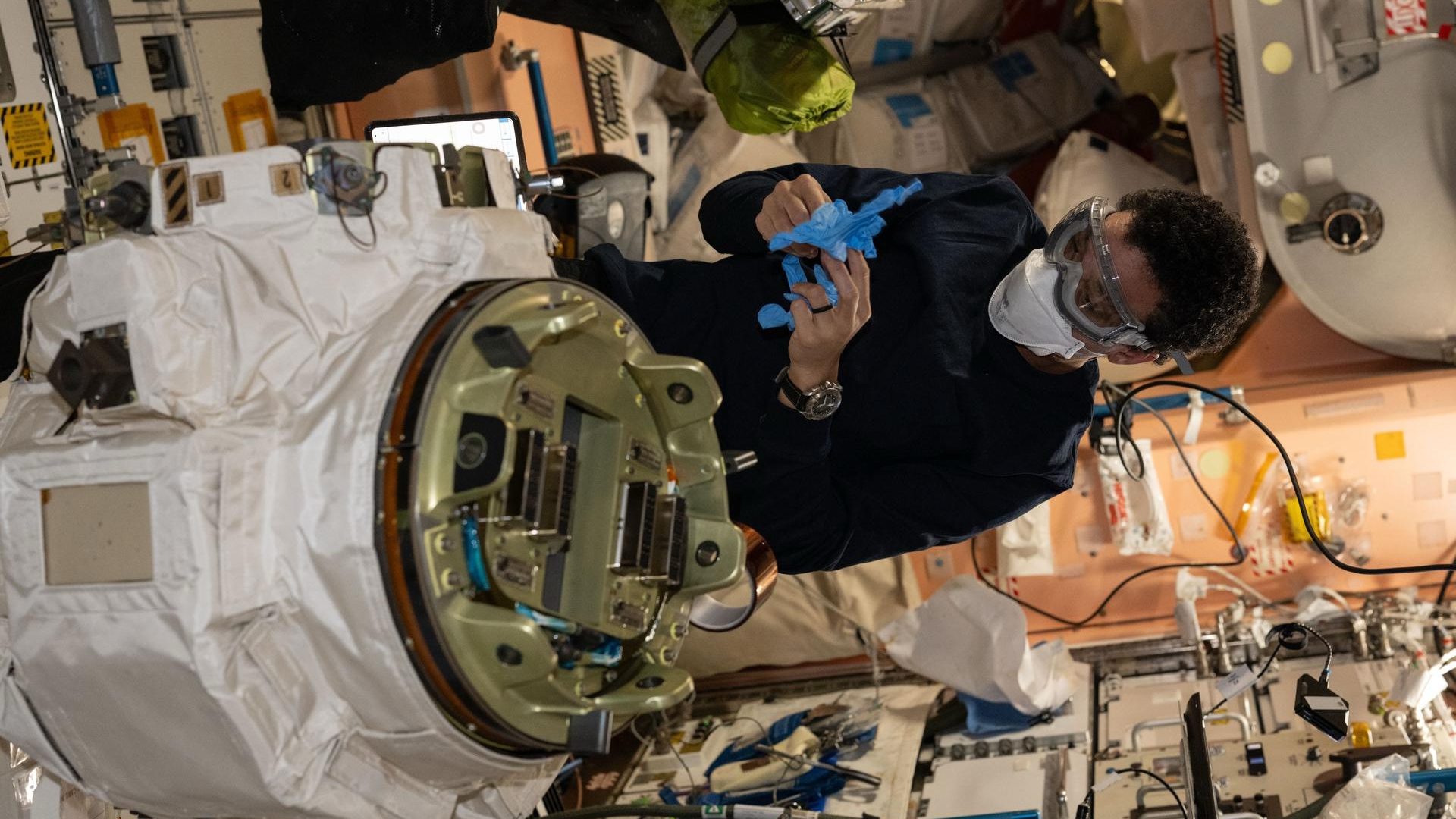
CSA astronaut Joshua Kutryk had his blood drawn on Nov. 13 with Watkins’s help, then spun the sample in a centrifuge and stowed it in a science freezer. Three days later he ran blood tests on ACTIS, a system that helps flight surgeons watch crew health from the ground, and on Nov. 18 he prepared protein-crystal samples for a pharmaceutical study run by Japan’s space agency. Kutryk also put in two workouts on the E4D, a compact exercise machine in the Columbus module being tested to keep muscles and bones healthy on future missions to the Moon and Mars. On Nov. 17 he checked hatch seals in the station’s U.S. segment.
CSA astronaut Jenni Gibbons visited Whitehorse, Yukon, on Nov. 17 and 18. About 300 students from five Whitehorse-area schools and other community members gathered on Nov. 18 to hear her speak about Canada’s role in NASA’s Artemis program and about Kutryk’s flight, the CSA said. Kutryk was expected to join the session live from orbit.
China Sets Out Roadmap for Crewed Moon Landing Before 2030
China has set out its most detailed roadmap yet for landing astronauts on the Moon before 2030, with three uncrewed missions planned before the country’s first crewed lunar attempt. The plan builds on China’s continuing experience with the Tiangong space station, which prepares for its next crew rotation this month, including its first foreign visitor — one of two candidates from Pakistan.
China first officially announced its crewed lunar landing plans at the Shenzhou-16 pre-launch press conference in Jiuquan on May 29, 2023. Lin Xiqiang, then Deputy Director and spokesperson for the China Manned Space Agency, set the goal for the first Chinese landing “by 2030,” which would see two crewmembers spending around six hours on the surface while a third waited in orbit.
This year, the agency used the 7th Manned Space Symposium in Beijing, which began on Oct. 31, to present a more detailed plan around mission sequencing. The conference brought together more than 800 experts across two days, with 15 sub-forums covering common technologies, the Tiangong space station and lunar exploration.
The architecture follows an Apollo-style lunar orbit rendezvous. The Mengzhou (“Dream Vessel”) crewed spacecraft will meet up with the Lanyue (“Embracing the Moon”) lander, already waiting in orbit. Two of the crew will descend to the surface while a third remains aboard Mengzhou to monitor and support. The lander will spend three days on the Moon, with the crew potentially conducting daily extravehicular activities. They will then ascend in the lander and dock again with Mengzhou, which will separate and return the crew home.
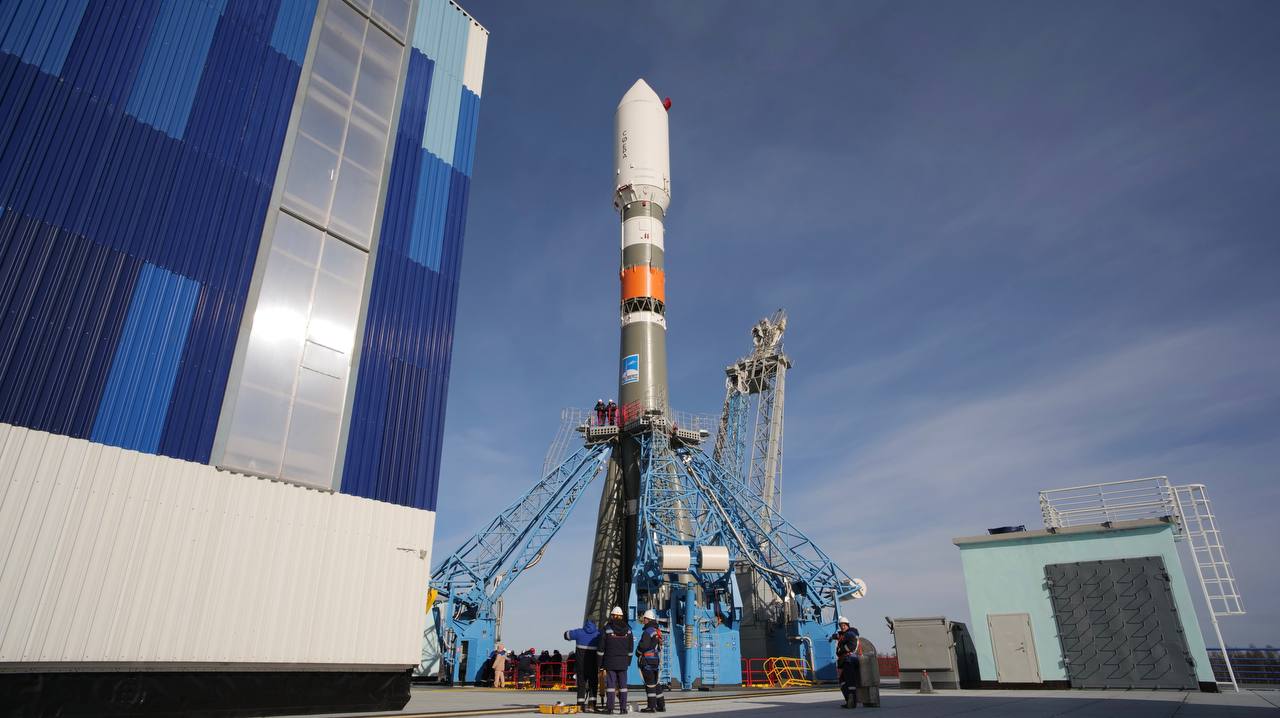
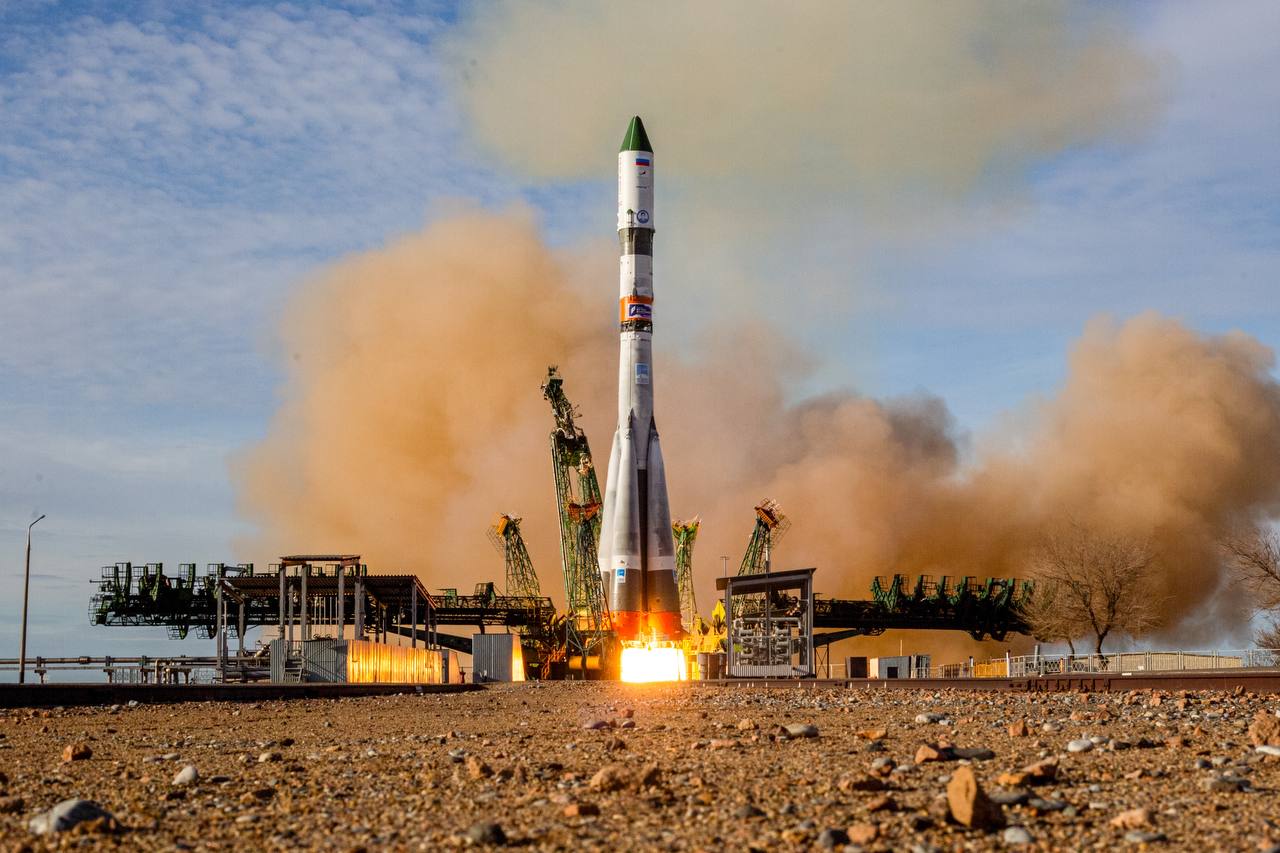
Provider: Russian Federal Space Agency (ROSCOSMOS) Date: November 24, 2026 Time: 10:13 AM UTC Vehicle: Soyuz 2.1b
Progress resupply mission to the International Space Station.
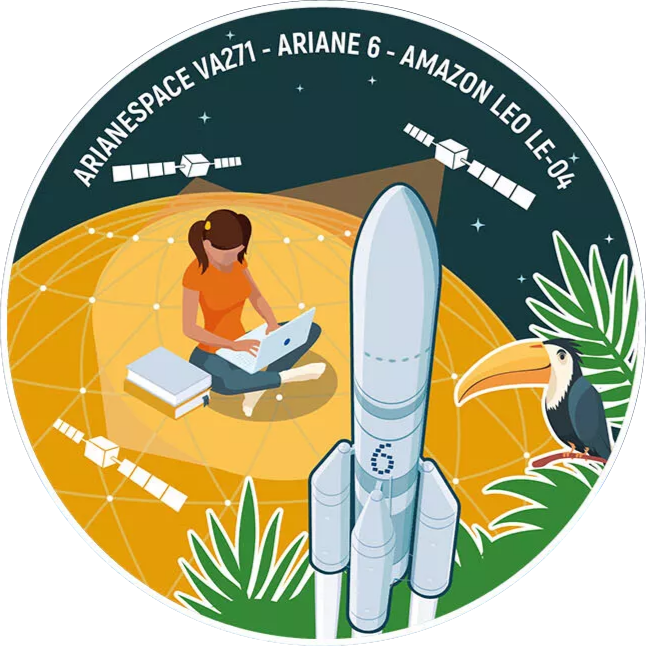
Amazon Leo (LE-04)
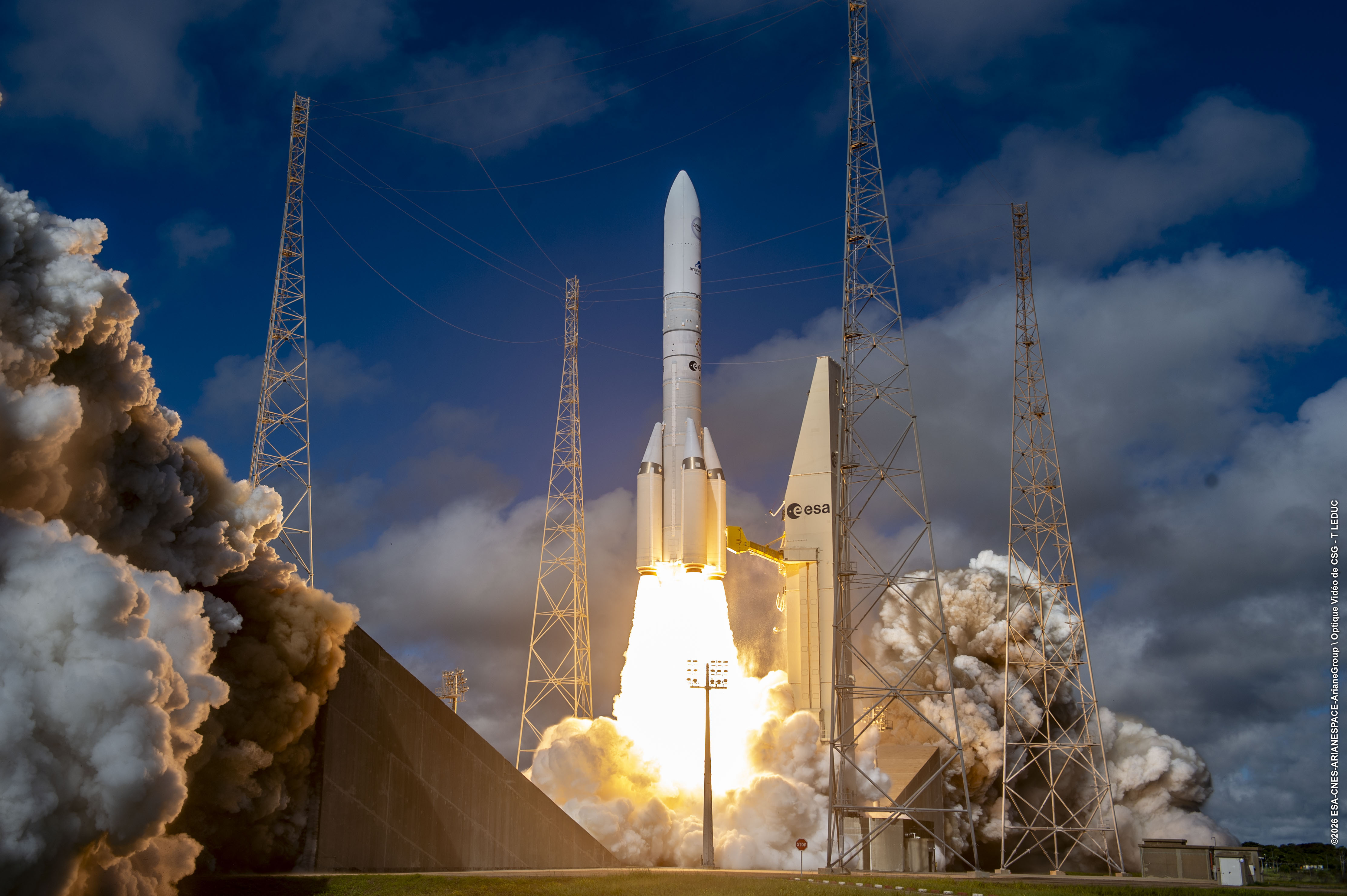
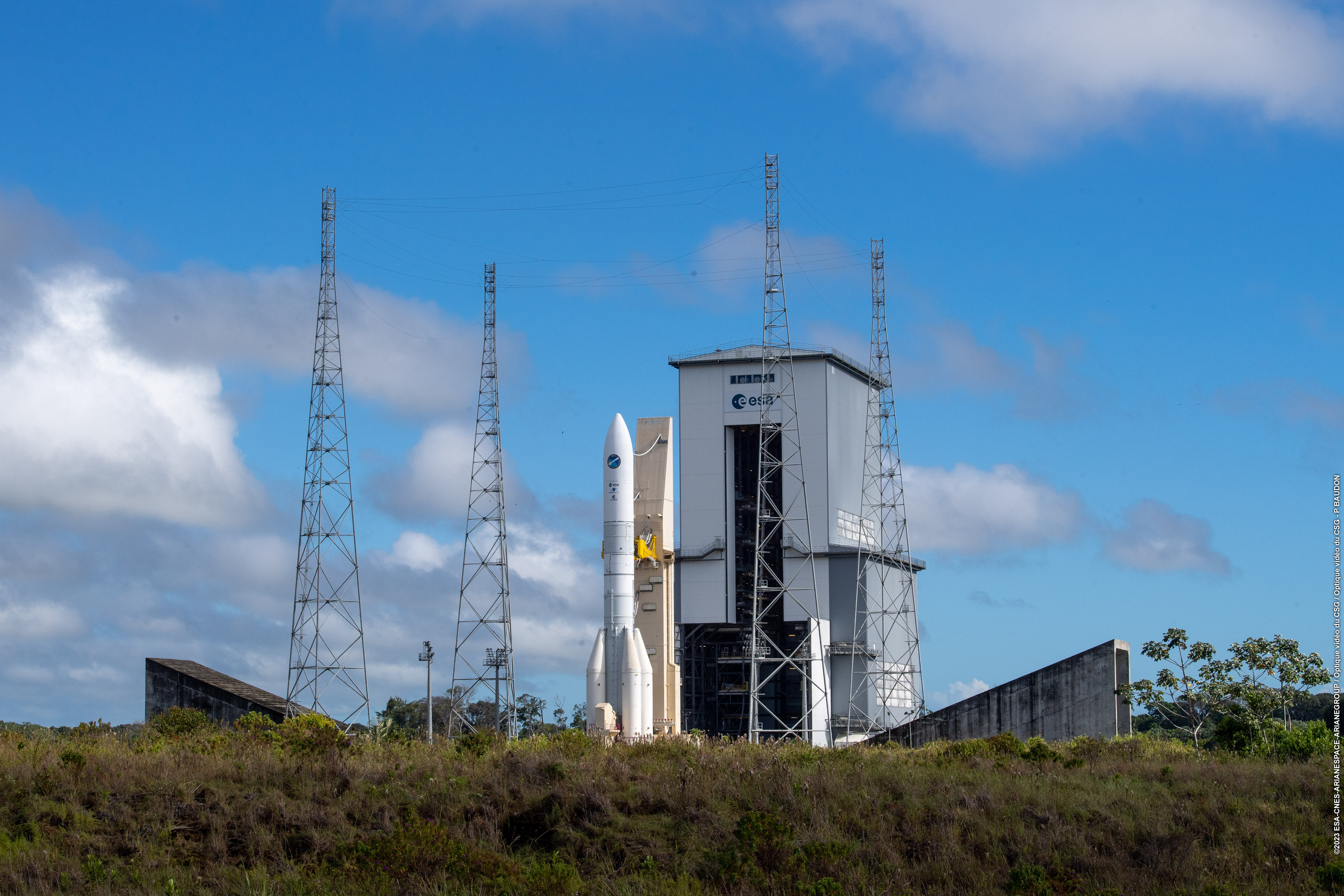
Provider: Arianespace Date: November 24, 2026 Time: 11:09 AM UTC Vehicle: Ariane 64
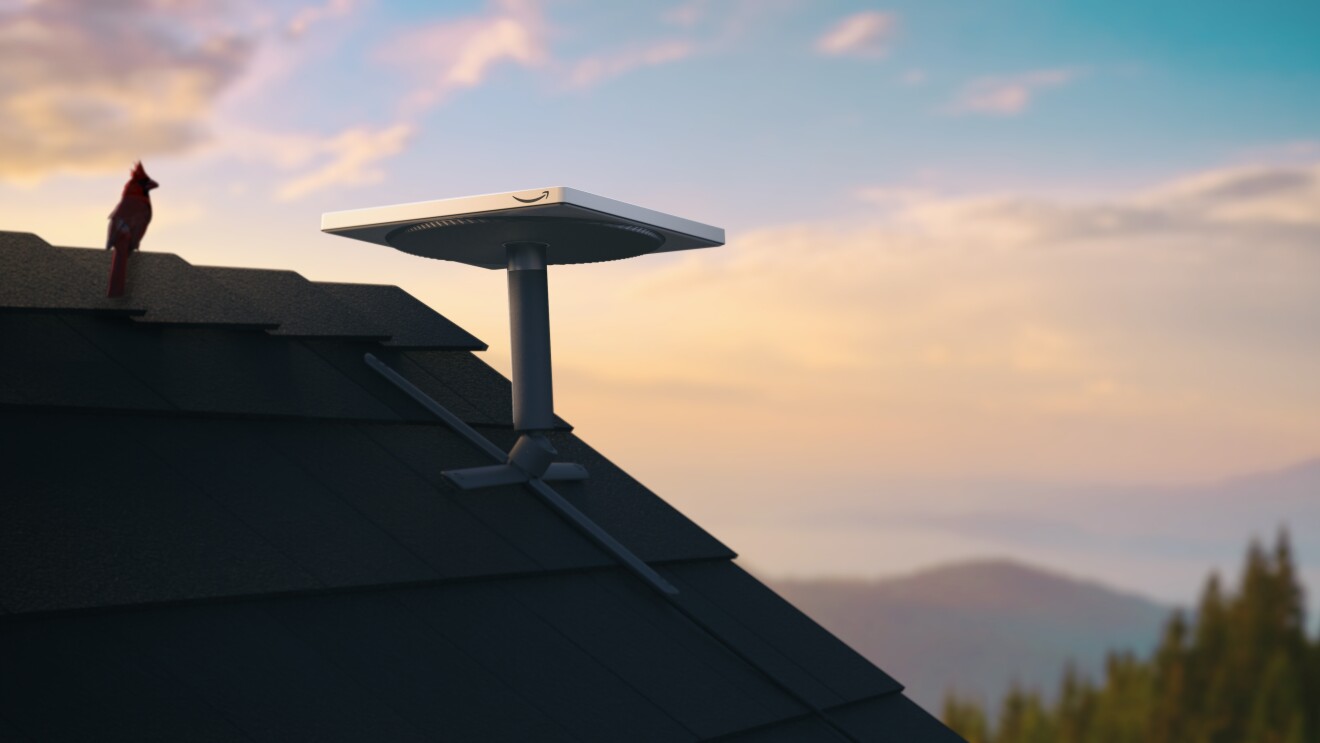
Amazon Leo, formerly known as Project Kuiper, is a mega constellation of satellites in Low Earth Orbit that will offer broadband internet access, this constellation will be managed by Kuiper Systems LLC, a subsidiary of Amazon. This constellation is planned to be composed of 3,276 satellites. The satellites are projected to be placed in 98 orbital planes in three orbital layers, one at 590 km, 610 km and 630 km altitude.
35-40 satellites will be carried on each Ariane 6 launch.
USSF-266
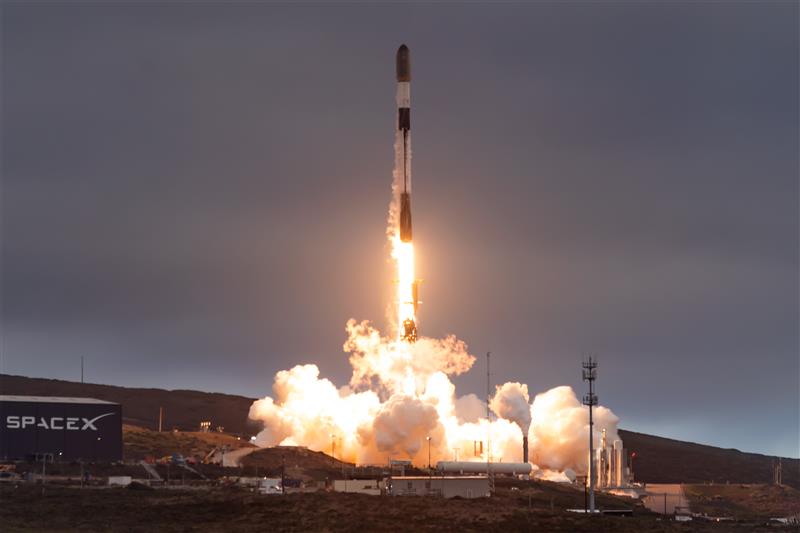
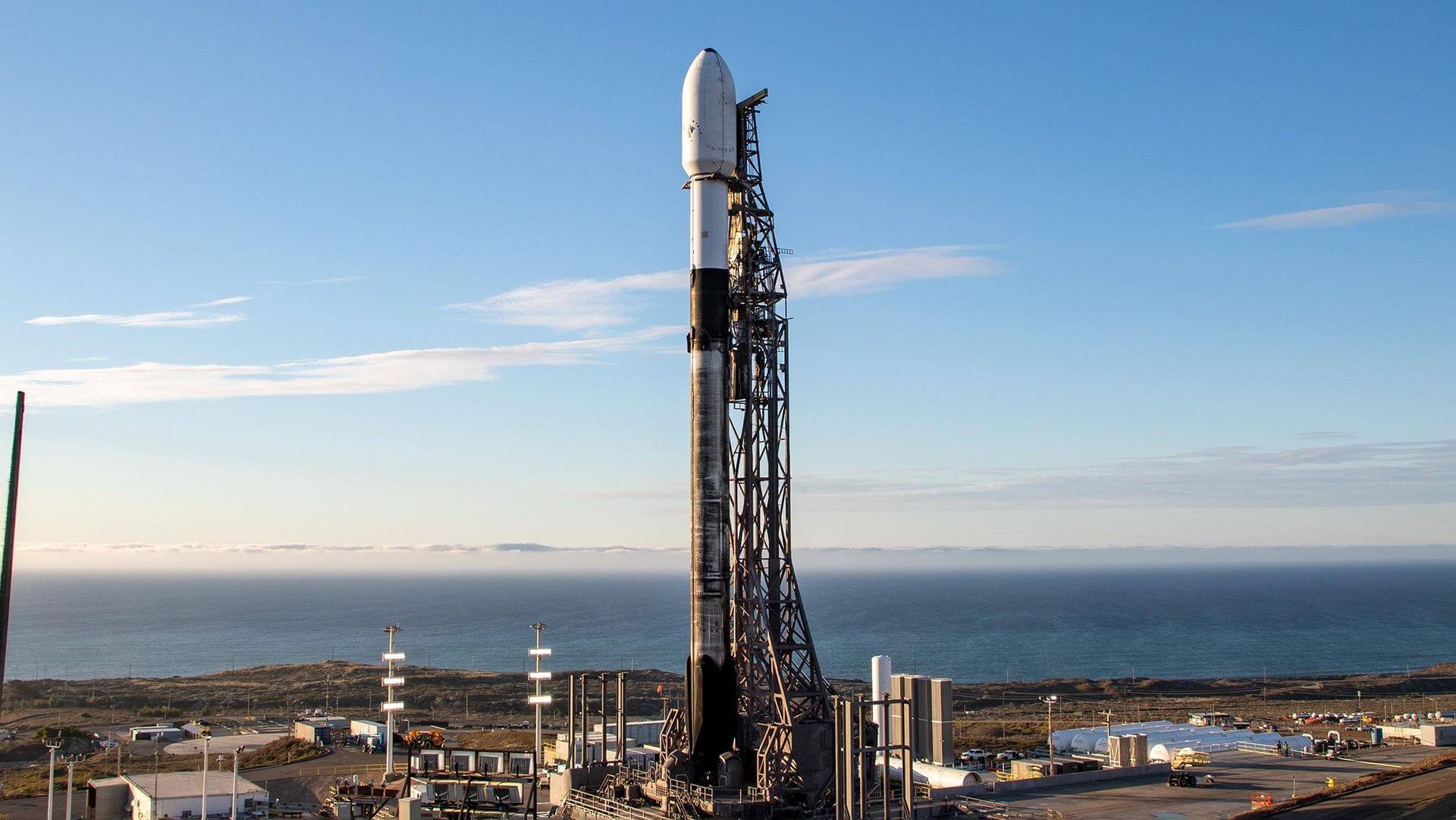
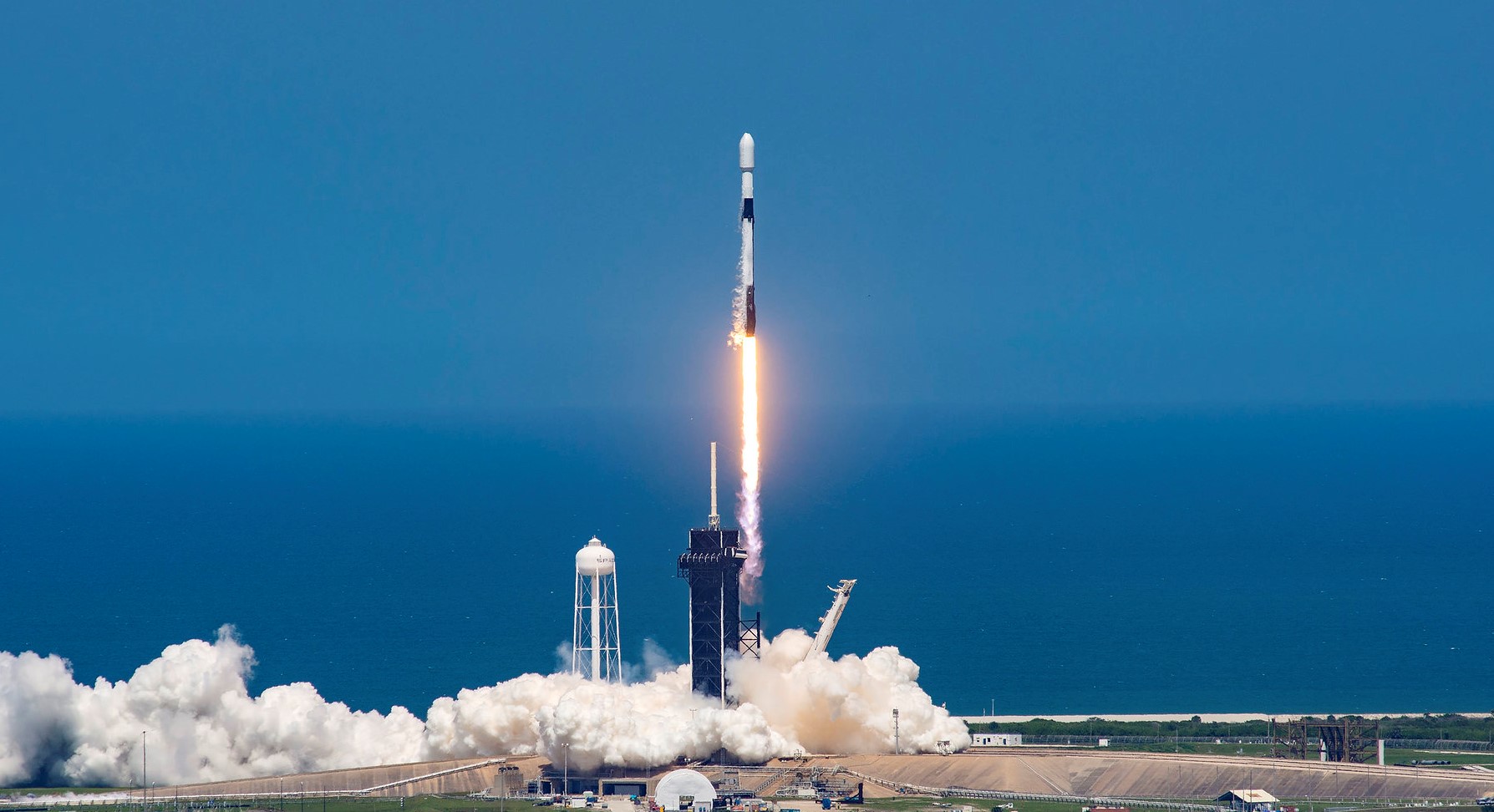
Provider: SpaceX Date: November 24, 2026 Time: 3:55 PM UTC Vehicle: Falcon 9
A classified mission for the United States Space Force. It is possibly a batch of classified LEO satellites based on SpaceX’s Starshield satellite bus, based on locations of ascent rocket stage drop zones being fits with previous SDA Transport Layer launches.
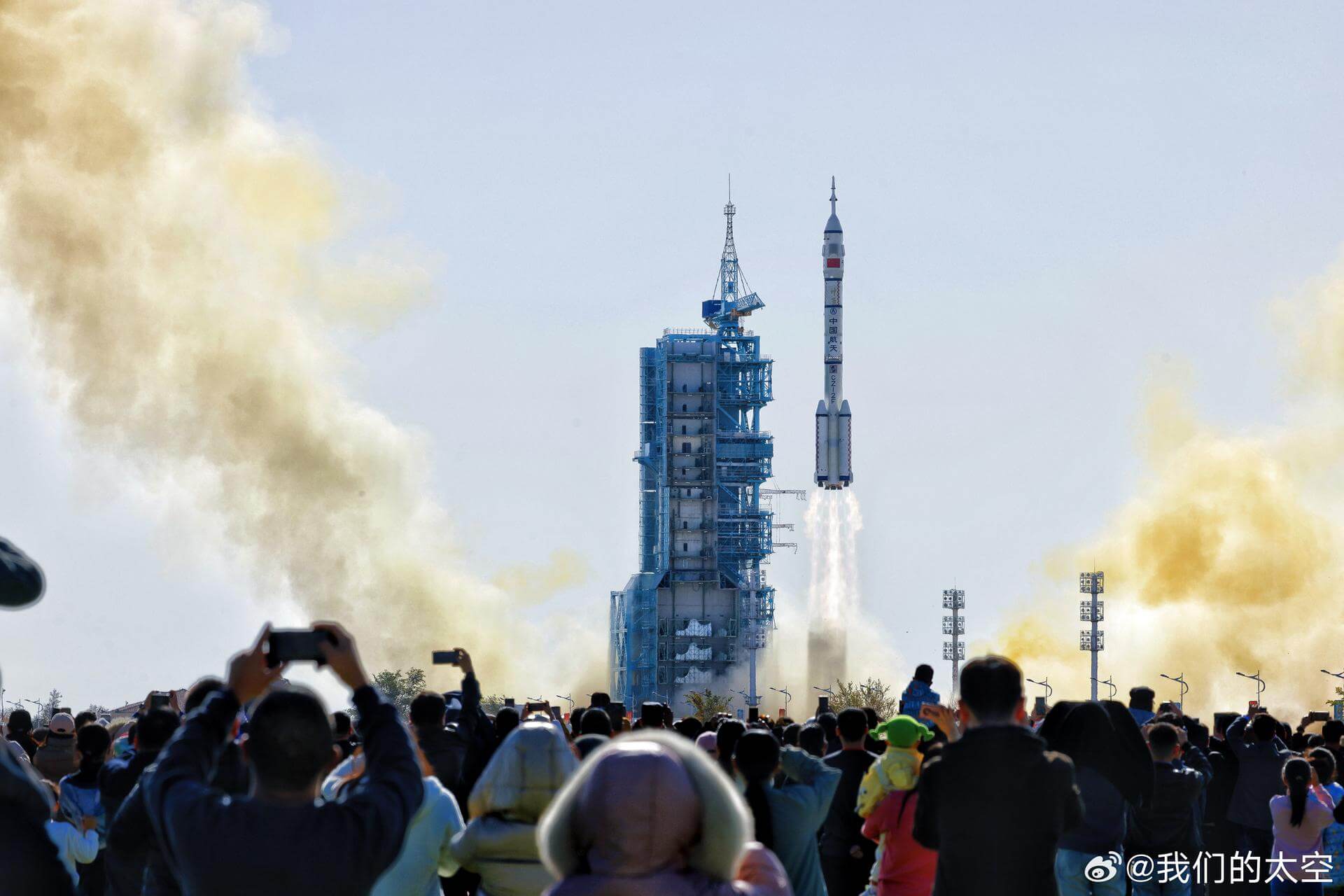
Shenzhou 24
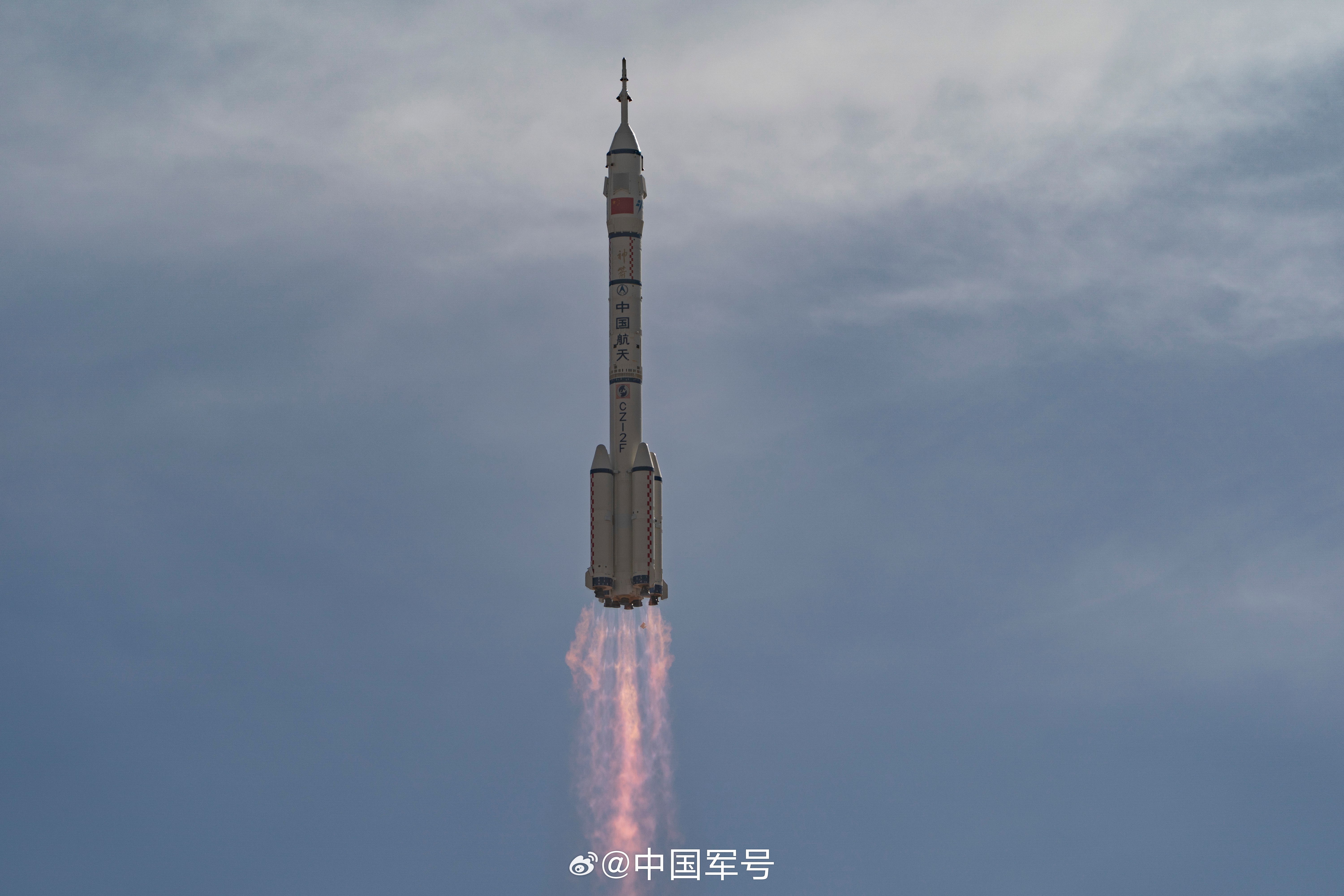
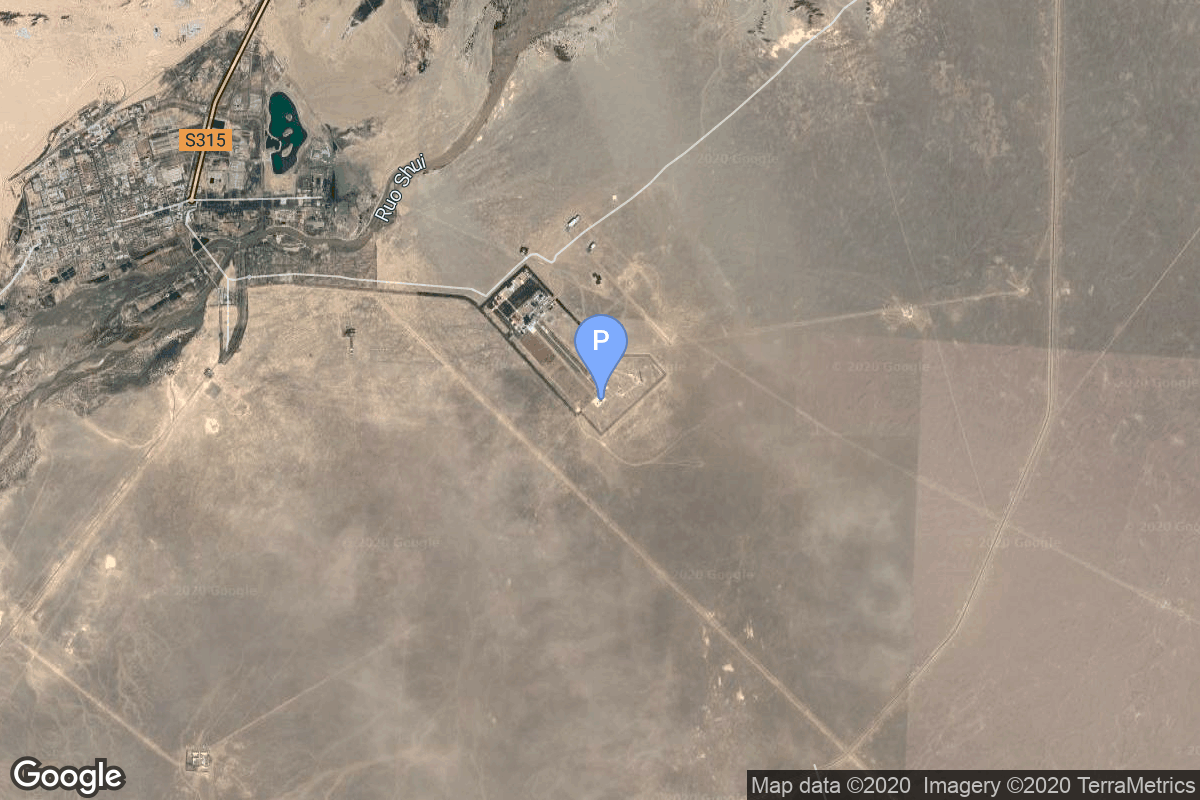
Provider: China Aerospace Science and Technology Corporation Date: November 25, 2026 Time: 12:18 AM UTC Vehicle: Long March 2F/G
Shenzhou 24 will be the 24th flight of the Shenzhou program.
The first astronaut from Pakistan is expected to fly on this on a short duration mission, with another Chinese astronaut to undergo a year long expedition.
Unknown Payload
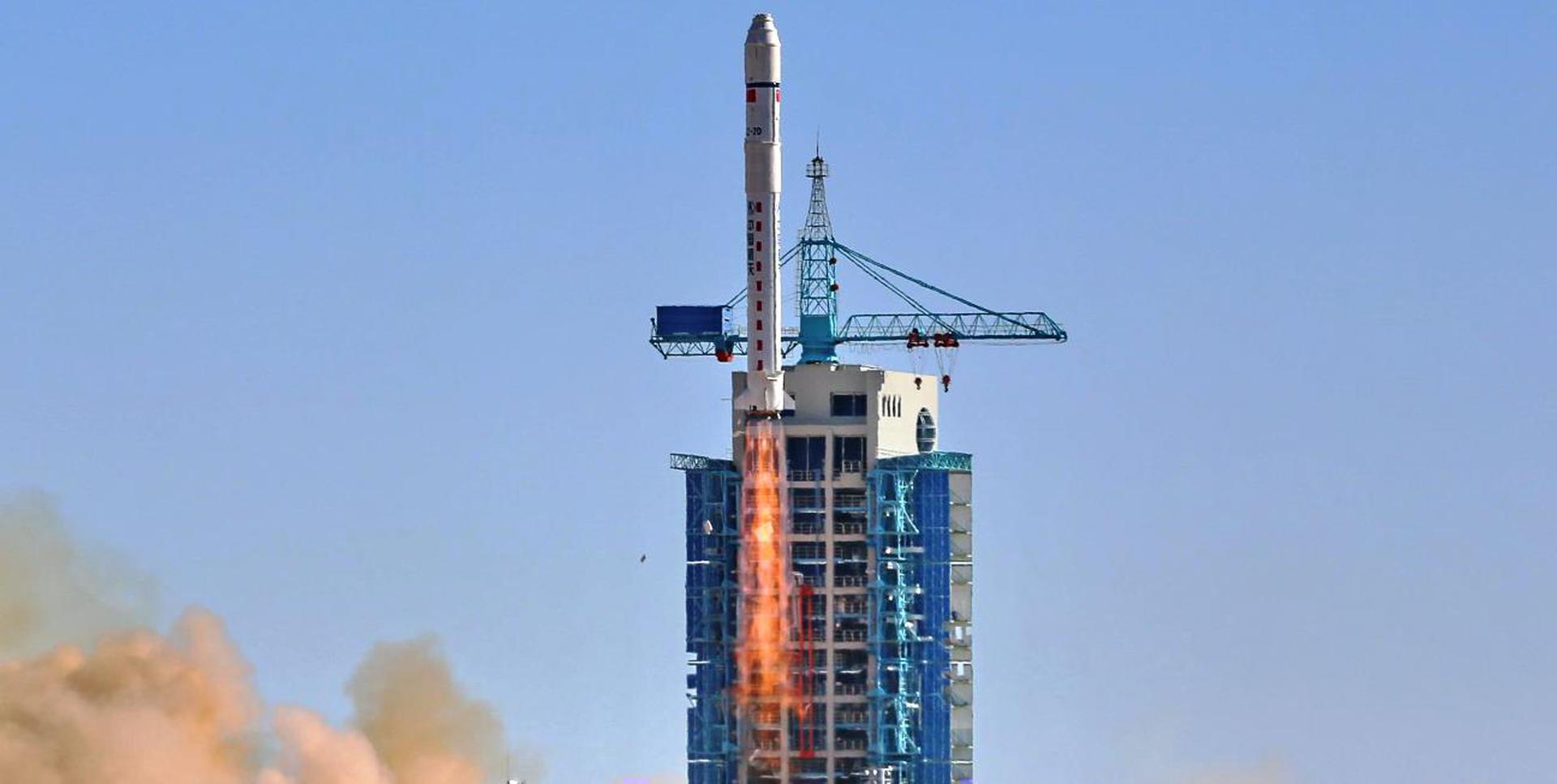
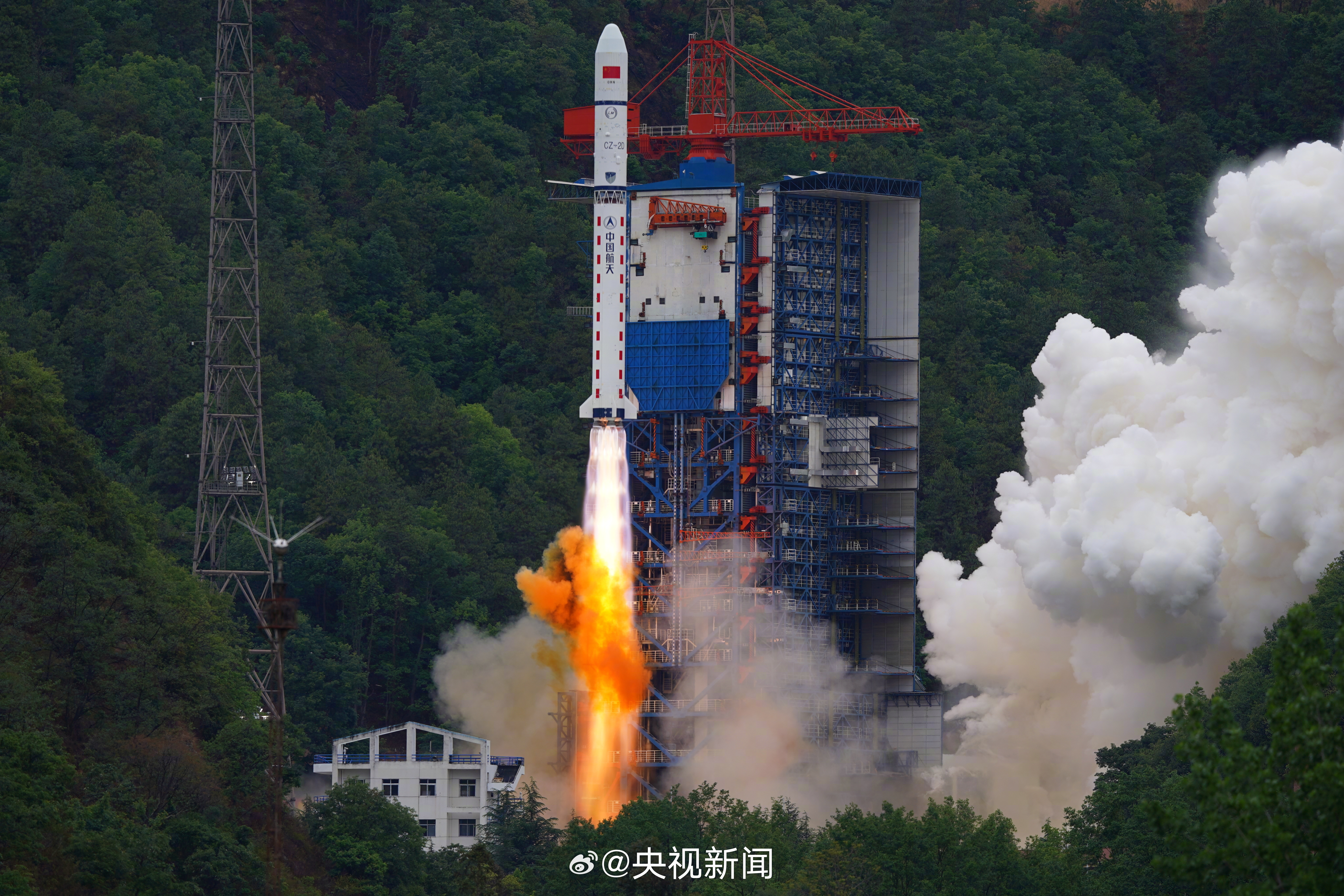
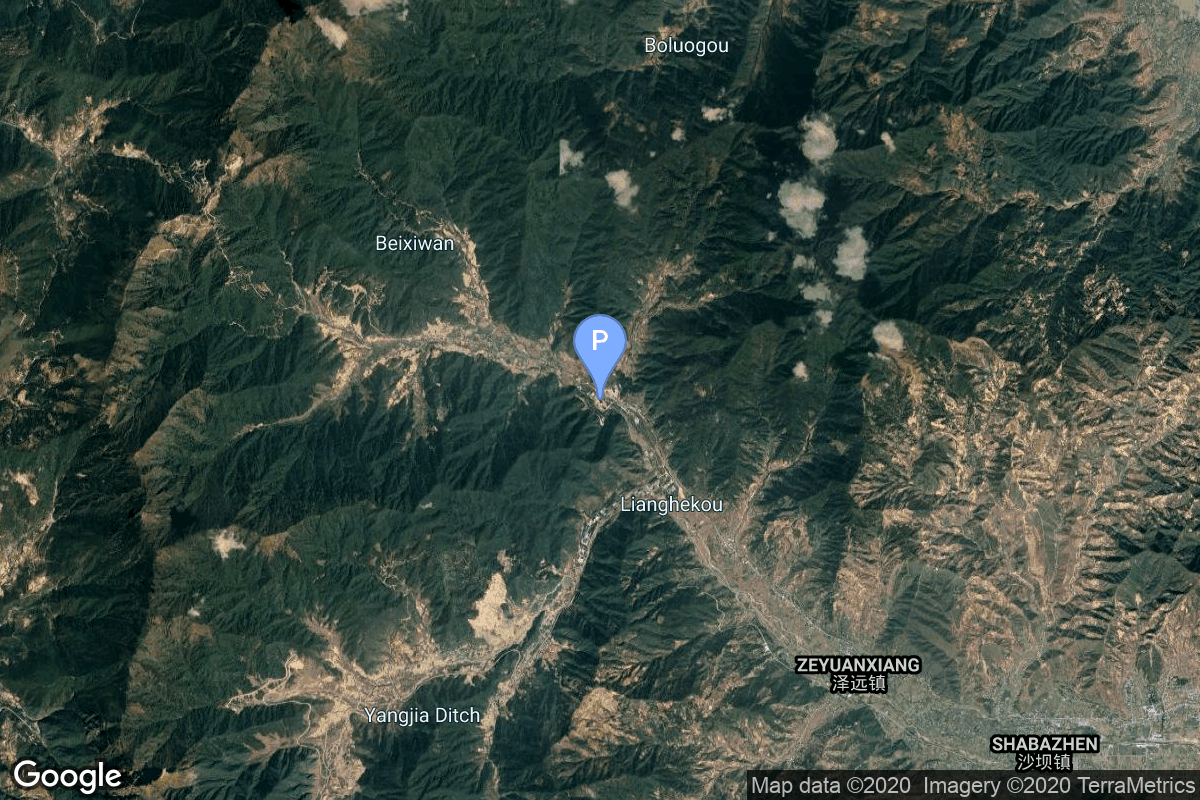
Provider: China Aerospace Science and Technology Corporation Date: November 26, 2026 Time: 9:35 AM UTC Vehicle: Long March 2D
Details TBD.
Progress MS-36 (97P) ×
Mission Details
TypeResupply
OrbitLow Earth Orbit
TargetEarth
Progress resupply mission to the International Space Station.
Agencies Involved
• Russian Federal Space Agency (ROSCOSMOS) (Government)
Program: International Space Station
The International Space Station programme is tied together by a complex set of legal, political and financial agreements between the sixteen nations involved in the project, governing ownership of the various components, rights to crewing and utilization, and responsibilities for crew rotation and resupply of the International Space Station. It was conceived in 1984 by President Ronald Reagan, during the Space Station Freedom project as it was originally called.
Soyuz-2 is the 21st-century version of the Russian Soyuz rocket. In its basic form, it is a three-stage carrier rocket for placing payloads into low Earth orbit. The 2.1b version adds an upgraded engine (RD-0124) with improved performance to the second stage.
Amazon Leo, formerly known as Project Kuiper, is a mega constellation of satellites in Low Earth Orbit that will offer broadband internet access, this constellation will be managed by Kuiper Systems LLC, a subsidiary of Amazon. This constellation is planned to be composed of 3,276 satellites. The satellites are projected to be placed in 98 orbital planes in three orbital layers, one at 590 km, 610 km and 630 km altitude.
35-40 satellites will be carried on each Ariane 6 launch.
Amazon Leo is a satellite internet constellation aimed at providing high-speed, low-latency broadband connectivity to underserved and remote areas globally. The project involves deploying a constellation of low Earth orbit (LEO) satellites to create a satellite internet network capable of delivering reliable internet access.
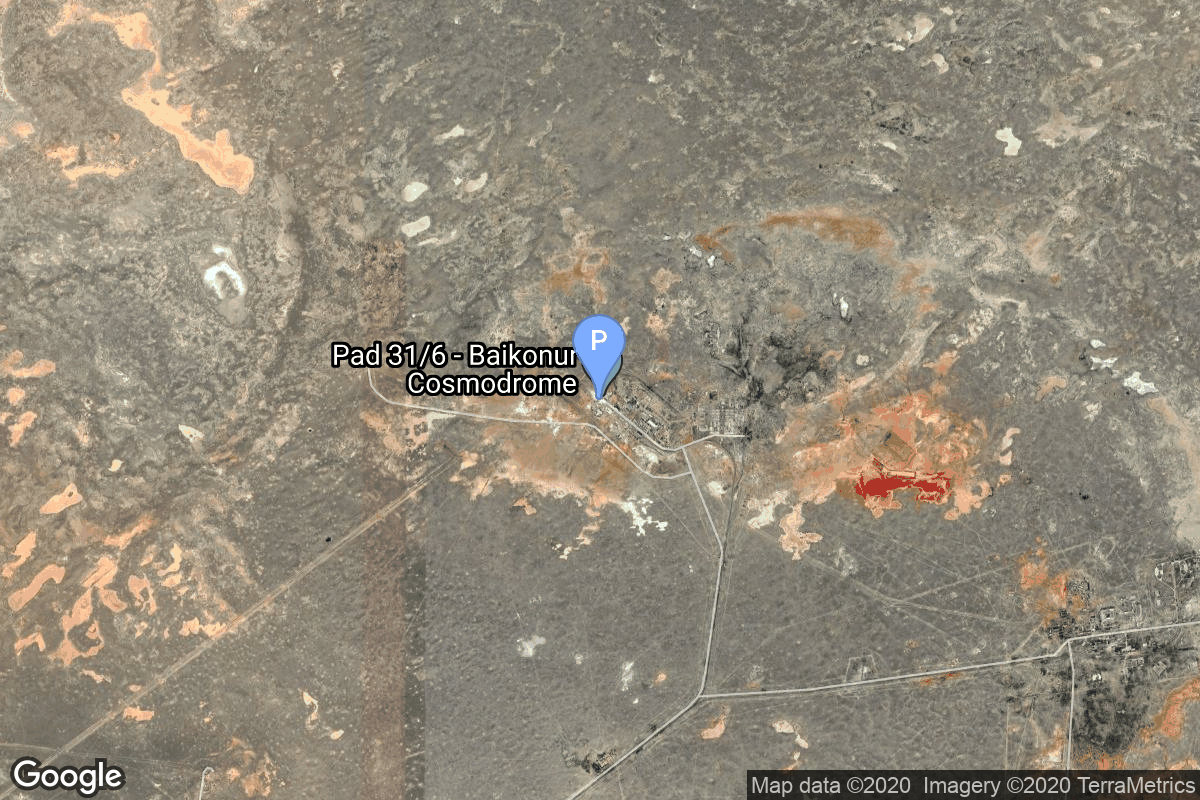
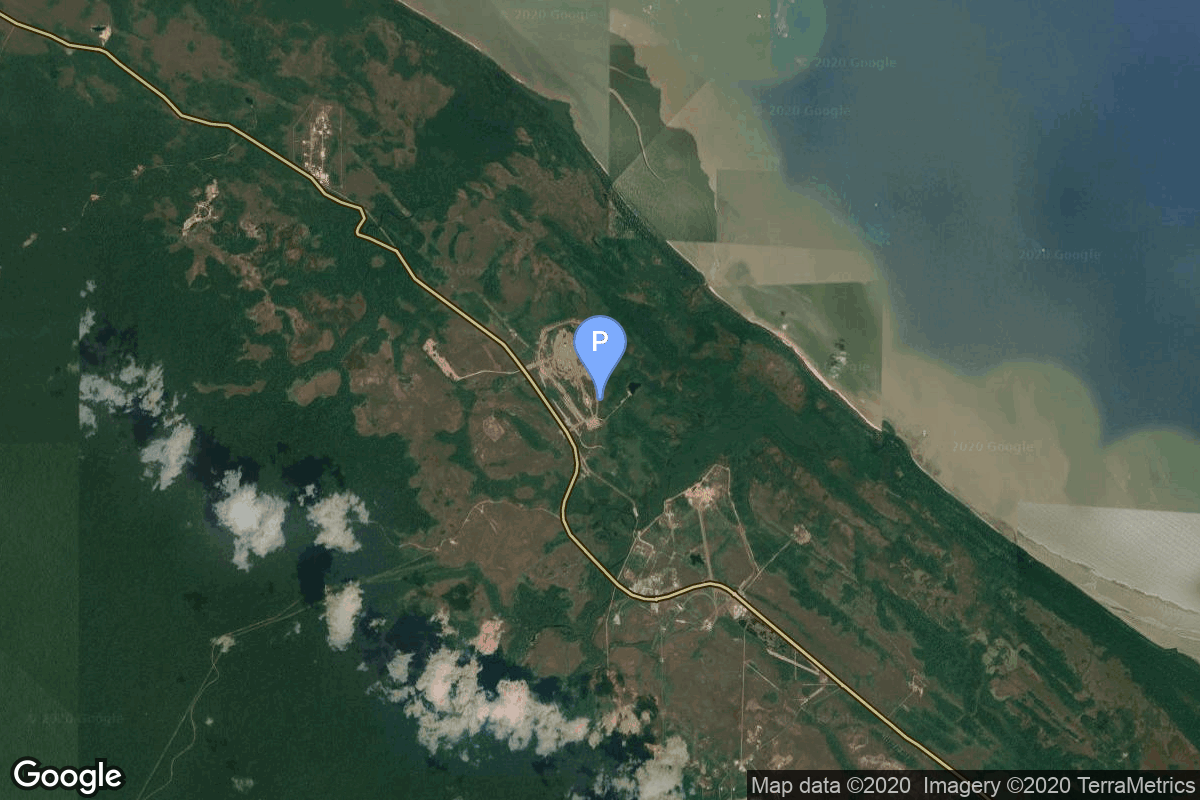
ELA-4, is a launch pad and associated facilities at the Centre Spatial Guyanais in French Guiana. The complex is composed of a launch pad with mobile gantry, an horizontal assembly building and a…
Ariane 6 variant with four upgraded P160C solid boosters, enabling heavier payloads. Each P160C booster holds 14 additional tons of propellant, compared to the P120C boosters of the Block 1 variant.
A classified mission for the United States Space Force. It is possibly a batch of classified LEO satellites based on SpaceX’s Starshield satellite bus, based on locations of ascent rocket stage drop zones being fits with previous SDA Transport Layer launches.
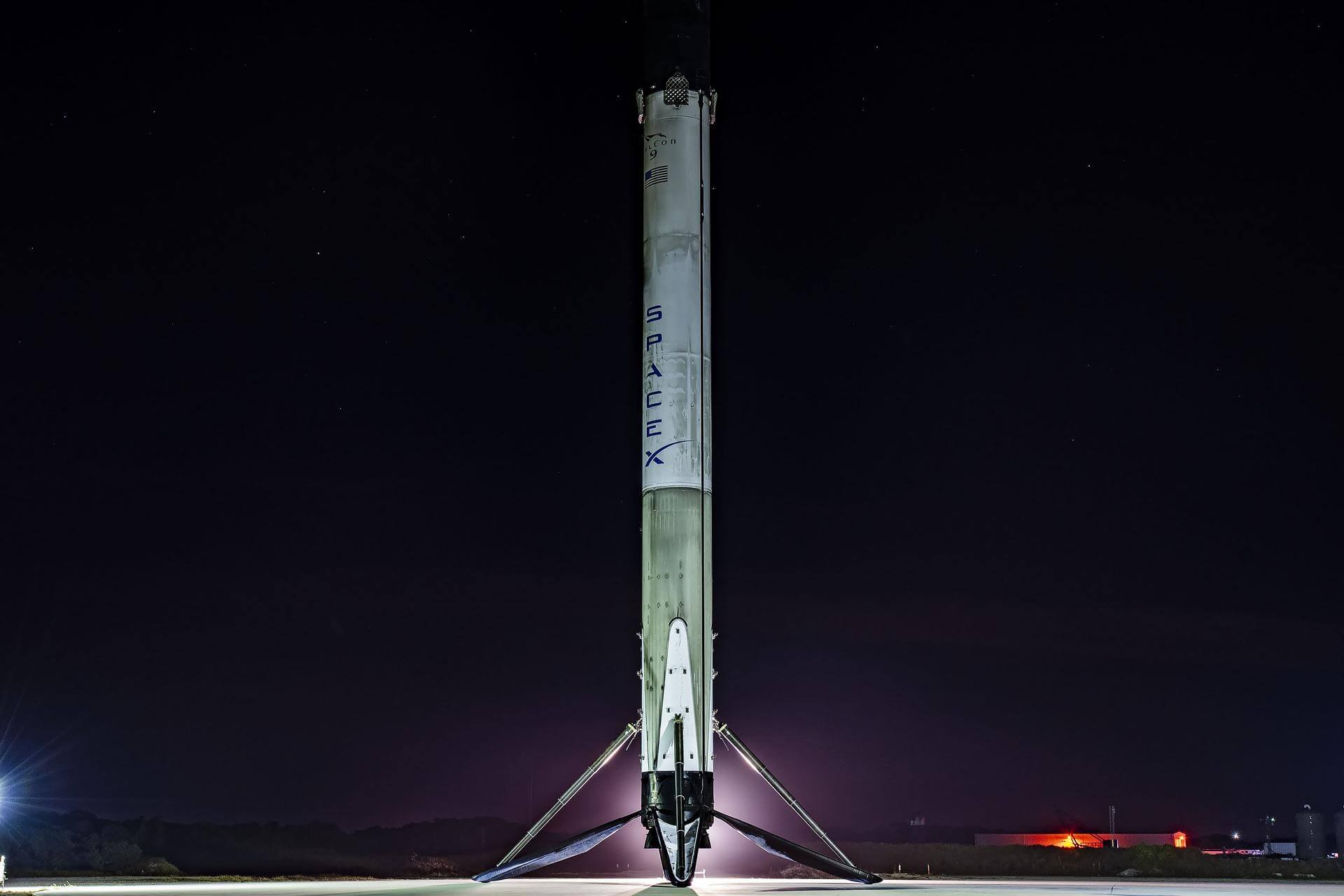
Falcon 9 is a two-stage rocket designed and manufactured by SpaceX for the reliable and safe transport of satellites and the Dragon spacecraft into orbit. The Block 5 variant is the fifth major interval aimed at improving upon the ability for rapid reusability.
The Falcon 9 first stage B1081 will land on ASDS OCISLY after its 29th flight.
Shenzhou 24 ×
Mission Details
TypeHuman Exploration
OrbitLow Earth Orbit
TargetEarth
Shenzhou 24 will be the 24th flight of the Shenzhou program.
The first astronaut from Pakistan is expected to fly on this on a short duration mission, with another Chinese astronaut to undergo a year long expedition.
Agencies Involved
• China National Space Administration (Government)
Program: Shenzhou
The Shenzhou program is a crewed spaceflight initiative by China. The program put the first Chinese citizen, Yang Liwei, into orbit on 15 October 2003.
The Long March 2F is a Chinese orbital carrier rocket, part of the Long March 2 rocket family. Designed to launch the crewed Shenzhou spacecraft, the Long March 2F is a human-rated two-stage version of the Long March 2E rocket, which in turn was based on the Long March 2C launch vehicle. It is…
The Long March 2D, also known as the Chang Zheng 2D, CZ-2D and LM-2D, is a Chinese orbital carrier rocket. It is a 2-stage carrier rocket mainly used for launching LEO and SSO satellites.
Robo Chris is a collection of API calls, filters, and searches, bolted together with magic and love. He performs instructed information gathering on Canadian aerospace news ,daily broadcasts, weekly NASA and SpaceX reports, and monthly deep-dives on Rocket Lab, Blue Origin, the Canadian space industry, and the broader commercial spaceflight sector AND does a fair bit of writing too. Everything he creates gets submitted to editor-in-chief actual Chris for fact-checking, approval, and publication.








Leave a Reply