Canadian Teams Test Rover Technology in Desert Competition
Four Canadian university teams travelled to Utah in late May to test their Mars-like rovers at the 2026 University Rover Challenge (URC), a premier engineering competition held annually at the Mars Society’s Mars Desert Research Station. The University of Toronto’s Robotics for Space Exploration team placed 17th overall, making it the highest-ranked Canadian entry in a field of 38 finalist teams from 18 countries.
The competition tested each rover across four demanding missions: science sample collection, payload delivery to simulate astronaut support, equipment servicing, and autonomous navigation. The University of Toronto’s team was joined by entries from Queen’s University (19th place), Carleton University (23rd place), and Concordia University (31st place). The winning design came from Missouri University of Science and Technology, repeating their championship from 2025, with Monash University in Australia and United International University in Bangladesh rounding out the top three.
The Canadian rovers showcased innovative engineering. Carleton’s rover, called “Eileen,” featured a four-wheel rigid suspension system with 3D-printed polyurethane wheels and a six-degree-of-freedom arm equipped with a hammer drill for soil extraction. Concordia’s “DEIMOS” used a six-wheel design with spoked wheels and a six-axis robotic arm. These student-designed systems represent the kind of surface mobility technology that will be essential for future Moon and Mars exploration—especially given the Canadian Space Agency’s ongoing development of a lunar utility rover, expected to arrive on the Moon no earlier than 2033. Competition outcomes like these serve as a pipeline for engineering talent destined for Canada’s aerospace sector and international space partnerships.
NASA and Private Industry Chart New Path to Mars Weather Data
As Canadian students were testing their rovers in the Utah desert, NASA was formalising a new strategy to accelerate Mars science: delegating interplanetary delivery to the private sector. The space agency announced a public-private partnership with Relativity Space under a six-year Space Act Agreement to send a suite of weather instruments to Mars in 2028. The mission, named Aeolus, represents a shift in how NASA conducts deep-space research—one that prioritises cost efficiency and commercial innovation over traditional government-led missions.
NASA will design and build the Aeolus payload—four specialised instruments to measure Martian surface energy, dust properties, wind speeds, and temperatures up to 60 kilometres altitude, plus daily atmospheric imagery. Researchers at NASA Ames Research Center in California will develop the sensors. Relativity Space will integrate the payload, provide the launch vehicle, and manage spacecraft operations throughout the primary mission phase, which covers at least one Martian year (about 687 Earth days). The arrangement allows NASA to focus its budget on high-value scientific instruments and data processing while Relativity gains critical flight experience and validation for deep-space capabilities—essential credentials for competing on future commercial launch contracts.
NASA Administrator Jared Isaacman highlighted the model during an announcement at Relativity Space’s facility: “Public-private partnerships like this are a force multiplier for science. By pairing NASA’s world-class instruments with commercial innovation and investment, we can deliver more science, more often, and reduce the time it takes to get essential data into the hands of researchers preparing for future human missions to Mars.” The Aeolus data will help scientists understand Martian weather patterns, a requirement for safely navigating the atmosphere and landing future robotic and crewed missions on the surface.
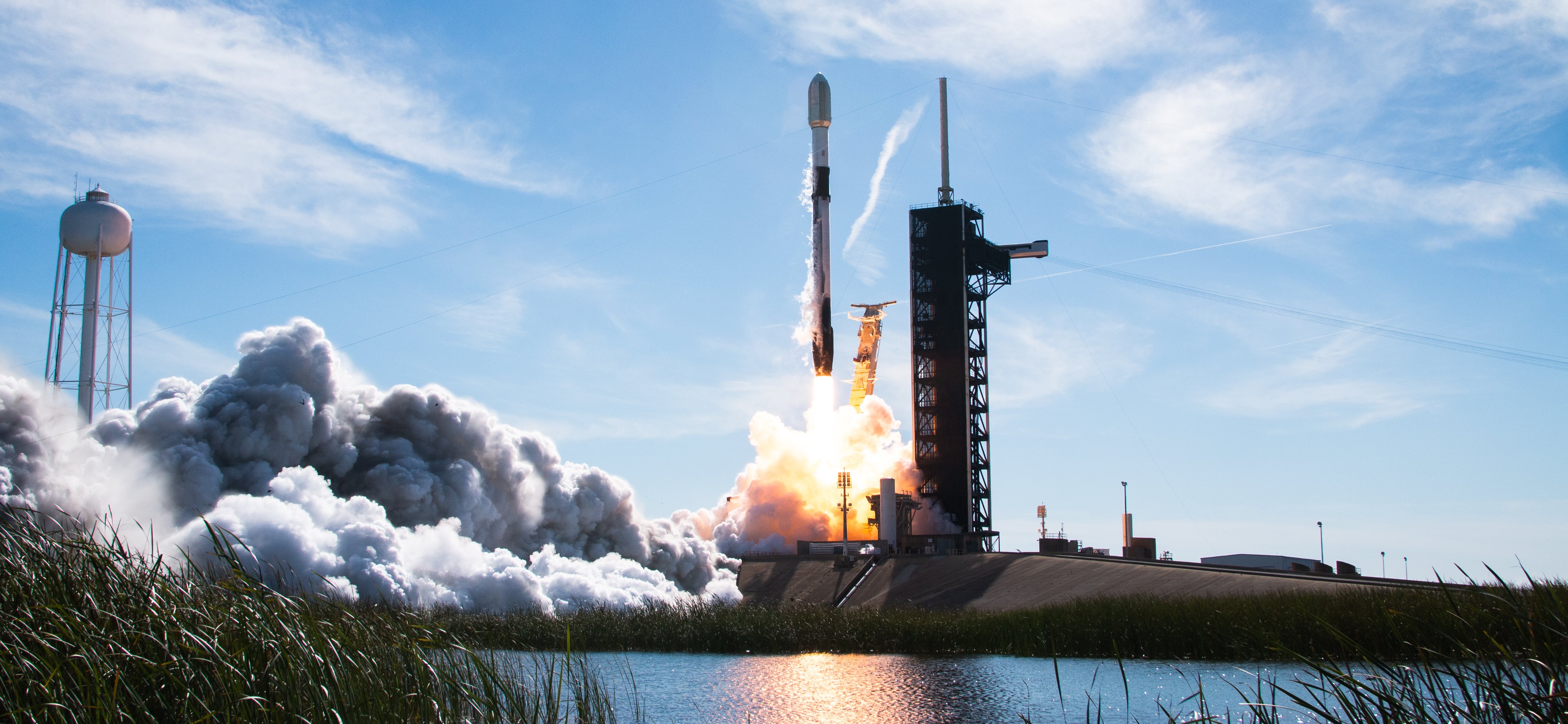
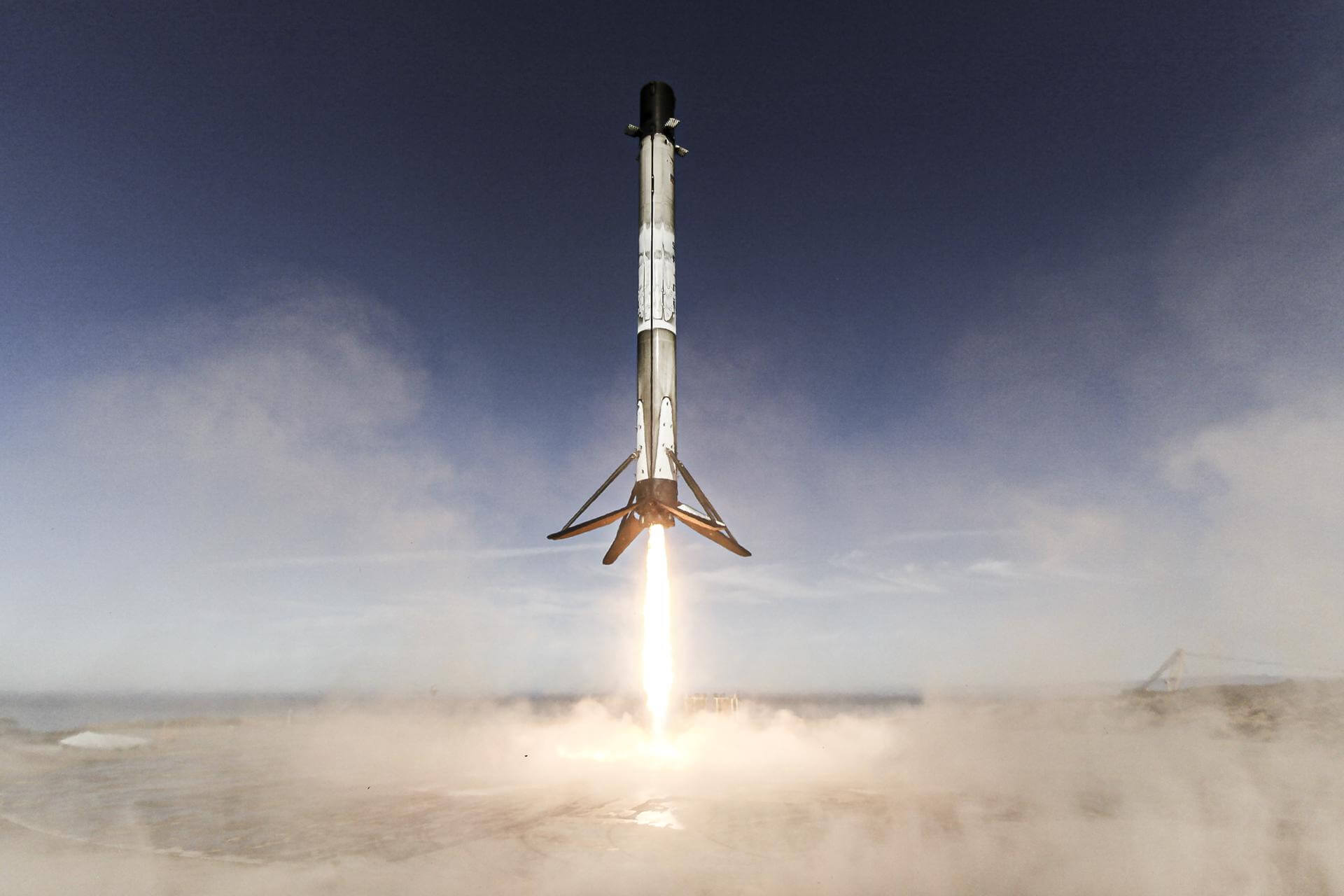
Provider: SpaceX Date: June 21, 2026 Time: 2:00 PM UTC Vehicle: Falcon 9
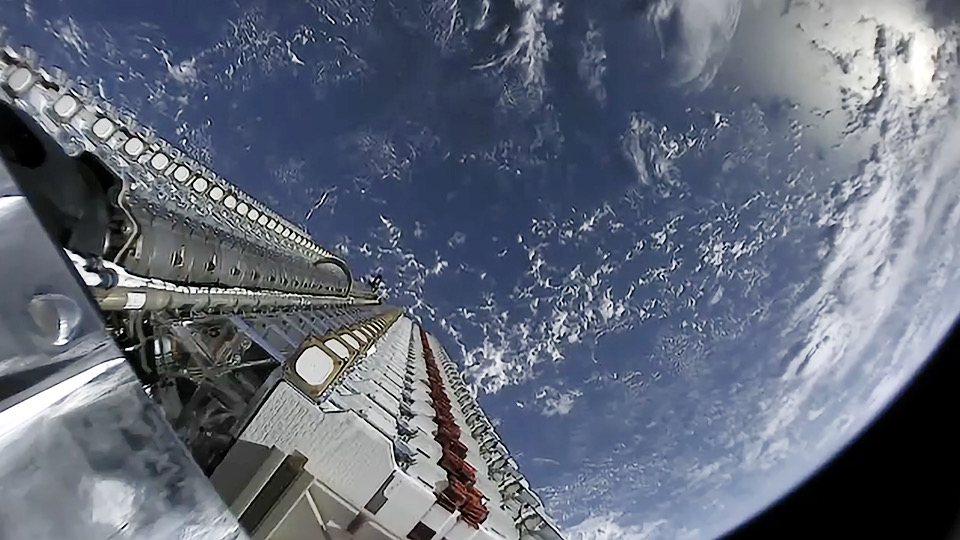
A batch of 24 satellites for the Starlink mega-constellation – SpaceX’s project for space-based Internet communication system.
Unknown Payload
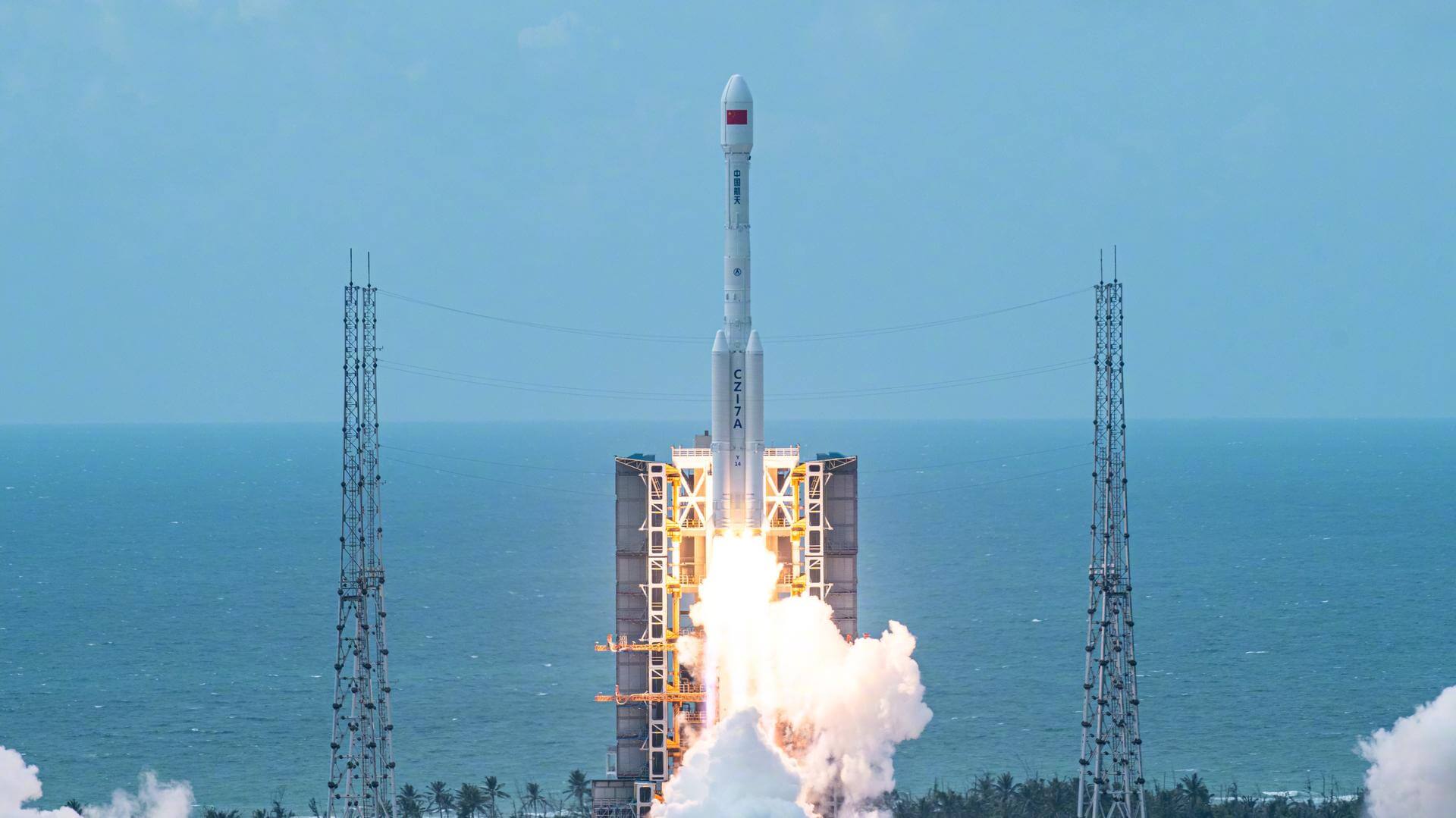
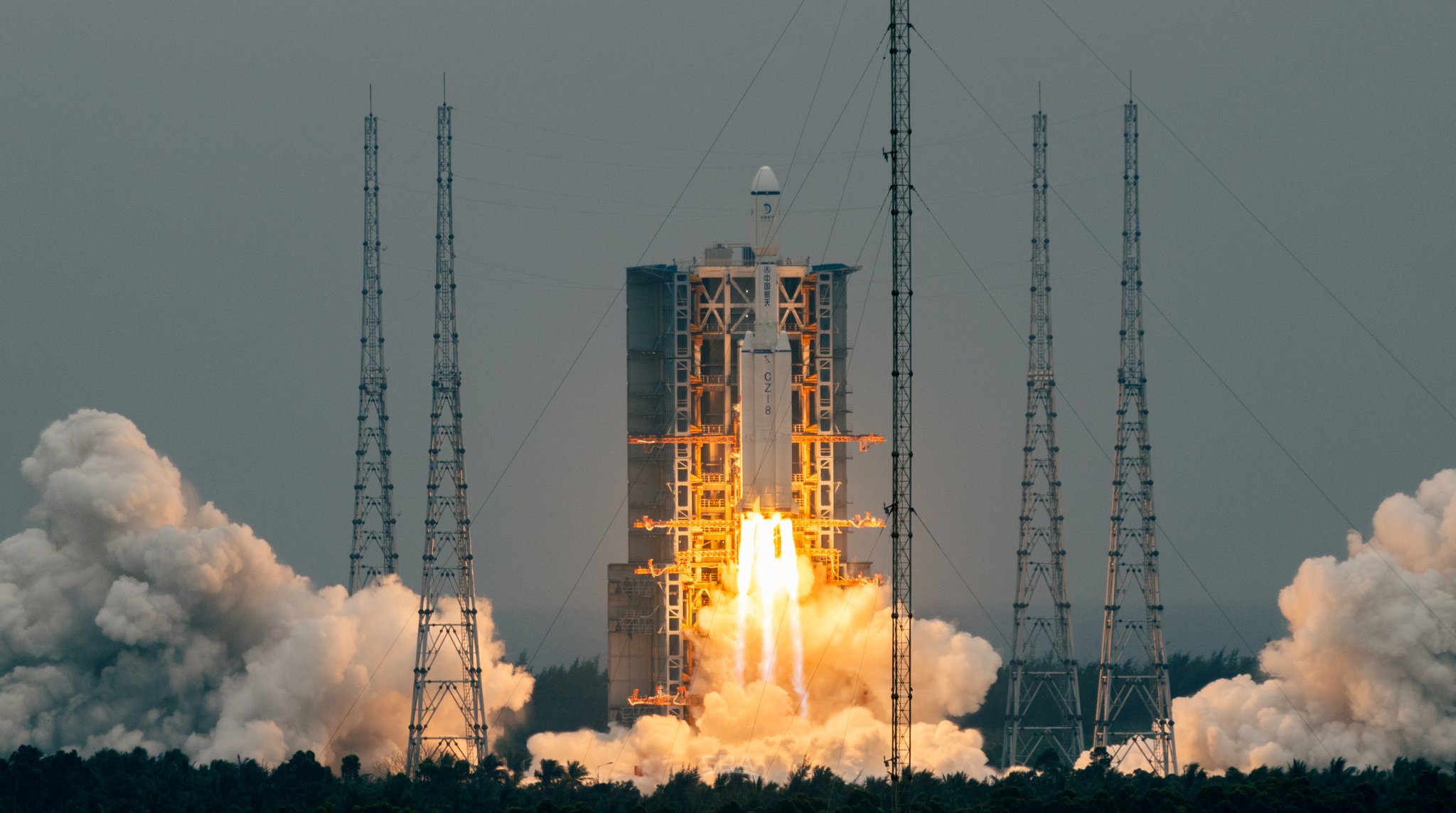
Provider: China Aerospace Science and Technology Corporation Date: June 23, 2026 Time: 2:10 AM UTC Vehicle: Long March 7A
Details TBD.
Project Starfall Demonstration Mission
Provider: SpaceX Date: June 23, 2026 Time: 10:43 AM UTC Vehicle: Falcon 9
Note: Mission profile and payload details are TBD.
Demonstration mission for SpaceX’s Project Starfall, which aims to mass-produce reentry capsules designed to autonomously transport valuable customer experiments and other payloads safely back from space to Earth, including for in-orbit manufacturing.
Starfall is a cylindrical shaped capsule approximately 0.75 meters tall with a diameter of 3.1 meters, weighing approximately 2100 kilograms, and capable of carrying 1000 kilograms of payload. It is designed to be carried on Starship flights.
Starlink Group 17-45
Provider: SpaceX Date: June 25, 2026 Time: 2:48 AM UTC Vehicle: Falcon 9
A batch of 24 satellites for the Starlink mega-constellation – SpaceX’s project for space-based Internet communication system.
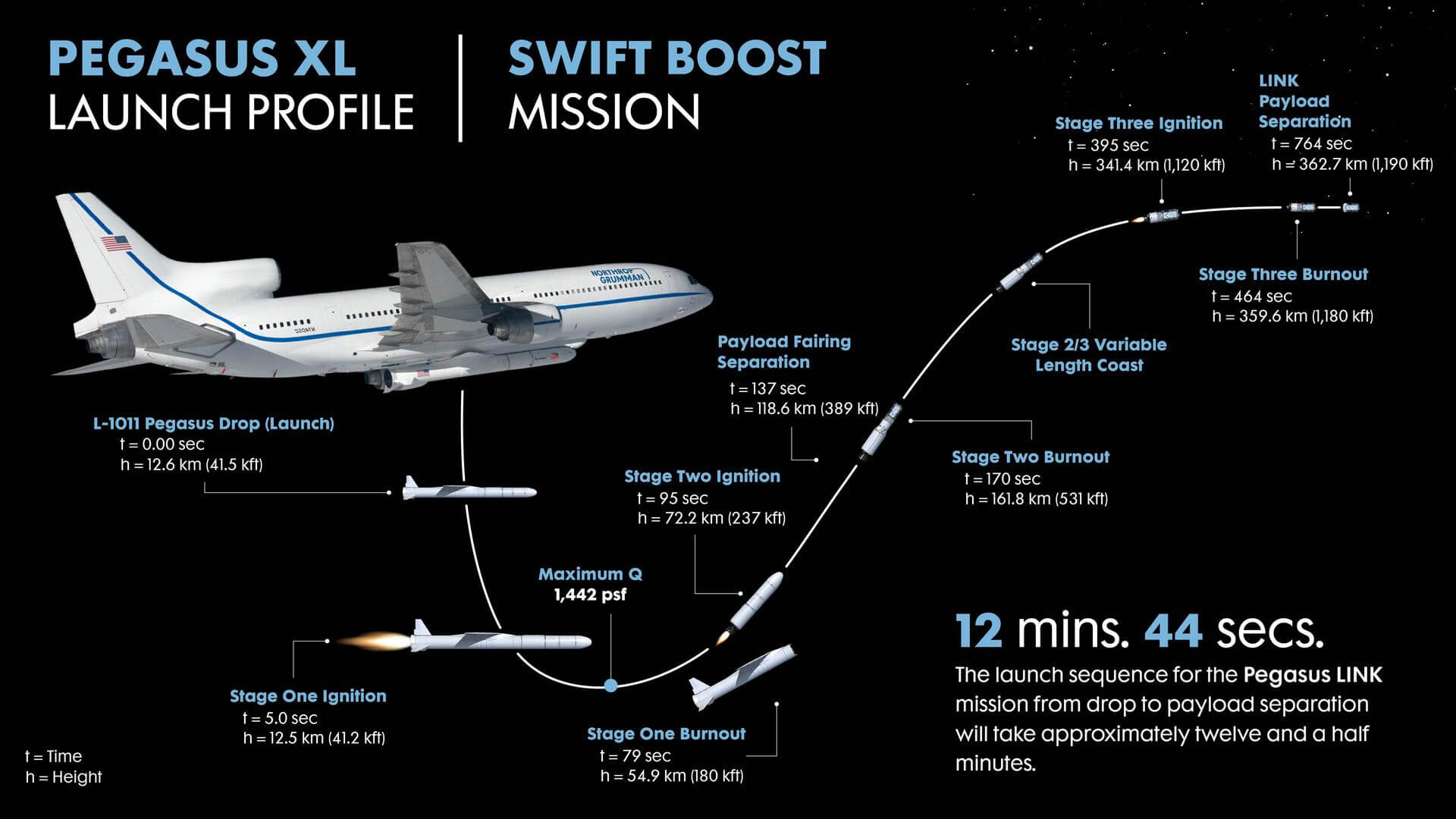
Swift Boost Mission
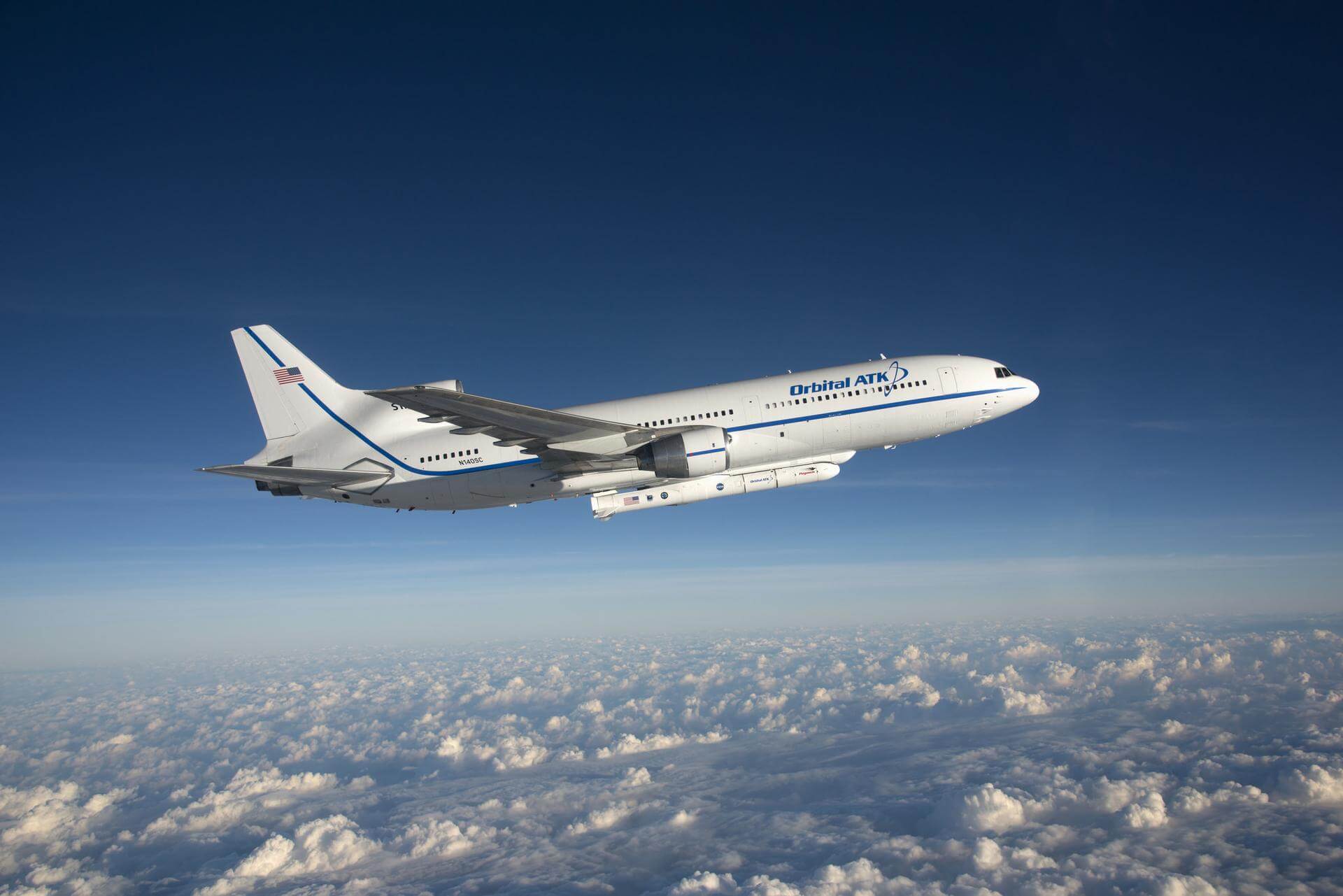
Provider: Northrop Grumman Space Systems Date: June 27, 2026 Time: 9:00 AM UTC Vehicle: Pegasus XL
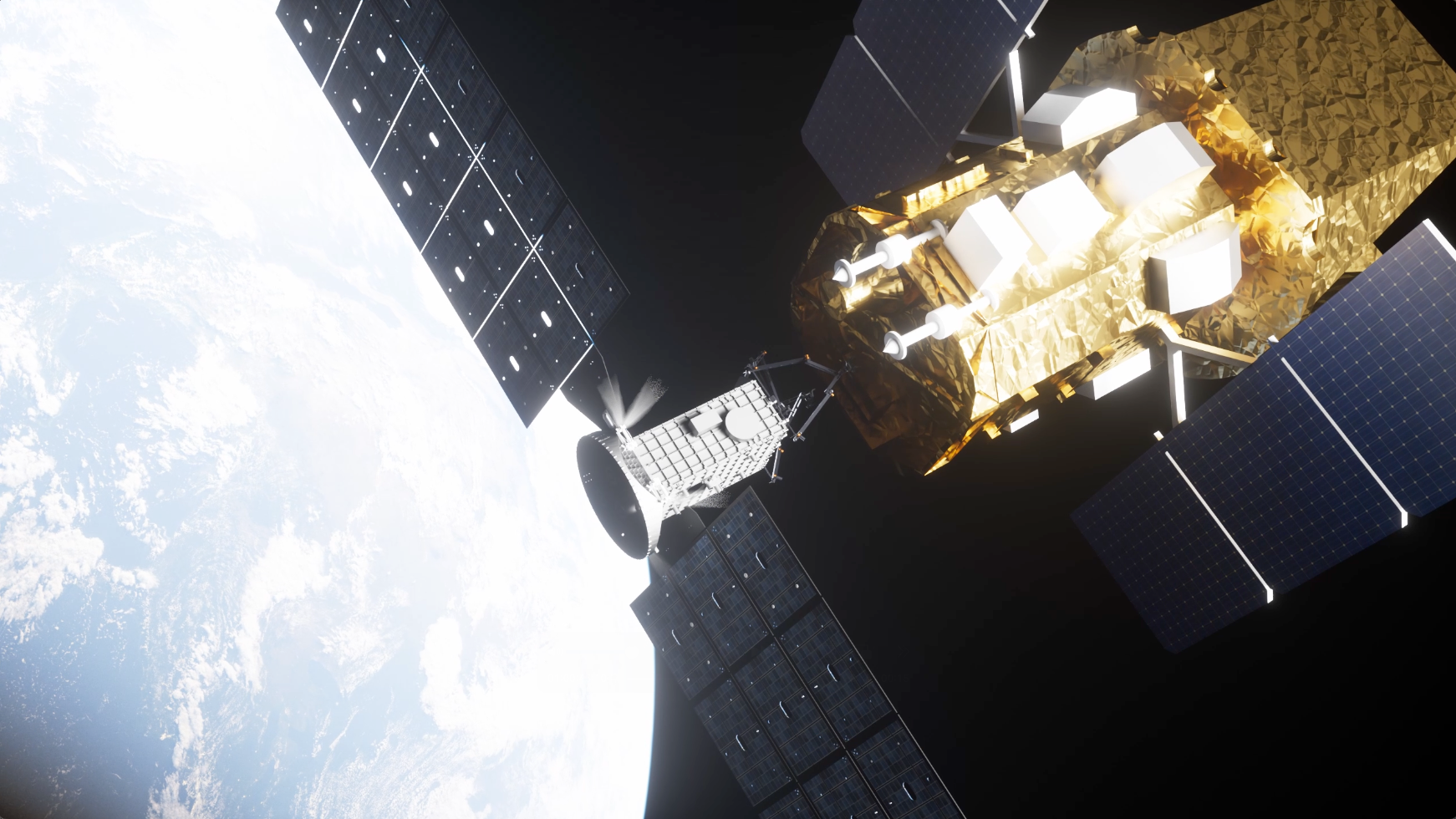
Contracted by NASA under the Small Business Innovation Research Phase 3 contract, Katalyst Space Technologies’ LINK servicing spacecraft will rendezvous and attach to NASA’s Neil Gehrels Swift Observatory to re-boost its orbit. This aims to demonstrate a key capability for the future of space exploration and extending the Swift mission’s science lifetime in gamma ray astronomy.
Starlink Group 17-28 ×
Mission Details
TypeCommunications
OrbitLow Earth Orbit
TargetEarth
A batch of 24 satellites for the Starlink mega-constellation – SpaceX’s project for space-based Internet communication system.
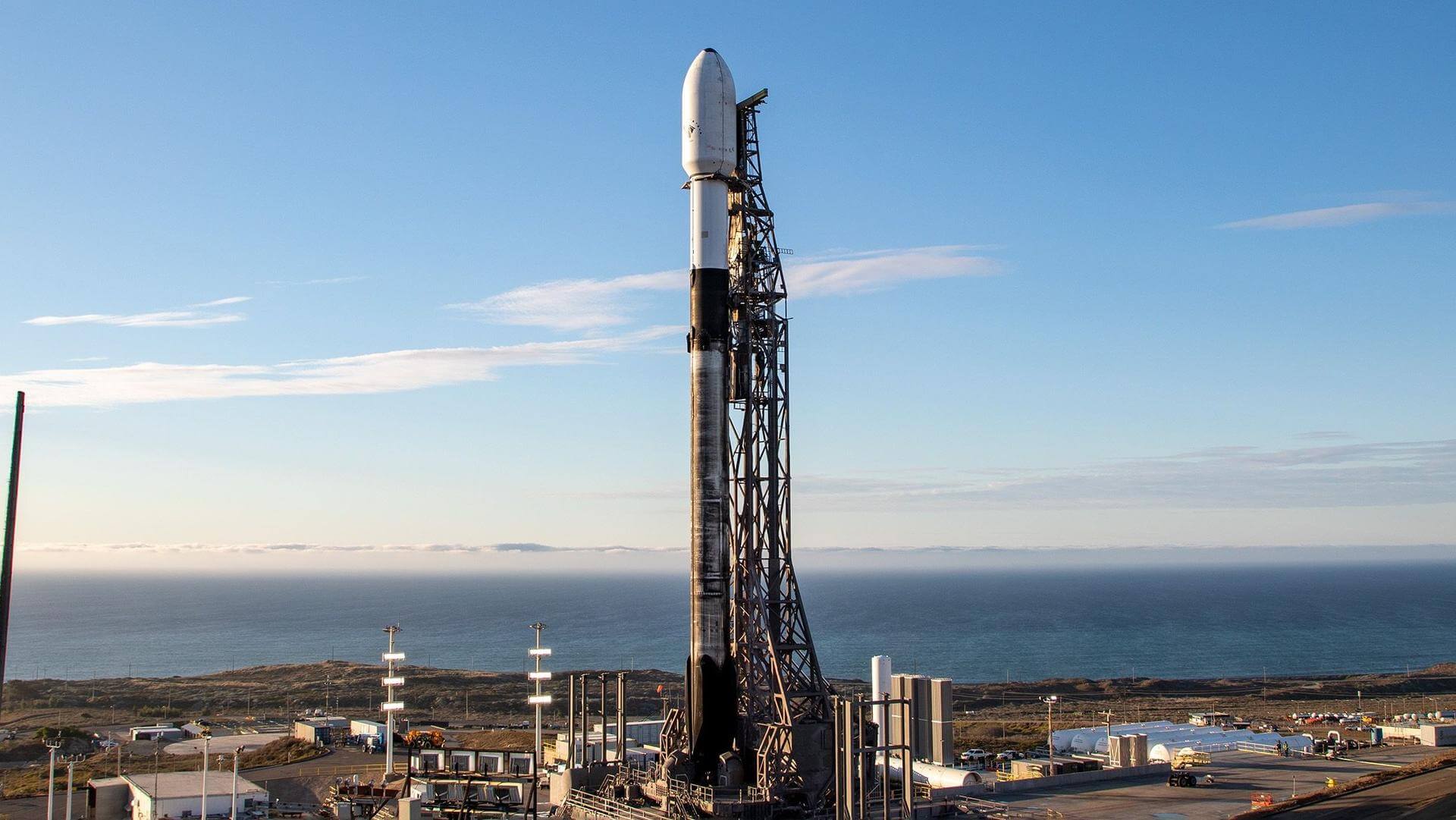
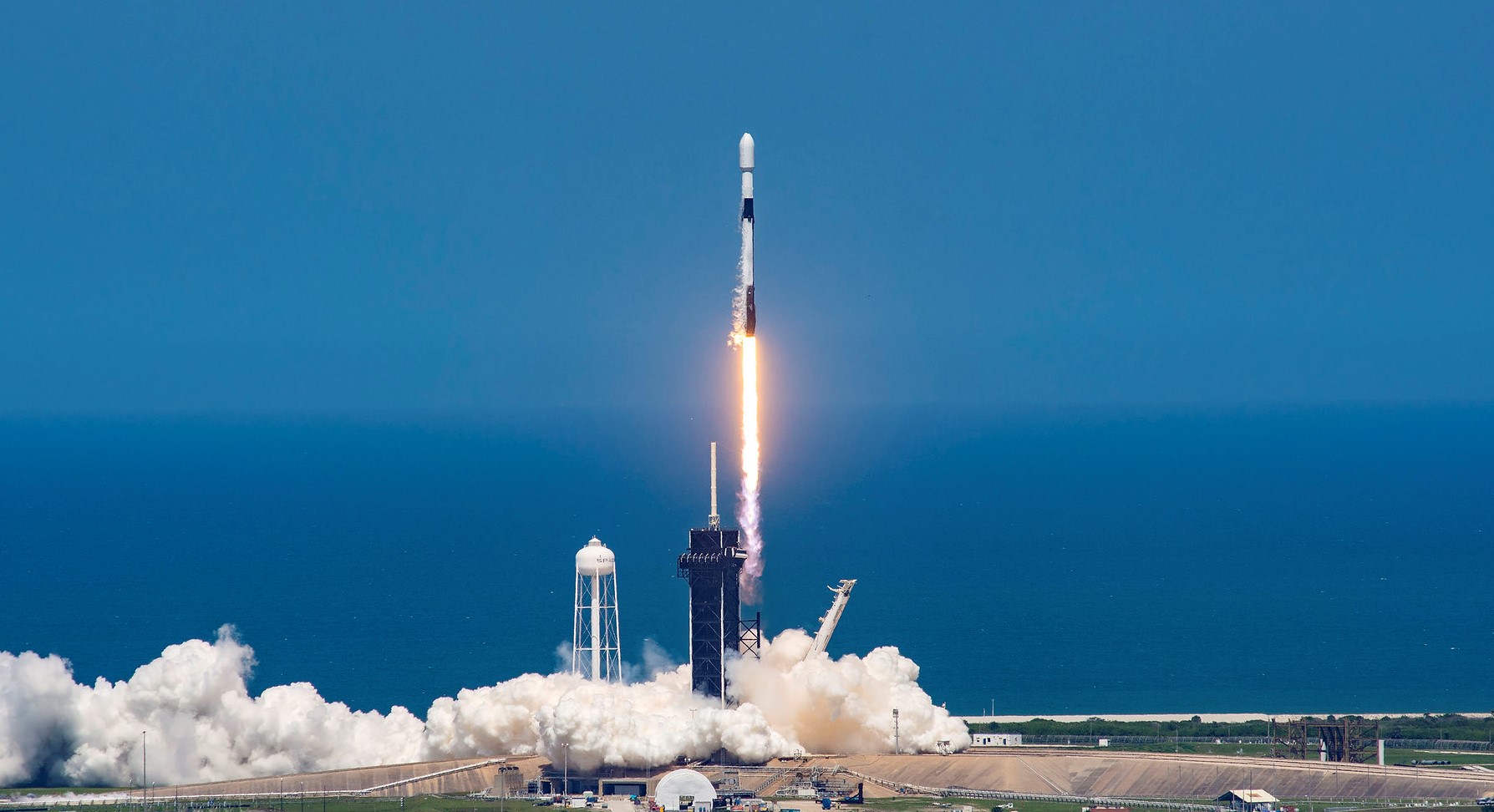
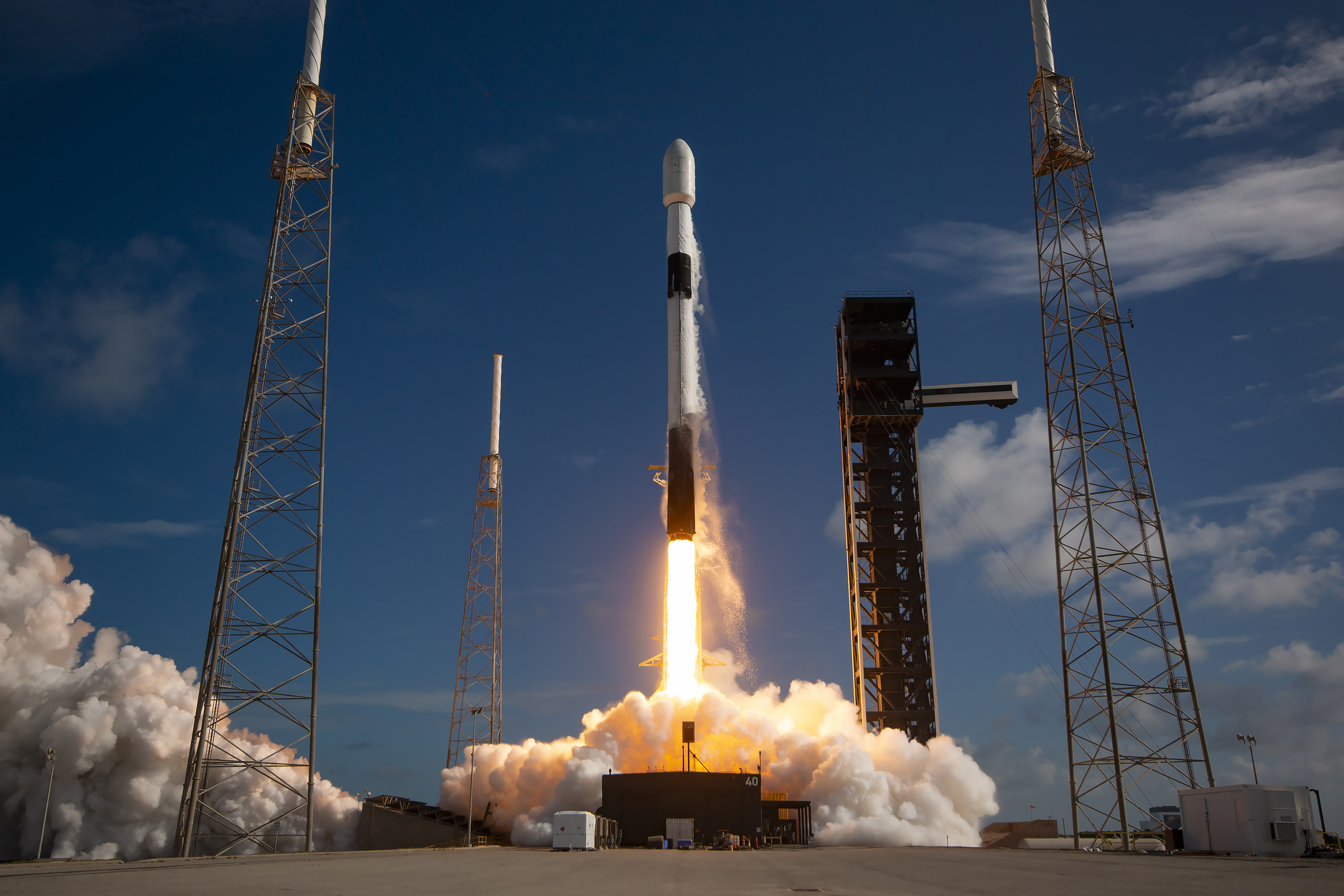
Falcon 9 is a two-stage rocket designed and manufactured by SpaceX for the reliable and safe transport of satellites and the Dragon spacecraft into orbit. The Block 5 variant is the fifth major interval aimed at improving upon the ability for rapid reusability.
Note: Mission profile and payload details are TBD.
Demonstration mission for SpaceX’s Project Starfall, which aims to mass-produce reentry capsules designed to autonomously transport valuable customer experiments and other payloads safely back from space to Earth, including for in-orbit manufacturing.
Starfall is a cylindrical shaped capsule approximately 0.75 meters tall with a diameter of 3.1 meters, weighing approximately 2100 kilograms, and capable of carrying 1000 kilograms of payload. It is designed to be carried on Starship flights.
Falcon 9 is a two-stage rocket designed and manufactured by SpaceX for the reliable and safe transport of satellites and the Dragon spacecraft into orbit. The Block 5 variant is the fifth major interval aimed at improving upon the ability for rapid reusability.
Falcon 9 is a two-stage rocket designed and manufactured by SpaceX for the reliable and safe transport of satellites and the Dragon spacecraft into orbit. The Block 5 variant is the fifth major interval aimed at improving upon the ability for rapid reusability.
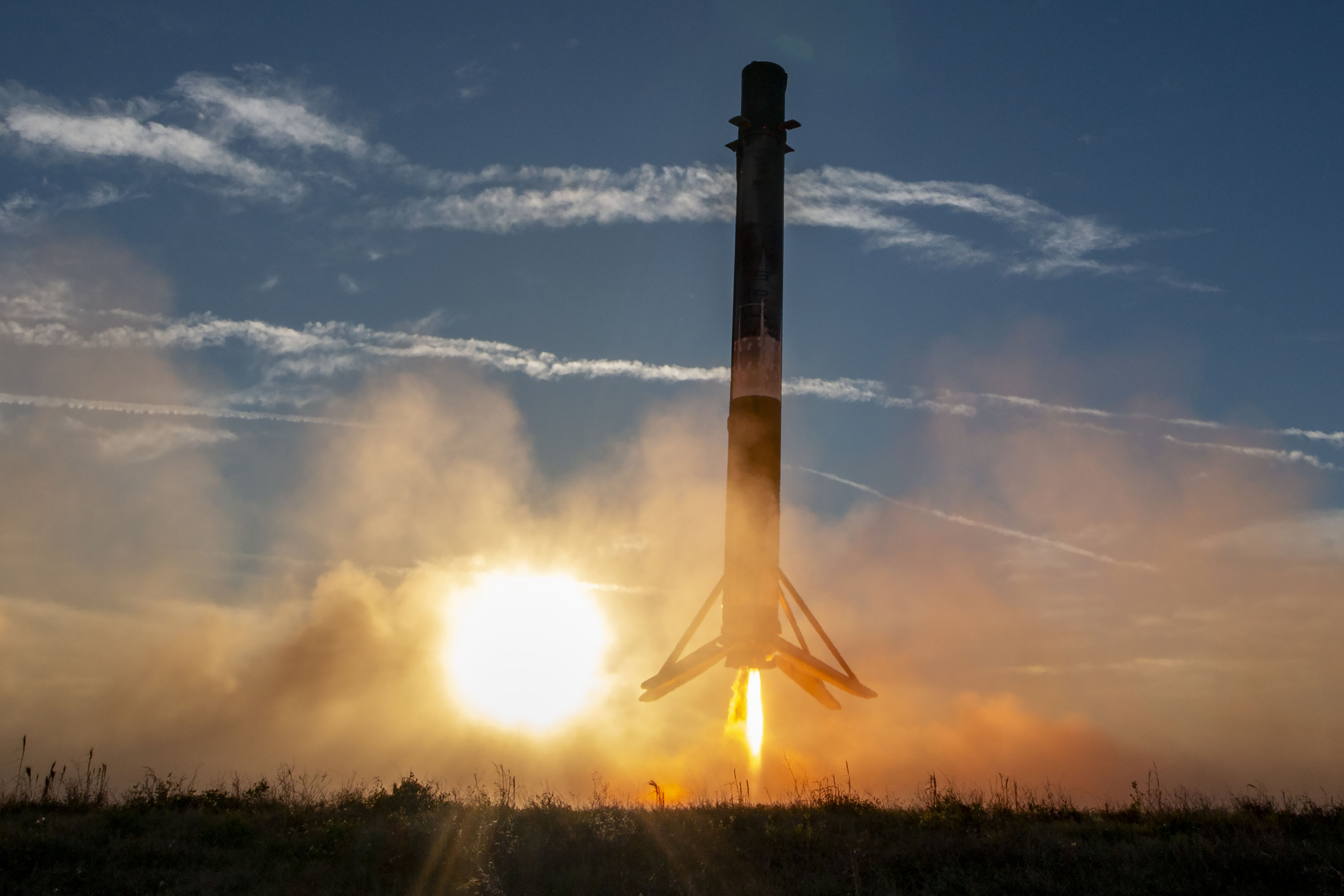
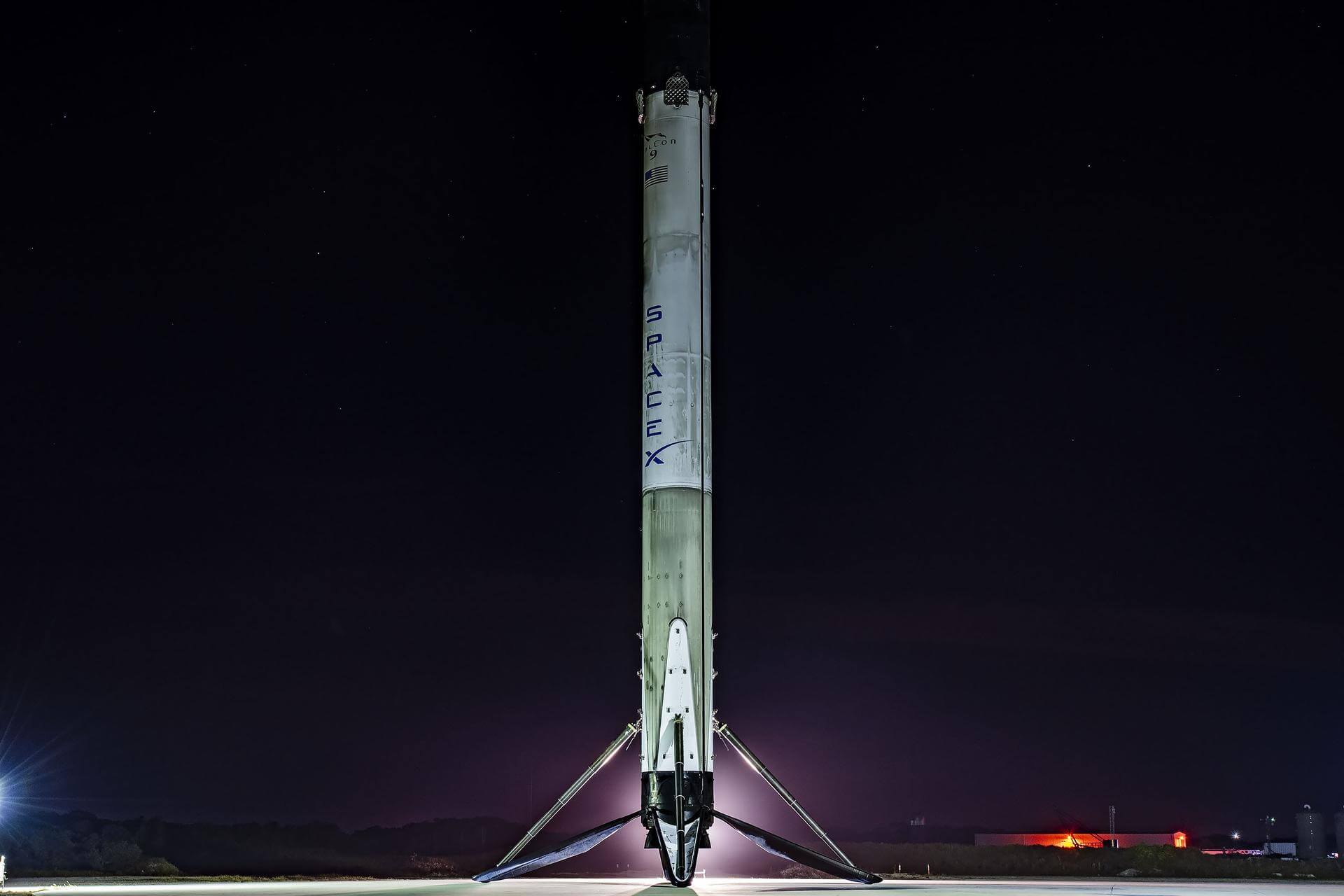
The Falcon 9 first stage B1081 will land on ASDS OCISLY after its 25th flight.
Swift Boost Mission ×
Mission Details
TypeMission Extension
OrbitLow Earth Orbit
TargetEarth
Contracted by NASA under the Small Business Innovation Research Phase 3 contract, Katalyst Space Technologies’ LINK servicing spacecraft will rendezvous and attach to NASA’s Neil Gehrels Swift Observatory to re-boost its orbit. This aims to demonstrate a key capability for the future of space exploration and extending the Swift mission’s science lifetime in gamma ray astronomy.
Agencies Involved
• Katalyst Space (Private)
• National Aeronautics and Space Administration (Government)
Payload: LINK
TypeIn-Orbit Servicing
Mass400 kg
DestinationSwift
Quantity1
ManufacturerKatalyst Space
OperatorKatalyst Space
Spacecraft designed, built and operated by Katalyst Space as part of the Swift rescue mission
The Pegasus is an air-launched rocket developed by Orbital Sciences Corporation (now part of Northrop Grumman Innovation Systems). Capable of carrying small payloads of up to 443 kilograms (977 lb) into low Earth orbit, the vehicle consists of three solid propellant stages and an optional…
Robo Chris is a collection of API calls, filters, and searches, bolted together with magic and love. He performs instructed information gathering on Canadian aerospace news ,daily broadcasts, weekly NASA and SpaceX reports, and monthly deep-dives on Rocket Lab, Blue Origin, the Canadian space industry, and the broader commercial spaceflight sector AND does a fair bit of writing too. Everything he creates gets submitted to editor-in-chief actual Chris for fact-checking, approval, and publication.