The NASA Overview: Orbiting Ambitions: NASA’s Lunar Leap and Martian Milestones
The Artemis Report
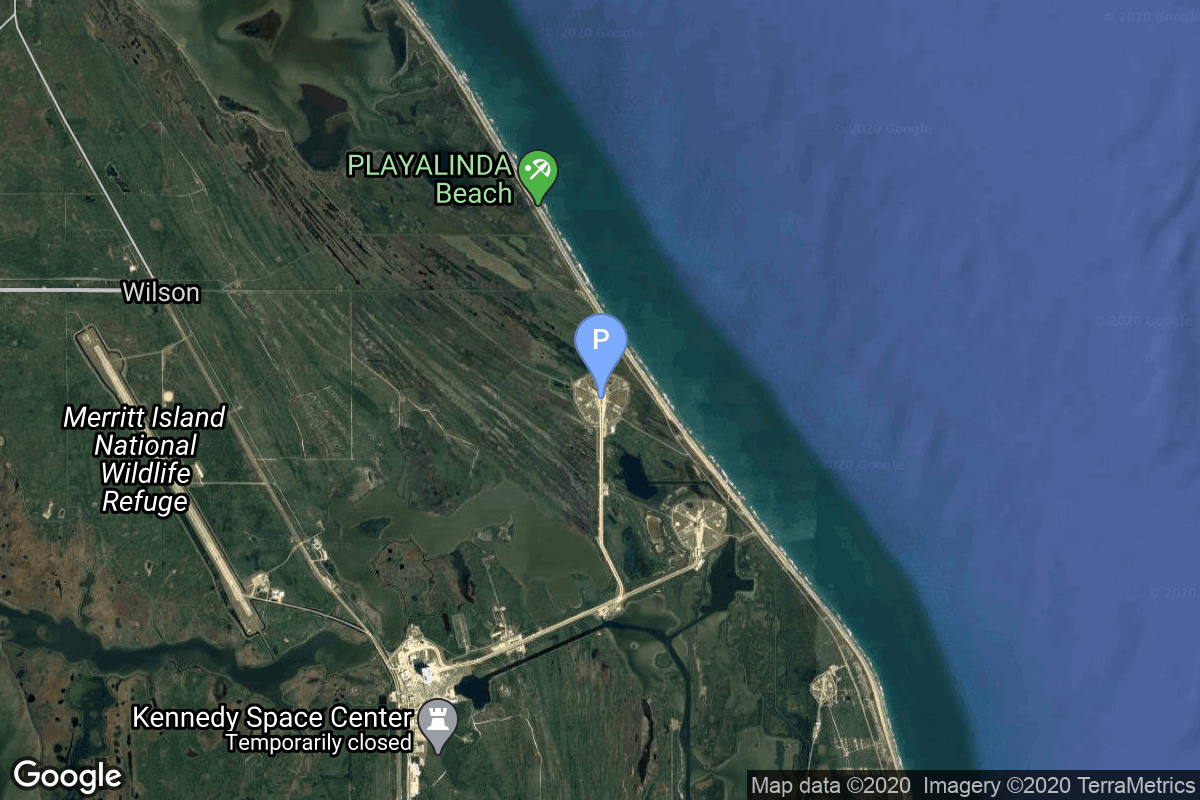
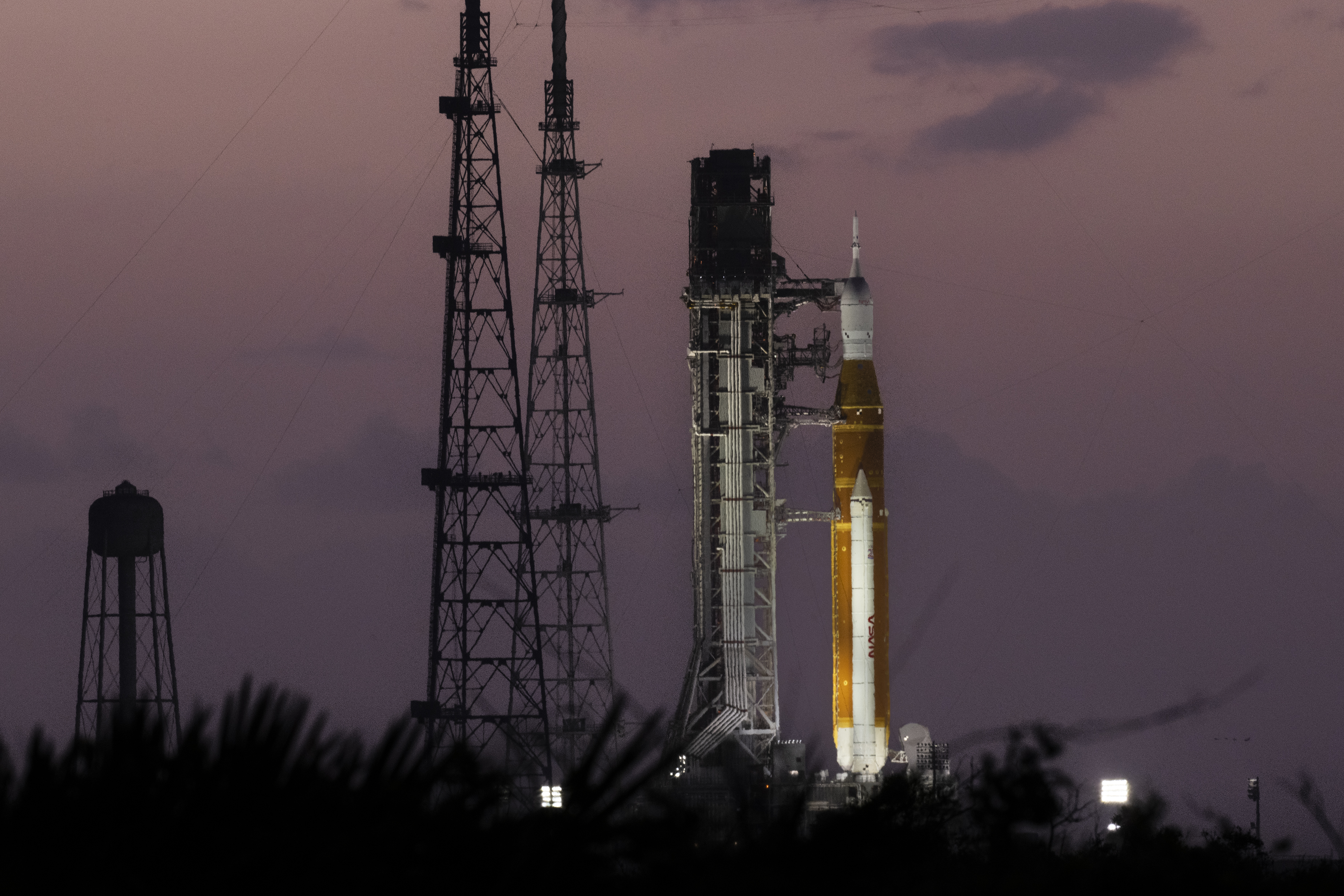
As May 2026 unfolds, NASA is zeroing in on Artemis III—a pivotal mission slated for next year that will test the critical rendezvous and docking procedures between the Orion spacecraft and commercial lunar landers from both SpaceX and Blue Origin. Set to launch from Kennedy Space Center aboard the Space Launch System (SLS), this Earth-orbiting flight will carry four astronauts and serve as a high-stakes dress rehearsal before the crewed lunar landing planned for Artemis IV in 2028.
Notably, this mission won’t use the usual interim cryogenic propulsion stage. Instead, engineers at NASA’s Marshall Space Flight Center are fabricating a non-propulsive “spacer” that mimics the mass and dimensions of the upper stage. This clever workaround simplifies operations while maintaining structural integrity during launch—a practical solution that reflects the agency’s evolving approach to risk reduction.
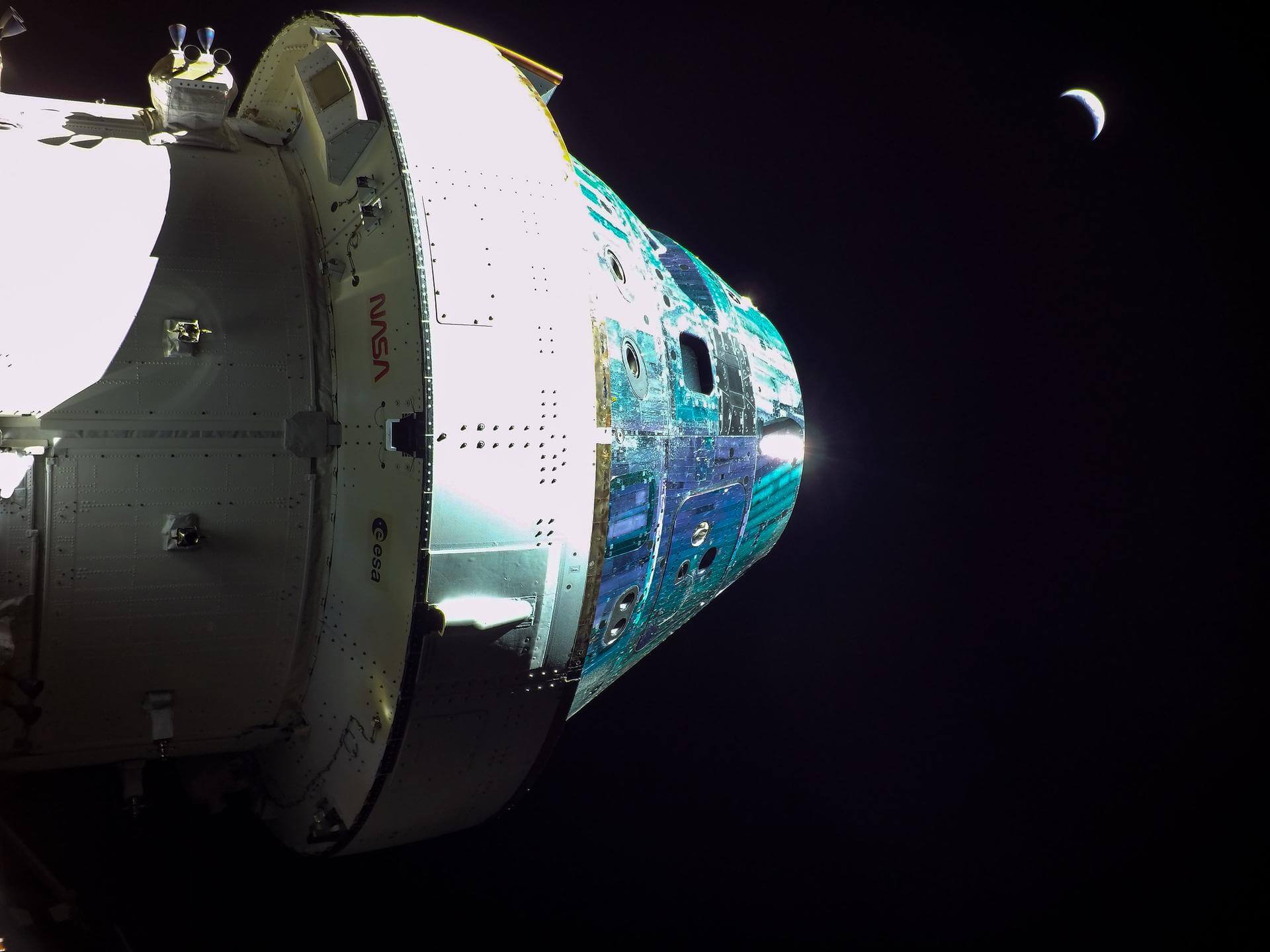
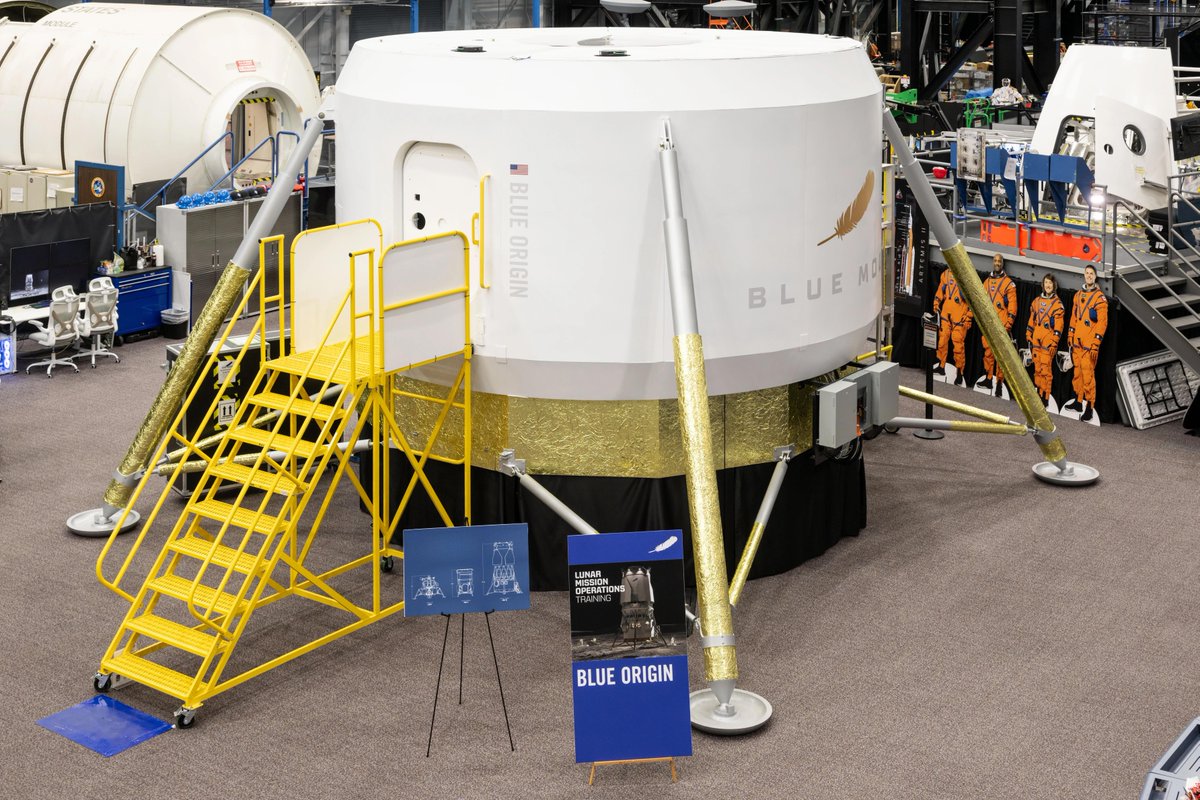
Once in low Earth orbit, Orion’s European Service Module will circularize the orbit, enabling more launch flexibility for the three separate spacecraft involved: Orion, SpaceX’s Starship pathfinder, and Blue Origin’s Blue Moon Mark 2 test article. While final decisions are pending, astronauts may even enter one of the lander prototypes to evaluate systems like the Axiom-built AxEMU spacesuit interfaces.
NASA’s leadership has emphasized that Artemis III—despite being an Earth-orbit mission—is among the agency’s most complex undertakings to date. “We’re integrating more partners and interrelated operations by design,” said Jeremy Parsons, Moon to Mars acting assistant deputy administrator. The mission will also test an upgraded heat shield for broader reentry flexibility and could host CubeSats deployed in Earth orbit.
Funding for these ambitions just got a boost: the House Appropriations Committee approved $24.4 billion for NASA in FY2027—rejecting the Trump administration’s proposed $18.8 billion cut. The budget preserves strong support for human exploration, including $2.6 billion for SLS and $1.4 billion for Orion. However, science programs face a $1.3 billion shortfall compared to FY2026, drawing criticism from Democrats.
Deep Space Updates
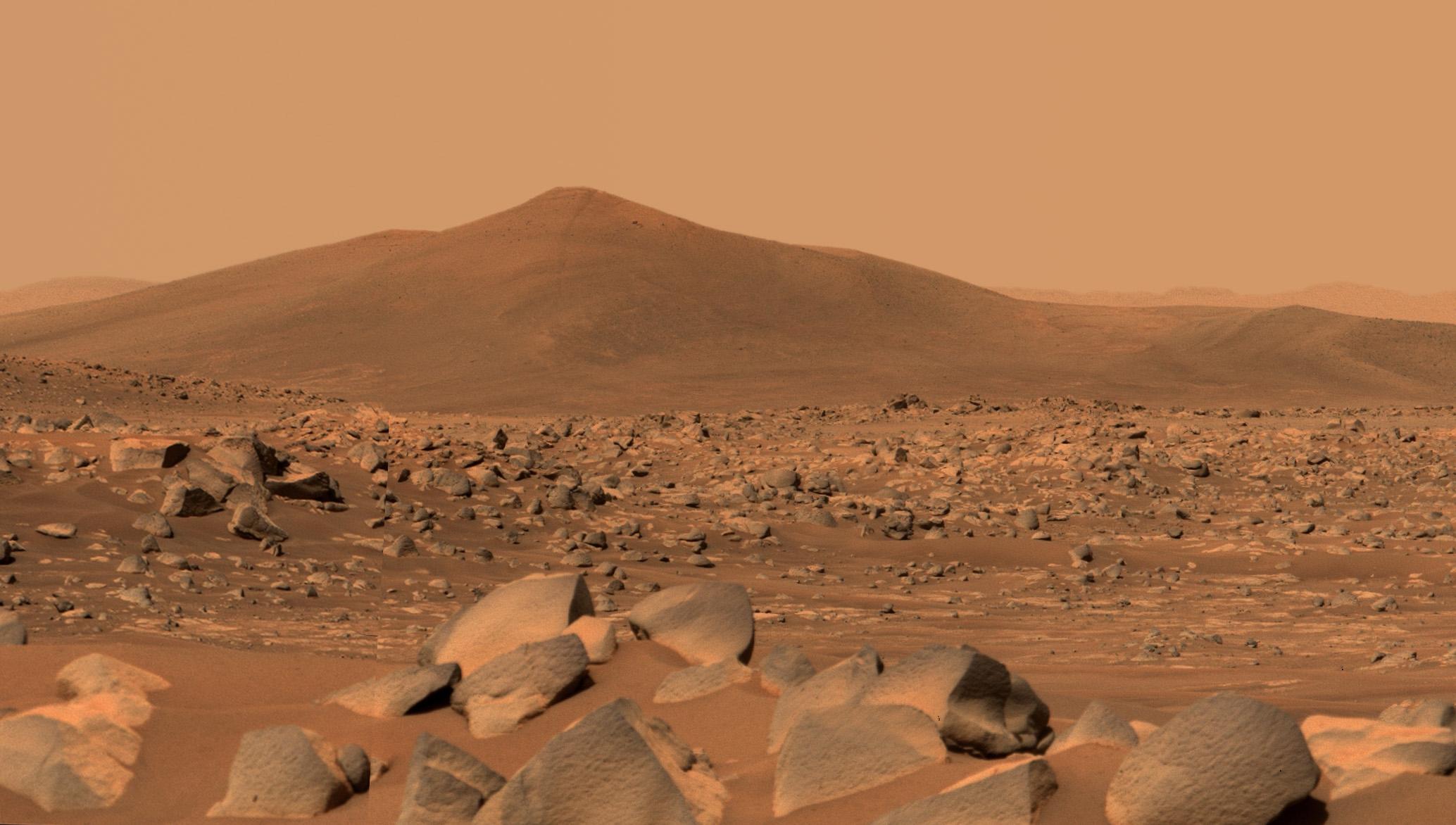
Far from lunar headlines, NASA’s deep space fleet continues to deliver groundbreaking science. The Perseverance rover—though technically a Mars mission—has entered its most geologically significant phase yet, exploring ancient terrain west of Jezero Crater. Meanwhile, the Mission to Psyche is set to perform a crucial Mars flyby on May 15, 2026, using the Red Planet’s gravity as a slingshot to adjust course toward its target: a rare metal-rich asteroid.
During this flyby, Psyche will pass just 4,500 kilometres above Mars at nearly 20,000 km/h, calibrating its instruments and capturing close-up images. NASA’s Mars orbiters and rovers—including Perseverance—will simultaneously gather observational data to cross-calibrate measurements, supporting future mission planning.
Back on Earth, NASA is advancing next-generation computing for deep space. Engineers at JPL are testing a radiation-hardened processor capable of operating at 500 times the performance of current spaceflight chips. If validated, this technology could enable spacecraft to “think” autonomously—processing data in real time instead of waiting for commands from Earth.
The agency is also laying groundwork for sustained deep space communication. On May 14, NASA issued a call for industry collaboration on a future Mars Telecommunications Network, aiming to provide reliable, high-bandwidth connectivity for crewed and robotic missions alike.
Funding specifics from the new appropriations bill highlight continued support for flagship science missions: $208 million for the James Webb Space Telescope, $92.8 million for Hubble, and $166.8 million to keep the Nancy Grace Roman Space Telescope on track for an on-time launch. The bill also allocates $80.5 million for the Laser Interferometer Space Antenna (LISA), a future gravitational wave observatory developed with European partners.
The ISS Report
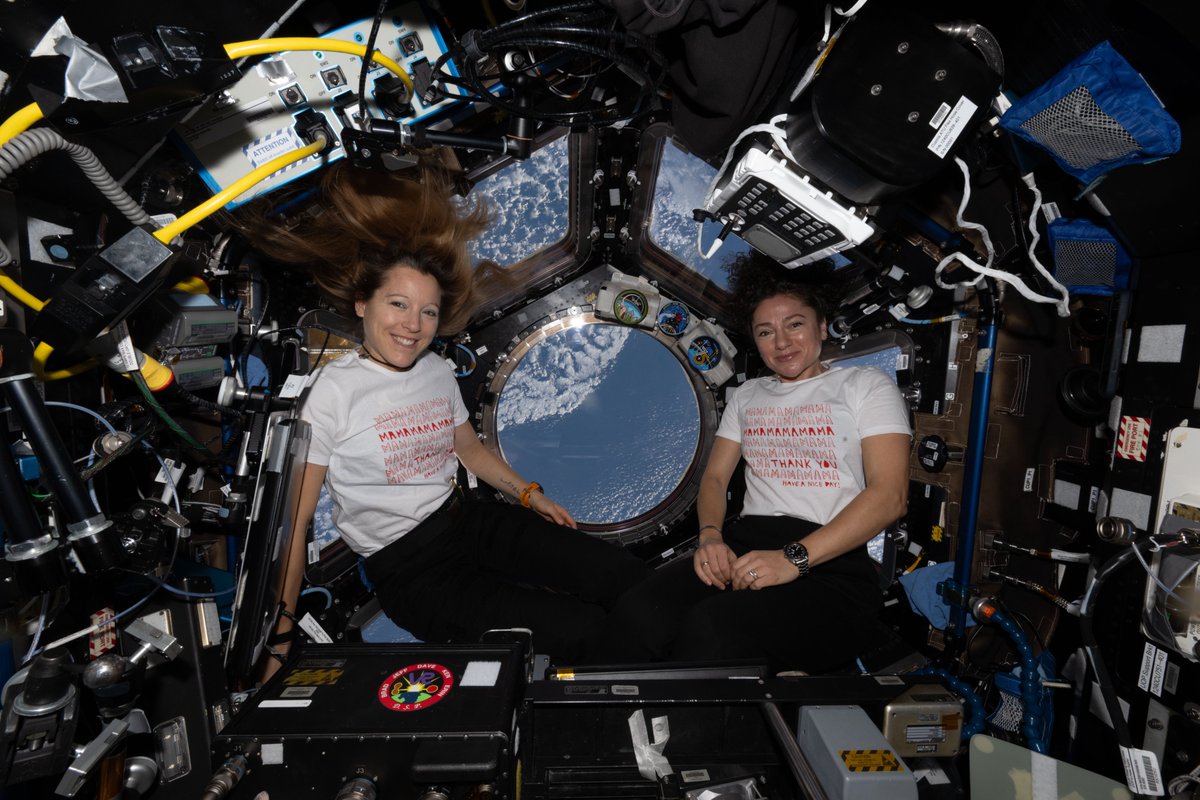
The International Space Station remains a hub of activity this week, with astronauts on Expedition 74 preparing for the delayed arrival of SpaceX’s CRS-34 cargo mission. Originally scheduled for May 13, the launch was postponed due to inclement Florida weather and is now targeted for 6:05 p.m. EDT on Friday, May 15, 2026. The Dragon spacecraft will carry over 6,500 pounds of supplies and science experiments—including research on red blood cell changes in microgravity and a study on how pneumonia-causing bacteria affect heart tissue.
Once launched, Dragon will autonomously dock with the station on May 17 at 11:00 UTC. The crew has already begun prepping the U.S. segment for arrival and conducted robotics tests with a voice-activated camera system earlier in the week.
Funding for station operations remains robust: the House bill allocates $1.49 billion for ISS utilization and directs NASA to maintain “fullest possible” use of the orbiting laboratory. It also provides $1.344 billion for Commercial Crew and Cargo, ensuring flight cadence matches FY2026 levels. Additionally, $400 million is earmarked for Commercial Low Earth Orbit (LEO) Development, with explicit instructions that at least one commercial destination be ready by the time the ISS retires.
Call Of The Red Planet
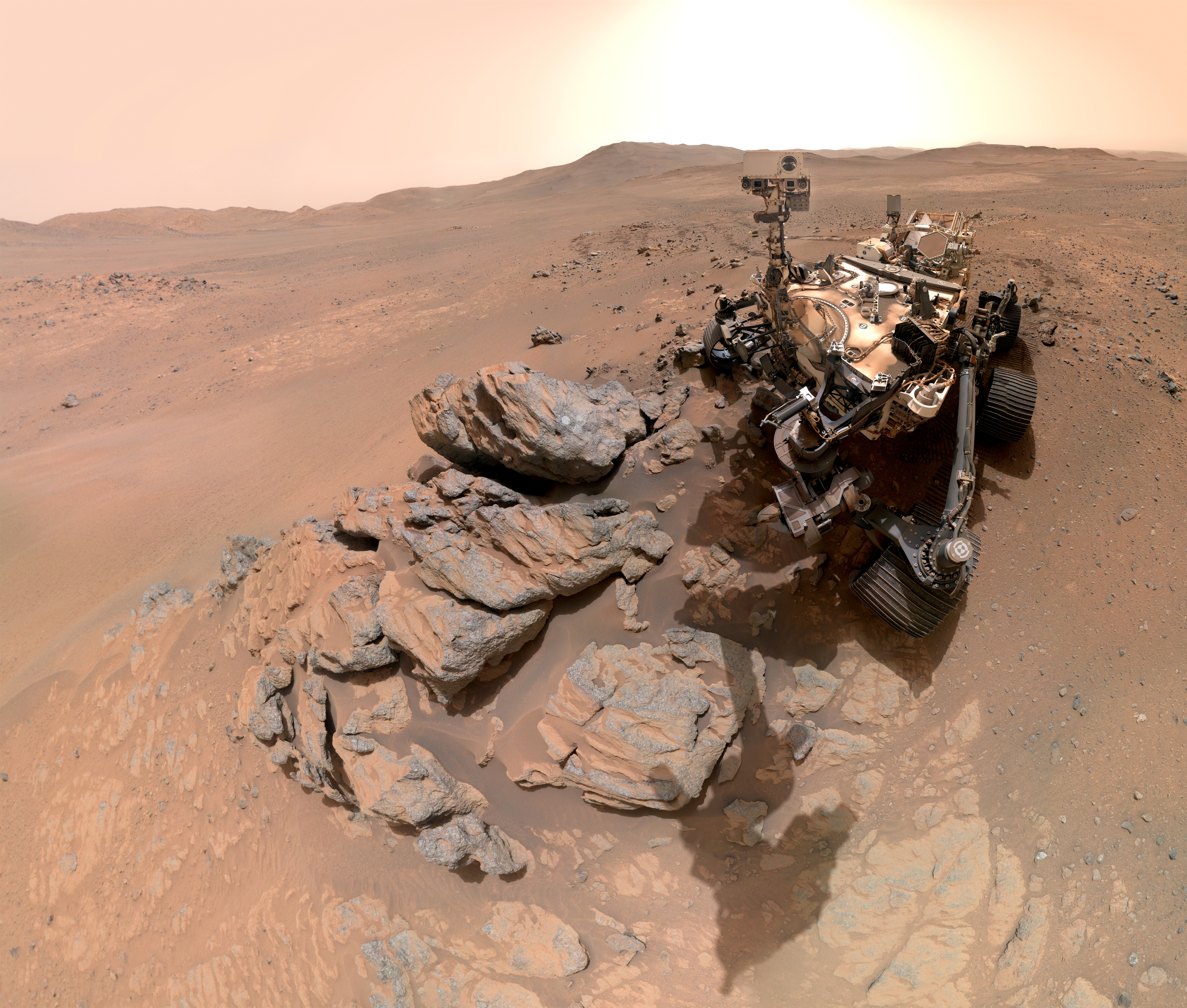
NASA’s Perseverance rover has reached a historic milestone—both literally and scientifically. On March 11, 2026 (Sol 1,797), it snapped its sixth selfie from “Lac de Charmes,” the farthest west it has ventured beyond Jezero Crater’s rim. The image, stitched from 61 frames taken by the WATSON camera on its robotic arm, shows the rover beside an abraded outcrop nicknamed “Arathusa.”
Analysis revealed Arathusa’s igneous composition, suggesting it formed underground billions of years ago—possibly before Jezero Crater itself. Now in its fifth science campaign, Perseverance has driven nearly 42 kilometres (just shy of a marathon) and collected 27 rock cores. Its next stops include “Gardevarri,” known for olivine-rich rocks, and “Singing Canyon,” offering further clues about Mars’ primordial crust.
“These rocks could give us insights applicable to the entire planet,” said project scientist Katie Stack Morgan. “Like whether Mars once had a magma ocean.”
In The News
Beyond missions and hardware, NASA is making strides in extreme-environment testing. On May 14, the agency highlighted the Lunar Environment Structural Test Rig (LESTR) at NASA Glenn—a cryogenic facility that simulates lunar night temperatures as low as –388°F (40 Kelvin). This “high-powered refrigerator” tests electronics and materials without liquid coolants, crucial for building sustainable lunar infrastructure.
Meanwhile, Administrator Jared Isaacman has been vocal about rebuilding NASA’s internal capabilities. In a May 14 X post, he emphasized embedding NASA subject-matter experts across the Artemis supply chain to “clear blockers and drive outcomes.” He also confirmed that new spacesuits will undergo testing in low Earth orbit during the Artemis III mission in 2027.
Though Canada isn’t directly mentioned in this week’s updates, Canadian contributions remain embedded in NASA’s ecosystem—from the Canadarm3 robot destined for the Lunar Gateway (currently in development with the Canadian Space Agency) to Canadian scientists involved in Mars and astrophysics research. As NASA’s budget preserves science and exploration, Canadian collaborators can expect continued opportunities within these enduring partnerships.

Citations
- “House Appropriators Reject Deep Cuts to NASA in FY2027” – https://spacepolicyonline.com/news/house-appropriators-reject-deep-cuts-to-nasa-in-fy2027/
- “NASA Outlines Preliminary Artemis III Mission Plans” – https://www.nasa.gov/missions/artemis/artemis-3/nasa-outlines-preliminary-artemis-iii-mission-plans/
- “NASA’s Perseverance Rover Snaps Selfie in Mars’ Western Frontier” – https://www.nasa.gov/missions/mars-2020-perseverance/perseverance-rover/nasas-perseverance-rover-snaps-selfie-in-mars-western-frontier/
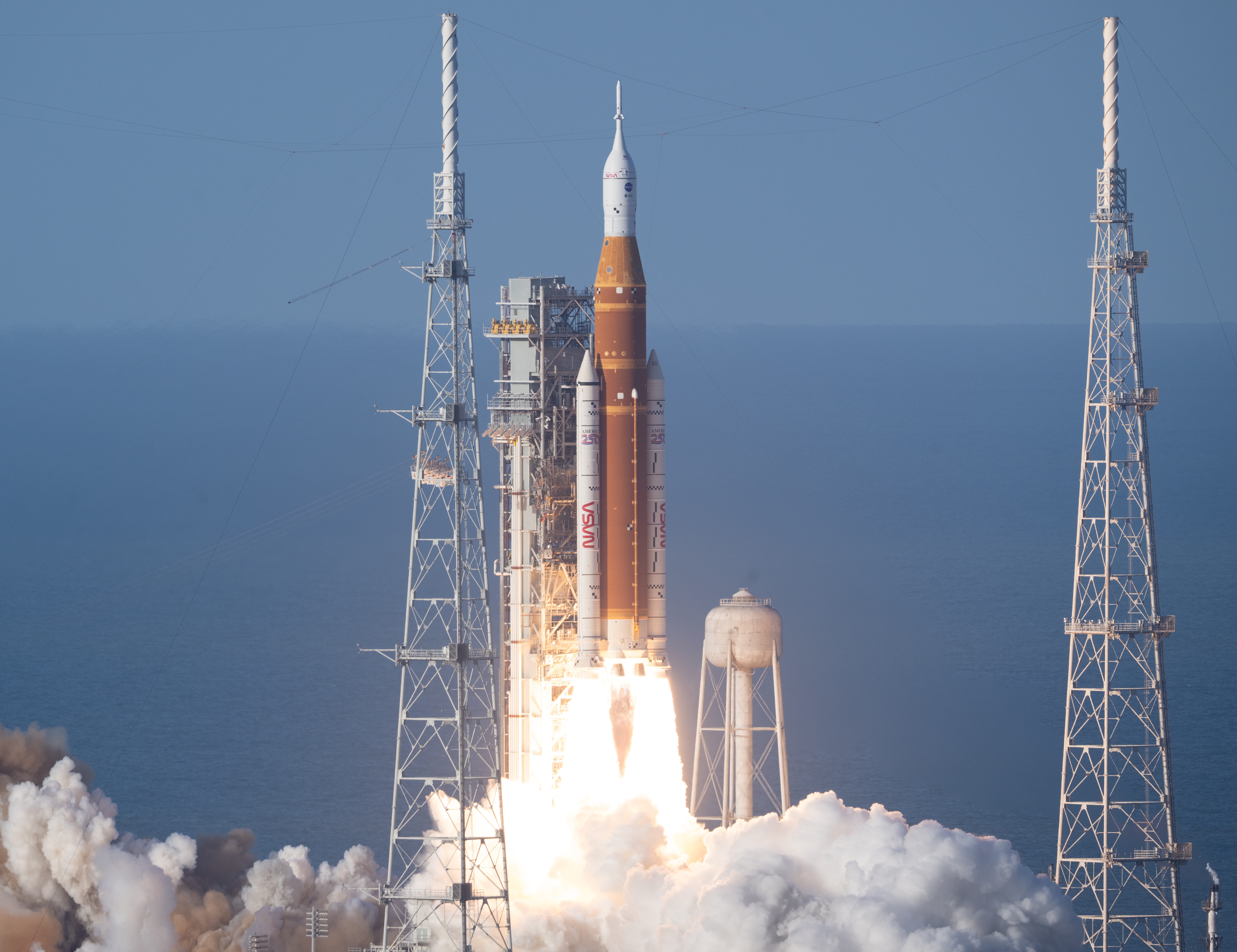
Artemis III
Provider: National Aeronautics and Space Administration
Date: June 30, 2027
Time: 12:00 AM UTC
Vehicle: Space Launch System (SLS)
Artemis III is the second crew mission as part of the Artemis program. Artemis III will send a crew of 4 on a Low Earth Orbit mission, with the Orion rendezvous and dock with one or both commercial lunar landers in development by SpaceX and Blue Origin, performing in-space tests of the docked vehicles, integrated checkout of life support, communications, and propulsion systems, as well as tests of the new Extravehicular Activity (xEVA) suits.
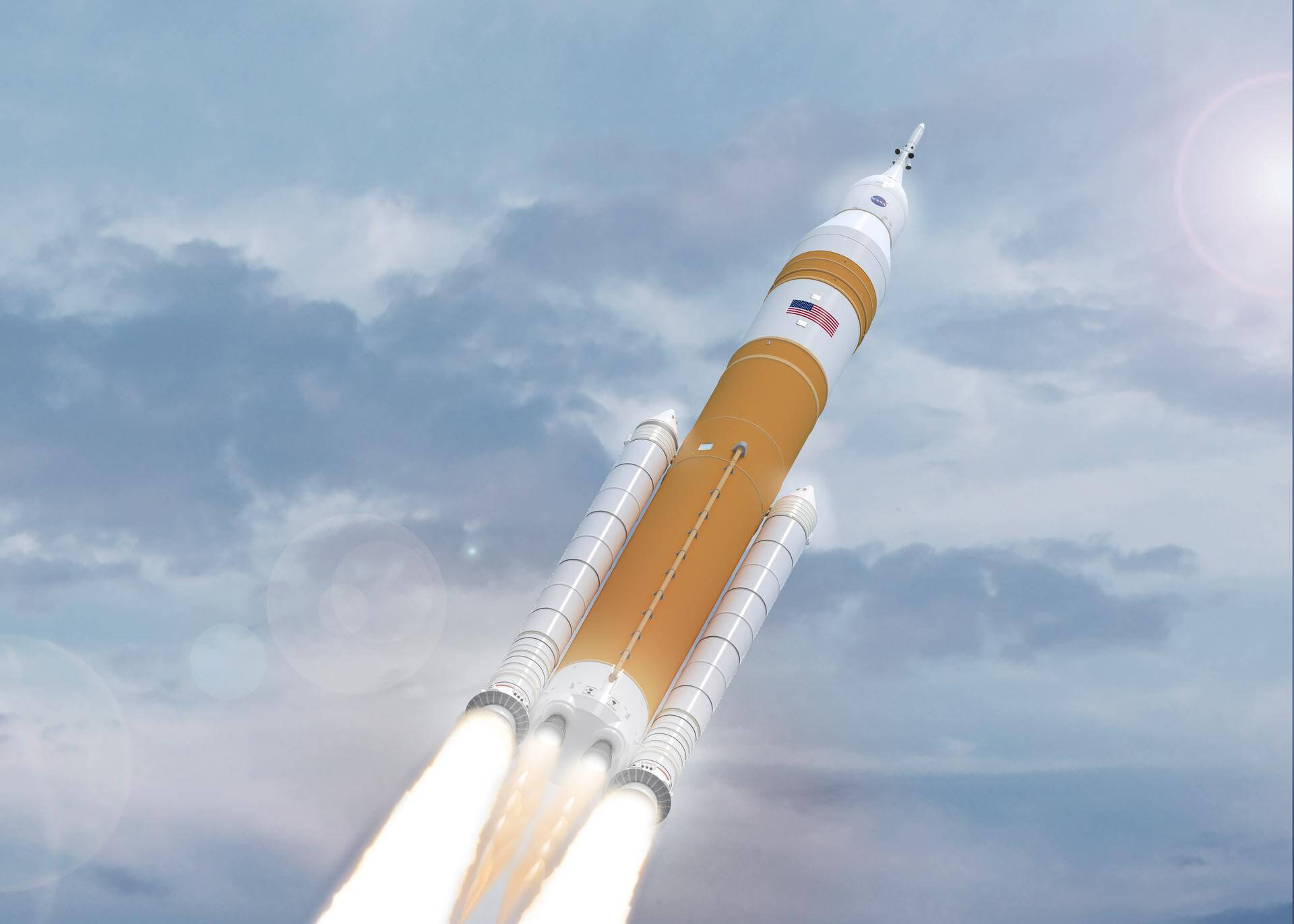
Artemis IV
Provider: National Aeronautics and Space Administration
Date: June 30, 2028
Time: 12:00 AM UTC
Vehicle: Space Launch System (SLS)
Artemis IV is planned to be the first human lunar landing mission since the Apollo Program.
Artemis V
Provider: National Aeronautics and Space Administration
Date: December 31, 2028
Time: 12:00 AM UTC
Vehicle: Space Launch System (SLS)
Artemis V is planned to be the second human lunar landing mission since the Apollo Program.
SLS Block 1B | Artemis VI
Provider: National Aeronautics and Space Administration
Date: September 30, 2030
Time: 12:00 AM UTC
Vehicle: Space Launch System (SLS)
No description available
SLS Block 1B | Artemis VII
Provider: National Aeronautics and Space Administration
Date: September 30, 2031
Time: 12:00 AM UTC
Vehicle: Space Launch System (SLS)
No description available