The Daily Broadcast: From Lunar Homecomings to Solar Surprises: Aerospace Milestones Unfold
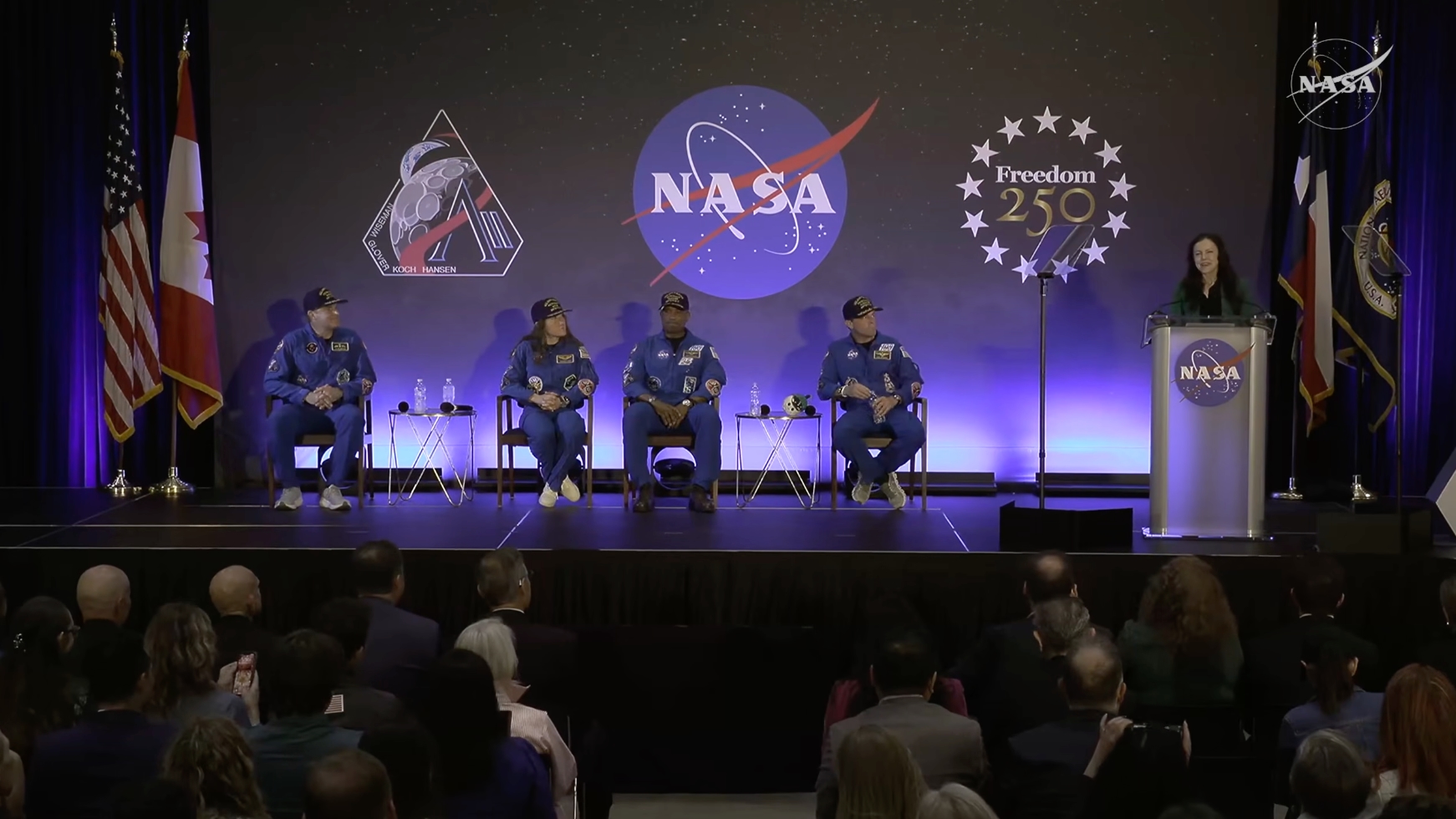
Artemis 2 Crew Returns Home After Historic Lunar Flyby
Less than 24 hours after splashing down in the Pacific Ocean, the Artemis 2 crew—NASA astronauts Reid Wiseman, Victor Glover, Christina Koch, and Canadian Space Agency (CSA) astronaut Jeremy Hansen—returned to Houston on April 12, 2026. Their arrival at Ellington Field was met with cheers from families, NASA staff, and dignitaries, marking the triumphant close of humanity’s first crewed mission beyond low Earth orbit since Apollo 17 in 1972.
The 10-day mission covered 1.1 million kilometres, looping around the Moon in a free-return trajectory that rigorously tested the Orion spacecraft’s systems. While technical success was expected, the crew’s post-mission reflections leaned heavily into the emotional and philosophical dimensions of deep space travel. Hansen, the first Canadian to venture so far from Earth, spoke of gratitude, joy, and collective human effort: “We are a mirror reflecting you. And if you like what you see, then just look a little deeper. This is you.”
CSA President Lisa Campbell, present at the Houston welcome ceremony, underscored Canada’s strategic role in Artemis, particularly through its contributions in robotics and astronaut operations. She also highlighted Jenni Gibbons’ critical work as Artemis CAPCOM during the mission. With Artemis 2 complete, NASA’s focus now shifts toward Artemis 3—the first crewed lunar landing since 1972—though no launch date has been confirmed.

Proba-3 Reveals Solar Wind Moving Faster Than Expected
The European Space Agency’s Proba-3 mission has delivered its first major scientific discovery: slow solar wind in the Sun’s inner corona is moving three to four times faster than previously thought. Since achieving its first artificial solar eclipse in orbit in July 2025, the twin-satellite mission has conducted 57 such eclipses, collecting over 250 hours of high-resolution coronal video—equivalent to roughly 5,000 ground-based eclipse campaigns.
Using the ASPIICS coronagraph, Proba-3 observes as close as 70,000 km from the Sun’s surface—closer than any other operational space-based instrument. This unprecedented proximity allowed scientists to track plasma “blobs” in the corona accelerating to speeds of 250–500 km/s, far exceeding the expected 100 km/s for slow solar wind. The findings, published in The Astrophysical Journal Letters on March 9, 2026, challenge existing models of how the solar wind forms and accelerates.
“These intricate movements have never been observed in optical wavelengths so low in the Sun’s inner corona,” said Joe Zender, ESA’s Proba-3 project scientist. The mission’s unique formation-flying technique—where one satellite acts as an artificial Moon blocking sunlight so the other can image the corona—has opened a new window into space weather origins. Most of Proba-3’s data remains unanalysed, promising further breakthroughs in understanding coronal heating, solar eruptions, and the dynamics of Earth’s radiation belts.

Sophia Space and Kepler Partner on Orbital Computing Network
In a strategic move to bring enterprise-grade computing to orbit, California-based startup Sophia Space and Canadian satellite communications firm Kepler Communications announced a partnership on April 13, 2026, to deploy edge computing nodes on Kepler’s future satellite fleet. The collaboration will integrate Sophia’s Orbital Data Centre (ODC) software with Kepler’s optical inter-satellite link network, creating a distributed, resilient compute infrastructure in low Earth orbit.
According to Sophia CEO Rob DeMillo, the partnership “accelerates our vision of bringing modular, low-latency compute to space while demonstrating real-world operational capability.” The system aims to support high-resolution weather forecasting, space domain awareness, and intelligence applications by processing data directly on satellites rather than downlinking everything to ground stations.
Kepler, headquartered in Toronto, has long championed optical data relay as a backbone for next-generation space networks. Their upcoming satellites will host Sophia’s “Tile” compute modules, enabling multi-tenant operations and scalable workload orchestration across spacecraft. The first demonstrations are expected in late 2026. For Canadian readers, this signals continued growth in Canada’s commercial space sector—not just in hardware and communications, but in the emerging frontier of in-orbit data processing.

Citations
- “Artemis 2 crew returns to Houston, passing the baton” – https://spaceq.ca/artemis-2-crew-returns-to-houston-passing-the-baton/
- “First Proba-3 science: surprisingly speedy solar wind” – https://www.esa.int/Science_Exploration/Space_Science/First_Proba-3_science_surprisingly_speedy_solar_wind
- “Sophia and Kepler to marry orbital compute with optical links” – https://spacenews.com/sophia-and-kepler-to-marry-orbital-compute-with-optical-links/
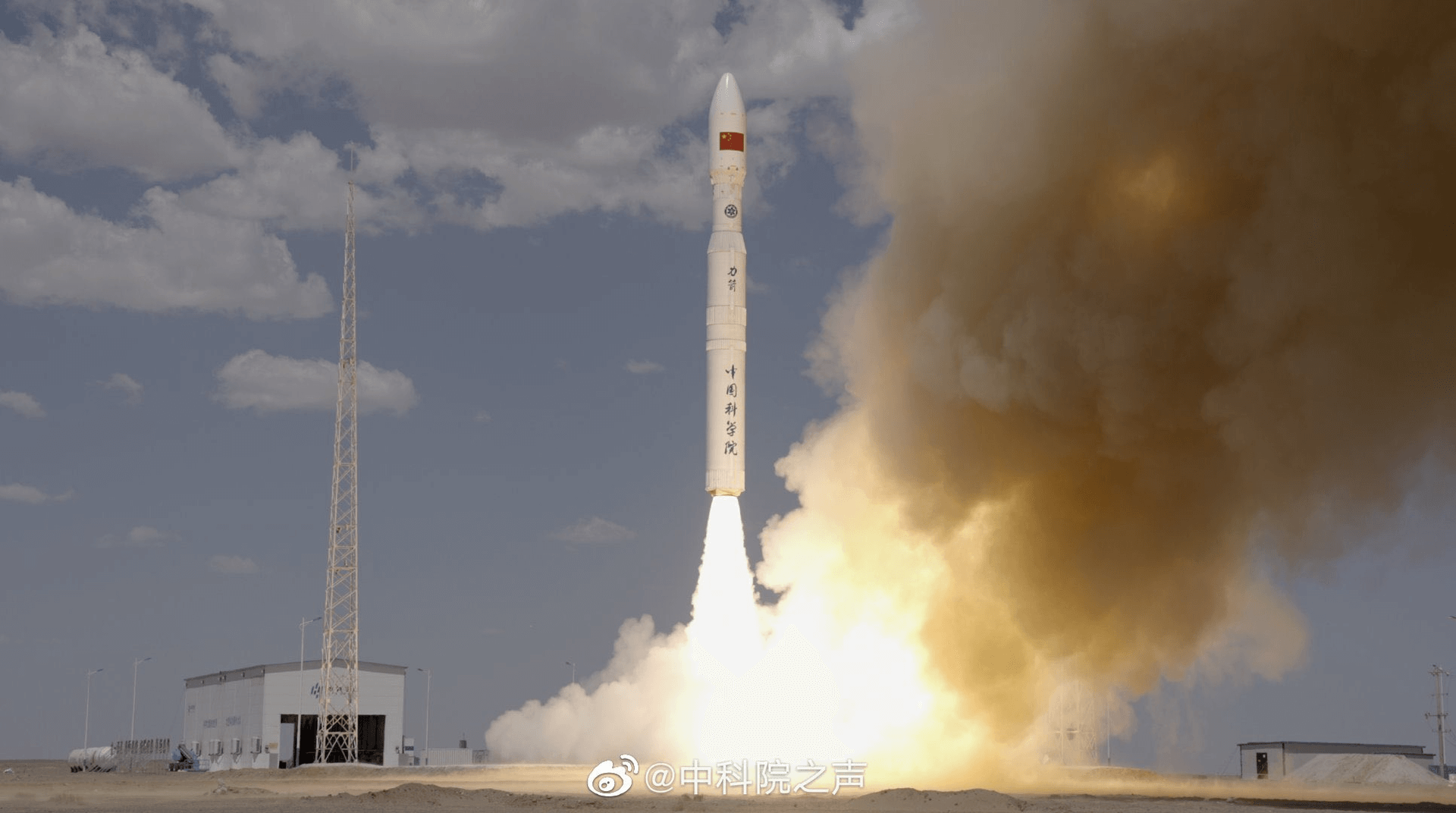
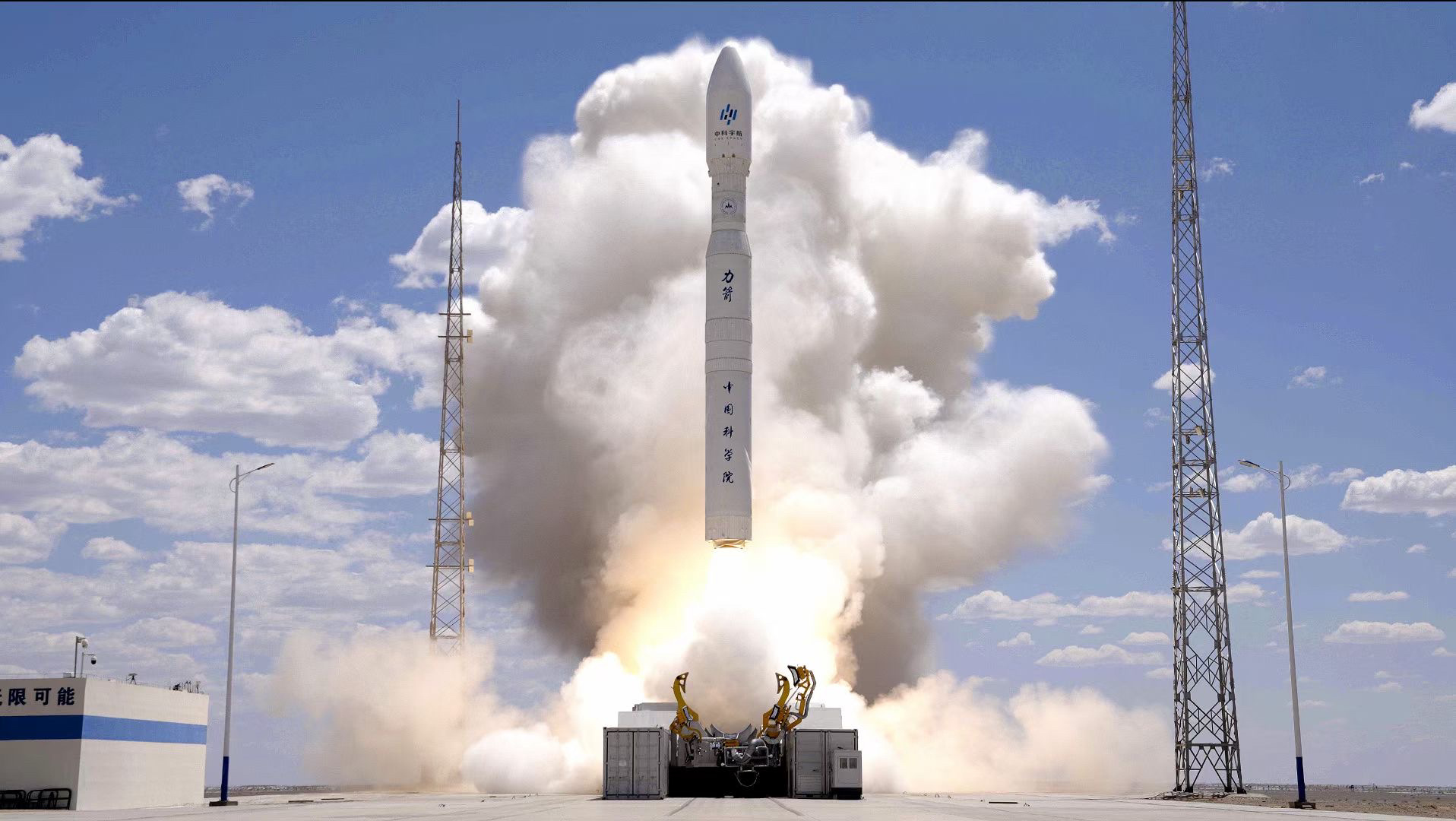
Unknown Payload
Provider: CAS Space
Date: April 14, 2026
Time: 4:00 AM UTC
Vehicle: Kinetica 1
Details TBD.

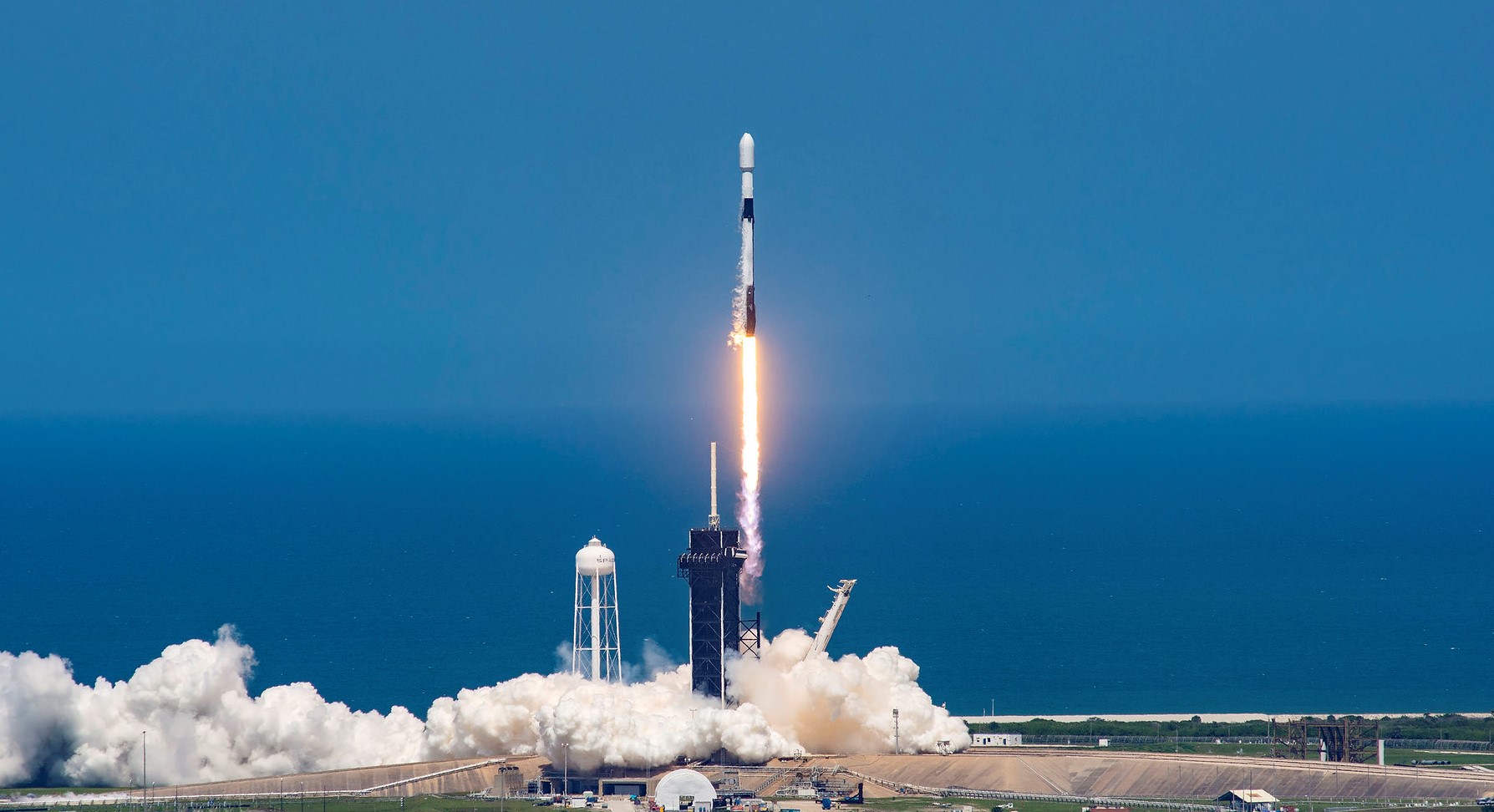
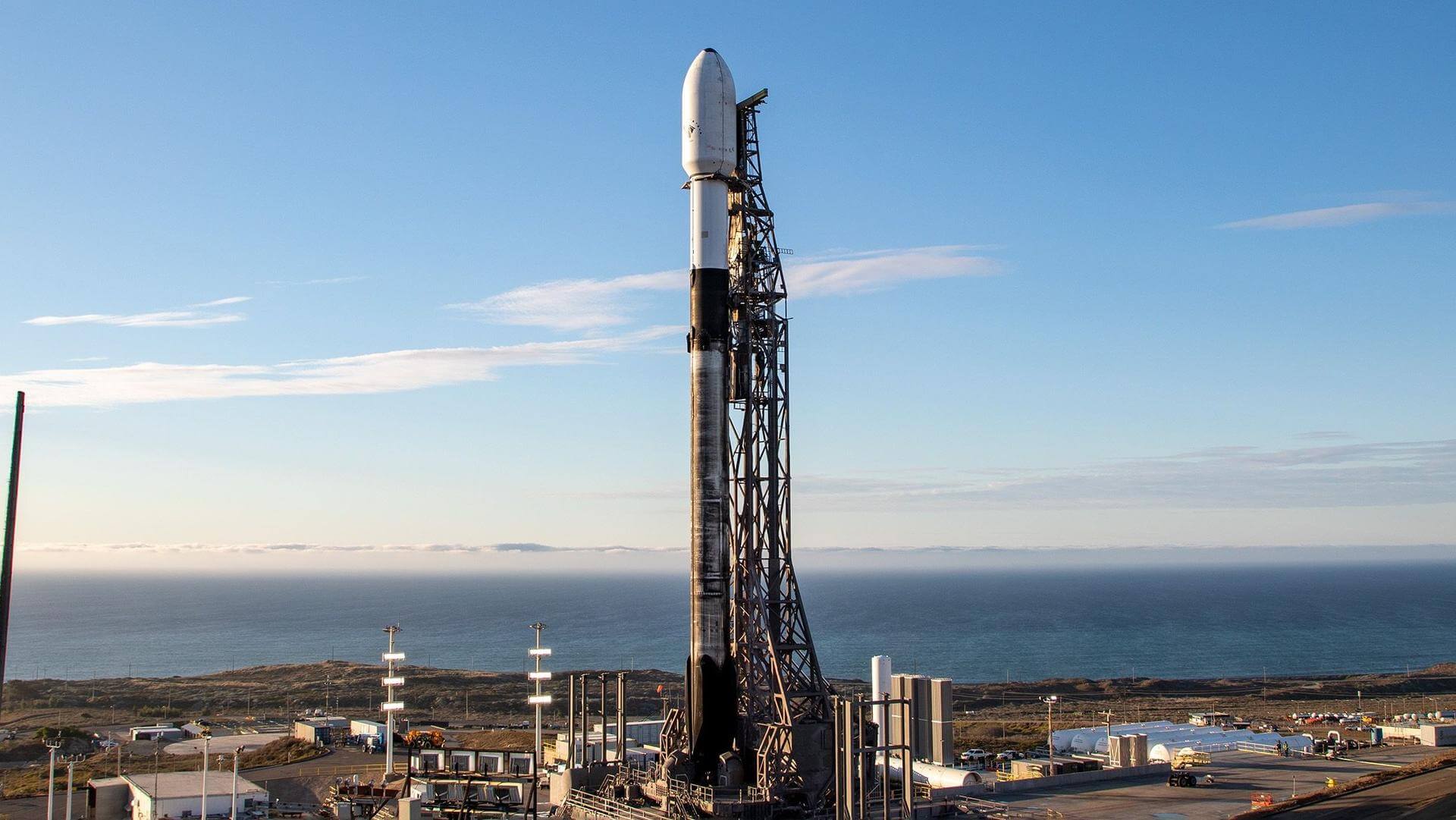
Starlink Group 10-24
Provider: SpaceX
Date: April 14, 2026
Time: 6:13 AM UTC
Vehicle: Falcon 9
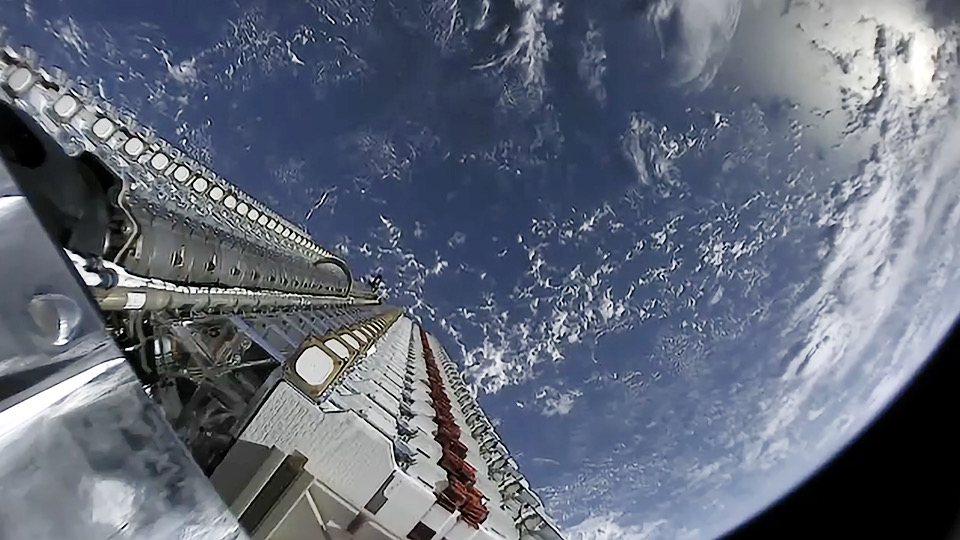
A batch of 29 satellites for the Starlink mega-constellation – SpaceX’s project for space-based Internet communication system.
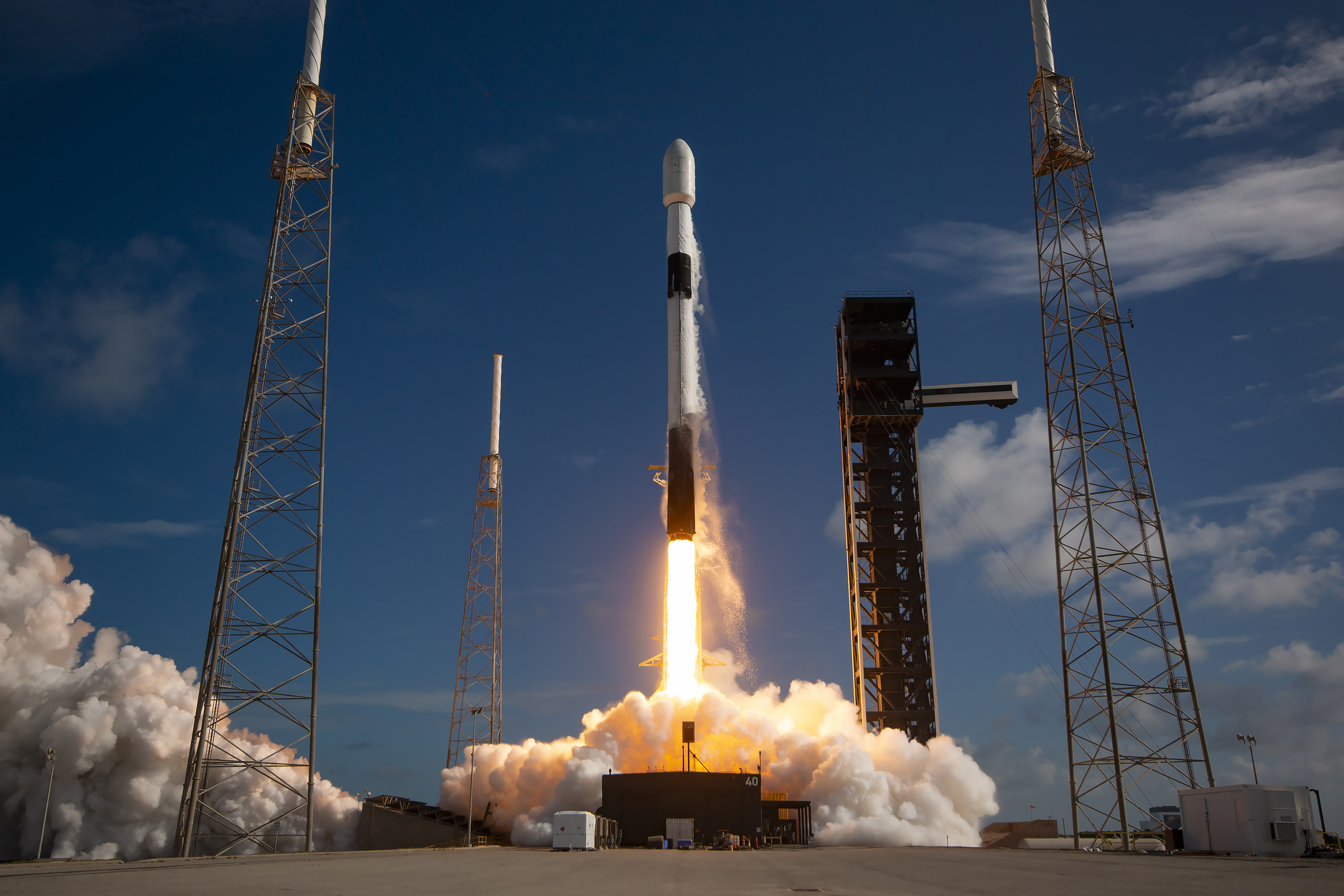
Starlink Group 17-27
Provider: SpaceX
Date: April 15, 2026
Time: 2:00 AM UTC
Vehicle: Falcon 9
A batch of 25 satellites for the Starlink mega-constellation – SpaceX’s project for space-based Internet communication system.
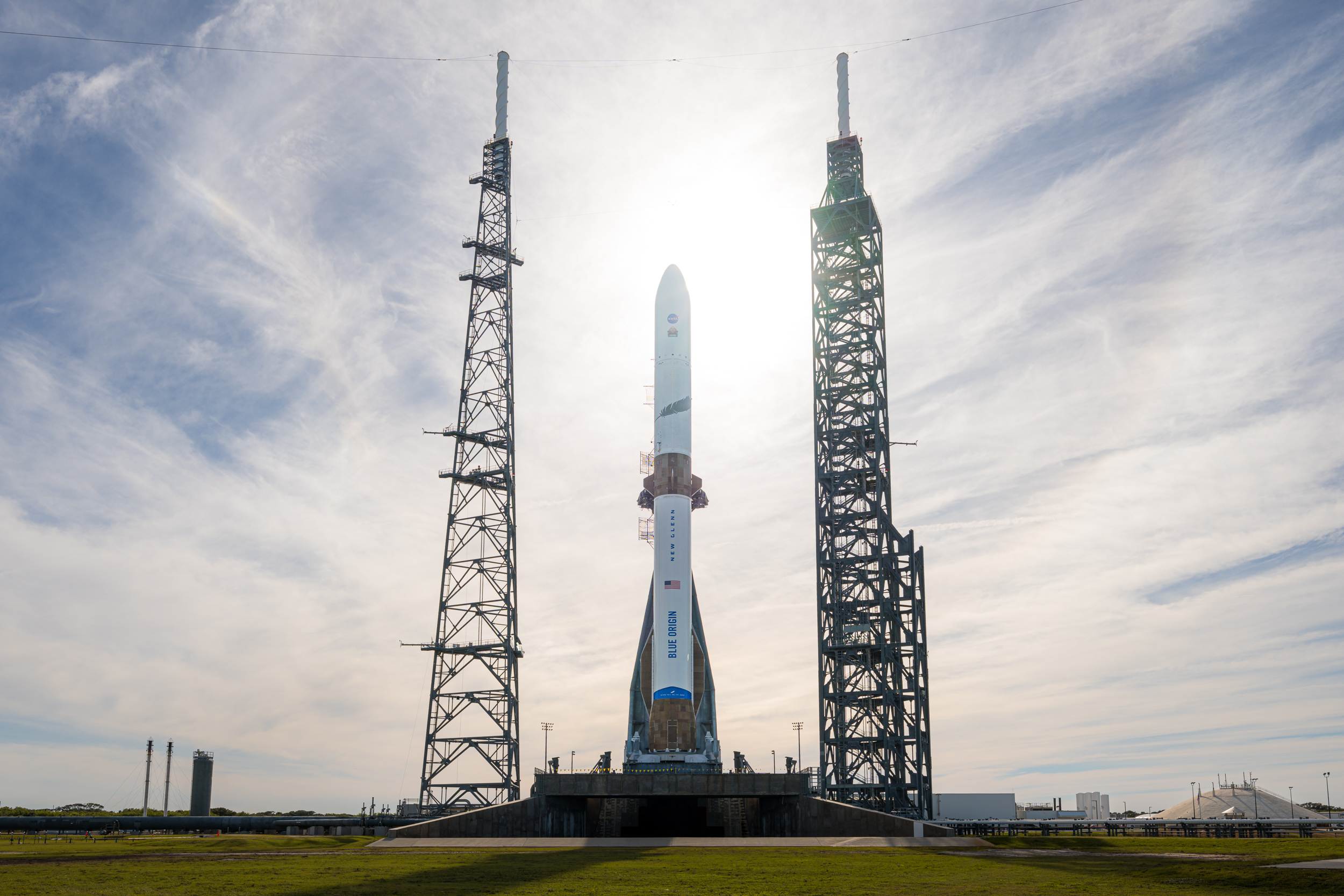
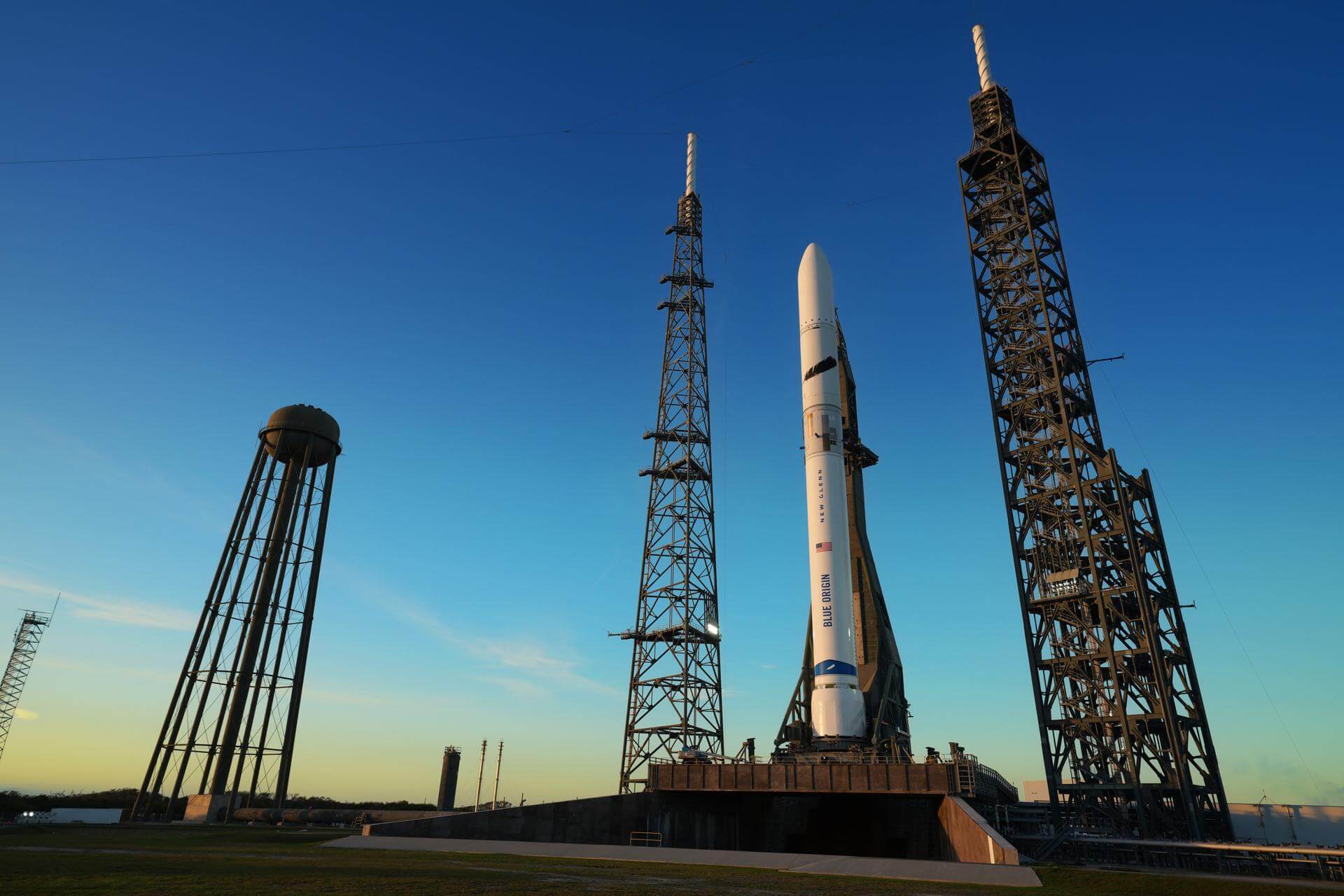
BlueBird Block 2 #2
Provider: Blue Origin
Date: April 16, 2026
Time: 10:45 AM UTC
Vehicle: New Glenn
AST SpaceMobile’s Block 2 BlueBird satellites are designed to deliver up to 10 times the bandwidth capacity of the BlueBird Block 1 satellites, required to achieve 24/7 continuous cellular broadband service coverage in the United States, with beams designed to support a capacity of up to 40 MHz, enabling peak data transmission speeds up to 120 Mbps, supporting voice, full data and video applications. The Block 2 BlueBirds, featuring as large as 2400 square foot communications arrays, will be the largest satellites ever commercially deployed in Low Earth orbit once launched.
This launch will feature 1 satellite, BlueBird 7/BlueBird Block 2 FM2.
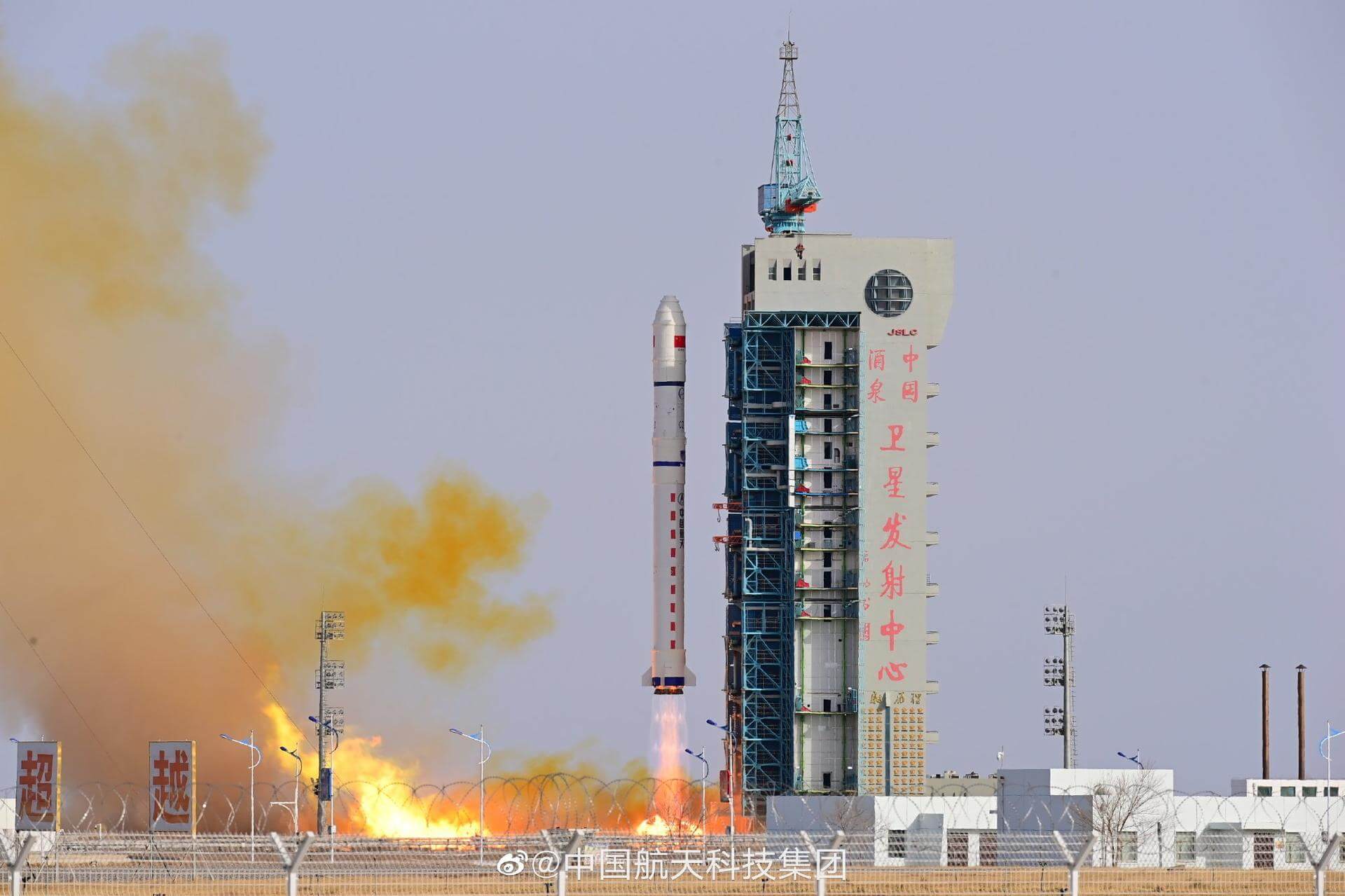
Unknown Payload
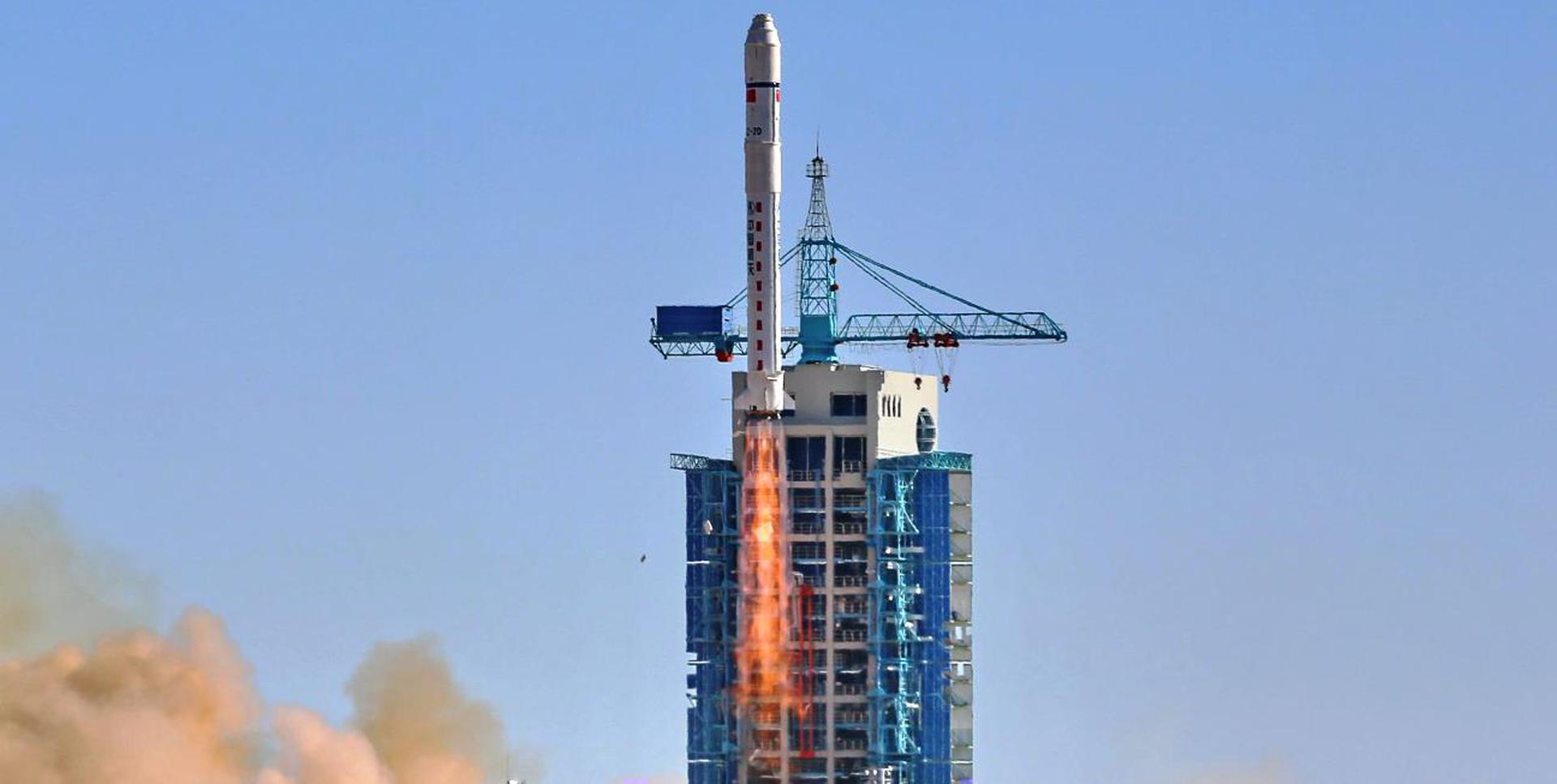
Provider: China Aerospace Science and Technology Corporation
Date: April 17, 2026
Time: 4:10 AM UTC
Vehicle: Long March 2D
Details TBD.