
The Commercial Space: Terran R to Stennis; Axiom raises $525M; Firefly lands MoonFall
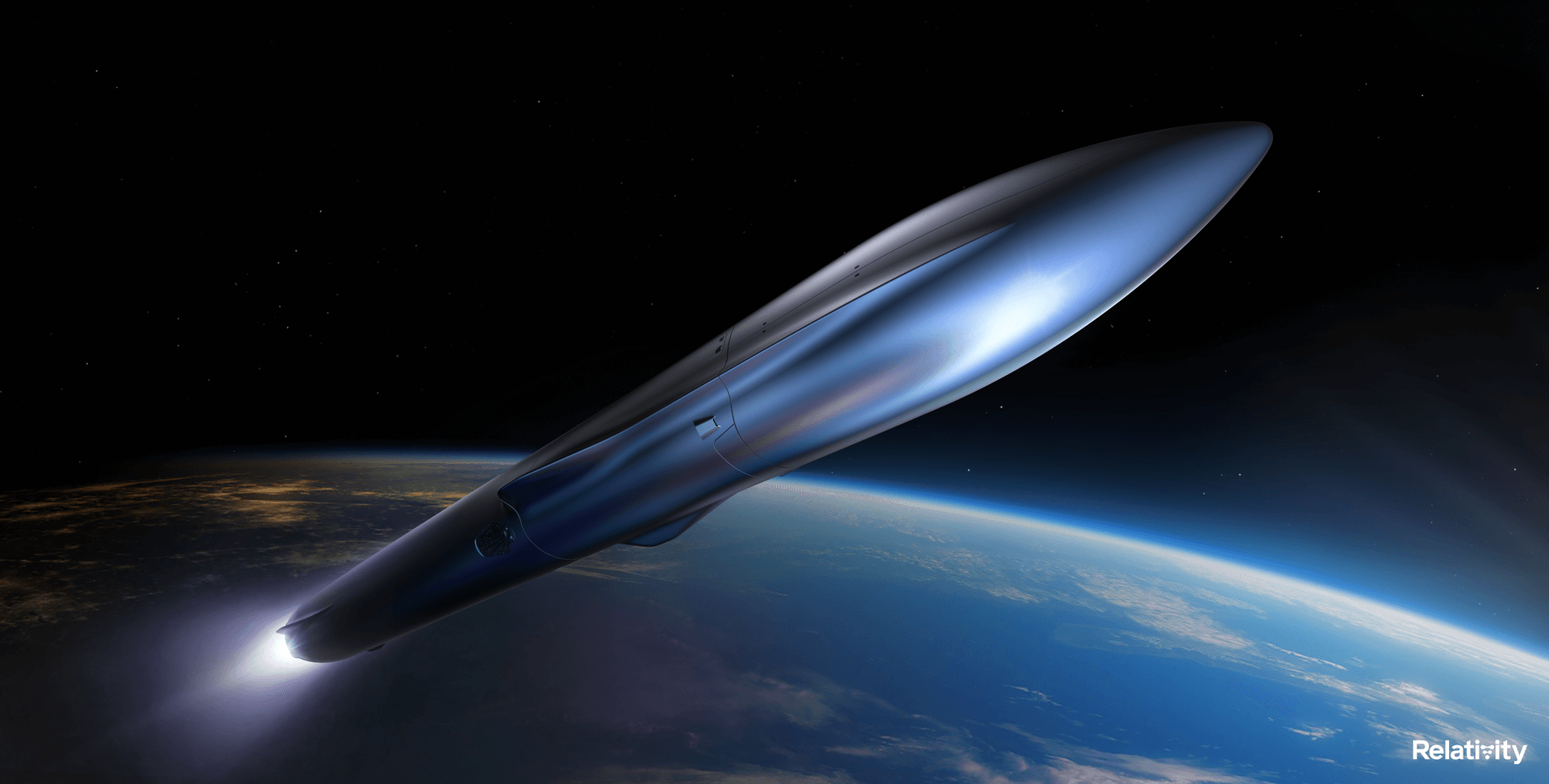
Relativity Space: Terran R Races Toward End-of-Year Debut
Relativity Space’s Terran R reusable heavy-lift rocket cleared another major hurdle this month when the flight-ready second stage completed final integration and shipped to NASA’s Stennis Space Centre in Mississippi for hot-fire testing. The stage, which will be powered by a single Aeon V methane-oxygen engine, arrived at the A2 test stand — the legendary facility that once tested Saturn V stages during Apollo. Teams prepared the stand for receipt, including a liquid-oxygen flush and environmental control system startup ahead of the second stage’s arrival.

Concurrent with second stage testing preparations, Relativity advanced work on the first stage. The company completed all structural work on the qualification article, including reinforcing stringer joiners and the downcomer pipe that transfers liquid oxygen to the thrust structure. The qualification article will now undergo structural load testing in Long Beach, subjecting the frame to aerodynamic loads expected during critical flight phases, including maximum dynamic pressure. Meanwhile, the first flight-ready first stage — powered by 13 Aeon R gas-generator-cycle engines — is advancing through tank and thrust-structure integration. In May alone, Relativity produced 1,455 flight parts destined for that first stage.
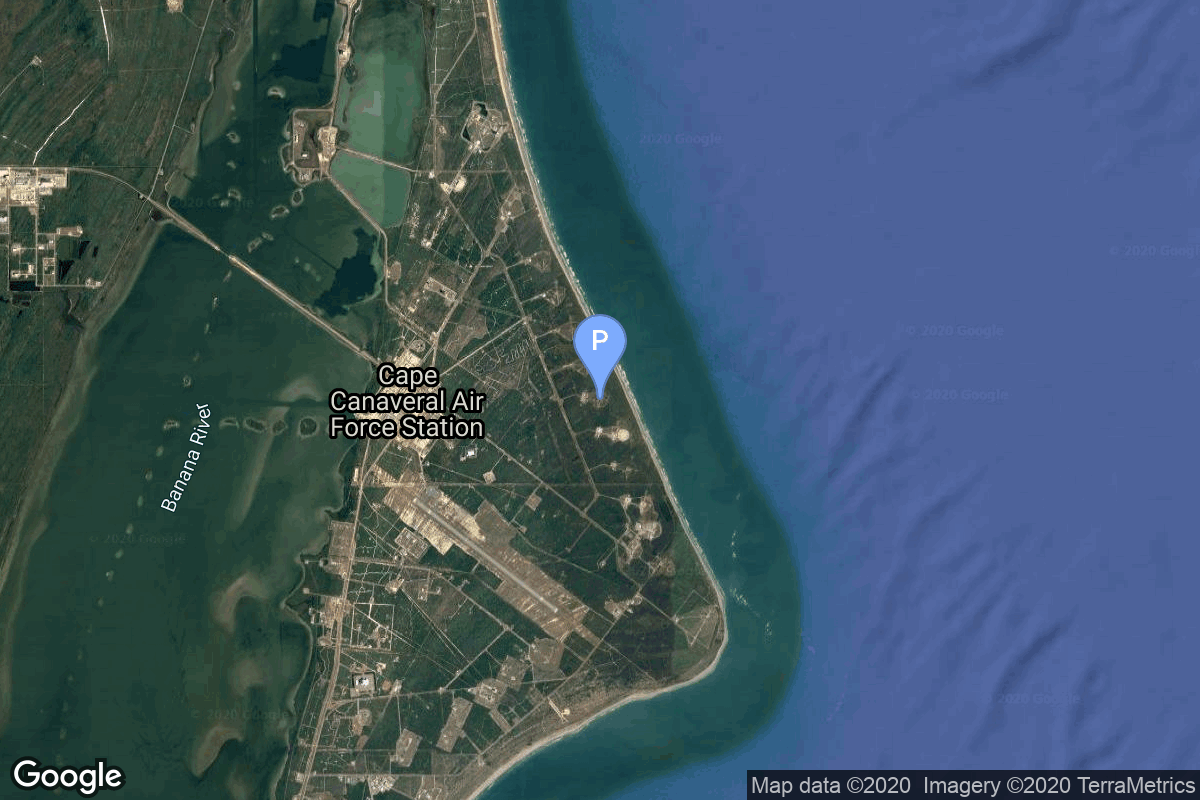
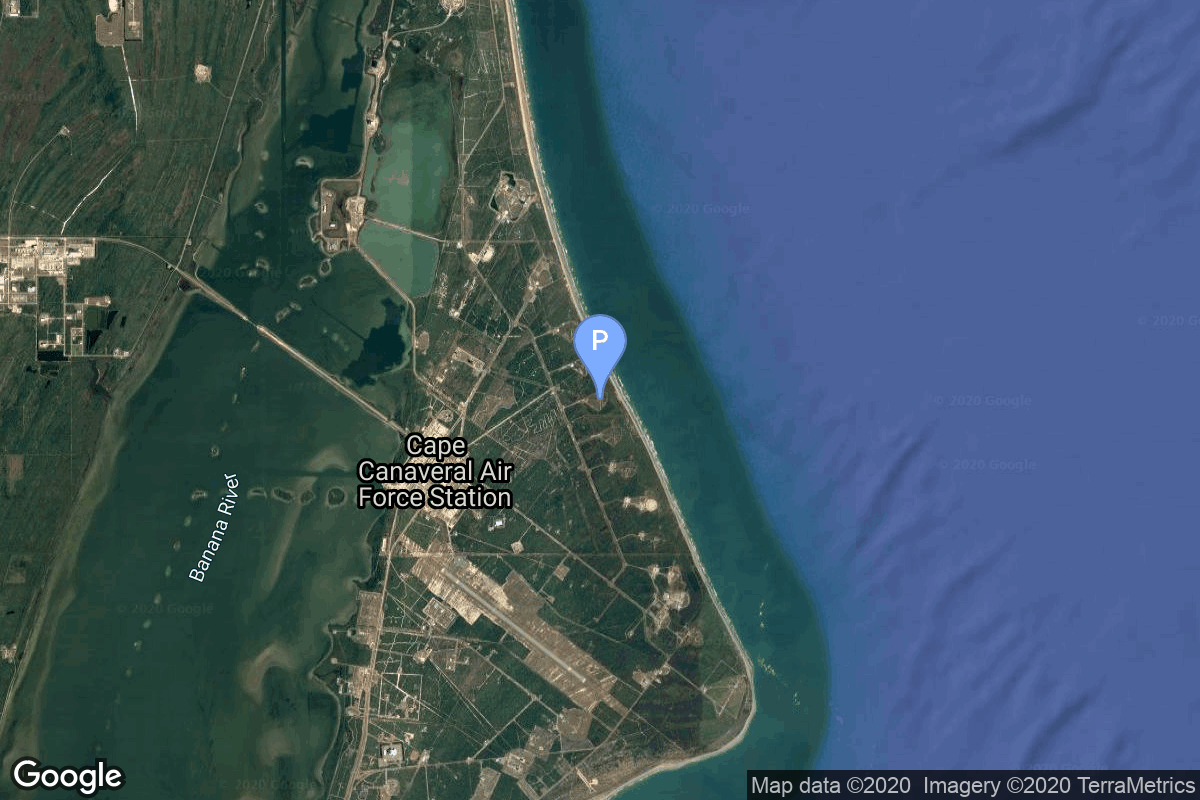
Relativity’s Launch Complex 16 at Cape Canaveral Space Force Station is nearing its final configuration. The 92.96-metre water tower — a new structure at the historic former Titan pad — is now at full height. Lightning protection and civil works continue; the concrete main approach road has been poured, and the launch table’s mid-deck construction is ongoing. Inside the Horizontal Integration Facility, a 99.8 metric-tonne bridge crane has been installed to support the mating of Terran R’s stages.
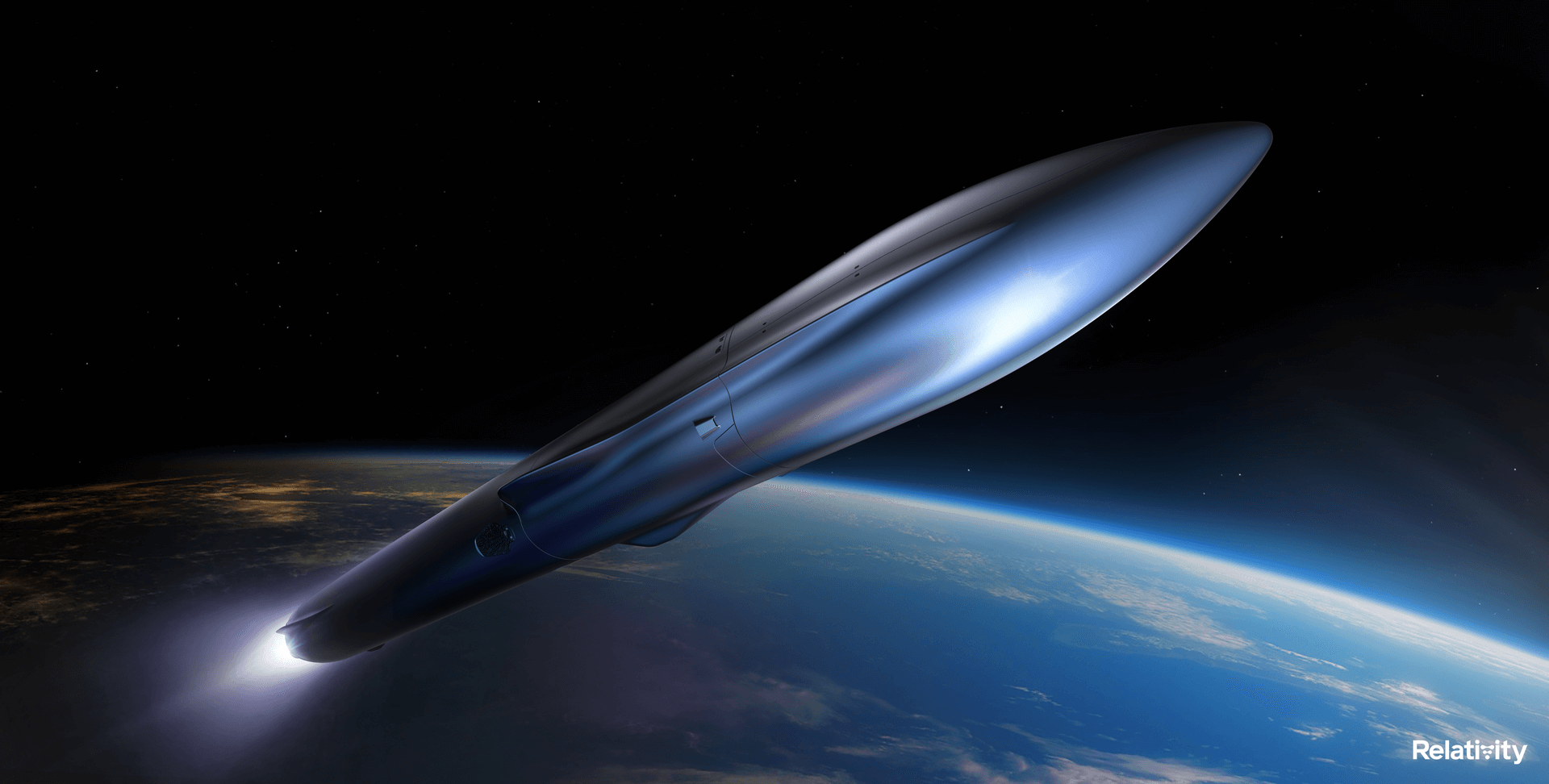
The infrastructure push is underpinned by strong backlog: Relativity has approximately $3 billion in pre-launch contracts, including a multi-year deal with OneWeb to launch its second-generation satellite constellation and a long-standing partnership with Impulse Space to deliver a commercial payload on a trans-Mars injection trajectory. If the pace holds, Terran R remains on track for a maiden flight by the end of 2026 — potentially the most powerful reusable heavy-lift launcher to debut since Falcon 9.
Relativity Announces Private Mars Orbiter for 2028
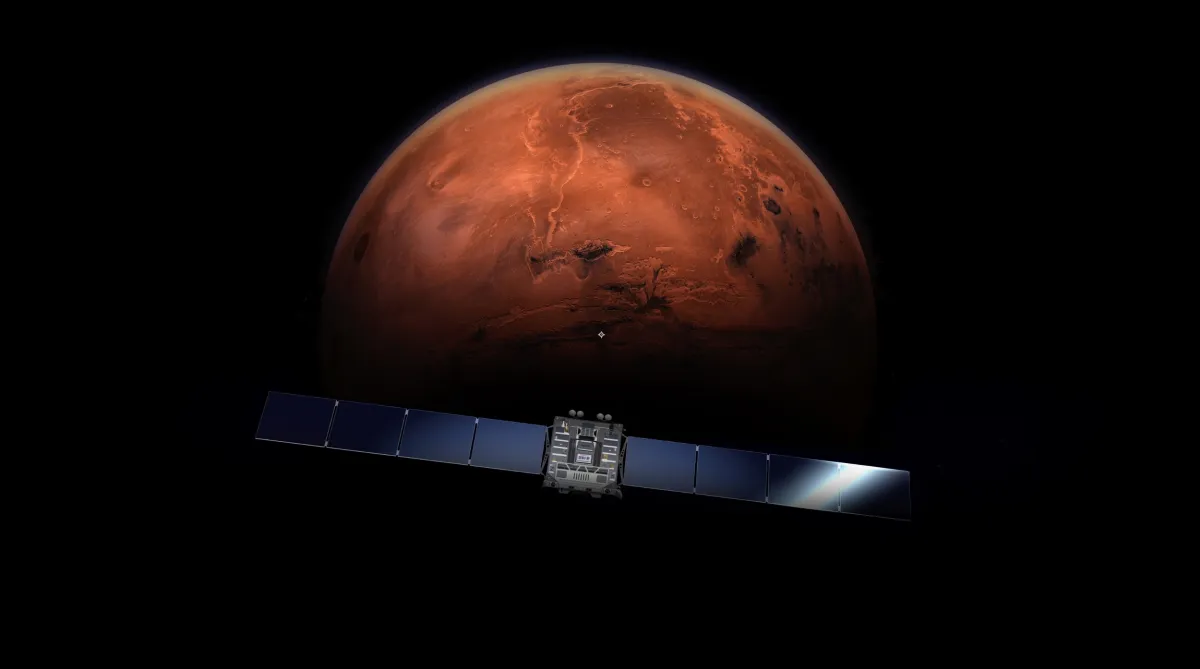
In a bolder pivot, Relativity announced on June 17 its Interplanetary Sciences Programme, which will develop a Mars science and telecommunications orbiter scheduled for late 2028 on Terran R. The spacecraft will carry NASA Ames’ Aeolus atmospheric profiling suite — featuring a Doppler wind and temperature sensor, thermal limb sounder, and wide-field camera — alongside a radar instrument to map subsurface ice and geology. The spacecraft will also serve as a communications relay and house high-bandwidth laser and radio-frequency links plus server-class compute for on-orbit AI and autonomous operations.

Relativity is funding the mission with backing from an undisclosed philanthropic partner — a nod to CEO Eric Schmidt’s ventures in space-science philanthony. The effort represents a strategic expansion beyond launch services into payload ownership and mission control, positioning Terran R as not just a ride to orbit but the backbone of a commercial deep-space exploration agenda.
Axiom Space: Capital, Spacesuits, and Lunar Mobility
Axiom Space closed its financing round at over $525 million on June 4, surpassing initial targets and signalling sustained investor confidence in the company’s path to operate the commercial low-Earth orbit. The oversubscribed round drew new capital from Japan’s largest bank, MUFG Bank, Ltd., alongside continued support from existing backers including 4iG Group (Hungary). The capital will accelerate three core programmes: human spaceflight missions, the Axiom Extravehicular Mobility Unit (AxEMU) spacesuit contract with NASA, and Axiom Station — the commercial successor to the International Space Station.
The timing is pivotal: NASA is finalising its transition strategy from the ISS to commercial orbital infrastructure, the United States is returning astronauts to the Moon under Artemis, and demand for on-orbit research and compute continues to expand. Axiom sits at the nexus of each market.
Prada and Axiom Unveil AxEMU Inner Layer for Artemis Moon Walks
At a Prada store event in New York on June 7, Axiom and the luxury designer unveiled the Liquid Cooling and Ventilation Garment (LCVG) — the innermost layer of the AxEMU spacesuit that astronauts will wear on the lunar surface starting with Artemis 4 in 2028. The LCVG is a cooling and ventilation undergarment that sits against the astronaut’s skin and connects to the suit’s life-support systems. Compared to the ISS suit equivalent, the new design features more integrated cooling tubes for improved efficiency and includes redundant cooling lines. The material is also engineered to prevent electrical charging issues in the lunar plasma environment and is intended to be easier to manufacture.

Prada’s involvement reflects its vertical-integration expertise in soft goods and materials — from raw material sourcing through final production. Axiom noted that this partnership also enables customisation of the suit to each astronaut’s body rather than relying on a discrete set of sizes. Despite a NASA Office of Inspector General report in April warning of potential delays, Axiom’s CEO Jonathan Cirtain maintained that the company is on track to deliver a qualification suit to NASA by end of year and a flight prototype for space testing in 2027, likely aboard the ISS.
Astrolab Lunar Rover Selected to Support Artemis Astronauts
Axiom announced in early June that Astrolab, partnered with Interlune and Odyssey Space Research, was selected by NASA as one of two providers of a crewed lunar rover under the agency’s revised “Ignition” lunar surface mobility strategy. Axiom’s role centres on EVA expertise: the company provided human systems engineering, spacesuit integration, display and control design, and extensive pressurised crewed testing to ensure the Crewed Lunar Vehicle (CLV-1) works seamlessly with the AxEMU suit. The CLV-1 is designed to transport astronauts and supplies on the lunar surface; when deployed, it measures approximately 4 metres long, 2.3 metres wide, and 2.6 metres tall, with a maximum mass of 950 kilograms and a top speed of 10 kilometres per hour on level terrain.
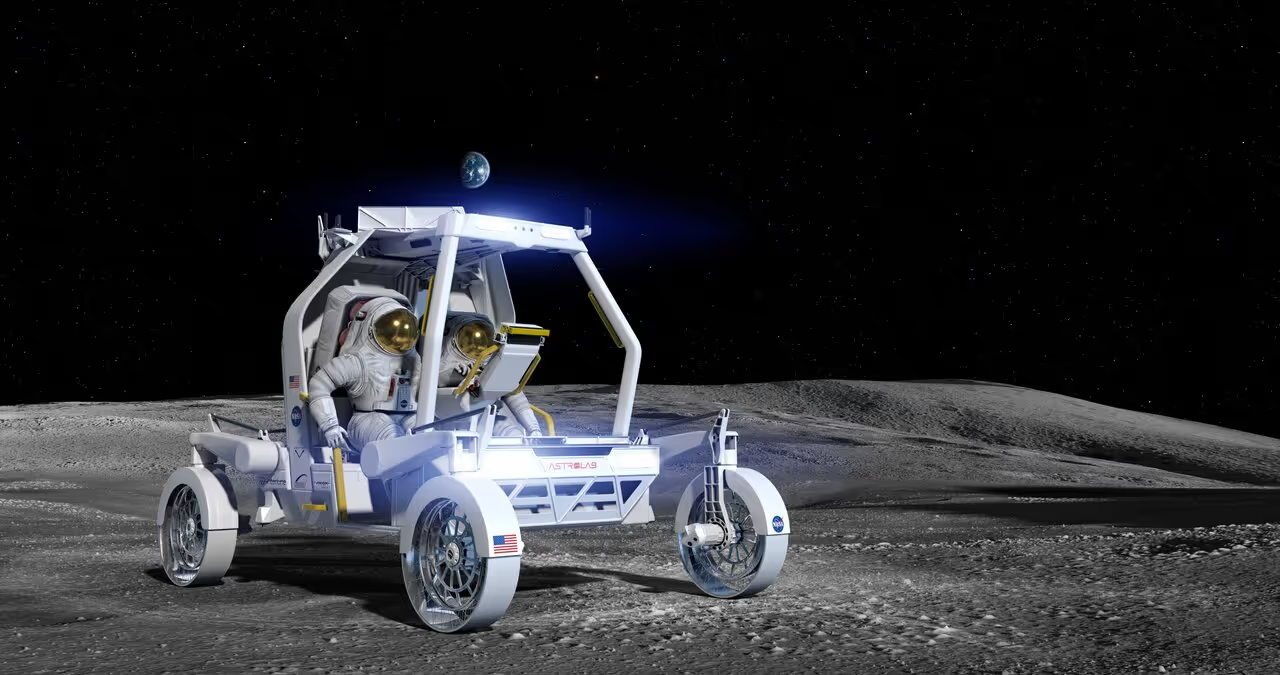
The rover decision underscores Axiom’s expanding role beyond spaceflight and suits into lunar surface infrastructure — a critical piece of the agency’s push for sustained human presence at the Moon’s south pole.
Firefly Aerospace: MoonFall, Markets, and Defence Tech
Firefly Aerospace secured a $75 million subcontract from NASA’s Jet Propulsion Laboratory on May 26 to deliver four drones to the Moon’s south pole as part of the agency’s MoonFall mission, targeted for launch no earlier than 2028. MoonFall is the first major element of NASA’s Moon Base initiative for sustained human presence and expanded science at the lunar south pole.
Firefly’s Elytra orbital transfer vehicle — a heritage spacecraft sharing avionics, structures, and engines with Firefly’s Blue Ghost lunar lander, which achieved the first successful private Moon landing in 2024 — will carry the drones over a 45-day transit to lunar orbit. Upon arrival, the Elytra will deorbit and perform a braking manoeuvre to deploy the four drones approximately 50 kilometres above the Moon’s south pole. The drones, built and managed by JPL, will land and operate for up to 14 Earth days (one lunar day), conducting high-definition optical surveys of terrain and permanently shadowed regions, plus mapping water ice and safe landing sites for future human missions. Based on the heritage of NASA’s Ingenuity Mars Helicopter, the drones will be capable of multiple hops to explore hard-to-reach areas. After each drone’s final flight, a survive-the-night payload will continue operating for several months.
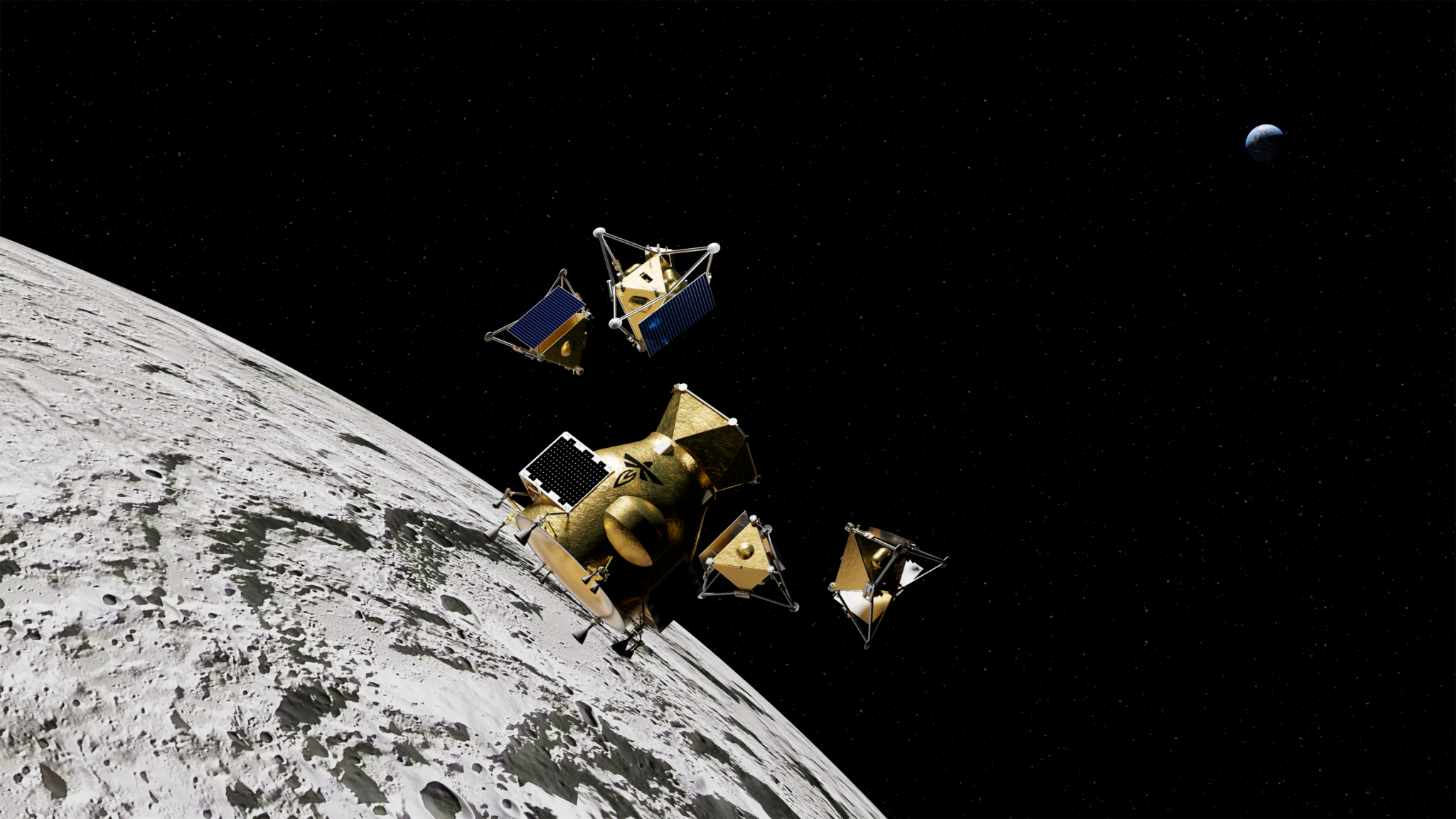
The Elytra Dark variant for MoonFall carries 1,000 kilograms of payload, drawing on Firefly’s flight-proven Spectre engines and carbon-composite structures. This award builds on Firefly’s expanding lunar portfolio: the company is also executing three additional missions under NASA’s Commercial Lunar Payload Services (CLPS) programme and is expanding its central Texas cleanroom to support an assembly line of landers and spacecraft.
Firefly Steps Up Public Equity Raise; Subsidiary Lands Air Force Contract
On the business front, Firefly announced on May 26 the launch of a proposed public stock offering: Firefly is offering 4 million shares of common stock, with existing shareholders offering an additional 8 million shares, for a potential total of up to 13.8 million shares (including a 30-day underwriter option). Underwritten by Goldman Sachs, J.P. Morgan, Jefferies, and Wells Fargo, the offering aims to fund core business growth and recently awarded programmes. Firefly intends to use the net proceeds for general corporate purposes.
Separately, Firefly’s wholly-owned subsidiary SciTec — a Boulder-based defence software company with over four decades of experience in command-and-control systems — won a $5.5 million contract option from the U.S. Department of the Air Force to deliver an operational data fusion system for the Cloud-Based Command and Control (CBC2) programme. CBC2 is a cornerstone of the Air Force’s Battle Network, providing situational awareness to NORAD, U.S. Northern Command, and Pacific Air Forces. SciTec’s cloud-based system ingests military and civilian data feeds and fuses them for enhanced warfighting decision-making — a role it demonstrated through competitive evaluation against multiple industry and government-owned alternatives under the initial $24 million Advanced Battle Management System indefinite-delivery/indefinite-quantity contract awarded in 2024.
Stoked Space: Nova Stage 1 Passes Structural Qualification
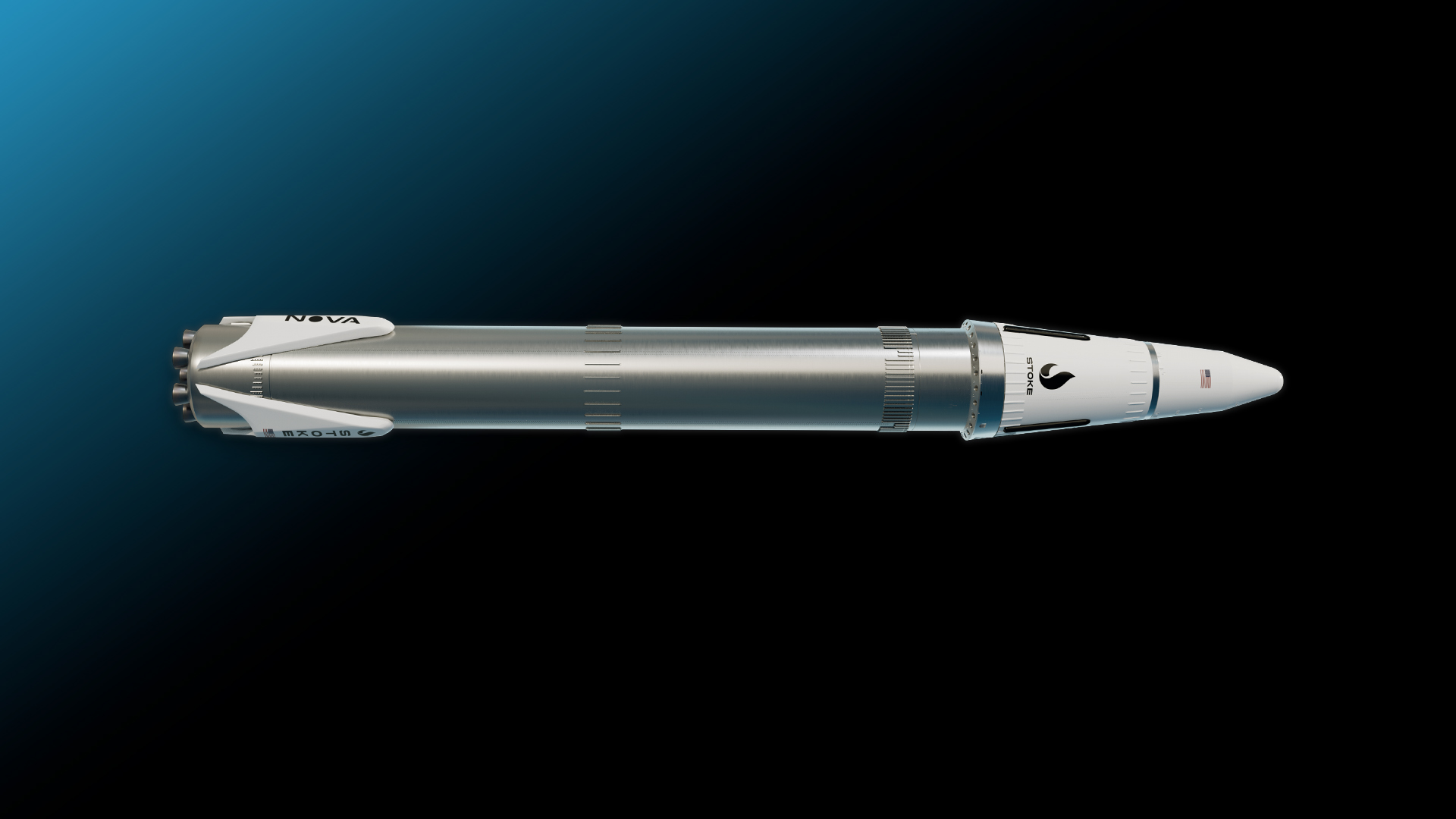
Stoked Space’s Nova reusable launch vehicle completed a significant development milestone in early June when its first stage passed prototype-qualification structural testing at the company’s Moses Lake test site in Washington. Over three weeks, the Stoke team validated 46 structural test objectives, exercising fluid systems, avionics, software, ground systems, and operational procedures in conditions ranging from cryogenic propellant loads to hurricane-force winds and lightning strikes.
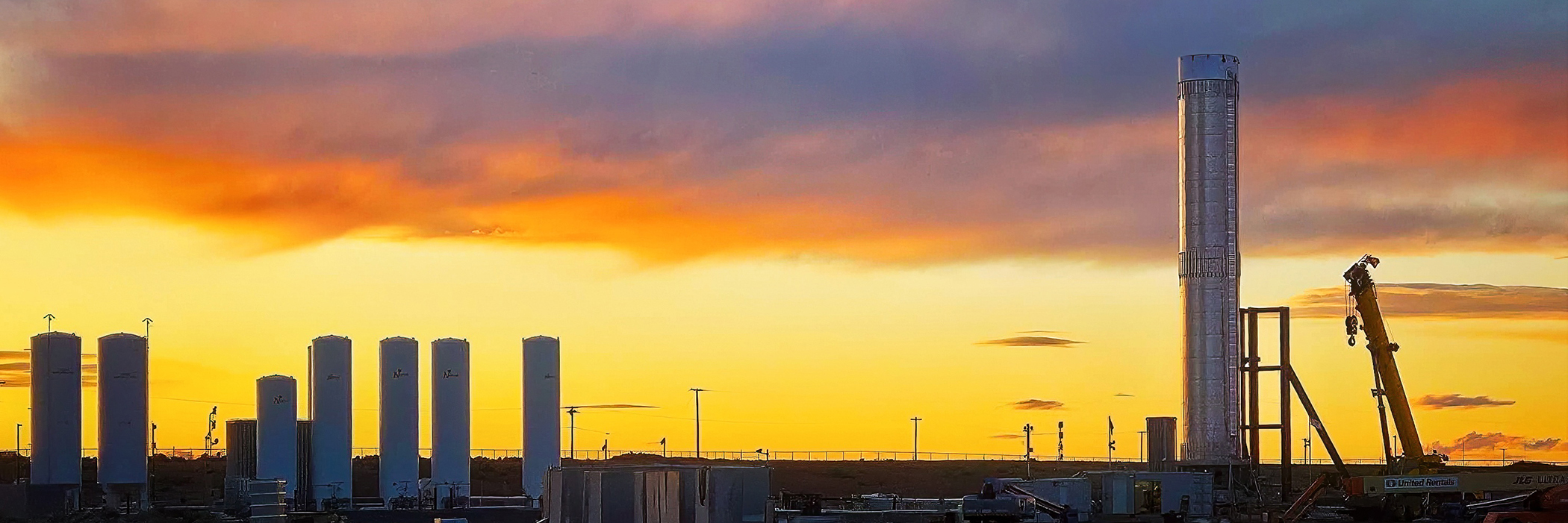
Structural qualification is one of the most demanding phases of rocket development. Rockets must be light enough to fly yet robust enough to survive extreme pressurisation, thermal cycling, transportation, and operational handling — a narrow margin that only disciplined test campaigns can verify. The industry has experienced early-stage vehicle losses in recent months, making Stoke’s clean completion of proto-qualification testing a notable achievement.
The team filled both tanks above maximum expected operating pressure, demonstrated automated pressure control, and operated the vehicle through challenging environmental conditions including a severe lightning storm. Success at this level reflects not just engineering rigour but operational discipline — the kind that comes from overnight shifts, methodical step-through of test objectives, and the curiosity to challenge assumptions in real time. With Stage 1 proto-qualification now complete, Nova is advancing toward flight-qualification testing and eventual first flight, bringing Stoke closer to demonstrating the fully reusable, rapid-relaunch cadence it has targeted for commercial access to space.

Citations
- “Nova Stage 1 Completes Proto-Qualification Testing” — https://www.stokespace.com/nova-stage-1-completes-proto-qualification-testing/
- “Firefly Aerospace Wins $75 Million NASA JPL MoonFall Subcontract to Deliver Drones to the Moon’s South Pole” — https://fireflyspace.com/news/firefly-aerospace-wins-75-million-nasa-jpl-moonfall-subcontract-to-deliver-drones-to-the-moons-south-pole/
- “Firefly Subsidiary SciTec Awarded U.S. Air Force Contract Option to Deliver Data Fusion Capabilities for Advanced Battle Management System” — https://fireflyspace.com/news/firefly-subsidiary-scitec-awarded-u-s-air-force-contract-option-to-deliver-data-fusion-capabilities-for-advanced-battle-management-system/
- “Firefly Aerospace Announces Launch of Proposed Public Offering of Common Stock” — https://fireflyspace.com/news/firefly-aerospace-announces-launch-of-proposed-public-offering-of-common-stock/
- “Terran R second stage heads to Stennis as Relativity advances toward 2026 debut” — https://www.nasaspaceflight.com/2026/06/relativity-update-0626/
- “Relativity Space to privately develop Mars orbiter mission” — https://spacenews.com/relativity-space-to-privately-develop-mars-orbiter-mission/
- “Axiom Space Closed Oversubscribed Financing at $525M+” — https://www.axiomspace.com/release/axiom-space-closes-oversubscribed-financing-at-525m
- “Axiom and Prada advance design of spacesuit” — https://spacenews.com/axiom-and-prada-advance-design-of-spacesuit/
- “Astrolab Selected to Provide Lunar Rover Advancing Lunar Exploration” — https://www.axiomspace.com/release/astrolab-selected-to-provide-lunar-rover-advancing-lunar-exploration
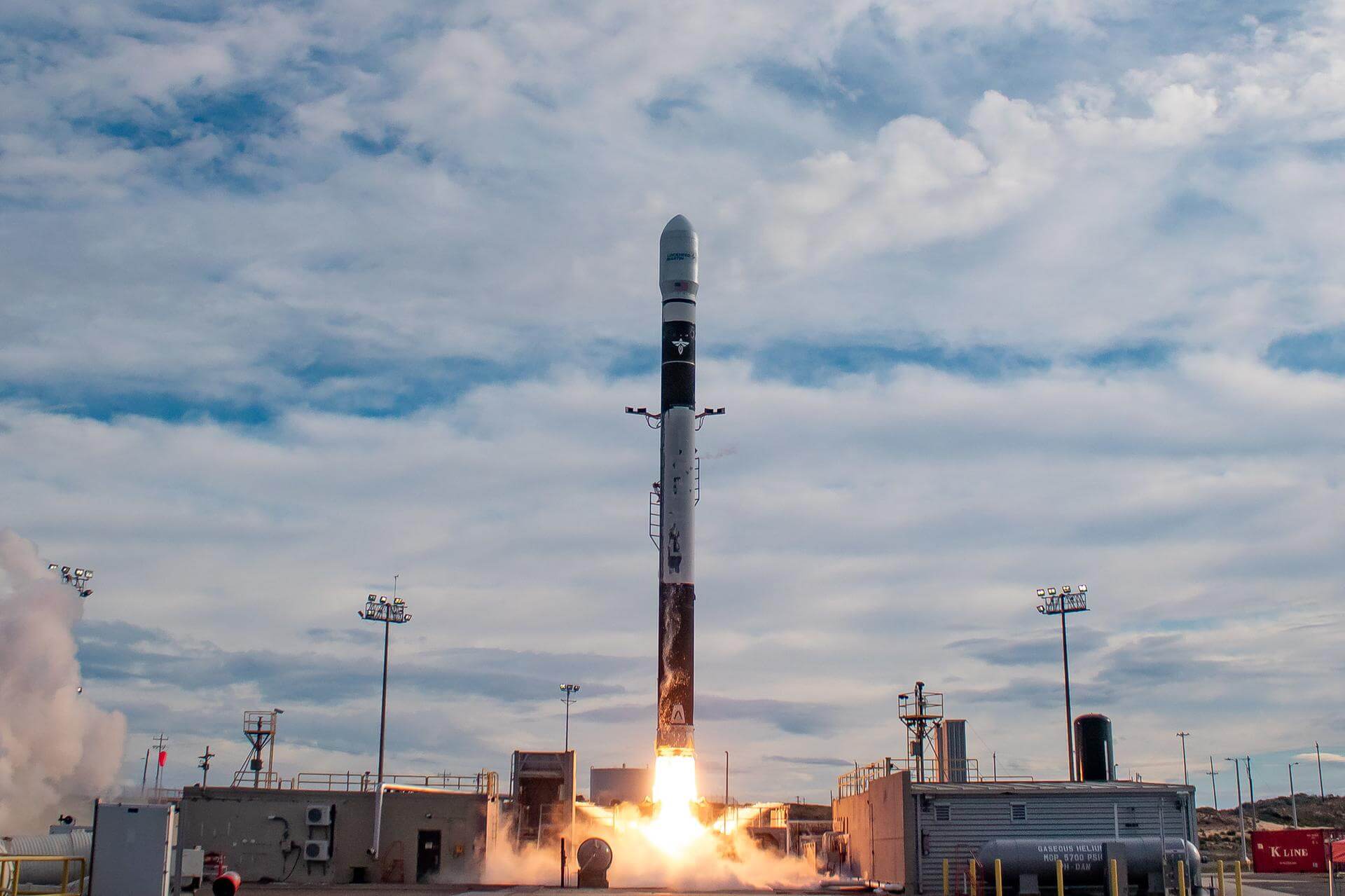
QuickSounder
Provider: Firefly Aerospace
Date: September 30, 2026
Time: 12:00 AM UTC
Vehicle: Firefly Alpha Block 2
QuickSounder is the first satellite mission of the Near Earth Orbit Network (NEON) program of the National Oceanic and Atmospheric Administration (NOAA), which aims to replace the current Joint Polar Satellite System (JPSS) series of polar orbit weather satellites. This pathfinder mission will demonstrate NOAA’s ability to launch a small satellite within 3 years, flying a refurbished Advanced Technology Microwave Sounder (ATMS) instrument to polar orbit.
VICTUS HAZE Jackal
Provider: Firefly Aerospace
Date: September 30, 2026
Time: 12:00 AM UTC
Vehicle: Firefly Alpha Block 2
True Anomaly’s Jackal Autonomous Orbital Vehicle (AOV) will support U.S. Space Force Space Systems Command’s VICTUS HAZE Tactically Responsive Space (TacRS) mission with operations in orbit proximity with another spacecraft built by Rocket Lab National Security.
The spacecraft, once completed, will remain on call until the U.S. Space Force provides the notice to launch. The Firefly team will then have 24 hours to transport the payload fairing to the pad, mate the fairing to the Alpha rocket, fuel the rocket, and launch within the first available window.
TacSat
Provider: Firefly Aerospace
Date: December 31, 2026
Time: 12:00 AM UTC
Vehicle: Firefly Alpha Block 2
First of up to 25 launches of Low Earth Orbit technology demonstration satellites to be built and operated by Lockheed Martin.
TacSat is an intelligence, surveillance and reconnaissance spacecraft with a mission to prove specialized sensing and communications capabilities on orbit. The satellite will participate in exercises that highlight cross-domain kill-web connectivity, enabling timely execution of tactical space missions.
TacSat will host a proven Lockheed Martin infrared sensor on board that brings previously developed technology to space for the first time. This sensor produces high quality imagery and it can interface with federated Battle Management Command & Control (BMC2) combat systems to provide joint forces with a comprehensive view of threats.
The satellite will also feature Lockheed Martin’s first 5G.MIL® payload on orbit. This provides cellular-like networking for military space assets, making satellite constellations more resilient. It also helps enable seamless connectivity with tools in the air, at sea and on land.
Launch operation will also again demonstrate responsive space pre-launch operation capabilities.
Demo Flight
Provider: Stoke Space
Date: December 31, 2026
Time: 12:00 AM UTC
Vehicle: Nova
First launch of Stoke Space’s Nova launch vehicle. Asteroid mining technologies company AstroForge will fly a spacecraft on this launch. Planned reusability of the 2 stages is TBD.
Intelsat-1
Provider: Relativity Space
Date: December 31, 2026
Time: 12:00 AM UTC
Vehicle: Terran R
First mission part of a multi-year, multi-launch agreement signed between Intelsat and Relativity Space in 2023.
Mars Lander
Provider: Relativity Space
Date: December 31, 2026
Time: 12:00 AM UTC
Vehicle: Terran R
Impulse Space’s Mars Lander is designed to support research and development needed for human exploration of Mars.
INCUS
Provider: Firefly Aerospace
Date: December 31, 2027
Time: 12:00 AM UTC
Vehicle: Firefly Alpha Block 2
The Investigation of Convective Updrafts (INCUS) is a NASA Earth science mission led by Colorado State University that will investigate the behavior of tropical storms in order to better represent these storms in weather and climate models. It consists of 3 SmallSats flying in tight coordination to study why convective storms, heavy precipitation, and clouds occur exactly when and where they form.
Each satellite will have a high frequency precipitation radar that observes rapid changes in convective cloud depth and intensities. 1 of the 3 satellites also will carry a microwave radiometer to provide the spatial content of the larger scale weather observed by the radars. By flying so closely together, the satellites will use the slight differences in when they make observations to apply a novel time-differencing approach to estimate the vertical transport of convective mass.
Lazuli Space Telescope
Provider: Relativity Space
Date: December 31, 2028
Time: 12:00 AM UTC
Vehicle: Terran R
3-meter diameter optical space telescope privately developed by Schmidt Sciences
Mars Orbiter
Provider: Relativity Space
Date: December 31, 2028
Time: 12:00 AM UTC
Vehicle: Terran R
Mars science and telecommunications orbiter, with a NASA-developed atmospheric instrument suite called Aeolus. It includes a Doppler wind and temperature sensor, thermal limb sounder, surface radiometric sensors and a wide-field camera.


Enjoying the content? Stay up to date on everything happening behind the scenes by following our Patreon!

