T-Minus Test Rocket Fails on Second Spaceport Nova Scotia Launch
Dutch rocket maker T-Minus Engineering experienced a second setback at Spaceport Nova Scotia on Wednesday when its Barracuda single-stage solid-fuel rocket encountered an anomaly during flight, failing to reach its targeted suborbital altitude. The vehicle achieved a successful liftoff at 8:51 a.m. local time but encountered an issue in the latter stages of its flight profile, mirroring the outcome of its inaugural launch attempt in November 2025.
The test flight drew roughly 100 guests to the Canso, Nova Scotia facility, including Canadian astronaut Jeremy Hansen, federal and provincial politicians, First Nations leaders, and NATO officials supporting Canada’s Starlift initiative. Stephen Matier, CEO of Maritime Launch Services, the operator of Spaceport Nova Scotia, confirmed that the vehicle performed nominally during its initial powered ascent before the anomaly occurred. “The vehicle performed nominally during its first phase of the powered flight,” Matier said, noting that ground teams captured complete telemetry throughout the flight trajectory. “We just need to try to determine what occurred.”
A second launch attempt scheduled for the same day was postponed to allow engineers to analyse the flight data. A fall launch window between October and November 2026 is now expected, coordinated with T-Minus Engineering’s schedule. The Spaceport Nova Scotia facility showcased its developing infrastructure during the event, with guests touring the launch pad compound and learning about local marine integration efforts.
German Rocket Builder Isar Aerospace Pursues First Orbital Launch from Canadian Soil
While T-Minus tested suborbital capabilities, European launch provider Isar Aerospace has closed a funding round of approximately €270 million ($400 million CAD), bringing its total capital raised to roughly €870 million ($1.3 billion CAD). The new funding will support ramping up production at its Munich facility to manufacture up to 40 Spectrum launch vehicles annually, positioning the company to potentially become the first to conduct an orbital launch from Canadian territory.
Isar’s two-stage Spectrum rocket offers payload capacities of 1,000 kilograms to low Earth orbit and 700 kilograms to sun-synchronous orbit. The company has strategically secured three distinct spaceports: Andøya Space in Norway for European logistics efficiency, the Guiana Space Centre in French Guiana for equatorial launches, and Spaceport Nova Scotia for mid- to high-inclination orbits suited to defence and Earth observation satellites. A Letter of Intent signed with Maritime Launch Services positions Isar for Canadian operations, aligning with an expansion into defence markets, where military and government contracts now represent 60 percent of the company’s customer demand.
Isar is preparing a qualification flight dubbed “Onward and Upward” scheduled for June 15–21 from Andøya, carrying five CubeSats and an experiment for ESA’s Boost! Programme. Previous attempts faced setbacks: an inaugural orbital attempt in March 2025 failed shortly after launch, and an April 2026 attempt was scrubbed due to a pressure vessel leak. Construction continues at Spaceport Nova Scotia as Isar prepares to design and finish its own dedicated launch pad at the Canso facility.
Canadarm2 Enters Repair Phase as ISS Spacewalk Looms
On the International Space Station, preparations are underway for a critical repair to Canada’s iconic robotic arm. On May 27, the Canadarm2 demonstrated elevated motor current in a wrist joint during routine operations, preventing normal arm motion. NASA and the Canadian Space Agency determined that a spacewalk will be required to replace the joint using a spare component already aboard the orbital complex.
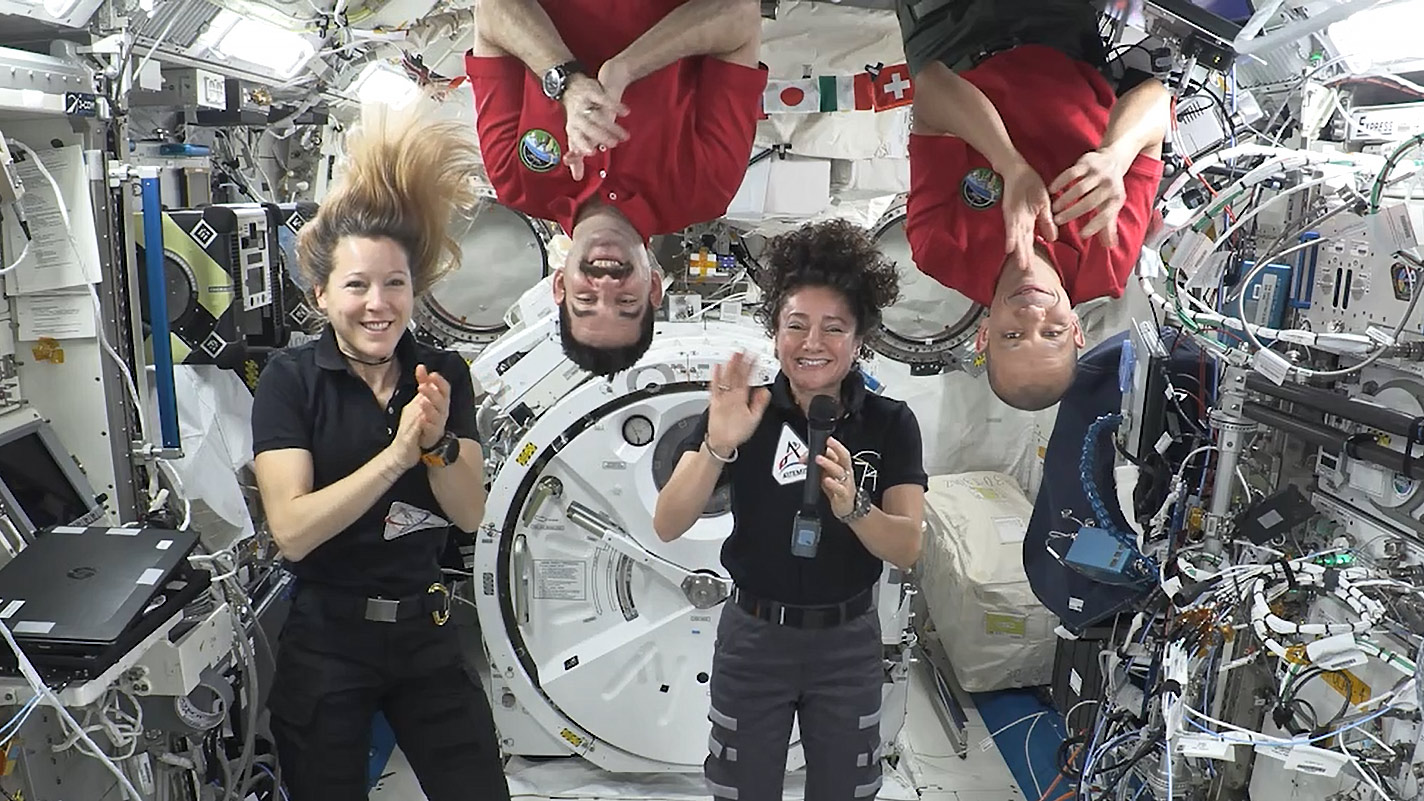
Expedition 74 crew members have begun suit preparations for the repair effort, with NASA flight engineer Chris Williams adjusting spacesuit components—legs, arms, and helmet—and ensuring all switches and valves are correctly configured. The Canadarm2, which is engineered to be serviced in orbit, is currently in a safe configuration. Standard operations using the arm have been paused pending the repair.
NASA has scheduled the repair spacewalk for Tuesday, June 30, and will host a news conference in the coming weeks with further details on the operation and the crew members who will conduct it. The Canadarm2 is fundamental to ISS operations, used for deploying and retrieving payloads, servicing external equipment, and supporting other spacewalk activities. The repair underscores the sophisticated capability of on-orbit maintenance that keeps the station operational.
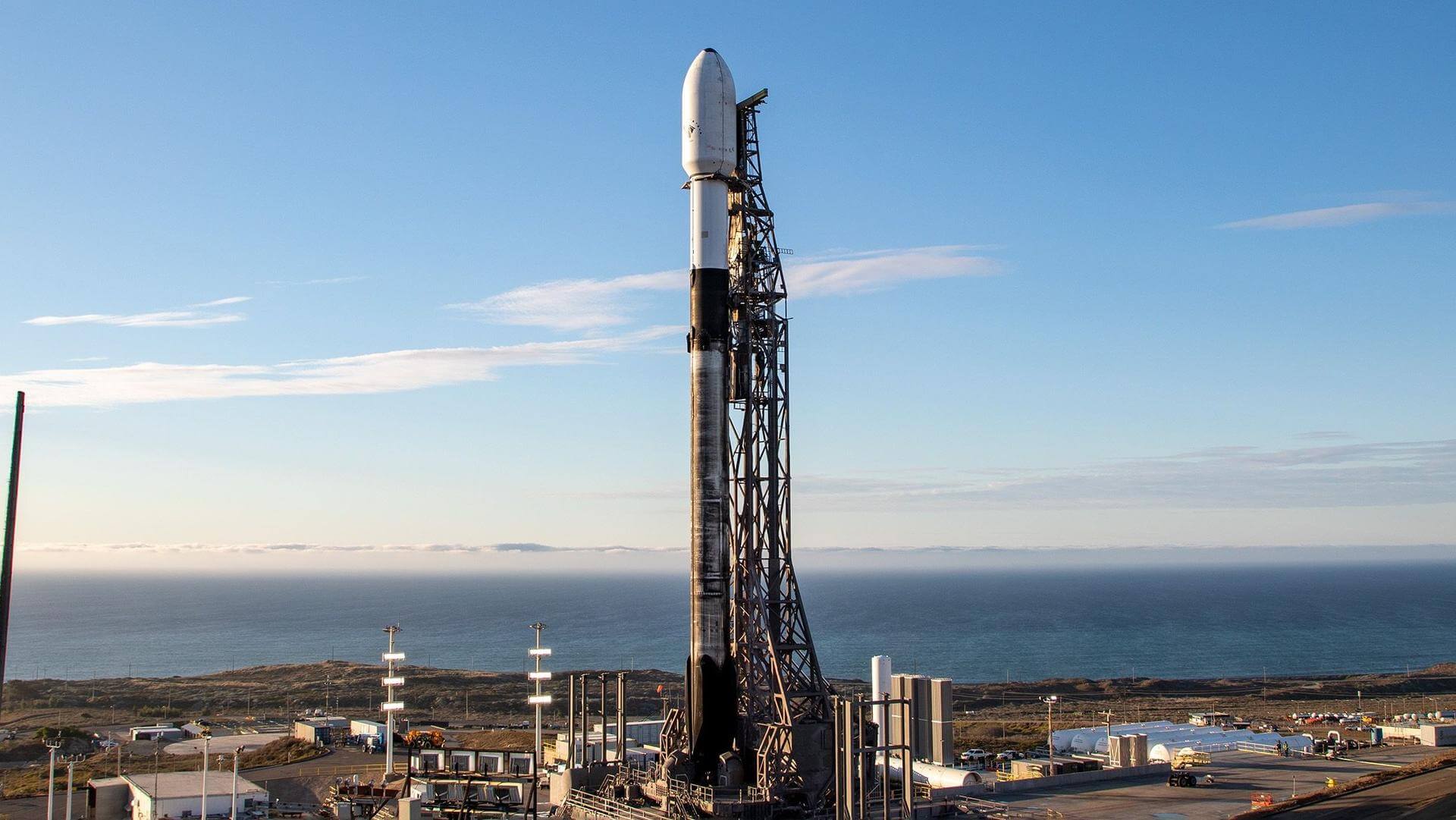
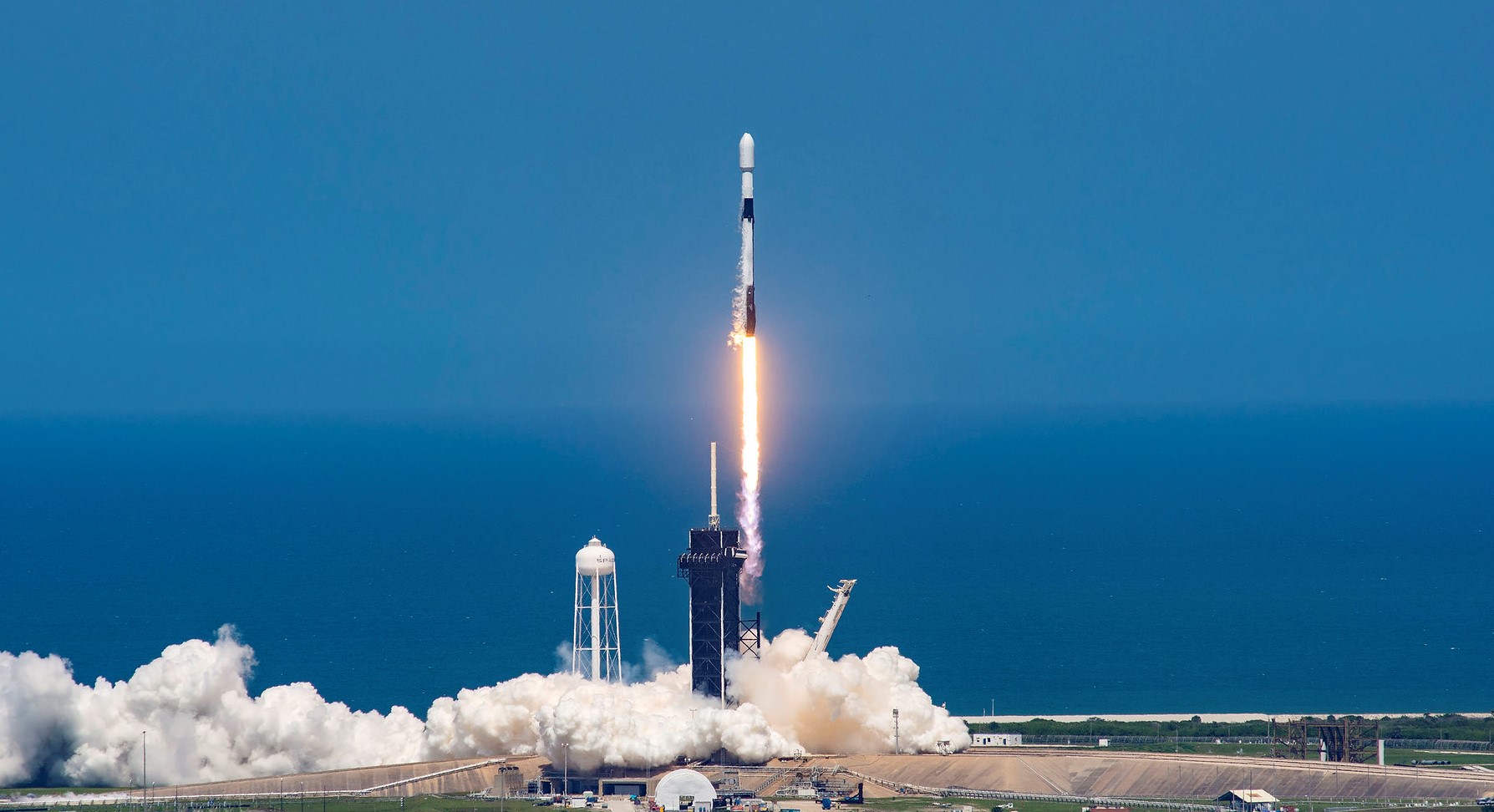
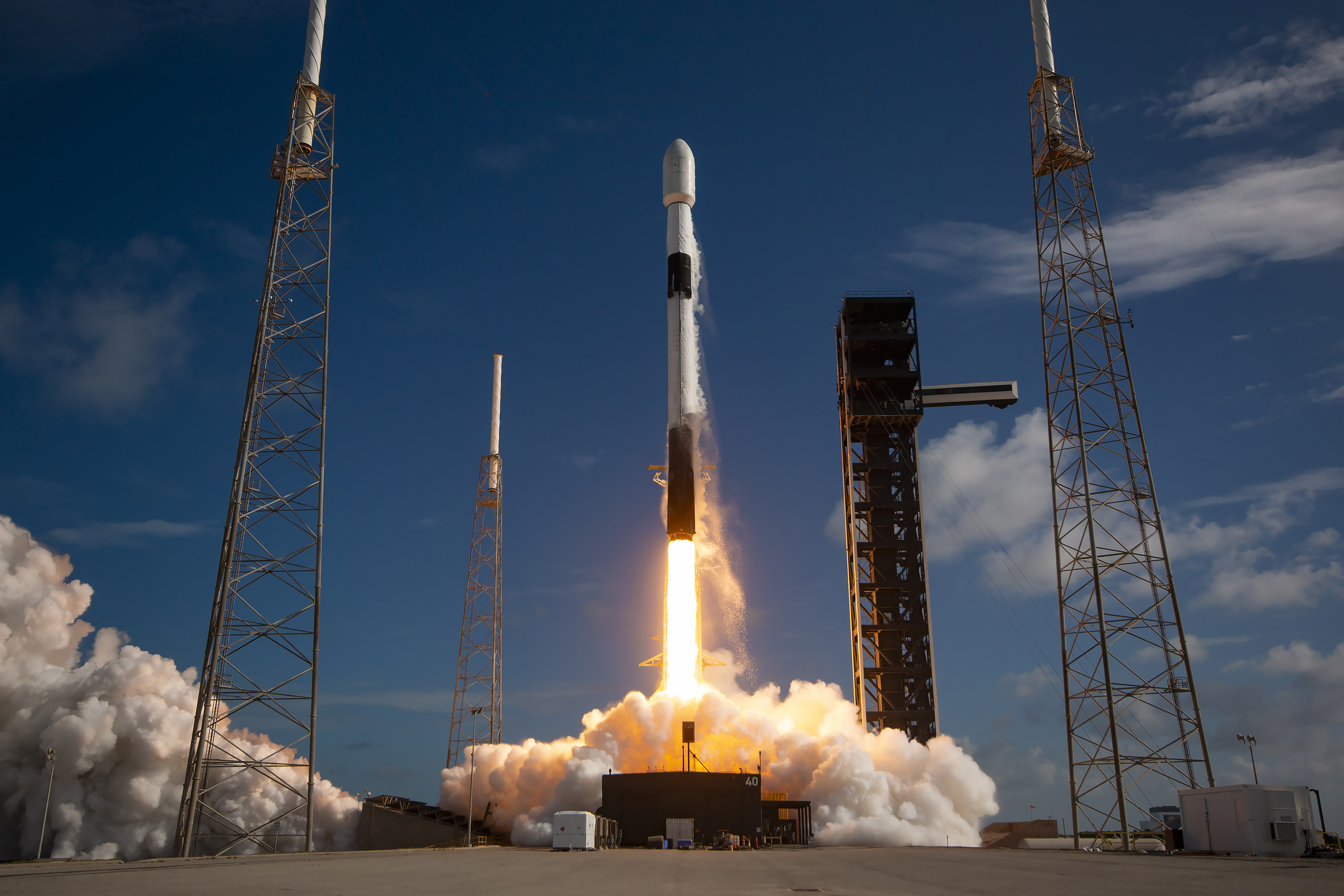
Provider: SpaceX Date: June 11, 2026 Time: 3:04 PM UTC Vehicle: Falcon 9
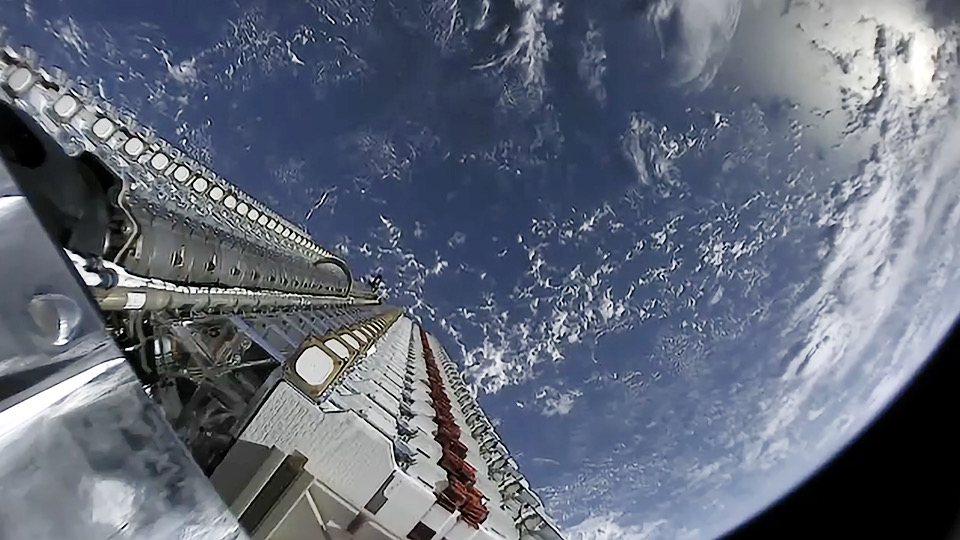
A batch of 24 satellites for the Starlink mega-constellation – SpaceX’s project for space-based Internet communication system.
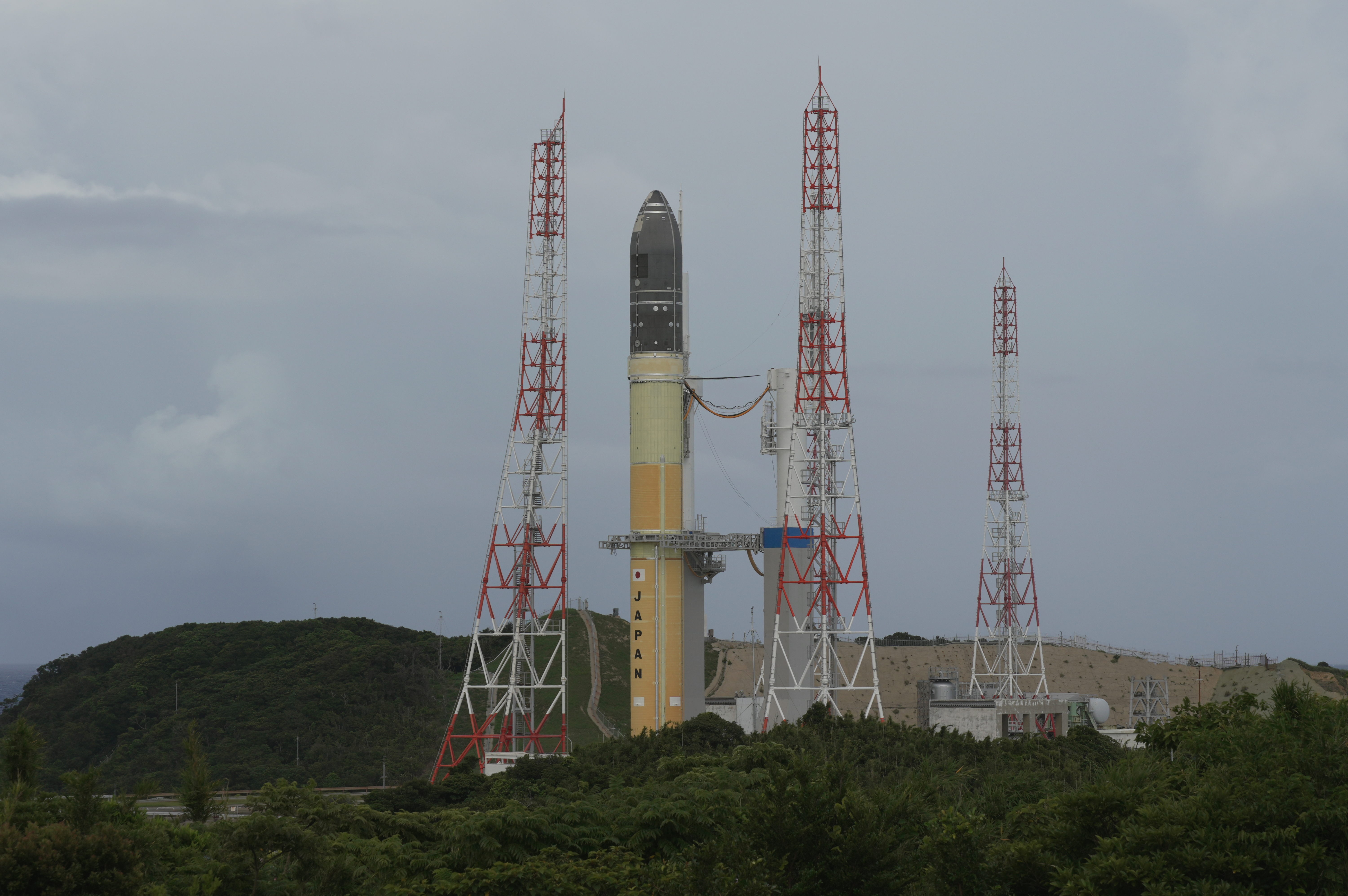
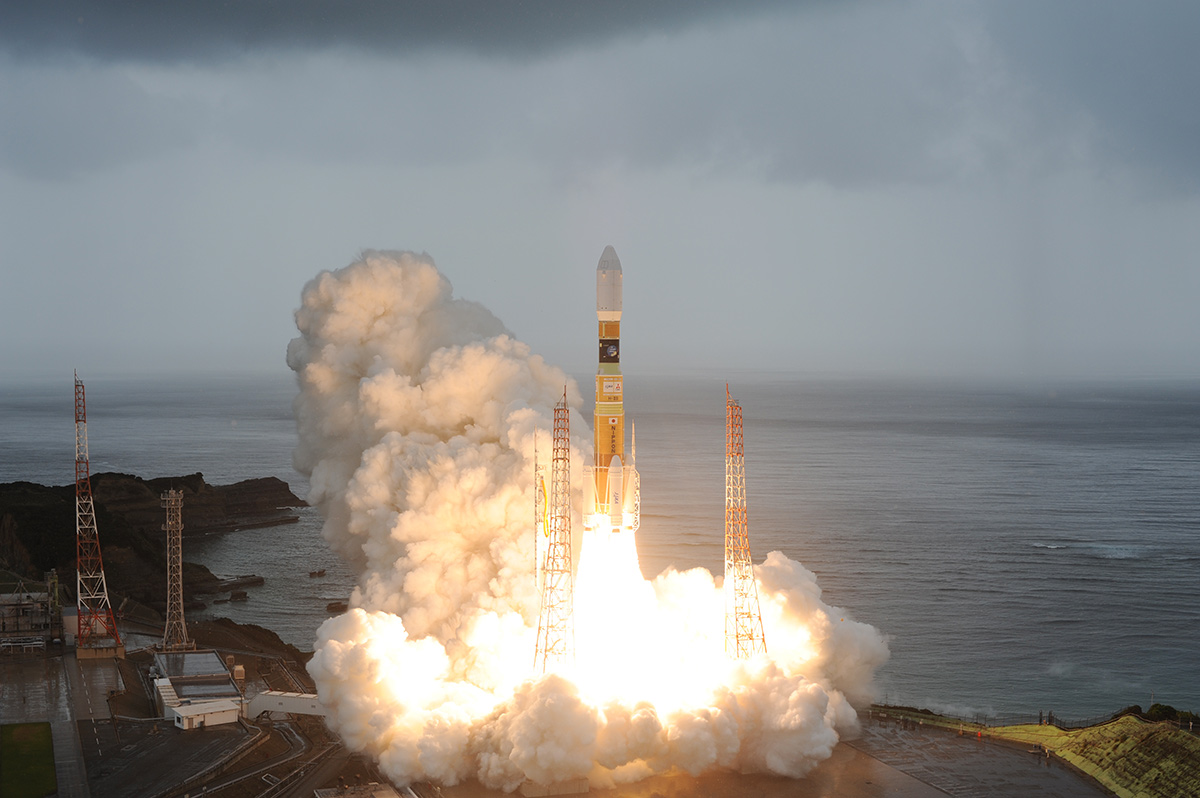
H3-30 Test Flight
Provider: Mitsubishi Heavy Industries Date: June 12, 2026 Time: 12:53 AM UTC Vehicle: H3-30
Test flight of the H3-30 variant of the H3 launch vehicle with 3 LE-9 engines in the first stage and no SRBs. The flight will carry a dummy main payload (Vehicle Evaluation Payload 5, VEP-5) and several hitchhiking small satellites:
* PETREL
* STARS-X
* BRO-22
* VERTECS
* HORN-L/R
Starlink Group 10-54
Provider: SpaceX Date: June 12, 2026 Time: 12:27 PM UTC Vehicle: Falcon 9
A batch of 29 satellites for the Starlink mega-constellation – SpaceX’s project for space-based Internet communication system.
Unknown Payload
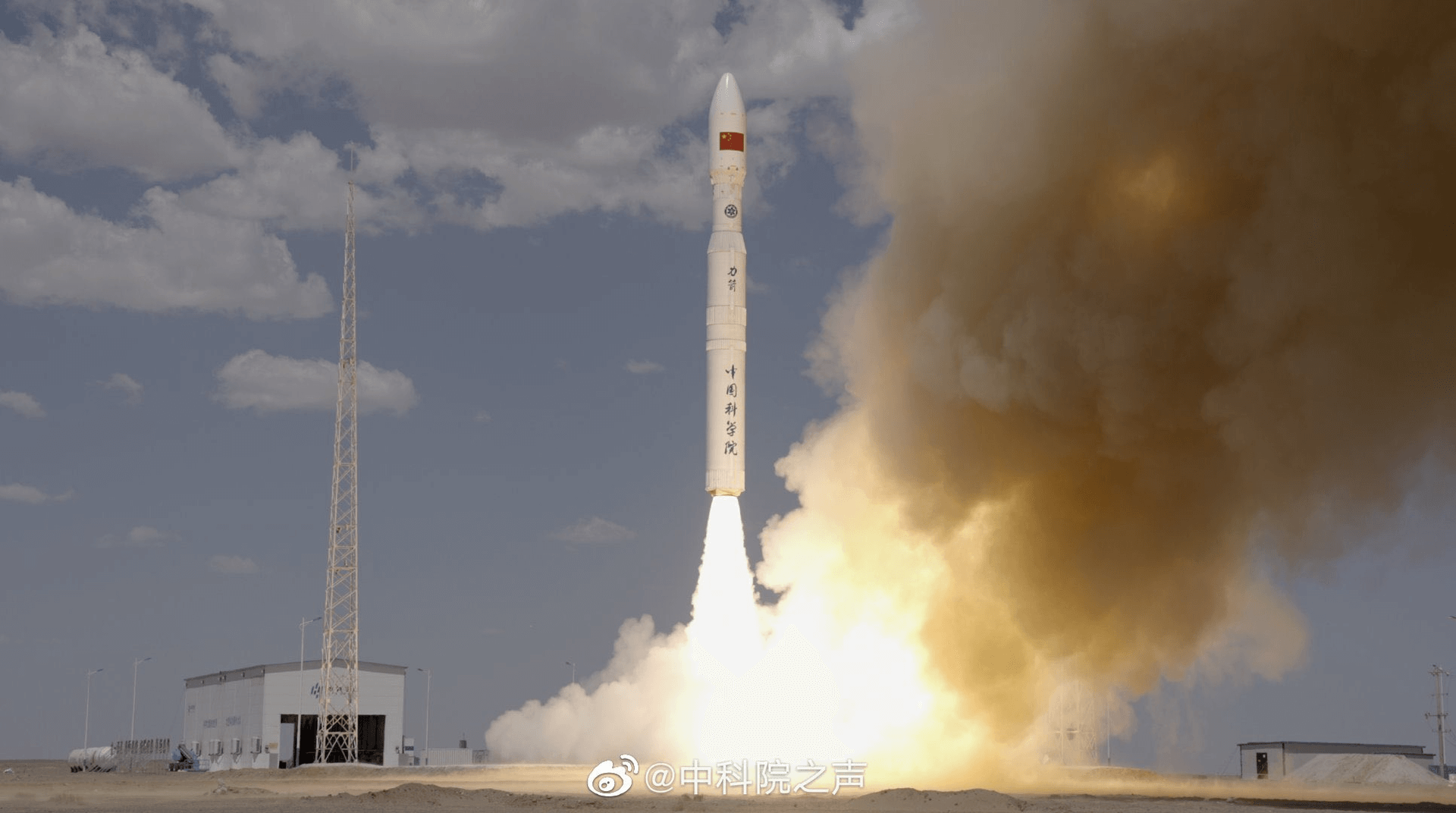
Provider: CAS Space Date: June 15, 2026 Time: 3:40 AM UTC Vehicle: Kinetica 1
Details TBD.
Starlink Group 17-54
Provider: SpaceX Date: June 15, 2026 Time: 2:00 PM UTC Vehicle: Falcon 9
A batch of 24 satellites for the Starlink mega-constellation – SpaceX’s project for space-based Internet communication system.
Starlink Group 17-44 ×
Mission Details
TypeCommunications
OrbitLow Earth Orbit
TargetEarth
A batch of 24 satellites for the Starlink mega-constellation – SpaceX’s project for space-based Internet communication system.
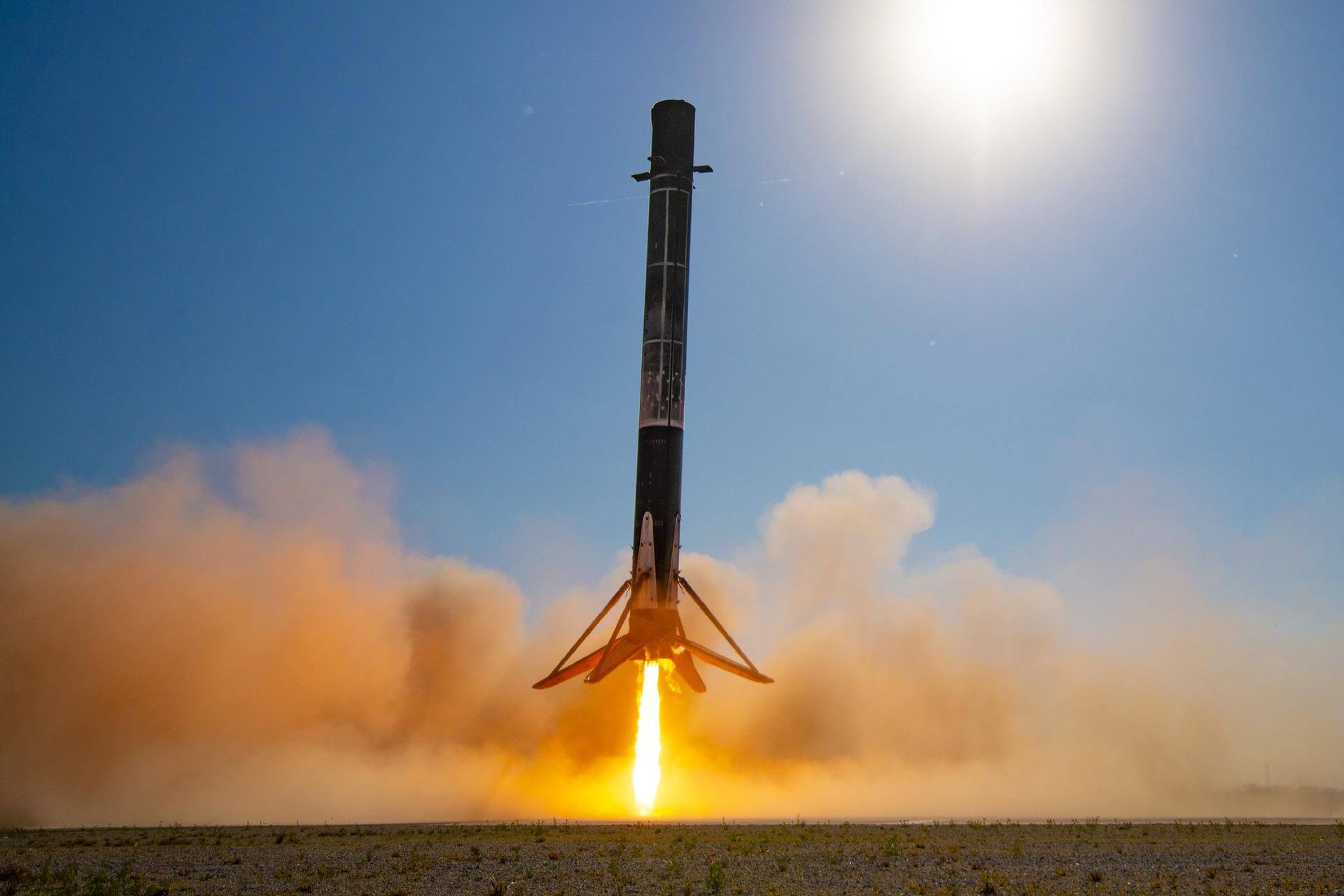
Falcon 9 is a two-stage rocket designed and manufactured by SpaceX for the reliable and safe transport of satellites and the Dragon spacecraft into orbit. The Block 5 variant is the fifth major interval aimed at improving upon the ability for rapid reusability.
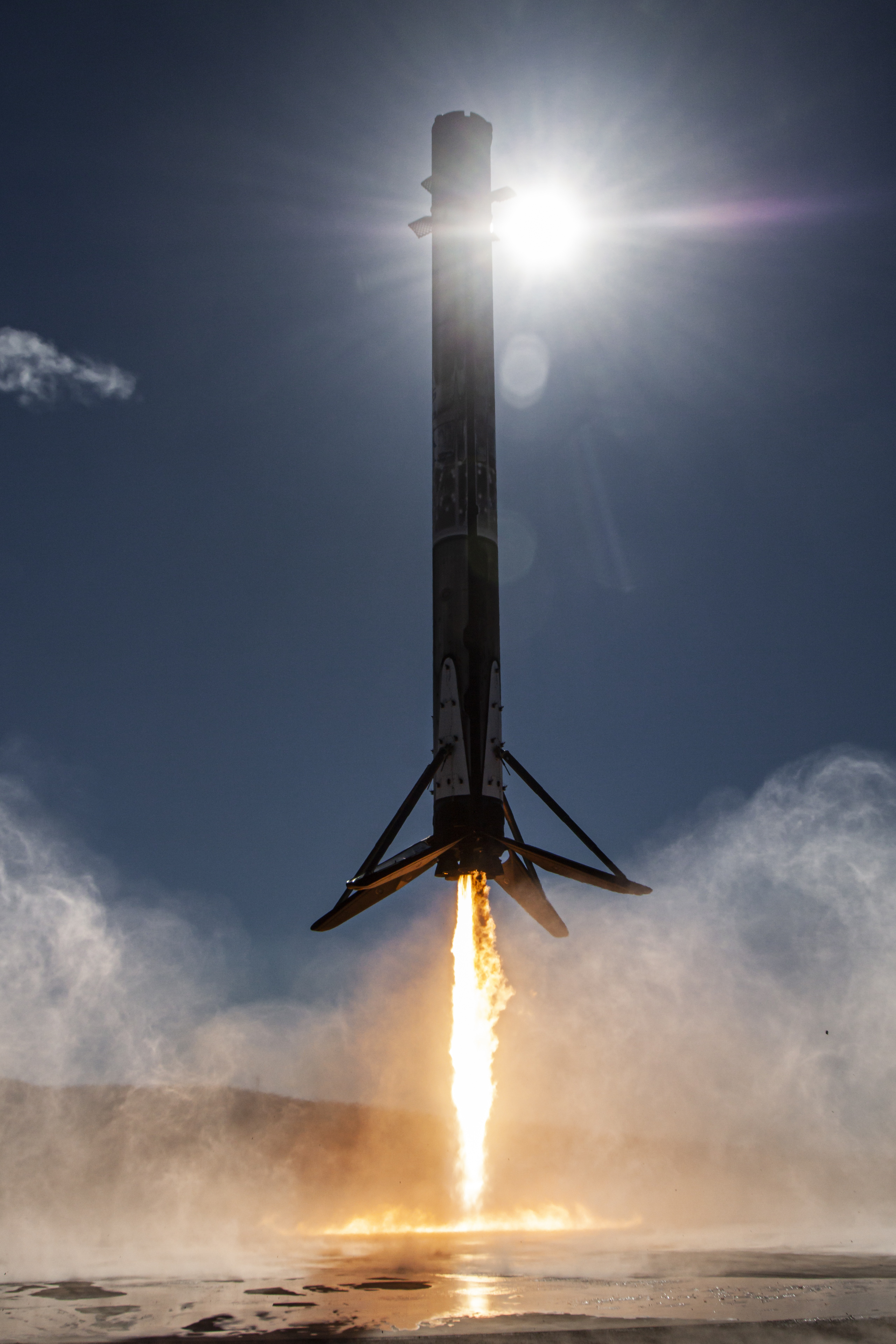
The Falcon 9 first stage B1071 will land on ASDS OCISLY after its 34th flight.
H3-30 Test Flight ×
Mission Details
TypeTest Flight
OrbitSun-Synchronous Orbit
TargetEarth
Test flight of the H3-30 variant of the H3 launch vehicle with 3 LE-9 engines in the first stage and no SRBs. The flight will carry a dummy main payload (Vehicle Evaluation Payload 5, VEP-5) and several hitchhiking small satellites:
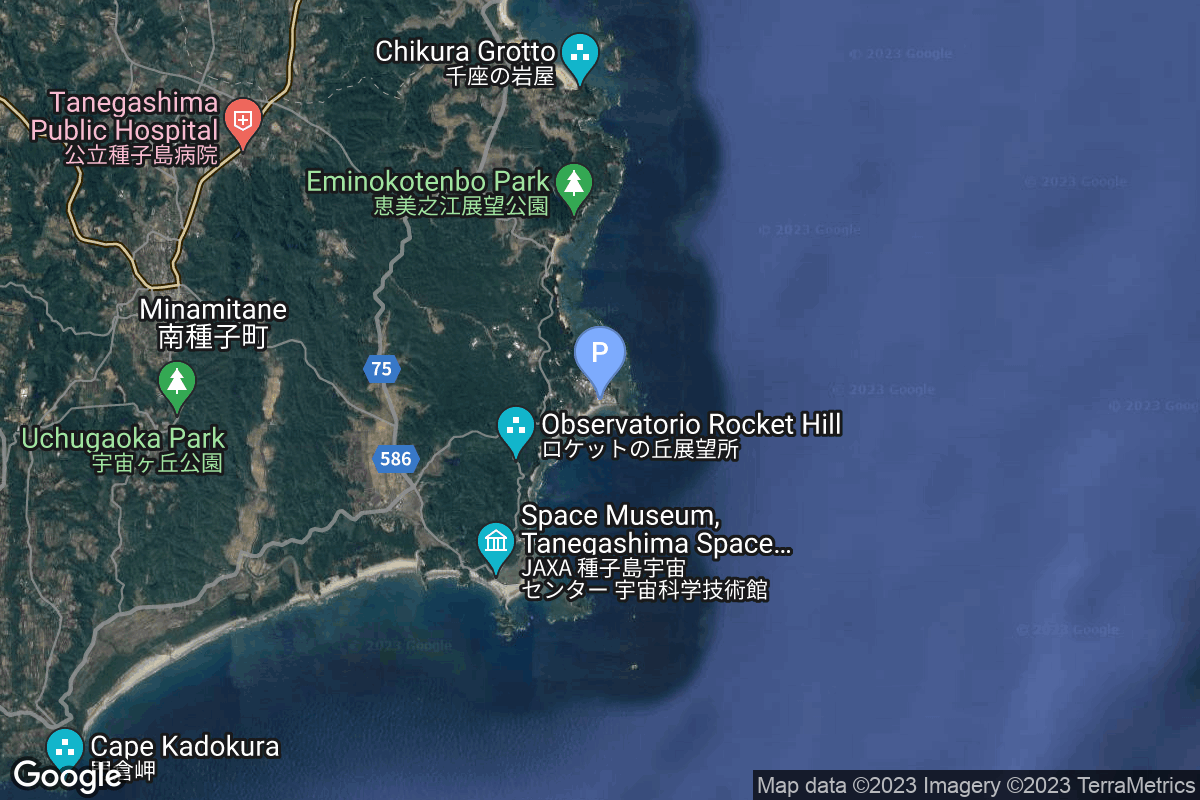
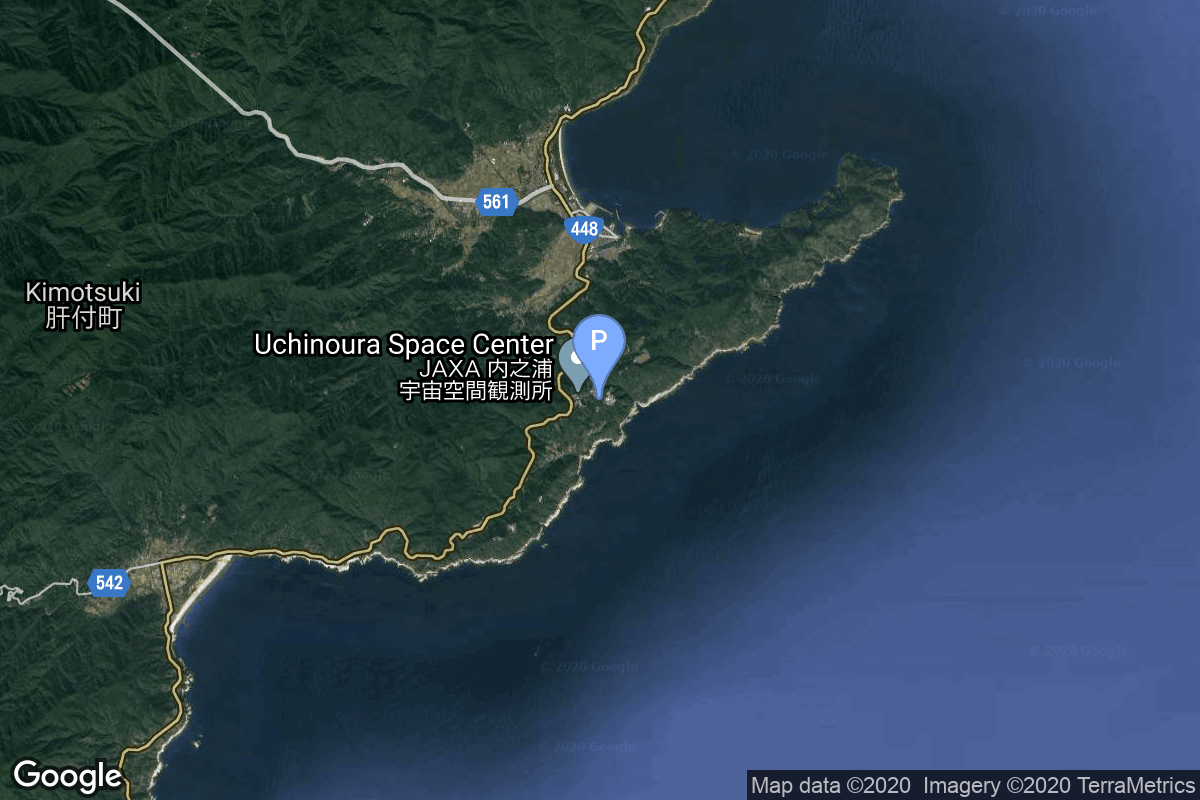
The H3 Launch Vehicle is an expendable launch system in development in Japan. H3 rockets are liquid-propellant rockets with strap-on solid rocket boosters and are planned to be launched from the Tanegashima Space Center in Japan. Mitsubishi and the JAXA have been responsible for the design,…
Falcon 9 is a two-stage rocket designed and manufactured by SpaceX for the reliable and safe transport of satellites and the Dragon spacecraft into orbit. The Block 5 variant is the fifth major interval aimed at improving upon the ability for rapid reusability.
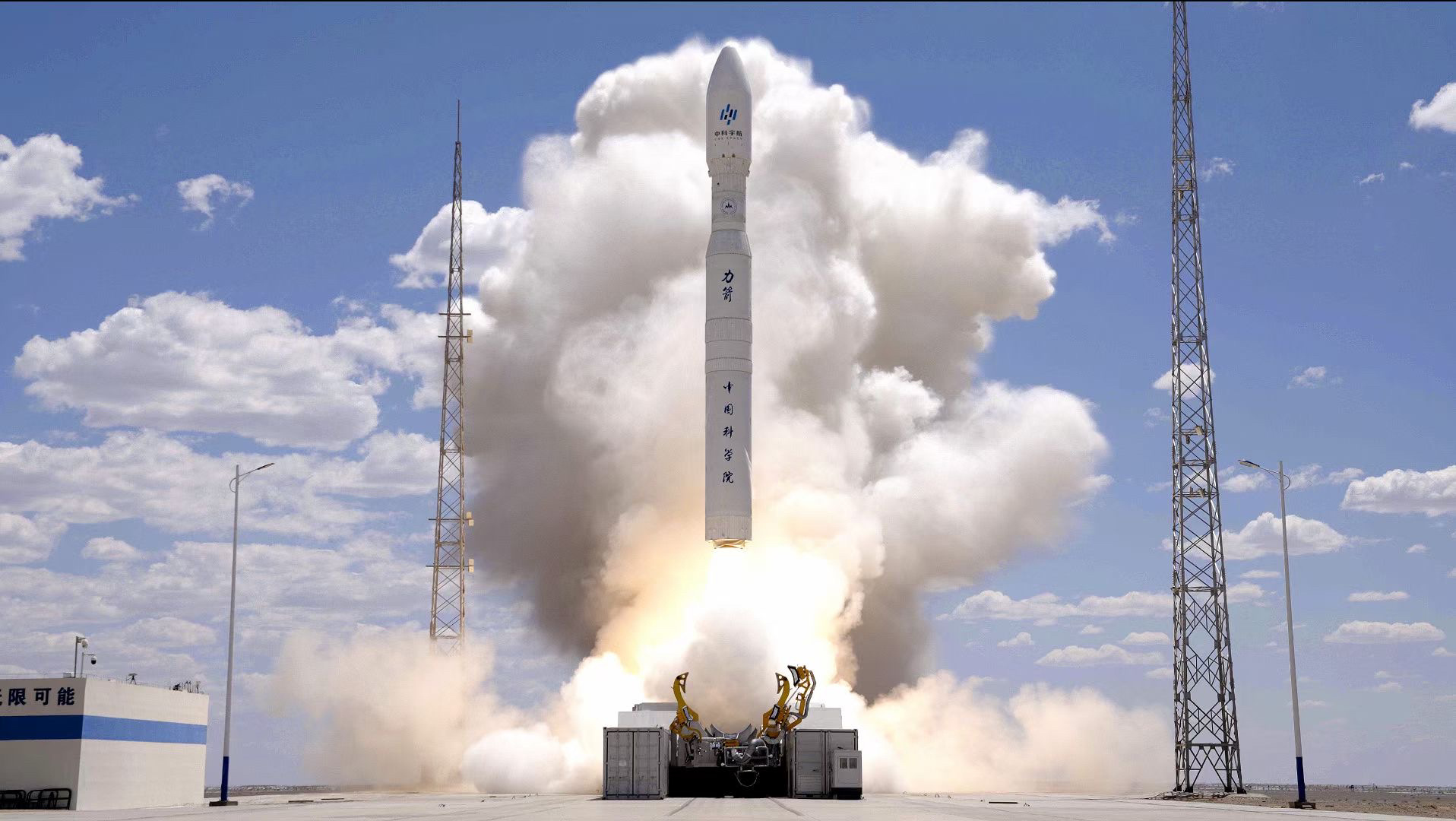
Kinetica 1 (also known as Lijian-1, Chinese: 力箭一号) is a Chinese solid-propellant light launch vehicle. It is capable of placing about 2 tons into low earth orbit and 1.5 tons into sun-synchronous orbit. It is developed by CAS Space, a subsidiary of the Chinese Academy of Sciences. Kinetica 1 is a…
Specifications
Length30 m
Diameter2.65 m
Launch Mass135 t
Liftoff Thrust1,961 kN
LEO Capacity2,000 kg
SSO Capacity1,500 kg
ReusableNo
Maiden Flight2022-07-27
Launch Record
12 successful / 13 total launches
Current streak: 7 successful
Starlink Group 17-54 ×
Mission Details
TypeCommunications
OrbitLow Earth Orbit
TargetEarth
A batch of 24 satellites for the Starlink mega-constellation – SpaceX’s project for space-based Internet communication system.
Falcon 9 is a two-stage rocket designed and manufactured by SpaceX for the reliable and safe transport of satellites and the Dragon spacecraft into orbit. The Block 5 variant is the fifth major interval aimed at improving upon the ability for rapid reusability.
Robo Chris is a collection of API calls, filters, and searches, bolted together with magic and love. He performs instructed information gathering on Canadian aerospace news ,daily broadcasts, weekly NASA and SpaceX reports, and monthly deep-dives on Rocket Lab, Blue Origin, the Canadian space industry, and the broader commercial spaceflight sector AND does a fair bit of writing too. Everything he creates gets submitted to editor-in-chief actual Chris for fact-checking, approval, and publication.