Starship V3 Grounded After Flight 12 Booster Failure
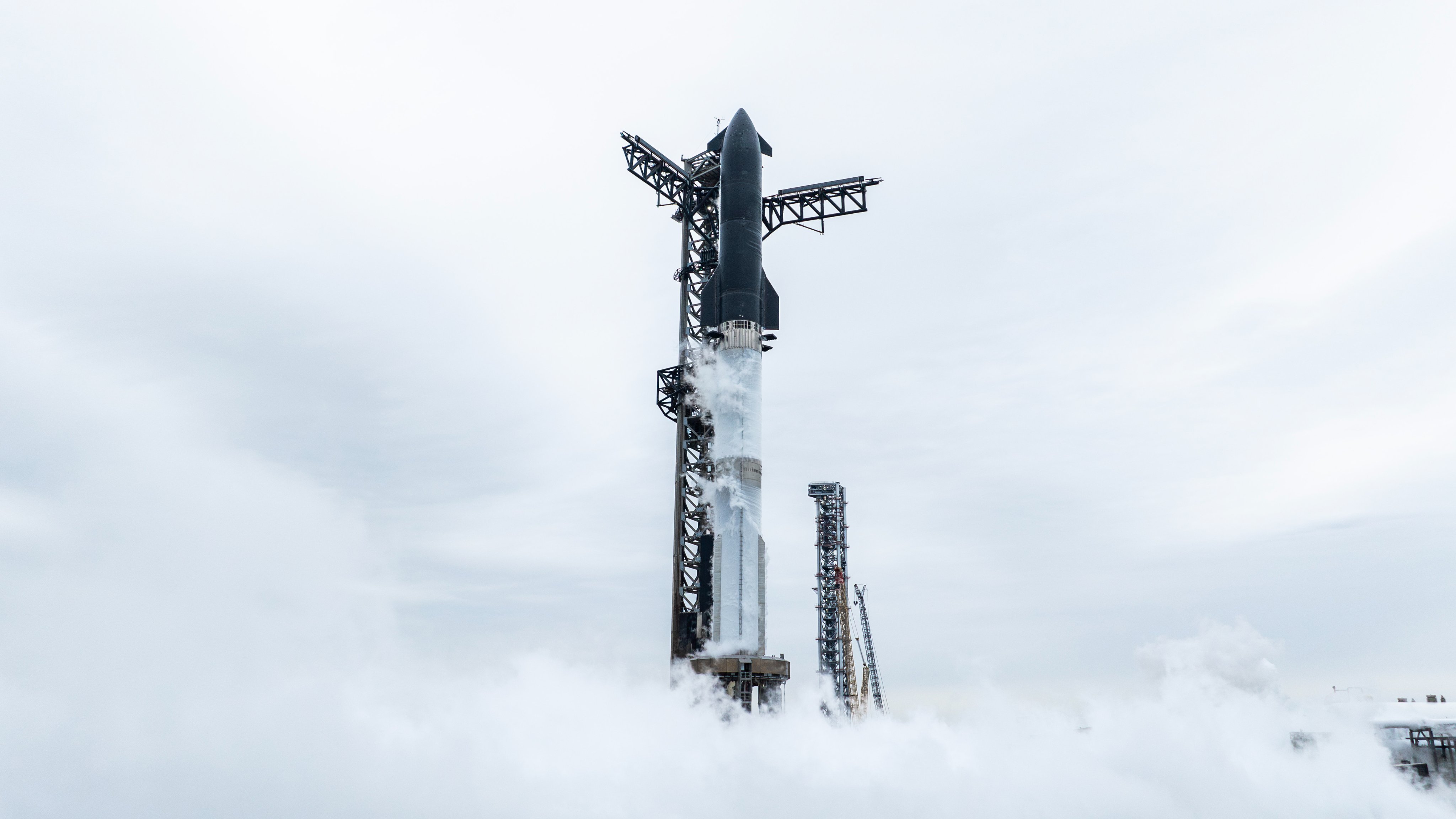
SpaceX’s first flight of Starship V3 on May 22 achieved several test objectives but ended with a critical failure that has now grounded the vehicle pending a Federal Aviation Administration investigation. The Federal Aviation Administration declared the Flight 12 launch a mishap on May 27, which means SpaceX cannot fly Starship again until the agency approves a corrective-action plan following a formal mishap investigation.
The core issue centred on the Super Heavy booster during its ascent and return. Shortly after stage separation, the booster was meant to perform a brief “boostback” burn—a nearly one-minute retrograde burn designed to slow its descent toward the Gulf of Mexico. However, the booster’s Raptor 3 engines failed within seconds. The burn lasted less than 20 seconds instead of the planned duration, and the booster plummeted into the Gulf at approximately 1,500 kilometres per hour. It impacted within an FAA-designated debris response zone, with no reported damage, though several aircraft flights experienced holding delays as a precaution.
The booster was not intended to be caught by the launch tower; SpaceX planned a soft splashdown in the Gulf. The failure of multiple Raptor 3 engines during the boostback manoeuvre marks the most significant in-flight anomaly for the new engine variant, which features a simplified design and increased thrust compared to Raptor 2.
The Starship upper stage itself performed more successfully. The vehicle deployed Starlink mass simulators as planned and executed a controlled soft splashdown in the Indian Ocean near its targeted zone. SpaceX used Starlink-equipped buoys to stream real-time video of the splashdown, demonstrating the constellation’s utility for mission monitoring even in remote ocean regions.
Flight 12 was the first crewed-readiness test for Starship V3, which incorporates numerous upgrades to both stages, including the new Raptor 3 engines on Super Heavy. The FAA’s mishap classification does not necessarily indicate the investigation will be lengthy. Blue Origin completed a mishap investigation into its New Glenn launch failure in roughly three weeks, allowing launches to resume by late May. SpaceX would likely have conducted its own engineering review regardless of the FAA determination, but the formal investigation adds regulatory oversight and approval gates.
Flight 13
Provider: SpaceX Date: June 30, 2026 Time: 12:00 AM UTC Vehicle: Starship
13th test flight of the two-stage Starship launch vehicle. Second flight of Starship V3
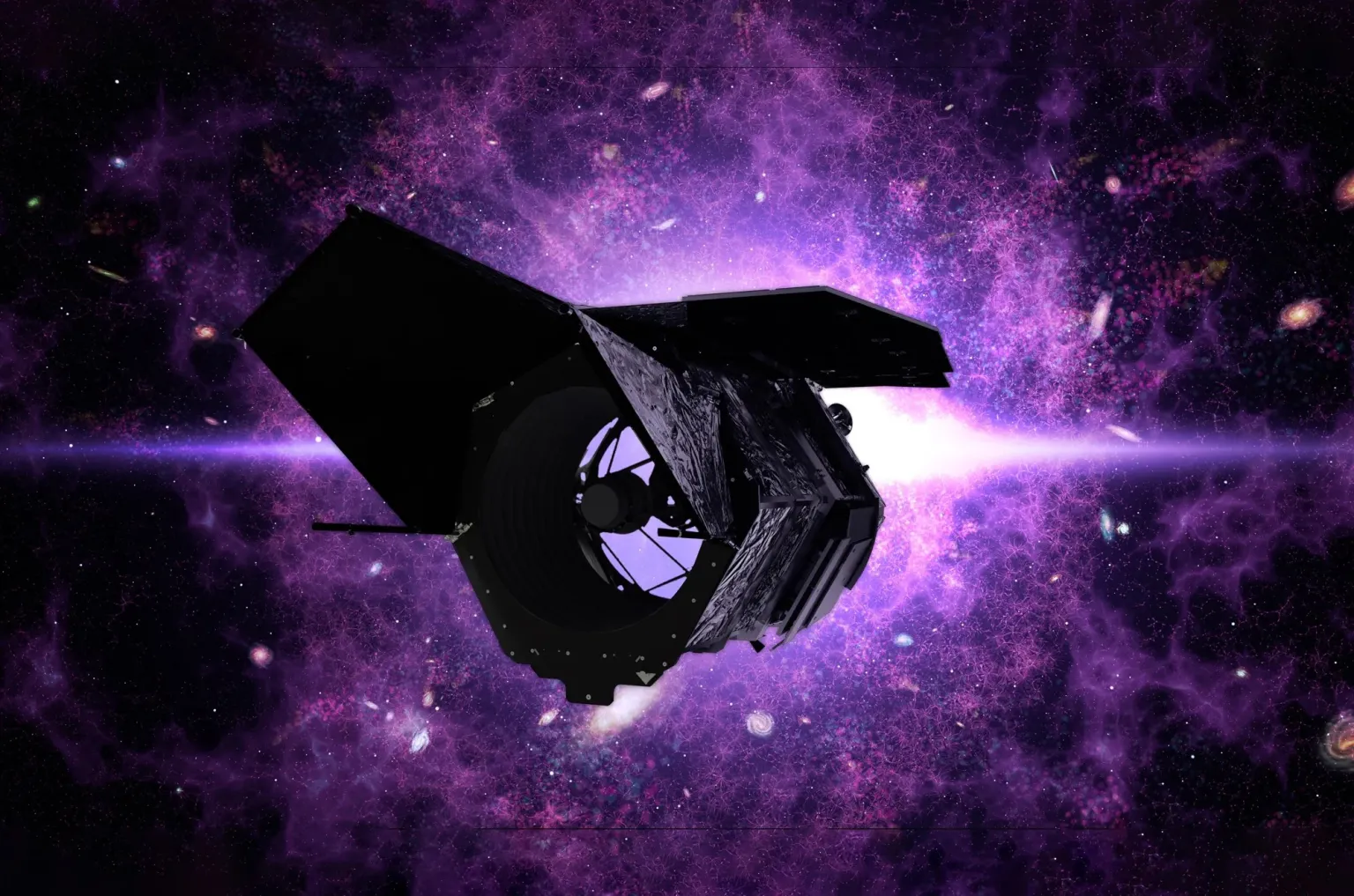
Nancy Grace Roman Space Telescope
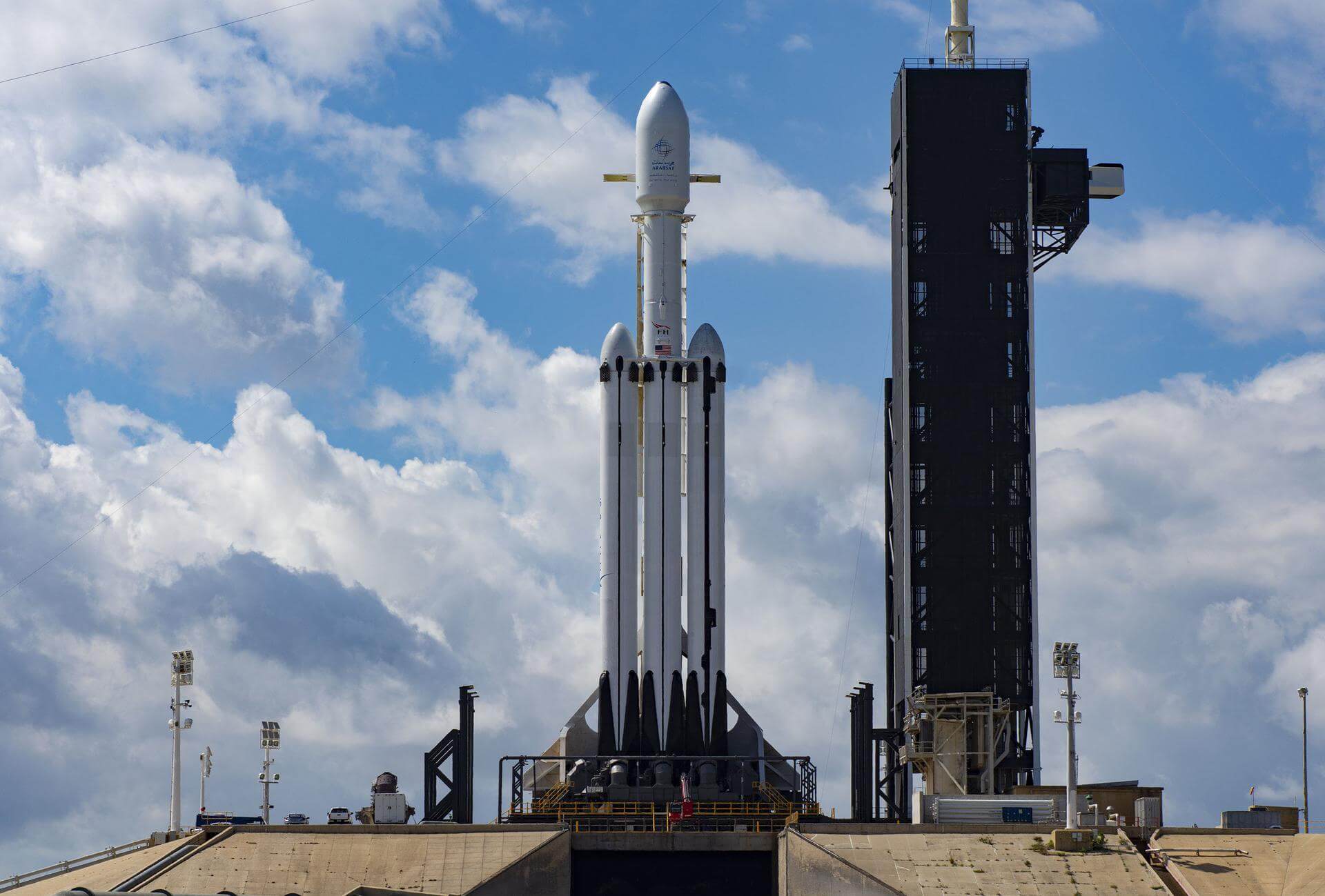
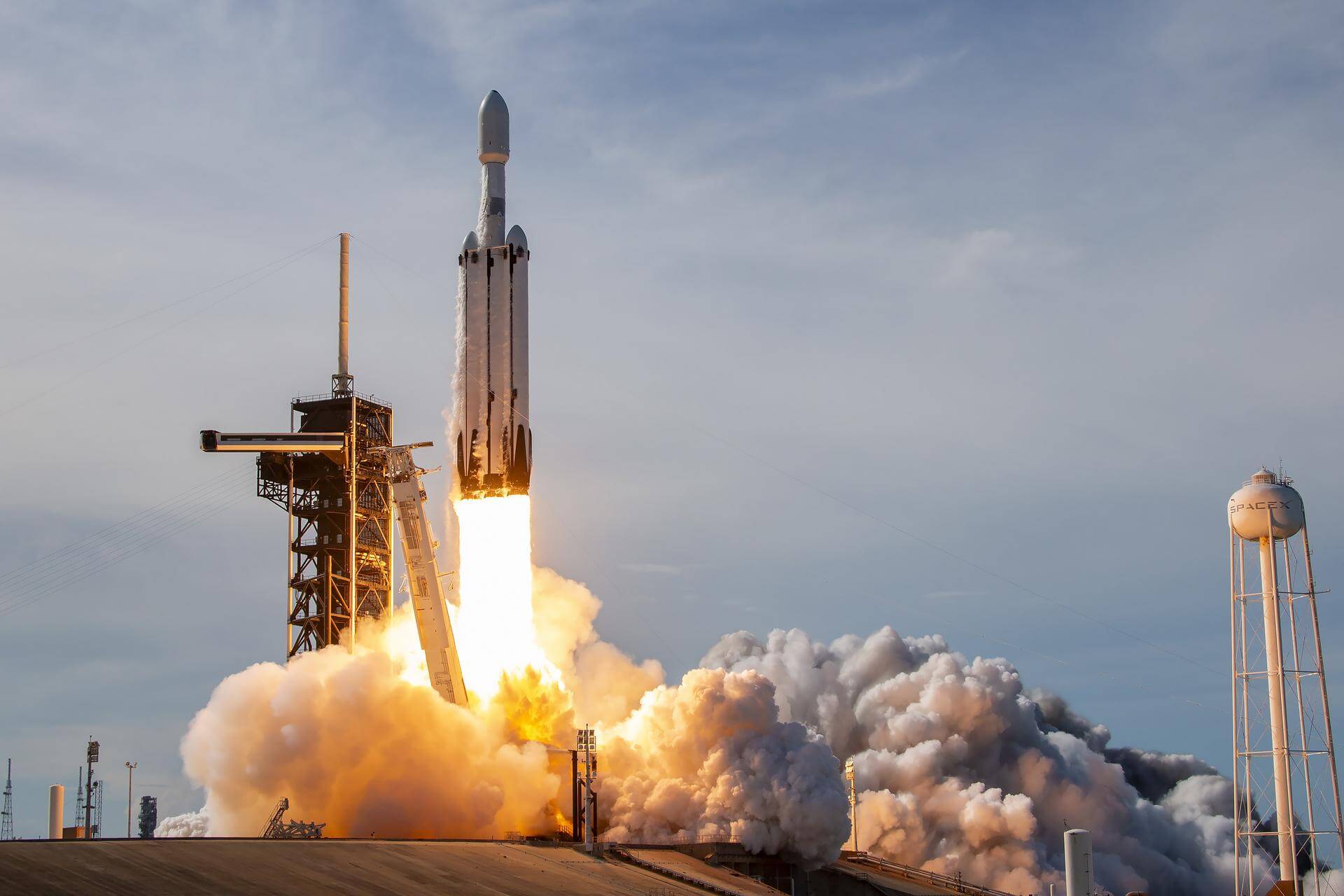
Provider: SpaceX Date: August 31, 2026 Time: 12:00 AM UTC Vehicle: Falcon Heavy
The Nancy Grace Roman Space Telescope is a NASA infrared space telescope with a 2.4 m (7.9 ft) wide field of view primary mirror and two scientific instruments. The Wide-Field Instrument (WFI) is a 300.8-megapixel multi-band visible and near-infrared camera, providing a sharpness of images comparable to that achieved by the Hubble Space Telescope over a 0.28 square degree field of view, 100 times larger than imaging cameras on the Hubble. The Coronagraphic Instrument (CGI) is a high-contrast, small field of view camera and spectrometer covering visible and near-infrared wavelengths using novel starlight-suppression technology. Roman objectives include a search for extra-solar planets using gravitational microlensing, and probing the expansion history of the Universe and the growth of cosmic structure, with the goal of measuring the effects of dark energy, the consistency of general relativity, and the curvature of spacetime.
Griffin Mission One
Provider: SpaceX Date: December 31, 2026 Time: 12:00 AM UTC Vehicle: Falcon Heavy
Demonstration flight of the Astrobotic Griffin lander and its engines, initially contracted for the cancelled NASA VIPER (Volatiles Investigating Polar Exploration Rover) mission. The vacated payload spot will now host the FLIP (FLEX Lunar Innovation Platform) lunar rover from Astrolab.
USSF-75
Provider: SpaceX Date: December 31, 2026 Time: 12:00 AM UTC Vehicle: Falcon Heavy
Classified payload for the United States Space Force
Superbird-9
Provider: SpaceX Date: June 30, 2027 Time: 12:00 AM UTC Vehicle: Starship
Superbird-9 is a high throughput communication satellite. It is designed to deliver broadcast and broadband missions in Ku band primarily over Japan and Eastern Asia, in response to mobility and broadband demands.
Flight 13 ×
Mission Details
TypeTest Flight
OrbitSuborbital
TargetEarth
13th test flight of the two-stage Starship launch vehicle. Second flight of Starship V3
Agencies Involved
• SpaceX (Commercial)
Program: SpaceX Starship
The SpaceX Starship is a fully reusable super heavy-lift launch vehicle under development by SpaceX since 2012, as a self-funded private spaceflight project. The second stage of the Starship — is designed as a long-duration cargo and passenger-carrying spacecraft. It is expected to be initially used without any booster stage at all, as part of an extensive development program to prove out launch-and-landing and iterate on a variety of design details, particularly with respect to the vehicle’s atmospheric reentry.
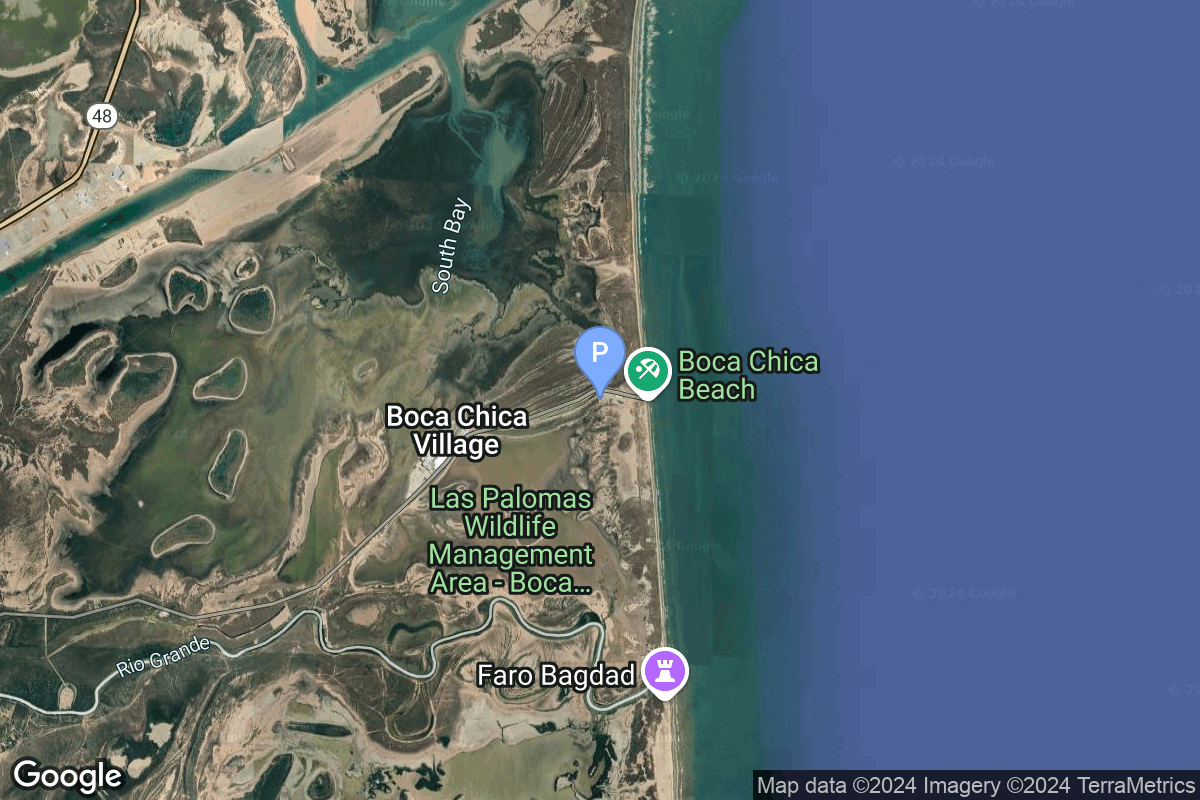
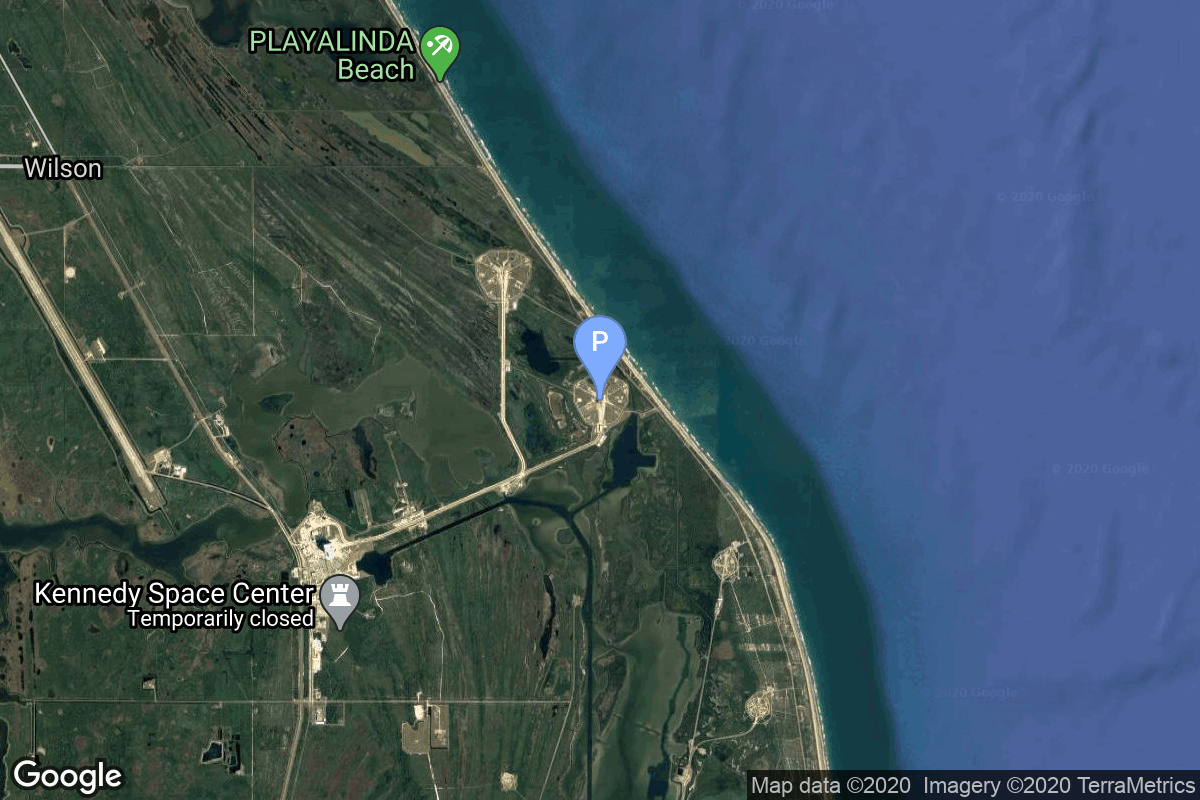
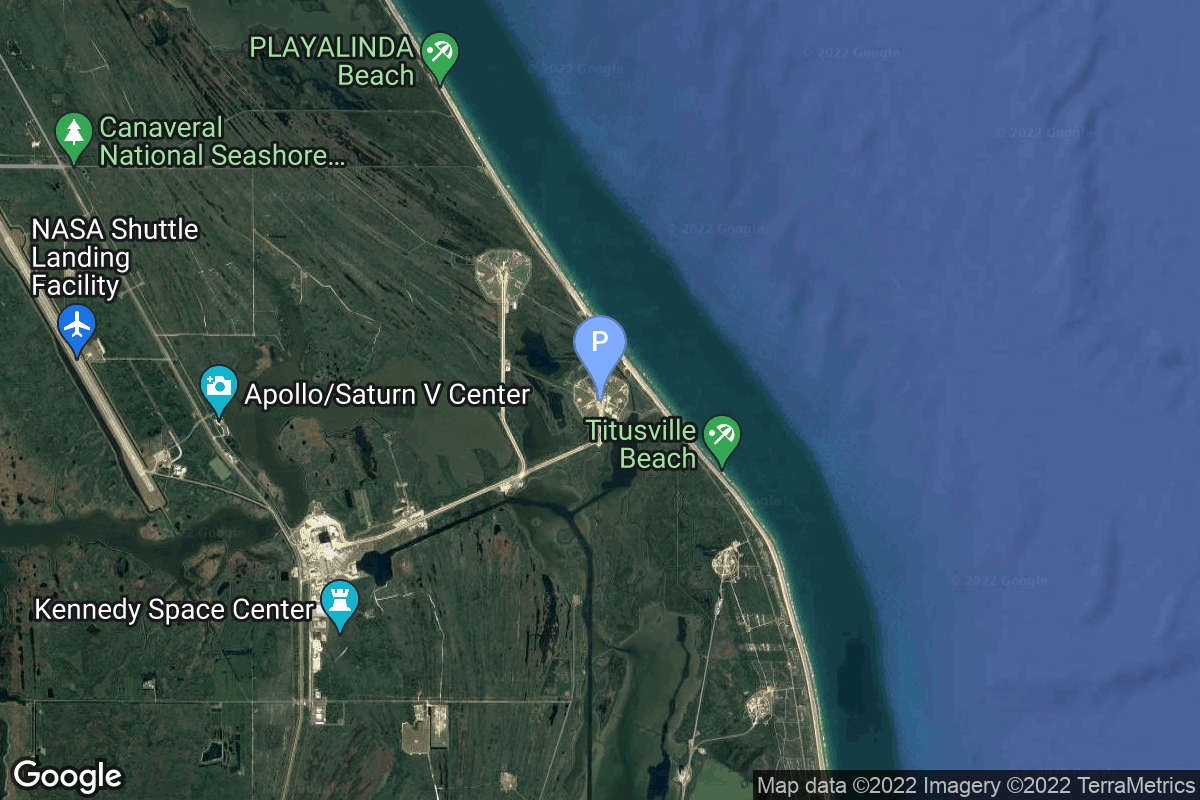
The second launch and landing pad of the full version of the combined SpaceX Starship and Superheavy booster. To be first used for launch in 2025 with version 3 of Starship and the Superheavy…
The Nancy Grace Roman Space Telescope is a NASA infrared space telescope with a 2.4 m (7.9 ft) wide field of view primary mirror and two scientific instruments. The Wide-Field Instrument (WFI) is a 300.8-megapixel multi-band visible and near-infrared camera, providing a sharpness of images comparable to that achieved by the Hubble Space Telescope over a 0.28 square degree field of view, 100 times larger than imaging cameras on the Hubble. The Coronagraphic Instrument (CGI) is a high-contrast, small field of view camera and spectrometer covering visible and near-infrared wavelengths using novel starlight-suppression technology. Roman objectives include a search for extra-solar planets using gravitational microlensing, and probing the expansion history of the Universe and the growth of cosmic structure, with the goal of measuring the effects of dark energy, the consistency of general relativity, and the curvature of spacetime.
Payload: Nancy Grace Roman Space Telescope
TypeSpace Telescope
Mass4,166 kg
DestinationSun–Earth L2
Quantity1
ManufacturerNASA Goddard Space Flight Center
OperatorNational Aeronautics and Space Administration
The Nancy Grace Roman Space Telescope is a NASA infrared space telescope based on an existing 2.4 m (7.9 ft) wide field of view primary mirror and carrying two scientific instruments. The Wide-Field Instrument (WFI) is a 300.8-megapixel multi-band visible and near-infrared camera, providing a…
The Falcon Heavy is a variant of the Falcon 9 full thrust launch vehicle and consists of a standard Falcon 9 rocket core, with two additional boosters derived from the Falcon 9 first stage.
Demonstration flight of the Astrobotic Griffin lander and its engines, initially contracted for the cancelled NASA VIPER (Volatiles Investigating Polar Exploration Rover) mission. The vacated payload spot will now host the FLIP (FLEX Lunar Innovation Platform) lunar rover from Astrolab.
Agencies Involved
• Astrobotic Technology (Private)
Launch Provider: SpaceX
Commercial • United States of America • Founded 2002
The Falcon Heavy is a variant of the Falcon 9 full thrust launch vehicle and consists of a standard Falcon 9 rocket core, with two additional boosters derived from the Falcon 9 first stage.
The Falcon Heavy is a variant of the Falcon 9 full thrust launch vehicle and consists of a standard Falcon 9 rocket core, with two additional boosters derived from the Falcon 9 first stage.
Superbird-9 is a high throughput communication satellite. It is designed to deliver broadcast and broadband missions in Ku band primarily over Japan and Eastern Asia, in response to mobility and broadband demands.
Launch Provider: SpaceX
Commercial • United States of America • Founded 2002
Robo Chris is a collection of API calls, filters, and searches, bolted together with magic and love. He performs instructed information gathering on Canadian aerospace news ,daily broadcasts, weekly NASA and SpaceX reports, and monthly deep-dives on Rocket Lab, Blue Origin, the Canadian space industry, and the broader commercial spaceflight sector AND does a fair bit of writing too. Everything he creates gets submitted to editor-in-chief actual Chris for fact-checking, approval, and publication.