
The SpaceX Report: SpaceX IPO Closes Up 19% as Starship Flight 13 Nears Launch
Starship Flight 13 Hardware in Preparation Phase
Booster 20 (B20), the Super Heavy booster designated for Starship Flight 13, has begun critical ground testing. On June 9, the booster rolled out from Megabay 1 to SpaceX’s Massey’s test site, where it commenced cryogenic proof testing—a campaign designed to validate structural integrity under extreme cold temperatures. The vehicle travelled via self-propelled modular transporters (SPMTs), though one transporter experienced power pack issues en route, requiring SpaceX to swap units on both vehicles before completing the journey.

Cryogenic testing focuses on verifying that B20’s liquid oxygen and methane tanks can safely handle propellant loads under extreme cold, whilst checking internal systems including composite overwrapped pressure vessels (COPVs), piping, valves, and sensors. The booster rolled out without its Raptor engines, grid fins, and other major components—standard practice for cryo campaigns. SpaceX typically conducts between two and four cryogenic tests on each new booster; historical norms hovered around two, though recent vehicles like B19 have completed the upper range.
Parallel preparations are underway for Ship 40, the upper stage assigned to Flight 13. Inside Megabay 2, technicians have begun rolling in six Raptor 3 engines (three sea-level, three vacuum variants) for installation. The prolonged stay in the bay suggests SpaceX is deliberately incorporating lessons from Flight 12, which concluded in late May. Ship 40 is expected to undergo a notably shorter engine test campaign than its predecessor, Ship 39—the first Starship to fly with Raptor 3 engines. Ship 39 underwent extensive ground testing: a spin prime, additional diagnostic tests, a six-engine static fire, a wet dress rehearsal, and a final igniter test. With real-world Flight 12 data now available, SpaceX can streamline Ship 40’s campaign, though a spin prime or diagnostic test remains probable before the full six-engine static fire.

A standout feature of Block 3 hardware is the grid fins, which incorporate lift and catch points enabling Mechazilla’s tower arms to lift and catch the booster in mid-air. Although Flight 13 is expected to conclude with a water splashdown, the new grid fins represent a critical step toward full rapid reusability. Once both B20 and S40 complete their respective test campaigns, teams will conduct final pre-flight checkouts, software loading, and integrated stack assembly. A wet dress rehearsal at the orbital launch pad remains possible. The timeline remains fluid, but concurrent progress suggests Flight 13 could follow Flight 12 more closely than previous intervals, with launch currently projected between July and August.

Starbase Infrastructure Reaches New Milestones
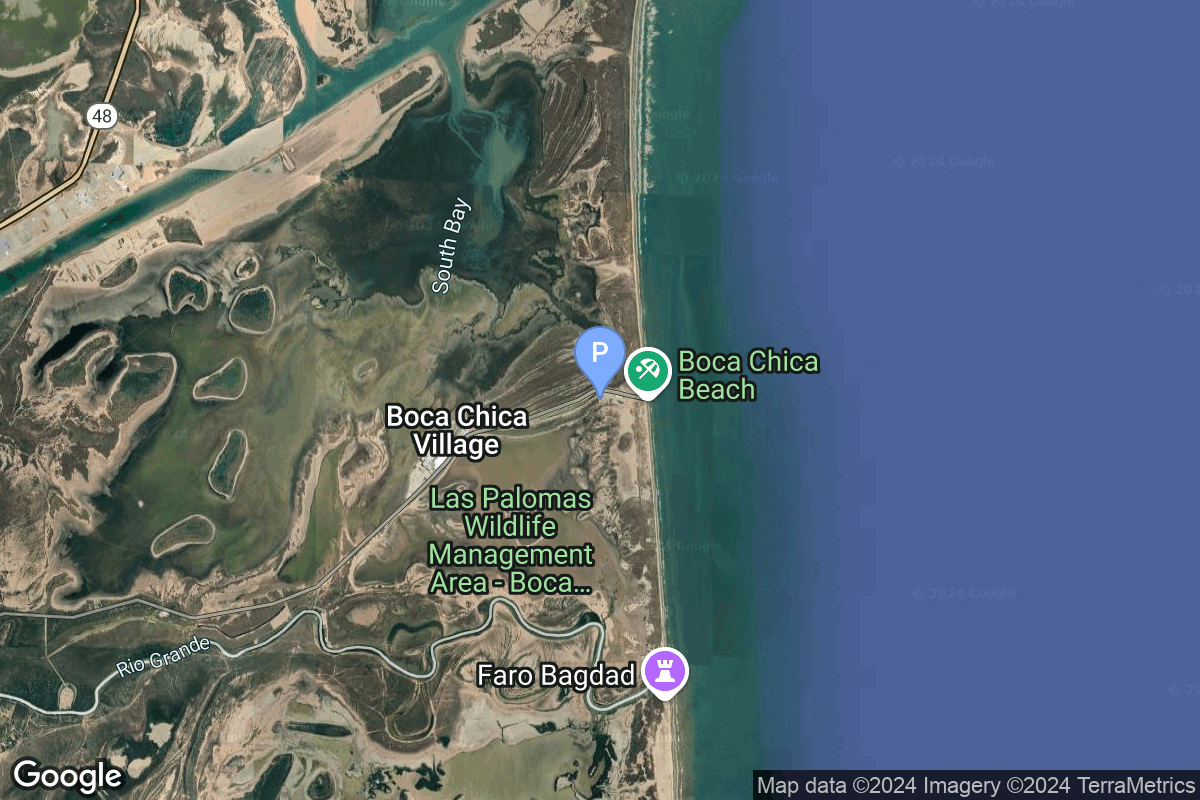
Construction at Starbase accelerated this week with two major infrastructure advances. On June 12, the final structural level of the Starbase Gigabay—SpaceX’s massive production facility for Starship assembly and integration—began. The milestone signals rapid expansion of manufacturing capacity to support multiple concurrent vehicle builds.

Concurrently, Raptor 3 engine production ramped up significantly. On June 11, multiple Raptor 3 engines were captured in transport at SpaceX’s McGregor test facility in Texas, underscoring the manufacturing cadence. Raptor 3 variants represent improvements over earlier generations and are essential to Starship’s rapid reusability roadmap. The acceleration of infrastructure work—from production capacity to engine manufacturing—reflects SpaceX’s commitment to sustaining high-tempo operations across Starship development, Falcon 9 booster refurbishment, and supporting systems.

Falcon 9 B1067 Reaches 35-Flight Milestone
Falcon 9 first stage booster B1067 logged its 35th mission on June 12, launching 29 Starlink satellites from Cape Canaveral. The booster, which first flew in June 2021, has become the fleet’s operational workhorse, primarily flying Starlink missions and repeatedly returning to the drone ship A Shortfall of Gravitas for refurbishment and re-flight. The 35th landing retains B1067’s position as SpaceX’s most-flown first stage, bringing the fleet closer to SpaceX’s stated goal of qualifying Falcon 9 vehicles to support 40 missions each.

For context, in the same period that B1067 completed 35 flights, United Launch Alliance—SpaceX’s chief competitor in medium and heavy-lift launch—has flown 29 total missions across all its rocket families (22 Atlas V, 4 Vulcan, and 3 Delta IV Heavy flights). This underscores the operational advantage SpaceX has achieved through rapid booster reuse. The week itself was marked by intense deployment activity: on June 11, a Falcon 9 launched 24 Starlinks from Vandenberg Space Force Base on the west coast, followed less than 24 hours later by another Falcon 9 launching 29 Starlinks from Florida.
Historic IPO and Ongoing Cargo Operations
SpaceX became a publicly traded company on Friday, June 12, marking a watershed moment for the commercial space industry. The company raised $75 billion in an initial public offering priced at $135 per share, surpassing Saudi Aramco’s 2019 IPO ($29.4 billion) to become the largest in stock market history. Shares opened at $150 on the NASDAQ and closed at $160.95, a gain of 19.2%, valuing SpaceX at approximately $2.1 trillion. Thousands of SpaceX employees, thanks to the company’s stock options plan, became overnight millionaires, whilst CEO Elon Musk’s personal stake was valued at over $700 billion at close of trading.

SpaceX president Gwynne Shotwell addressed the IPO’s significance in interviews, noting that the company had completed “so many of the building blocks” across its business areas—Starship, Starlink, and artificial intelligence initiatives—that going public was timely. She emphasised that SpaceX remains focused on long-term ambitions rather than quarterly earnings. The IPO prospectus reveals SpaceX’s strategic pivot: whilst traditional space activities (launch services, satellite constellations) account for less than 7 percent of the company’s stated total addressable market, AI and compute services in orbit comprise the majority of projected value. SpaceX and affiliate xAI have proposed a constellation of 1 million data centre satellites and have secured tens of billions in contracts with AI companies including Anthropic and Google.
Shotwell confirmed in a CNBC interview that if Flight 13 succeeds, Flight 14 could be an orbital test, followed by the first Starship launch from Florida on Flight 15. She also expects Starlink V3 deployments on Starship to begin later in 2026. Meanwhile, SpaceX’s Cargo Dragon continues regular resupply operations to the International Space Station. The CRS-34 mission, which launched May 15 and arrived May 17, is scheduled to undock from the station on Tuesday, June 16, at approximately 12:05 p.m. EDT.
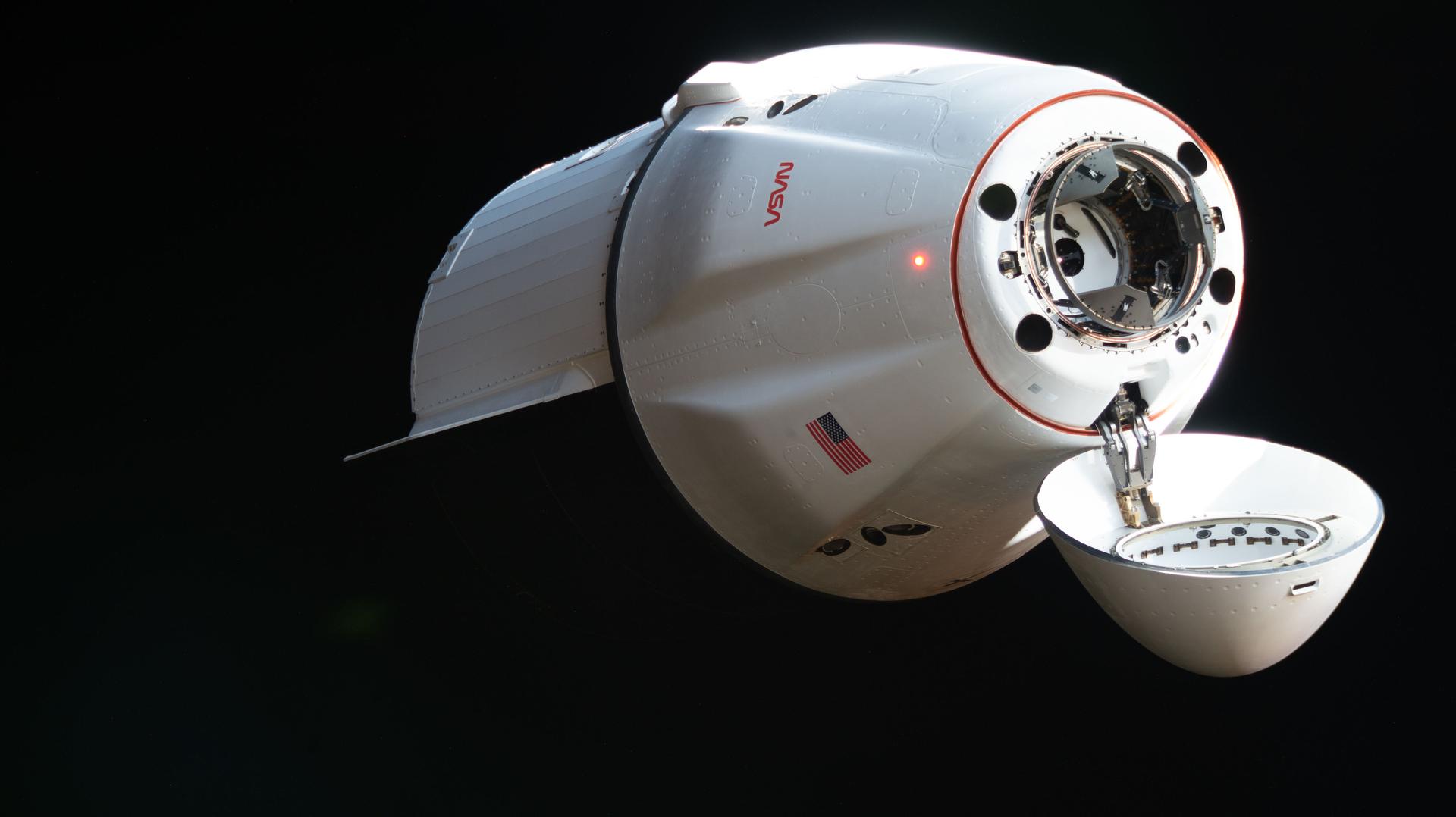
Following undocking, Dragon will reenter Earth’s atmosphere on Wednesday, June 17, splashing down off the California coast around 5:08 a.m. PDT. Dragon is returning with thousands of pounds of research samples and hardware, including bioprinted organ and cartilage tissue, data on cryogenic fuel storage for future space missions, and DNA-inspired materials for cancer treatment research. This steady rhythm of cargo missions underpins NASA’s reliance on SpaceX for station resupply and represents a cornerstone of the company’s profitability and credibility with government partners.
Citations
- “Booster 20 into Cryogenic Testing ahead of Starship Flight 13” — https://www.nasaspaceflight.com/2026/06/booster-20-cryogenic-testing-ahead-flight-13/
- “A Falcon 9 booster turns five years old—and just set a remarkable reuse record” — https://arstechnica.com/space/2026/06/a-falcon-9-booster-turns-five-years-old-and-just-set-a-remarkable-reuse-record/
- “SpaceX shares rise nearly 20% in historic IPO” — https://spacenews.com/spacex-shares-rise-nearly-20-in-historic-ipo/
- “SpaceX is now a public company valued for its AI potential, so what comes next?” — https://arstechnica.com/space/2026/06/spacex-is-now-a-public-company-valued-for-its-ai-potential-so-what-comes-next/
- “NASA to Cover 34th SpaceX Resupply Mission Space Station Departure” — https://www.nasa.gov/news-release/nasa-to-cover-34th-spacex-resupply-mission-space-station-departure/
- SpaceX (@SpaceX) — Official SpaceX X feed, June 2026
- NASA Spaceflight (@NASASpaceflight) — Official NASA Spaceflight X feed, June 2026
- Starship Gazer (@StarshipGazer) — Official Starship Gazer X feed, June 2026
- Elon Musk (@elonmusk) — Official Elon Musk X feed, June 2026
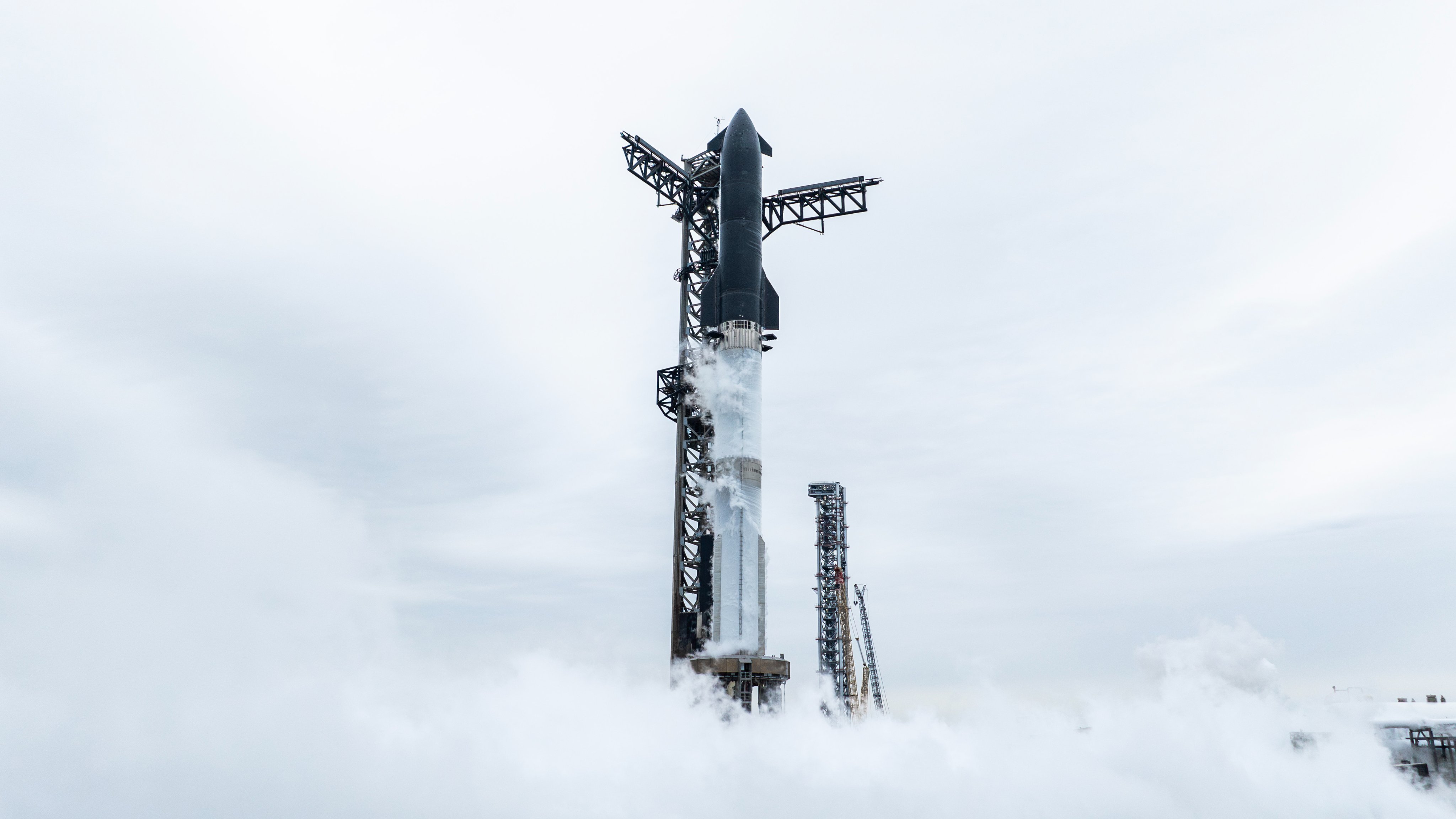
Flight 13
Provider: SpaceX
Date: July 31, 2026
Time: 12:00 AM UTC
Vehicle: Starship
13th test flight of the two-stage Starship launch vehicle. Second flight of Starship V3
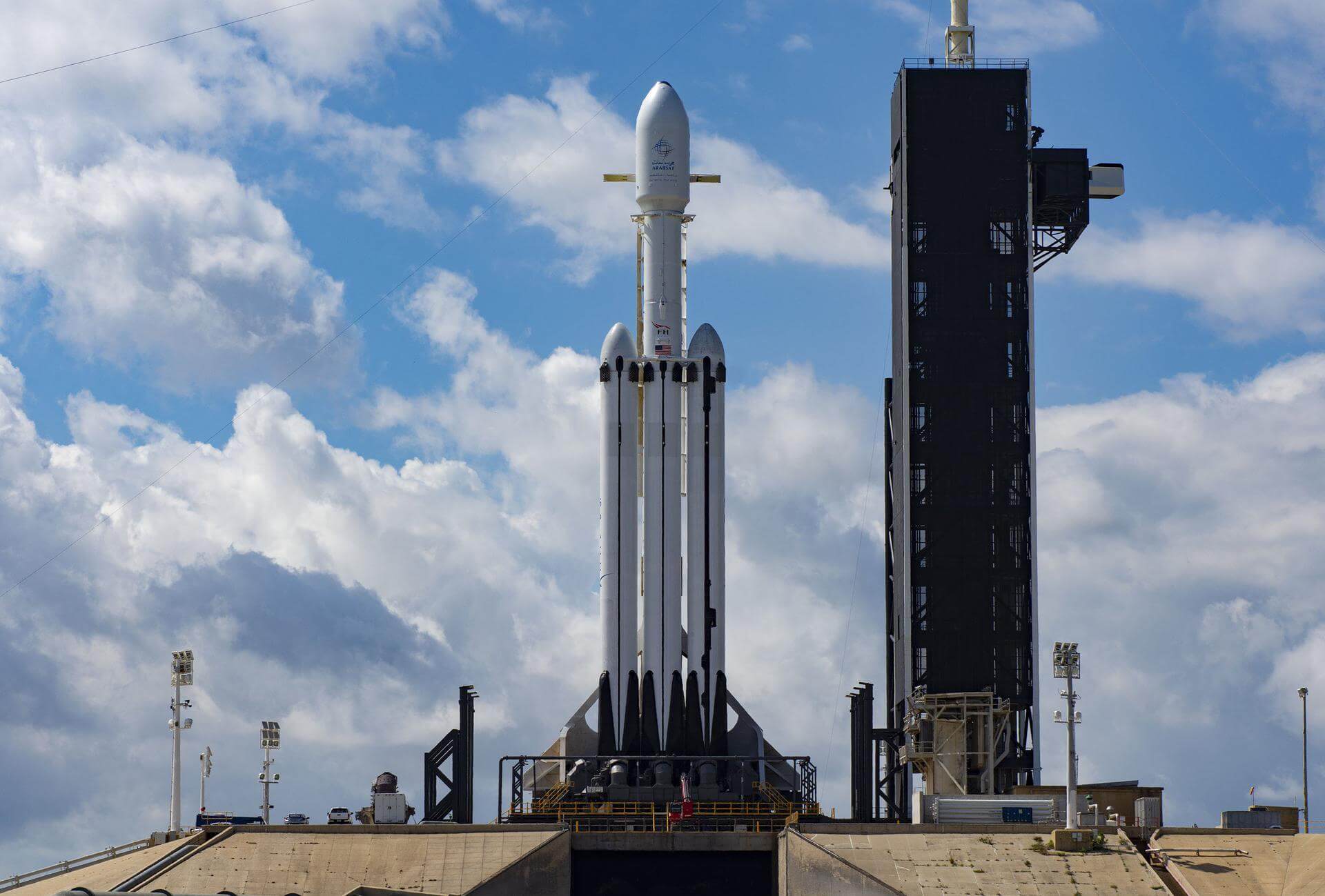
Nancy Grace Roman Space Telescope
Provider: SpaceX
Date: August 30, 2026
Time: 12:00 AM UTC
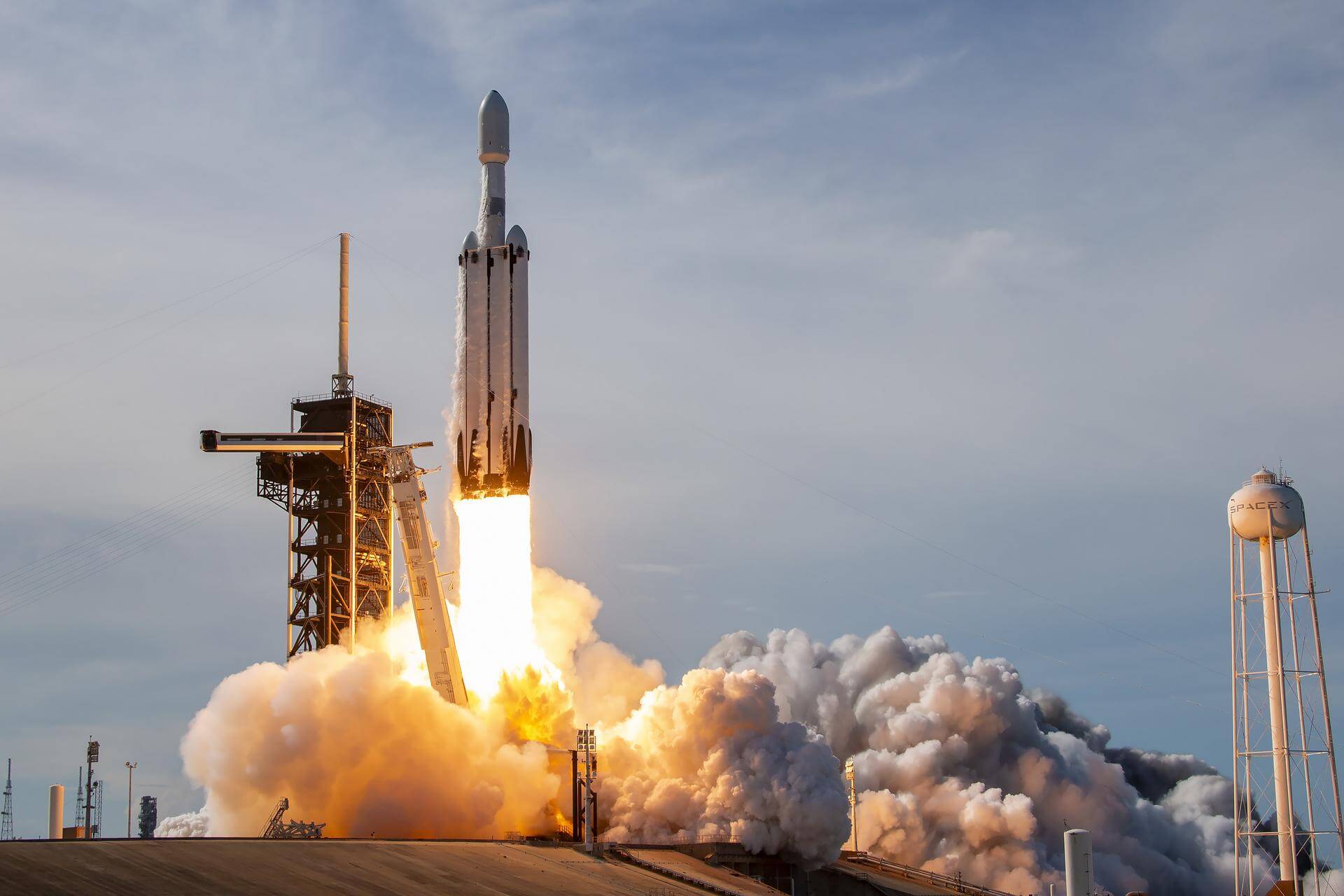
Vehicle: Falcon Heavy
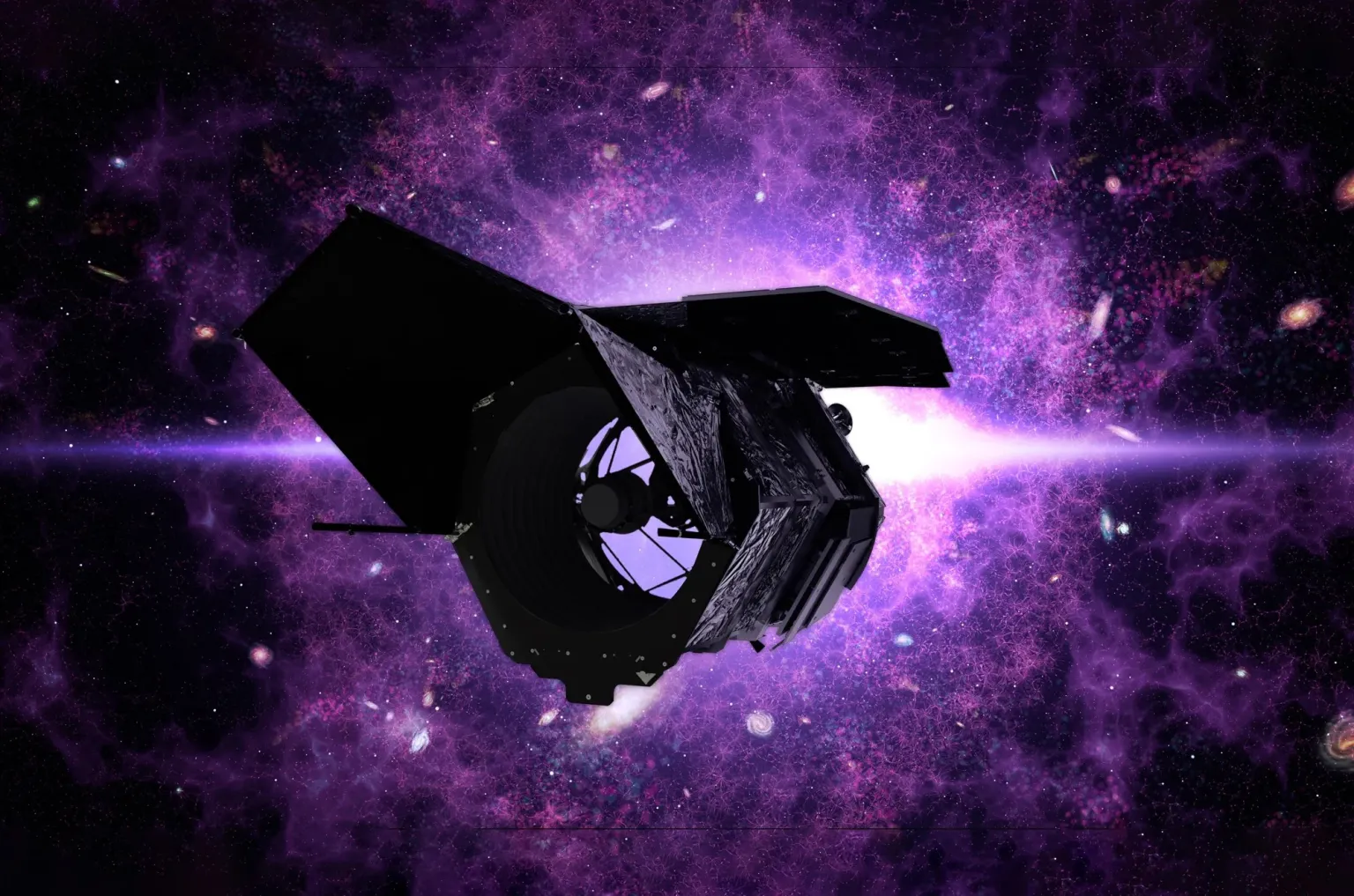
The Nancy Grace Roman Space Telescope is a NASA infrared space telescope with a 2.4 m (7.9 ft) wide field of view primary mirror and two scientific instruments. The Wide-Field Instrument (WFI) is a 300.8-megapixel multi-band visible and near-infrared camera, providing a sharpness of images comparable to that achieved by the Hubble Space Telescope over a 0.28 square degree field of view, 100 times larger than imaging cameras on the Hubble. The Coronagraphic Instrument (CGI) is a high-contrast, small field of view camera and spectrometer covering visible and near-infrared wavelengths using novel starlight-suppression technology. Roman objectives include a search for extra-solar planets using gravitational microlensing, and probing the expansion history of the Universe and the growth of cosmic structure, with the goal of measuring the effects of dark energy, the consistency of general relativity, and the curvature of spacetime.
Griffin Mission One
Provider: SpaceX
Date: November 30, 2026
Time: 12:00 AM UTC
Vehicle: Falcon Heavy
Demonstration flight of the Astrobotic Griffin lander and its engines, initially contracted for the cancelled NASA VIPER (Volatiles Investigating Polar Exploration Rover) mission. The vacated payload spot will now host the FLIP (FLEX Lunar Innovation Platform) lunar rover from Astrolab.
USSF-75
Provider: SpaceX
Date: December 31, 2026
Time: 12:00 AM UTC
Vehicle: Falcon Heavy
Classified payload for the United States Space Force
Superbird-9
Provider: SpaceX
Date: June 30, 2027
Time: 12:00 AM UTC
Vehicle: Starship
Superbird-9 is a high throughput communication satellite. It is designed to deliver broadcast and broadband missions in Ku band primarily over Japan and Eastern Asia, in response to mobility and broadband demands.



Enjoying the content? Stay up to date on everything happening behind the scenes by following our Patreon!

