Spaceport Nova Scotia Construction Moves Through Key Phases
Maritime Launch Services (MLS) has outlined concrete timelines for the next stages of Spaceport Nova Scotia development, with multiple construction phases now underway or imminent. The company’s CEO Stephen Matier confirmed to SpaceQ that civil work, which officially restarted in March after earlier delays, is hitting its targets. The first phase of civil construction—focused on road expansion to connect a central hub location and the customer buildings for launch vehicle integration and satellite processing—will be complete next week.
The centrepiece of the expanded facility is the Utility Hub, described by Matier as “the heart of the facility.” This hub will be the central distribution point for all utilities, with Nova Scotia Power supplying electricity and Bell Canada providing high-speed fibre internet from the nearby town of Canso. The Hub design is now complete and is being prepared for tender next week by construction managers Lindsay Construction. MLS expects to begin construction on the Hub during summer, with power reaching the facility by late fall.
Beyond the Hub, MLS is also moving forward with site entrance facilities and launch vehicle integration buildings. The entrance facility design package is nearing completion and will be tendered in late June. The first customer launch vehicle integration facility is in design phase, with renderings expected to be shared soon and construction tendering planned for before the end of August.
The road network to the four launch pads is scheduled to enter its next construction phase in August, with priority given to first-launch clients. MLS aims to have roads complete by the end of September. Launch clients, including Isar Aerospace (recently announced as an MLS partner), are separately developing pad-specific layouts tailored to their rockets. The existing Department of National Defence pad remains fully operational under its $200 million agreement with MLS.
Satellite Operators Release Updated Orbital Safety Guidelines
A consortium of major satellite operators—Amazon Leo, Eutelsat, Iridium, and SpaceX—has published version 3.0 of the “Orbital Safety Best Practices for Satellite Operators,” facilitated by the American Institute of Aeronautics and Astronautics (AIAA). The framework argues that voluntary industry standards are more effective than rigid government regulations for managing orbital safety as technology evolves rapidly.
The guidelines establish clear technical baselines across four lifecycle phases. At design time, spacecraft must be capable of reliable orbit maneuvers and must meet standards ensuring any debris surviving atmospheric reentry impacts Earth with less than 15 joules of kinetic energy, keeping casualty risk below 1 in 10,000. Pre-launch phases require operators to verify trajectories avoid crewed spacecraft and publicly share plans for moving satellites from injection orbit to operational orbit.
During on-orbit operations, satellites moving to new orbits bear default responsibility for maneuvering around satellites already on station. Operators must perform maneuvers when collision risk exceeds 1 in 10,000, aiming to reduce that risk by at least 1.5 orders of magnitude. For disposal, low Earth orbit satellites that won’t naturally burn up within five years of mission end must be actively deorbited.
The document is designed as a shared foundation for safe space operations while international regulations continue to develop. The industry position reflects growing recognition that flexible standards can drive modernisation more effectively than static rules that quickly become outdated.
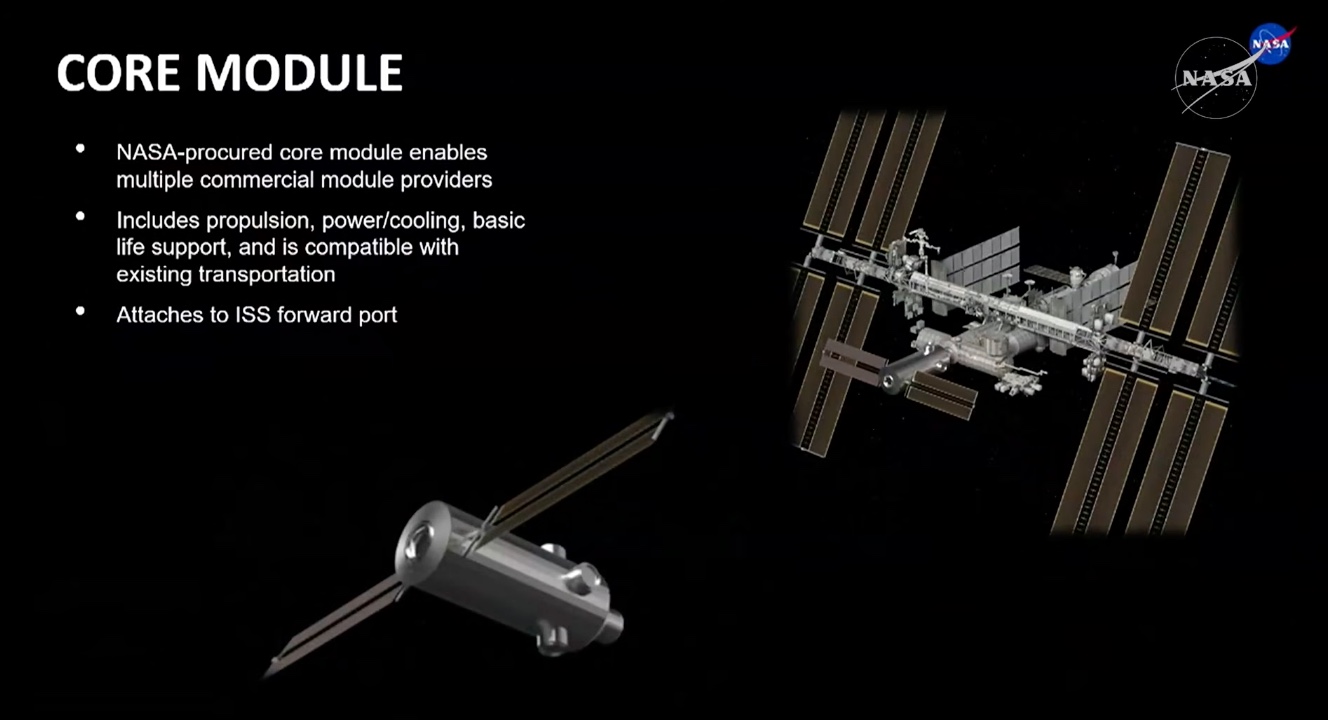
NASA Backs Away from Core Module Proposal
NASA has formally abandoned its proposal to develop a new “core module” for the International Space Station that commercial modules could attach to, reversing a strategy it had introduced only months earlier. In a June 1 statement, NASA press secretary Bethany Stevens announced the agency would proceed with its original commercial station strategy instead.
NASA had proposed the core module concept at its Ignition event in March, arguing that the commercial space station market had not developed as expected and that a government-owned hub could bridge the transition from ISS. Companies developing commercial stations—including Axiom Space, Vast, and Starlab Space—pushed back sharply during industry consultations, warning that a government module would essentially create “ISS 2.0” and extend reliance on the aging station well into the 2030s.
Industry representatives emphasised that a sustainable market exists when combining NASA’s purchasing power with international government demand and growing commercial interest. Companies submitted extensive analyses and customer commitments demonstrating demand for commercial stations in microgravity research and manufacturing. “The market is sovereign governments, and it’s a growing market,” said Max Haot, CEO of Vast, noting that private astronaut missions to the ISS have proven international appetite for orbital access.
Acknowledging the feedback, NASA stated that “industry position will now shape the path forward.” The agency plans to work with companies to refine flexible requirements and acquisition plans, with a draft request for proposals expected later in June. This decision effectively validates the commercial industry’s argument that NASA should be one customer among many, rather than the anchor tenant of a government-owned facility.
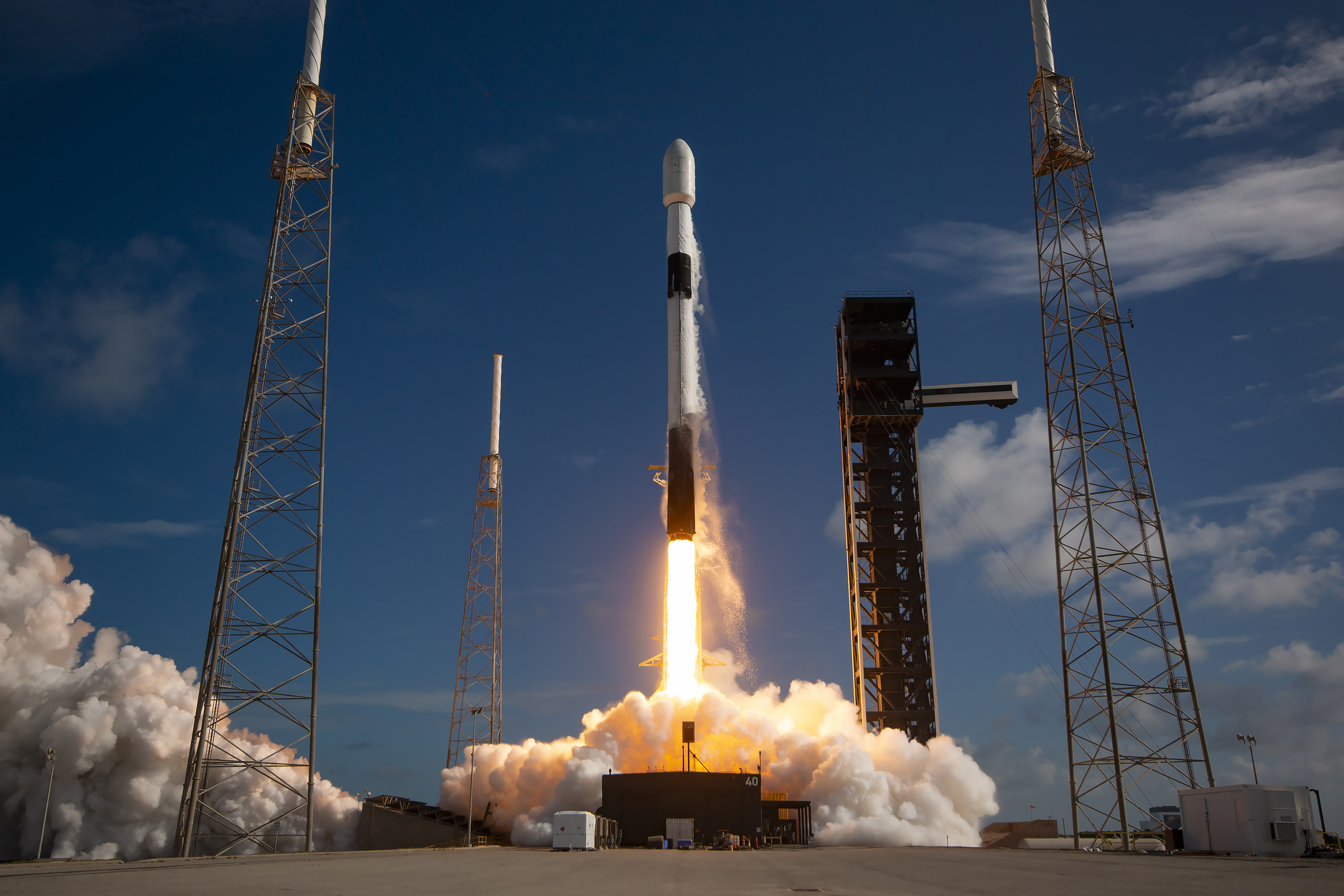
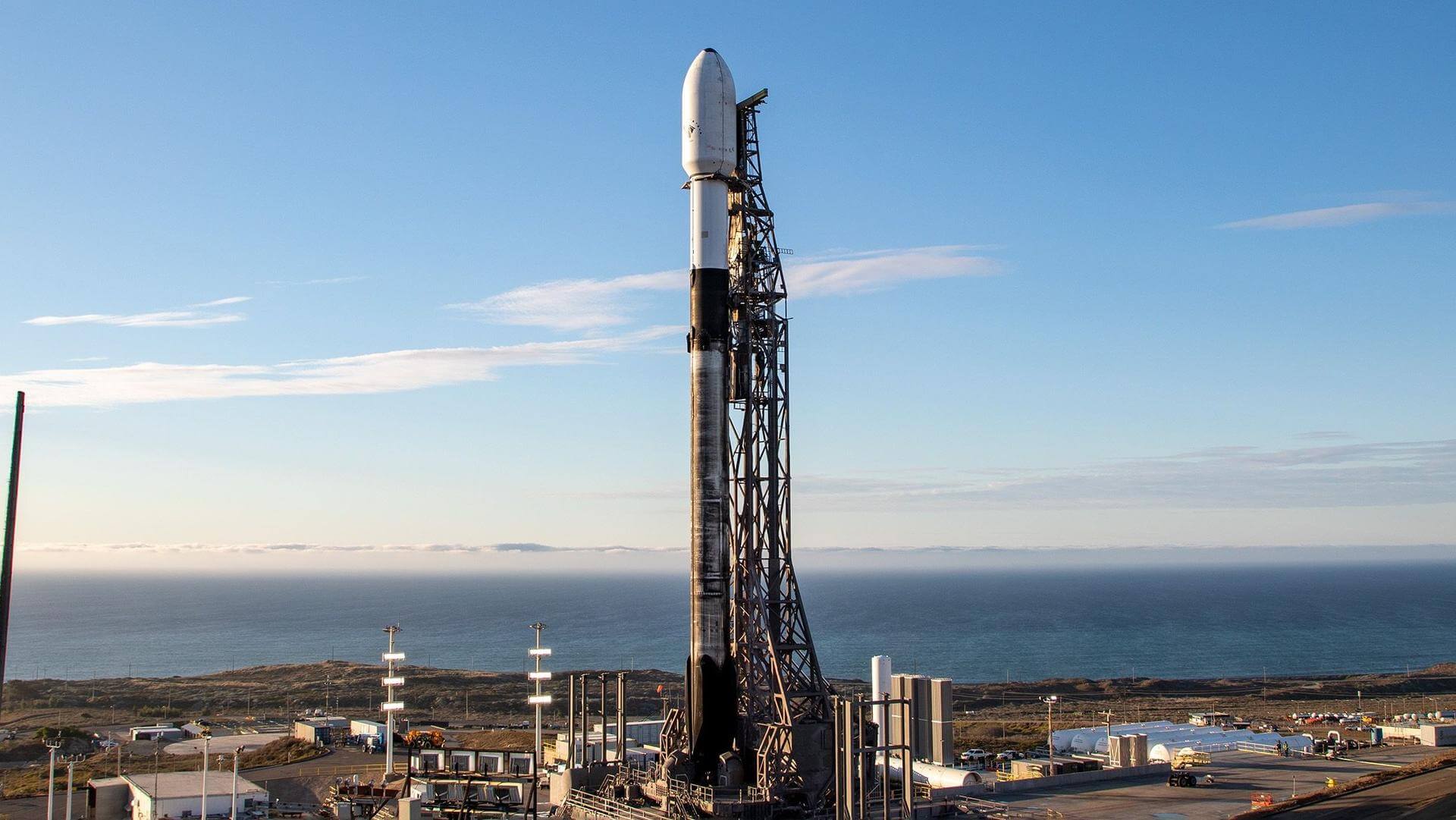
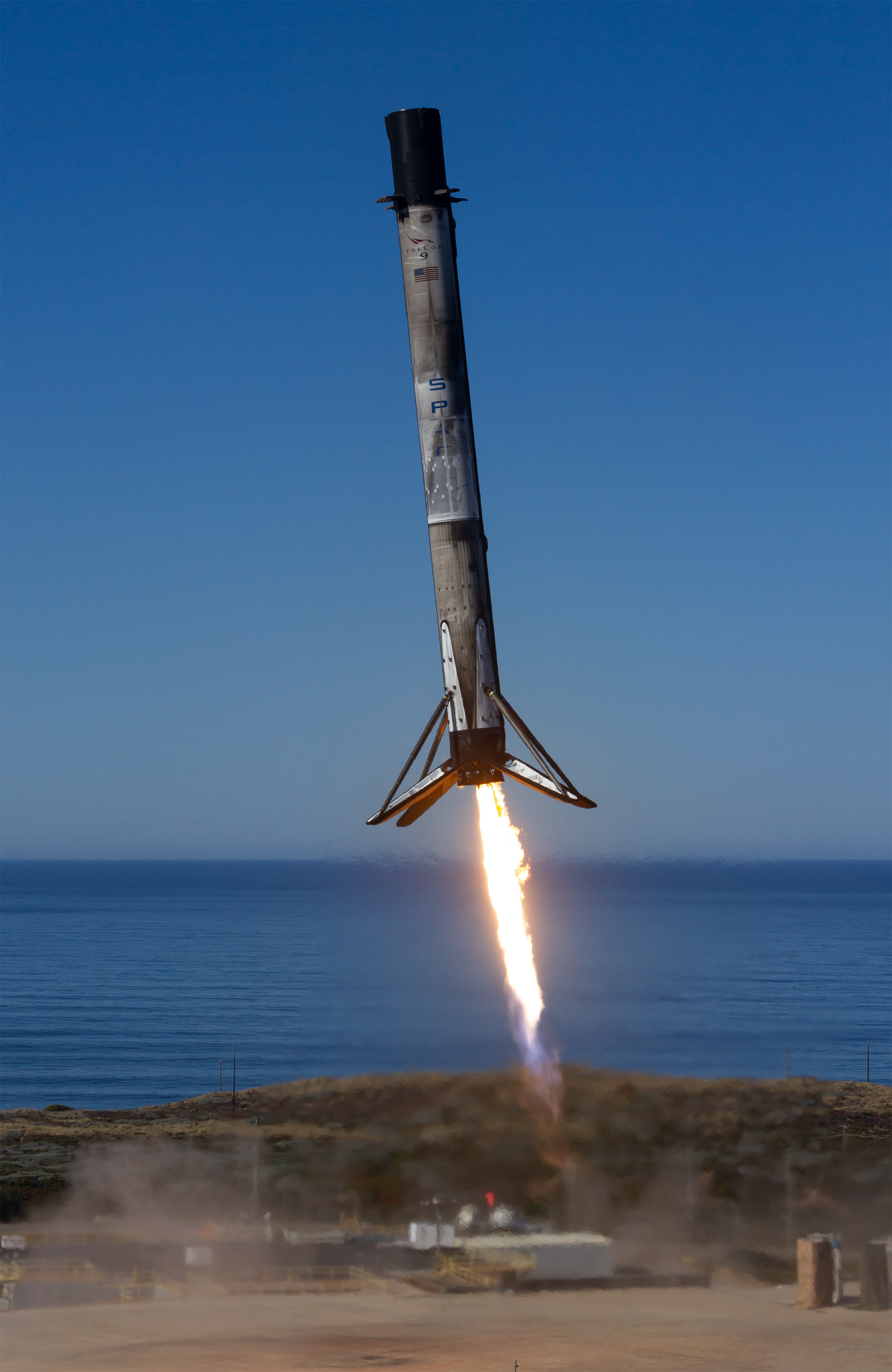
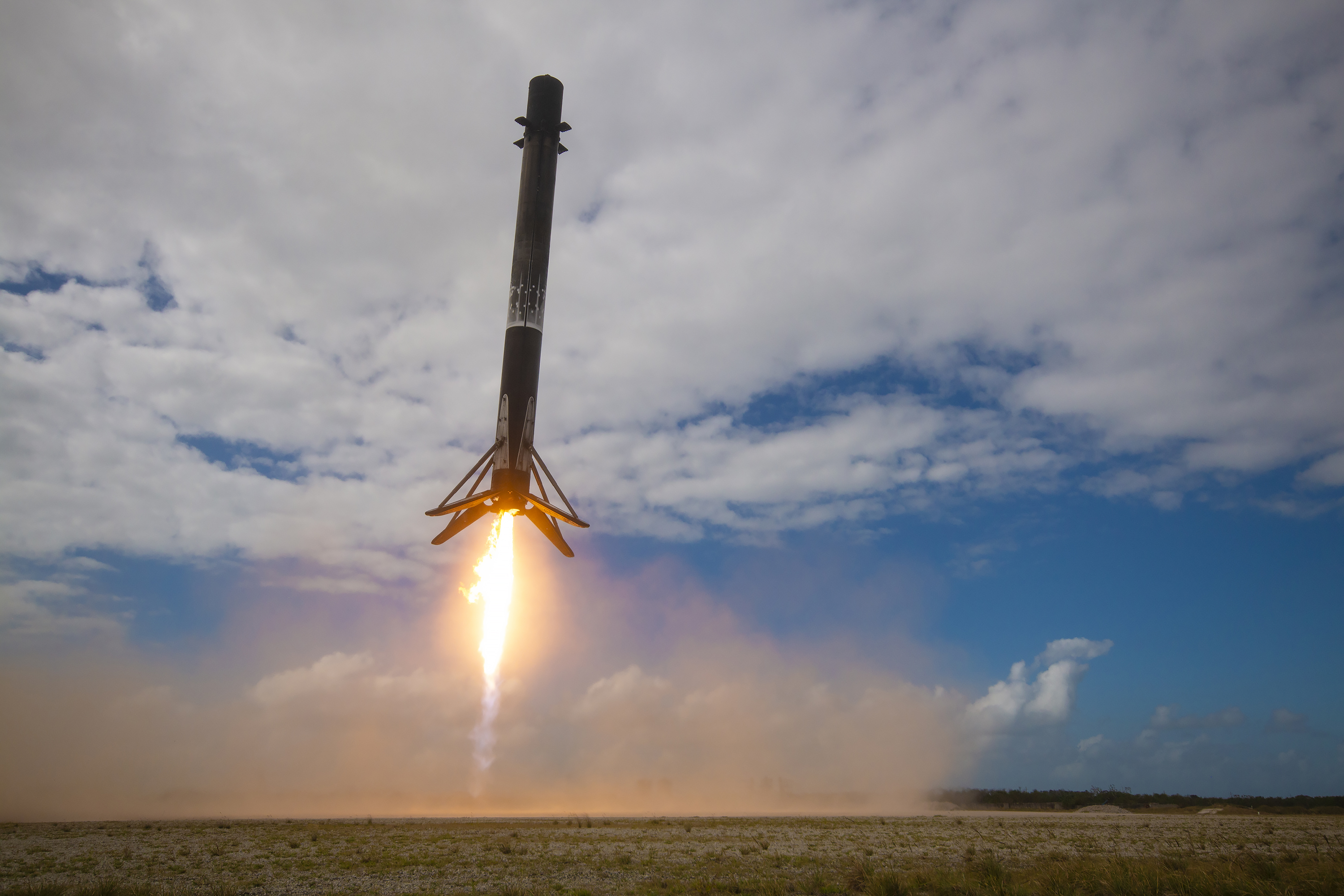
Falcon 9 is a two-stage rocket designed and manufactured by SpaceX for the reliable and safe transport of satellites and the Dragon spacecraft into orbit. The Block 5 variant is the fifth major interval aimed at improving upon the ability for rapid reusability.
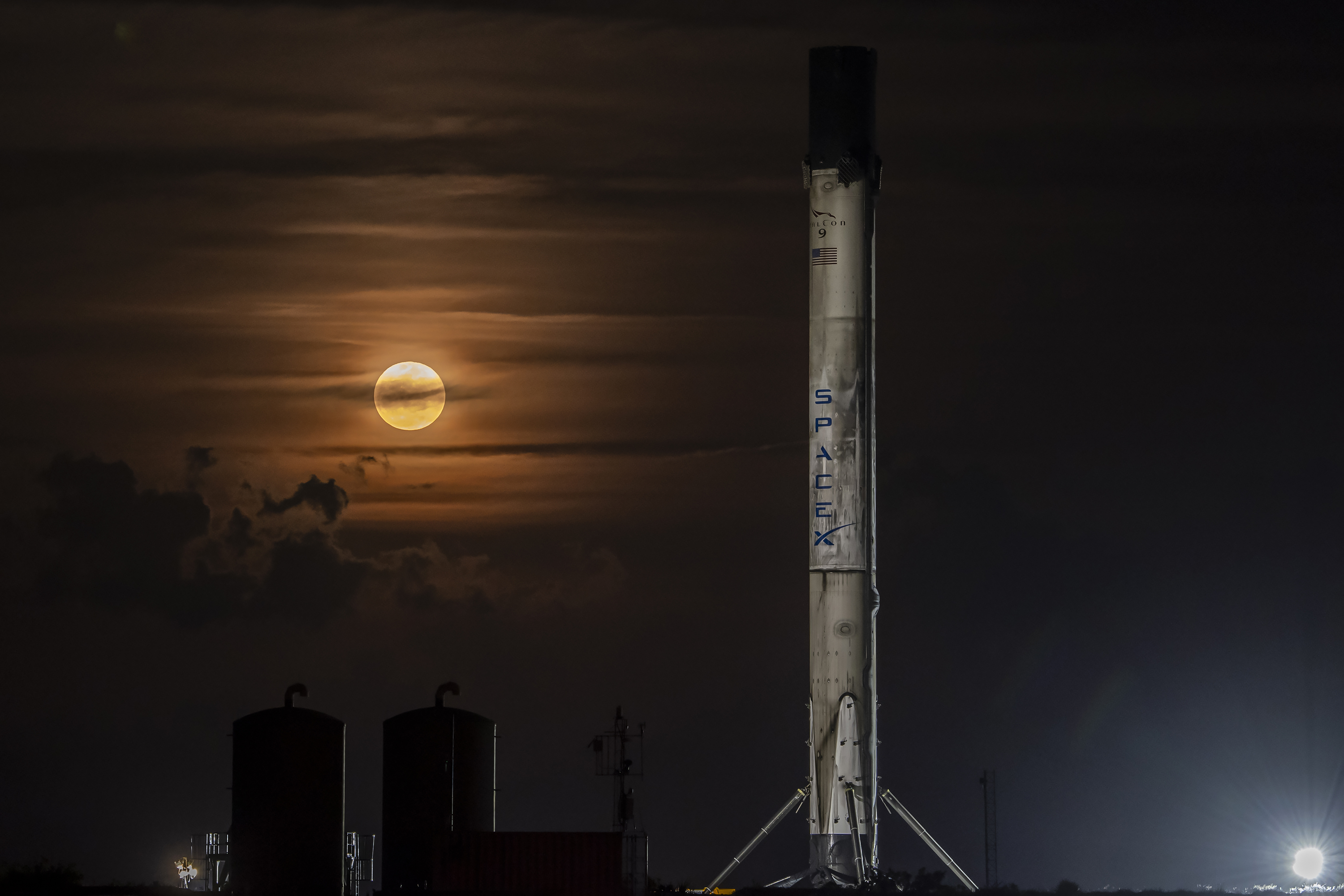
Falcon 9 is a two-stage rocket designed and manufactured by SpaceX for the reliable and safe transport of satellites and the Dragon spacecraft into orbit. The Block 5 variant is the fifth major interval aimed at improving upon the ability for rapid reusability.
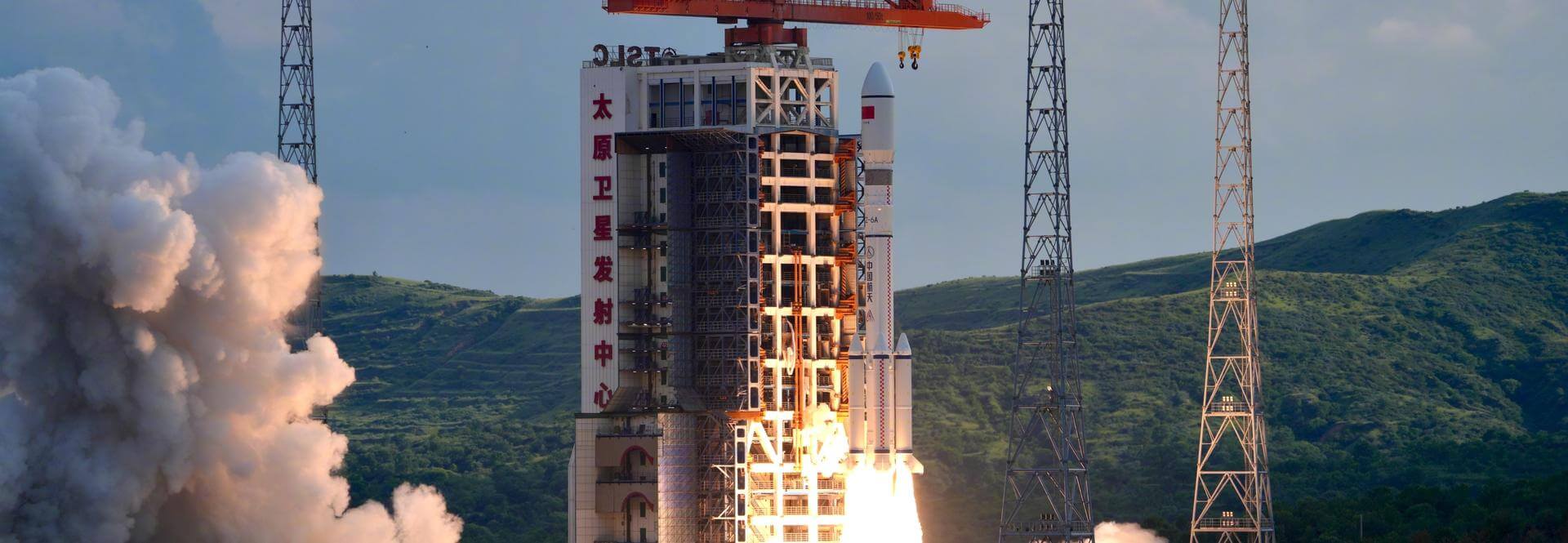
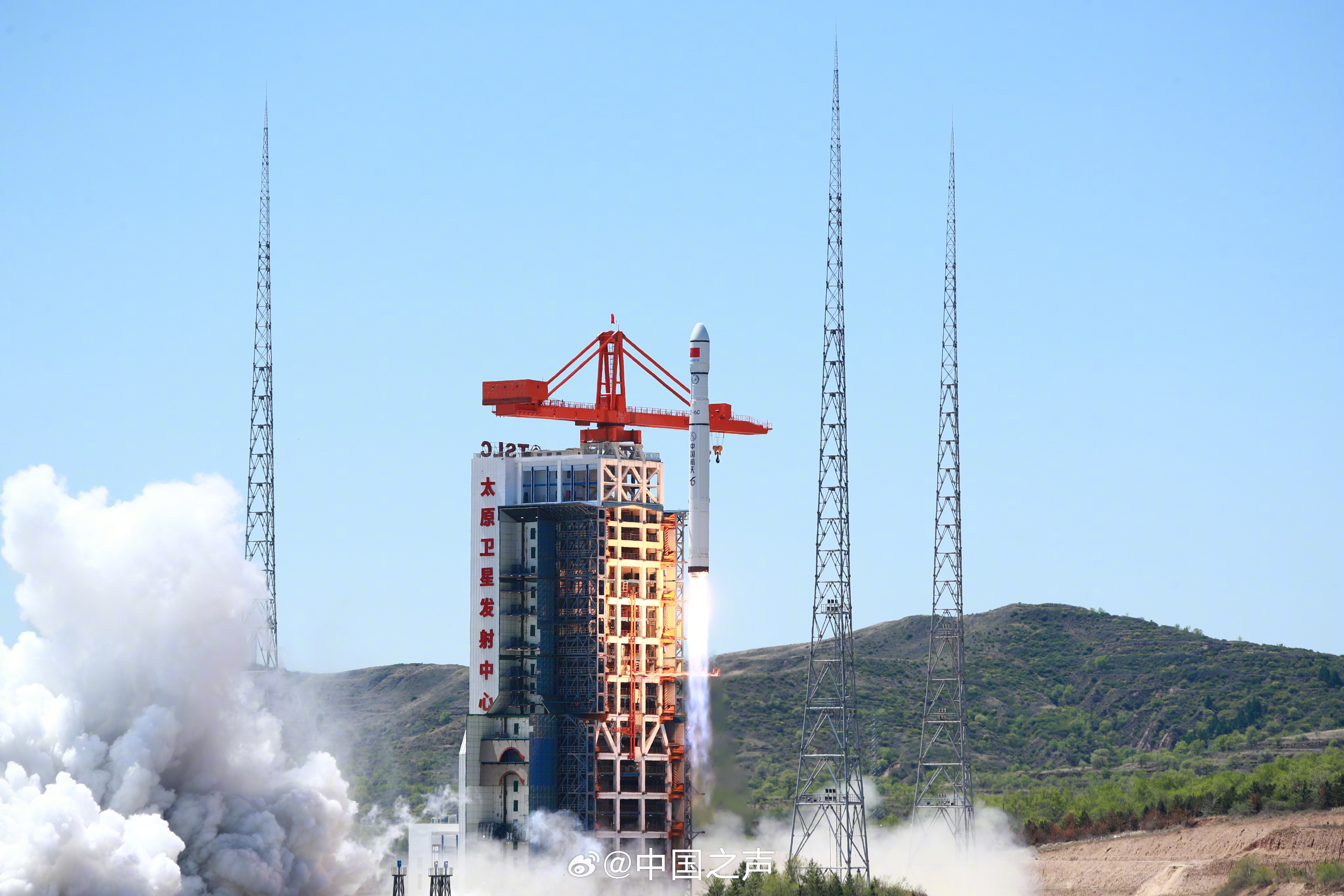
The Long March 6A is a Chinese launch vehicle of the Long March family, which was developed by the China Aerospace Science and Technology Corporation (CASC) and the Shanghai Academy of Spaceflight Technology (SAST). The vehicle is a further development of the Long March 6, with 2 YF-100 engines on…
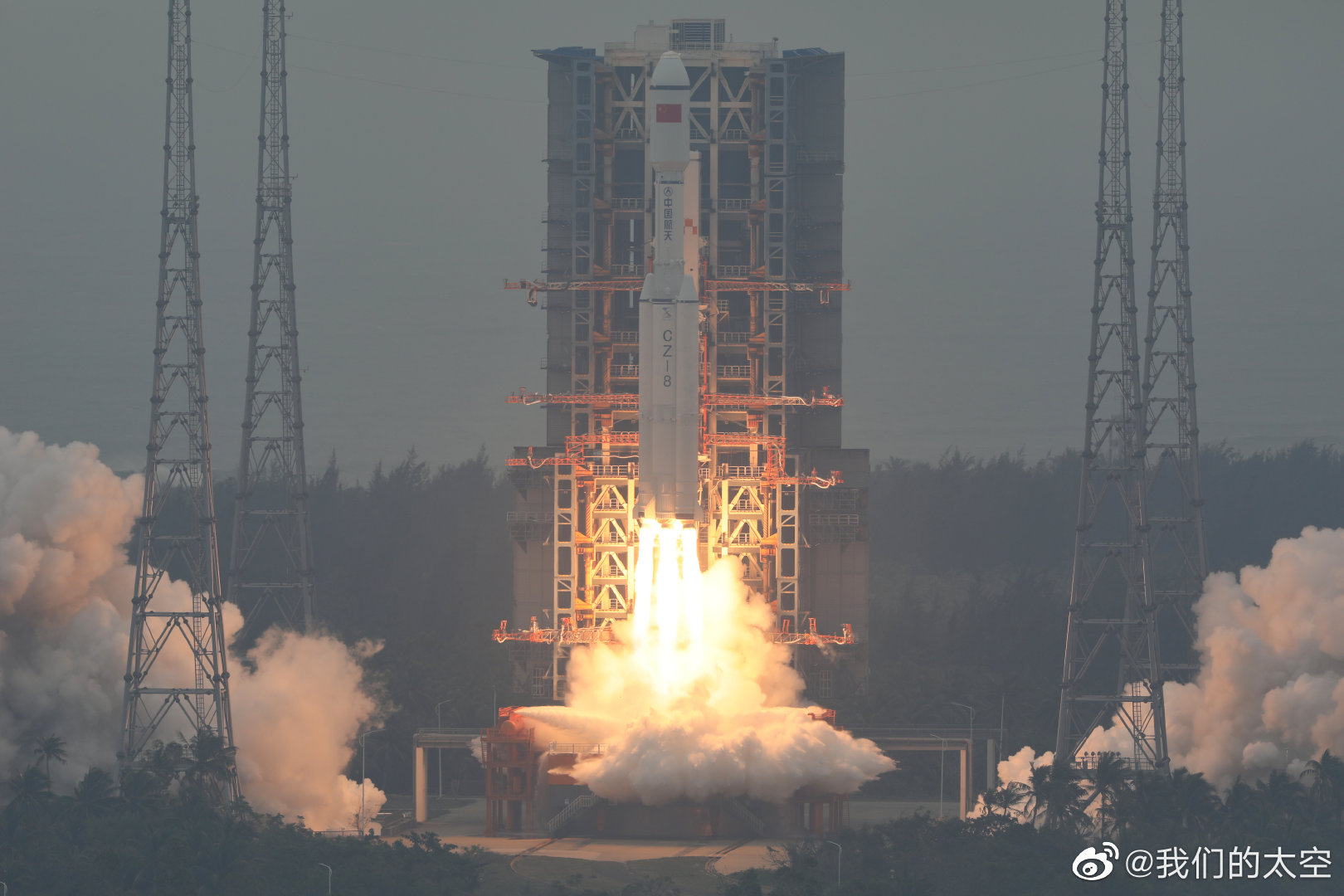
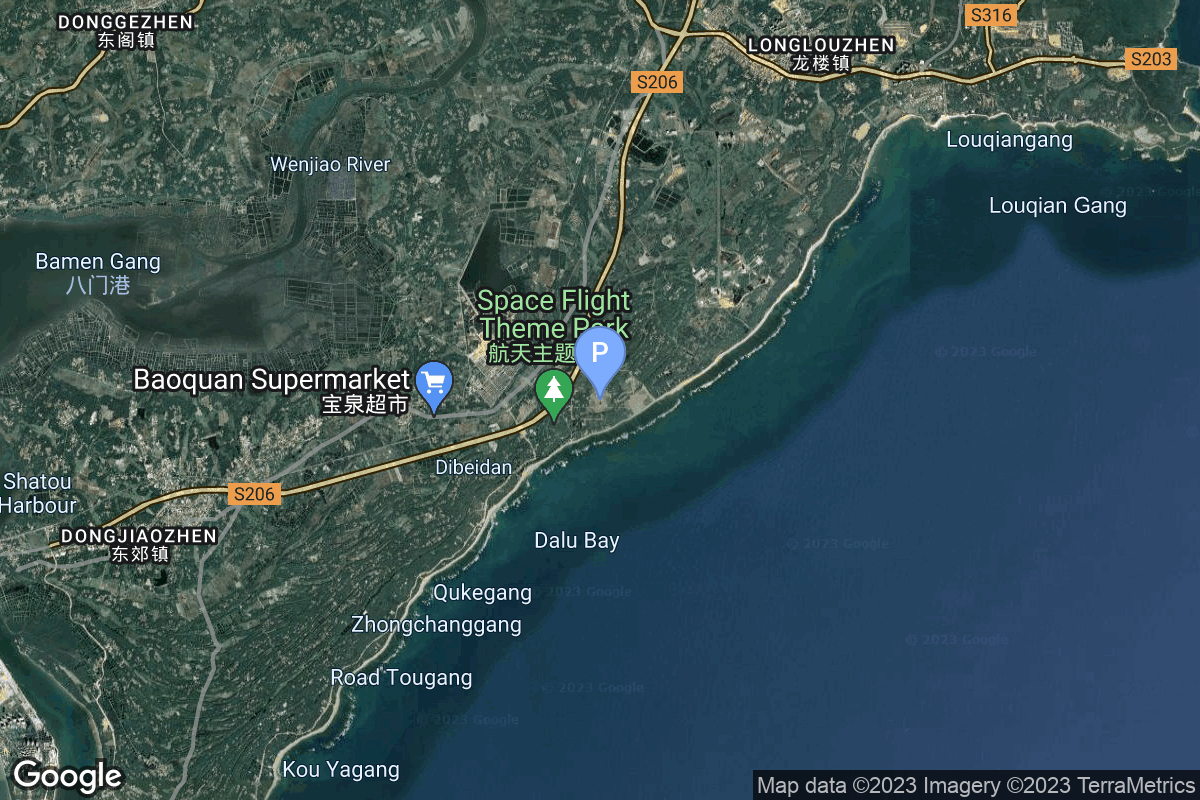
Long March 8 (Chinese: 长征八号运载火箭) is an orbital launch vehicle developed by the China Academy of Launch Vehicle Technology to launch up to 5000 kg to a 700 km altitude Sun-synchronous orbit (SSO). The rocket is based on the Long March 7 with its first stage and 2 out of its 4 boosters, along with…
Falcon 9 is a two-stage rocket designed and manufactured by SpaceX for the reliable and safe transport of satellites and the Dragon spacecraft into orbit. The Block 5 variant is the fifth major interval aimed at improving upon the ability for rapid reusability.
Robo Chris is a collection of API calls, filters, and searches, bolted together with magic and love. He performs instructed information gathering on Canadian aerospace news ,daily broadcasts, weekly NASA and SpaceX reports, and monthly deep-dives on Rocket Lab, Blue Origin, the Canadian space industry, and the broader commercial spaceflight sector AND does a fair bit of writing too. Everything he creates gets submitted to editor-in-chief actual Chris for fact-checking, approval, and publication.