The U.S. Department of Defense is ramping up missile interceptor production to historically high levels, but a critical supply-chain constraint threatens to undermine ambitions. According to a new report from the Center for Strategic and International Studies (CSIS), solid rocket motors — the engines that power nearly every major U.S. missile programme — remain a stubborn bottleneck, even as the Pentagon prepares for a dramatic scaling of manufacturing.
The Pentagon’s 2027 budget request includes more than $73 billion for missile programmes across mandatory and discretionary funding, up from a prior peak of $29 billion in 2024. This spending reflects an urgent push to expand interceptor production capacity. The Defence Department expects deliveries of more than 2,100 air and missile defence interceptors in calendar year 2027, a roughly 70% increase from nearly 1,300 in 2021. Yet that level remains well below the department’s stated production goal of roughly 5,000 interceptors a year across Army, Navy, and Air Force programmes.
The problem, CSIS argues, is that the domestic solid rocket motor supply base is not configured for the scale and pace of demand the Pentagon now envisions. The industry shrank dramatically over the past 25 years: between 2000 and 2015, the number of domestic suppliers collapsed from six to two — Aerojet Rocketdyne and Orbital ATK, now owned by L3Harris and Northrop Grumman, respectively. That consolidation created economies of scale but also concentrated risk.
Constraints in motor production, propellant ingredients, nozzles, inspection capacity, or the specialised workforce can ripple across multiple weapon lines, making solid rocket motor supply a single point of failure across the entire missile-defence ecosystem. The study, sponsored by Raytheon Technologies, Ursa Major, and X-Bow Systems, argues that these structural vulnerabilities leave the interceptor base ill-prepared for a prolonged conflict with high missile-expenditure rates — a scenario that became more plausible following Operation Epic Fury earlier in 2026, which drove early replenishment demands.
A wave of new entrants, including X-Bow, Ursa Major, Firehawk, Castelion, Anduril, Nammo, Avio USA, and Prometheus Energetics, has begun entering the market in recent years. CSIS expects those companies could eventually diversify the supply base, but many remain in prototype or limited-production phases — not yet capable of moving into the high-volume manufacturing the Pentagon requires.
The Pentagon has already taken action: a $1 billion direct investment in L3Harris’s solid rocket motor production is under way. However, CSIS warns that such interventions, while useful, cannot replace sustained demand signals, multiyear buying commitments, and broader supply-chain management discipline across both government and prime contractors. The report also points to a structural shift in the commercial launch market. For decades, space industry demand for solid rocket motors — particularly during the Space Shuttle era — helped stabilise the industrial base. But the commercial launch sector has increasingly adopted liquid propulsion, reducing its role as a demand anchor for solid motor suppliers.
To address the bottleneck, CSIS recommends that the Pentagon combine emergency funding with stable, multiyear demand signals; direct investment in emerging suppliers; reform of acquisition rules that slow the adoption of new materials and manufacturing processes; and broader acceptance of new entrants into the supply base. Without such systemic changes, the report suggests, the U.S. will struggle to achieve its interceptor production ambitions — leaving a strategic vulnerability at the heart of the missile-defence industrial base.
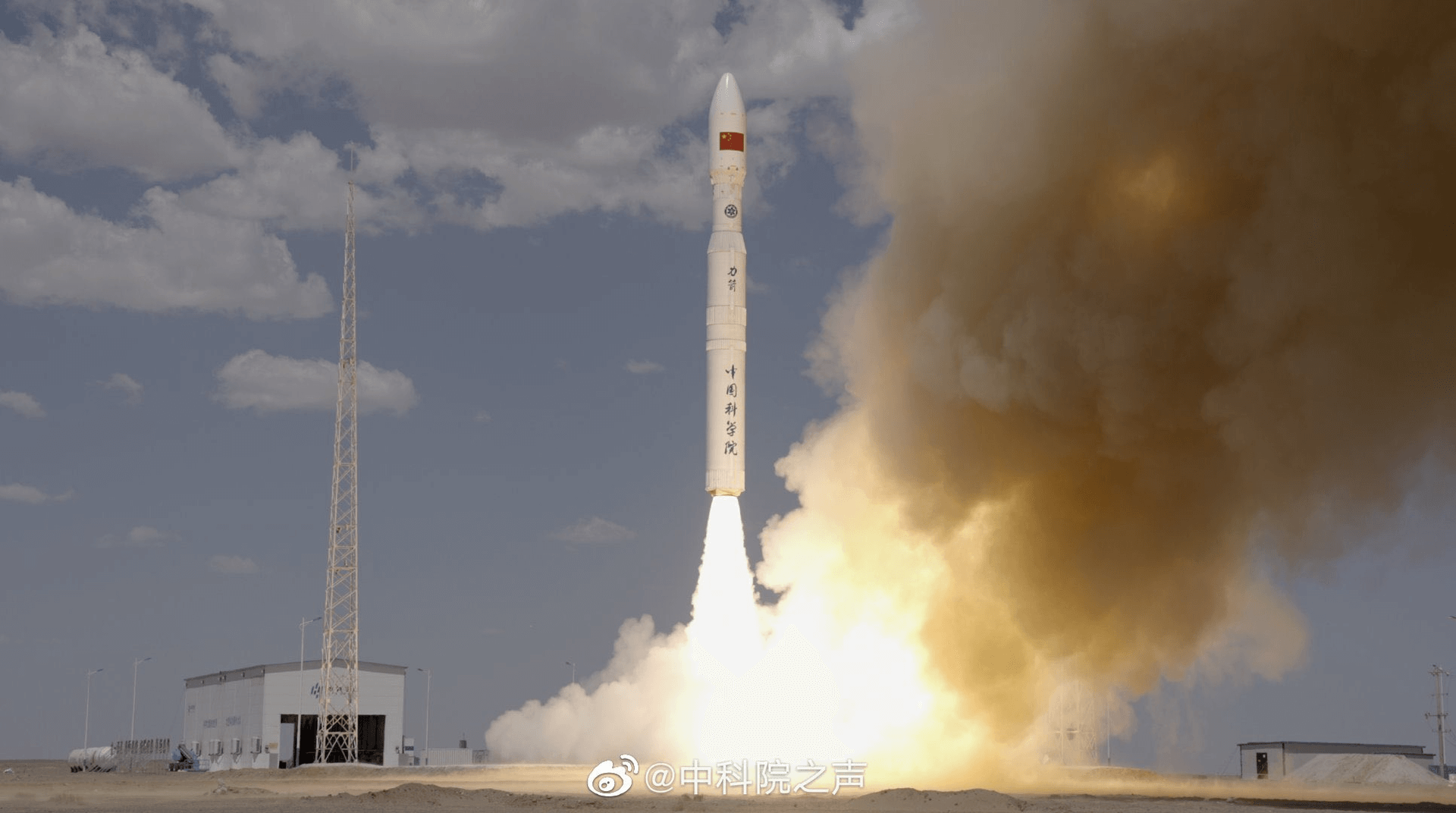
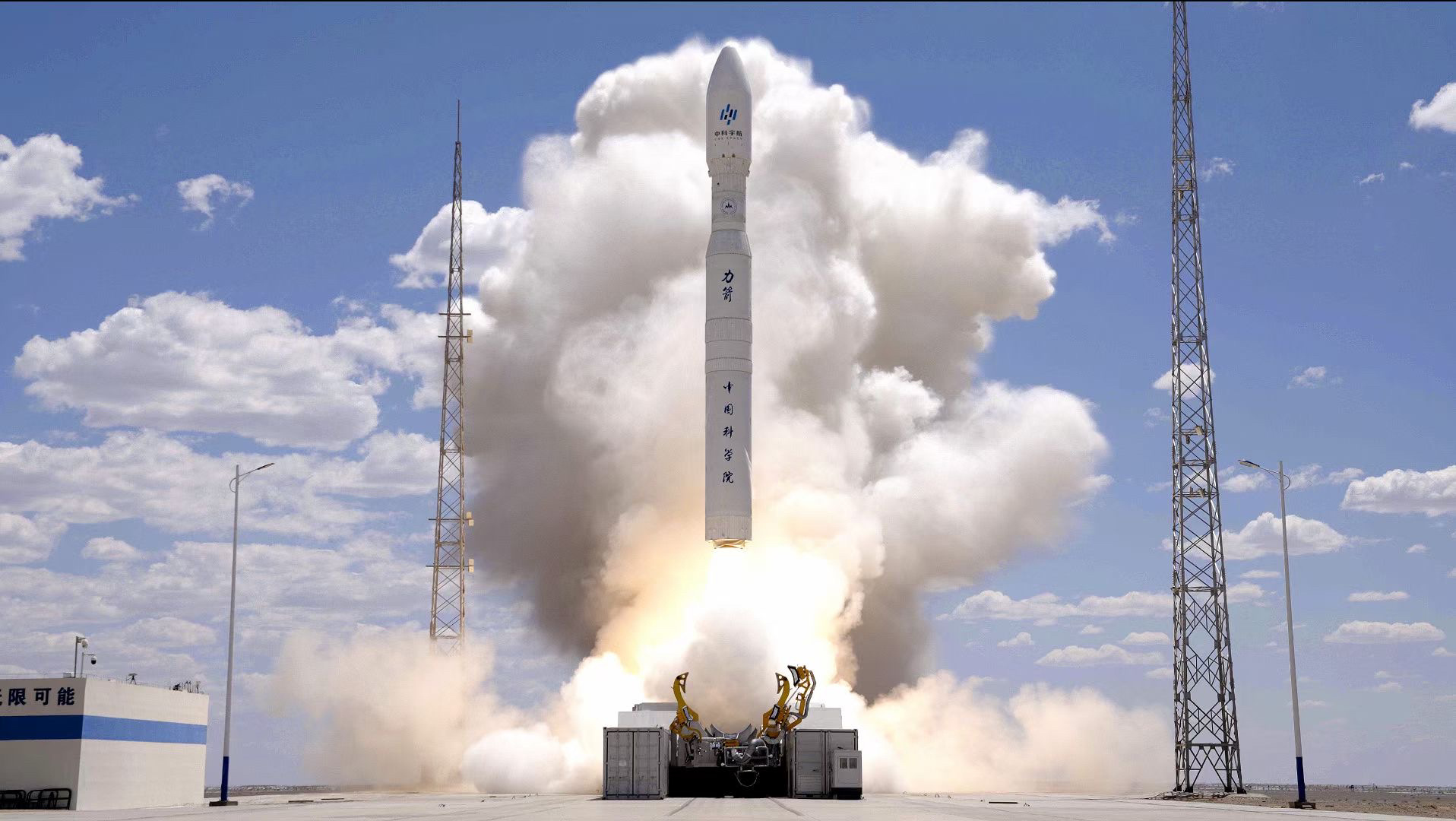
Provider: CAS Space Date: June 15, 2026 Time: 3:40 AM UTC Vehicle: Kinetica 1
Details TBD.
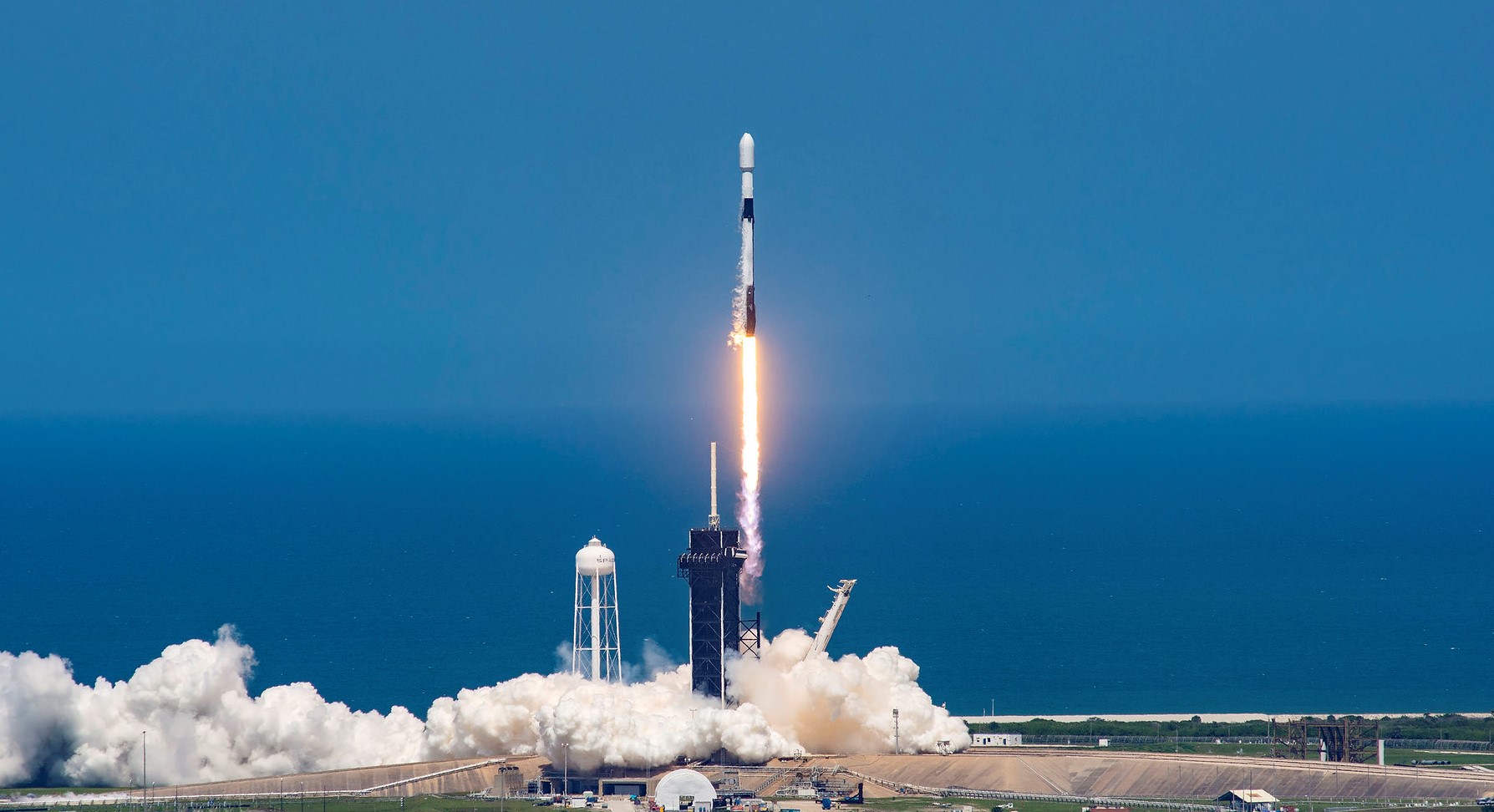
Starlink Group 17-54
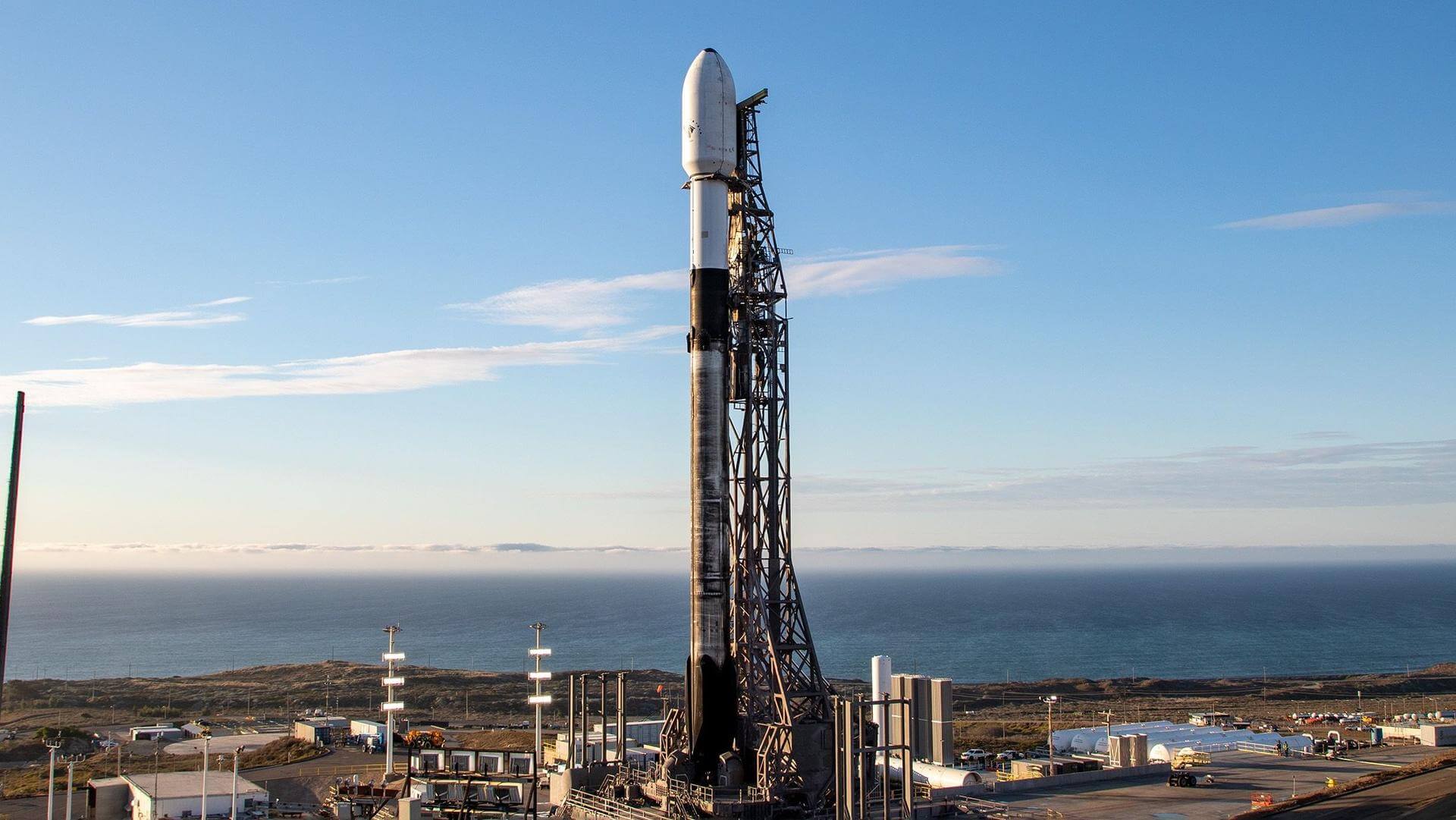
Provider: SpaceX Date: June 15, 2026 Time: 2:00 PM UTC Vehicle: Falcon 9
A batch of 24 satellites for the Starlink mega-constellation – SpaceX’s project for space-based Internet communication system.
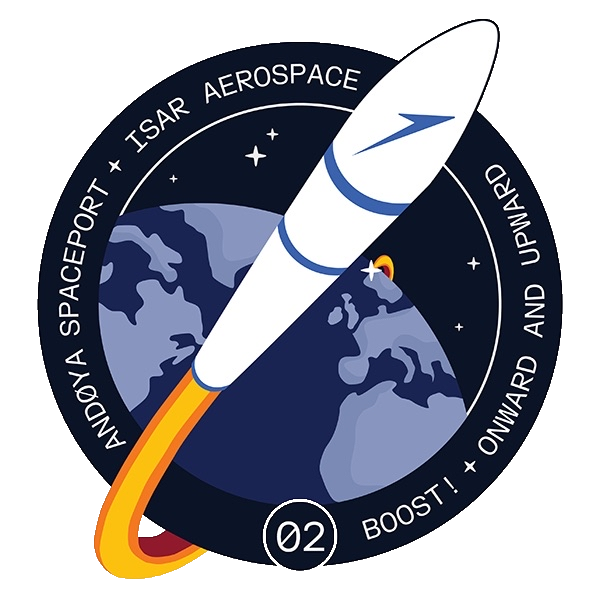
Onward and Upward
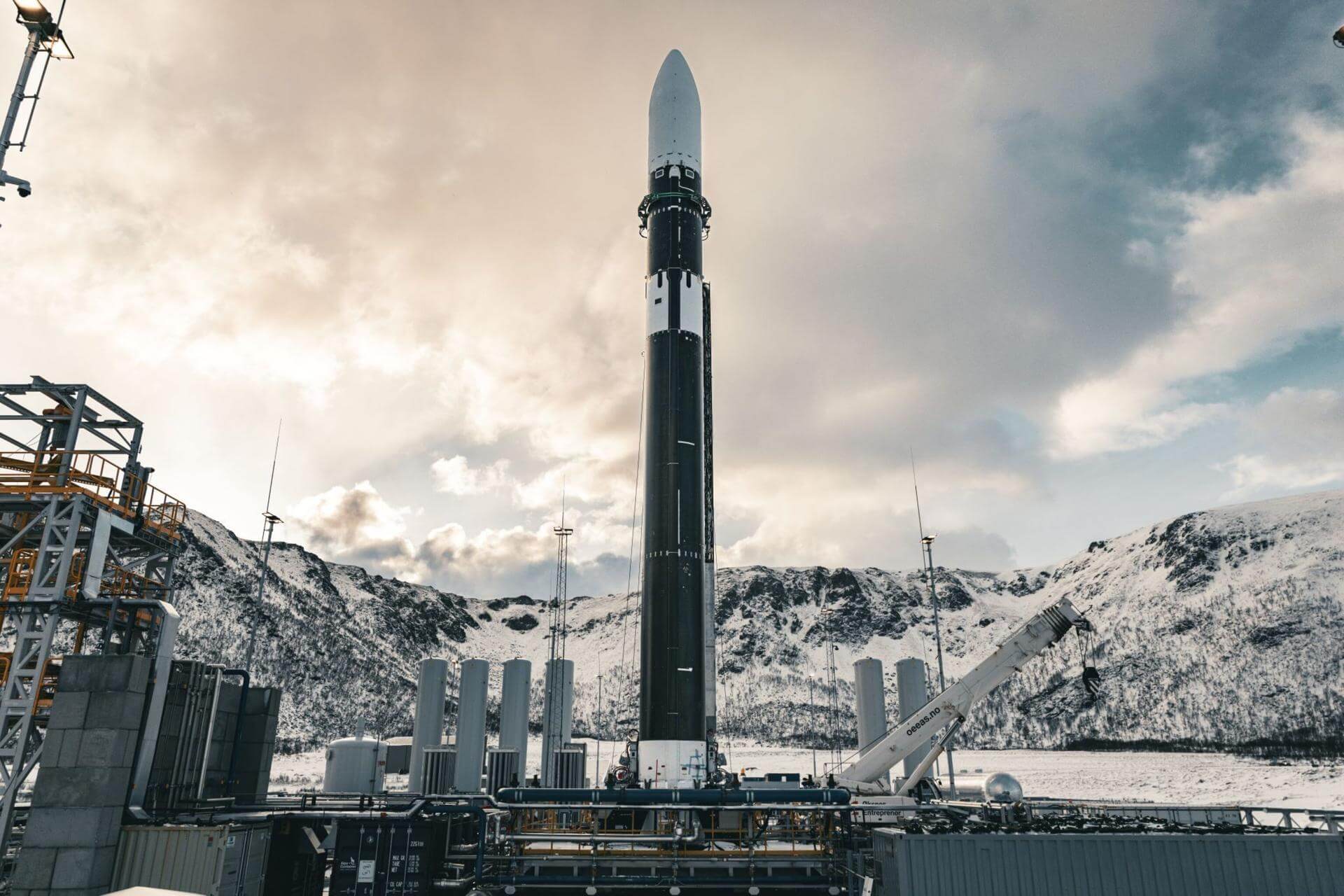
Provider: Isar Aerospace Date: June 15, 2026 Time: 8:00 PM UTC Vehicle: Spectrum
Second test flight of the Isar Spectrum launch vehicle. This launch will carry 5 cubesats and 1 non-separable experiment as part of European Space Agency (ESA)’s “Boost!” program:
* CyBEEsat (TU Berlin)
* TriSat-S (University of Maribor)
* Platform 6 (EnduroSat)
* FramSat-1 (NTNU)
* SpaceTeamSat1 (TU Wien Space Team)
* Let It Go (Dcubed, non-separable experiment)
Unknown Payload
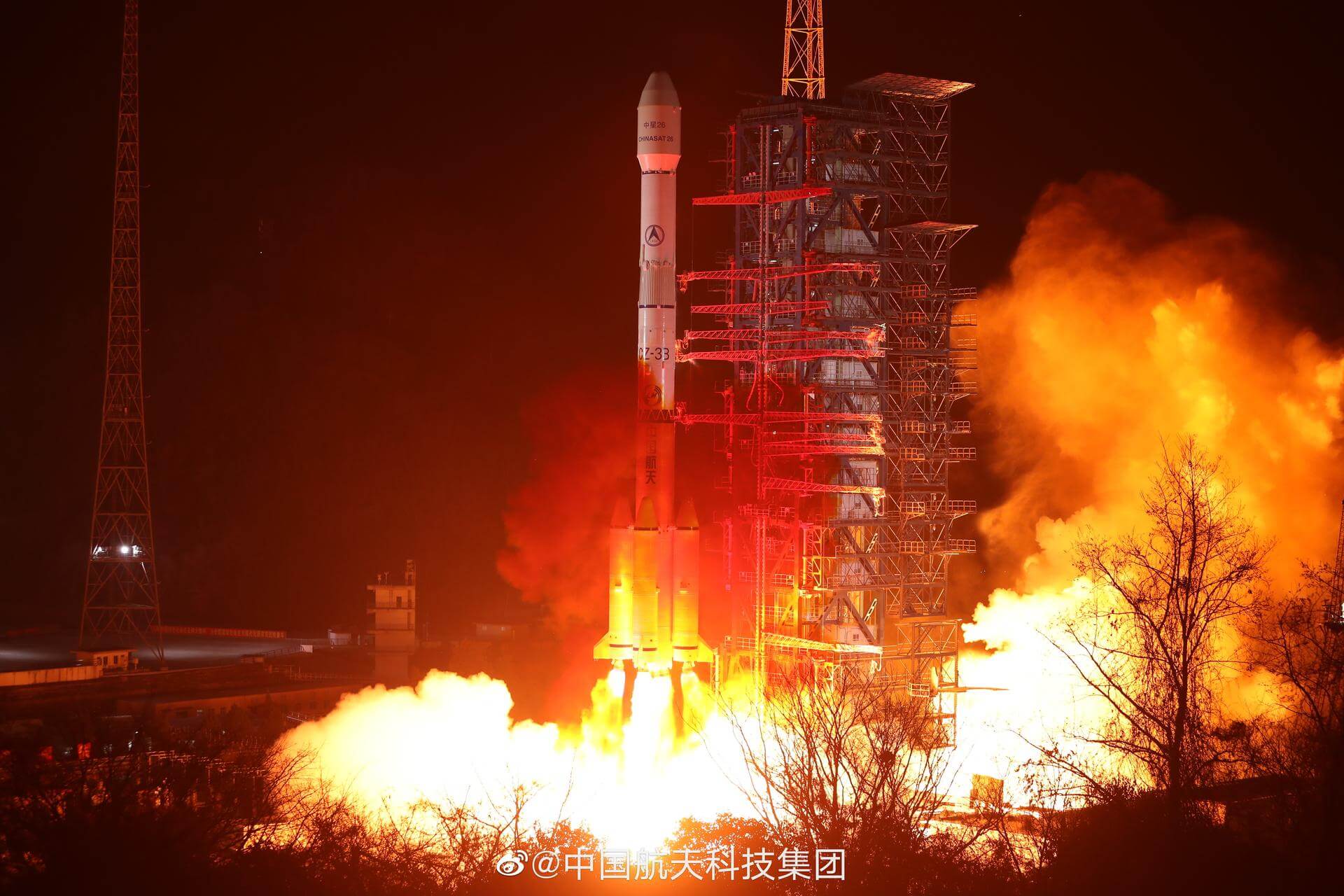
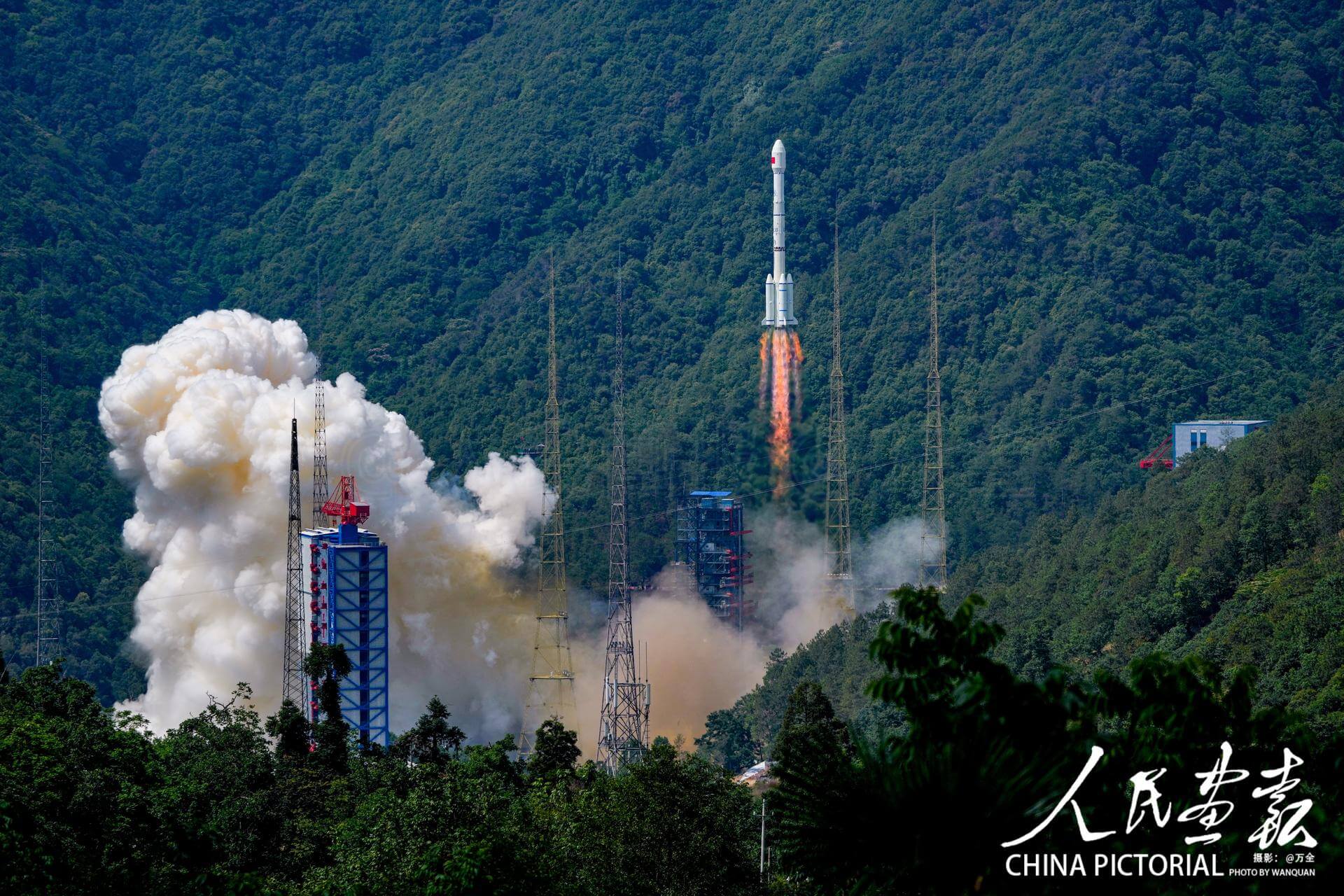
Provider: China Aerospace Science and Technology Corporation Date: June 16, 2026 Time: 9:45 AM UTC Vehicle: Long March 3B/E
Details TBD.
Unknown Payload
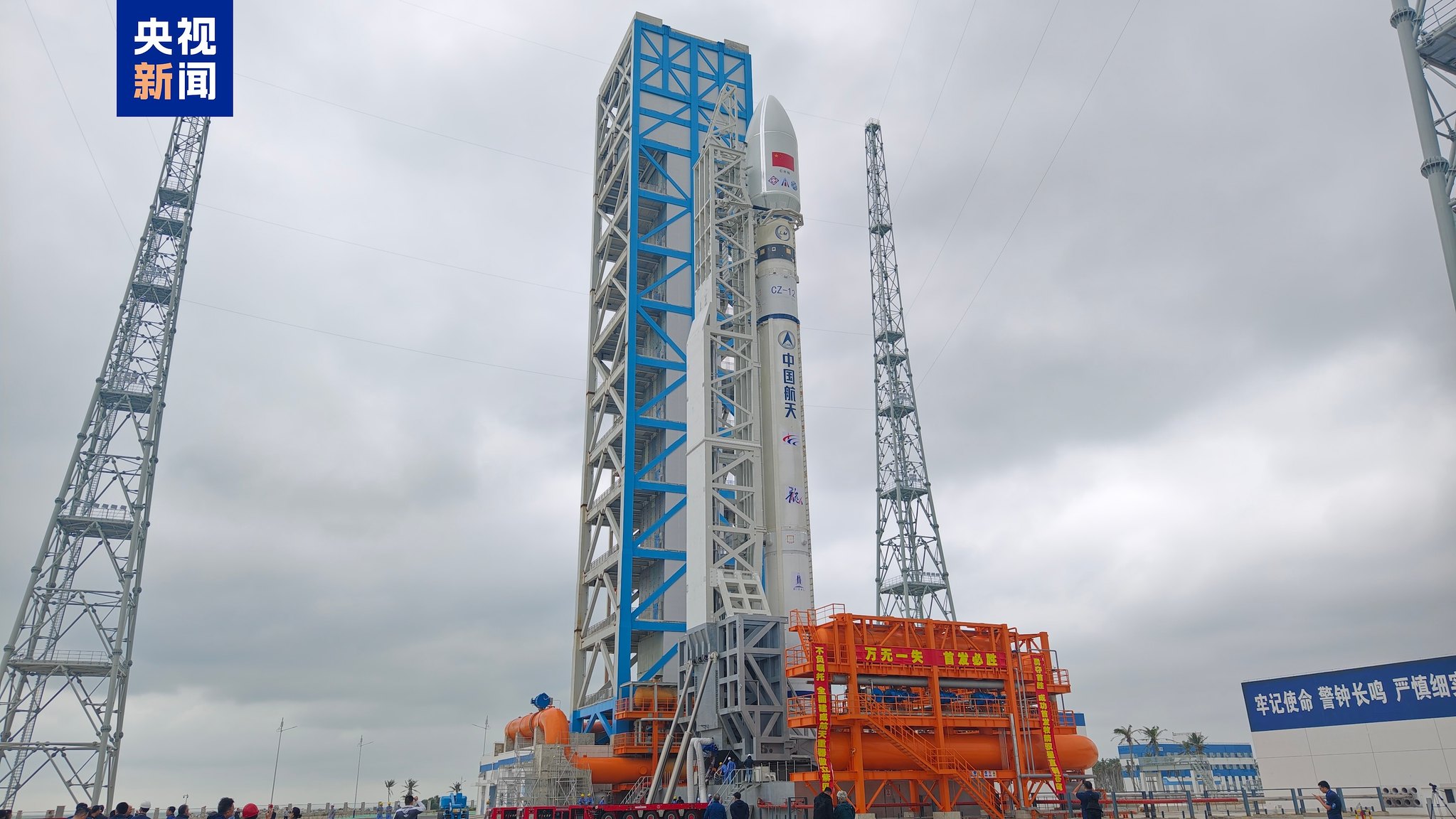
Provider: China Aerospace Science and Technology Corporation Date: June 17, 2026 Time: 2:45 AM UTC Vehicle: Long March 12
Kinetica 1 (also known as Lijian-1, Chinese: 力箭一号) is a Chinese solid-propellant light launch vehicle. It is capable of placing about 2 tons into low earth orbit and 1.5 tons into sun-synchronous orbit. It is developed by CAS Space, a subsidiary of the Chinese Academy of Sciences. Kinetica 1 is a…
Specifications
Length30 m
Diameter2.65 m
Launch Mass135 t
Liftoff Thrust1,961 kN
LEO Capacity2,000 kg
SSO Capacity1,500 kg
ReusableNo
Maiden Flight2022-07-27
Launch Record
12 successful / 13 total launches
Current streak: 7 successful
Starlink Group 17-54 ×
Mission Details
TypeCommunications
OrbitLow Earth Orbit
TargetEarth
A batch of 24 satellites for the Starlink mega-constellation – SpaceX’s project for space-based Internet communication system.
Falcon 9 is a two-stage rocket designed and manufactured by SpaceX for the reliable and safe transport of satellites and the Dragon spacecraft into orbit. The Block 5 variant is the fifth major interval aimed at improving upon the ability for rapid reusability.
The Falcon 9 first stage B1093 will land on ASDS OCISLY after its 14th flight.
Onward and Upward ×
Mission Details
TypeTest Flight
OrbitSun-Synchronous Orbit
TargetEarth
Second test flight of the Isar Spectrum launch vehicle. This launch will carry 5 cubesats and 1 non-separable experiment as part of European Space Agency (ESA)’s “Boost!” program:
* CyBEEsat (TU Berlin)
* TriSat-S (University of Maribor)
* Platform 6 (EnduroSat)
* FramSat-1 (NTNU)
* SpaceTeamSat1 (TU Wien Space Team)
* Let It Go (Dcubed, non-separable experiment)
The Long March 3B / E (G2) (CZ-3B / E) is one of the most successful medium-range launchers and the strongest variant of the CZ-3 series.
It was specially developed for the transport of heavy communications satellites into a geostationary transfer orbit.
The Long March 12 carrier rocket is a Chinese medium-lift launch vehicle currently under development by the Shanghai Academy of Spaceflight Technology, using kerosene and liquid oxygen as propellant. It will be capable of placing at least 10 tonnes of payload in low Earth orbit and at least 6…
Robo Chris is a collection of API calls, filters, and searches, bolted together with magic and love. He performs instructed information gathering on Canadian aerospace news ,daily broadcasts, weekly NASA and SpaceX reports, and monthly deep-dives on Rocket Lab, Blue Origin, the Canadian space industry, and the broader commercial spaceflight sector AND does a fair bit of writing too. Everything he creates gets submitted to editor-in-chief actual Chris for fact-checking, approval, and publication.