
The NASA Overview: Orion Lessons Guide Artemis III as NASA Cancels Costly Programmes
Orion’s Artemis II Success Charts Path for Future Lunar Missions
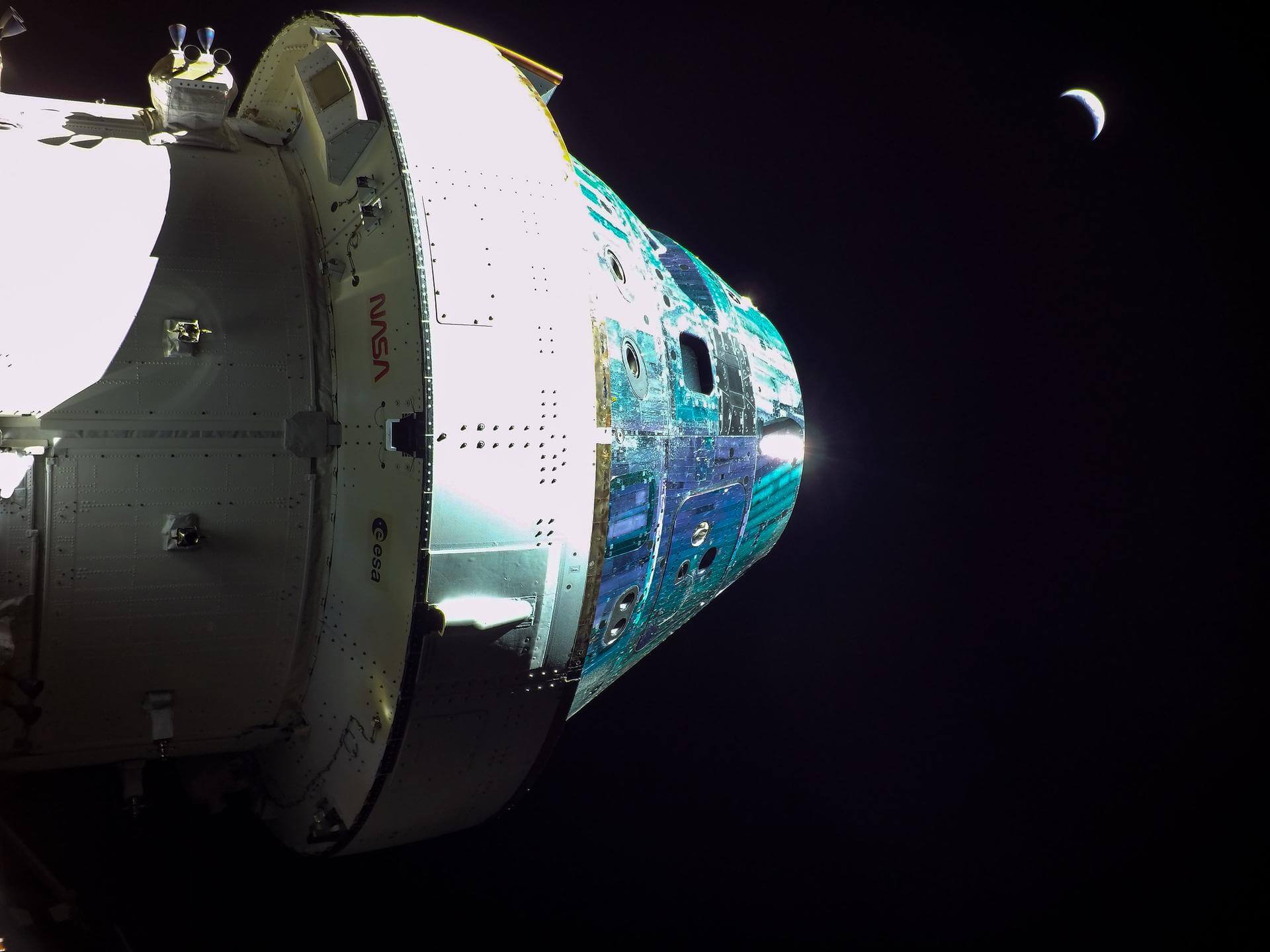
Seven weeks after Artemis II’s historic crewed flight around the Moon in April, Orion Vehicle Manager Branelle Rodriguez is now distilling lessons from humanity’s first crewed lunar journey since Apollo into concrete improvements for Artemis III. Speaking at the Ion innovation hub in Houston on May 28, Rodriguez reflected on what Orion proved during its ten-day mission with NASA astronauts Reid Wiseman, Victor Glover, and Christina Koch, alongside Canadian Space Agency astronaut Jeremy Hansen.
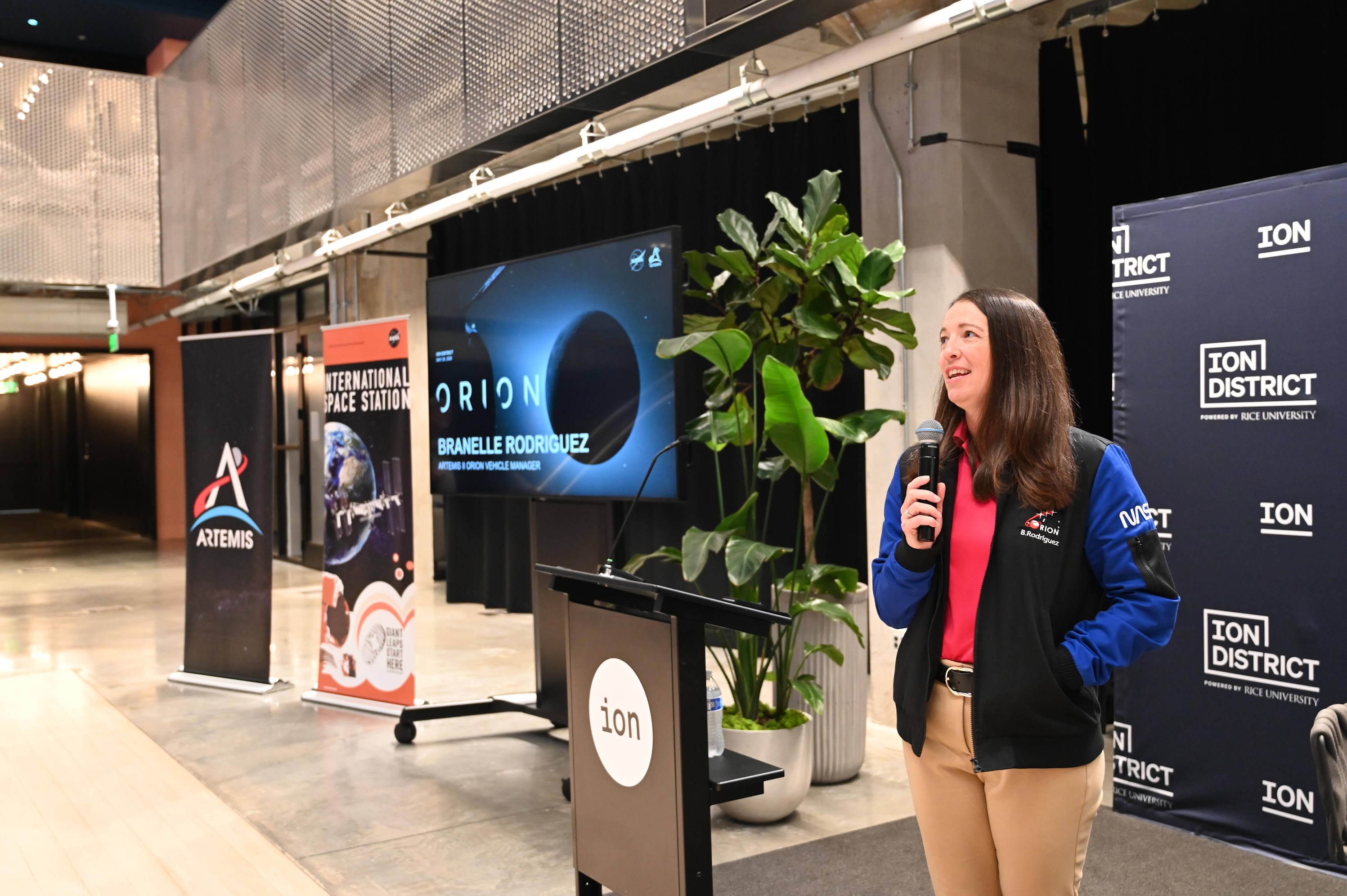
The mission validated critical systems that will inform the next chapter of Moon-bound exploration. Orion’s life support, crew interfaces, navigation, and reentry systems all performed as designed—data NASA engineers are now using to prepare for the more complex docking and landing operations that Artemis III will demand. The crew completed a manual piloting demonstration that tested Orion’s handling characteristics and proximity operations, capabilities essential for future rendezvous with commercial human landing systems in orbit.
Rodriguez emphasized the scale of collaboration behind the achievement. More than 300 people worked in the Orion Mission Evaluation Room at Johnson Space Center alone, with global support from NASA centres, industry, and international partners. The European Service Module, provided by ESA, supplied power, propulsion, oxygen, and water—underscoring the international dimension of deep-space exploration. Even the mission patch carried deliberate symbolism: viewed from a distance, it reads “all,” a tribute to everyone who made the mission possible. Among the spacecraft’s passengers was Rise, a student-designed plushie carrying over 5.6 million names of space enthusiasts who registered through NASA’s “Send Your Name with Artemis” programme.
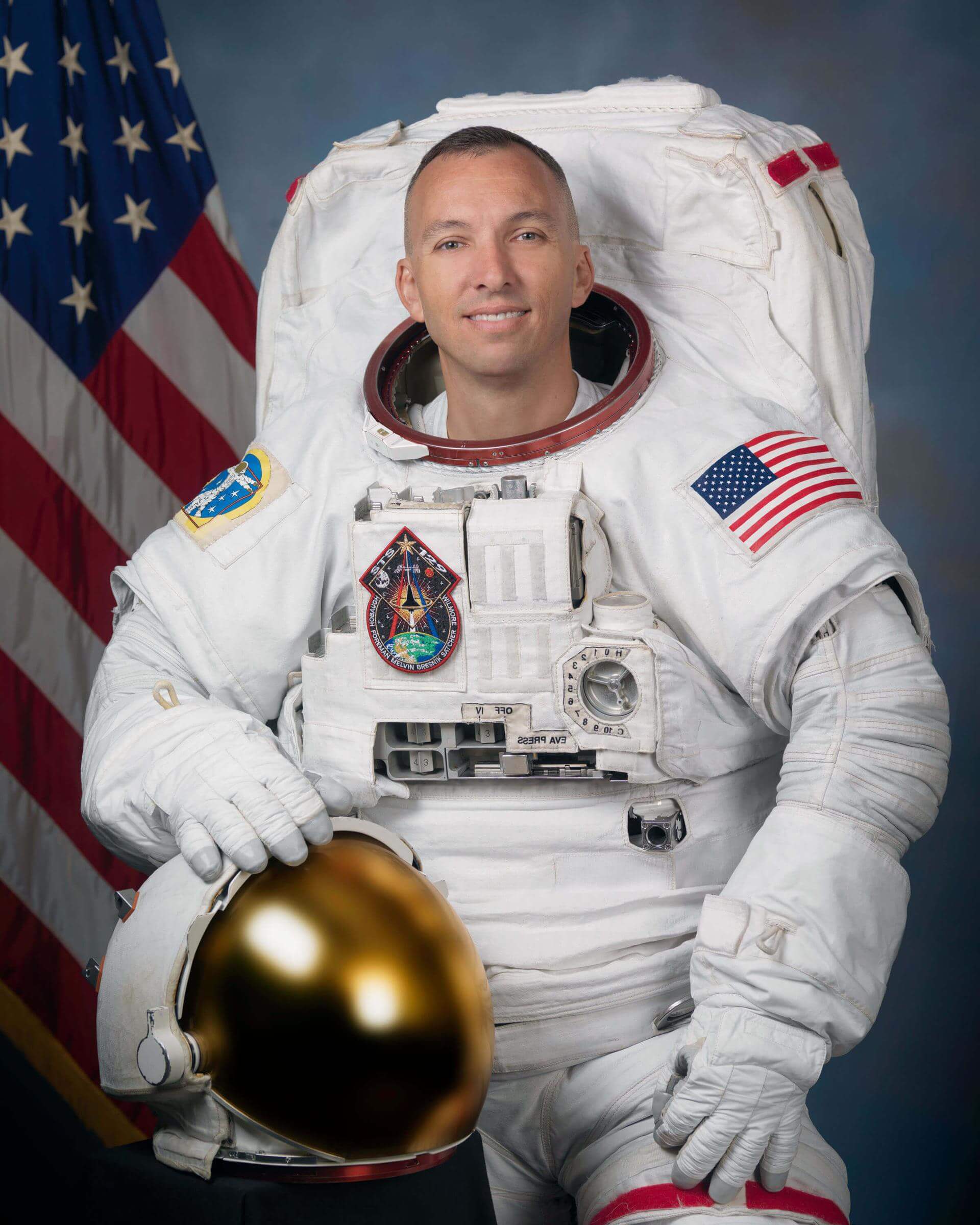
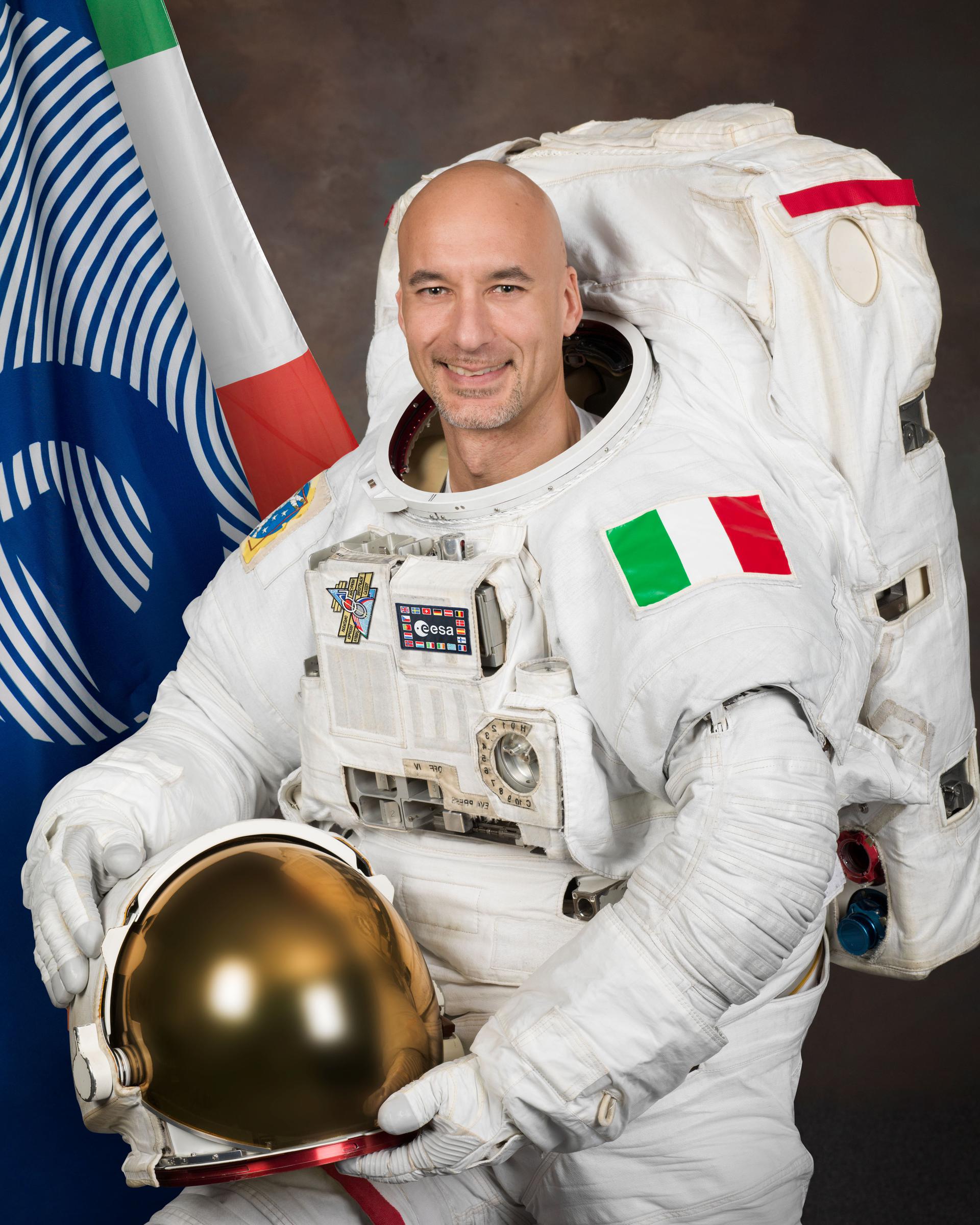
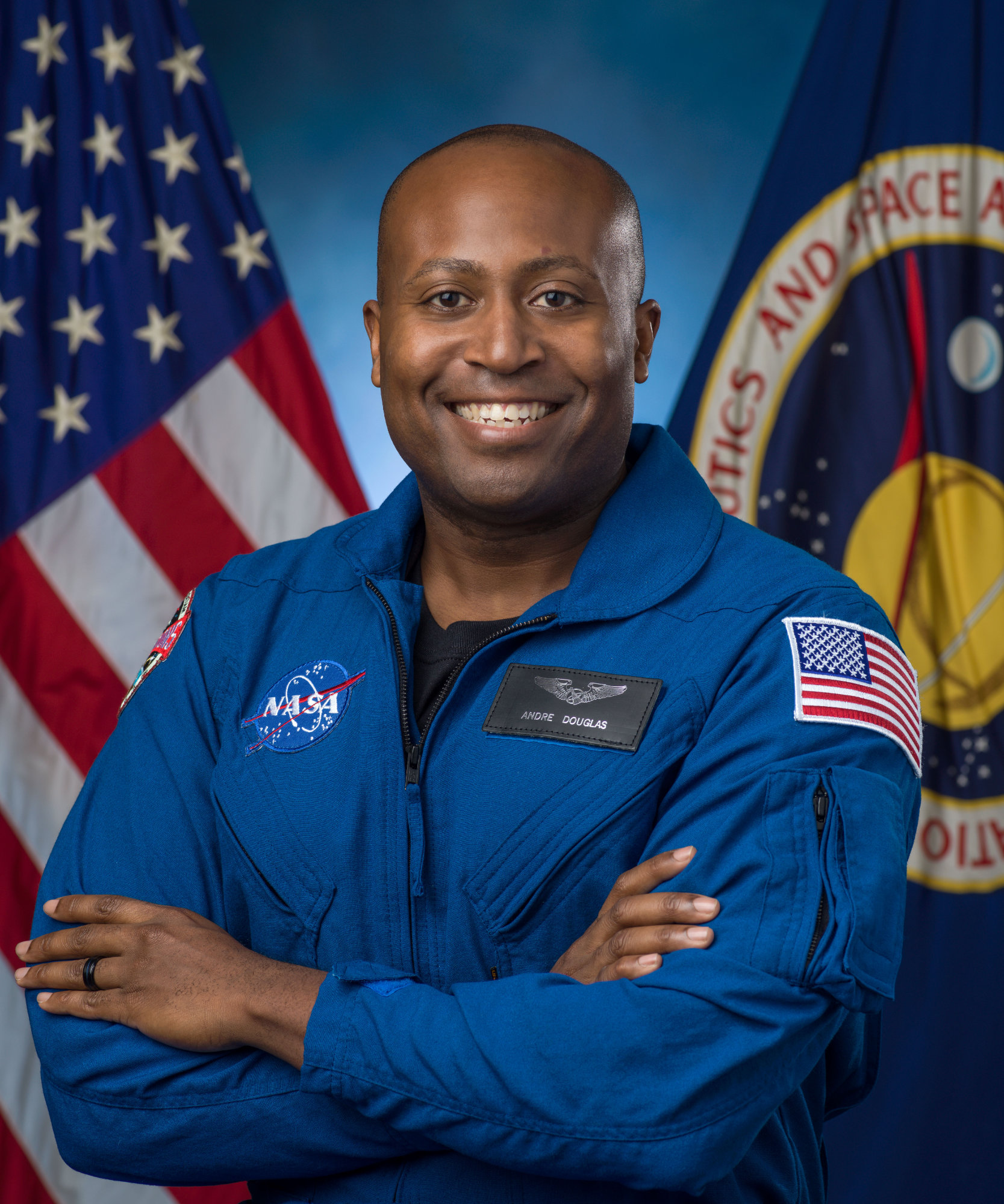
Looking ahead, NASA announced the Artemis III crew on June 9 and has already begun production of hardware for subsequent missions at Kennedy Space Center. Artemis III will test critical rendezvous and docking capabilities with commercial human landing systems whilst advancing NASA’s plans to return astronauts to the lunar surface. For Rodriguez, the mission demonstrated that sustained presence on the Moon—and eventual human journeys to Mars—depend on the village of people and partners working toward a common goal. “We are off and running,” she said.
Moon Base Progress Event Signals Shift to Lunar Surface Focus
NASA is preparing to share the latest updates on its Moon Base initiative when Administrator Jared Isaacman and Moon Base Program Manager Carlos García-Galán host a virtual conversation on Tuesday, June 30, at 2:30 p.m. EDT. The session will focus on the next set of awards for new lunar lander missions and preview upcoming opportunities as the agency builds toward sustained human presence on the Moon’s surface.
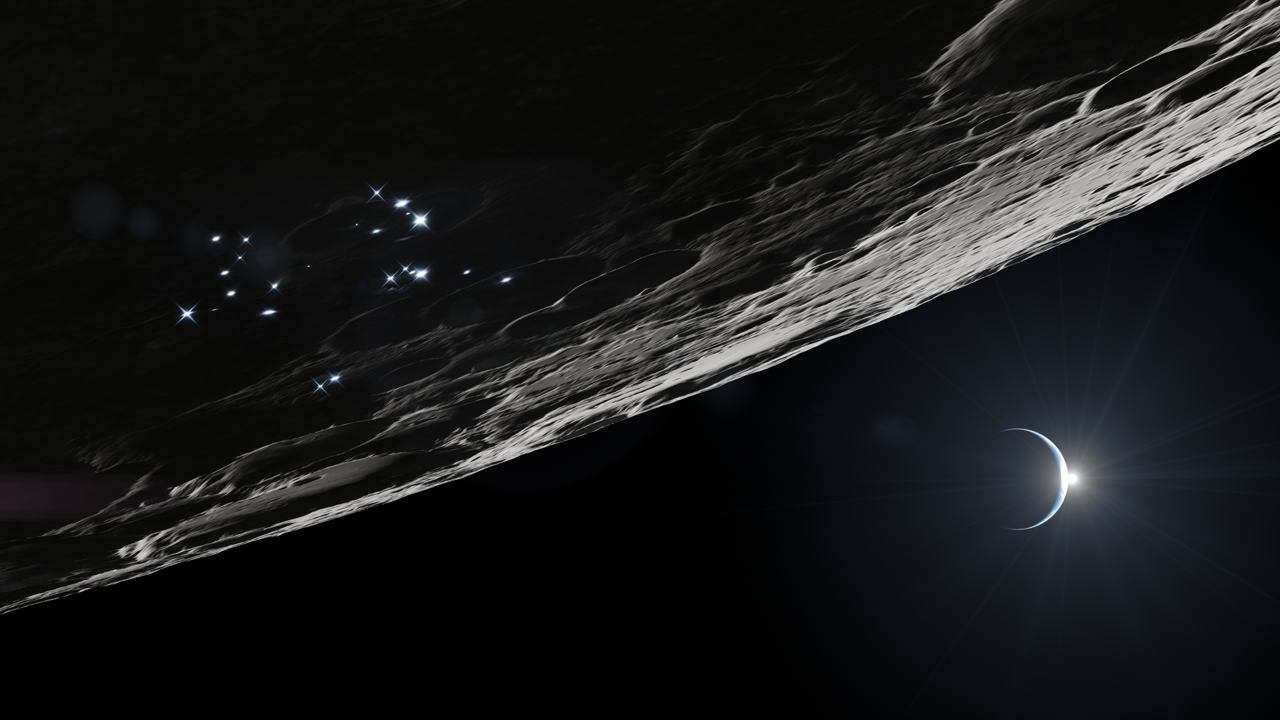
This announcement comes as NASA’s lunar strategy has undergone significant restructuring. The Moon Base programme now takes priority over the lunar Gateway space station concept, reflecting Administrator Isaacman’s emphasis on speed, affordability, and surface-focused operations. The details shared on June 30 will provide clarity on which commercial and government partners will lead next-phase landing missions and how NASA plans to position equipment and infrastructure on the lunar surface.
Perseverance Crosses Marathon Distance on Mars in Record Time
NASA’s Perseverance rover has marked a remarkable endurance milestone on the Martian surface. On June 14, 2026 (sol 1,890 of its mission), the rover reached a distance of 26.2 miles (42.195 kilometres)—the length of a marathon—in just five years and four months of driving. The previous record holder, NASA’s Opportunity rover, took eleven years and two months to reach the same distance.

The achievement was captured by NASA’s Mars Reconnaissance Orbiter using its High-Resolution Imaging Science Experiment (HiRISE) camera on June 13. The image shows Perseverance as a small green speck in an area west of Jezero Crater that the science team calls “Arbot,” with the rover’s wheel tracks traceable across the Martian terrain. Perseverance continues to collect rock samples and gather data on Mars’s geology and past habitability, contributing to NASA’s broader Mars Exploration Programme.
Rocket Lab Selected to Launch NASA Sun and Earth Science Missions
NASA has selected Rocket Lab to provide launch services for two upcoming science missions under the agency’s Venture-Class Acquisition of Dedicated and Rideshare (VADR) contract. The two selections represent part of NASA’s commitment to maintaining a pipeline of competitive, fixed-price launch options with a combined contract value not to exceed $300 million across a ten-year ordering period.
The first mission, PolSIR (Polarized Submillimeter Ice-cloud Radiometer), consists of two 16U CubeSats designed to study tropical and subtropical ice clouds and their role in weather and storm development. Rocket Lab will launch the pair aboard two dedicated Electron rockets no earlier than June 2027 from Launch Complex 1 in Mahia, New Zealand. Led by Vanderbilt University with science operations conducted by the Space Science and Engineering Center at the University of Wisconsin–Madison, the spacecraft are being built by Blue Canyon Technologies. The dual-satellite configuration will observe cloud ice patterns separated by several hours, providing researchers with data to improve weather forecasting and understand how ice clouds affect solar radiation and heat reflection.
The second mission, TSIS-2 (Total and Spectral Solar Irradiance Sensor-2), will measure the Sun’s total and spectral energy input to Earth—critical data for understanding ocean currents, seasons, and climate patterns. Scheduled for launch in early 2027 aboard a Rocket Lab Electron, the satellite carries instruments provided by the Laboratory for Atmospheric and Space Physics at the University of Colorado, Boulder, aboard a spacecraft built by General Atomics–Electromagnetic Systems. Managed by NASA’s Goddard Space Flight Center, TSIS-2 will continue the solar monitoring work begun by TSIS-1, which operates from the International Space Station.
Canadarm2 Wrist Joint Replacement Planned for Upcoming Spacewalk
NASA astronauts Chris Williams and Jessica Meir are scheduled to conduct EVA-95 on Tuesday, June 30, to replace a wrist joint on the International Space Station’s Canadarm2 robotic arm. The pair will use a spare component already in storage aboard the station to restore full functionality to Canada’s contribution to the ISS.
A preview news conference held on June 25 at NASA’s Johnson Space Center featured Bill Spetch, operations and integration manager for the ISS Programme; Fiona Antkowiak, spacewalk flight director; and Jason Dyer, deputy liaison manager for the Canadian Space Agency. The discussion addressed operational details and safety protocols for the scheduled work on the six-jointed robotic arm, which has been essential to station maintenance, cargo handling, and science operations since its installation in 2001.
Cancelled Artemis Projects Expose Billions in Cost Overruns
NASA’s Office of Inspector General released a detailed audit on June 24 examining four Artemis-related projects the agency cancelled earlier this year as part of its restructured Moon-to-Mars strategy. The findings lay bare the scale of cost growth and schedule delays that prompted Administrator Jared Isaacman to make the decisive “Ignition Day” pivot in March toward surface-focused lunar operations and away from costly infrastructure upgrades.

Four projects, three linked to the Space Launch System and one to the lunar Gateway, saw their combined contract values balloon from $2.8 billion to $5.9 billion over their lifetimes, with contracted delivery dates extended by up to seven years. The Exploration Upper Stage (EUS), which Boeing was to build for NASA at an original cost of $962 million, had ballooned to $2.9 billion by March—with OIG projections suggesting it would reach $3.7 billion if allowed to continue. Completion slipped from March 2021 to no earlier than August 2028.
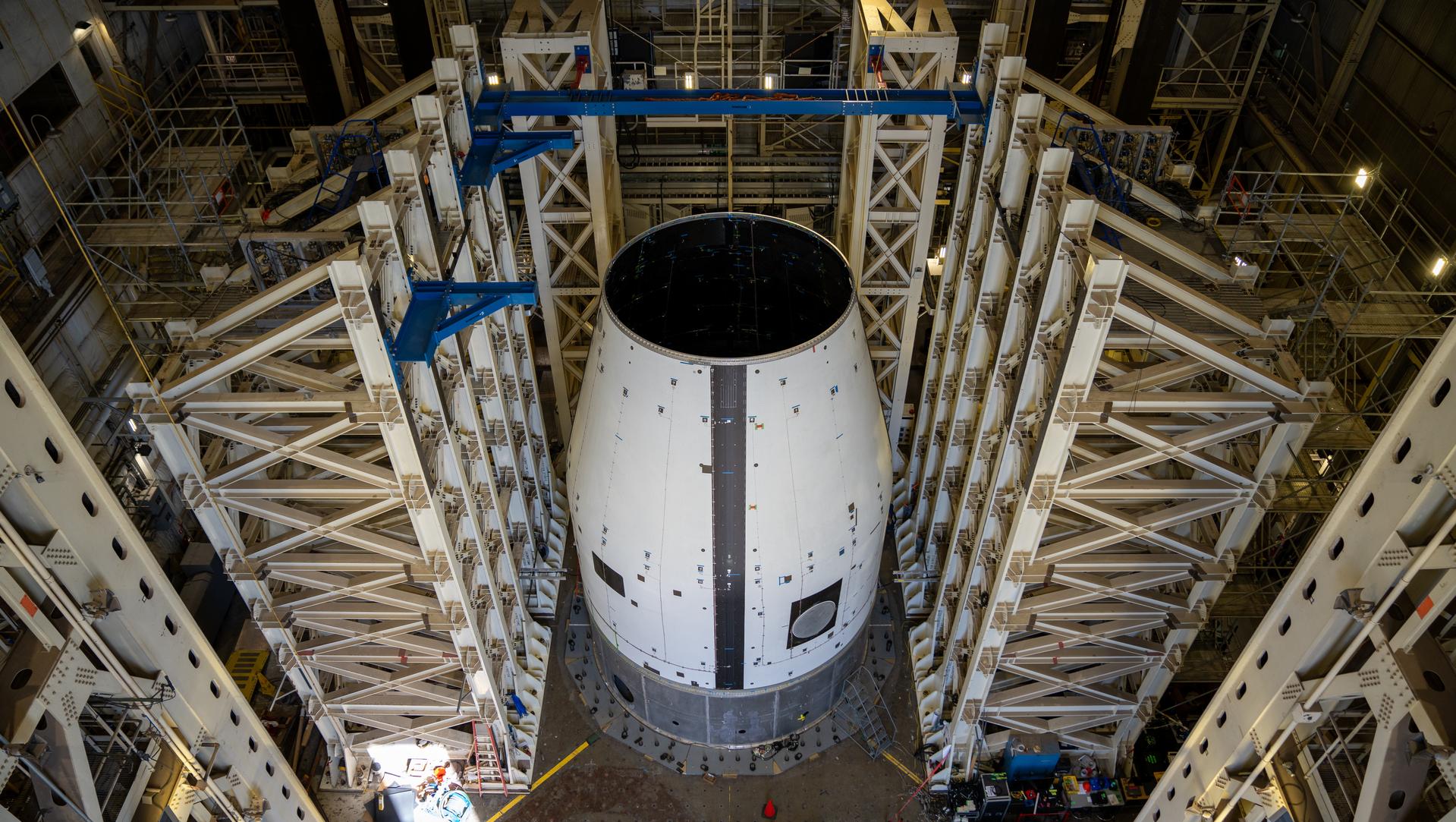
The Universal Stage Adapter (USA), a relatively straightforward structural link between Orion and the EUS, was awarded to Dynetics in 2017 at $131 million with an August 2021 delivery date. That contract value nearly tripled to $353 million, with OIG projecting further growth to $497 million and a May 2030 delivery date—making a simple adapter a thirteen-year development effort. Mobile Launcher 2, the larger launch tower for the upgraded SLS, grew from $383 million (2019) to $1.6 billion, with OIG estimating an eventual cost of $2 billion. The Habitation and Logistics Outpost (HALO) module for the Gateway, initially a $1.3 billion fixed-price contract with Northrop Grumman, was converted to cost-plus in 2024 after the contractor cited inherent difficulties with the fixed structure. By the time NASA issued stop-work orders in April, HALO costs had reached $1.9 billion, and OIG estimates the module would not have been ready for use until 2031.
In response to the audit, NASA’s associate administrator for exploration acknowledged that some cost overruns stemmed from shifting agency requirements and said the space agency is applying lessons learned—moving toward firm-fixed-price structures and leveraging commercial offerings where practicable. Administrator Isaacman noted that cancelling these programmes “will free up more than $3 billion in the years ahead for more missions of science and discovery,” repositioning the agency’s resources toward the new focus on rapid, affordable lunar surface infrastructure and sustained human presence on the Moon.
Citations
- “NASA at the Ion: Orion Lessons from Artemis II Shape NASA’s Moon to Mars Path” — https://www.nasa.gov/centers-and-facilities/johnson/nasa-at-the-ion-orion-lessons-from-artemis-ii-shape-nasas-moon-to-mars-path/
- “NASA to Share Latest Moon Base Mission Progress” — https://www.nasa.gov/news-release/nasa-to-share-latest-moon-base-mission-progress/
- “NASA’s HiRISE Captures Perseverance Marking a Milestone on Mars” — https://science.nasa.gov/photojournal/nasas-hirise-captures-perseverance-marking-a-milestone-on-mars/
- “NASA Selects Rocket Lab to Launch Sun, Earth Science Missions” — https://www.nasa.gov/missions/tsis-2/nasa-selects-rocket-lab-to-launch-sun-earth-science-missions/
- “Canceled NASA exploration projects suffered billions of dollars in overruns” — https://spacenews.com/canceled-nasa-exploration-projects-suffered-billions-of-dollars-in-overruns/
- “Analysis finds the exploration programs NASA recently canceled were running way late” — https://arstechnica.com/space/2026/06/analysis-finds-the-exploration-programs-nasa-recently-canceled-were-running-way-late/
- “Space Events This Week” — Launch Library 2
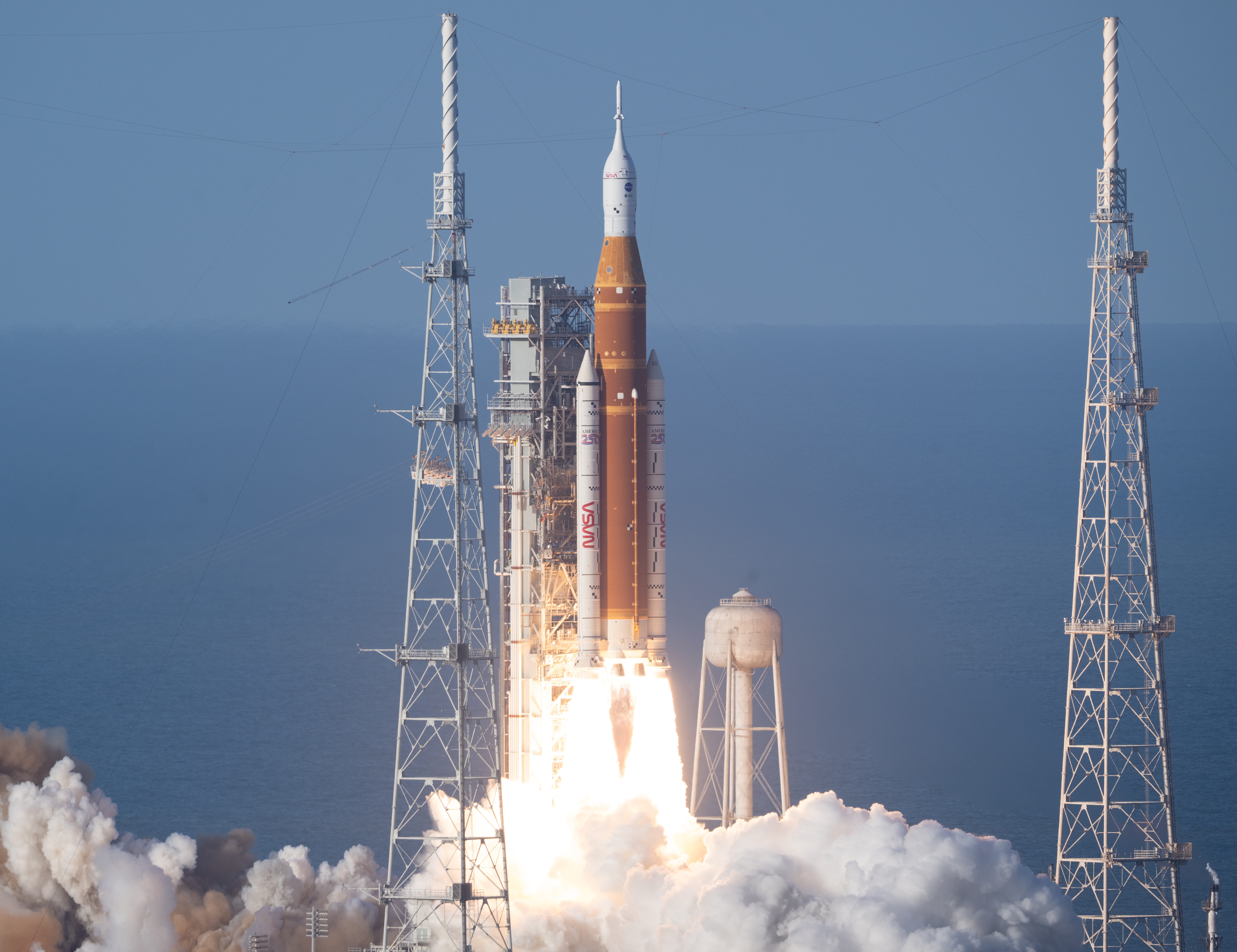
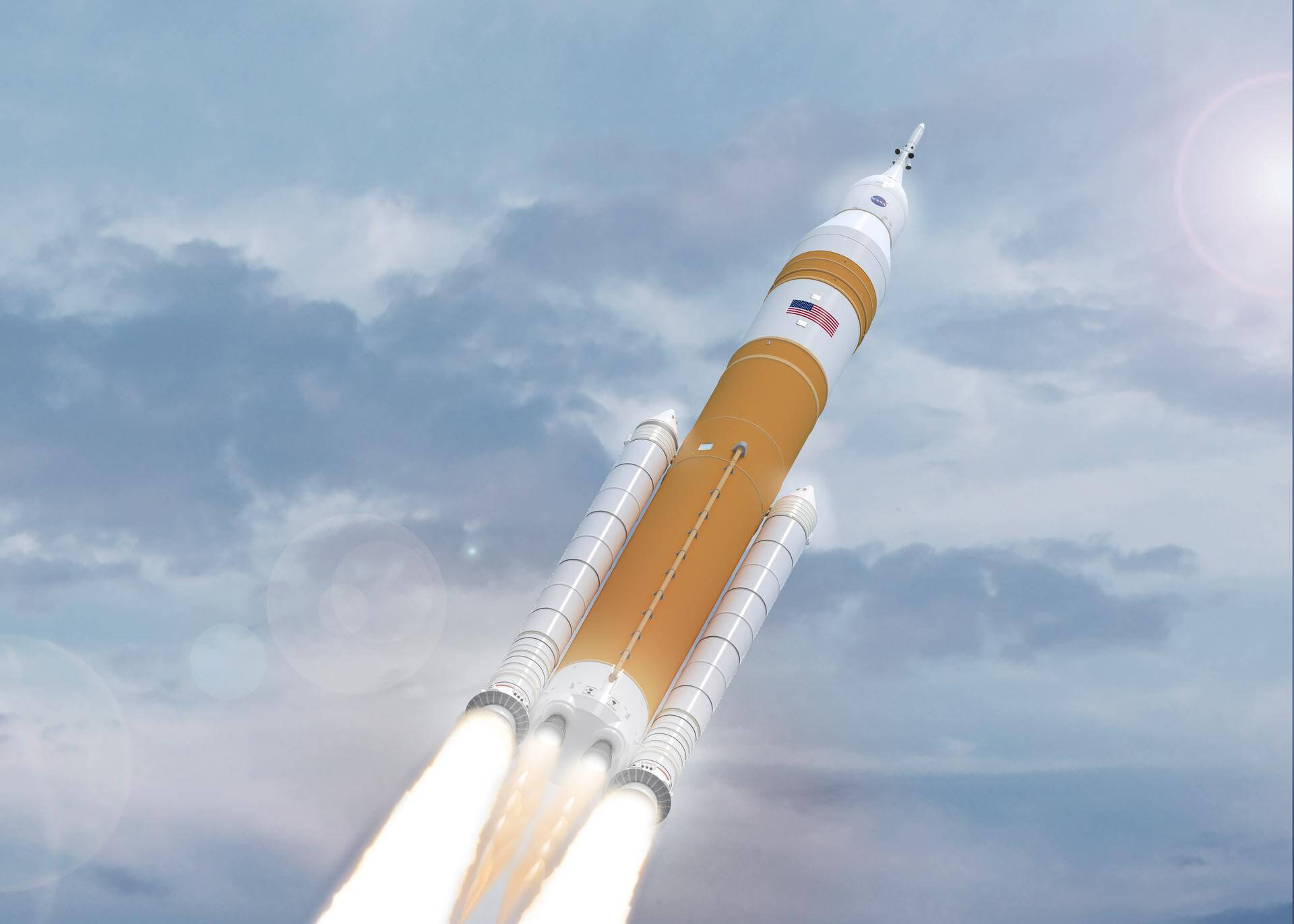
Artemis III
Provider: National Aeronautics and Space Administration
Date: June 30, 2027
Time: 12:00 AM UTC
Vehicle: Space Launch System (SLS)
Artemis III is the second crew mission as part of the Artemis program. Artemis III will send a crew of 4 on a Low Earth Orbit mission, with the Orion rendezvous and dock with one or both commercial lunar landers in development by SpaceX and Blue Origin, performing in-space tests of the docked vehicles, integrated checkout of life support, communications, and propulsion systems, as well as tests of the new Extravehicular Activity (xEVA) suits.
Artemis IV
Provider: National Aeronautics and Space Administration
Date: June 30, 2028
Time: 12:00 AM UTC
Vehicle: Space Launch System (SLS)
Artemis IV is planned to be the first human lunar landing mission since the Apollo Program.
Artemis V
Provider: National Aeronautics and Space Administration
Date: December 31, 2028
Time: 12:00 AM UTC
Vehicle: Space Launch System (SLS)
Artemis V is planned to be the second human lunar landing mission since the Apollo Program.
SLS Block 1B | Artemis VI
Provider: National Aeronautics and Space Administration
Date: September 30, 2030
Time: 12:00 AM UTC
Vehicle: Space Launch System (SLS)
No description available
SLS Block 1B | Artemis VII
Provider: National Aeronautics and Space Administration
Date: September 30, 2031
Time: 12:00 AM UTC
Vehicle: Space Launch System (SLS)
No description available
Enjoying the content? Stay up to date on everything happening behind the scenes by following our Patreon!

