European Cargo Shuttle Clears Critical Recovery Milestone
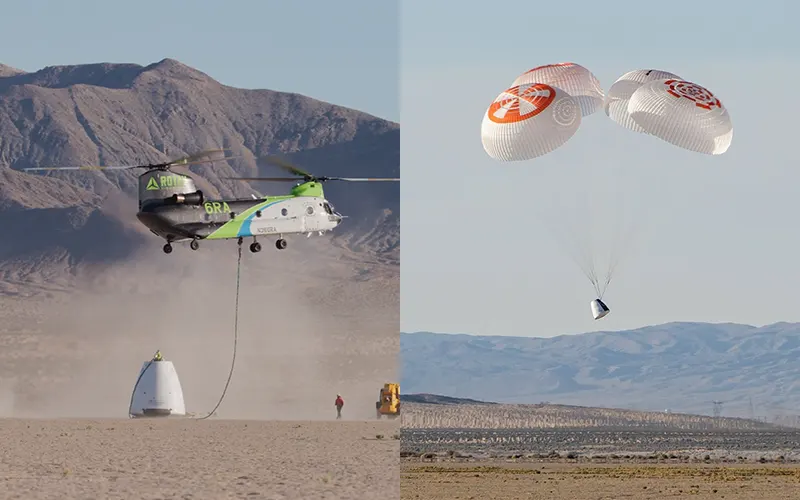
The Exploration Company (TEC) successfully completed a drop test of its Nyx spacecraft recovery system today in California’s Mojave Desert, advancing the European startup’s timeline toward an International Space Station demonstration mission around 2028. The test validated the parachute system’s most demanding transition: the handoff from drogue chutes to main canopy under realistic descent dynamics—a sequence that has historically proven critical to safe capsule recovery.
Rather than risk a full spacecraft prototype, TEC deployed a purpose-built Drop Test Vehicle (DTV) that replicated the Nyx capsule’s mass properties, aerodynamic profile, and structural interfaces. A Boeing CH-47D Chinook helicopter lifted the DTV to 2.8 kilometres before release. The test sequence unfolded nominally: static-line deployment of the drogue chutes for stabilization, timed transition to four main parachutes, and a controlled descent under full canopy. Extensive instrumentation logged deployment timings, loads, vehicle attitudes, and dynamics throughout. Initial analysis confirmed nominal extraction and handover, with vehicle behaviour matching pre-test predictions for the DTV’s mass and inertia characteristics.
Parachute recovery is among the most unforgiving aspects of spacecraft design. Failures or off-nominal behaviour during drogue-to-main transition have compromised or ended past missions, making dedicated testing essential before flight certification. TEC deliberately chose a land drop zone in the Mojave over ocean splashdown to streamline logistics, recover instrumentation quickly, and accelerate data analysis—priorities for an agile development programme. The team fitted the DTV with sacrificial outer panels to protect core hardware during ground impact; previous water-impact campaigns earlier in 2026 have already validated splashdown dynamics with subscale models.
TEC partnered with Airborne Systems, a leader in aerospace parachutes with a proven track record on Boeing’s Starliner, NASA’s Orion, SpaceX’s Dragon, and Blue Origin’s New Shepard. The parachutes and associated instrumentation met full flight-relevant standards. Next steps include motor firings, cutter tests, and space qualification activities to confirm the recovery system can survive the mechanical and thermal stresses of actual reentry and descent.
Founded in 2021 by Hélène Huby and a team of engineers from Airbus and ArianeGroup, TEC has grown to approximately 400 employees and attracted significant European venture funding plus support from the French and German governments. Nyx is a modular spacecraft roughly four metres in diameter, designed for launcher-agnostic operations and capable of carrying up to 4,000 kilograms of payload to low Earth orbit. The capsule uses green propellants, is designed for multiple reuses, and can be refuelled in orbit—positioning it as a competitive complement to SpaceX’s Dragon and Northrop Grumman’s Cygnus for station resupply and, eventually, enabling new commercial opportunities including lunar cargo missions.
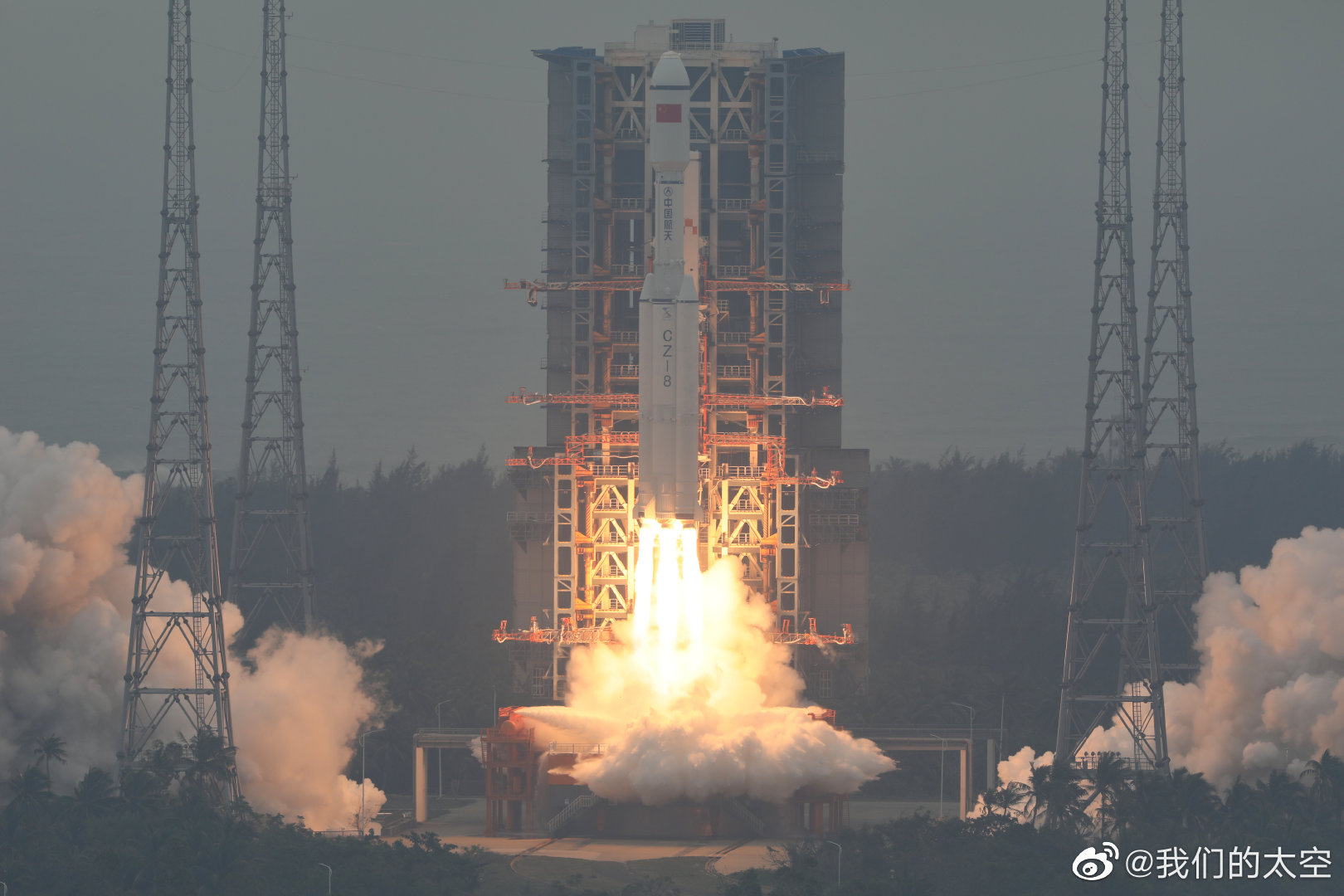
Provider: China Aerospace Science and Technology Corporation Date: June 5, 2026 Time: 6:30 AM UTC Vehicle: Long March 8
Details TBD, probably SpaceSail Polar Orbit LEO communication satellites.
Starlink Group 17-43
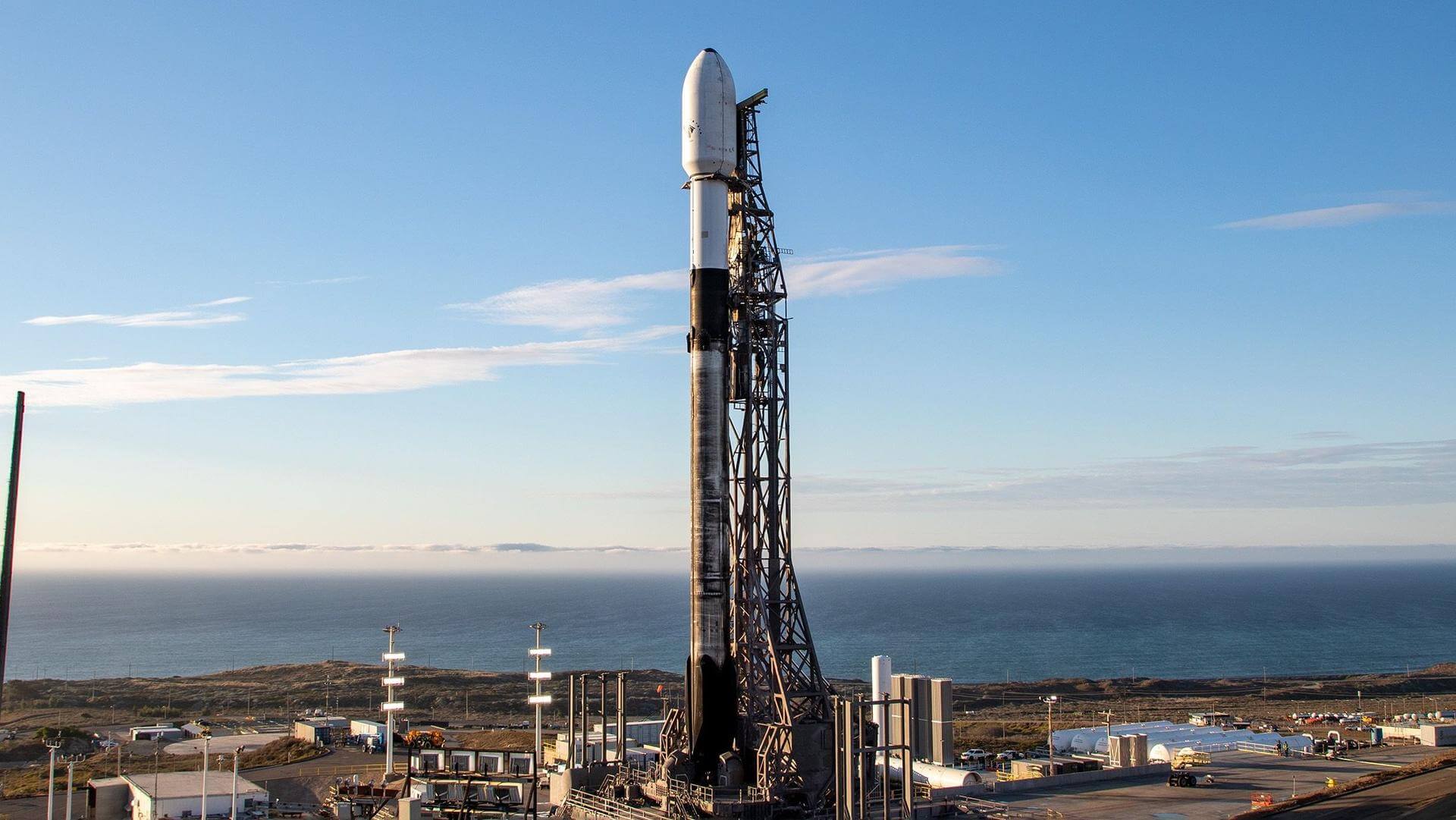
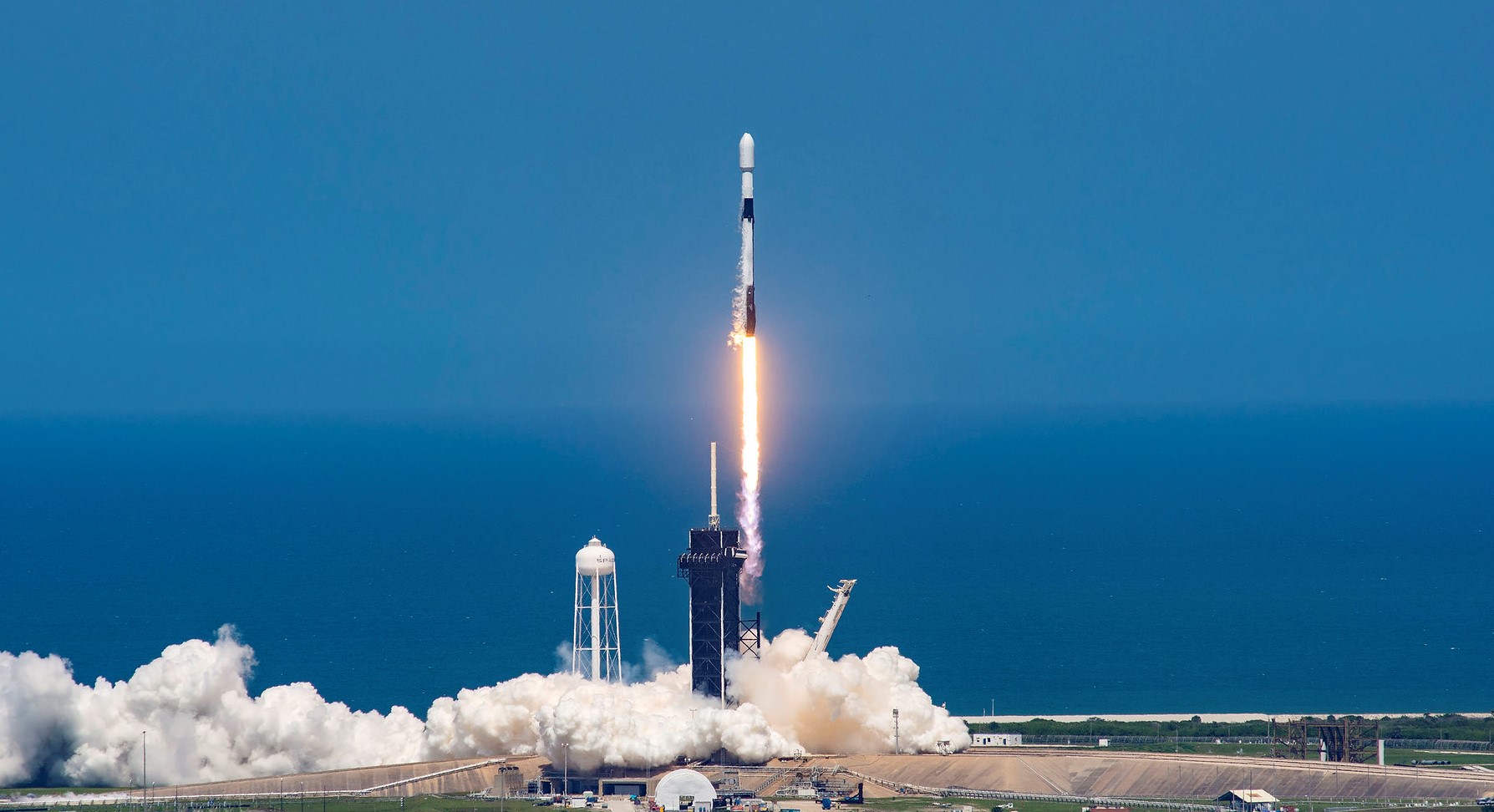
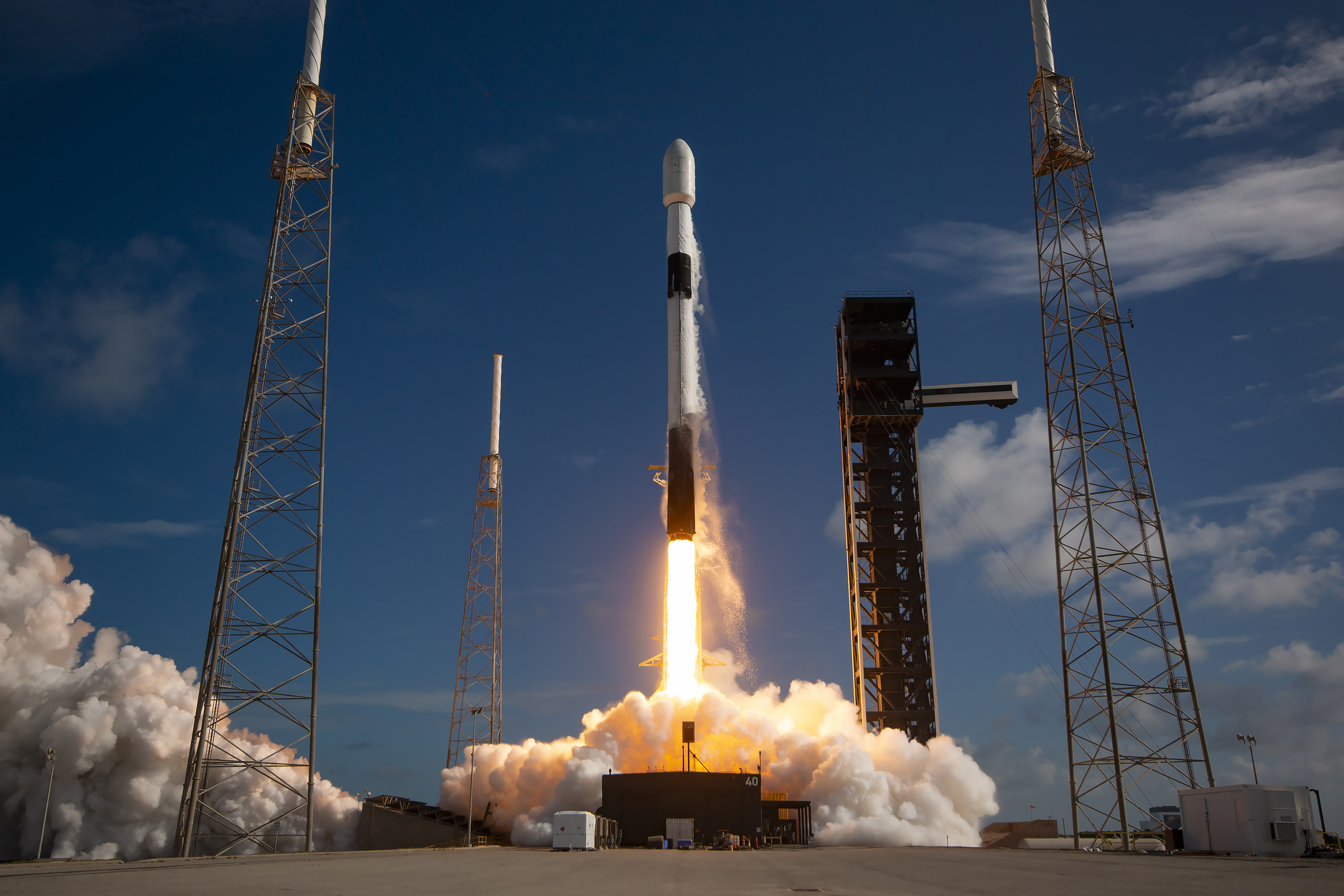
Provider: SpaceX Date: June 7, 2026 Time: 2:00 AM UTC Vehicle: Falcon 9
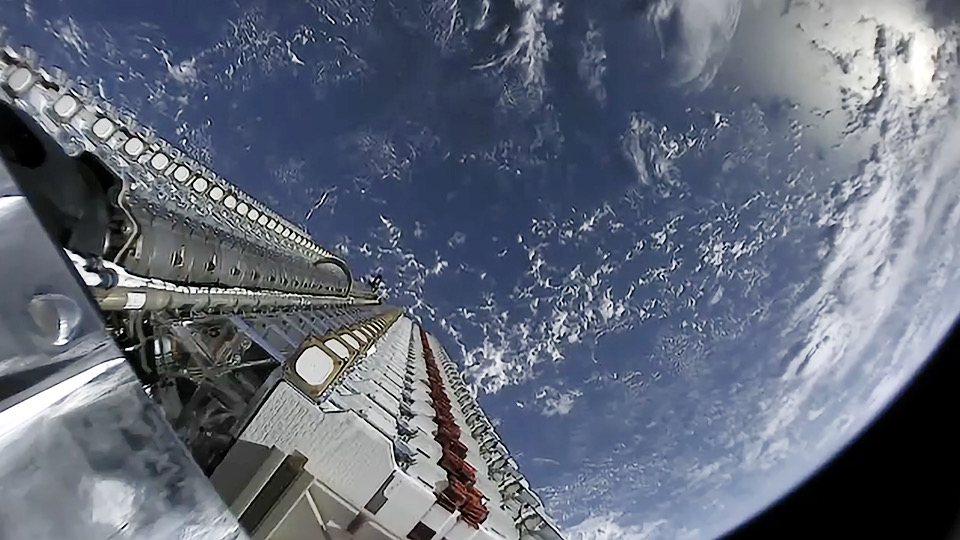
A batch of 21 satellites for the Starlink mega-constellation – SpaceX’s project for space-based Internet communication system.
2 US military Starshield satellites are also on board.
Demo Flight
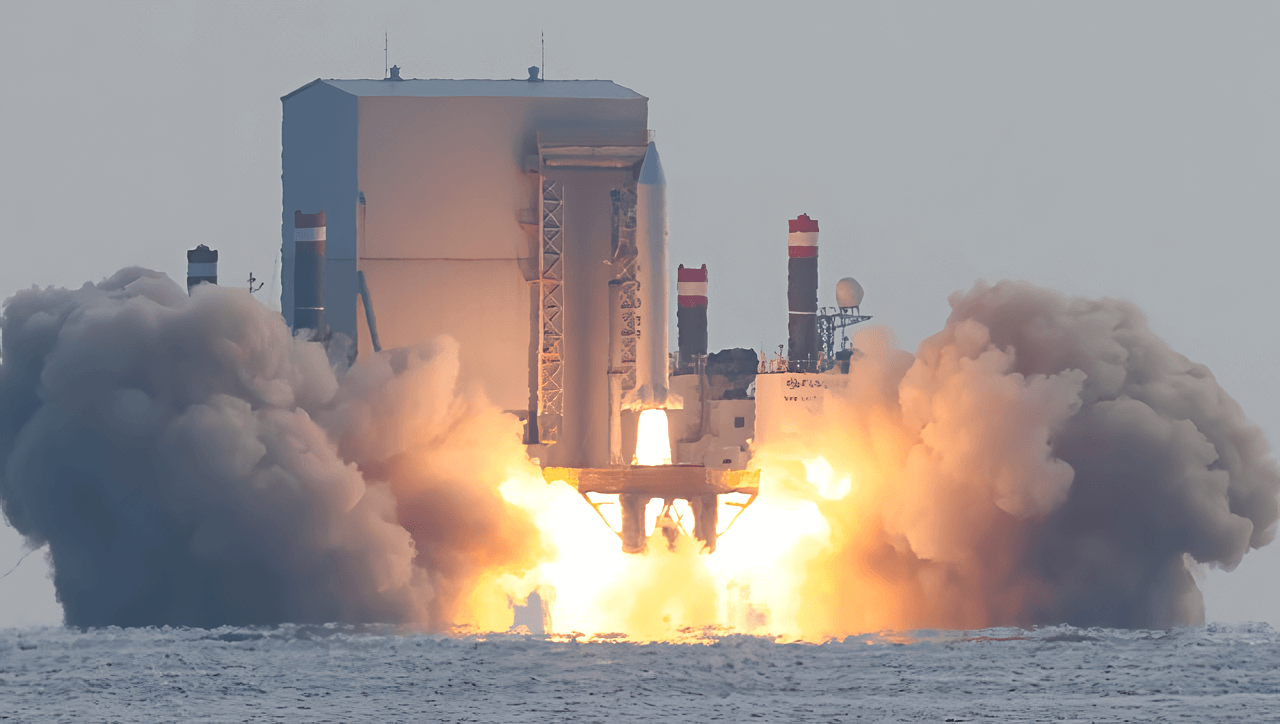
Provider: Agency for Defense Development Date: June 8, 2026 Time: 5:00 AM UTC Vehicle: South Korean ADD Solid-Fuel SLV
Note: Launch vehicle name is provisional.
First orbital full version launch of the South Korean military small satellite launch vehicle, after 2 sub-orbital tests of individual stages on 30 March and 30 December 2022, and 1 orbital test flight without the 2nd stage on 4 December 2023. Details TBD.
Starlink Group 10-35
Provider: SpaceX Date: June 8, 2026 Time: 10:07 AM UTC Vehicle: Falcon 9
A batch of 29 satellites for the Starlink mega-constellation – SpaceX’s project for space-based Internet communication system.
Unknown Payload
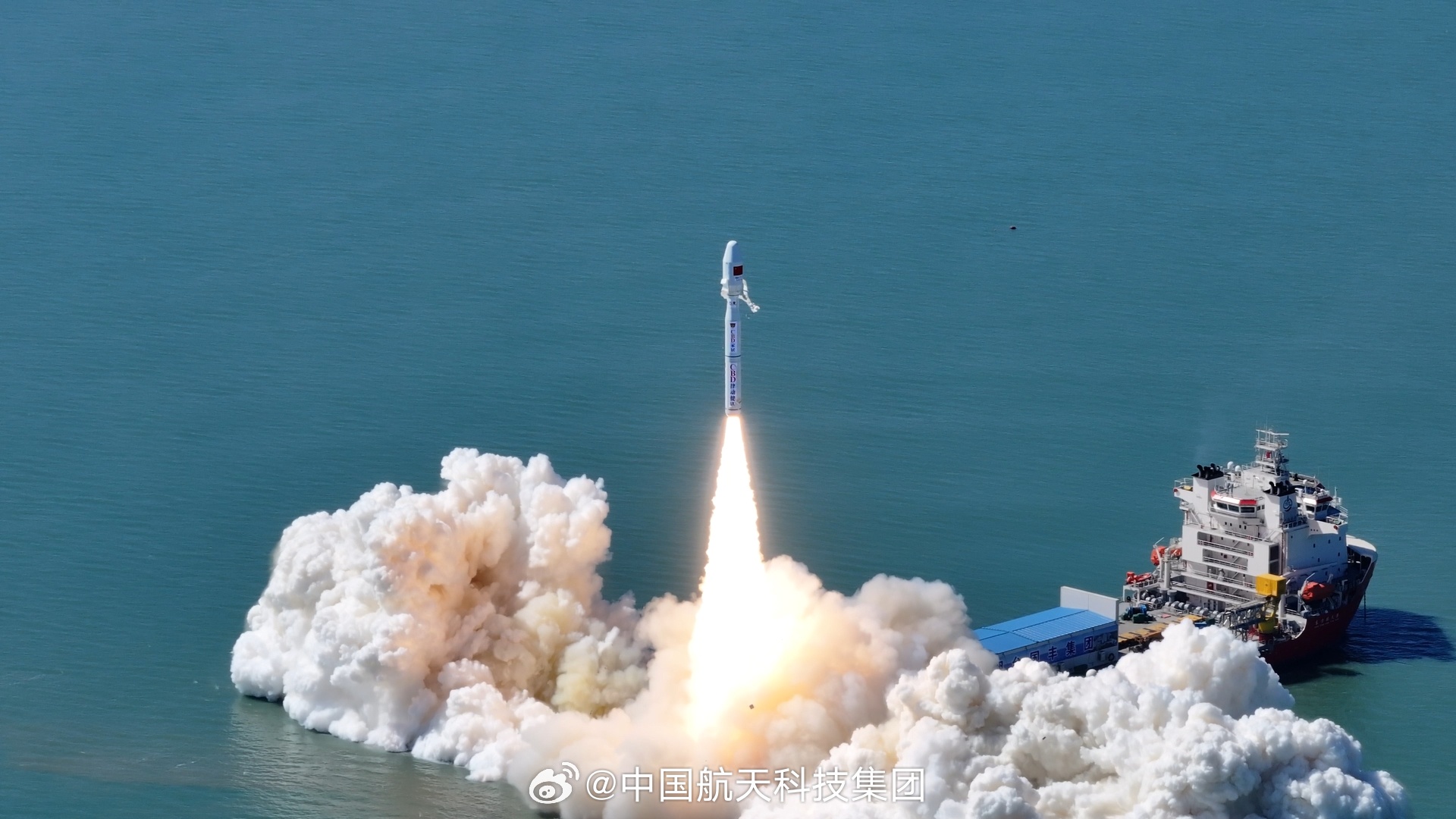
Provider: China Rocket Co. Ltd. Date: June 10, 2026 Time: 12:30 AM UTC Vehicle: Smart Dragon 3
Details TBD.
Unknown Payload ×
Mission Details
TypeUnknown
OrbitUnknown
TargetEarth
Details TBD, probably SpaceSail Polar Orbit LEO communication satellites.
Launch Provider: China Aerospace Science and Technology Corporation
Long March 8 (Chinese: 长征八号运载火箭) is an orbital launch vehicle developed by the China Academy of Launch Vehicle Technology to launch up to 5000 kg to a 700 km altitude Sun-synchronous orbit (SSO). The rocket is based on the Long March 7 with its first stage and 2 out of its 4 boosters, along with…
Falcon 9 is a two-stage rocket designed and manufactured by SpaceX for the reliable and safe transport of satellites and the Dragon spacecraft into orbit. The Block 5 variant is the fifth major interval aimed at improving upon the ability for rapid reusability.
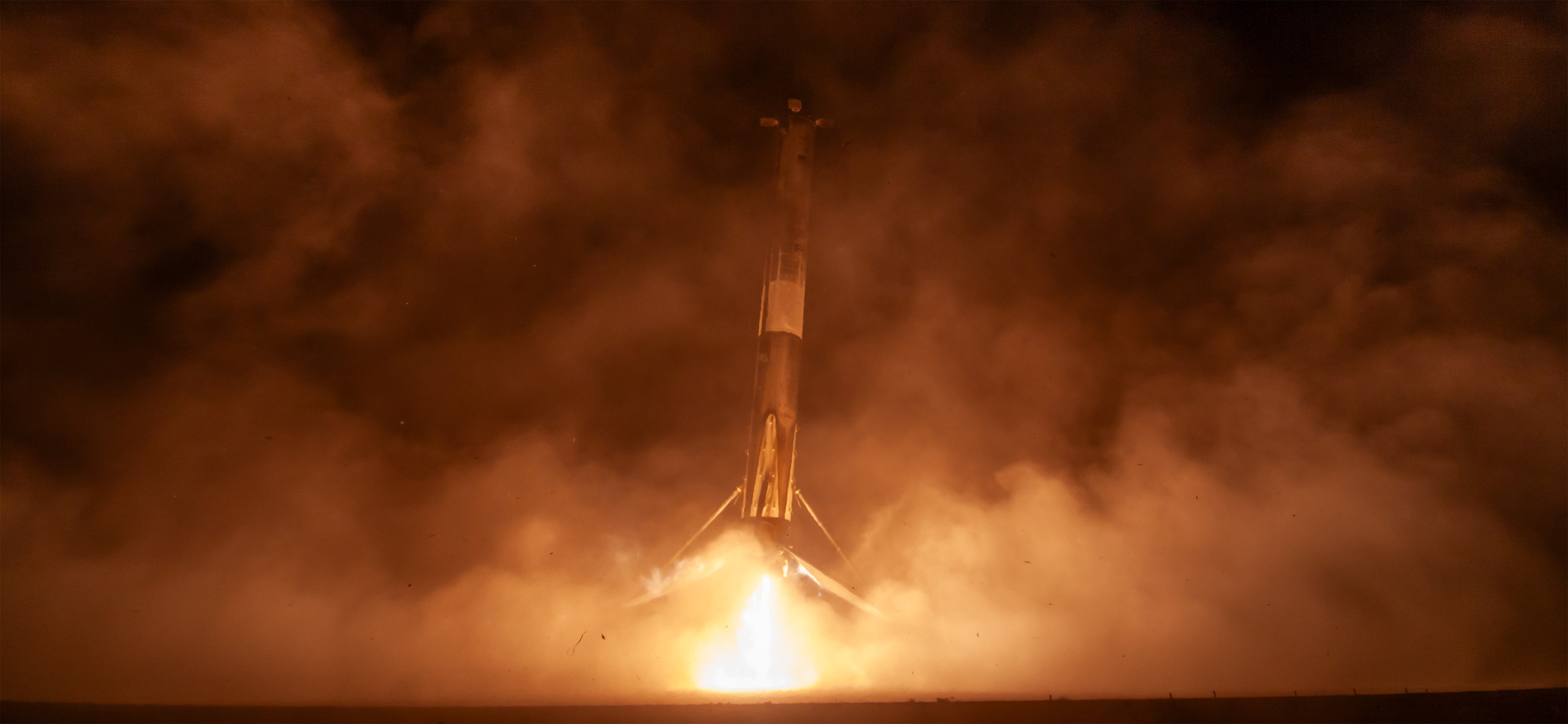
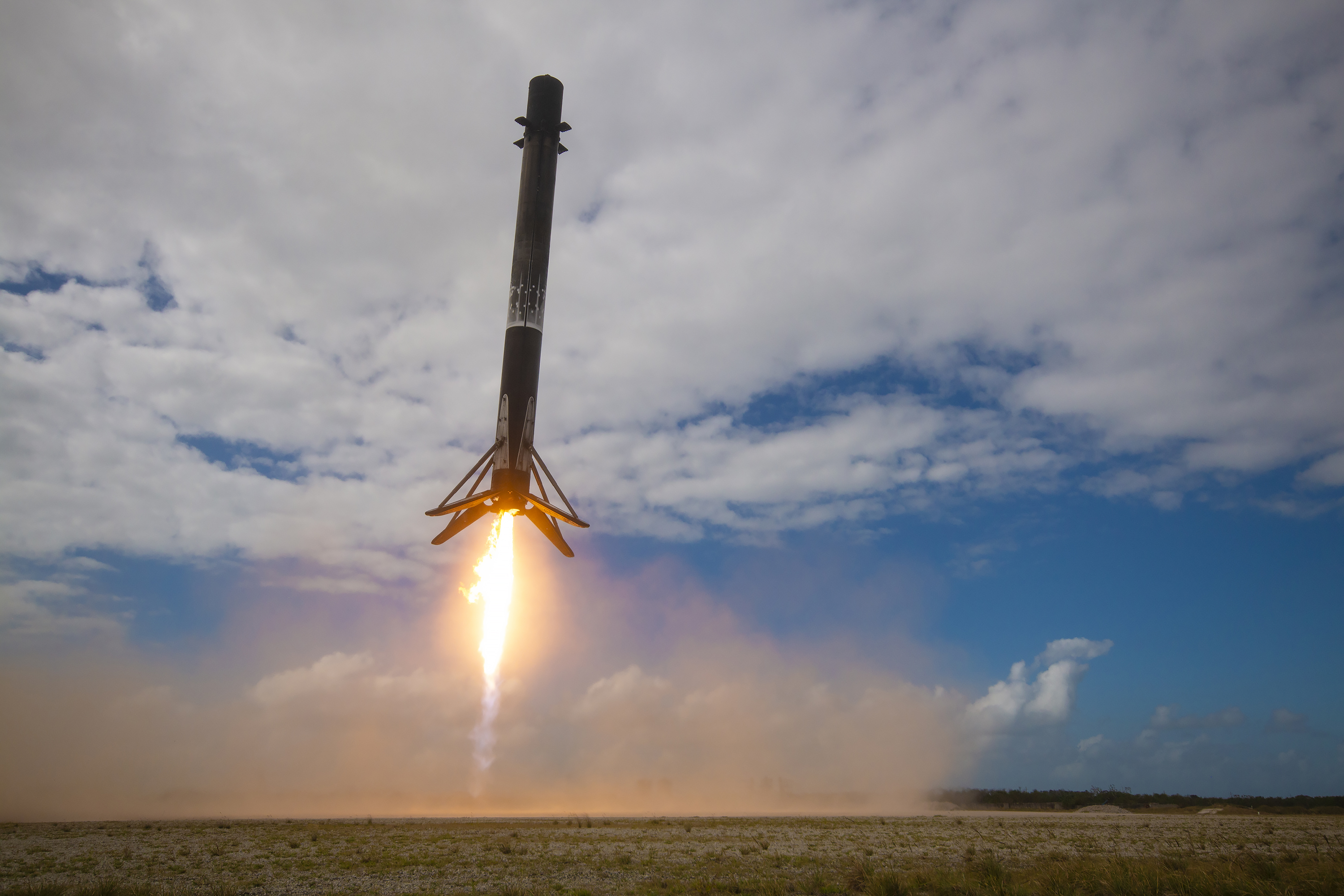
The Falcon 9 first stage B1097 will land on ASDS OCISLY after its 10th flight.
Demo Flight ×
Mission Details
TypeTest Flight
OrbitLow Earth Orbit
TargetEarth
Note: Launch vehicle name is provisional.
First orbital full version launch of the South Korean military small satellite launch vehicle, after 2 sub-orbital tests of individual stages on 30 March and 30 December 2022, and 1 orbital test flight without the 2nd stage on 4 December 2023. Details TBD.
Falcon 9 is a two-stage rocket designed and manufactured by SpaceX for the reliable and safe transport of satellites and the Dragon spacecraft into orbit. The Block 5 variant is the fifth major interval aimed at improving upon the ability for rapid reusability.
Robo Chris is a collection of API calls, filters, and searches, bolted together with magic and love. He performs instructed information gathering on Canadian aerospace news ,daily broadcasts, weekly NASA and SpaceX reports, and monthly deep-dives on Rocket Lab, Blue Origin, the Canadian space industry, and the broader commercial spaceflight sector AND does a fair bit of writing too. Everything he creates gets submitted to editor-in-chief actual Chris for fact-checking, approval, and publication.