Canadian Moonraker Enters Phase A for ESA Lunar Mapping Mission
Toronto-based SFL Missions and NUVIEW have been selected by the European Space Agency to conduct the Phase A engineering study for Moonraker, a lunar mapping satellite designed to guide future Artemis astronauts safely to the Moon’s surface.
Moonraker will carry a light detection and ranging (LiDAR) payload to generate three-dimensional models of the lunar south pole—the primary target region for NASA’s Artemis programme and its proposed long-term moon base. The spacecraft will scan for hazards and verify smooth terrain before mission planners commit to specific landing sites.
SFL Missions, a commercial spinoff from the University of Toronto Institute for Aerospace Studies Space Flight Laboratory, will develop the orbiter around its DAUNTLESS-L platform. The scalable one-cubic-metre spacecraft can weigh up to 500 kilograms and support a 300-kilogram payload. “This work included development of a preliminary spacecraft concept based on SFL’s DAUNTLESS-L platform,” said SFL Missions director Robert E. Zee. “We see tremendous potential for Moonraker to contribute to lunar science, exploration, and future surface operations.”
The engineering team must solve substantial technical challenges to operate the laser scanner in deep space. The spacecraft requires significant electrical power generation and battery storage, precision navigation for accurate data collection, and a high-gain antenna—which will be supplied by Canadian manufacturer AEM Antennas. SFL Missions is also developing thermal control systems to protect internal electronics from extreme temperature swings, while NUVIEW is adapting its commercial Earth observation laser technology for the harsh lunar environment.
During the Phase A period, the consortium will refine system requirements and prove technical feasibility. If the project receives final approval, SFL Missions will handle spacecraft manufacturing, environmental testing, and on-orbit commissioning. This contract follows SFL’s work on the Moonraker concept study completed in 2025.
BepiColombo Turns Off Solar Electric Propulsion as Mercury Arrival Nears
The European Space Agency’s BepiColombo spacecraft has shut down its solar electric propulsion system, marking the end of a critical propulsion phase and the beginning of its final approach to Mercury orbit.
The ion drive—which produced the distinctive blue glow that became iconic during BepiColombo’s long cruise through the solar system—has been powered down after more than a decade of precise orbital maneuvers. The shutdown occurred as the spacecraft transitioned from its inter-planetary trajectory to Mercury-specific orbital insertion operations. ESA’s mission control team at the European Space Operations Centre (ESOC) confirmed the successful deactivation of the propulsion system, marking a major operational milestone for the joint ESA-Japan Aerospace Exploration Agency (JAXA) mission.
BepiColombo, launched in October 2018, has relied on its solar electric propulsion system for continuous trajectory correction and orbital adjustments. With the ion drive now silent, the spacecraft’s scientific instruments can begin their detailed investigations of Mercury’s geology, magnetic field, and surface composition in preparation for dedicated orbital science operations.
US Launch Bottleneck Creates Strategic Opening for Canadian Spaceports
A new NASA Office of Inspector General audit has exposed severe capacity constraints at America’s primary launch facilities, revealing an infrastructure crisis that underscores the strategic value of sovereign Canadian launch capabilities.
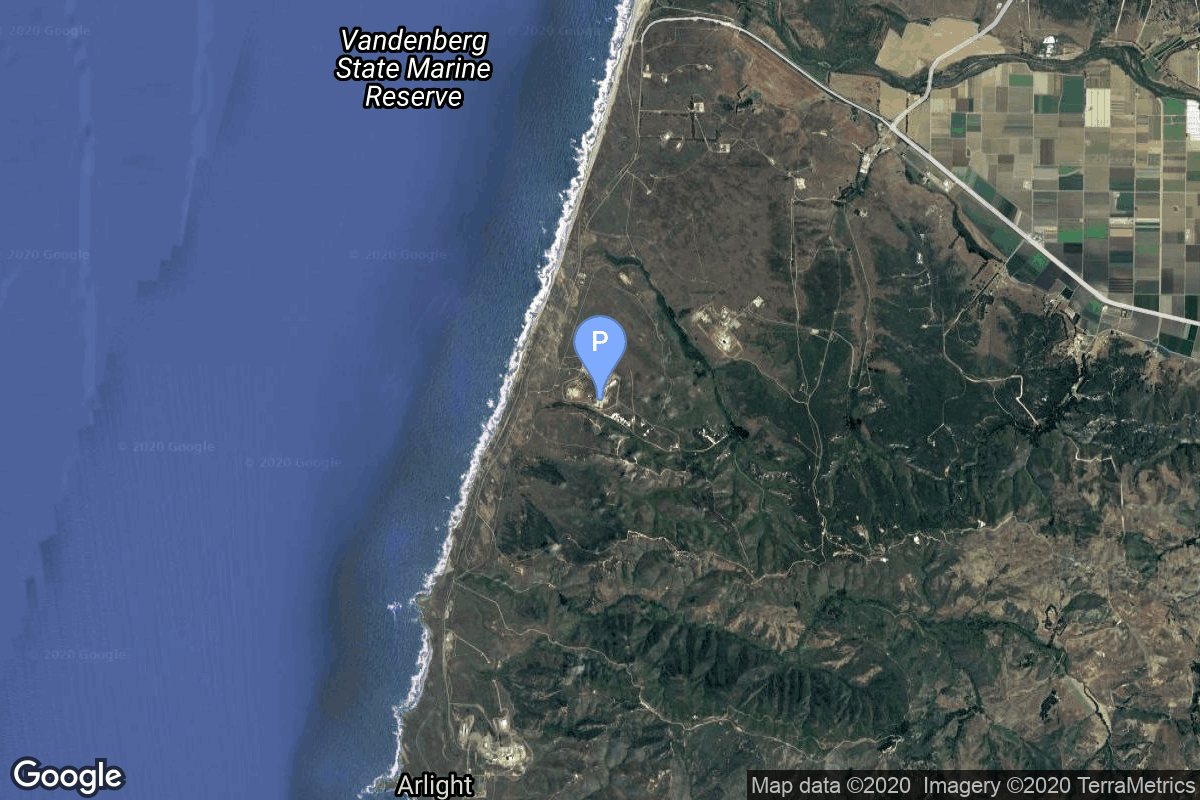
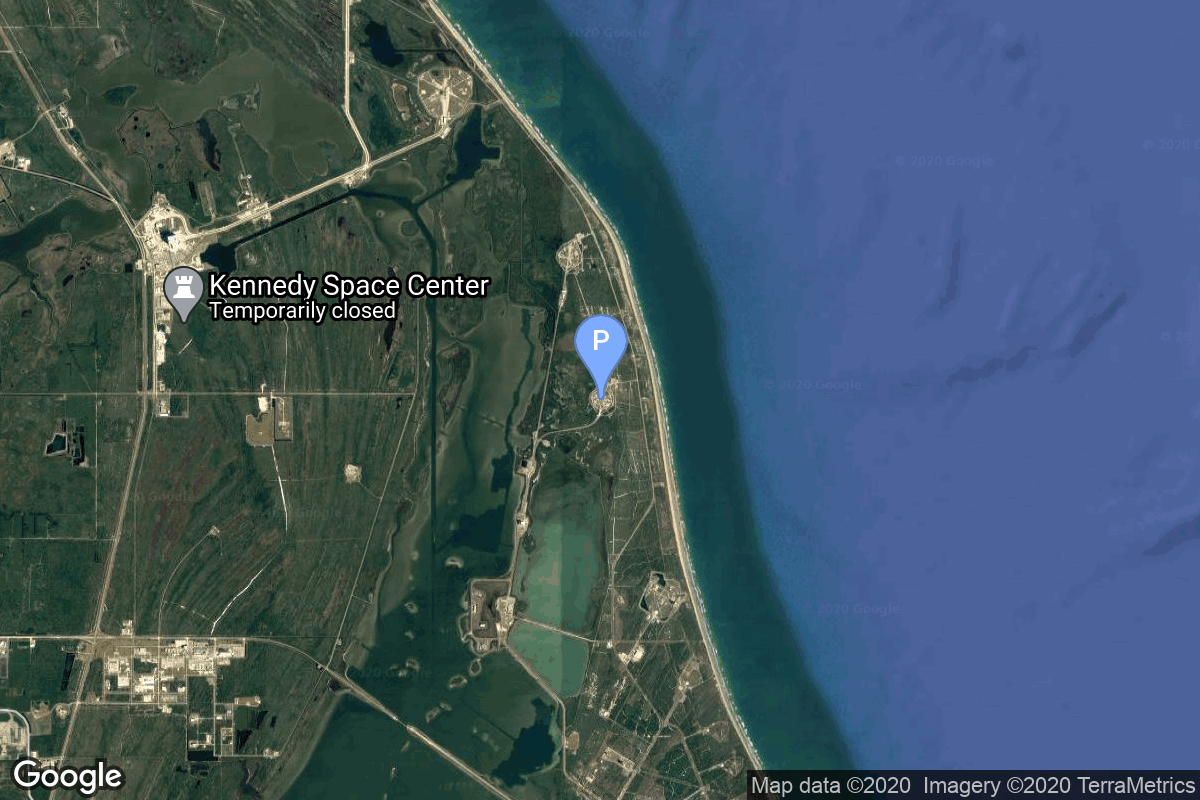
The report details substantial deterioration across common-use launch infrastructure at Kennedy Space Center, with critical systems including electrical power distribution and gas supply networks operating beyond their designed lifespans. NASA projects that Kennedy Space Center will support 268 launches annually by 2030, driven predominantly by commercial sector demand. Meanwhile, Vandenberg Space Force Base in California faces similar strain, with military officials projecting West Coast launch cadences will climb from 66 missions in 2025 to 150 within five years, stressing 1960s-era logistics and environmental limits.
“NASA has struggled to maintain and upgrade the Agency’s launch infrastructure due to declining construction and maintenance budgets, as well as statutory funding barriers and cost recovery practices that prevent commercial partners from contributing equitably to infrastructure projects,” the Office of Inspector General reported.
This capacity crunch arrives precisely as global demand for payload deployment reaches record levels. Novaspace forecasts that 16,900 small satellites will require launch services between 2026 and 2035, equating to an average of 230 tonnes entering low-Earth orbit annually. For the Canadian defence and commercial space sectors, the constraints south of the border reinforce the case for domestic alternatives. While the federal government has awarded a 10-year lease to Maritime Launch Services to secure sovereign launch capacity for the Department of National Defence at Spaceport Nova Scotia, current arrangements do not support civil launches. Canada should consider expanded support for ongoing spaceport efforts, with funding for civil launches at Spaceport Nova Scotia and the Atlantic Spaceport Complex in Newfoundland, potentially enabling three launch pads by 2028 to serve domestic, civil, and international missions.
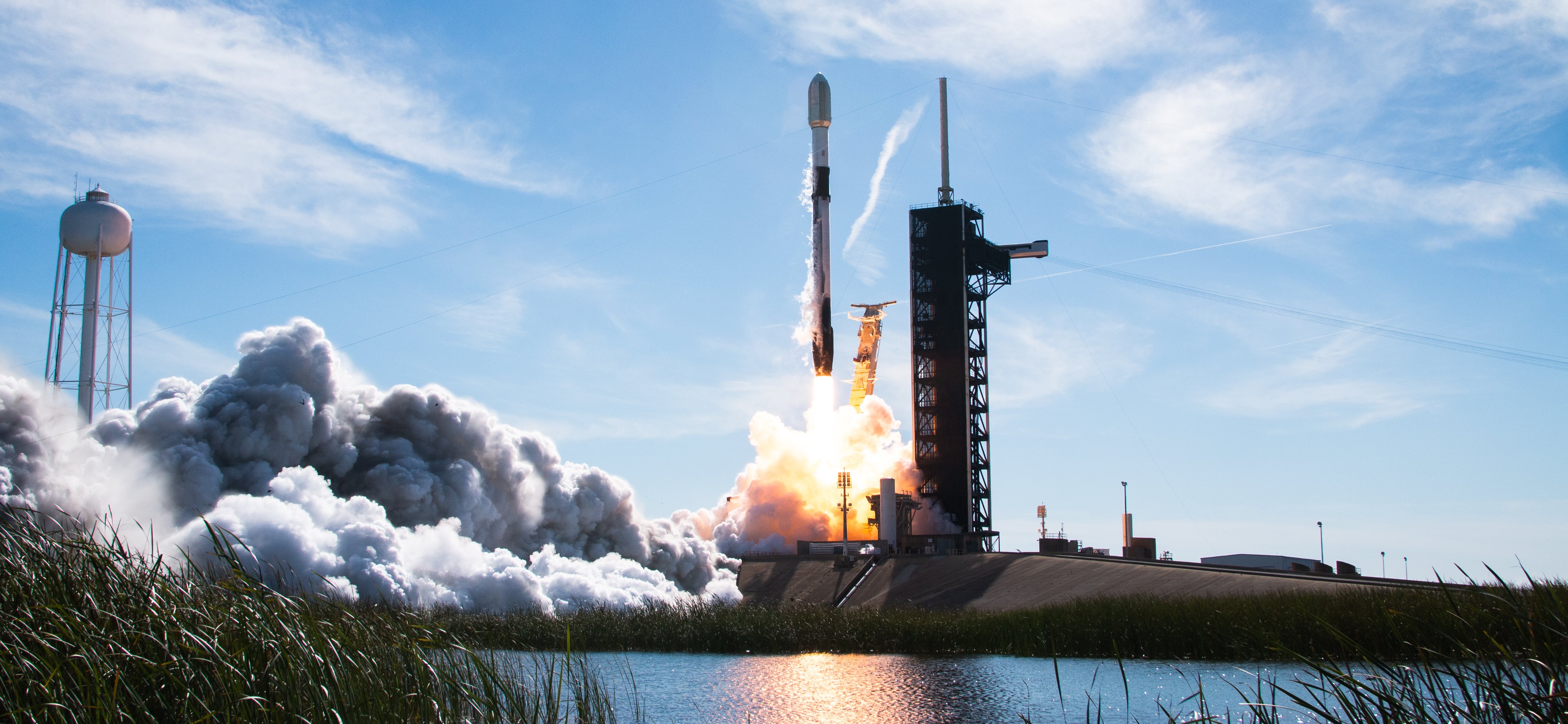
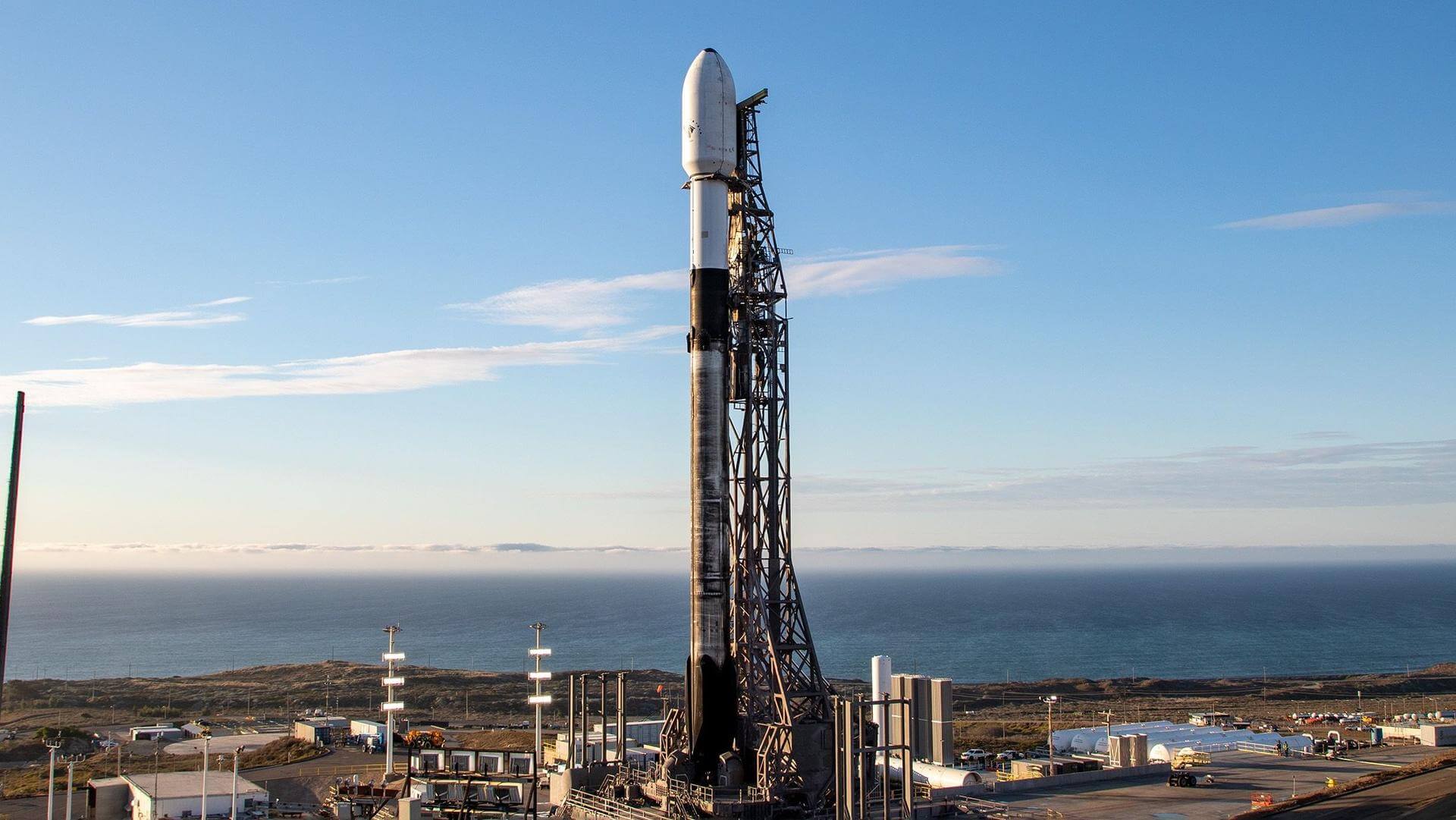
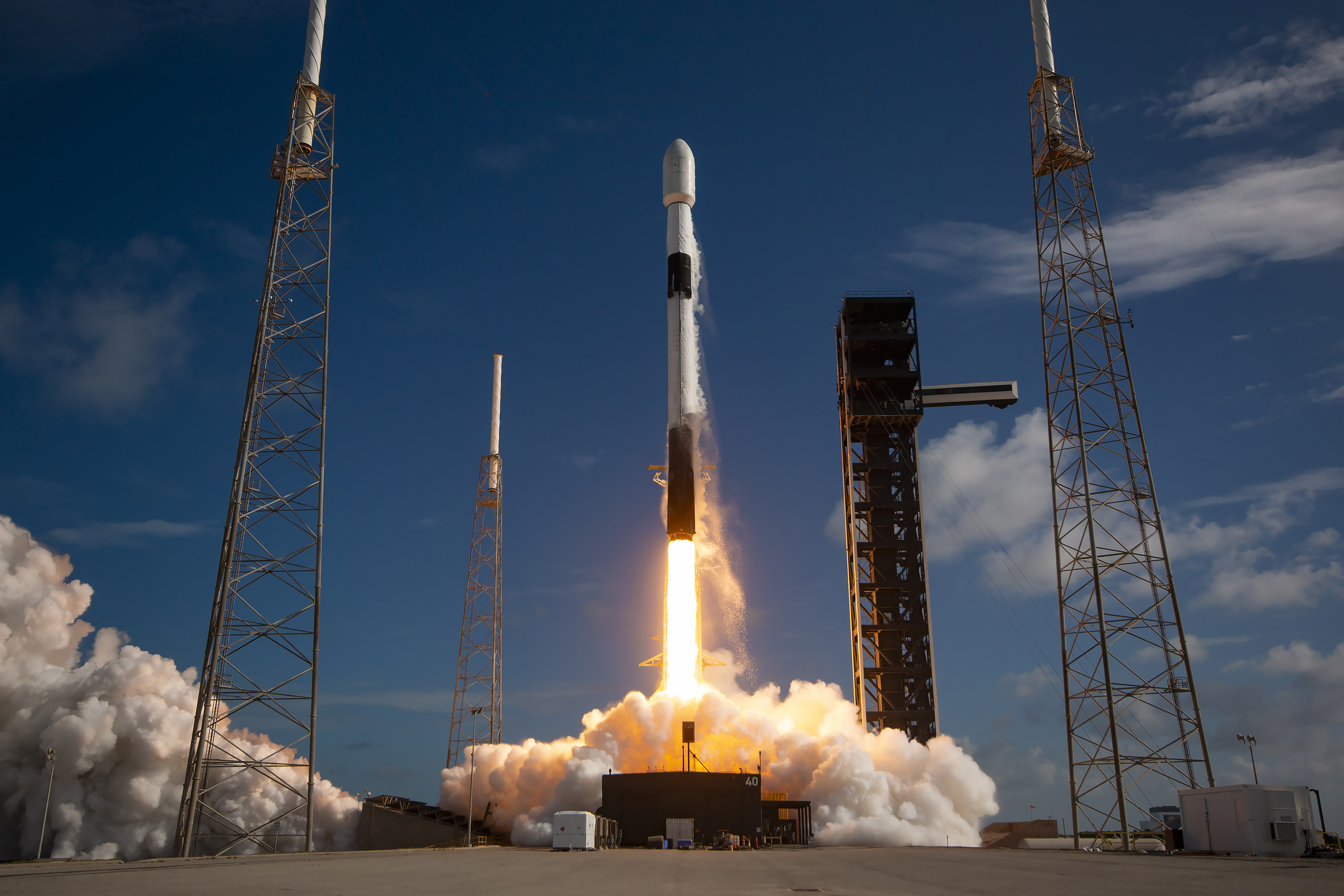
Provider: SpaceX Date: June 25, 2026 Time: 3:19 AM UTC Vehicle: Falcon 9
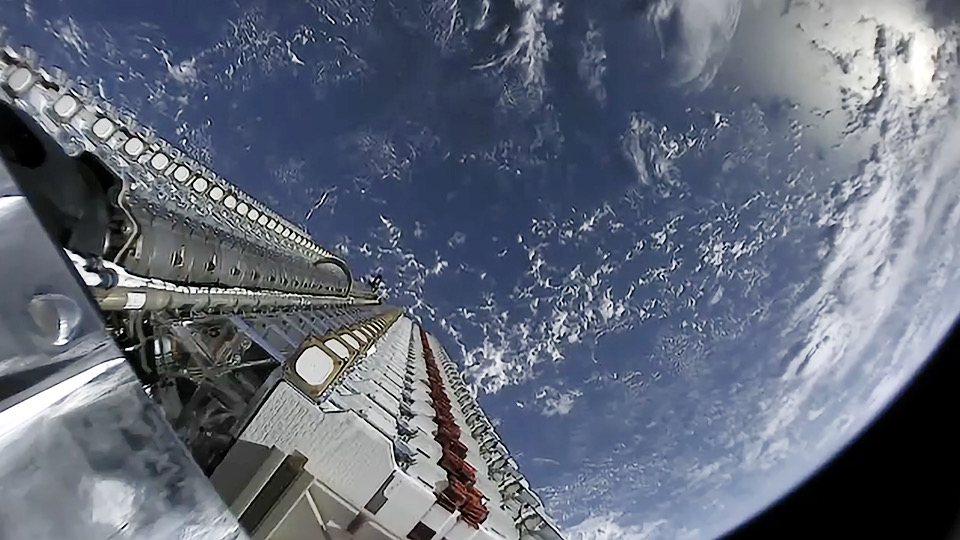
A batch of 24 satellites for the Starlink mega-constellation – SpaceX’s project for space-based Internet communication system.
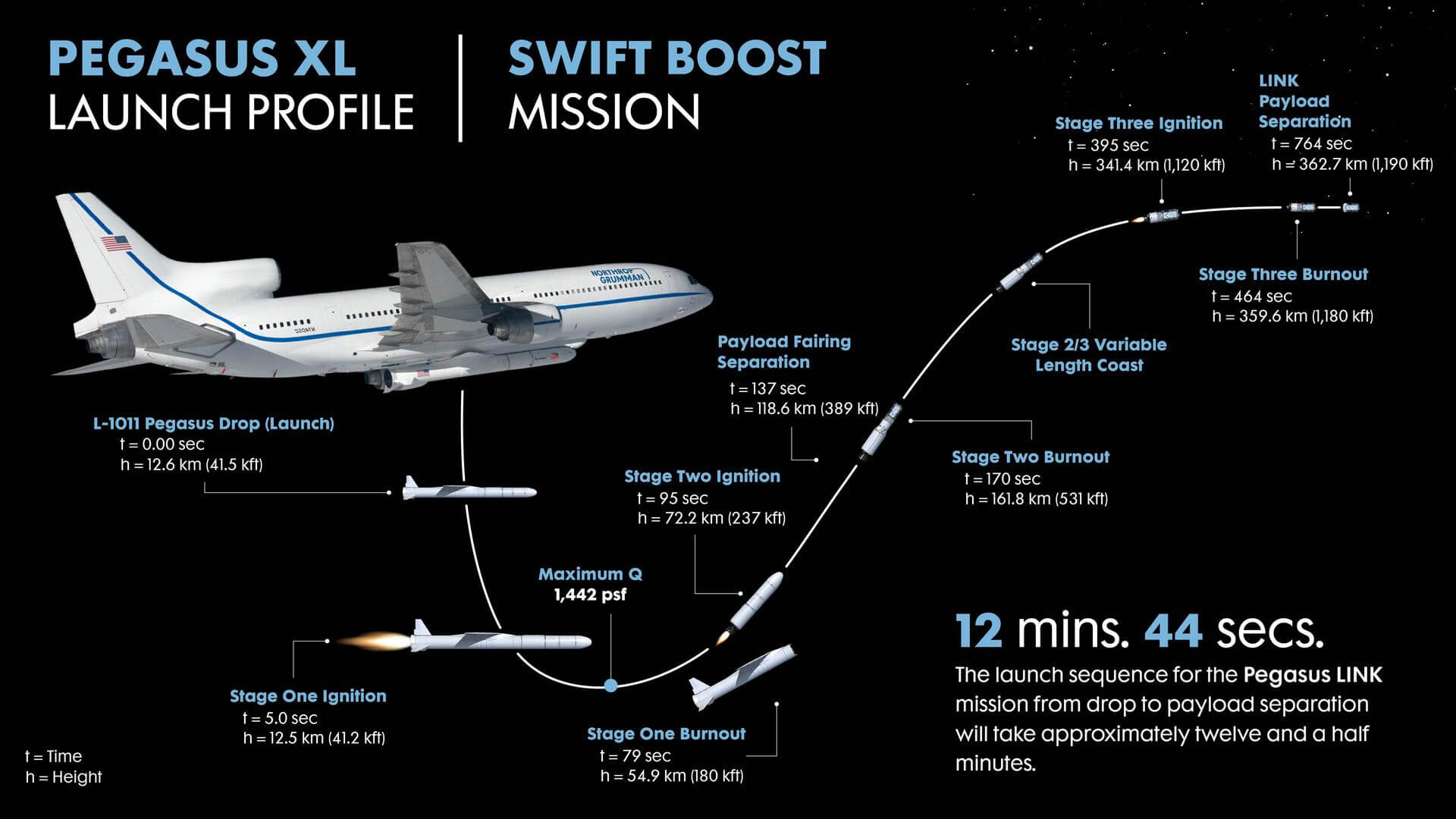
Swift Boost Mission
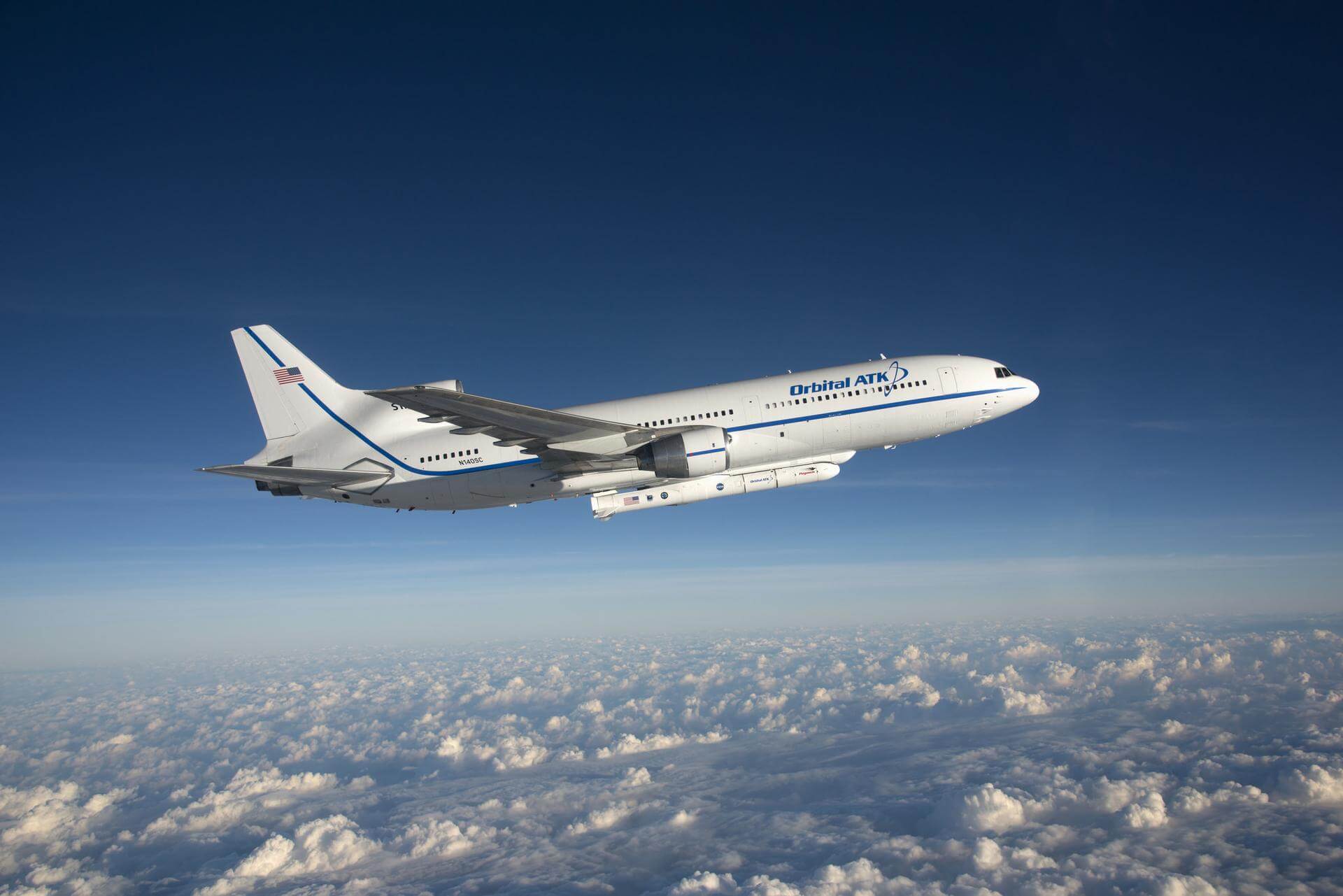
Provider: Northrop Grumman Space Systems Date: June 27, 2026 Time: 9:00 AM UTC Vehicle: Pegasus XL
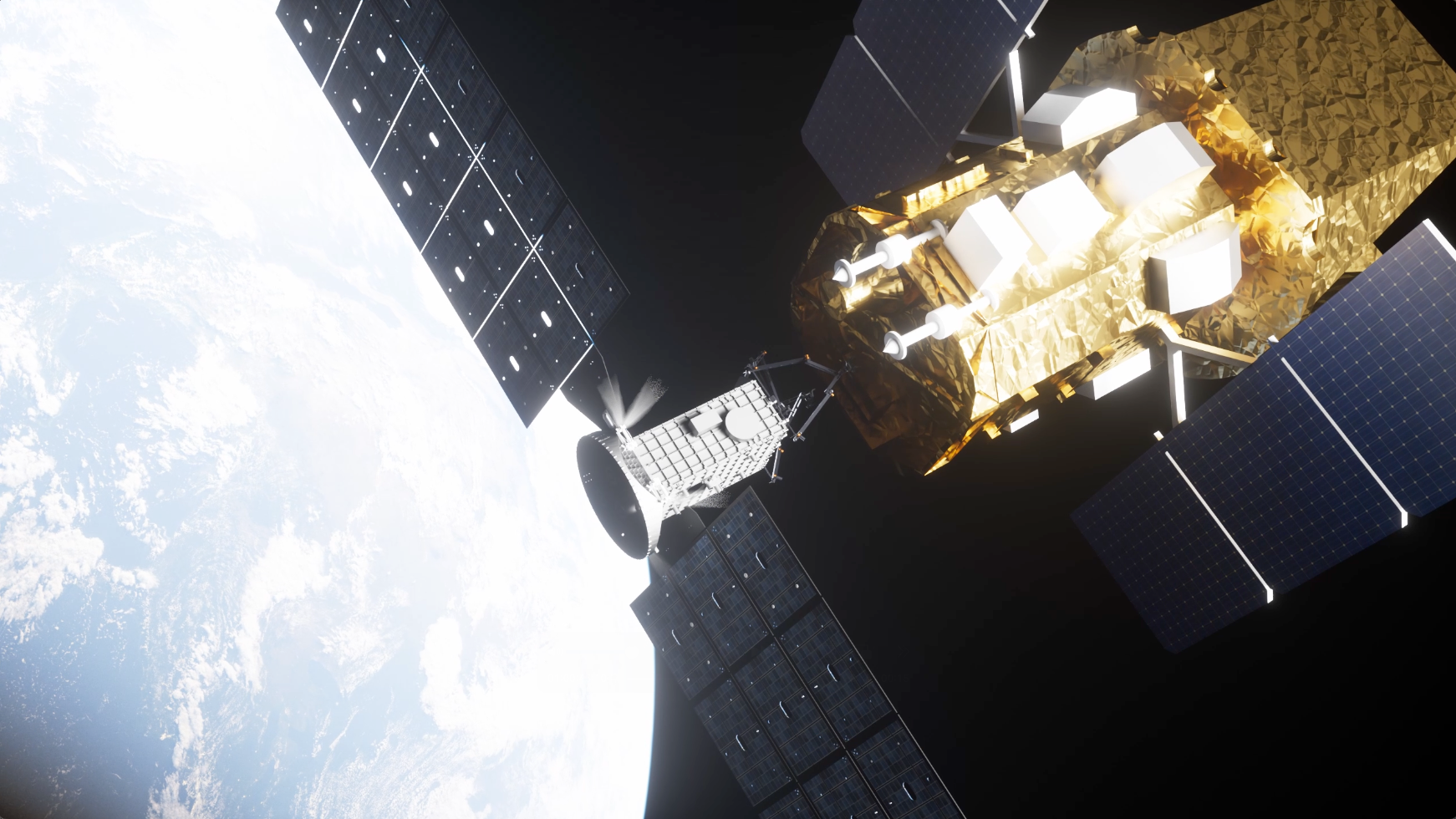
Contracted by NASA under the Small Business Innovation Research Phase 3 contract, Katalyst Space Technologies’ LINK servicing spacecraft will rendezvous and attach to NASA’s Neil Gehrels Swift Observatory to re-boost its orbit. This aims to demonstrate a key capability for the future of space exploration and extending the Swift mission’s science lifetime in gamma ray astronomy.
Starlink Group 17-40
Provider: SpaceX Date: June 28, 2026 Time: 2:00 PM UTC Vehicle: Falcon 9
A batch of 24 satellites for the Starlink mega-constellation – SpaceX’s project for space-based Internet communication system.
Sirius SXM-11
Provider: SpaceX Date: June 29, 2026 Time: 2:25 AM UTC Vehicle: Falcon 9
SXM-11 is the 12th high-powered, digital, audio radio satellite built by Lanteris Space (ex-Maxar, Space System/Loral) for SiriusXM. The SXM-11 satellite will be based on the proven IM-1300 (ex-LS-1300)-class platform and built at the company’s manufacturing facility in Palo Alto, California. SXM-11 has a large, mesh, unfurlable reflector almost 10 meters in diameter that allows SiriusXM programming to reach its radios, including those in moving vehicles.
Demo Flight
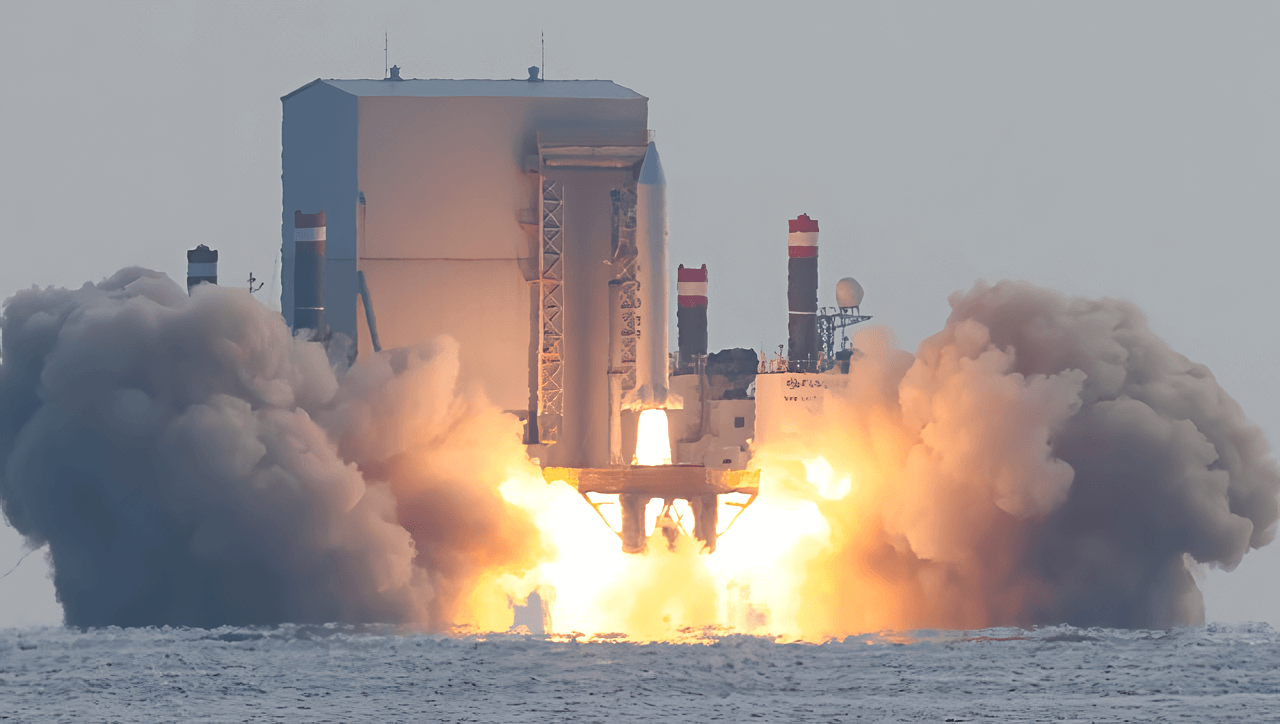
Provider: Agency for Defense Development Date: June 29, 2026 Time: 5:00 AM UTC Vehicle: South Korean ADD Solid-Fuel SLV
Note: Launch vehicle name is provisional.
First orbital full version launch of the South Korean military small satellite launch vehicle, after 2 sub-orbital tests of individual stages on 30 March and 30 December 2022, and 1 orbital test flight without the 2nd stage on 4 December 2023. Details TBD.
Starlink Group 17-45 ×
Mission Details
TypeCommunications
OrbitLow Earth Orbit
TargetEarth
A batch of 24 satellites for the Starlink mega-constellation – SpaceX’s project for space-based Internet communication system.
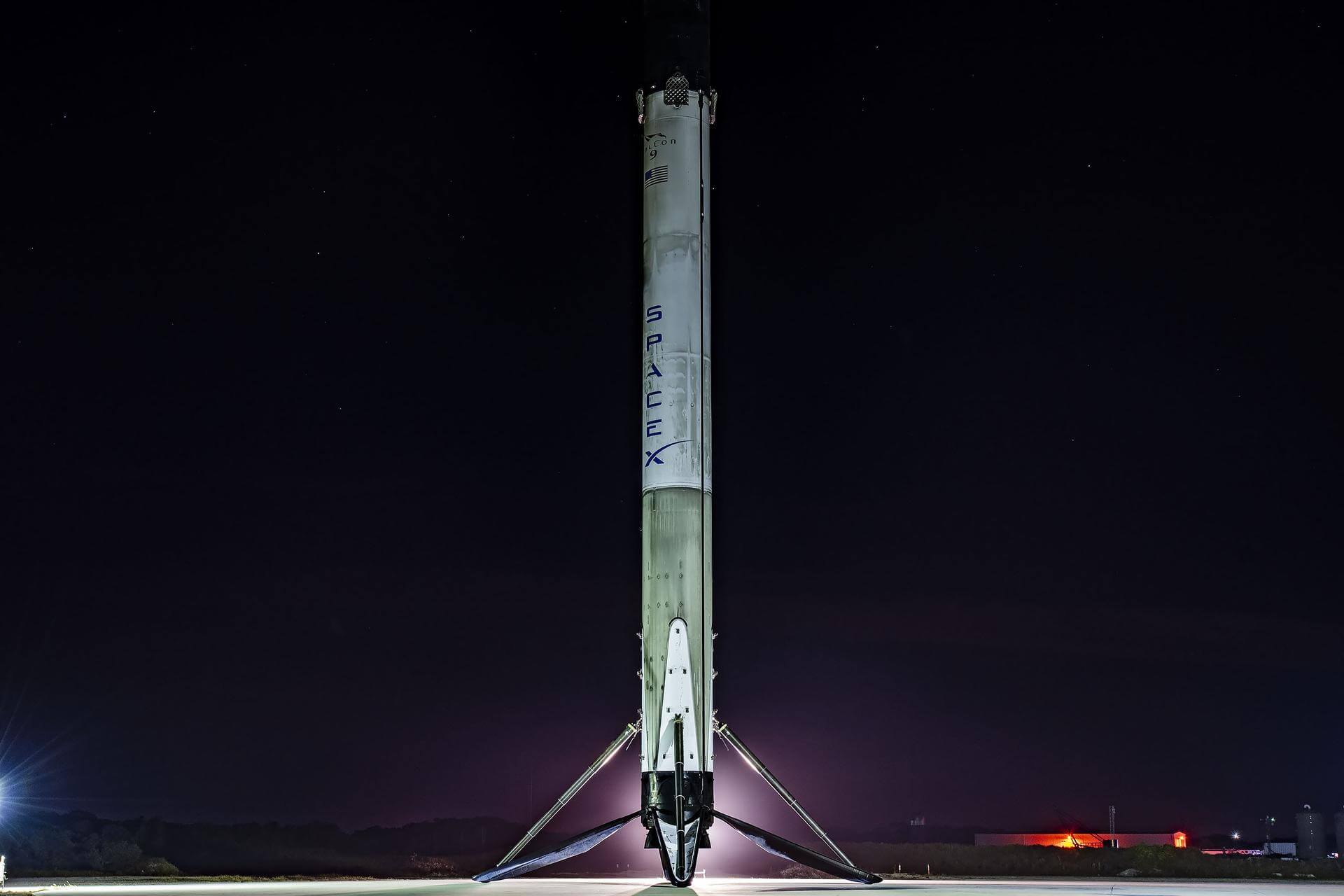
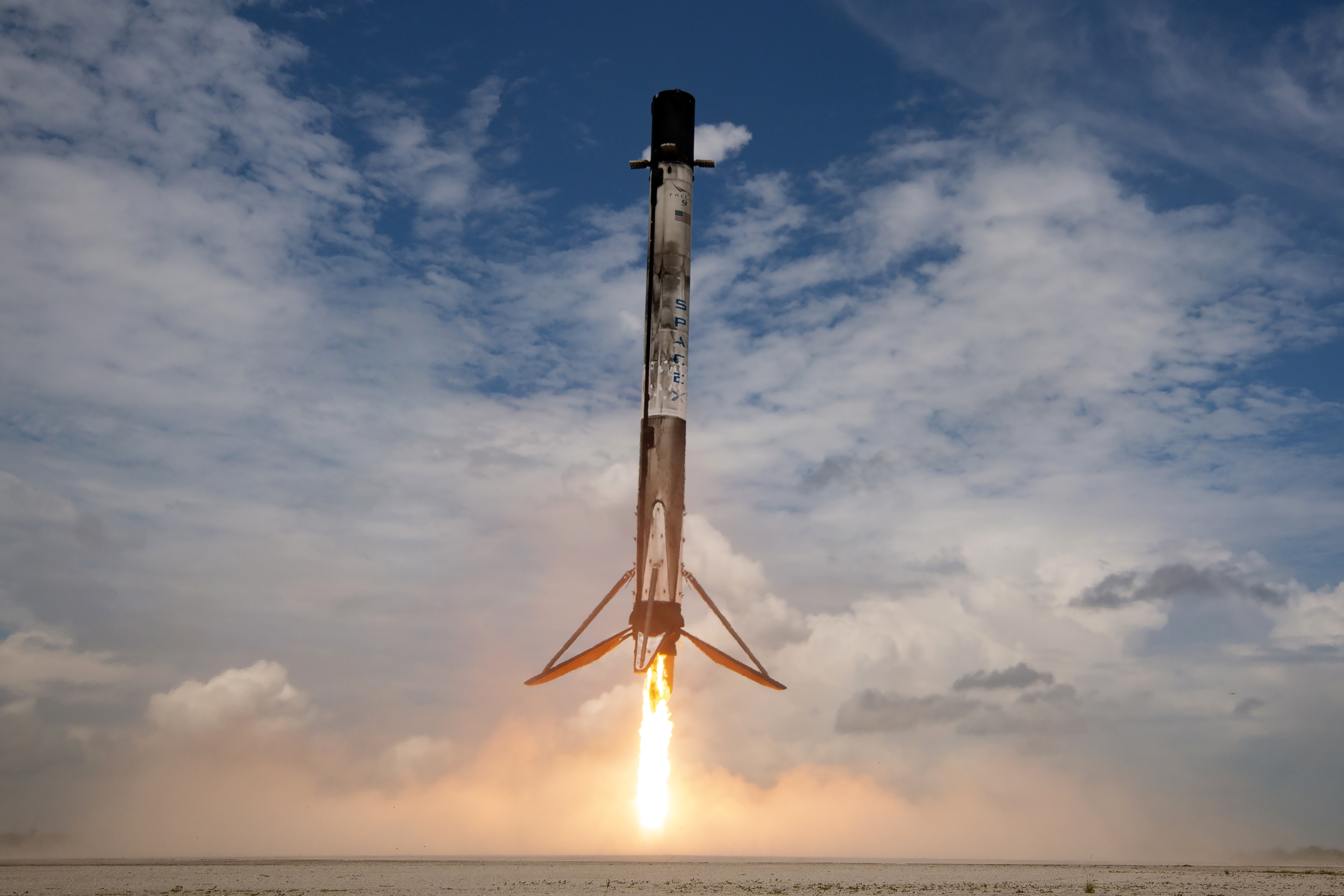
Falcon 9 is a two-stage rocket designed and manufactured by SpaceX for the reliable and safe transport of satellites and the Dragon spacecraft into orbit. The Block 5 variant is the fifth major interval aimed at improving upon the ability for rapid reusability.
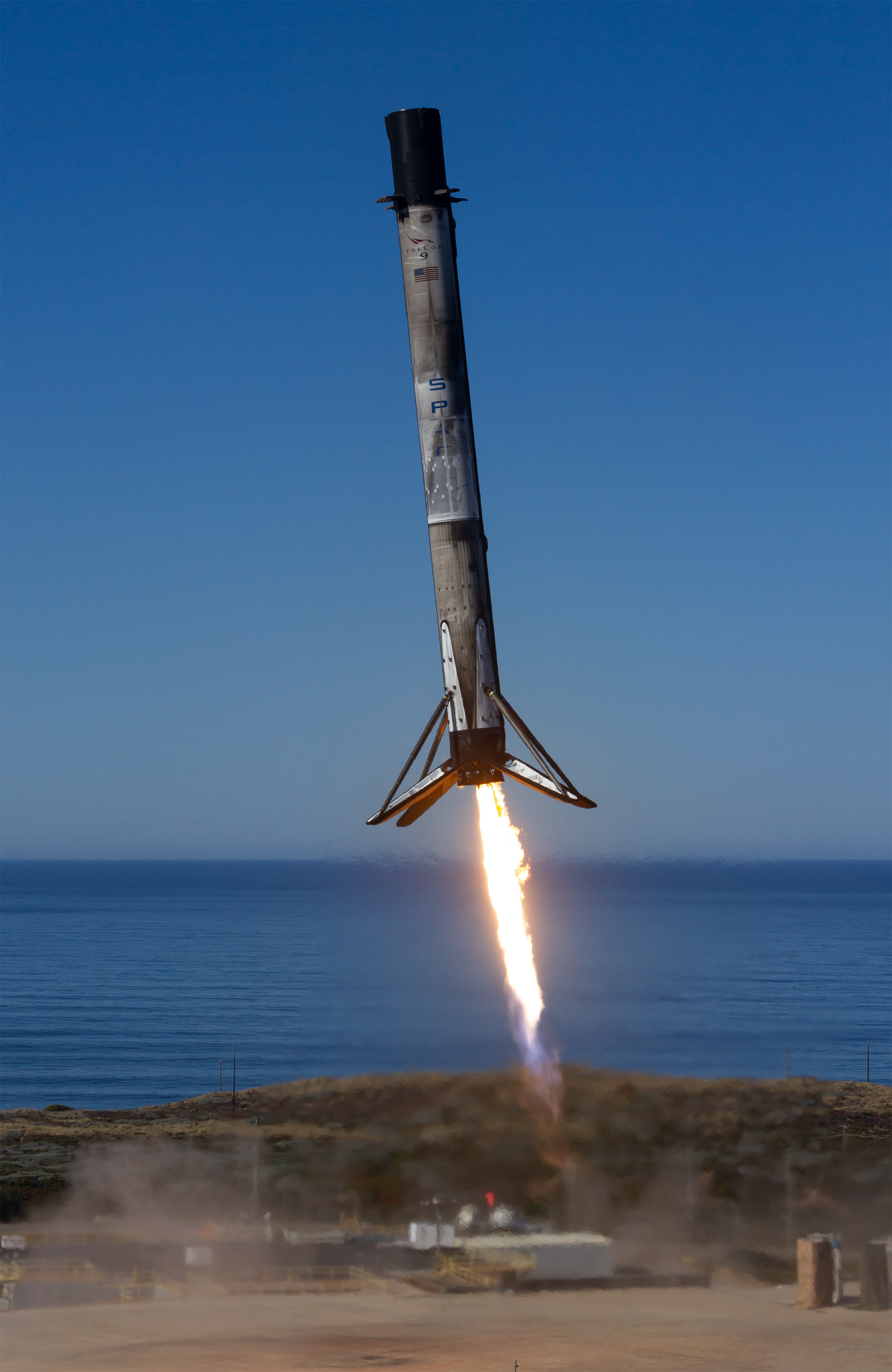
The Falcon 9 first stage B1081 will land on ASDS OCISLY after its 25th flight.
Swift Boost Mission ×
Mission Details
TypeMission Extension
OrbitLow Earth Orbit
TargetEarth
Contracted by NASA under the Small Business Innovation Research Phase 3 contract, Katalyst Space Technologies’ LINK servicing spacecraft will rendezvous and attach to NASA’s Neil Gehrels Swift Observatory to re-boost its orbit. This aims to demonstrate a key capability for the future of space exploration and extending the Swift mission’s science lifetime in gamma ray astronomy.
Agencies Involved
• Katalyst Space (Private)
• National Aeronautics and Space Administration (Government)
Payload: LINK
TypeIn-Orbit Servicing
Mass400 kg
DestinationSwift
Quantity1
ManufacturerKatalyst Space
OperatorKatalyst Space
Spacecraft designed, built and operated by Katalyst Space as part of the Swift rescue mission
The Pegasus is an air-launched rocket developed by Orbital Sciences Corporation (now part of Northrop Grumman Innovation Systems). Capable of carrying small payloads of up to 443 kilograms (977 lb) into low Earth orbit, the vehicle consists of three solid propellant stages and an optional…
Falcon 9 is a two-stage rocket designed and manufactured by SpaceX for the reliable and safe transport of satellites and the Dragon spacecraft into orbit. The Block 5 variant is the fifth major interval aimed at improving upon the ability for rapid reusability.
The Falcon 9 first stage B1088 will land on ASDS OCISLY after its 17th flight.
Sirius SXM-11 ×
Mission Details
TypeCommunications
OrbitGeostationary Transfer Orbit
TargetEarth
SXM-11 is the 12th high-powered, digital, audio radio satellite built by Lanteris Space (ex-Maxar, Space System/Loral) for SiriusXM. The SXM-11 satellite will be based on the proven IM-1300 (ex-LS-1300)-class platform and built at the company’s manufacturing facility in Palo Alto, California. SXM-11 has a large, mesh, unfurlable reflector almost 10 meters in diameter that allows SiriusXM programming to reach its radios, including those in moving vehicles.
Falcon 9 is a two-stage rocket designed and manufactured by SpaceX for the reliable and safe transport of satellites and the Dragon spacecraft into orbit. The Block 5 variant is the fifth major interval aimed at improving upon the ability for rapid reusability.
The Falcon 9 first stage B1085 will land on ASDS ASOG after its 17th flight.
Demo Flight ×
Mission Details
TypeTest Flight
OrbitLow Earth Orbit
TargetEarth
Note: Launch vehicle name is provisional.
First orbital full version launch of the South Korean military small satellite launch vehicle, after 2 sub-orbital tests of individual stages on 30 March and 30 December 2022, and 1 orbital test flight without the 2nd stage on 4 December 2023. Details TBD.
Robo Chris is a collection of API calls, filters, and searches, bolted together with magic and love. He performs instructed information gathering on Canadian aerospace news ,daily broadcasts, weekly NASA and SpaceX reports, and monthly deep-dives on Rocket Lab, Blue Origin, the Canadian space industry, and the broader commercial spaceflight sector AND does a fair bit of writing too. Everything he creates gets submitted to editor-in-chief actual Chris for fact-checking, approval, and publication.