
The NASA Overview: Moon Base Phase 1 Launches, Artemis III Crew Nears Announcement
The Artemis Report Takes Shape Around Moon Base Strategy
With the Artemis III crew announcement scheduled for Tuesday, June 9, at 11 a.m. EDT at Johnson Space Center, NASA is crystallising the lunar architecture that will support crewed landing missions. But the real momentum this week came from the Moon Base strategy itself—a phased approach that treats the Moon not as a destination for a handful of visits, but as a workspace.
NASA Administrator Jared Isaacman framed Phase 1 as the “Science of Survival”: small, lower-cost robotic missions that will solve the engineering puzzles of lunar surface operations before heavy-lift vehicles like Starship deposit infrastructure for sustained habitation. The Artemis III mission—four astronauts testing rendezvous and docking capabilities—follows this same logic: prove the systems first, then scale. The crew names will arrive next month; the lunar landing architecture is being built now.
Moon Base Unmasks Three Initial Missions and Rover Contracts
On Tuesday, May 26, NASA laid out the opening moves of Moon Base in granular detail. Three Commercial Lunar Payload Services (CLPS) missions form the first wave, each touching down near the lunar south pole and carrying science payloads and technology demonstrations.
Moon Base I, flown by Blue Origin’s Blue Moon MK1 Endurance lander, is targeted for launch no earlier than the third quarter of 2026. This uncrewed flight will demonstrate the BE-7 engine in flight for the first time, along with precision landing capabilities and surface power systems. The Endurance will carry a Laser Retroreflector Array for improved navigation and the SCALPSS camera suite to image engine-plume interactions with regolith. The landing site: Shackleton Connecting Ridge, a ridge near the south pole where permanently shadowed craters hold water ice—a strategic location for future human operations.

Moon Base II, launching no earlier than the fourth quarter of 2026 aboard a SpaceX Falcon Heavy, will fly Astrobotic’s Griffin lander on its maiden voyage. Griffin carries more than 500 kg of payload, including Astrolab’s FLIP rover—a testbed for technologies that will support crewed lunar mobility. The Griffin follows Astrobotic’s Peregrine Mission One, which suffered a propellant leak and did not reach the surface, so this flight carries the weight of a second-chance narrative in commercial lunar operations.
Moon Base III, Intuitive Machines’ third Nova-C lander flight, is manifested for the fourth quarter of 2026 on a SpaceX Falcon 9. This lander, named Trinity, will carry international partner payloads and the Lunar Vertex science investigation, which will study lunar swirls—high-albedo surface features whose origin remains mysterious. Nova-C landers have soft-landed before, but tipped over on both IM-1 and IM-2; Trinity will face the challenge again.
Alongside these three anchor missions, NASA has awarded contracts for the first crewed Lunar Terrain Vehicles (LTVs). Astrolab received a $219 million task order for its Crew Lunar Vehicle (CLV-1), a one-metric-tonne rover derived from its FLEX architecture and capable of speeds exceeding 9 km/h. Lunar Outpost received a $220 million award for its Pegasus rover, an evolution of the Eagle design, which can reach 14 km/h and support crewed driving, teleoperation from Earth, and autonomous operation. Both rovers will be smaller than early concept designs—constrained by current lander lift capacity—but both will conduct reconnaissance ahead of the first crewed Artemis landing, reducing risk for astronauts.

Delivery to the lunar surface will flow through Blue Origin’s Blue Moon MK1 lander using a crane offloading system. The revised timeline targets the first LTV for Artemis IV, the initial crewed lunar landing, now planned for 2028.
Beyond rovers, NASA is preparing MoonFall—four JPL-built propulsive drones, 250 kg hoppers in the Ingenuity heritage, to be delivered to the Moon in 2028 via Firefly Aerospace and an Elytra space tug. The drones will separate mid-flight, perform their own landings, and conduct high-resolution mapping with up to ten HD cameras during a single lunar day. At mission end, they will position themselves to mark the perimeter of the future Moon Base site and carry survive-the-night payloads, allowing them to wake when the sun rises—but they will not fly again.
NASA indicated that more than a dozen additional Moon Base missions will be announced later in 2026 as Phase 1 unfolds.
Hematite as a Clock: Mars Reveals Its Ancient Climate Timeline
NASA’s Curiosity rover has provided a new mineralogical marker for reading Mars’ climate history. A study published Thursday in Science, led by researchers at NASA’s Johnson Space Center in Houston, reveals that the size and structure of hematite crystallites—iron oxide minerals—can indicate the temperature and water availability under which they formed.
Scientists analysed 20 samples drilled by Curiosity across various elevations throughout Gale Crater. They found that hematite crystallites from higher elevations were smaller (less than 10 nanometres) compared to crystallites from lower elevations, which reached up to 65 nanometres. They also discovered that goethite, a mineral typically forming alongside hematite, was absent in lower-elevation samples but present in higher ones. This pattern suggests warm, neutral-to-alkaline groundwater persisted for up to 4.7 million years in the deepest layers of Gale Crater—potentially creating habitable conditions despite Mars’ climate cooling.
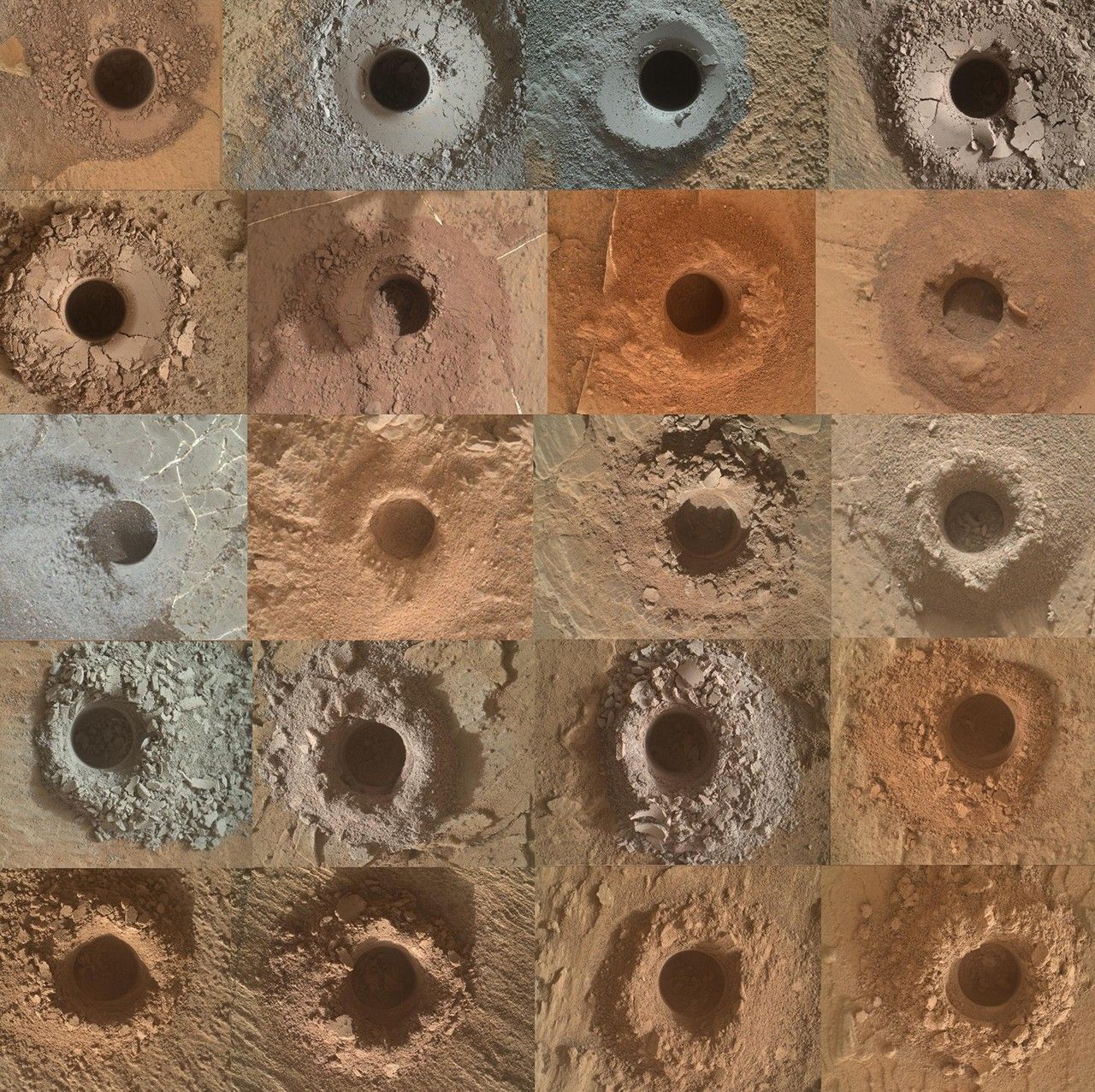
The findings underscore that Mars’ ancient interior held more promise for microbial life than its surface suggested. Long after the planet lost its protective magnetic field and its atmosphere thinned, warm water in buried rocks may have provided refuge.
Roman Mission to Survey 100 Million Stars and Find Worlds Never Before Detected
NASA’s Nancy Grace Roman Space Telescope is preparing for an exoplanet discovery spree that will reshape our understanding of planetary diversity. The mission is expected to reveal around 100,000 transiting exoplanets—a staggering leap from the nearly 6,300 confirmed to date—and more than 1,000 planets via microlensing, a gravitational technique that can detect Earth-sized and smaller worlds in their star’s habitable zone and beyond.
The key innovation: Roman will search underexplored regions of the Milky Way, particularly the galactic bulge, where star density and chemical composition differ dramatically from our solar neighbourhood. The galactic centre is rich in planet-forming elements but flooded with radiation from tightly packed stars. The outskirts are calmer but poorer in heavy elements. Roman will sample populations across these different neighbourhoods, potentially revealing how planet formation varies with galactic environment.
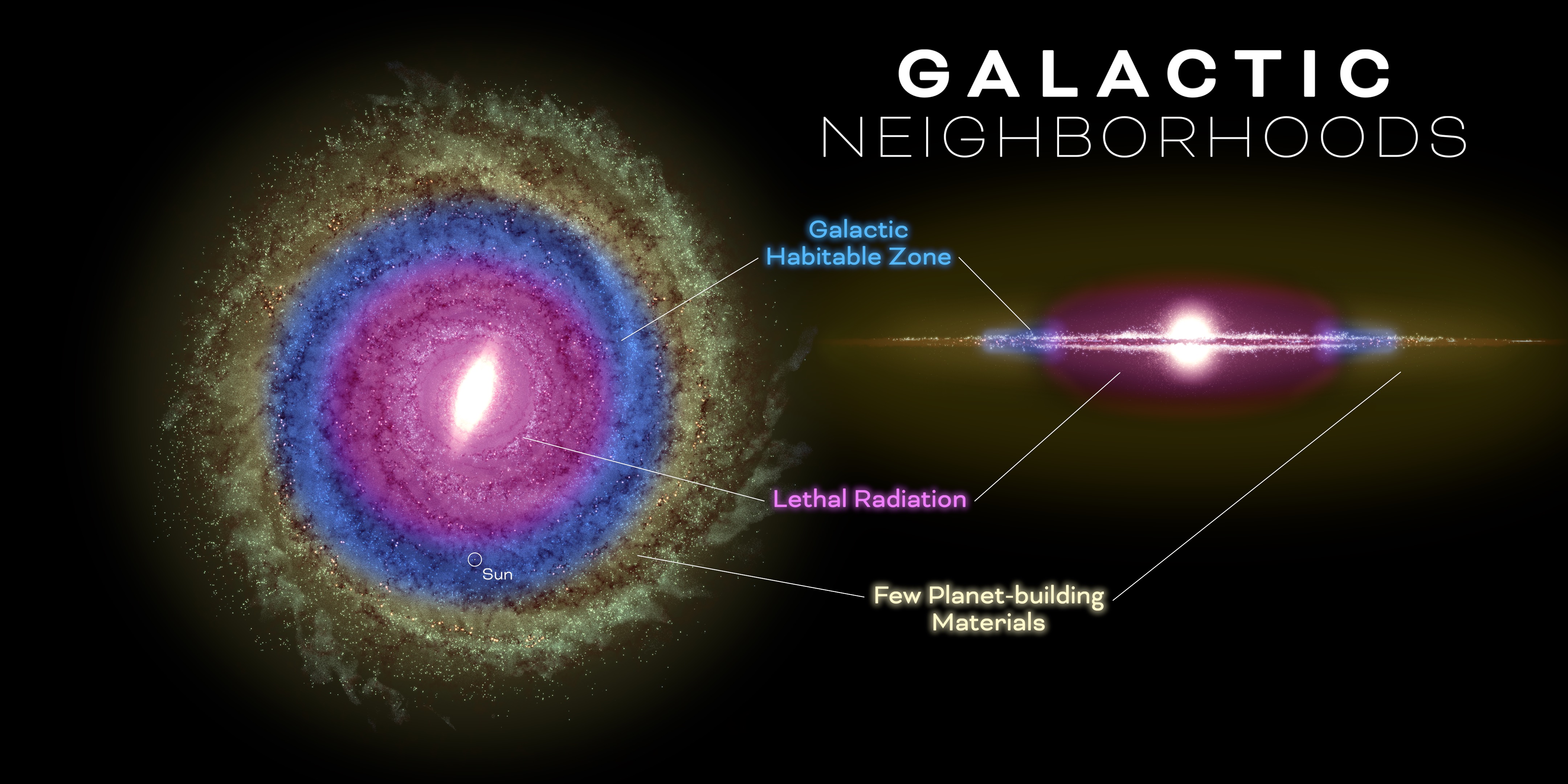
The mission will combine two complementary detection methods: the transit method, sensitive to giant, scorching worlds that eclipse their stars frequently, and microlensing, which excels at finding planets with larger orbits—analogues to Jupiter and Saturn in our own system. Scientists are also preparing to measure the atmospheres of thousands of transiting planets, creating a large-scale statistical view of exoplanet climates that deeper missions like the James Webb Space Telescope can follow up on. Roman’s infrared heat vision will detect “hot Jupiters” orbiting their stars in just days, and by tracking how their brightness changes, scientists can map atmospheric winds and heat circulation.
The result promises to be a foundational dataset that will reshape exoplanet science in the way Kepler revolutionised the field over a decade ago.
Expedition 74 Completes Spacewalk, Advances Biotech Research
On Wednesday, May 27, Roscosmos cosmonauts Sergey Kud-Sverchkov and Sergei Mikaev completed a five-hour-plus spacewalk outside the International Space Station, installing a solar radiation experiment and retrieving science hardware. They removed a microorganism study from the exterior of the Poisk module and retrieved a cassette from the Nauka module containing data on how semiconductor materials form in microgravity. Time permitting, they also photographed a failed antenna on the Progress 94 cargo spacecraft.
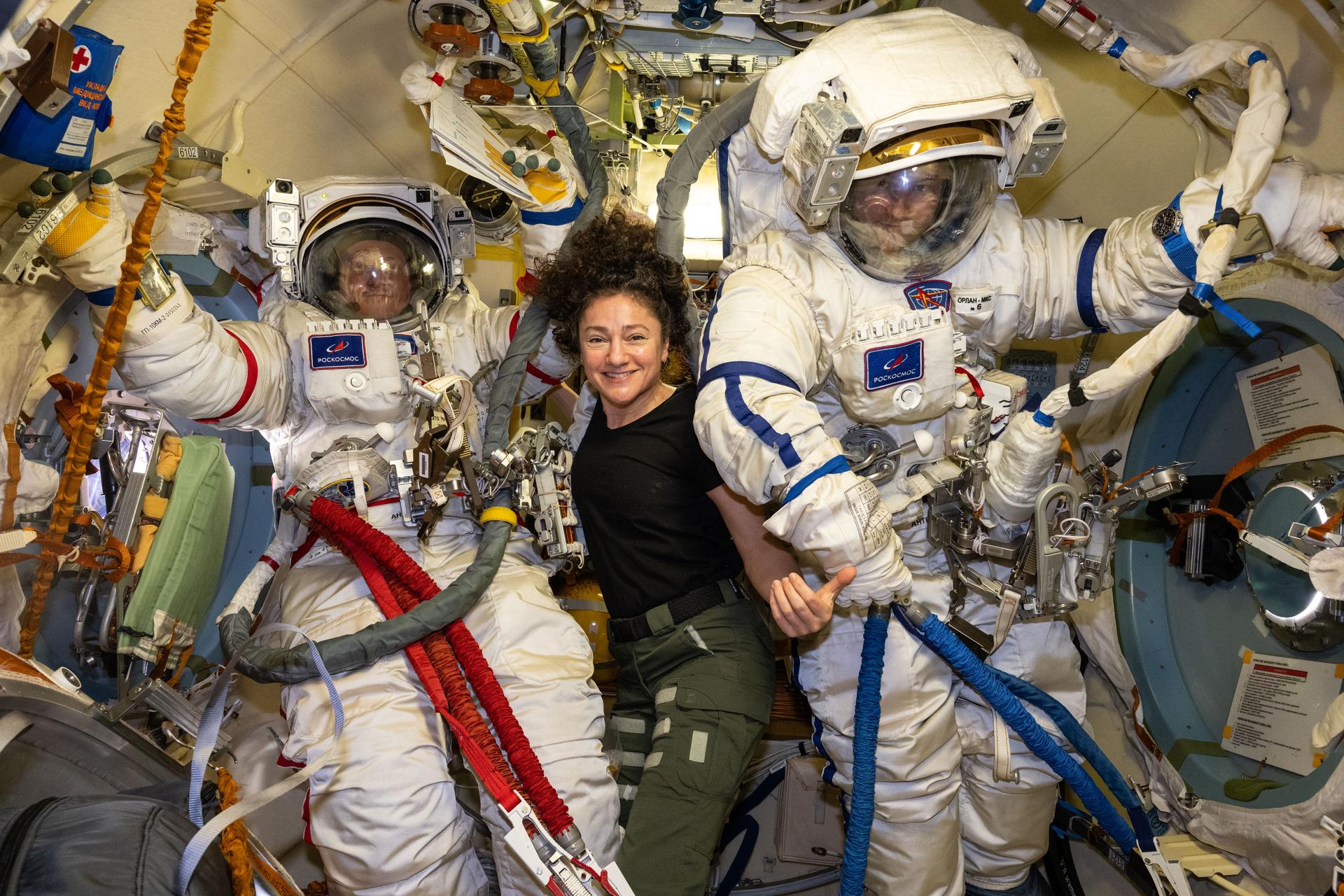
This was the second spacewalk for Kud-Sverchkov and the first for Mikaev; cosmonaut Andrey Fedyaev operated the European Robotic Arm from inside the station to position the spacewalkers at their worksites. The spacewalk marked the 279th in support of ISS assembly, maintenance, and upgrades.
Meanwhile, the Expedition 74 crew continued advancing biomedical research. Researchers are working to produce high-quality stem cells in larger quantities in space, aiming to improve patient outcomes for people on Earth with blood cancers, immune diseases, and other blood disorders. The microgravity environment, it turns out, offers unique advantages for cell cultivation at scale—one of many ways the ISS serves as a laboratory for solving problems on the ground.
X-59 Approaches Milestone, New Glenn Faces Early Setback
NASA’s X-59 quiet supersonic research aircraft has completed 15 flights since returning to the skies in March 2026 and is now poised to cross a critical threshold. The X-plane is expected to fly supersonic—faster than 630 mph—for the first time in early June at an altitude of approximately 43,000 feet. After that, it will execute a “mission conditions” flight at Mach 1.4 (925 mph) and 55,000 feet—the speed and altitude NASA’s Quesst mission was designed to prove.
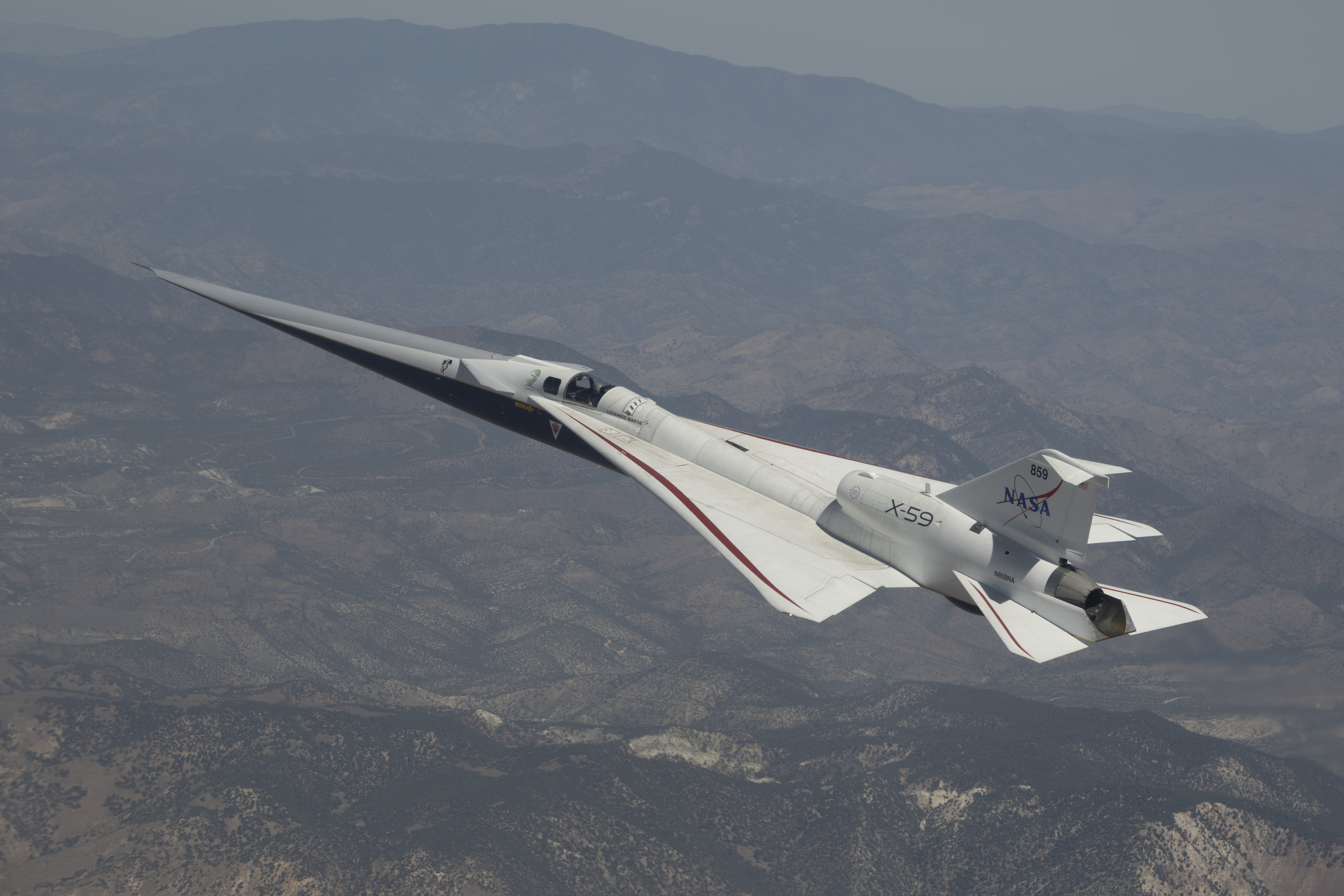
To date, the X-59 has achieved landing gear retraction, altitudes up to 43,000 feet at near-supersonic speeds (Mach 0.95), dual-flight days, and a full envelope expansion from lower to higher altitudes. Engineers have collected detailed data on fuel systems, hydraulics, environmental controls, and the eXternal Vision System—the unique camera array that replaces the traditional windshield, allowing the pilot to see forward via a display. Phase 1 of Quesst focuses on proving the aircraft’s airworthiness; Phase 2, later this year, will deploy shock-sensing probes to verify that the X-59 is producing the quiet supersonic “thump” it was designed for.
The promise of quiet supersonic flight—if realised—could reshape commercial aviation, allowing supersonic overland routes without sonic booms that would disrupt communities below.
Outside the X-plane programme, Blue Origin’s New Glenn rocket faced an early setback. In the early hours of Thursday, May 29, an anomaly occurred at Launch Complex 36 at Cape Canaveral Space Force Station during preparations for New Glenn’s test flight. NASA Administrator Isaacman acknowledged that “spaceflight is unforgiving, and developing new heavy-lift launch capability is extraordinarily difficult,” and stated that NASA will work with Blue Origin to support a thorough investigation and assess impacts to agency missions. The agency indicated that details on any effects to Artemis and Moon Base programmes will be provided as information becomes available.
Citations
- “Rovers and Drones laying the foundations for NASA Moon Base” — https://www.nasaspaceflight.com/2026/05/rovers-drones-nasa-moon-base/
- “NASA Uses Mineralogical Marker to Understand Ancient Martian Climate” — https://science.nasa.gov/science-research/astromaterials/nasa-uses-mineralogical-marker-to-understand-ancient-martian-climate/
- “NASA’s Roman Mission Preps to Unveil New Populations of Faraway Worlds” — https://www.nasa.gov/missions/roman-space-telescope/nasas-roman-mission-preps-to-unveil-new-populations-of-faraway-worlds/
- “NASA’s X-59 Prepares for First Supersonic Flight” — https://www.nasa.gov/centers-and-facilities/armstrong/nasas-x-59-prepares-for-first-supersonic-flight/
- “Cosmonauts Prep for Spacewalk for Science Work Today on NASA+” — https://www.nasa.gov/blogs/spacestation/2026/05/27/cosmonauts-prep-for-spacewalk-for-science-work-today-on-nasa/
- NASA X account (@NASA) — May 26–28, 2026 — Moon Base announcements, lunar terrain vehicles, MoonFall drones — https://x.com/NASA
- NASA Administrator X account (@NASAAdmin) — May 22–29, 2026 — Moon Base strategy phases, Blue Origin New Glenn anomaly — https://x.com/NASAAdmin
- ISS X account (@Space_Station) — May 27–28, 2026 — Spacewalk completion, stem cell research — https://x.com/Space_Station
- NASA JPL X account (@NASAJPL) — May 27, 2026 — MoonFall drones — https://x.com/NASAJPL
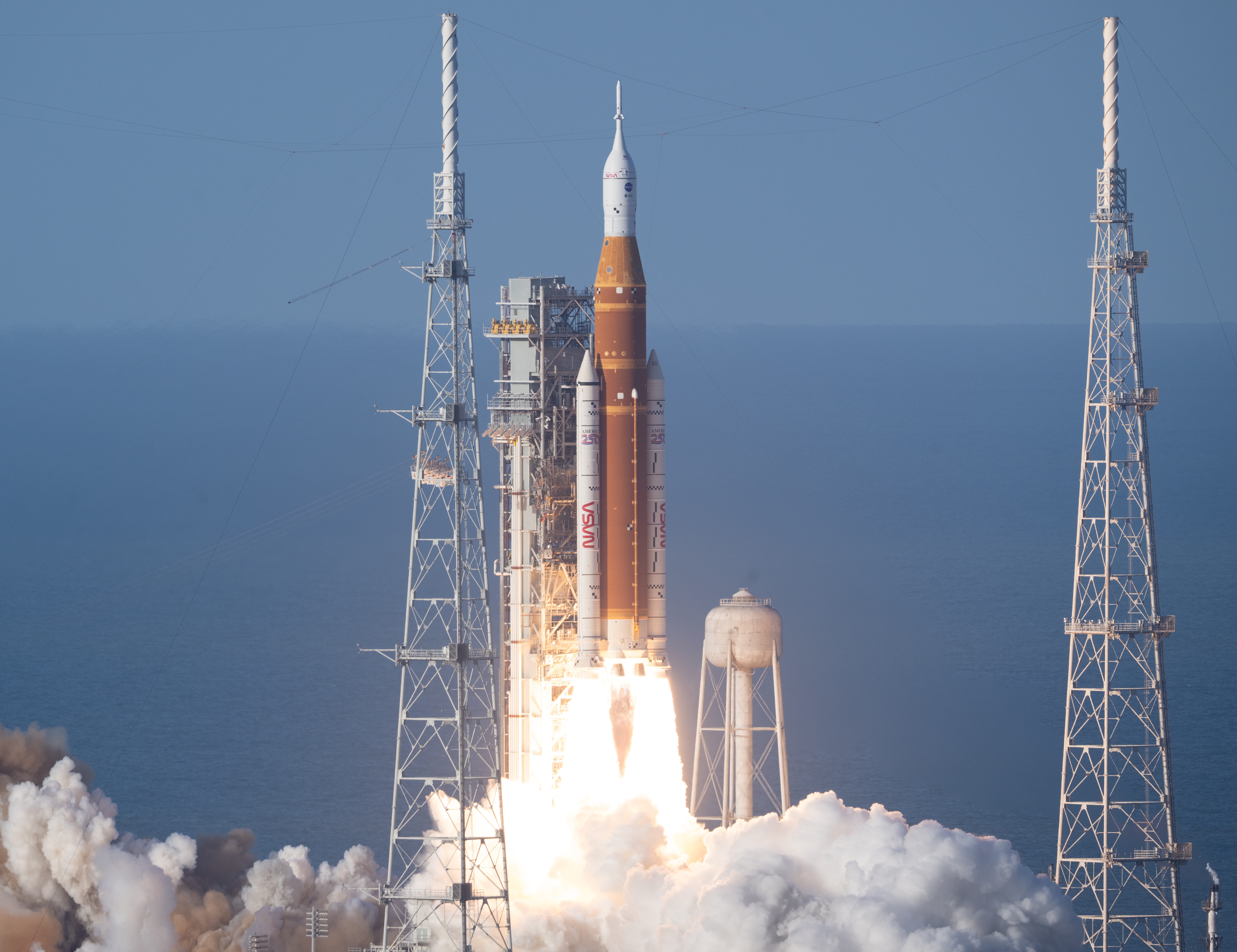
Artemis III
Provider: National Aeronautics and Space Administration
Date: June 30, 2027
Time: 12:00 AM UTC
Vehicle: Space Launch System (SLS)
Artemis III is the second crew mission as part of the Artemis program. Artemis III will send a crew of 4 on a Low Earth Orbit mission, with the Orion rendezvous and dock with one or both commercial lunar landers in development by SpaceX and Blue Origin, performing in-space tests of the docked vehicles, integrated checkout of life support, communications, and propulsion systems, as well as tests of the new Extravehicular Activity (xEVA) suits.
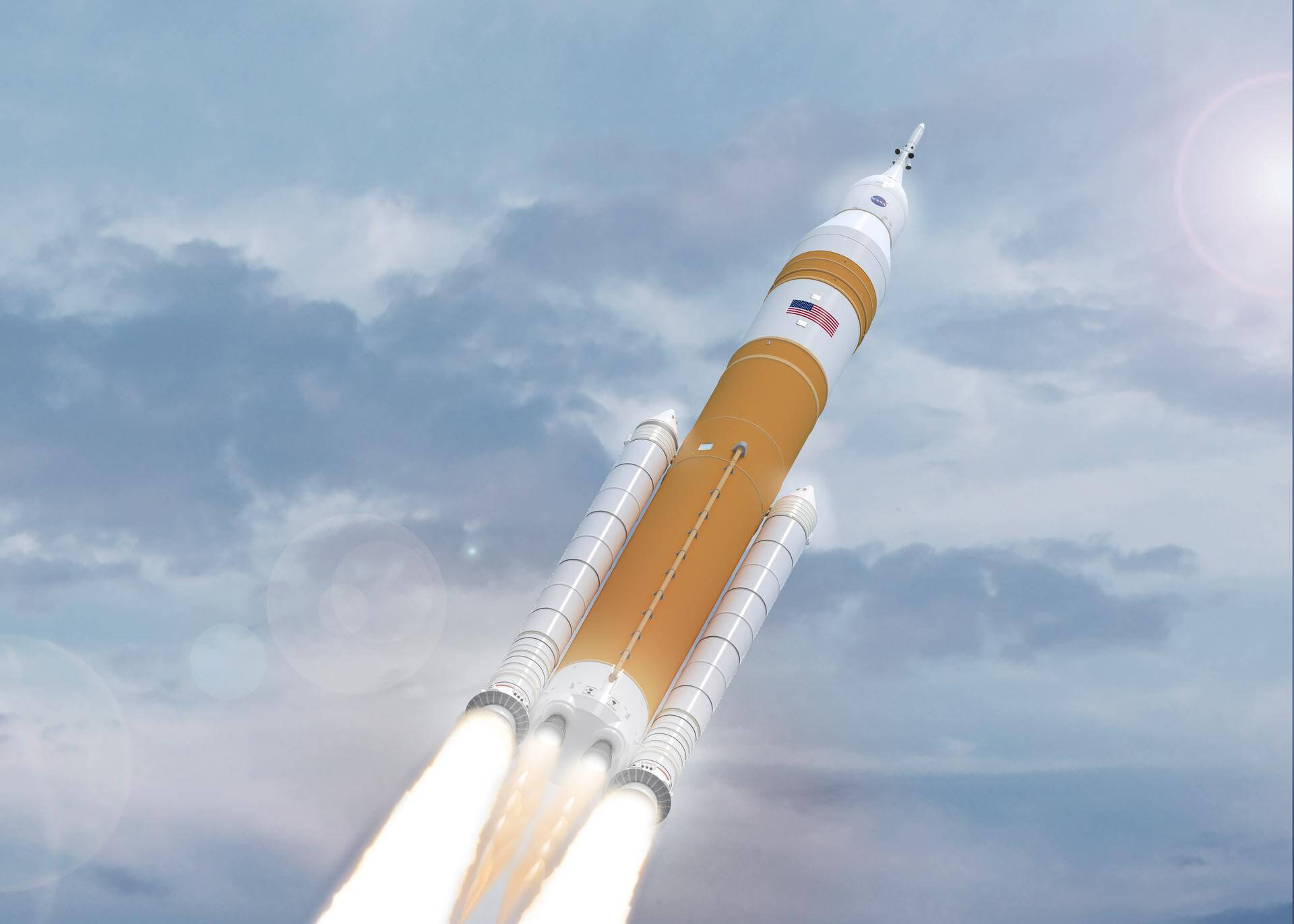
Artemis IV
Provider: National Aeronautics and Space Administration
Date: June 30, 2028
Time: 12:00 AM UTC
Vehicle: Space Launch System (SLS)
Artemis IV is planned to be the first human lunar landing mission since the Apollo Program.
Artemis V
Provider: National Aeronautics and Space Administration
Date: December 31, 2028
Time: 12:00 AM UTC
Vehicle: Space Launch System (SLS)
Artemis V is planned to be the second human lunar landing mission since the Apollo Program.
SLS Block 1B | Artemis VI
Provider: National Aeronautics and Space Administration
Date: September 30, 2030
Time: 12:00 AM UTC
Vehicle: Space Launch System (SLS)
No description available
SLS Block 1B | Artemis VII
Provider: National Aeronautics and Space Administration
Date: September 30, 2031
Time: 12:00 AM UTC
Vehicle: Space Launch System (SLS)
No description available


Enjoying the content? Stay up to date on everything happening behind the scenes by following our Patreon!

