
The Daily Broadcast: MDA Space buys Blue Canyon for US$620 million to secure U.S. defence market
MDA Space secures foothold in U.S. space defence through Blue Canyon acquisition

Canadian satellite maker MDA Space is purchasing Blue Canyon Technologies (BCT) from RTX Corporation in an all-cash deal valued at US$620 million, a strategic move aimed at capturing a larger share of the U.S. space defence market. The transaction, announced June 19, brings a profitable Colorado-based satellite and spacecraft component manufacturer into the MDA Space fold.
BCT, founded in 2008 and acquired by Raytheon in 2020, operates two facilities in Denver and Boulder with more than 400 employees. The company is on solid financial footing—projected to generate US$160 million in revenue this year, up from US$115 million in 2023—and is cash-flow positive. Critically for MDA Space, approximately 75 per cent of BCT’s revenue and future opportunities are tied directly to the defence sector. With the U.S. Space Force budget for fiscal 2027 proposed at US$55 billion and global government space defence spending reaching US$74 billion in 2025, the timing aligns with mounting defence investment.
BCT brings 18 years of flight heritage and holds facility security clearances from the U.S. Defense Counterintelligence and Security Agency. The company specialises in guidance, navigation, and control systems alongside precision pointing accuracy and low-jitter stabilisation technologies—capabilities that could integrate vertically with MDA Space’s Aurora and Midnight satellite platforms. Currently, MDA Space purchases these precision components from suppliers; this acquisition brings elements of the supply chain in-house.
“Governments are not treating space as a discretionary investment,” MDA Space Chief Executive Officer Mike Greenley said. “They are treating it as a national priority.” He added that BCT “provides us with an established U.S. presence, proven program delivery to U.S. defense customers and a pathway to pursue classified work and compete for prime contracts.” The deal is expected to close in the fourth quarter of 2026, pending regulatory approvals including review by the Committee on Foreign Investment in the United States (CFIUS). Since MDA Space is Canadian, the company will implement a Foreign Ownership, Control, or Influence mitigated structure—a standard mechanism that establishes an independent operational board to safeguard U.S. national security protocols while allowing BCT to operate with independence.
The acquisition adds US$3.5 billion to MDA Space’s total contract pipeline. As of the end of the first quarter of 2026, MDA Space’s current backlog stood at C$3.7 billion.
GHGSat maps global methane emissions, reveals persistent reporting gaps

Montreal-based GHGSat released its 2025 methane emissions report this week, providing a global snapshot of atmospheric pollution from space. The Canadian company’s satellite and aircraft observations detected 25 million metric tons of methane emissions across 127 countries last year—a significant figure when measured against the fact that methane has warming potency more than 80 times that of carbon dioxide over a two-decade timeframe.
GHGSat identified 28,224 methane plumes in 2025, with 17,873 detected by satellite, 10,096 via aircraft designed for precise targeting, and 255 from global surveys. The company’s fleet and measurement campaign monitored nearly three million facilities worldwide. Satellites observed 88,795 individual methane emissions last year, representing growth of more than 14 per cent from 2024’s 77,613 observations.
A striking finding: satellite measurements of methane exceed emissions formally reported to the United Nations Framework Convention on Climate Change by 15 per cent. GHGSat highlighted landfill emissions as a particular blind spot in official inventories. According to a Nature study led by the Space Research Organisation Netherlands and including GHGSat participation, landfills are among the most persistent emitters measured from space—yet they remain substantially underestimated in current climate policy models.
Regionally, Asia and Eurasia each account for 24 per cent of detected methane, followed by North America at 20 per cent. By sector, oil and gas dominates at 49 per cent of emissions, waste at 29 per cent, and mining at 16 per cent. Despite these breakdowns, waste generates the highest average emission rate—over 1,000 kg per hour per site, compared to mining’s 900 kg/hr and oil and gas’s 400 kg/hr.
GHGSat’s operational satellite fleet now stands at 15, with four additional satellites launched in 2025. The company is also expanding its carbon dioxide monitoring capability through GHGSat-C10 (Vanguard), which launched in 2023 and is validating facility-level CO₂ measurements at power plants in Algeria, India, South Africa, and the United States. Meanwhile, GHGSat joined the European Union-led POSEIDON initiative—a three-year, €5 million programme with 10 international partners—to advance maritime pollution monitoring using satellite technology.
ESA charts new astronaut missions and expands global space partnerships

The European Space Agency wrapped up its 347th Council meeting in Paris this week with decisions that reshape human spaceflight opportunities and international partnerships—areas of direct relevance to Canada. As a long-time cooperating state with a seat on ESA’s council, Canada will benefit from these strategic moves.
ESA member states approved the next phase of a new human spaceflight initiative called EPIC (ESA Provided Institutional Crew), which will now enter partnership negotiations. EPIC is designed to enable one-month missions in low-Earth orbit for professional astronauts from Europe and international partners—a pathway that could create flight opportunities for Canadian astronauts and strengthen Canada’s human spaceflight programme.
Beyond human spaceflight, the council extended its cooperation with the United Nations Food and Agriculture Organization until 2031, leveraging Earth observation satellites to monitor crop health and climate impacts on global food systems. ESA also broadened its cooperative agreement with India’s space agency (ISRO), expanding joint work in human and robotic exploration, space weather monitoring, and orbital sustainability.
Leadership transitions are also underway: ESA appointed Christine Klein as the new Director of Controlling, Finance and Operational Procurement, and Jean-Luc Trullemans as Director of Strategy, Legal and External Affairs. These appointments are intended to support ESA’s strategic implementation over the coming years.
The council’s decisions build on Canada’s recent commitment of substantial federal funding to new European space programmes announced late last year, and a formal security agreement signed with ESA to share sensitive data. When ESA convenes its interim ministerial meeting in Italy this December to finalise its long-term exploration roadmap, Canadian representatives will be at the table to shape the next decade of collaborative space activity.
Citations
- “MDA Space acquires Blue Canyon Technologies in U.S. space defence push” — https://spaceq.ca/mda-space-acquires-blue-canyon-technologies-in-u-s-space-defence-push/
- “MDA Space to buy Blue Canyon Technologies to gain foothold in U.S. market” — https://spacenews.com/mda-space-to-buy-blue-canyon-technologies-to-gain-foothold-in-u-s-market/
- “GHGSat 2025 report reveals widespread methane emissions and reporting gaps” — https://spaceq.ca/ghgsat-2025-report-reveals-widespread-methane-emissions-and-reporting-gaps/
- “Europe maps out new astronaut missions and global space partnerships at Council meeting” — https://spaceq.ca/europe-maps-out-new-astronaut-missions-and-global-space-partnerships-at-council-meeting/

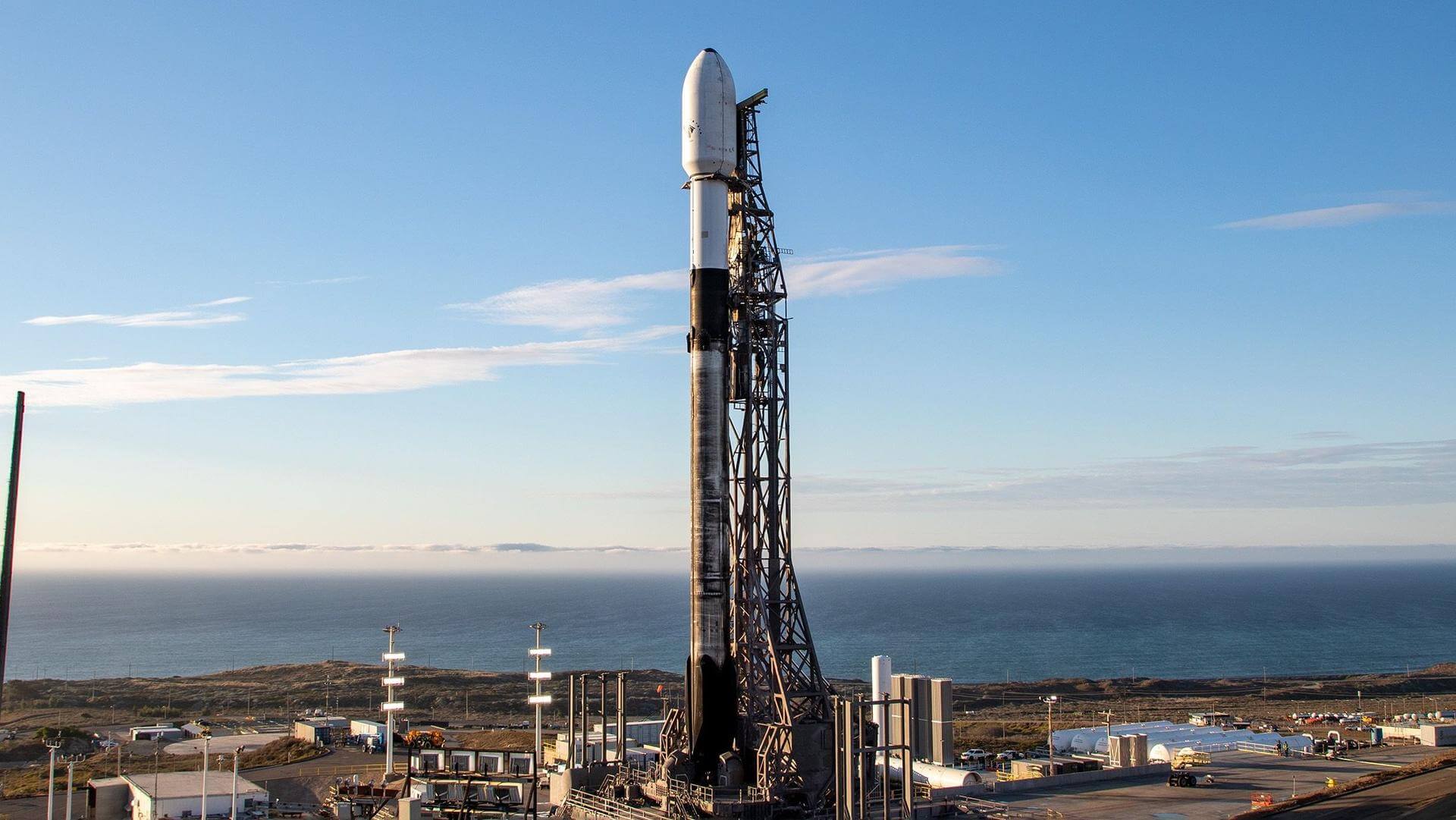
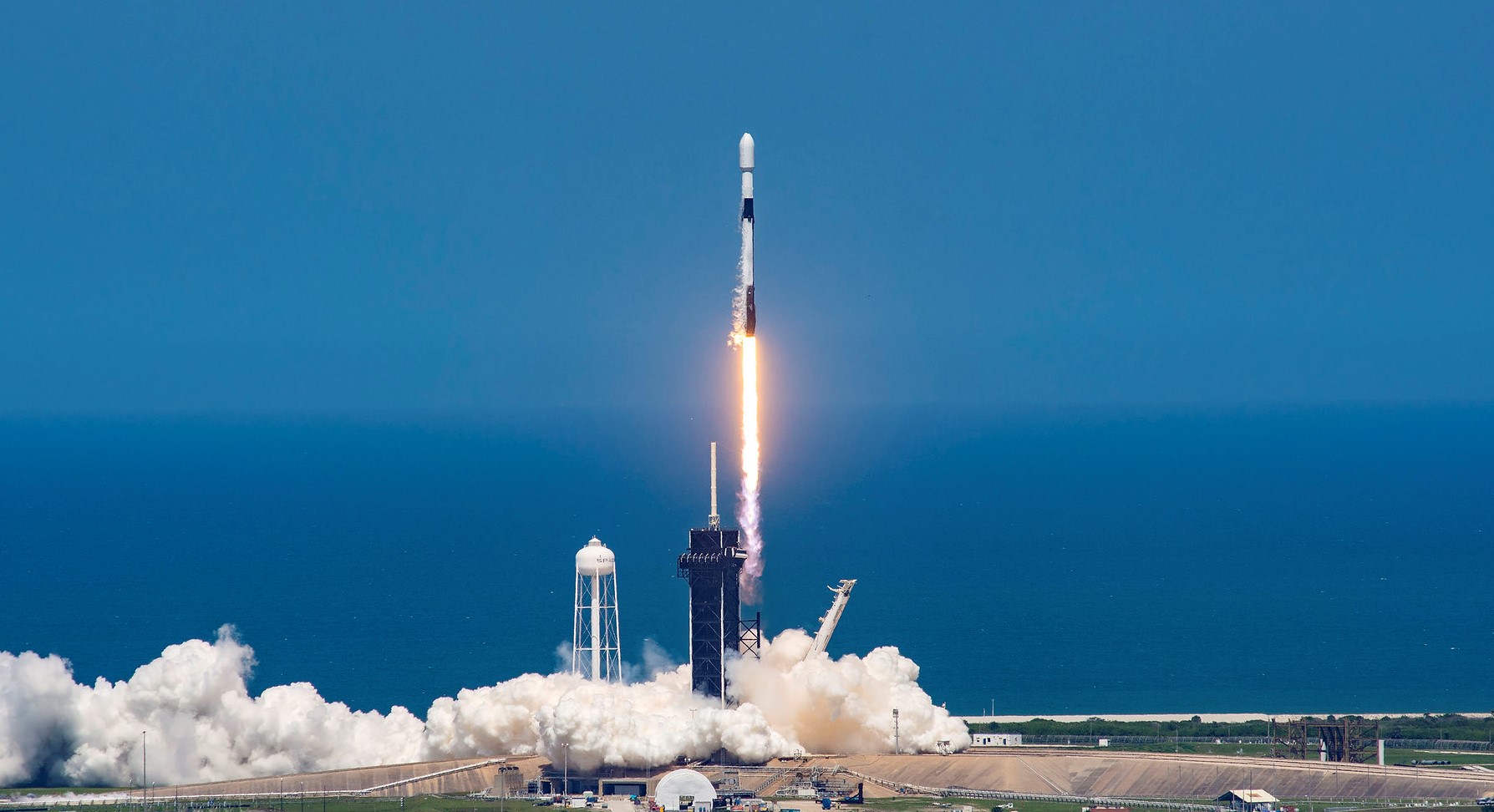
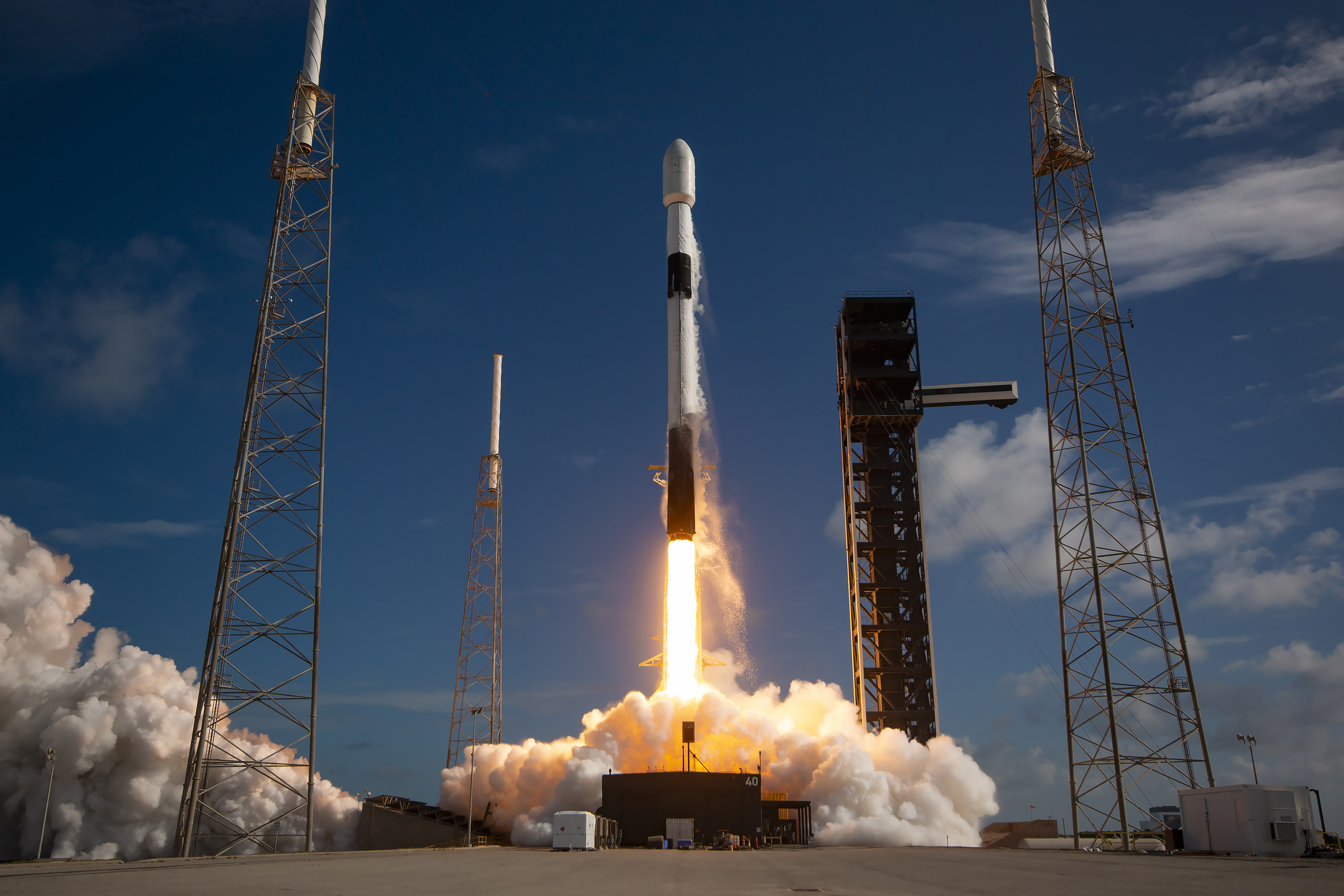
Starlink Group 17-28
Provider: SpaceX
Date: June 21, 2026
Time: 2:00 PM UTC
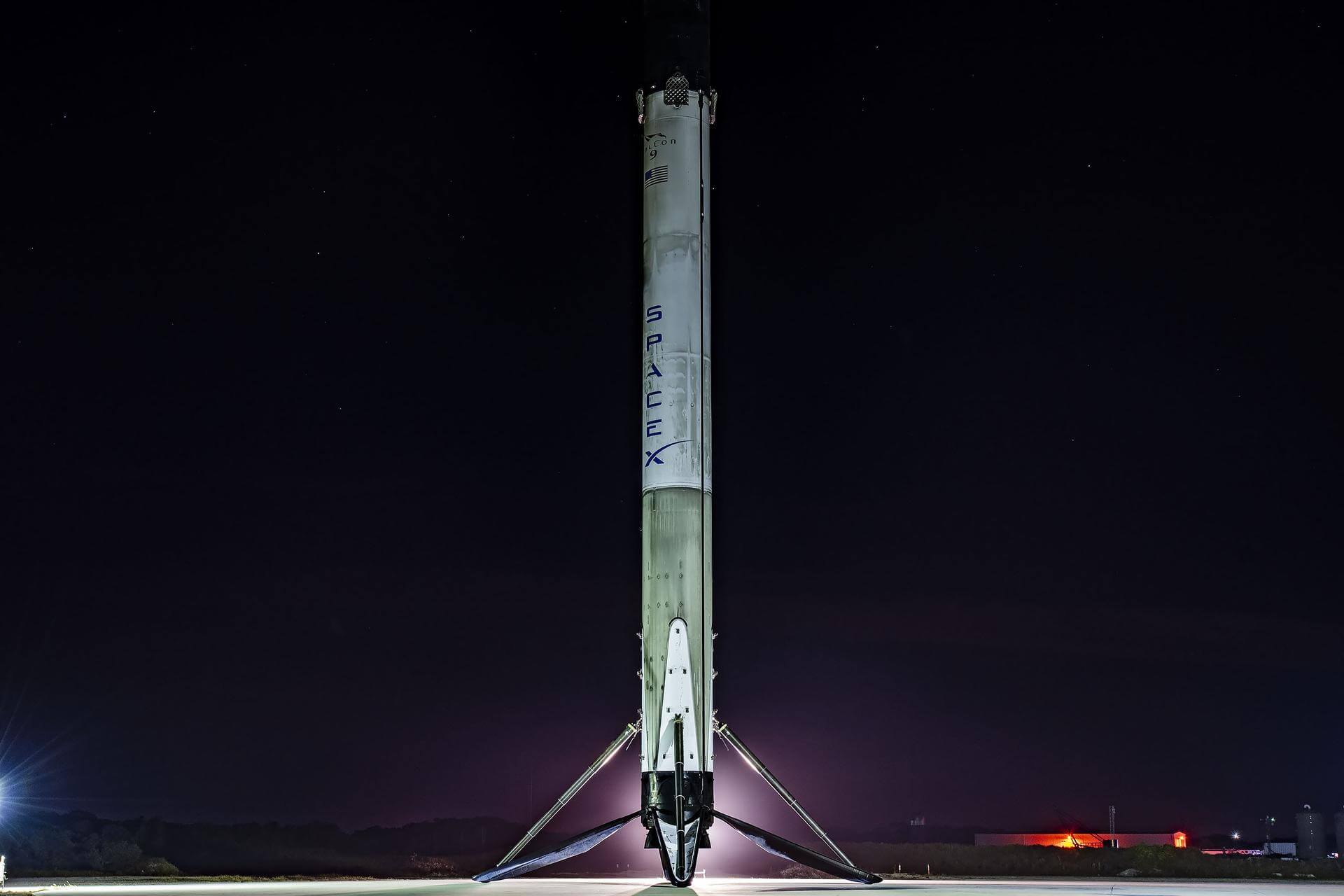
Vehicle: Falcon 9
A batch of 24 satellites for the Starlink mega-constellation – SpaceX’s project for space-based Internet communication system.
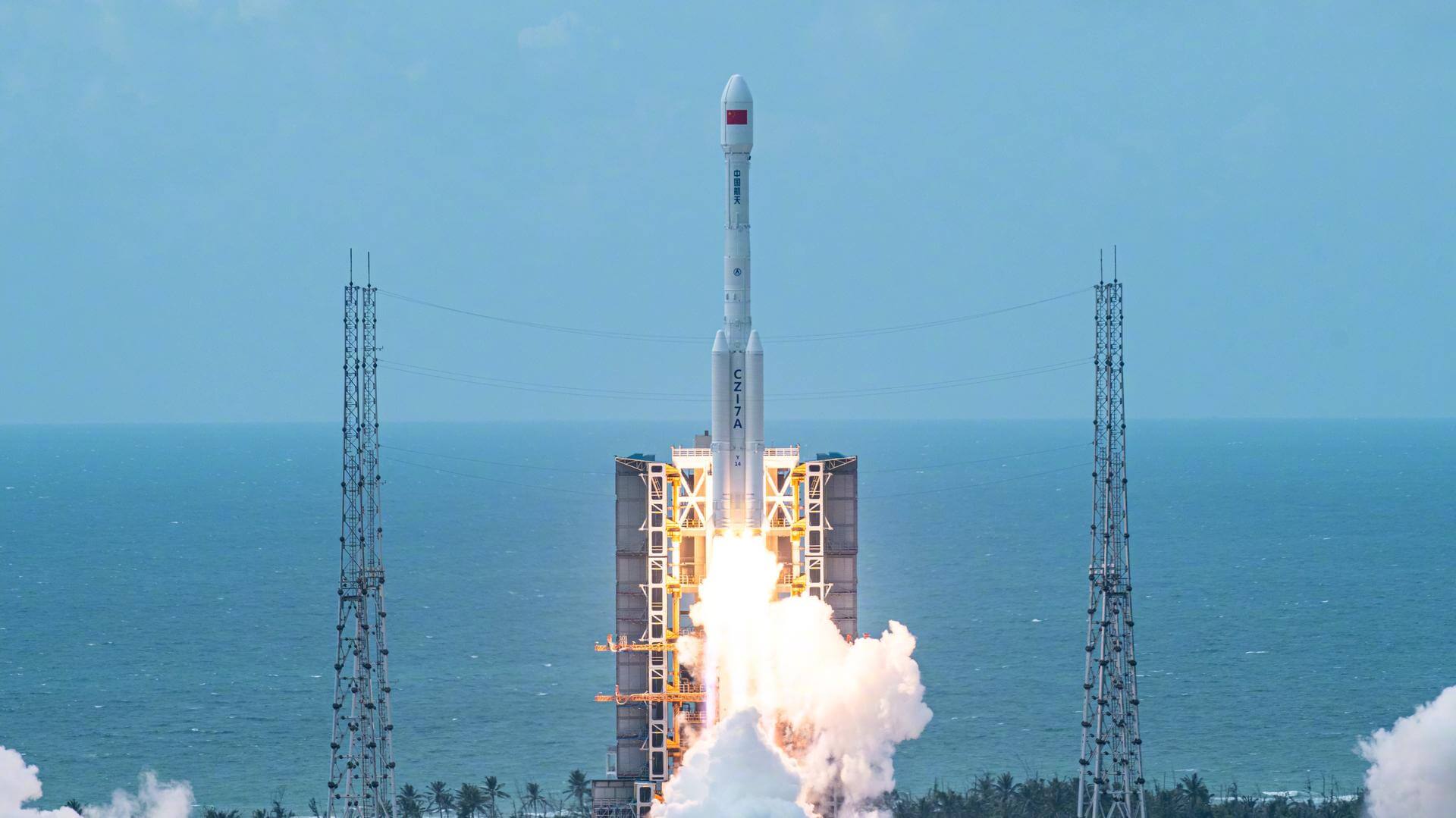
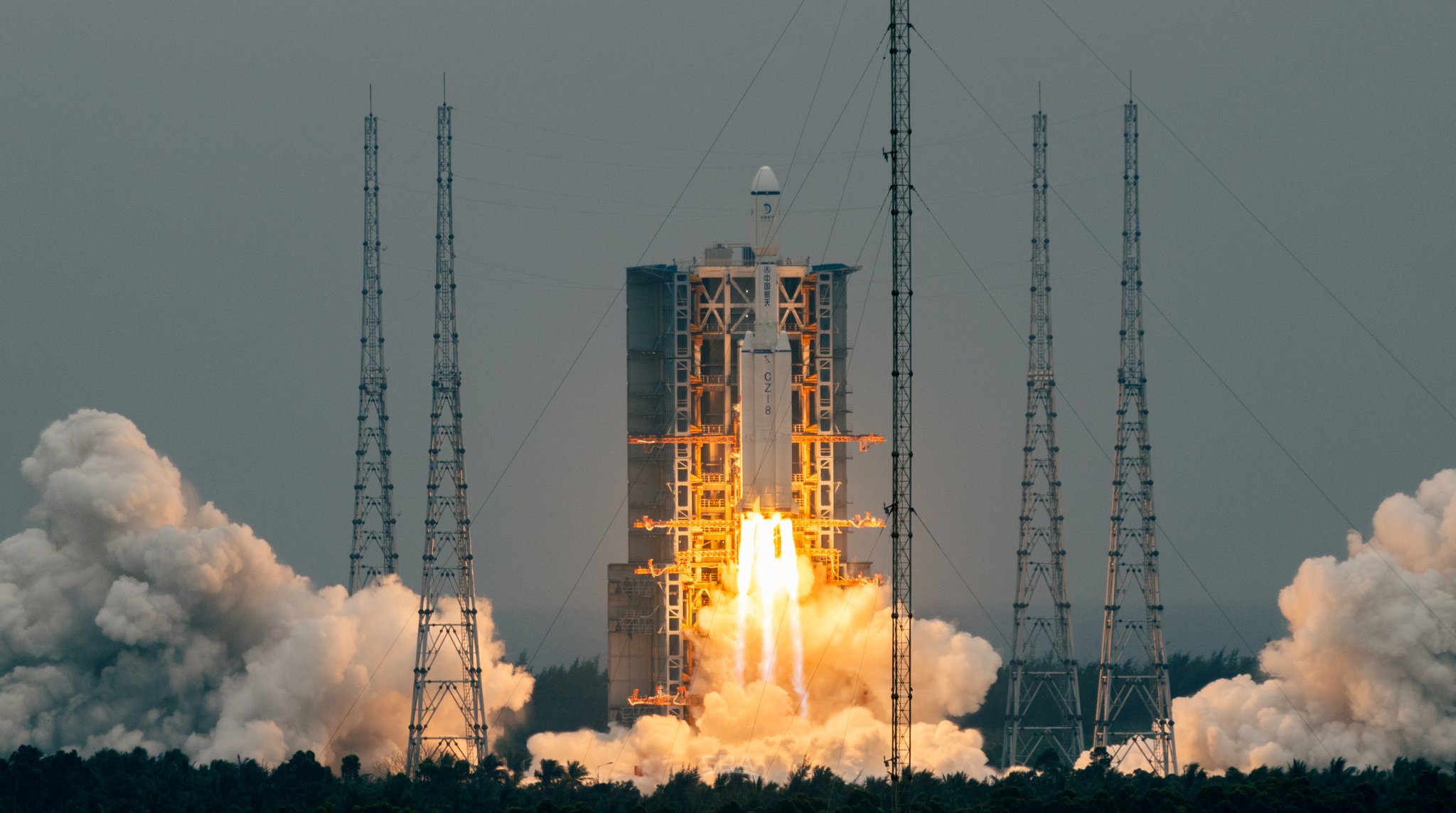
Unknown Payload
Provider: China Aerospace Science and Technology Corporation
Date: June 23, 2026
Time: 2:10 AM UTC
Vehicle: Long March 7A
Details TBD.
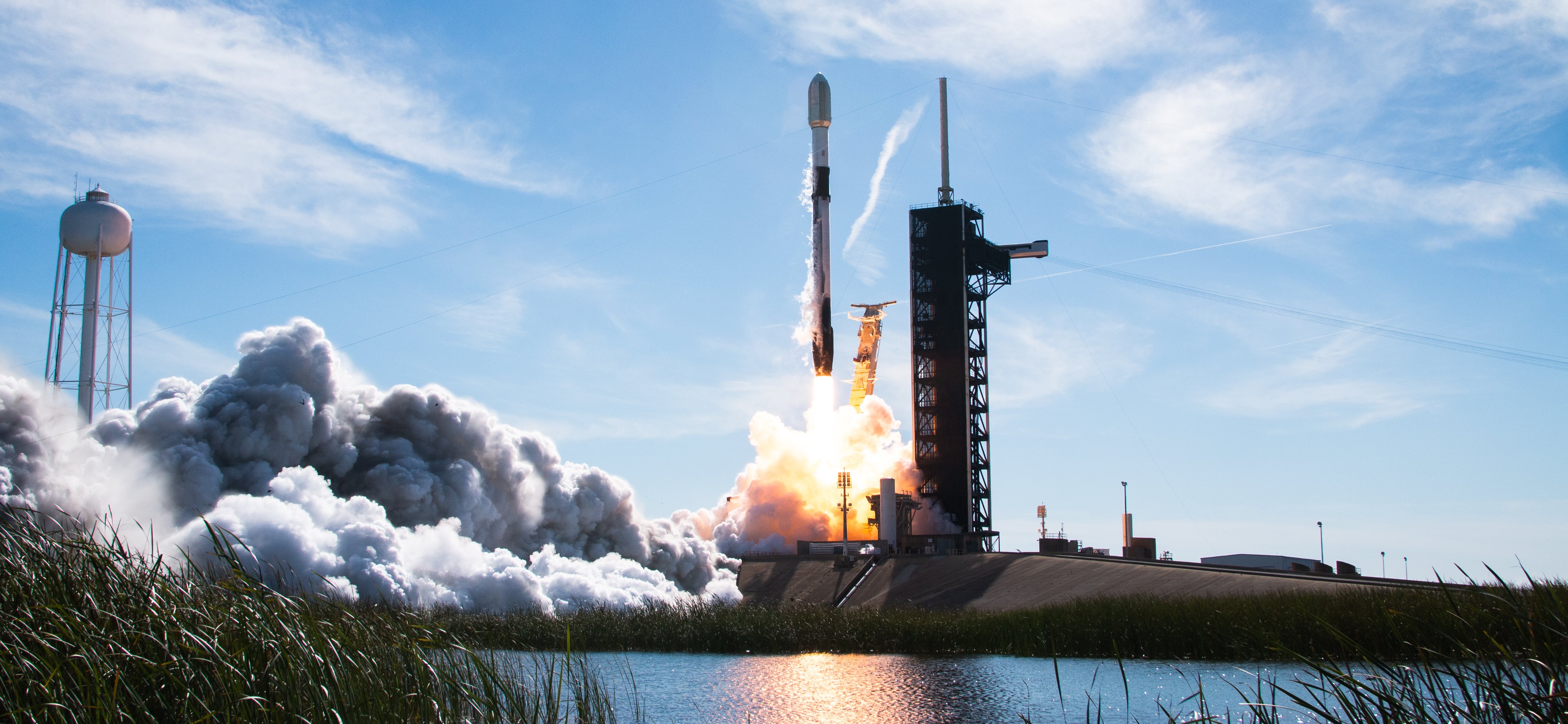
Project Starfall Demonstration Mission
Provider: SpaceX
Date: June 23, 2026
Time: 10:43 AM UTC
Vehicle: Falcon 9
Note: Mission profile and payload details are TBD.
Demonstration mission for SpaceX’s Project Starfall, which aims to mass-produce reentry capsules designed to autonomously transport valuable customer experiments and other payloads safely back from space to Earth, including for in-orbit manufacturing.
Starfall is a cylindrical shaped capsule approximately 0.75 meters tall with a diameter of 3.1 meters, weighing approximately 2100 kilograms, and capable of carrying 1000 kilograms of payload. It is designed to be carried on Starship flights.
Starlink Group 17-45
Provider: SpaceX
Date: June 25, 2026
Time: 2:48 AM UTC
Vehicle: Falcon 9
A batch of 24 satellites for the Starlink mega-constellation – SpaceX’s project for space-based Internet communication system.
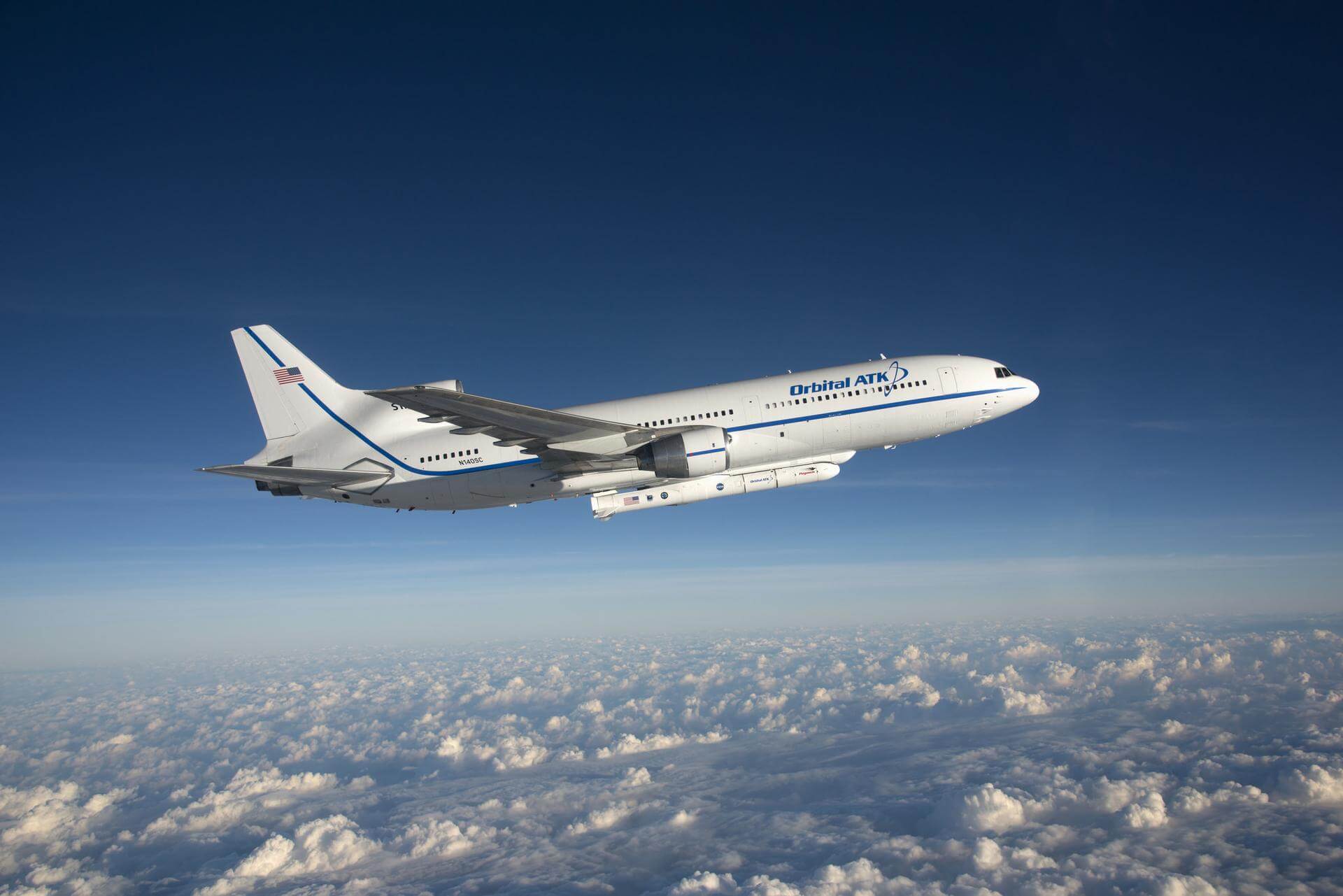
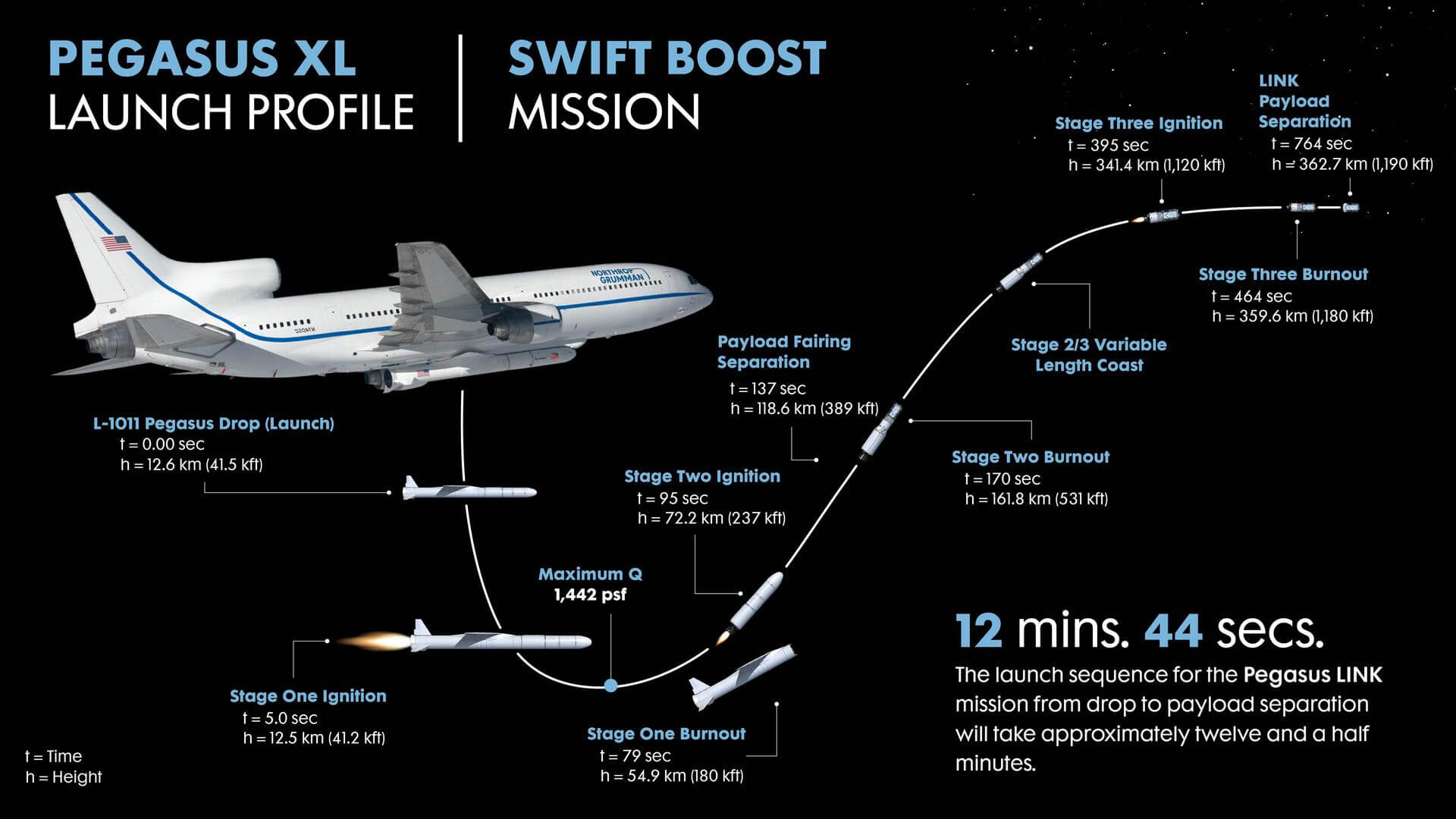
Swift Boost Mission
Provider: Northrop Grumman Space Systems
Date: June 27, 2026
Time: 9:00 AM UTC
Vehicle: Pegasus XL
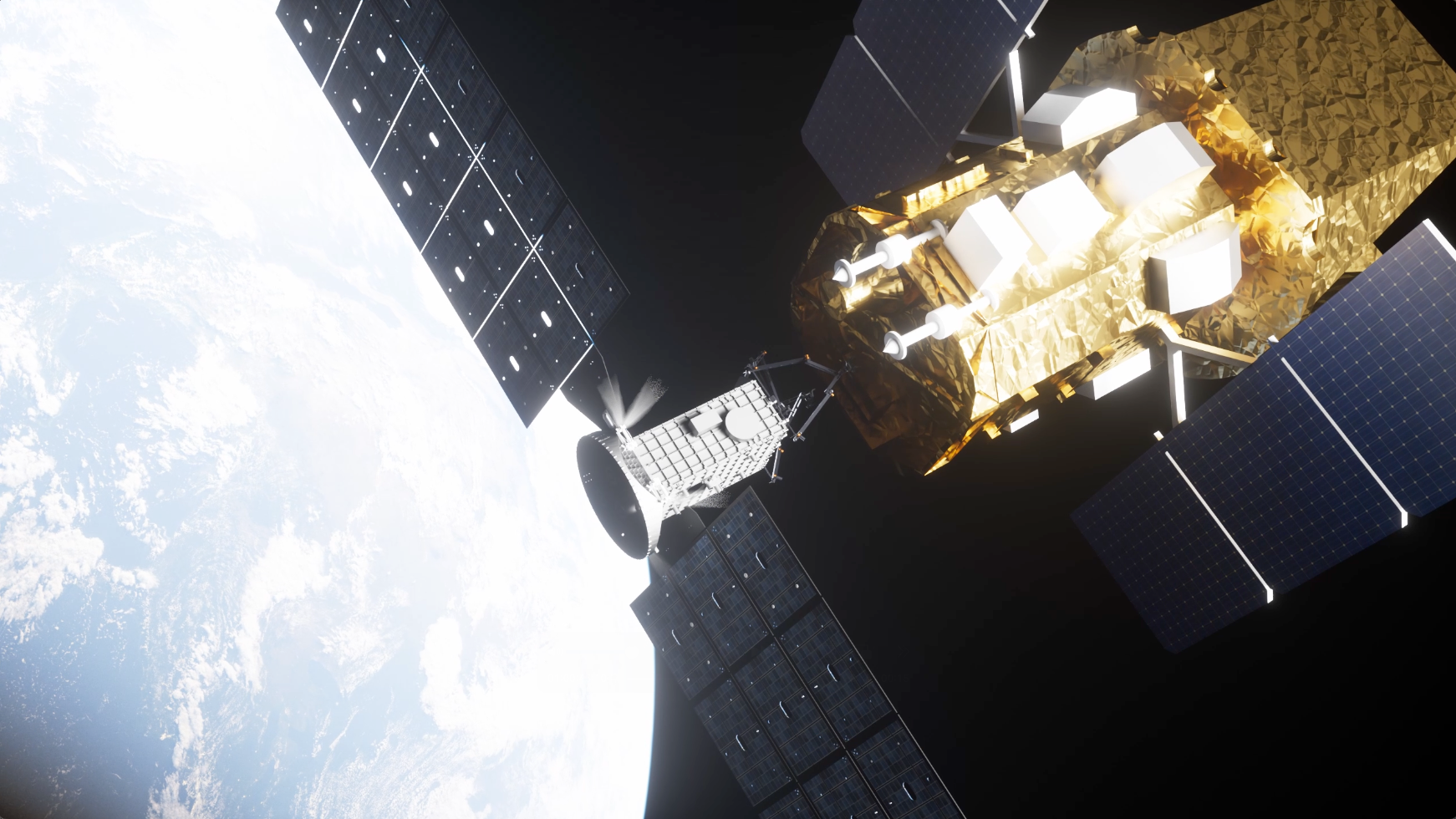
Contracted by NASA under the Small Business Innovation Research Phase 3 contract, Katalyst Space Technologies’ LINK servicing spacecraft will rendezvous and attach to NASA’s Neil Gehrels Swift Observatory to re-boost its orbit. This aims to demonstrate a key capability for the future of space exploration and extending the Swift mission’s science lifetime in gamma ray astronomy.







Enjoying the content? Stay up to date on everything happening behind the scenes by following our Patreon!

