
The Daily Broadcast: McGill Team Proposes Lunar Quarantine for Planetary Protection

McGill Researchers Propose Lunar Biocontainment Facility
Two researchers from McGill University have published a proposal for a lunar-based biocontainment facility that would quarantine extraterrestrial samples before they reach Earth. The paper, published in the journal Ambio, argues that as sample-return missions accelerate across the solar system, a dedicated quarantine facility on the Moon would provide an effective buffer against potential biological contamination.
Frederick I. Moxley, director of Strategic Threat Analysis and Research Laboratories, and Anthony Ricciardi, biology professor and Director of the Bieler School of Environment at McGill, contend that returning material from Mars or distant asteroids directly to Earth carries unpredictable ecological risks. They recommend building a secure laboratory on the lunar surface where advanced robotic systems can process space-borne samples, keeping potential contaminants isolated far from Earth.
The timing aligns with NASA’s evolving Artemis architecture. Following the April 2026 launch of the crewed Artemis II mission, NASA is prioritising surface infrastructure over an orbital station. The agency plans to develop a permanent base camp capable of supporting long-duration missions by 2030. Integrating a biosecurity hub into this framework would leverage the Moon’s natural isolation.
Ricciardi, drawing on decades of invasive species research, emphasised the precedent: “An organism introduced to the wrong place at the wrong time can spread uncontrollably with potentially devastating and irreversible long-term impacts on ecosystems. This research justifies a strong precautionary approach against introductions of extraterrestrial origin.”
Nancy Grace Roman Space Telescope Begins Florida Prelaunch Campaign
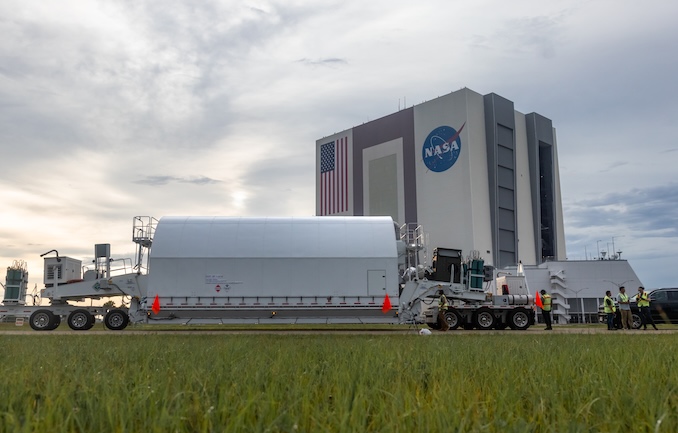
NASA’s Nancy Grace Roman Space Telescope arrived at Kennedy Space Center late Sunday morning aboard the agency’s Pegasus barge and was disembarked that evening at approximately 7 p.m. EDT, beginning a critical 70-day prelaunch campaign. The observatory was transported in a protective container nicknamed the “Chariot,” in keeping with the “Roman” theme.
Named after Nancy Grace Roman, NASA’s first Chief of Astronomy, the Roman telescope represents a major leap forward in space-based astronomy. “She was a key person in our exploration of space,” said Lucas Paganini, programme executive for Roman. “She understood that in order to better understand the universe, you have to go in space. That’s why she’s called the ‘Mother of Hubble’ because she made Hubble possible.”
The spacecraft will now undergo processing at the Payload Hazardous Servicing Facility, including checkouts, fuelling, and encapsulation inside the payload fairing of a Falcon Heavy rocket. Roman is scheduled for launch no earlier than August 30, moved up from an originally planned September date.
The journey to Florida was not without complications. Temperature control during the barge transit proved challenging, with both primary and redundant cooling units struggling to maintain the required threshold below 74 degrees Fahrenheit. An emergency response team added supplemental rental cooling units to complete the voyage successfully—a creative solution that exemplified the determination behind this mission.
Once in orbit near Lagrange Point 2, approximately 1.5 million kilometres from Earth on the opposite side of the Sun, Roman will deploy extraordinary observational capability. The spacecraft is equipped with a 300 megapixel Wide Field Instrument featuring 18 detectors, developed by BAE Systems. This instrument will provide 100 times the field of view of Hubble whilst maintaining the same resolution—enabling observations in a single year that would require Hubble thousands of years to complete.
Roman’s chronograph instrument, developed by NASA’s Jet Propulsion Laboratory, will enable observation of faint exoplanets near their parent stars. Designed to operate for a minimum of five years, but expected to function for a decade or more with its substantial propellant supply, Roman will investigate dark matter, dark energy, and the fundamental structure of the universe.
European Spacesuit Prototype Tested Aboard ISS and in Water
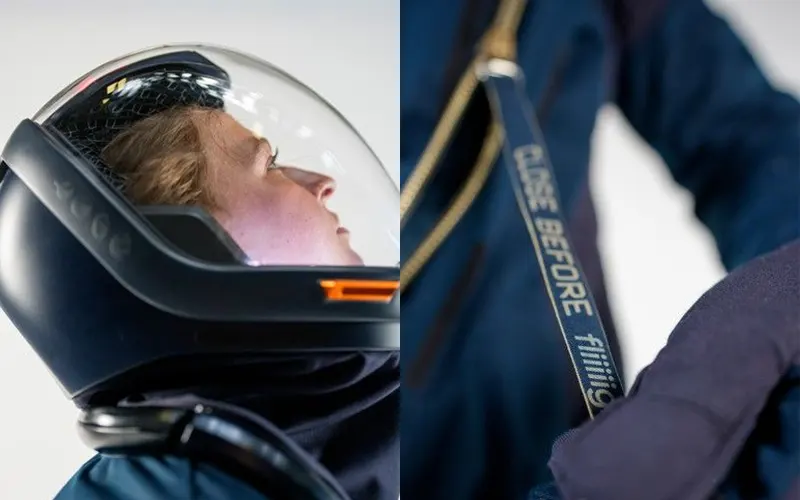
ESA astronaut Sophie Adenot has completed testing of the EuroSuit intravehicular activity (IVA) spacesuit prototype aboard the International Space Station, whilst a parallel development track showed encouraging results in water-survival trials. The prototype, developed by a consortium led by Spartan Space and including the Institute of Space Medicine and Physiology (MEDES) and sporting goods retailer Decathlon, represents a collaborative European approach to next-generation spacesuit design.
The EuroSuit project, initiated by the French space agency CNES in December 2023, sent an early prototype to the ISS in May 2026 aboard SpaceX’s 34th Commercial Resupply Services mission. On June 11, Adenot conducted testing in the Columbus laboratory module, focusing on a primary objective: determining whether the spacesuit could be donned in 2 minutes or less. Beyond that benchmark, she assessed ergonomics, comfort, and freedom of movement whilst wearing the suit.
A total of three testing sessions are planned, with Adenot monitoring improvements in speed and ease of donning. Once testing is complete, the prototype will be discarded, having served its purpose in collecting critical human-factors data for ground-based refinement.
In parallel, on June 12, Spartan Space completed a comprehensive water-survival test campaign in Marseille. The trials included buoyancy testing and evaluations of critical scenarios: emergency egress, life raft boarding, and recovery by helicopter or rescue vessel. “The results are highly encouraging and will support the next stages of qualification,” the company reported.
Based on lessons learned from these initial tests, the consortium will now develop a final ground version of the suit, expected to be completed by the end of 2027. This version will serve as the precursor to the development of a full flight version—a path that underscores Europe’s commitment to reducing reliance on external partners for critical spaceflight hardware.
Citations
- “Researchers propose lunar quarantine to protect Earth ecosystems” — https://spaceq.ca/researchers-propose-lunar-quarantine-to-protect-earth-ecosystems/
- “NASA’s Nancy Grace Roman Space Telescope arrives in Florida” — https://spaceflightnow.com/2026/06/22/nasas-nancy-grace-roman-space-telescope-arrives-in-florida/
- “ESA Astronaut Tests European Spacesuit Prototype Aboard ISS” — https://europeanspaceflight.com/esa-astronaut-tests-european-spacesuit-prototype-aboard-iss/
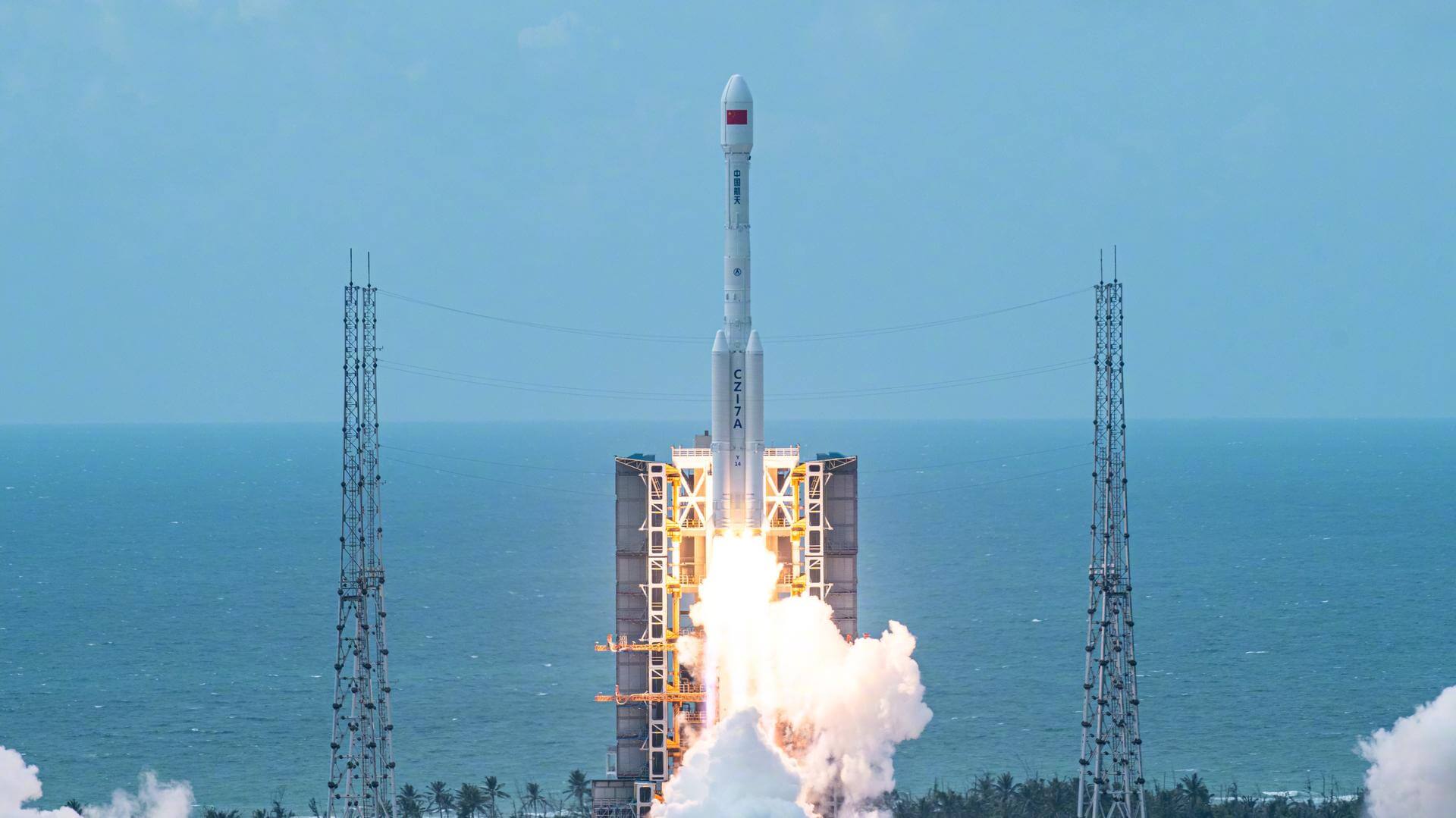
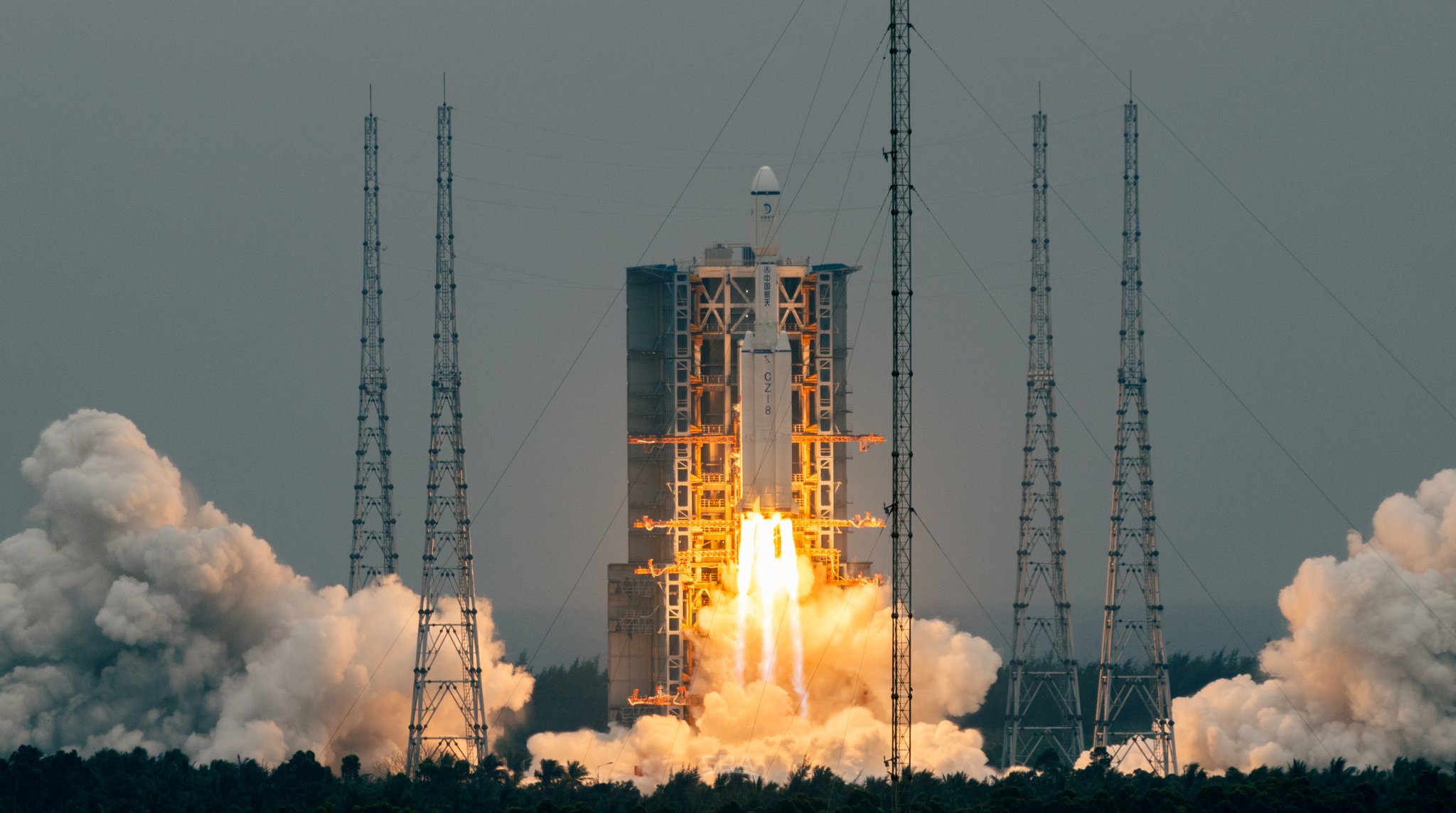
Unknown Payload
Provider: China Aerospace Science and Technology Corporation
Date: June 23, 2026
Time: 2:10 AM UTC
Vehicle: Long March 7A
Details TBD.
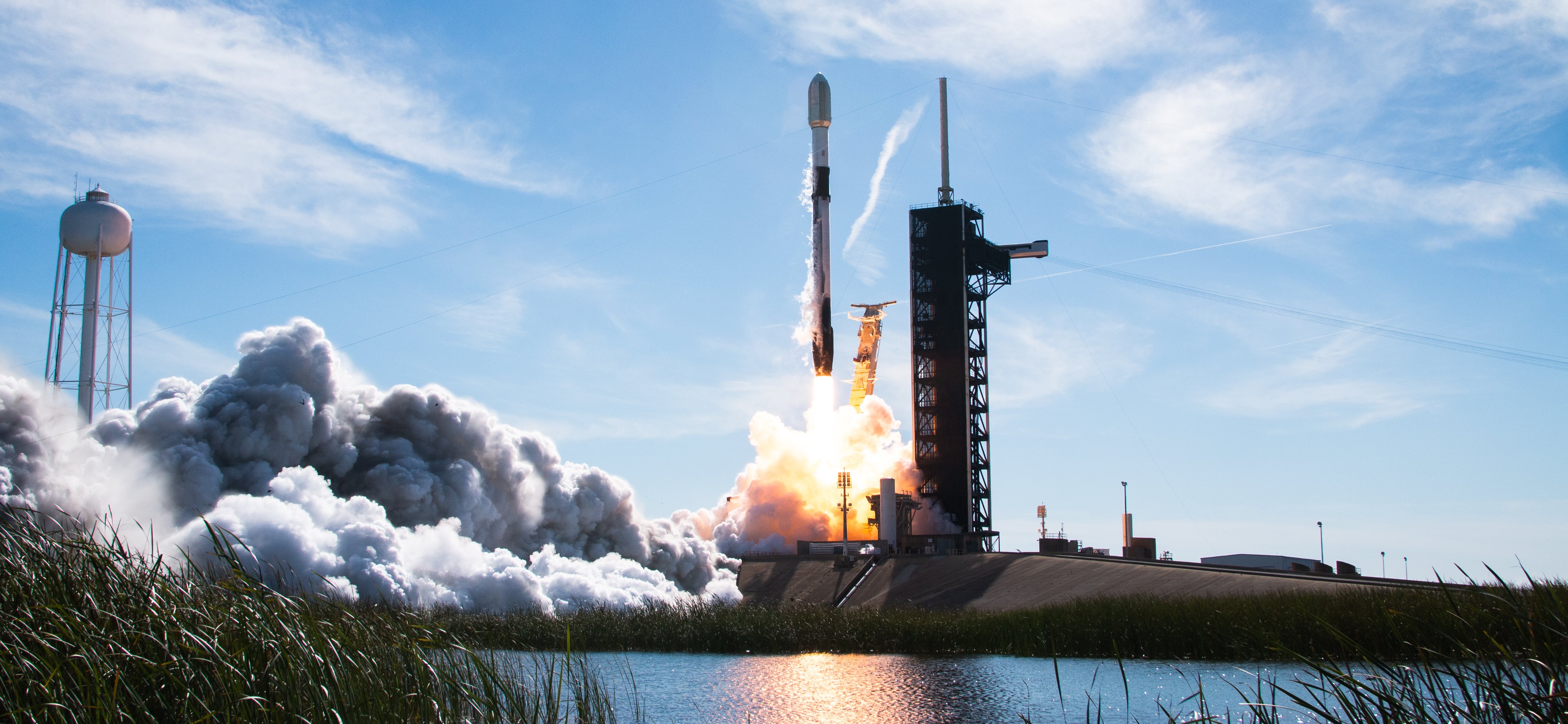
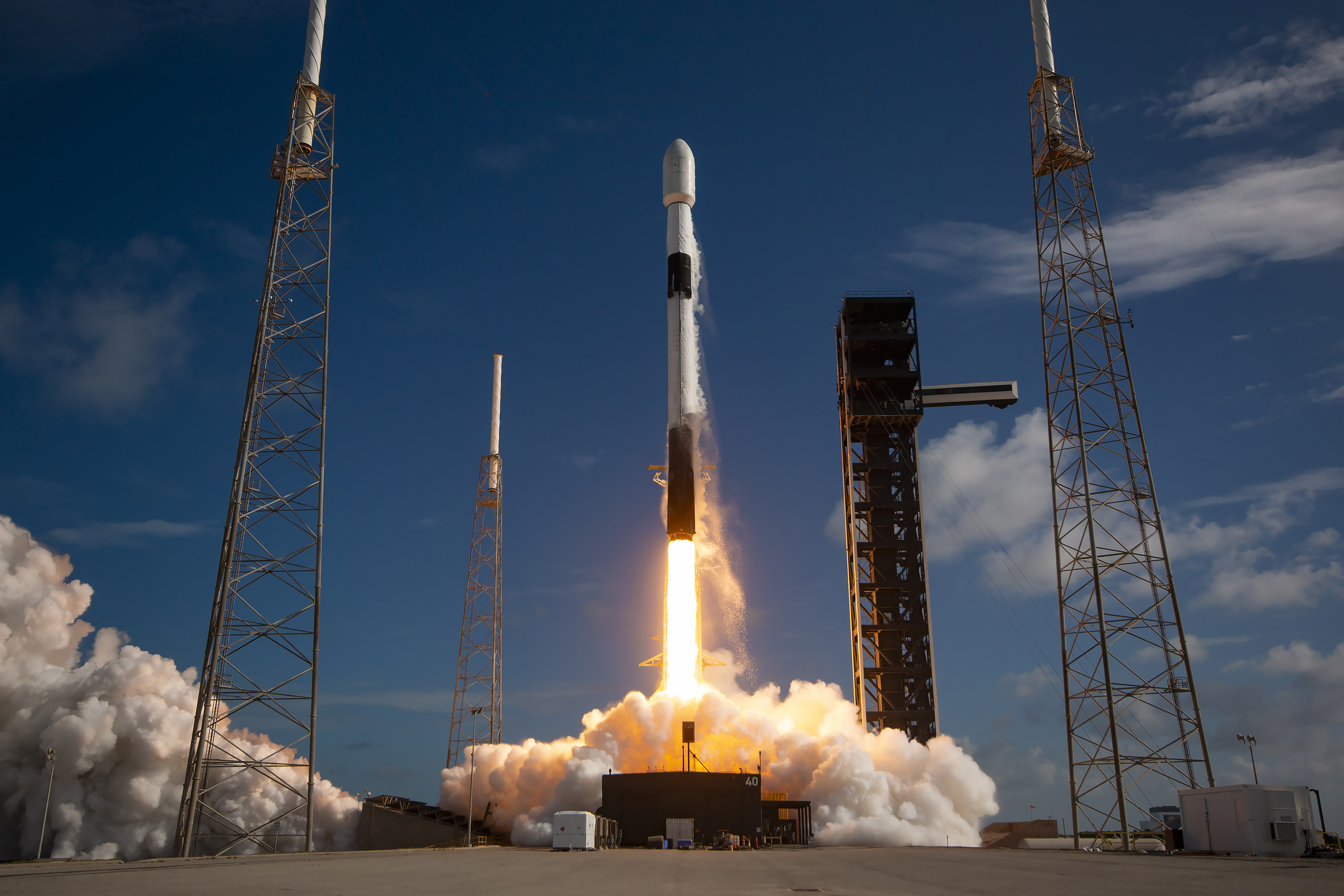
Project Starfall Demonstration Mission
Provider: SpaceX
Date: June 23, 2026
Time: 10:43 AM UTC
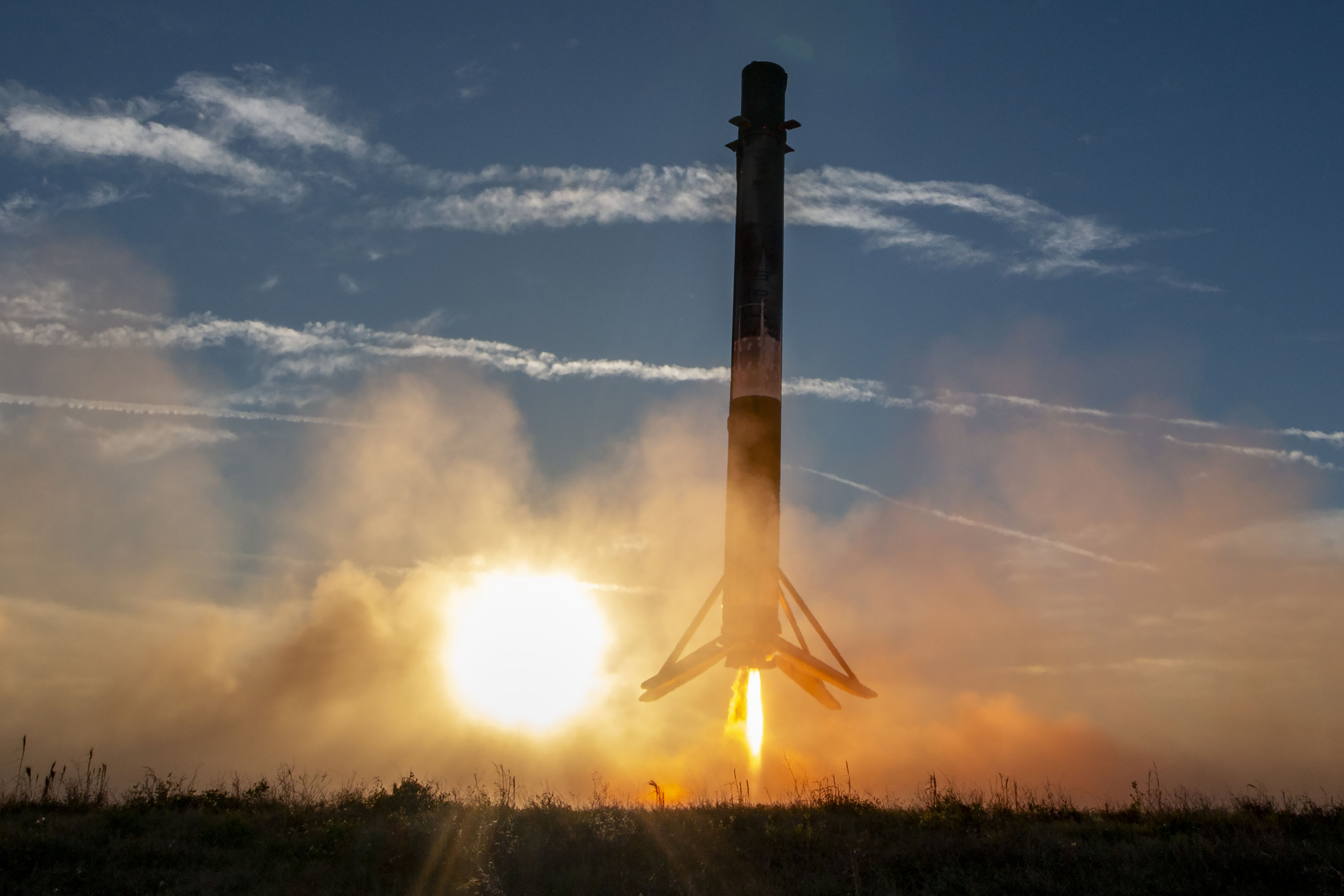
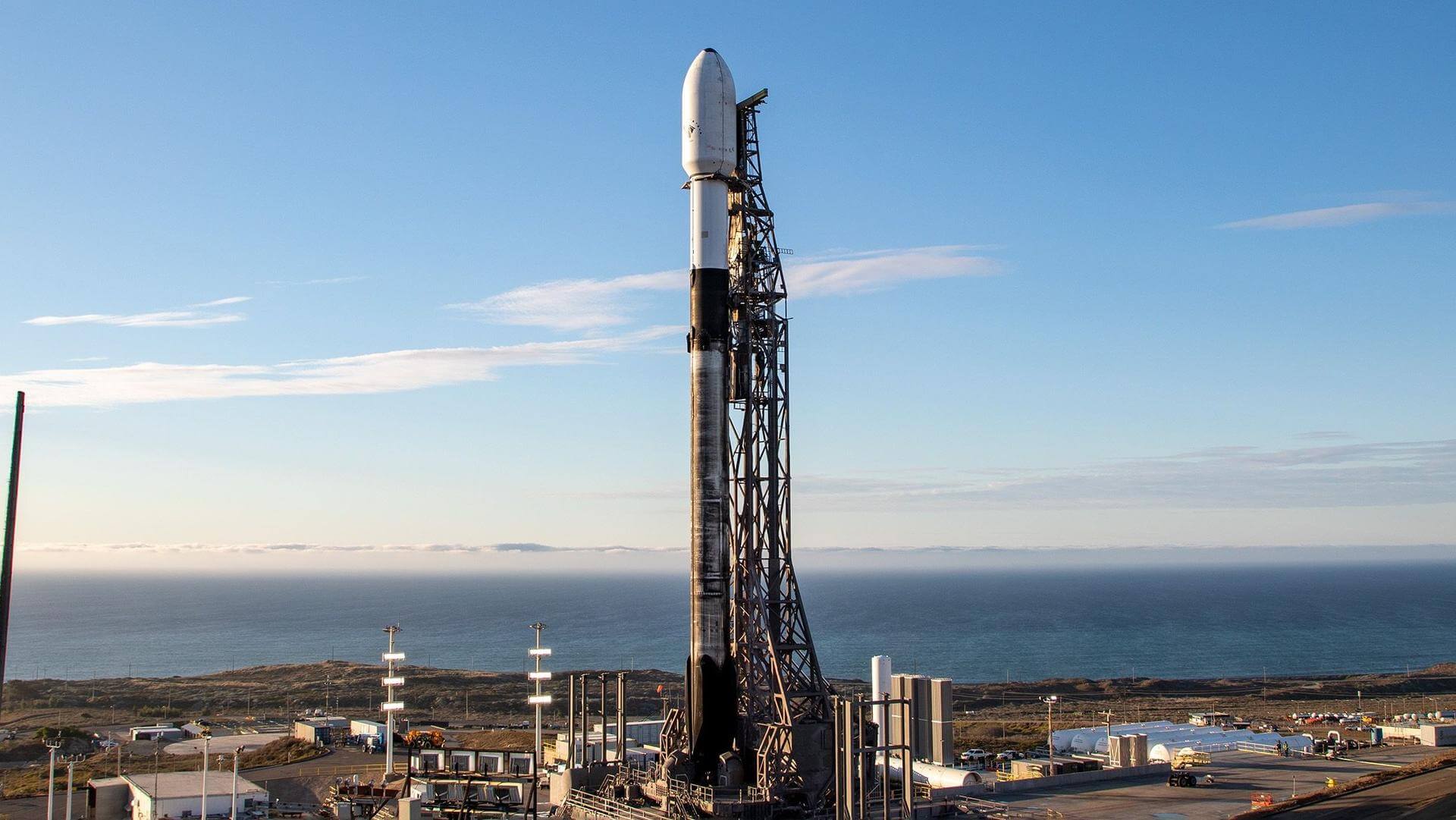
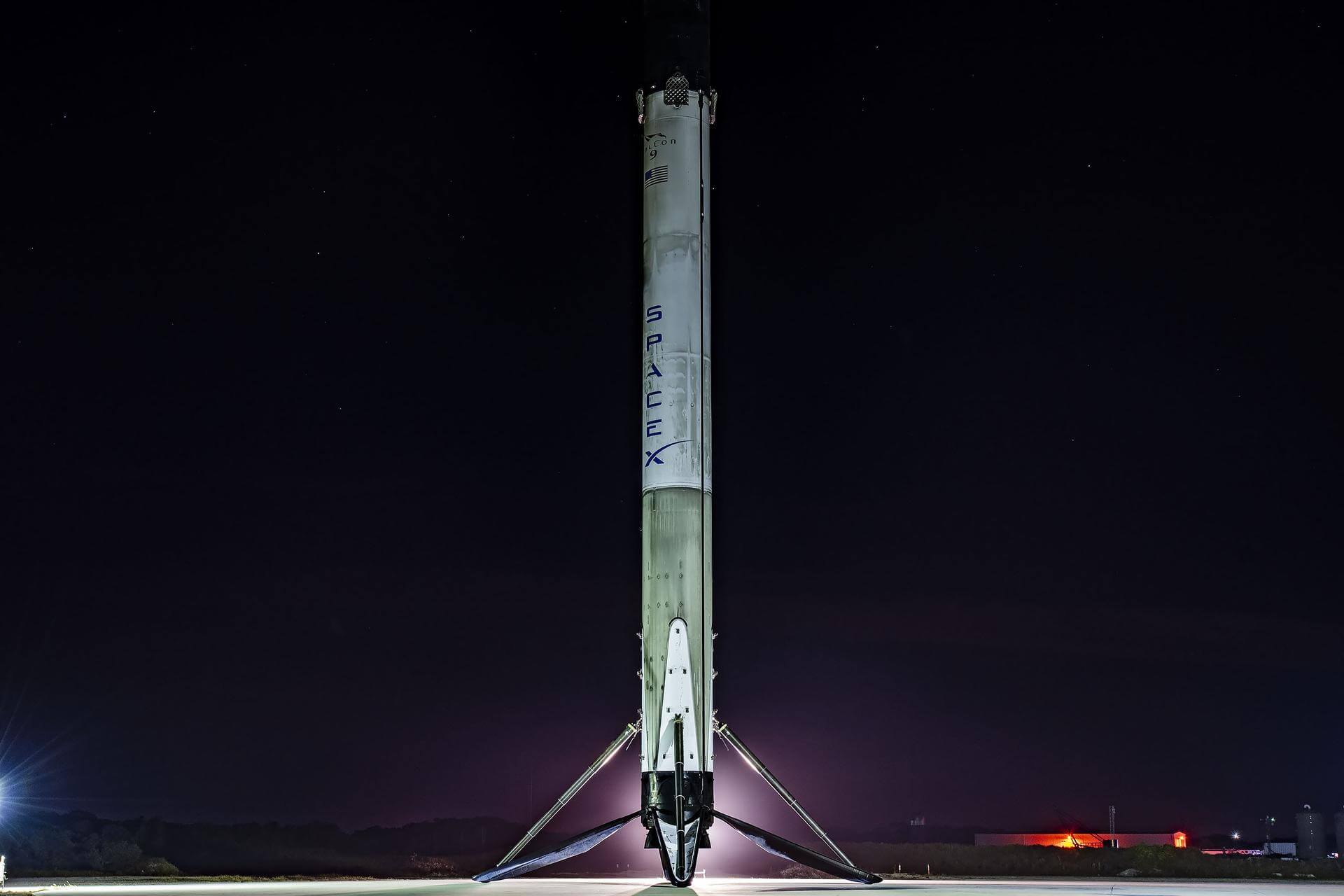
Vehicle: Falcon 9
Note: Mission profile and payload details are TBD.
Demonstration mission for SpaceX’s Project Starfall, which aims to mass-produce reentry capsules designed to autonomously transport valuable customer experiments and other payloads safely back from space to Earth, including for in-orbit manufacturing.
Starfall is a cylindrical shaped capsule approximately 0.75 meters tall with a diameter of 3.1 meters, weighing approximately 2100 kilograms, and capable of carrying 1000 kilograms of payload. It is designed to be carried on Starship flights.

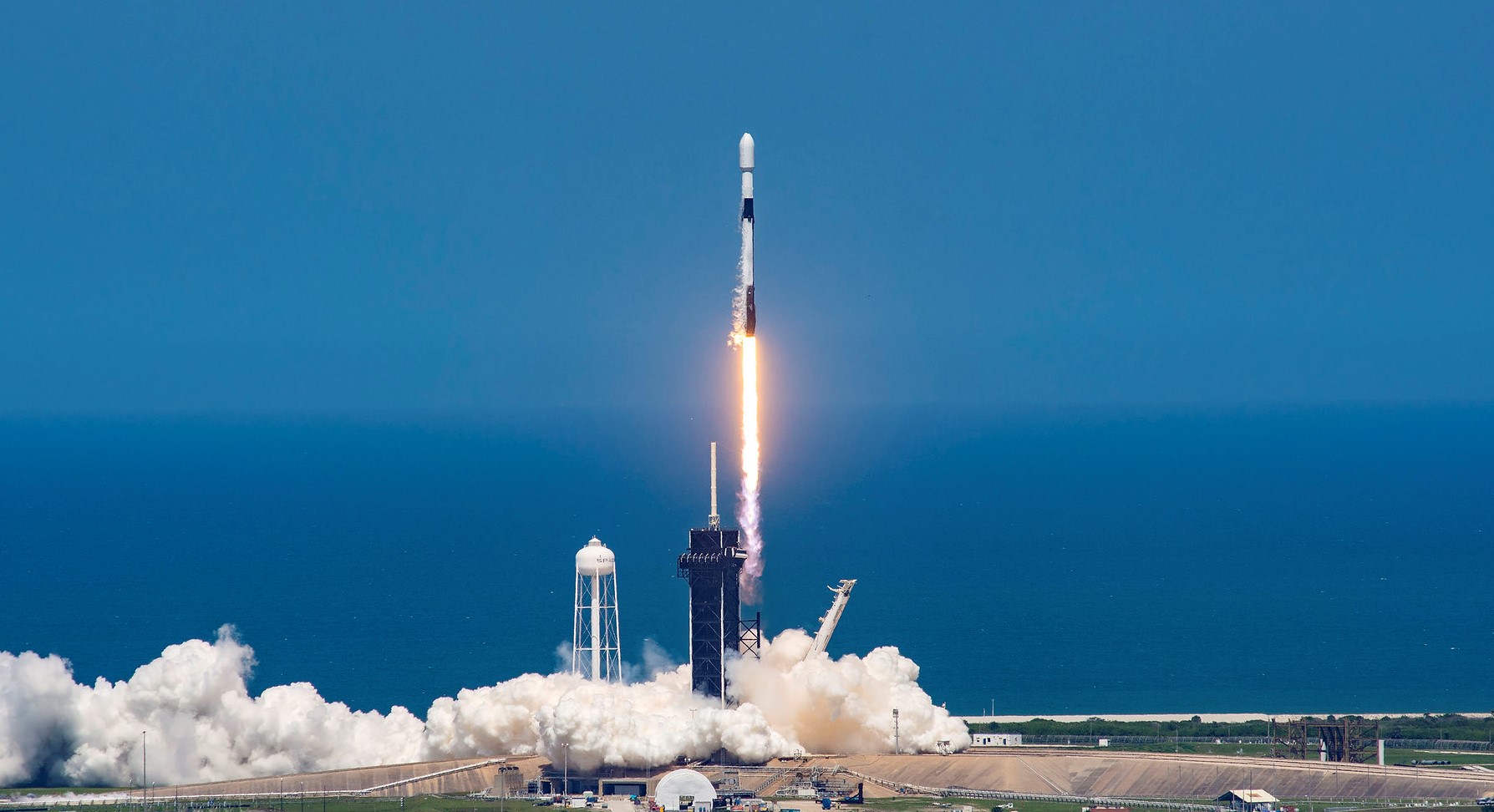
Starlink Group 17-45
Provider: SpaceX
Date: June 25, 2026
Time: 2:48 AM UTC
Vehicle: Falcon 9
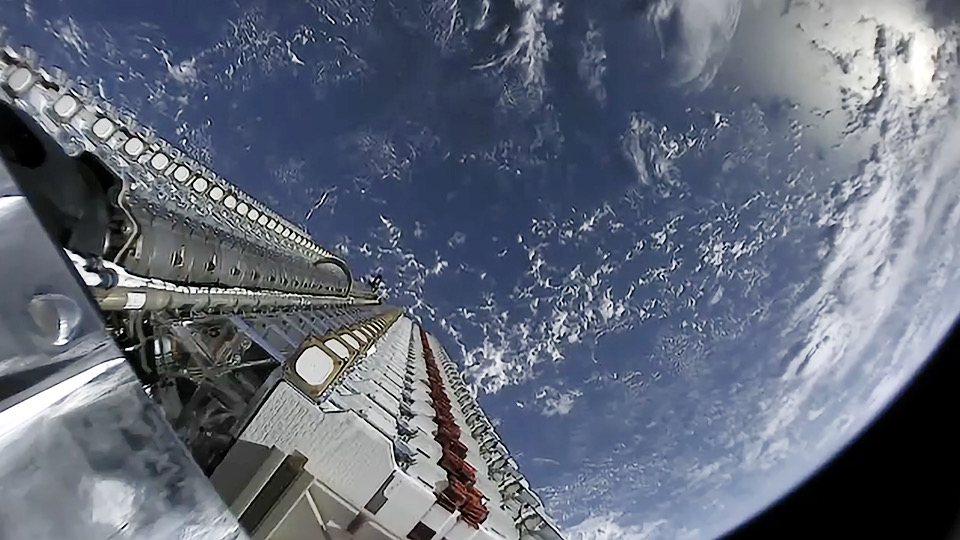
A batch of 24 satellites for the Starlink mega-constellation – SpaceX’s project for space-based Internet communication system.
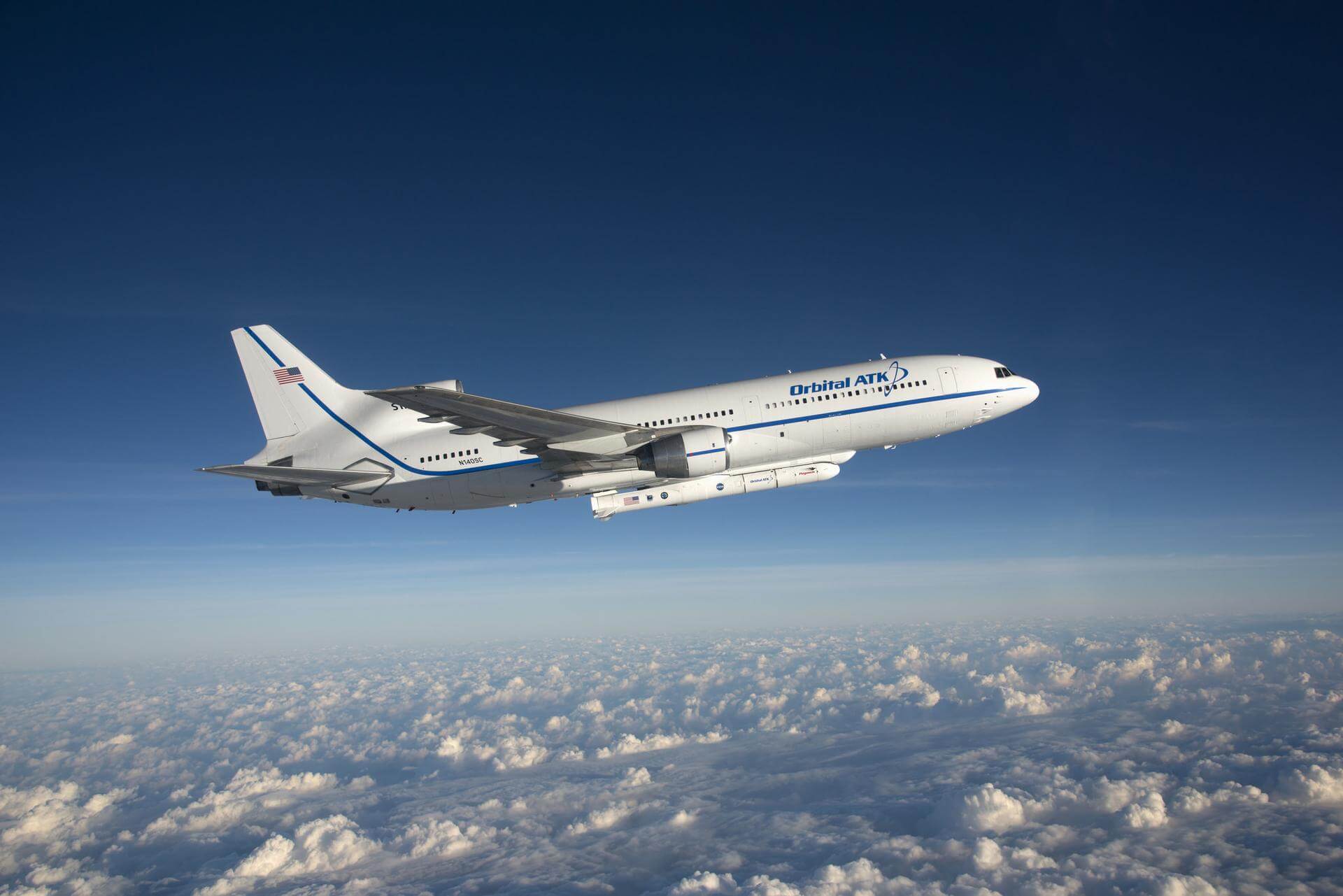
Swift Boost Mission
Provider: Northrop Grumman Space Systems
Date: June 27, 2026
Time: 9:00 AM UTC
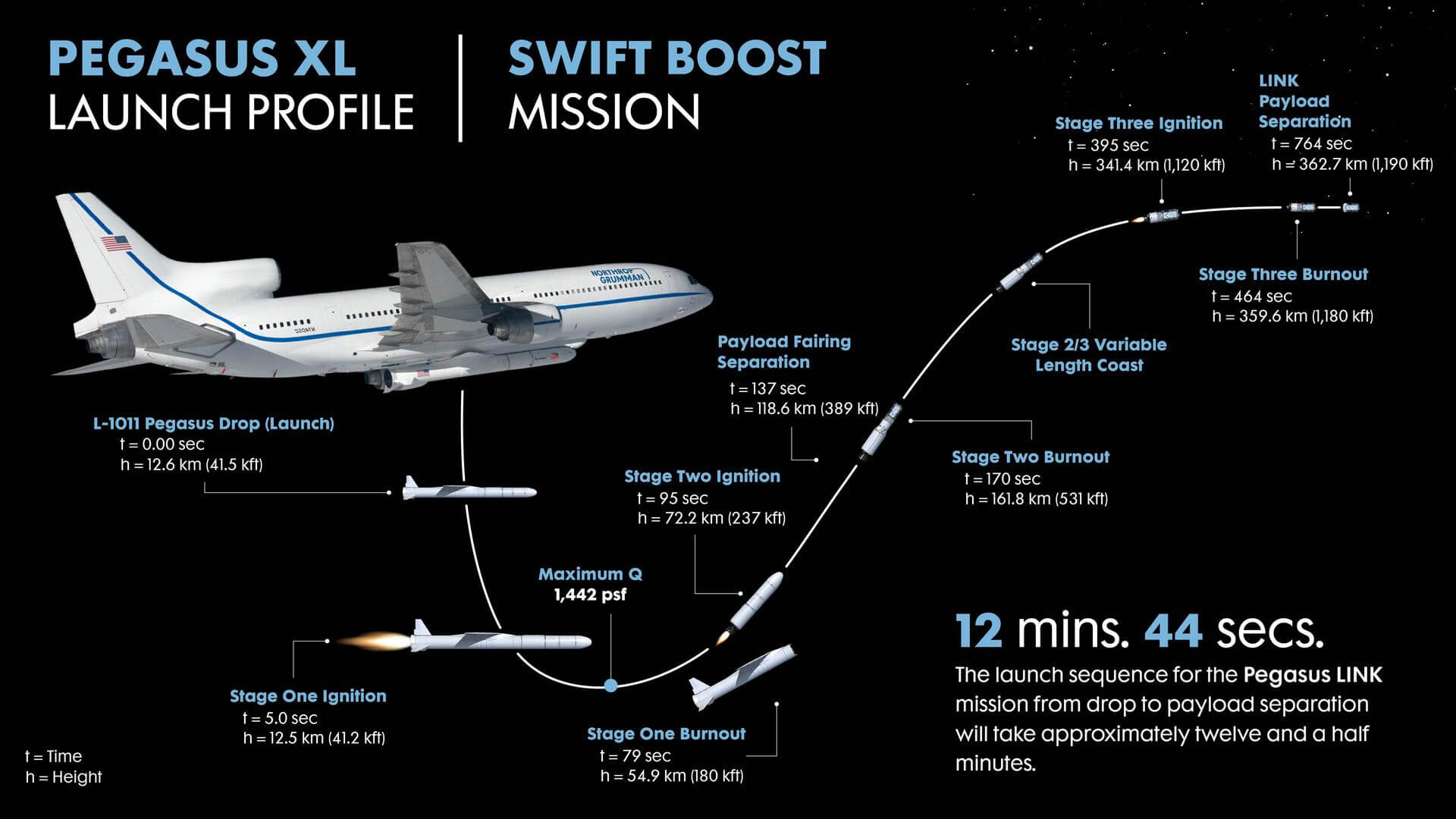
Vehicle: Pegasus XL
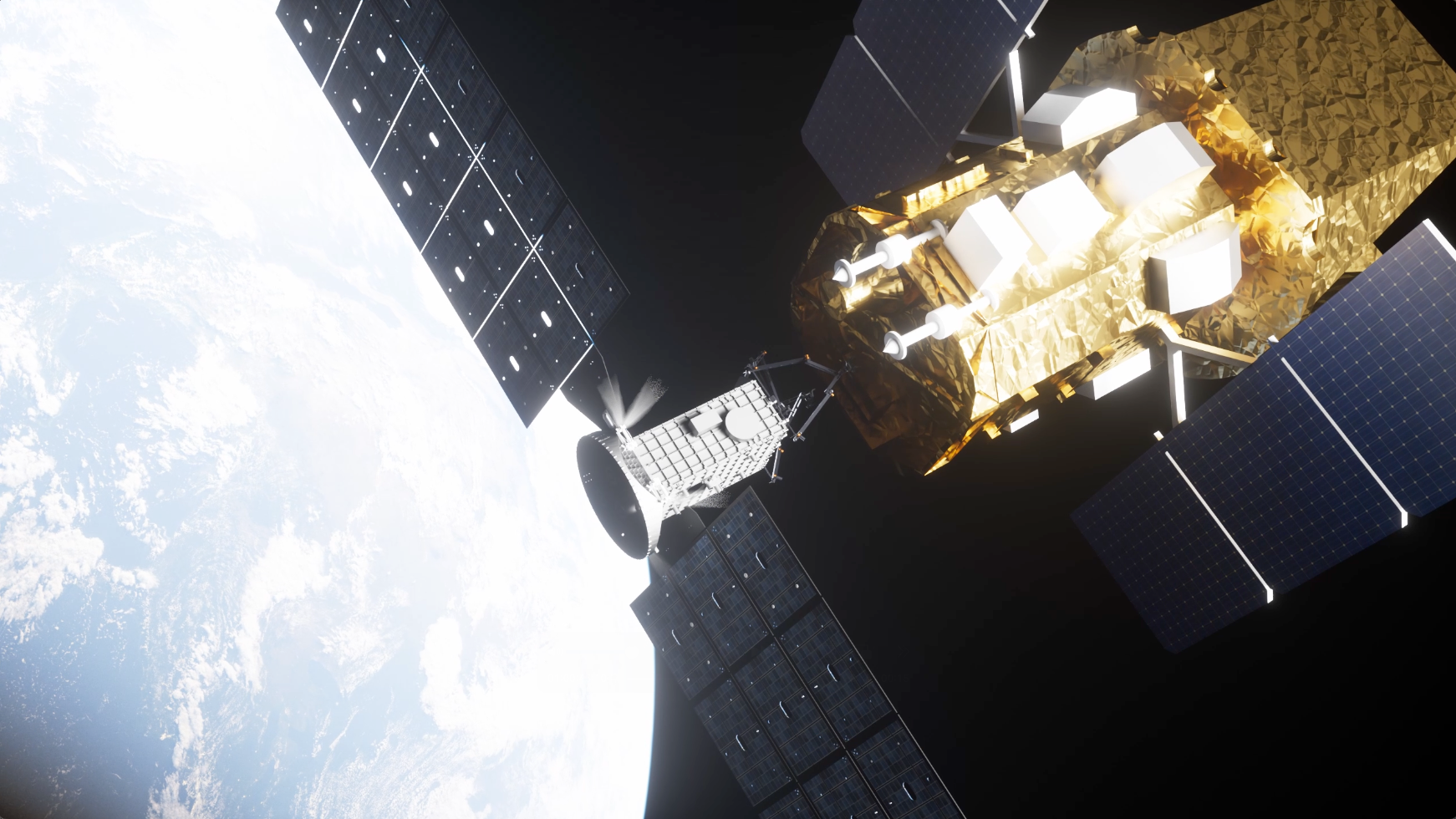
Contracted by NASA under the Small Business Innovation Research Phase 3 contract, Katalyst Space Technologies’ LINK servicing spacecraft will rendezvous and attach to NASA’s Neil Gehrels Swift Observatory to re-boost its orbit. This aims to demonstrate a key capability for the future of space exploration and extending the Swift mission’s science lifetime in gamma ray astronomy.
Starlink Group 17-40
Provider: SpaceX
Date: June 28, 2026
Time: 2:00 PM UTC
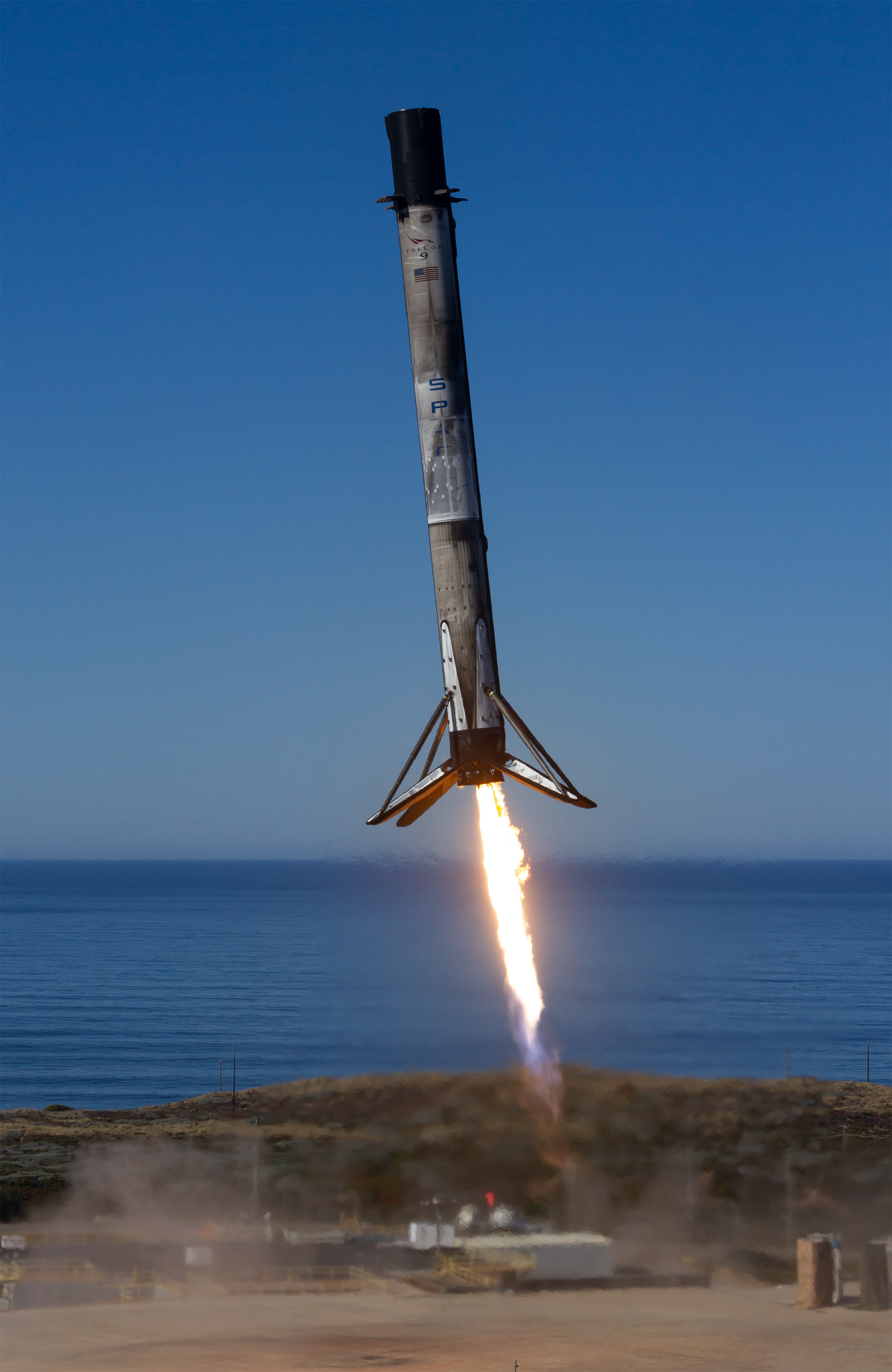
Vehicle: Falcon 9
A batch of 24 satellites for the Starlink mega-constellation – SpaceX’s project for space-based Internet communication system.








Enjoying the content? Stay up to date on everything happening behind the scenes by following our Patreon!

