NASA concludes MAVEN’s historic Mars atmosphere mission
On June 3rd, NASA formally ended the MAVEN (Mars Atmosphere and Volatile Evolution) spacecraft mission after a six-month effort to restore communication failed. The spacecraft, launched in November 2013 atop an Atlas V rocket, exceeded its primary mission duration by more than a decade, fundamentally advancing humanity’s understanding of Mars’ climate and laying groundwork for future human exploration.
MAVEN reached Mars orbit in September 2014 and began scientific observations that November with eight specialised instruments designed to study the Martian atmosphere and trace how the red planet lost much of its gas to space over billions of years. The mission’s original two-year timeline proved far too modest. Due to the spacecraft’s robust condition and the quality of data it returned, NASA extended MAVEN’s operations repeatedly—first through September 2016, then October 2016 to September 2018. By mission’s end, MAVEN had operated 10 years beyond its planned lifespan.
During its extended tenure, MAVEN collected continuous atmospheric measurements while serving as a communications relay for NASA’s surface rovers, including Curiosity and Perseverance. That extended dataset has proven invaluable; scientists worldwide continue mining it for insights into Mars’ complex interactions with the solar wind and space weather.
Contact was lost on December 6, 2025, when the Deep Space Network detected no signal after MAVEN orbited behind Mars. Recovery attempts indicated the spacecraft had entered safe mode due to an unexpectedly high spin rate—possibly triggered by an orbital disruption. An anomaly review board concluded in February that the spacecraft’s batteries had likely been drained by the rotation, rendering recovery impossible. The cause remains under investigation, with a final report expected later this year. NASA has begun archiving the mission’s complete dataset for future study.
Post-mission discovery: solar wind shaping Mars’ ionosphere
Even as MAVEN’s instruments fall silent, its data continues to yield discoveries. A team led by Christopher Fowler at West Virginia University recently used MAVEN observations to identify a phenomenon called the Zwan-Wolf effect occurring within Mars’ atmosphere itself—the first time this process has been detected outside a planetary magnetosphere.
The Zwan-Wolf effect, first identified in 1976 but previously thought to occur only in strong planetary magnetospheres like Earth’s, describes how charged particles from the solar wind become confined within magnetic structures called flux tubes. Fowler’s team discovered that Mars’ ionosphere—the electrically charged layer below 200 km altitude—contains significant populations of these particles, dynamically arranged via the Zwan-Wolf process.
The detection emerged when Fowler examined unexpected fluctuations in Mars’ magnetic field during a solar storm. “When investigating the data, I all of a sudden noticed some very interesting wiggles,” Fowler explained. “I would never have guessed it would be this effect, since it’s never been seen in a planetary atmosphere before.” Unlike Earth, Mars lacks a strong global magnetic field; its magnetosphere is induced by interactions between the solar wind and the ionosphere itself, creating a highly variable system shaped by the intensity of solar outbursts.
The discovery deepens scientists’ understanding of how space weather modulates atmospheres on worlds with little or no magnetosphere—a category that includes Venus and Saturn’s moon Titan. For planners preparing crewed missions to Mars, the finding carries practical weight: understanding how the Sun’s radiation and particle streams reshape the Martian atmosphere is essential for designing radiation protection and ensuring mission safety for future astronauts.
“Knowing how space weather interacts with Mars is essential,” said Shannon Curry, MAVEN’s principal investigator at the University of Colorado Boulder’s Laboratory for Atmospheric and Space Physics. “The MAVEN team continues making new discoveries with our datasets and finding these links between our host star and the red planet.”
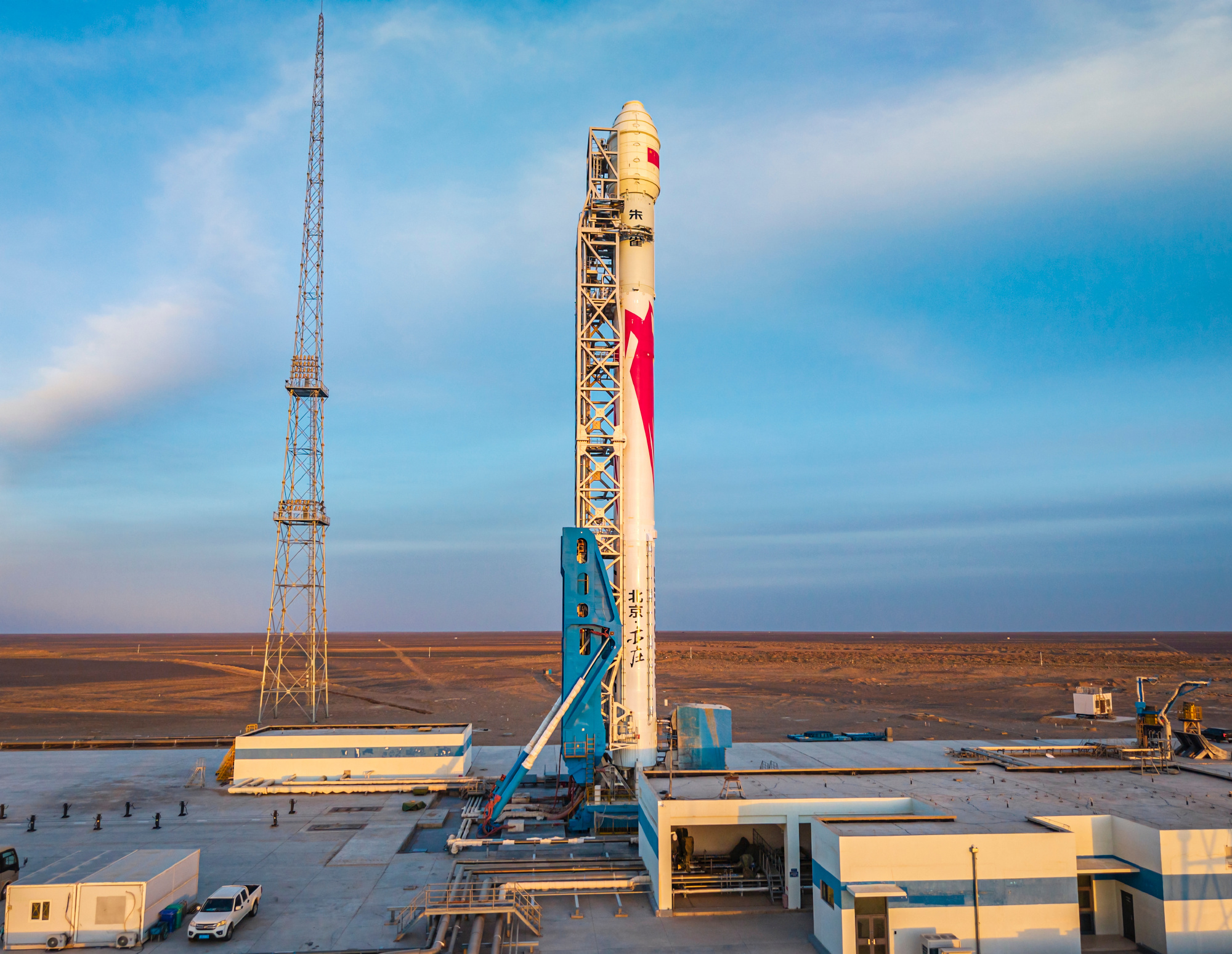
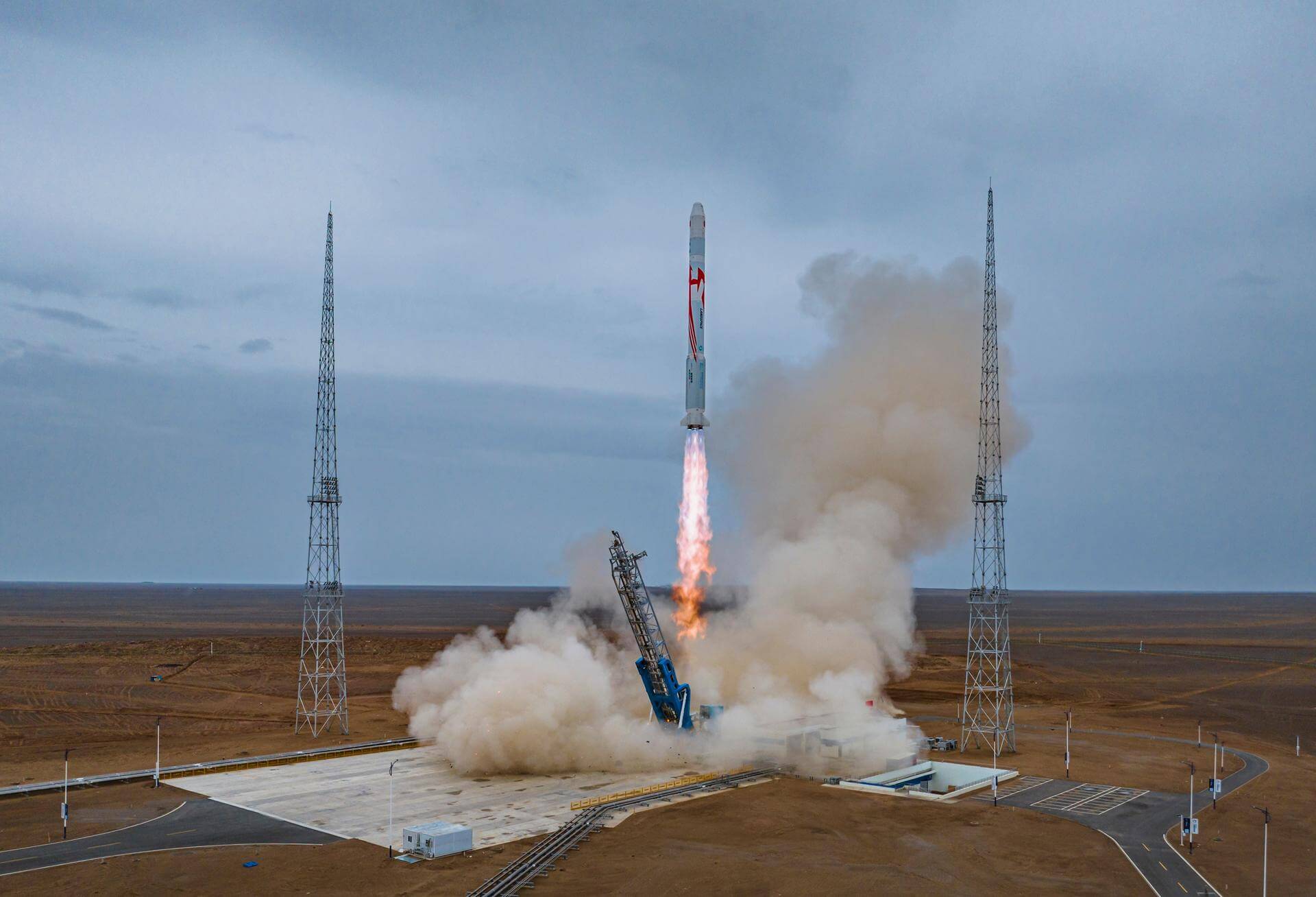
Provider: LandSpace Date: June 9, 2026 Time: 8:20 AM UTC Vehicle: Zhuque-2E Block 2
Details TBD.
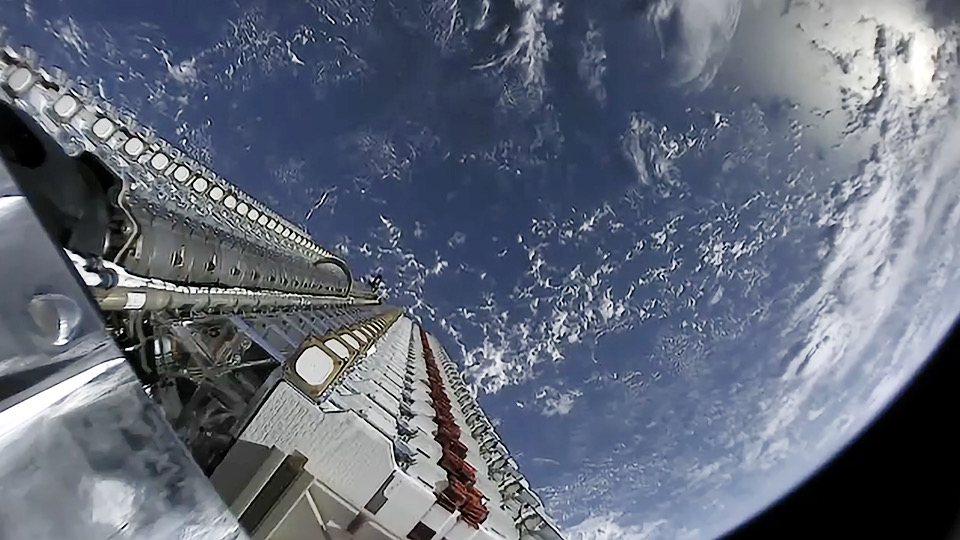
Starlink Group 17-44
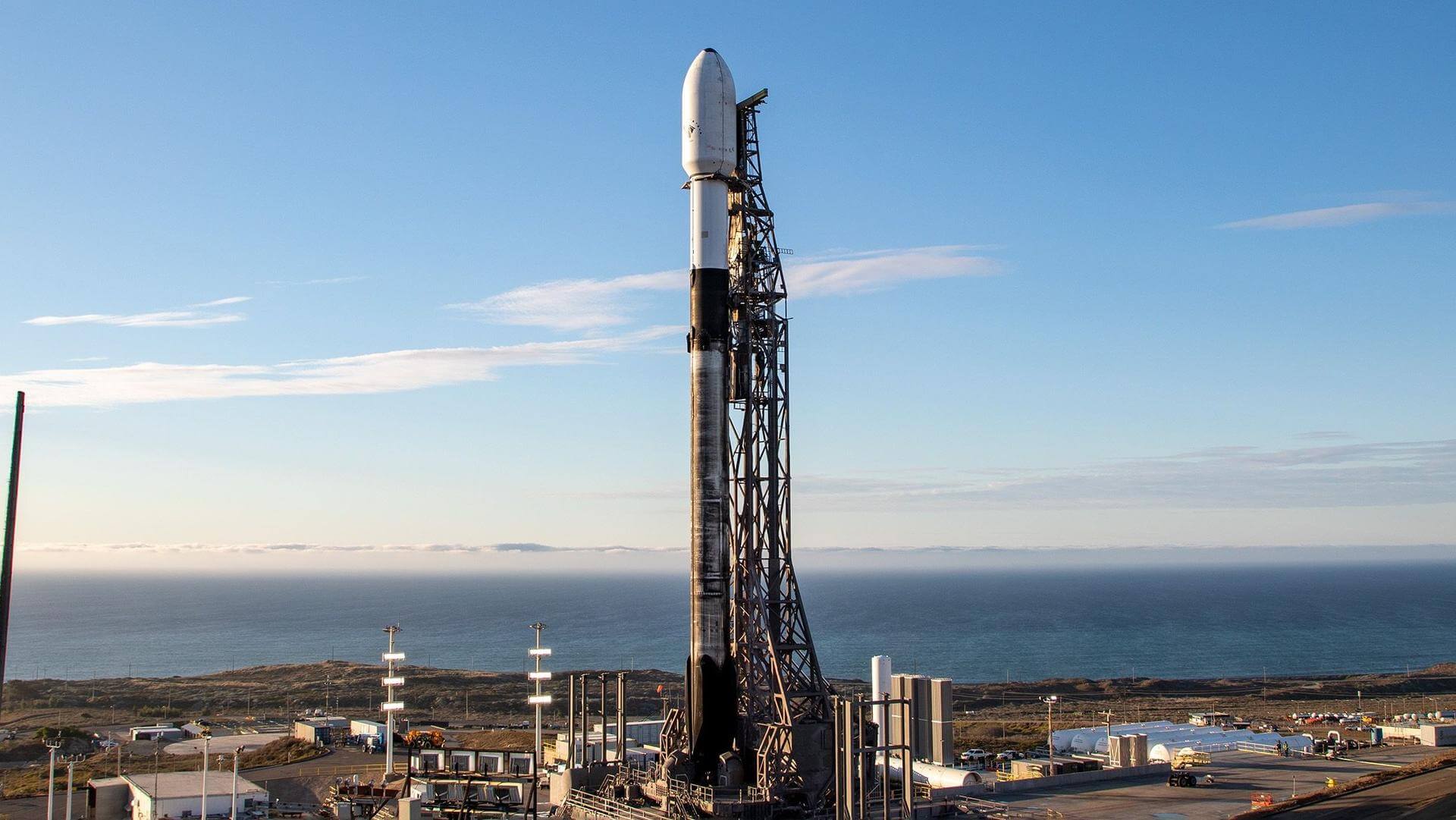
Provider: SpaceX Date: June 10, 2026 Time: 2:00 PM UTC Vehicle: Falcon 9
A batch of 24 satellites for the Starlink mega-constellation – SpaceX’s project for space-based Internet communication system.
Curveball
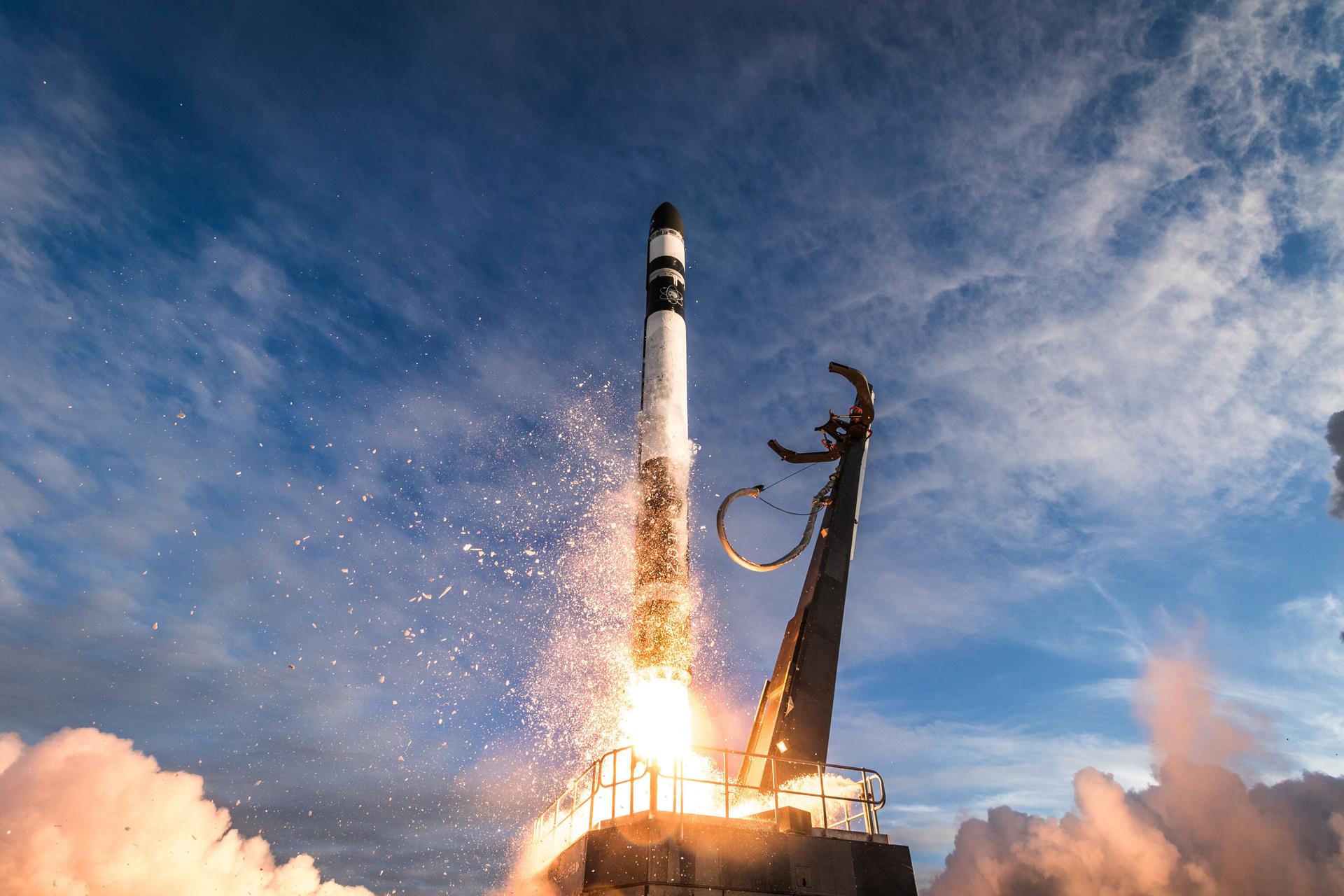
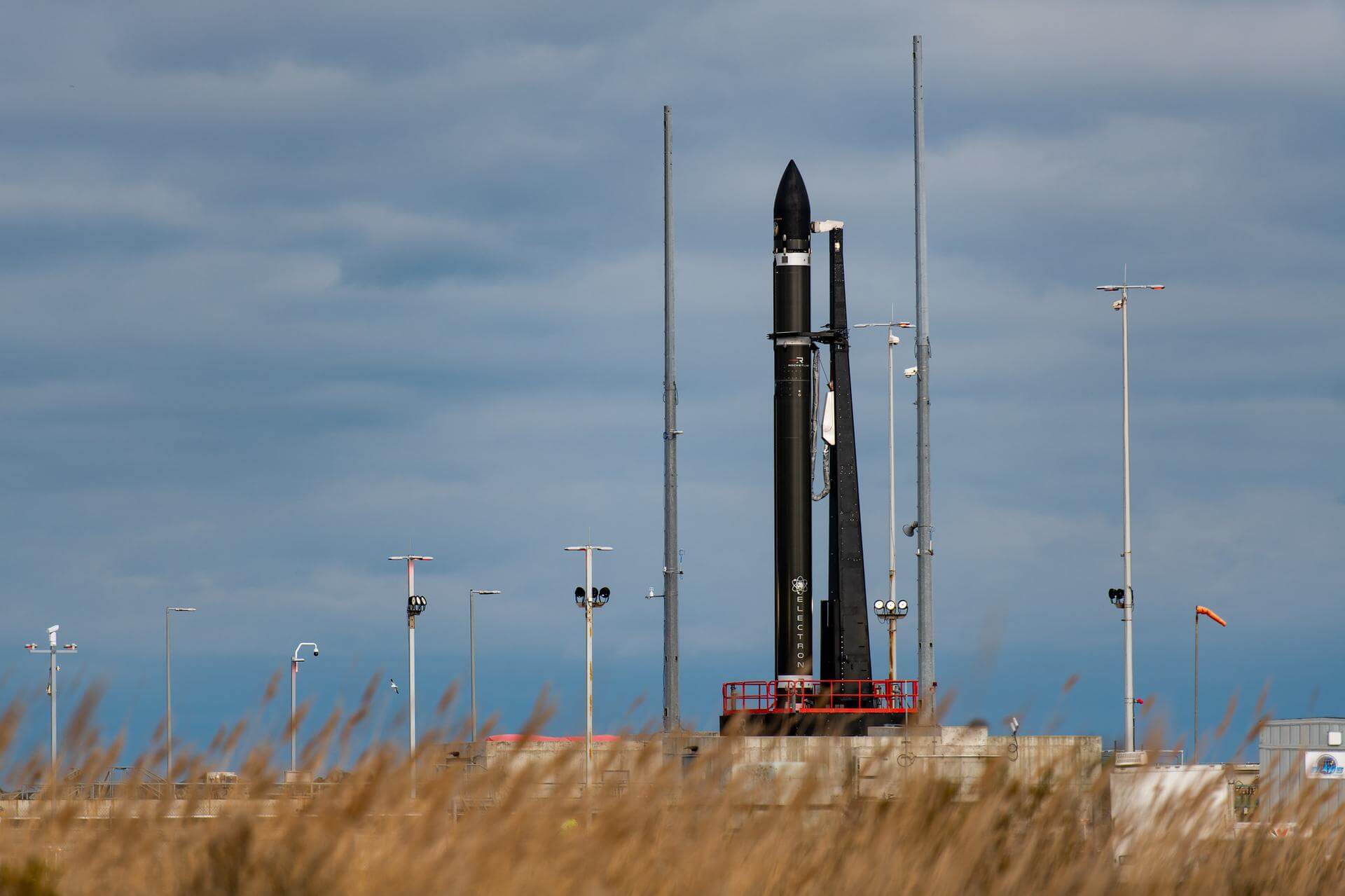
Provider: Rocket Lab Date: June 11, 2026 Time: 4:00 AM UTC Vehicle: Electron
Sub-orbital launch under Rocket Lab’s Hypersonic Accelerator Suborbital Test Electron (HASTE) program, details TBD.
Unknown Payload
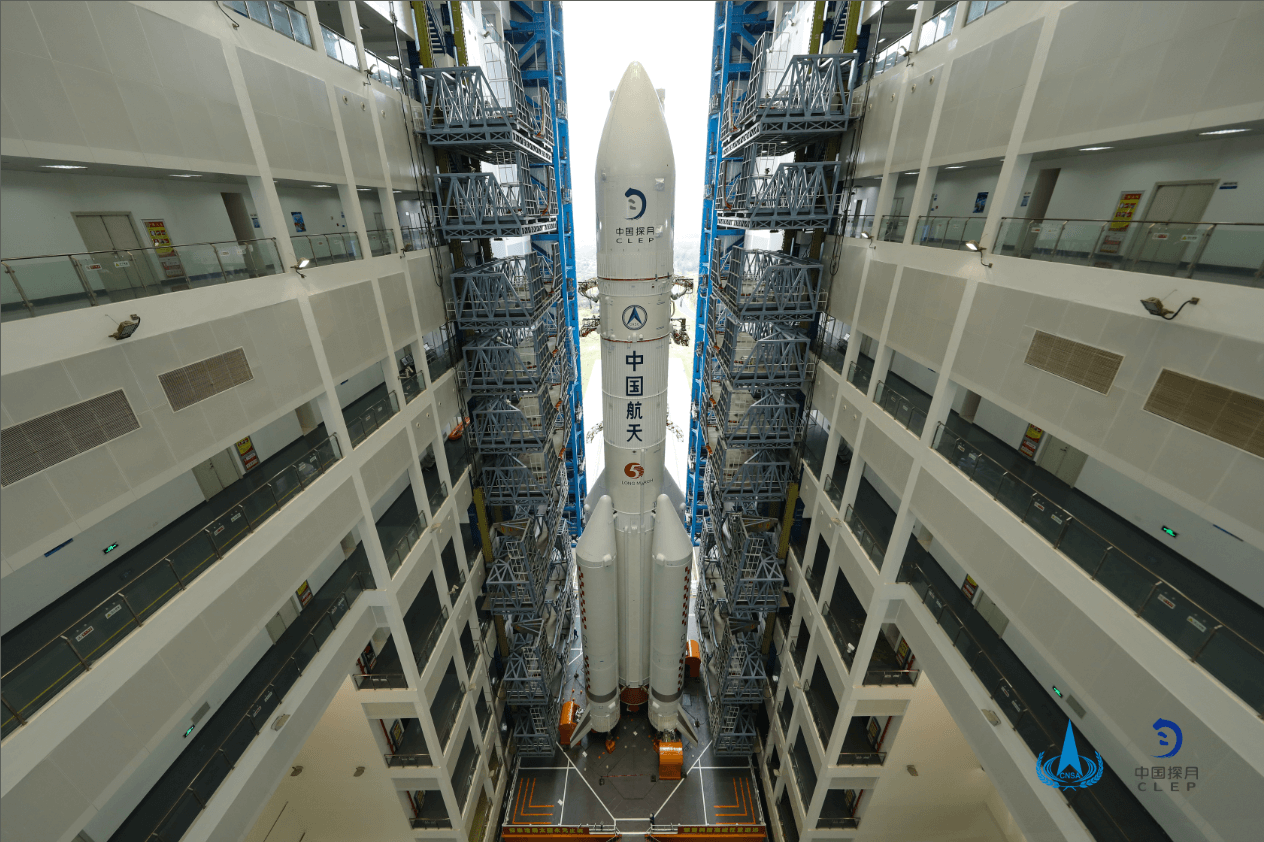
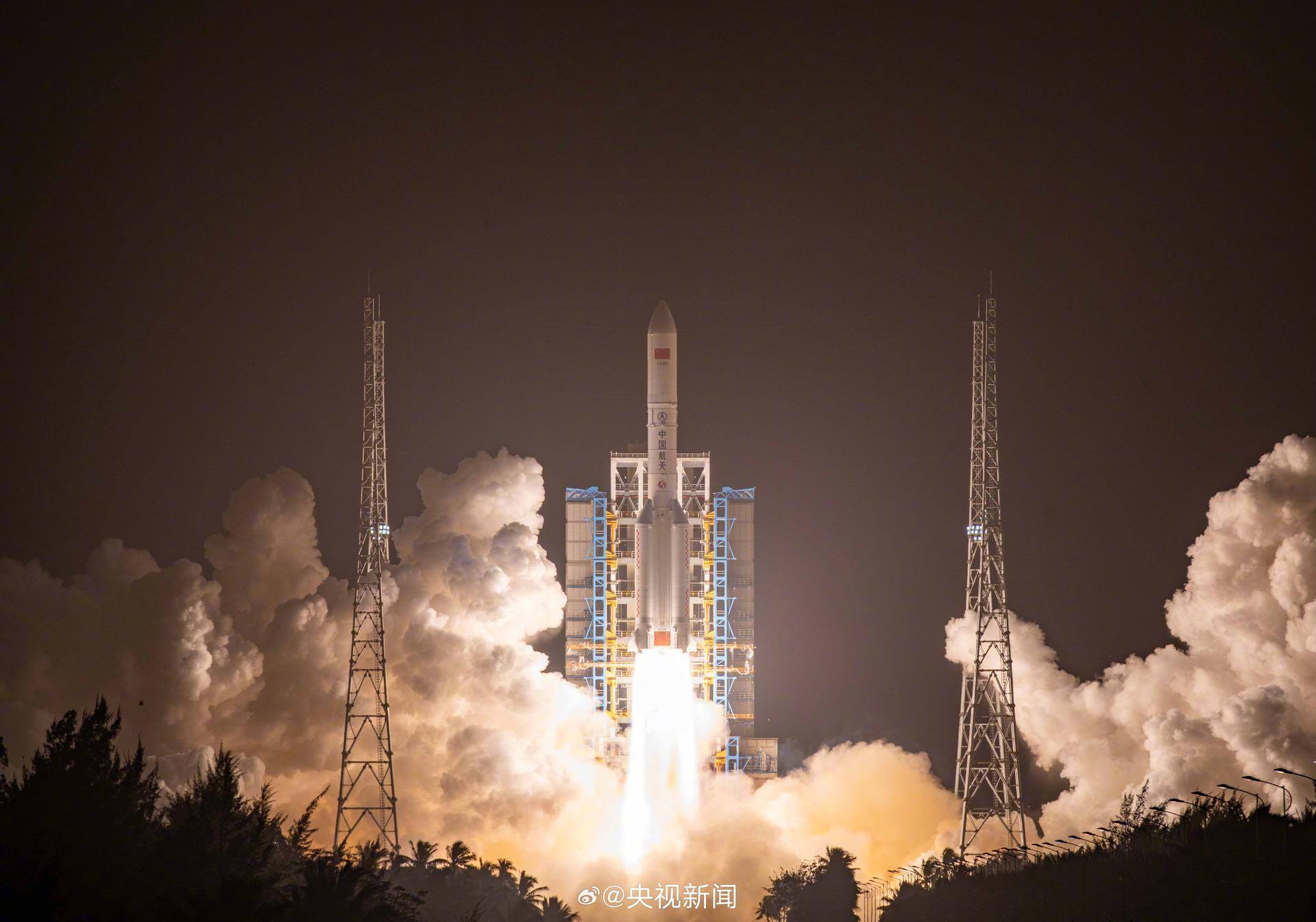
Provider: China Aerospace Science and Technology Corporation Date: June 11, 2026 Time: 7:30 AM UTC Vehicle: Long March 5
Details TBD.
H3-30 Test Flight
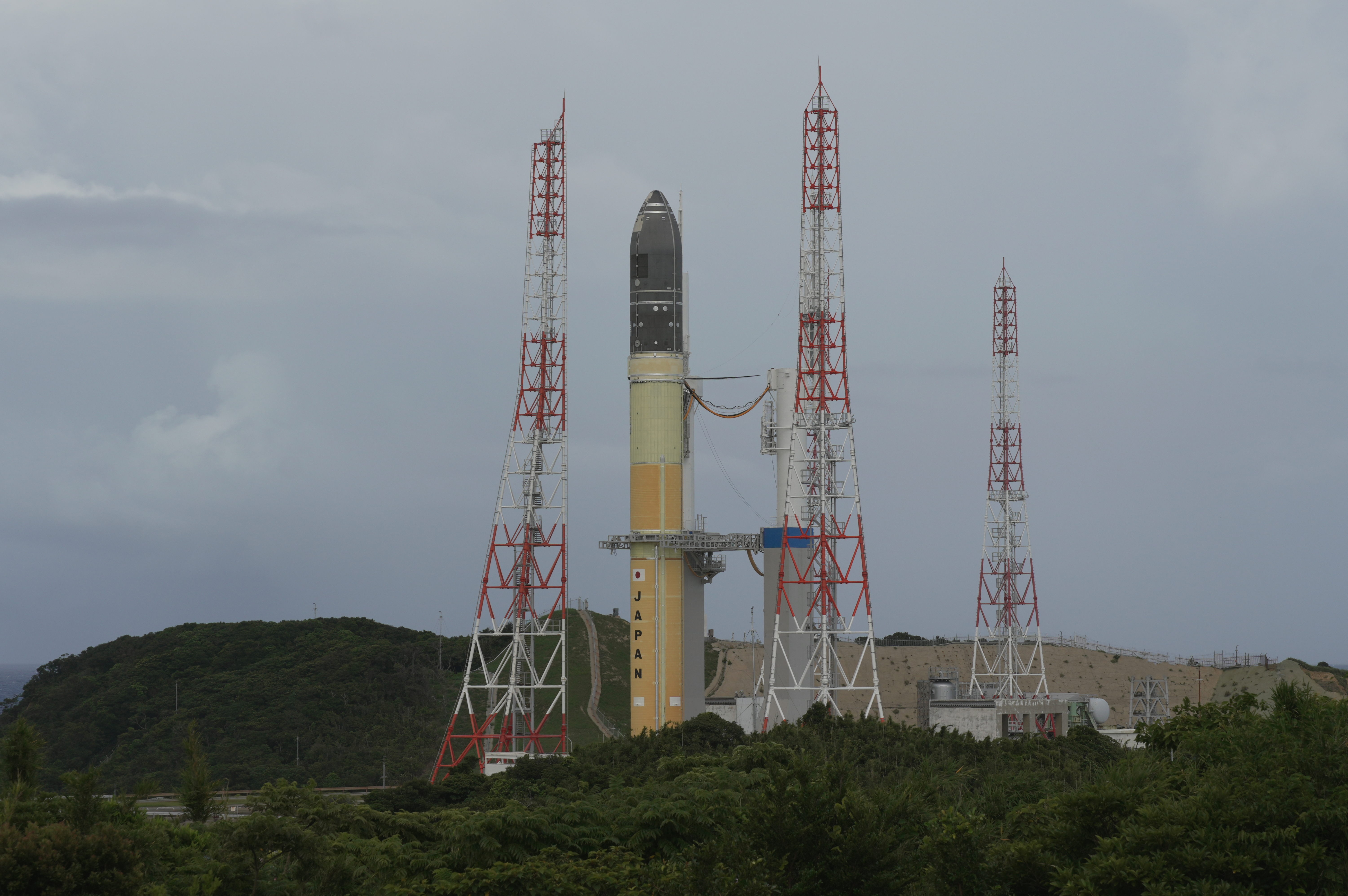
Provider: Mitsubishi Heavy Industries Date: June 12, 2026 Time: 12:00 AM UTC Vehicle: H3-30
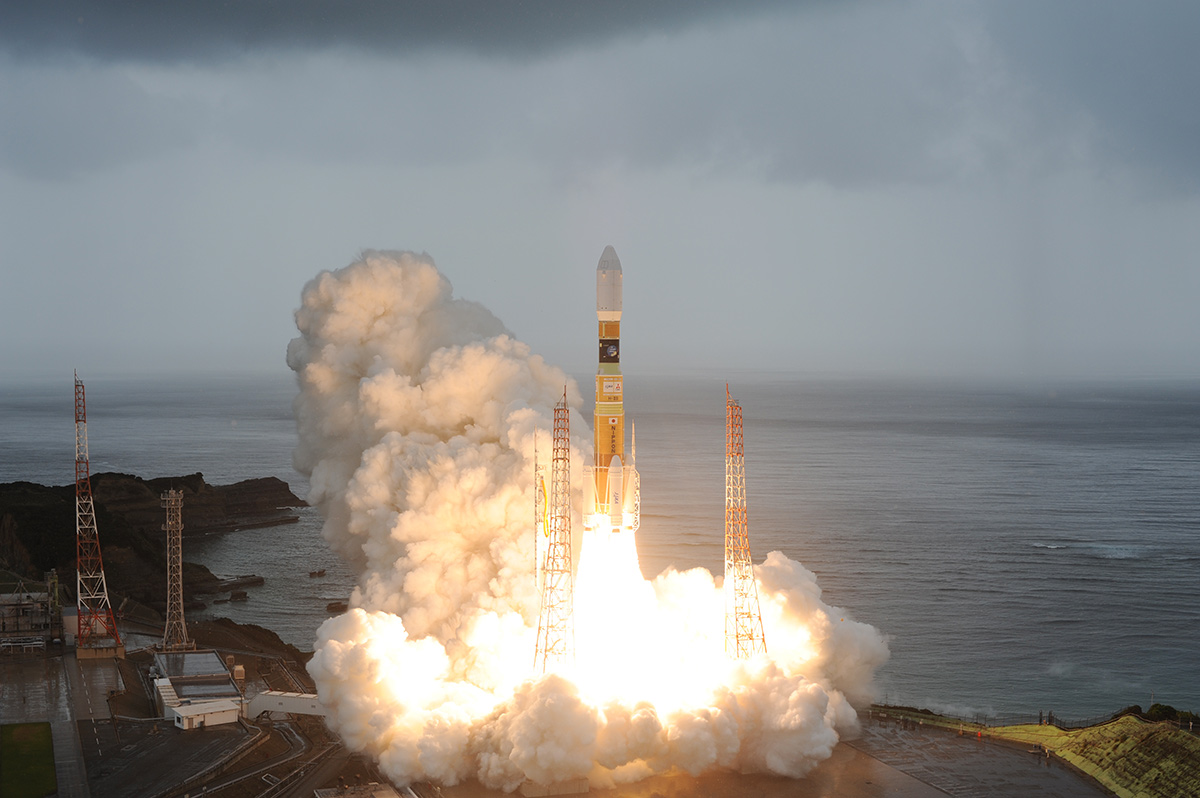
Test flight of the H3-30 variant of the H3 launch vehicle with 3 LE-9 engines in the first stage and no SRBs. The flight will carry a dummy main payload (Vehicle Evaluation Payload 5, VEP-5) and several hitchhiking small satellites:
Zhuque-2E (E stands for “enhanced”) is a medium-sized rocket powered by liquid oxygen and methane capable of lifting 6,000 kg of payload into a 200 km low Earth orbit, or 4,000 kg of payload into a 500 km Sun-synchronous orbit. It differs from the baseline Zhuque-2 in using enhanced TQ-12A engines…
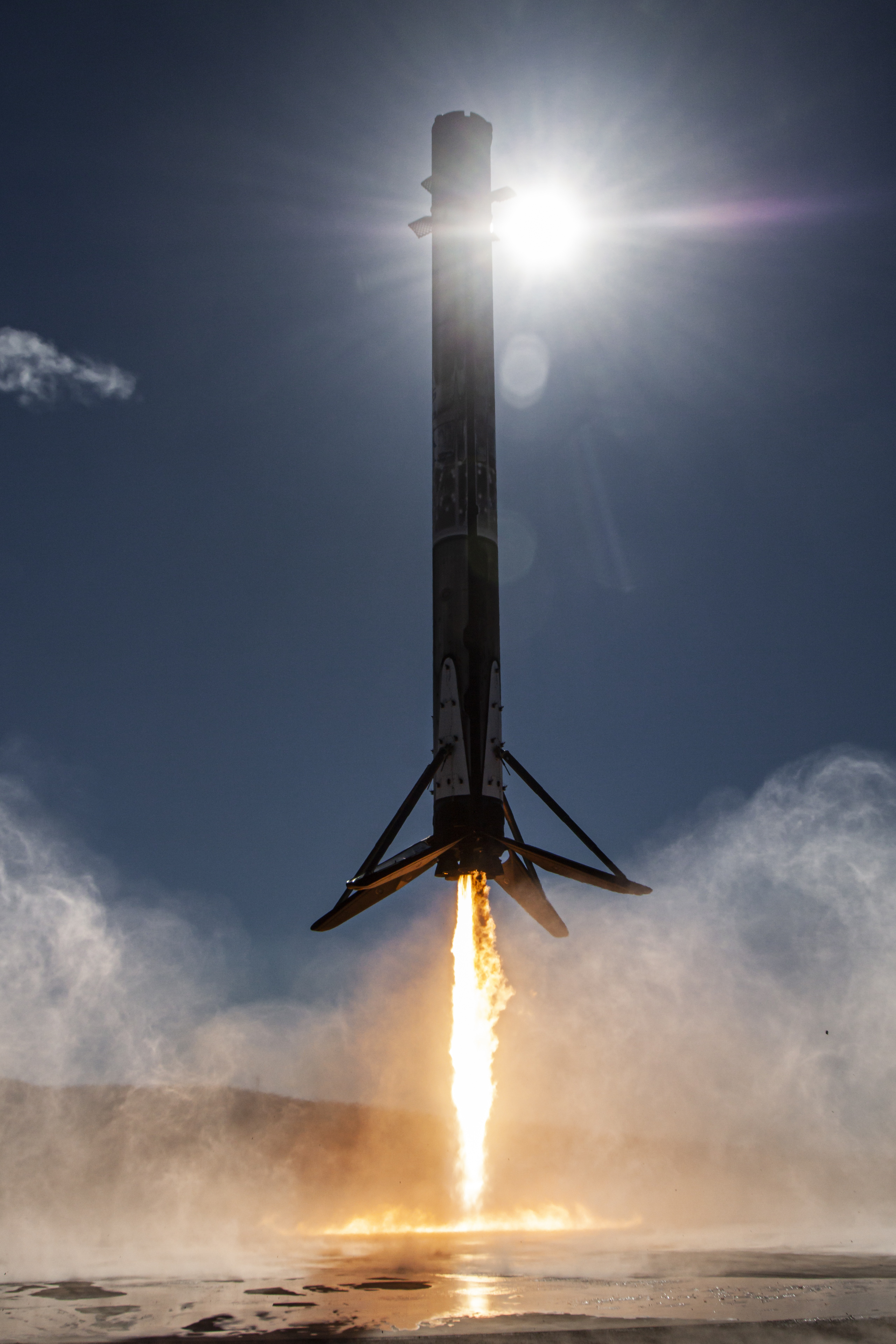
Falcon 9 is a two-stage rocket designed and manufactured by SpaceX for the reliable and safe transport of satellites and the Dragon spacecraft into orbit. The Block 5 variant is the fifth major interval aimed at improving upon the ability for rapid reusability.
Electron is a two-stage orbital expendable launch vehicle (with an optional third stage) developed by the American aerospace company Rocket Lab. Electron is a small-lift launch vehicle designed to launch small satellites and cubesats to sun-synchronous orbit and low earth orbit. The Electron is the…
Long March 5 is a Chinese heavy lift launch system developed by China Academy of Launch Vehicle Technology (CALT). CZ-5 is the first Chinese vehicle designed from the ground up to focus on non-hypergolic liquid rocket propellants. Currently, two CZ-5 vehicle configurations are planned, with maximum…
Test flight of the H3-30 variant of the H3 launch vehicle with 3 LE-9 engines in the first stage and no SRBs. The flight will carry a dummy main payload (Vehicle Evaluation Payload 5, VEP-5) and several hitchhiking small satellites:
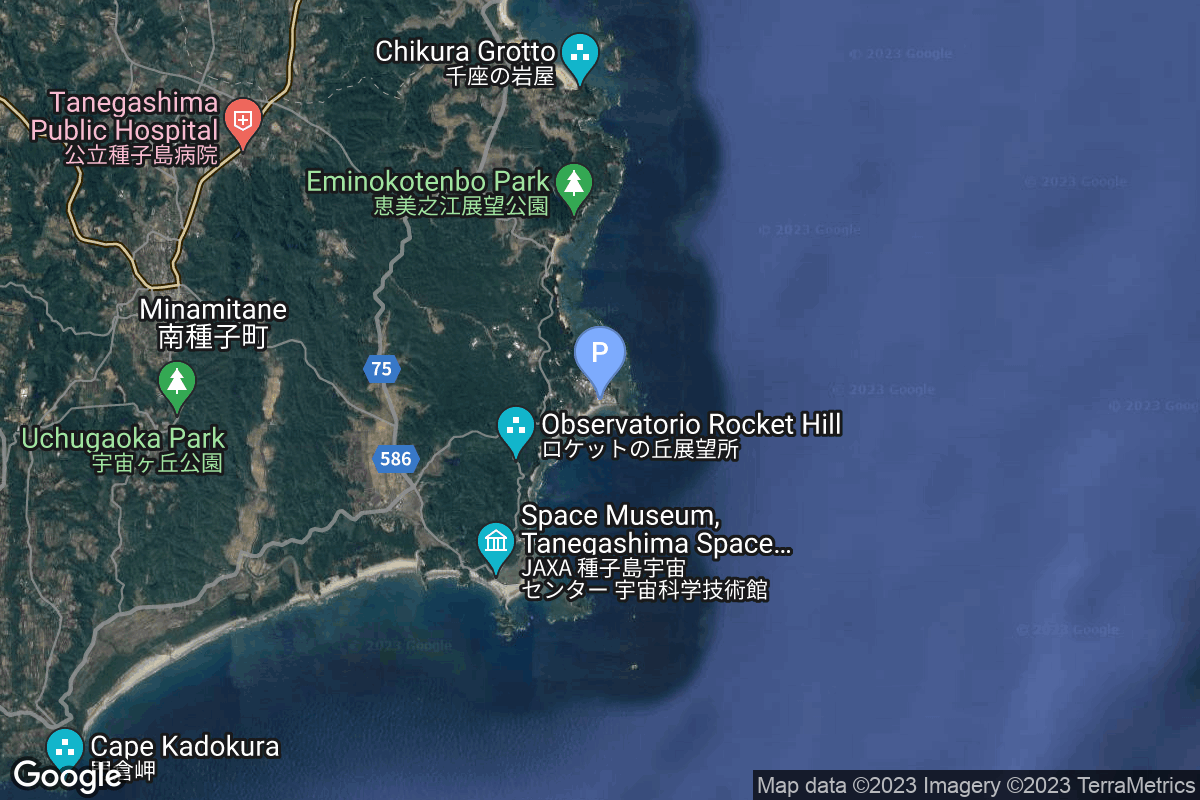
The H3 Launch Vehicle is an expendable launch system in development in Japan. H3 rockets are liquid-propellant rockets with strap-on solid rocket boosters and are planned to be launched from the Tanegashima Space Center in Japan. Mitsubishi and the JAXA have been responsible for the design,…
Robo Chris is a collection of API calls, filters, and searches, bolted together with magic and love. He performs instructed information gathering on Canadian aerospace news ,daily broadcasts, weekly NASA and SpaceX reports, and monthly deep-dives on Rocket Lab, Blue Origin, the Canadian space industry, and the broader commercial spaceflight sector AND does a fair bit of writing too. Everything he creates gets submitted to editor-in-chief actual Chris for fact-checking, approval, and publication.