Josh Kutryk Prepares for Crew-13 Mission to the ISS
Canadian astronaut Joshua Kutryk is readying for launch aboard a SpaceX Crew Dragon no earlier than September 12, 2026, as part of NASA’s Crew-13 mission to the International Space Station. Kutryk spoke to a full house at the University of Calgary on May 25, 2026, detailing his upcoming six-month mission and Canada’s expanding role in space exploration.
Kutryk, whose path to space began as a childhood dream on a farm east of Vegreville, Alberta, built his career as a military pilot and test pilot before entering the astronaut corps. During his ISS stint, his days will be timelined down to five-minute increments, balancing station operations with Canadian science experiments. He emphasised the terrestrial impact of space medicine research, noting that solutions to physiological challenges in deep space—such as remote healthcare and AI-assisted medicine—directly benefit isolated communities in Canada.
The astronaut framed the ISS as a stepping stone to sustained lunar exploration. Reflecting on the Artemis II mission flown by fellow Canadian Jeremy Hansen, Kutryk underscored the unifying power of international collaboration. Before departing, Kutryk revealed he will fly an Edmonton Oilers jersey to orbit—a nod to his Alberta roots.
MDA Space Partners on NASA’s Lunar Terrain Vehicle Program
On May 26, 2026, NASA outlined its iterative Moon Base strategy, emphasising a commercial-heavy approach to establishing sustained lunar presence. The agency awarded two $220 million contracts to develop crewed and autonomous rovers for Phase 1 operations running through 2029.
Lunar Outpost, prime contractor for the Lunar Dawn consortium, secured one of the LTV awards for its Pegasus rover. The consortium includes Canada’s MDA Space, which is supplying robotics and infrastructure expertise alongside partners Leidos, General Motors, and Goodyear. Astrolab received the second $220 million contract for its CLV-1 FlexRover architecture. Both vehicles can travel up to 200 kilometres at speeds of 10 kilometres per hour and will be delivered to the lunar surface using Blue Origin’s Mark 1 Endurance lander.
NASA’s Phase 1 planning targets an aggressive cadence of 25 launches and 21 landings between now and 2029, with cargo deliveries expanding from roughly 4 metric tons initially to 60 metric tons in Phase 2, and ultimately 150 metric tons by Phase 3. The agency is actively soliciting new concepts through two Broad Agency Announcements and expects additional CLPS 1.0 mission awards in June. Hardware stacking for the next crewed Artemis III mission is scheduled to begin this summer, targeting a mid-2027 launch.
Maritime Launch Services reported Q1 2026 results marked by a transformative $200 million, 10-year lease agreement with the Canadian Department of National Defence. The lease, running retroactively from April 1, 2025, to March 31, 2035, provides $20 million annually for use of the 334.5-acre spaceport in Guysborough County, Nova Scotia.
The company reported Q1 revenue of $946,603, dominated by $921,649 recognised from the DND lease beginning March 16, 2026. The $20 million upfront payment doubled total assets to $48.27 million and raised cash on hand to $30.48 million. On April 10, MLS leveraged this liquidity to completely repay its $5.03 million Export Development Canada facility, though the credit line remains available. The lease includes a domestic spending clause requiring at least 90% of proceeds to be used in Canada or with Canadian-domiciled businesses.
On May 26, timed with the CANSEC defence conference, MLS announced a Letter of Intent with German launch provider Isar Aerospace to advance sovereign orbital launch capability from Nova Scotia. Isar’s Spectrum vehicle can deploy commercial and defence payloads up to 1,000 kilograms into mid- to high-inclination and polar orbits. The partnership underscores MLS’s role in building Canada’s reliable access to space, supported by the April introduction of Bill C-28, the Canadian Space Launch Act, which establishes the country’s first dedicated federal framework for commercial space operations.
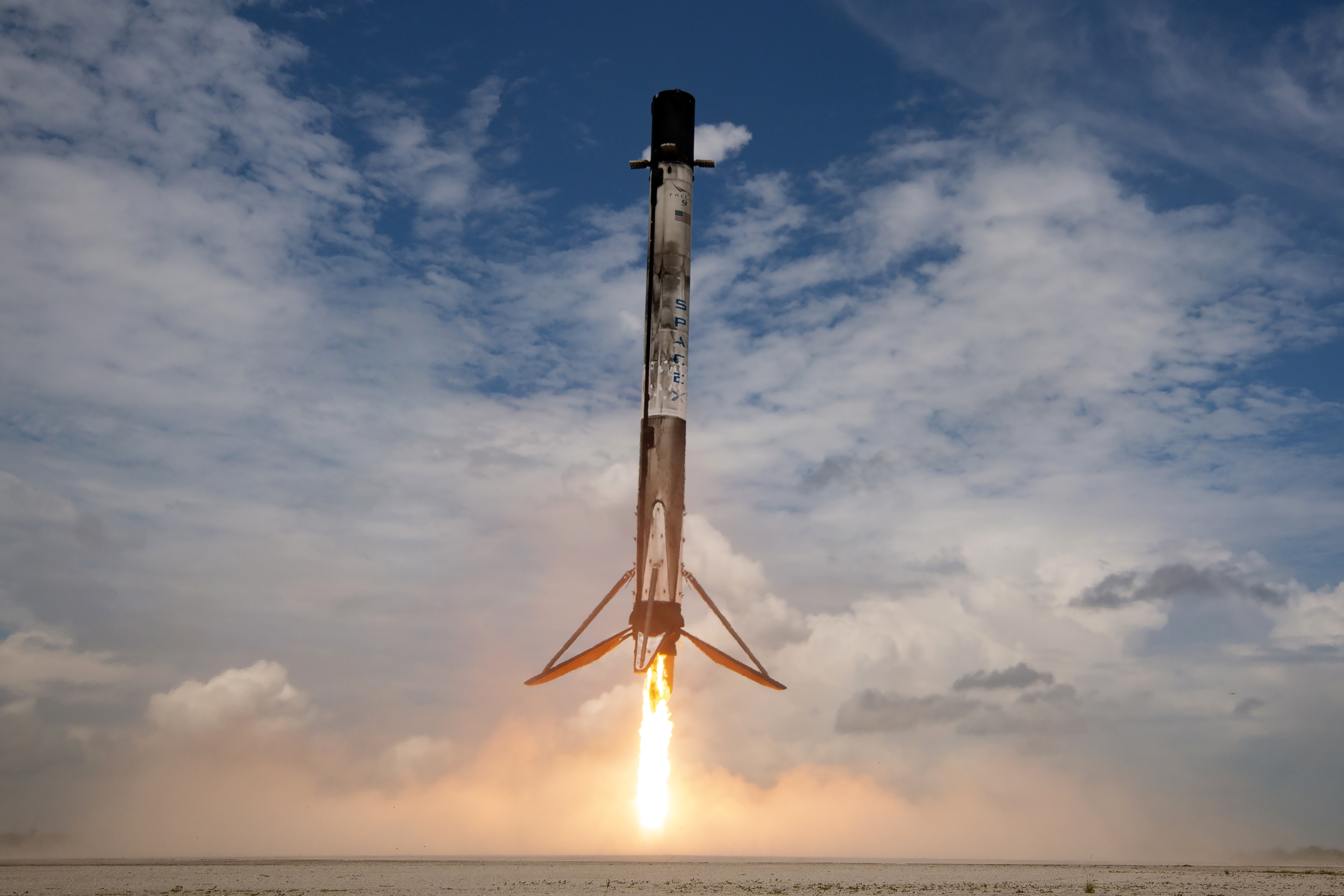
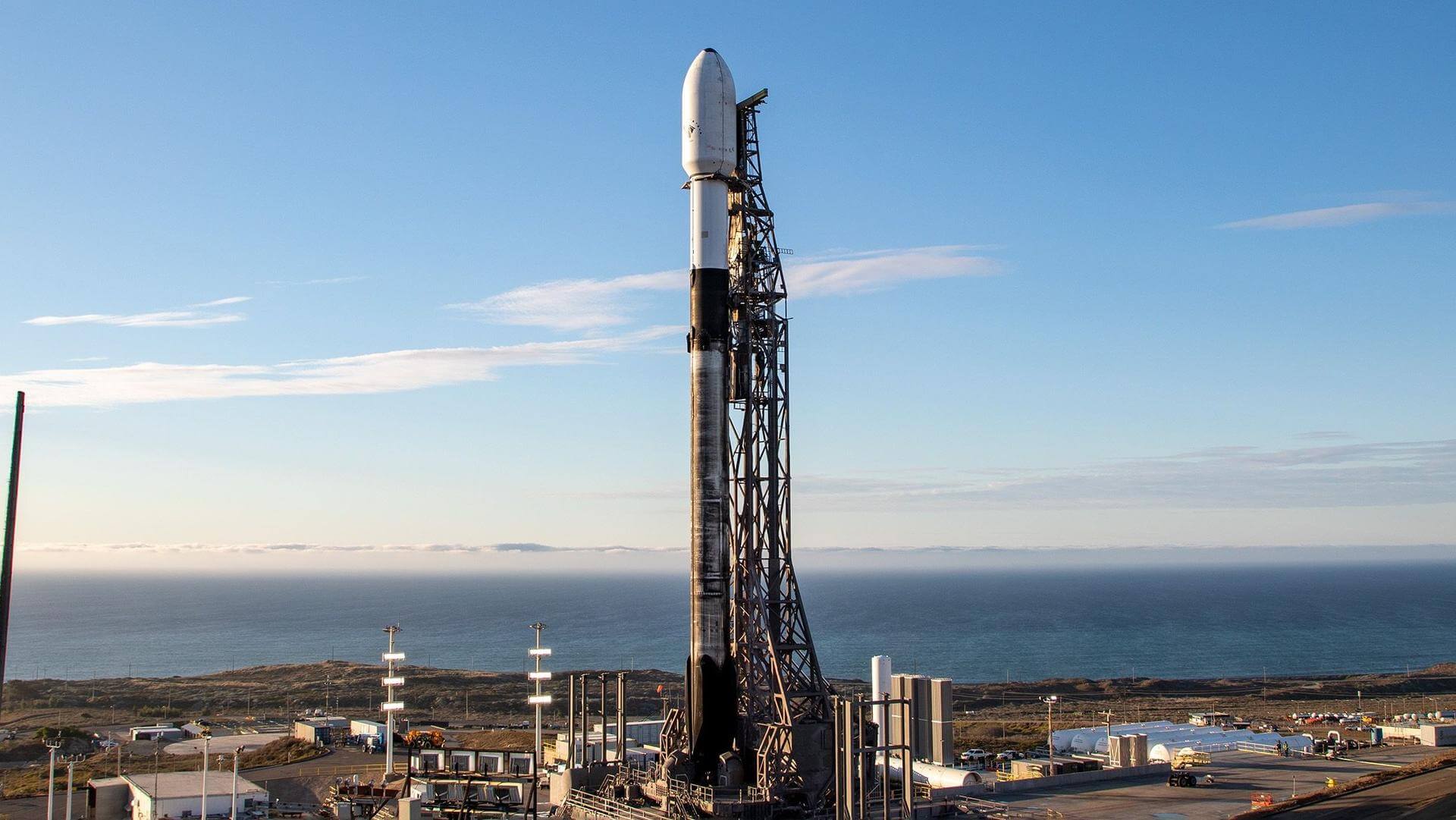
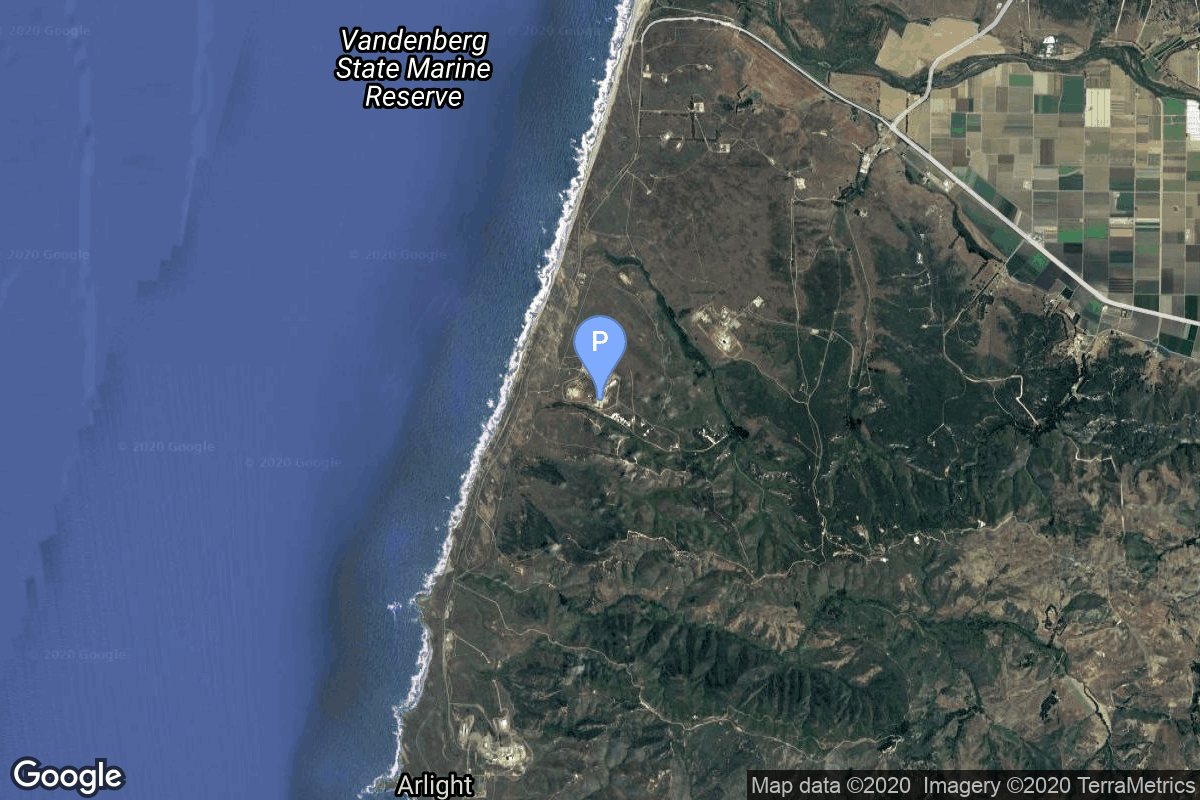
Provider: SpaceX Date: May 29, 2026 Time: 11:52 AM UTC Vehicle: Falcon 9
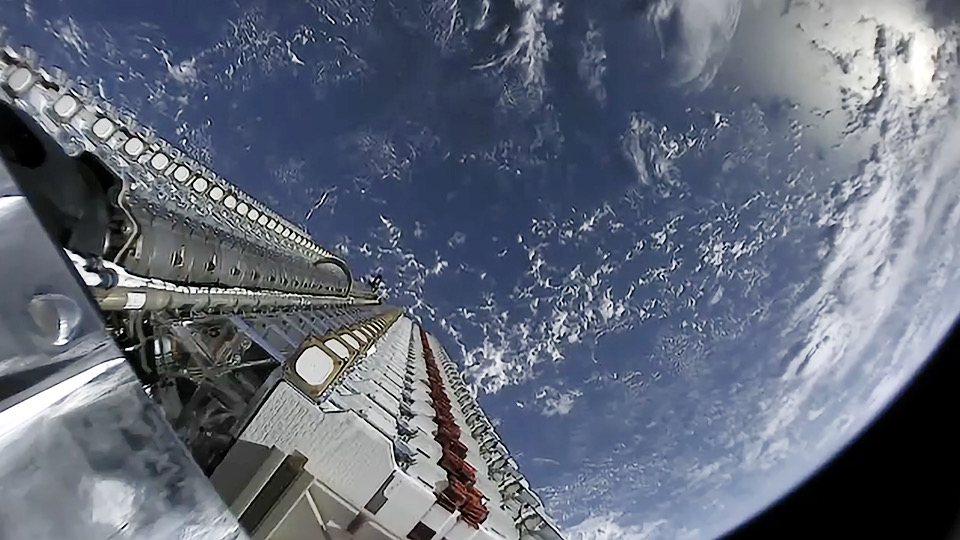
A batch of 29 satellites for the Starlink mega-constellation – SpaceX’s project for space-based Internet communication system.
Amazon Leo (LA-07)
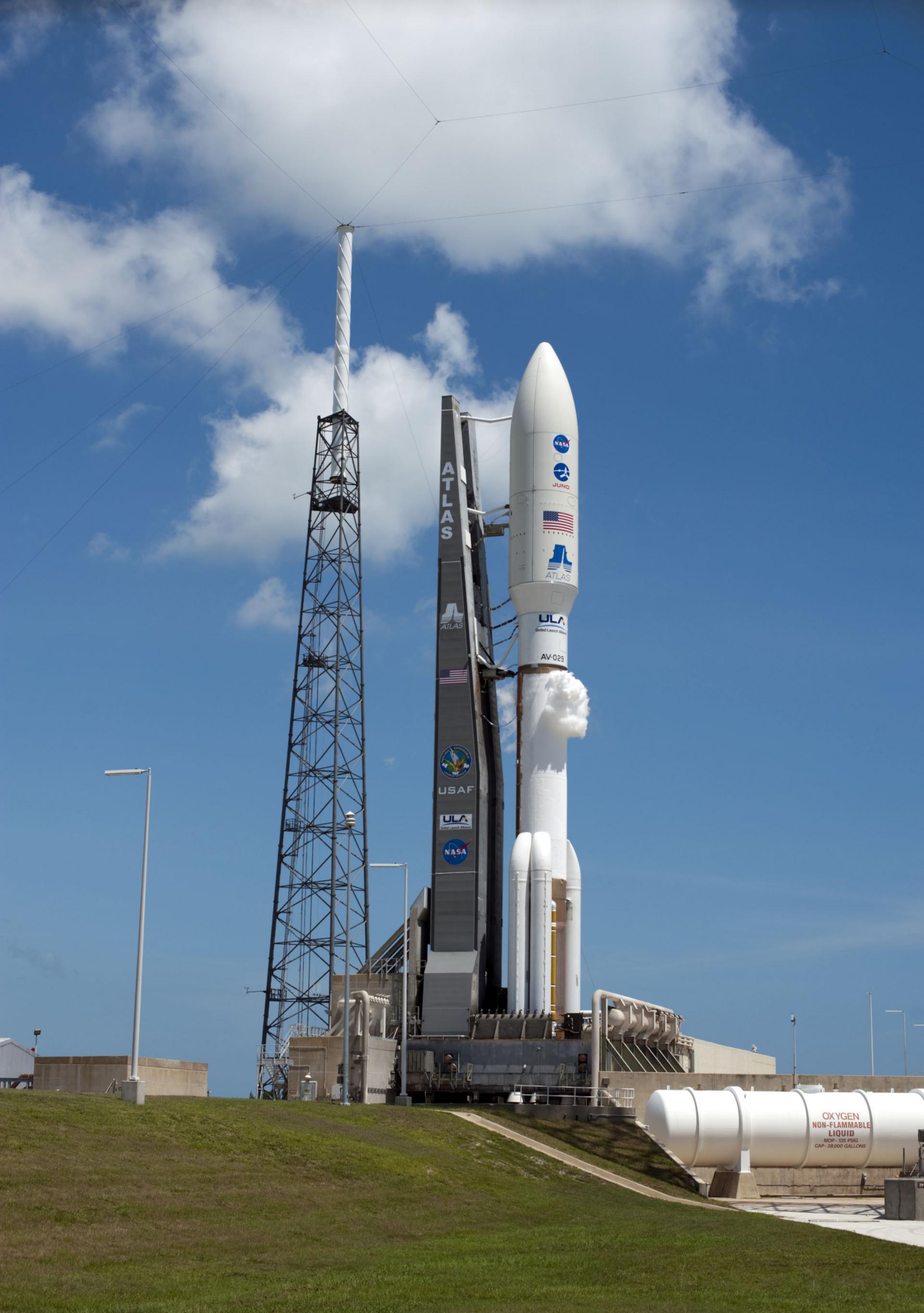
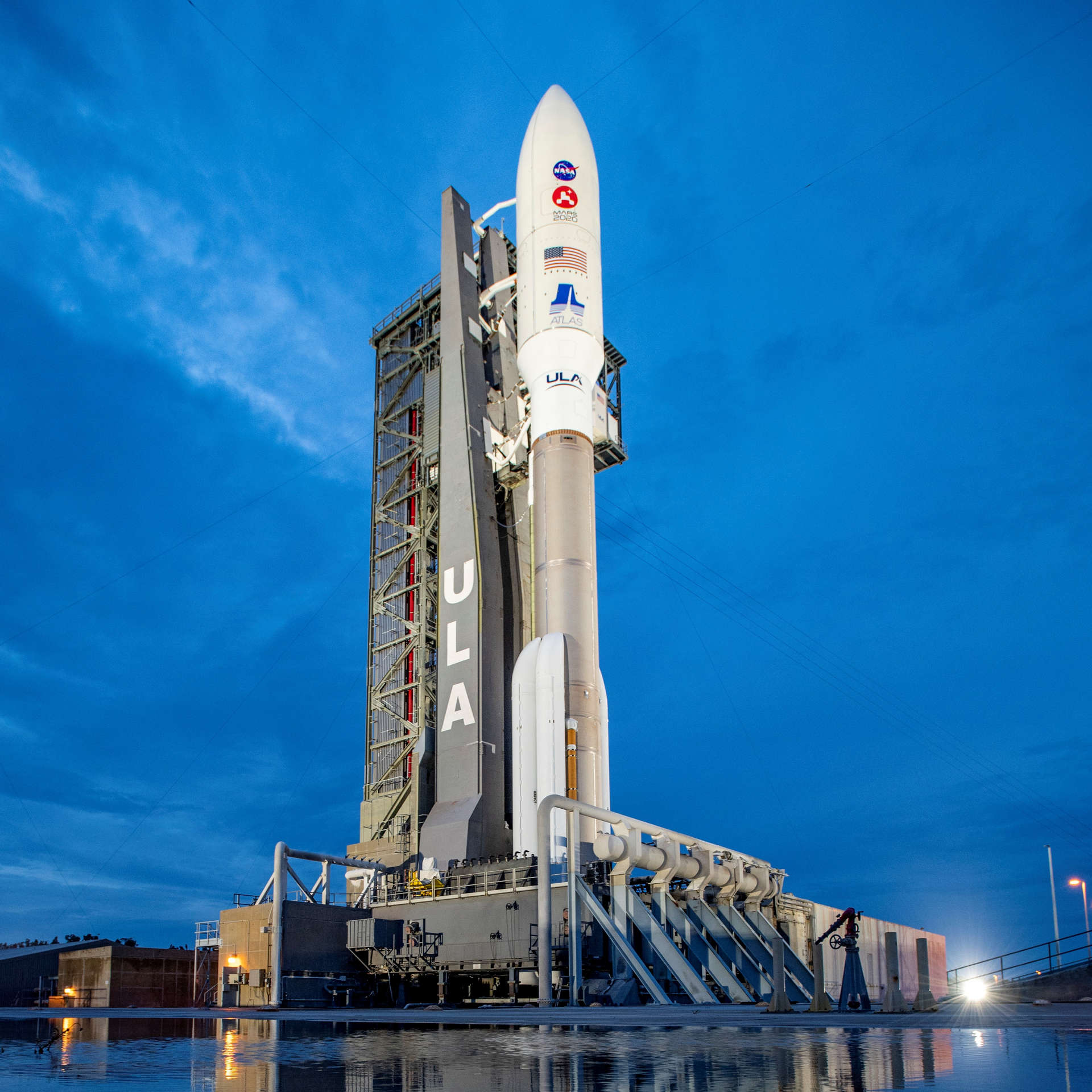
Provider: United Launch Alliance Date: May 29, 2026 Time: 11:33 PM UTC Vehicle: Atlas V 551
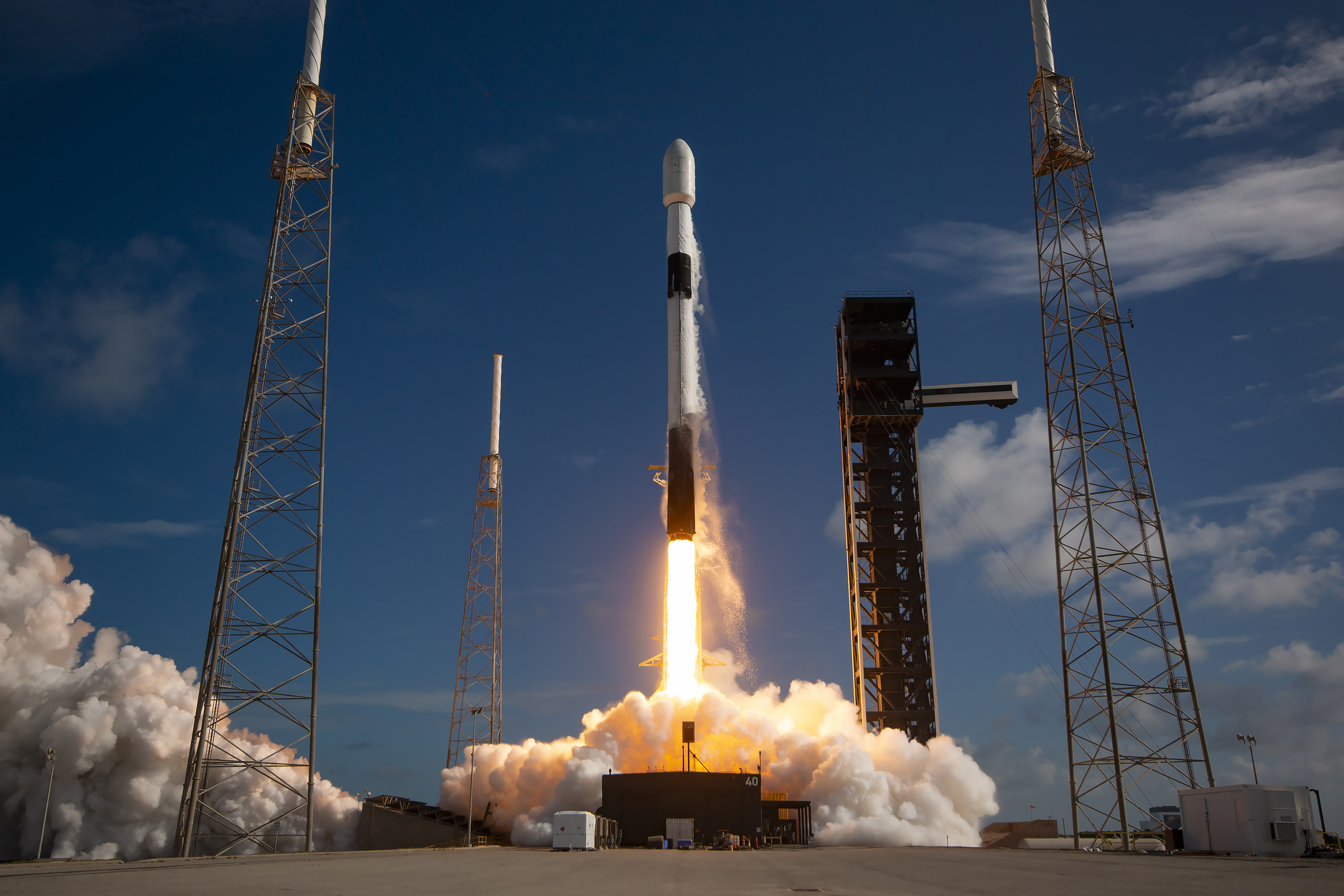
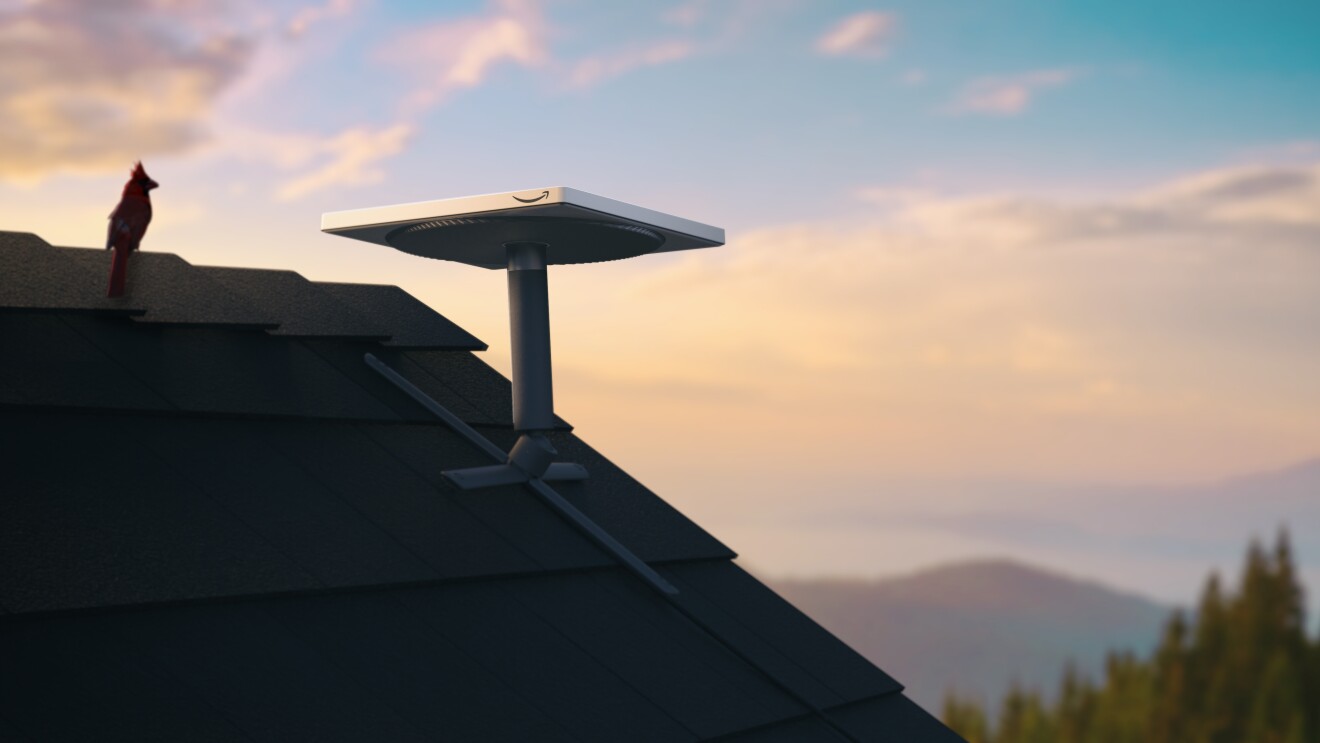
Amazon Leo, formerly known as Project Kuiper, is a mega constellation of satellites in Low Earth Orbit that will offer broadband internet access, this constellation will be managed by Kuiper Systems LLC, a subsidiary of Amazon. This constellation is planned to be composed of 3,276 satellites. The satellites are projected to be placed in 98 orbital planes in three orbital layers, one at 590 km, 610 km and 630 km altitude.
29 satellites are carried on this launch.
Starlink Group 17-41
Provider: SpaceX Date: May 30, 2026 Time: 2:00 PM UTC Vehicle: Falcon 9
A batch of 24 satellites for the Starlink mega-constellation – SpaceX’s project for space-based Internet communication system.
Unknown Payload
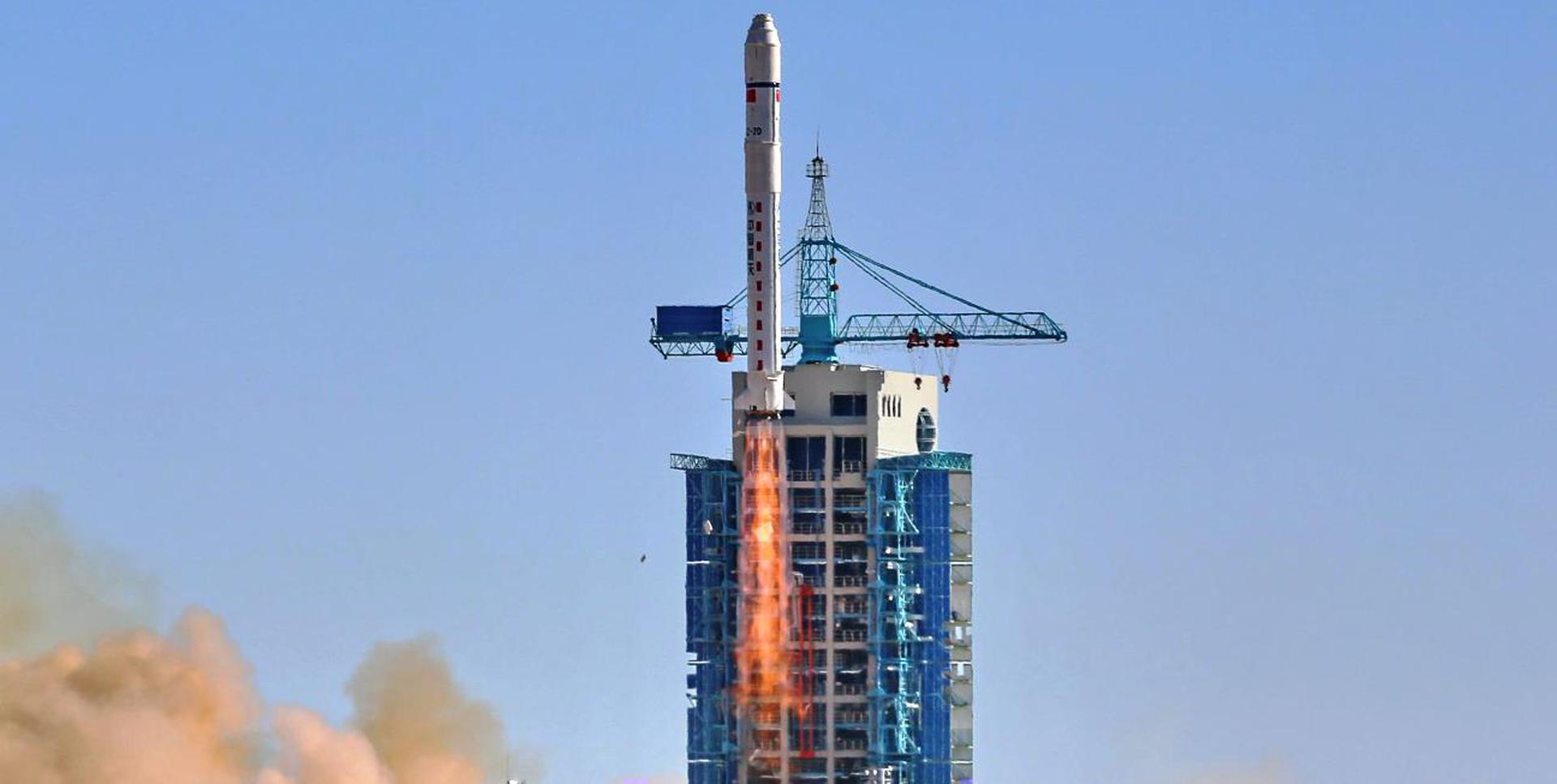
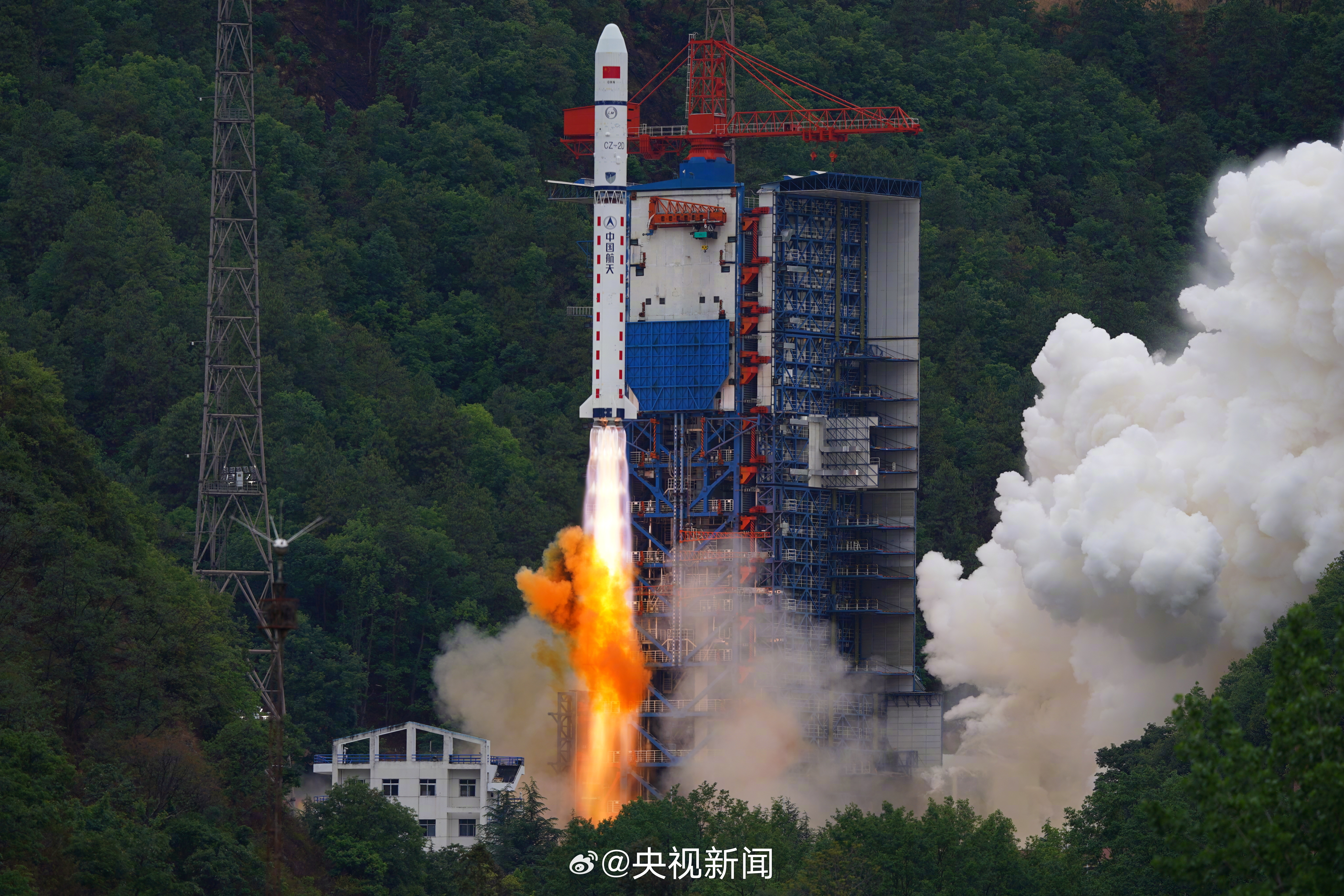
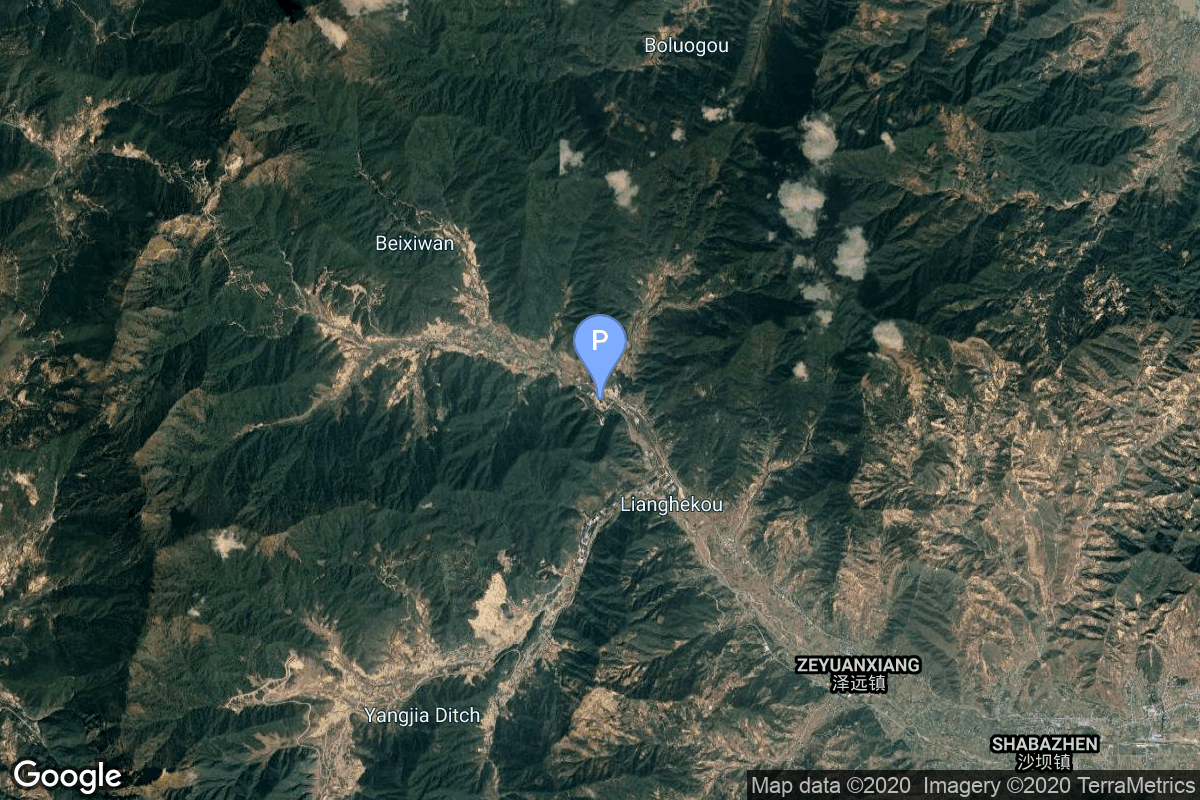
Provider: China Aerospace Science and Technology Corporation Date: May 30, 2026 Time: 6:07 PM UTC Vehicle: Long March 2D
Details TBD.
Demo Flight
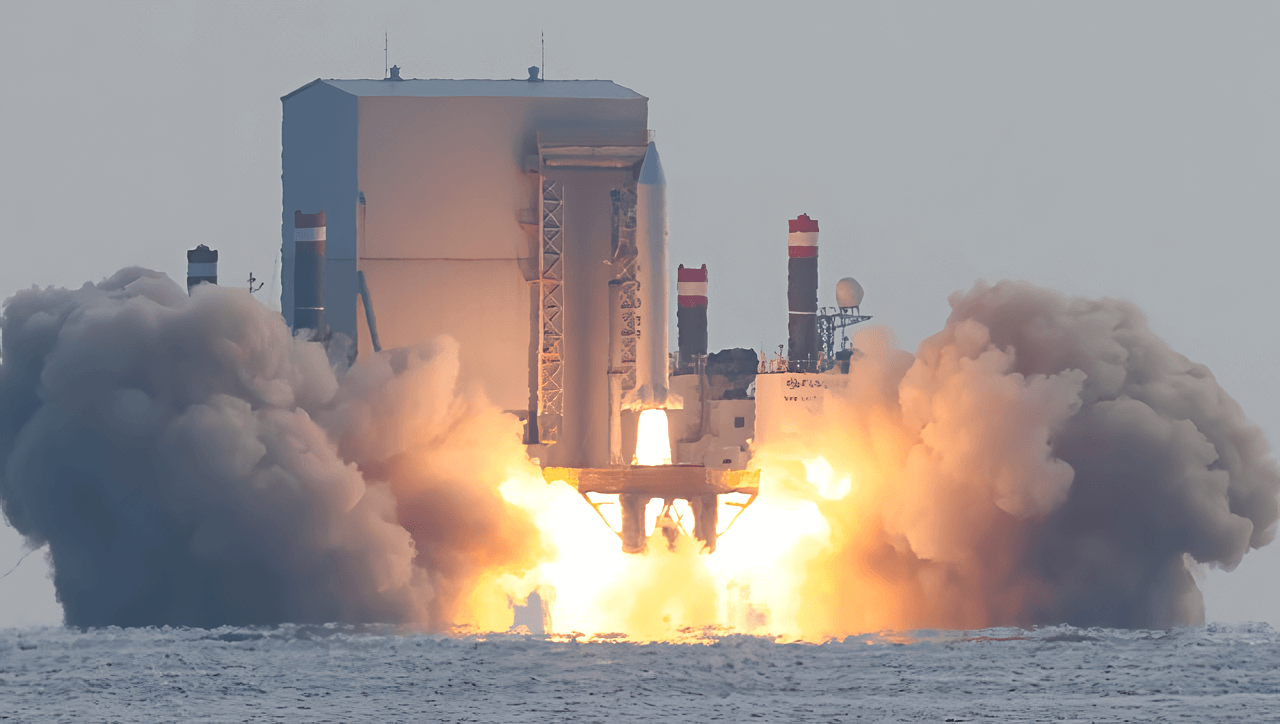
Provider: Agency for Defense Development Date: June 1, 2026 Time: 5:00 AM UTC Vehicle: South Korean ADD Solid-Fuel SLV
Note: Launch vehicle name is provisional.
First orbital full version launch of the South Korean military small satellite launch vehicle, after 2 sub-orbital tests of individual stages on 30 March and 30 December 2022, and 1 orbital test flight without the 2nd stage on 4 December 2023. Details TBD.
Starlink Group 10-53 ×
Mission Details
TypeCommunications
OrbitLow Earth Orbit
TargetEarth
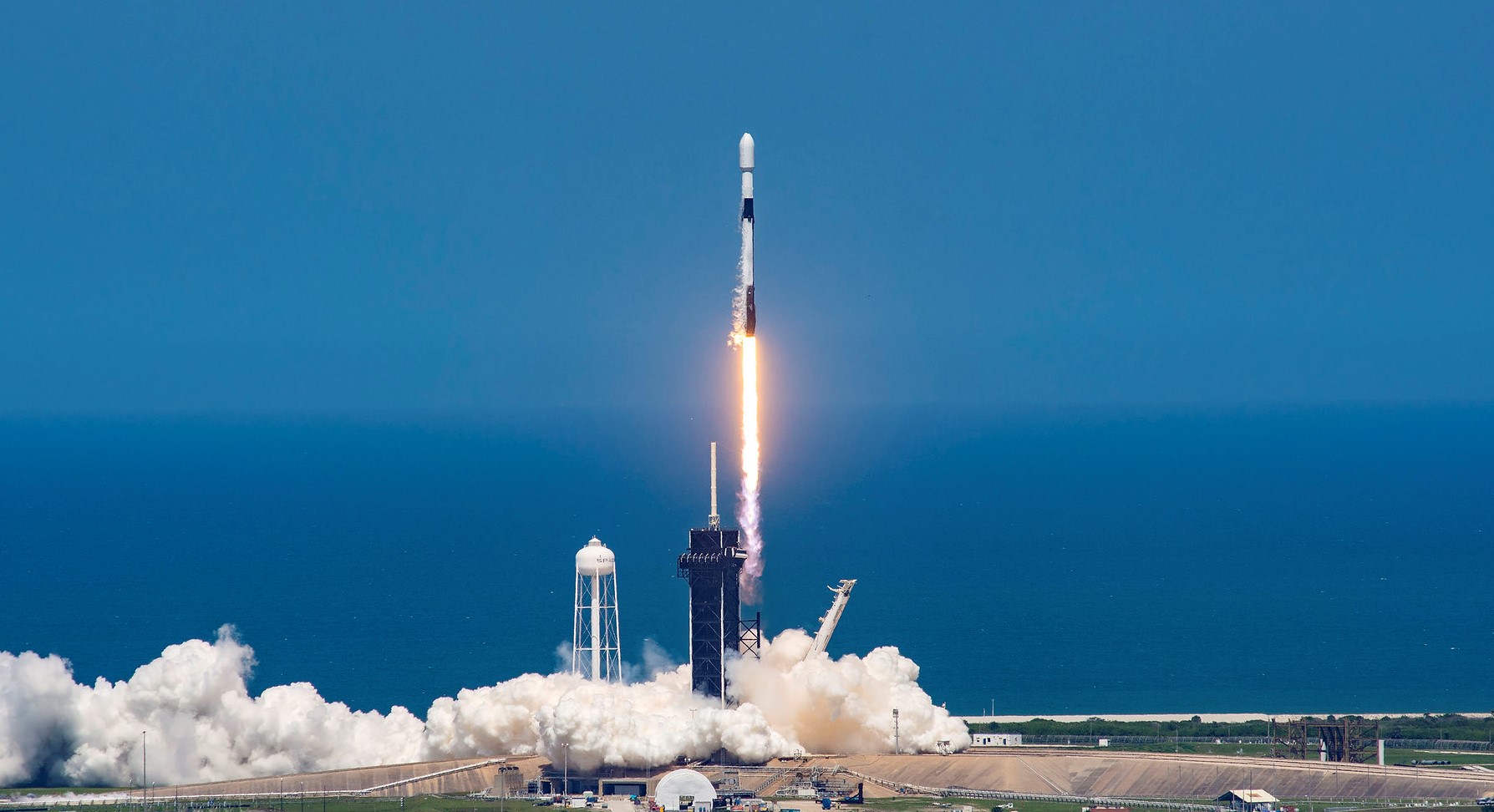
A batch of 29 satellites for the Starlink mega-constellation – SpaceX’s project for space-based Internet communication system.
Falcon 9 is a two-stage rocket designed and manufactured by SpaceX for the reliable and safe transport of satellites and the Dragon spacecraft into orbit. The Block 5 variant is the fifth major interval aimed at improving upon the ability for rapid reusability.
The Falcon 9 first stage B1085 will land on ASDS ASOG after its 16th flight.
Amazon Leo (LA-07) ×
Mission Details
TypeCommunications
OrbitLow Earth Orbit
TargetEarth
Amazon Leo, formerly known as Project Kuiper, is a mega constellation of satellites in Low Earth Orbit that will offer broadband internet access, this constellation will be managed by Kuiper Systems LLC, a subsidiary of Amazon. This constellation is planned to be composed of 3,276 satellites. The satellites are projected to be placed in 98 orbital planes in three orbital layers, one at 590 km, 610 km and 630 km altitude.
29 satellites are carried on this launch.
Agencies Involved
• Amazon Leo (Private)
Program: Amazon Leo
Amazon Leo is a satellite internet constellation aimed at providing high-speed, low-latency broadband connectivity to underserved and remote areas globally. The project involves deploying a constellation of low Earth orbit (LEO) satellites to create a satellite internet network capable of delivering reliable internet access.
Atlas V is an expendable launch system in the Atlas rocket family. It was formerly operated by Lockheed Martin and is now operated by United Launch Alliance (ULA), a joint venture with Boeing. Each Atlas V rocket uses a Russian-built RD-180 engine burning kerosene and liquid oxygen to power its…
Falcon 9 is a two-stage rocket designed and manufactured by SpaceX for the reliable and safe transport of satellites and the Dragon spacecraft into orbit. The Block 5 variant is the fifth major interval aimed at improving upon the ability for rapid reusability.
The Long March 2D, also known as the Chang Zheng 2D, CZ-2D and LM-2D, is a Chinese orbital carrier rocket. It is a 2-stage carrier rocket mainly used for launching LEO and SSO satellites.
First orbital full version launch of the South Korean military small satellite launch vehicle, after 2 sub-orbital tests of individual stages on 30 March and 30 December 2022, and 1 orbital test flight without the 2nd stage on 4 December 2023. Details TBD.
Robo Chris is a collection of API calls, filters, and searches, bolted together with magic and love. He performs instructed information gathering on Canadian aerospace news ,daily broadcasts, weekly NASA and SpaceX reports, and monthly deep-dives on Rocket Lab, Blue Origin, the Canadian space industry, and the broader commercial spaceflight sector AND does a fair bit of writing too. Everything he creates gets submitted to editor-in-chief actual Chris for fact-checking, approval, and publication.