
The Daily Broadcast: Moon Bases And Microreactor Deployments

CSMC and Telesat Partner for Arctic Microreactor Connectivity
Canadian Strategic Missions Corporation (CSMC) and Telesat signed a Memorandum of Understanding at the CANSEC defence exhibition on Tuesday to integrate Telesat’s Lightspeed low Earth orbit constellation with CSMC’s planned Arctic microreactors. The partnership will use Telesat’s secure, low-latency connectivity to enable remote monitoring, operation, and sustainment of CSMC’s nuclear systems in high-latitude environments.
CSMC CEO Daniel Sax set an aggressive timeline during a subsequent interview on BNN Bloomberg, stating the company is pushing to deploy its systems at “fleet scale” across multiple sites by 2030. That timeline reflects both immediate Canadian defence requirements and practical constraints: as Sax noted, “We have maxed out our ability to bring diesel into the Arctic,” highlighting how environmental and logistical limits of current fuel supply chains are driving the shift toward compact nuclear power. The partnership also positions the infrastructure build-out ahead of broader federal Arctic development goals under Prime Minister Mark Carney’s administration, which has emphasized ports and defence infrastructure in the North.
The technical core of the MOU centers on data integrity and cybersecurity. CSMC has been developing “cyber secure operational software with NATO,” and the objective of the Telesat partnership is to integrate that operational software directly with Lightspeed’s satellite and laser links to securely transmit reactor data. Sax described Telesat Lightspeed as “clearly the choice for DND and the Canadian Armed Forces,” while noting that CSMC currently holds the “only DND contract in the nuclear sector in Canada.”
Canadian Industry Leaders Push Ottawa for Faster Strategic Action

At the Space Canada Horizons conference held on May 20, a panel of private sector leaders pressed the Canadian government to move beyond traditional procurement models and adopt a more adaptive, partnership-driven approach to space capability development. The message was unambiguous: structural bottlenecks and risk aversion threaten Canada’s competitive footing against much larger players.
Jason Trembley of Terrestar framed the challenge in stark terms, noting that Canadian companies compete against “civilization scale” organisations—citing SpaceX and Amazon’s combined market value of roughly $3 trillion, which exceeds Canada’s GDP of approximately $2.5 trillion. To stay relevant, Canada must match the pace of international missions like the Commercial Lunar Payload Services (CLPS). Ewan Reid of Mission Control stressed that the Canadian space ecosystem needs to move fast and view initial funding for programmes like the Lunar Utility Vehicle as “seed funding to create an industry,” not simply a vehicle to get a rover to the Moon.
Kevin Whale of MDA Space highlighted the “Best Buy paradox”—the government’s tradition of writing detailed requirements far into the future rather than identifying and supporting capable partners early. He warned that the Treasury Board’s requirement for lengthy submissions will be the “longest pole in the tent” even if other parts of the system accelerate. CSA President Lisa Campbell acknowledged the urgency during her own conference address, advocating for a shift toward “initial operating capability and then iterate it” rather than long-development, rigidly defined missions. For small and medium-sized enterprises, the most immediate need is predictable funding and better cross-departmental coordination—one reason David Musson of Lunar Medical stressed the importance of “consistent and longitudinal programmatic philosophies” that give companies confidence to hire and invest.
NASA Moon Base Infrastructure Takes Shape with Rovers and Drones

NASA has outlined the initial missions under its Moon Base initiative, rebranding existing Commercial Lunar Payload Services (CLPS) flights and awarding contracts for crewed Lunar Terrain Vehicles (LTVs) intended to support surface operations as early as 2028. The first three Moon Base missions are adaptations of previously planned CLPS deliveries, now integrated into the broader lunar surface architecture.
Moon Base I will be the maiden flight of Blue Origin’s Blue Moon MK1 lander, named Endurance. This uncrewed mission serves as the first of two test flights to validate technologies for the larger crewed Blue Moon MK2 lander. The Endurance will demonstrate its BE-7 engine in flight for the first time, along with power and propulsion systems, avionics, and precision landing capabilities at the Shackleton Connecting Ridge near the lunar south pole—a region of high interest due to water ice in permanently shadowed craters. Launch is targeted no earlier than the third quarter of 2026.

Moon Base II will fly Astrobotic’s Griffin lunar lander on its maiden voyage, carrying more than 500 kg of payload including two rovers—one of which is Astrolab’s FLIP rover, designed to test technologies for future crewed lunar mobility. Griffin follows Astrobotic’s unsuccessful Peregrine Mission One, which experienced a propellant leak and did not reach the lunar surface. Moon Base II is scheduled for launch no earlier than the fourth quarter of 2026 aboard a SpaceX Falcon Heavy.

Moon Base III will carry Intuitive Machines’ Nova-C lander, named Trinity, on its third CLPS flight. This mission will carry international partner payloads and the Lunar Vertex science investigation, which will study lunar swirls—high-albedo surface features whose formation mechanisms remain under investigation. Nova-C landers have previously achieved soft landings but tipped over on both prior missions. Moon Base III is targeted for launch no earlier than the fourth quarter of 2026 on a SpaceX Falcon 9.
Lunar Terrain Vehicle Awards represent a major step toward sustained surface operations. NASA awarded $219 million to Astrolab for its Crew Lunar Vehicle (CLV-1) rover and $220 million to Lunar Outpost for its Pegasus rover. Both vehicles have been resized from earlier van-scale concepts to approximately one metric tonne to align with current lander capabilities. The CLV-1 is designed for speeds exceeding 9 km/h, while Pegasus will reach 14 km/h. Both will support crewed driving, teleoperation from Earth, and autonomous operation, with delivery to the lunar surface planned via Blue Origin’s Blue Moon MK1 lander using a crane system. The vehicles will conduct remote operations ahead of the first crewed Artemis landing to scout terrain and reduce risk, with the revised timeline targeting the first LTV for Artemis IV, now planned for 2028.

Supporting the infrastructure build-out are NASA’s MoonFall drones—small, 250 kg hoppers developed by the Jet Propulsion Laboratory based on Ingenuity heritage. Firefly Aerospace has been contracted to deliver three or four MoonFall vehicles to the Moon in 2028 using an Elytra space tug. The drones will separate mid-flight, perform their own landings, and conduct high-resolution mapping with up to 10 HD cameras during a single lunar day. At the conclusion of operations, they will position themselves to mark the perimeter of the future Moon Base site and carry survive-the-night payloads, allowing them to wake when the sun rises—though they will never fly again.

NASA expects additional CLPS 1.0 and 2.0 task order opportunities in the coming months as part of Phase 1 of the Moon Base programme. The crew for Artemis III is scheduled to be announced on June 9 at Johnson Space Center in Houston.
Citations
- “CSMC targets 2030 for Arctic microreactor deployment following Telesat connectivity MOU” — https://spaceq.ca/csmc-targets-2030-for-arctic-microreactor-deployment-following-telesat-connectivity-mou/
- “Horizons 2026: Industry leaders press Ottawa for faster action and strategic partnerships” — https://spaceq.ca/horizons-2026-industry-leaders-press-ottawa-for-faster-action-and-strategic-partnerships/
- “Rovers and Drones laying the foundations for NASA Moon Base” — https://www.nasaspaceflight.com/2026/05/rovers-drones-nasa-moon-base/

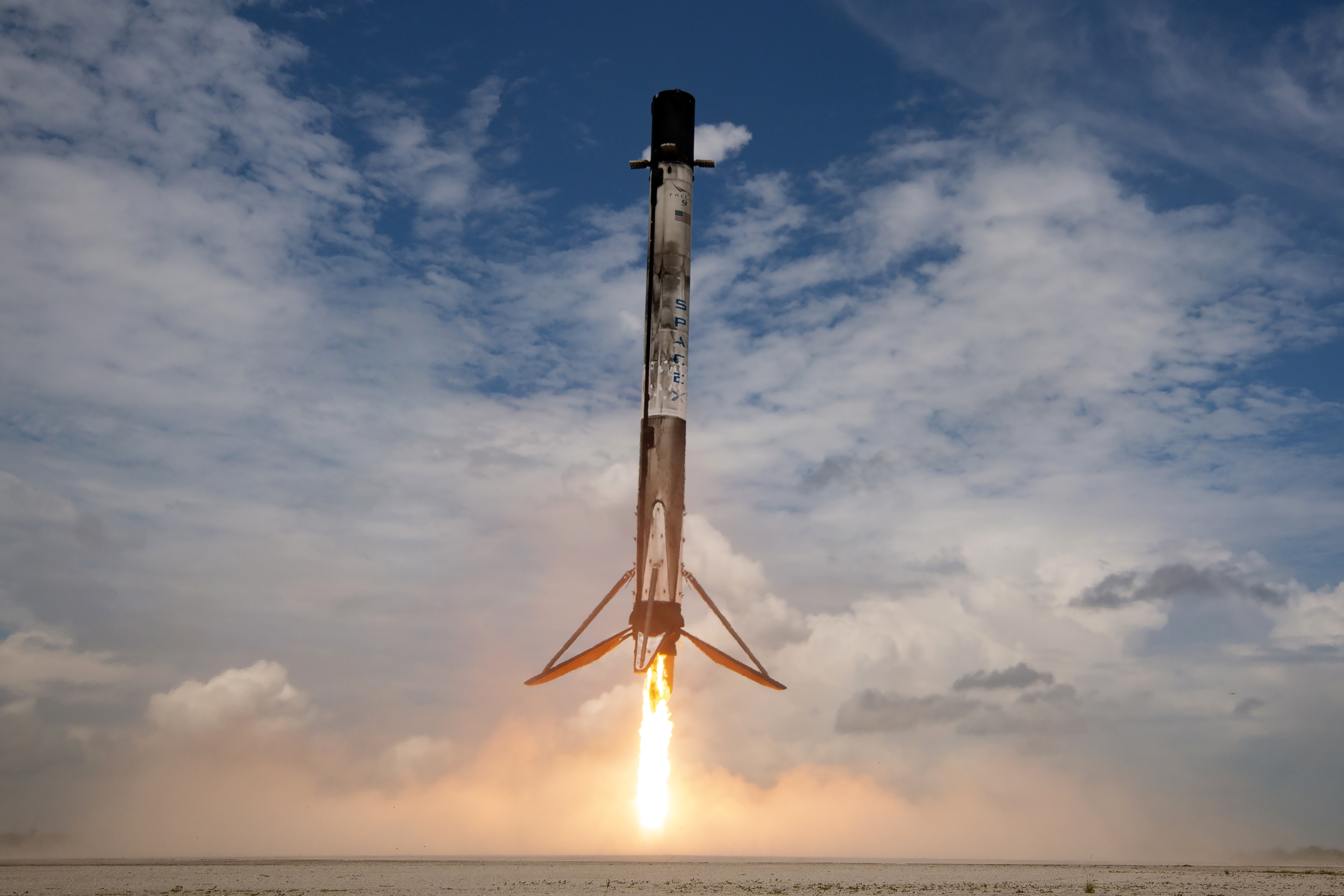
Starlink Group 10-53
Provider: SpaceX
Date: May 29, 2026
Time: 11:52 AM UTC
Vehicle: Falcon 9
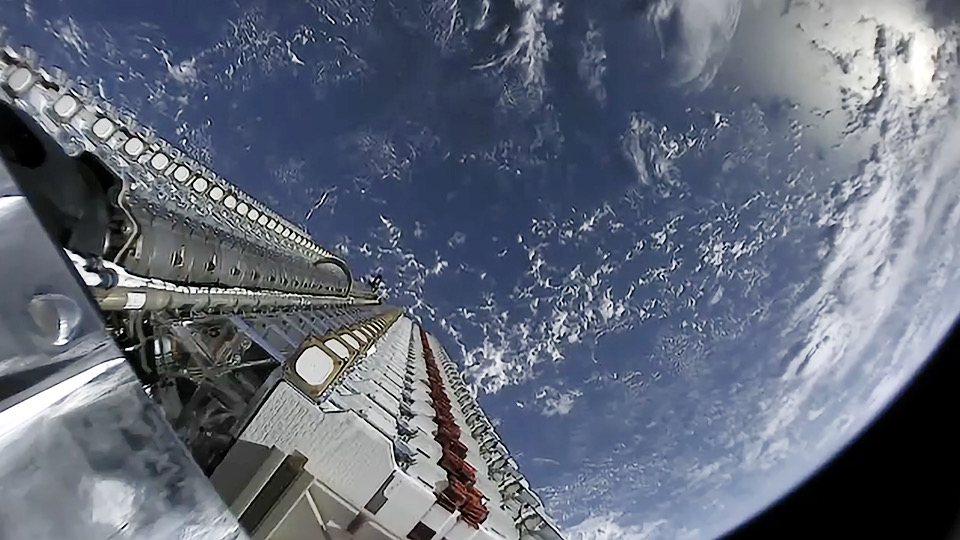
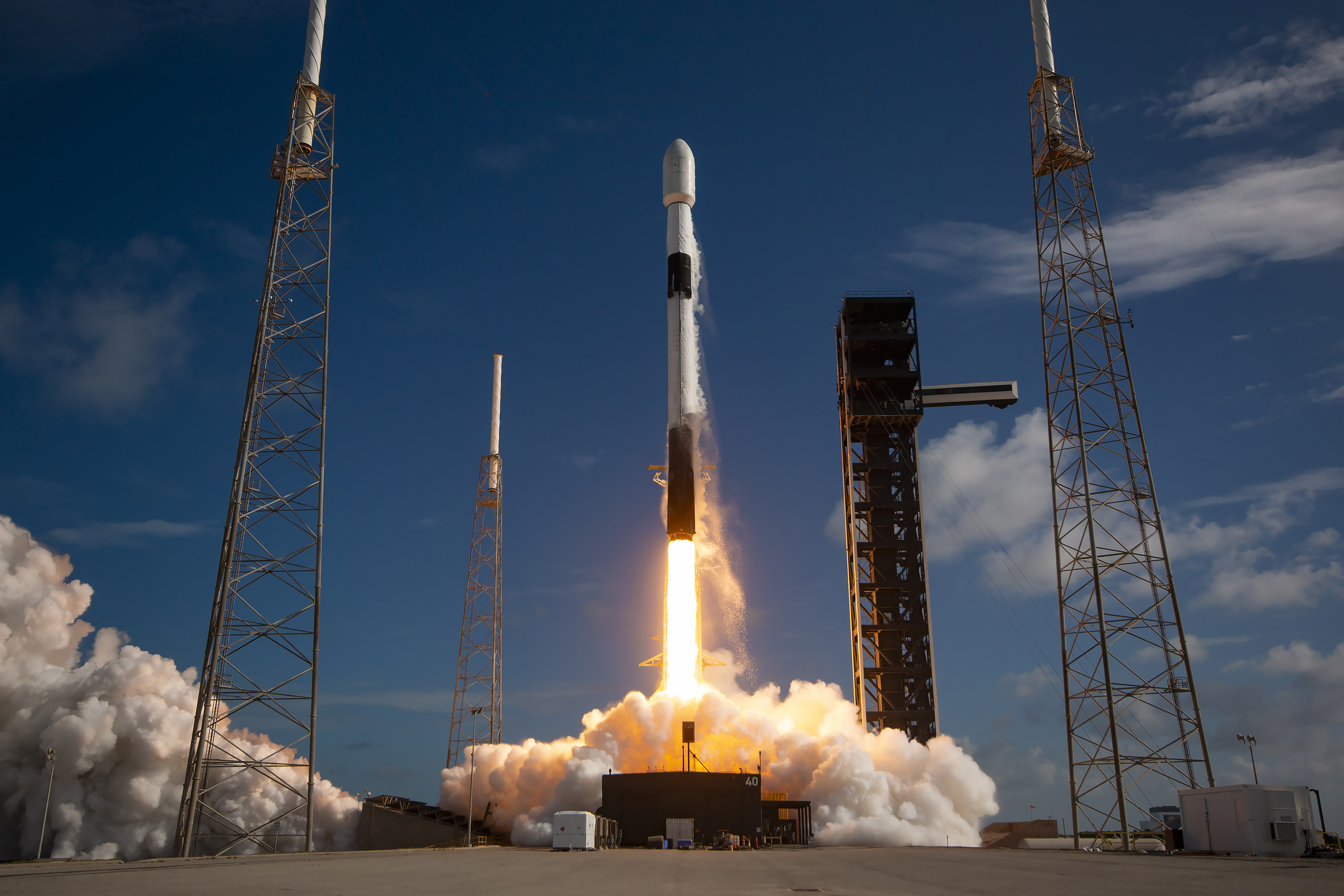
A batch of 29 satellites for the Starlink mega-constellation – SpaceX’s project for space-based Internet communication system.
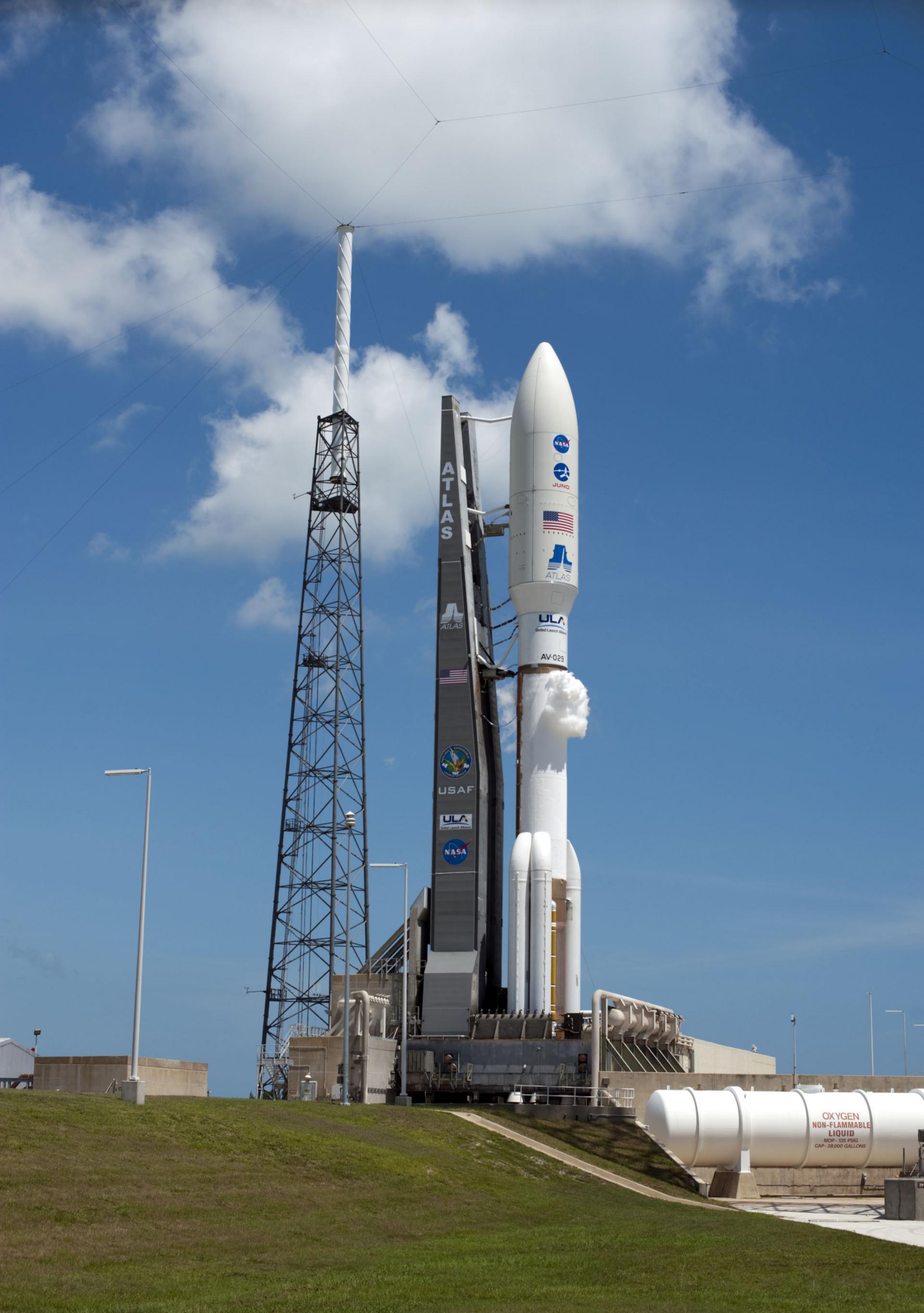
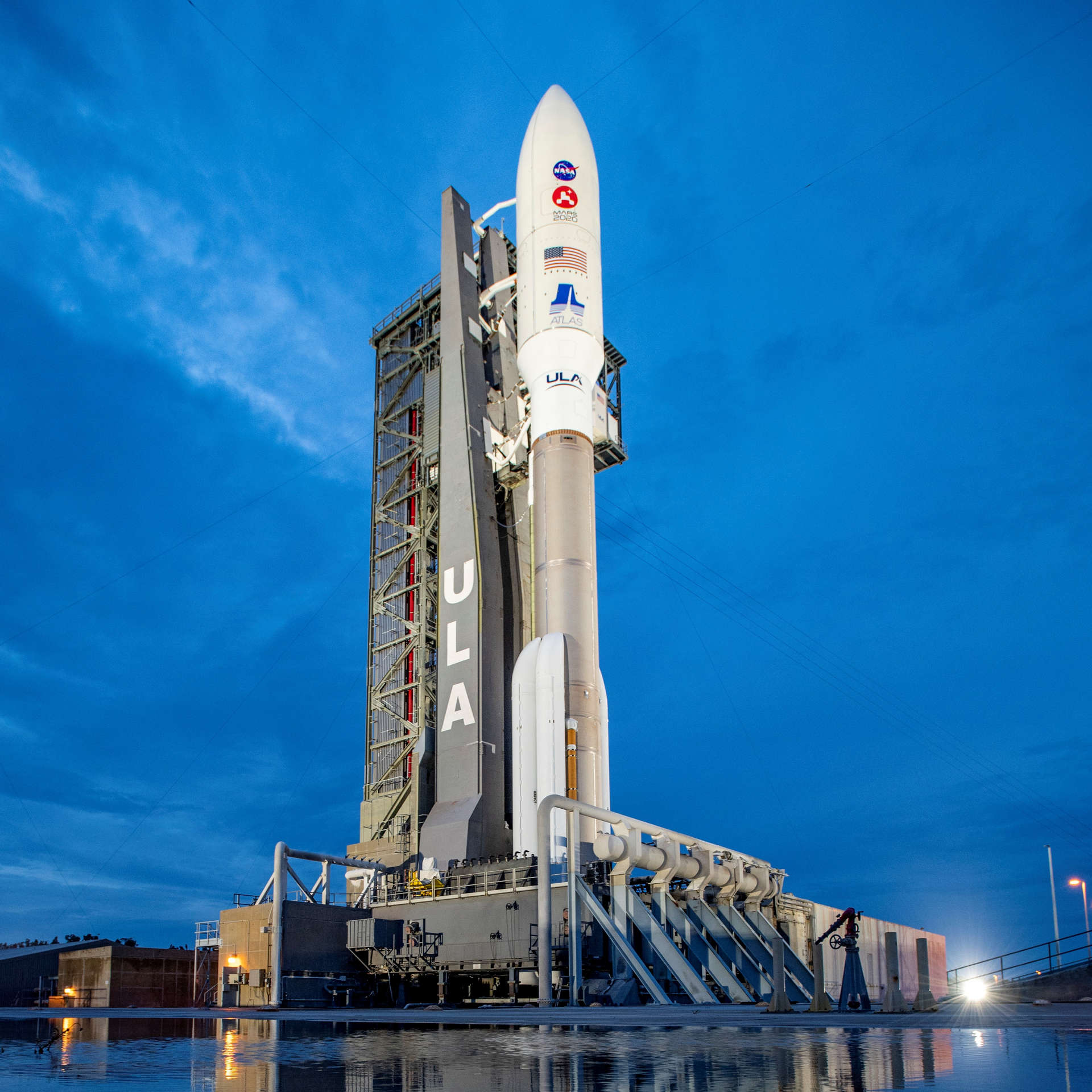
Amazon Leo (LA-07)
Provider: United Launch Alliance
Date: May 29, 2026
Time: 11:33 PM UTC
Vehicle: Atlas V 551
Amazon Leo, formerly known as Project Kuiper, is a mega constellation of satellites in Low Earth Orbit that will offer broadband internet access, this constellation will be managed by Kuiper Systems LLC, a subsidiary of Amazon. This constellation is planned to be composed of 3,276 satellites. The satellites are projected to be placed in 98 orbital planes in three orbital layers, one at 590 km, 610 km and 630 km altitude.
29 satellites are carried on this launch.
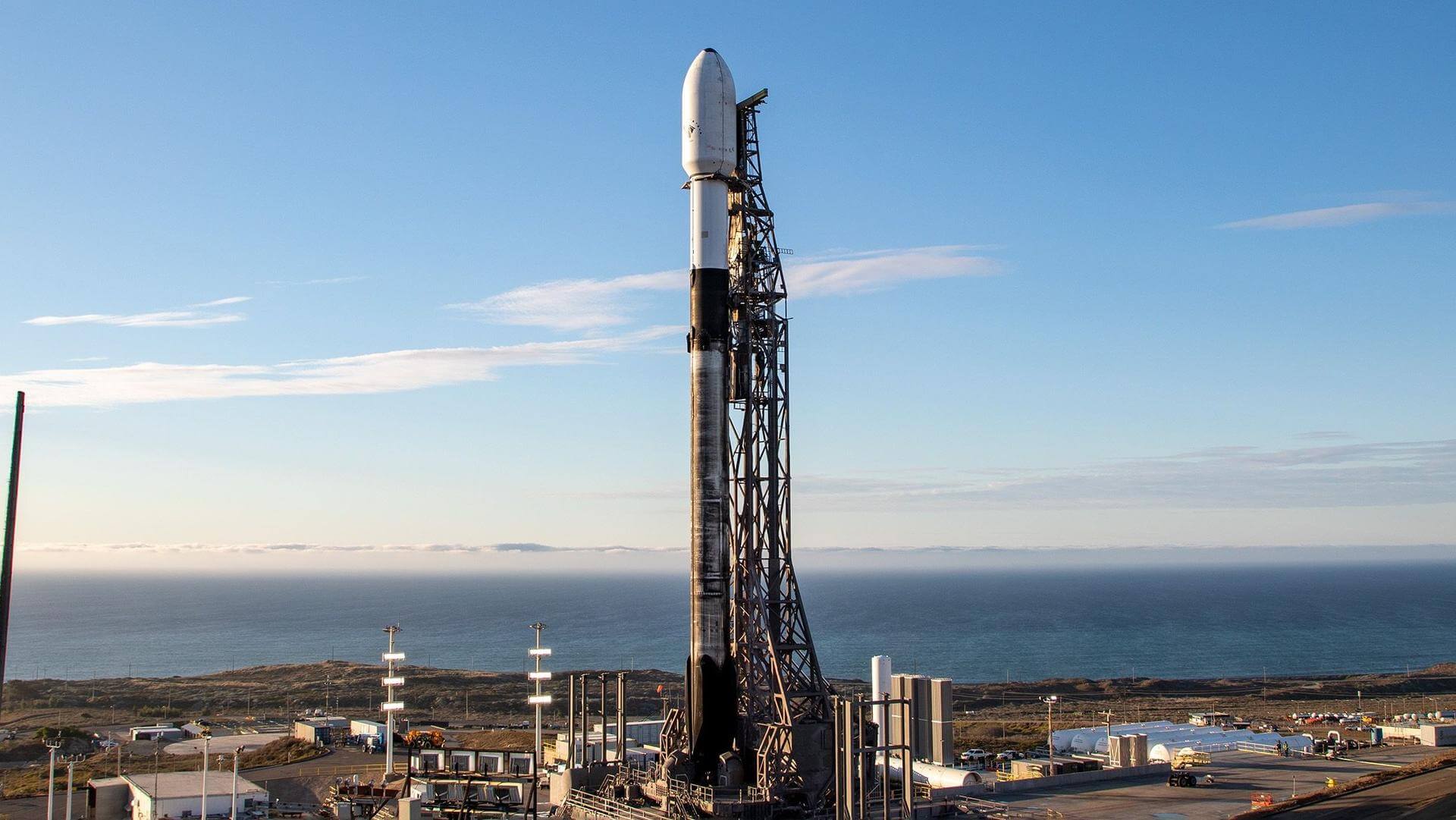
Starlink Group 17-41
Provider: SpaceX
Date: May 30, 2026
Time: 2:00 PM UTC
Vehicle: Falcon 9
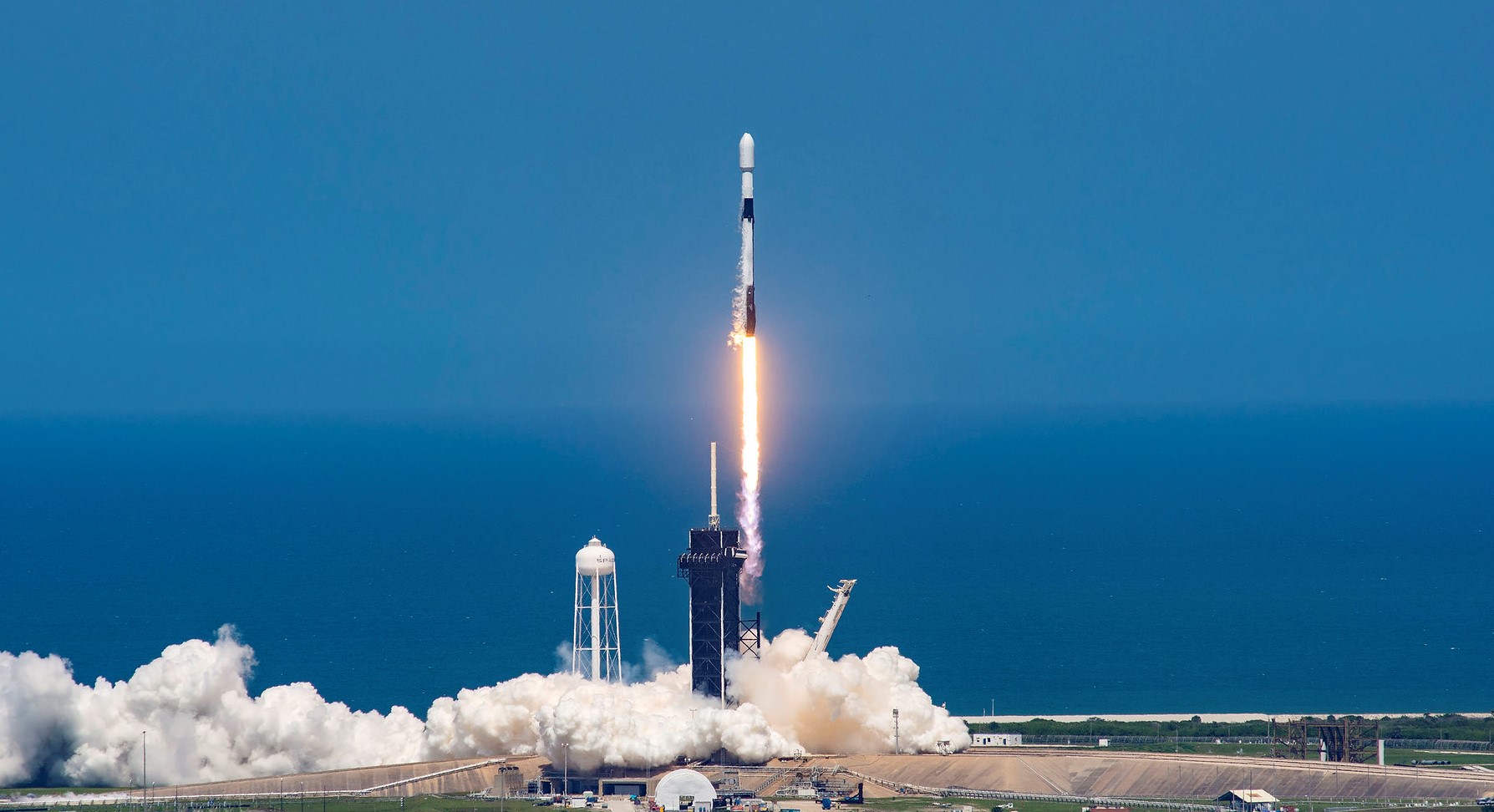
A batch of 24 satellites for the Starlink mega-constellation – SpaceX’s project for space-based Internet communication system.
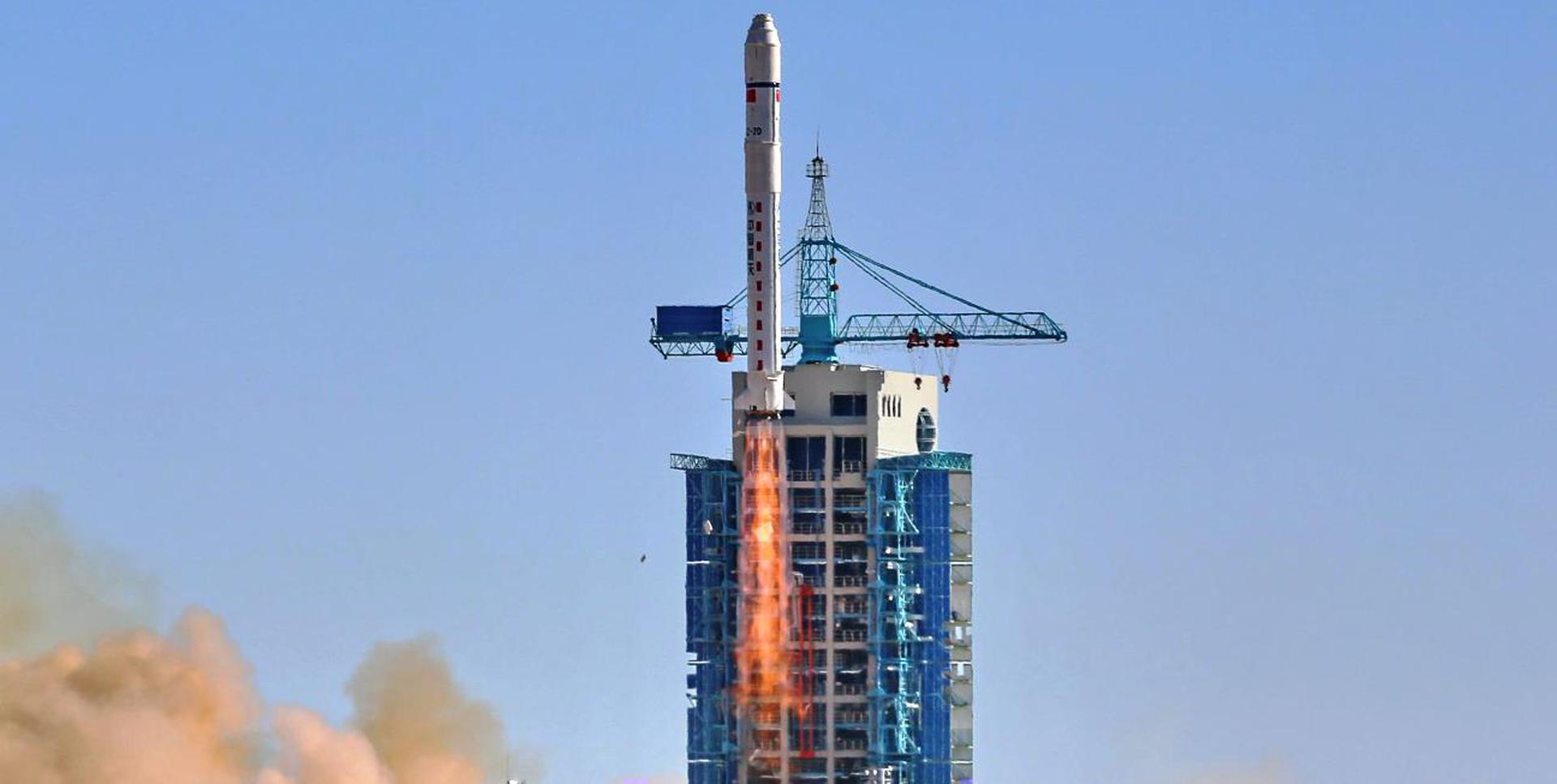
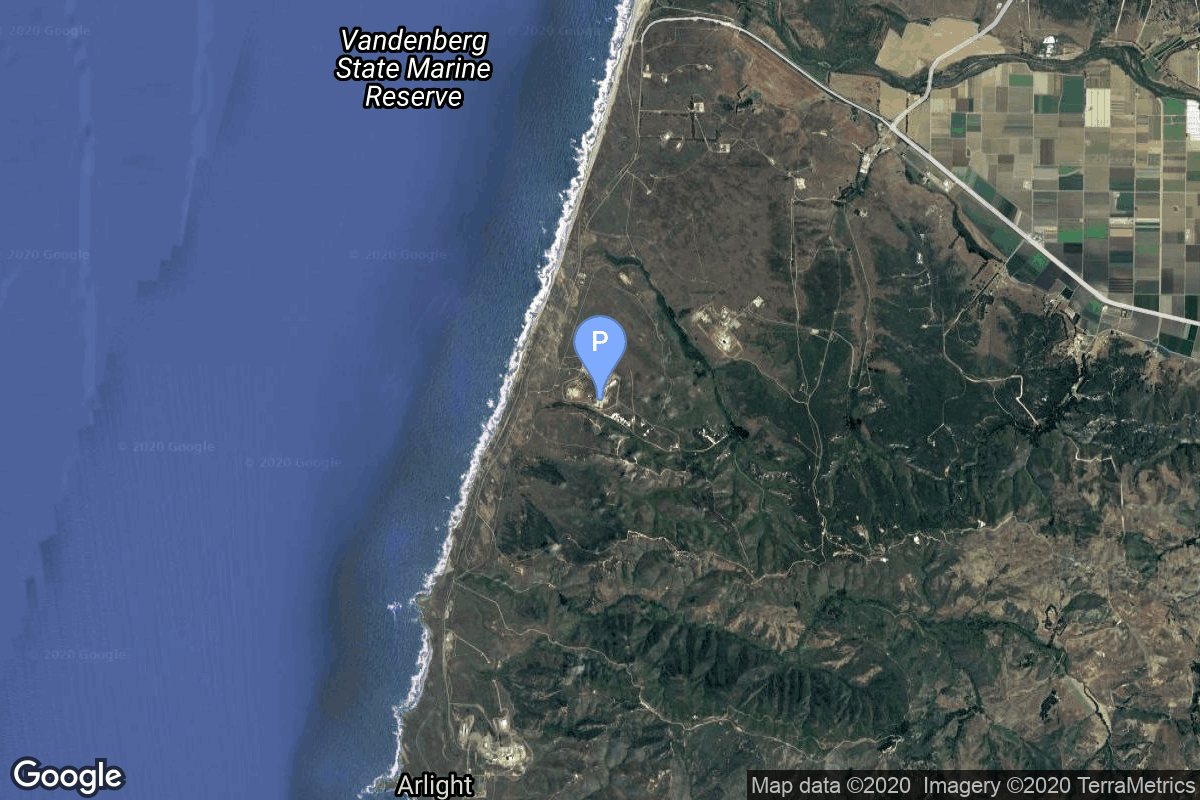
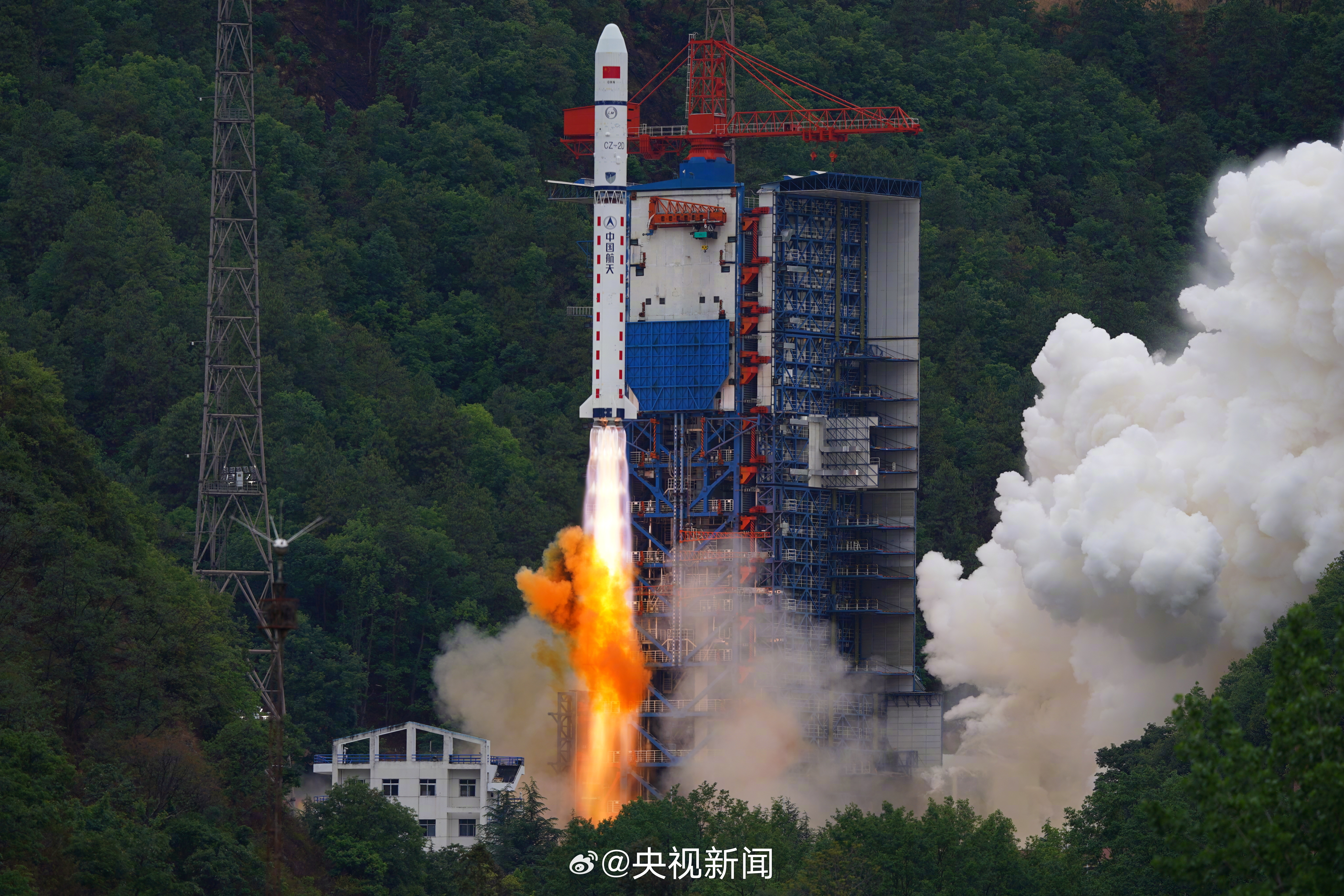
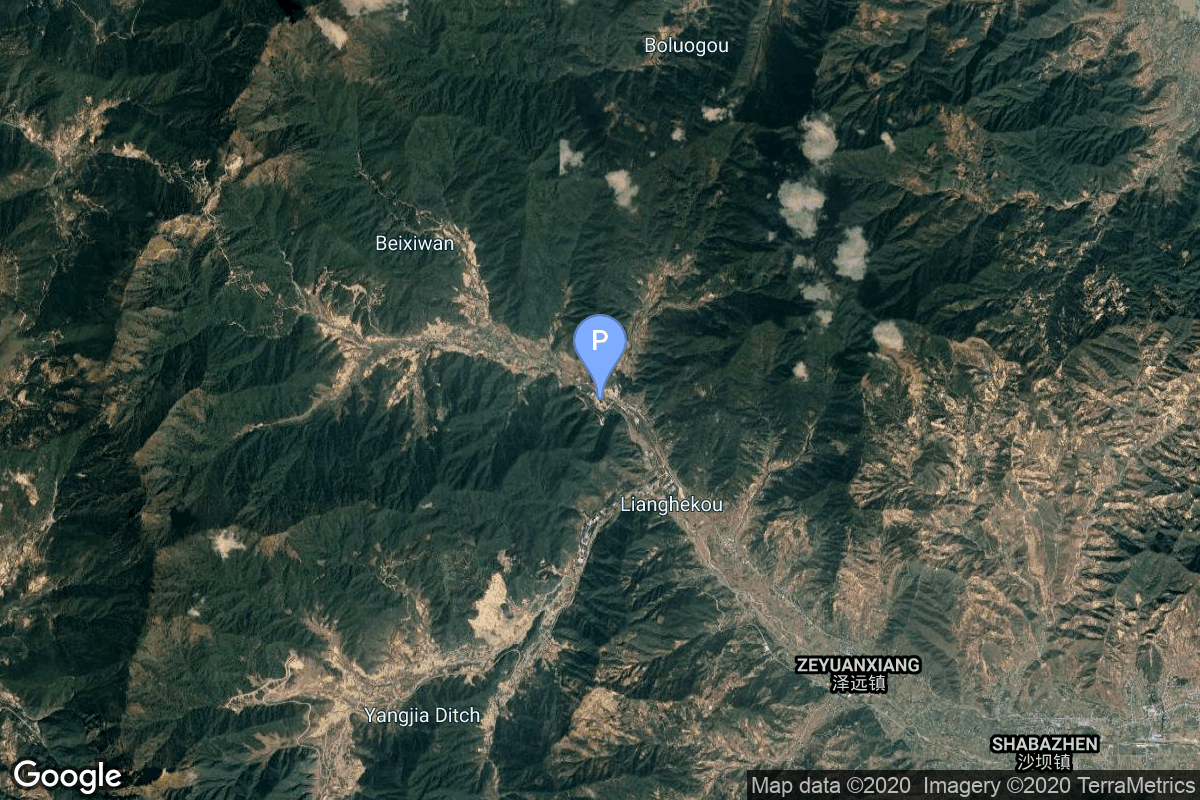
Unknown Payload
Provider: China Aerospace Science and Technology Corporation
Date: May 30, 2026
Time: 6:07 PM UTC
Vehicle: Long March 2D
Details TBD.
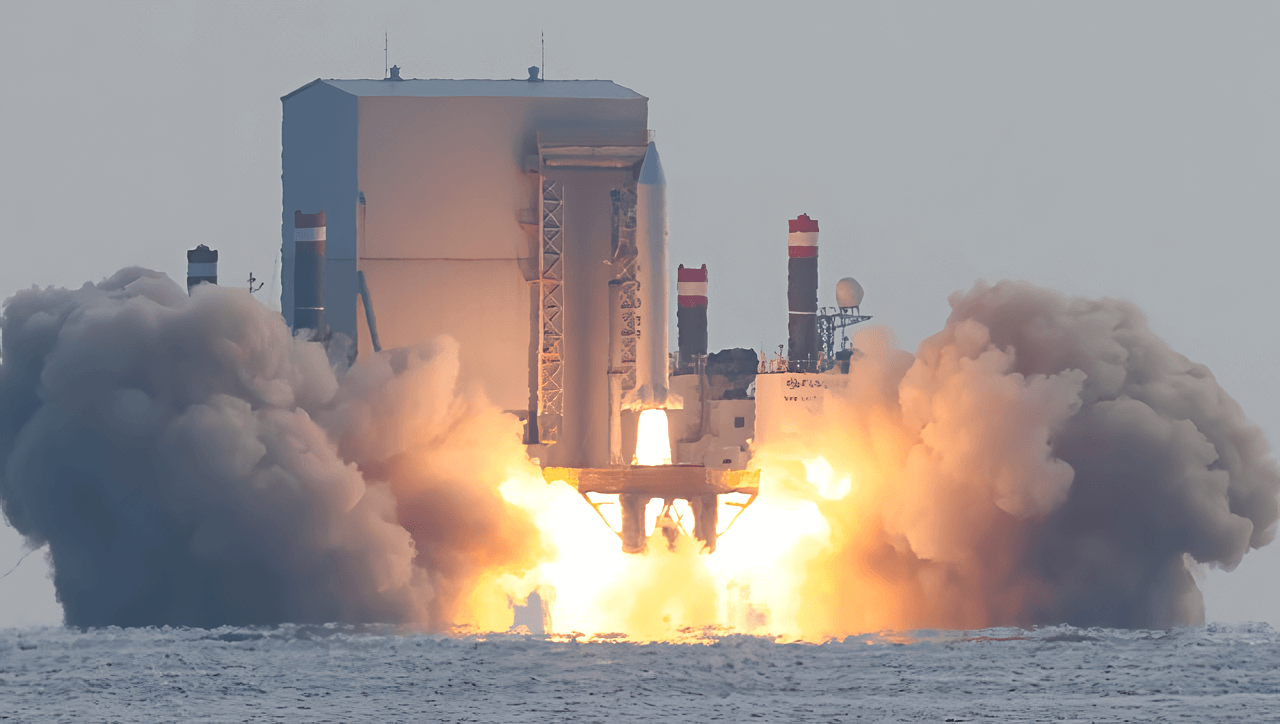
Demo Flight
Provider: Agency for Defense Development
Date: June 1, 2026
Time: 5:00 AM UTC
Vehicle: South Korean ADD Solid-Fuel SLV
Note: Launch vehicle name is provisional.
First orbital full version launch of the South Korean military small satellite launch vehicle, after 2 sub-orbital tests of individual stages on 30 March and 30 December 2022, and 1 orbital test flight without the 2nd stage on 4 December 2023. Details TBD.







Enjoying the content? Stay up to date on everything happening behind the scenes by following our Patreon!

