
The Daily Broadcast: CSA Shifts to Agile Procurement, Resets WildFireSat

Canadian Space Agency Charts Faster Path to Mission Launch
The Canadian Space Agency is moving to reshape how it procures spacecraft and payloads—shifting away from rigid, lengthy development cycles toward what President Lisa Campbell calls “agile” acquisition. Speaking at the Space Canada Horizons conference on May 20, Campbell outlined a strategic reset that prioritizes speed, iterative improvement, and industry flexibility over the traditional model of exhaustively defined requirements before development begins.
Central to this shift is the WildFireSat mission. Following the termination of a previous competitive contract with Spire Canada, the CSA issued a new Request for Information (RFI) on May 25 to gather input on how Canadian industry could support global wildfire monitoring capability. Rather than prescribing exactly what the mission should be, Campbell said the agency will encourage companies to propose alternative approaches to core goals: using infrared technology to detect heat and determine peak burn times. She emphasized that Canada’s $1 billion annual wildfire-fighting expense makes the space-based monitoring capability both urgent and justified.
The reset reflects a broader push for bureaucratic agility. Campbell noted that space procurements are uniquely exempt from standard trade agreements, giving the CSA “massive flexibility” to move quickly. “All the tools are already there,” she said, urging the agency and industry to use existing mechanisms boldly rather than waiting for new legislation. She acknowledged, however, that translating policy intent into sustained practice remains a challenge for Canadian civil service.
On the industrial front, Campbell praised companies like Maritime Launch Services, NordSpace, Canada Rocket Company, and Reaction Dynamics for advancing domestic launch operations “from ambition to reality.” The CSA is also convening roundtables to match private-sector capital with early-stage space firms, aiming to help them navigate the “valley of death” between government grants and commercial viability without being acquired prematurely.
Canadarm3 Demand Remains Strong Despite NASA Budget Pressures
Campbell also reassured the Canadian space sector about robotics opportunities despite recent budget pressures affecting NASA’s Artemis and Lunar Gateway programmes. With Canadarm3 currently in phases C and D of development, and growing demand for robotics on the aging International Space Station and future commercial platforms, Campbell expressed confidence that Canada’s robotics niche will remain secure. “I’m very confident there’s going to be massive demand for Canada’s space robotics,” she said.
A structural concern emerged during her remarks: the CSA’s base budget has not increased since 1999. That stagnation means spacecraft developed for three- to five-year missions often end up flying for 23 years or more, with extended-operations costs coming directly from base funding. Campbell suggested this longevity indicates over-engineering—a pattern future missions should correct by also factoring in responsible de-orbit protocols to reduce space debris.
In-Space Refueling for Electric Satellites Moves to Testing Phase

Orbit Fab and Thales Alenia Space, backed by the U.K. Space Agency, are collaborating to adapt commercial in-space refueling technology for electric-propulsion satellites. The two companies announced on May 26 that they will work to integrate Orbit Fab’s RAFTI refueling interface—short for Rapidly Attachable Fluid Transfer Interface—with xenon-fuelled Hall-effect thrusters developed by Thales Alenia Space.
RAFTI is a docking and fuel-transfer port designed to allow satellites to connect with orbital fuel depots or servicing spacecraft. The U.S. Space Force has already approved RAFTI as an accepted refueling interface for military satellites and plans to conduct in-space demonstrations of hydrazine transfers for chemical-propulsion spacecraft in geostationary orbit as early as 2027. Adapting the interface to electric propulsion systems—an area of growing interest in Europe—could extend satellite lifetimes and enable more manoeuvrable spacecraft architectures.
The project, called Refuelable Electric Engine Flatsat, will use a ground-based testbed in the United Kingdom to validate fluid-transfer interfaces, operational procedures, and refueling concepts before any flight hardware is built. This step-by-step approach reflects the broader European push toward satellite servicing and reusable spacecraft infrastructure.
Chinese Startup Demonstrates Advanced Reusable Rocket Engine

A new Chinese commercial rocket engine startup, Mega Engine Technology, has passed a significant technical milestone with successful long-duration hot-fire testing of its Chi closed-cycle kerolox engine. Announced on May 25, the tests demonstrated a single engine running for 1,000 seconds at rated conditions, with the overall programme accumulating 2,000 seconds of test time.
The Chi engine produces variable thrust of 35–75 tons at sea level or 87 tons in vacuum, with sea-level specific impulse of 302 seconds rising to 350 seconds at altitude. The engine features rapid startup and multiple restart capability, with hardware remaining intact after testing—characteristics that Mega Engine says make it ideal for reusable medium and large rocket stages. The technology is designed for both high-altitude propulsion and first-stage duty on smaller launch vehicles.
The company has more ambitious plans: a 200-ton-class kerolox engine called Yan, targeted for introduction in 2026. Co-founder Zhang Chenxing, who holds a PhD from MIT, leads a core team with expertise in advanced liquid rocket engines. The rapid development timeline and technical maturity suggest the founding team carries experience from China’s state propulsion sector, consistent with China’s broader civil-military fusion policy that encourages knowledge transfer from defence-industrial institutions into commercial ventures.
Mega Engine’s timing aligns with China’s push to support megaconstellation projects, including Guowang and Qianfan (Thousand Sails), which require significantly increased launch cadence. By supplying advanced propulsion for commercial launch companies supporting these projects, Mega Engine could capture a substantial near-term market in China’s rapidly expanding commercial space sector.
Citations
- “CSA outlines agile procurement strategy and reassures sector on robotics amid WildFireSat reset” — https://spaceq.ca/csa-outlines-agile-procurement-strategy-and-reassures-sector-on-robotics-amid-wildfiresat-reset/
- “Orbit Fab, Thales Alenia to study refueling for electric-propulsion satellites” — https://spacenews.com/orbit-fab-thales-alenia-to-study-refueling-for-electric-propulsion-satellites/
- “Chinese startup Mega Engine advances reusable staged-combustion rocket engine” — https://spacenews.com/chinese-startup-mega-engine-advances-reusable-staged-combustion-rocket-engine/

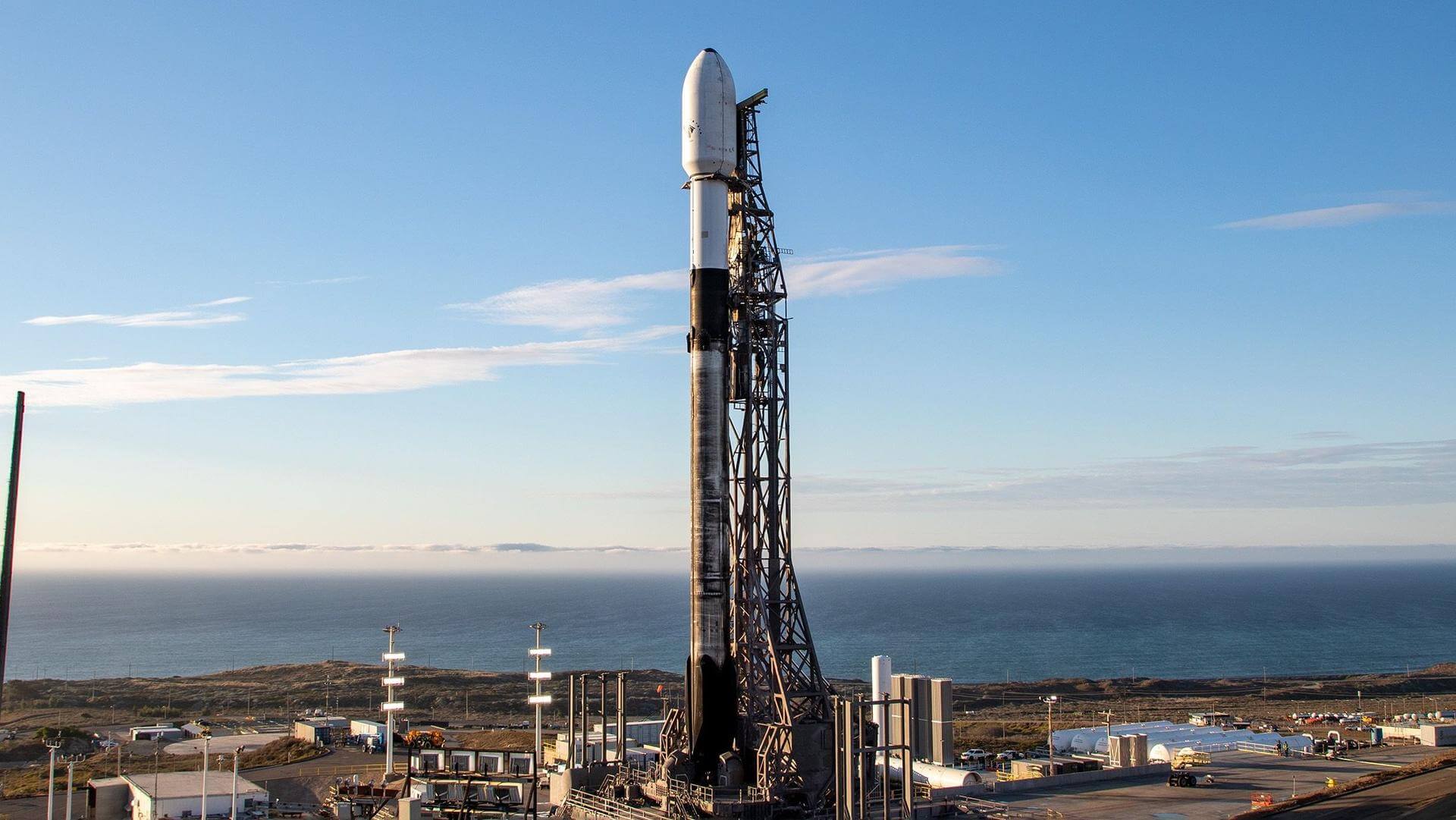
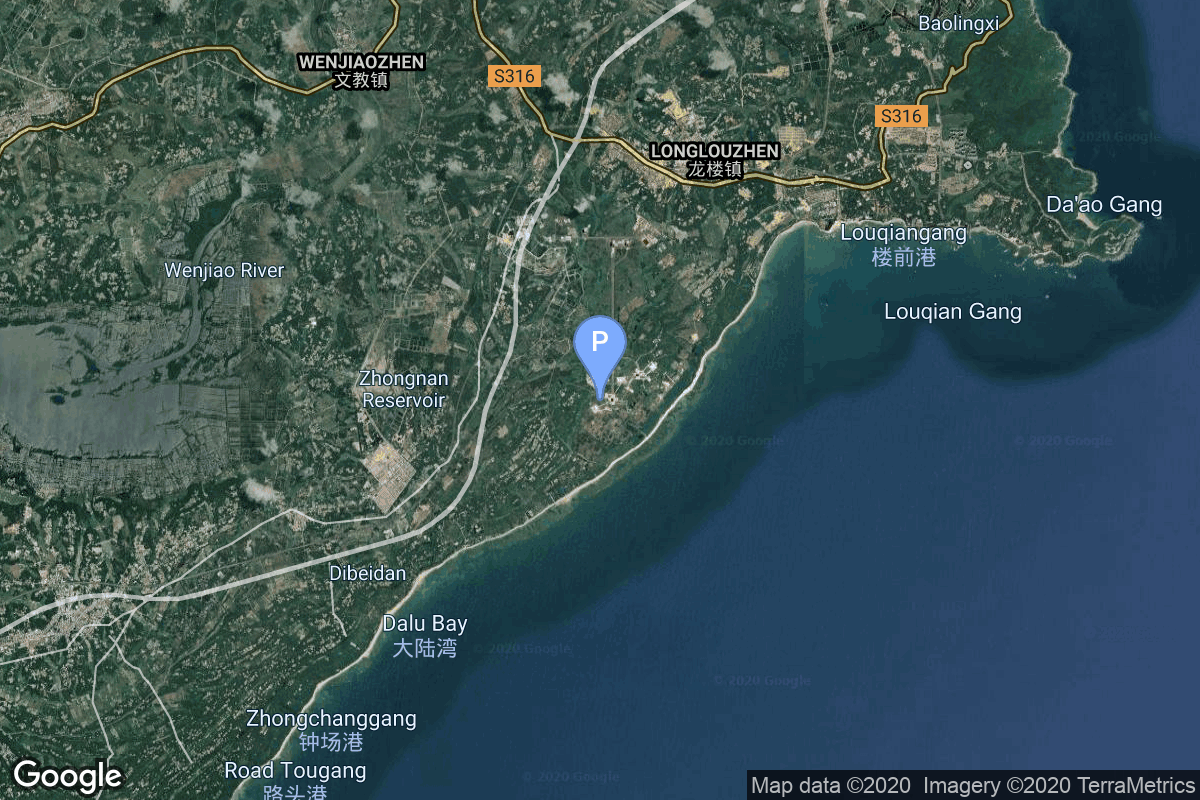
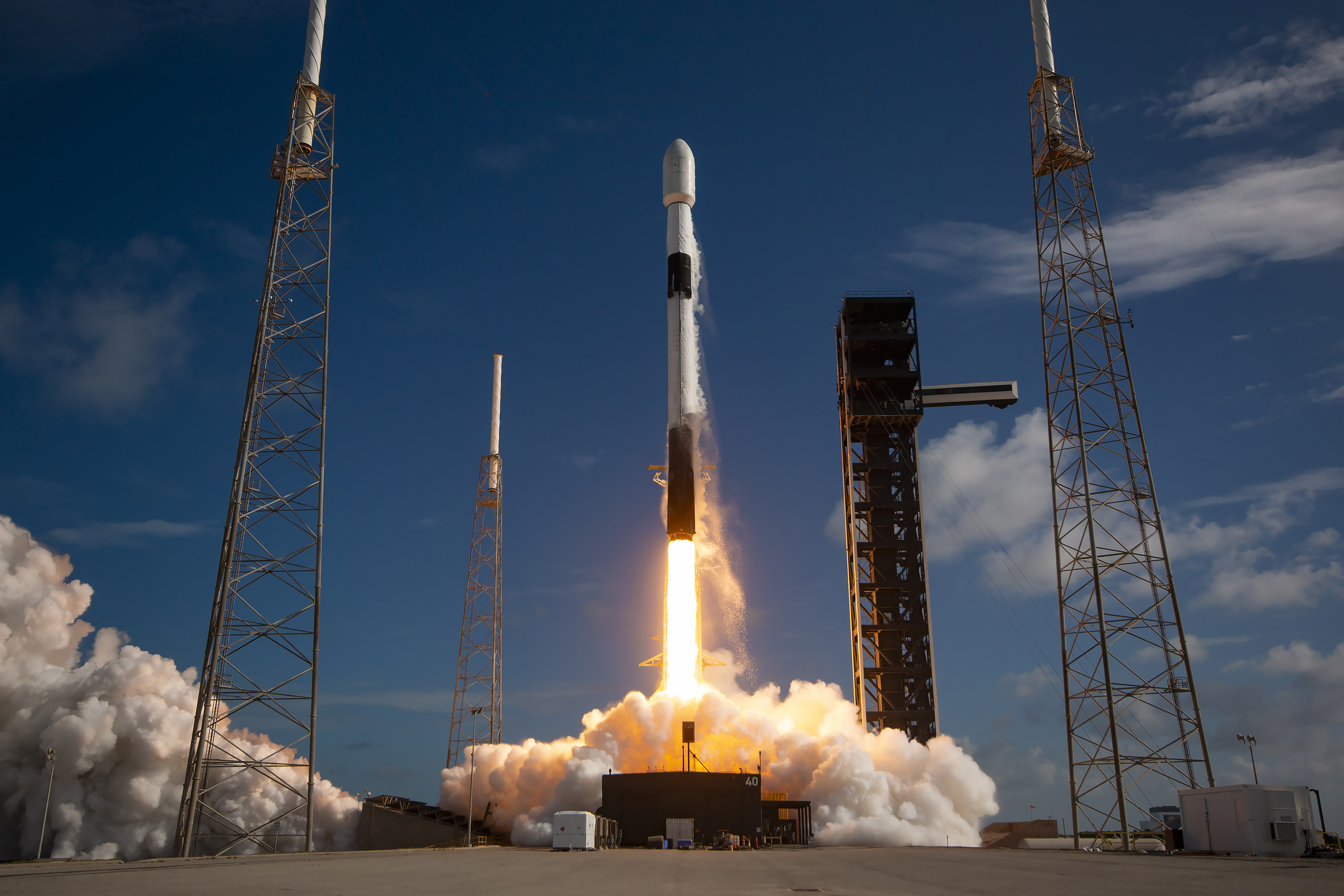
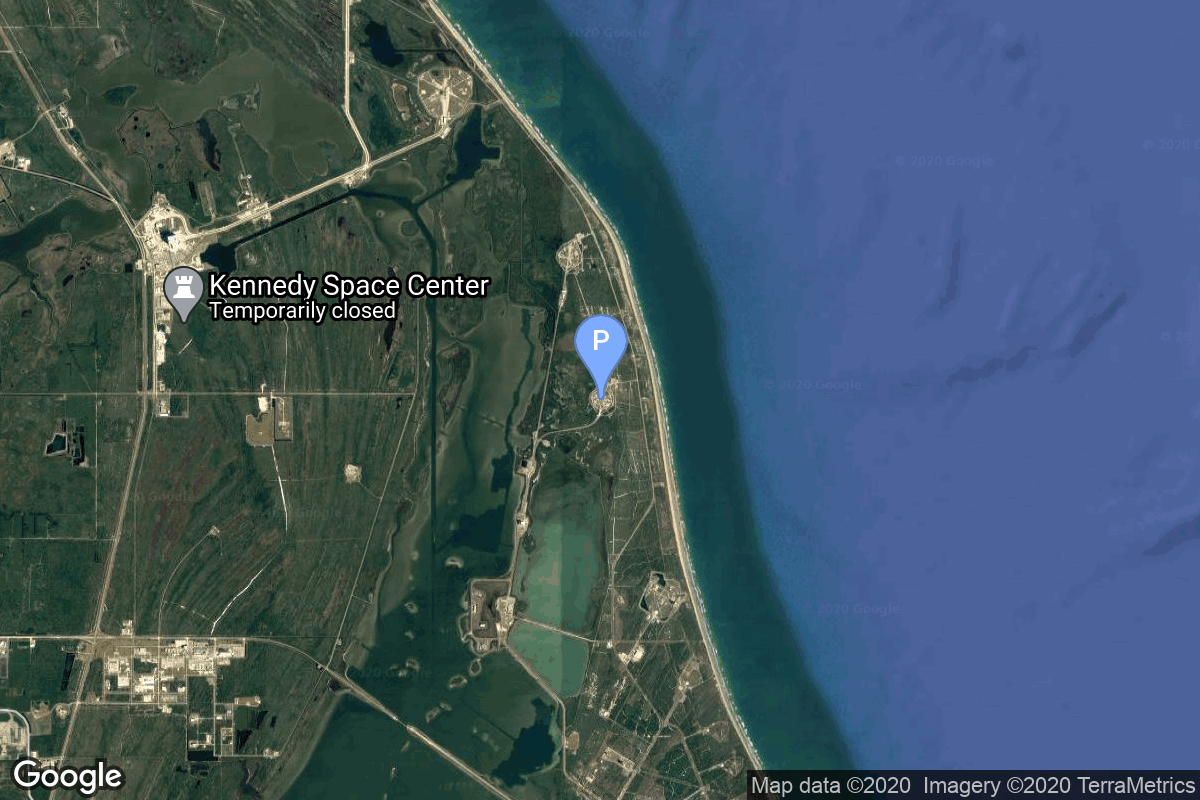
Starlink Group 17-37
Provider: SpaceX
Date: May 26, 2026
Time: 2:50 PM UTC
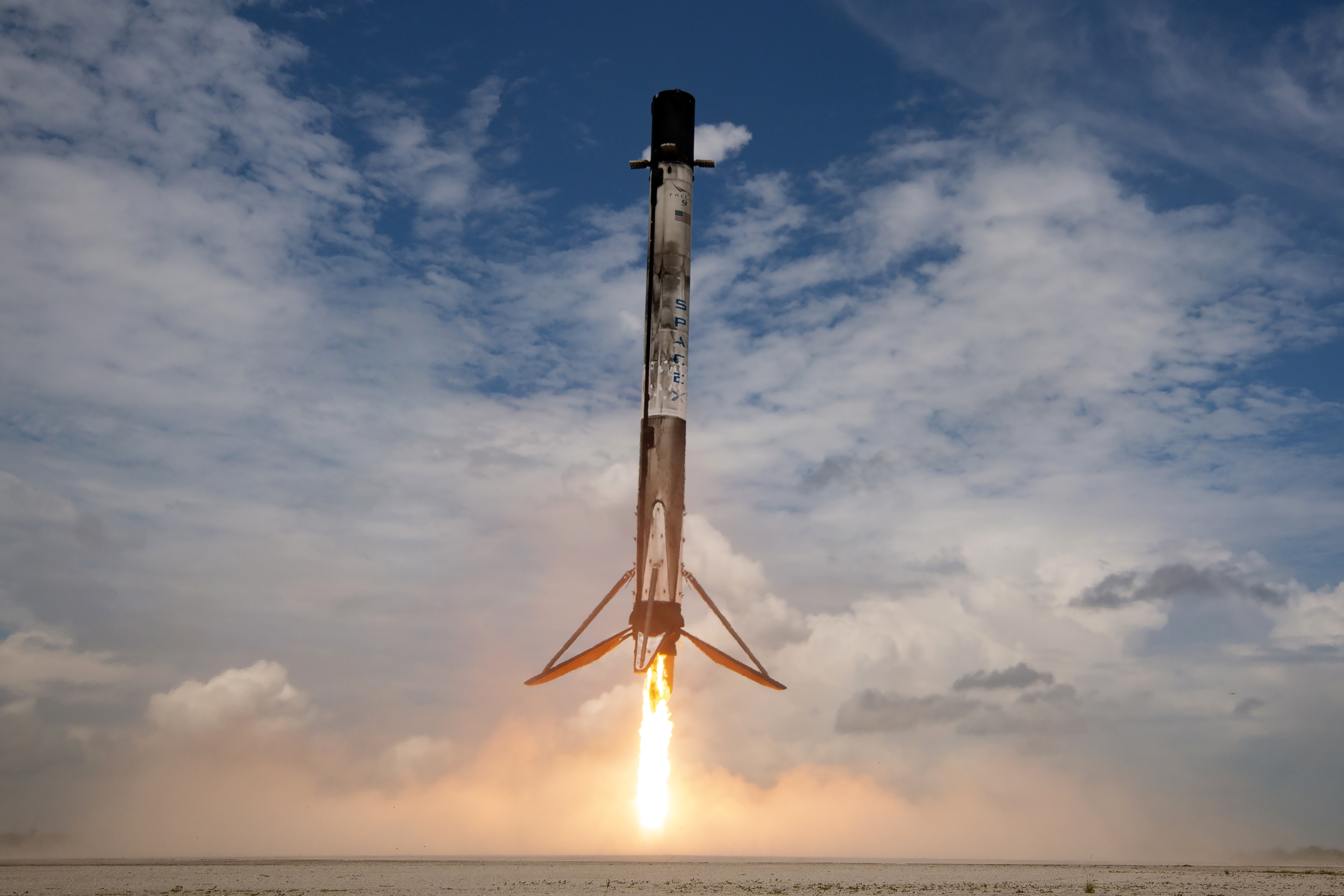
Vehicle: Falcon 9
A batch of 24 satellites for the Starlink mega-constellation – SpaceX’s project for space-based Internet communication system.
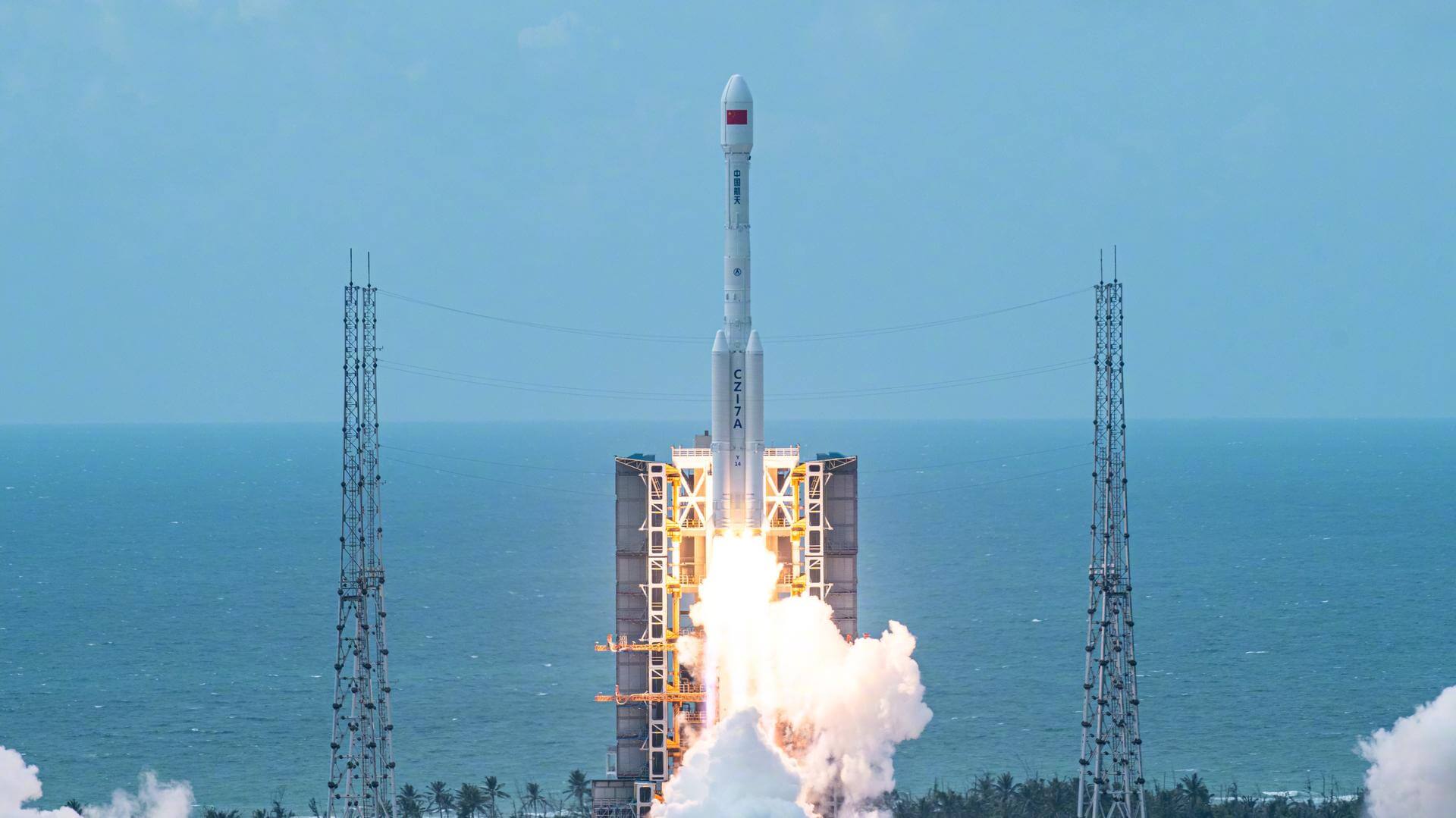
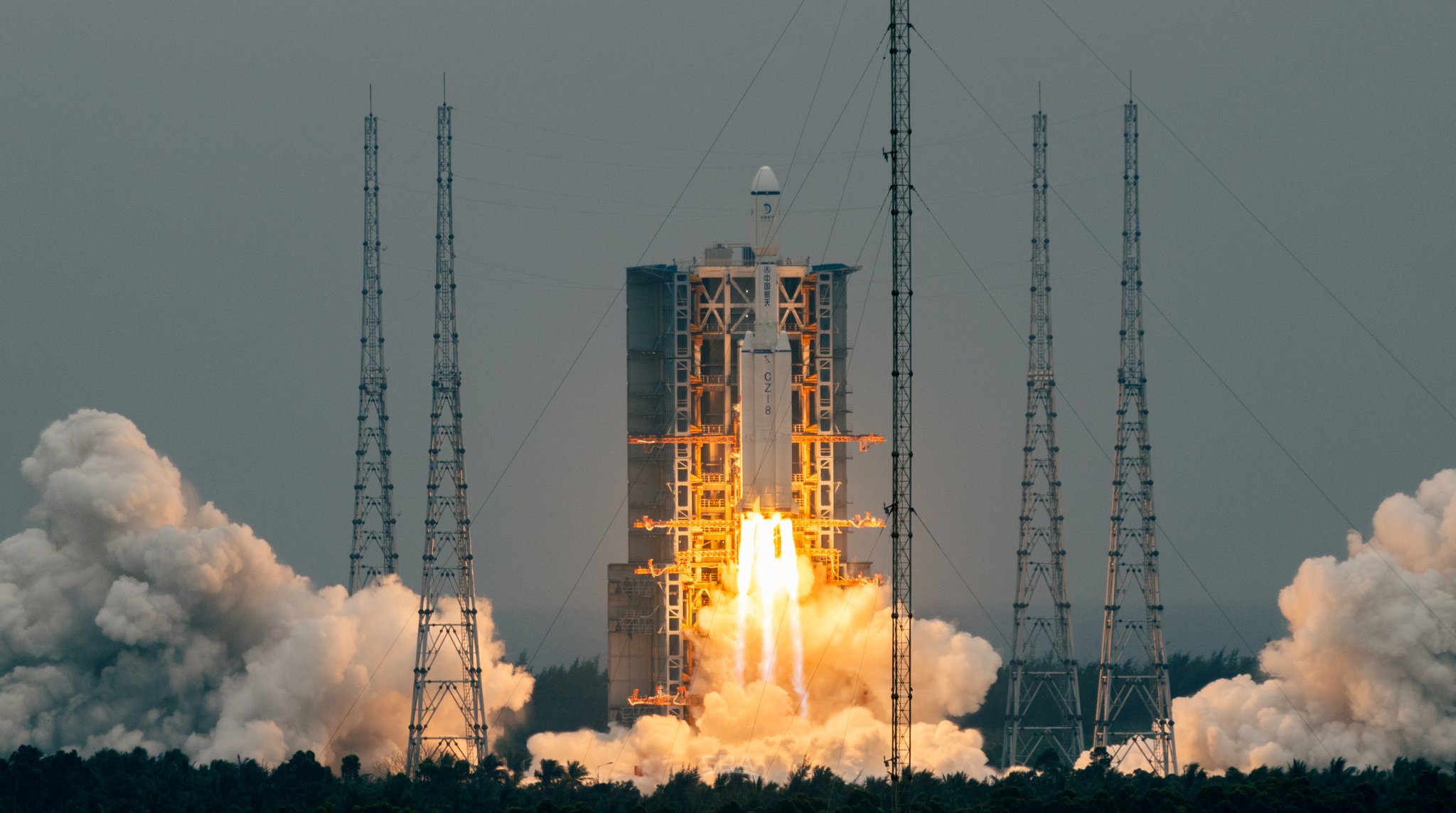
Unknown Payload
Provider: China Aerospace Science and Technology Corporation
Date: May 26, 2026
Time: 4:15 PM UTC
Vehicle: Long March 7A
Details TBD.
Starlink Group 10-53
Provider: SpaceX
Date: May 29, 2026
Time: 11:52 AM UTC
Vehicle: Falcon 9
A batch of 29 satellites for the Starlink mega-constellation – SpaceX’s project for space-based Internet communication system.
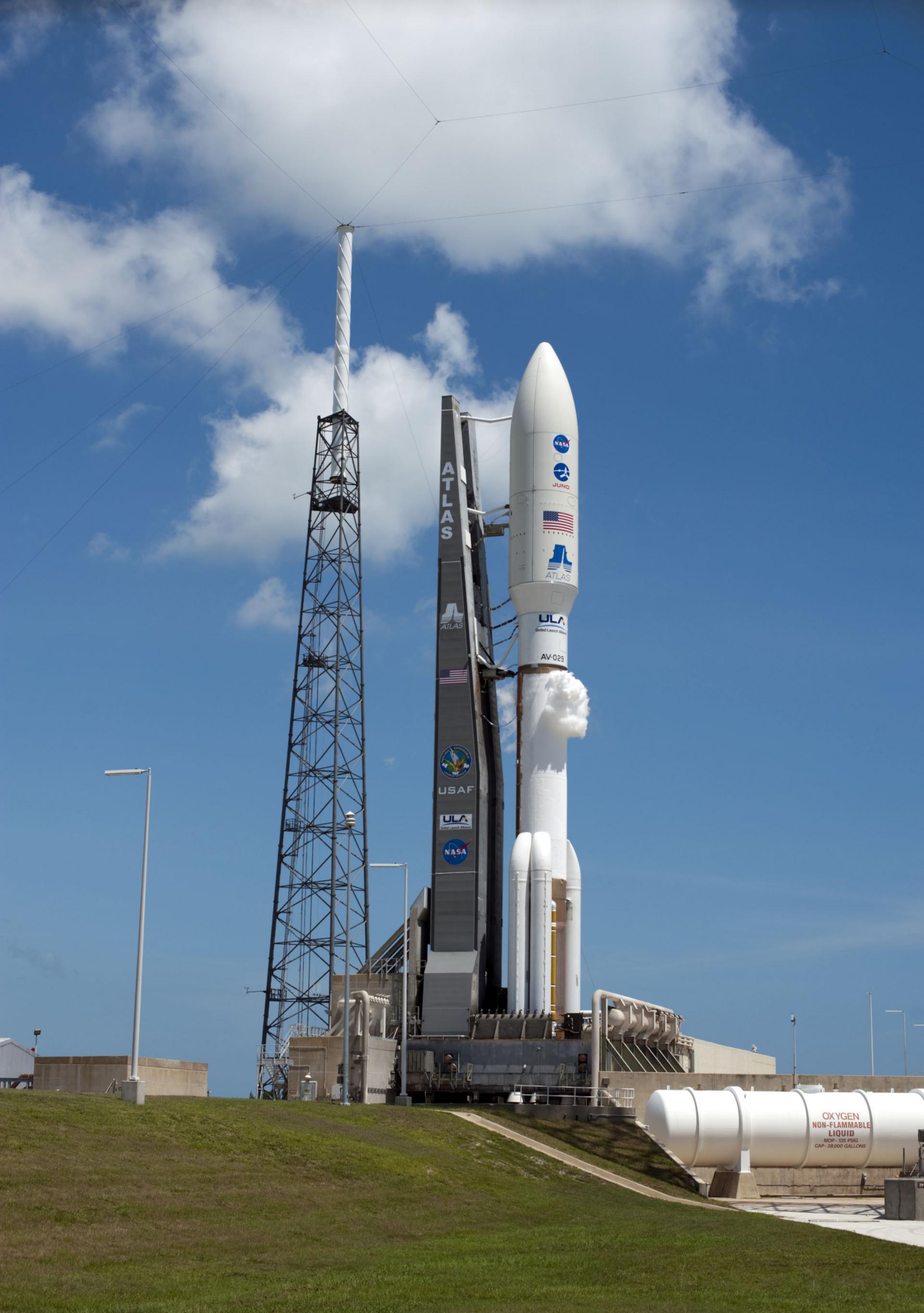
Amazon Leo (LA-07)
Provider: United Launch Alliance
Date: May 29, 2026
Time: 11:33 PM UTC
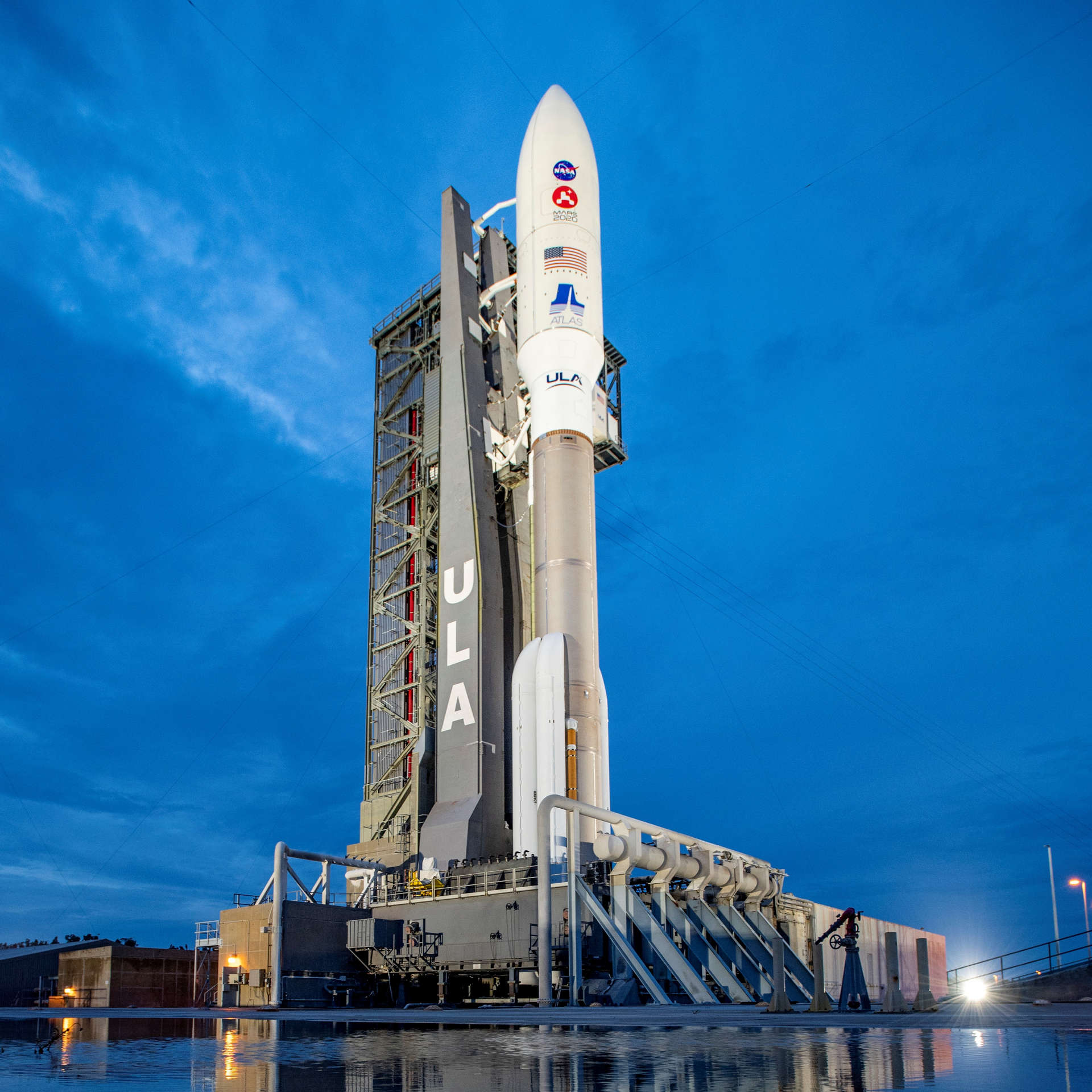
Vehicle: Atlas V 551
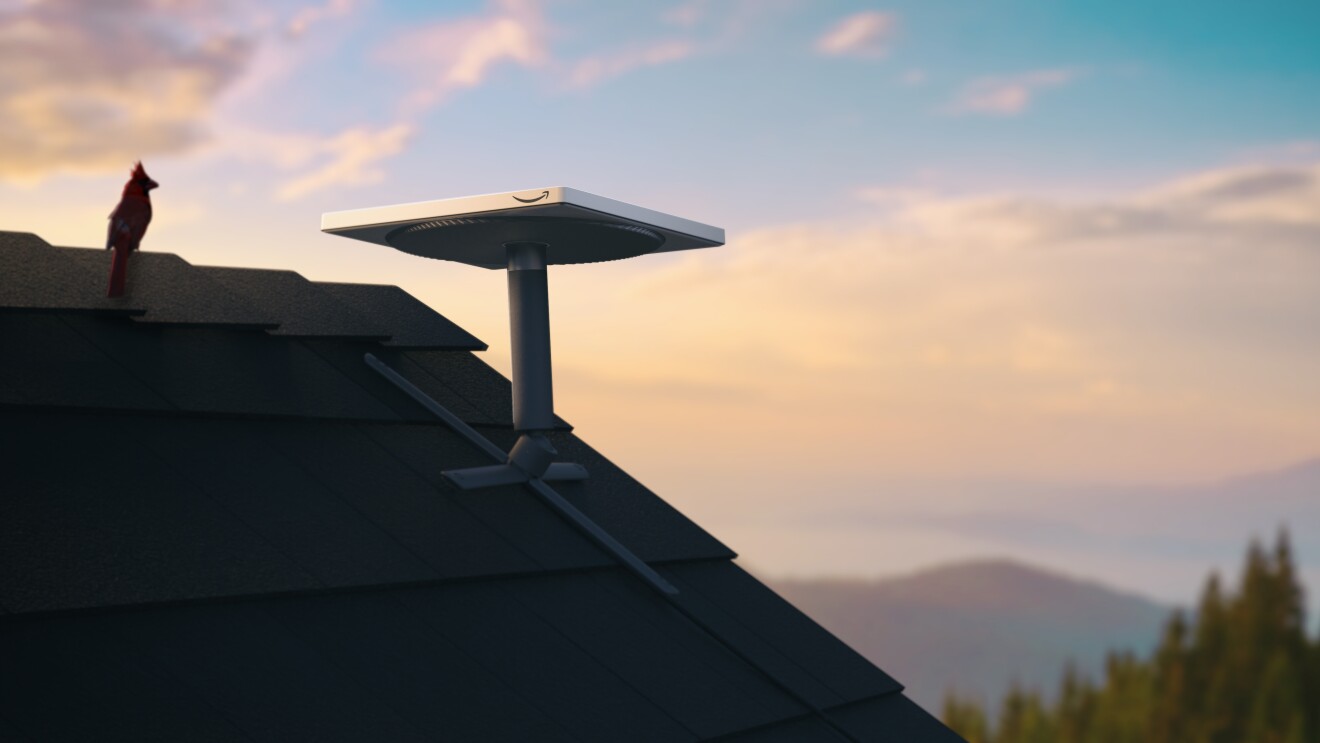
Amazon Leo, formerly known as Project Kuiper, is a mega constellation of satellites in Low Earth Orbit that will offer broadband internet access, this constellation will be managed by Kuiper Systems LLC, a subsidiary of Amazon. This constellation is planned to be composed of 3,276 satellites. The satellites are projected to be placed in 98 orbital planes in three orbital layers, one at 590 km, 610 km and 630 km altitude.
29 satellites are carried on this launch.
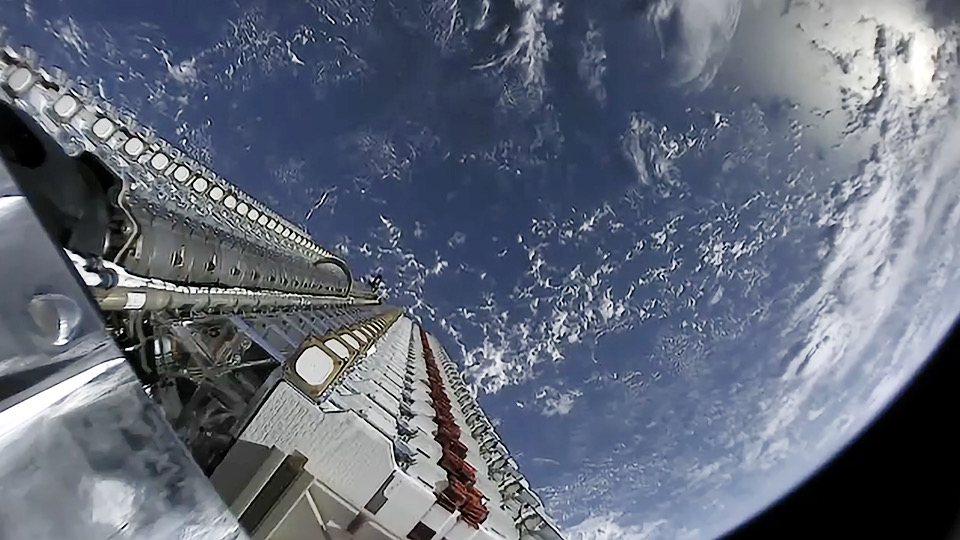
Starlink Group 17-41
Provider: SpaceX
Date: May 30, 2026
Time: 2:00 PM UTC
Vehicle: Falcon 9
A batch of 24 satellites for the Starlink mega-constellation – SpaceX’s project for space-based Internet communication system.




Enjoying the content? Stay up to date on everything happening behind the scenes by following our Patreon!

