
The Daily Broadcast: Canadian Astronaut Jeremy Hansen Charts Path to Moon Base
Jeremy Hansen Outlines Canada’s Lunar Role After Artemis II

Jeremy Hansen, the Canadian astronaut who flew on Artemis II, says there is “ample opportunity” for Canada to contribute to NASA’s newly expanded moon base programme. Speaking with SpaceQ on June 11, Hansen emphasized that discussions between the Canadian Space Agency and NASA are ongoing, with both sides working to ensure that investments fit into the overall puzzle without duplicating effort.
The moon base announcement, made roughly a week before Hansen’s historic April 1 lunar flyby, represents “leadership and vision” from NASA, he said. However, the announcement also paused the Gateway space station, the original destination for Canadarm3. The CSA and MDA Space, which is building Canadarm3, note that the contract remains active and the robotics can be repurposed. Canada is also funding a lunar utility rover to assist astronauts, with early-stage contracts awarded for an expected flight date in 2033.
“We were contributing to Gateway, and we’re going to make significant contributions to the lunar surface. So I’ve got no concerns about where we’re going,” Hansen said. He praised NASA’s updated vision of surface operations for taking what has been learned over the past decade and updating the plan to leverage available industry capabilities.
A significant Canadian milestone emerged from the Artemis III crew announcement on June 9: CSA astronaut Jenni Gibbons, Hansen’s backup on Artemis II and CAPCOM during the lunar flyby, has been named lead CAPCOM for Artemis III. She will manage all CAPCOMs on the mission, making her the central point of contact for the communications console. “She’s obviously very experienced from Artemis II, from both fully trained to fly Artemis already, plus she performed the CAPCOM duty, so it’s a natural fit for her to lead a group,” Hansen said.
The Artemis III crew includes NASA astronauts Randy Bresnik, Andre Douglas and Frank Rubio, and ESA’s Luca Parmitano. Hansen noted that the crew brings substantial experience already—Bresnik and Parmitano are former ISS commanders, and Rubio holds the U.S. record of 371 days for a single spaceflight.
During an interview conducted while touring Canada, Hansen visited the T-Minus Engineering suborbital launch at Spaceport Nova Scotia in Canso on June 10. He praised the “visionary people” behind Maritime Launch Services and the local community’s support for sovereign launch capability. “It’s humble beginnings, but this is how it starts. And you can very easily listen to the plans and see the vision,” Hansen said.
NordSpace Opens Markham Factory to Scale Canadian Rocket Production

NordSpace announced today that it has opened Rocket Factory 1 (RF-1), a 60,000-square-foot manufacturing facility in Markham, Ontario, marking its transition from research and development to production mode. The new facility is ten times larger than NordSpace’s previous headquarters.
Chief Executive Rahul Goel framed the factory as critical not only for NordSpace but for Canada’s sovereign launch capability. “Sovereignty is control, and that requires doing the hard parts first: manufacturing, talent development, intellectual property, supply chains, test facilities, and more,” he said. “Lose control or skip the hard parts that make a capability truly sovereign, and you eventually lose control of the capability altogether.”
RF-1 is a Controlled Goods Program facility with capacity for 255 employees and includes the Advanced Manufacturing for Aerospace Lab, Space Systems Lab, ISO-class clean rooms, additive and subtractive manufacturing capabilities, propulsion and structures test facilities, avionics testing, and a mission control centre. The facility can simultaneously produce two Tundra light-lift vehicles at 1,100 kilograms to low Earth orbit, or a single Tundra+ medium-lift rocket carrying 2,000 kilograms to LEO. It will also produce up to ten small satellites at once using the Space Systems Lab.
NordSpace says it will soon install what it describes as “the largest known single metal additive manufacturing machine in Canada,” as well as automated fibre-placement machines for cryogenic-compatible composite structures—unique to Canada. The company also plans to use RF-1 for Taiga, its test rocket, which will serve as a mechanism for internal talent development and launch operations experience. NordSpace expects to reattempt Taiga’s launch later this year, though a specific date has not been released.
The company is planning a second facility, Rocket Factory 2, a 200,000-square-foot factory in eastern Ontario, dedicated to developing and producing Tempest, a reusable medium-lift vehicle with a 5,000-kilogramme-plus LEO capacity. Construction is expected to start later this year. NordSpace’s current footprint also includes Area 66 in eastern Ontario, a 50-acre propulsion test range, and the Atlantic Spaceport Complex in Newfoundland and Labrador, which has received Government of Canada environmental approval and is under construction.
NASA Investigates Deep Space Network Antenna Mishap Rooted in Training Failures

NASA has released a redacted investigation report into damage to one of the space agency’s most critical antennas, blaming poor training and procedures at the facility. The DSS-14 antenna, a 70-metre Deep Space Network antenna in Goldstone, California, has been offline since September 16, 2025, after an over-rotation damaged cables and hoses, flooding the antenna’s base with more than 750,000 litres of water and glycol.
The incident caused between $4.1 million and $4.6 million in damage, qualifying it as a Type A mishap by NASA standards. The investigation identified six critical events leading to the mishap. On September 15, an anomaly occurred during communications with the Juno spacecraft, triggering maintenance and troubleshooting. The antenna was repeatedly driven into rotation limits during this work. The next day, the antenna was inadvertently over-rotated during another Juno communication session, and damage was compounded when controllers attempted to stow it.
The investigation cited root causes including inadequately trained personnel, inadequate procedures, and a facility that was “overly reliant on undocumented behaviours and institutional knowledge.” NASA’s report highlighted the staff’s reliance on what it termed “personal heroics”—a willingness to do whatever it takes to keep systems running—that led personnel to work outside their qualifications, put in extended hours causing fatigue, and skip tests they felt would delay antenna restoration. “Had the site’s personnel acted with greater deliberation or shown more willingness to leave the antenna in a failed state at any point during the mishap, the undesired outcome likely would not have occurred,” the investigation concluded.
The report provided twenty recommendations, including incentivizing technical rigour over personal heroics and improving training and procedures across the Deep Space Network. NASA’s Space Communications and Navigation programme is reviewing the entire network, including the Near Space Network, for similar issues.
DSS-14 is one of three 70-metre antennas in the DSN. Despite the extended outage, NASA successfully supported the Artemis II mission in April using other antennas. The antenna is now expected to remain offline as it enters a major refurbishment programme extending to October 2028.
Citations
- “Jeremy Hansen is ready to help with Canada’s next steps in space, Gibbons to be lead CAPCOM for Artemis III” — https://spaceq.ca/jeremy-hansen-is-ready-to-help-with-canadas-next-steps-in-space-gibbons-to-be-lead-capcom-for-artemis-iii/
- “NordSpace opens Markham rocket factory to scale launch production” — https://spaceq.ca/nordspace-opens-markham-rocket-factory-to-scale-launch-production/
- “Deep Space Network antenna mishap blamed on poor training and procedures” — https://spacenews.com/deep-space-network-antenna-mishap-blamed-on-poor-training-and-procedures/
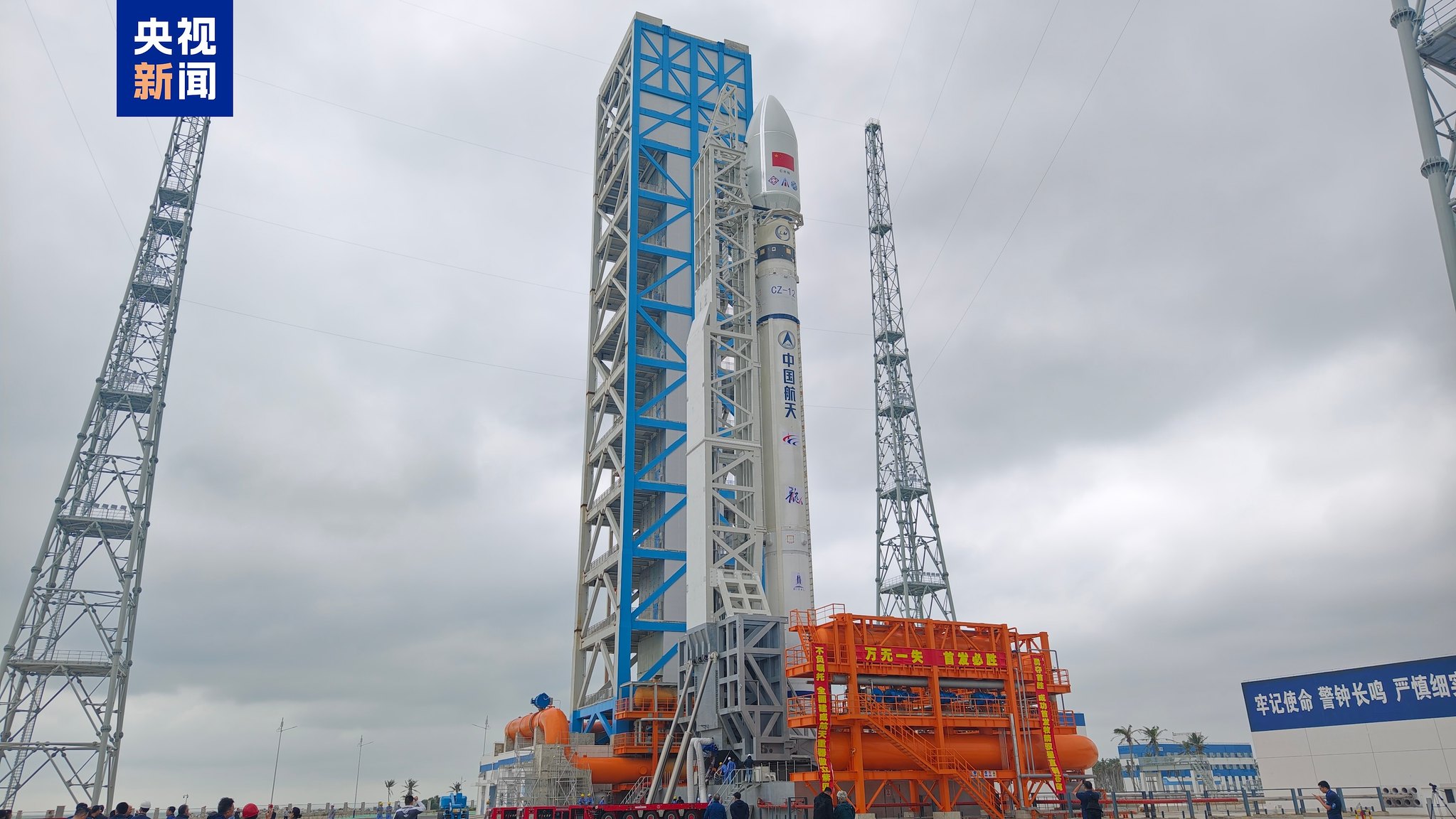
Unknown Payload
Provider: China Aerospace Science and Technology Corporation
Date: June 17, 2026
Time: 2:45 AM UTC
Vehicle: Long March 12
Details TBD.
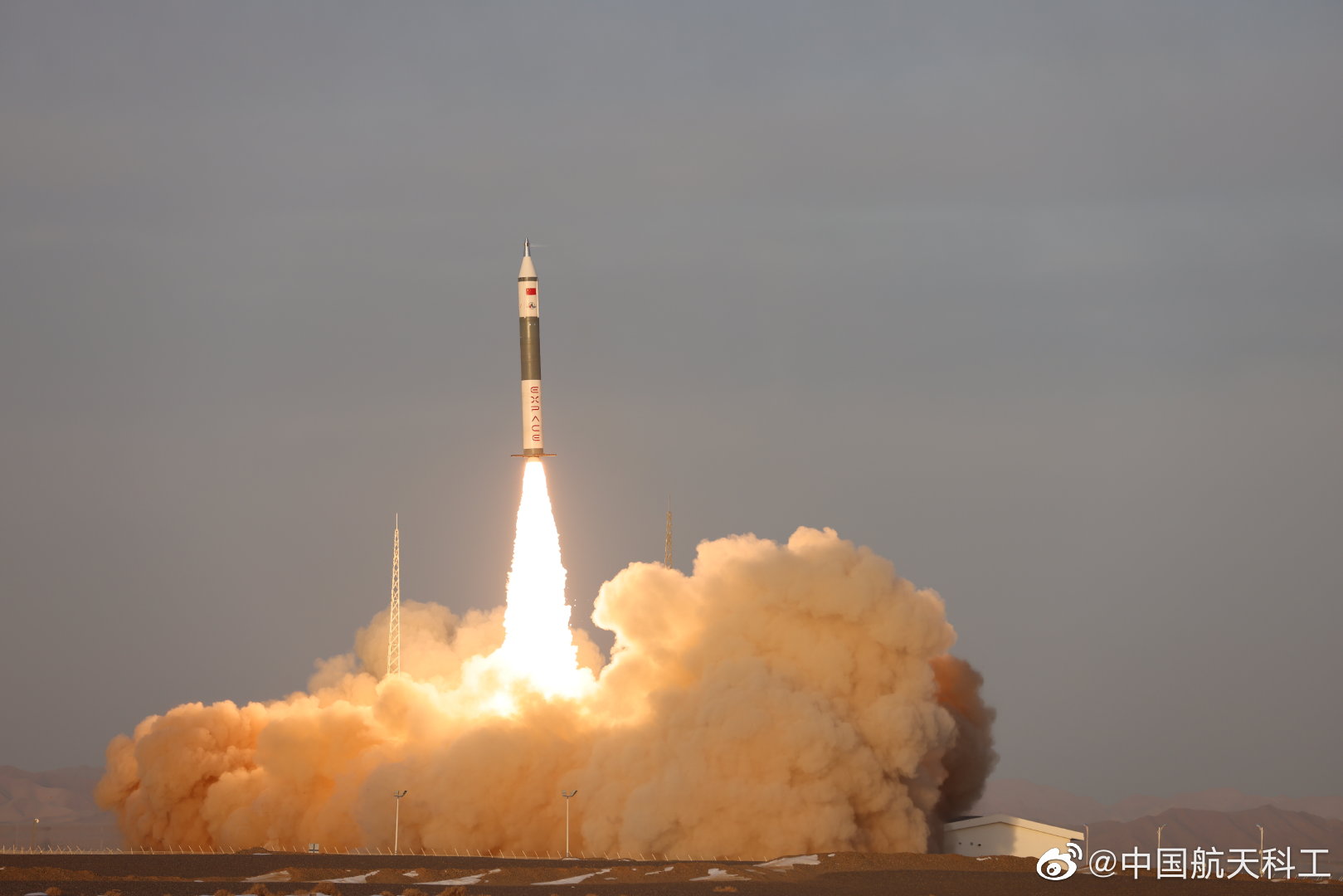
Unknown Payload
Provider: ExPace
Date: June 17, 2026
Time: 3:40 AM UTC
Vehicle: Kuaizhou 11
Details TBD.
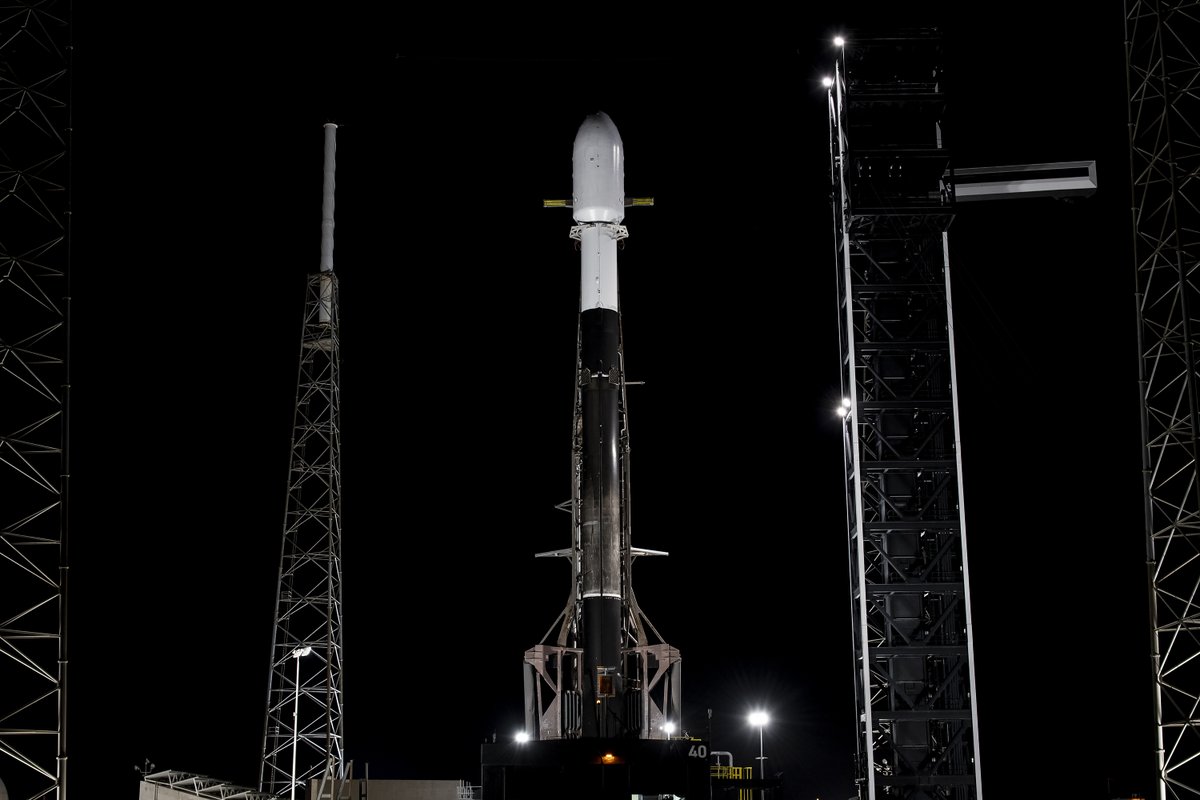
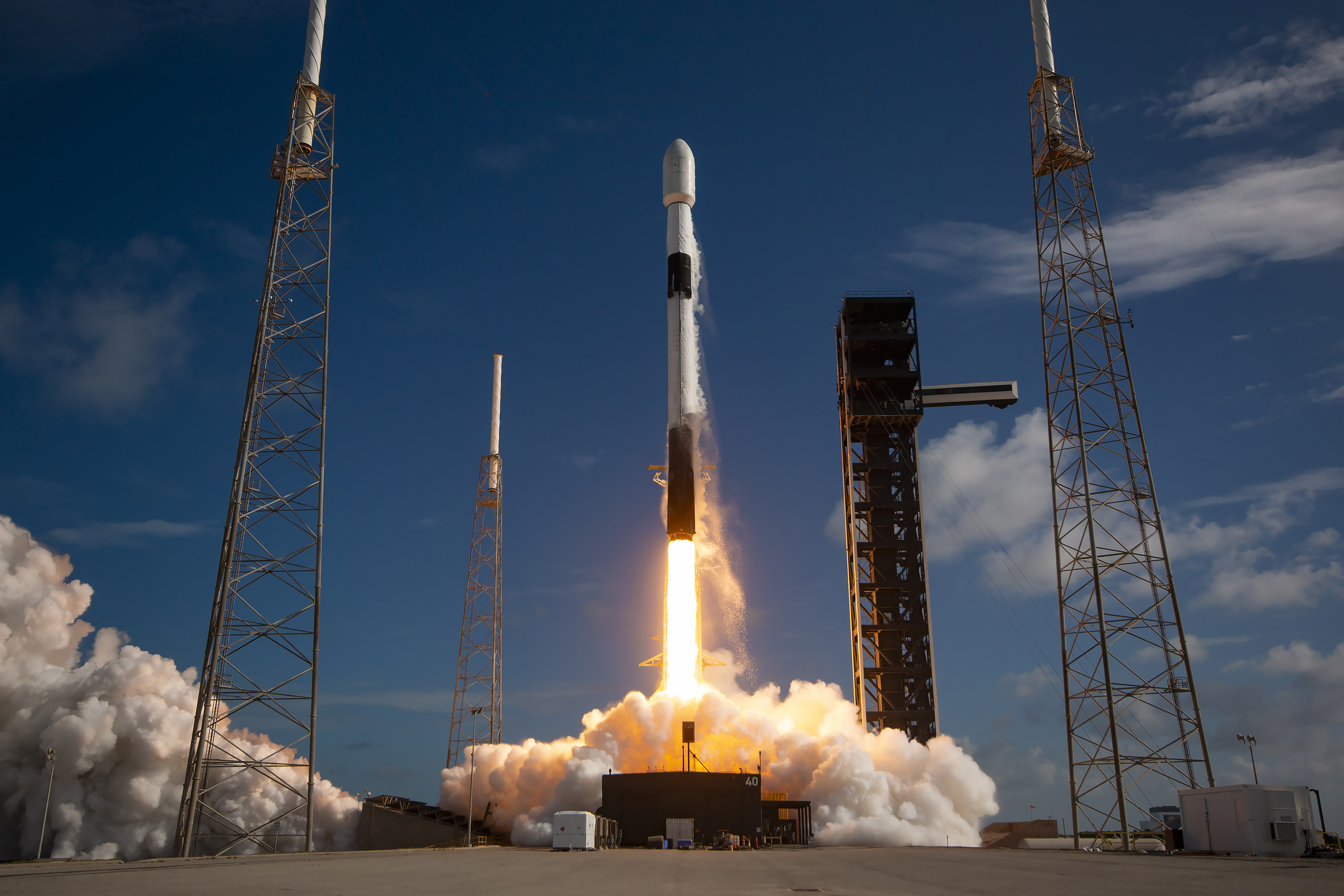
BlueBird Block 2 #3-5
Provider: SpaceX
Date: June 17, 2026
Time: 6:39 AM UTC
Vehicle: Falcon 9
AST SpaceMobile’s Block 2 BlueBird satellites are designed to deliver up to 10 times the bandwidth capacity of the BlueBird Block 1 satellites, required to achieve 24/7 continuous cellular broadband service coverage in the United States, with beams designed to support a capacity of up to 40 MHz, enabling peak data transmission speeds up to 120 Mbps, supporting voice, full data and video applications. The Block 2 BlueBirds, featuring as large as 2400 square foot communications arrays, will be the largest satellites ever commercially deployed in Low Earth orbit once launched.
This launch will feature 3 satellites.
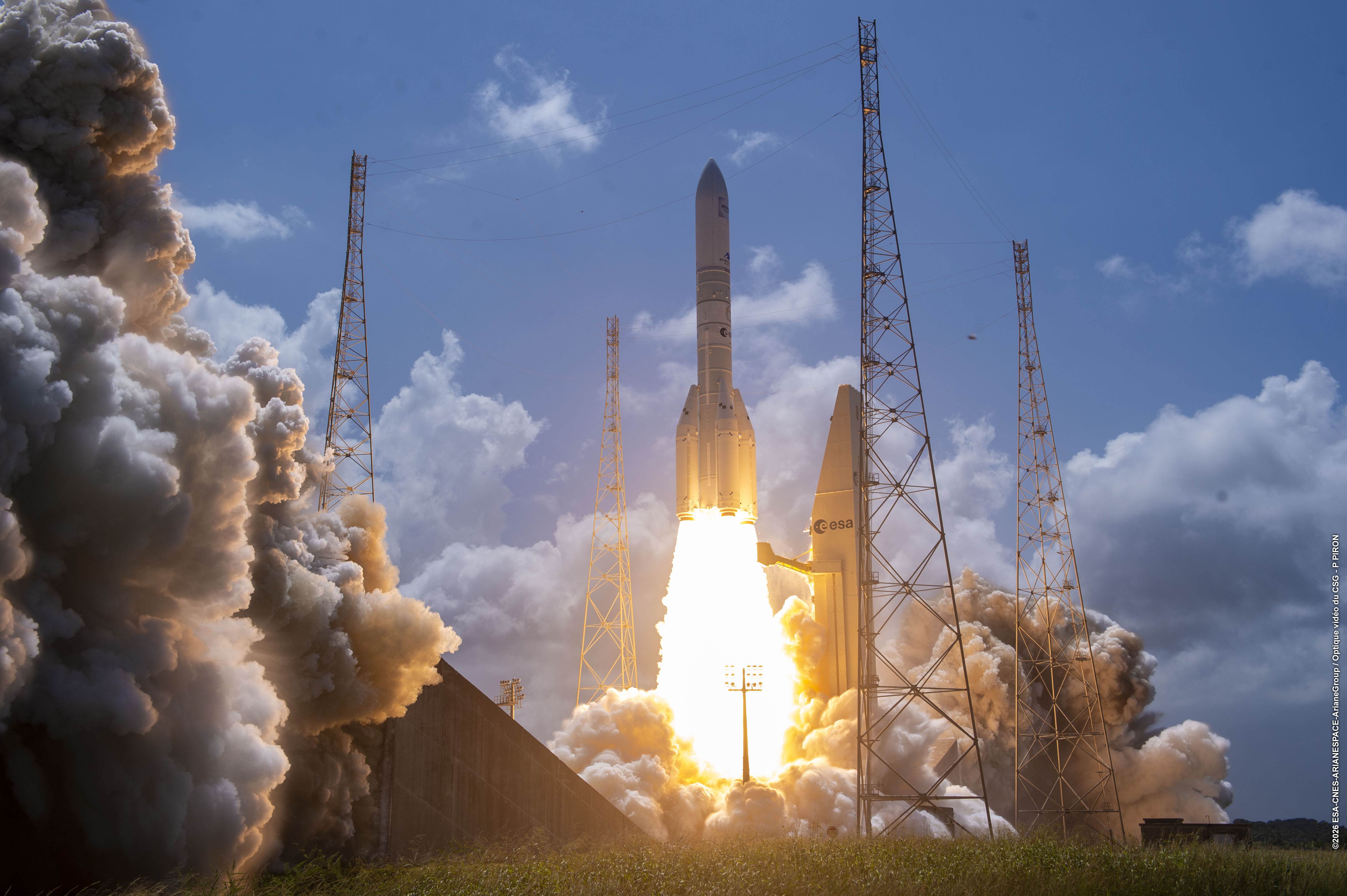
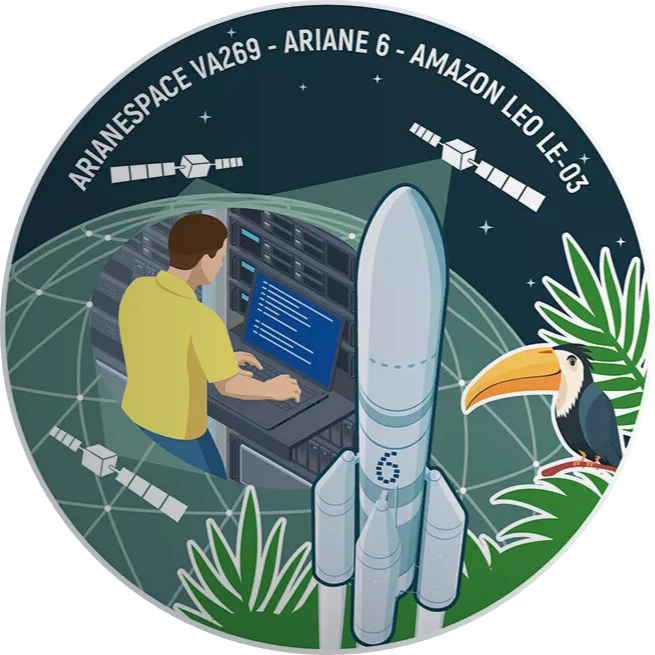
Amazon Leo (LE-03)
Provider: Arianespace
Date: June 17, 2026
Time: 11:53 AM UTC
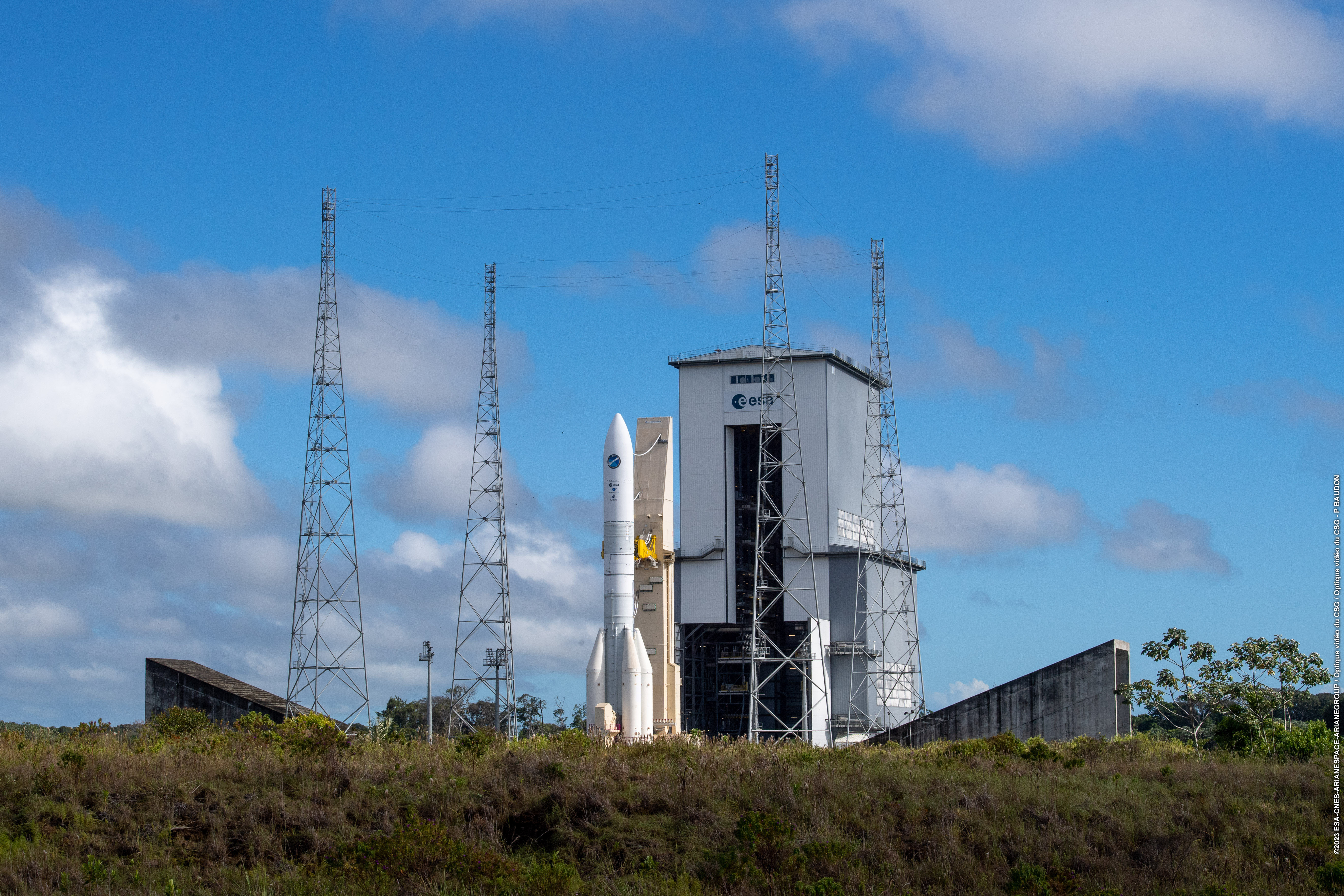
Vehicle: Ariane 64
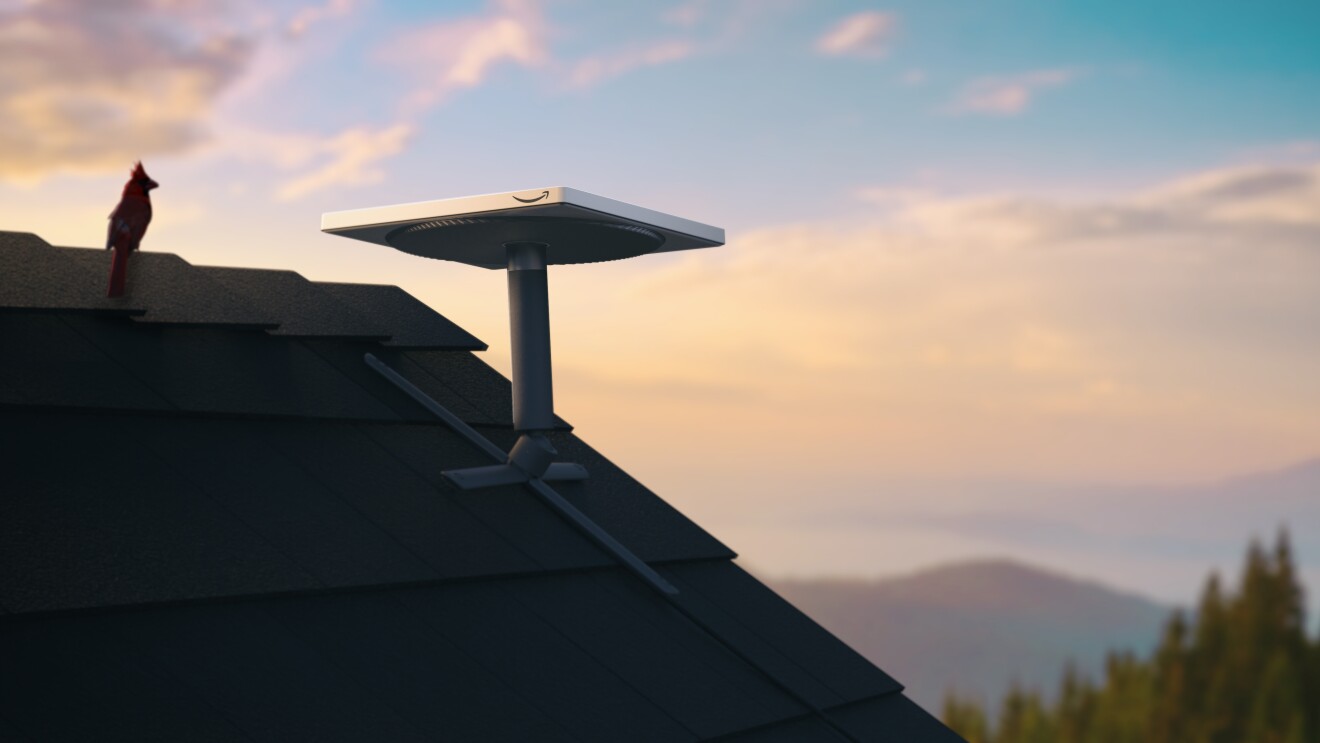
Amazon Leo, formerly known as Project Kuiper, is a mega constellation of satellites in Low Earth Orbit that will offer broadband internet access, this constellation will be managed by Kuiper Systems LLC, a subsidiary of Amazon. This constellation is planned to be composed of 3,276 satellites. The satellites are projected to be placed in 98 orbital planes in three orbital layers, one at 590 km, 610 km and 630 km altitude.
36 satellites will be carried on this Ariane 6 launch.
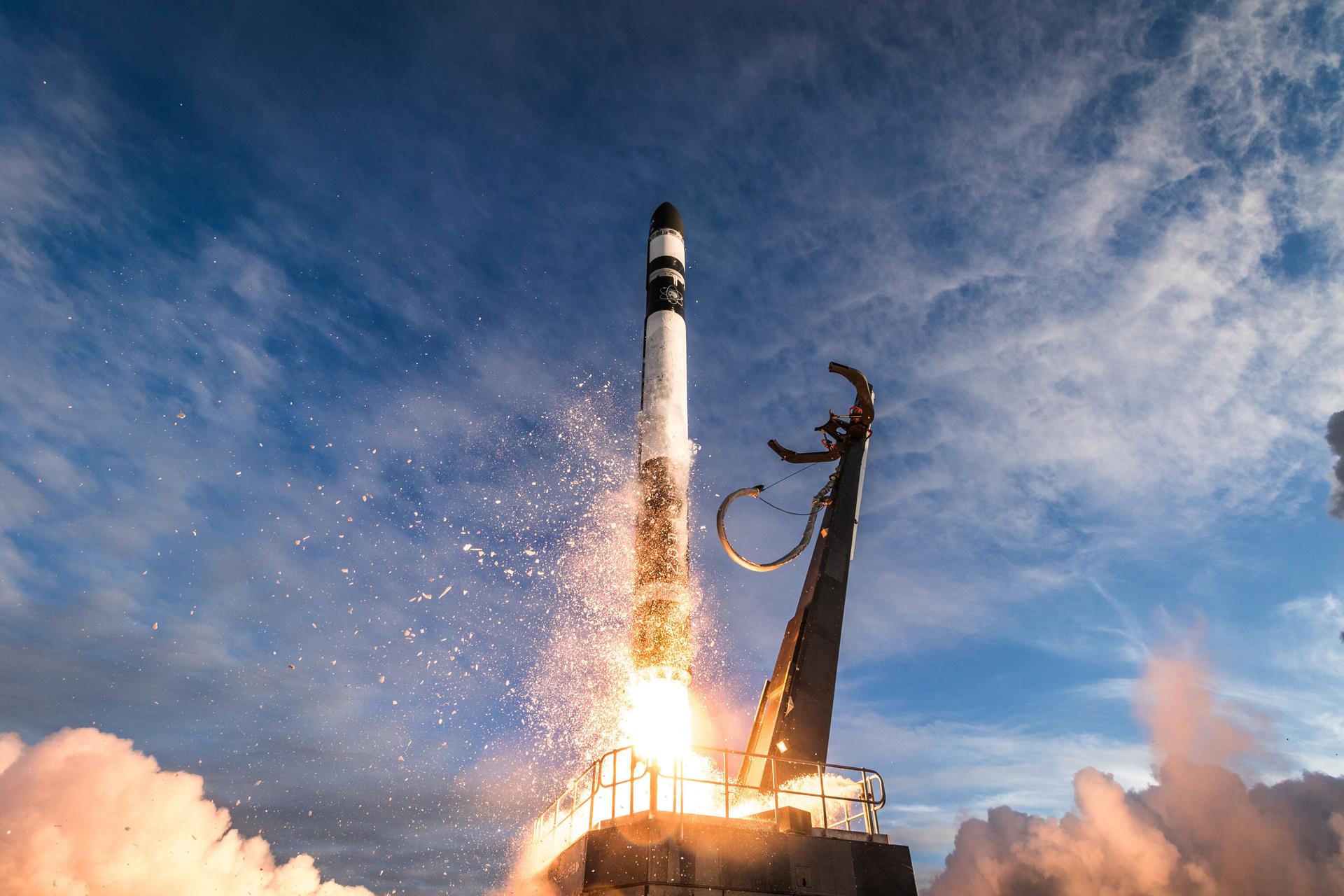
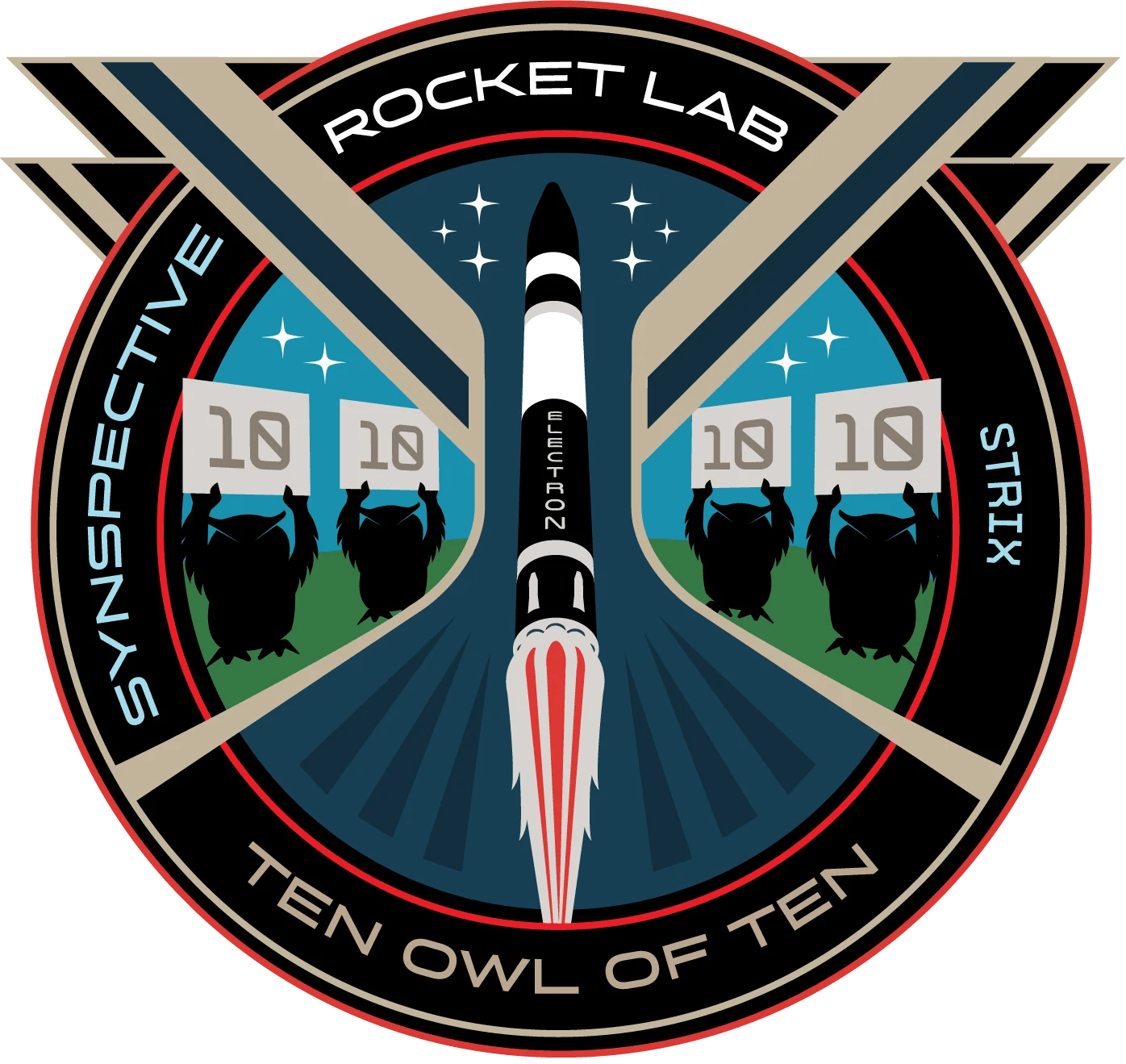
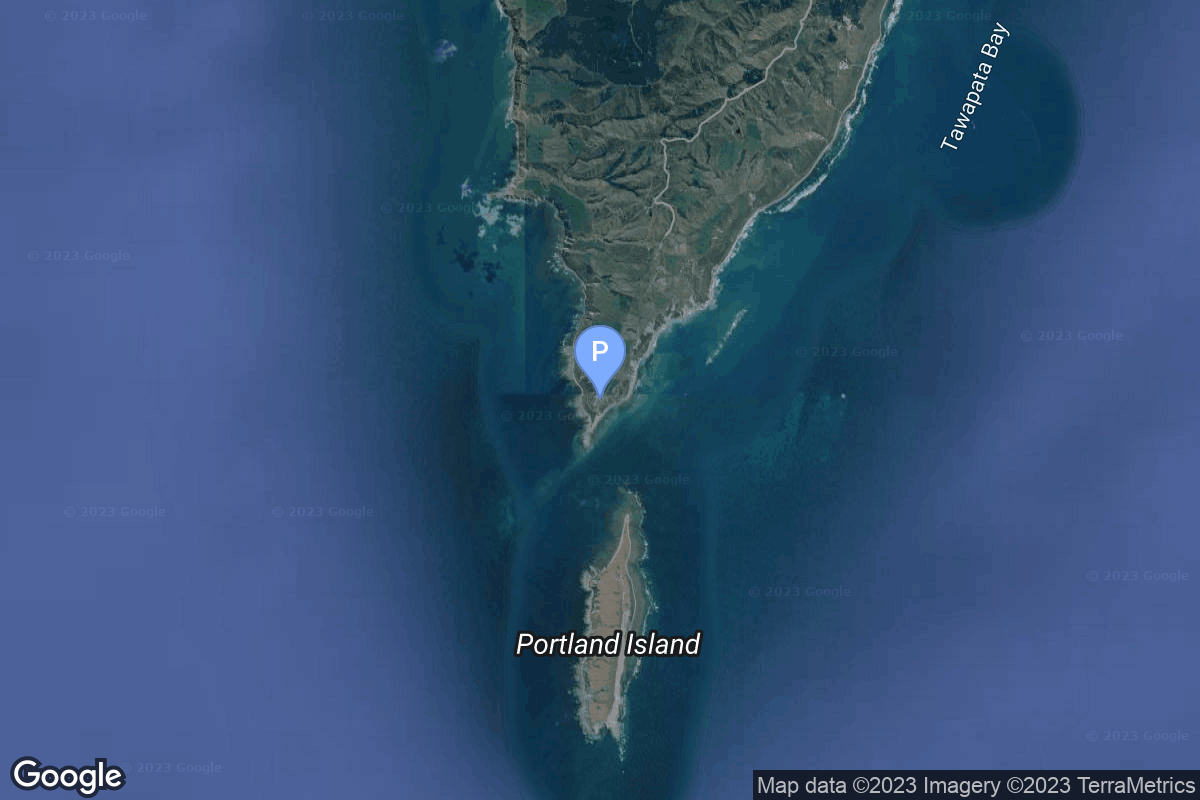
Ten Owl Of Ten (StriX Launch 10)
Provider: Rocket Lab
Date: June 17, 2026
Time: 8:40 PM UTC
Vehicle: Electron
Synthetic aperture radar satellite for Japanese Earth imaging company Synspective.




Enjoying the content? Stay up to date on everything happening behind the scenes by following our Patreon!

