Canada’s ESA investment unlocks two lunar pathways for domestic firms
When Canada committed $664.6 million CAD (€407.71 million) to the European Space Agency at the November 2025 Ministerial Council, it signalled serious intent. Of that total, $122.3 million CAD (€75 million) was earmarked for Space Exploration within ESA’s optional programmes. That funding has now translated into concrete opportunities.
Last week, ESA released two calls for lunar exploration projects, and because of Canada’s investment, Canadian companies and academic institutions are now eligible to bid. The first—a Request for Information released June 12—invites commercial providers to pitch lunar data products. ESA is moving toward procuring satellite imagery and remote-sensing data from external suppliers rather than launching dedicated scientific instruments on every mission. For Canadian firms with expertise in communications, Earth observation, or signal processing, this opens a direct revenue path.
The second opportunity, issued June 10, seeks mature “science building blocks”—individual instruments or integrated suites that can be flown on future lunar missions. ESA strongly prefers partnerships between universities (who can act as Principal Investigators for science goals) and domestic space companies (who handle flight-ready engineering). Canadian researchers and industry can now compete for this path into European-led exploration.
Deadlines are aggressive. The commercial data RFI closes September 14, while the science building-blocks call requires a Letter of Intent by July 13 and full proposals by September 4. Winning proposals must score “Excellent” (81 out of 100) on scientific merit and “Very Good” on every sub-criterion. This is rigorous, peer-reviewed competition—but it’s open to Canada for the first time.
NorthStar lands $40 million RCAF surveillance contract
Montreal-based NorthStar Earth & Space has signed a $40 million contract to supply the Royal Canadian Air Force (RCAF) with space surveillance data over the next 12 months. The deal connects NorthStar’s network of optical and radar sensors with Canada’s 3 Canadian Space Division, giving the armed forces improved tracking and threat assessment of orbital objects.
The timing is strategic. NorthStar is preparing to go public on the New York Stock Exchange through a $300 million merger with Viking Acquisition Corp., with the proceeds funding deployment of a planned 52-satellite constellation. The company has launched four satellites to date, with eight more scheduled by Rocket Lab no earlier than late 2026. The RCAF contract locks in a major recurring revenue stream just as the company scales its infrastructure and approaches public markets.
NorthStar also has backing from Canadian government technology programs. The Canadian Space Agency awarded the company nearly $1 million in late 2025 for systems that track unknown objects using large datasets, and the NATO DIANA accelerator selected NorthStar to develop data-fusion tools for military commanders. CEO Stewart Bain framed the new defence contract as validation of Canada’s domestic commercial space sector. “Integrating NorthStar’s advanced scanning and detection capabilities will strengthen the mission readiness and national security objectives,” Bain said.
Swift reboost mission readies for launch as spacecraft faces orbital decay
A high-risk orbital servicing mission is set to launch June 27 to rescue one of NASA’s most valuable astrophysics instruments. Link, a spacecraft built by Katalyst Space Technologies, will launch aboard a Northrop Grumman Pegasus XL air-launched rocket from Kwajalein Atoll in the Pacific. Its goal: rendezvous with NASA’s Neil Gehrels Swift Observatory and raise its orbit before the 22-year-old gamma-ray detector plunges back to Earth.
Swift was launched in 2004 and has exceeded all expectations, but atmospheric drag is relentlessly lowering its altitude. At current decay rates, the spacecraft will drop below 300 kilometres—the minimum altitude Link needs to perform a successful capture and reboost—around October. That gives Katalyst a narrow window: launch in late June, reach Swift by early autumn, grapple it with three robotic arms, and fire thrusters to boost the observatory into a higher, sustainable orbit.
The challenge is that Swift was never designed for on-orbit servicing and has no docking fixtures. Katalyst developed Link in just nine months under a $30 million NASA contract awarded last September—an unprecedented timeline in spaceflight. “No one thought it was going to be possible,” admitted Shawn Domagal-Goldman, director of NASA’s astrophysics division. Yet Katalyst and Northrop delivered a fully integrated spacecraft ready to launch. Risks remain: Link will need to identify safe grappling points on an unprepared spacecraft and execute a delicate capture and reboost sequence. But the programme has already achieved what many thought impossible.
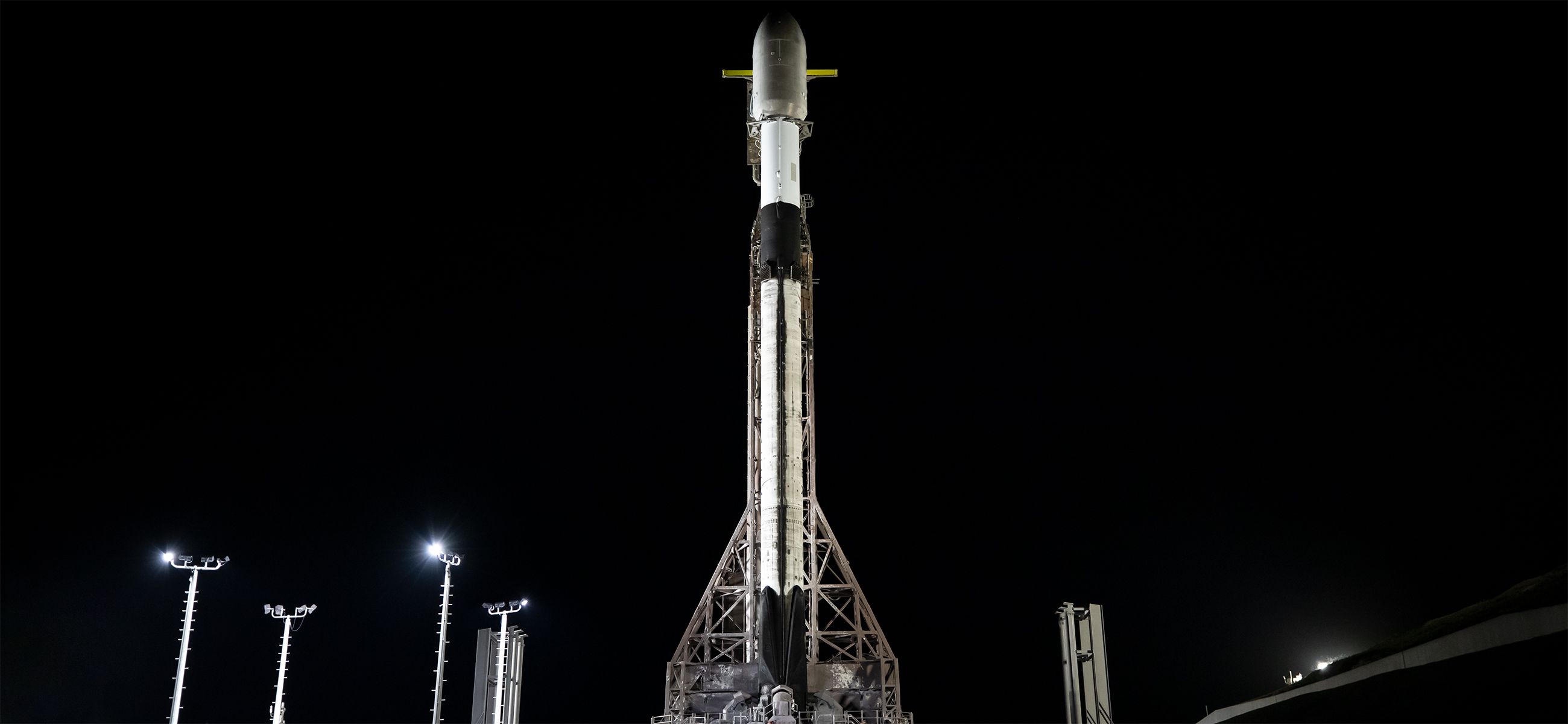
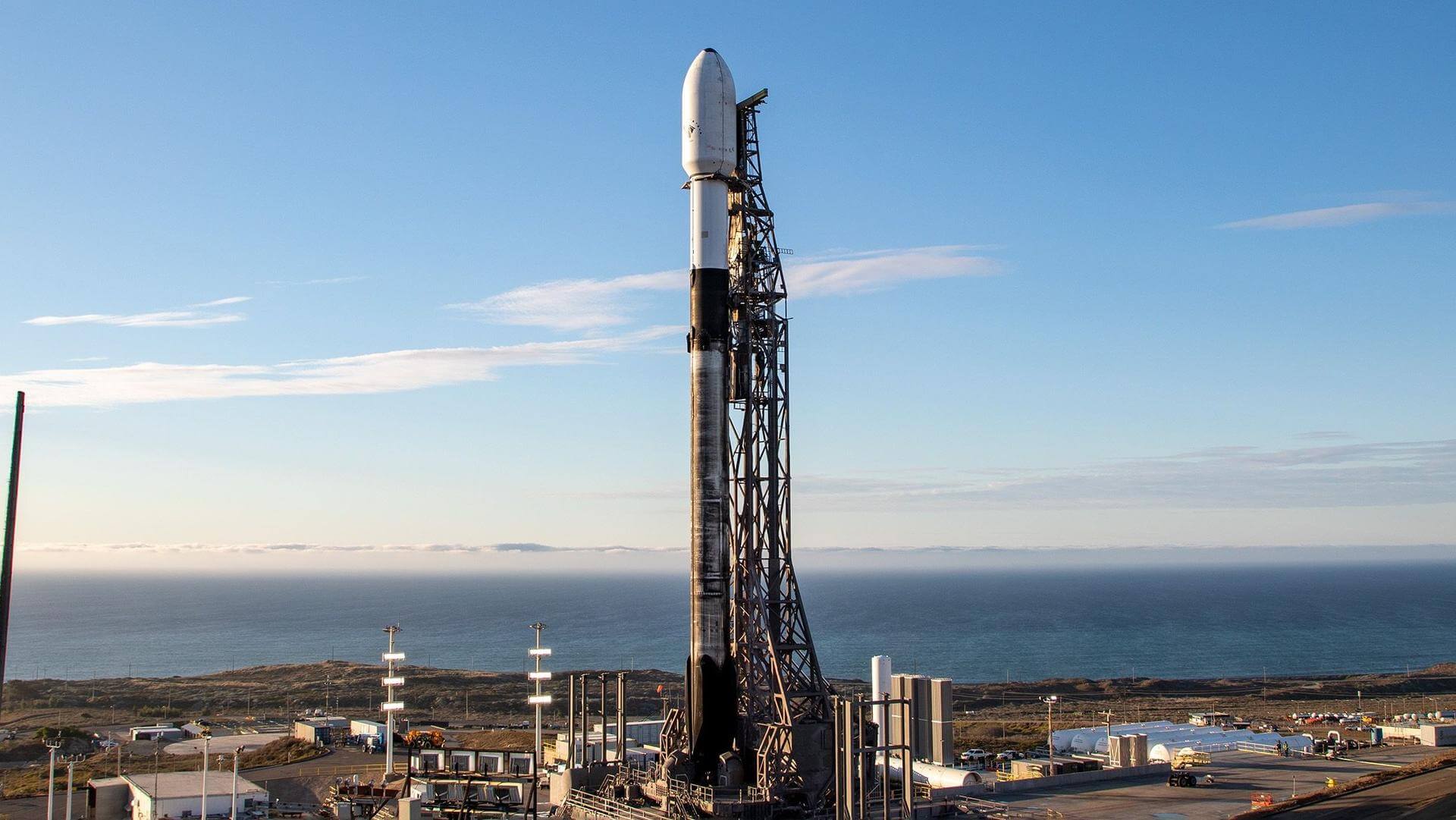
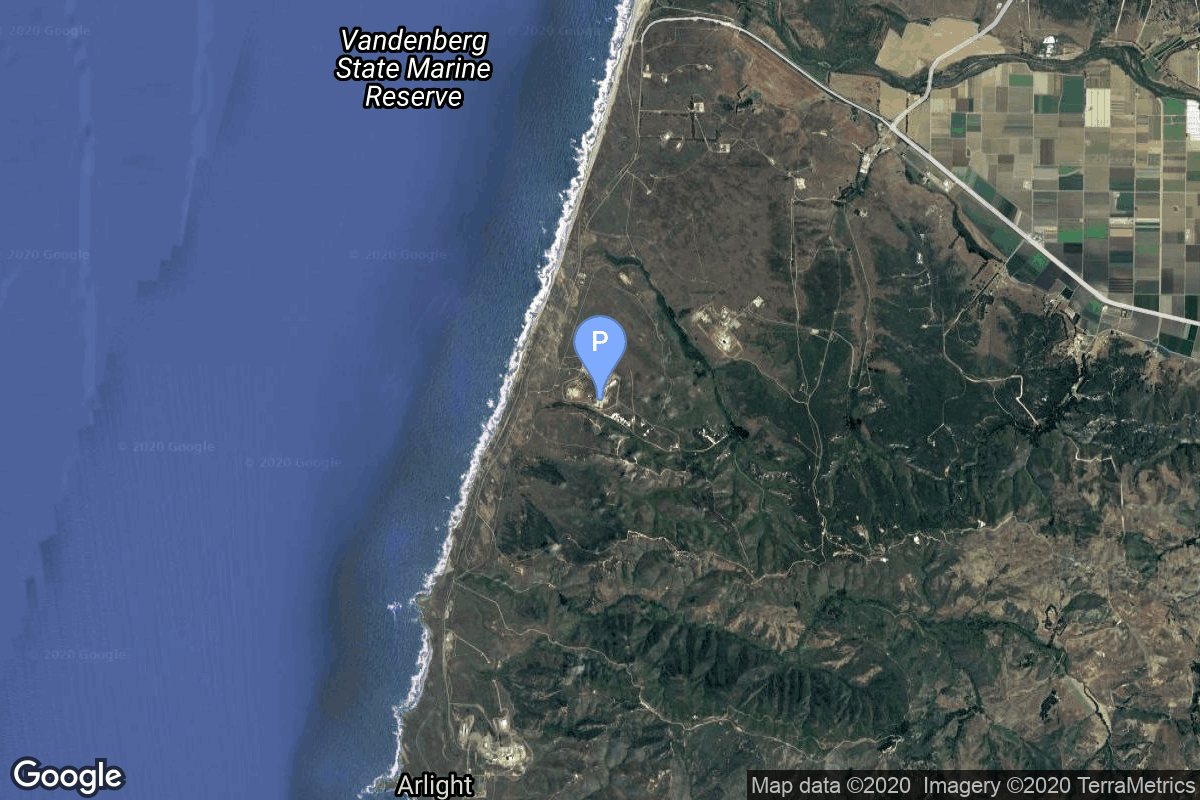
Provider: SpaceX Date: June 19, 2026 Time: 8:40 AM UTC Vehicle: Falcon 9
Fourteenth batch of satellites for a reconnaissance satellite constellation built by SpaceX and Northrop Grumman for the National Reconnaissance Office to provide imaging and other reconnaissance capabilities.
Project Starfall Demonstration Mission
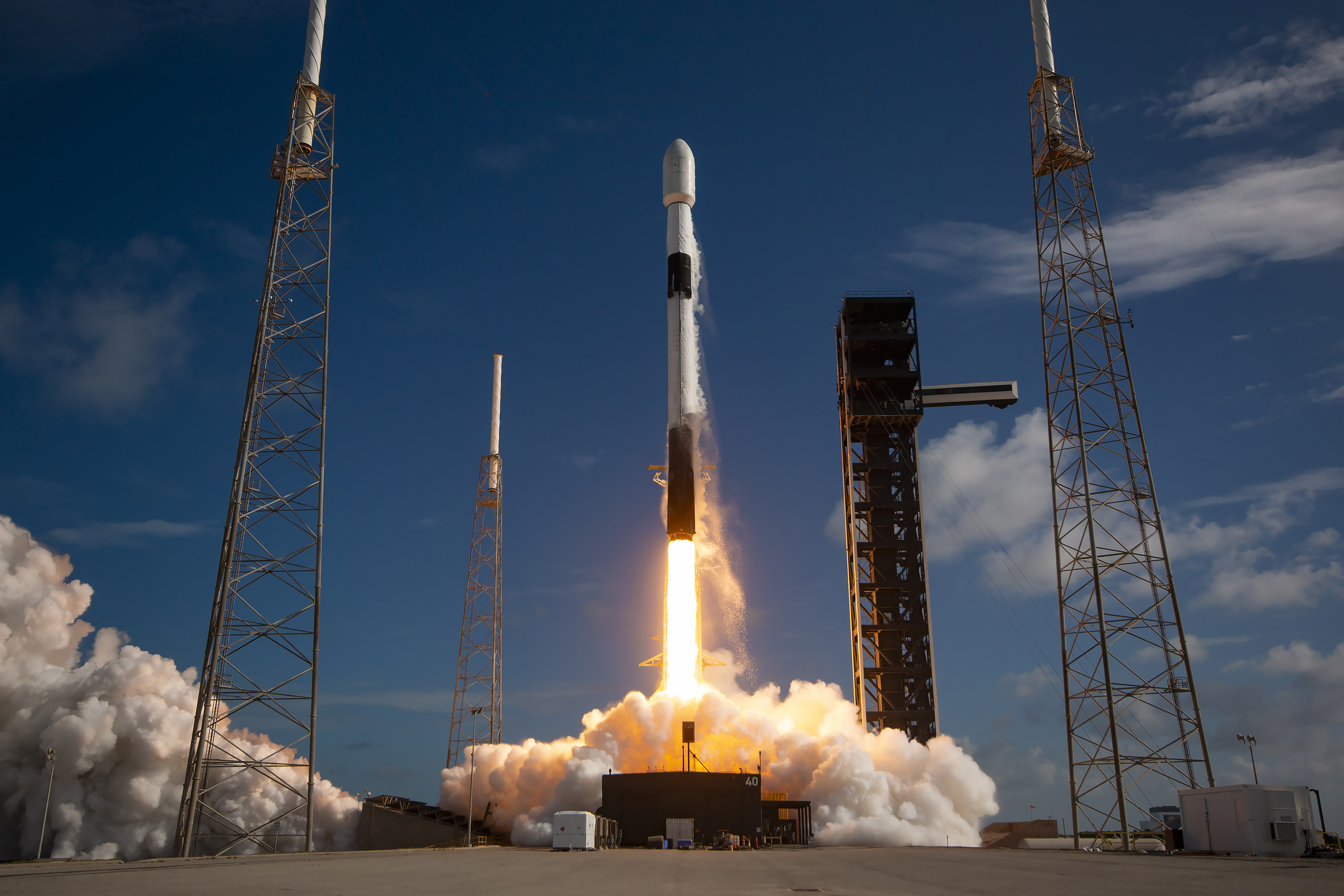
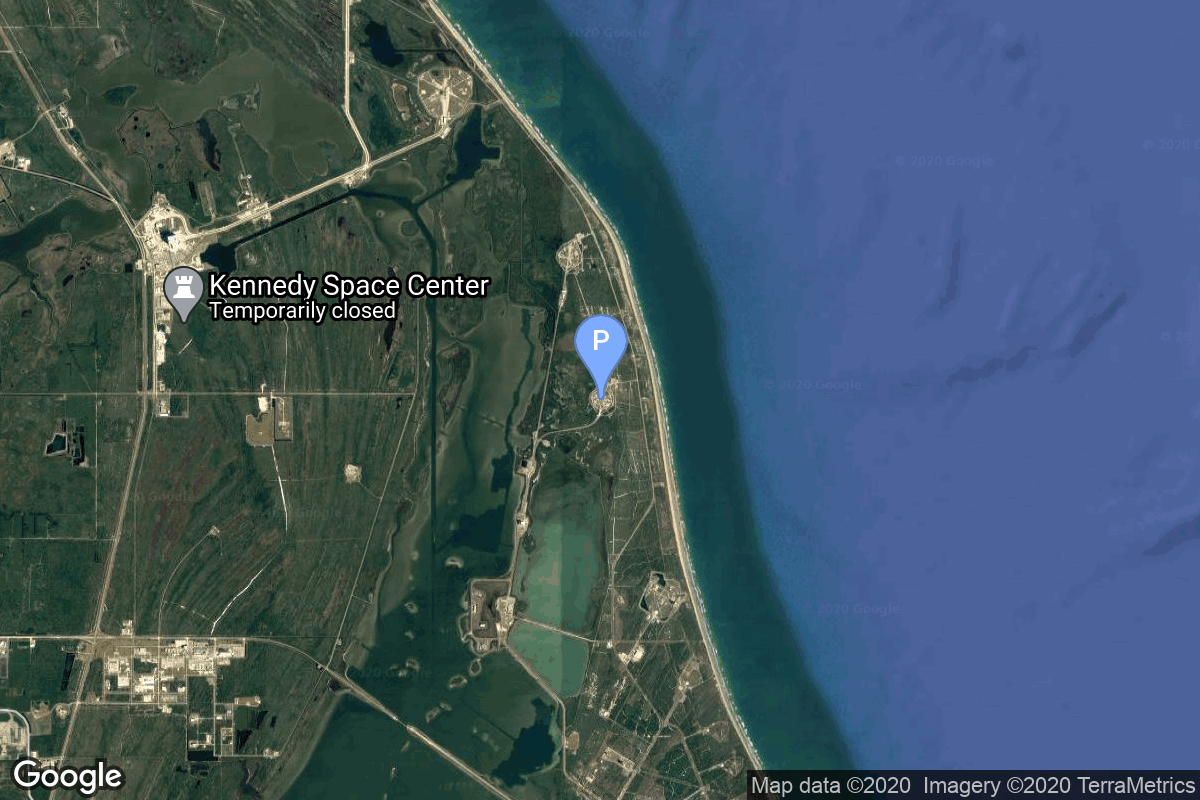
Provider: SpaceX Date: June 21, 2026 Time: 10:43 AM UTC Vehicle: Falcon 9
Note: Mission profile and payload details are TBD.
Demonstration mission for SpaceX’s Project Starfall, which aims to mass-produce reentry capsules designed to autonomously transport valuable customer experiments and other payloads safely back from space to Earth, including for in-orbit manufacturing.
Starfall is a cylindrical shaped capsule approximately 0.75 meters tall with a diameter of 3.1 meters, weighing approximately 2100 kilograms, and capable of carrying 1000 kilograms of payload. It is designed to be carried on Starship flights.
Starlink Group 17-28
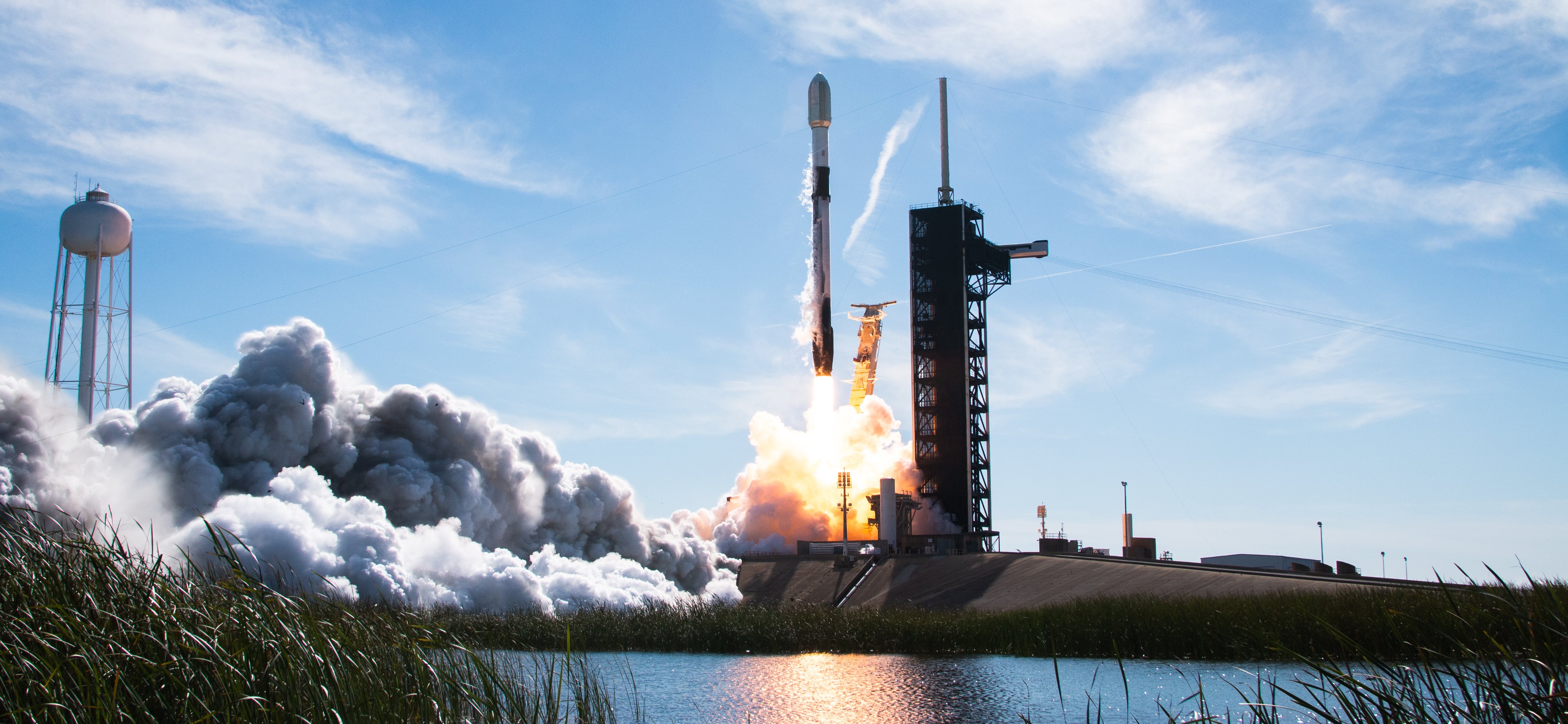
Provider: SpaceX Date: June 21, 2026 Time: 2:00 PM UTC Vehicle: Falcon 9
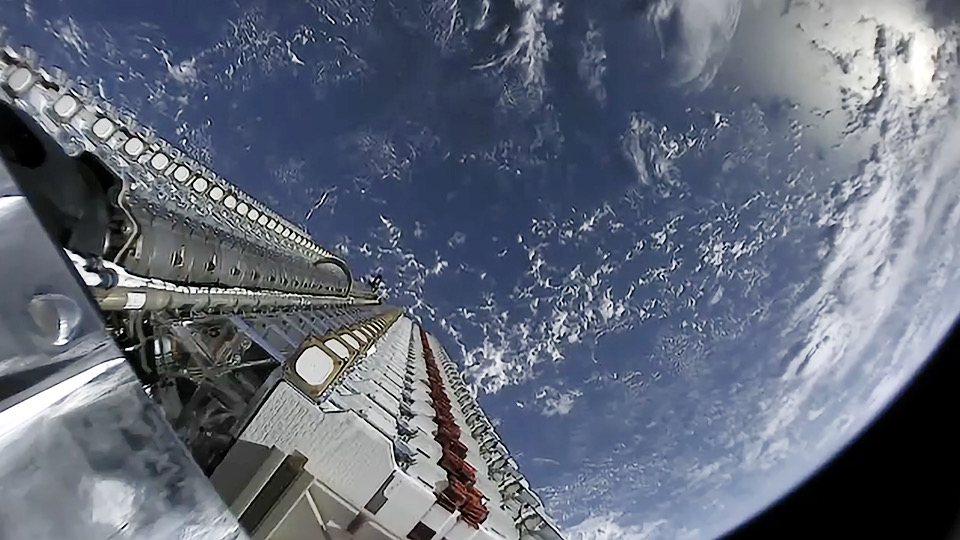
A batch of 24 satellites for the Starlink mega-constellation – SpaceX’s project for space-based Internet communication system.
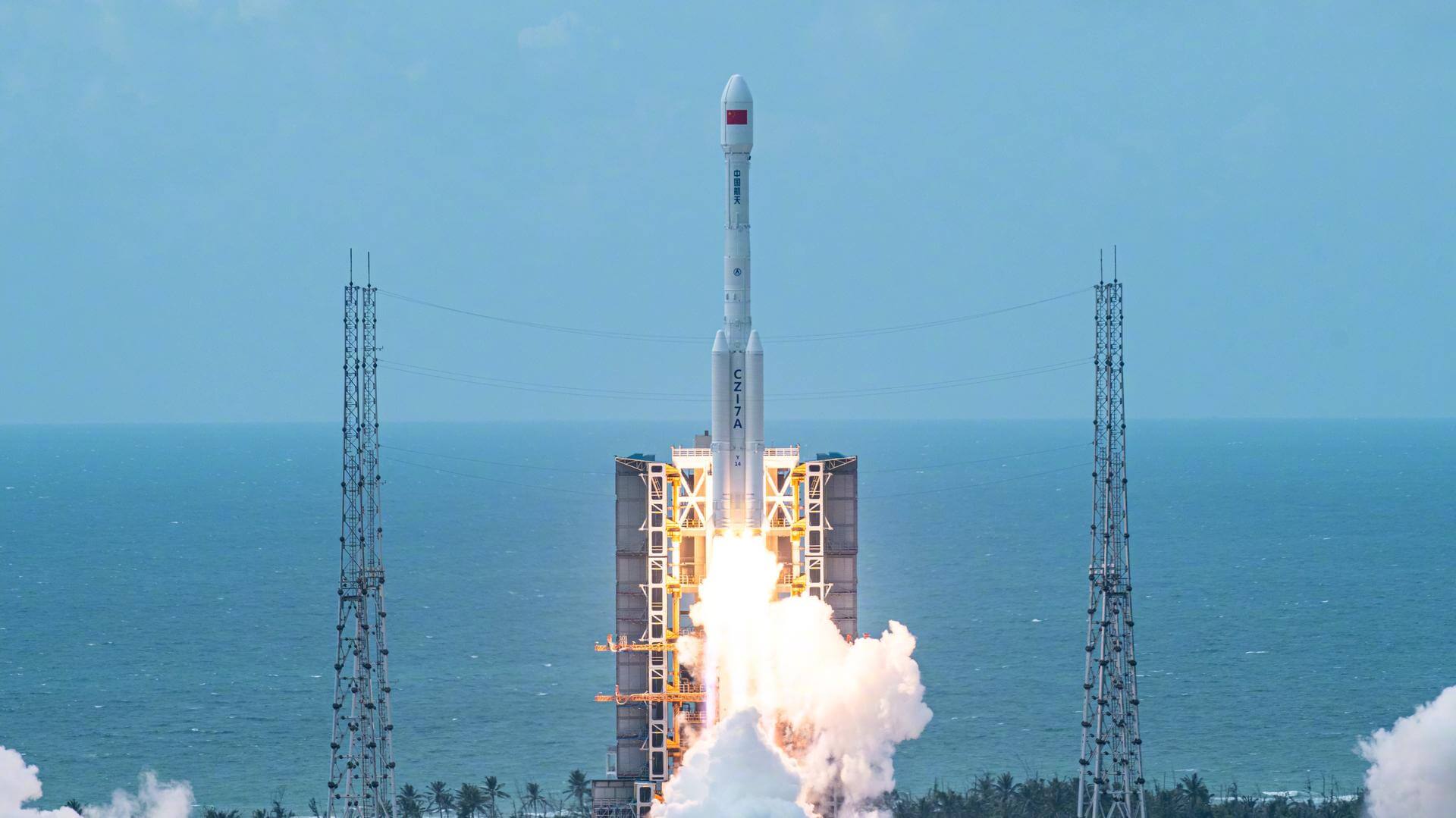
Unknown Payload
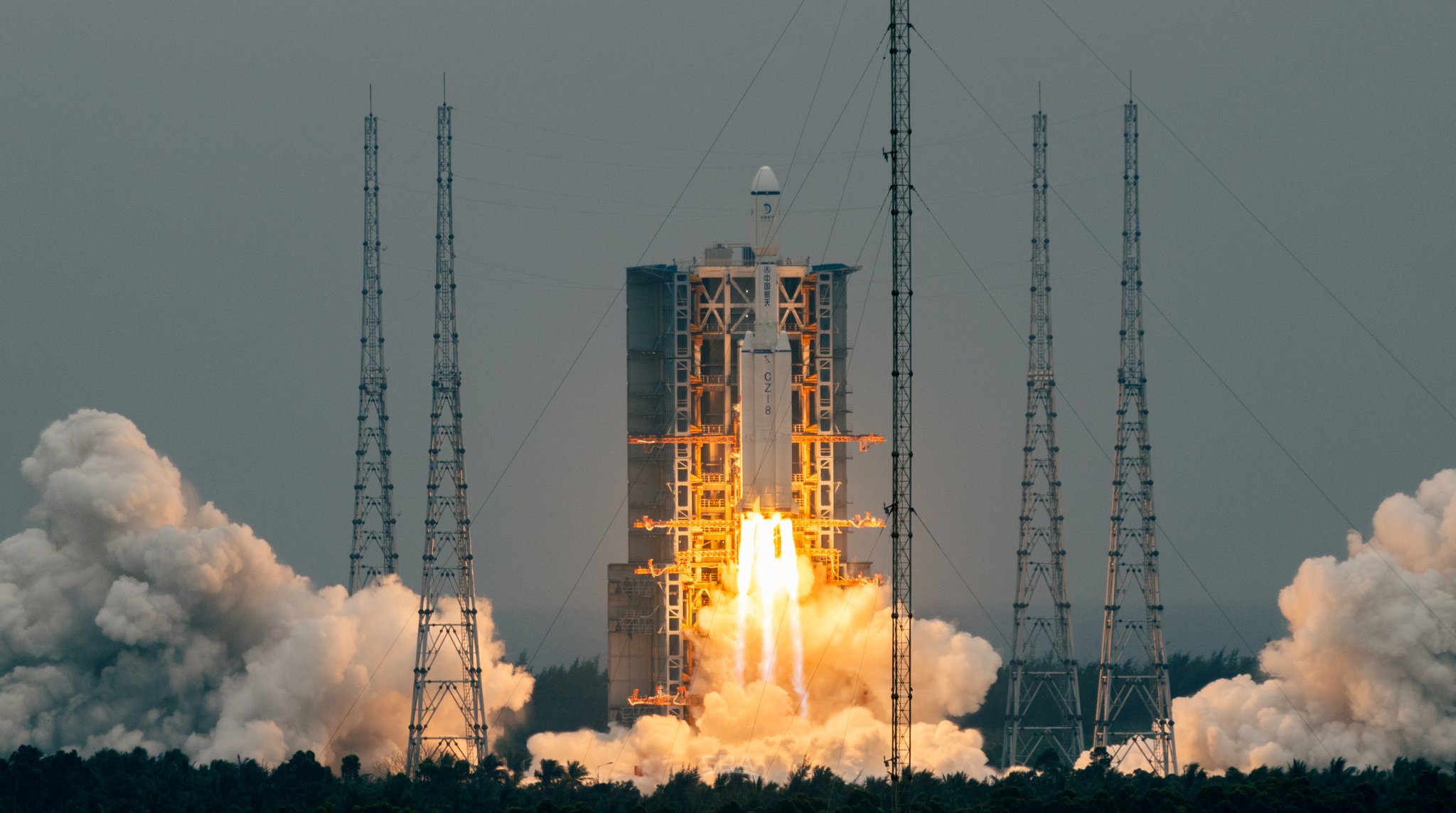
Provider: China Aerospace Science and Technology Corporation Date: June 23, 2026 Time: 2:10 AM UTC Vehicle: Long March 7A
Details TBD.
Starlink Group 17-45
Provider: SpaceX Date: June 25, 2026 Time: 2:48 AM UTC Vehicle: Falcon 9
A batch of 24 satellites for the Starlink mega-constellation – SpaceX’s project for space-based Internet communication system.
NROL-179 ×
Mission Details
TypeGovernment/Top Secret
OrbitUnknown
TargetEarth
Fourteenth batch of satellites for a reconnaissance satellite constellation built by SpaceX and Northrop Grumman for the National Reconnaissance Office to provide imaging and other reconnaissance capabilities.
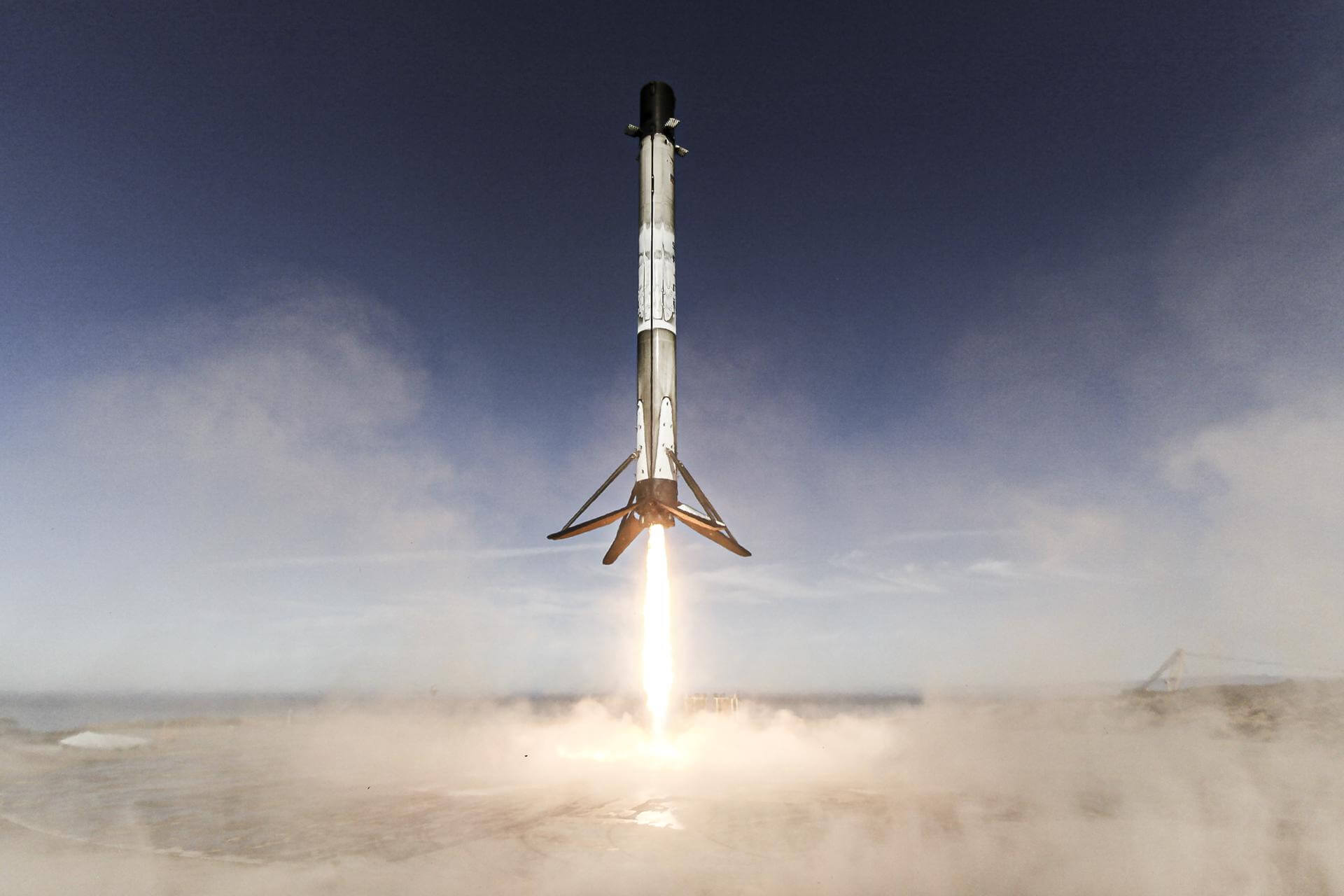
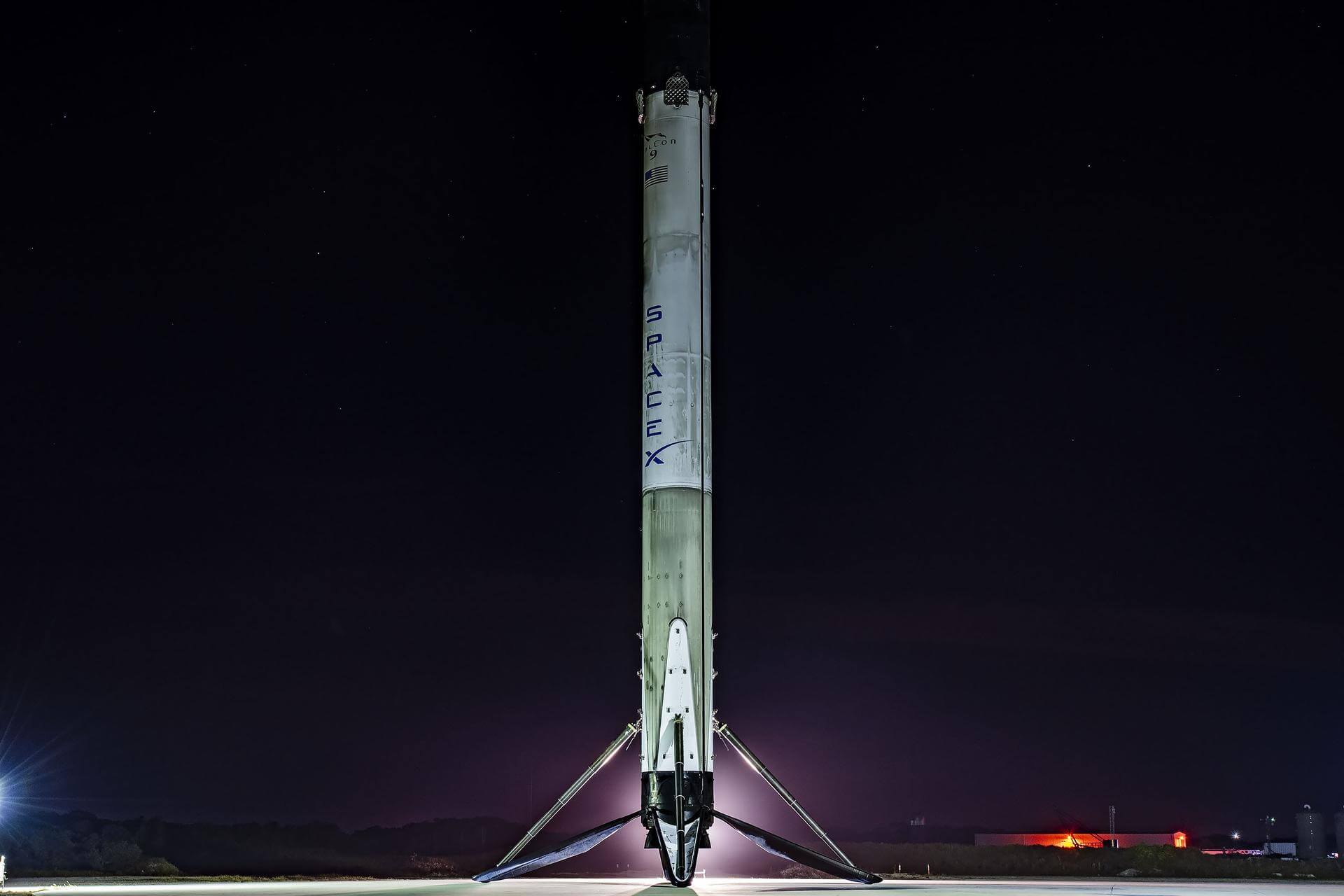
Falcon 9 is a two-stage rocket designed and manufactured by SpaceX for the reliable and safe transport of satellites and the Dragon spacecraft into orbit. The Block 5 variant is the fifth major interval aimed at improving upon the ability for rapid reusability.
The Falcon 9 first stage B1103 will land on Landing Zone 4 after its 3rd flight.
Project Starfall Demonstration Mission ×
Mission Details
TypeTechnology
OrbitLow Earth Orbit
TargetEarth
Note: Mission profile and payload details are TBD.
Demonstration mission for SpaceX’s Project Starfall, which aims to mass-produce reentry capsules designed to autonomously transport valuable customer experiments and other payloads safely back from space to Earth, including for in-orbit manufacturing.
Starfall is a cylindrical shaped capsule approximately 0.75 meters tall with a diameter of 3.1 meters, weighing approximately 2100 kilograms, and capable of carrying 1000 kilograms of payload. It is designed to be carried on Starship flights.
Launch Provider: SpaceX
Commercial • United States of America • Founded 2002
Falcon 9 is a two-stage rocket designed and manufactured by SpaceX for the reliable and safe transport of satellites and the Dragon spacecraft into orbit. The Block 5 variant is the fifth major interval aimed at improving upon the ability for rapid reusability.
Falcon 9 is a two-stage rocket designed and manufactured by SpaceX for the reliable and safe transport of satellites and the Dragon spacecraft into orbit. The Block 5 variant is the fifth major interval aimed at improving upon the ability for rapid reusability.
Falcon 9 is a two-stage rocket designed and manufactured by SpaceX for the reliable and safe transport of satellites and the Dragon spacecraft into orbit. The Block 5 variant is the fifth major interval aimed at improving upon the ability for rapid reusability.
Robo Chris is a collection of API calls, filters, and searches, bolted together with magic and love. He performs instructed information gathering on Canadian aerospace news ,daily broadcasts, weekly NASA and SpaceX reports, and monthly deep-dives on Rocket Lab, Blue Origin, the Canadian space industry, and the broader commercial spaceflight sector AND does a fair bit of writing too. Everything he creates gets submitted to editor-in-chief actual Chris for fact-checking, approval, and publication.