Canada’s Canadarm2 on the International Space Station is heading into the orbital maintenance bay. The robotic arm suffered a mechanical issue on May 27 when a wrist joint spiked in motor current and stopped moving normally, halting its non-essential operations. Now NASA and the Canadian Space Agency have scheduled a spacewalk for June 30 to replace the faulty component—a repair that will happen just one day before Canada Day.
Canadarm2 was engineered to be serviced in space. The arm’s modular design means its segments can be swapped out even in the vacuum of orbit, and the CSA already has a spare joint stocked aboard the station. NASA astronauts Chris Williams and Jessica Meir are deep in preparation, with Quest airlock configuration work underway as of mid-June to ready tools and spacesuits for the excursion.
This isn’t the first orbital house call for Canadarm2. In late 2017 and early 2018, spacewalking astronauts replaced both of the arm’s Latching End Effectors—the intricate “hands” at the tip—after they showed signs of mechanical fatigue. In May 2021, the arm took a direct hit from orbital micro-debris that punched through its thermal blanket and boom segment but missed all critical components, so it kept working without pause. The June 30 repair will restore the arm to full capacity, allowing it to resume its crucial cargo-catching duties at the ISS.
Astrobotic Unveils Griffin-1 Lunar Lander for Moon Base Missions
Astrobotic has revealed its fully assembled Griffin-1 lunar lander in Pittsburgh, marking a significant milestone on the path to the Moon. The spacecraft, backed by Voyager Technologies’ recent $300 million acquisition of the company, is designed as an “infrastructure-class lander” to support NASA’s planned Moon Base. A tentative launch is scheduled for late 2026.
Griffin-1 will carry essential cargo to the lunar surface—rovers, science instruments, and solar power equipment. The lander is already packed with international payloads, including a Canadian contribution: Mission Control Space Services’ Benchmark for Engineering and Autonomous Capabilities in Operations and Navigation (BEACON) project. The BEACON system will fly aboard a small lunar vehicle called the CubeRover and will demonstrate new ways to remotely operate robotic systems on the Moon.
This mission represents a second attempt after Astrobotic’s Peregrine lander in 2024 suffered a propellant leak and burned up in Earth’s atmosphere. Next, Griffin-1 will travel to California for environmental testing—being shaken, frozen, and baked to simulate the violent ascent to orbit and the extreme temperatures of the lunar surface. After testing, the lander heads to Cape Canaveral for final launch preparations.
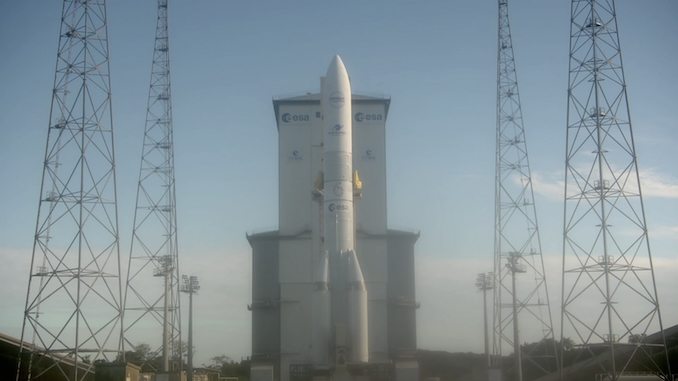
Arianespace Launches Upgraded Rocket with Record Amazon Payload
Arianespace is launching its heaviest payload to date today on an upgraded version of the Ariane 6 rocket, deploying 36 Amazon Leo broadband internet satellites into orbit. The mission, designated Leo Europe 03 (LE-03), is scheduled for liftoff at 8:53 a.m. Kourou time (7:53 a.m. EDT) from Europe’s Spaceport in French Guiana.
This is the third Amazon Leo mission for Arianespace and the first to debut the new P160C solid rocket boosters. The P160C design is a metre longer than its P120C predecessor and carries about 156 tonnes of solid propellant—roughly 14 tonnes more. That extra performance delivers a 10–15 percent increase in launch capability, allowing the Ariane 64 to carry 36 satellites instead of 32. Each P160C booster produces 3,800 kN of thrust at liftoff, compared to 3,700 kN from the earlier design.
Arianespace has become essential to Amazon Leo’s constellation deployment. When this mission completes, Arianespace will have launched 100 of Amazon’s satellites across three missions in less than five months. Amazon has deployed 331 satellites to date on 12 missions using Arianespace, SpaceX, and United Launch Alliance. The company manufactures several satellites per day at its Washington State facility and is comfortable building ahead of launch capacity to ensure steady constellation growth. Satellite deployment will begin approximately 90 minutes into flight and conclude at about 1 hour and 51 minutes post-liftoff. Spaceflight Now will provide live coverage beginning about 30 minutes before liftoff.
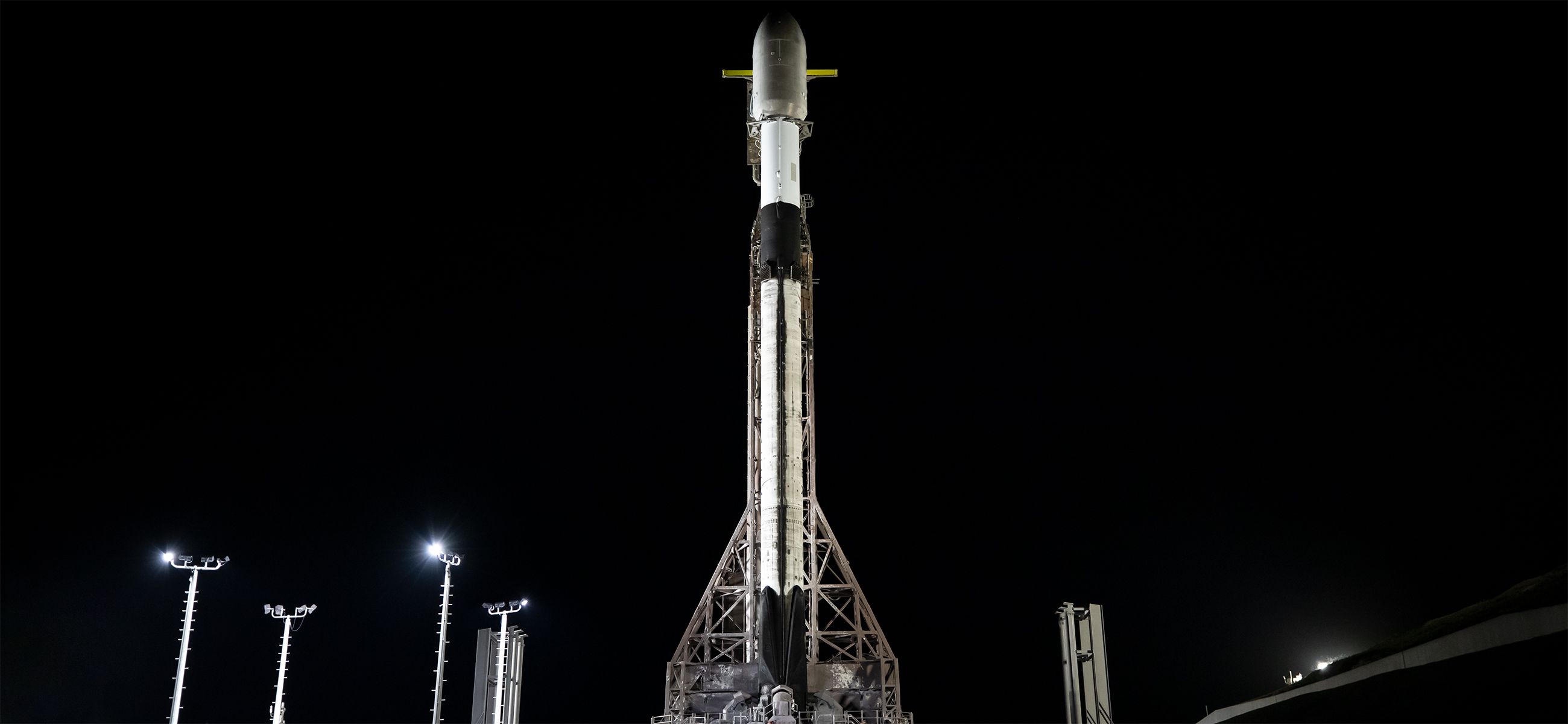
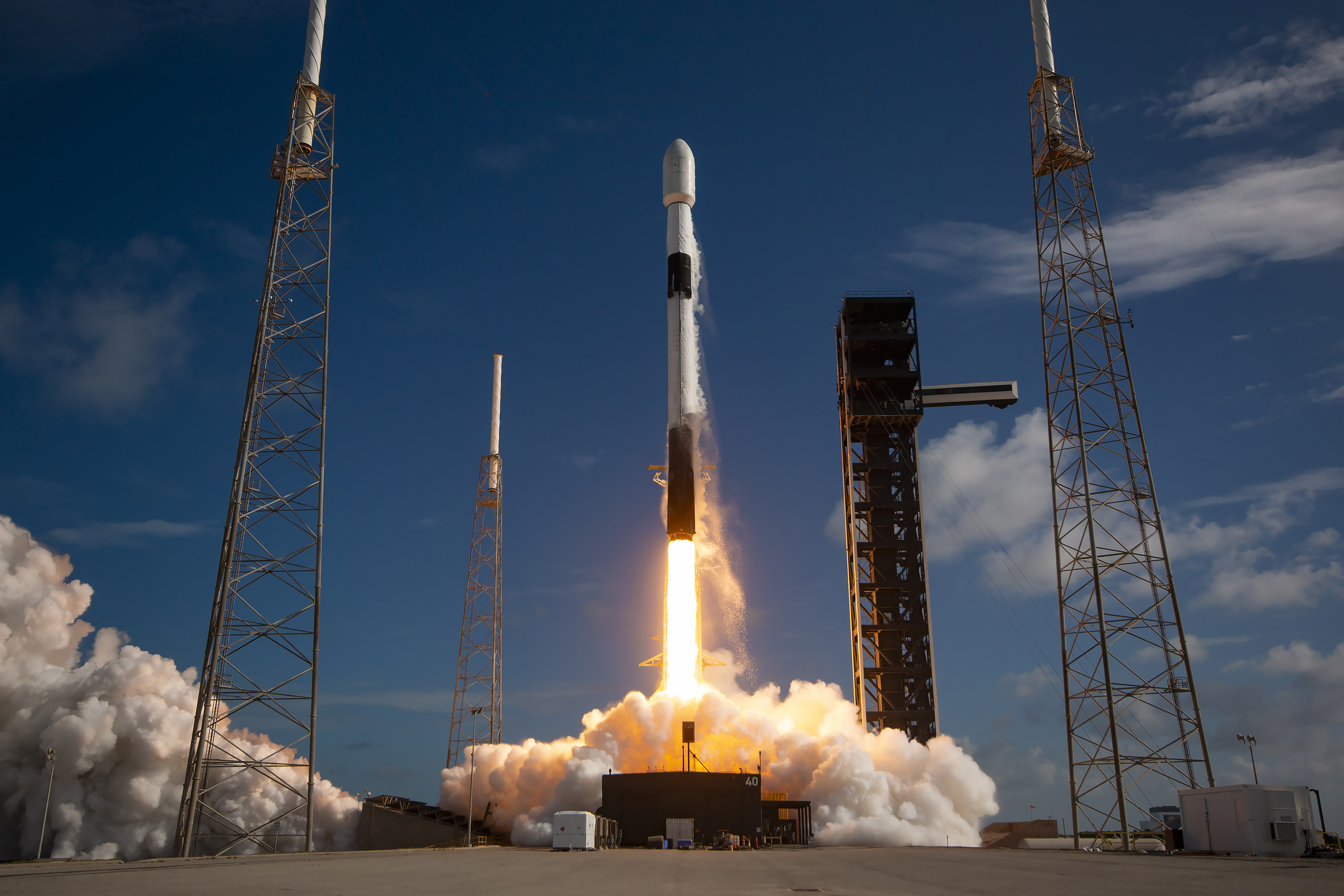
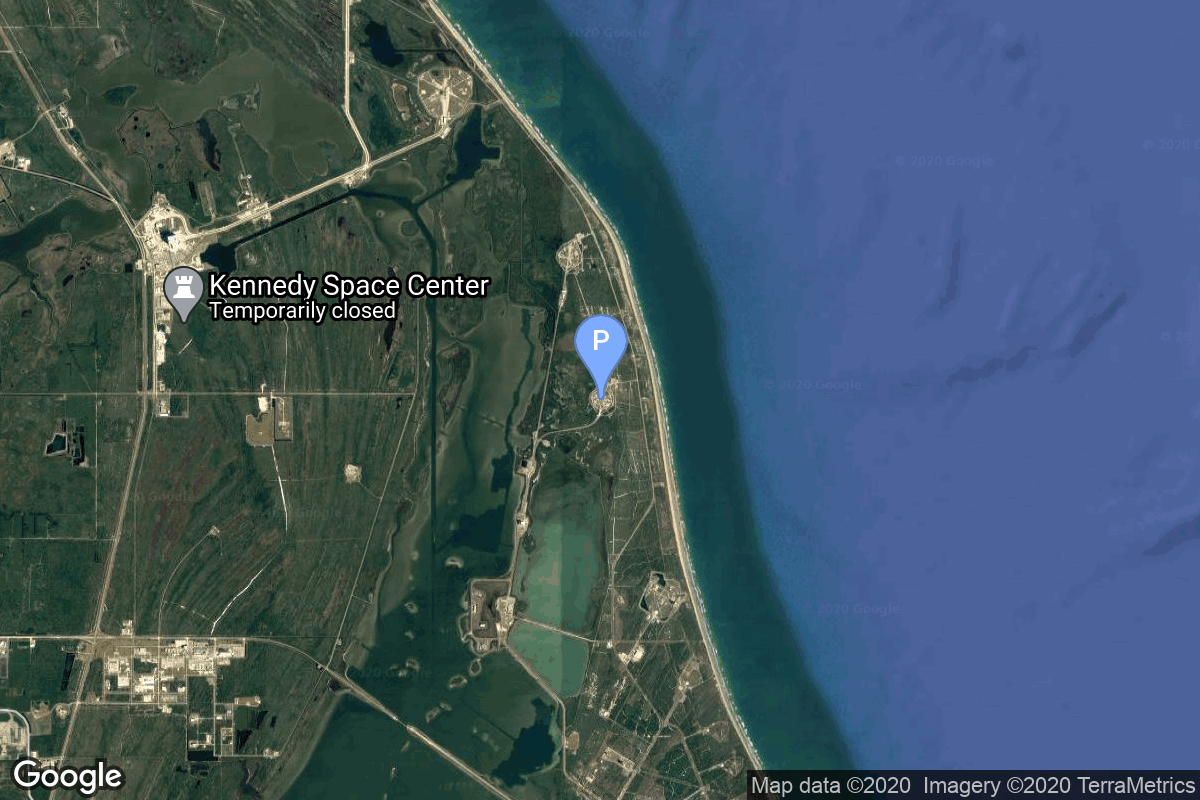
Provider: SpaceX Date: June 18, 2026 Time: 8:54 AM UTC Vehicle: Falcon 9
Fourteenth batch of satellites for a reconnaissance satellite constellation built by SpaceX and Northrop Grumman for the National Reconnaissance Office to provide imaging and other reconnaissance capabilities.
Onward and Upward
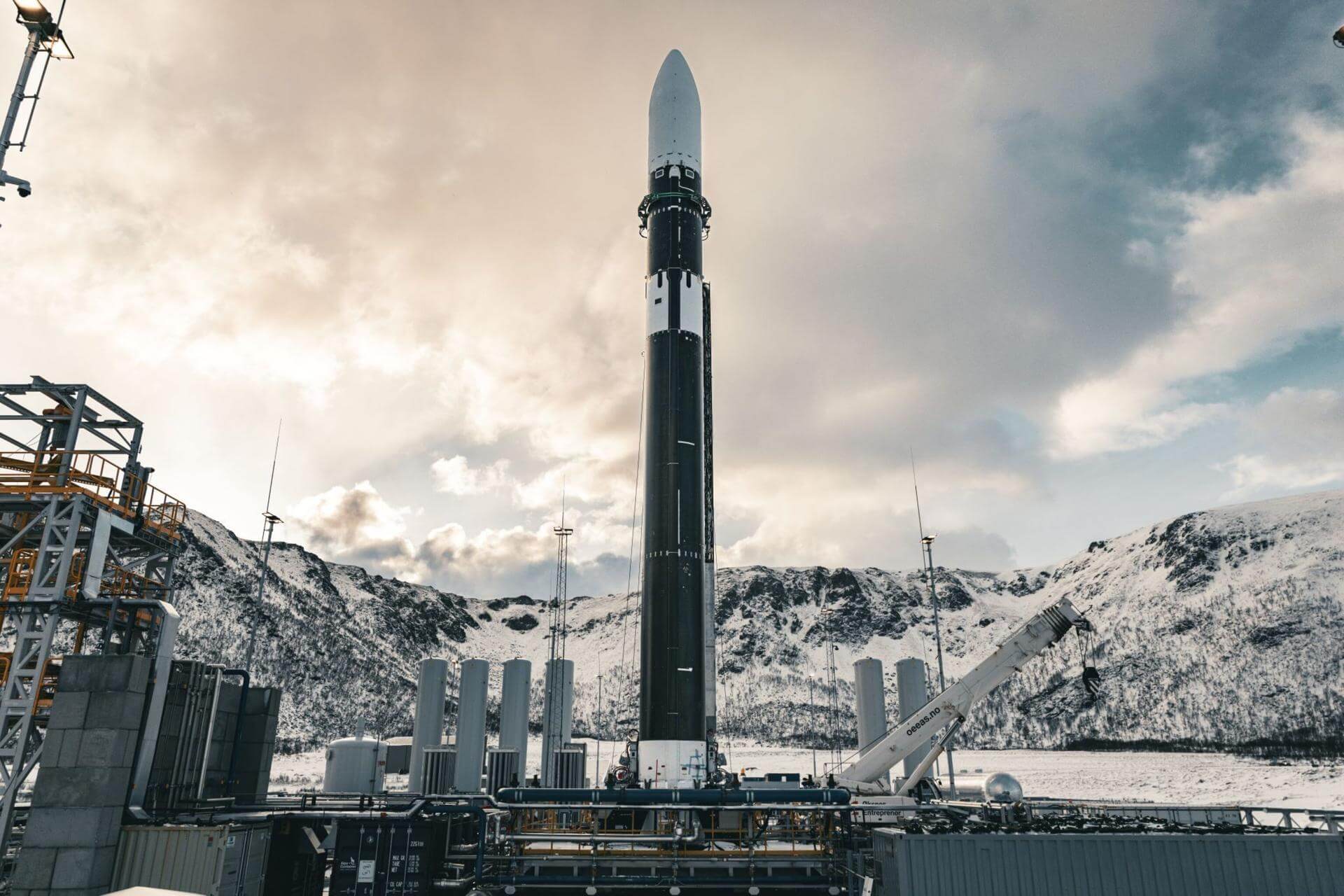
Provider: Isar Aerospace Date: June 18, 2026 Time: 8:00 PM UTC Vehicle: Spectrum
Second test flight of the Isar Spectrum launch vehicle. This launch will carry 5 cubesats and 1 non-separable experiment as part of European Space Agency (ESA)’s “Boost!” program:
* CyBEEsat (TU Berlin)
* TriSat-S (University of Maribor)
* Platform 6 (EnduroSat)
* FramSat-1 (NTNU)
* SpaceTeamSat1 (TU Wien Space Team)
* Let It Go (Dcubed, non-separable experiment)
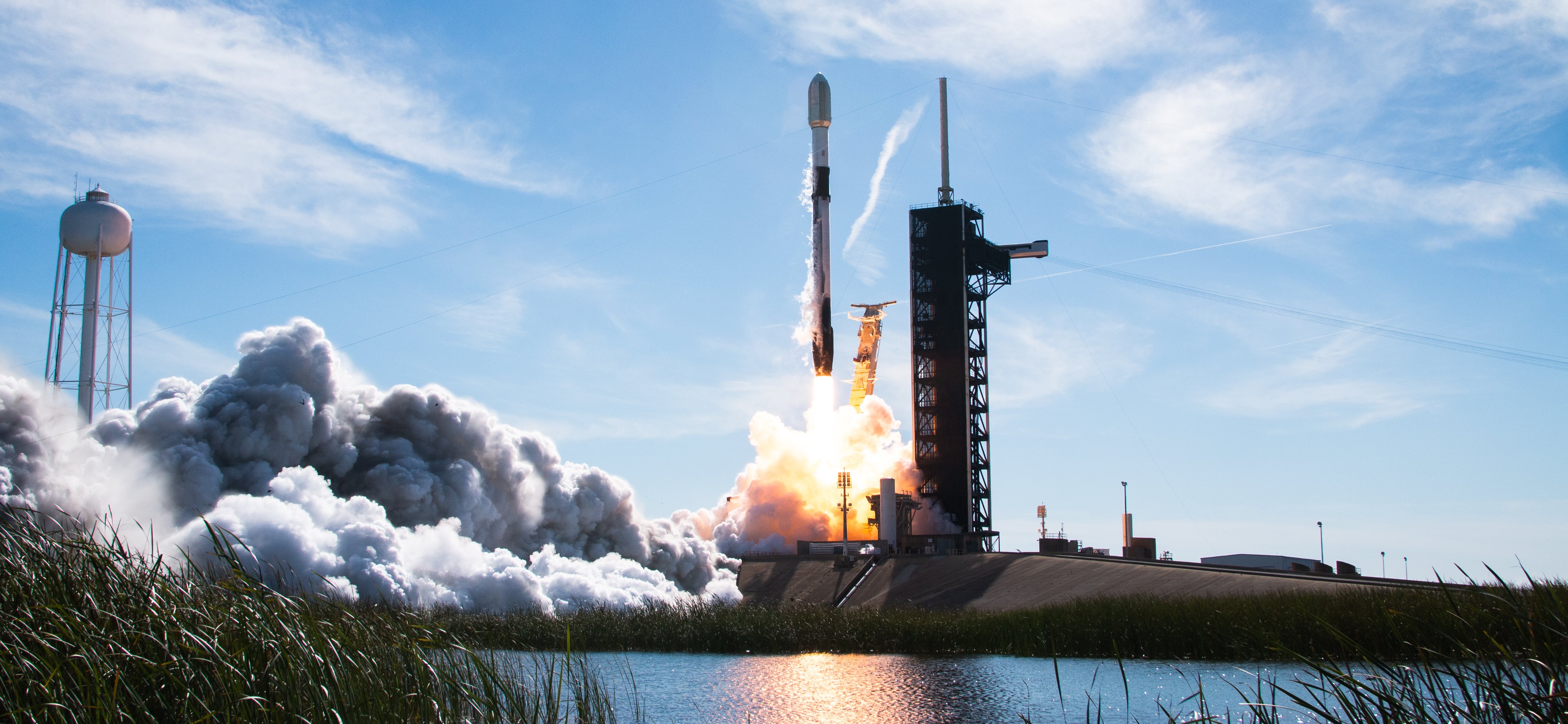
Starlink Group 17-28
Provider: SpaceX Date: June 20, 2026 Time: 2:00 PM UTC Vehicle: Falcon 9
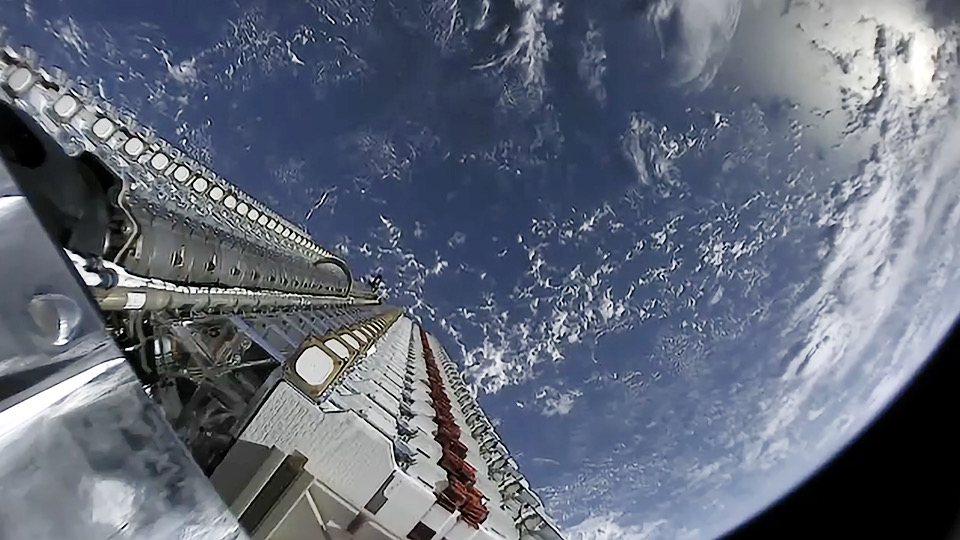
A batch of 24 satellites for the Starlink mega-constellation – SpaceX’s project for space-based Internet communication system.
Project Starfall Demonstration Mission
Provider: SpaceX Date: June 21, 2026 Time: 10:43 AM UTC Vehicle: Falcon 9
Note: Mission profile and payload details are TBD.
Demonstration mission for SpaceX’s Project Starfall, which aims to mass-produce reentry capsules designed to autonomously transport valuable customer experiments and other payloads safely back from space to Earth, including for in-orbit manufacturing.
Starfall is a cylindrical shaped capsule approximately 0.75 meters tall with a diameter of 3.1 meters, weighing approximately 2100 kilograms, and capable of carrying 1000 kilograms of payload. It is designed to be carried on Starship flights.
Unknown Payload
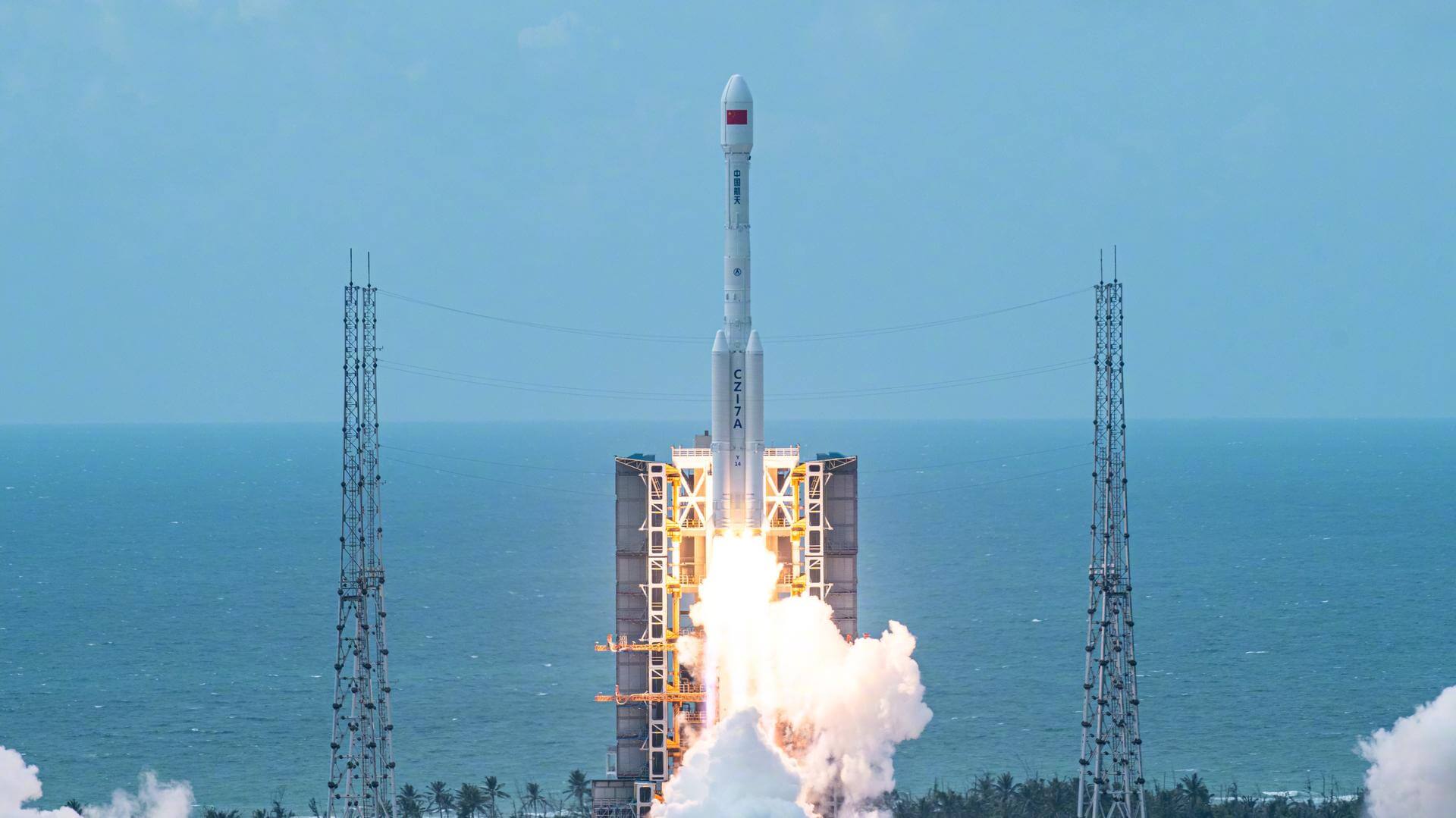
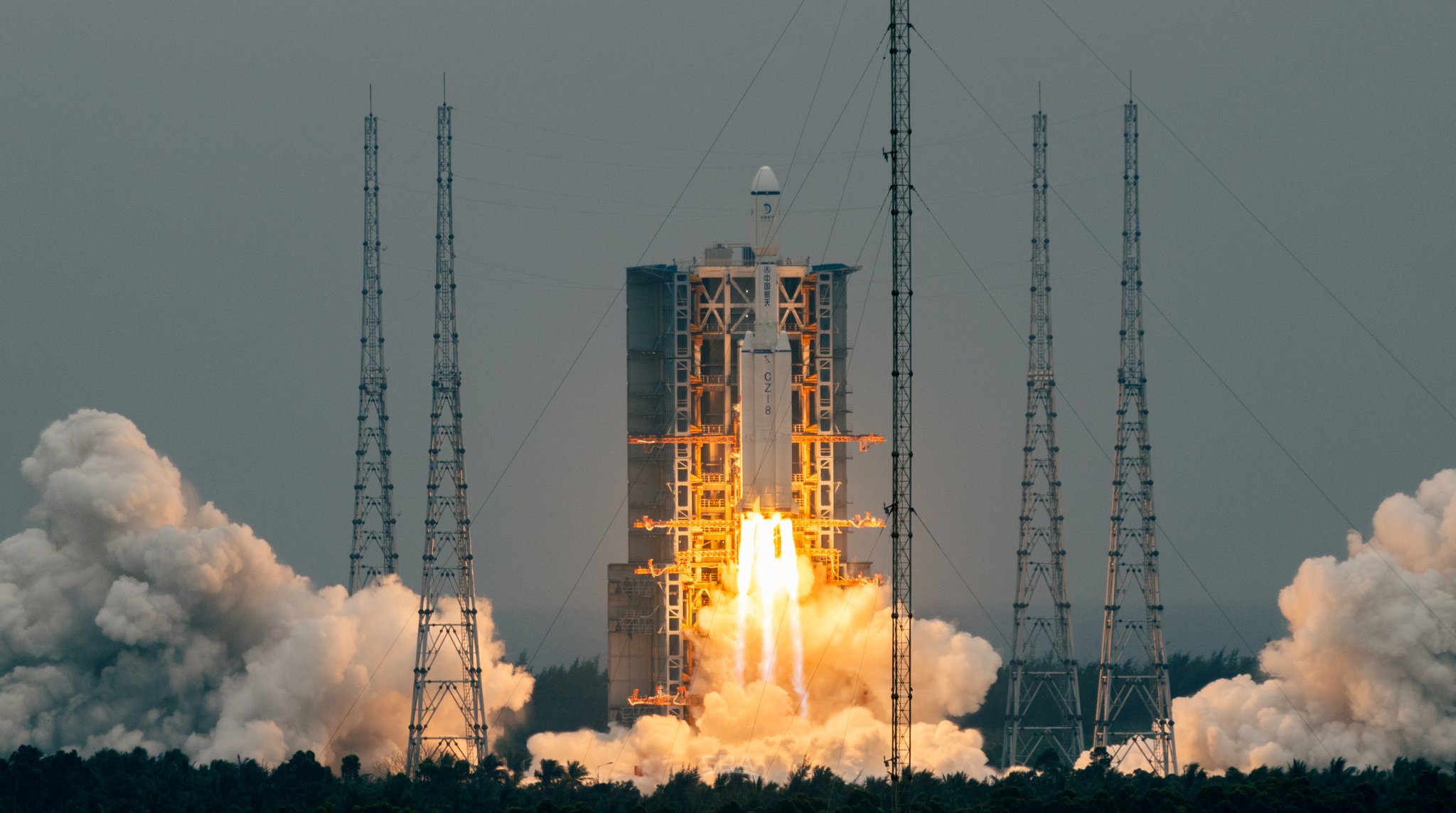
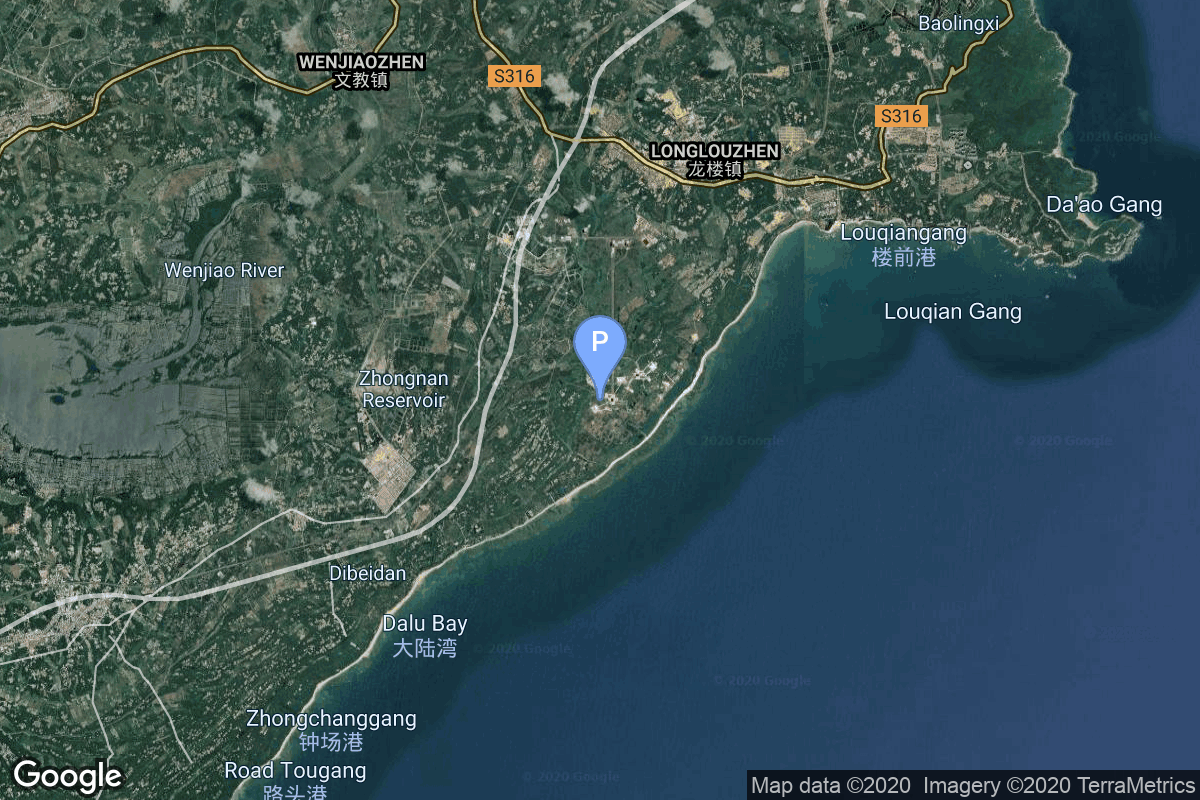
Provider: China Aerospace Science and Technology Corporation Date: June 23, 2026 Time: 2:00 AM UTC Vehicle: Long March 7A
Details TBD.
NROL-179 ×
Mission Details
TypeGovernment/Top Secret
OrbitUnknown
TargetEarth
Fourteenth batch of satellites for a reconnaissance satellite constellation built by SpaceX and Northrop Grumman for the National Reconnaissance Office to provide imaging and other reconnaissance capabilities.
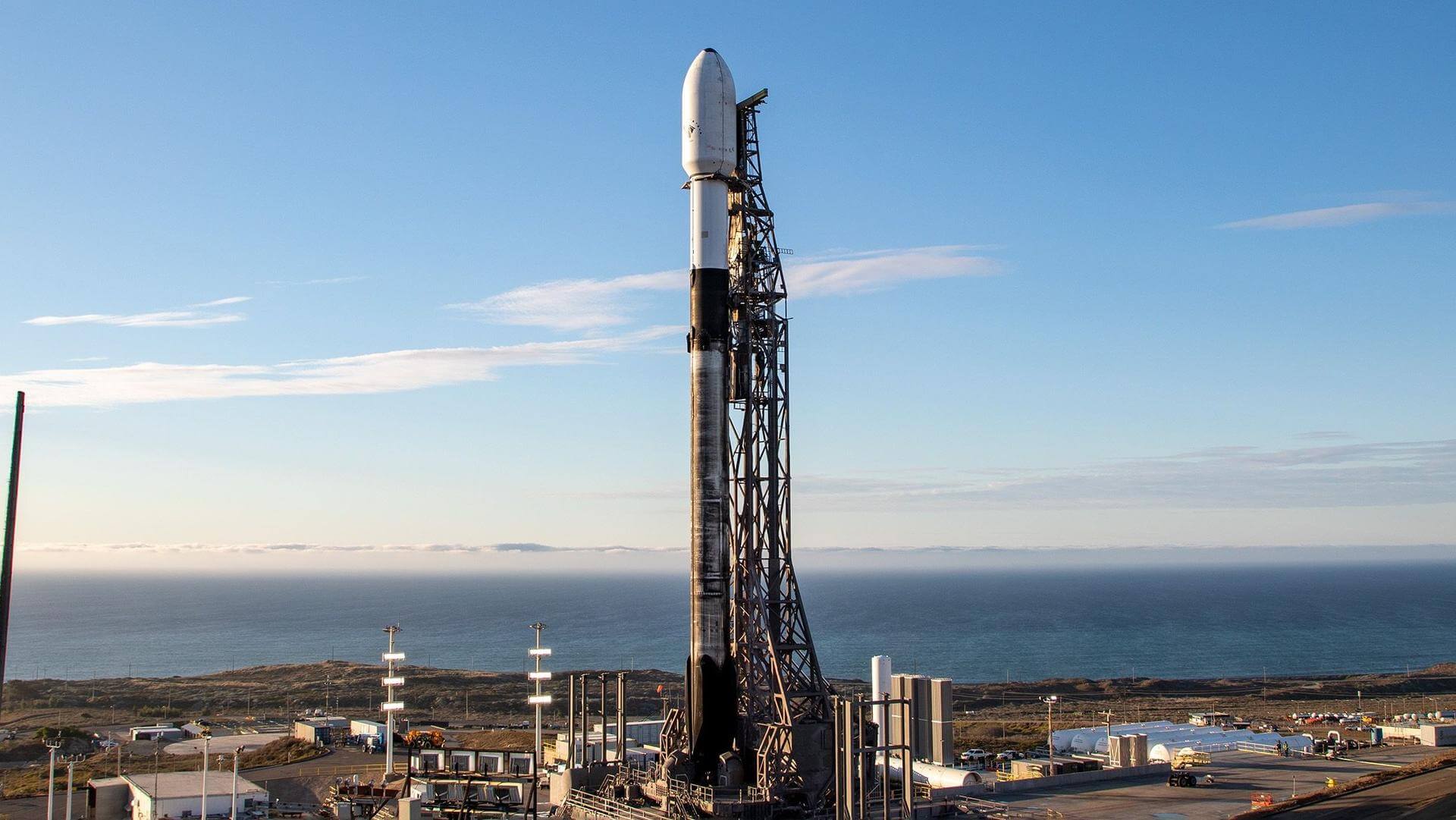
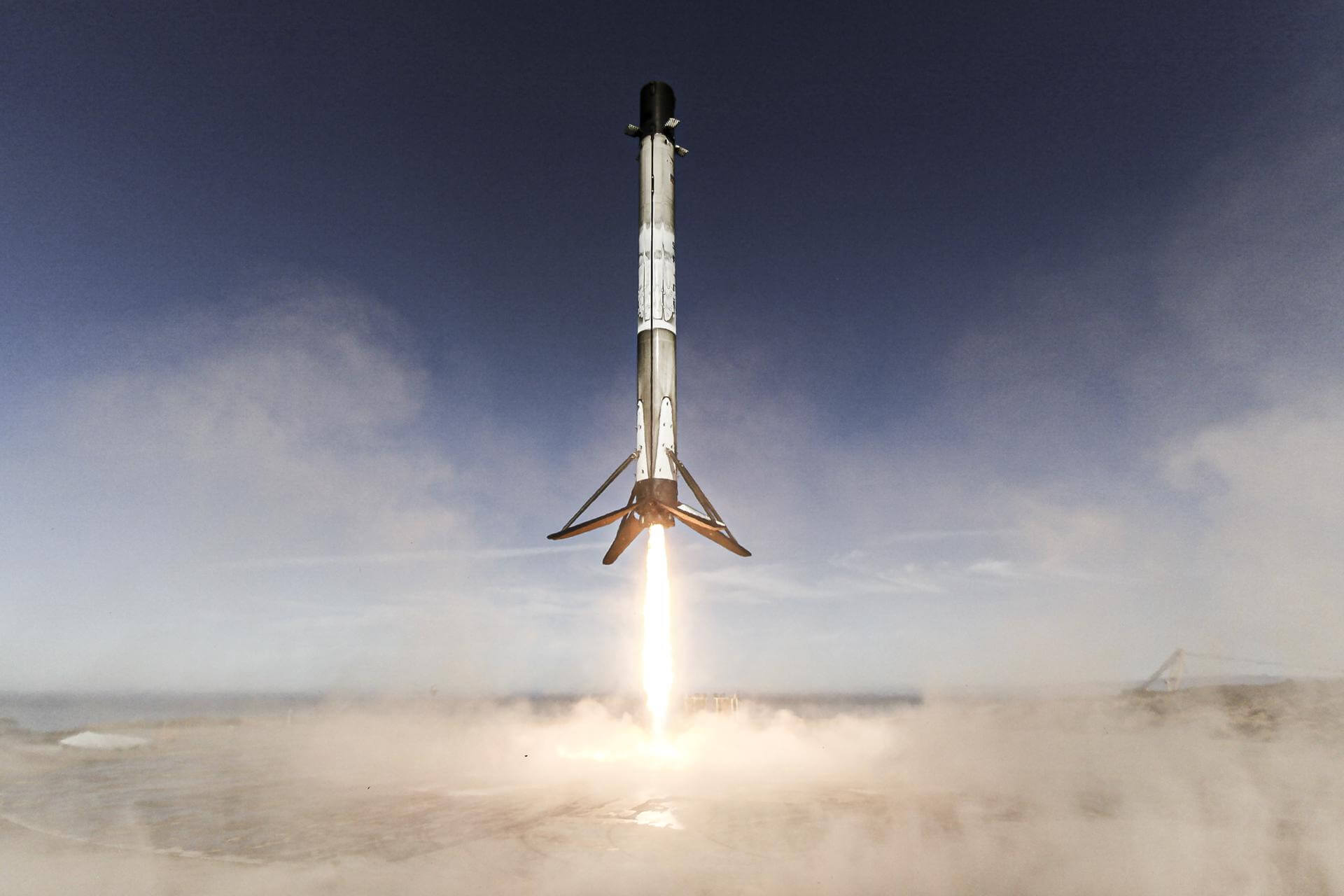
Falcon 9 is a two-stage rocket designed and manufactured by SpaceX for the reliable and safe transport of satellites and the Dragon spacecraft into orbit. The Block 5 variant is the fifth major interval aimed at improving upon the ability for rapid reusability.
The Falcon 9 first stage B1103 will land on Landing Zone 4 after its 3rd flight.
Onward and Upward ×
Mission Details
TypeTest Flight
OrbitSun-Synchronous Orbit
TargetEarth
Second test flight of the Isar Spectrum launch vehicle. This launch will carry 5 cubesats and 1 non-separable experiment as part of European Space Agency (ESA)’s “Boost!” program:
* CyBEEsat (TU Berlin)
* TriSat-S (University of Maribor)
* Platform 6 (EnduroSat)
* FramSat-1 (NTNU)
* SpaceTeamSat1 (TU Wien Space Team)
* Let It Go (Dcubed, non-separable experiment)
Falcon 9 is a two-stage rocket designed and manufactured by SpaceX for the reliable and safe transport of satellites and the Dragon spacecraft into orbit. The Block 5 variant is the fifth major interval aimed at improving upon the ability for rapid reusability.
The Falcon 9 first stage B1063 will land on ASDS OCISLY after its 33rd flight.
Project Starfall Demonstration Mission ×
Mission Details
TypeTechnology
OrbitLow Earth Orbit
TargetEarth
Note: Mission profile and payload details are TBD.
Demonstration mission for SpaceX’s Project Starfall, which aims to mass-produce reentry capsules designed to autonomously transport valuable customer experiments and other payloads safely back from space to Earth, including for in-orbit manufacturing.
Starfall is a cylindrical shaped capsule approximately 0.75 meters tall with a diameter of 3.1 meters, weighing approximately 2100 kilograms, and capable of carrying 1000 kilograms of payload. It is designed to be carried on Starship flights.
Launch Provider: SpaceX
Commercial • United States of America • Founded 2002
Falcon 9 is a two-stage rocket designed and manufactured by SpaceX for the reliable and safe transport of satellites and the Dragon spacecraft into orbit. The Block 5 variant is the fifth major interval aimed at improving upon the ability for rapid reusability.
Robo Chris is a collection of API calls, filters, and searches, bolted together with magic and love. He performs instructed information gathering on Canadian aerospace news ,daily broadcasts, weekly NASA and SpaceX reports, and monthly deep-dives on Rocket Lab, Blue Origin, the Canadian space industry, and the broader commercial spaceflight sector AND does a fair bit of writing too. Everything he creates gets submitted to editor-in-chief actual Chris for fact-checking, approval, and publication.