
The Daily Broadcast: Canada Invests $5M in Quantum Communications with UK

Canada Invests $5 Million in Quantum Communications with UK
The Canadian Space Agency has opened a $5 million funding competition to develop a secure transatlantic quantum communications network with the United Kingdom. The initiative builds directly on a June 2025 joint commitment between the Canadian and UK Prime Ministers to advance next-generation, quantum-encrypted communications spanning the Atlantic. Applications are due by July 15, 2026, with projects expected to launch in September and run for 24 to 36 months.
The core technology is Quantum Key Distribution (QKD), which creates virtually unbreakable encryption by leveraging quantum mechanics. The challenge: QKD signals degrade over long distances through terrestrial fibre-optic cables. The CSA’s solution is to integrate satellites with ground-based stations, creating a continuous secure communication loop between end users across both nations. The successful applicant will work directly with a UK partner to demonstrate real quantum-key exchange via satellite between at least two ground stations.
Eligibility is restricted to established Canadian for-profit companies with more than 100 employees in Canada and over $5 million in annual revenue for the past three years. The CSA will award up to $5 million as a non-repayable contribution covering up to 75 percent of eligible project costs. The winning project must also demonstrate integration of at least three distinct Canadian technologies from three separate non-academic organizations and aim for Technology Readiness Level 6 or lower—meaning system prototypes tested in relevant environments rather than flight-ready hardware.
This funding opportunity follows on from the CSA’s QEYSSat mission, a dedicated quantum encryption and science satellite expected to launch later this year. QEYSSat will serve as a testbed for quantum communications in orbit, establishing the technical foundation that this new transatlantic project will build upon.
WildFireSat Rebooted as Fire Season Intensifies

As Canada faces an increasingly severe 2026 wildfire season with 134 active fires burning across the country and over 113,000 hectares already consumed as of early June, the CSA has reset its tender for the WildFireSat Earth observation constellation—the world’s first satellite system purpose-built to monitor fire behaviour in real time.
In May, the CSA terminated its contract with Spire Global Canada to design and develop the constellation. The termination was issued “for convenience,” meaning no fault was attributed to Spire; the company will be compensated for completed work and remains eligible to bid when the CSA reissues the tender. The agency has launched a Request for Information to reengage industry partners and asserts that the mission will remain on schedule and budget.
When operational, WildFireSat will deliver continuous, real-time measurements of fire behaviour, smoke trajectories, and burn intensity across Canadian territory. These data streams will give emergency managers the visibility needed to allocate firefighting resources across vast remote regions. In parallel, the federal government has allocated $6 million to the WildFireSat Remote Sensing Capacity programme, which funds provinces, territories, and Indigenous fire management agencies to integrate satellite data into their operations—covering up to 75 percent of costs for training, expertise building, and system upgrades.
“Many Canadians are currently on the front lines protecting their communities and neighbours from wildfires,” said Corey Hogan, Parliamentary Secretary to the Minister of Energy and Natural Resources. “Our government is supporting these efforts by making sure they have the information they need to assess risks and where to deploy crews and resources to protect lives and communities.” The broader strategy also includes a $316.7 million lease for 10 dedicated aerial firefighting aircraft and investment in a new Government Operations Centre, marking a shift toward intelligence-led, proactive wildfire management.
Exploration Company Advances Nyx Reentry Capsule

The Exploration Company successfully completed a drop test of its Nyx cargo capsule on May 19 in California’s Mojave Desert, clearing a critical phase of the parachute qualification campaign ahead of a 2028 orbital test flight. A helicopter carried a Drop Test Vehicle model to an altitude of 2,800 metres, then released it to test parachute deployment under realistic conditions.
The test sequence unfolded as planned: two drogue parachutes first stabilised the vehicle during initial descent, then four main parachutes deployed for the final descent and landing. “Initial analysis confirms that the required conditions and event timings were achieved, including nominal extraction and handover from the drogues to the main parachutes,” the company reported. “The vehicle dynamics observed during initial release and handover were in line with expectations for this DTV configuration, including its mass and inertia range.” Conducting the test on land rather than water simplified logistics while delivering the same parachute performance data.
The drop test complements earlier water-impact testing conducted in January at an Italian facility. These validation phases address two critical unknowns: the company lost contact with its Mission Possible reentry test capsule after splashdown in late 2025 and did not recover it. While investigation into what went wrong remains ongoing, The Exploration Company has proceeded with systematic qualification of the parachute and splashdown systems in isolation.
The 2028 orbital test will mark the first crewed resupply mission to the International Space Station under the European Space Agency’s commercial cargo development programme, which selected The Exploration Company and Thales Alenia Space in 2024. The company is also advancing engine development—the Huracan engine (3,370-pound-force, liquid oxygen and methane) for lunar landers, and the Storm engine (400,000-pound-force) intended to power a future commercial launcher called Yrene. CEO Hélène Huby announced in May that the company is seeking $200 million in funding to accelerate rocket engine development, with discussions underway in the UAE and other markets.
Citations
- “Canada offers $5 million to build satellite quantum communications link with the UK” — https://spaceq.ca/canada-offers-5-million-to-build-satellite-quantum-communications-link-with-the-uk/
- “Canada updates 2026 wildfire season, WildFireSat constellation to help when online” — https://spaceq.ca/canada-updates-2026-wildfire-season-wildfiresat-constellation-to-help-when-online/
- “The Exploration Company completes drop test of Nyx capsule” — https://spacenews.com/the-exploration-company-completes-drop-test-of-nyx-capsule/

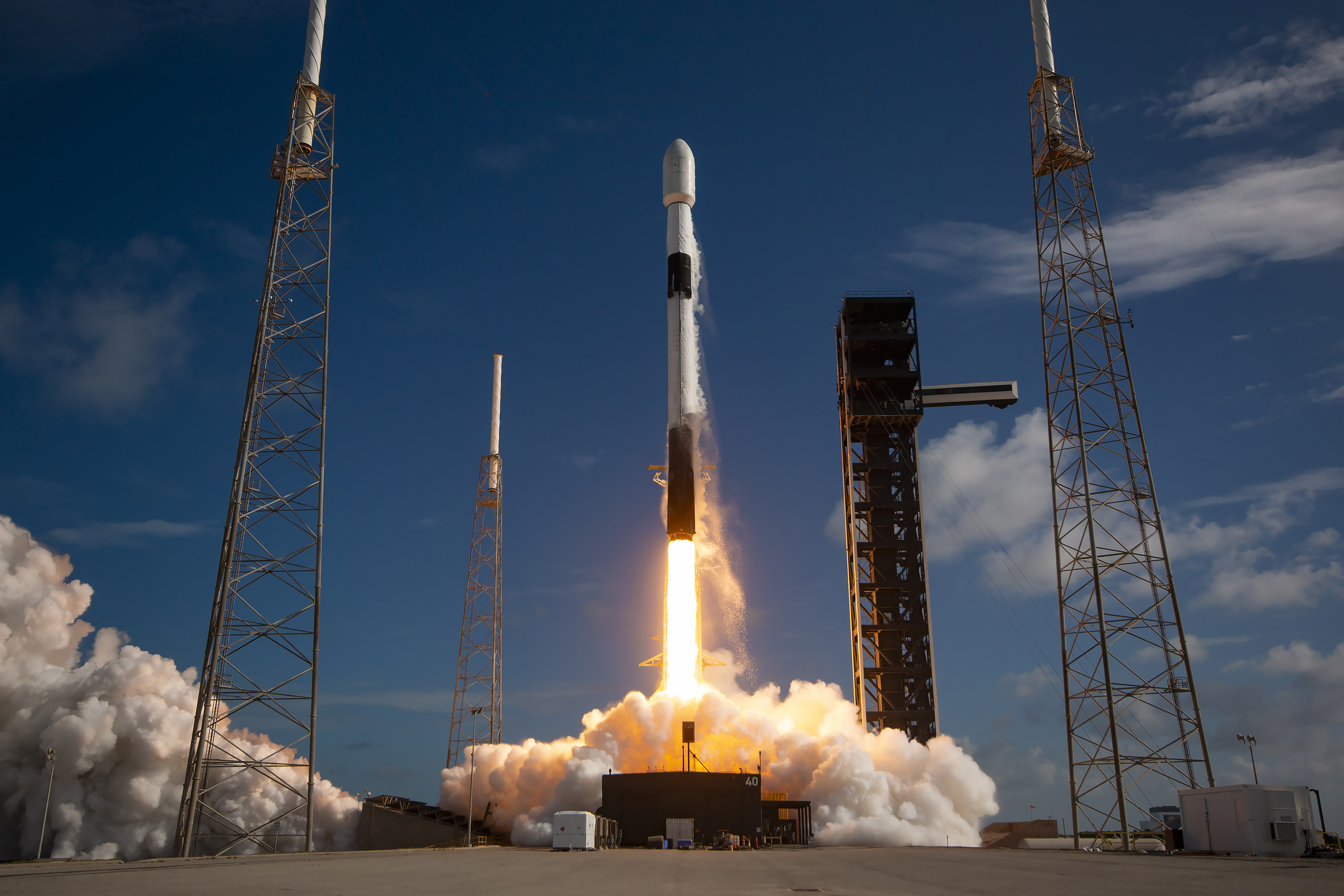
Starlink Group 17-43
Provider: SpaceX
Date: June 7, 2026
Time: 2:00 AM UTC
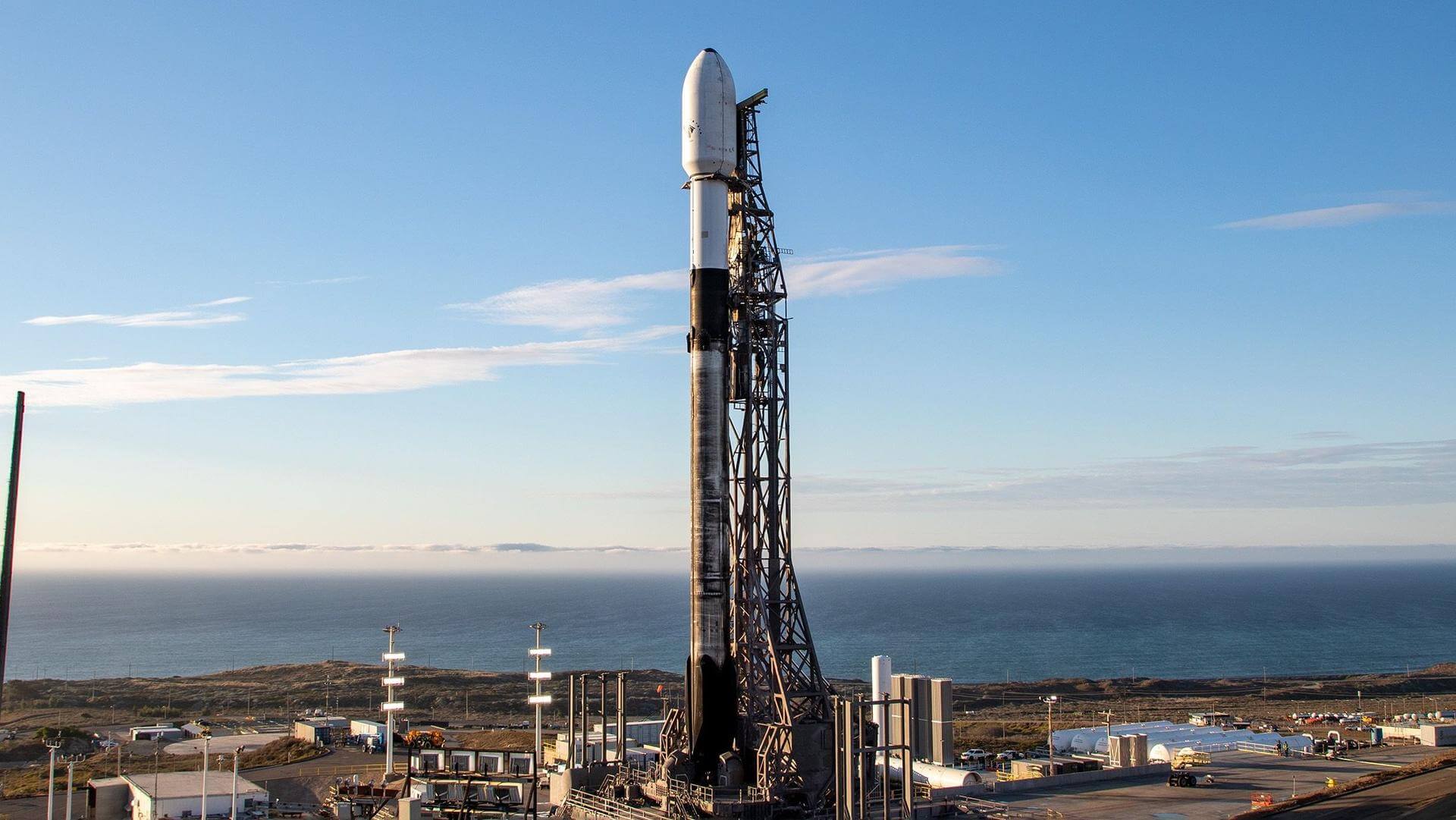
Vehicle: Falcon 9
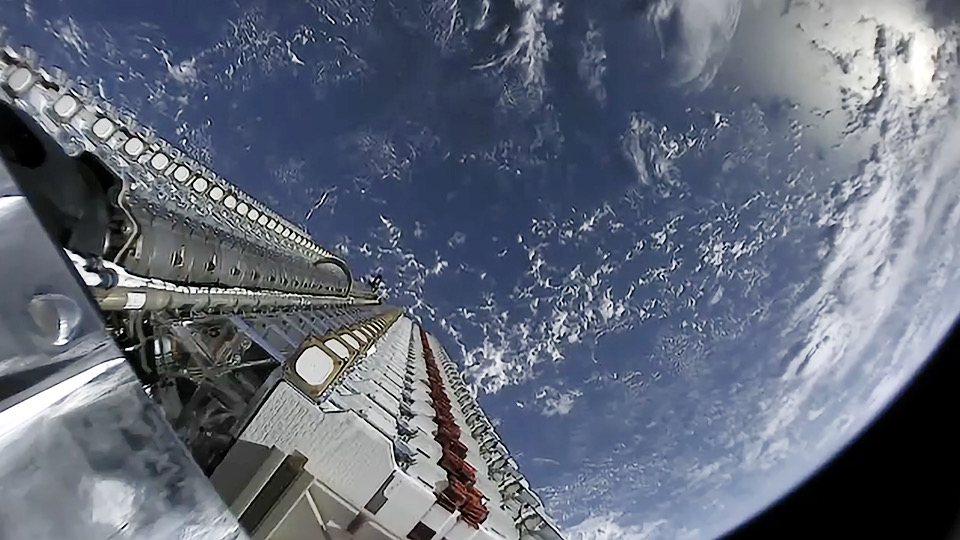
A batch of 21 satellites for the Starlink mega-constellation – SpaceX’s project for space-based Internet communication system.
2 US military Starshield satellites are also on board.
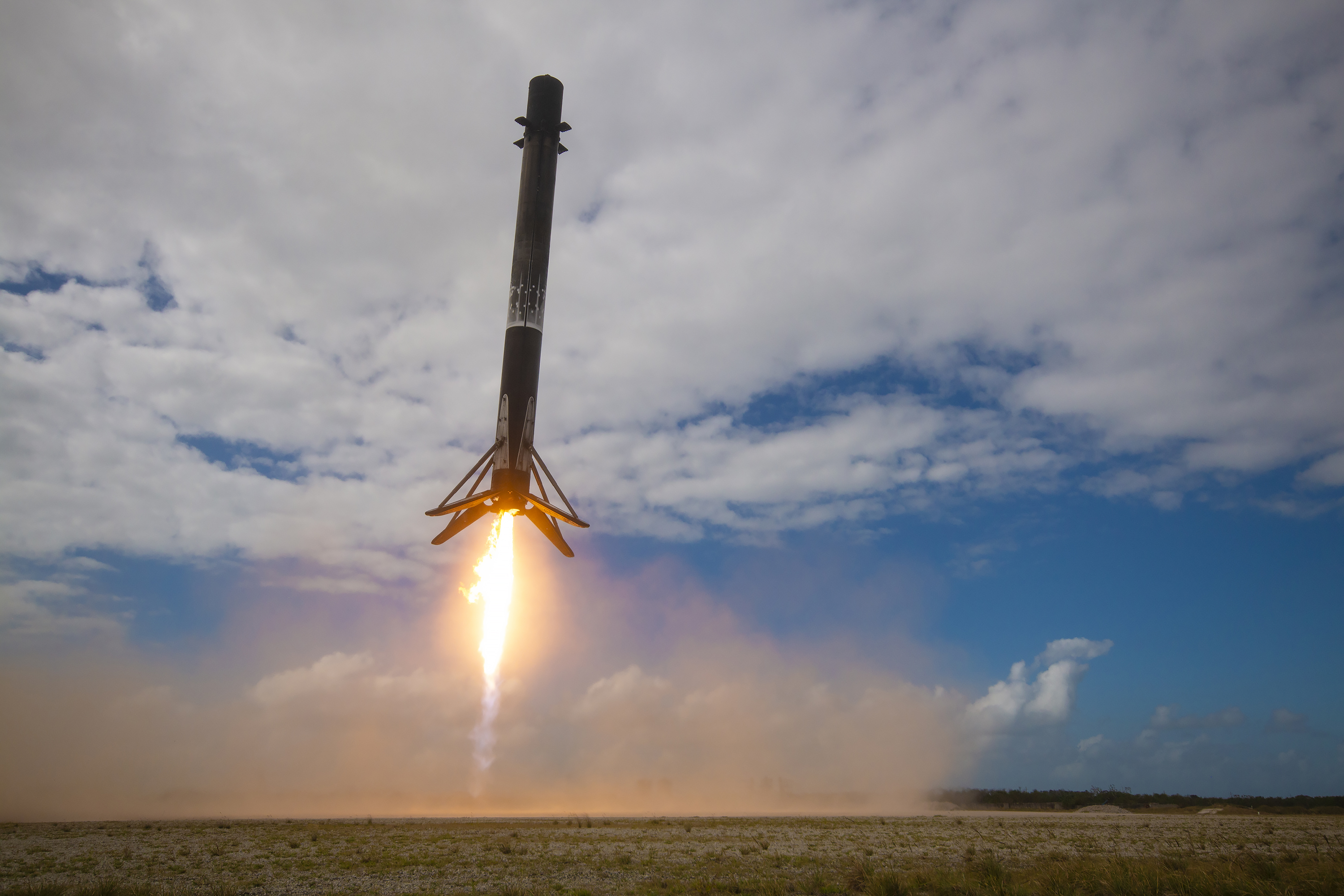
Starlink Group 10-35
Provider: SpaceX
Date: June 8, 2026
Time: 10:07 AM UTC
Vehicle: Falcon 9
A batch of 29 satellites for the Starlink mega-constellation – SpaceX’s project for space-based Internet communication system.
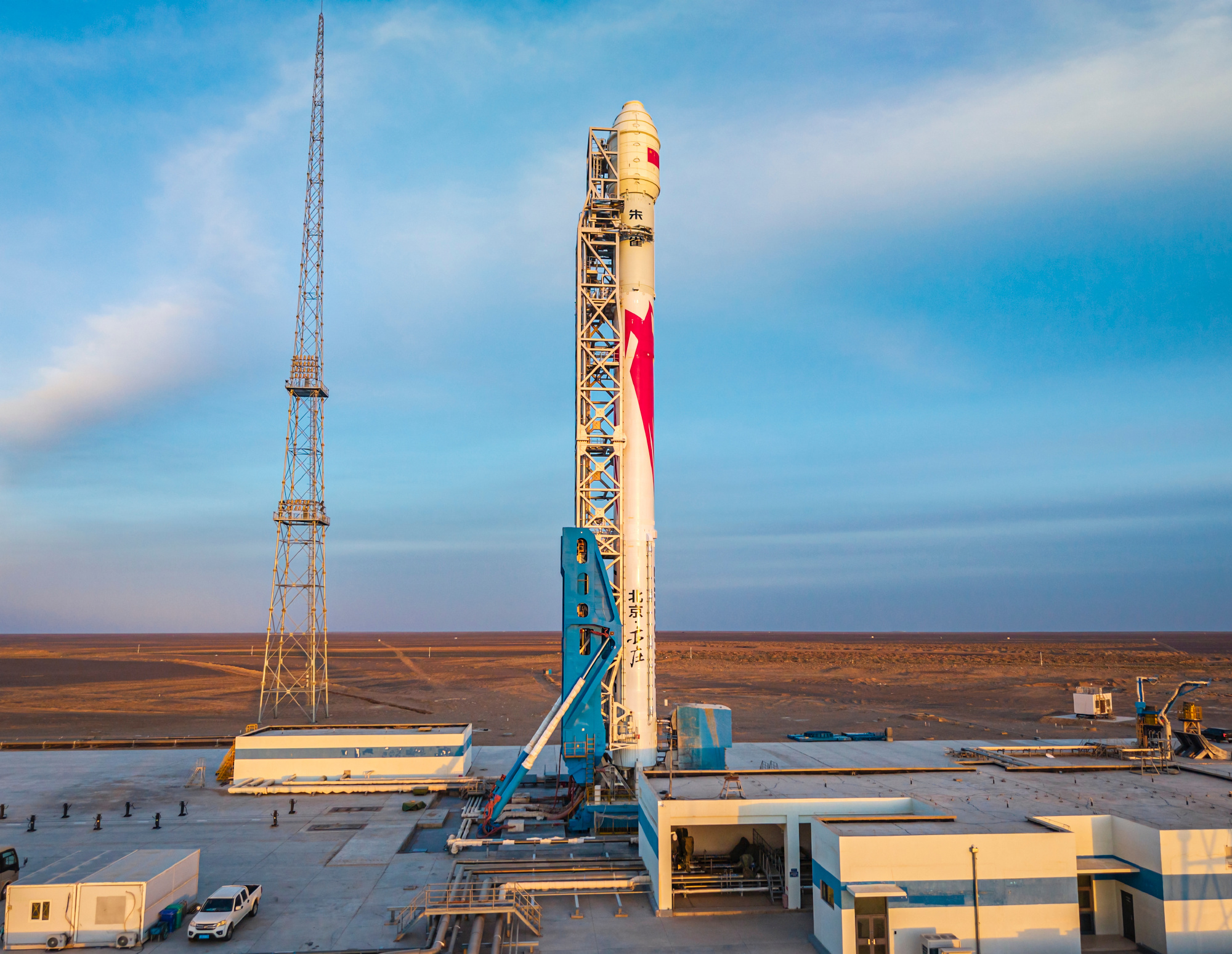
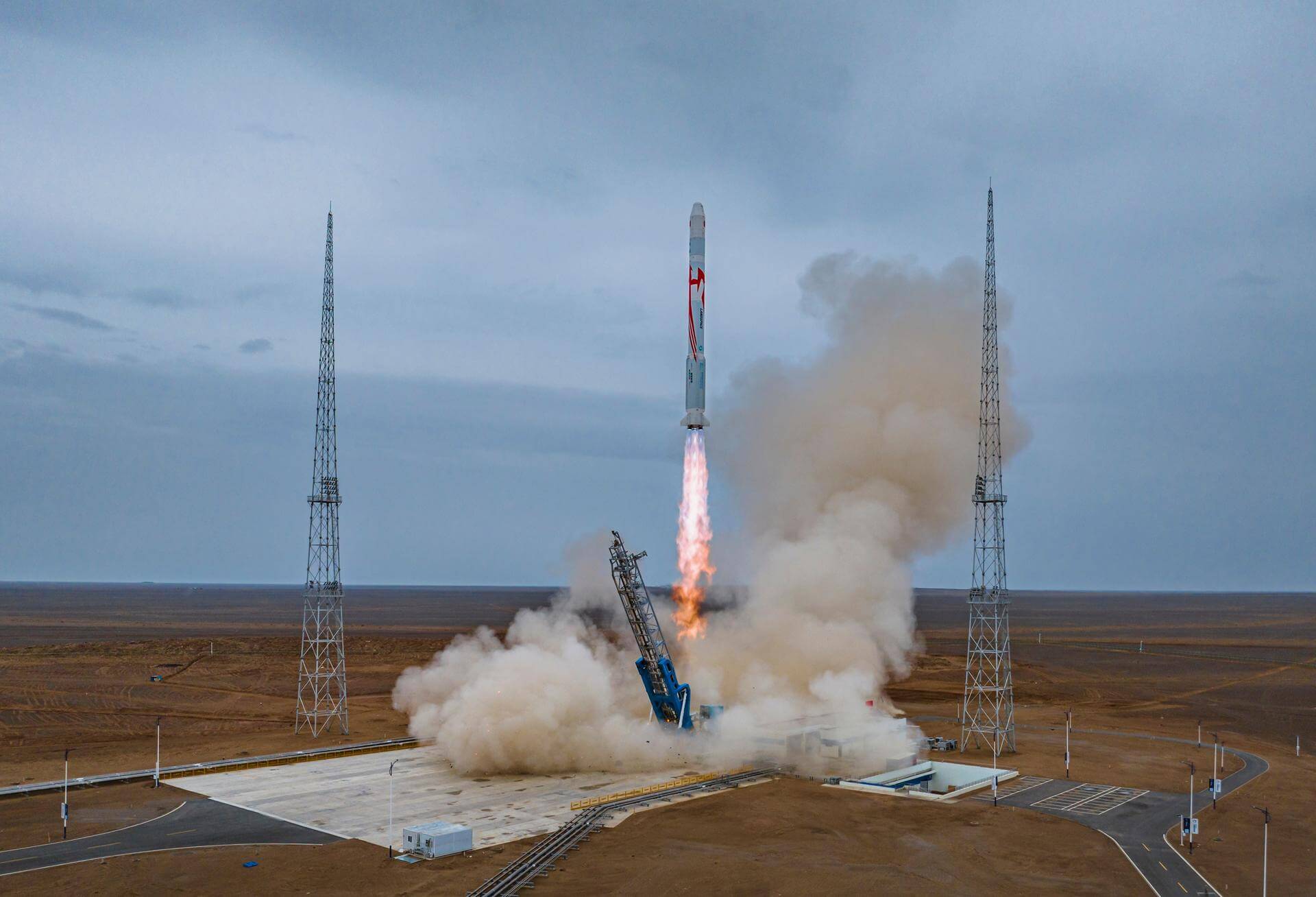
Unknown Payload
Provider: LandSpace
Date: June 9, 2026
Time: 8:20 AM UTC
Vehicle: Zhuque-2E Block 2
Details TBD.
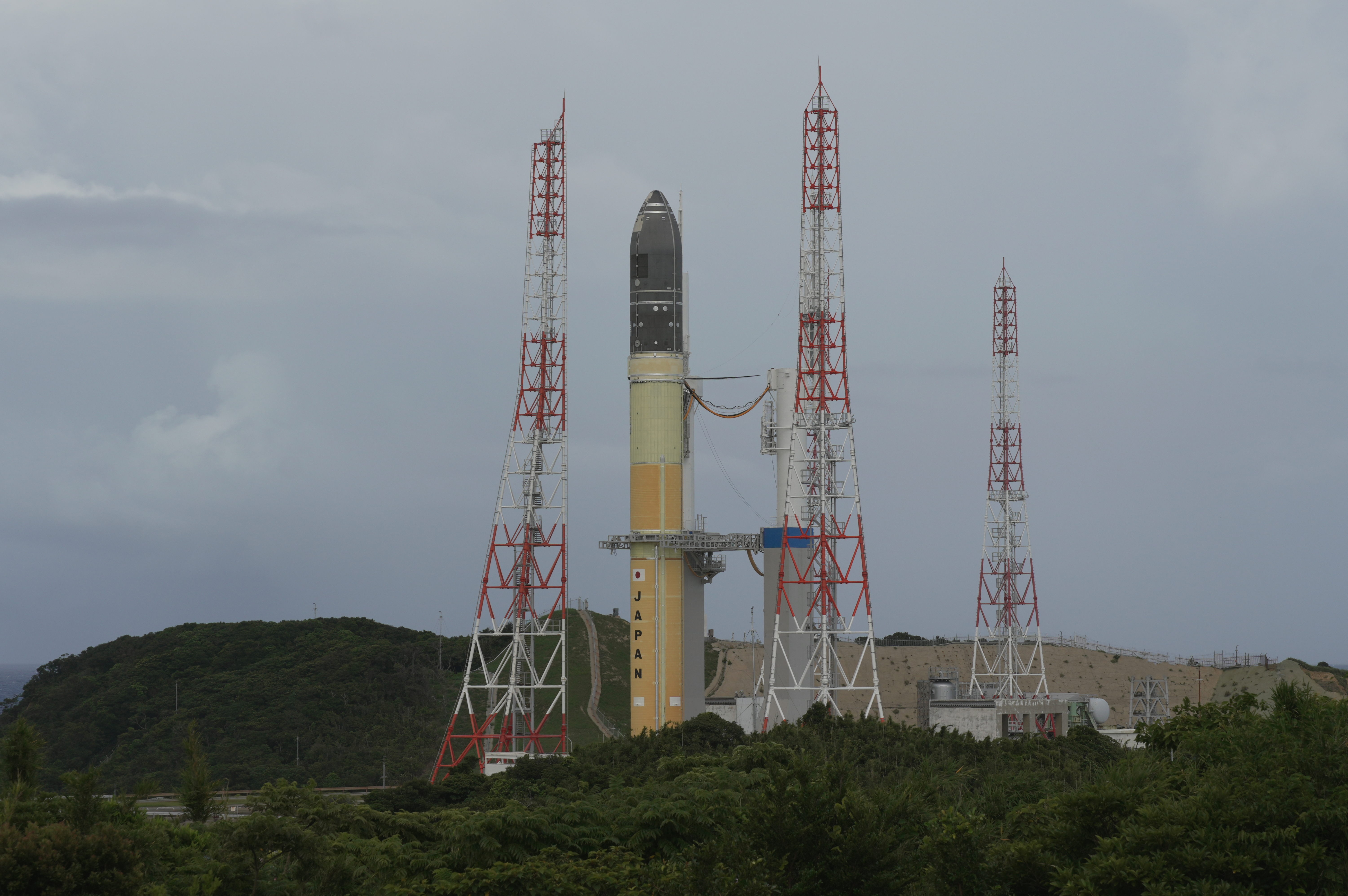
H3-30 Test Flight
Provider: Mitsubishi Heavy Industries
Date: June 10, 2026
Time: 12:53 AM UTC
Vehicle: H3-30
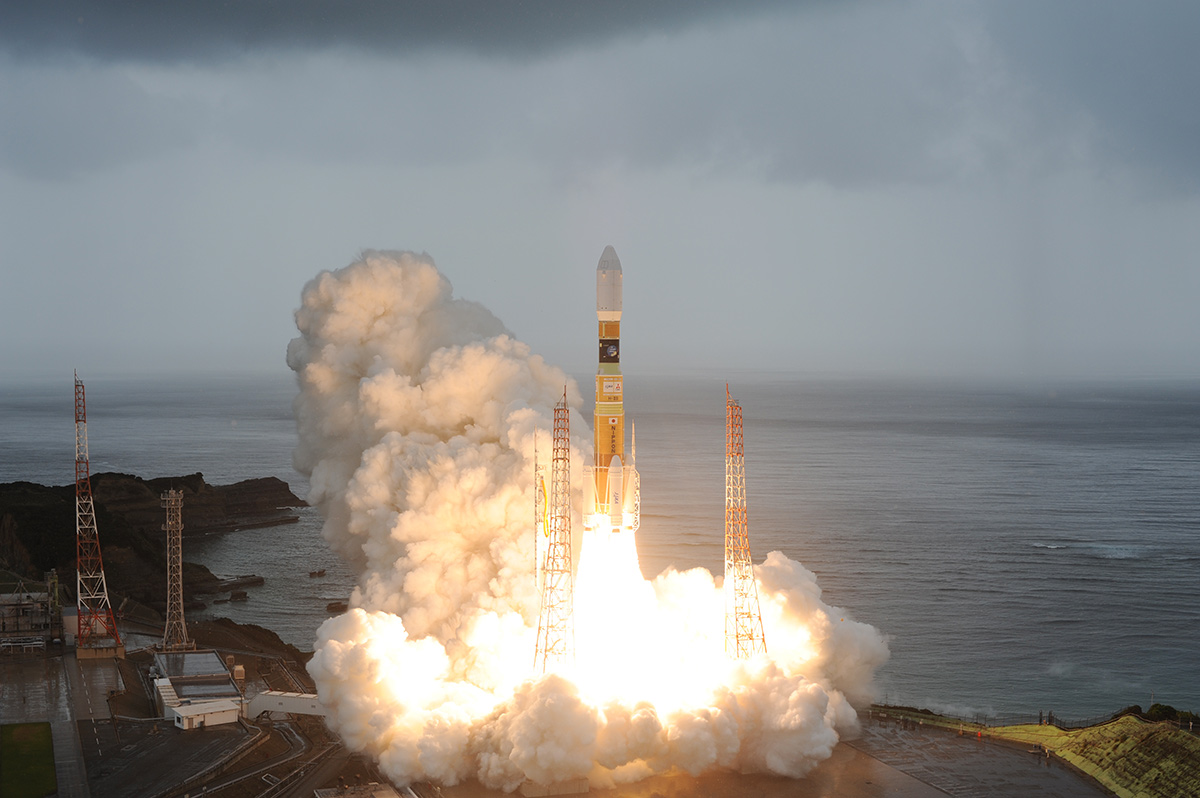
Test flight of the H3-30 variant of the H3 launch vehicle with 3 LE-9 engines in the first stage and no SRBs. The flight will carry a dummy main payload (Vehicle Evaluation Payload 5, VEP-5) and several hitchhiking small satellites:
* PETREL
* STARS-X
* BRO-22
* VERTECS
* HORN-L/R
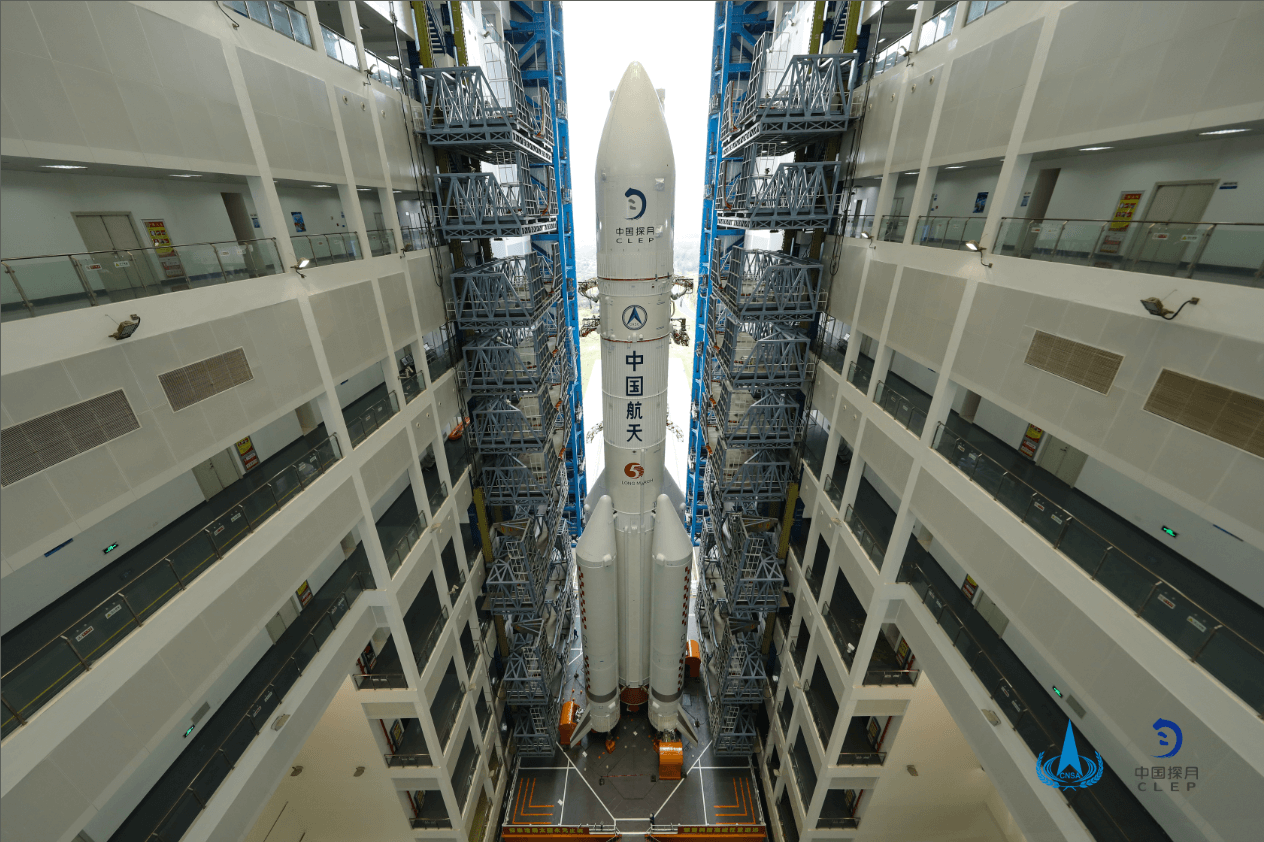
Unknown Payload
Provider: China Aerospace Science and Technology Corporation
Date: June 10, 2026
Time: 7:30 AM UTC
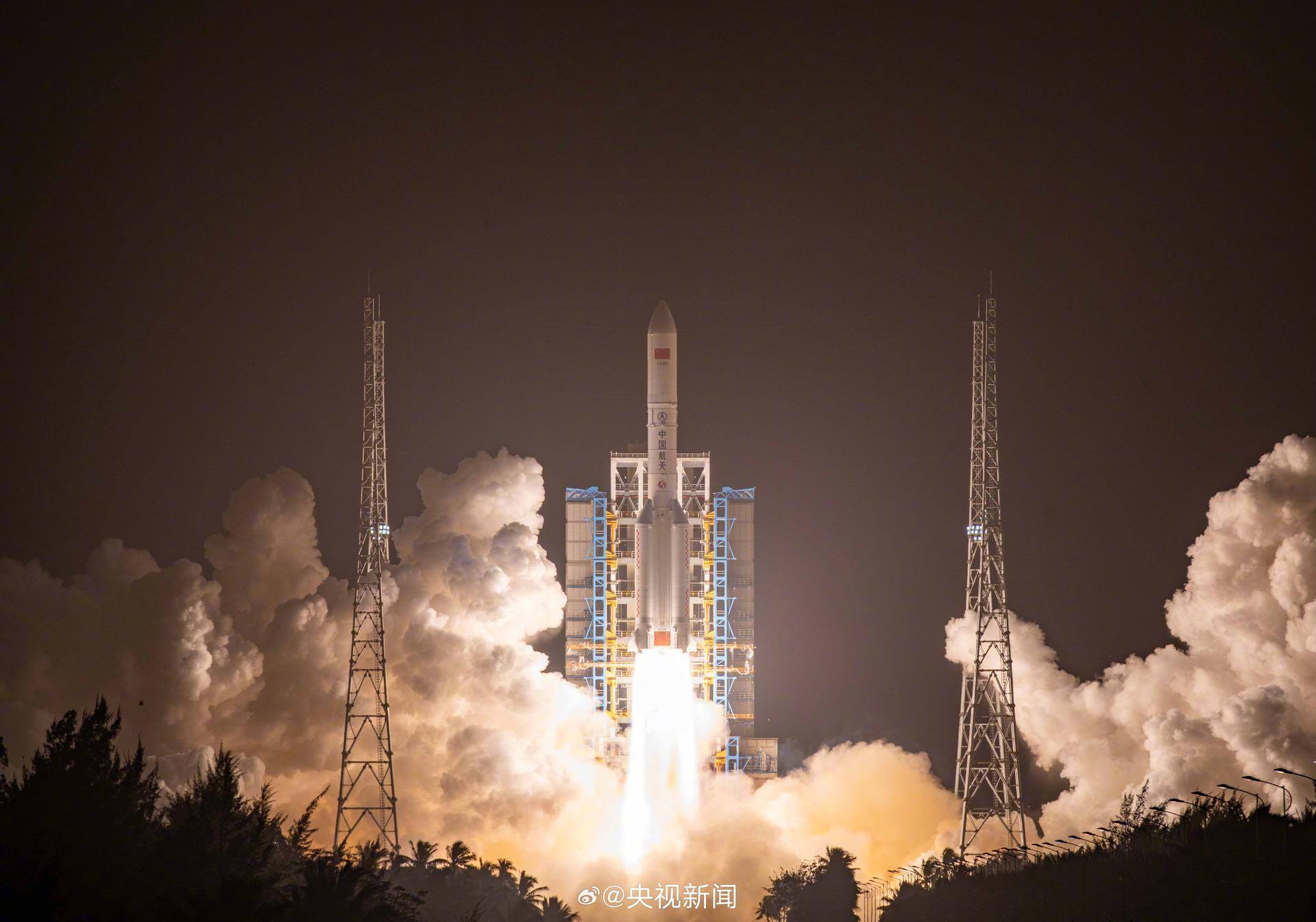
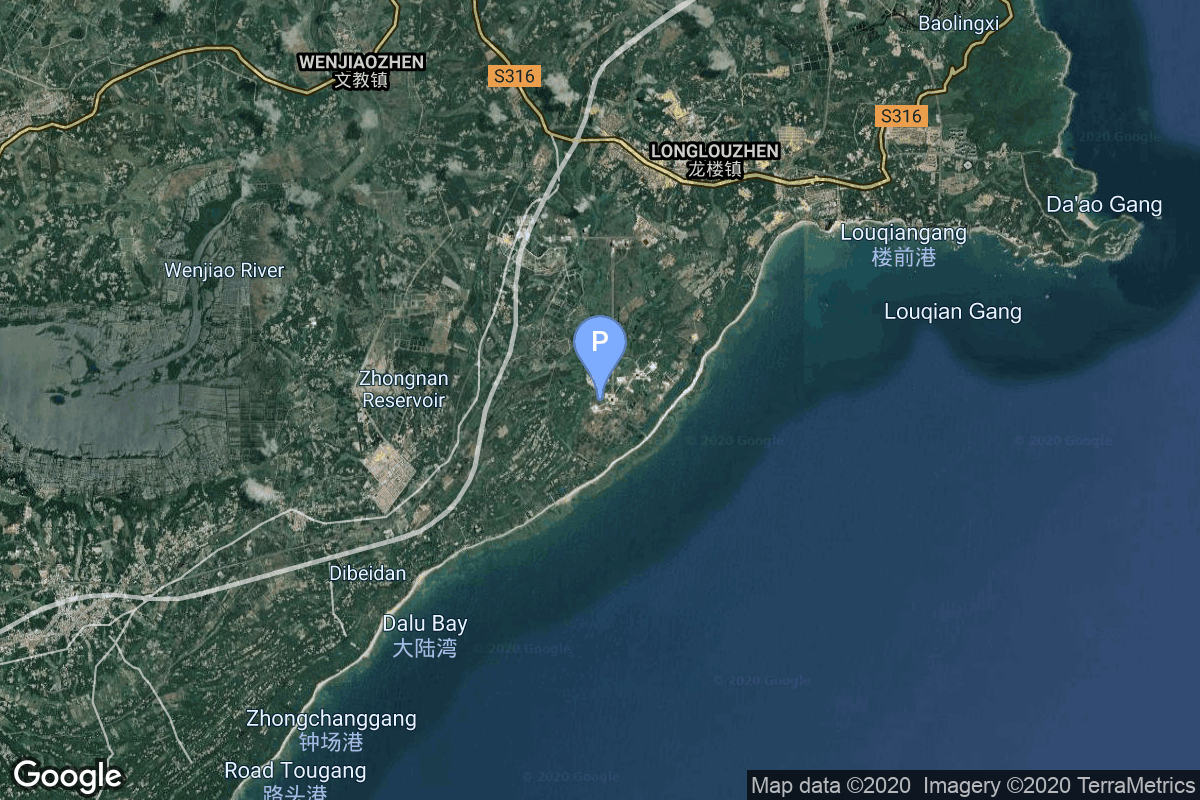
Vehicle: Long March 5
Details TBD.




Enjoying the content? Stay up to date on everything happening behind the scenes by following our Patreon!

