Canada Acquires Arctic Radar in Historic $2.5B Australian Partnership
The Canadian government has finalized a $2.5 billion procurement agreement with Australia and BAE Systems Australia to acquire and deploy the Arctic Over-the-Horizon Radar (A-OTHR) system, marking a significant modernisation of NORAD’s early-warning infrastructure. Managed by the newly independent Defence Investment Agency, the deal moves the project into the hardware delivery phase.
BAE Systems Australia is scheduled to begin engineering work on July 1, 2026, with the Department of National Defence targeting an initial operational capability by December 2029. Unlike conventional line-of-sight sensors limited by Earth’s curvature, over-the-horizon radar transmits high-frequency radio waves into the upper atmosphere. These signals refract off the ionosphere and bounce downward to illuminate targets thousands of kilometres away — enabling operators to detect low-flying cruise missiles and emerging hypersonic threats long before they enter North American airspace.
This procurement includes a direct technology transfer of the phased-array designs and signal-processing software utilised in Australia’s proven Jindalee Operational Radar Network. By executing a government-to-government transaction through the Defence Investment Agency, Canada is bypassing traditional development cycles to adopt a mature technological baseline.
Stephen Fuhr, Canada’s secretary of state for defence procurement, said the project “is part of a broader effort to build an integrated Arctic surveillance and communications network that will strengthen Canada’s ability to monitor, understand and respond to activity in the Arctic.”
Canadian engineers will work alongside Australian counterparts to harden the imported electronic components, ensuring the sensitive transmitter and receiver arrays withstand extreme Arctic environmental conditions. The military intends to build a permanent transmit site north of Kawartha Lakes and a preliminary receive site in Clearview Township, Ontario, integrating the radar into NORAD’s modernised network.
Qubic Raises $2.5M to Commercialise Quantum Amplifiers
Sherbrooke-based quantum technology firm Qubic has closed an oversubscribed $2.5 million USD seed funding round to commercialise its cryogenic quantum amplifiers—hardware designed to remove one of the biggest bottlenecks in scaling quantum computers. Two Small Fish Ventures led the $3.5 million CAD round, with participation from UC Investments, Quantacet, and UCeed.
Quantum computers must operate at extremely cold temperatures, but standard semiconductor amplifiers generate excessive heat inside these freezing environments, consuming up to half of a quantum system’s cooling power. Qubic’s breakthrough replaces traditional Josephson junctions with what the company calls Kinetic Inductance Traveling Wave Parametric Amplifiers, cutting heat output to less than 0.1 milliwatts per amplifier.
“Rather than using complex junctions, these new devices draw their signal-boosting power directly from the physical properties of the transmission line material itself,” explained Jérôme Bourassa, Qubic’s CEO and co-founder. “Our technology will be a key component in enabling quantum computers to scale and attain the full potential of those systems.”
Beyond quantum computing, Qubic is developing a radio-frequency quantum sensing platform targeting military applications, including threat detection and covert operations. The company has already sold its first amplifiers to Quantum Machines for integration into hybrid control systems and has secured nearly $10 million CAD in combined equity and grant funding to date. Qubic maintains operations in Quebec and research facilities in Waterloo, Ontario.
China Develops New 7-Meter Reusable Rocket Class
Recent Chinese procurement activity suggests Beijing is developing a new class of 7-meter-diameter reusable rockets—a capability that would give China an intermediate-payload vehicle sitting between its operational 3.8-meter Long March 12 series and its planned super-heavy Long March 9.
A state-funded tender from the China Aerospace Science and Technology Corporation (CASC) sought tank tooling for a 7-meter-class welding system, whilst Chinese forging firm Wuxi Parker New Materials announced in early June that it had shipped a “7.5-meter-class ultra-large-diameter high-strength ring for aerospace use” made of stainless steel to an unnamed “important model.” Such a vehicle would roughly match the payload class and architecture of Blue Origin’s operational New Glenn 7-meter-diameter rocket.
According to a 2023 CALT presentation, China has been exploring 7-meter variants using clusters of the 80-ton YF-209 methalox engine, yielding a low Earth orbit payload class of roughly 25,000 kilograms or 50,000 kilograms depending on configuration—compared to the Long March 12’s 15,000-kilogram capacity. China’s known rocket architecture spans 3.8 metres (Long March 12), 5 metres (Long March 10 series), and 10.6 metres (the future Long March 9). The 7-metre step has had no official profile or designated name until now.
The moves reflect China’s broader push to migrate large-diameter rocket structures from aluminium to stainless steel—the same material shift underway for the Long March 9. Hainan’s commercial launch site chairman said in April that the facility is planning infrastructure for “7-metre or 10-metre level” rockets, with phase 2 pads currently under construction. Five-meter-class stages built in northern Tianjin are shipped by sea to the Wenchang launch site on Hainan Island; a 7-metre stage would require the same coastal logistics, broadening China’s reusable launch cadence.
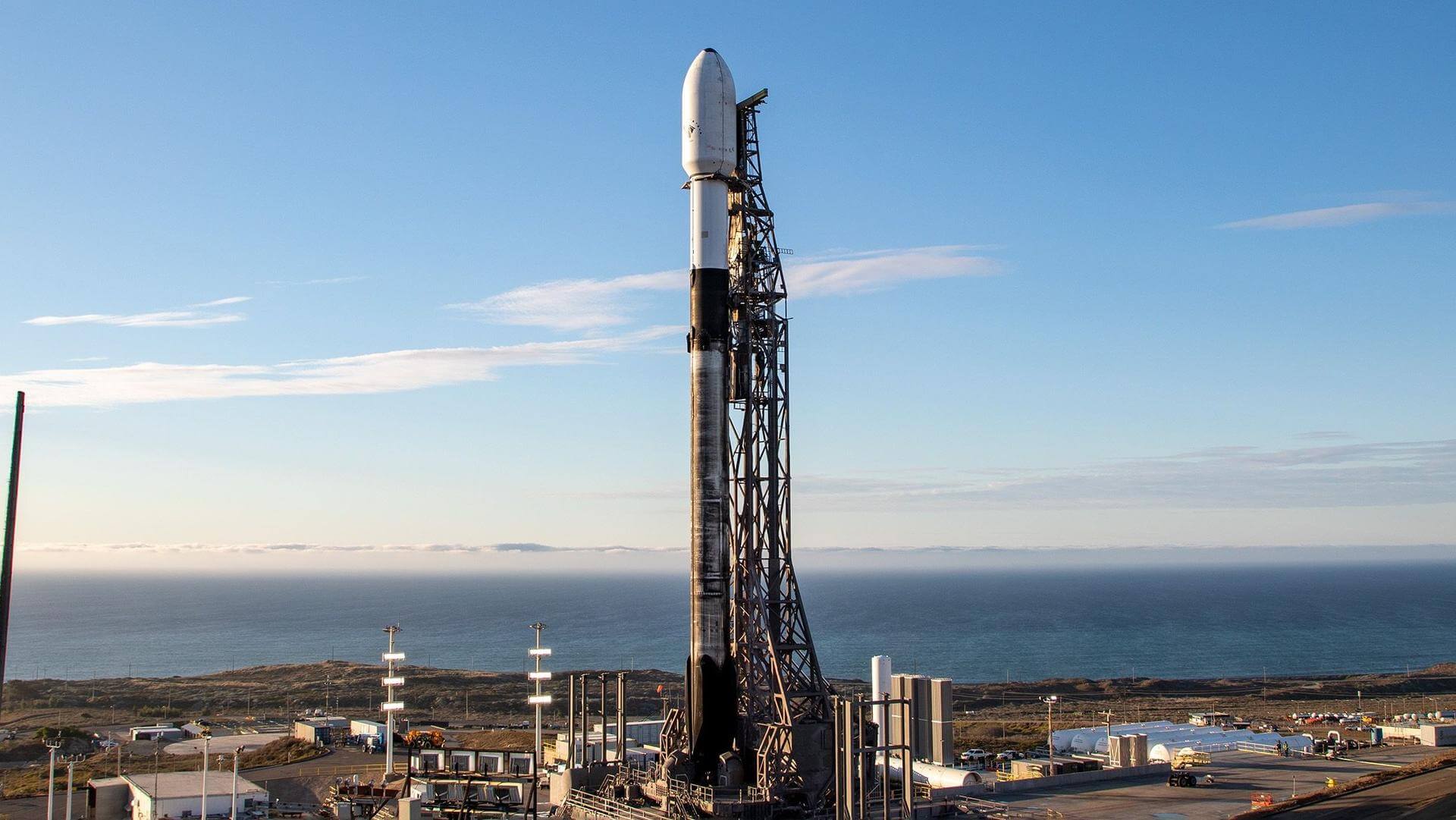
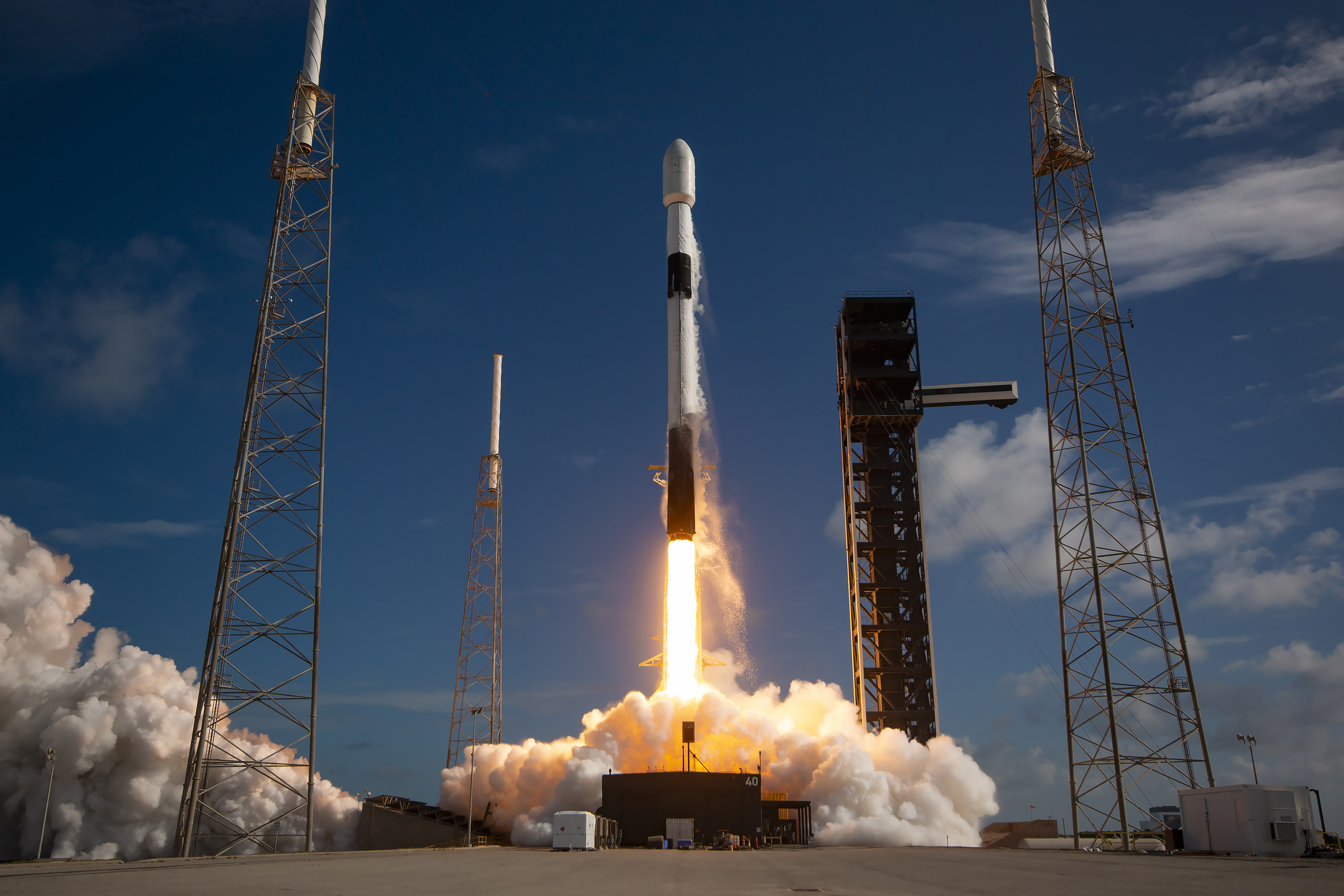
Provider: SpaceX Date: June 25, 2026 Time: 2:48 AM UTC Vehicle: Falcon 9
A batch of 24 satellites for the Starlink mega-constellation – SpaceX’s project for space-based Internet communication system.
Swift Boost Mission
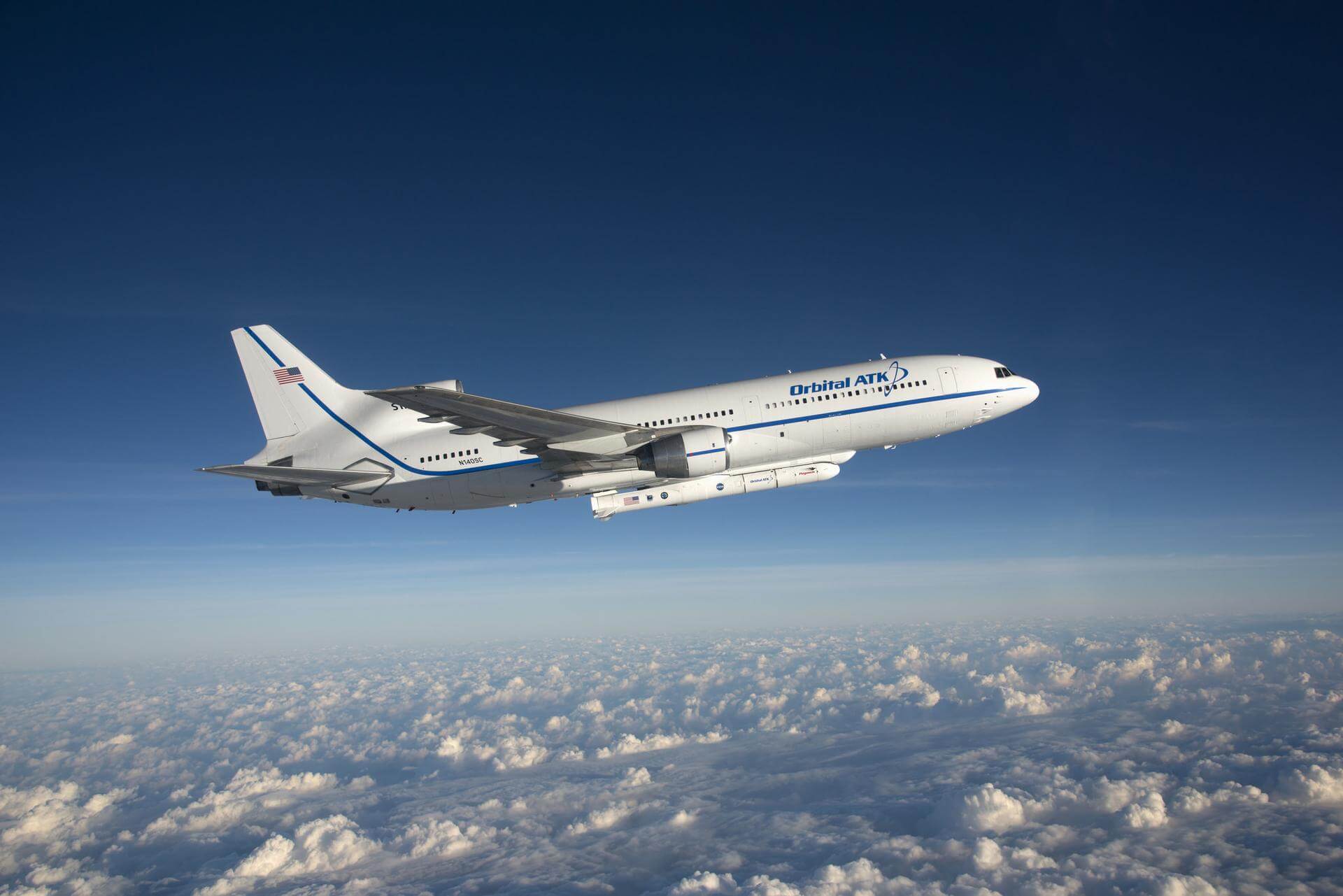
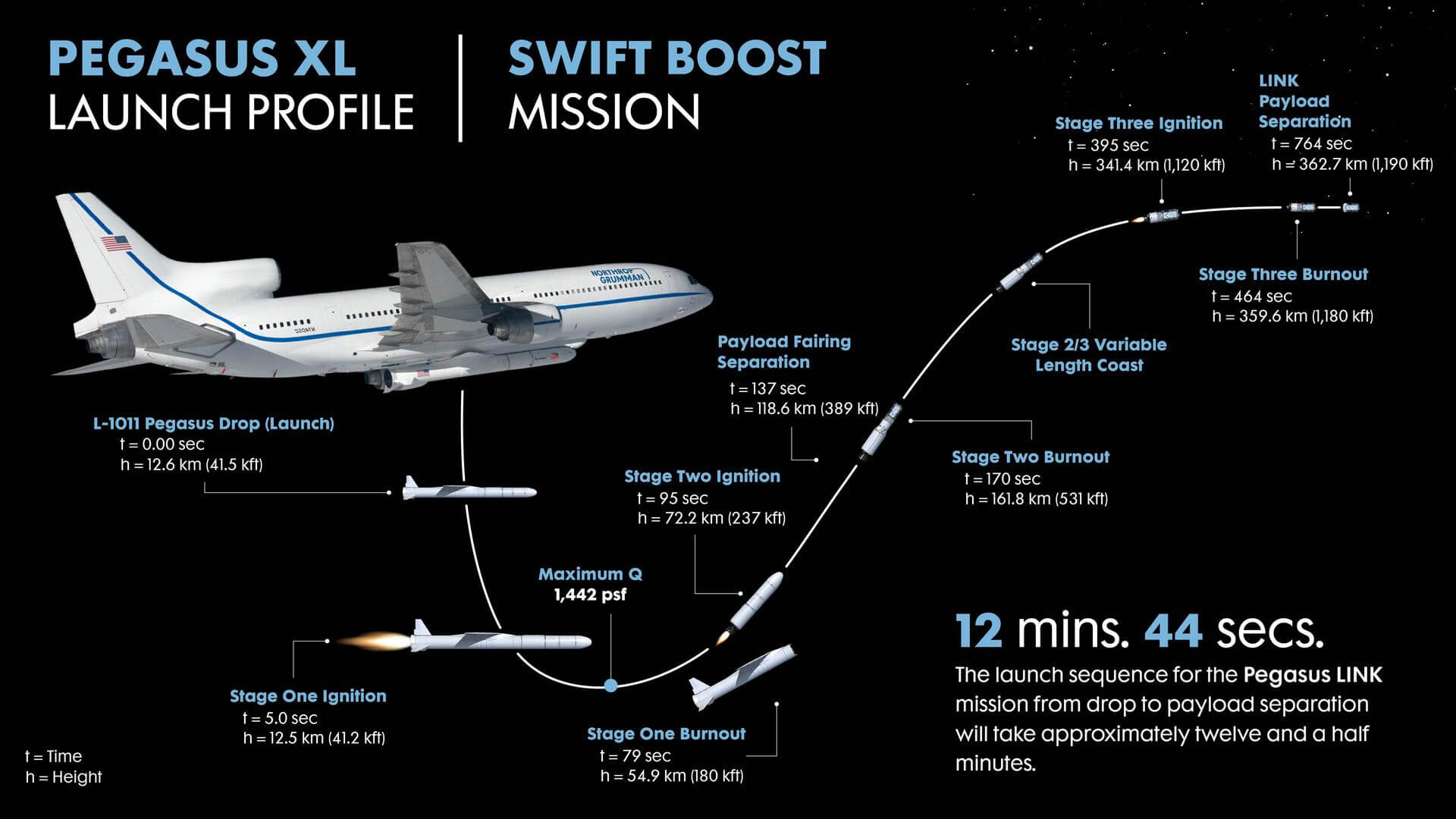
Provider: Northrop Grumman Space Systems Date: June 27, 2026 Time: 9:00 AM UTC Vehicle: Pegasus XL
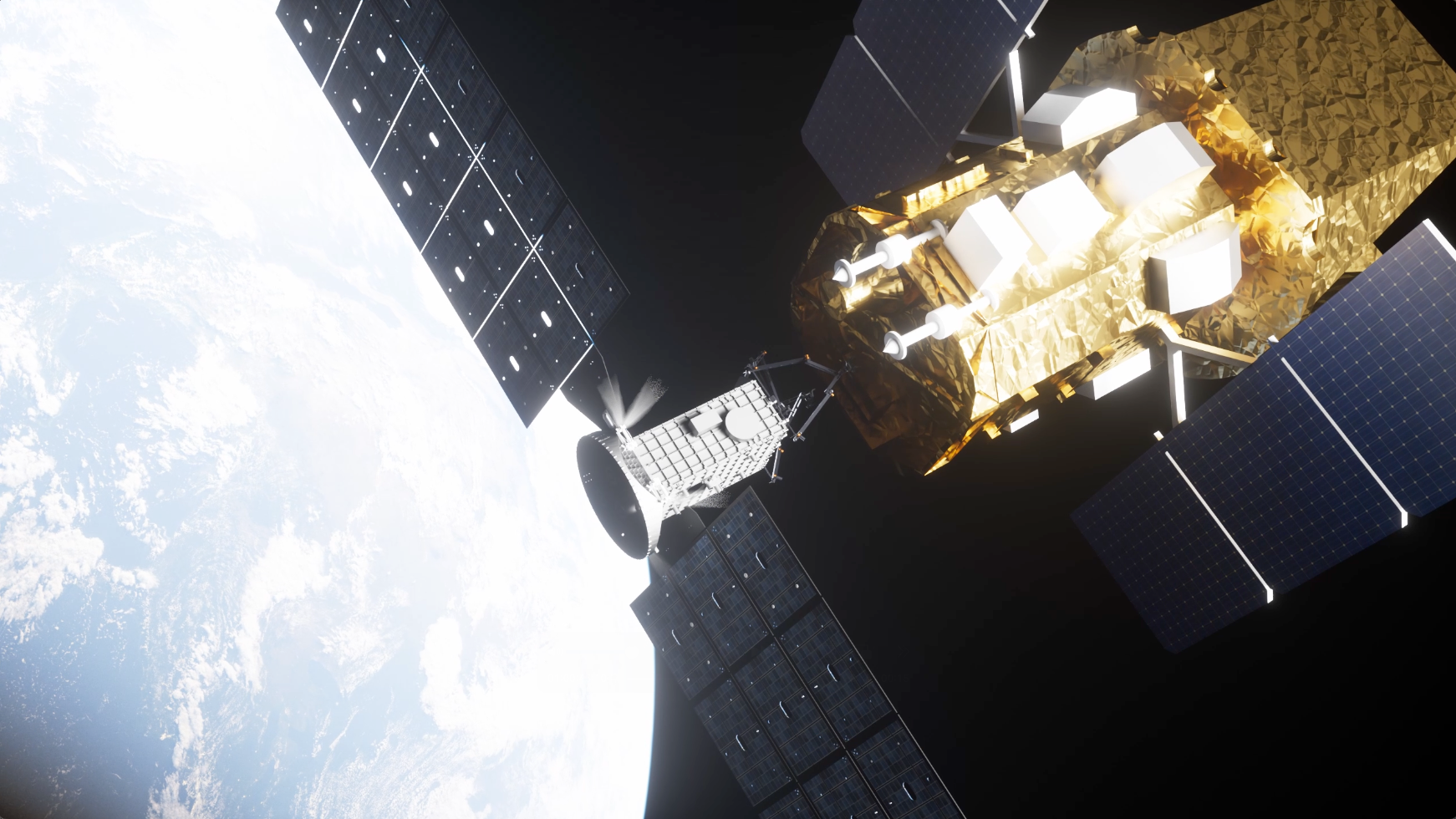
Contracted by NASA under the Small Business Innovation Research Phase 3 contract, Katalyst Space Technologies’ LINK servicing spacecraft will rendezvous and attach to NASA’s Neil Gehrels Swift Observatory to re-boost its orbit. This aims to demonstrate a key capability for the future of space exploration and extending the Swift mission’s science lifetime in gamma ray astronomy.
Starlink Group 17-40
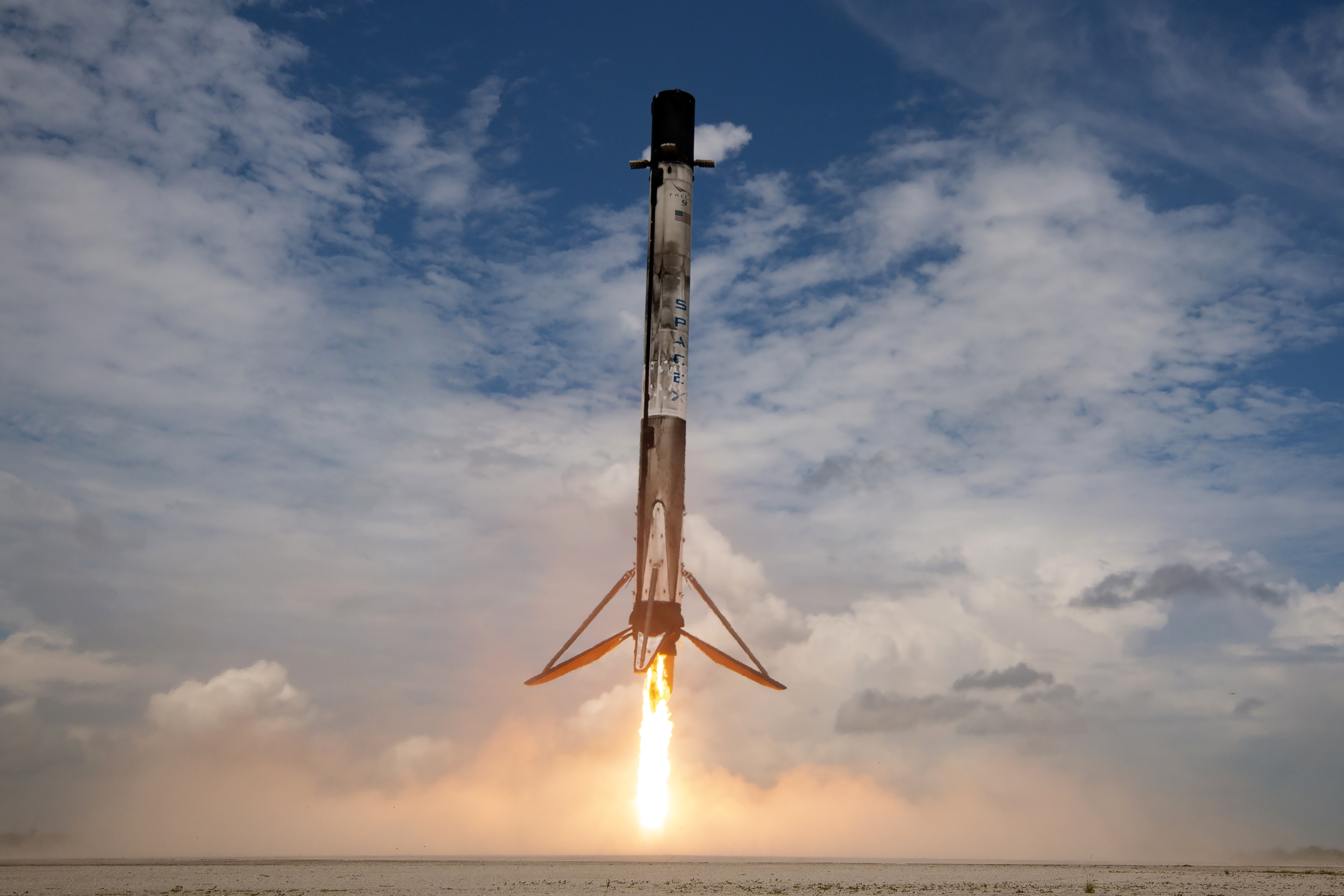
Provider: SpaceX Date: June 28, 2026 Time: 2:00 PM UTC Vehicle: Falcon 9
A batch of 24 satellites for the Starlink mega-constellation – SpaceX’s project for space-based Internet communication system.
Sirius SXM-11
Provider: SpaceX Date: June 29, 2026 Time: 2:25 AM UTC Vehicle: Falcon 9
SXM-11 is the 12th high-powered, digital, audio radio satellite built by Lanteris Space (ex-Maxar, Space System/Loral) for SiriusXM. The SXM-11 satellite will be based on the proven IM-1300 (ex-LS-1300)-class platform and built at the company’s manufacturing facility in Palo Alto, California. SXM-11 has a large, mesh, unfurlable reflector almost 10 meters in diameter that allows SiriusXM programming to reach its radios, including those in moving vehicles.
Ten Owl Of Ten (StriX Launch 10)
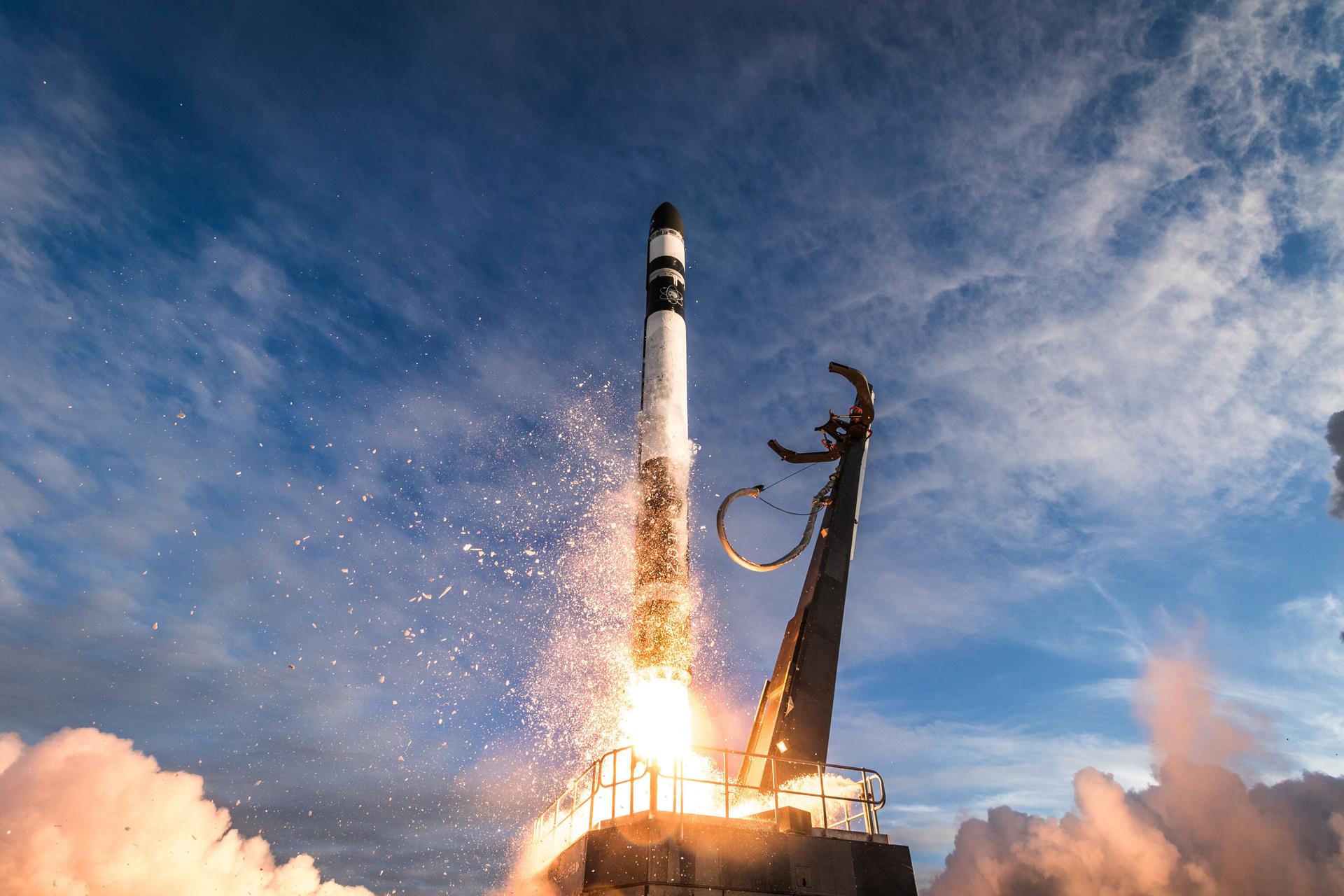
Provider: Rocket Lab Date: June 30, 2026 Time: 12:00 AM UTC Vehicle: Electron
Synthetic aperture radar satellite for Japanese Earth imaging company Synspective.
Starlink Group 17-45 ×
Mission Details
TypeCommunications
OrbitLow Earth Orbit
TargetEarth
A batch of 24 satellites for the Starlink mega-constellation – SpaceX’s project for space-based Internet communication system.
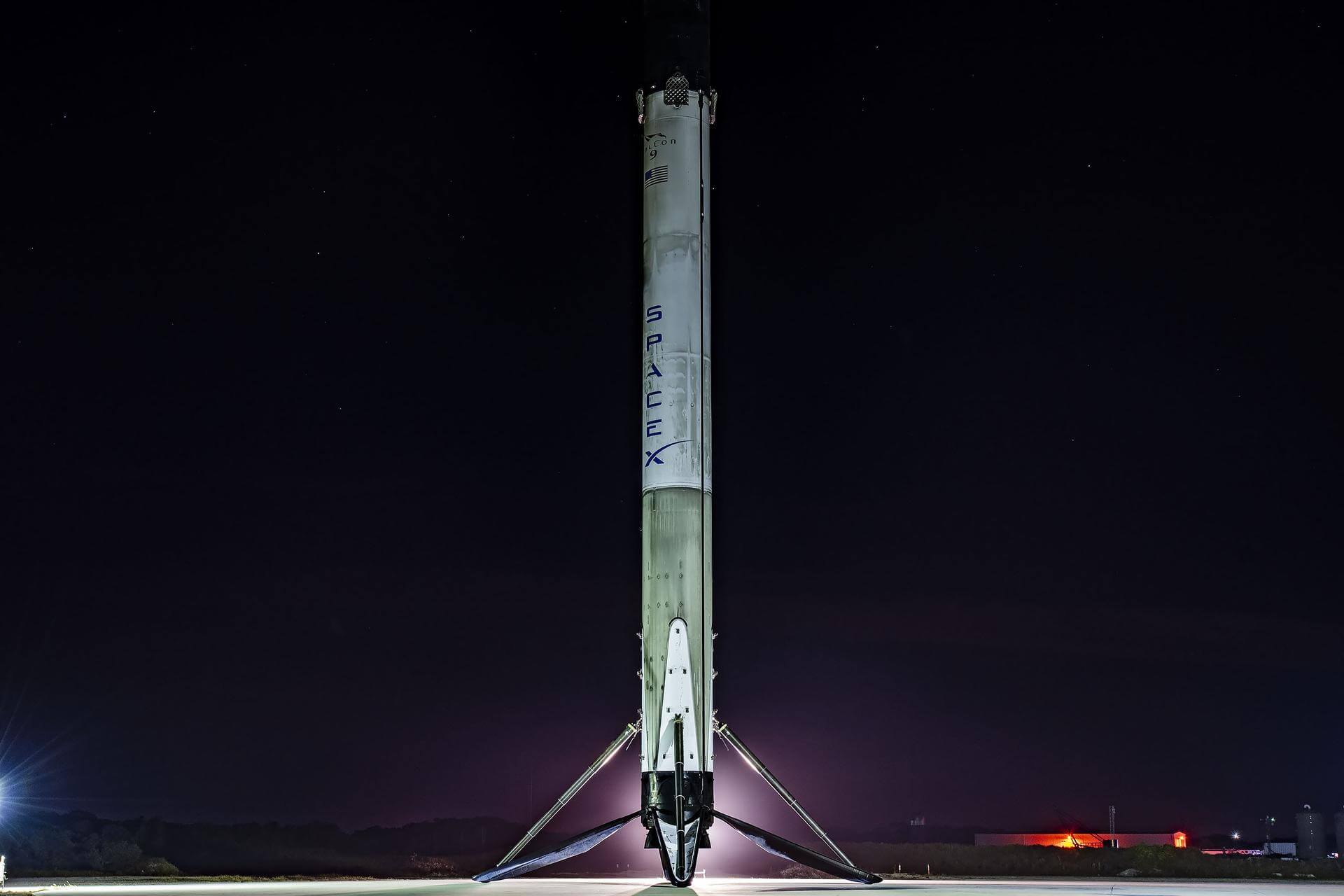
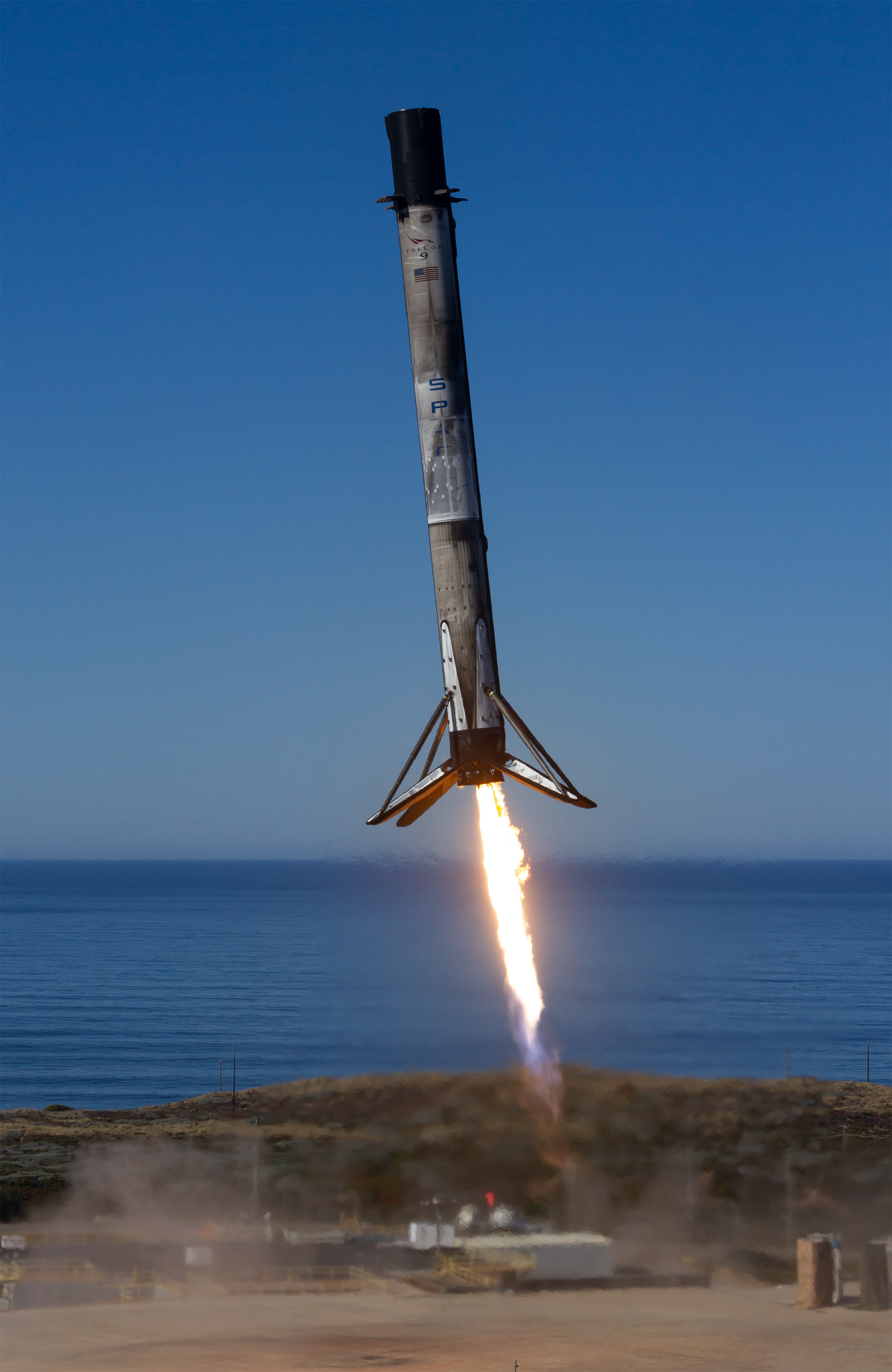
Falcon 9 is a two-stage rocket designed and manufactured by SpaceX for the reliable and safe transport of satellites and the Dragon spacecraft into orbit. The Block 5 variant is the fifth major interval aimed at improving upon the ability for rapid reusability.
The Falcon 9 first stage B1081 will land on ASDS OCISLY after its 25th flight.
Swift Boost Mission ×
Mission Details
TypeMission Extension
OrbitLow Earth Orbit
TargetEarth
Contracted by NASA under the Small Business Innovation Research Phase 3 contract, Katalyst Space Technologies’ LINK servicing spacecraft will rendezvous and attach to NASA’s Neil Gehrels Swift Observatory to re-boost its orbit. This aims to demonstrate a key capability for the future of space exploration and extending the Swift mission’s science lifetime in gamma ray astronomy.
Agencies Involved
• Katalyst Space (Private)
• National Aeronautics and Space Administration (Government)
Payload: LINK
TypeIn-Orbit Servicing
Mass400 kg
DestinationSwift
Quantity1
ManufacturerKatalyst Space
OperatorKatalyst Space
Spacecraft designed, built and operated by Katalyst Space as part of the Swift rescue mission
The Pegasus is an air-launched rocket developed by Orbital Sciences Corporation (now part of Northrop Grumman Innovation Systems). Capable of carrying small payloads of up to 443 kilograms (977 lb) into low Earth orbit, the vehicle consists of three solid propellant stages and an optional…
Falcon 9 is a two-stage rocket designed and manufactured by SpaceX for the reliable and safe transport of satellites and the Dragon spacecraft into orbit. The Block 5 variant is the fifth major interval aimed at improving upon the ability for rapid reusability.
The Falcon 9 first stage B1088 will land on ASDS OCISLY after its 17th flight.
Sirius SXM-11 ×
Mission Details
TypeCommunications
OrbitGeostationary Transfer Orbit
TargetEarth
SXM-11 is the 12th high-powered, digital, audio radio satellite built by Lanteris Space (ex-Maxar, Space System/Loral) for SiriusXM. The SXM-11 satellite will be based on the proven IM-1300 (ex-LS-1300)-class platform and built at the company’s manufacturing facility in Palo Alto, California. SXM-11 has a large, mesh, unfurlable reflector almost 10 meters in diameter that allows SiriusXM programming to reach its radios, including those in moving vehicles.
Falcon 9 is a two-stage rocket designed and manufactured by SpaceX for the reliable and safe transport of satellites and the Dragon spacecraft into orbit. The Block 5 variant is the fifth major interval aimed at improving upon the ability for rapid reusability.
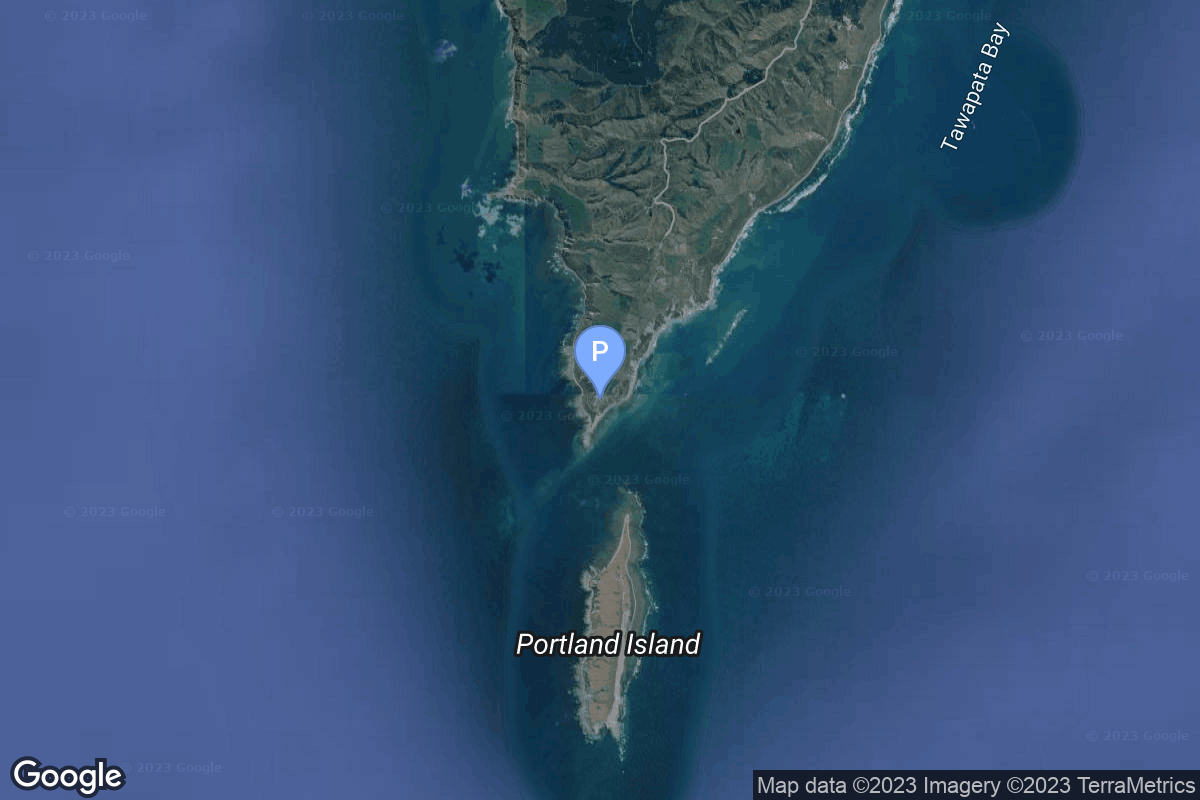
Rocket Lab Launch Complex 1, Mahia Peninsula, New Zealand
Total launches from this pad: 0
Vehicle: Electron
Electron is a two-stage orbital expendable launch vehicle (with an optional third stage) developed by the American aerospace company Rocket Lab. Electron is a small-lift launch vehicle designed to launch small satellites and cubesats to sun-synchronous orbit and low earth orbit. The Electron is the…
Robo Chris is a collection of API calls, filters, and searches, bolted together with magic and love. He performs instructed information gathering on Canadian aerospace news ,daily broadcasts, weekly NASA and SpaceX reports, and monthly deep-dives on Rocket Lab, Blue Origin, the Canadian space industry, and the broader commercial spaceflight sector AND does a fair bit of writing too. Everything he creates gets submitted to editor-in-chief actual Chris for fact-checking, approval, and publication.