
The Daily Broadcast: Canada Backs Moon Tech, Artemis III Crew, ICEYE’s €10 Billion
Canadian Space Agency Invests in Lunar Resource Technologies

The Canadian Space Agency has awarded $2 million across four new contracts to develop technologies for sustaining long-term human presence on the Moon. Canadian Strategic Missions Corporation (CSMC), Volta Space Technologies, and SpaceDIRT will each spend the next 10 months studying critical elements of In-Situ Resource Utilization (ISRU)—the practice of collecting and processing local lunar materials to support exploration missions.
CSMC secured two $500,000 contracts for its subsidiaries: one to investigate power generation and distribution on the lunar surface, another to develop regolith processing systems that extract usable oxygen and metals from the Moon’s powdery soil. Volta Space Technologies received $500,000 for parallel architecture studies, whilst SpaceDIRT (formally Space Development In-Situ Resource Technologies Inc.) won a contract to develop autonomous drilling and material-handling systems capable of processing production volumes of lunar resources.
The rationale is straightforward—launching endless supplies across the 400,000 kilometres to the Moon is prohibitively expensive. Far better to harvest what is already there. The technologies being developed carry dual benefits for Canadians. Systems built to survive the Moon’s extreme environment (two-week nights, temperatures swinging from 120°C to minus 200°C, intense radiation) translate directly to Arctic applications: compact nuclear reactors designed for lunar bases could eventually replace diesel generators in remote northern Canadian communities, and the same mineral-mapping technologies used on the Moon can help locate critical deposits in the Canadian Arctic.
This funding forms part of the CSA’s Lunar Surface Exploration Initiative, positioning Canadian expertise as foundational to the international Artemis program’s goal of building a permanent Moon base.
Artemis III Crew Named for 2027 Orbital Test Flight

NASA has officially named the four astronauts who will execute Artemis III in 2027: Commander Randy Bresnik (NASA), Pilot Luca Parmitano (European Space Agency), and Mission Specialists Frank Rubio and Andre Douglas (both NASA). Bob Hines was selected as backup.
Unlike Artemis II—the lunar flyby completed two months ago—Artemis III takes a different approach. Rather than returning to the Moon immediately, the mission will conduct critical rendezvous and docking tests in low Earth orbit, validating the interoperability of NASA’s Orion spacecraft with prototype lunar landers from Blue Origin and SpaceX. The approximately two-week mission will require launching three rockets in rapid succession: NASA’s Space Launch System carrying Orion, Blue Origin’s New Glenn rocket with a Blue Moon test article, and SpaceX’s Starship. The crew will dock with the Blue Moon lander, cross-hatch to test life support systems and practise donning spacesuits in microgravity, then undock and perform similar operations with Starship before returning to Earth for a Pacific Ocean splashdown.
Andre Douglas, a Coast Guard Reserve Commander, will be making his first spaceflight—a significant milestone on a high-stakes mission. Bresnik, Parmitano, and Rubio bring substantial spaceflight experience; Parmitano notably logged over 367 days across two ISS missions, whilst Rubio holds the record for longest continuous American spaceflight at 371 days.
NASA Administrator Jared Isaacman confirmed the mission is targeted for no earlier than summer 2027, with emphasis on rigorous testing before committing to the Artemis IV lunar landing planned for 2028. The Artemis II crew—including Canadian Space Agency astronaut Jeremy Hansen—were present at the announcement, formally passing the torch to their successors.
ICEYE Reaches €10 Billion Valuation, Plans to Double Production

Finnish space intelligence firm ICEYE has completed a Series F funding round valuing the company above €10 billion ($14.9 billion CAD), cementing its status as a space-sector unicorn. General Atlantic led a €450 million primary investment; combined with secondary share sales, the total transaction exceeded €1 billion.
ICEYE operates the world’s largest constellation of Synthetic Aperture Radar (SAR) satellites, which use active radar to create high-resolution imagery through clouds and in total darkness—a capability governments and commercial clients rely on for border security, disaster response, and infrastructure monitoring. Canada has a long heritage in this technology, dating back to RADARSAT-1, launched in 1995.
The new capital will fuel a dramatic production expansion. ICEYE currently manufactures 50 satellites annually; the company aims to double that to 100 per year by 2028 to fulfil a contracted backlog valued at over €1.5 billion. The company appointed Eric Jensen as Chief Operating Officer on June 2 to scale operations globally.
For Canadian space interests, ICEYE’s growth directly supports the MDA Space CHORUS constellation project. MDA and ICEYE are jointly building a two-satellite system that combines wide-area SAR scanning from a Canadian-built satellite with targeted imaging from an ICEYE spacecraft, scheduled to launch in late 2026. The combined system will provide maritime and disaster-response imagery to users worldwide—a notable example of international partnership leveraging Canadian expertise in Earth observation.
Citations
- “The Canadian Space Agency awards $2 million for lunar in-situ resource utilization studies” — https://spaceq.ca/the-canadian-space-agency-awards-2-million-for-lunar-in-situ-resource-utilization-studies/
- “First-time flyer joins veteran crew for Artemis III multi-launch mission” — https://spaceq.ca/first-time-flyer-joins-veteran-crew-for-artemis-iii-multi-launch-mission/
- “ICEYE reaches 10 billion Euro valuation after Series F raise and will double satellite production” — https://spaceq.ca/iceye-reaches-10-billion-euro-valuation-after-series-f-raise-and-will-double-satellite-production/
- “Three Americans and a European Named Crew of Artemis III” — https://spacepolicyonline.com/news/three-americans-and-a-european-named-crew-of-artemis-iii/
- “NASA assigns crew for Artemis III, sets aggressive timeline for flying it” — https://arstechnica.com/space/2026/06/nasa-assigns-crew-for-artemis-iii-sets-aggressive-timeline-for-flying-it/
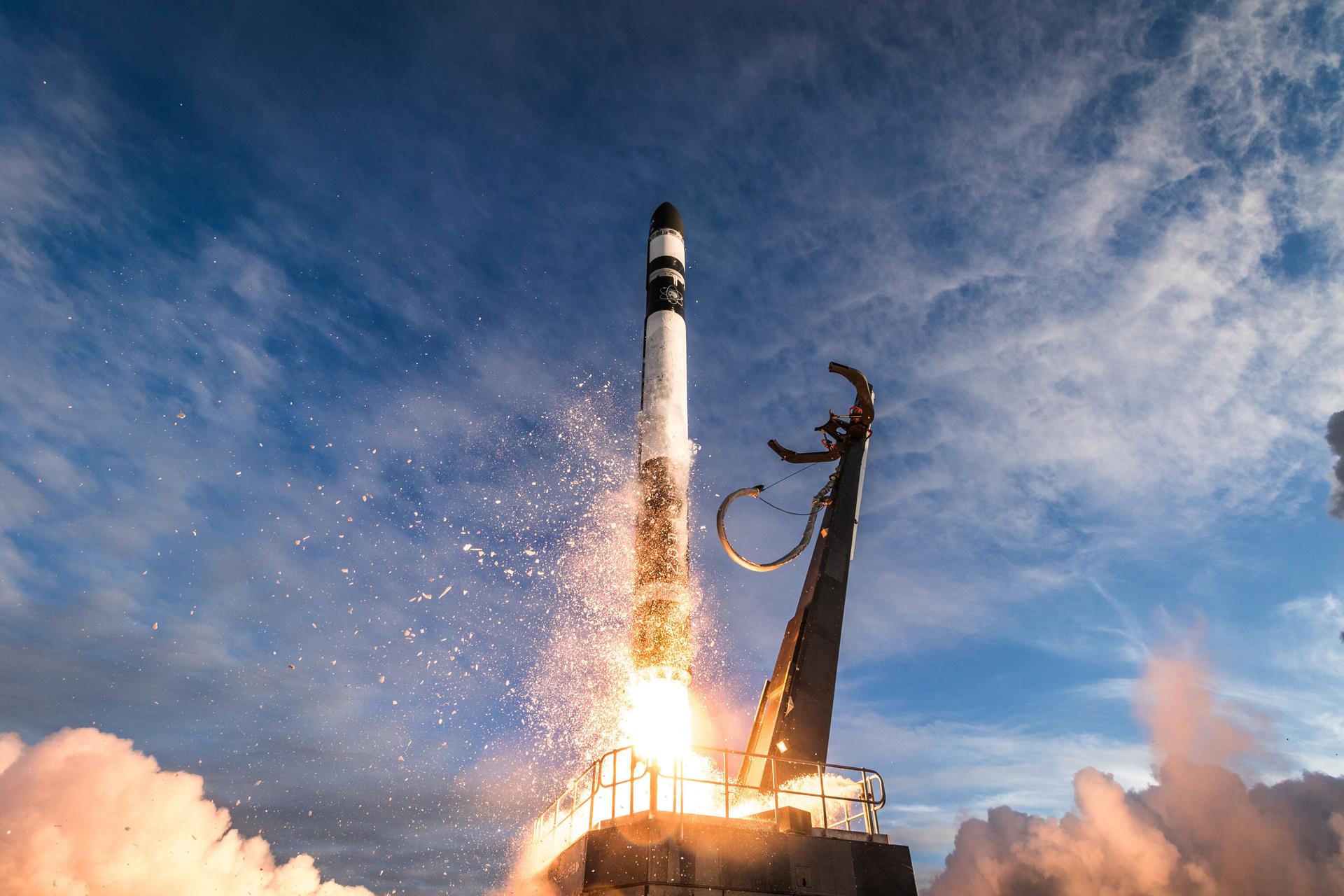
Curveball
Provider: Rocket Lab
Date: June 11, 2026
Time: 4:00 AM UTC
Vehicle: Electron
Sub-orbital launch under Rocket Lab’s Hypersonic Accelerator Suborbital Test Electron (HASTE) program, details TBD.
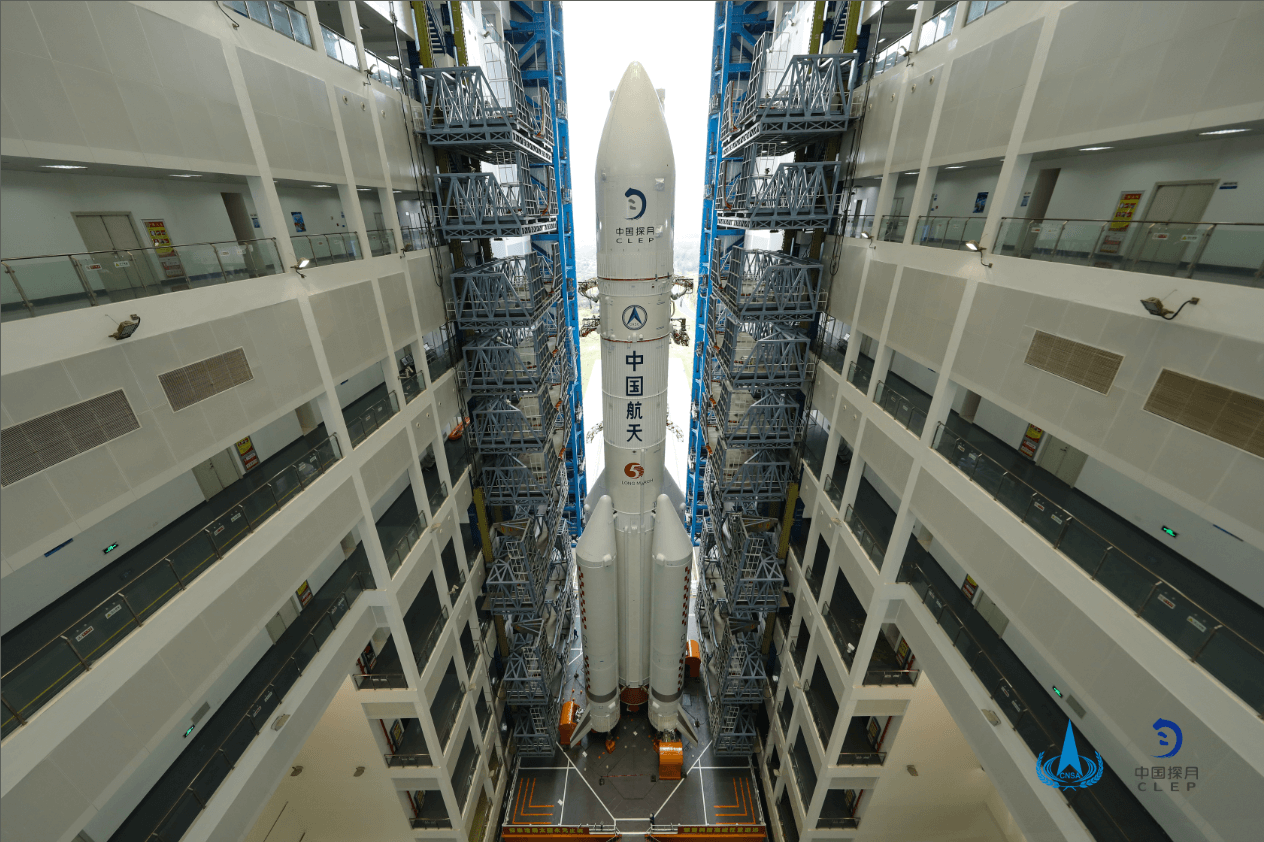
Unknown Payload
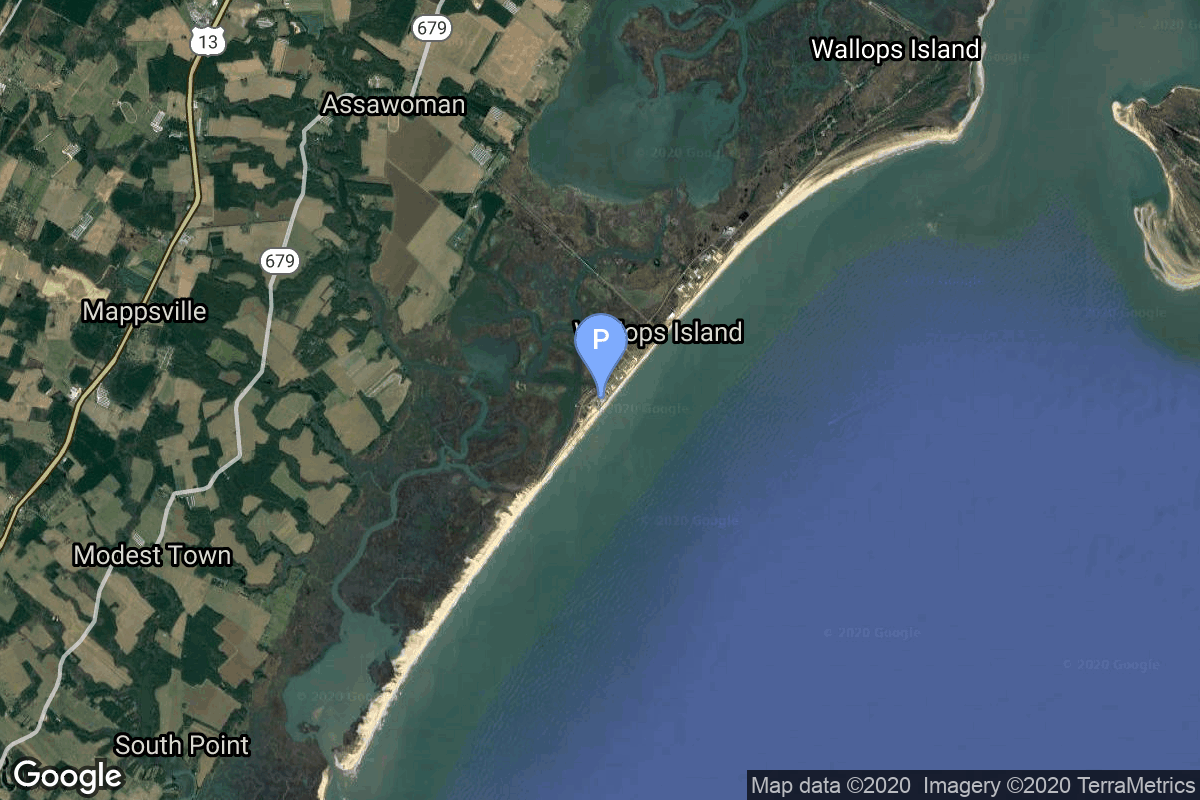
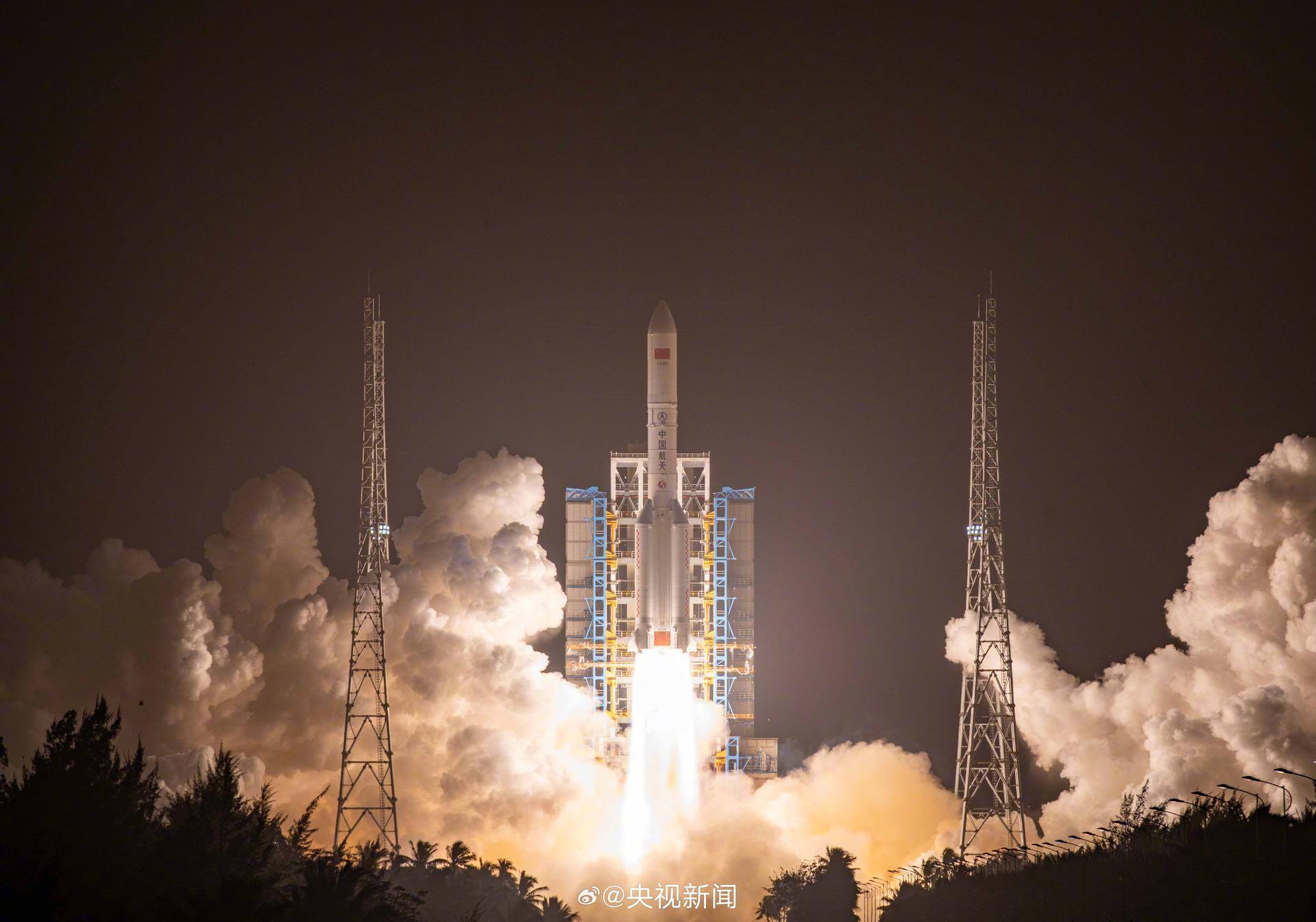
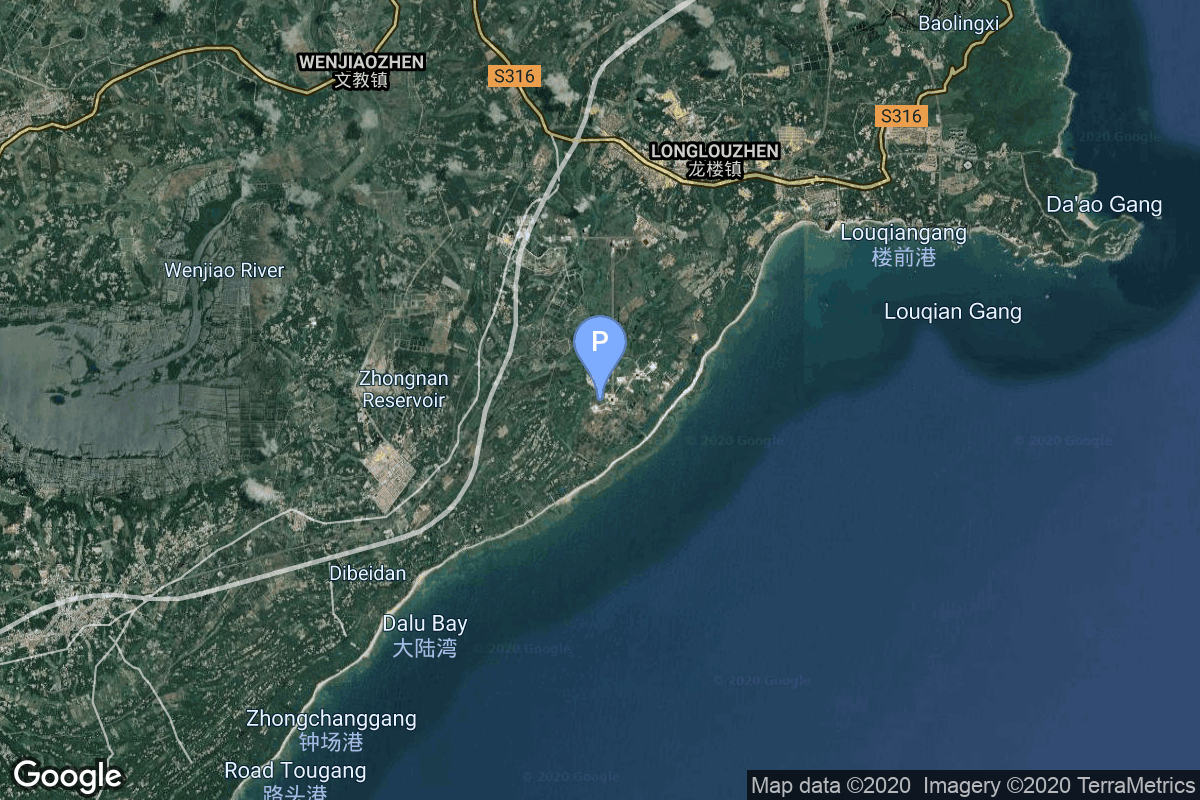
Provider: China Aerospace Science and Technology Corporation
Date: June 11, 2026
Time: 7:30 AM UTC
Vehicle: Long March 5
Details TBD.

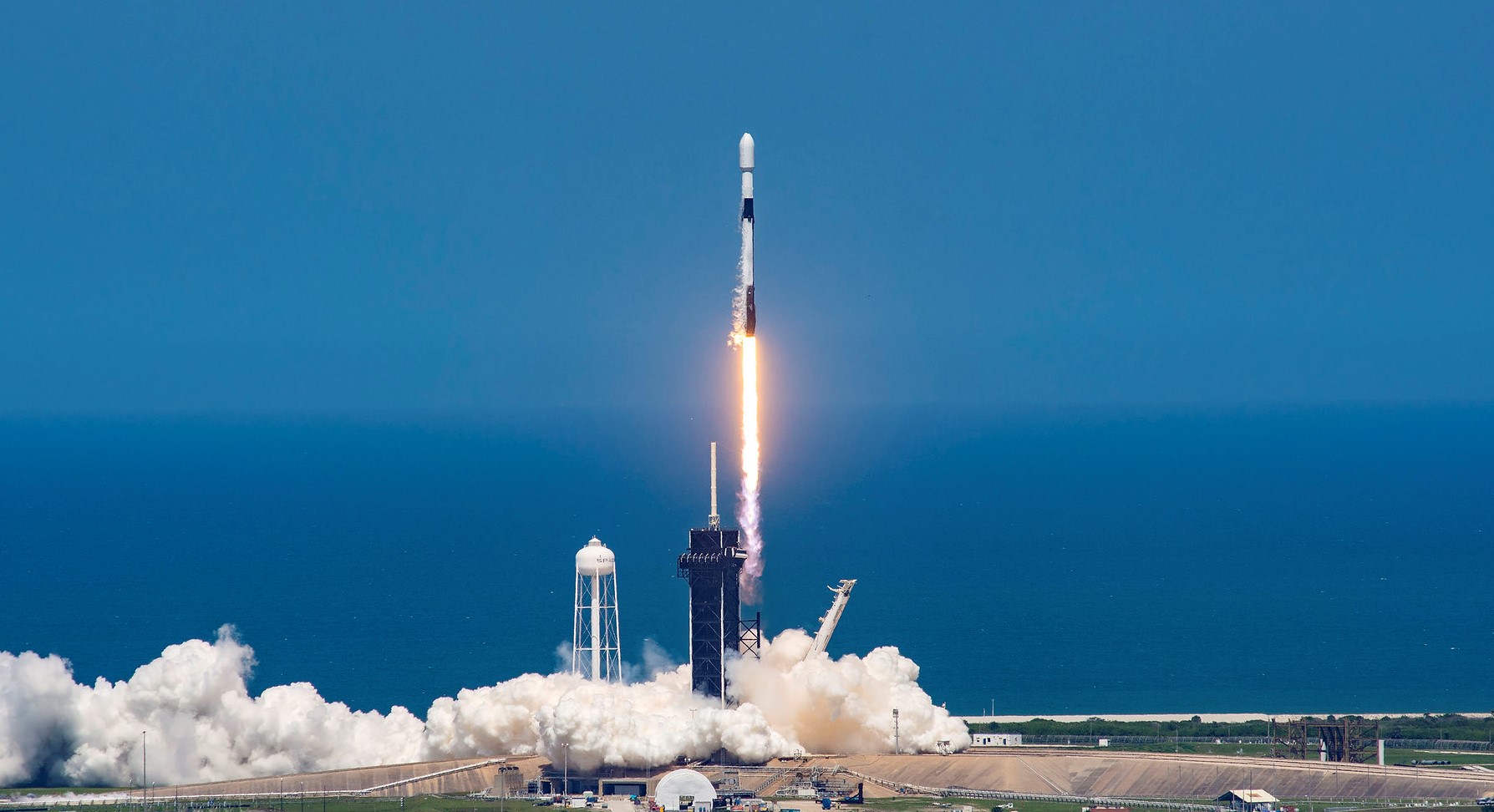
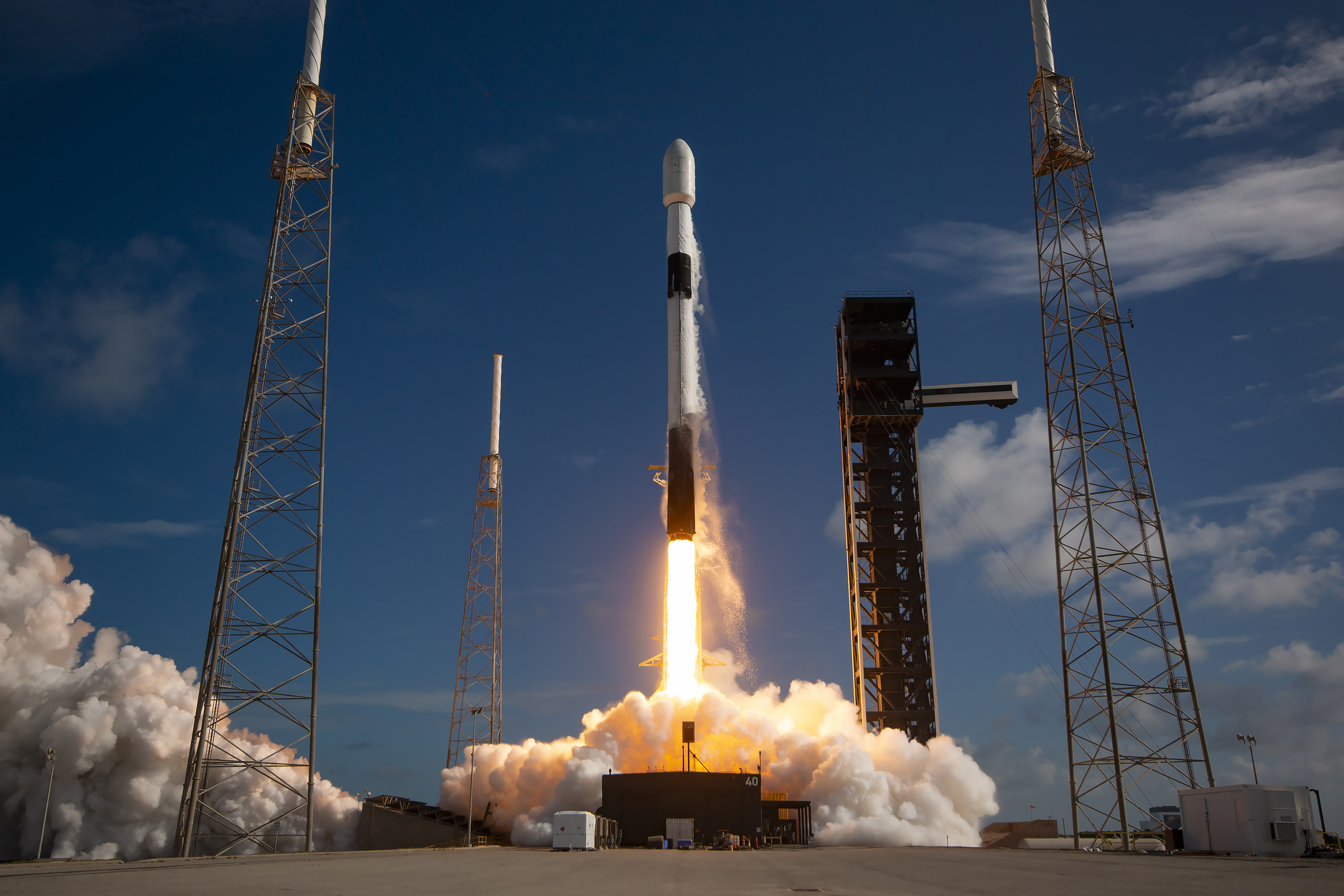
Starlink Group 17-44
Provider: SpaceX
Date: June 11, 2026
Time: 2:00 PM UTC
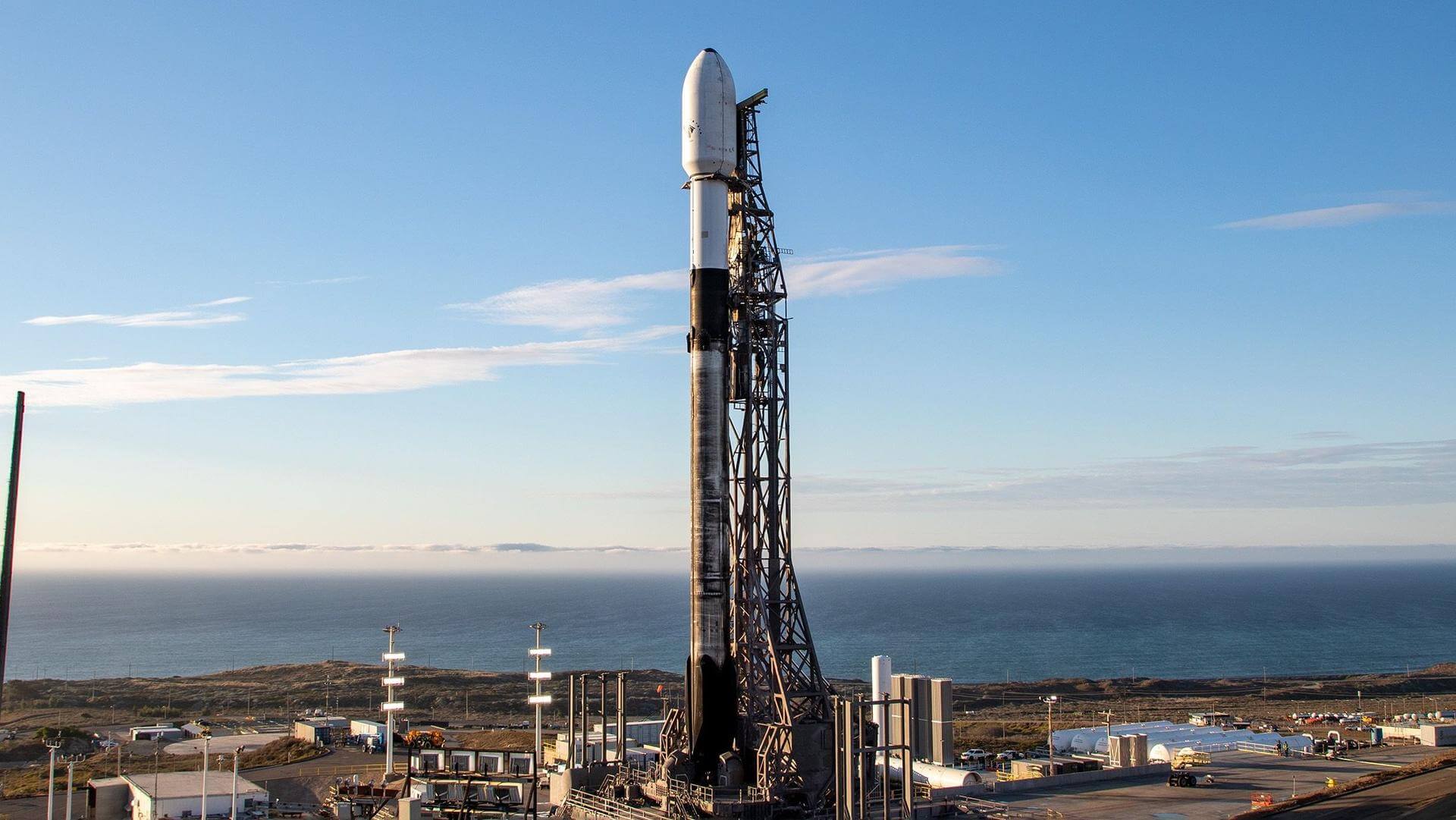
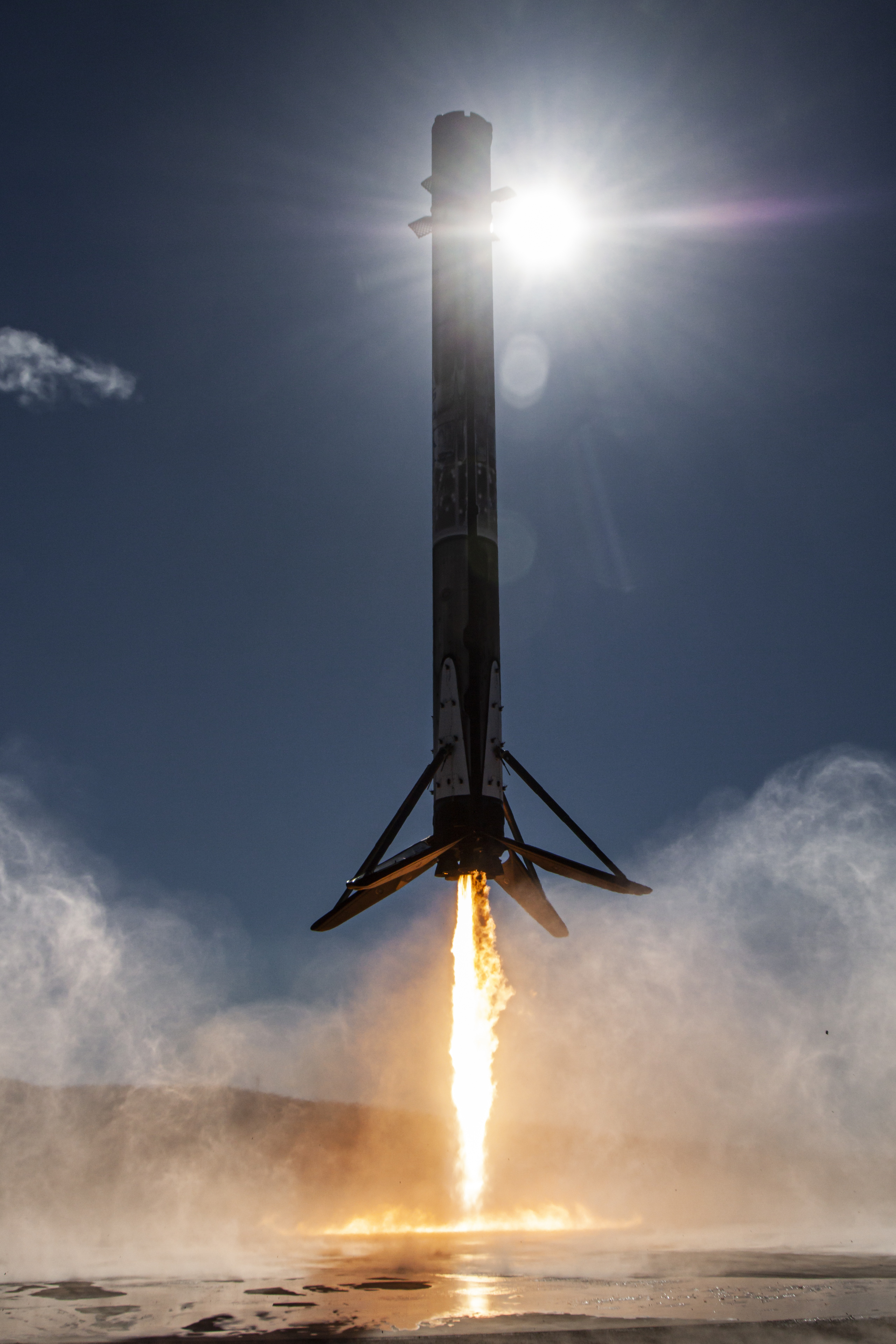
Vehicle: Falcon 9
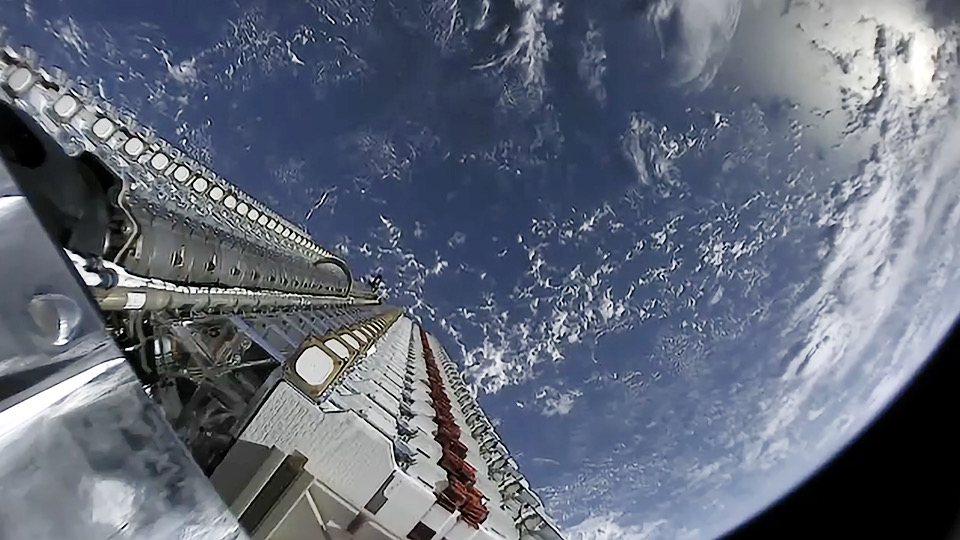
A batch of 24 satellites for the Starlink mega-constellation – SpaceX’s project for space-based Internet communication system.
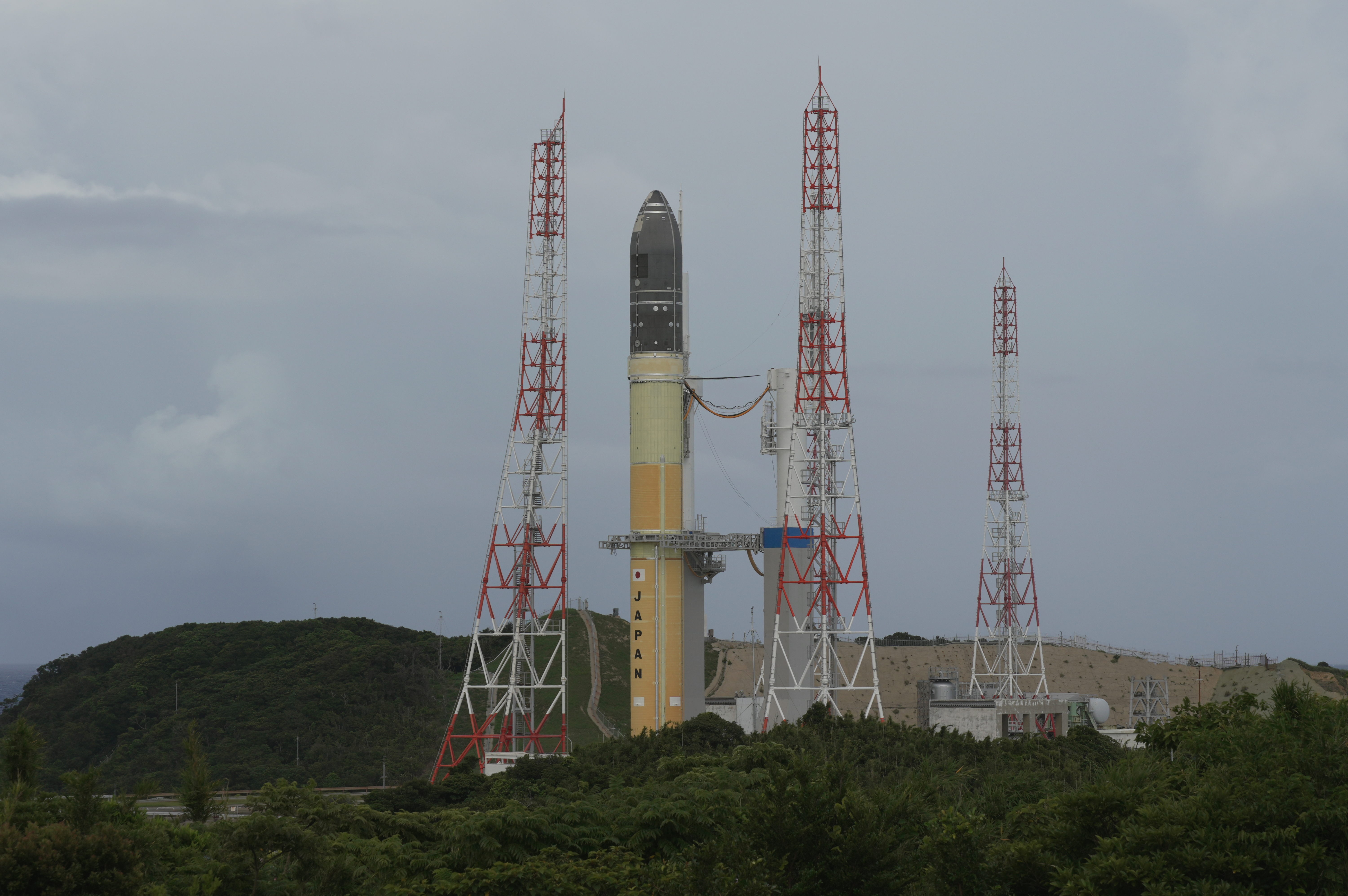
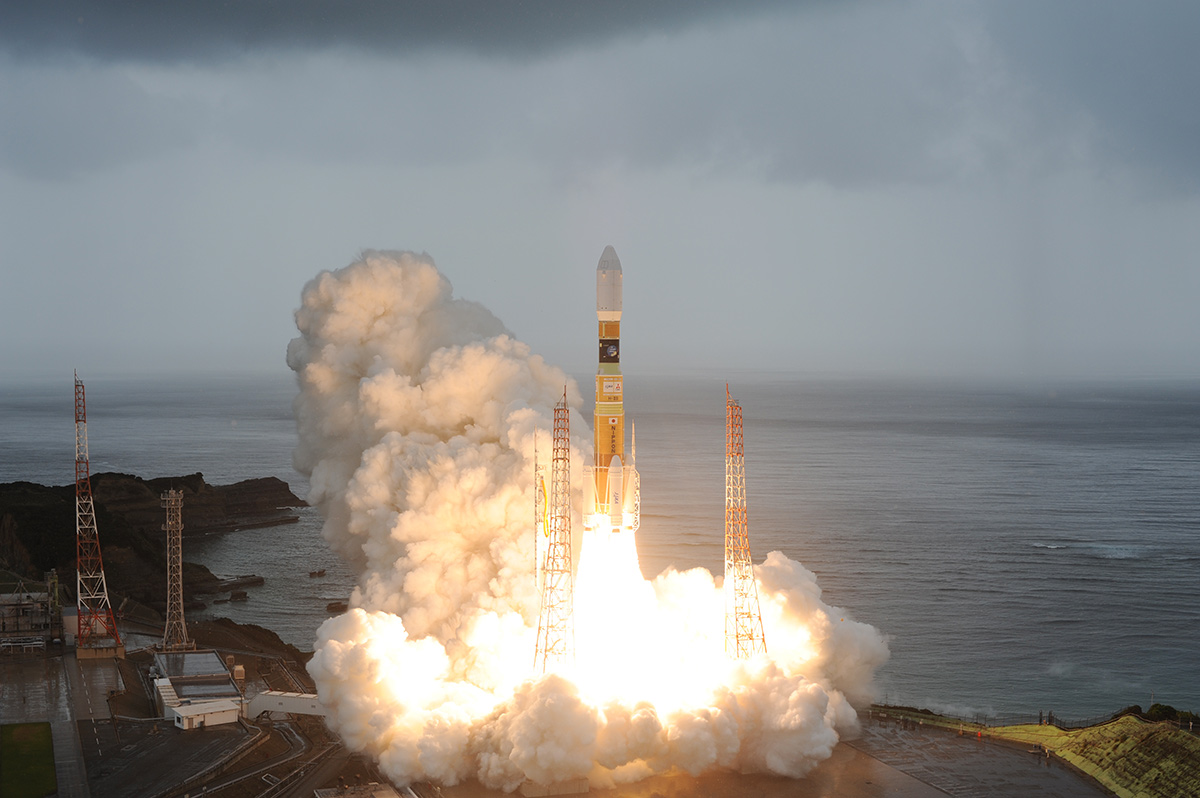
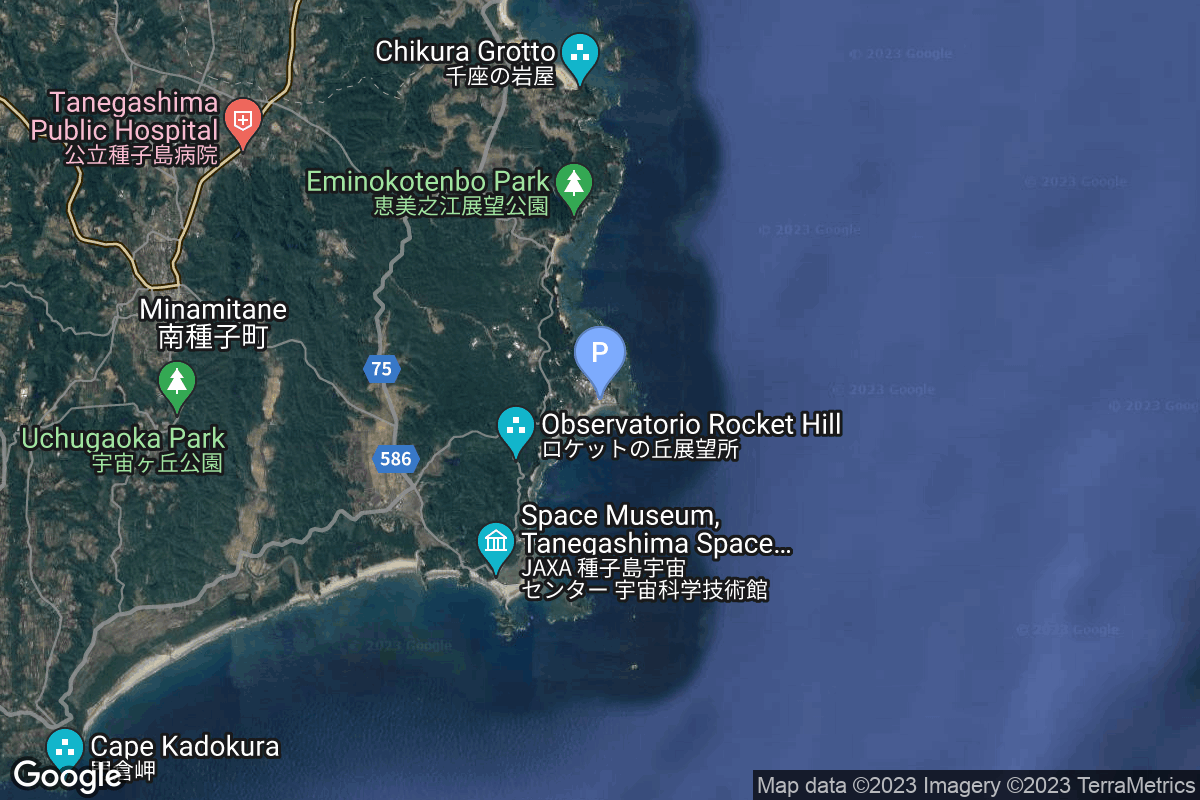
H3-30 Test Flight
Provider: Mitsubishi Heavy Industries
Date: June 12, 2026
Time: 12:53 AM UTC
Vehicle: H3-30
Test flight of the H3-30 variant of the H3 launch vehicle with 3 LE-9 engines in the first stage and no SRBs. The flight will carry a dummy main payload (Vehicle Evaluation Payload 5, VEP-5) and several hitchhiking small satellites:
* PETREL
* STARS-X
* BRO-22
* VERTECS
* HORN-L/R
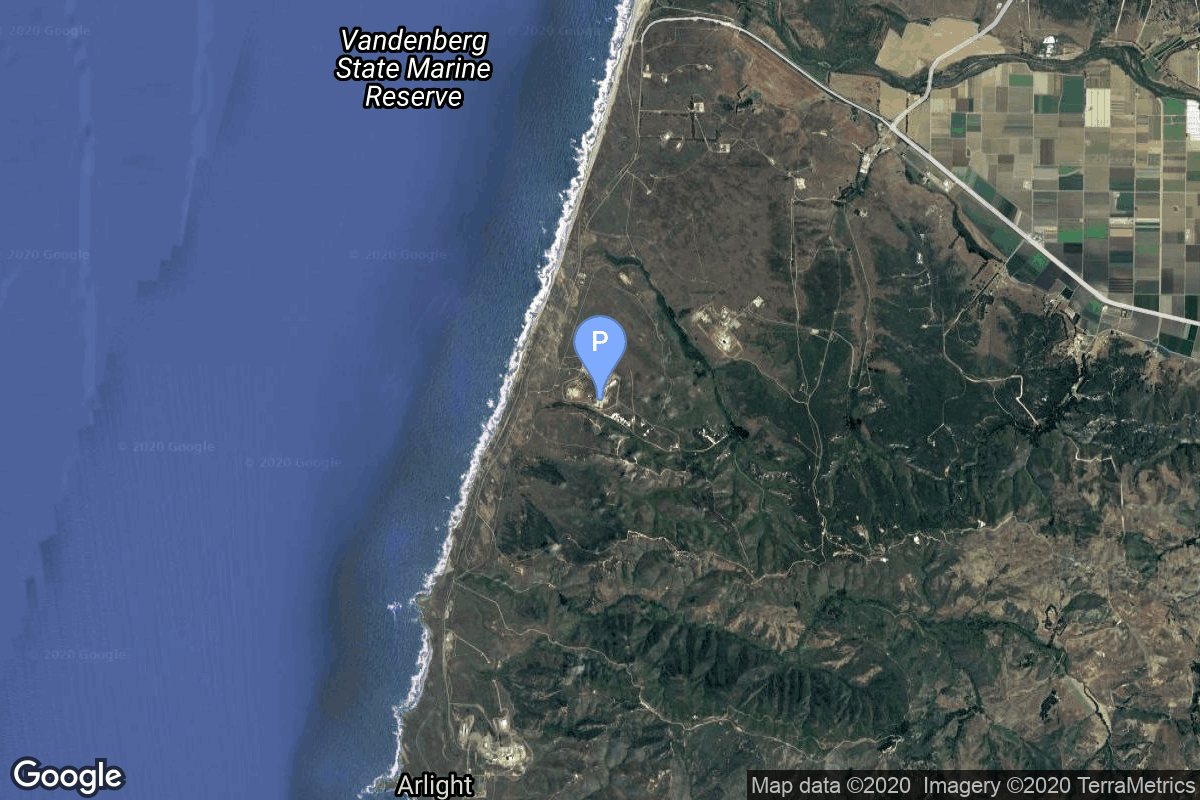
Starlink Group 10-54
Provider: SpaceX
Date: June 12, 2026
Time: 12:27 PM UTC
Vehicle: Falcon 9
A batch of 29 satellites for the Starlink mega-constellation – SpaceX’s project for space-based Internet communication system.



Enjoying the content? Stay up to date on everything happening behind the scenes by following our Patreon!

