
The Daily Broadcast: Canada Awards $2.4 Million for RADARSAT+ Ground Systems

Canada Funds RADARSAT+ Ground Control Systems
The Canadian Space Agency has awarded $2.4 million to three Canadian companies to design the ground-control infrastructure for RADARSAT+, the country’s next-generation Earth observation satellite system. Calian, Kepler Communications, and MDA Space will each receive up to $804,000 to develop the ground segment—the complex of software systems, communication dishes, and physical infrastructure on Earth required to command the spacecraft and process the vast amounts of environmental data they return.
The three companies will deliver concept designs, implementation plans, and technical risk assessments for a control network that will manage the new constellation. This funding marks the second phase of the broader RADARSAT+ initiative, which follows December 2025 contracts awarded for the space segment—the satellites themselves. The entire programme is underpinned by a $1.012 billion, 15-year investment commitment announced in 2023, aimed at ensuring Canada maintains uninterrupted access to critical Earth observation data.
RADARSAT+ builds on decades of Canadian expertise in Synthetic Aperture Radar technology, tracing back to RADARSAT-1 (launched 1995) and the successful RADARSAT Constellation Mission (three satellites launched June 2019). The imagery serves multiple critical functions: maritime authorities track sea ice to keep northern shipping routes safe, first responders use it to map flood zones and direct disaster relief, and defence and security operations depend on the data for maritime domain awareness and national sovereignty. The programme now sits within Canada’s broader Defence Industrial Strategy, explicitly linking space infrastructure to national security and resilience.
SpaceX IPO Launches Friday as Starlink 10-54 Lifts Off

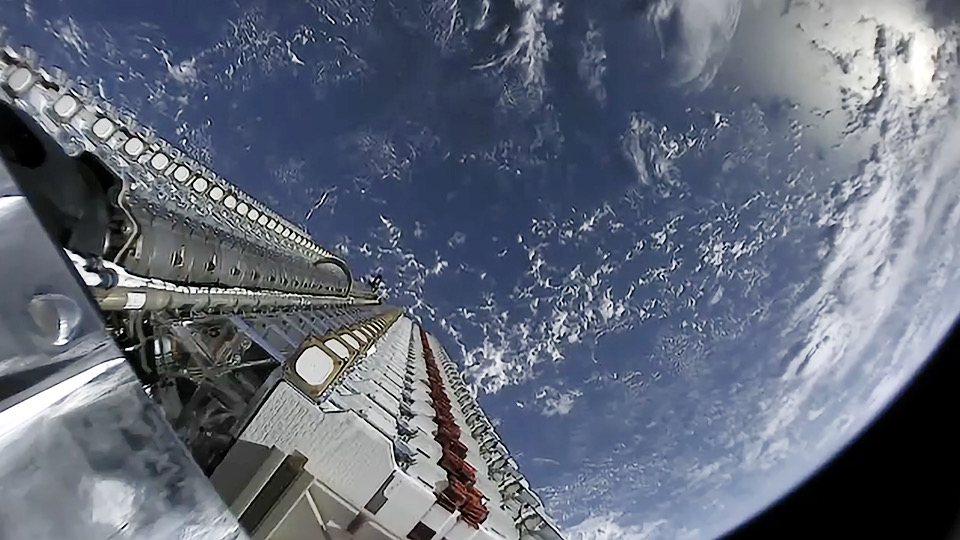
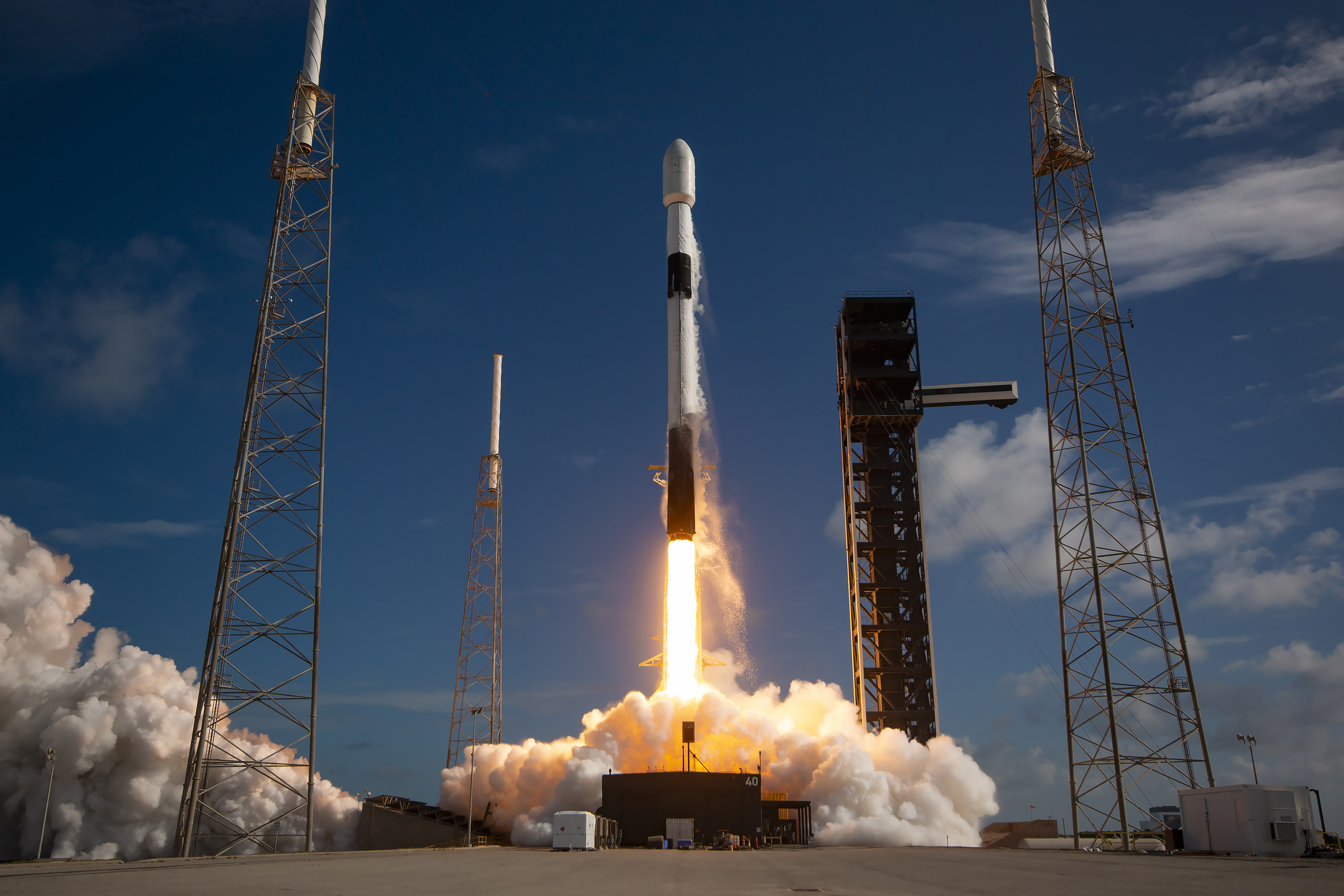
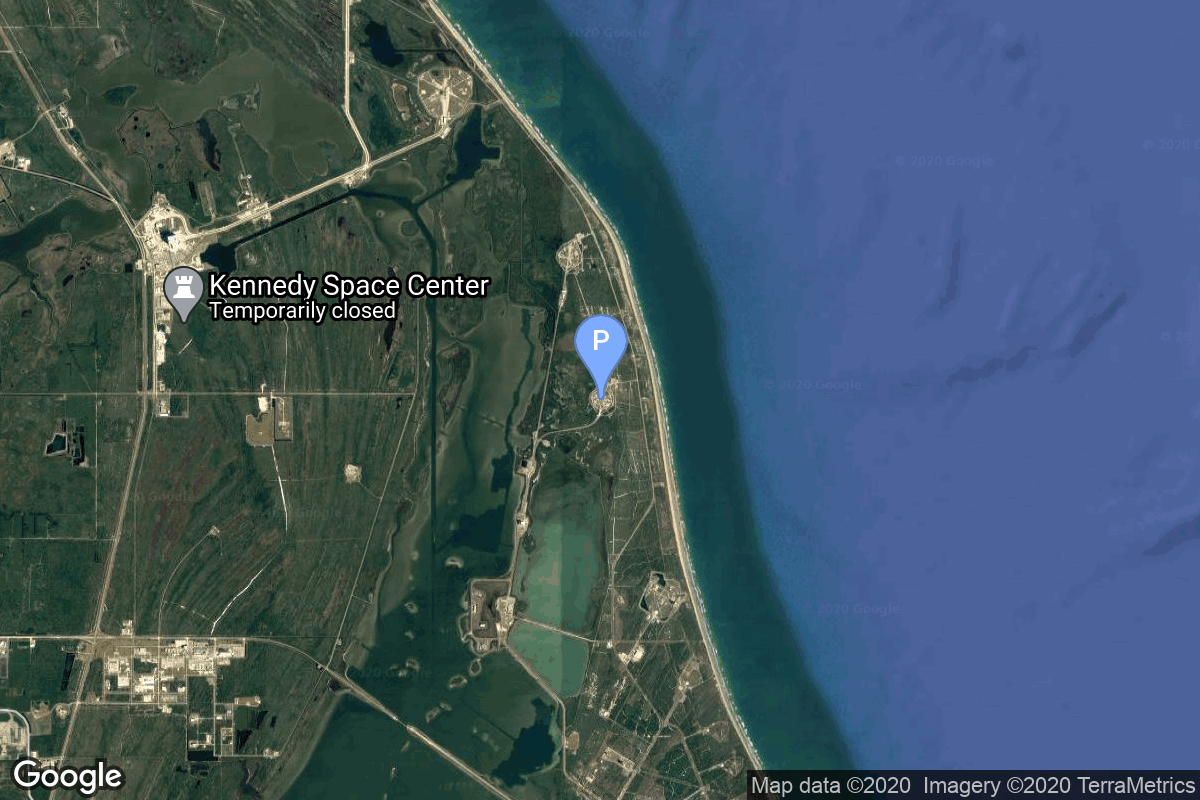
SpaceX begins trading publicly on the Nasdaq on Friday morning—less than an hour after a Falcon 9 rocket launches its final Starlink mission before going public. Liftoff of Starlink 10-54 is scheduled for 8:37 a.m. EDT (12:37 UTC) from Cape Canaveral Space Force Station in Florida, just as the trading day opens.
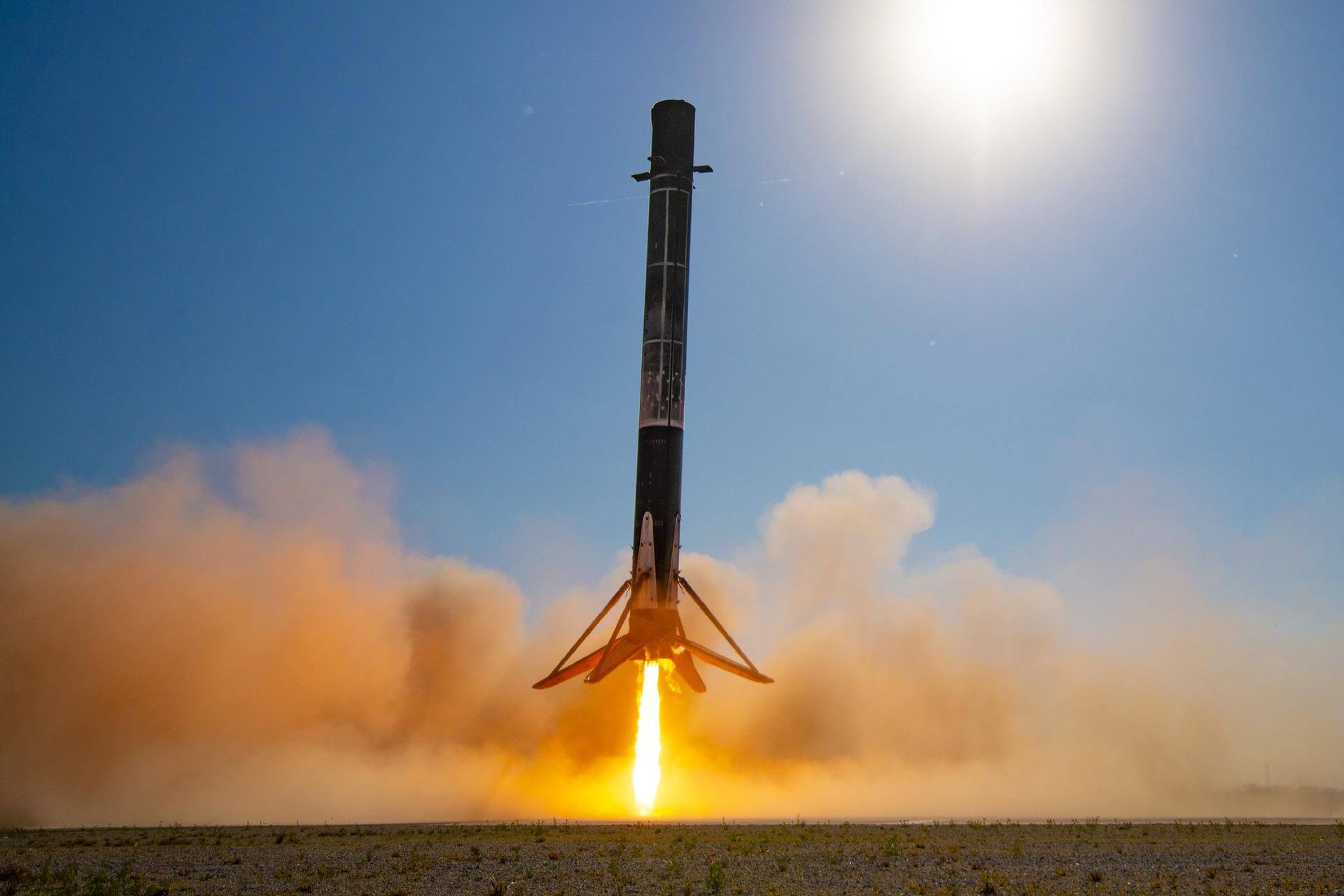
The mission will deploy 29 Starlink V2 Mini Optimized satellites into low Earth orbit aboard Falcon 9 first-stage booster B1080, which will be flying its 27th mission. B1080 has previously flown two crewed Axiom missions to the International Space Station, two cargo ISS resupply flights, and carried the European Space Agency’s Euclid observatory. After deployment, the booster will attempt a landing on the drone ship A Shortfall of Gravitas off South Carolina—a routine by SpaceX standards but historically significant in the company’s reuse programme.
SpaceX’s IPO values the company at $1.77 trillion and will raise $75 billion through the sale of 555.6 million Class A shares at $135 each. Starlink is a key driver of that valuation. The company reported Starlink revenue of roughly $2 billion in 2024 and $4.4 billion in 2025—demonstrating the constellation’s growing commercial viability. SpaceX has disclosed plans to deploy higher-capacity Starlink V3 satellites from its Starship-Super Heavy launch system mid-2026 onwards, and is betting on Starship to unlock new markets including point-to-point suborbital travel and eventual lunar and Mars infrastructure. The company spent $3 billion on Starship research and development in 2025 alone.
Stoke Space’s Nova Rocket Completes Major Testing Phase

Stoke Space has completed proto-qualification testing of the first stage of its Nova medium-lift rocket, marking solid progress toward an end-of-2026 debut. Over a three-week campaign in early June 2026 at the company’s testing facility in Moses Lake, Washington, the flight article underwent 46 structural verification tests plus rigorous trials of critical fluid systems, avionics, and ground support equipment.
Nova’s first stage is a 27.1-meter reusable booster designed for return-to-launch-site or drone-ship recovery. Engines have already undergone extensive vertical hot-fire testing in Stoke’s twin-cell firing stand. Following proto-qualification, the booster will receive its engines in the coming months and undergo additional verification tests before being shipped to Cape Canaveral for final integration and launch.
The milestone underscores active competition in the medium-lift market, with multiple providers advancing toward operational flight. Stoke’s progress on Nova, combined with ongoing testing campaigns from other launch startups and the proven reuse track records of established providers, signals a maturing competitive landscape for orbital access.
Citations
- “Canada awards $2.4 million for ground-control systems to be used by RADARSAT+ Earth observation satellites” — https://spaceq.ca/canada-awards-2-4-million-for-ground-control-systems-to-be-used-by-radarsat-earth-observation-satellites/
- “Live coverage: SpaceX to launch final Starlink mission as it begins publicly trade its stock on the Nasdaq for the first time” — https://spaceflightnow.com/2026/06/12/live-coverage-spacex-to-launch-final-starlink-mission-as-it-begins-publicly-trade-its-stock-on-the-nasdaq-for-the-first-time/
- “Rocket Report: Nova moving through test campaign; SpaceX IPO launches Friday” — https://arstechnica.com/space/2026/06/rocket-report-nova-moving-through-test-campaign-spacex-ipo-launches-friday/

Starlink Group 10-54
Provider: SpaceX
Date: June 12, 2026
Time: 12:37 PM UTC
Vehicle: Falcon 9
A batch of 29 satellites for the Starlink mega-constellation – SpaceX’s project for space-based Internet communication system.
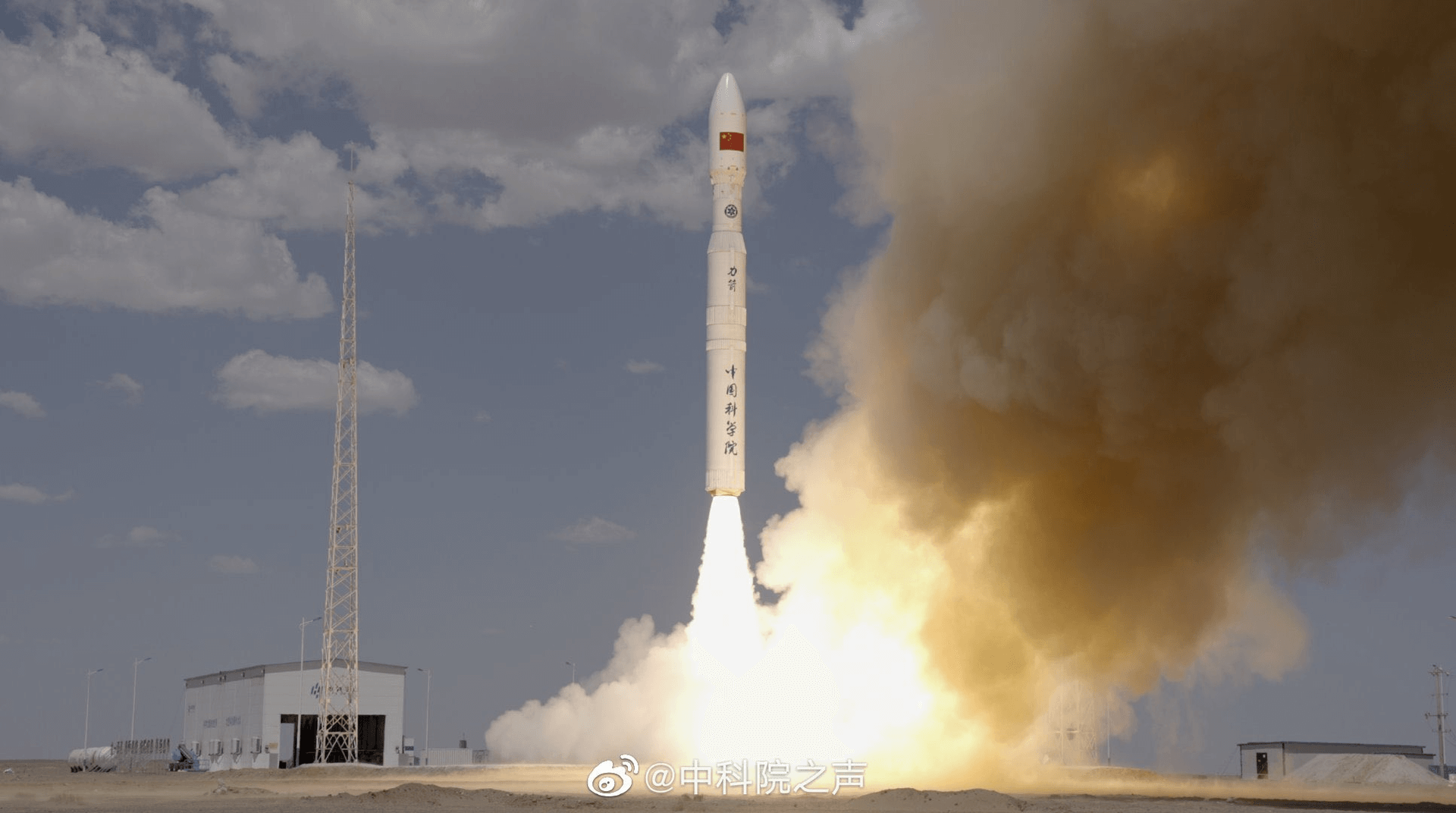
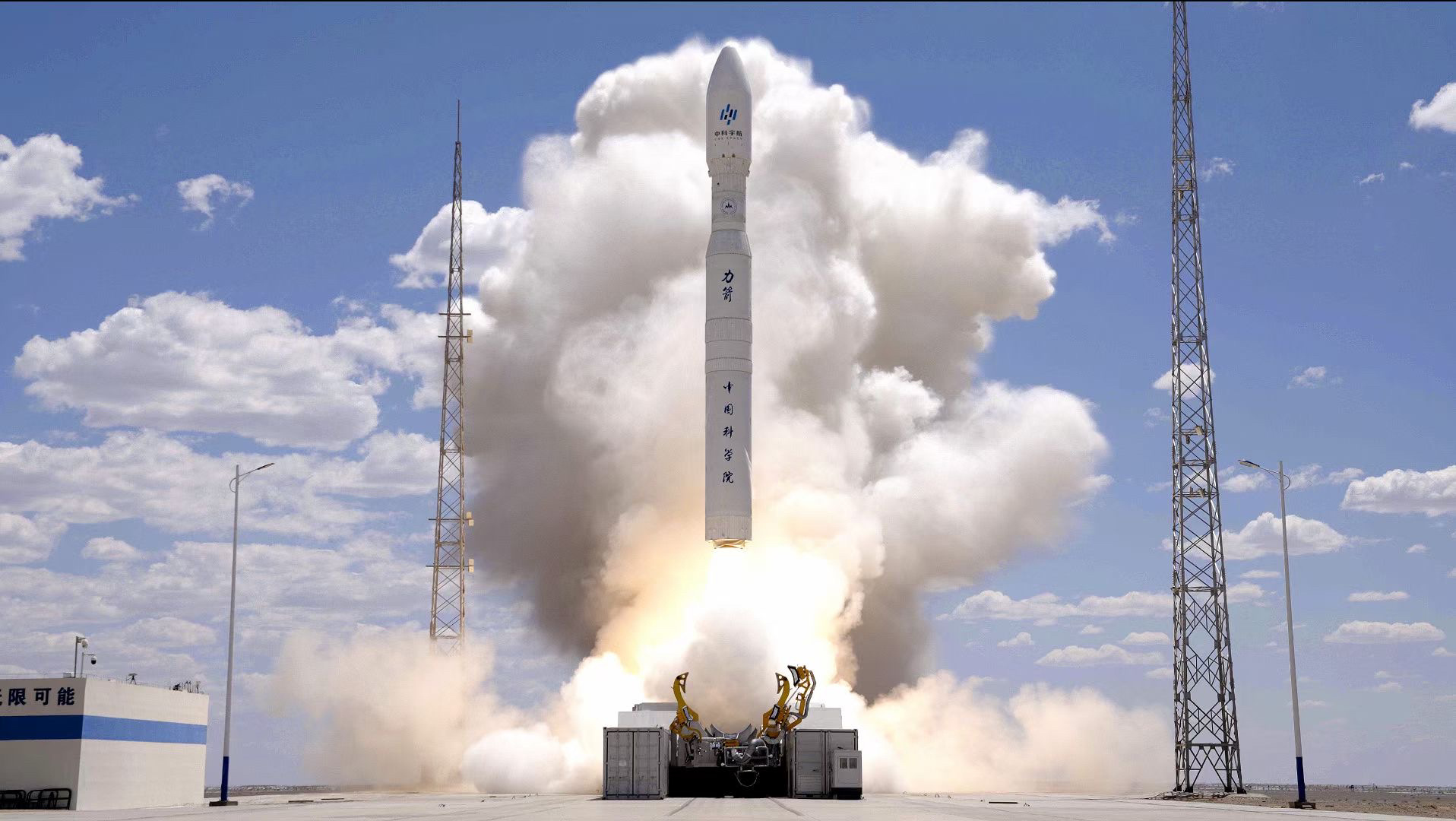
Unknown Payload
Provider: CAS Space
Date: June 15, 2026
Time: 3:40 AM UTC
Vehicle: Kinetica 1
Details TBD.
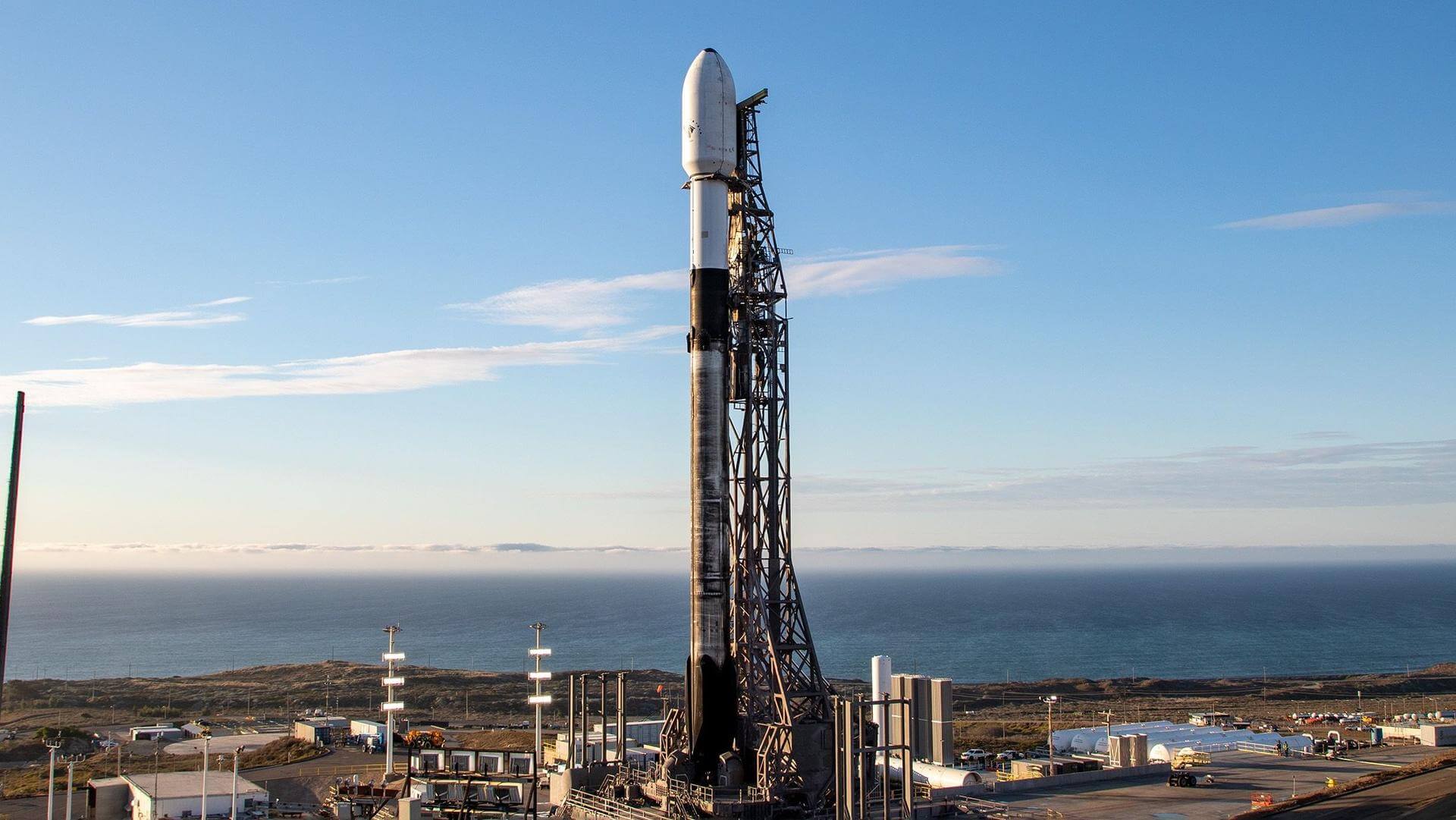
Starlink Group 17-54
Provider: SpaceX
Date: June 15, 2026
Time: 2:00 PM UTC
Vehicle: Falcon 9
A batch of 24 satellites for the Starlink mega-constellation – SpaceX’s project for space-based Internet communication system.
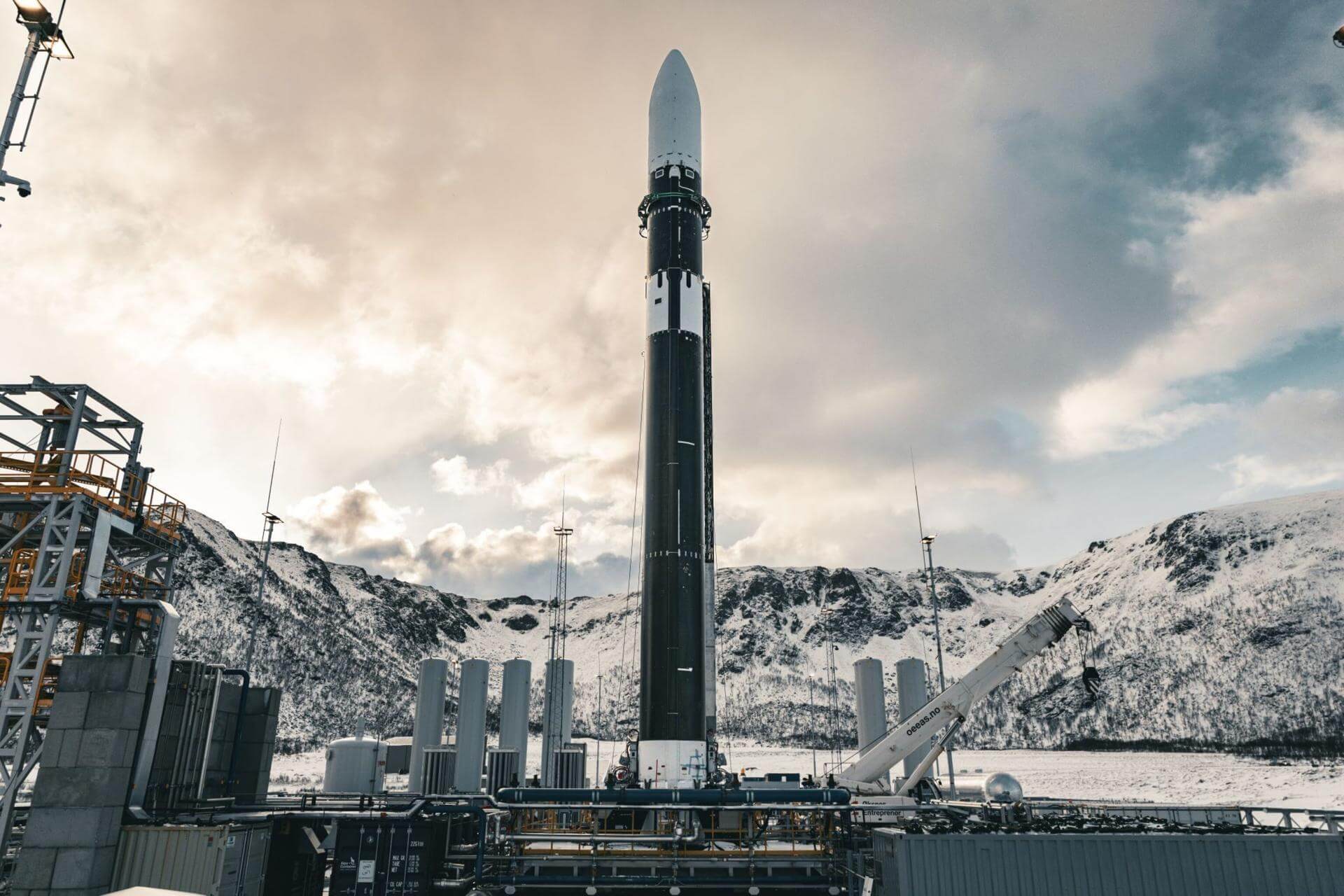
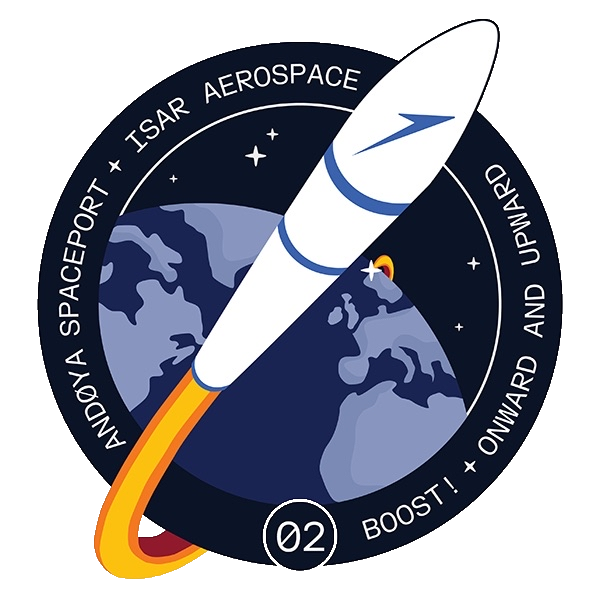
Onward and Upward
Provider: Isar Aerospace
Date: June 15, 2026
Time: 8:00 PM UTC
Vehicle: Spectrum
Second test flight of the Isar Spectrum launch vehicle. This launch will carry 5 cubesats and 1 non-separable experiment as part of European Space Agency (ESA)’s “Boost!” program:
* CyBEEsat (TU Berlin)
* TriSat-S (University of Maribor)
* Platform 6 (EnduroSat)
* FramSat-1 (NTNU)
* SpaceTeamSat1 (TU Wien Space Team)
* Let It Go (Dcubed, non-separable experiment)
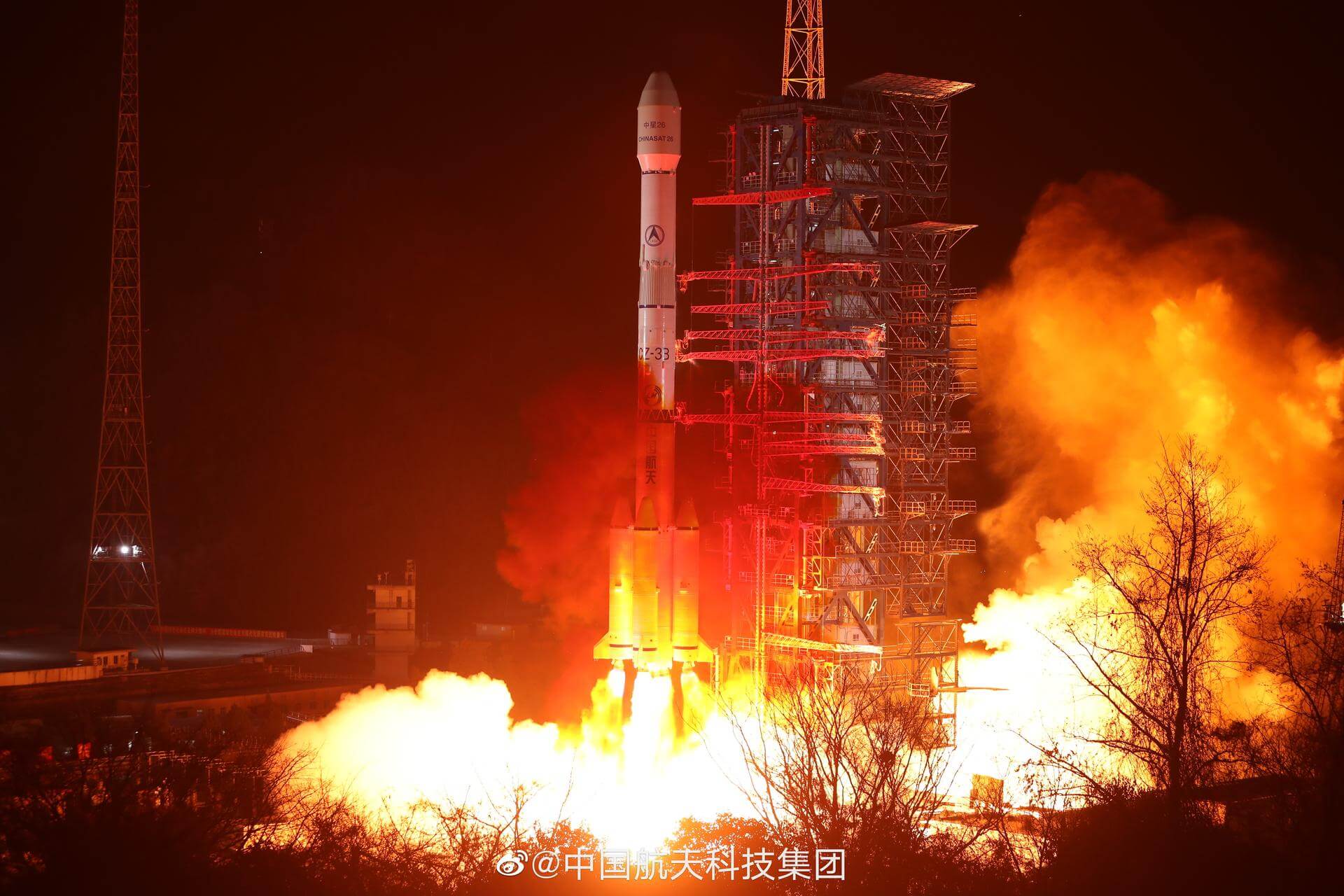
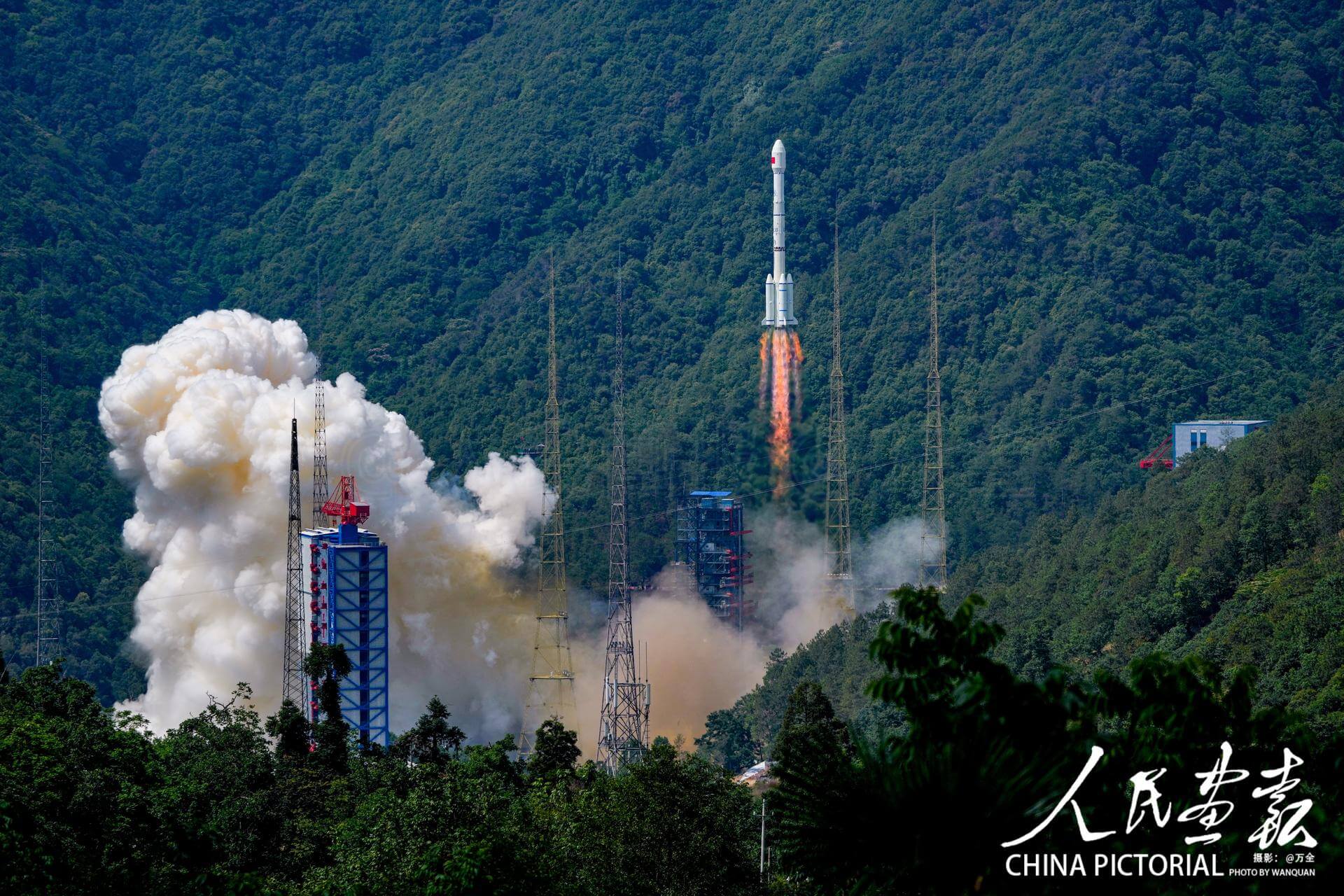
Unknown Payload
Provider: China Aerospace Science and Technology Corporation
Date: June 16, 2026
Time: 9:45 AM UTC
Vehicle: Long March 3B/E
Details TBD.







Enjoying the content? Stay up to date on everything happening behind the scenes by following our Patreon!

