Blue Origin Lands National Security Launch Contract Amid New Glenn Test Failure
The U.S. Space Force awarded Blue Origin a national security launch contract on the afternoon of May 28, but the milestone was overshadowed just hours later when the company’s New Glenn rocket exploded during a hot fire test at the same Cape Canaveral pad. The contract award, officially issued under the National Security Space Launch (NSSL) Phase 3 Lane 1 programme, calls for a single launch for the National Reconnaissance Office between the fourth quarter of 2027 and the first quarter of 2028 from Cape Canaveral Space Force Station in Florida.
Despite the explosive setback, the Space Force and NRO issued a swift statement on May 29 reaffirming their support for both Blue Origin and the New Glenn vehicle. “The U.S. Space Force and NRO remain committed partners with Blue Origin and will work with them on the New Glenn vehicle anomaly,” the Space Systems Command said. Colonel Eric Zarybnisky, who oversees the NSSL programme, acknowledged the severity of the test failure but framed it as an expected risk in rocket development: “This anomaly is a solemn reminder that the critical capability this community provides is rocket science and inherently challenging.”
The task order represents a significant vote of confidence in Blue Origin as a national security launch provider. The NSSL Phase 3 Lane 1 programme is designed to accept greater launch risk than the military’s highest-priority missions, making it a stepping stone for newer providers. Blue Origin became eligible to compete for Lane 1 missions in June 2024, joining SpaceX and United Launch Alliance as approved contractors. The contract sits below the more stringent Phase 3 Lane 2 tier, which is reserved for the highest-value national security payloads and requires full vehicle certification — a milestone Blue Origin has not yet achieved with New Glenn.
The May 28 explosion occurred during a hot fire test, where engines are ignited and run under full thrust at the pad without lifting off. These tests are critical for validating vehicle systems before an actual launch attempt, but they carry inherent risk. The incident forced a temporary closure of Cape Canaveral Launch Complex 36, though Blue Origin CEO David Limp indicated on May 30 that recovery was underway. “We have regained some access to Launch Complex 36 and are actively investigating the hotfire anomaly,” Limp posted on social media. “We will start clearing the pad soon and have a good rebuild plan in place.”
The timing of the award and the explosion reflects the Pentagon’s broader strategy to diversify its launch provider base amid mounting demand for space access. By opening NSSL to both established contractors and newer firms through tiered risk profiles, the Space Force is hedging its portfolio. Blue Origin’s New Glenn is still in the early phase of qualification, with no orbital test flights to date, yet the government has signalled its willingness to work with the company through setbacks.
The Space Force did not disclose the financial value of the NRO task order. The rebuild timeline and investigation into the May 28 anomaly will likely influence the feasibility of the Q4 2027–Q1 2028 launch window, but both Blue Origin and its government partners have moved quickly to frame the incident as a manageable setback rather than a programme-threatening failure.
Provider: SpaceX Date: June 3, 2026 Time: 8:02 AM UTC Vehicle: Falcon 9
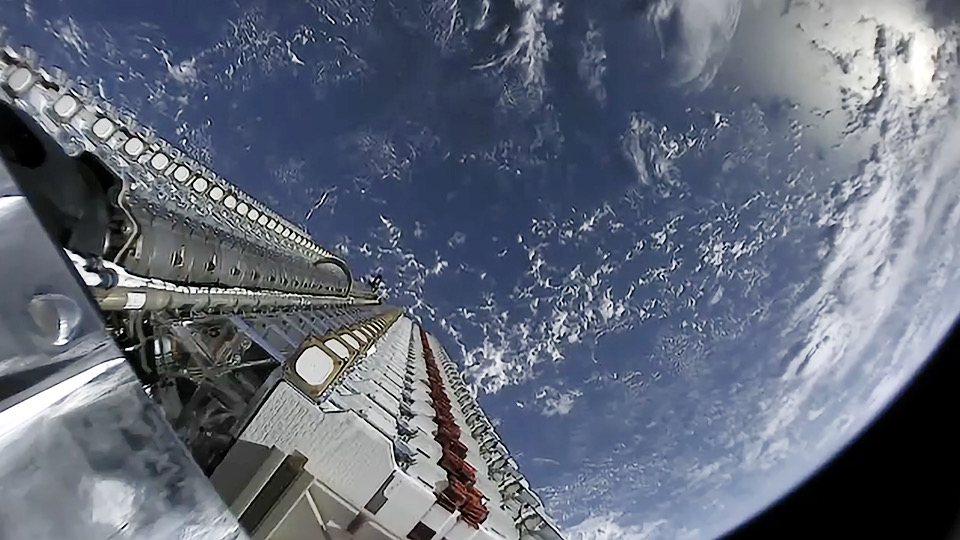
A batch of 29 satellites for the Starlink mega-constellation – SpaceX’s project for space-based Internet communication system.
Starlink Group 17-47
Provider: SpaceX Date: June 3, 2026 Time: 2:00 PM UTC Vehicle: Falcon 9
A batch of 24 satellites for the Starlink mega-constellation – SpaceX’s project for space-based Internet communication system.
Unknown Payload
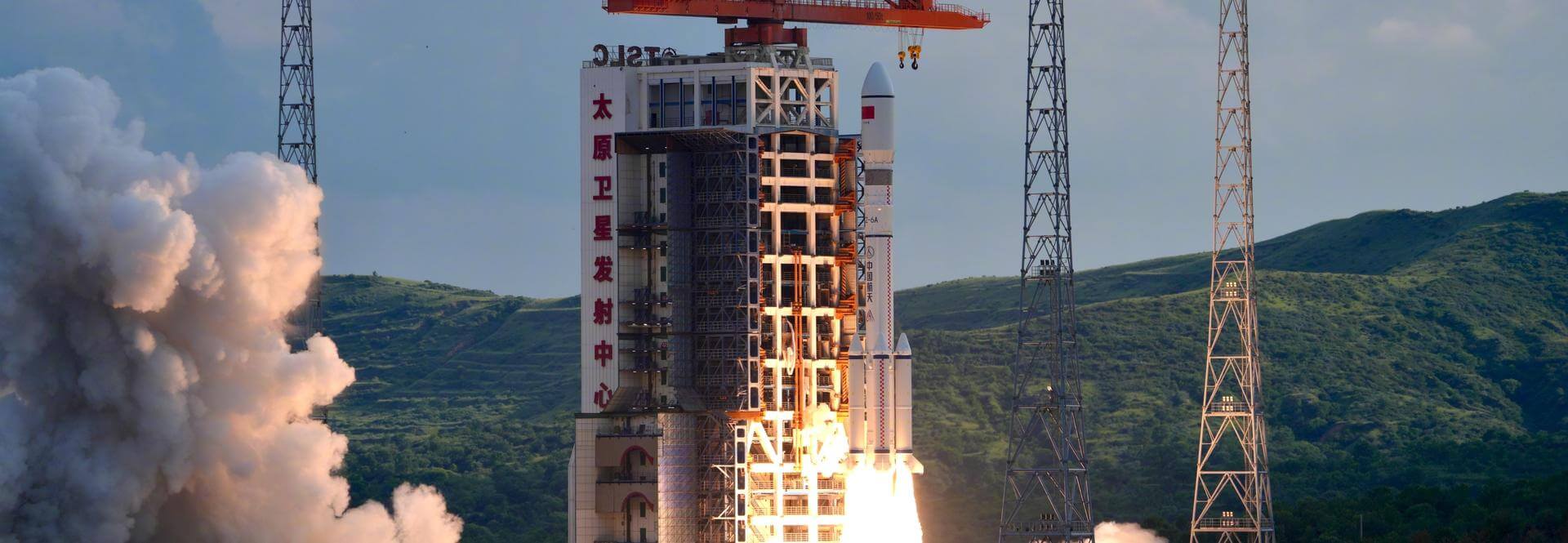
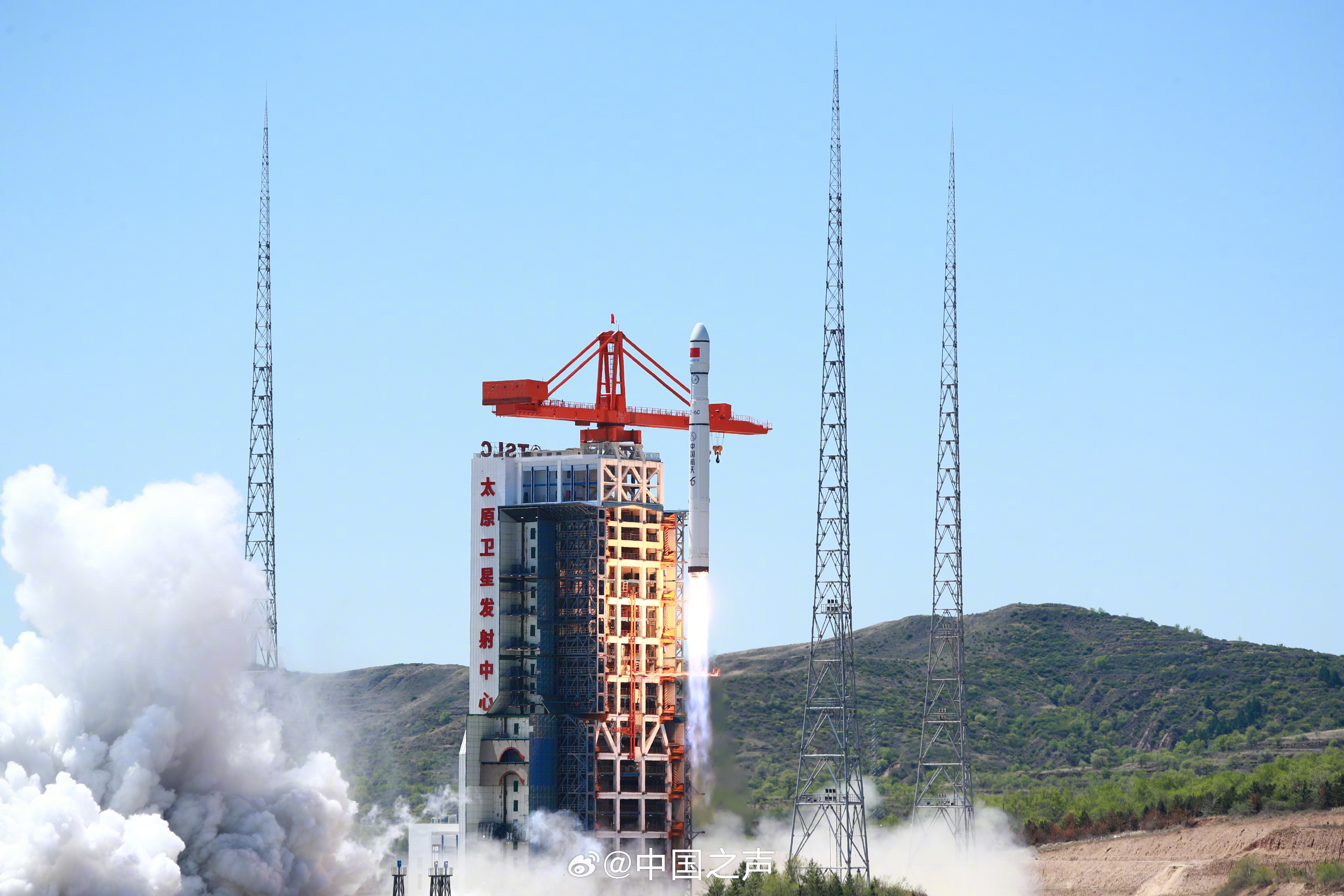
Provider: China Aerospace Science and Technology Corporation Date: June 4, 2026 Time: 11:41 AM UTC Vehicle: Long March 6A
Details TBD, probably SpaceSail Polar Orbit LEO communication satellites.
Unknown Payload
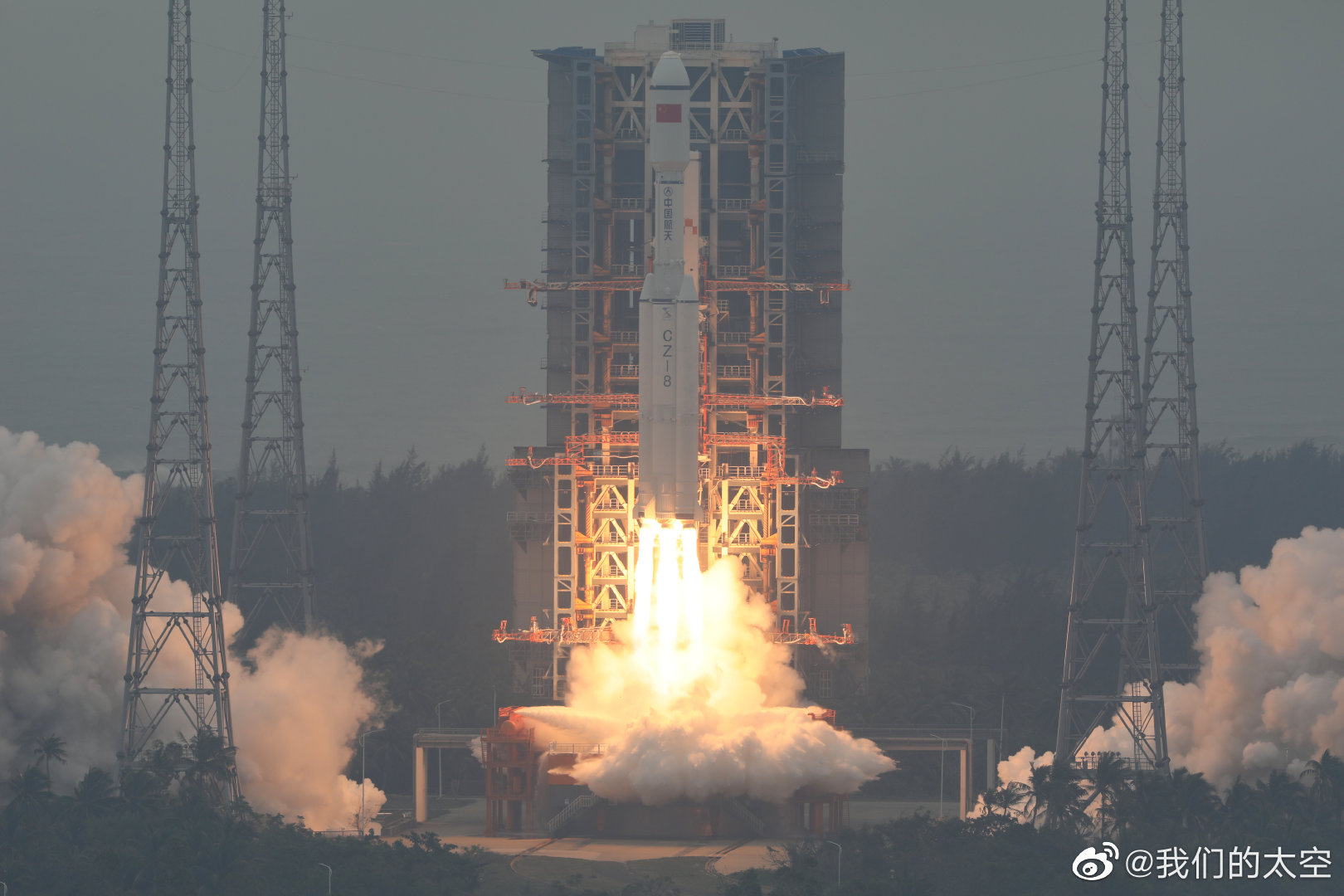
Provider: China Aerospace Science and Technology Corporation Date: June 5, 2026 Time: 5:00 AM UTC Vehicle: Long March 8
Details TBD, probably SpaceSail Polar Orbit LEO communication satellites.
Demo Flight
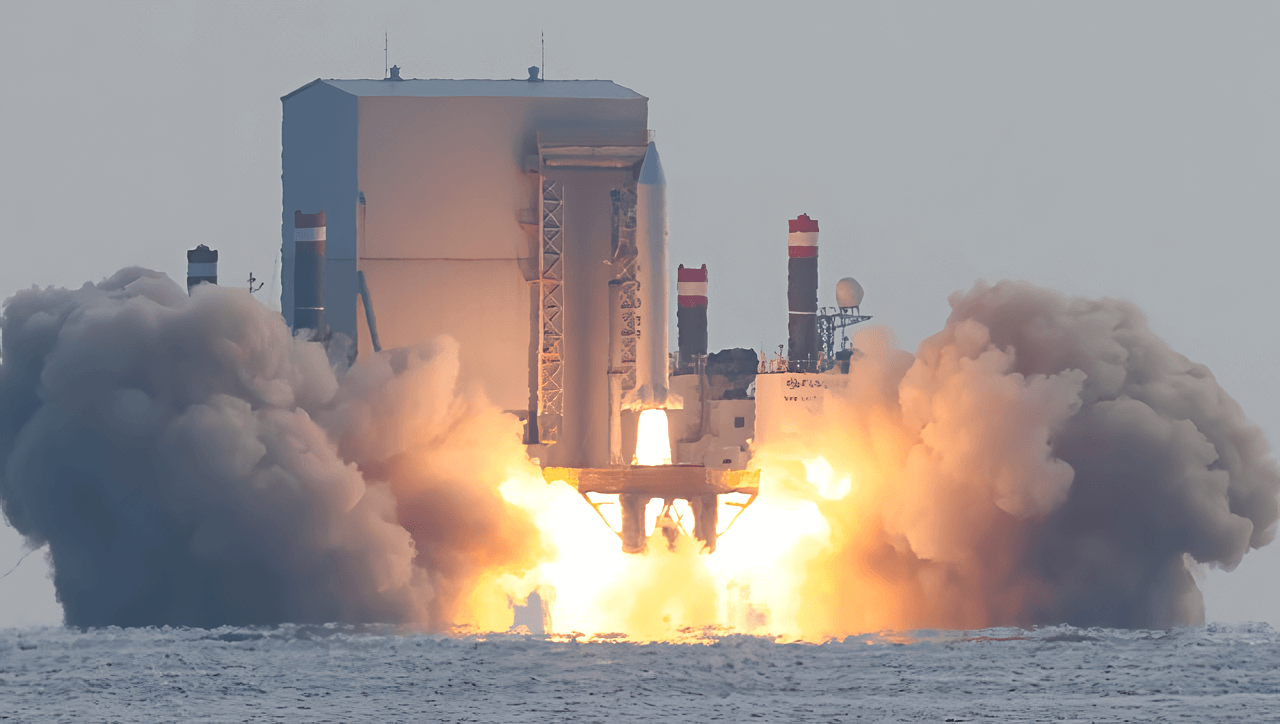
Provider: Agency for Defense Development Date: June 8, 2026 Time: 5:00 AM UTC Vehicle: South Korean ADD Solid-Fuel SLV
Note: Launch vehicle name is provisional.
First orbital full version launch of the South Korean military small satellite launch vehicle, after 2 sub-orbital tests of individual stages on 30 March and 30 December 2022, and 1 orbital test flight without the 2nd stage on 4 December 2023. Details TBD.
Starlink Group 10-43 ×
Mission Details
TypeCommunications
OrbitLow Earth Orbit
TargetEarth
A batch of 29 satellites for the Starlink mega-constellation – SpaceX’s project for space-based Internet communication system.
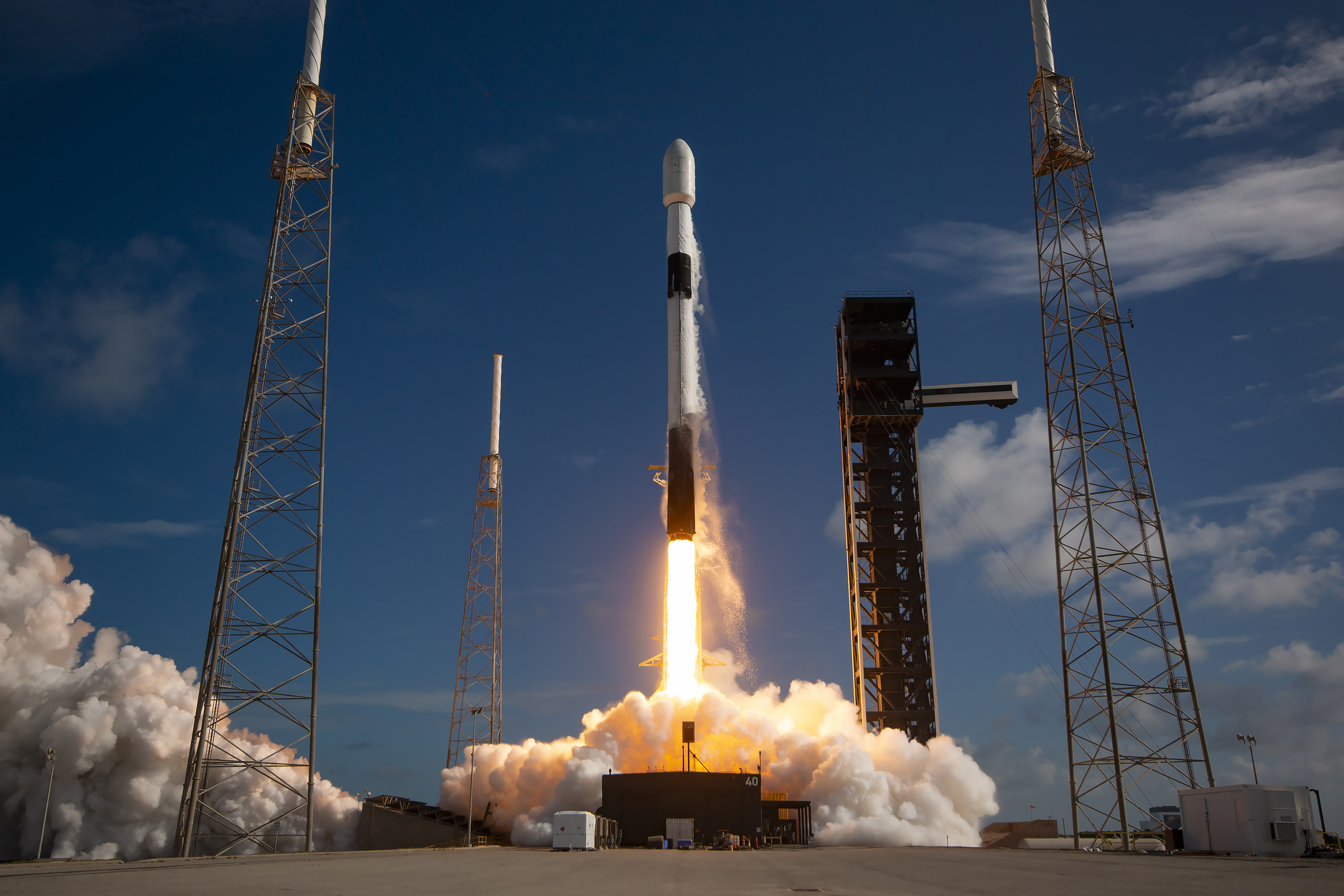
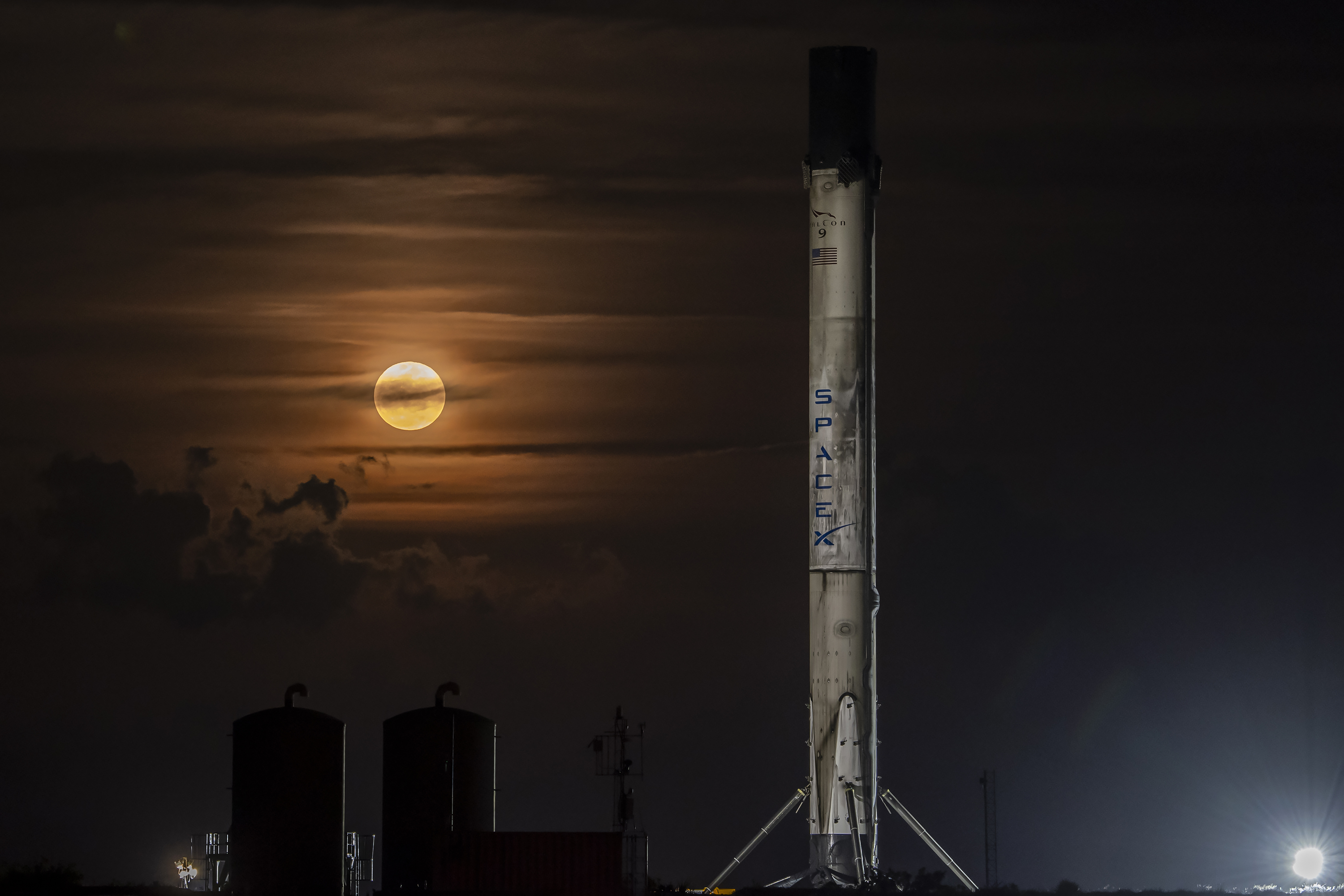
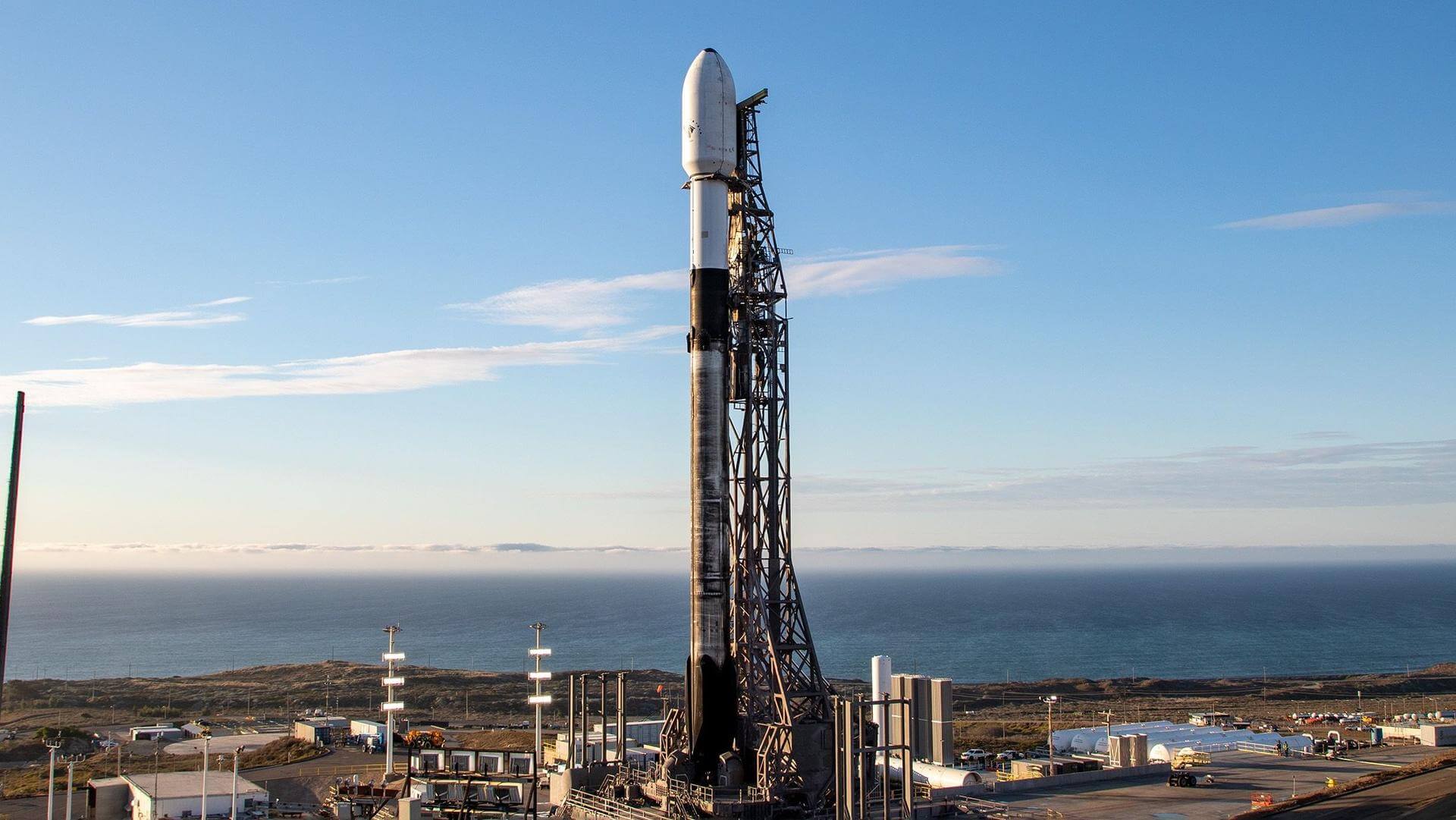
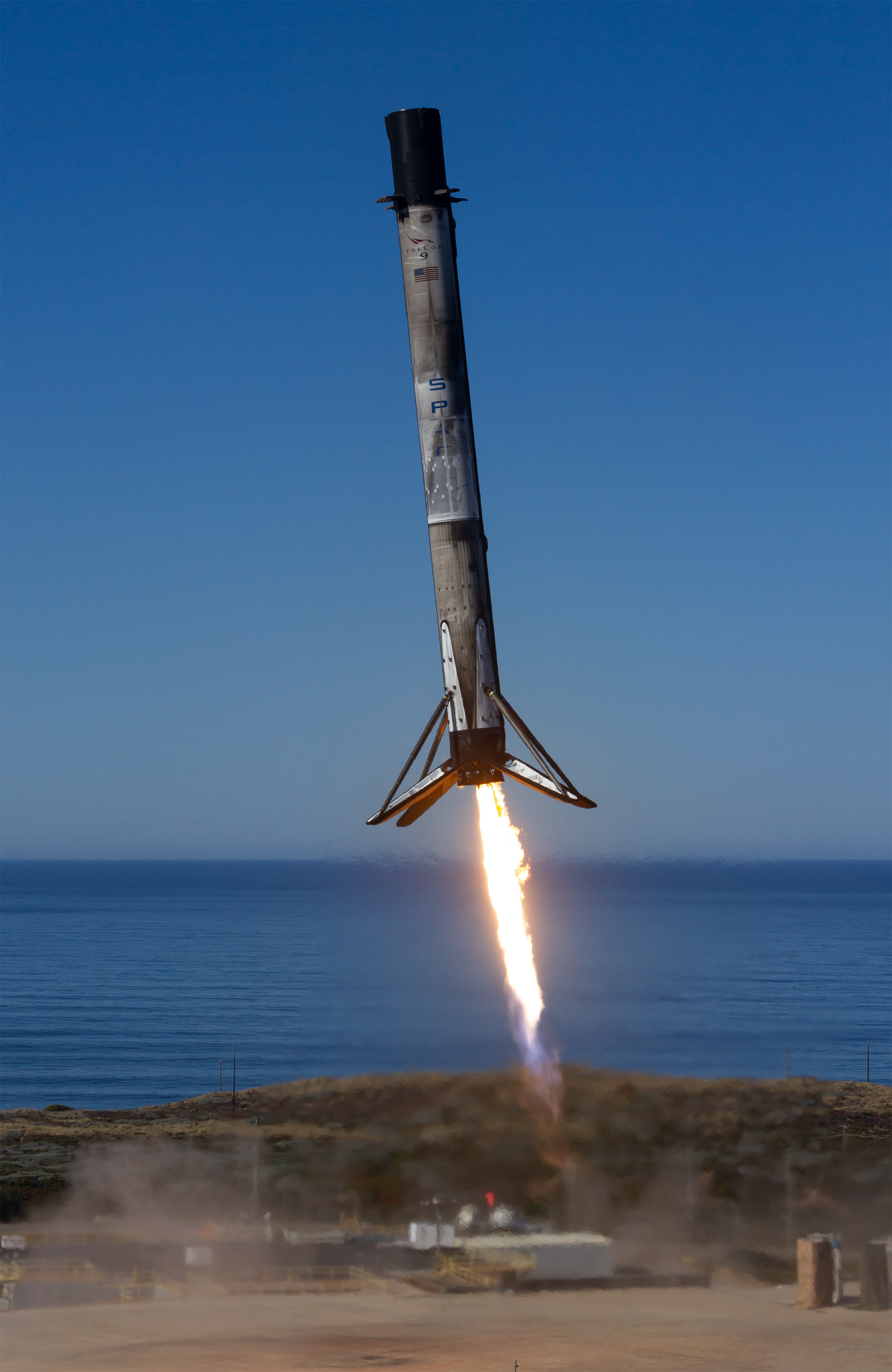
Falcon 9 is a two-stage rocket designed and manufactured by SpaceX for the reliable and safe transport of satellites and the Dragon spacecraft into orbit. The Block 5 variant is the fifth major interval aimed at improving upon the ability for rapid reusability.
Falcon 9 is a two-stage rocket designed and manufactured by SpaceX for the reliable and safe transport of satellites and the Dragon spacecraft into orbit. The Block 5 variant is the fifth major interval aimed at improving upon the ability for rapid reusability.
The Long March 6A is a Chinese launch vehicle of the Long March family, which was developed by the China Aerospace Science and Technology Corporation (CASC) and the Shanghai Academy of Spaceflight Technology (SAST). The vehicle is a further development of the Long March 6, with 2 YF-100 engines on…
Long March 8 (Chinese: 长征八号运载火箭) is an orbital launch vehicle developed by the China Academy of Launch Vehicle Technology to launch up to 5000 kg to a 700 km altitude Sun-synchronous orbit (SSO). The rocket is based on the Long March 7 with its first stage and 2 out of its 4 boosters, along with…
First orbital full version launch of the South Korean military small satellite launch vehicle, after 2 sub-orbital tests of individual stages on 30 March and 30 December 2022, and 1 orbital test flight without the 2nd stage on 4 December 2023. Details TBD.
Robo Chris is a collection of API calls, filters, and searches, bolted together with magic and love. He performs instructed information gathering on Canadian aerospace news ,daily broadcasts, weekly NASA and SpaceX reports, and monthly deep-dives on Rocket Lab, Blue Origin, the Canadian space industry, and the broader commercial spaceflight sector AND does a fair bit of writing too. Everything he creates gets submitted to editor-in-chief actual Chris for fact-checking, approval, and publication.