
Starship Caught on Flight 15 as Falcon 9 Sets Record
Ship 42 Caught in Historic Flight 15 as Booster 22 Lost
SpaceX recovered Ship 42 with Pad 2’s catch tower on Nov. 14, in what NASASpaceFlight described as “the first time in spaceflight history that anyone has recovered both stages of a rocket throughout its lifespan.” The mission, Starship Flight 15, also deployed 26 Starlink V3 satellites.

Booster 22 and Ship 42 lifted off on Nov. 13 at 4:47:36 pm CST after the launch license was received about four hours earlier. Booster 22 performed cleanly through ascent, with all 33 engines running until most engines cut off. Stage separation went well, and Ship 42 ignited all six engines for its ascent burn. Booster 22 then restarted 32 of its 33 engines for a boostback burn aimed at Pad 2.
Late in its glide back, however, Booster 22 called an automated offshore divert. The booster completed its landing burn only two miles offshore before the Flight Termination System was initiated, destroying the vehicle. SpaceX CEO Elon Musk stated on X that it was possible the booster’s Raptor engines underperformed during ascent or boostback and the booster simply ran out of propellant. Musk later tempered that assessment, writing: “As always, initial conclusions are often wrong to some degree. Full review of the flight telemetry is needed for high probability final conclusions.” Musk added that Booster 22 was an older model and its loss should not cause major delays.

Ship 42, by contrast, had a clean flight. Unlike Ship 39 and Ship 41, no Raptor Vacuum engine went out during ascent. At T+00:23:05, flight controllers polled “Go for Orbit.” At T+00:26:07, Ship 42 completed its orbital insertion burn, placing the vehicle in a 263 by 277 km orbit with a 30.5-degree inclination. Beginning at T+00:35:50, Ship 42 deployed all 26 Starlink V3 satellites, with payload deployment completed at T+01:18:06.
Ship 42 then spent 22.5 hours in space before returning to be caught by the tower. NASASpaceFlight reported that SpaceX will next attempt to recover both stages on the same flight.
Flight 17 Vehicles at Cryo Test Site as Pad 39A Looms
SpaceX is already preparing the next Starship flights. As of Nov. 21, Ship 44 and Super Heavy Booster 24 — the Flight 17 vehicles — were at the Massey’s test site at Starbase for cryo proof testing. NASA Spaceflight reported on Nov. 22 that Flight 17 “could become Starship’s historic debut from Pad 39A in Florida.”

Photographs from Starship Gazer also showed a new test patch of stainless steel wool on one of Ship 42’s aft flaps, believed to be a test to prevent the ablative material from scraping off underneath the catch points on future Starships.

Falcon 9 Sets 32-Hour Pad Recycle Record at Vandenberg
SpaceX’s Falcon 9 team set a new pad turnaround record on Nov. 22, launching the National Reconnaissance Office’s NROL-136 mission from SLC-4E at Vandenberg Space Force Base just 32 hours after launching USSF-317 from the same pad. SpaceX called it the “fastest turnaround between launches from the same pad.” NASA Spaceflight reported the 32-hour turnaround broke the SLC-4E record by about 23 hours and SpaceX’s fastest overall pad turnaround, previously at SLC-40, by about 13 hours.

Booster B1097 flew its 14th mission on NROL-136, with its first stage landing on Landing Zone 4. Booster B1100 flew its 11th mission on USSF-317 the day before. Elon Musk posted: “32 hour launch pad recycle. Great work by SpaceX team.”
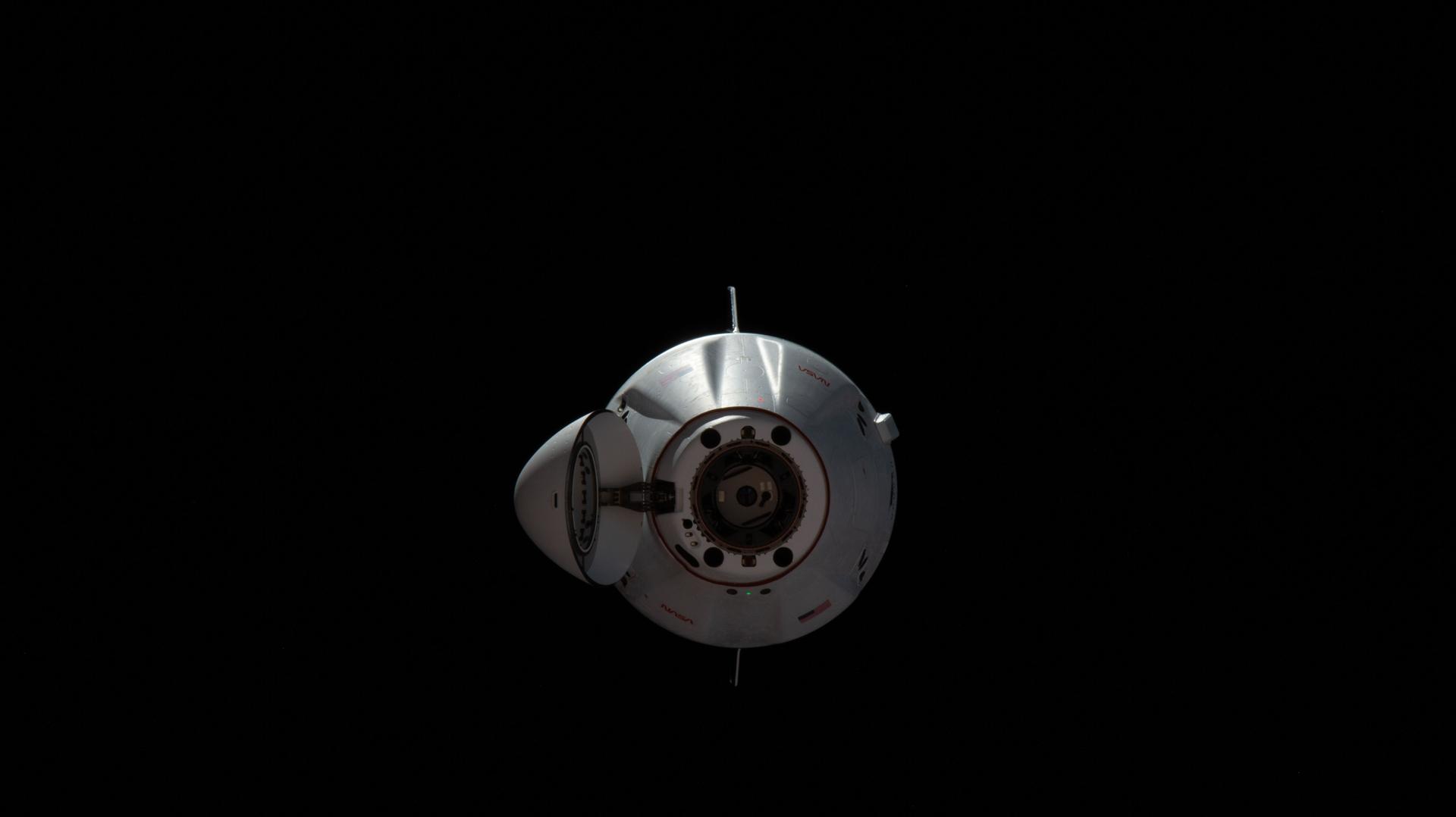
SpaceX also completed its 35th commercial resupply services mission to the International Space Station. The CRS-35 Dragon splashed down in the Pacific Ocean near Los Angeles at 2:03 p.m. PST on Nov. 21, after undocking from the station at 11:05 a.m. CST on Nov. 20.
Starshield Controversy Draws Congressional Funding Threat
Representative Jim Himes (D-Conn.), the member expected to chair the House Intelligence Committee in January, sent a letter to Elon Musk on Nov. 20 threatening to withhold support for funding government-owned systems from SpaceX amid the ongoing inquiry into Starshield service interruptions in Ukraine.

“SpaceX’s potentially unilateral modification of a U.S. Government contract, combined with its lack of responsiveness to congressional oversight, calls into question every contract the U.S. Government has with SpaceX,” Himes wrote. CNN reported that Himes also sent a classified communication to Director of National Intelligence Jay Clayton with a similar message. Himes asked Musk to “explain the changes that were made to the Starshield service in October 2026, why those changes were made, and whether those changes were made unilaterally by SpaceX or were directed by a U.S. Government official.”
The controversy centres on interruptions to Starshield connectivity in parts of Ukraine. On Oct. 19, Ukrainian President Volodymyr Zelenskyy said on social media: “Unfortunately, we have established that the equipment stops functioning at speeds of 130–161 kilometers per hour in various sectors of the front.”
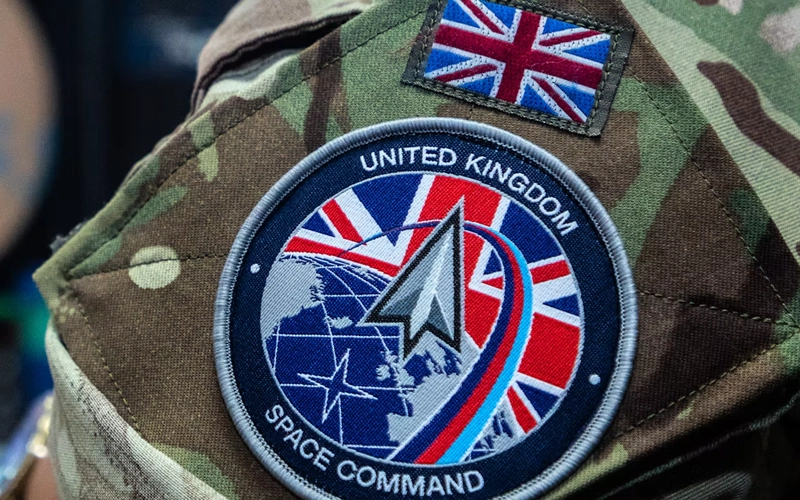
The issue has rippled beyond the United States. In the UK, defence minister Luke Pollard told Parliament on Nov. 10 that “Starlink is not used for UK military operations,” while confirming the Ministry of Defence uses Starshield alongside other military and commercial satellite communications capabilities. Pollard described the approach as providing “operational resilience through diversity.” The UK’s Liberal Democrat MP Helen Maguire had raised questions about the consequences of losing access to Starlink and Starshield and how the UK was ensuring its strategic autonomy.
In separate Starlink news, Starlink announced on Nov. 20 that residential Starlink service is free through Dec. 20 for customers affected by flooding in Brevard County, Florida.
Citations
- Following Ship 42’s catch, SpaceX looks to the future — nasaspaceflight.com
- Incoming House chair threatens SpaceX funding over Ukraine controversy — arstechnica.com
- UK MOD Defends Satcom Resilience Amid SpaceX Starshield Concerns — europeanspaceflight.com
- Dragon Returns to Earth Packed With Science and Cargo — nasa.gov
- SpaceX — Official SpaceX X account — x.com
- Starship Gazer — Dedicated Starship/Starbase photographer — x.com
- NASA Spaceflight — Independent aerospace news outlet — x.com
- Starlink — Official Starlink X account — x.com
USSF-75
Provider: SpaceX
Date: December 31, 2026
Time: 12:00 AM UTC
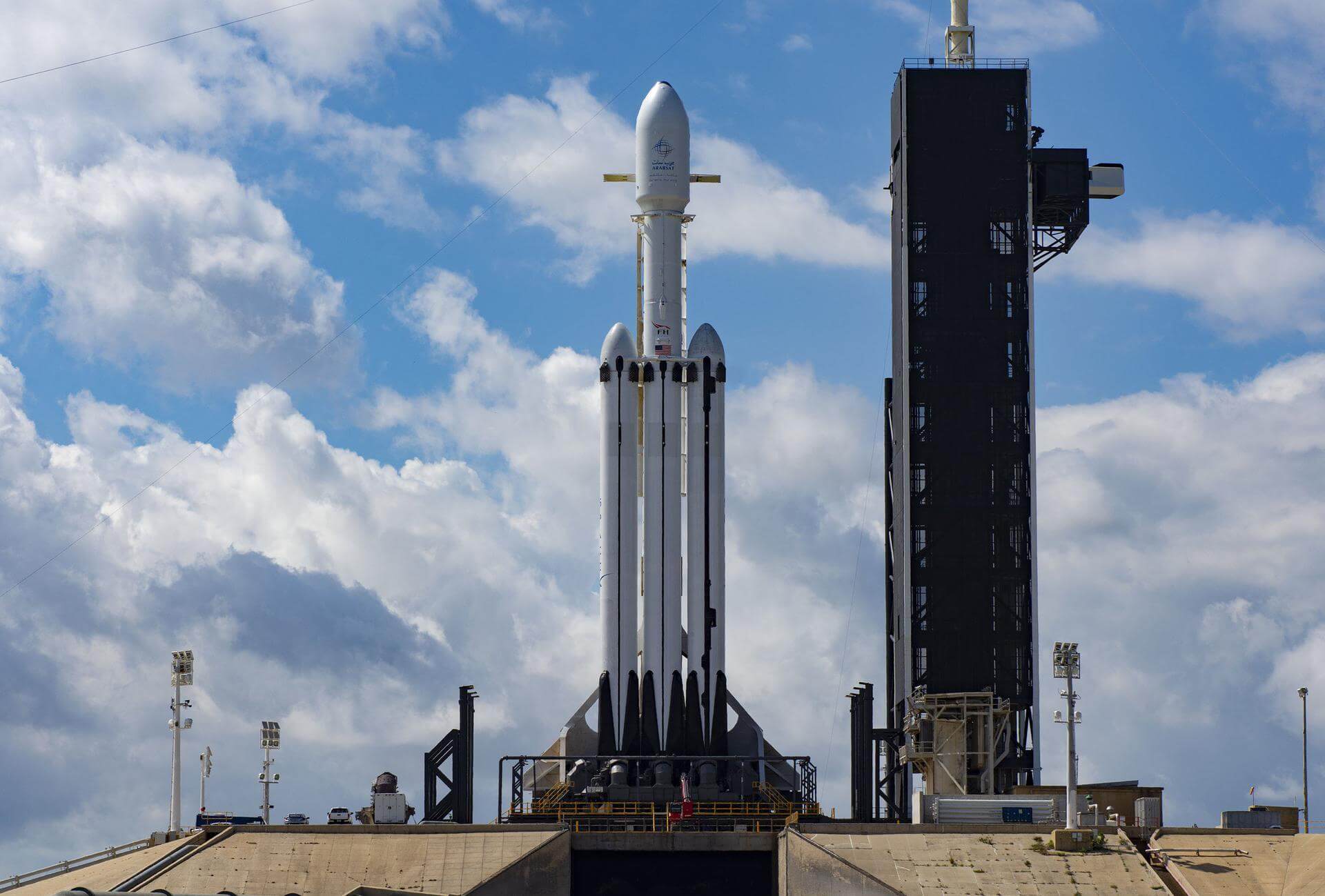
Vehicle: Falcon Heavy
Classified payload for the United States Space Force
Griffin Mission One
Provider: SpaceX
Date: January 6, 2027
Time: 12:00 AM UTC
Vehicle: Falcon Heavy
Demonstration flight of the Astrobotic Griffin lander and its engines, initially contracted for the NASA VIPER (Volatiles Investigating Polar Exploration Rover) mission. The vacated payload spot will now host the FLIP (FLEX Lunar Innovation Platform) lunar rover from Astrolab.
SpaceX HLS LEO Demo
Provider: SpaceX
Date: June 30, 2027
Time: 12:00 AM UTC
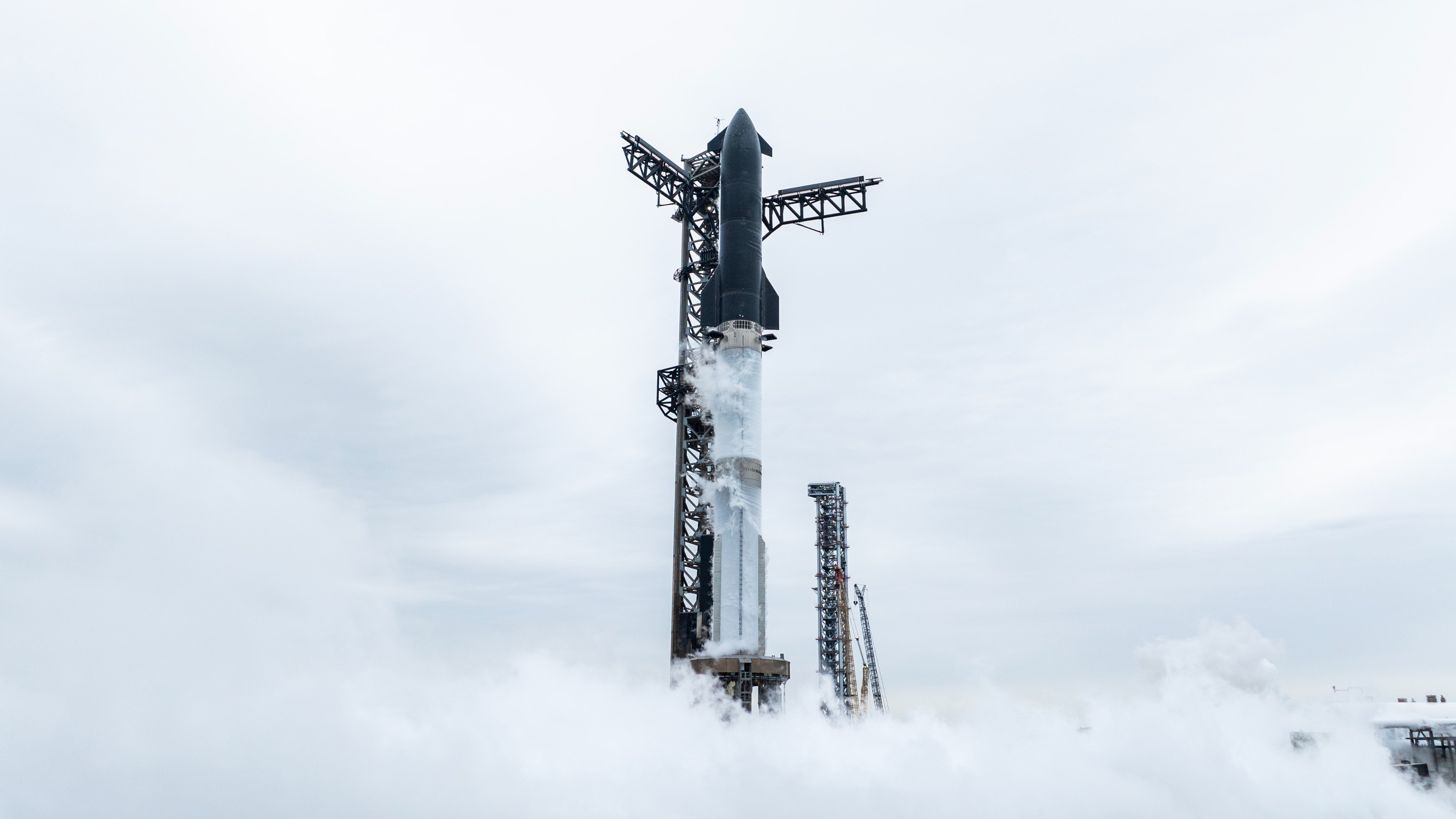
Vehicle: Starship
The Starship HLS pathfinder spacecraft in support of NASA’s Artemis III mission in Low Earth Orbit will be a Version 3 vehicle equipped with a docking mechanism, but with no crew cabin or environmental control systems on board. This Starship HLS will launch after the Artemis III Orion has launched into LEO aboard SLS, and has completed its demonstrations with Blue Origin’s Blue Moon lander. Once docked, Orion and Starship will spend about a day connected for checkouts and testing.
NROL-86
Provider: SpaceX
Date: June 30, 2027
Time: 12:00 AM UTC
Vehicle: Falcon Heavy
Classified payload for the US National Reconnaissance Office
USSF-155
Provider: SpaceX
Date: June 30, 2027
Time: 12:00 AM UTC
Vehicle: Falcon Heavy
Classified payload for the US Space Force.


Enjoying the content? Stay up to date on everything happening behind the scenes by following our Patreon!


Leave a Reply