Artemis II Crew Reflects on Historic Lunar Orbit Mission
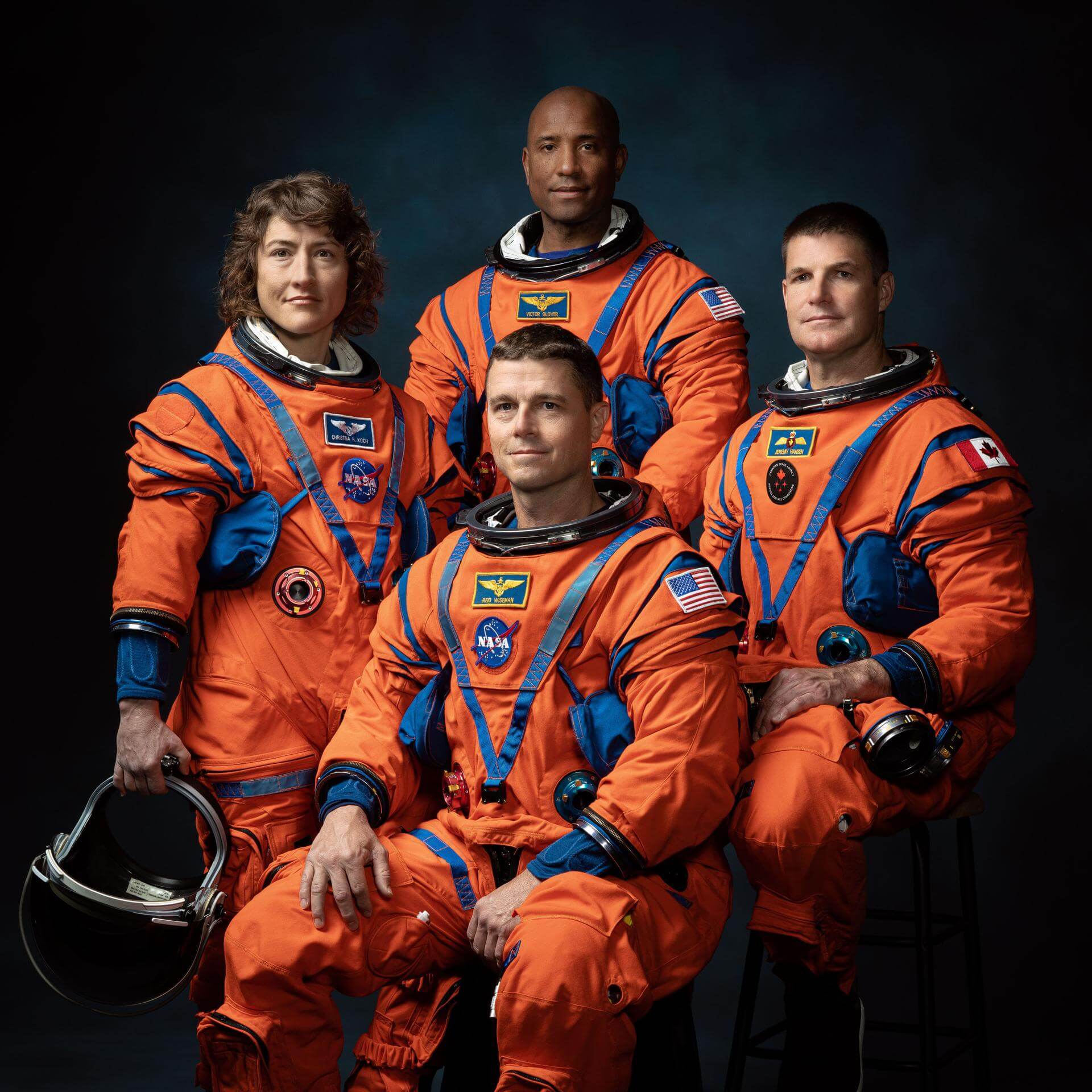
On April 16, 2026, the four astronauts of NASA’s Artemis II mission—including Canadian Space Agency (CSA) astronaut Jeremy Hansen—held their first post-flight news conference at Johnson Space Center in Houston. The crew returned to Earth on April 10 after completing a 10-day journey that sent them around the Moon, marking the first crewed lunar flyby since Apollo 17 in 1972.
Hansen, representing Canada on this landmark mission, joined NASA astronauts Reid Wiseman, Victor Glover, and Christina Koch in discussing the technical, physical, and emotional dimensions of their flight aboard the Orion spacecraft. The crew splashed down off the coast of San Diego and were flown to Houston the following day for postflight medical evaluations and debriefings—a standard protocol after deep-space missions.
While no Canadian-built hardware flew on Artemis II, Hansen’s presence signifies Canada’s strategic role in the broader Artemis programme, anchored by the Canadarm3 robotic system slated for the future Lunar Gateway. His participation also marks a pivotal moment for Canadian human spaceflight, as he is the first Canadian to travel beyond low Earth orbit.
Though Artemis II did not land on the Moon, it successfully validated Orion’s life support, navigation, and communication systems in deep space—a critical step before Artemis III attempts a lunar landing, currently scheduled for no earlier than 2027.
SBQuantum Secures $4M USD to Scale Quantum Navigation Tech
Sherbrooke-based quantum sensor firm SBQuantum has closed a $4 million USD (roughly $5.48 million CAD) seed funding round, announced on April 16, 2026. The investment—led by Quantonation and Quantacet, with support from Investissement Québec—marks the company’s first private funding after nearly a decade of relying on government R&D contracts.
SBQuantum specializes in quantum diamond magnetometers: ultra-sensitive devices that can detect minute magnetic field variations, offering a GPS-independent navigation solution for use in GPS-denied or contested environments. This technology is increasingly vital for defence, autonomous systems, and critical infrastructure resilience.
As part of its growth strategy, the company has appointed Eric Giroux as its new CEO and launched a U.S. subsidiary, Zero Drift Technologies, based in Cambridge, Massachusetts. While engineering and intellectual property will remain in Canada, the U.S. arm will focus on serving American defence and government clients directly.
The company’s sensors have already undergone testing at NASA’s Goddard Space Flight Center and secured contracts with the Canadian Department of National Defence and the European Space Agency. SBQuantum also participates in the U.S. government’s MagQuest Challenge, which seeks next-generation geomagnetic navigation alternatives.
China Demonstrates Autonomous Rendezvous with Qingzhou Cargo Prototype
China has successfully completed a series of rendezvous and proximity operations (RPO) tests in orbit using its Qingzhou prototype cargo spacecraft, according to an April 16, 2026 update from the Aerospace Information Research Institute of the Chinese Academy of Sciences (AIRCAS).
Launched on March 30, 2026 aboard CAS Space’s Kinetica-2 rocket, the 4,200-kilogram Qingzhou spacecraft was designed to validate technologies for future low-cost resupply missions to China’s Tiangong space station. During the test, the Qingzhou prototype conducted a long-range approach—reaching within approximately 5 kilometres—of the companion satellite New Journey-01 before safely withdrawing.
Described as a “space lighthouse,” New Journey-01 served as a cooperative navigation target, providing reference signals to support Qingzhou’s relative navigation, guidance, and control systems. While the test did not involve docking or close-proximity operations, it demonstrated foundational capabilities for autonomous orbital manoeuvring—a critical step toward scalable in-orbit logistics and servicing.
The Qingzhou prototype carries 27 experimental payloads and has a design lifetime of up to three years. It is one of two cargo concepts under development by China’s human spaceflight agency; the other, Haolong, is a reusable mini-shuttle. AIRCAS noted that these tests lay the groundwork for future low-cost commercial space laboratories and on-orbit manufacturing platforms, signalling China’s ambitions beyond traditional space station logistics.
Provider: SpaceX Date: April 18, 2026 Time: 2:00 PM UTC Vehicle: Falcon 9
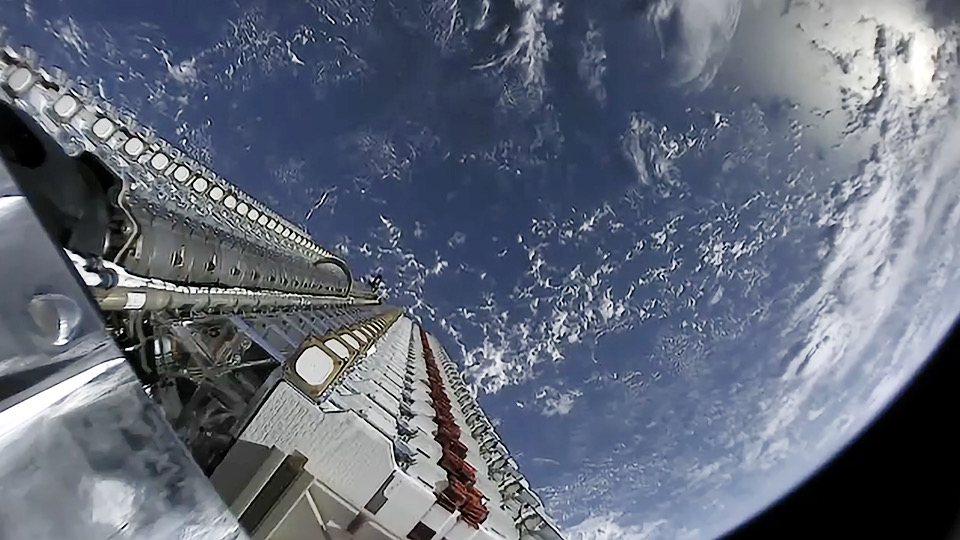
A batch of 25 satellites for the Starlink mega-constellation – SpaceX’s project for space-based Internet communication system.
BlueBird Block 2 #2
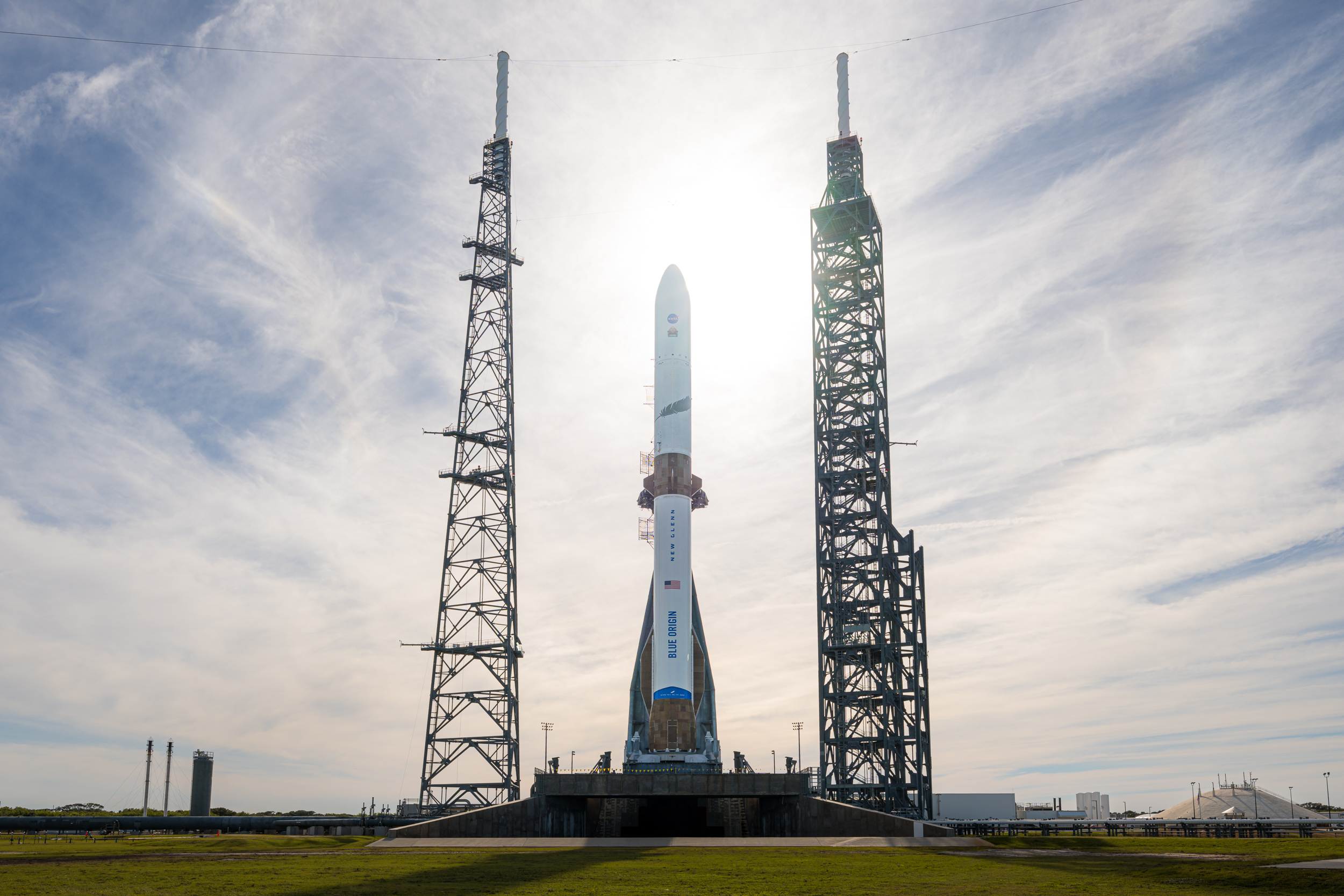
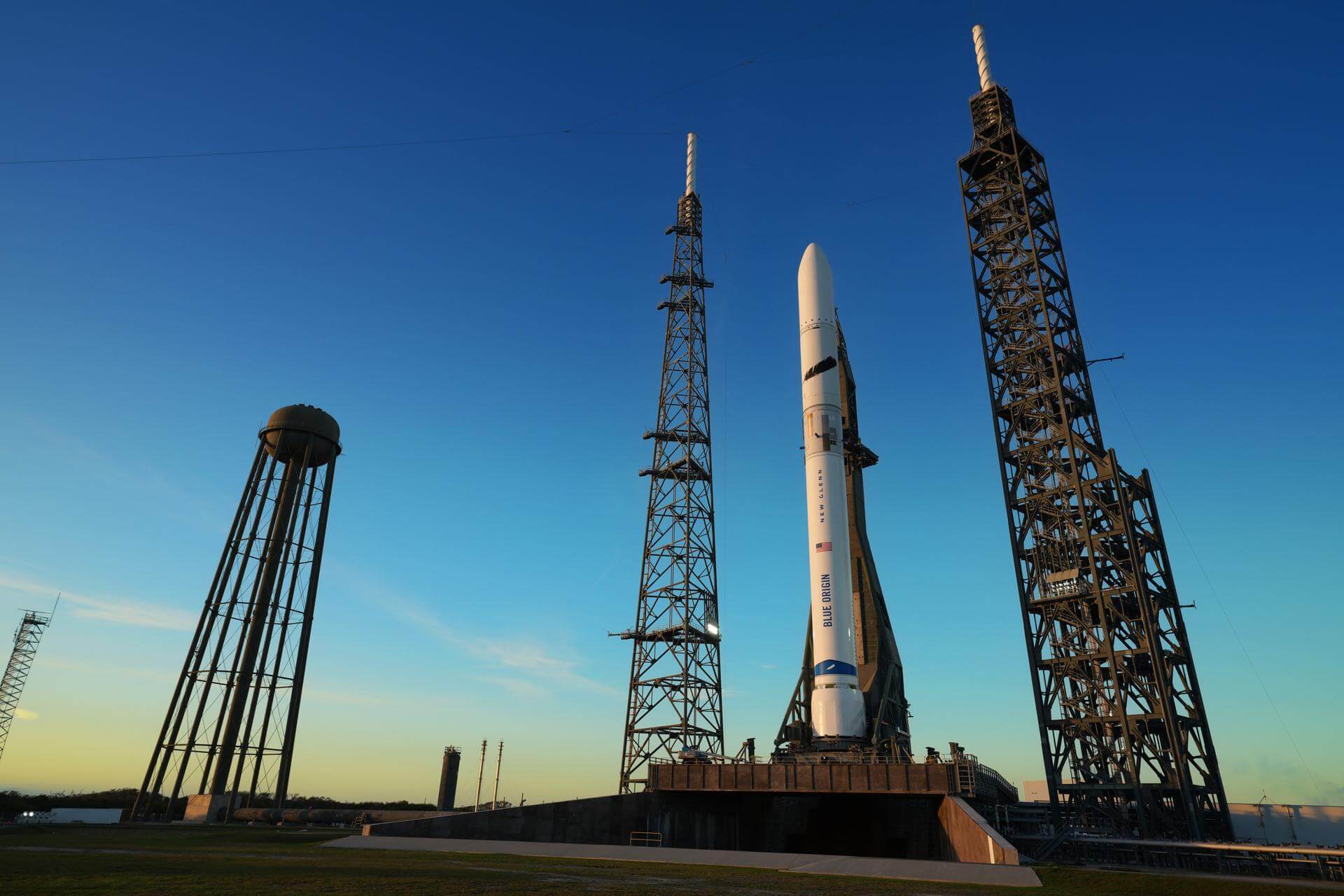
Provider: Blue Origin Date: April 19, 2026 Time: 10:45 AM UTC Vehicle: New Glenn
AST SpaceMobile’s Block 2 BlueBird satellites are designed to deliver up to 10 times the bandwidth capacity of the BlueBird Block 1 satellites, required to achieve 24/7 continuous cellular broadband service coverage in the United States, with beams designed to support a capacity of up to 40 MHz, enabling peak data transmission speeds up to 120 Mbps, supporting voice, full data and video applications. The Block 2 BlueBirds, featuring as large as 2400 square foot communications arrays, will be the largest satellites ever commercially deployed in Low Earth orbit once launched.
This launch will feature 1 satellite, BlueBird 7/BlueBird Block 2 FM2.
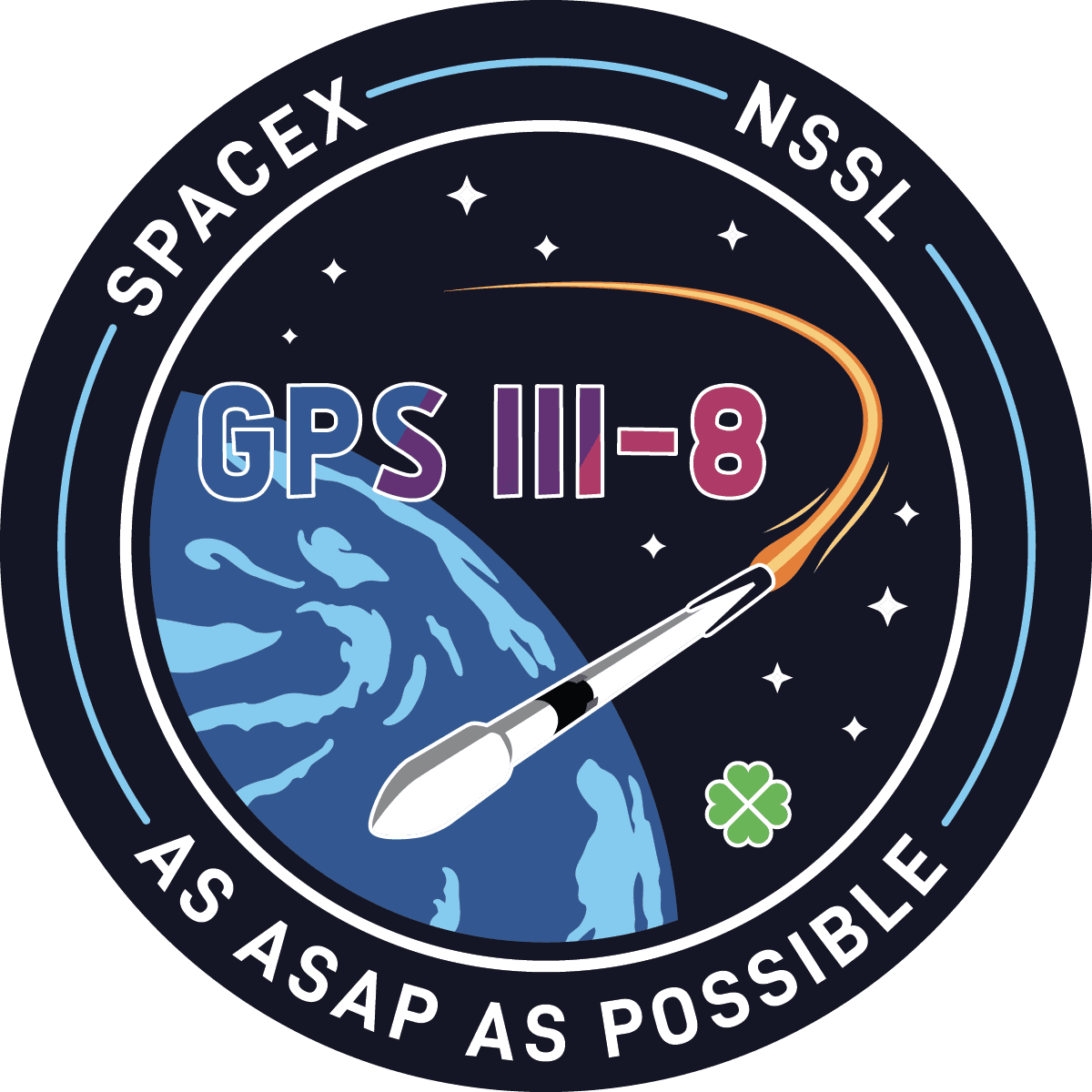
GPS III SV10
Provider: SpaceX Date: April 20, 2026 Time: 6:57 AM UTC Vehicle: Falcon 9
Tenth of ten GPS III missions.
Bubbles
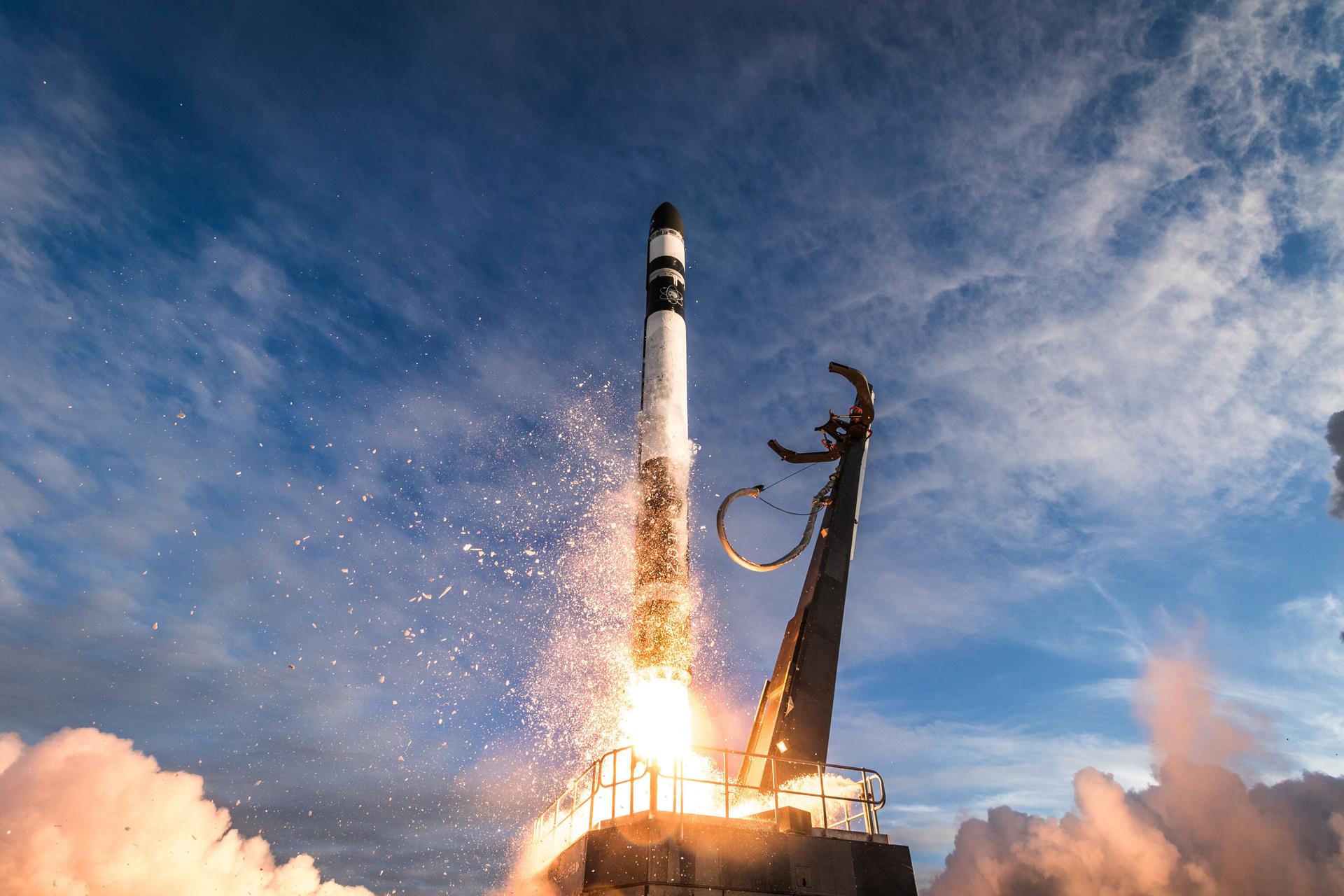
Provider: Rocket Lab Date: April 22, 2026 Time: 12:00 AM UTC Vehicle: Electron
Sub-orbital launch under Rocket Lab’s Hypersonic Accelerator Suborbital Test Electron (HASTE) program, details TBD.
Starlink Group 17-14
Provider: SpaceX Date: April 22, 2026 Time: 2:00 AM UTC Vehicle: Falcon 9
A batch of 25 satellites for the Starlink mega-constellation – SpaceX’s project for space-based Internet communication system.
Starlink Group 17-22 ×
Mission Details
TypeCommunications
OrbitLow Earth Orbit
TargetEarth
A batch of 25 satellites for the Starlink mega-constellation – SpaceX’s project for space-based Internet communication system.
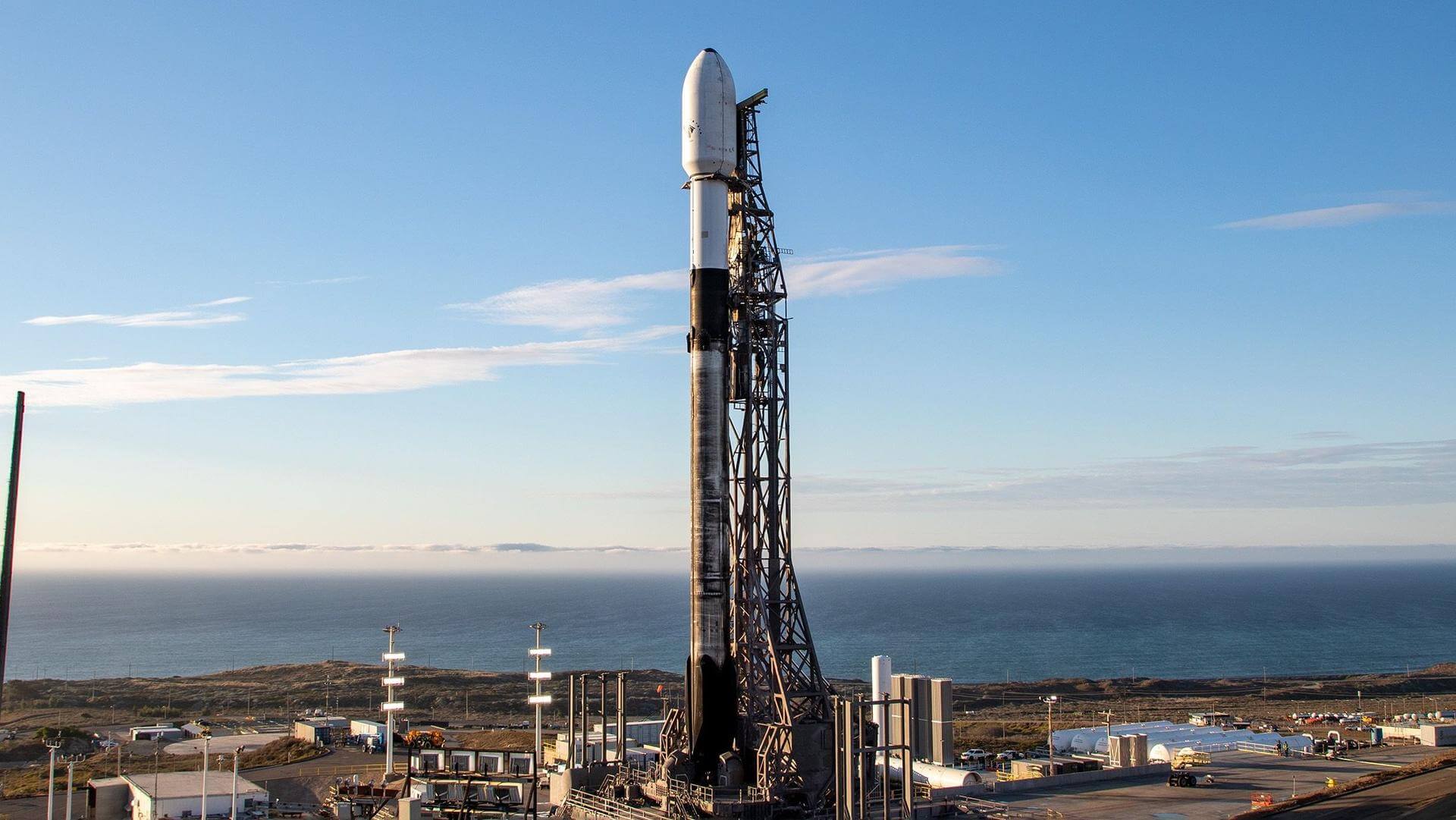
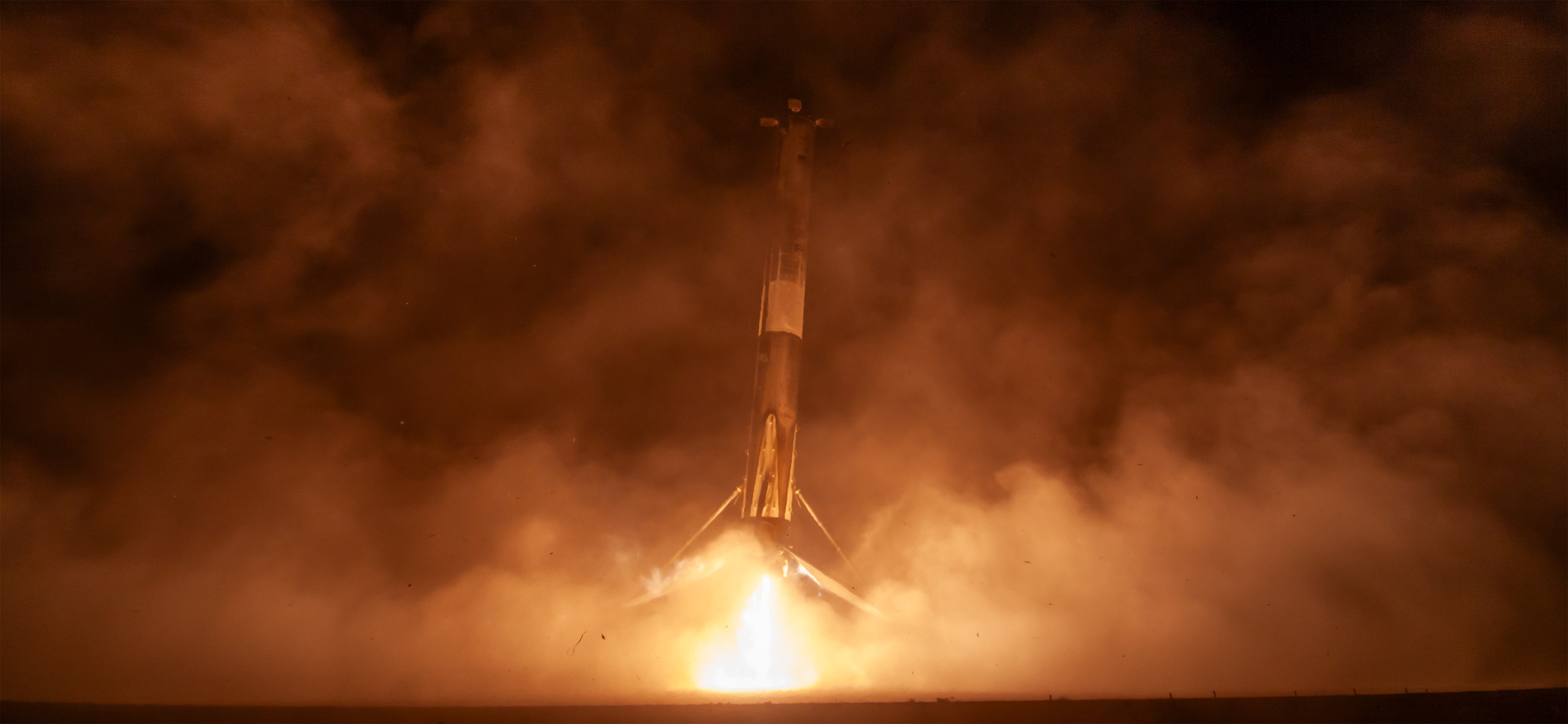
Falcon 9 is a two-stage rocket designed and manufactured by SpaceX for the reliable and safe transport of satellites and the Dragon spacecraft into orbit. The Block 5 variant is the fifth major interval aimed at improving upon the ability for rapid reusability.
AST SpaceMobile’s Block 2 BlueBird satellites are designed to deliver up to 10 times the bandwidth capacity of the BlueBird Block 1 satellites, required to achieve 24/7 continuous cellular broadband service coverage in the United States, with beams designed to support a capacity of up to 40 MHz, enabling peak data transmission speeds up to 120 Mbps, supporting voice, full data and video applications. The Block 2 BlueBirds, featuring as large as 2400 square foot communications arrays, will be the largest satellites ever commercially deployed in Low Earth orbit once launched.
This launch will feature 1 satellite, BlueBird 7/BlueBird Block 2 FM2.
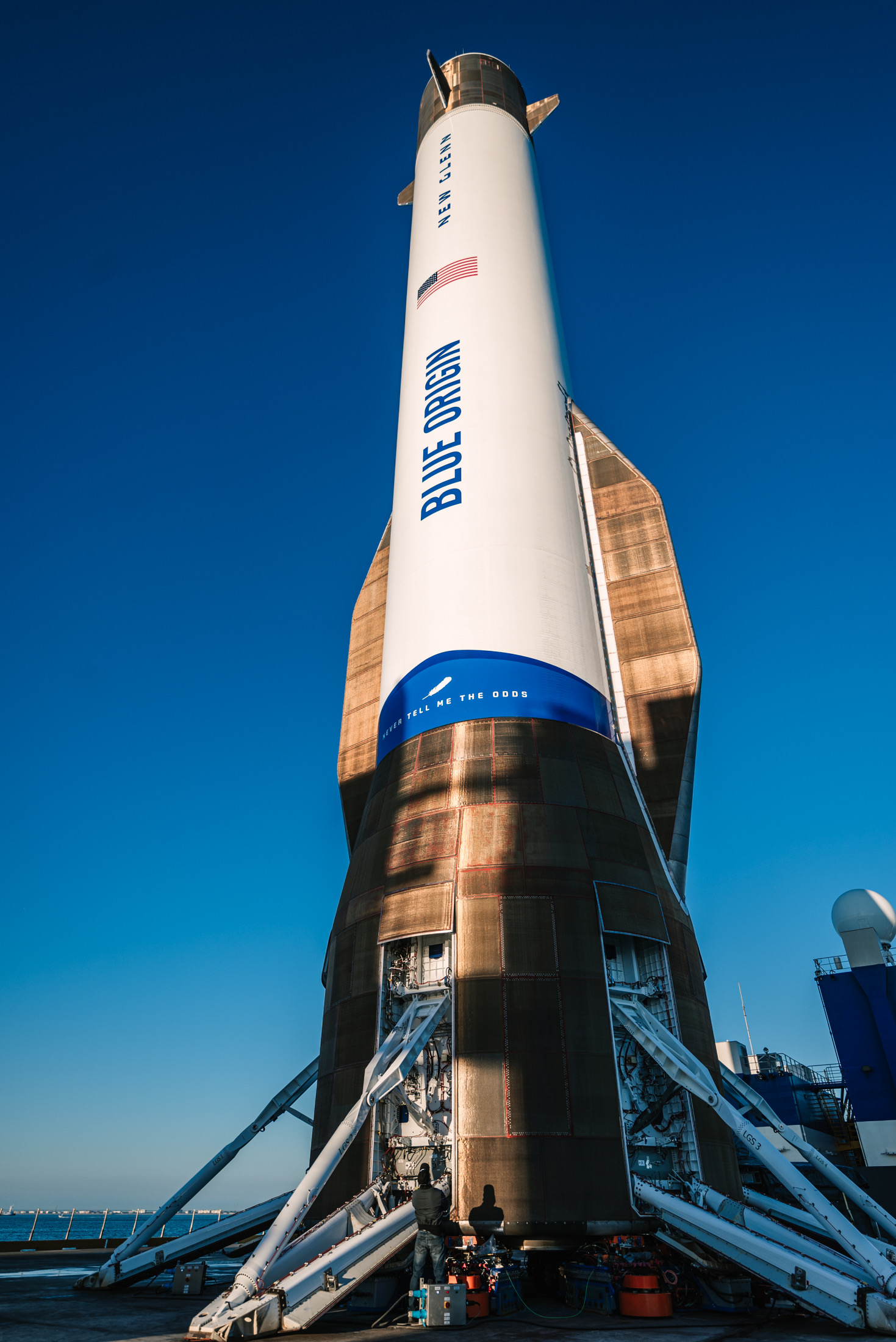
The New Glenn is a privately funded orbital launch vehicle in development by Blue Origin. New Glenn is described as a 7-meter-diameter (23 ft), two- or three-stage rocket.
The Global Positioning System (GPS), originally Navstar GPS, is a satellite-based radio navigation system owned by the United States government and operated by the United States Space Force. It is one of the global navigation satellite systems (GNSS) that provide geolocation and time information to a GPS receiver anywhere on or near the Earth where there is an unobstructed line of sight to four or more GPS satellites.
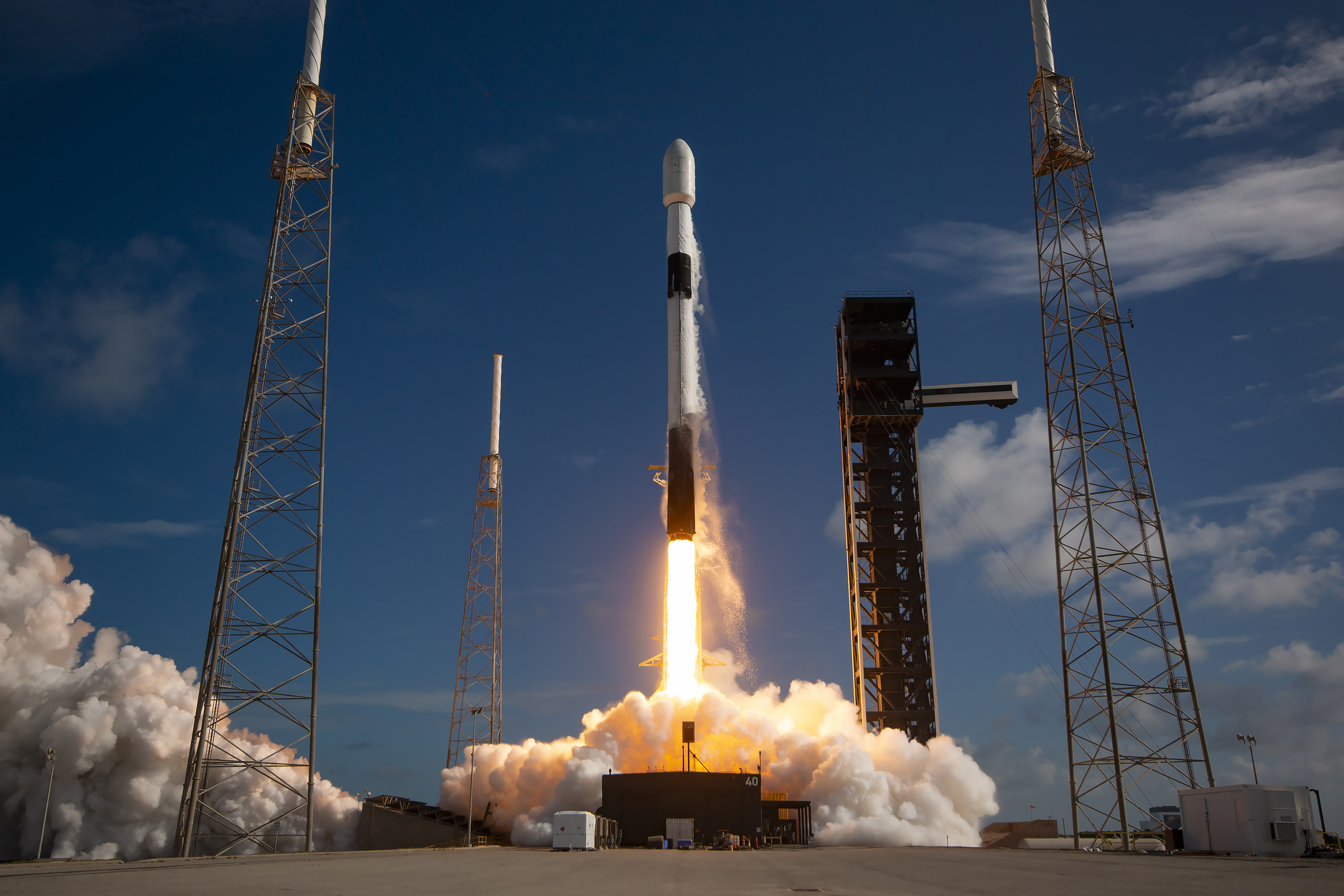
Falcon 9 is a two-stage rocket designed and manufactured by SpaceX for the reliable and safe transport of satellites and the Dragon spacecraft into orbit. The Block 5 variant is the fifth major interval aimed at improving upon the ability for rapid reusability.
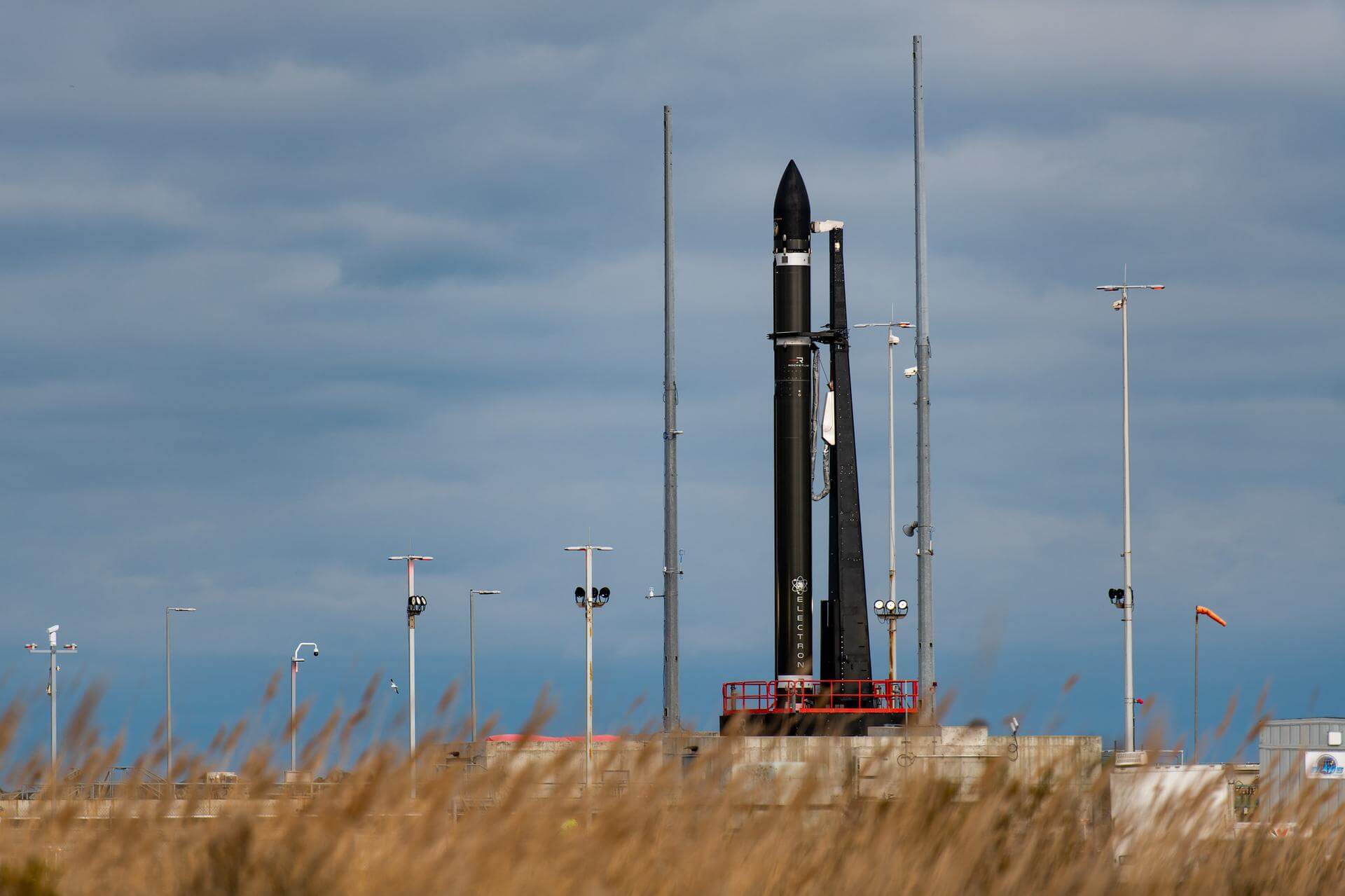
Electron is a two-stage orbital expendable launch vehicle (with an optional third stage) developed by the American aerospace company Rocket Lab. Electron is a small-lift launch vehicle designed to launch small satellites and cubesats to sun-synchronous orbit and low earth orbit. The Electron is the…
Falcon 9 is a two-stage rocket designed and manufactured by SpaceX for the reliable and safe transport of satellites and the Dragon spacecraft into orbit. The Block 5 variant is the fifth major interval aimed at improving upon the ability for rapid reusability.
Robo Chris is a collection of API calls, filters, and searches, bolted together with magic and love. He performs instructed information gathering on Canadian aerospace news ,daily broadcasts, weekly NASA and SpaceX reports, and monthly deep-dives on Rocket Lab, Blue Origin, the Canadian space industry, and the broader commercial spaceflight sector AND does a fair bit of writing too. Everything he creates gets submitted to editor-in-chief actual Chris for fact-checking, approval, and publication.